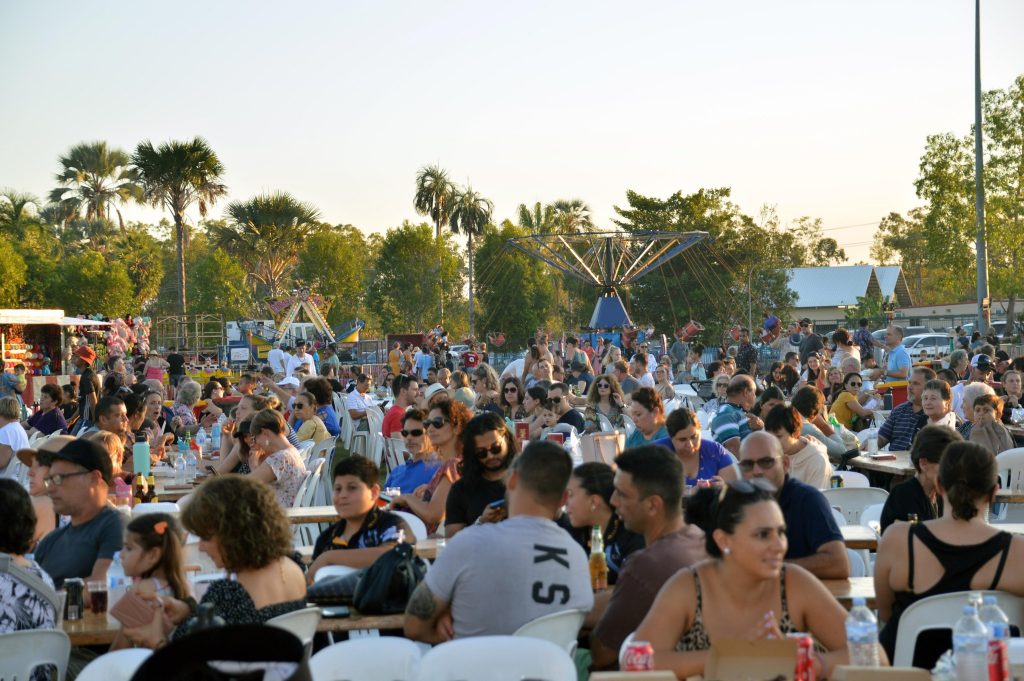
Over 3,000 people flocked to the grounds of the Cyprus Community of the Northern Territory in Marrara, Darwin on Saturday, September 3 for the annual Cyprus Food and Wine Festival.
The festival has been held by the Cyprus Community since 1974 and is the perfect opportunity to showcase Cypriot culture, food and drink.
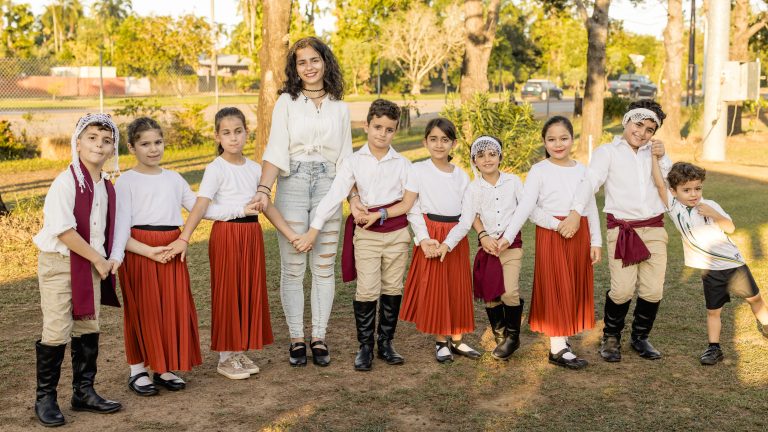
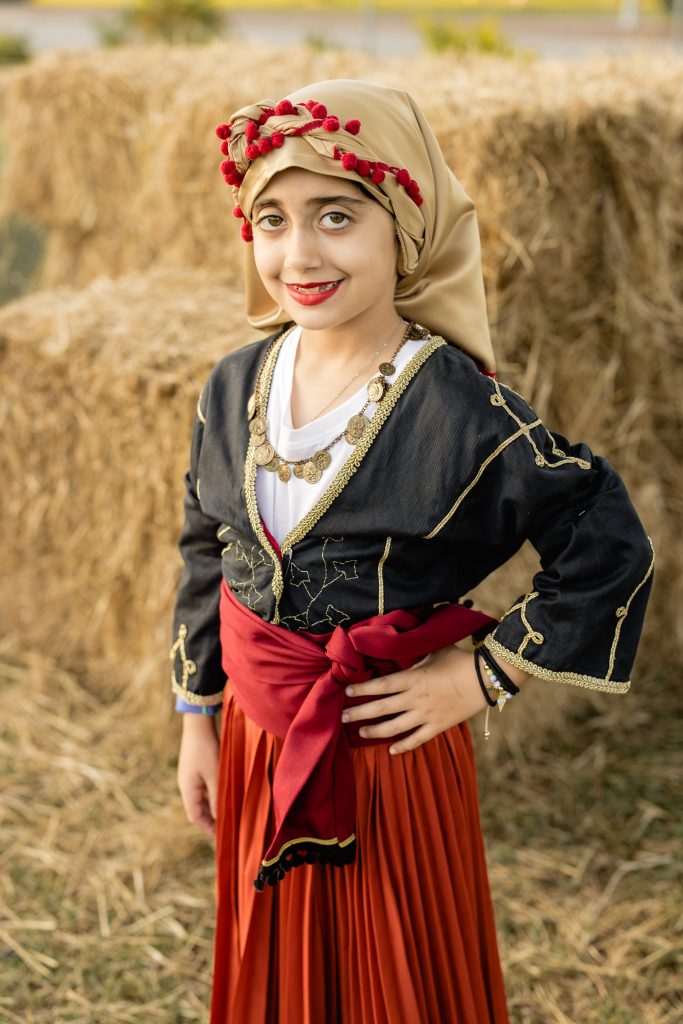
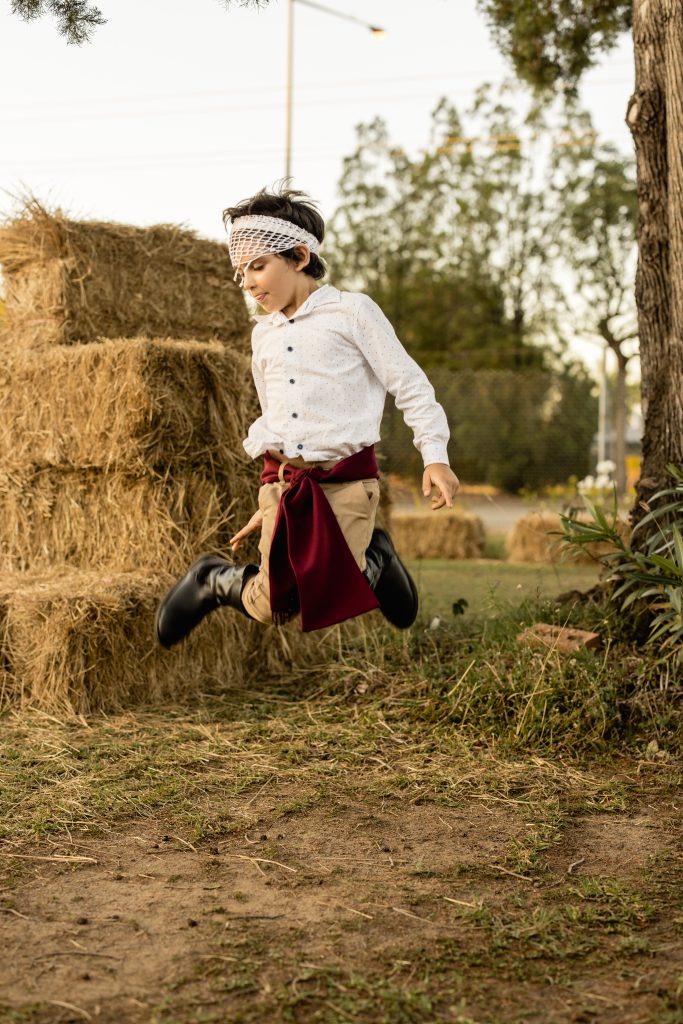
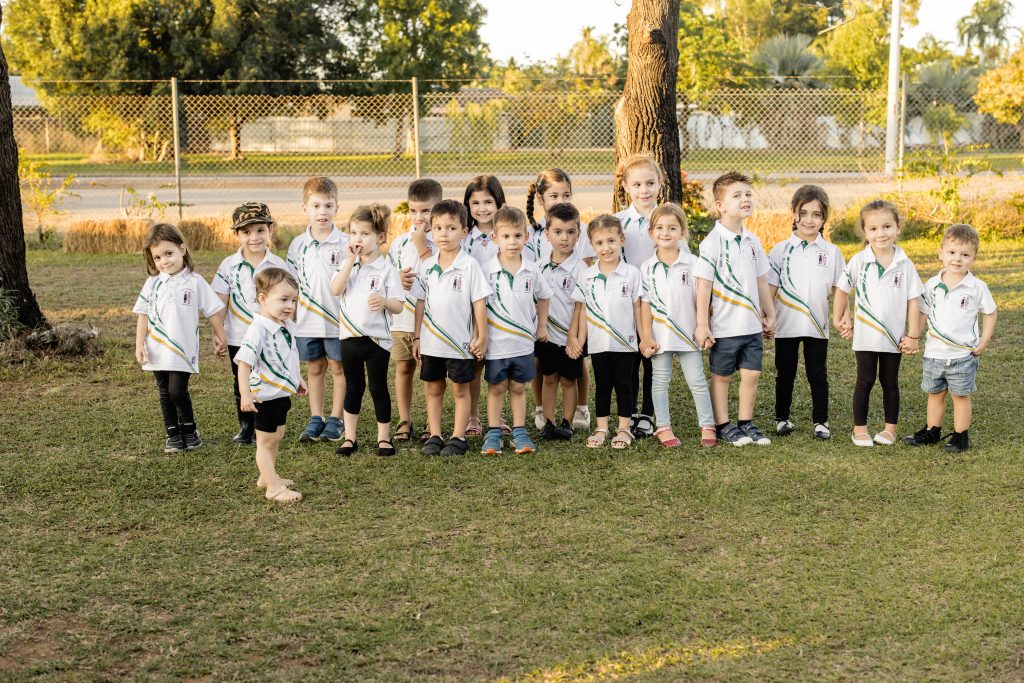
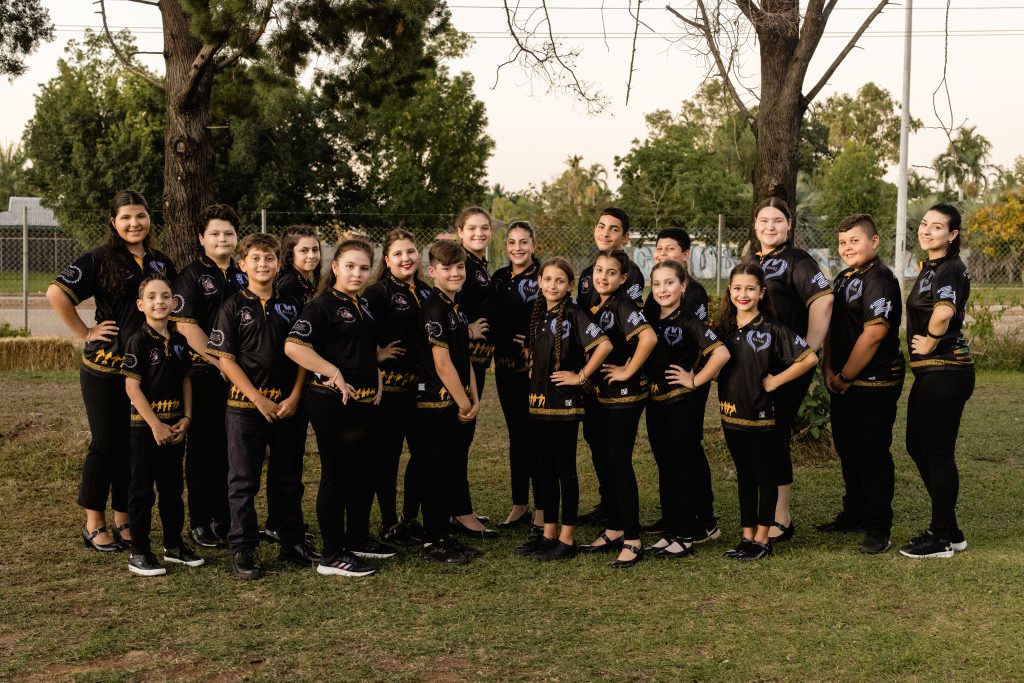
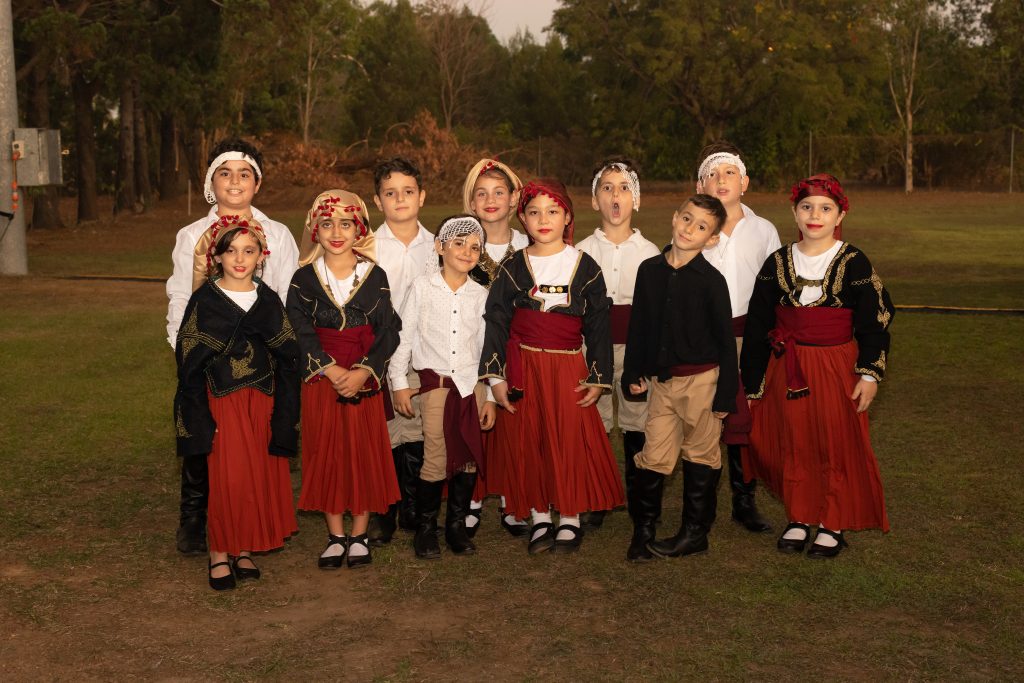
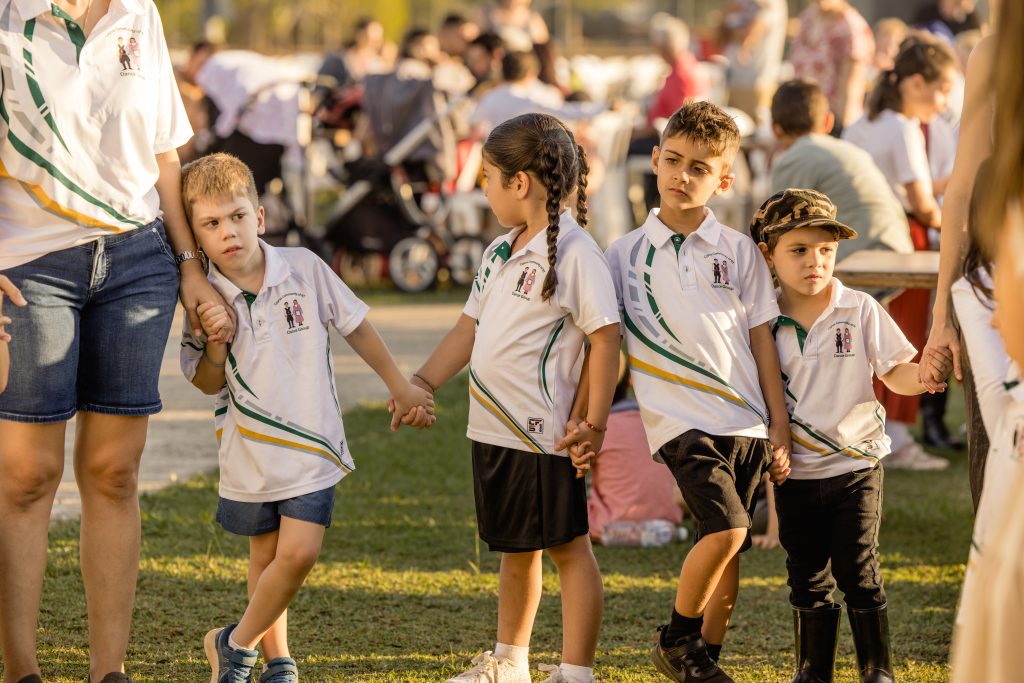
The young involved in the festival. Photos by Georgia Politis Photography.
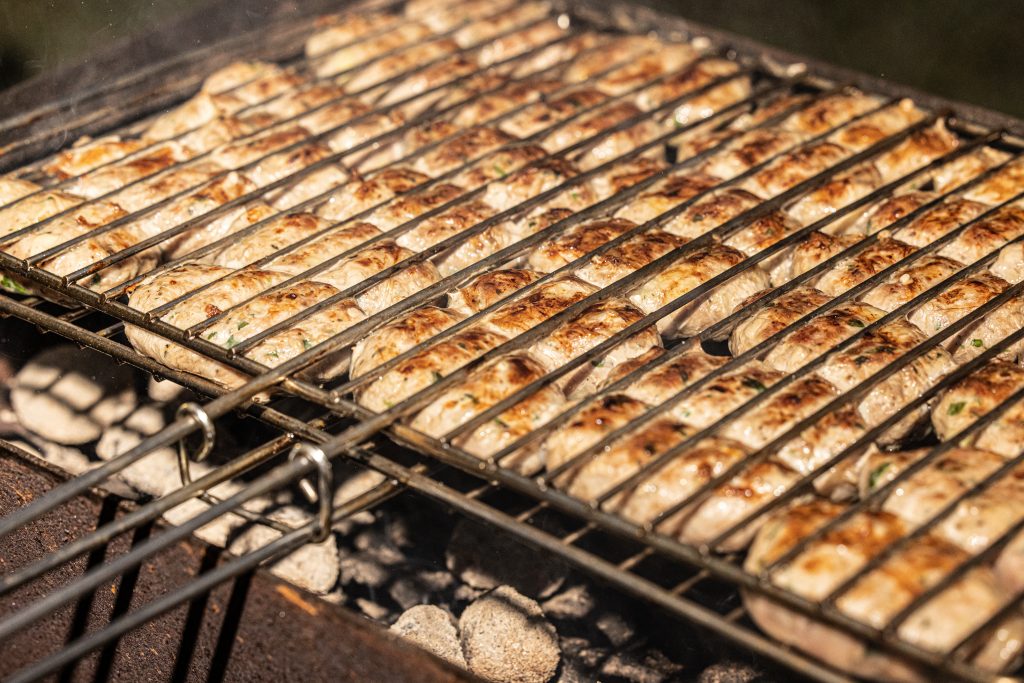
On the day, attendees were treated to a number of food and product stalls selling traditional sheftalies (Cypriot pork sausages), loukoumades, chicken and lamb souvla, as well as religious icons and kids clothing.
Sheftalies. Photo: Georgia Politis Photography.
There was also a wine tasting experience where volunteers responsibly served and sold Cypriot wine by the glass to anyone interested.
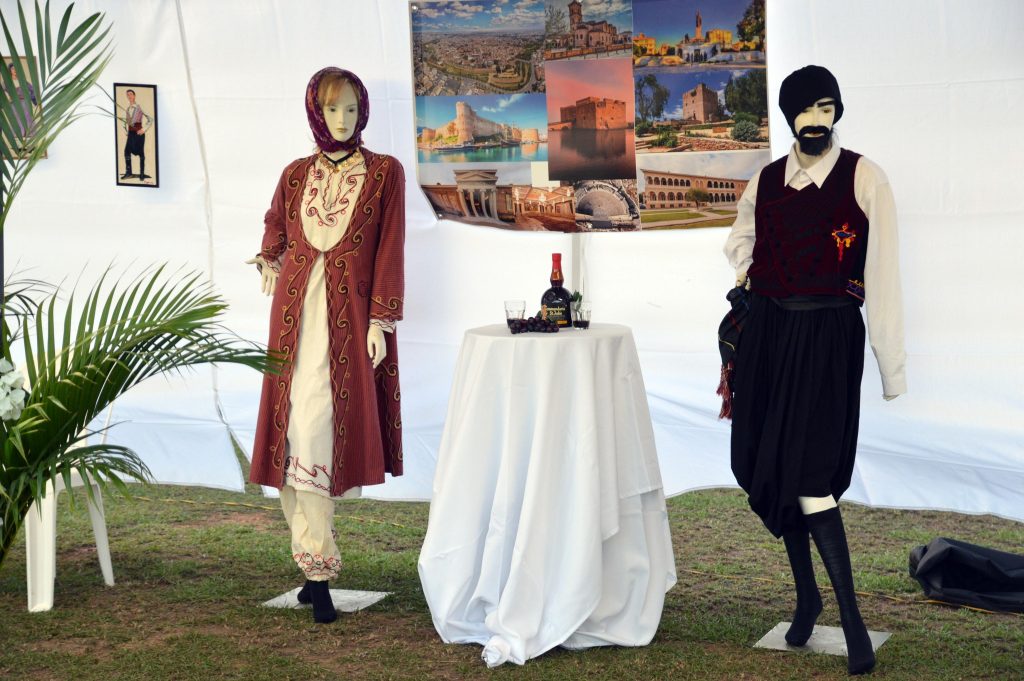
As everyone was mingling and browsing the stall marketplace, children could play on the amusement rides and there was also a cultural tent showcasing traditional Cypriot dancing costumes.
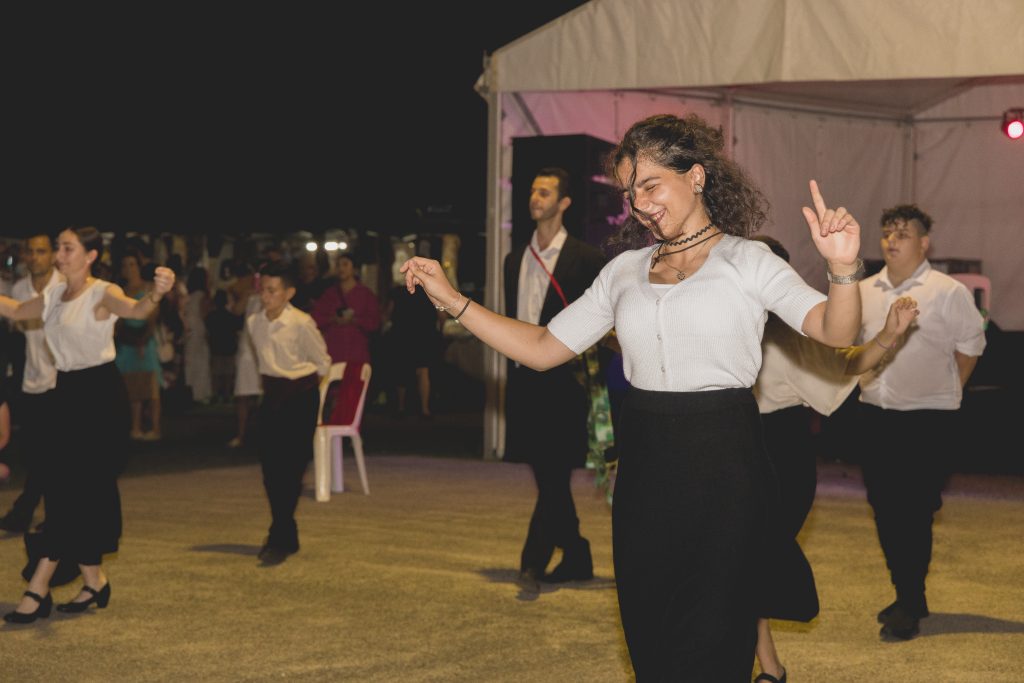
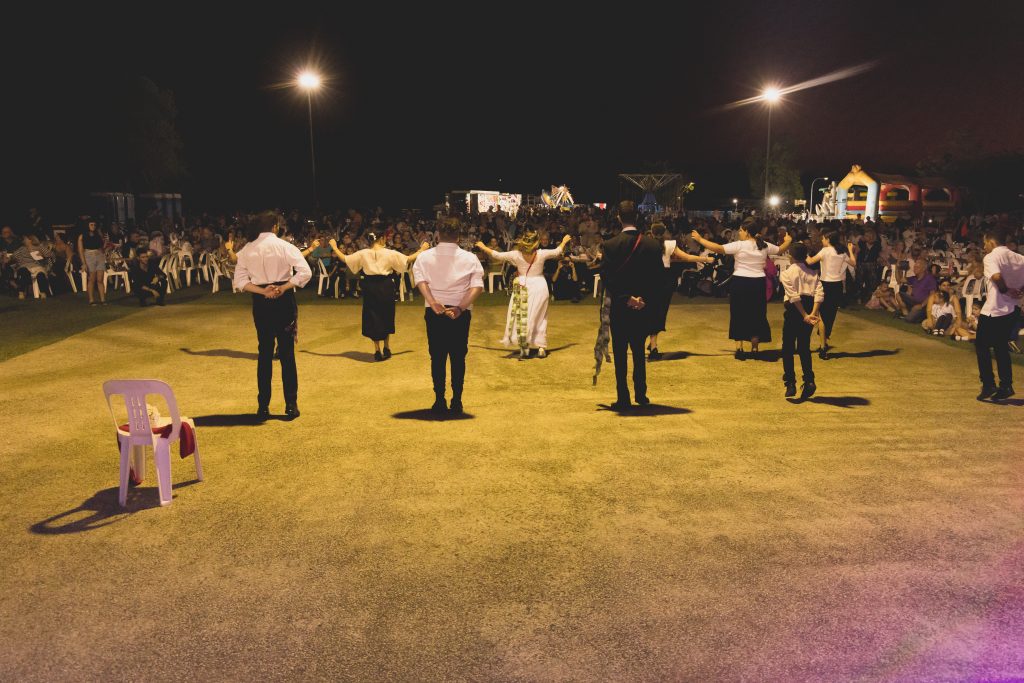
The Cyprus Community’s junior, intermediate and senior dancing groups performed a number of traditional dances, whilst people also had the chance to enjoy live music by Melbourne-based band, Aetos.
The Cypriot dancing groups. All photos by Georgia Politis Photography.
The President of the Cyprus Community, Helen Gordon, told The Greek Herald the festival was a huge success and she wanted to thank all of the volunteers “for their hard work.”
“There was a great community spirit and it was beautiful to see the community come together and support one another on the night,” Helen concluded.
*All photos by Georgia Politis Photography (republished with permission) unless otherwise specified.
For over two decades, Voula Valanidas has been supporting children with autism spectrum disorder and special needs.
“I have been in the special education field since 1999 as a teacher,” Voula tells The Greek Herald.
In 2001, Voula completed her Masters of Special Education and in 2019, she completed her Masters of Autism.
This, alongside her qualification as an Early Start Denver Model (ESDM) therapist, gave her the necessary qualifications and experience to work with children from 0-18 years of age.
Just last year, she founded a leading early intervention clinic in Sydney’s south-west.
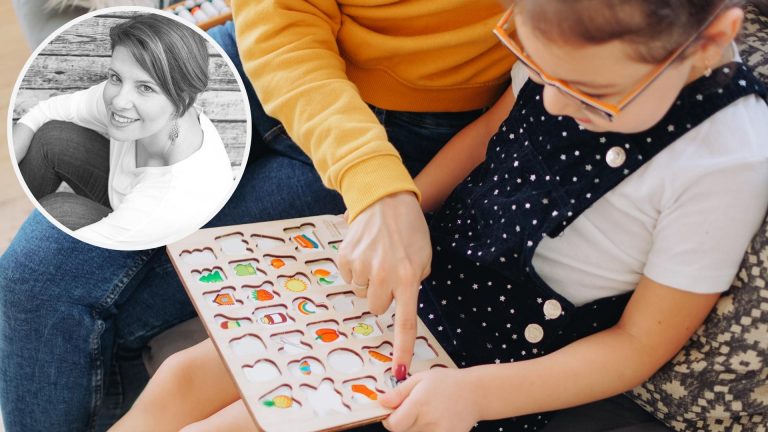
The Roselands-based Lift Off Early Intervention supports children with disability, autism spectrum disorder, development delay and other additional needs, offering specialist care in the form of EDSM therapy and development education therapy.
Reception area of the early intervention clinic.
“We have children as young as 18 months attending the clinic,” Voula says.
The clinic is also a training centre for early educators, teachers and parents.
As founder and director, Voula says she is “blessed to be working in my passion every day.”
How and why did you first get involved in early intervention support?
My continuous thirst for knowledge led me to the ESDM course. I loved the course and how impactful and positive the therapy has shown to be. I loved the significant role that early intervention has in a child’s life.
Although I miss working with school-aged children, I know that my purpose on earth was to work with the little ones, because I’m a big kid at heart!
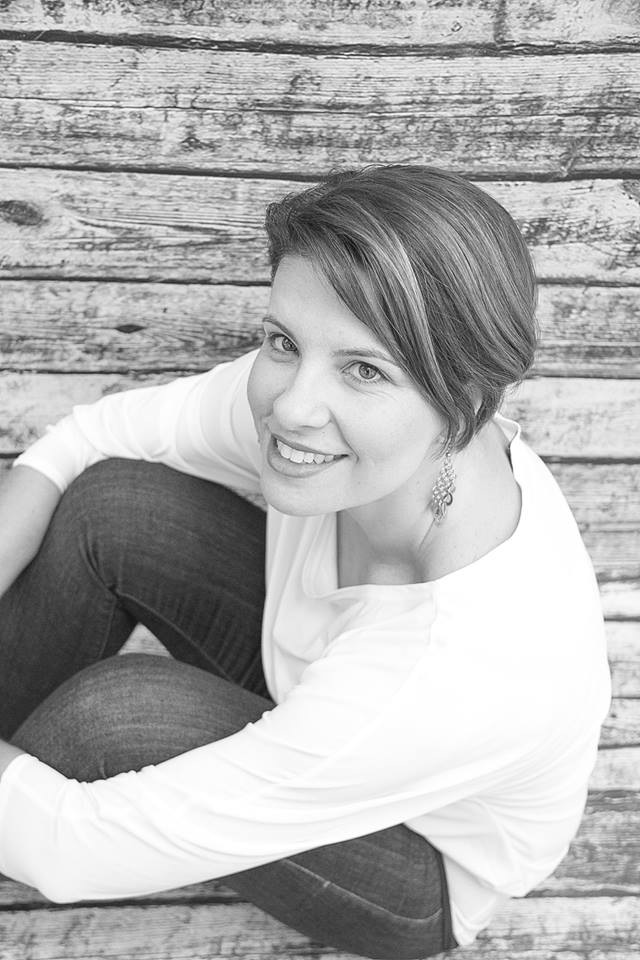
Voula Valanidas.
The aim of our service is to alter the trajectory of a child’s development in collaboration with each family. Getting assistance early is critical because the connections in the brain are most adaptable in the first three to four years of life.
These connections are the foundation for learning and behaviour. I love it when a child learns a new skill. I know that I have been an active part of that, and that ignites something even more within me, to get more positive results. Reporting to parents and sometimes making them cry happy tears is what it’s about for me.
What do your sessions look like?
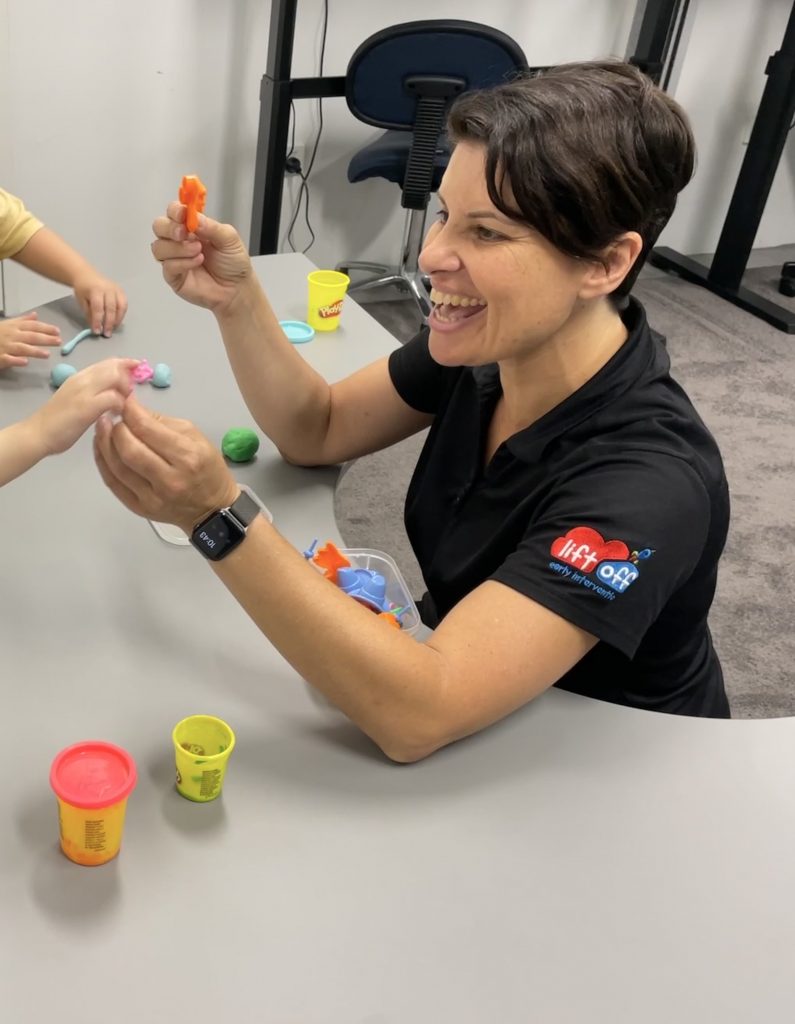
ESDM is a naturalistic play-based therapy. So, we play!
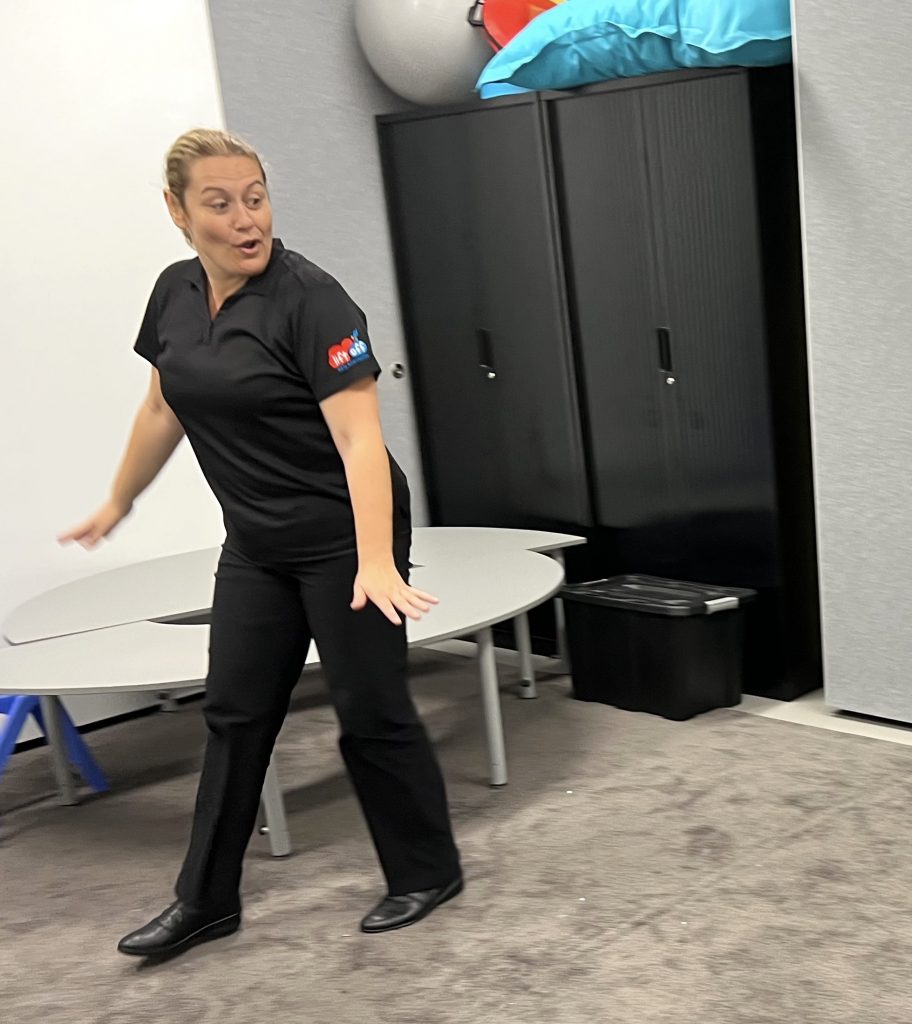
The research has always told us that children learn best through play, so it is not uncommon to hear raspberries being blown by a therapist or find them rolling around on the floor or jumping up and down during a therapy session.
The child and therapist engage in fun, age-appropriate activities and routines that assist in the development and facilitation of communication and social interactions. In each interaction, both child and therapist are active contributors, offering suggestions, taking turns and sharing the responsibility for initiating, playing and finishing routines and activities.
To make sessions fun and engaging, and maintain child motivation, the therapist plans a session using a variety of developmentally appropriate activities. The activities are specifically selected, focusing on each child’s ESDM goals, and embedding their interests and preferences.
ESDM sessions can take place in any setting that is part of the child’s daily life – home, clinic or daycare. Any adult who spends time with the child can use ESDM strategies to make everyday activities, such as eating and bath time, an opportunity for interaction and learning.
What advice do you have for parents struggling to identify or respond to their child’s needs?
My advice is simple. If you are concerned or have questions about whether your child is hitting developmental milestones, seek advice. A good developmental paediatrician should be your first port of call.
Read books (not Google) and seek out parent training. It is important to listen to those around you that may be raising concerns. I always say that it is better to have an assessment done for reassurance if you, or perhaps an early educator at daycare is seeing red flags.
Early detection and intervention are critical to significantly reduce the impact of autism spectrum disorder, other neurological disorders and developmental delay.
Historically, children with additional or complex needs are taken out of mainstream education settings so they can access specialist support. What is your take on this and what is your hope for these children in the future?
Every single person is unique, whether neurotypical, neurodiverse, or disabled. I am a firm believer that every one of us has strengths and challenges.
I believe that a child needs to be placed in the environment that best suits them, allowing them to thrive and set them up for success. An informed decision must be made considering what each child’s strengths are and how the environment will assist to build new skills and overcome weaknesses.
Recently, we have seen a shift in mainstream schools as parents of children with disabilities choose to enrol their child(ren) at their local school.
We also know that there are a vast number of children with disabilities and disorders placed in mainstream classrooms due to the shortage of support unit classes within mainstream schools. This situation brings many challenges, unknowns and stress for both parents and teachers.
Voula believes a child’s needs should always be put first.
Currently, there are 4-5 children in each mainstream classroom, with or without a formal diagnosis, that must have accommodations and modifications to be successful in the classroom.
Many teachers do not have the training, strategies and time needed to effectively include children with disabilities in the mainstream classroom. They are asking for assistance as they feel helpless.
My hope for the future is that all children are placed in school settings where the decision is based on their individual goals. Whether it be mainstream, support unit or special school, the decision must be made with the child’s needs at front of mind, not where they can be slotted in to fill spaces.
I also hope that special education training is mandatory in all teacher training courses to equip teachers with the tools for inclusive education.
Is there anything else you would like to say?
When you see a parent having a difficult time with a child, don’t stare and judge.
Instead, go and ask, ‘how can I help?’
The parents that we work with are the humblest, highly stressed, and most isolated adults you will come across. These parents constantly feel judged wherever they go for having ‘that child’ and most choose to stay home because of this.
It is time that society as a collective, took off their blinkers and looked out for each other.
One question can change that moment and help bring positivity back into their day. On the rare occasion where parents have been asked this question, I can tell you, it has made their day. Choose kindness.
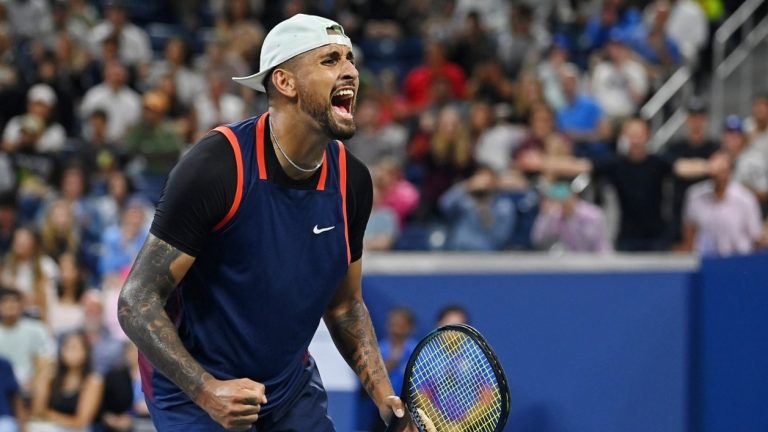
Nick Kyrgios beat defending champion, Daniil Medvedev, 7-6(11), 3-6, 6-3, 6-2 in a fiery match this morning to reach the quarter finals of the US Open for the first time.
It is Kyrgios’ first win over a World No.1 at a Grand Slam since his breakout performance against Rafael Nadal at Wimbledon in 2014.
The victory should come as little surprise in the midst of Kyrgios’ best season yet, having beaten Medvedev in Canada earlier in August after he reached the Wimbledon final in July.
Kyrgios took the opening set 13-11 in a nail-biting tiebreak where he defended three set points. The match was soon tied when Kyrgios came out in the second set sluggish.
The Australian appeared a different man in the third set, taking a 2-1 lead before ultimately claiming the set. The 27-year-old also claimed the last set.
During the match, Kyrgios struck 22 aces and hit a total of 49 winners to just 19 unforced errors. Even with Medvedev landing 71 percent of his first serves, Kyrgios still managed to break him three times in the match.
“It was an amazing match. Obviously Daniil is defending champion and had a lot of pressure on his shoulders but I played really well,” Kyrgios said after his match.
"I'm just finally glad I'm able to show New York my talent."
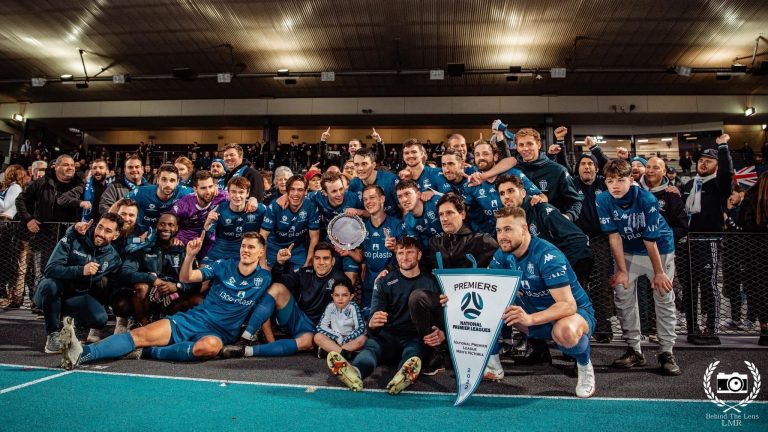
South Melbourne FC have qualified for their first 2022 National Premier’s League Victoria Grand Final since 2016.
South Melbourne are into their first Grand Final in six years after defeating Green Gully SC in a semi-final match at Melbourne’s Lakeside Stadium on Sunday.
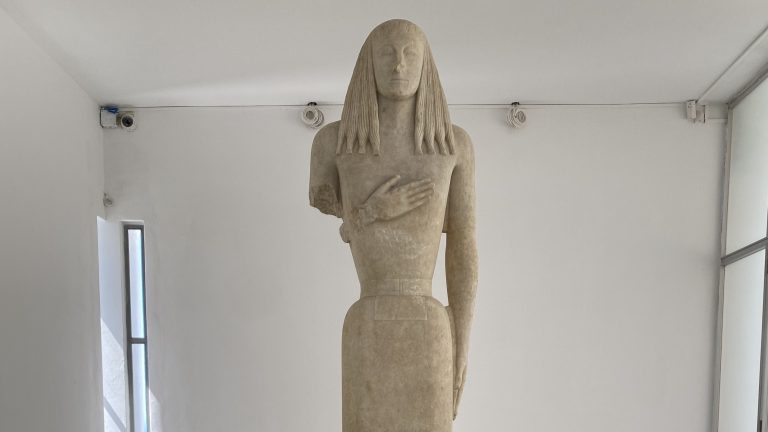
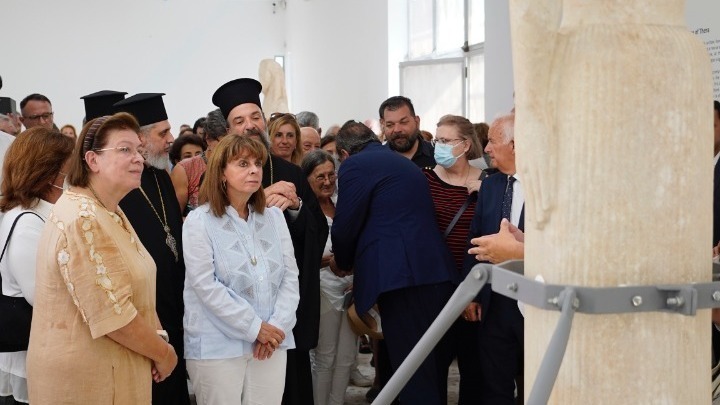
The Kore of Thira sculpture has been put on public display for the firsttime ever at a temporary exhibition at the under-construction Museum of Thira on the Greek island of Santorini.
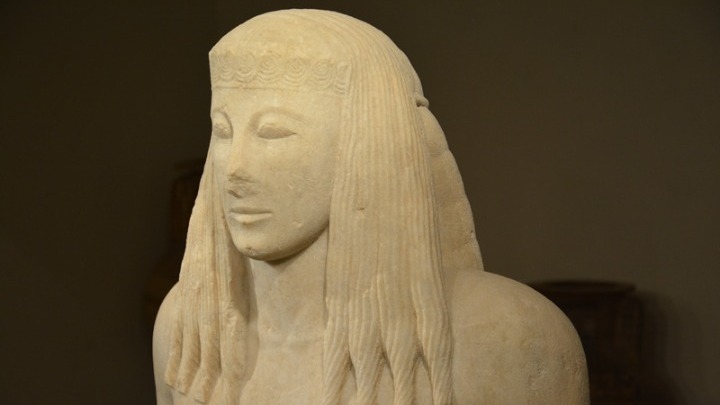
The exquisite female statue of the 7th century BC was first discovered 22 years ago in the Sellada cemetery on Santorini by archaeologist, Charalambos Sigalas, but it was kept in storage since then due to a lack of display space.
The Daedalic-style Kore is 2.48 metres tall, made of white Naxos marble and is mostly intact. Only the tip of the nose and the arm of the right hand are missing.
Kore of Thira. Source: Greek Culture Ministry.
The temporary exhibition where the Kore of Thira will be displayed was inaugurated over the weekend in the presence of Greece’s Culture Minister, Lina Mendoni, and President Katerina Sakellaropoulou.
During the inauguration ceremony, Ms Mendoni promised that the museum renovation project was a top priority for her Ministry.
✂🎀Παρουσία της @PresidencyGR Κατερίνας Σακελλαροπούλου, πραγματοποιήθηκαν στο,υπό ανακαίνιση,Αρχαιολογικό Μουσείο Θήρας τα εγκαίνια της περιοδικής έκθεσης της Κόρης της Θήρας.
— Υπουργείο Πολιτισμού και Αθλητισμού (@cultureGR) September 4, 2022
“We will facilitate this process in every way to ensure the thoroughness of the operation and to return the treasures kept in the Archaeological Museum as soon as possible to the people of Thira and to the hundreds of thousands of visitors to the island,” Ms Mendoni said.
For her part, President Sakellaropoulou congratulated the Ephorate of Cyclades, the Culture Ministry and the local municipality for their hard work in delivering a museum to the public.
Greece’s President and Culture Minister look at the Kore of Thira sculpture. Source: AMNA.gr.
After the inauguration ceremony, President Sakellaropoulou was also given a tour of the exhibits and murals at the Museum of Prehistoric Thira by the head of the Ephorate of Antiquities of Cyclades, Dimitris Athanasoulis.
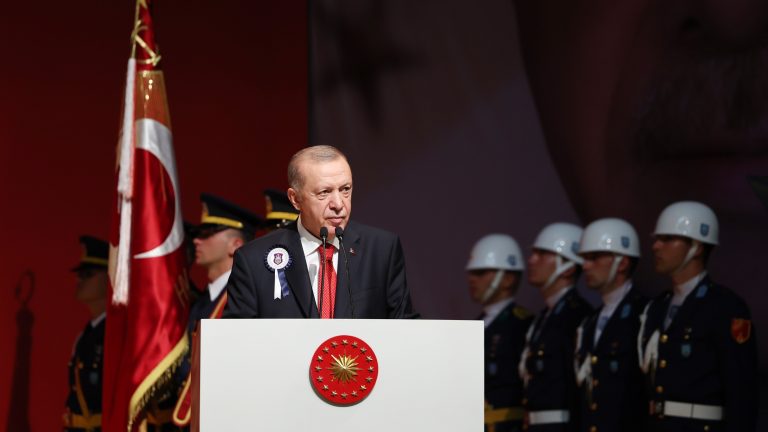
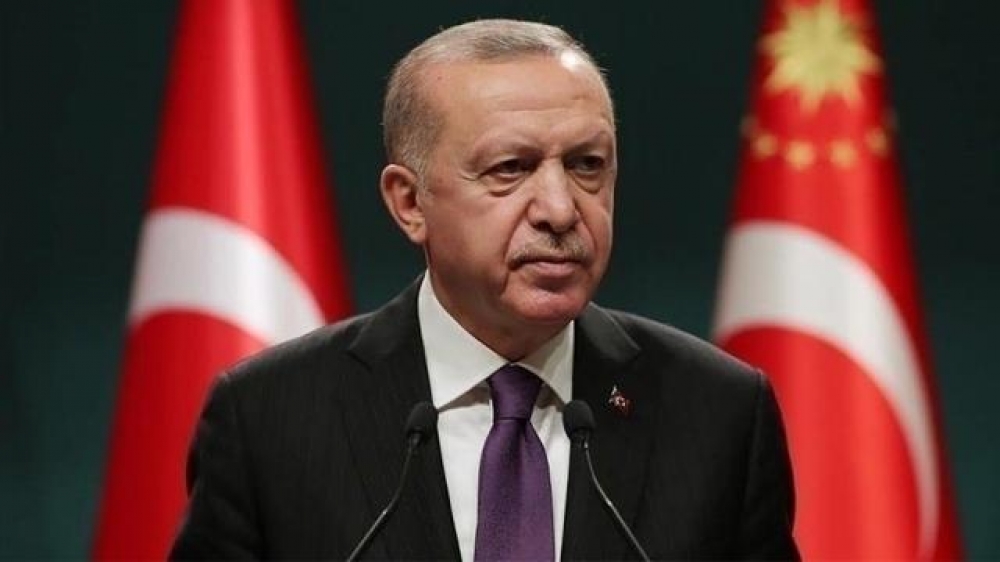
Turkey’s President Recep Tayyip Erdogan has warned Greece it would pay a “heavy price” if it continues to harass Turkish fighter jets over the Aegean and hinted at military action.
Speaking at an aerial technology festival in Samsun where Turkey showcased the prototype of an unmanned fighter jet, Erdogan lashed out at Greece amid rising tensions.
In his address, Erdogan accused Greece of “occupying” islands in the Aegean Sea that have a demilitarised status.
“You occupying the islands doesn’t bind us,” Erdogan said. “When the time comes, we’ll do what’s necessary. As we say, we may come down suddenly one night.”
“Look at history, if you go further, the price will be heavy.”
According to AP News,the threat to “come down suddenly one night” has previously been used by Erdogan to hint at looming military operations into Syria and Iraq against Kurdish militants.
Erdogan has ramped up tensions with Greece.
Erdogan also made reference to the crushing defeat of Greek forces in Smyrna by the Turkish military in 1922 when he said: “We have one sentence to Greece: Don’t forget Izmir.”
These latest statements come as Turkey has accused Greece of using Russian-made S-300 missile systems in Crete to lock onto Turkish jets in August.
Ankara has also said Greek F-16s harassed Turkish jets by putting them under a radar lock during a NATO mission over the eastern Mediterranean. Turkey is submitting complaints with NATO. Athens has also accused Turkey of violating its airspace.
Elpida Hatziandreou’s life is a narrative of Modern Greek history.
What began as a refugee tale from Asia Minor ended as a story of Australian migration with a few twists amid major periods in world history. From the Spanish Flu pandemic, Elpida lived to see COVID-19, survived cancer, and ended up dying of old age in 2021.
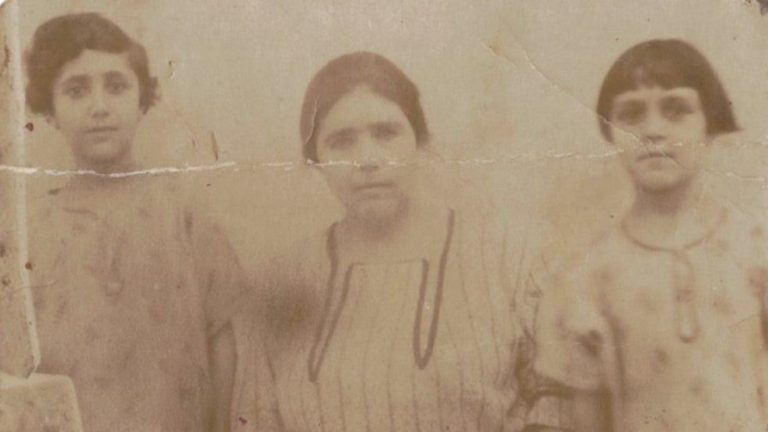
The second child of Nicholas Tsakiris and Olga Rigopoulos was born on Christmas Eve 1919 while rosy-cheeked children were singing kalanta door-to-door in the seaside town of Vourla. At the time, her father was held hostage in a Turkish prison for not enlisting in the army and was lost before Elpida could walk.
A time of hope
“Sure, it was tough, but it was also a time of hope,” her daughter Cathy Alexopoulos told The Greek Herald. “And that’s why they called her Elpida, which translates to hope. Her older sister, Despina, was named after her father’s mother, but they broke with tradition and called my mother Hope.”
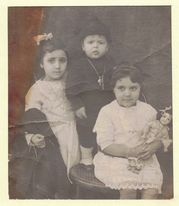
Elpida (holding the doll) at the age of three.
In nearby Smyrna, a landing force of 13,000 soldiers and auxiliary personnel, and 13 transport ships escorted by three British and four Greek Destroyers were at work. They had been “received with great emotion” by the Greek population according to accounts at the time, while thousands of Turkish residents gathered on hilltops lighting fires and beating drums in protest.
Greek Colonel Nikolaos Zafeiriou, who led the expedition, said: “Wherever we may go, we must know that we are going to liberate our brethren under alien rule.”
In Vourla, known for its excellent tobacco, quality fish and A-grade grapes, life went on as usual.
“My mother’s family owned vineyards. They produced spirits like tsipouro and famed golden Smyrna sultanas,” Ms Alexopoulos said, adding they were also capable merchants.
“A strand of the family later moved to Mildura. They brought with them from Smyrna, the ‘cold dip’ process of curing sultana grapes which revolutionised the dried fruits industry in Australia because, until then, local farmers had dipped grapes in a hot caustic soda solution which created a dark brown hardened mediocre sultana rather than the golden sultanas produced in Smyrna.
“They also joined the Chaffey Brothers during Victoria’s wine boom, and they did well.”
Vourliots were known for their prowess in Roman wrestling, but also for the poetry of Nobel laureate Giorgos Seferis and bravery of Georgios Afthonidis, one of the most prominent members of the Filiki Eteria created to free Greeks from Ottoman rule.
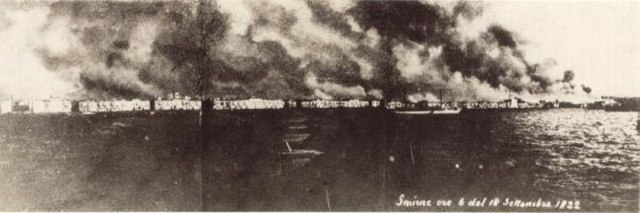
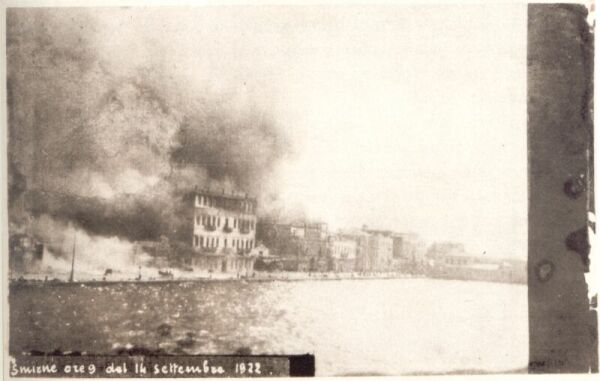
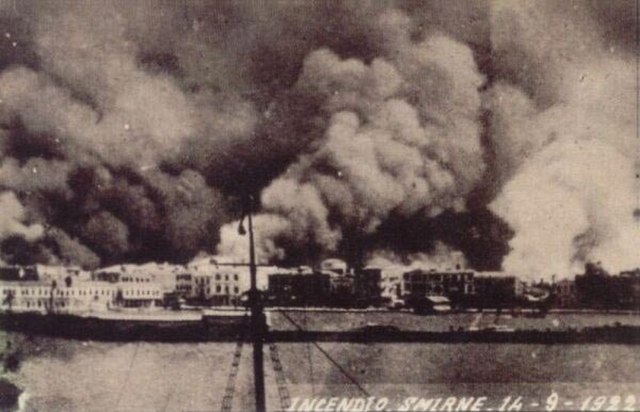
“My mother didn’t remember much from her birthplace,” Ms Alexopoulos said. “The family had to leave everything behind in 1922 during the Catastrophe. As fires burnt, the spirits they had in storage blew up. Everything was lost.”
Ms Alexopoulos speaks of her family’s deep faith.
“My uncle Christos Rigopoulos, the youngest son of the family, fought the Turks, and took with him this icon of Saint Catherine, the patron saint of his mother. He said that this icon is what protected him, and he later became a priest and moved to Patras (northern Peloponnese) and married a local woman there.”
Ms Alexopoulos shows me the family icon, her namesake, with scrawling on the back which neither of us can make out. Words lost in history.
With Christos in Patras, the women were left to fend for themselves when making the crossing from Vourla to Greece.
“My grandmother Olga, widowed with two children, and her younger sister Androniki, also widowed, with a small child, left Turkey. Unfortunately, her son Vasilakis died of gastroenteritis on the long and difficult journey to Greece,” Ms Alexopoulos said.
“They did not go to Smyrna and so, thankfully, avoided the fire but they paid someone to transport them to Greece, taking with them all they could, a bit of gold hidden in their clothes and a Bible.”
From Patras to Lyon
Once in Patras, the situation was bleak. “Racism was rampant. They were called Tourkosporoi (Turkish seeds) and doors were slammed in their faces when they asked for work or some help,” Ms Alexopoulos said.
The women were called ‘pastrikies’ (meaning ‘clean’ but alluding to ‘whores’) because they washed their clothes more than the local women did.
“They sold their jewellery, their liras and somehow survived, but they didn’t stay long.”
Androniki, who spoke fluent French, encouraged Olga to leave for France, and so began a new journey which took them to Lyon.
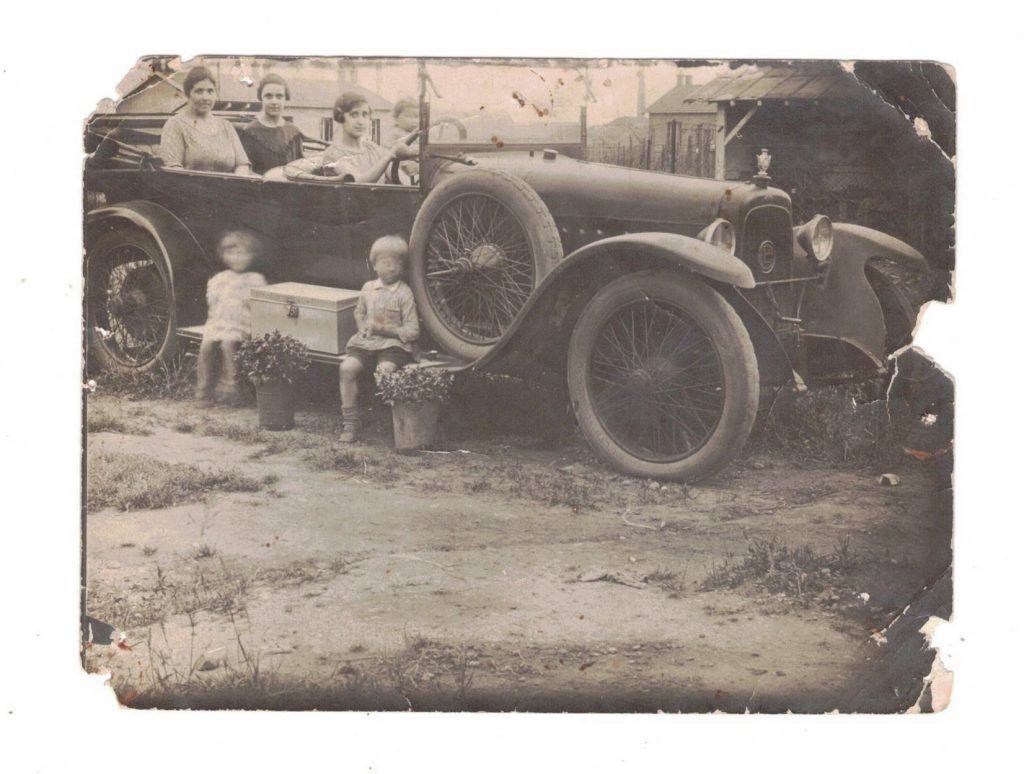
It was in Lyon where Olga married her second husband, Petros Menengos, who worked at Citroen. The family lived in Venissieux at the Chalet de bois (wooden houses) which had been given to them by the car company to stay, and the new marriage was further solidified with the birth of Georgia, a half-sister for the older girls.
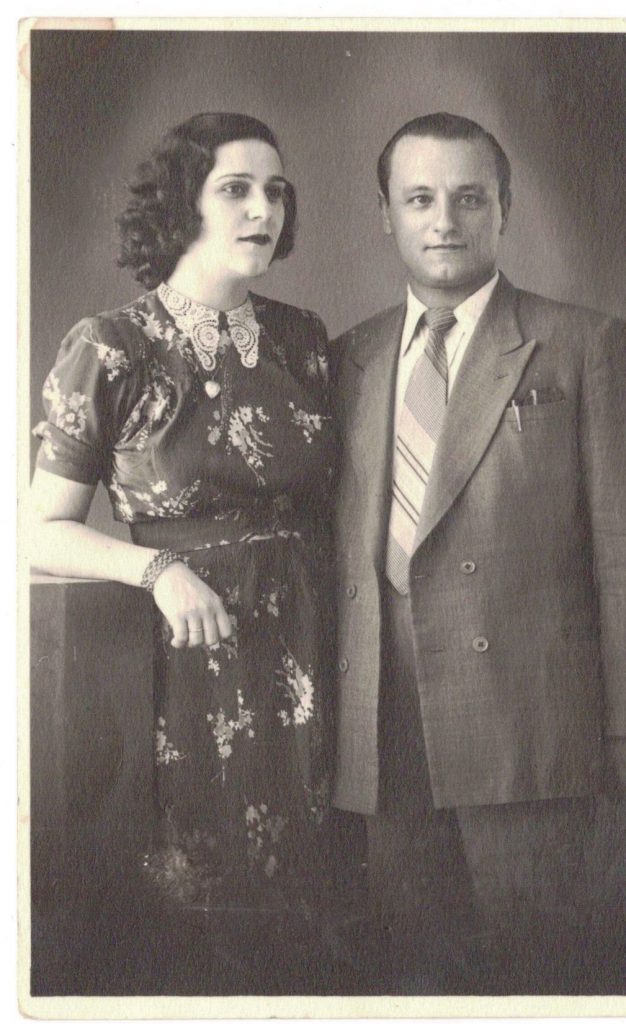
Elpida with her husband.
“These were my mother’s first and fondest memories,” Ms Alexopoulos said.
“She remembered the snow, the chestnuts, riding her bike. They lived simply and had a garden which grandma Olga would tend to.”
For free-spirited Elpida, life was a dream. “She wanted to cycle and run, but Despina, her older sister was calmer and spent her time reading. For my mother, France was a place where she could be herself. She went to school and had positive memories. She belonged.
“The bad thing is that they returned to Greece.”
From Lyon to Aigion
Compensation offered to Asia Minor refugees drew Olga to Aigion, and she reunited with her brother the priest and Androniki, who had left France years earlier and had settled in Aigion with a well-to-do shopkeeper Antonis Mihalos who did well from the sale of Papastratos cigarettes.
For Elpida, the small town of Aigion was ‘suffocating’ following the freedom of France. “Her uncle, the priest, made her feel shame,” Ms Alexopoulos said. “There were closed minded attitudes and Elpida was told she could not ride her bike and was constantly told not to wear things and do things. She felt repressed.”
Her fluent French made her a sought-after tutor. World War II found her in Corinth, where she taught the children of an affluent family.
The death of her sister Despina from tuberculosis, aged only 21, drew Elpida back to Aigion in 1939.
“For grandma Olga, losing her elegant, beautiful, cultured Despina was the biggest blow of all,” Ms Alexopoulos said, who remembers her grandmother Olga, as a woman who seldom smiled. She worked hard creating delicate embroideries which she sold or bartered when times were tough.
Back in Aigion, Elpida found her mother in the depths of despair and even the curtains were painted black.
“My mother became the man of the family during the war. She’d teach and try to bring an income. How did she survive? With courage,” Ms Alexopoulos said.
Sought after by a number of suitors, the family insisted on a groom from Asia Minor. “That is how my mother married my father, Nikos Hatziandreou, in 1946,” Ms Alexopoulos said. “He had been eight when he left Asia Minor and fought in Crete during WW2, where he met many ANZACs there at the time.”
The birth of Cathy Alexopoulos
“I was born in Komotini because my father worked with the United Nations Relief Fund and was stationed there at the time,” Ms Alexopoulos said. “It was a temporary job, and the family went to Athens in 1948 with my brother born in Nea Ionia (a northern suburb of Athens).”
Her younger sister, Georgia, married her second cousin, Ulysses (Odysseas) Xeros from Mildura and paved the way for Elpida’s family to follow.
Cathy remembers her first years in Australia.
“I missed Athens,” she said. “We lived in Nea Filadelfia and we got up to mischief and had a great time. Our teacher at school was Kyria Kalliopi, who was also from Asia Minor and good friends with my mother. My last school excursion was to the Acropolis and was heartbreaking as I knew I would leave and couldn’t fathom what it would be like, ‘What do they do in Australia? How do they speak?’
“I went to Kent Street Primary School, in Richmond, and was a tall 9-year-old but they put me in a class with 6-year-olds because I did not know the language. All I knew was that my name was Catherine and how to say ‘thank you’ and ‘please’. Something I remember was trying to play with the other kids and they would say ‘get out’, ‘get out’, but to me it sounded like ‘keraia’ (antenna). So I ended up hanging out with my brother during lunch.”
Cathy insisted she attend school with Year 4 students when the family moved to St Alban’s, and things began to improve.
Her mother, Elpida, eventually got a job as a cleaner at the Saving’s bank. She started the same week grandmother Olga died of breast cancer on 17 January, 1961, and did not take the day off work because she was new and eager to make a good impression. On her way to work, she heard fire trucks pass by. Little did she know, they were for her St Alban’s house reduced to ashes due to an electrical fault.
Life continued in Australia with joys, but also loss and grief. Elpida was diagnosed with cancer, twice, surviving both times despite tumours the size of golf balls.
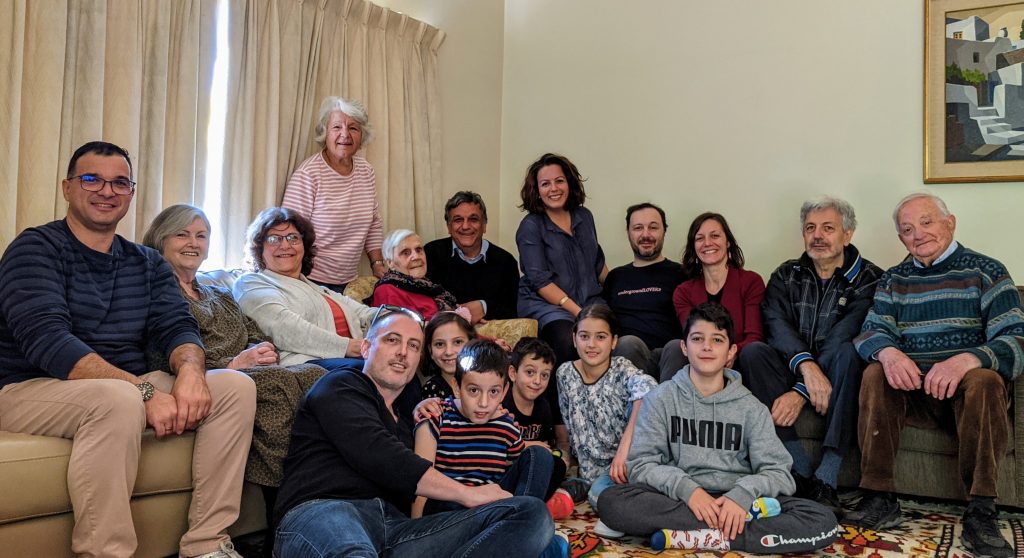
Elpida with her family. She turned 100 in 2019.
Elpida’s remarkable story, filled with twists, turns and resilience may have been what inspired her daughter to study history and French.
I ask Ms Alexopoulos how her family’s history has affected her. “I think what it does is, it enrichens you, it makes you more perceptive and open to what is happening in the world. More inclusive and tolerant,” she said.
We discuss family trauma. “No, not trauma. What I feel is proudness. I’m not sure if the word is ‘blessed’, but I definitely feel that there is an essence about the spirit of these people, and that is what I want to carry.”
Season three of the Amazing Race Australia premiered on Sunday, August 28 with contestants racing around the world.
Across six continents, the teams are taking full advantage of reopened international borders, experiencing the extraordinary delights of destinations such as Belize, Morocco, Mexico and Colombia.
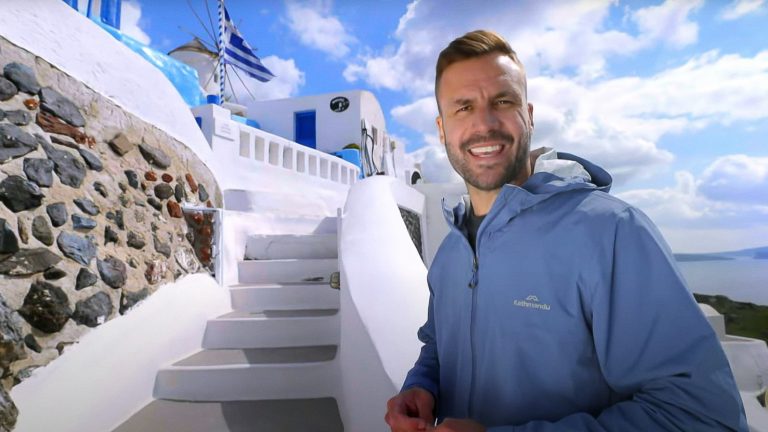
This Sunday, grab your popcorn and your paximadi, because the Amazing Race Australia is heading to Greece!
From Athens to Santorini and Arachova, the amazing racers will not only be navigating donkey rides and manual driving but some unprecedented chilly conditions that no one saw coming.
The Amazing Race Australia continues this Sunday at 7.30pm On 10 And 10 Play.
Derived from his Pontian ancestors, a loving grandfather’s devotion to his first-born grandchild’s despair, ignited the strength and courage within, carrying him through the biggest challenge of his life.
My father has a saying… “My child’s child, is twice my child.”
It is believed there to be a considerable contrast between the love of a parent for their child and the incomparable love for a grandchild. I have often heard my father express, and I am assured many of you would have heard from your own – there is nothing more important than seeing your children healthy and happy, even more so, seeing your grandchildren blooming.
So, what happens when life changing news hurls you into a whirlwind of turmoil, as it did for my family two years ago? This is a short story of love and resilience – an insight to how my then 79-year-old father regained the ability to keep my family and I afloat, whilst immersed in the roughest of waters.
Youthful and spirited, 24-year-old Eleftherios Falidis left his hometown of Elassona, Greece and migrated to Australia arriving in Adelaide, April 1965. He adored his parents and in his own modest way displayed great love and affection towards them. Leaving his parents and loved ones behind proved to be a most difficult decision to make. Having said this though the choice was my father’s, however one made soundly.
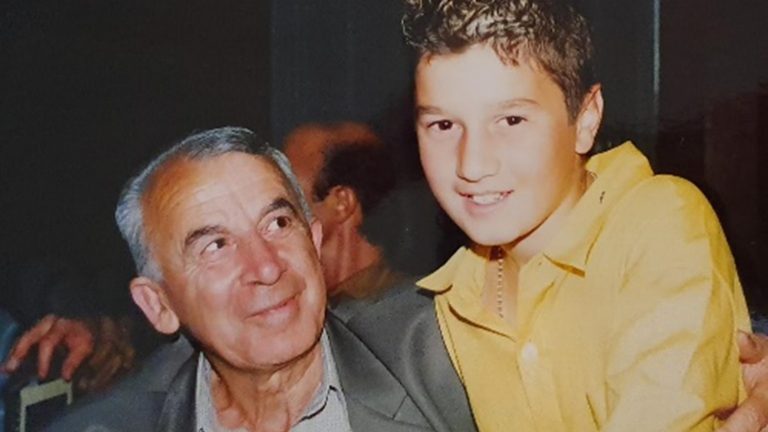
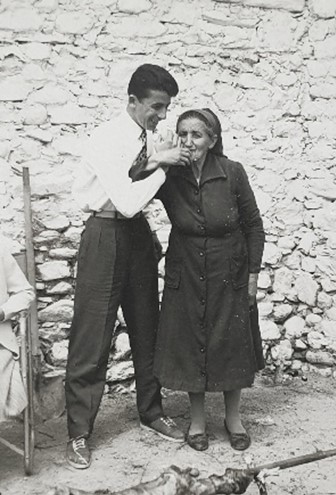
Left – 1957, Eleftherios, 16 with his mother Minodora at Easter. Right – with his father, Ioannis
For most migrants back in the early 1960’s, upon arriving at their new homeland Australia, creating a family life was often the path taken. Working strenuously, building their own castles, and eventually with the addition of children, their families complete.
Newlywed and happy, my father solidly worked and saved. In suitable time he bought a small house in an idyllic inner southern-city suburb in Adelaide and along with my mother, transformed it into a bright, loving, and warm home – a place where thousands of beautiful memories were, and to this day, are still made. Over the last 32 years, nine adoring grandchildren have captivated my parent’s heart with so much love and joy.
My family have been blessed by God with a wonderful life. We never took anything for granted. My father installed resilience in us children and especially to his grandchildren. “When life is no good, you no give up… you keep going.”
“If all strong here,” he says, pointing his finger to the top of his head, (meaning the mind) “everything is good!”
I followed the advice from my wise father and so too, I installed the same values into my four children whilst they were growing up. However, little did I know that the resilience and positive attributes my father had gifted me, were about to be tried like never before.
Life became blurred for my family when in October 2020, at the youthful age of thirty, our beautiful boy Angelo was diagnosed with bowel and liver cancer. The news left us numb and in utter shock. As a tight family unit, we were all confronted with uncertain times ahead, apprehensive of what was in store for our darling boy and his beautiful fiancé, Stacey.
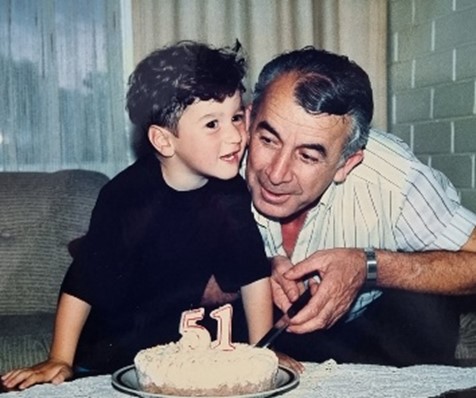
Angelo with pappou Lefteri on his 51st birthday.
My father held me tight as I cried. “You must stay strong,” he affirmed, “All of us … we must stay strong, for Angelo and for Stacey” he tearfully expressed looking at my distraught mother – we were not going to crumble, not now. Suddenly overnight, the aches and pains that were consuming my father over the last few years had become dormant. The Pontian warrior illuminated! His life now, had purpose.
Our lives were about to become one big rollercoaster ride. In early November, Angelo prepared for major bowel surgery and was admitted into hospital soon after.
Pappou never left Angelo’s side.
The night after Angelo’s successful surgery, together with Dad, we visited our beautiful boy in hospital. We entered the room and there was Angelo, sitting up in bed looking downhearted. Seeing him the way he was made my heart sink.
With a melancholy look on his face, Dad tenderly held me in his arms, comforting me. Sensing Angelo’s pain, our insides were in knots. Dad reached out and placed Angelo’s hand in his, “You be better and home very soon Angelo. No worry, pappou is here, ola tha pane kala paidi mou, you see…”
With tender care, Dad helped Angelo move his body around and help rest his legs over the edge of the bed. As I watched my beautiful boy reach for the walker by his bedside, I could not contain my distress any longer – I left the room and broke down.
In January 2021, the gruesome journey of chemotherapy treatments began, and my family pulled in tighter than ever.
My father was one who by no means enjoyed daily walk’s. I often expressed to him accompanying mum on her daily walks would be beneficial for his wellbeing. “I cannot walk long distances,” he contested, “my legs hurt too much.” After attempts encouraging my father to change his mind, I gave up.
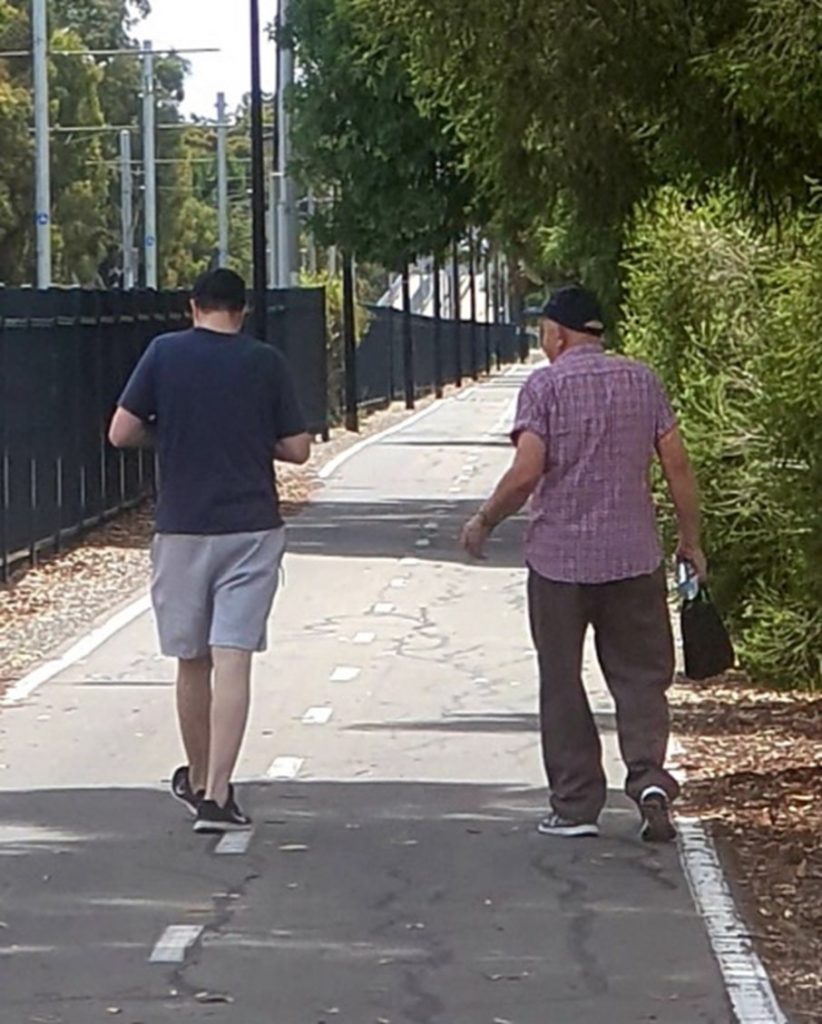
Though all changed when dad started caring for Angelo during post chemotherapy treatment. Pappou Lefteri (as Angelo called him) was now the one urging his grandson to exercise. So began the leisurely walks to and from Angelo’s house to the local coffee store every fortnight, Thursday, and Friday’s. They loved their coffees and cherished the conversations that went hand in hand. Once home, Dad had Angelo practicing light exercises. Strangely enough, my father’s sore legs ceased to exist!
When in the company of his grandson, my father’s façade was of a robust frame. It was as if my father metamorphosed into the young army cadet he once was in Greece, in 1961. Being the patriarch of the family, he took a substantial weight of the family’s strain and carried it himself.
The following months for Angelo were interwoven with doctors’ appointments, chemotherapy treatments and some hospital stays. Angelo, the true fighter that he was, kept on working and enjoying life. No matter how much he was suffering, he never let on.
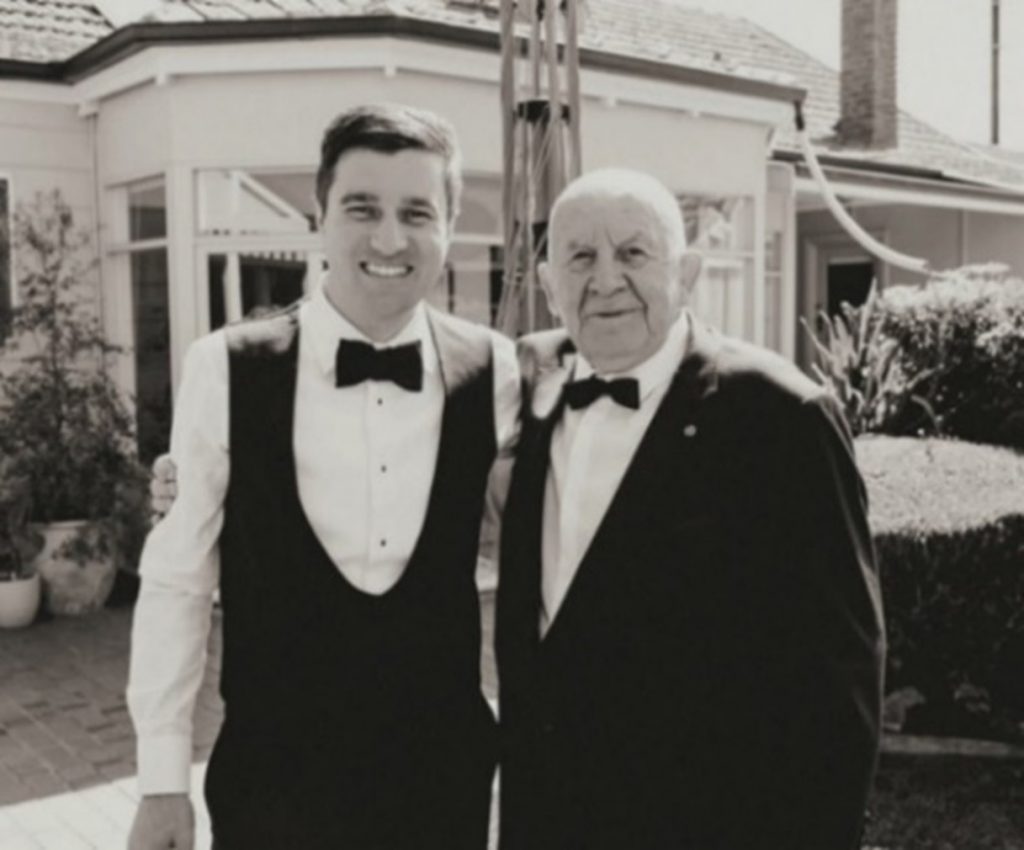
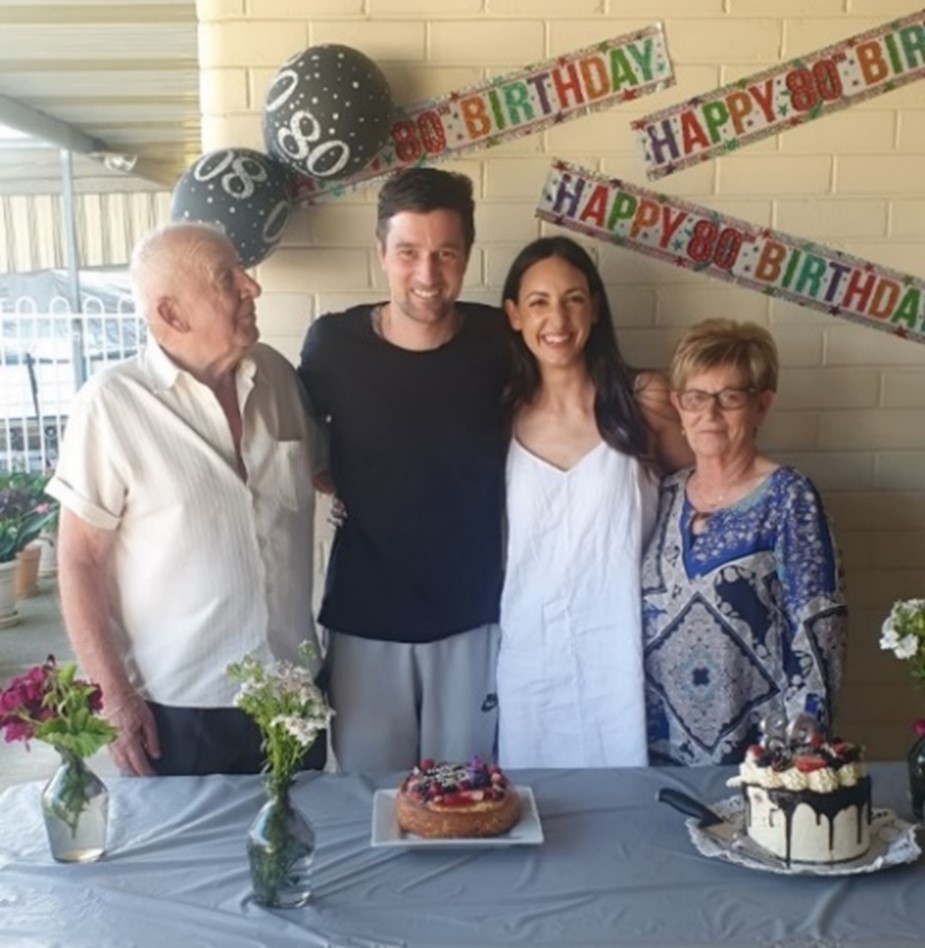
God graced the day October 23rd, 2021, when Angelo married the love of his life, his gorgeous Stacey. It truly was the most magical day! It was as if we were in a fairy tale story. My father was overflowing with pride!
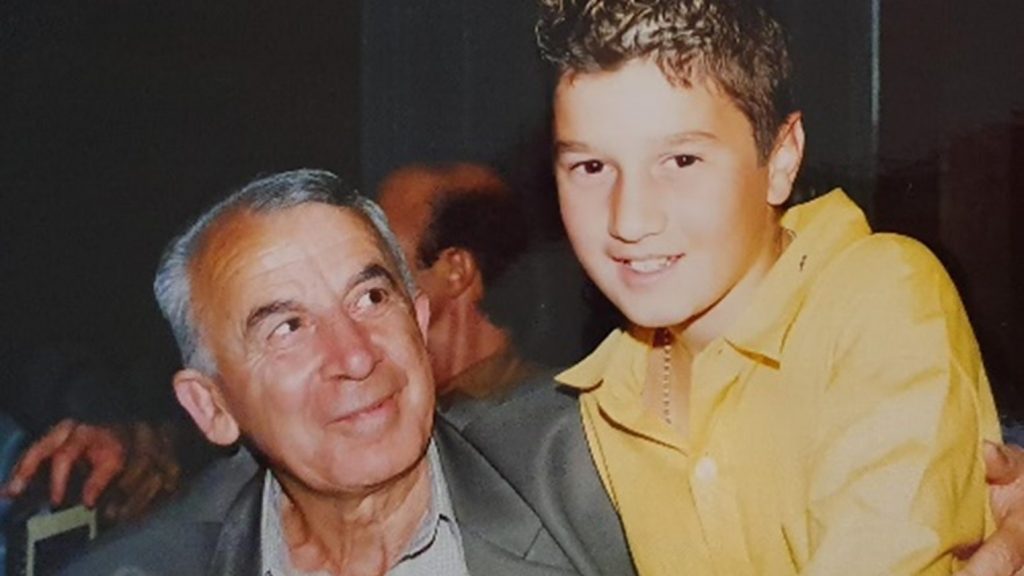
The best day in pappou’s life.
Soon after, the chemotherapy treatments recommenced, during Angelo’s after care at home, Dad would be at the front door, nice and early, ready for the day ahead. He massaged Angelo’s sore back and legs, prepared food, and then when Angelo slept, he would either clean the house or be out in the garden tidying up.
Anything to ease the load off his beautiful new granddaughter Stacey, for when she returned home from work.
Pappou and Angelo birthday’s (both in November) were five days apart. 2021 – the last one Angelo would celebrate with his pappou.
The love and devotion poured from my father’s heart space, not only eased Angelo’s pain, but comforted us all.
My father’s strength and positive attitude made our days that little bit brighter. He brought happiness, wisdom, and affection to Angelo’s last months of life. And all the while, the heaviest, largest black cloud hung over him. With a heavy heart I write, our beautiful Angelo fell asleep in the loving arms of our Lord, Jesus Christ, on Saturday 4 June 2022.
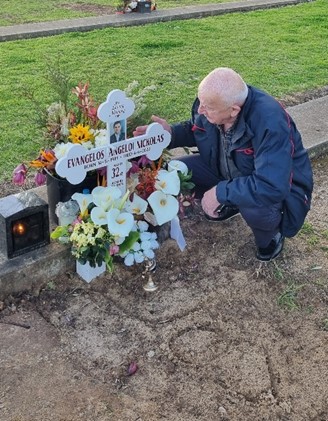
Not a day goes by, rain, wind, or shine, without pappou Lefteri visiting his adoring boy. With a coffee in hand, he continues the cherished conversations they once shared here on earth.
“Hello Vangeli, paidi mou, pappou is here …”
* Doris Falidis Nickolas is the author of Life Has Two Doors.
By Dr Themistocles Kritikakos, University of Melbourne.
100 years later, the trauma that Greek survivors experienced during the final years of the Ottoman Empire has been passed on to their descendants living in contemporary Australia. The Armenian genocide during the First World War is internationally known. However, the similar experiences of Greeks and Assyrians in the late Ottoman Empire between 1914 and 1923 remain largely unknown.
In 2007, the International Association of Genocide Scholars (IAGS) recognised that the Ottoman campaign against Armenians, Assyrians, and Greeks between 1914 and 1923 constituted a genocide. The three groups experienced death marches, starvation, massacres, labour battalions, sexual violence, and forced conversion.
Approximately 3 million Armenians, Greeks, and Assyrians died. The Greek Orthodox population in the late Ottoman Empire lived in Asia Minor, Pontos, Eastern Thrace and the Levant. The Greek minority were known as Romioi and it was a term that referred to their Byzantine heritage.
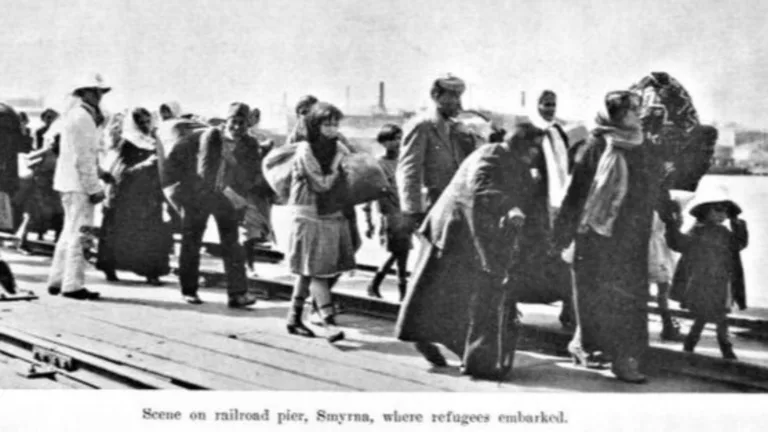
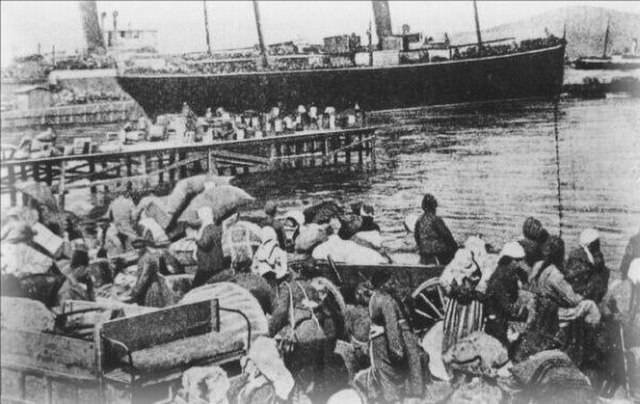
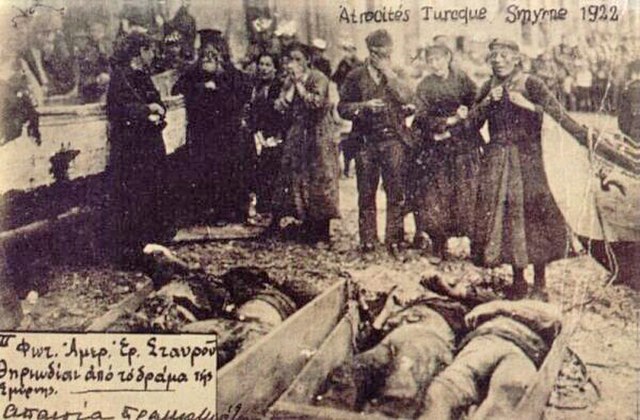
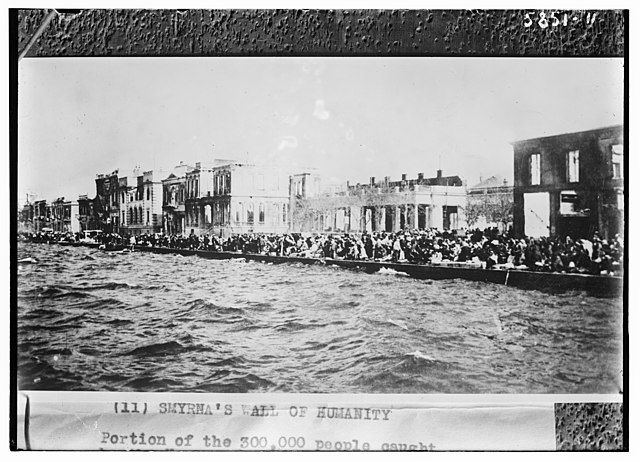
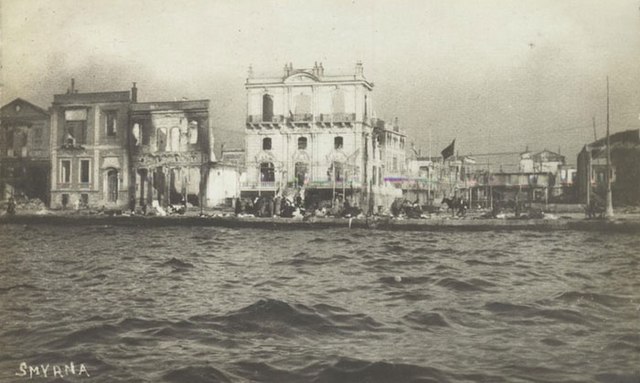
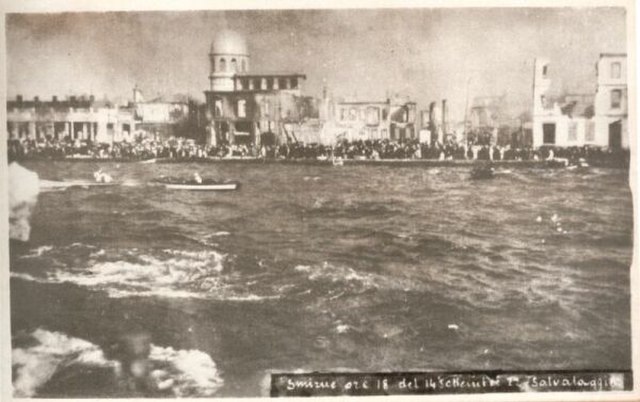
The Catastrophe of Smyrna in September 1922 was the burning of the Greek and Armenian quarters of the cosmopolitan city. There were approximately 100,000 Greek and Armenian victims. The Catastrophe was an event that took place at the end of a broader period of violence and uprooting experienced by the Greek population living in the late Ottoman Empire.
The Catastrophe of Smyrna led to the end of the Greco-Turkish War (1919-1922). This was followed by the Population Exchange, where around 1.5 million Christians from Turkey were transferred to Greece and 500,000 Muslims from Greece were transferred to Turkey. The Treaty of Lausanne was signed in 1923, which shaped the borders of modern Greece and Turkey.
During my PhD, I conducted over 70 interviews with Greeks and Assyrians in Australia. Usually, the survivors did not speak about their experiences due to trauma. It was easier for them to forget what happened.
“I never heard anything. Speaking about it would mean going back and experiencing it all again, which would have been extremely traumatic for them to do that,” explained a Greek interviewee with origins from Smyrna. The second generation did not ask the first generation about their experiences, and they did not discuss this with the third generation. Greek Orthodox refugees faced discrimination when they resettled in Greece. Greek survivors and, in some instances, their children, lived through the Second World War and the Greek Civil War. With migration, the events were forgotten, and they tried to re-establish themselves in a new country. They also wanted to protect their children. Due to the “double wall of silence” between the first and second generations, the trauma of the first generation was passed on to subsequent generations. The third generation tried to find out about the violence and uprooting their ancestors experienced. The descendants of survivors still ask how many relatives they lost and how many they never met.
If there were any discussions, it would be in the form of storytelling. An interviewee whose grandparents were from Vourla, in the province of Smyrna, remembered a family conversation that she heard as a child. Her grandmother referred to “our lost places” and mourned for a place called Smyrna. It was only during her adult years that she became interested in their family history and understood why her grandmother mourned. “I never understood why she was so sad about those lost lands, but now I know,” she said.
21 allied ships in the port of Smyrna received instructions to take a neutral position and did not intervene, but only rescued their own citizens. A Greek interviewee with origins from Smyrna recalled his father’s struggle to survive. “There was a ship. They swam close to it. They asked the British to save them. They asked, What are you? He responded, Greek. He escaped by hiding near the bottom of the ship. The Englishman on the boat had an axe and was ready to cut their hands if they were to come onto the boat. They didn’t want them.”
The stories of survival remain alive and resonate in the Greek-Australian community. A Greek interviewee with origins from Alatsata, in the province of Smyrna, remembered her father’s testimony. He was a child, and they separated the men from the women and children.
“They worked them to death without food, without water and he did not know where his father went.” she stated and continued, “They transferred them into a Church where they held them for days and they did not know what would happen next. Every night the soldiers would search for girls and they would rape them in the altar. He also saw the piles of dead bodies at the front of the church.”
The interviewee returned to Alatsata with her father to visit his childhood home and school. Her father relived the trauma that he had experienced as a child. It was only in his old age that her father discussed some of the events that he had experienced. The interviewee felt a sense of responsibility to write about her family history and her father’s experience.
In 2006, at a Pan-Thracian congress in Didymoteicho, April 6, known as Black Easter, was recognised as a “day of remembrance for the genocide of the Greeks in Eastern Thrace”. The days of remembrance represent different events and identities based on region. In Australia, a shared experience has started to develop that represents all Greek victims.
In 2012, The Asia Minor Historical Society in Brisbane and the Greek Orthodox Community of St George, Brisbane organised an event for the 90-year commemoration of the Catastrophe of Smyrna, which also honoured the Greek survivors from Asia Minor that resettled in Brisbane during the 1920s.
The commemorative event included a memorial service and wreath laying ceremony to honour the memory of the Christian victims in the Ottoman Empire, the victims of the Catastrophe of Smyrna and the martyrdom of the Metropolitan of Smyrna, St Chrysostomos. Commemorative events for the Catastrophe have been organised in Sydney since 2016 and in Melbourne since 2017.
A Greek interviewee with origins from Alatsata, Smyrna, explained that “all Greeks were victims of genocide”, but the Catastrophe of Smyrna was commemorated separately because it was “one final blow” and “erased 3,000 years of Greek presence in what is today known as Turkey.”
December 9 is the day the United Nations adopted the Genocide Convention in 1948. Since 2015, it is an International Day of Commemoration which honours all victims of genocide. In Australia, the day of remembrance has become connected to the memory of Greek victims. Greeks in Melbourne and Sydney have also collaborated with other victim groups such as Indigenous Australians and the Jewish community.
It is also known that Australians provided humanitarian aid to Armenian, Greek, and Assyrian survivors and refugees between 1915 and 1930. Australian humanitarianism is the link that connects the Armenians, Greeks and Assyrians to modern Australia, while the descendants of the victims and survivors believe that their ancestors should be part of Australian historical memory.
The genocide is the cornerstone of the Armenian identity. The movement for recognition of the Armenian genocide started during demonstrations in 1965 in Soviet Yerevan. The criticisms of the Asia Minor Campaign (1919-1922) in the Greek political and historical spheres have led to silence on the matter of genocide without consideration of the broader period of violence between 1914-1923.
The efforts of Pontian Greeks to achieve genocide recognition started in the 1980s. The recognition efforts were associated with the revival of Pontian Greek culture and represent a distinct trauma. The memories of Greeks from other regions of the Ottoman Empire, such as Asia Minor more broadly and Eastern Thrace, have often remained in families.
Greeks and Assyrians have cooperated with Armenians to try and achieve genocide recognition from the Australian Federal Government. Armenians, Greeks, and Assyrians have a shared experience. Joint recognition was achieved in 2009 in South Australia and in 2013 in New South Wales. However, the unresolved traumas of survivors haunt subsequent generations today.