Home Blog Page 1242

Unknown facts of the Asia Minor Catastrophe

By Anastasios M. Tamis*

Greece’s victorious participation in the Great War, and the national gains made on its behalf by Eleftherios Venizelos, reinforced political stability and the temporary healing of the intra-communal divisions, which had characterised the political and social relations of the Hellenes since antiquity.

After the end of the Great War (11 November 1918), Greece was one of the countries with the smallest military losses as it entered the war late. Greece mourned the loss and injury of 27,000 men on the battlefields (6,000 dead and missing and 21,000 wounded). 

In a territorial sense, it emerged victoriously from the Great War. With the Treaty of Neuilly (November 27, 1919), Western Thrace was ceded to it, while with the Treaty of Sèvres (August 10, 1920), eastern Thrace (up to the edge of Constantinople), the islands of Imbros and Tenedos, as well as the possibility of exercising sovereign rights in the region of Smyrna, were ceded to Hellas. Unfortunately, the Treaty of Sèvres, which Prime Minister Venizelos had solemnly announced in the Greek Parliament, was never ratified, even by the Greek Parliament.

The Greek forces succeeded in liberating, for the second time in a few years, almost all of Eastern Macedonia (Serres, Kavala and Drama). On 17 October 1918,  the Sublime Porte had unilaterally signed a Truce Protocol with England in Moudros, without informing the rest of the Western Allies. On 31 October, an allied naval squadron, which included the Greek battle ships of Kilkis and Averof, sailed through the Dardanelles and anchored at the port of Constantinople. At the same time, a detachment of Cretan gendarmes was installed in Phanar, as a garrison of the Patriarchate.[1] It was a symbolic gesture, not of power but of homage.

The Treaty of Sèvres signed by the victorious Allied Powers, the Sultan and Venizelos determined how far the Greek troops could go in the wider area of Izmir. And whilst the Sultan accepted the Treaty, the Young Turks headed by Mustafa Kemal Pasha (1881-1938), revoked it and began to prepare for war, in order to face the Entente and their Greek Allies. This led the Greek government to act, to enforce what had been agreed, with the prospect of gaining additional territory (“Venizelos’ line”). Thus, the Greek troops, ready to fight as they were, organised their landing first and then their establishment in Smyrna; a move that was ratified by the Treaty of Sèvres. They then advanced into the semi-anarchical hinterland of Anatolia, which was plagued by civil strife between the Sultan Mehmed VI Vahideddin, also known as Şahbab (1861-1926), and the Kemalist revolutionaries.
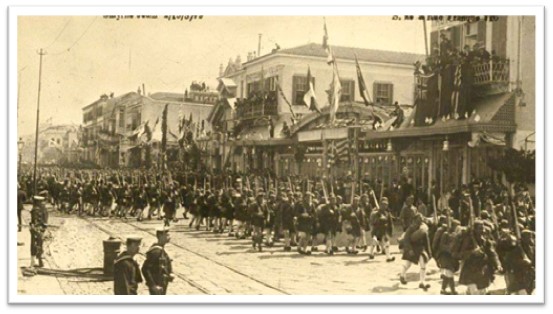
The Cretan Division marching through the streets of Smyrna to camp (15 May 1919). The Greeks of Smyrna welcomed them with enthusiasm with Greek and allied flags.

Venizelos rightly believed that the success of his policy in Asia Minor was inextricably intertwined with the economic, political, and military consensus of the British and French Allies. They had, of course, given him their consent and commitment for the Greek landing convoy to accompany the British Navy. In May 1919, by order of Venizelos, the Greek Army campaign for the occupation of the territories of Asia Minor, where the Greek element prevailed and boasted a history of 3000 years of settlement, had begun.[2]

On 10 May, the 8th Cretan Regiment landed in Smyrna and was placed under the command of the1st Division to reinforce its forces. On 16 May 1919, two Companies of the 8th Cretan Regiment landed and occupied the city of Kydonia [Aivali] of Asia Minor and Warrant Officer Kouromichelakis, with the men of the 8th Regiment, undertook military action in this Greek-speaking city and its surrounding territory. The commander of the 8th Cretan Regiment was Colonel Charalambos Loufas (1877-1953;). He was a literati mathematician, who had enlisted in the Greek Army as a conscript in 1895, was promoted to the rank of sergeant in 1896 and participated in the War of 1897. After examinations, he successfully graduated from the School of Non-Commissioned Officers in 1902, and was promoted to Second Lieutenant. He distinguished himself, particularly in the two Balkan Wars; in the Battle of Giannitsa, he captured an entire Turkish company. He did not get involved in the National Schism and in 1919, he was promoted to colonel and Commander of the Cretans.

The scenes of the landing and disembarkation of the 1st Greek Division in Smyrna, ratifying the Treaty of Sèvres, were mixed. “At the behest of the Government, I proceed to the Military Occupation of Smyrna”, wrote the leader of the Division Colonel Nikolaos Zafeiriou (1871-1947) in the proclamation of that day, 2 May 1919. The defeated Turks felt despair and grief. Locked in their homes they lived the terror of the unknown and the imposed occupation. Fear also captivated the leadership of their communal and religious authorities. Colonel N. Zafeiriou convened them in the evening of the same day (2 May 1919), after the first inter-communal incidents, in a gathering, and assured them that there would be an honest and peaceful interracial cohabitation. He guaranteed this to them. However, the Turks trembled at the idea of reprisals on the part of the Greek paramilitary, who would surely seek revenge for the vilification and murder of the Patriarch of the Greeks a hundred years earlier. There was also information that bodies of Turkish irregulars had arrived from the Anatolia and Aidyn to exploit the confusion and chaos that would prevail, following the appearance of the Greek Army.[3]

By contrast, the Greeks of Smyrna and surrounding areas gathered in their thousands and flooded the waterfront and the open spaces, delirious with emotion and enthusiasm, and with Greek flags and cries of triumph. In one night, they had ceased to be slaves. They were now Free men, Greek Christians rather than Romioi (ragiades). The first scenes of the disembarkation are depicted in testimonies of the time. [4]

On 5 November, the British ship Minioner 29 was in the port of Smyrna to carry the allied orders. At the end of April 1919, 35 allied warships were anchored in the port, of which six battleships (two British, two French, one Italian and the Greek Averof).

The 1st Greek division landed in Smyrna on 2/15 May 1919. It was transferred there with two ocean liners and twelve passenger ships accompanied by a destroyer and four torpedo boats of the Greek War Fleet. To underline the alliance’s enforcement of the whole project and to prevent any Italian action, the convoy was accompanied by four British destroyers.

From dawn, thousands of Greeks of Smyrna crowded the waterfront to welcome the Greek army. When, at 7:00, the first ocean liner appeared to enter the harbor, thousands of flags unfolded. The disembarkation began at 7:30, while the Smyrnians were on their knees singing the national anthem and the Great Metropolitan Chrysostomos blessed the first soldiers and evzones who stepped on the Ionian land under the instructions of the Division’s leader, Colonel N. Zafeiriou. People and army became one. Emotion was overflowing on both sides. With difficulty, the officers were trying to impose some order. The first phalanx to set off for the interior was that of Colonel K. Tzavelas. The men lined up in fours and moved on, while to the right and left the people were running delirious with emotion and enthusiasm. At one point, as the flag bearer along with the evzone parastatals appeared with the flag, a thunderous noise was heard. The flag bearer and an Evzone were beaten. At the same time, shots began to ring from the windows of hotels and houses. The Greeks had been ambushed by the Turks. They quickly regrouped and began systematic elimination of the armed Turks, while at the same time the commander of the Italian battleship in the port requested permission to land Italian contingents “for the restoration of order”. He was forbidden by the British admiral. Order was restored around 16:00 with many Greeks and Turks dead and wounded. During the unrest, there were also extensive looting and vandalism.

It was suggested that the ambush was set up following an Italian-Turkish understanding. The Italians aimed to blackmail their way into participating in the occupation and administration of Smyrna. They also asked the Turks to convince their own people that the Greeks intended to annihilate them, that they had not come to liberate Smyrna but to conquer Turkey. The Italian goal failed. The Turkish agitation was systematically confronted.

Venizelos himself could not go to Smyrna. But the Deputy President, Emm. Repoulis witnessed the landing. He met the Turkish notables and assured them that the Greek political will was one of peaceful coexistence, as was already the case in Thessalonike since 1912. At the same time, he stated that the Greek state would compensate those who suffered damages. At the same time, the procedure was initiated to identify those who had participated in the looting. Two Evzones were found, as well as other Greeks and Turks. The two Evzones were sentenced to death. The rest received heavy sentences. The execution of the two took place in Smyrna. The Turks there had tangible evidence that they were not in danger.
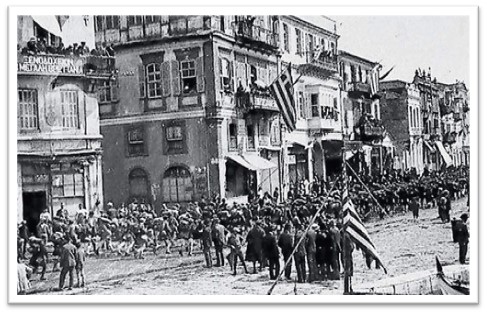
The 1st Division of Greece passes in front of the Hotel Great Britain of Smyrna (May 1919).

Ten days later (10 May 1919) the Cretan Regiment, landed in Smyrna, the Giaour Izmir [as Ottomans called it] the little Athens, and served in the 9th Company of the III Battalion, always with the 8th Regiment of the Cretan Division. The landing Greek soldiers felt an overwhelming shiver when their foot left the pier and stepped on the cobbled streets, with his companions. Smyrna reminded him of Thessalonike, not Athens. Twin sisters, one facing the other, one in the East and the other in the West; both in the arms of Archipelagos, the Sea of the Virgin Mary, as the poet says. Both cities with a port and a citadel; both with the same ethnic districts, Muslim, Christian, Jewish and Armenian; both with Frankish neighbourhoods (frangomahalades) with their verhanedes, with their social and economic elite and, both, with their Upper Cities, their Upper Mahalades, where the wealthy and the officials lived, the Turkish and the Greek rulers. Both cities were melding pots of cultures and tribes, the synaxaria of saints and martyrs.

Both cities, despite the pretentiousness of European culture, maintained their neoclassical and eclectic style as well as the Balkan architecture on their homes. The two-storey buildings with their sachnisia, hagiatia and their frourousia dominated the large horizontal avenues of Smyrna. Elsewhere there were various alleys and dense mahalades. Narrow lanes, with low-roof taverns and small shops that sold fried cod with garlic sauce and hapsia, small fish as appetisers. Poorly lit narrow alleys hosting junk and scrap metal shops, blacksmiths, farriers, shacks selling cheap building materials and makeshift foundries and smelters, low night shops where fallen and aged singers sang, outdated courtesans who sold cheap drinks and even cheaper love to sailors, soldiers, bachelors, and deprived spouses. And on the other side, where the three boulevards (boulevardes) began – from the Stock Exchange to the Government House and Tsakmak Bakery and then to the prisons of St. Catherine and St. Demetriou – extended the city which had been modernized by British, French, and Greek engineers and architects. It was the famous engineer, Polycarpos Vitalis, who designed the boulevards as well as the waterfront of Smyrna.  He also designed the twenty-kilometre coastal avenue and participated in the construction of the waterfront of Thessalonike in 1870.

During the early nineteenth century, because of the inter-religious conflicts in Crete, thousands of “unhooded” (circumcised) and Islamised Cretans had fled, first to the Dodecanese, and then to the southern part of the city of Smyrna, the old town. In the northern part of Smyrna thousands of merchants from Greece, as well as Europeans and Levantines, British and French, had settled there over the last hundred years and had organised their Orthodox Greek, the considerable Armenian, and Frank neighbourhoods. Smyrna was a strategic port and junction, where all the old trade routes from the East ended. For the Western Europeans, it was a station from where the routes to the Asia Minor hinterland began or ended.

Smyrna had for centuries been a most significant gate for the commercial route that led to the wealth of Anatolia, emerging, mainly from the eighteenth and throughout the nineteenth centuries, as a crossroads where the sea routes of the West ended. The writings of various travellers are replete with references to the special character of the city with its port as its lungs; very vivid images from the life of commerce and the multicultural polychromy of the ethnicities, with the Greek element prevailing in its society.

Greek Army’s daily duty involved patrols in the wider area of Smyrna. During their frequent patrols both in Izmir and on the outskirts, the soldiers were originally living a dream, a world full of love. No matter where they were, the Greeks embraced and kissed them as liberators, offering them sweets, drinks, and flowers. All of them experienced the unbelievable. They saw an enthusiastic Hellenism, and a beautiful city, bigger than Athens, with beautiful buildings, theatres, cinemas, schools, like the Evangelical School, churches, hospitals, institutions, a nice building, the Central Girls’ School, sports clubs such as Panionios, Apollo, Pelops, Greek newspapers, a hippodrome and so much more. However, the situation in Kydonia and Smyrna remained precarious. The Turks “welcomed” the Greek soldiers as conquerors.

The disembarkation of the army caused interracial and interethnic dissension in the big city and fundamentally shook the terms of the cohabitation that prevailed until then, that is for last five hundred years. The Greeks, who had felt enslaved, now felt a dominant community, for the very first time. The Turks felt deprived of the power they had wielded over the Greeks, until then. For most of the Turkish leaders of the city, the absence of a reaction from the Sultan to the occupation of Smyrna by the Greek Army, remained enigmatic and largely strange. The British had already advised the Sublime Porte that the Greeks were in Smyrna with their own consent, and this was because the occupation of Smyrna by the Italians, with whom Turkey had long been at war, was imminent. Families from mixed marriages were also experiencing difficult days. The clashes between the forces supporting the Sultan and those of the Young Turks, as well as the actions of thousands of armed Turkish irregulars, which terrorized the Christian minorities, were fierce and caused upheaval, mainly within the Greek population. The Kemalists first sought put an end to the Ottoman establishment, before turning against the minorities and especially the Greeks, even utilising the armed irregulars, the Tsetes.

The patrols over the next six weeks aimed to bring about a sense of security in the Greek community, as well as a sense of fairness to the Turks. Snipers, uncompromising nationalists, and armed irregular Turks found asylum and protection in the Turkish districts of Smyrna and less in Kydonia. The most intransigent and nationalistic had also taken up arms and often carried out attacks and raids against Christians and Greek soldiers. Colonel Charalambos Loufas’ order was for the men of1st Division to march to the outskirts of Smyrna and arrest or decimate the numerous armed Turkish Tsetes (brigands) whose groups had become the fear and terror of the Christian populations. These mischievous and unscrupulous Turkish militiamen, members of guerrilla groups, and often armed convicted prisoners, constantly harassed the Greek units throughout the border perimeter of the Greek zone…..

The Asia Minor Campaign had begun and flowed victoriously until August 1921. Then a tired Greek Army, decimated by deserters, left-wing internationalists, and Leninists, without allies, away from the supply centers, on the heights of Cale Grotto and in the Salty Desert of Sangarios, and after standing idly by for a whole year, giving the opportunity to Kemal  Pasha to be refueled and properly prepared, began their disorderly retreat, leaving behind at the mercy of the Turkish nationalists and militiamen the civilian Greek Christians. The tragedy of Asia Minor Hellenism began in August 1922 and was culminated with the Treaty of Lausanne….


[1] The commanders of many military formations, such as the Frenchman General Anry, the Briton General Millen and Commander-in-Chief d’Espèrey used particularly flattering words when referring to Greece’s contribution to the successful outcome of World War I. The latter, in the Daily Order issued after the Capitulation of Germany, said: “In regards to the Greek Army in particular, I emphasize the zeal, bravery and proverbial momentum that it demonstrated during the glorious role played by it on the banks of Erigos and Axios”.

[2] The number of Greeks living in the territories of Turkey was estimated at 2,400,000, with most of them on the coasts of Asia Minor, Pontus, and Eastern Thrace. 

[3] The disembarkation took place in an extremely tense atmosphere and was poorly organised, as the Greek army units did not cut off the escape routes of the Turks who were in the Turkish quarter; a measure that may have discouraged them from resisting. At the time of disembarkation, while the crowds of Greek citizens were welcoming the military departments, Turkish snippers began shooting the Greek soldiers. The Greek forces responded, resulting in the fighting escalating into an all-out battle. The Greeks had 2 dead, 34 soldiers and 9 civilians wounded; the Turks 5 dead, 16 wounded;  47 civilians of various ethnicities were also killed. 

[4] See Carolos Brousalis, http://historyreport.gr/index.php/, visit 20.4.2020. Also, Manolis Megalokonomos (1992), “Smyrna – From the archive of a photojournalist”, Hermes Publications, Athens.

*Professor Anastasios M. Tamis taught at Universities in Australia and abroad, was the creator and founding director of the Dardalis Archives of the Hellenic Diaspora and is currently the President of the Australian Institute of Macedonian Studies (AIMS).

Victorian Greek Orthodox Colleges honour Hellenic culture at Arts Gala

0

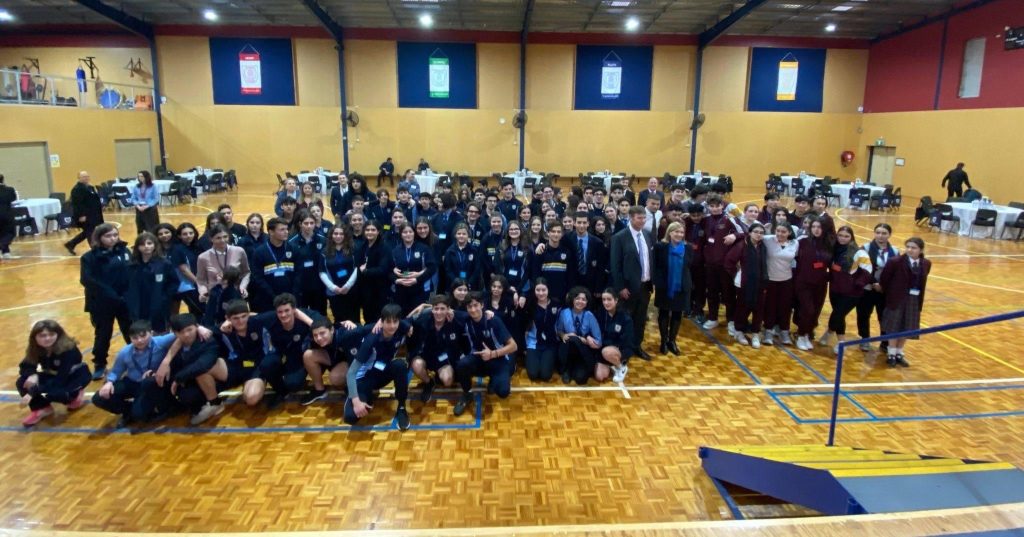
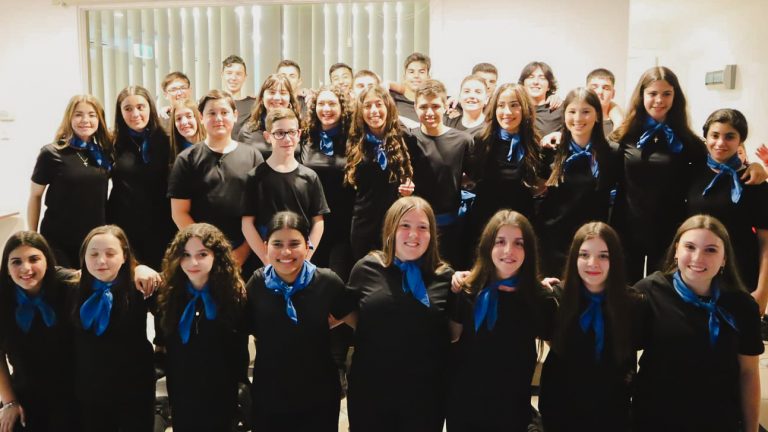
A Hellenic Arts Gala brought together the two Victorian-based Greek Orthodox Colleges of the Holy Archdiocese of Australia. 

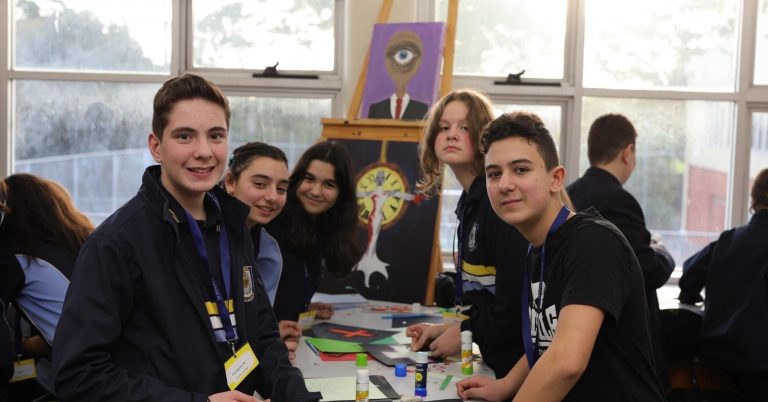
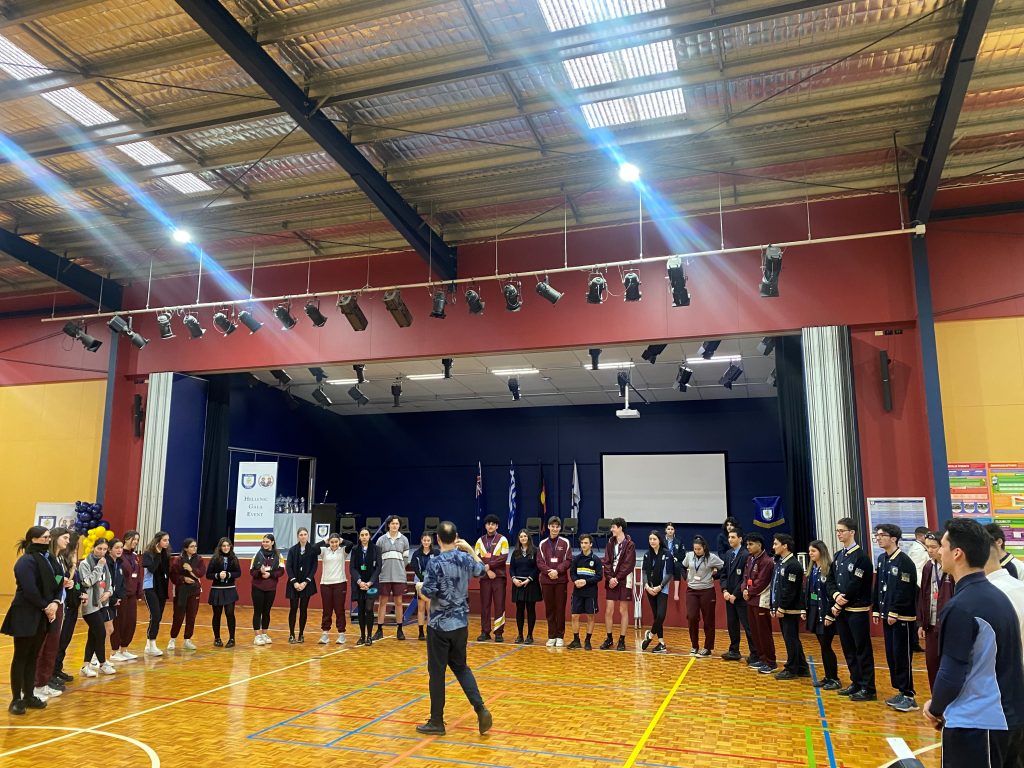
Middle and senior School students from St John’s College and Oakleigh Grammar School participated in a special event dedicated to Hellenic culture on Wednesday.

The event took place at the premises of St John’s College in the suburb of Preston in Melbourne.

Upon arrival, the students of Oakleigh Grammar were welcomed by the Principal of St John’s College, Anna Urban, along with her students and teaching staff.

In her welcome speech, Mrs Urban spoke passionately about the initiative of the two schools to collaborate and celebrate their Greek cultural heritage.  

She also referred to the value of the word “friendship”, stressing that the gathering of the two schools gives students the opportunity to get to know each other and create new friendships.

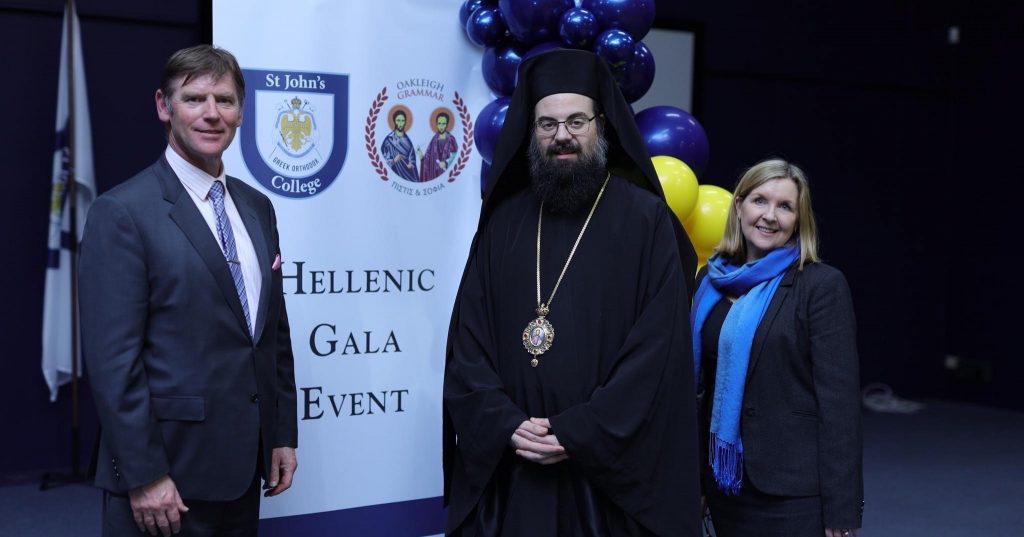
The event began with an official Doxology conducted by the His Grace Bishop Evmenios of Kerasounta together with the Holy Clergy of the Archdiocesan District of Northcote.

His Grace Bishop Evmenios welcomed all students and teachers from both schools and he conveyed the warm wishes of His Eminence Archbishop Makarios of Australia who is currently in the centre of the Orthodox Church in Constantinople. 

His Grace also expressed his gratitude that the two schools of the Holy Archdiocese of Australia jointly organised such a special event where students have the opportunity to honour and celebrate Greek Culture.

In order to emphasise to the students, the value of Greek culture, His Grace mentioned: “The Greeks made important contributions to philosophy, mathematics, astronomy, medicine and architecture. ”

“Literature and theatre were important aspects of Greek culture and influenced modern drama. It was a period of political, philosophical, artistic, and scientific achievements that formed a legacy with unparalleled influence on Western civilization,” he said.

He also referred to the relationship between the Orthodox faith and our cultural heritage by saying: “Hellenic culture, throughout the ages; beyond its cultural and ideological impacts, was always closely intertwined with its faith, as is evident throughout Greece and throughout the world.”

“Hellenism and Orthodoxy, to this very day, are closely aligned especially in the diaspora where the Greek Orthodox Church is at the forefront of maintaining Hellenism and all that it encompasses,” he added.

His Grace expressed his wish for this event to become a yearly celebration bringing the students of Oakleigh Grammar and St John’s College together in a multitude of different events so all students can have the opportunity of meeting, spending time and having fun with each other.

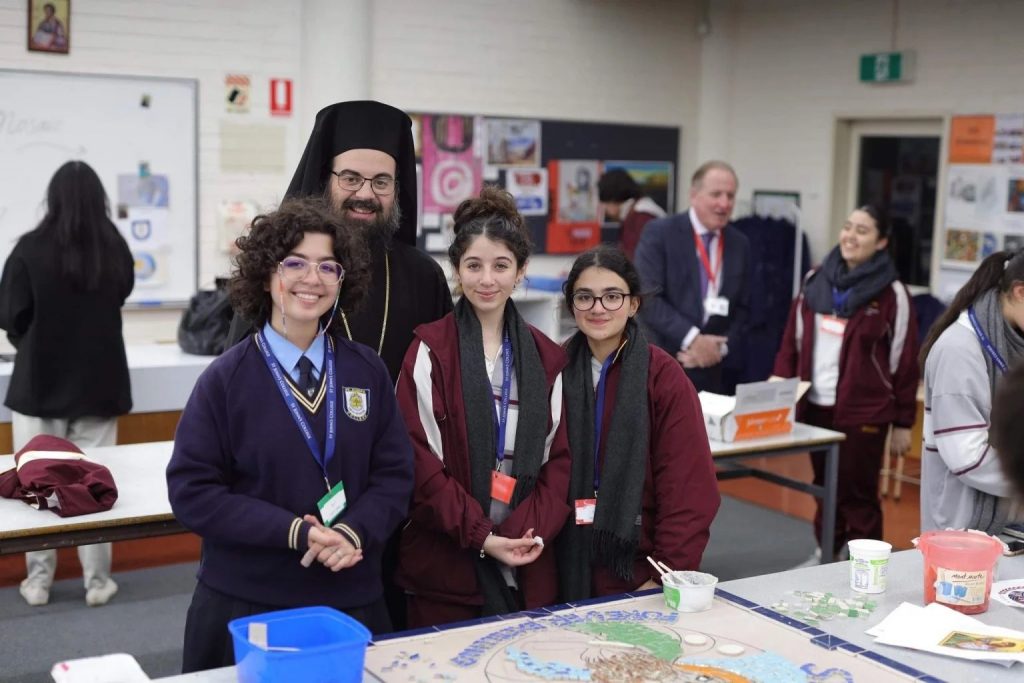
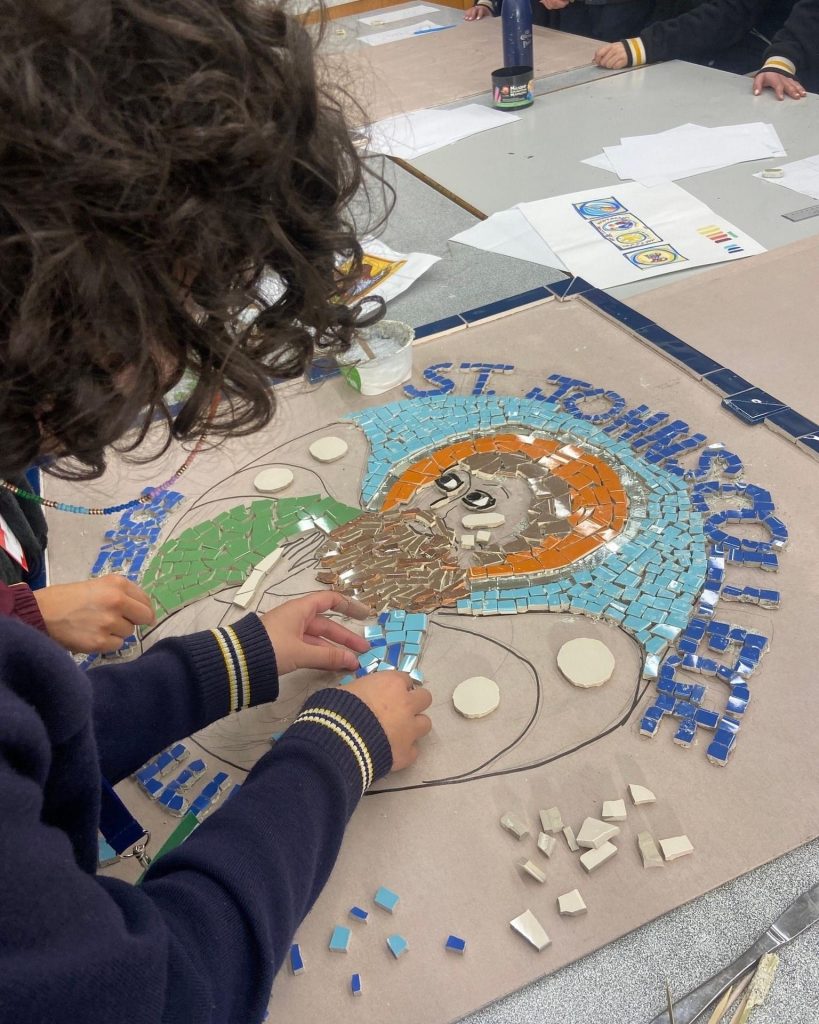
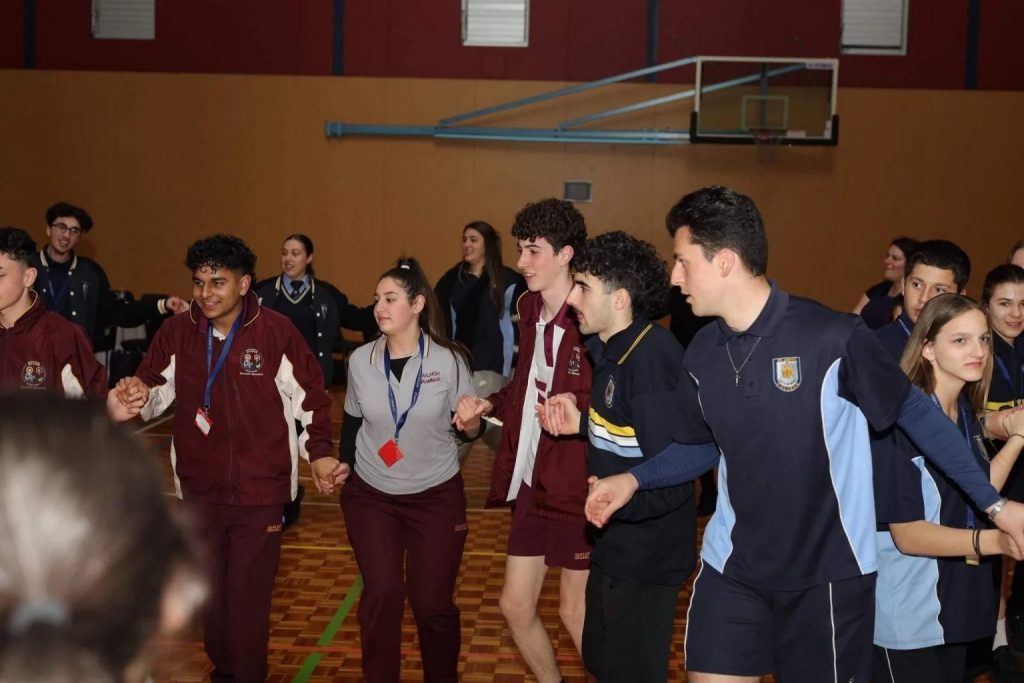
During the event, the students were divided into groups and attended three different workshops related to music, Greek dance and arts.  

One of the highlights of these workshops was the creation two amazing mosaic artworks which depict Saint John the Baptist, Patron Saint of St. John’s College, and the Saints Anargiris, Patron Saints of Oakleigh Grammar. The mosaic artworks will be completed in the upcoming weeks. 

After completing the workshops, the students enjoyed a wonderful dinner hosted by the Parents Association of St. John’s College.  

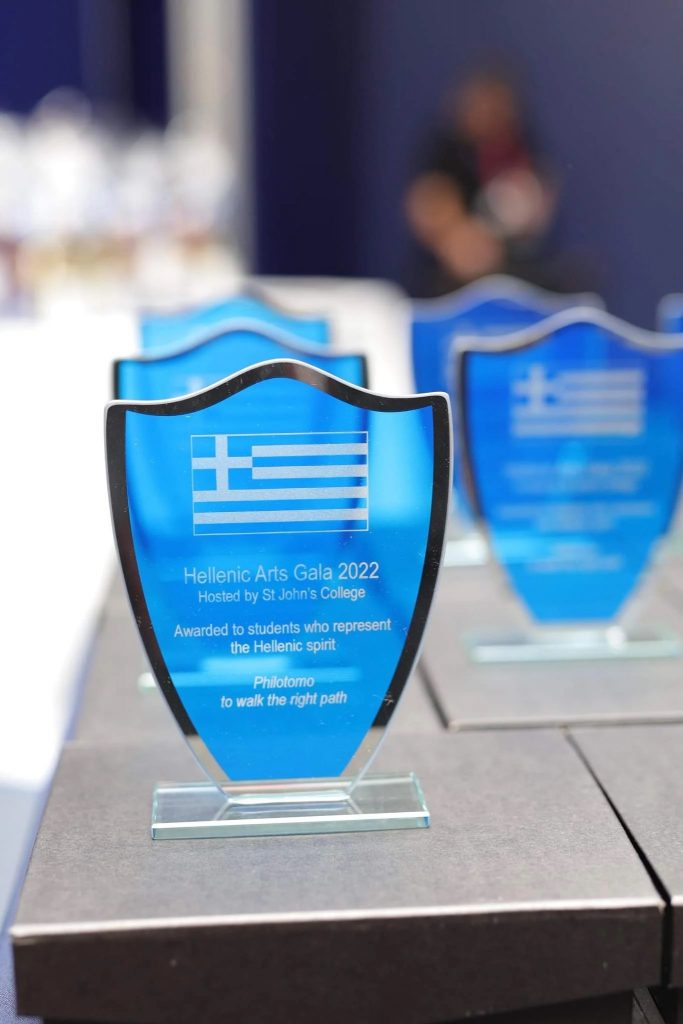
Selected students of both schools achieved some special awards for their outstanding work during the three workshops.

The Principal of Oakleigh Grammar, Mr Mark Robertson, warmly thanked the Principal of St. John’s College, Mrs Anna Urban, for her hospitality and cooperation in making this special event possible.

Both Principals promised that every year the two schools will cooperate and hold an event dedicated to Greek Culture.

Of course, an event full of Greek culture could not be without music, dance and fun. The evening ended with the students listening to Greek music and dancing with kefi and meraki.

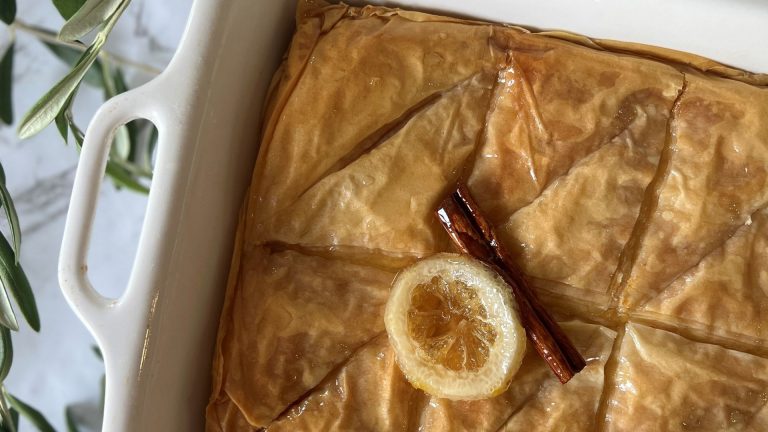
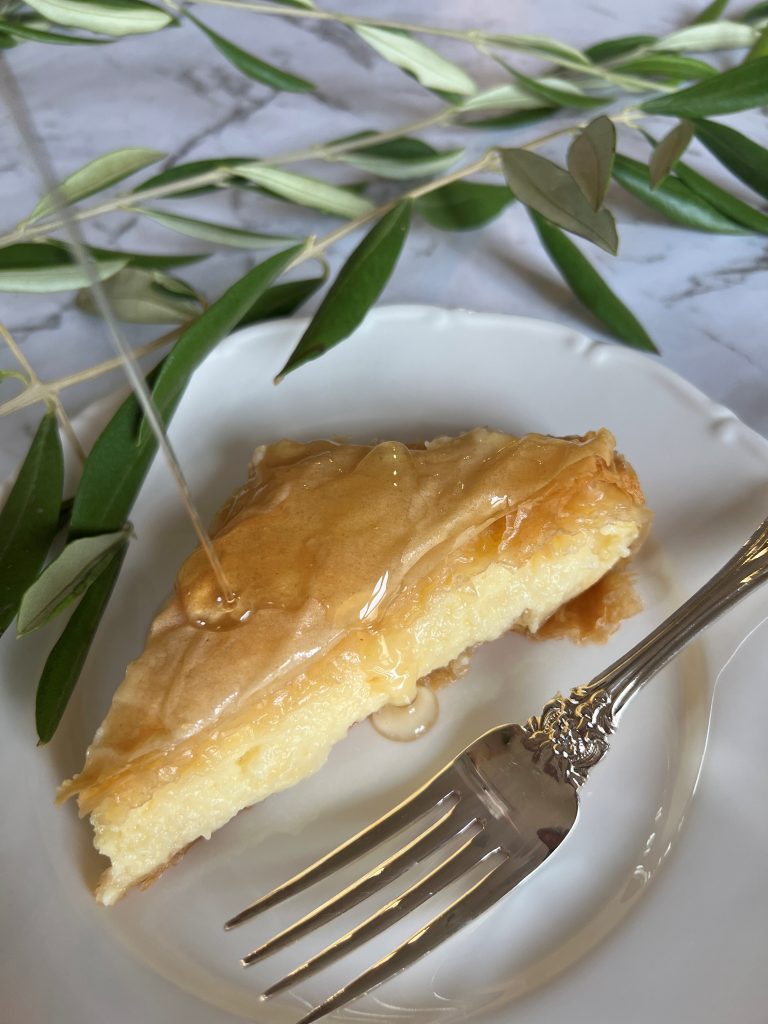
Greek custard dessert recipe (Galaktoboureko)

Galaktoboureko is a Greek national treasure, a recipe that is known in every household and enjoyed by everyone.

Christina from Pieces of Greece shares with us her recipe for this traditional Greek dessert that is sure to please your guests.

SYRUP INGREDIENTS 

  • 1 3/4 cups granulated sugar 
  • 3/4 cup water 
  • 3 lemon wheels 
  • 1 cinnamon quill 
  • 1 Tbsp rosewater or orange essence 
  • 1 Tbsp honey 

CUSTARD INGREDIENTS 

  • 6 egg yolks
  • 3/4 cups caster sugar 
  • 3 tsp vanilla sugar 
  • 6 cups full cream milk 
  • 1 cup fine semolina 
  • 1 tsp vanilla essence 
  • Rind of 1/2 lemon 
  • Pinch salt 
  • 50g unsalted butter 
  • OTHER INGREDIENTS 
  • 1 375g pack Antoniou Fillo pastry
  • 100g unsalted butter 
  • 1/4 cup light olive oil 

METHOD 

  1. First make syrup. Put sugar, water, lemon and cinnamon in small pot. Bring to boil, stirring a few times. When it reaches a boil, simmer on low-medium heat, without stirring, for 6 minutes or until thickened and glossy. Stir through rosewater/ orange blossom essence and honey. Turn heat off. Allow syrup to cool. 
  2. Make custard. Using a mixer on medium speed, beat yolks, sugar & vanilla sugar until light and thickened, about 5 minutes. In a separate heavy bottomed pot, add milk, semolina, vanilla essence, zest & pinch salt. Whisk over medium heat until lukewarm. Add yolk/sugar mix, whisking vigorously & continuously until custard thickens. This may take up to 10 minutes. Do not stop whisking & ensure base of pot is whisked. Stir through butter. Turn heat off. Custard should be thickened & clump free. Cover surface with cling wrap & allow to cool until warm. 
  3. Preheat oven to 155 degrees Celsius fan forced
  4. Prepare Fillo according to packet instructions, bringing to room temp. Remove from plastic & lay out in front of you. Cover with damp towel. 
  5. Melt butter in bowl, then stir through oil. 
  6. Using pastry brush, brush 23cm x 35cm baking tray. 
  7. Pick up 2 sheets, lay on base of tray. Butter surface. Repeat step 6. 
  8. Repeat step 6 but this time allow edges to overhang one side of tray. Butter surface. Repeat on other side of tray. Butter surface. 
  9. Pour custard into tray. 
  10. Fold in overhanging edges and butter them. 
  11. Place 2 sheets in middle of tray. Butter surface. Repeat. Trim overhanging edges. Using spatula or brush, tuck them into the edge of the tray. 
  12. Cut remaining sheets to be 2 cm larger than surface area of tray. Place 2 sheets  neatly in the middle. Butter surface. Repeat.
  13. Using brush, tuck edges in & smooth surface. 
  14. Score Fillo.  
  15. Mist Fillo lightly with water (optional).
  16. Bake 40-50 mins or until golden and crispy. 
  17. Remove & stand 5 minutes. 
  18. Pour cooled syrup over hot galaktoboureko. 
  19. Stand at least 3 hrs before cutting & serving. 

Καλή ορεξη! 

READ MORE: Greek almond biscuit recipe (Amygdalota)

Special Ks secure first round doubles win at US Open

0

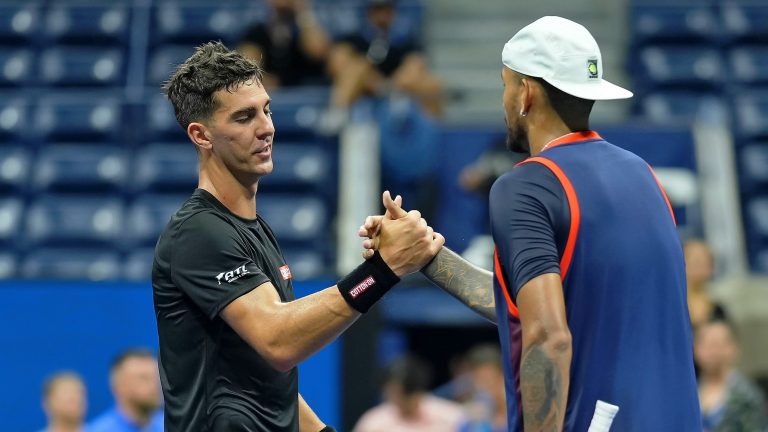
Teaming up at a Grand Slam for the first time since their Australian Open win in January this year, Nick Kyrgios and Thanasi Kokkinakis have picked up exactly where they left off.

Pulling off a huge comeback this afternoon at the US Open, the Australian duo defeated France’s Hugo Gaston and Italy’s Lorenzo Musetti 4-6, 6-3, 6-4 and will be advancing to the second round.

The Special Ks victory at Flushing Meadows comes as earlier in the week Kyrgios defeated Kokkinakis in the opening round of the men’s singles.

However, their win wasn’t without challenge, with Kyrgios and Kokkinakis being pushed to three sets after losing their opening set to the unseeded Gaston and Musetti.

The vocal crowd at Louis Armstrong Stadium in New York were not only in for spectacular displays of tennis, but an entertaining show with both Kyrgios and Kokkinakis sending their rackets flying as frustration mounted throughout the tense two-hour-long battle.

“We made it extremely tough for ourselves, but the crowd was electric,” Kyrgios said after the win.

“We definitely have aspirations to win the tournament, so I’m just glad we’re still in the tournament after tonight.”

Five Melbourne restaurants to serve up free halloumi dishes over two days

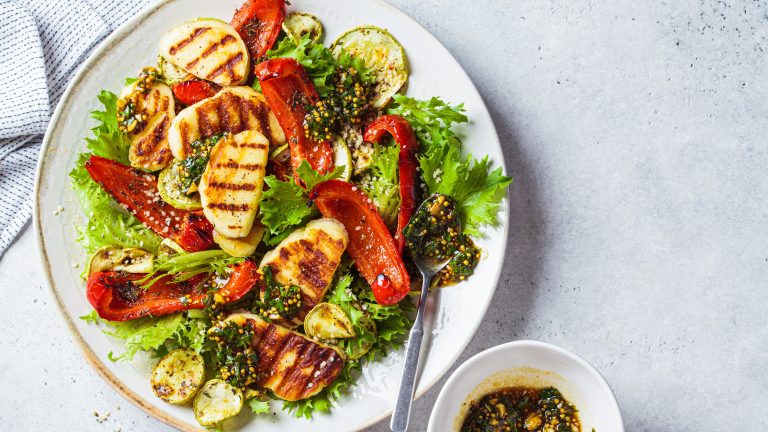
Five Melbourne restaurants are serving up complimentary European halloumi PDO-inspired dishes over two days to introduce to the consumers this delicious European PDO cheese from Cyprus.

Five much-loved restaurants across Melbourne will come together next week to put the spotlight on European halloumi, as part of the EU-financed campaign Cheese EU participation at Fine Food Australia Expo being held at Melbourne Convention Exhibition Centre (5 – 8 September 2022). 

As part of this expo – but held at their own venues – The Hamptons Bakery (Hampton), Vanilla Lounge (Oakleigh), The Fifth Restaurant (Southbank), The Postina (St Kilda) and Wolfe & Molone (Bentleigh) will be offering their own special complimentary European PDO halloumi-inspired dish over two days (Tuesday 6th September & Wednesday 7th September) to customers ordering off their existing menus and dining in.  

Customers must be dining in and ordering off the restaurants’ existing menu to qualify for a complimentary halloumi dish. For more information, please visit: www.cheeseeu.eu.

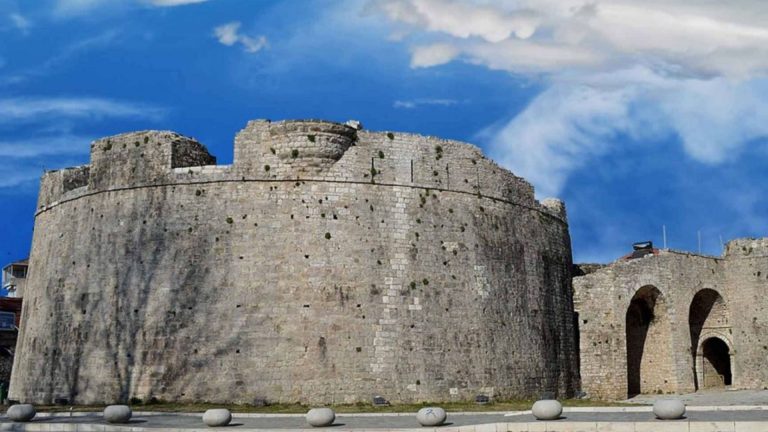
Ioannina Castle becomes fully accessible to disabled visitors

The Ministry of Culture has announced that a major upgrade of the facilities at Ioannina Castle in the north of Greece, have been upgraded to include wheelchair accessibility and marked routes for the visually impaired. 

The castle, which also encompasses the fortified Old Town of Ioannina, dates back to the late Ottoman period and the time of the infamous Ali Pasha, who ruled over the city from 1788 to 1822.

The recent works were carried out following a series of assessments by the relevant authorities of the Region of Epirus and the Municipality of Ioannina and was approved by the Central Archeological Council. 

Minister of Culture, Lina Mendoni said in a statement that accessibility was necessary for the upgrading and functional integration of the Castle into the urban fabric of the city. 

“The unification of the two fortresses and the creation of a single archaeological and cultural site is the subject of the Strategic Development Plan prepared by the Ministry of Culture and Sports, in collaboration with the Municipality of Ioannina for the promotion and sustainable use of the Castle of Ioannina as an emblematic monumental complex.” said the minister.

Source: Greece Is

Celebrating Hellenism: Adelaide High School students impress at annual dinner dance

0

Adelaide High School’s Greek Parents Association hosted their annual Dinner Dance last Saturday at the Chian Association of South Australia.

The sold-out event highlighted the strong Hellenic spirit amongst the broader school community where philhellenes gathered to celebrate Hellenism; ensuring the Greek language, culture and identity remain strong in the diaspora for generations to come.

Adelaide High School’s Greek Parents Association’s August Dinner Dance. Photo: Supplied to TGH

The evening’s hosts included year 10 student, Yiana Katzavelos and year 7 student, Yanni Thanos who demonstrated their leadership and language skills.

The Adelaide High School Greek Band and the 32 students in the school’s Greek dance group impressed the audience with their precision and kefi. The students had dedicated their lunchtimes and afterschool time to embrace their culture and rehearse for the evening.

Being entertained by Music 3000 – staff, students, parents, and the broader community danced hand in hand, encapsulating the essence of Hellenism.

The Greek Parents Association, led by President, Nektaria Boundris, in partnership with staff at Adelaide High School, continue to work tirelessly to promote Greek language learning. It is through events like this, that it is evident the heartbeat of Hellenism is beating strong in our youth.

Congratulations to the committee, staff, and students on a successful event!

NSW Government bolsters engagement with diverse communities across the state

Communities will have a greater opportunity to have their voices heard by the NSW Government thanks to a new state-wide engagement initiative.

Launching the Regional Engagement Program today (Friday, September 2), NSW Minister for Multiculturalism, Mark Coure, said this will see nine Regional Community Networks established throughout the state.

“Our multicultural society is not limited to one city or suburb—it extends right across NSW,” Mr Coure said.

“This program has been designed so that each network will reflect the diversity of the communities it represents, and include the voices of young people, Aboriginal and Torres Strait Islander people, and new and established migrant communities.

“I am calling on people to register their interest to have a seat at the table and help share their experiences, knowledge and insights on cultural diversity in their region.”

The Regional Engagement Program will include a range of engagement opportunities throughout the year including listening tours, roundtables and annual summits.

Mr Coure explained the initiative, funded through the 2022-23 State Budget, was inspired by the meaningful outcomes the NSW Government achieved by working more closely with local leaders and organisations during the COVID-19 pandemic.

“The pandemic presented us with a unique opportunity to forge even stronger relationships with diverse communities. It was through this grassroots collaborative working relationship that we were able to achieve the strong vaccination rate we did and keep people safe. We now want to formalise these networks so we better serve the people of NSW,” Mr Coure said.

Each of the nine networks will include 15 formally appointed members. Two networks will cover Greater Sydney, with the others covering Western NSW, Illawarra-South East, Northern NSW, New England and North West NSW, Hunter and Central Coast, Murray Lower Darling and Riverina.

For more information about the Regional Engagement Program, visit www.multicultural.nsw.gov.au.

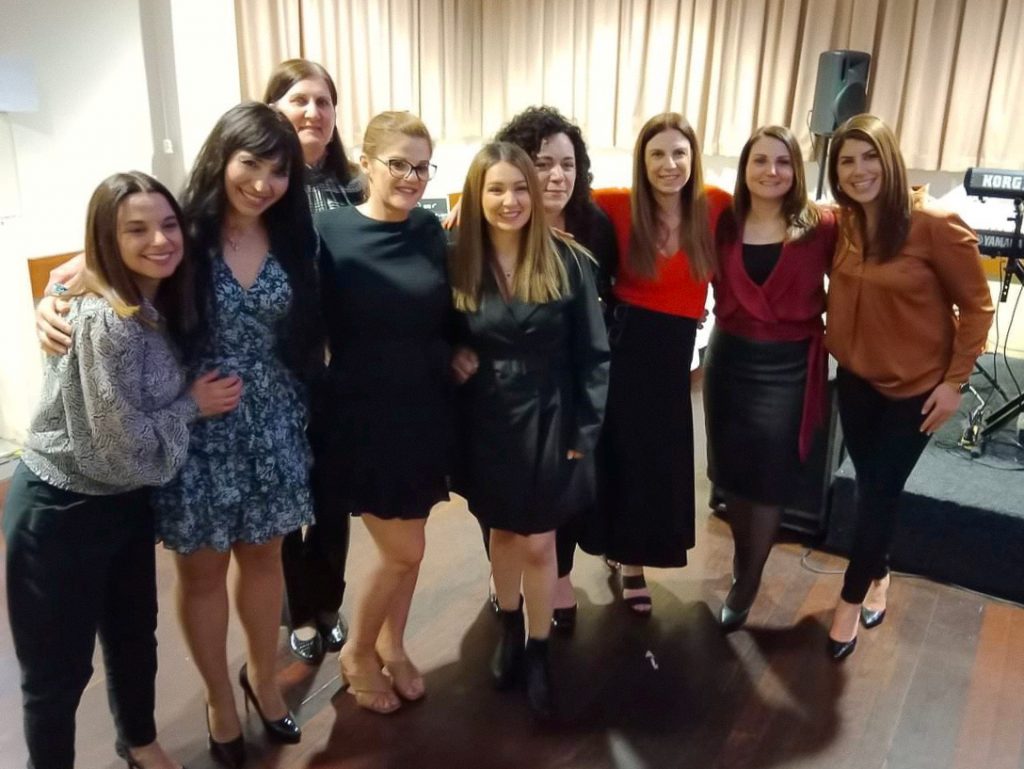
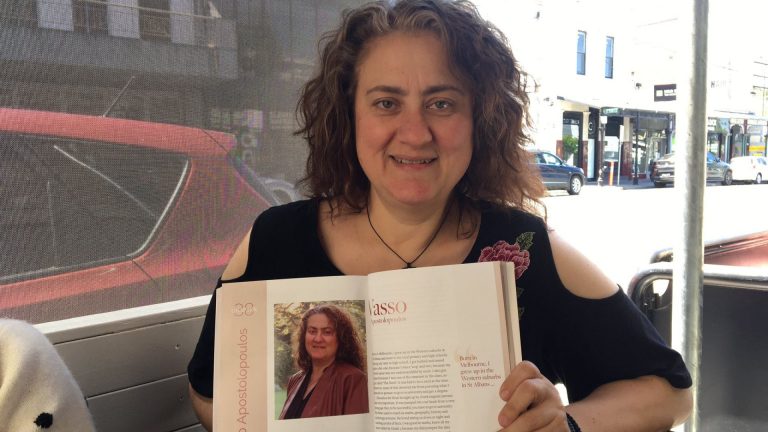
The Greek Australian Women’s Network continues its seminars with Professor Vasso Apostolopoulos

The Greek Australian Women’s Network, Food For Thought Network continues its informative seminars with its Patron, Professor Vasso Apostolopoulos.

This year alone, there have been outbreaks of the Hepatitis virus, Hand Foot and Mouth Disease, Monkeypox, Buruli ulcer, langya and in the last few days, tomato flu has also been in the spotlight.

There is so much confusion and misinformation regarding these viruses. 

The Network’s Patron will give a seminar on Sunday, September 11 to provide an update on new outbreaks as many are unsure of the severity of these new viruses or variants.

Professor Apostolopoulos will answer questions such as: What are these viruses? Why are there all these outbreaks? and What do we know so far?

During the seminar, the Professor will also discuss what is known and what’s next. 

“We are extremely lucky to have our Patron Professor Apostolopoulos to update us on these important health issues, knowing the pressures she has juggling a demanding career and a family,” the Founder and Chair of The Food for Thought Network, Varvara Athanasiou-Ioannou, said.

“It is an honour to have Professor Apostolopoulos as our patron in light of her global and valuable contribution to the field of science.

“The human values that govern her and her dedication to the family institution are in line with the values of our network. Vasso represents the ultimate role model for our young women.”

The online seminar is free of charge but you need to book here to receive the zoom link.

Date: Sunday, September 11 at 7pm, Melbourne time – 12pm.

‘Never forget’: Federation of Pontian Associations of Australia on Asia Minor Catastrophe centenary

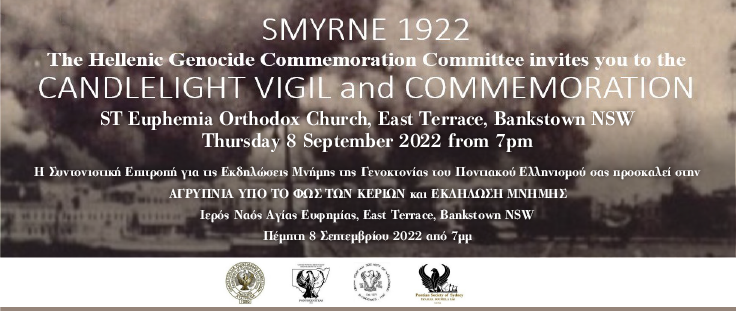
The Federation of Pontian Associations of Australia have issued a message today to mark the 100th anniversary of the Asia Minor Catastrophe this month.

In the message, the Federation said they will continue to fight for justice for the hundreds of thousands of Greeks and Armenians who were massacred or expelled from their homes in Smyrna in 1922.

Full Message:

Smyrna is located approximately over 1000km from the nearest Pontian city and yet as Pontians we feel the pain of that loss as if it were one of our own.

The Pontian community have long held memorial services for the Burning of Smyrna as it was at the tail end of a 10 year campaign to rid all of Asia Minor of its Christian population.

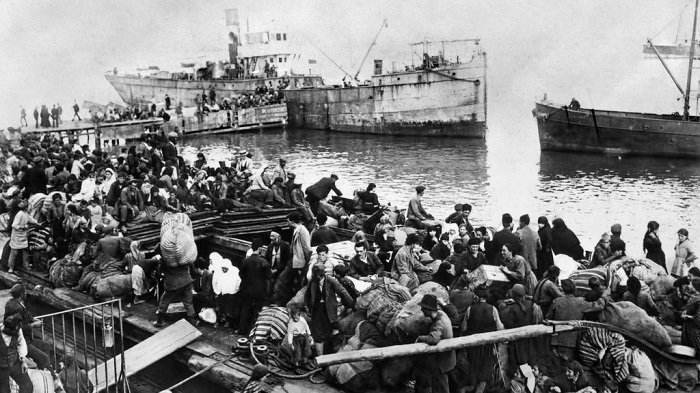
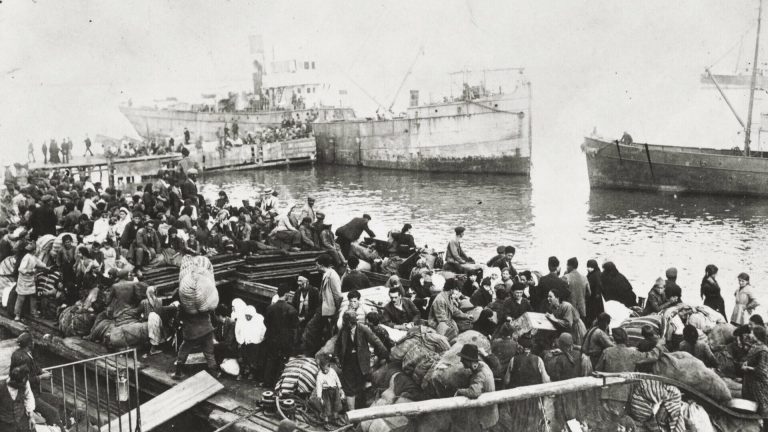
3000 year history of Greek civilisation in that part of the world was wiped out in a matter of days. Approximately hundreds of thousands of Greek and Armenian refugees crammed the waterfront to escape from the fire. They were forced to remain there under harsh conditions for nearly two weeks. Turkish troops and irregulars had started committing massacres and atrocities against the Greek and Armenian population in the city before the outbreak of the fire. Many women were raped, tens of thousands of Greek and Armenian men were subsequently deported into the interior of Anatolia, where many of them died in harsh conditions.

The destruction of Smyrna by the advancing Turkish army signalled the end of the Greek presence in Asia Minor. Credit: Public Domain.

On the 100 year anniversary of this tragic event, the members of the Federation of Pontian Associations of Australia pause and remember what was lost. 

We reaffirm our commitment to our ancestors and our shared history that we will never forget and never give up pursuing the justice that has evaded our people to this very day.

May the memory of Smyrna and its people be eternal.

Signed by:

  • Federation of Pontian Associations of Australia.
  • Pontoxeniteas NSW.
  • Panagia Soumela Sydney.
  • Greek Pontian Society of Wollongong Diogenes.
  • Pontian Club Canberra.
  • Akrites Tou Pontou Victoria.
  • Pontic Foundation Panagia Soumela of Australia.
  • Pontian Brotherhood of South Australia.

READ MORE: Sydney’s Greek community gather to remember victims of the Greek Pontian genocide.