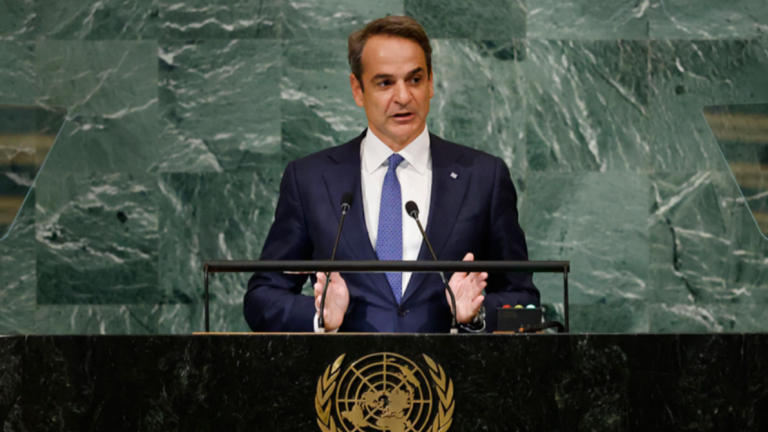
In his address to the United Nations General Assembly (UNGA) on Friday, Greek Prime Minister Kyriakos Mitsotakis focused on recent provocations by Turkey, as well as current issues around the return of the Parthenon Marbles to Greece.
‘We are not enemies’:
First in his speech, Mitsotakis identified security, stability and the territorial integrity of Greece as Athens’ red lines against Turkish aggression.
He referred to Ankara’s revisionist agenda and its destabilising role for the region, and made specific references to the incendiary rhetoric emanating from Ankara.
Mitsotakis said disputing Greece’s territorial integrity is an “absolute red line” for all Greek people and an issue on which he, as prime minister, “will never compromise.”
As Prime Minister of Greece, I will never compromise on my country’s territorial integrity, security and stability.
But for all his criticism of Turkey, Mitsotakis also chose to emphasise the benefits of cooperation, and not only on issues affecting Greece and Turkey.
“Turkey’s leadership seems to have a strange fixation with my country… They threaten that Turkey will come at night, if it so decides. This is the language of an aggressor,” the Greek Prime Minister said.
“From the UN I would like to address… the Turkish people directly: Greece poses no threat to your country. We are not your enemies, we are neighbours… Let us move forward.”
Birleşmiş Milletler’den bu mesajla yalnız Türk liderlerine değil, Türk halkına da yönelerek şunu söylemek isterim: Yunanistan Türkiye’yi tehdit etmiyor. Biz düşman değiliz. Biz komşuyuz ve aramızdaki dostluk ilişkilerine çok önem veririz. #UNGApic.twitter.com/bEcZcJiHnt
Long-existing tensions between the two countries have flared up recently. Greece complained to NATO and the United Nations this month over what it called “inflammatory” statements by Turkish President Tayyip Erdogan.
“I’m pleased to say that our long and continuing effort to reunite the Parthenon sculptures back in Greece, in this effort we have received support from the vast majority of member states, as well as from UNESCO’s Intergovernmental Committee,” the Greek Prime Minister said.
“No matter how long it will take, the Parthenon sculptures will eventually be coming home.”
The sculptures were removed from the Parthenon temple, a 5th-century BC architectural masterpiece, in Athens in the early 19th century by British diplomat Lord Elgin at a time when the country was under Ottoman rule.
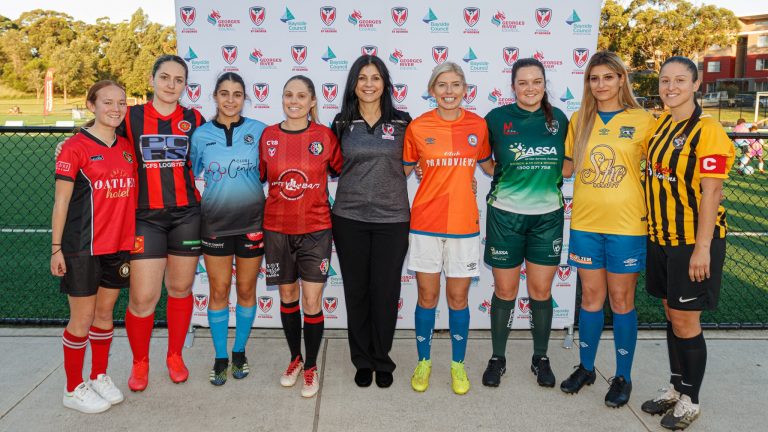
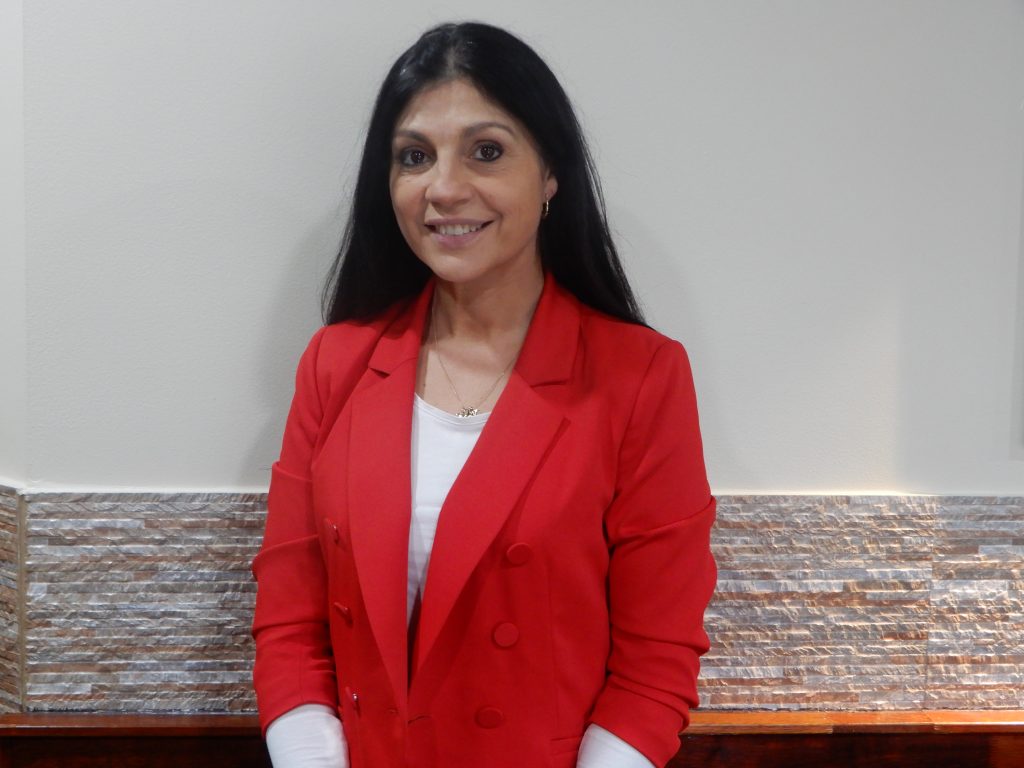
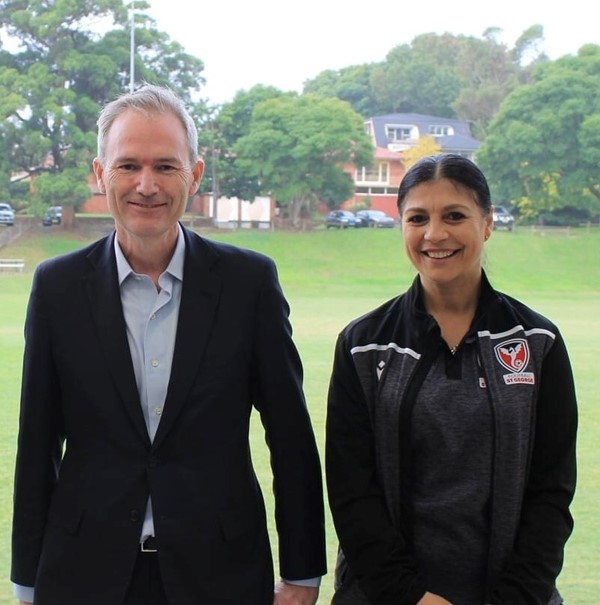
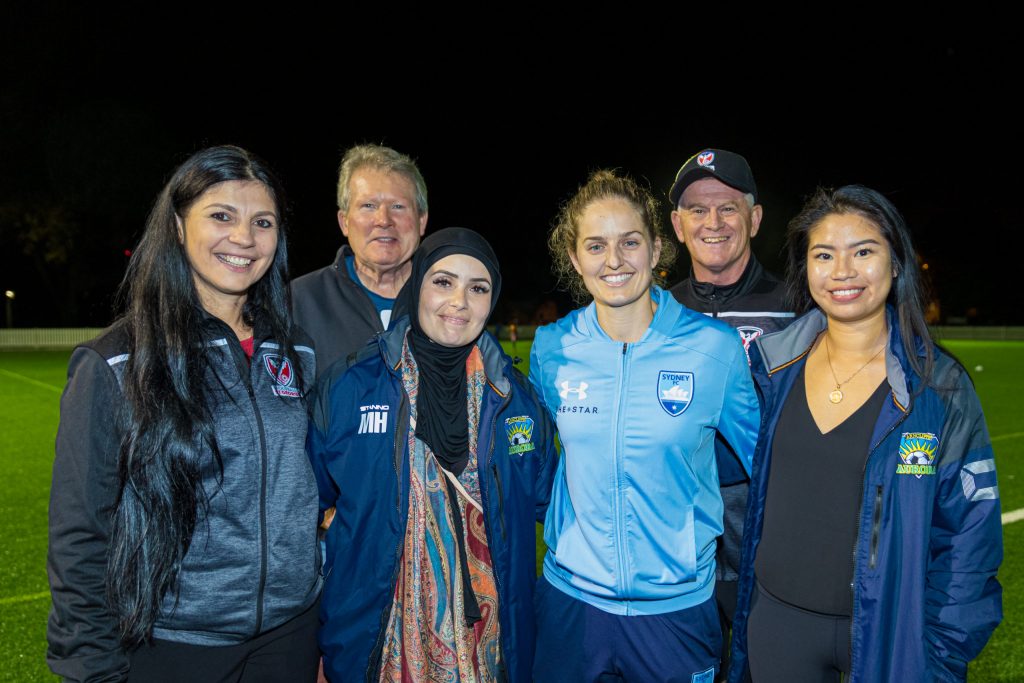
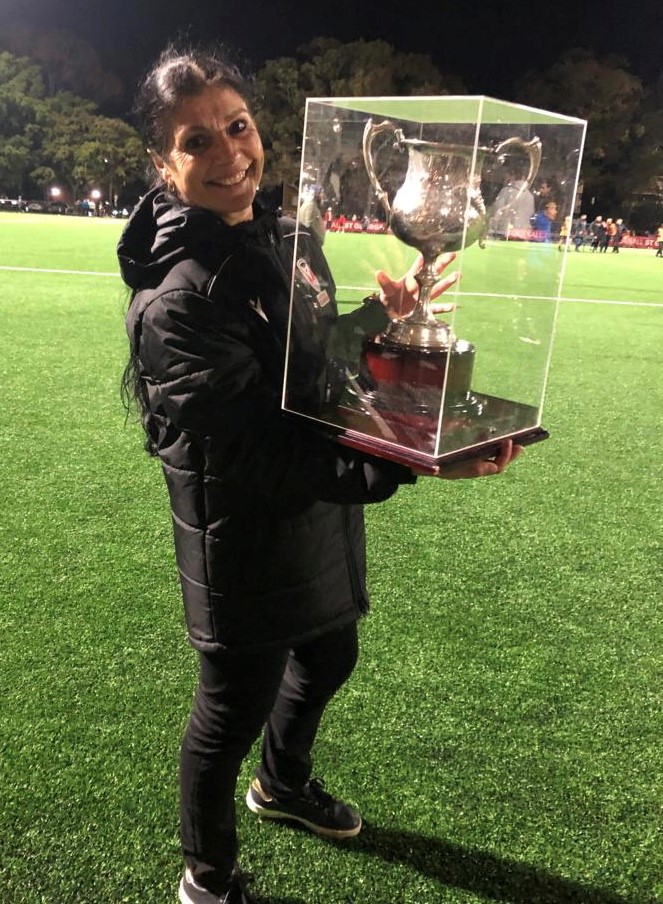
Irene Hatzipetros is a dynamic personality not only in football, but also as the Director and Chair of the St George Football Association – a position that is traditionally managed by men in many countries. In this case, Irene is the prime example of efficiency and organisation in the development of local football.
Born in Wagga Wagga in 1971, Irene is the daughter of a Symian father and a Rhodesian mother. She has two sisters and a brother, who passed away on the Greek island of Crete in 2021.
My mother came to Australia when she was 18 and my father came here when he was 26. My father played football with OFI Crete FC and was a painter and artist. The marriage was arranged by my mother’s family in Greece,” Irene tells The Greek Herald.
After primary and high school, Irene attended Charles Sturt University in Wagga Wagga and later graduated as a barrister from Macquarie University in Sydney.
Irene, how did you start playing football?
I played football at school and I used to coach girls and men of all ages.
What motivated you to get involved in football management?
My father died a few years ago, as did my brother. In honour of my father and brother I became involved initially in Administration at the St George Football Association. I was later elected President.
As a female, were you concerned when you were given this role?
Indeed, being President is difficult but with patience and passion I could say I succeeded. We managed to launch a program with vision for many clubs in the St George area.
How many clubs exist in your jurisdiction?
We have 23 clubs and one of them is a program for children with special needs called the ‘Warriors’ program. We have 10,400 players with 25 percent of them being women, 860 teams and 1,800 volunteers, coaches and referees.
What is your vision for the future of football?
We want to continue to promote football in our community. Continue to engage in conversations and also support the pathways for players to continue in the sport with passion. Next year is a very big year for us with the FIFA Women’s World Cup being held in Australia. There is also funding available through Football NSW, as well as through grants to help promote women’s football. We are considering applying for these grants for our clubs in order to increase female participation.
Is there anything else you would like to say?
Peter Sarikakis, or ‘The General’ as he is better known, is one of my biggest supporters. He deserves all the praise he receives for the efforts he makes for the Hurstville City Minotaurs.
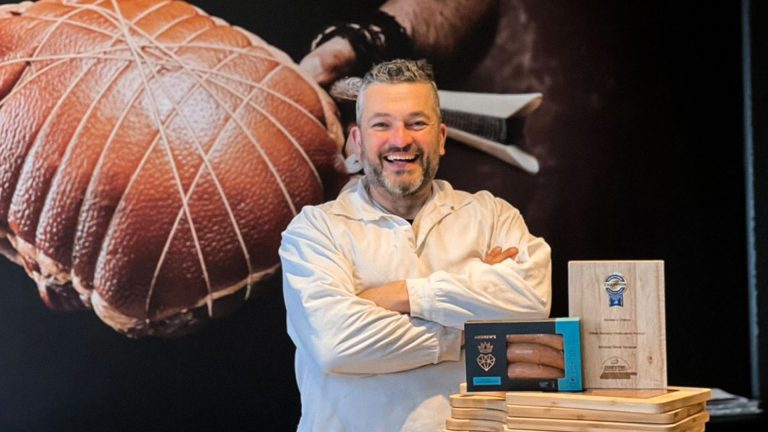
The awards, established by the Australian Meat Industry Council (AMIC), took place last month and Vourvahakis’ loukaniko (Greek sausage) and boneless leg ham were recognised as category champions, being ranked No. 1 in the country.
Humbled to share with you that Andrew’s Choice received 10 awards at AMIC Australian Charcuterie Excellence Awards 2022.Blind taste testing ranked newest line, Loukaniko and Boneless Leg Ham as #1 in the country. Gold was awarded to all sausages in our new retail ready range. pic.twitter.com/iJINq49RBy
In a statement, Chief Judge and AMIC National Smallgoods Council Chair, Franz Knoll, said the awards recognise products of quality and excellence in Australia’s smallgoods industry and shine a light on producers “providing superior charcuterie products.”
For Andrew, charcuterie is the ancient art of salting and smoking cold meats, a technique he infuses with ‘meraki’ (soul, creativity and love).
“I want to share this award with the entire Hellenic community and use it as an opportunity to catapult new education around the art of charcuterie and its place within our rich history and the diversity of Hellenic cuisine,” he said.
“I also want to teach all, no matter their background, to embrace the flavours of Loukaniko. What it is, how to say it and how to enjoy it, as much as they do more common European varieties.”
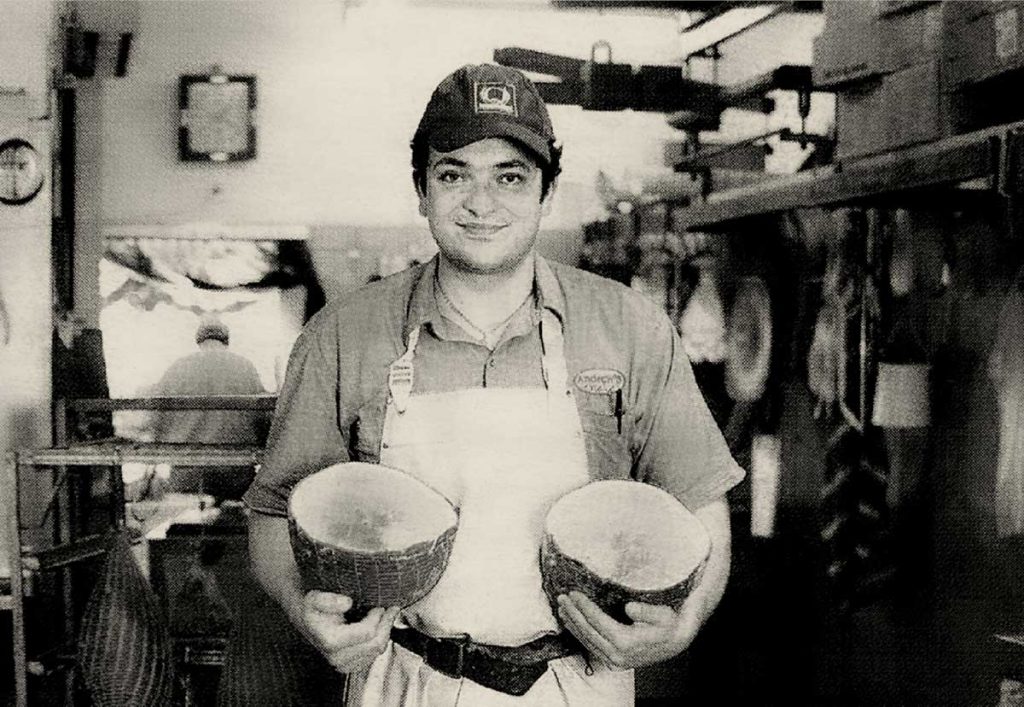
Andrew’s first became involved with the meat industry in 1982 as a young boy spending his afternoons cleaning trays at a Yarraville butcher shop. At 15 years of age, he began his apprenticeship and at 18 he purchased his first store from his employer.
Andrew’s butcher shop in Yarraville, 1988.
Andrew ran that store with his father Emmanouil as ‘Andrew & Emmanouils Meat Supply’ until he established Andrew’s Choice in 1989.
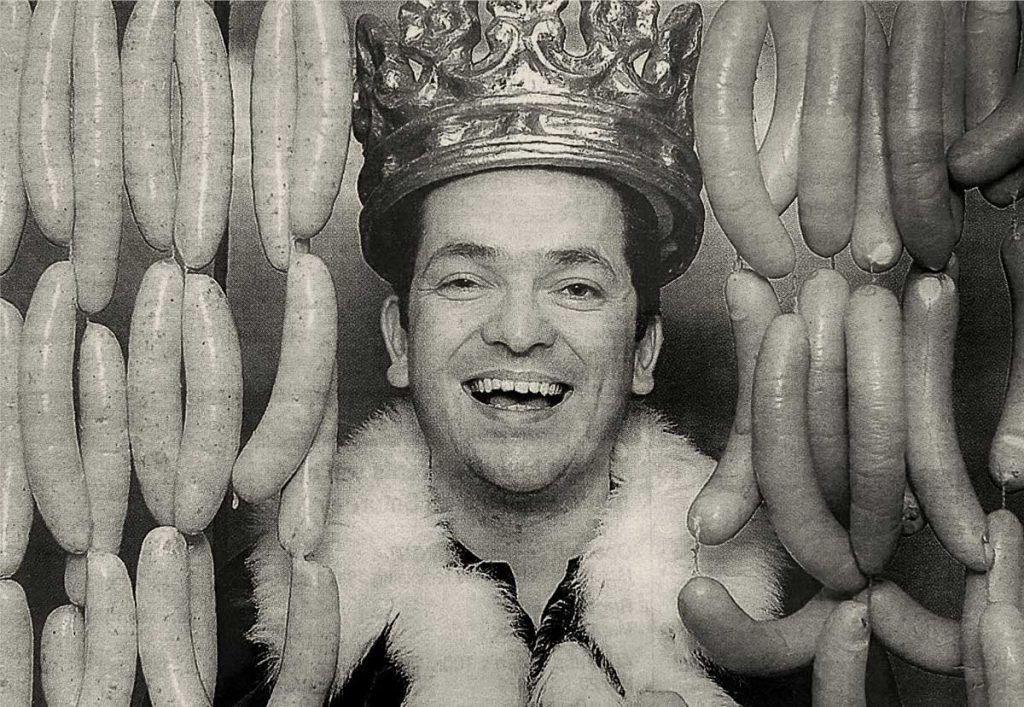
In 1994, Andrew began his award-winning journey, winning the title of National Sausage King, before going on to win prestigious accolades over the following years from the Melbourne Fine Food Awards, Sydney Royal Fine Food Fair and Australian Pork Limited.
Andrew was crowned the Victorian Sausage King in 2003. Photo: The Herald Sun
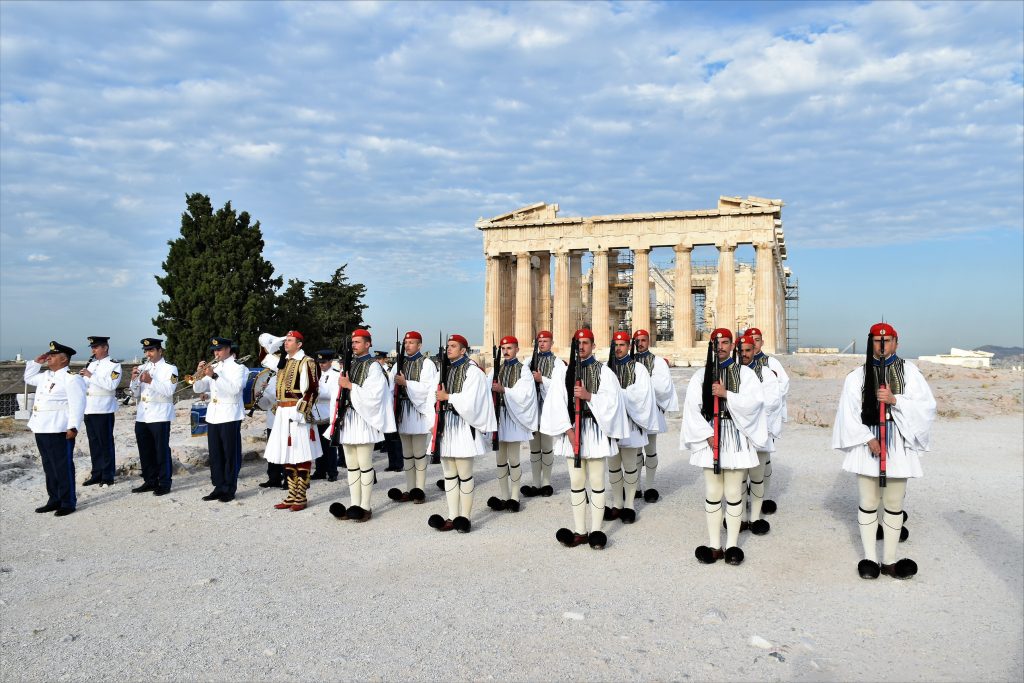
In recognition of Australians standing shoulder to shoulder with Greek and other Allied forces in the Battle of Greece and the Battle of Crete in 1941, members of the Hellenic Presidential Guard will visit Adelaide next month to help commemorate Oxi Day and unveil a memorial supported by the South Australian Government.
During their visit, the Hellenic Presidential Guard will partake in a week-long series of events, including the unveiling of a memorial at St George Greek Orthodox Church in Thebarton.
The State Government has provided $100,000 towards the permanent memorial, which honours both last year’s bicentenary of the Greek War of Independence and ‘Oxi Day’ itself.
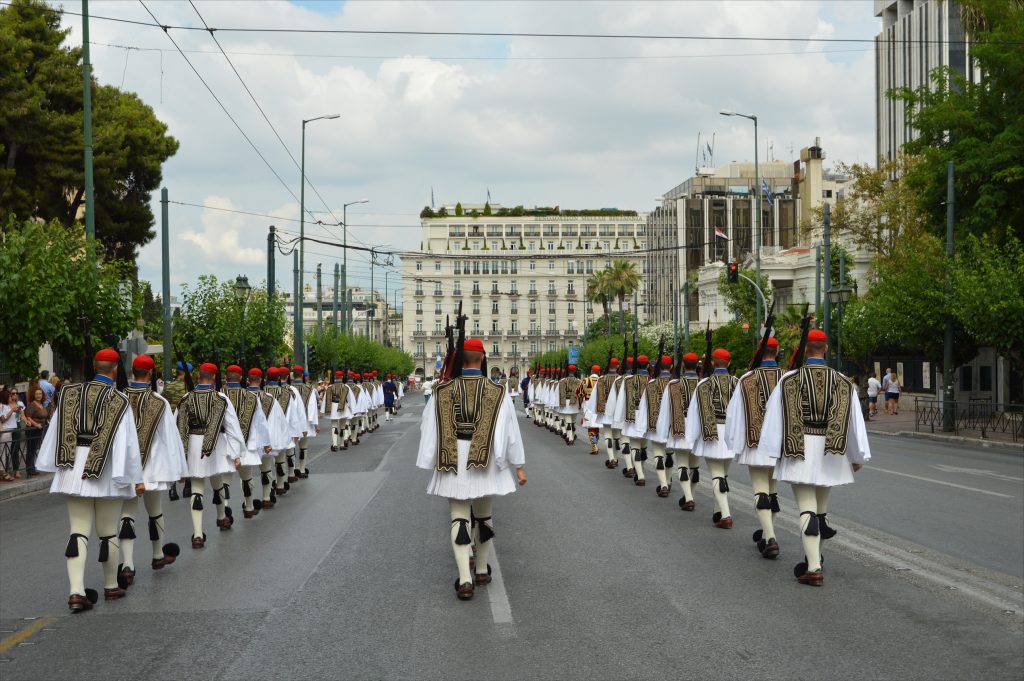
The Evzones marching in Athens. Photo: Supplied to TGH
In an official statement, South Australian Minister for Transport and Infrastructure, Tom Koutsantonis said: “As a multicultural State, it is crucial to encourage and support our diverse communities to celebrate important events and anniversaries that keep them connected with their heritage, history and cultural background.”
“We are very excited to be welcoming the members of the Hellenic Presidential Guard to South Australia and we look forward to commemorating Oxi Day with the Greek people, as well as celebrating them through the new memorial at St George Greek Orthodox Church.”
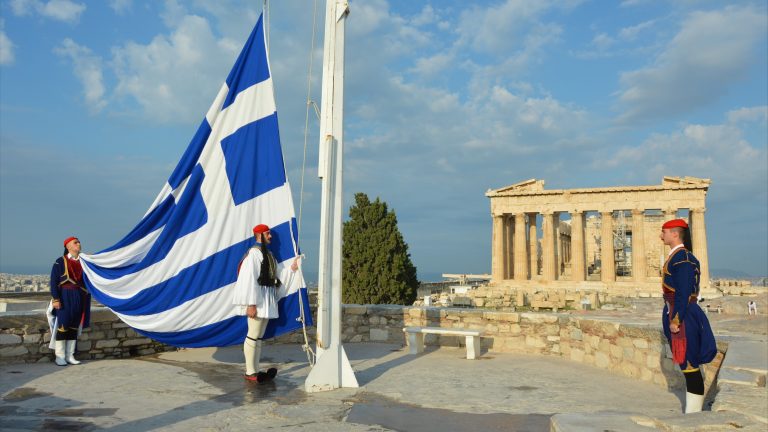
The Evzones at the Acropolis in Athens. Photo: Supplied to TGH
The visiting party will be arriving as guests of the Foundation for Hellenic Studies and will include Greece’s Deputy Minister of National Defence, Nikolaos Chardalias.
He is set to attend a Service of Remembrance and wreath-laying ceremony on Saturday 29 October at South Australia’s National War Memorial.
During the service, members of the Guard will stand in honour of the ultimate sacrifice made by many in various wars.
The Battle of Greece was one of the first engagements of the Australian Army against Axis forces, with many of the Australians who sacrificed their lives buried or memorialised in Greece, in locations including Athens, Rhodes and Souda Bay in Crete.
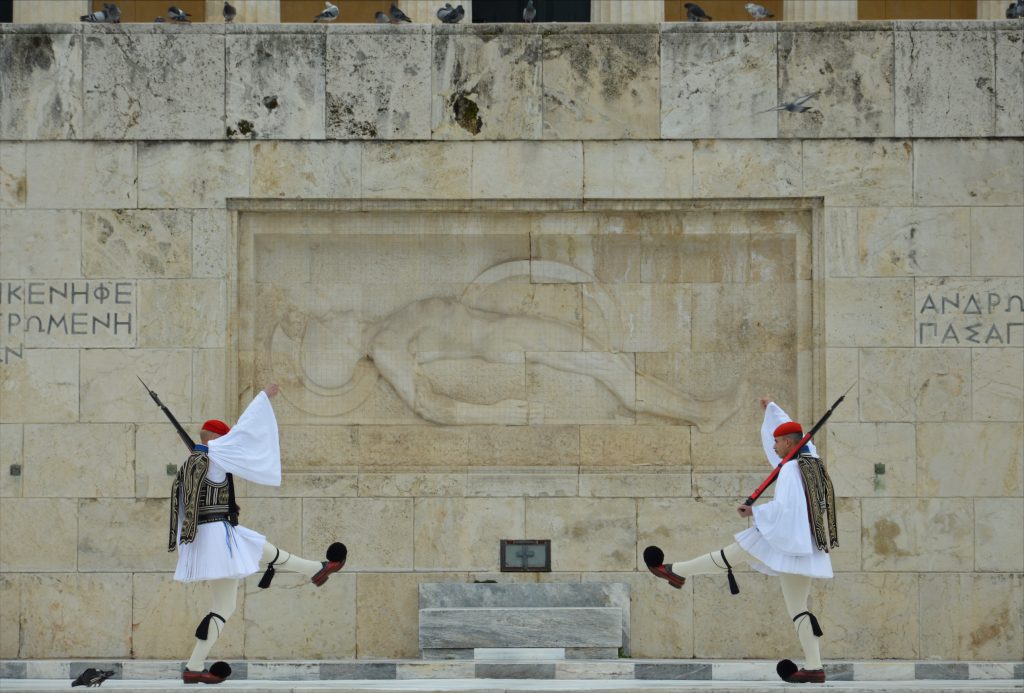
Evzones at the Monument to the Unknown Soldier in Athens. Photo: Supplied to TGH
“We are grateful to have the members of the Hellenic Presidential Guard return to SA for the first time in three years,” Foundation for Hellenic Studies trustee, Harry Patsouris said.
“We see this as an opportunity for those in the SA Greek community who haven’t been able to get back to Greece because of the COVID-19 pandemic to reconnect with the Hellenic culture and tradition.
“We’re also extremely thankful for the support of the State Government in making this happen,” he concluded.
Greece has a long period of cohabitation and coexistence with metikoi, foreigners, slaves, settlers, outsiders, refugees, xenomerites, and immigrants to name the various categories of foreigners who settled and lived with the natives, the indigenous Greeks. In most cases, local chauvinism had been and remained great and deeply rooted in the consciousness of the Greek since the years when the city-states of Ancient Greece created and flourished. Locality was so ingrained in the identity and consciousness of the inhabitants of a city that they used to considered as “foreigners” even their compatriots, who had the misfortune to be born in the next neighboring city. They were considered xenomerites, “foreigners” and intruders until today. I remember, in Perth, the Kastellorizians used to refer their Mytilenian priest as a “foreigner” (“he is a xenos, however he is good”, they used to say); and the Kytherians of Sydney and Canberra were counting in their assemblies five Tsirigotes and ten Greeks. The local chauvinism of the Greeks of the world, which gave birth to the thousands of local associations and fraternities in the vast Greek Diaspora and fragmented the power of Hellenism into thousands of community orgnaizations, was the main reason for the non-existence of a united Hellenism, a worldwide strong alliance. This local chauvinism among the Greeks, made the ordinary Greek to foresee and treat even his compatriots from the next village as a “foreigner” and therefore inferior, in a sense of devaluation and trivialization.
Of course, things had changed when ancient Hellenism broke the barrier of the city-state and began for mainly social and economic reasons to encounter and communicate with the foreign, alien, and foreign-speaking neighbors. This category also included all the Greeks who had been born in Ionia and Caria and in the other cities of Historical Hellenism, who lived in ancient Athens, without being natives, working there as migrants, as settlers. The Athenians, on the recommendation of Pericles, had passed and decided on a law that gave the right of citizenship only to those who had both parents Athenians. When, finally, Pericles had a son with a clever and beautiful hetaera, Aspasia from Miletos, who was even many years his junior, their son was not considered an Athenian, at least as long as Pericles lived. Finally, the Athenians stipulated that it was enough for one of the parents to be an Athenian, so their son, years later, acquired the Athenian citizenship and became the recipient of his parental property. Demosthenes made his hatred of Philip of Macedon a science and “decorated” him with dozens of cosmetic adjectives to prove that he was not a pure-blooded Greek in his “Philippic orations”.
The aforementioned situations caused a strong prejudice against non-natives and consequently caused intense racism towards foreigners and migrants, whom, in addition to the nickname “barbarian”, were adorned with other adjectives, which indicated racism and discrimination, with marginalizations and inequalities against other peoples. The younger Greeks who did not happen to live with foreign peoples in the same historical-political or national environment, without experience of cohabitation, limited to the taboos of their ethnotopic chauvinism, for example as Macedonians, Tsirigotes, Samians, Arcadians, remained with a deep prejudice towards foreigners. This prejudice has often been interpreted with racism, phyletic violence, inequalities, exclusion, sidelining, even forced displacement and exile.
Many years have passed for modern Greeks to overcome the prejudice of their in-laws from Tirana, to accept the contribution of Polish immigrants in Greece, as well as the contribution of the economic migrant and the political refugee. I also personally experienced and witnessed incidents of insulting foreigners in Greece (not to mention the Roma, who live in their own world), cases of violent behavior, inhumane treatment, uneven conduct, and exploitation of immigrants by our Greek compatriots. Prejudice and racism largely became a mode of life for thousands of far-right, fascist elements in Greece, and often interpreted with salary retention, psychological violence, coercion, threats and generally derailment of human behavior from its moral basis.
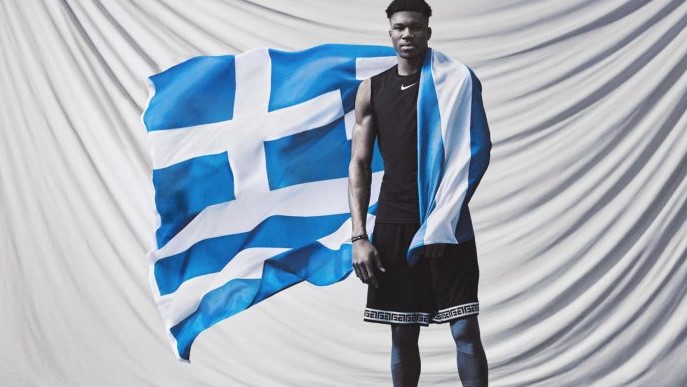
Fortunately, dense random events often come that redeem us from our bad behavior. In this case, Greece benefited from the presence of an African family, which fortunately found itself as a refugee in our country. A family from Lagos, Nigeria, emigrated to Athens in 1991, leaving behind their eldest son, Francis. In Athens the father Antetokounmpo, a former footballer of the Nigerian national team and his wife, a high jump champion, reared together four other children, Giannis, Thanasis, Kostas and Alexis. Their four children were baptized Greek Orthodox, attended Greek school, grew up in the districts of Athens, and acquired Greek education. The first three, for the time being, are being transformed into ambassadors of Greek culture and sports. They enter the basketball court to play and make their cross; when the National Anthem of Greece is being heard they sing it with pride (other “Greeks” are ashamed to play the words in their lips); they had the right to choose between their homeland of origin (Nigeria) and the homeland of birth (Greece) and preferred Greece with the absolute consent of their parents. They identify themselves as Greeks, declare their Greek identity and promote it, offering boundless prestige and substance to Greece worldwide.
The Antetokounmpo bothers and their parents entered the hearts of Greeks all over the world. They became the redeemers of Hellenism. They redeemed the Greeks from a sheer racism that they and their ancestors may had lived from ancient Greece to the present day. Most Hellenes had the opportunity to reconsider and re-appraise their standing towards those who were born in Greece, irrespective of their racial background and feel proud of their Giannis, Thanasis and Kostas Antetokounmpo. They feel gratified and contempt. Greece and the Greeks owe a lot to the Antetokounmpo brothers, not so much for their performance at the basketball courts, but more so for their contribution in shaping the conscience and identity of their compatriot Greeks, emancipated them from the prejudice of the past. After all, Isocrates always considered as equally Greeks all those foreigners who were ready to adopt and use the Greek way of life.
*Professor Anastasios M. Tamis taught at Universities in Australia and abroad, was the creator and founding director of the Dardalis Archives of the Hellenic Diaspora and is currently the President of the Australian Institute of Macedonian Studies (AIMS).
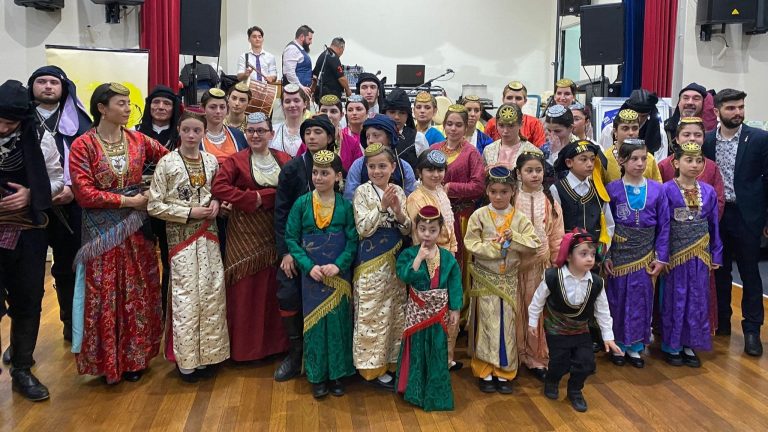
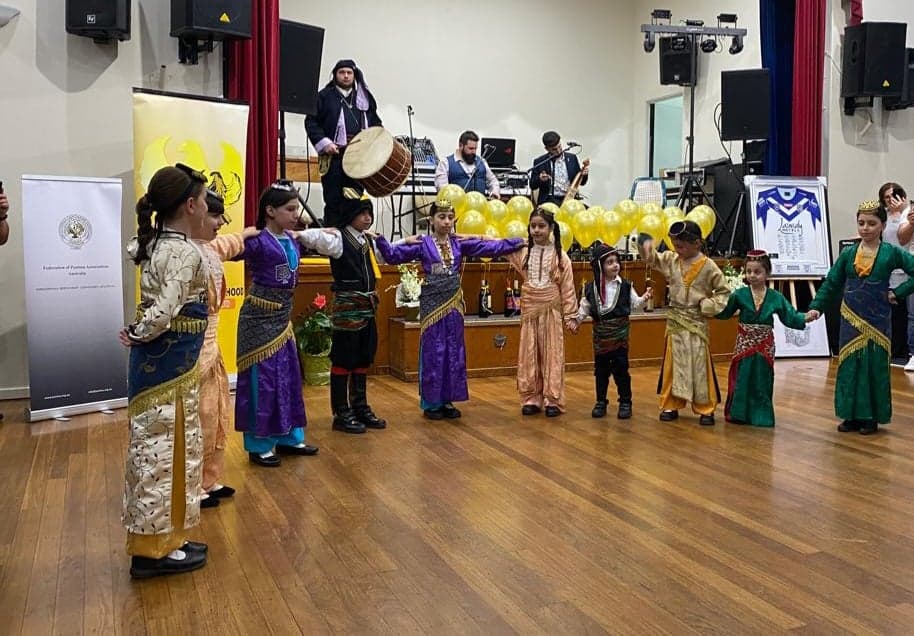
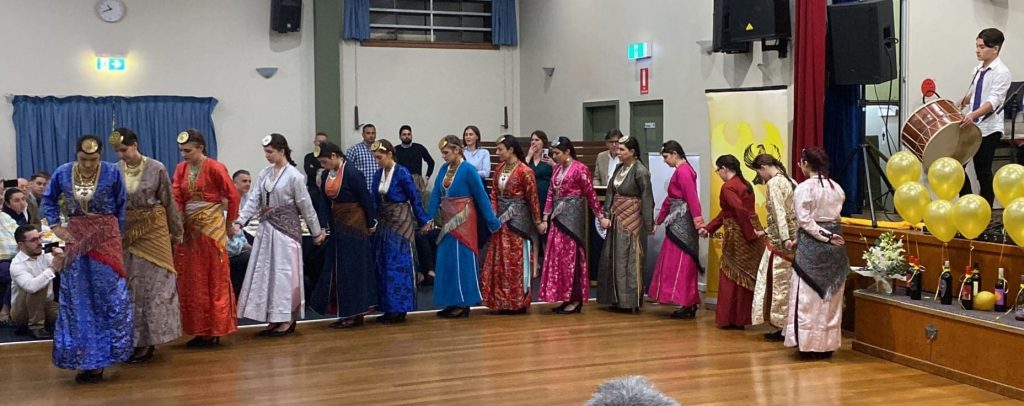
Pontoxeniteas NSW held its annual dance on Saturday, September 17 at the Greek Community Club in Lakemba, Sydney.
The sold-out event was attended by a number of official guests including Father Sotiri from the Transfiguration of our Lord Greek Orthodox Church in Earlwood; Kaliope Diamandis and William Jennings on behalf of the Honourable Reverend Fred Nile MLC; David David from the Assyrian National Council; Peter Stefanidis, President of the Federation of Pontian Associations of Australia; Maria Anthony, President of Pontoxeniteas NSW; Peter Papoulidis, President of Panagia Soumela Sydney; Nick Chrissostomidis, President of Diogenes Wollongong; and Angela Triandafilou, President of the Pontian Association of Canberra; among many others.
The night began with a blessing by Father Sotiri followed by a speech from Pontoxeniteas NSW President, Ms Anthony.
In her speech, Ms Anthony congratulated the teachers, students, parents and grandparents for attending dance lessons each week and for remaining committed to learning Pontian cultural dances.
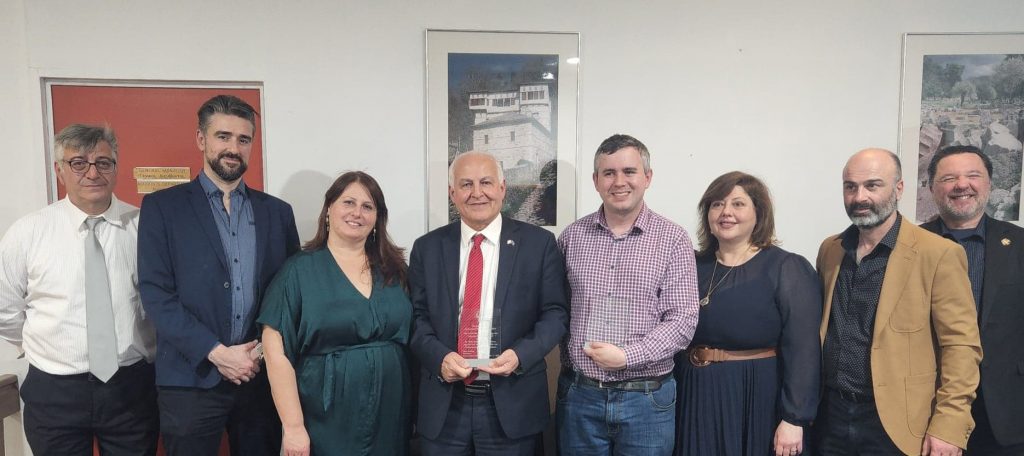
Ms Anthony then presented plaques to members of the Assyrian National Council Australia, the Armenian National Committee of Australia and Mr Nile for their continuous support of the Pontian community in Australia.
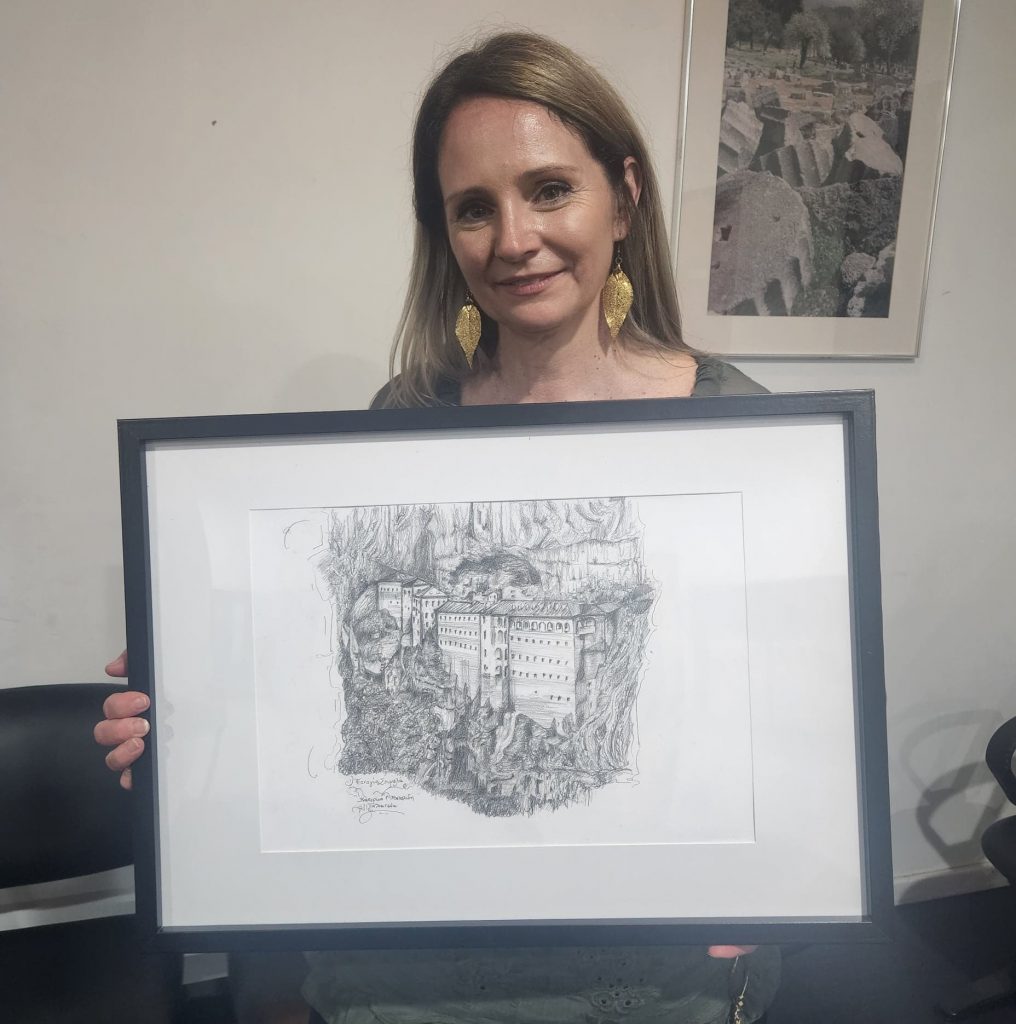
On the night, the Association was also kindly donated a hand-drawn picture of Panagia Soumela Monastery by Katerina Paliatseas Apostolidis, which was auctioned off.
After the formal proceedings, guests enjoyed a dinner cooked by Pontian chef Aris Chatzigeorgiou and watched dancing performances by Pontoxeniteas’ junior and intermediate dancing groups. They were taught by Alexandra Papoulidis and Kosta Papoulidis.
The senior dancing group also performed with the help of their dancing teacher, Christina Ioannidou.
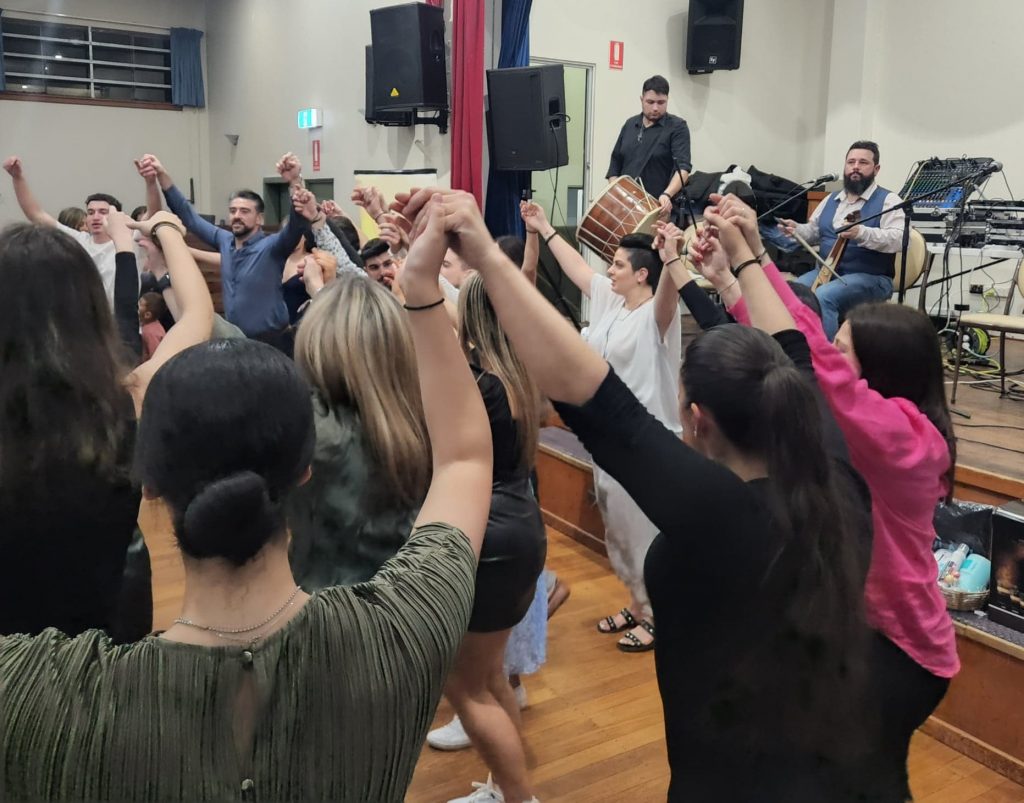
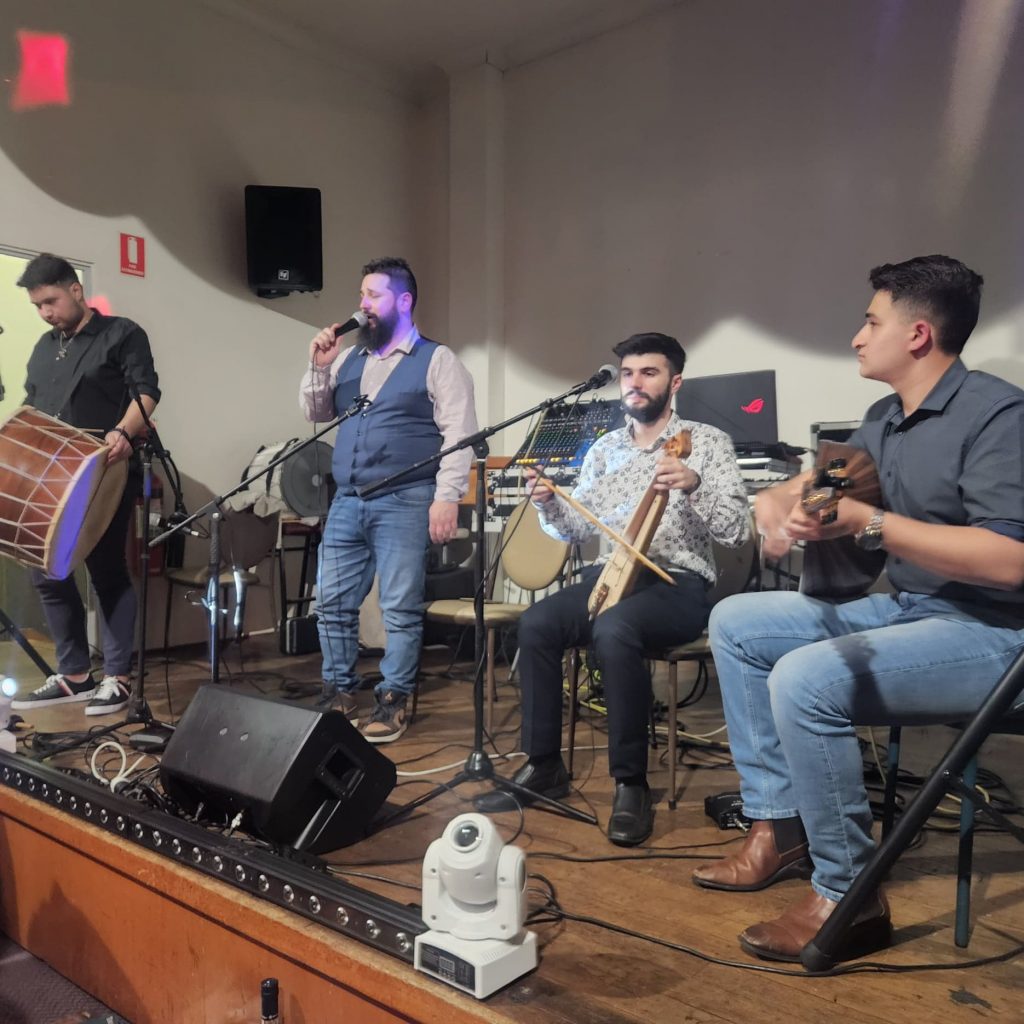
Following these performances, everyone was encouraged to hit the dancefloor and enjoy some live music by Efthimi Avgetidis and Mr Papoulidis on the lyra, Peter Tsenkas and Prodomos Moysiadis on the daouli, and Alexander Mountakis on the Cretan loutro.
Deejay Harry Apostolidis also played some tunes on the night and had everyone out of their seats and dancing the night away.
Key food industry associations have joined forces and are warning Australians to expect empty supermarket shelves and higher prices this summer unless the crippling labour shortage across the industry is remedied.
The ‘Food Supply Chain Alliance’ is made up of peak bodies in Australia’s farmers’, grocers’, meat, seafood and hospitality industries.
The mega-alliance maintains that there are 172,000 roles that need to be immediately filled across the food sector – from fruit pickers to drivers and front-of-house staff.
The Seafood Industry Association (SIA) has proposed to the Albanese government to ease the process for the issuing of temporary six-month visas, therefore permitting more foreign workers with “highly specialised skills, knowledge or experience” entry into Australia.
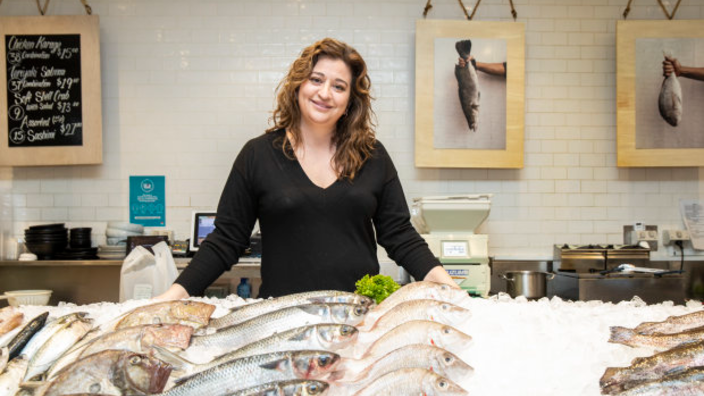
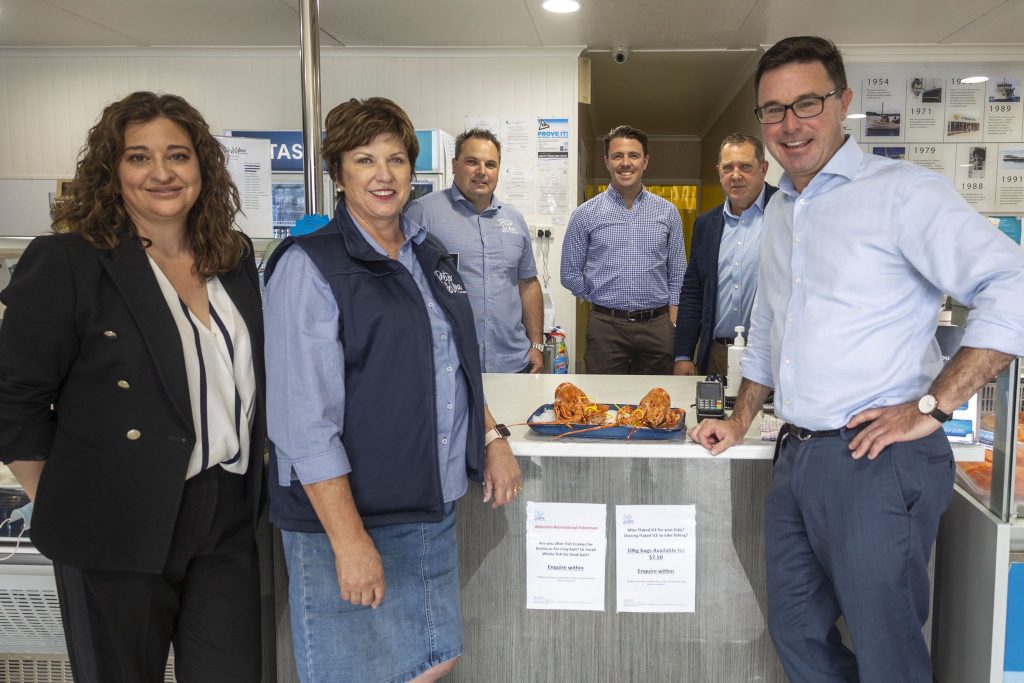
Speaking with the Sydney Morning Herald,SIA chief Veronica Papacosta said the federal government appears willing to respond to the labour crisis, however, there was still too much red tape, with a backlog of some 950,000 visa applications yet to be processed.
Seafood Industry Australia CEO Veronica Papacosta (L).
“There is a short-term need. We need some instant results,” Papacosta said.
“We are feeling heard, we just need to get a crack on.”
The Alliance is also urging the federal government adopt a long-term national food supply chain strategy for longevity.
“We don’t want people to stay for three months. We want them to stay for the rest of their lives,” Australian Meat Industry Council chief executive, Patrick Hutchinson, said.
“We really need to be having a fair dinkum, full-tilt program, not just a visa.”
The alliance fears that a failure to act will threaten Australia’s food security, causing disruptions, shortages and increases in food prices that will only be exacerbated by inevitable natural disasters.
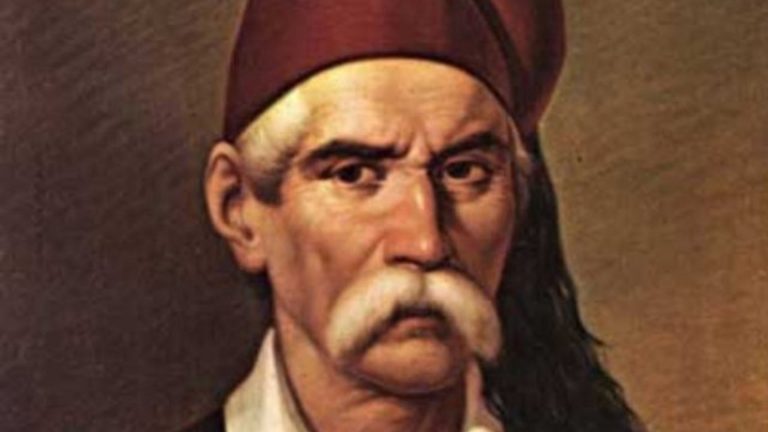
Nikitas Stamatelopoulos was one of the greatest heroes and protagonists of the Greek War of Independence, next to his uncle, Theodore Kolokotronis.
He was known by many different names such as Tourkophagos (Turk-eater) and Nikitaras, a play on his name meaning “victory”.
Early Life:
He was born in 1782 in the village of Tourkoleka in Megalopolis and was the son of the thief Stamatelos Tourkolekas and Sofia Karoutsou, sister of the wife of Theodoros Kolokotronis.
At the age of 11 he went out on the branch with his father’s team and then joined the body of the first thief Zacharias Barbitsiotis, whose daughter Angelina he later married.
Greek Revolution:
On March 23, 1821, Nikitaras joined Kolokotronis and entered in Kalamata. On May 12th of the same year, Nikitaras led an army of 800 troops victoriously against the Ottomans in the Battle of Valtetsi, thus granting the Greeks a victory in one of the most important battles during the war.
Soon thereafter, he proved his military skills and valor in the Battle of Doliana, where he defeated 6000 Ottomans with an army of 200 Greek men. These two battles rendered him one of the most heroic fighters of the war.
He continued in the Battle of Vervena, where he won the battles one after the other. Finally, on September 23rd of the same year, Nikitaras, together with Theodore Kolokotronis, Demetrios Plapoutas, Anagnostaras, Petrobey Mavromichalis and Demetrios Hypsilantis fought in the siege of Tripolitsa, ultimately reclaiming the capitol of Moria and decimating the Turkish and Jewish population.
The apex of his heroic virtue was in the Battle of Dervenakia, the most important battle of the Greek War of Independence. The Greeks, led by Theodore Kolokotronis put an end to Dramali’s descent to Peloponnesus by facing 3000 Turks in the small mountain pass of Dervenakia.
Nikitaras was also present here, alongside Demetrios Plapoutas, Demetrios Hypsilantis, Papaflessas and Panos Kolokotronis. It was in this battle that Nikitaras earned the nickname “Turk-eater” because during the battle he broke 3 of his sword from the force he was striking.
Death:
In 1847 he was appointed a member of the Senate, and two years later, on September 25, 1849, he passed away at the age of 67 from Diabetes.
Nikitaras had two daughters and a son, Ioannis Stamatelopoulos, who pursued a military career.
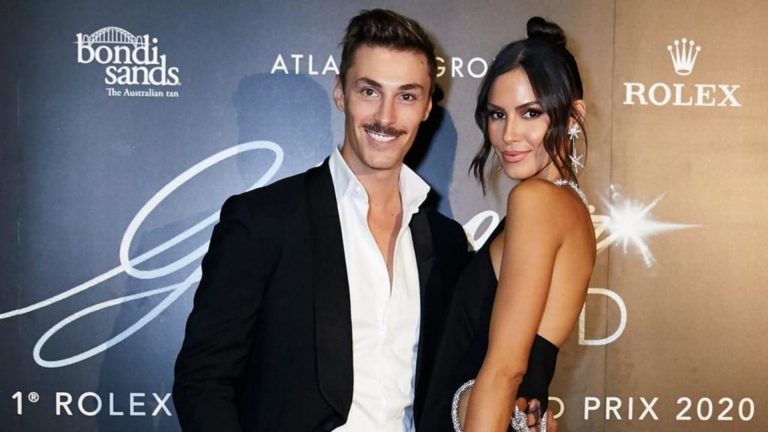
Former model turned influencer, Steffanie Tzaneros and her husband Michael have sold their Bondi Beach home pre-auction, $300,000 above the price guide.
Luxe Listings start and founder of real estate group TRG, Gavin Rubinstein was due to put the two-bedroom apartment in popular beachside Pacific Bondi Beach block under the hammer before it sold in the lead up to the campaign.
The guide for the beachfront property was originally $3.5 million but with the several buyers eager, Rubenstein managed to get the deal done pre-auction for $3.8 million.
Michael and Steffanie’s Bondi home.
Rubinstein had said the apartment had broad appeal, from first home buyers, executives, downsizers and even people living in Vaucluse/Watsons Bay or out of Sydney’s east wanting a weekender.
Steffanie met Michael in 2012 in New York City and they married in a picturesque Santorini wedding in July of 2018. They share a one year old daughter, Xanthi, and with plans to expand their family, they’re upgrading to a family home.
At the start of the campaign, Michael said living in the Bondi Beach apartment had been “unreal”.
“To have the beach and Woolworths as our pantry and BWS our wine cellar and so many cafes and restaurants … we won’t be able to replicate that anywhere in the world let alone Sydney.”
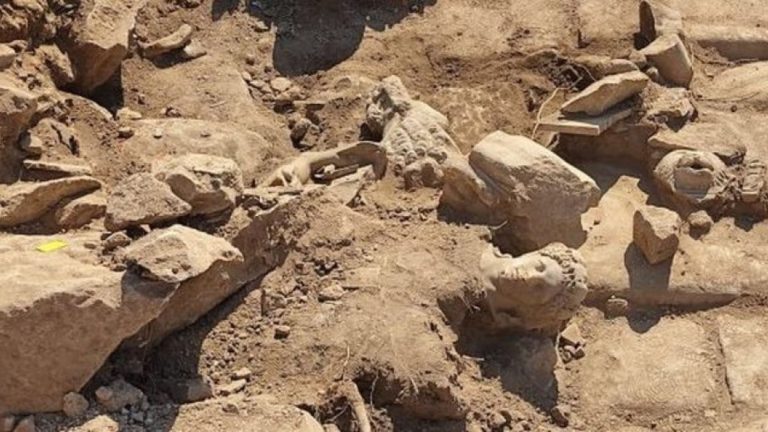
At the ancient location of Philippi in northern Greece, a magnificent statue of Hercules dating back to Roman times was found.
A lavishly constructed building, maybe a fountain, was also found near the monument.
The Hellenic Ministry of Culture and Sports announced that excavations were carried out in the Philippi by the Aristotle University team alongside director of the excavation, Professor Natalia Poulos and collaborators Assistant Professor Anastasios Tantsis and Emeritus Professor Aristotle Menzos.
A total of 24 students of the AUTH took part in the excavation and the research was funded by Aristotle University and the AUTH Research Committee.