Home Blog Page 1222

‘Station 42 Bar’: Reimagined old railway station in Greece a hit with Greek Australians

By Kathy Karageorgiou.

Many Greek Australians, and not just, were in for a treat when they holidayed at the beautiful, Western Peloponnesian beachside village of Tholo, Illias (between the larger towns Zacharo and Kyparissia).

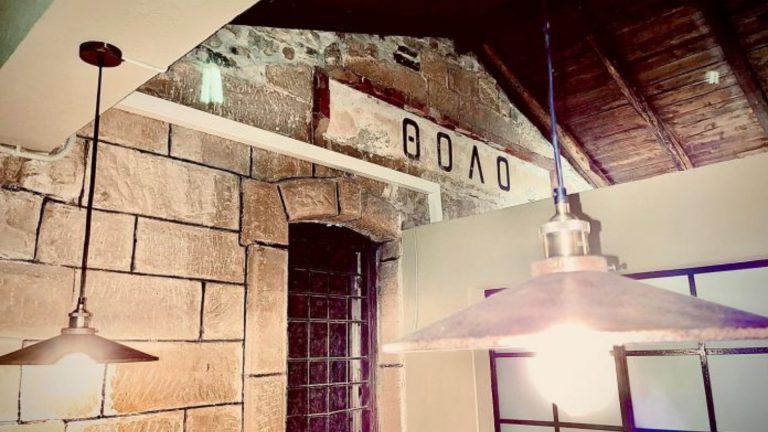
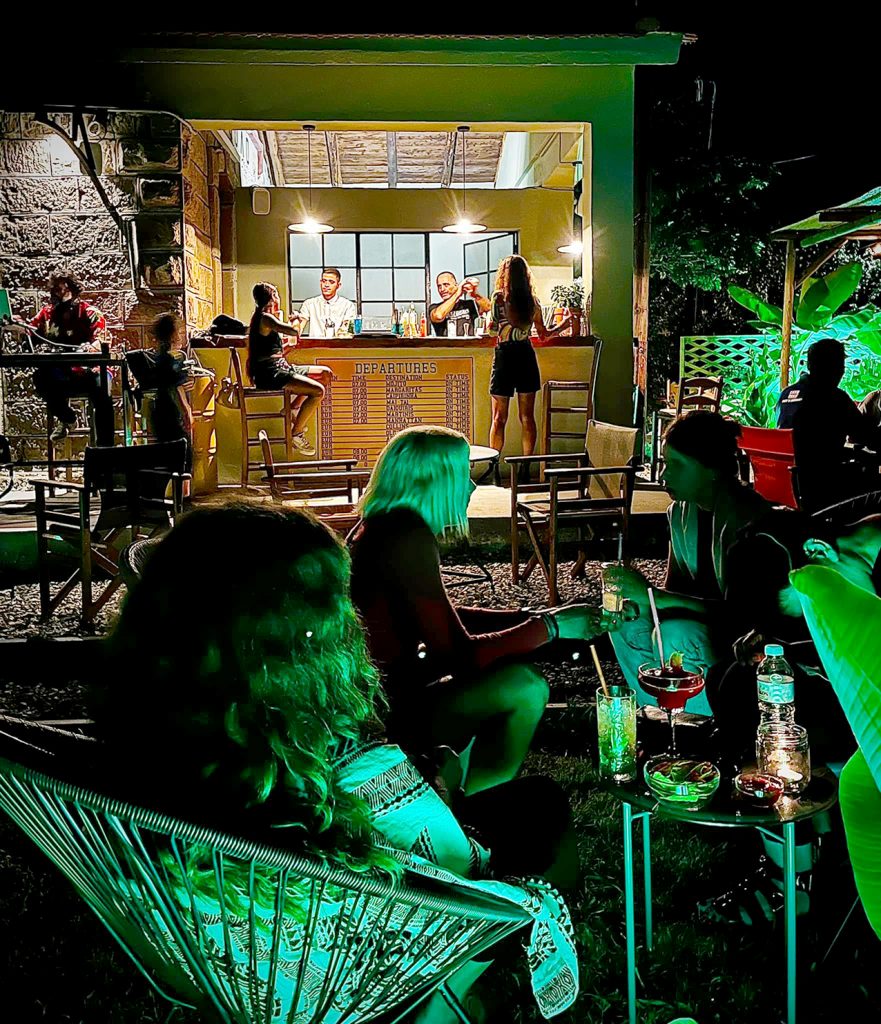
The old railway station building – including passenger waiting room and station master’s quarters – built in the 1890’s has been restored and turned into a bar and cafe: ‘Station 42.’

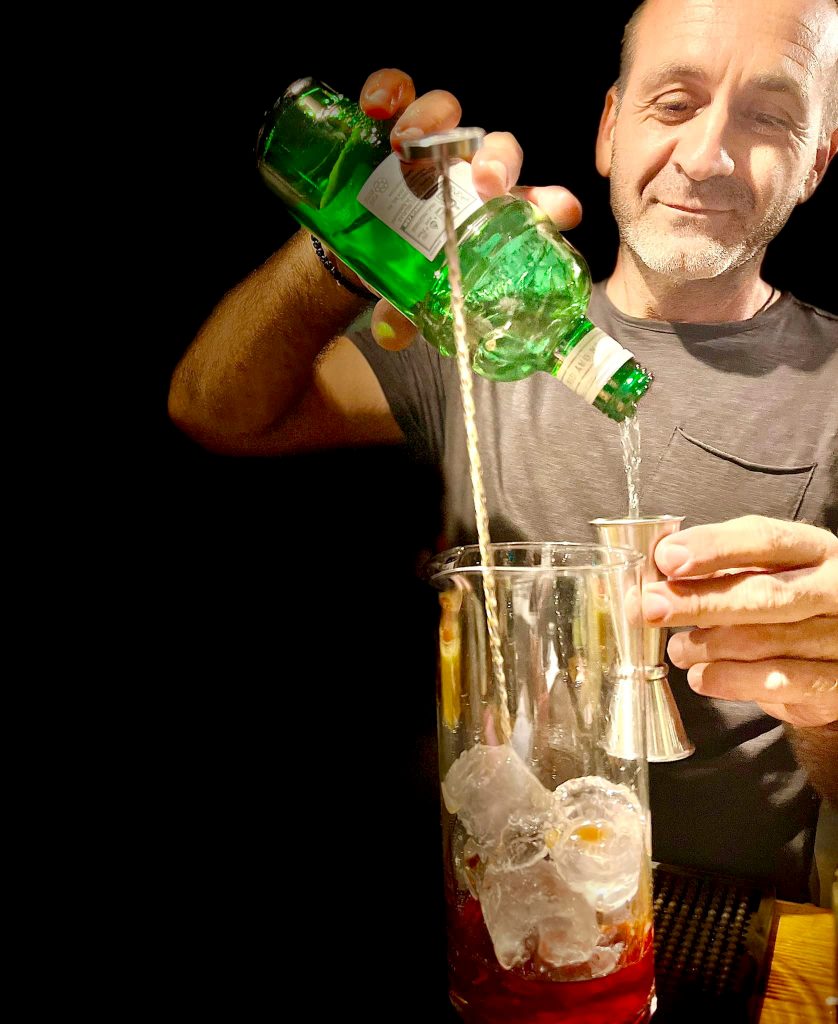
I spoke with the owner, Christos Maniatis, who is in his mid 50’s and who grew up in Tholo. He calls his bar (and cafe) ‘Station 42’ “from the Greek Train Company’s old coordinates and reference system for the train stations in the area. I wanted to stick with tradition and keep it all as a homage to the station’s early days.”

“I had a great summer season. There were so many Greek Australians as well, because many people from these parts migrated to Australia in the 50s and 60s, including several of my uncles, so their kids – my cousins – come here for the summer too. And that’s the case with many other families here,” he tells me.
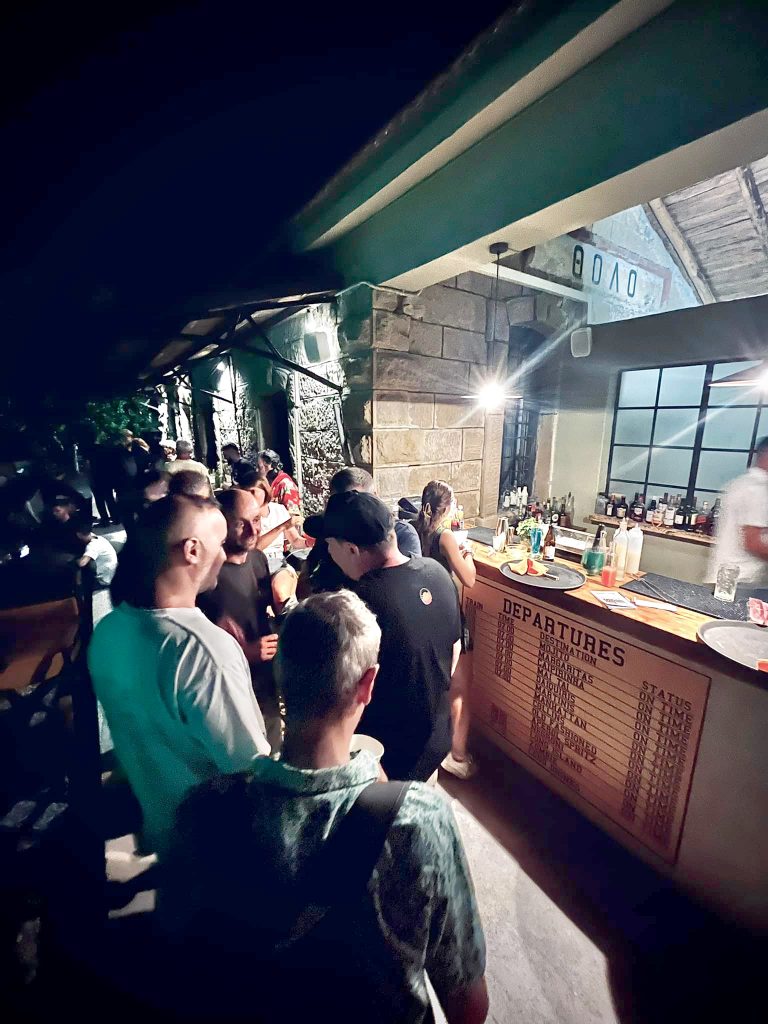
In awe, Christos also mentions that quite a few German tourists who had been coming to the village for its serene environment and wide expansive, sandy beach, still come. Many are now in their 60’s and now are so excited at encountering ‘Station 42’.

“A German man Kristof had tears in his eyes, literally, as he related that back in the 1960’s and ’70’s as a ‘hippy,’ he and his friends would stay in the village – always meeting up at this very train station. He also told me that I wouldn’t believe who’d come to Tholo back then: Eric Burdon from the Animals, and also Leonard Cohen, back in the hippy days!” he says.

The station’s symbolic meaning touches many, including Greek Australians alike.

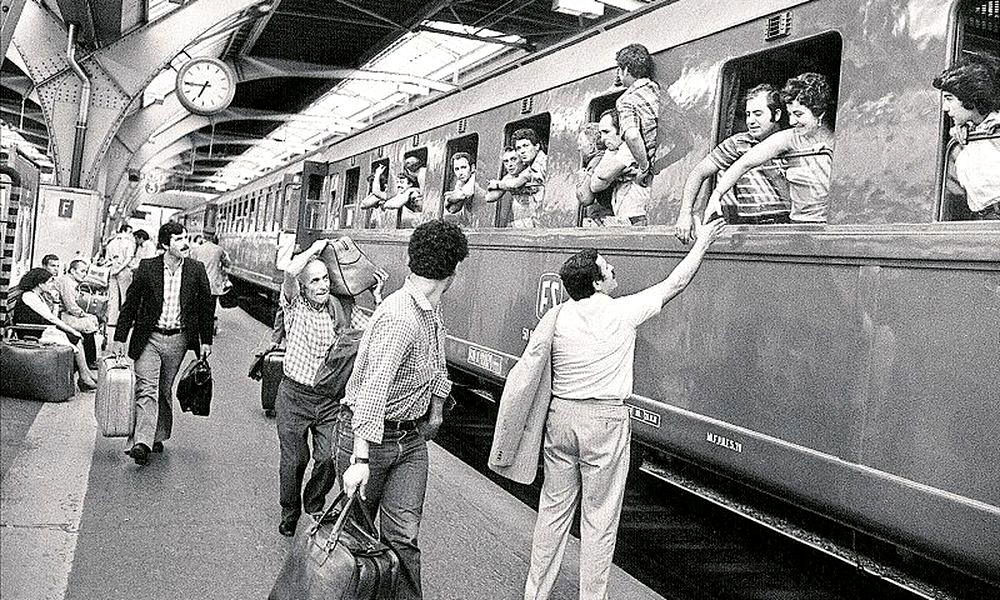
Christos explains that the station’s liveliness back then, incorporated the now Greek ‘Australians’, as “it was from this station that they began their migration; from the many surrounding villages as well – for the port of Pireaus, to catch the ship for Australia.”
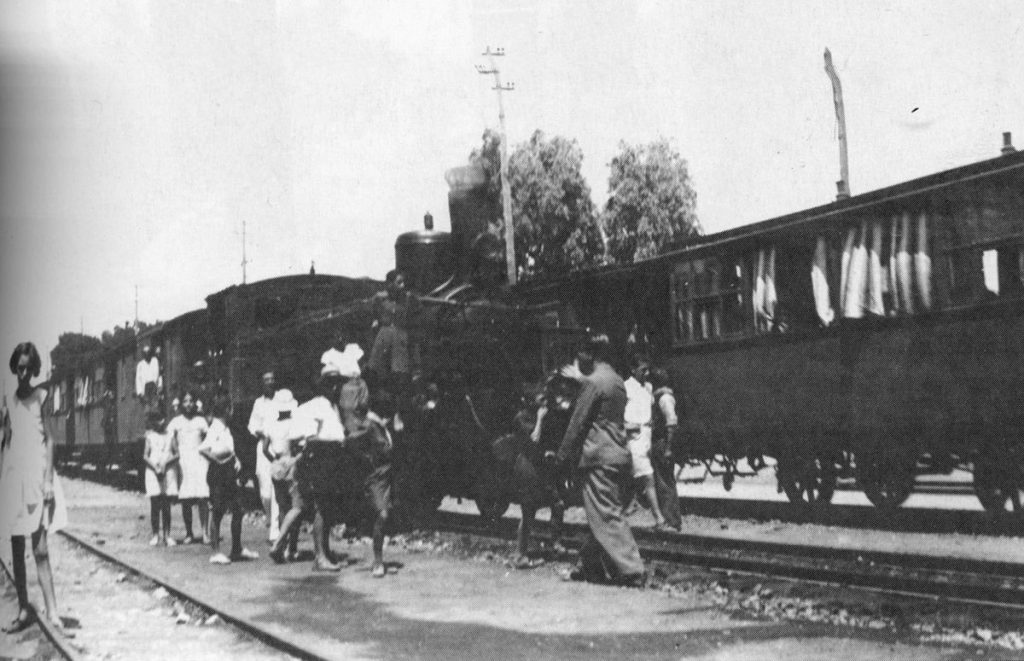
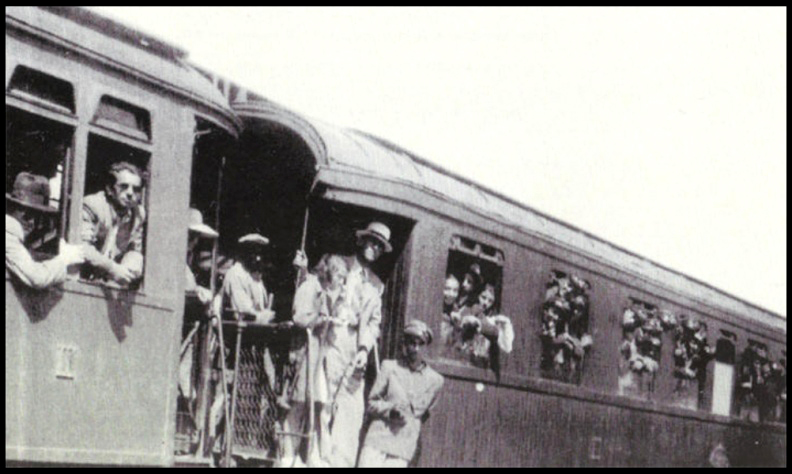
“What inspired you to convert the old train station to a bar?” I ask Christos.

“My father – who passed away two years ago. He loved this building and was sad that it was going to ruin and gave me the idea. Unfortunately he didn’t live to see it in its current form, as it opened up this year. It took time with the bureaucracy and renovation, but it all worked out.”

Tell me about the renovation I prompt Christos, adding whether the building is made of solid stone?

“It’s a combination of sandstone and grey flagstone but much of it was covered up by cementing. A lot of work was involved in scaling back to get to the beautiful original walls. And of course I’ve kept the heavy wooden, original doors and windows, and a cupboard and desk I found. And the original Tholo sign under the layer of cement and paint!” he explains.
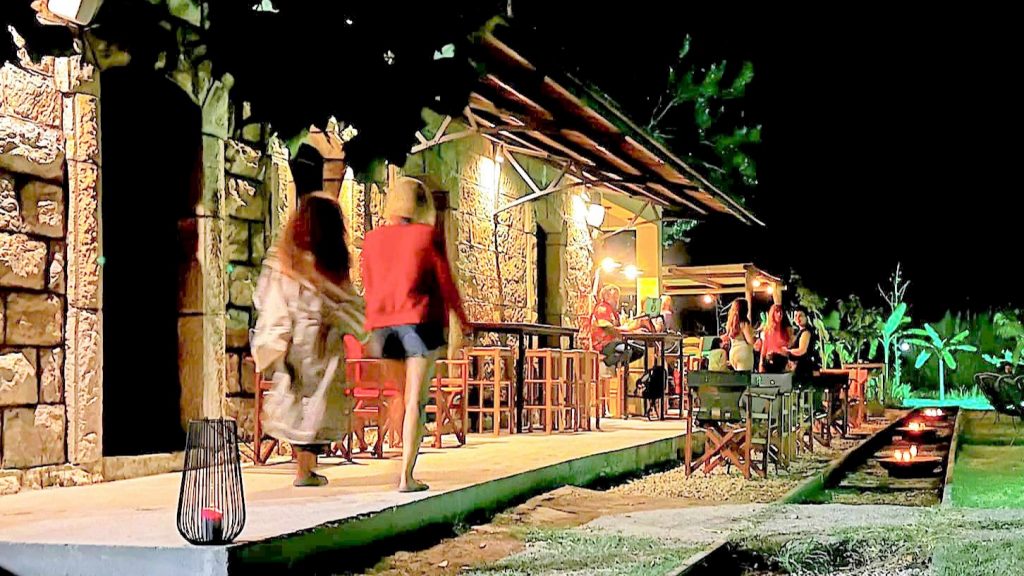
Many old railway stations in Greece are run down, but some are well kept by local efforts. In 1835 Greece, under then-Prime Minister Trikoupis, there began an extensive railway network in Greece to link people and products to other parts, including ports.

At the ‘Station 42’ bar you are right near the railway tracks, which have incidentally been disused since the early 2000’s. The Tholo train station was on the Patras-Pyrgos line built in 1890. It gradually began ceasing a full timetable though, due to the mass introduction of the car in the ’50s and because of the eventual advent of electric trains and subsequent lines.

Christos referred to the ingenuous idea currently operating in other parts of Greece, whereby old railway tracks are used for the outdoor activity – railbiking. Its concept involves cycling on the tracks on a dual seated bike, fitted with special railway track gripping devices! Christos may consider this, but is mainly intent on organising his indoor winter facilities.
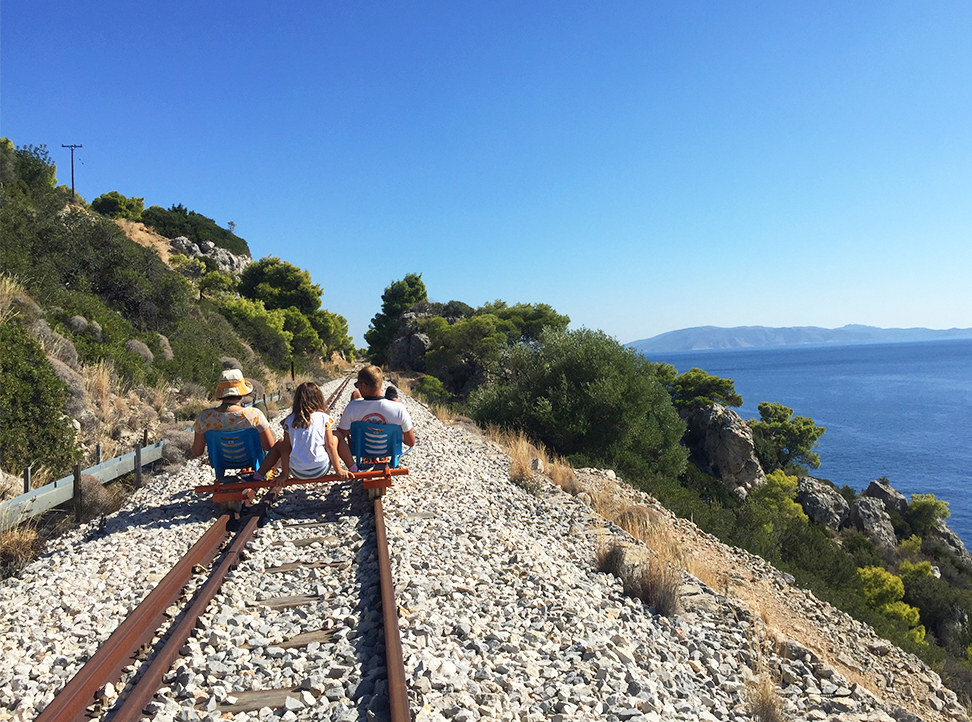
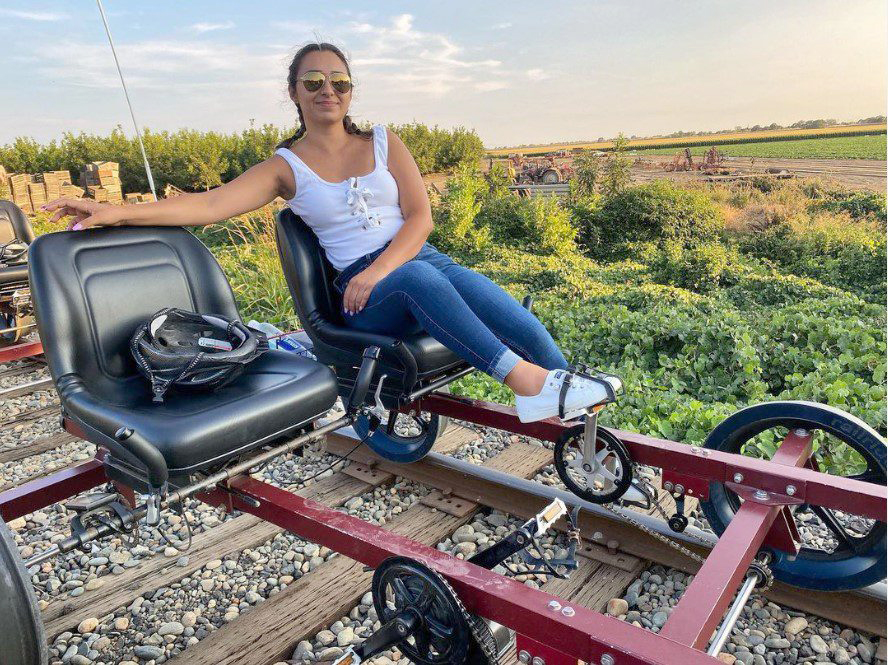
“I’m thinking of a vintage rail museum with original photos of not only the station, but also the people who used it. I’ve asked my uncles in Australia to find some photos as well. It’ll be really cosy with a fireplace because Greece is also ideal for tourism in the other seasons apart from summer,” Christos says.

“Close by (5 kms) we have the ancient temple of Apollo and 13kms away is the archaeological site of Fygalia, the sanctuary of Athena and Zeus Sotiros (37km), while 39kms away we have the beautiful Neda waterfalls, not to mention Ancient Olympia (40 kms). Though here in Tholo, it’s just a great place to relax and be amongst nature at its best – trees and sea.

“We are also working on a food menu based on local products. In fact, in the old days the railway station served as an important point to get the local produce such as fruit, wheat and oil to other parts of Greece and abroad.”
I ask if Christos has any message for the Australians reading this article?

“I’d love to see you here, because apart from a good time with drinks and music in an exotic environment, you will experience a truly emotional journey into many of your parents migration histories – symbolic of most villages,” he says.

“Tholo may vary because it’s on the beach, but in the old days those growing up here didn’t swim anyway, unlike us and you when you come in summer. And in winter you can admire the wild
waves – and the cosiness of Station 42!”

Station 42 is a labour of love; encompassing nostalgia, modernity and respect in serving as a keepsake of our modern Greek (including Greek Australian) history and culture.

‘They’re kids, not monsters’: Gerry Georgatos on abolishing child prisons

0

Warning: The contents of this story may be distressing to some.

Time: whilst it is something Gerry Georgatos says he is running out of, it is something he says children should never spend behind bars. 

“With my Parkinson’s, I’ve got little life left in me but I will surrender every last particle of me to see these children’s prisons abolished and these kids supported,” Gerry tells TGH.

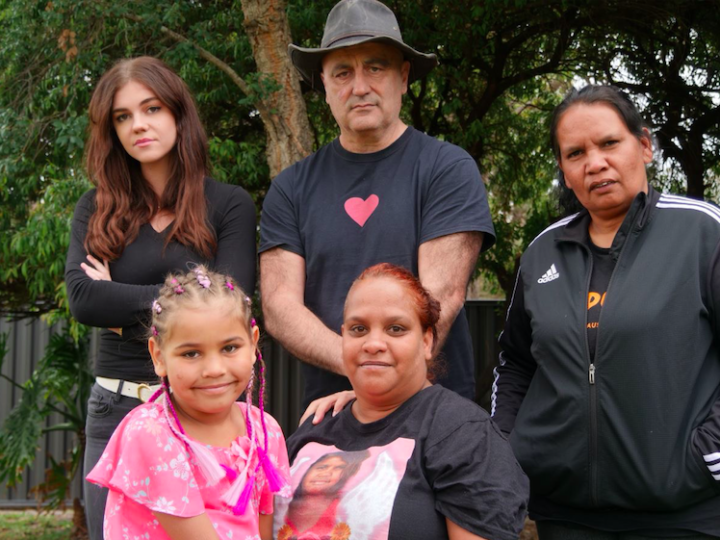
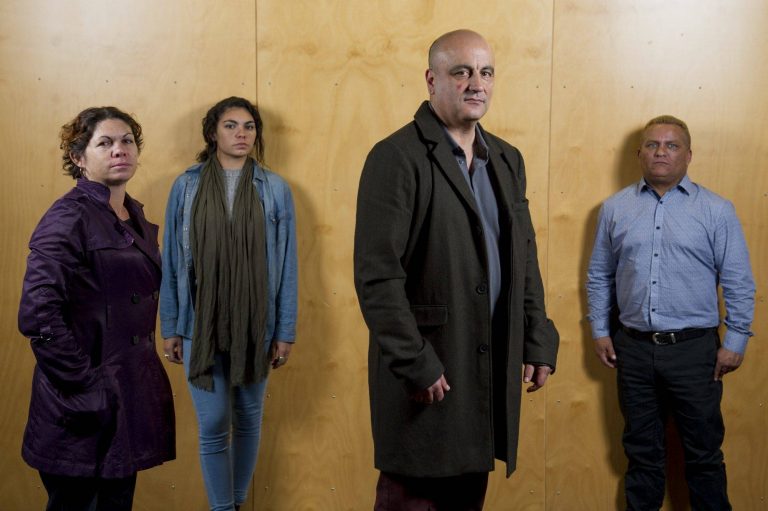
Gerry, who runs The Georgatos Foundation and is the national coordinator of The National Suicide Prevention and Trauma Recovery Project (NSPTRP), is one of a group of prison abolitionists who launched a class action against the state of Western Australia in August last year. 

The action currently involves around 600 former detainees of Banskia Hill Juvenile Detention Centre in south Perth. They are seeking compensation for the alleged rights abuses they suffered in the facility. 

“I’ve seen no more vulnerable and harrowed children than the children of child detention,” he says.

“Many of these children, black, brown or white, were born into disadvantage and suffered the likes unimaginable to household Australians. They come from horrific trauma and are completely unseen and unheard.” 

Protesters at Banksia Hill Juvenile Detention in Western Australia. Photo: Giovanni Torre.

‘Unseen and Unheard’:

Despite international pressure, a child as young as 10 can be imprisoned in Australia, being forced to serve their sentence in juvenile detention centres alongside other young offenders aged 10 through to 18. 

Of the 132 total prisons in Australia, 17 are for youths. 

“Western Australia, the largest state in the country, has only one child prison. So we uproot kids from all over the state away from their families and we jail them at Banksia Hill,” Gerry says.

“It is not a place of rehabilitation. Most of the kids who go into Banksia Hill, are failed, even the 10 and 11 years, institutionalizing them.

“Up to 70% of Banksia detainees will go on to adult incarceration. That is a major disaster that should have been prevented with one-on-one nurture.”

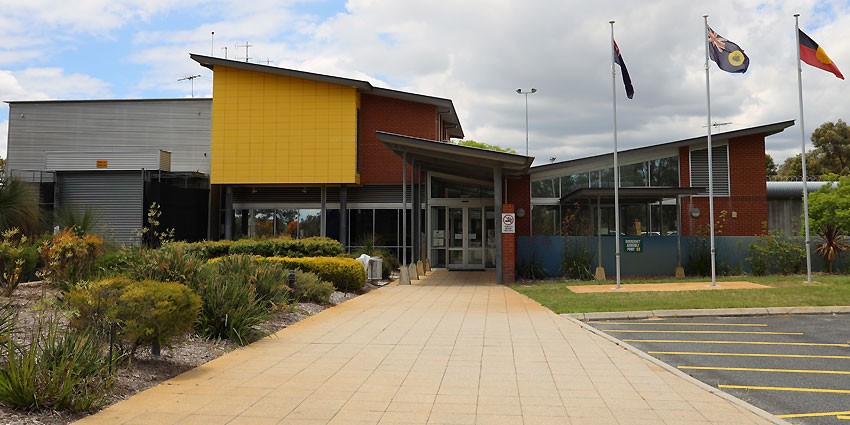
Banksia Hill Juvenile Detention Centre in Western Australia.

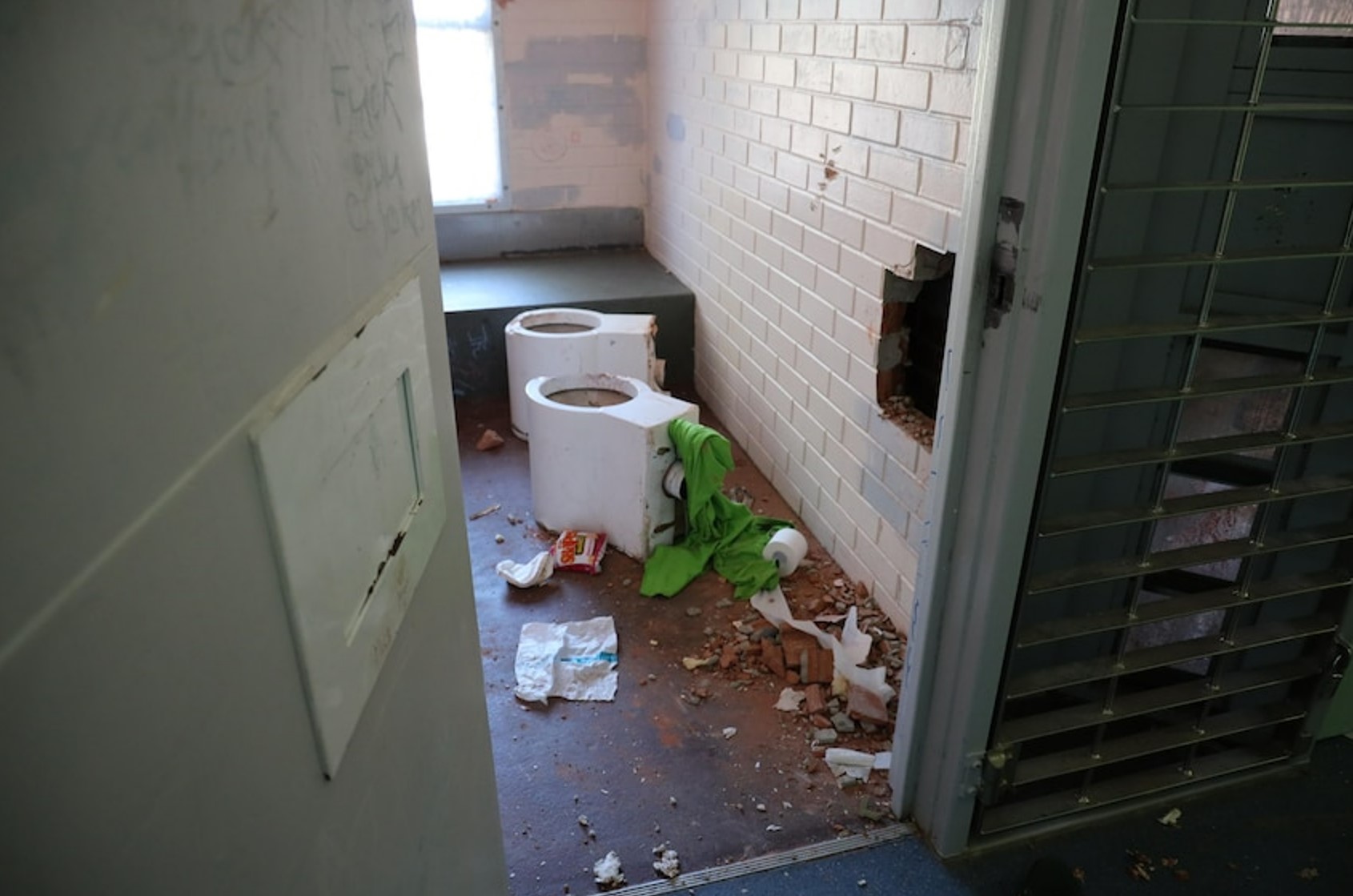
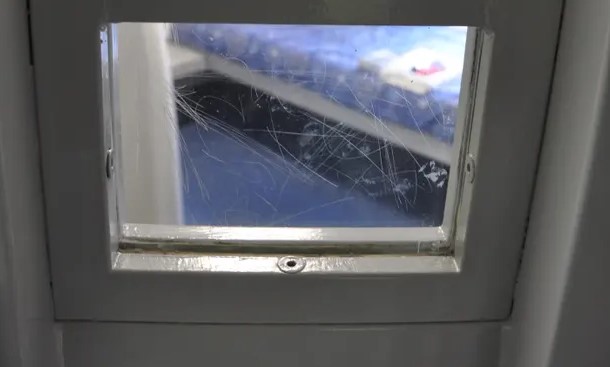
In 2018, Amnesty International reported that children detained in Banksia Hill were subject to inhumane treatment, being forced to ‘earn bedding’, fed through a grille in a door, solitarily confined, denied access to education and deprived of family contact. 

During a recent visit to the facility, Australia’s National Children’s Commissioner Anne Hollonds said: “These are children in need of care and treatment for complex disabilities and serious mental health problems.”

“Other countries have found ways to support the welfare of children instead of imprisoning them. Australia needs to make our children a national priority,” Ms Hollands added.

In a statement made in April this year, the Director General of the Western Australian Department of Justice, Dr Adam Tomison admitted that Banksia Hill had adopted a “restrictive regime” which was undesirable and that a number of measures and reforms had since been introduced.

‘You don’t give up on anyone’:

Gerry’s first in-reach involvement with Banksia Hill was in March 2020 when WA announced its COVID-19 lockdowns and the NSPTRP entered the prison as the only external provider. 

Alongside lawyer and NSPTRP Director Megan Krakouer, as well as his law student daughter Connie, Gerry got to work for eight weeks, seven days a week. 

“We went in there to change lives and we knocked ourselves out showing them how to do the restorative work, the intense psychosocial support, the inreach and the outreach,” he says. 

Some members of the National Suicide Prevention and Trauma Recovery Project. L t R: Connie Georgatos, Gerry Georgatos and Megan Krakouer.

“You don’t give up on anyone. No matter how hard, everybody’s entitled to redemption and a clean slate.

“Some of these kids aren’t in there for small-time crimes, they’re in for some shocking crimes but we gave out the love and the respect. They gave us their trust and unpacked their stories to us, some detailing all sorts of trauma like child sexual abuse for the first time.”

From March to May 2020, Gerry says there were no violent incidents at Banksia Hill and the female prison population more than halved from 18 to 7. 

His team worked one-on-one with the detainees, applied successfully to the Children’s Court for their release and established tailor-made supports facilitating pathways to health care, secure housing, education and employment for both the children and their families.

The NSPTRP finished working in Banksia Hill on May 23, 2020. Since then, Gerry says there has been over $5 million in damage caused by a mismanagement of behaviour.

‘We need one on one nurture’:

As for the way forward, Gerry says there needs to be a national rethink of juvenile detainees.

“They’re just kids, not monsters,” he says. 

“We need one on-one-nurture and I want to see those who we release be supported. I’m asking for 100 seasoned experts to go in and work directly with these kids. 

“You give love, you get love, you give hate, you get hate, anger, confrontation and people diminished to their worst selves. Love, like anything, reciprocates.”

READ MORE: ‘Never truly alone’: Gerry Georgatos’ mental health advocacy for migrants and the vulnerable

Hellenic and Jewish choirs join forces to perform ‘The Ballad of Mauthausen’ in Sydney

A magnificent song-cycle about love between two cultures against the background of a Nazi concentration camp is to be performed in Sydney.

‘The Ballad of Mauthausen,’ with lyrics by Greek poet Iakovos Kambanellis and music by world-acclaimed Greek composer Mikis Theodorakis, conveys the love of a Greek prisoner-of-war for a doomed Jewish prisoner in the Nazi slave-labour camp of Mauthausen in Austria.

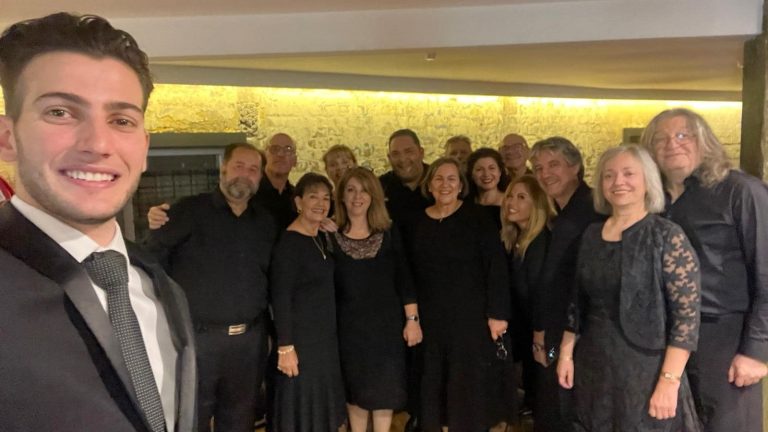
To be performed at UNSW’s Clancy Auditorium on Sunday, October 30, the unique performance will feature the Australian Hellenic Choir (AHC) and the Sydney Jewish Choral Society (SJCS).

Theodorakis is best known for composing the music of Zorba the Greek and the acclaimed film Z. Both choirs will also perform other significant Greek and Jewish songs.

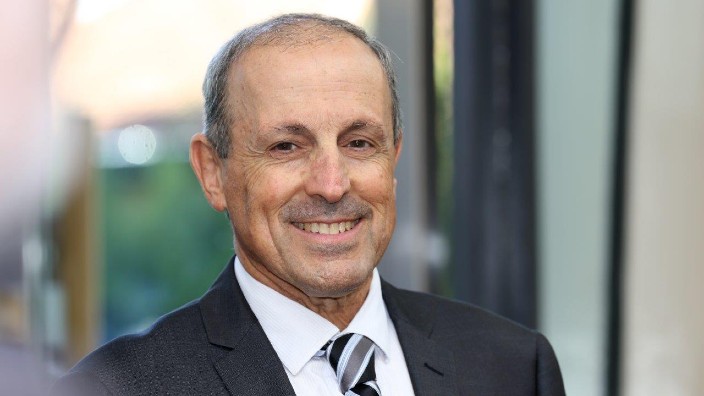
The event’s MC is Vic Alhadeff, whose background blends the Jewish and Greek cultures. His family
was one of the largest Jewish families on the Greek Island of Rhodes, and 151 Alhadeffs, including his
paternal grandparents, were murdered in the Auschwitz death camp.

“I’m honoured to be involved in this exceptionally moving collaboration of the two communities,” Alhadeff said. “The music is magnificent and it promises to be a very moving performance.”

Former CEO of the NSW Jewish Board of Deputies, Vic Alhadeff.

Formed in 1986, the SJCS is Sydney’s premier Jewish community choir. Under the musical direction
of Rose Grausman for the past 32 years, the choir is an established part of Sydney’s cultural scene,
performing a broad repertoire spanning Jewish and secular music of varied styles.

The AHC, formed in 2018, performs Greek Art songs and popular folk songs. Under the musical direction
of Leon Vitogiannis, the Choir features at many Greek cultural events.

“Vitogiannis has created a choral arrangement of the song cycle, previously performed as a solo. What better way to explore this music than with a choir whose members are personally connected with the history?,” AHC President, James Tsolakis, said.

For her part, Chairperson of the SJCS, Anne Spira, said: “It’s been a privilege for our choir to learn about the Greek language and the poetry of Greece.”

“This has enabled us to connect with the deep emotional impact of Kambanellis’ songs. How powerful and chilling it will be as 60 singers’ voices resound through the Clancy Auditorium with the words:
‘Have you seen the one I love? We saw her in the frozen square with a number on her white arm and a yellow star over her heart.’”

‘The Ballad of Mauthausen,’ will take place at 4 pm on Sunday 30 October 2022 at Sir John Clancy Auditorium, University of New South Wales. Tickets: $60, concession $50, via Humanatix at https://bit.ly/3LY5gkm.

City of Canada Bay to hold tech-savvy seniors workshops in Greek this October

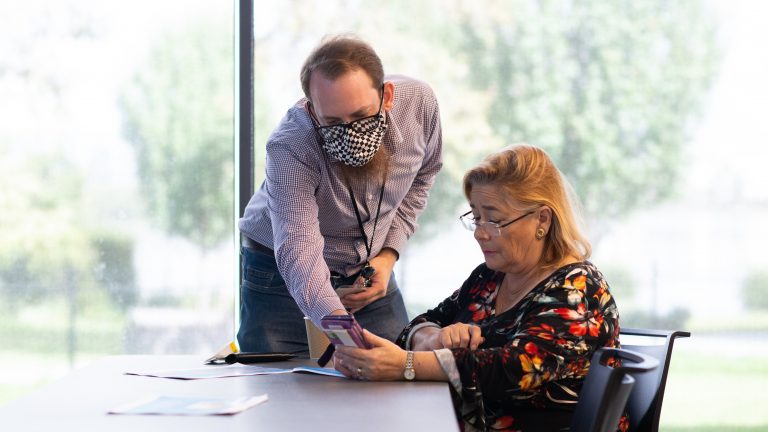
The Tech Savvy Seniors program held at the City of Canada Bay Libraries offers free technology training sessions for senior residents. In October, there will be sessions run in Greek at Concord Library.

The aim of the program is to increase digital inclusion and access to information and online services for senior citizens, while reducing social isolation and improving awareness around online fraud.

“The City of Canada Bay is a diverse community and we want everyone to be able to benefit from being online and connected, regardless of their age and linguistic background,” City of Canada Bay Mayor, Angelo Tsirekas, said.

In October, Tech Savvy Seniors workshops will be in Greek. These training sessions will cover the use of computers, tablets, smartphones, and online applications such as email and social media, as well as online shopping and cyber security.

Tech Savvy Seniors is co-funded by the NSW Government and Telstra.

Schedule of workshops
Introduction to Tablets Thursday, 6 October 10am-12pm
Introduction to Smartphones Thursday, 13 October 10am-12pm
Learn More About Apps Thursday, 20 October 10am-12pm
Introduction to Cyber Safety and Online Shopping Thursday, 27 October 10am-12pm

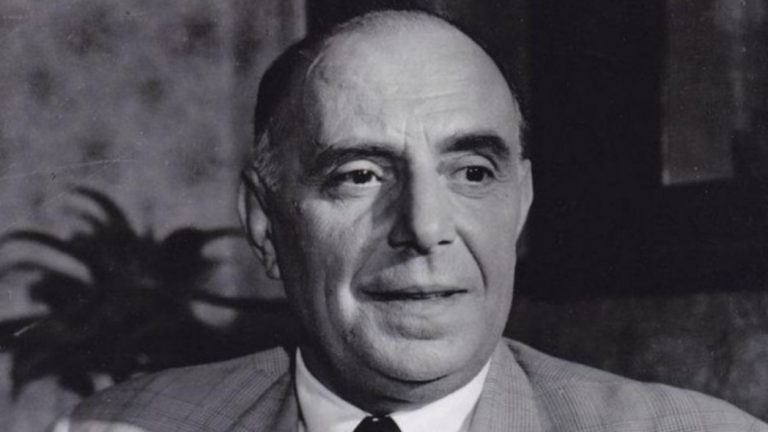
Remembering Greek theatre legend: Orestis Makris

Orestis Makris was one of the most recognisable theatric performers in the early 20th Century, whose legacy remained throughout the development of Greek theatre.

Orestis Makris was born on September 30, 1898, in Chalkida. He studied music at the Athens Conservatory and at the age of 20 he enlisted in the Greek army.

He first appeared on stage in 1925 as a tenor of Greek operetta and after its decline switched to performing in 1932.

Theatre producer Antonios Vottis assigned him the role of ‘the drunk’ in the renowned theatric play “drunkard”. Vottis had written the play three years ago, yet could not find the right actor to perform.

Recognising Makris’ acting talent and great singing voice, he enlisted his talents for the role. Also performing in “The parrot of 1932”, singing the number ‘Me len bekri’, he became the overnight protagonist of the Greek theatre.

Over time he became familiar with the role of a drunkard, with the theatric actor reportedly being a heavy consumer of alcohol throughout his life. He embodied the same character on the silver screen in 1950, in the film of George Tzavellas “O Methystakas”.

Makris created the stereotypical character of a conservative, grumpy old man, who hides his kind and good-natured heart within. This character type was immortalised in the films “The Grusuzis” (1952), “The Carriage” (1957), “Our Lady the “Mommy” (1958) and “Snow White and the Seven Elderly Men” (1960).

According to critic Costas Georgousopoulos, it made him the founder of the neo-realist style of acting.

Due to his incredible contribution to Greek cinema and theatre, he was decorated with the Order of the Phoenix.

Orestis Makris died on 29 January 1975 in Athens and is buried at the First Cemetery in a family grave.

Sydney ophthalmologist Dr Athena Roufas on the need for regular eye checks

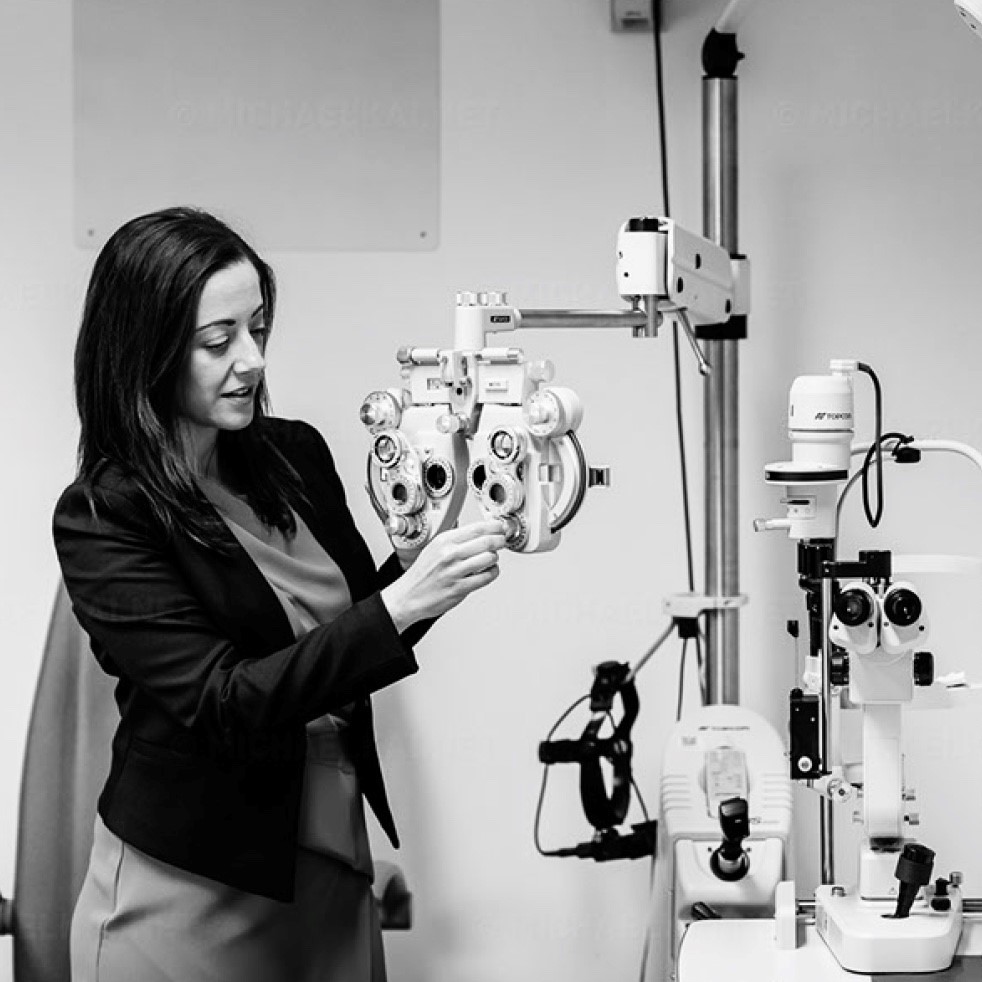
Dr Athena Roufas is a Sydney based Ophthalmologist who operates as an anterior segment surgeon, specialising in cornea, glaucoma and cataract surgery.

Along with an impressive career in Ophthalmology, Dr Roufas went on to complete sub-specialist training in Glaucoma at Westmead Hospital in Sydney and a further two years training in Cornea/Anterior Segment Trauma at the prestigious King’s College Hospital in London.

Dr Roufas currently practices at 100 Carillon Ave, Newtown (RPA Medical Centre) in the Sydney suburb of Newtown. The centre also has a Greek-speaking receptionist.

In an interview with The Greek Herald, Dr Roufas discusses the importance getting regular eye checks and prioritising your eye health.

Tell us about your journey in Ophthalmology. What was the driving factor that led you to this career choice?

For as long as I can remember, I have wanted to become a doctor.  I was always fascinated by how the human body worked and also wanted to work in a field that helped people. During my studies in medical school at UNSW, I became interested in surgery and this interest was reinforced during my internship year at RPAH and I knew I wanted to specialise in a surgical field.  During my residency year at RPAH I was able to gain some early experience in ophthalmology by seeing patients who presented with eye complaints in the emergency department.  It was here that I saw the eye magnified at the slit lamp for the first time at it was literally love at first sight.  I became fascinated by all things eye related.  I liked that ophthalmology was a mix of medicine and surgery. I was also drawn to the fact that as an ophthalmologist you are helping people improve their sense of sight.  This led me to study a Masters of Medicine (majoring in Ophthalmology) at Sydney University whilst I continued to work as a junior doctor at RPAH.  I then was fortunate enough to be accepted into the ophthalmology training program in Sydney where I was able to gain my general training in ophthalmology. 

Tell us about the specialties that you focus on in your field, and why they are so important to you.

Following my general ophthalmology training I completed further training in glaucoma at Westmead Hospital in Sydney.  I then travelled to the UK and undertook a further 2 years of training in corneal surgery (and anterior segment trauma) at the Kings College Hospital in London.  On my return to Australia, I spent some time with renowned refractive surgeon Dr Michael Goggin in Adelaide.  So, my areas of specialty are cataract and refractive surgery, cornea and glaucoma.  My surgical focus is on the front of the eye as this is an important powerhouse area of the eye.  The cornea and lens are the main focusing powers for the eye and allow a clear window for the eye to see through and so, are very important structures for good vision.  In glaucoma, the aim is to maintain an optimal intraocular pressure to prevent damage to the optic nerve, which is a vital structure as it is what sends the picture we see to the brain and allows these images to be processed. 

Why do you think it is so important for people to get their eyes checked? Is it something that you think people underestimate the importance of?

It is incredibly important for people to have their eyes checked regularly, especially after the age of 40.  Earlier if there is a family history of eye issues or there are any concerns.  Regular eye checks are necessary, especially as we get older. Most age-related eye conditions can be managed effectively with an early diagnosis. Unfortunately, people can underestimate the importance of regular eye checks and when they do present, they already have advanced disease or irreversible damage to their eyes and vision. That is why regular checks are so important.  They allow the early diagnosis of eye conditions and can prevent permanent damage to vision with early intervention.   

Could you describe what cataract surgery is and why people would need that procedure done?

As we all get older, the clear lens in our eye continues to grow.  As it grows, the lens becomes cloudy and forms into a cataract.  A cloudy lens causes a reduction in vision as light is blocked from entering the eye by the cloudy lens (cataract).  Cataract surgery is when the cloudy lens is removed and a new, clear lens is put in its place.  This new lens allows light to enter the eye again and so, improves vision. People require cataract surgery when their lens has become so cloudy it is impairing their vision.

What is the most common factor, in your opinion, that leads to the need for cataract surgery?

Age is the most common cause of cataract.  Cataracts usually cause a gradual decline in vision and this is what most often prompts people with cataracts to present to an eye specialist for an eye check. 

What is your message to people who are hesitant about their eye checks or don’t place enough importance on them?

Please get your eyes checked regularly.  Vision is such an important sense and should not be taken for granted.  The eyes are delicate structures that are constantly changing as we age.  Regular eye checks can pick up changes sooner rather than later.  I strongly recommend that anyone over the age of 40 get their eyes checked regularly.  Of course, younger people should also get their eyes checked if there is a family history of eye issues or there are any visual symptoms or concerns.

*This is a sponsored post.

Anna Polyviou’s Strawberry ‘N’ Cream Tart

Anna Polyviou is back to share her recipe for Strawberry ‘N’ Cream Tart.

A recipe that is sure to be a hit with friends, what’s not to love? it’s a mix of fresh fruit, cream and Anna’s Cookie Dough in Peanut Butter fudge!

Follow the recipe below for a sure fan favourite!

Ingredients:

  • 1 tub Anna Polyviou Cookie Dough, Peanut Butter Fudge
  • 400ml Thickened cream
  • 200g White chocolate
  • 1 Vanilla pod, split and seeds scraped
  • 1 punnet Strawberries
  • ¼ bunch Basil

Method:

  1. Preheat the oven to 165°C. Line a large baking tray with baking paper. Spray four 12cm ring moulds with oil, and place on the prepared tray.
  1. Soften the cookie dough, then divide among the four ring moulds and press into an even base layer. Bake for 10 minutes until slightly golden. Remove from the oven and set aside to cool. Store in an airtight container until needed.
  1. Place chocolate in a medium-sized bowl. Place cream in a small saucepan with the vanilla beans and pod. Bring to the boil, then remove from the heat and pour over the chocolate. Stir until smooth, then cover the bowl with plastic wrap and place in the fridge to set overnight.
  1. The next day, whisk white chocolate cream mixture to soft peaks, then place in a piping bag with a plain nozzle. Pipe all over the cookie bases, then decorate with strawberries and basil leaves to serve.

Federal Government officials lobby to extend Arthur Sinodinos’ US posting

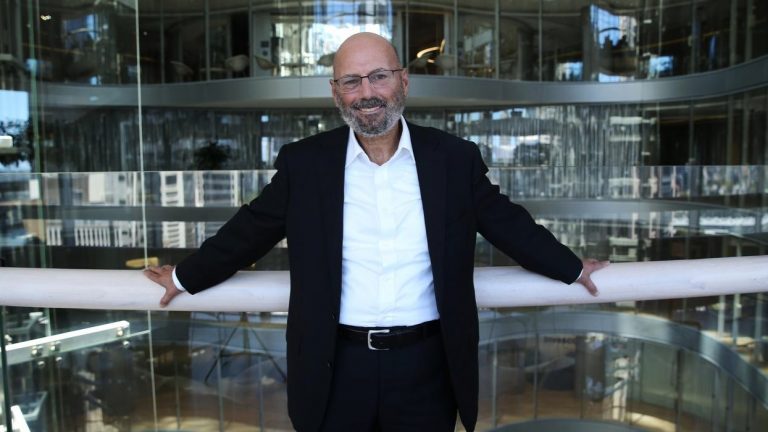
Arthur Sinodinos AO is set to complete his term as Australia’s Ambassador to the United States next February, however, senior officials in the Department of Foreign Affairs and Trade (DFAT) are pushing for him to remain in the role until at least mid-2023.

The push comes as Australia enters a crucial phase of negotiations to secure nuclear-powered submarines under the trilateral security pact between Australia, the United Kingdom and the United States (AUKUS).

The government is set to announce which type of nuclear-powered submarine it will acquire in March 2023, with speculation mounting that Australia could strike a deal directly with the US.

Sinodinos’ role, which he has held since arriving in Washington in 2020, has been described as crucial in effecting the deal.

“Sinodinos is respected by both sides of politics despite being one of the Liberal Party’s most influential figures over recent decades,” wrote The Sydney Morning Herald’s Matthew Knott.

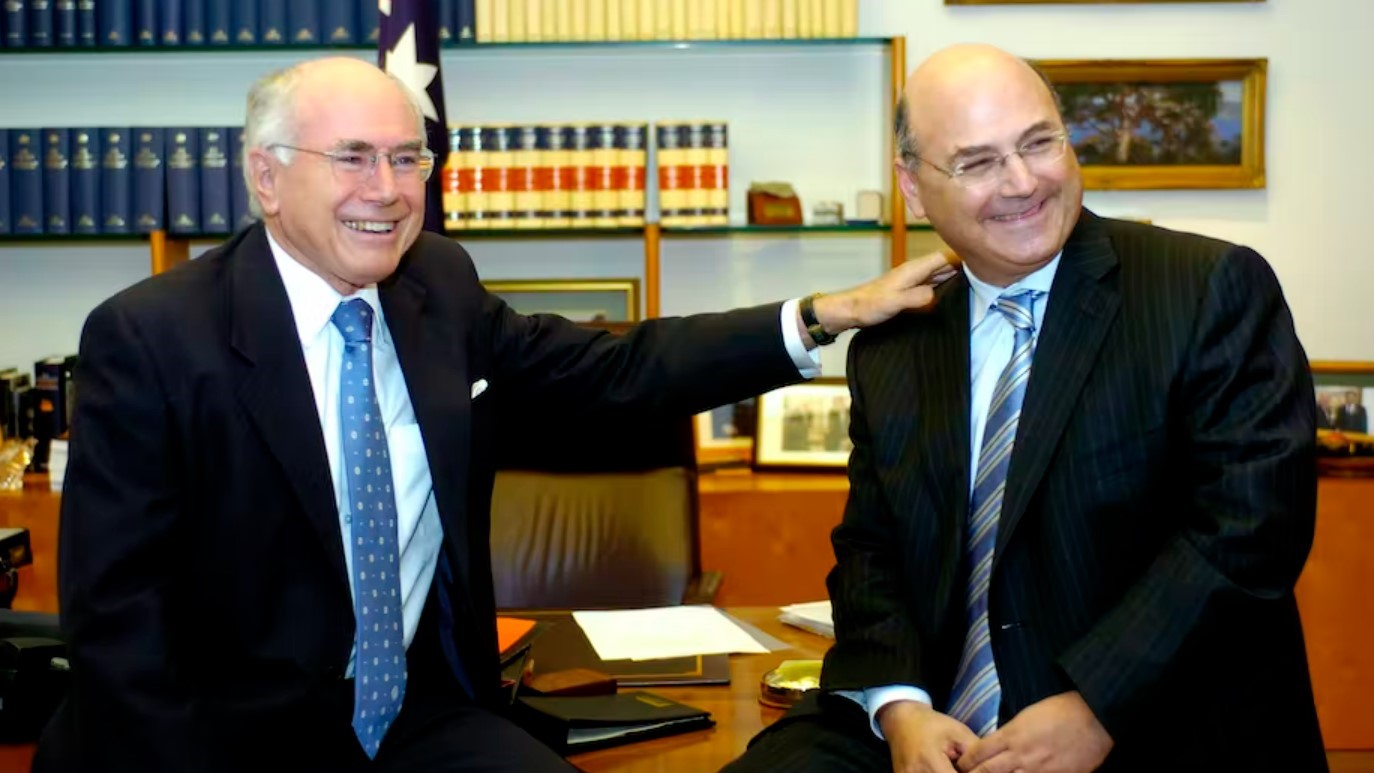
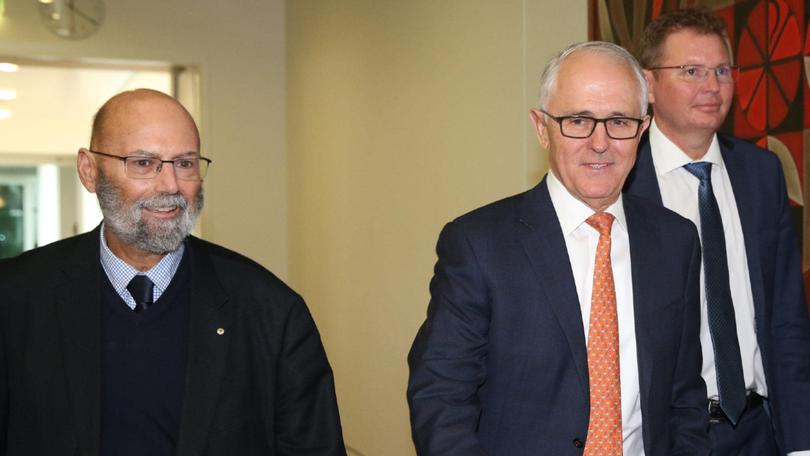
The Greek Australian previously served as John Howard’s chief-of-staff for a decade before becoming Malcolm Turnbull’s cabinet secretary in 2015.

With the expectant Republican takeover in the US House of Representatives in January, DFAT officials have advocated for Sinodinos’ extension as a matter of stability at the Australian embassy in Washington.

According to The Sydney Morning Herald, possible contenders to succeed him include Foreign Minister Penny Wong, former Prime Minister Kevin Rudd and former Defence Minister Stephen Conroy.

READ MORE: Arthur Sinodinos: Don’t underestimate the value of Australian innovation in the US

SOURCE: Sydney Morning Herald

Louie Douvis photographs Australian PM as he revisits childhood home for first time

0

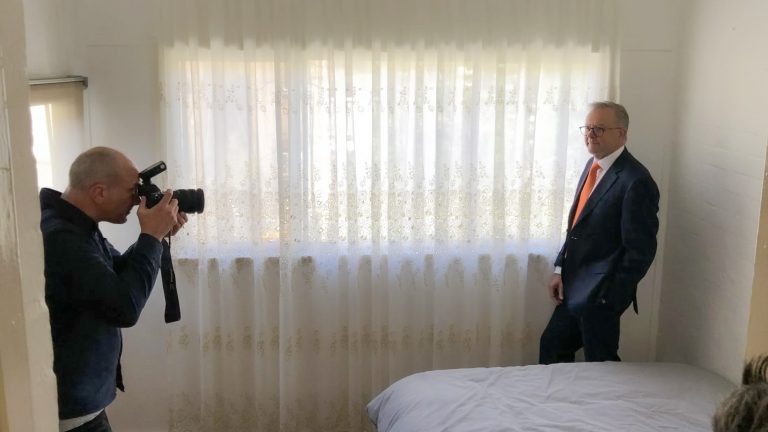
Australia’s Prime Minister, Anthony Albanese, has revisited his childhood home in Sydney’s inner west, being photographed by the chief photographer and picture editor at Fairfax Media in Australia, Louie Douvis, as part of The Australian Financial Review’s (AFR) 2022 Power issue.

“It’s the perfect backdrop to mark the ascendancy of the prime minister with the most disadvantaged background since Ben Chifley,” AFR Magazine editor, Matthew Drummond, wrote of the two-storey, two-bedroom housing commission unit in Camperdown.

In an Instagram post, the Greek Australian photographer detailed the experience, sharing how it was the first time Prime Minister Albanese has been photographed inside the home.

Drummond described the photoshoot inside the home as “impromptu,” writing that the Prime Minister was only to be photographed from outside the home until its current occupant, Rosa, appeared with arms outstretched.

“Welcome to my home, Prime Minister, and your former home,” she said.

It was then that the PM crossed the threshold. Moved by nostalgia, he took AFR on a tour of the home, finishing up in his former bedroom at the rear of the first floor.

Speaking of his mother Maryanne, who raised him while on a disability pension, Albanese said: “My mum brought me up to work hard and to be proud of our community.”

He shared how his mother had also grown up in the Camperdown home.

“My grandparents brought up five kids in this house,” he said.

“We never thought about how little we had, we thought about how much we could achieve.” 

SOURCE: The Australian Financial Review

Google cloud expansion to create 20,000 new jobs in Greece

0

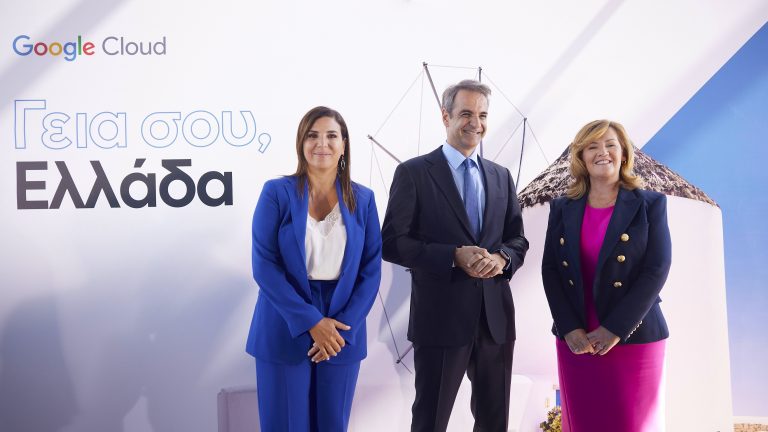
Google has announced plans to set up its cloud services infrastructure in Greece, promising to create nearly 20,000 jobs through direct investment and partnerships by 2030.

The Thursday announcement was welcomed by Prime Minister Kyriakos Mitsotakis who said the deal is estimated to contribute some 2.2. billion euros to Greece’s economy by the end of the decade.

Speaking at the Athens event for the presentation of Google’s investment plans, Mitsotakis said: “Investments, especially in cutting-edge sectors, are always our non-negotiable and fixed priority.”

“Not only because they create national wealth and new well-paid jobs and encourage young people to return to our homeland, but because they mobilise and modernise business activity as a whole,” he added.

Since taking office in 2019, Mitsotakis’s government has made moves to diversify the economy and attract foreign investment and high-tech companies to the country which emerged from a decade-long financial crisis in 2018.

During the Thursday event, the Greek Prime Minister went on to describe the deal as “another link in the chain of important business plans that were put into practice in the last three years”.

For her part, the President of Google Cloud International, Adaire Fox-Martin, said: “Today, we are very pleased to be announcing our first cloud region in Greece which will provide storage and cloud services for Google customers.”

Whilst speaking at the Athens event, she explained that the investment would enable organisations to better use their data, help improve low latency and ensure users’ security in the face of cybersecurity threats.