Craving a warm and hearty vegetarian fix? Zymi by Georgia Mihail has the perfect Lent recipe for you!
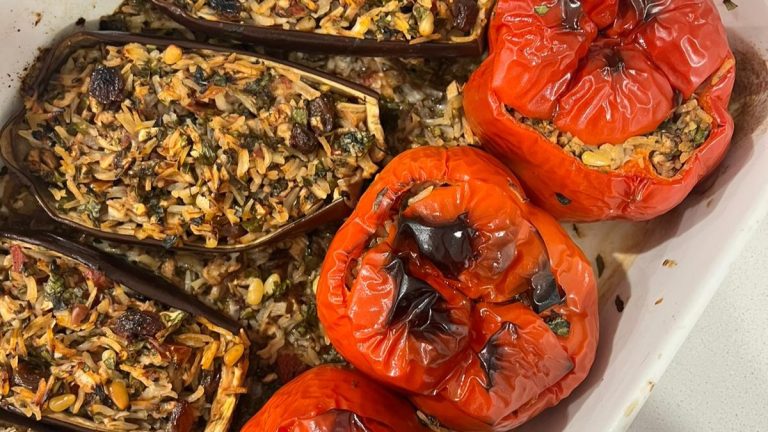
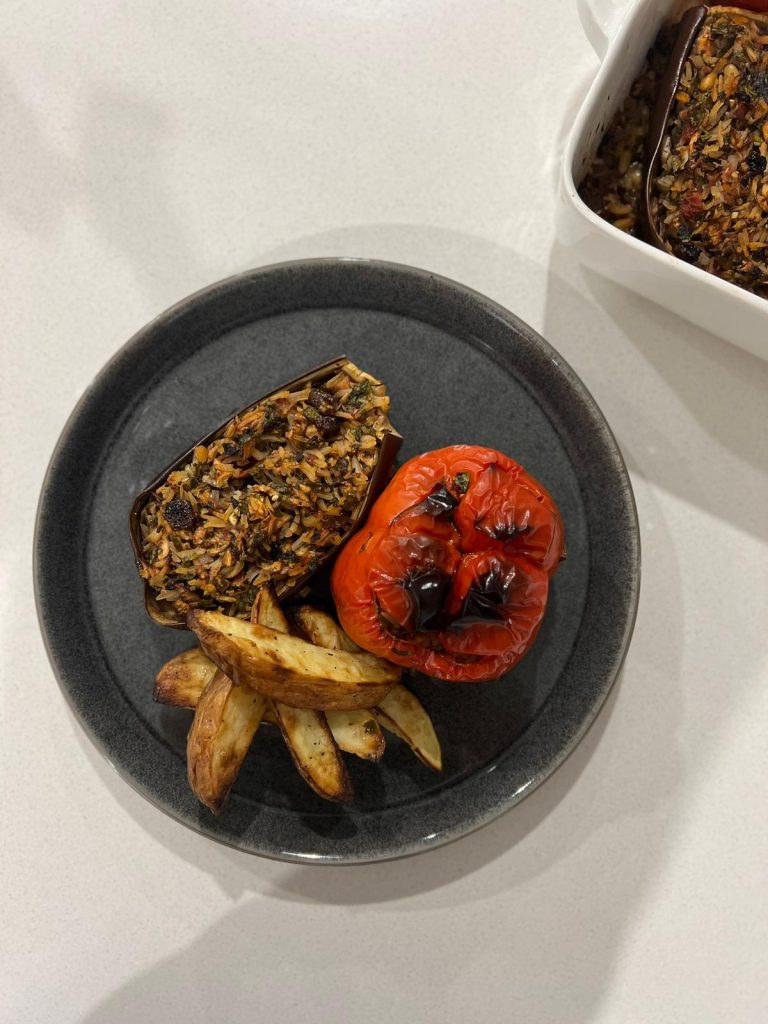
Yemista is easy to make and is one of those meals which make you feel so satisfied. The capsicum, tomato and eggplants offer a rich sweet flavour that is perfectly complimented with a juicy, slow-cooked rice (or for those not fasting, flavoursome mince).
To make the yemista, follow Zymi‘s recipe below. Check out our Instagram reel for Zymi’s visual guide too @thegreekherald.
Photo: Georgia Mihail
Yemista Recipe:
Prep time: 15 minds
Cook time: 45 minds
Serves: 4-6
Ingredients
2 eggplants
4 red capsicums, seeds removed and topped
2 tbsp olive oil
1 brown onion, finely diced
1 bunch parsley, finely chopped
1/2 bunch mint, finely chopped
1/2 bunch dill, finely chopped
Zest of 1 lemon
400g can diced tomatoes
1 tbsp tomato paste
1/4 C sultanas
2 tbsp pine nuts
1 tsp salt
1 tsp black pepper
1/2 cup cooked rice
1/2 cup water
Method
Preheat oven to 190C and prepare a rectangular baking dish.
Cut the base of the capsicums off and remove the seeds, place in dish with lid.
Cut the eggplant in half and using a small knife cut around to create a border. Make sure not to cut all the way through and scoop out the filling to create an empty shell (take your time with this).
Roughly chop the removed eggplant and add to a mixing bowl.
Add the chopped parsley, mint, diced onion, dill, sultanas, pine nuts, olive oil, lemon zest, cooked rice, diced tomatoes and tomato paste. Mix well until combined.
Season generously with salt and pepper and mix until well combined.
Place 3/4 of the mixture into each eggplant and capsicum, place lids onto the capsicums.
Fill the baking dish with the remaining mixture around the stuffed vegetables.
Add 1/2 cup of water to the dish and tightly cover with aluminium foil.
Cook in oven for 35-40 minutes or until vegetables are cooked through.
Remove foil and cook for a further 15 minutes or until slightly golden.
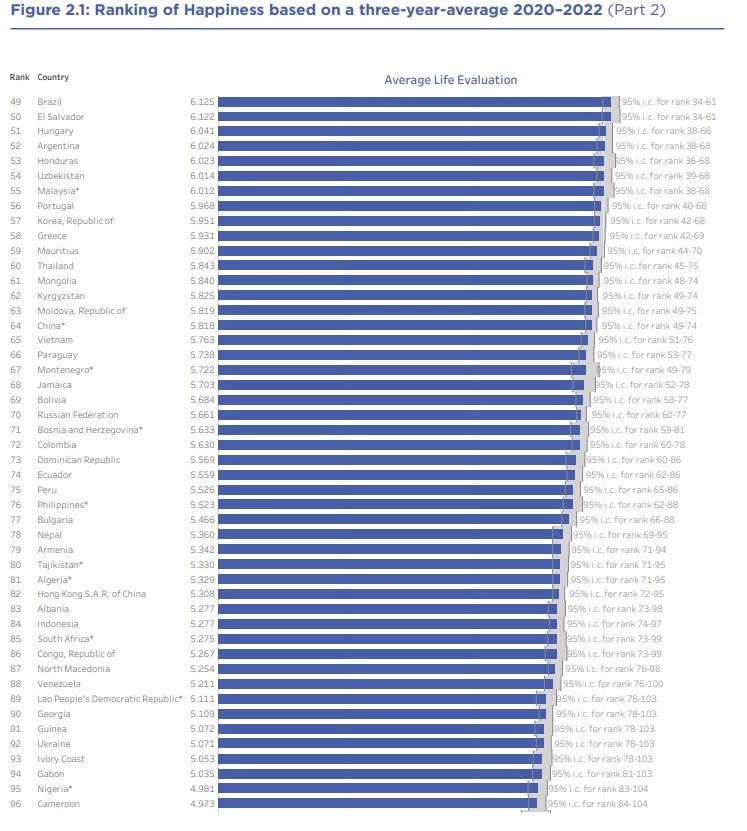
Every year on March 20, a World Happiness Report ranks global happiness in more than 150 countries.
The report measures the country’s happiness based off healthy life expectancy, GDP per capita, social support, low corruption, generosity in a community where people look after each other, and freedom to make key life decisions.
For the sixth year in a row, Finland has been declared as the happiest in the world. It’s Nordic neighbours, Denmark, Iceland, Sweden and Norway also scored very high.
Despite the restrictions of COVID-19, the World Happiness Report commented the happiness of the world has been “remarkably resilient” between 2020-2022.
This year, Greece was ranked 58th and rated with 5,931 points, compared to the 7,804 of Finland in first place. In the report, countries such as Malaysia, Uzbekistan, Hungary, El Salvador and Brazil surpassed Greece as happier nations.
Australia (No. 12), Canada (No. 13), Ireland (No. 14), the United States (No. 15) and the United Kingdom (No. 19) all made it into the top 20.
“This is a day we have been working on for a long time. We feel a certain optimism because today something new is born, something hopeful,” Athens Mayor, Kostas Bakoyiannis, said in a press release.
“In the archaeological site of Plato’s Academy, the past and the future will coexist.”
Credit: Greek Ministry of Culture
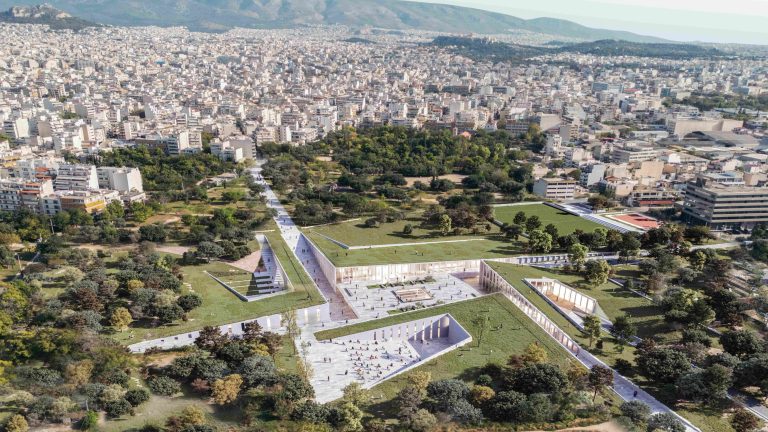
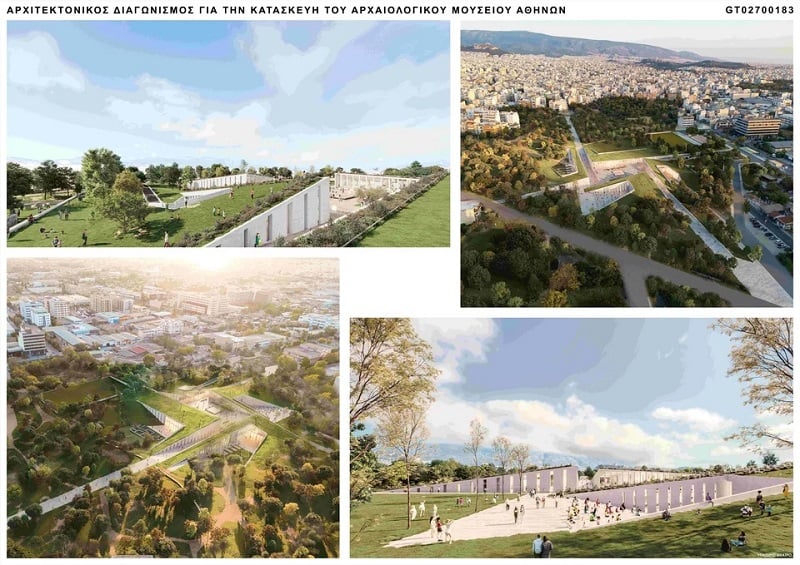
The new museum will have four sections with a central square, an open amphitheatre with 500 seats and aims to be climate neutral with no carbon footprint.
George Tsolakis’ sustainable, open plan, and green idea for the museum won Greece’s design competition that was hosted last year.
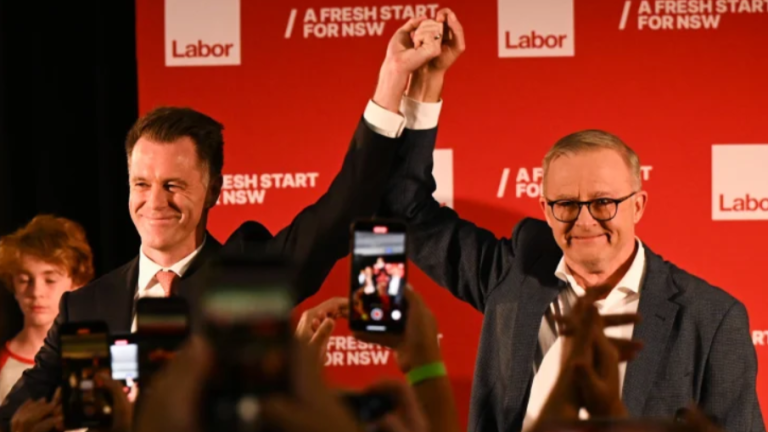
Chris Minns will be the next Premier of NSW after voters savaged the Liberal Party in seats across Sydney, paving the way for Labor to govern in its own right for the first time in 12 years.
According to ABC News, NSW Labor will hold at least 47 seats in the 93-member lower house, picking up at least nine seats from the Coalition.
Labor’s gains included key seats in Western Sydney, such as Parramatta and Penrith. The nine seats still in doubt include former Premier Gladys Berejiklian’s former seat of Willoughby in Sydney.
Goulburn, Holsworthy, Kiama, Miranda, Oatley, Pittwater, Winston Hills and Wollondilly are also too close to call.
Minns arrived at the Novotel at Brighton-Le-Sands on Saturday night to address elated Labor supporters and was introduced by Australian Prime Minister Anthony Albanese.
Minns said Labor’s victory provided a mandate to remove the Coalition’s “unfair” public sector wages cap and change the state’s constitution to prevent any possible future sale of Sydney Water.
“We will govern for everyone in NSW,” Minns said.
“We know that the challenges are huge, we know that the responsibilities are awesome, but NSW Labor is back and ready to govern in this great state.”
At about 9pm, outgoing NSW Premier Dominic Perrottet called Minns to concede defeat before arriving at the Liberal Party’s campaign function at the Hilton hotel in Sydney’s CBD just before 10pm.
Joined by wife Helen, Perrottet praised Minns for his “decency and integrity” before confirming that he would stand down as Liberal leader.
Antonis Saoulis has been a reporter for the Olympiacos Football Club, Editor-in-Chief of Gazzetta and now Product / Owner Leader at Sportal.gr.
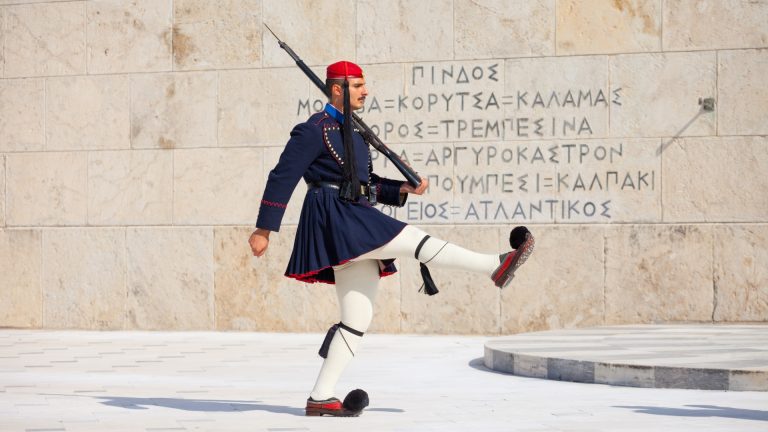
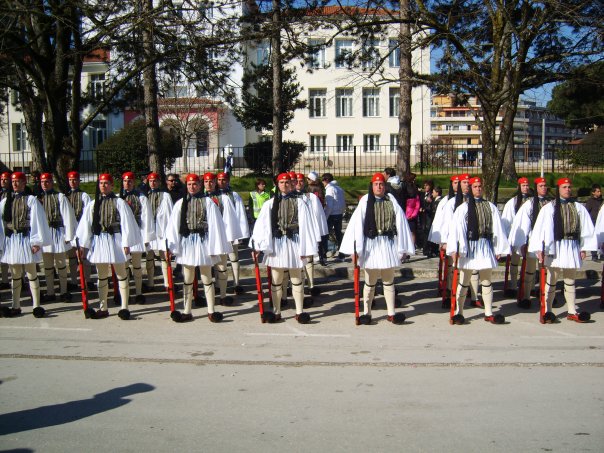
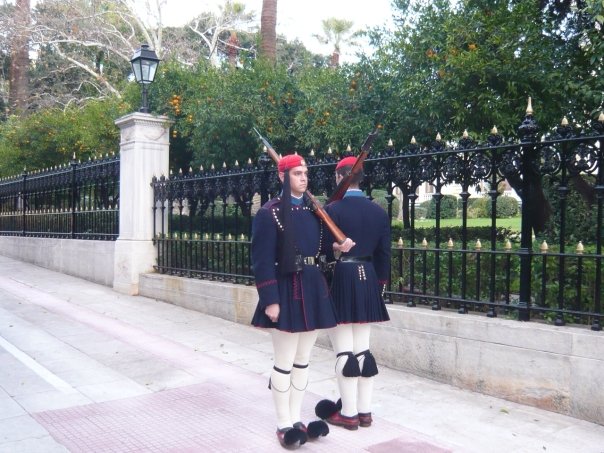
Despite this, there was also a special time in his life when Antonis served as an Evzone. In an interview with The Greek Herald, Antonis shares what his life was like as an Evzone.
When did you serve as an Evzone? What made you become an Evzone?
It was the year 2008-2009. It wasn’t my choice. In general, it is not anyone’s choice to become an Evzone. It is not a specialty of the Greek army that you choose. I joined the infantry and at the centre where I went to Tripoli, we were visited by officers of the Presidential Guard who choose people who can become Evzones. The minimum criteria were height above 1.85 metres and a relatively athletic body to withstand the training.
What was your life like as an Evzone?
Difficult. As long as you live it, you don’t have time to understand how beautiful it is because the education never stops. When you complete your service, you realise what a special and beautiful experience it was.
But to make you understand, after the first month of hard training and if you manage to get the blue beret of the Evzones, that’s when the real difficulty begins. On Monday, Wednesday and Friday you have training at the National Garden. On Tuesday and Thursday, there is training during the special Evzones parade. On Sunday morning and afternoon you have to go for the raising of the flag at the Acropolis and of course, every Sunday there is the official Changing of the Guard at the Monument of the Unknown Soldier in Athens. It is a wonderful sight that not many Greeks know happens every Sunday at Syntagma. In all of this, of course, there is also our duty at the watchtowers.
What were your obligations and duties?
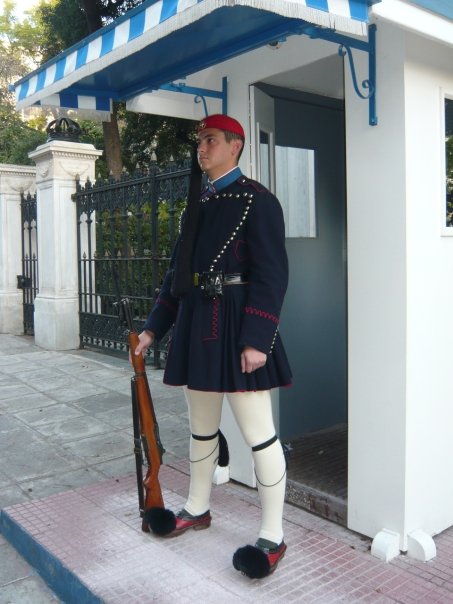
There are many duties and more obligations within the camp. From the moment you are officially an Evzone, you enter the process of the watchtowers. One hour every eight hours. You know, the one where you see the Evzones standing still. But every time a leader of a foreign country comes, or changes are made to the embassies, then we have other obligations.
Of course, we follow the lead of Greece’s President. When I served, for example, it was Karolos Papoulias who is from Ioannina and in the parade for the liberation of the city we went to Ioannina to march. Every year a group of Evzones travel to New York City in the United States for the celebration of Hellenism and of course, we attend all important parades. It is also our duty to take care of and maintain in good condition our equipment and clothes. The gun should not break, the nails in our tsarouchia should be in place, the tassel should be clean and properly trimmed and of course, we should have a clean shirt, polished buttons and fix the 400 pleats on our fustanella.
How did people react when seeing you?
The truth is that no one can understand awe until they have seen and experienced it. To be honest with you, until I became an Evzone I had never seen their parade but it is such a special and imposing spectacle, that I think the best word to describe it is “awe.” Fifty Evzones in line to parade and hearing the sound of the tsarouchia before you even see them, combined with the band’s rhythm – it is something to be seen. As for the official change in front of the Unknown Soldier, it’s also something amazing. Indeed, this particular change and the steps of the Evzones has been described as the most difficult in the world of all armies.
The moment someone comes to take a picture with you, isn’t it annoying? How hard is it to stay still?
It’s a classic question: How hard is it to stay still? On the first day of training, we were told “know stillness will be the easy thing. It will be your rest. The hard part will be the steps.” The truth is, I didn’t believe it, but I understood it afterwards.
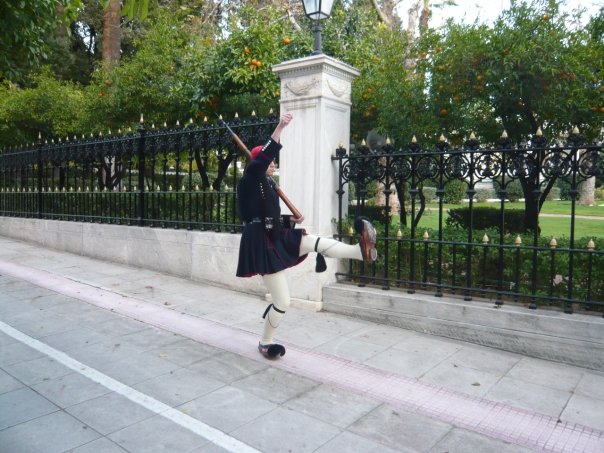
The steps, that is, lifting your legs at right angles to your body in order to move forward, is something extremely difficult that requires a lot of exercise. As for the photo, it is not difficult. From the moment you pass the training you are ready to stand still and not respond. The only difficult thing for me was when little kids came. Not because they teased you, but because they could say “Look mom, he moved” and then you get in trouble.
What is the most characteristic moment you remember as an Evzone?
Three moments. One pleasant, one unpleasant and one funny. The pleasant one was in Giannina. When we went out to parade there I felt like I scored a goal in the 90th minute. I never heard such an outburst before.
The sad thing was the murder of Grigoropoulos. In fact, I was also on watch when many incidents took place in Syntagma and the Christmas tree was burning. With tear gas and fire and we there motionless on our watch. Obviously we weren’t harmed by any protesters.
And the funny moment was when one Sunday we went up to the Acropolis for the flag raising. Unfortunately, however, it started raining and as a result, the tsarouchia shoes slipped on the marble and we all fell down.
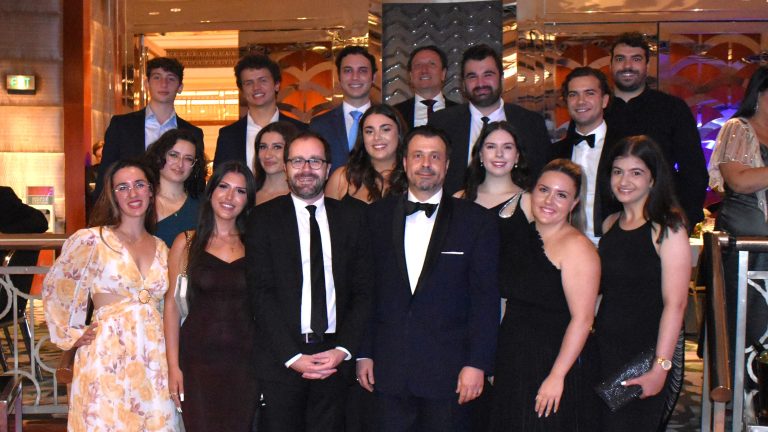
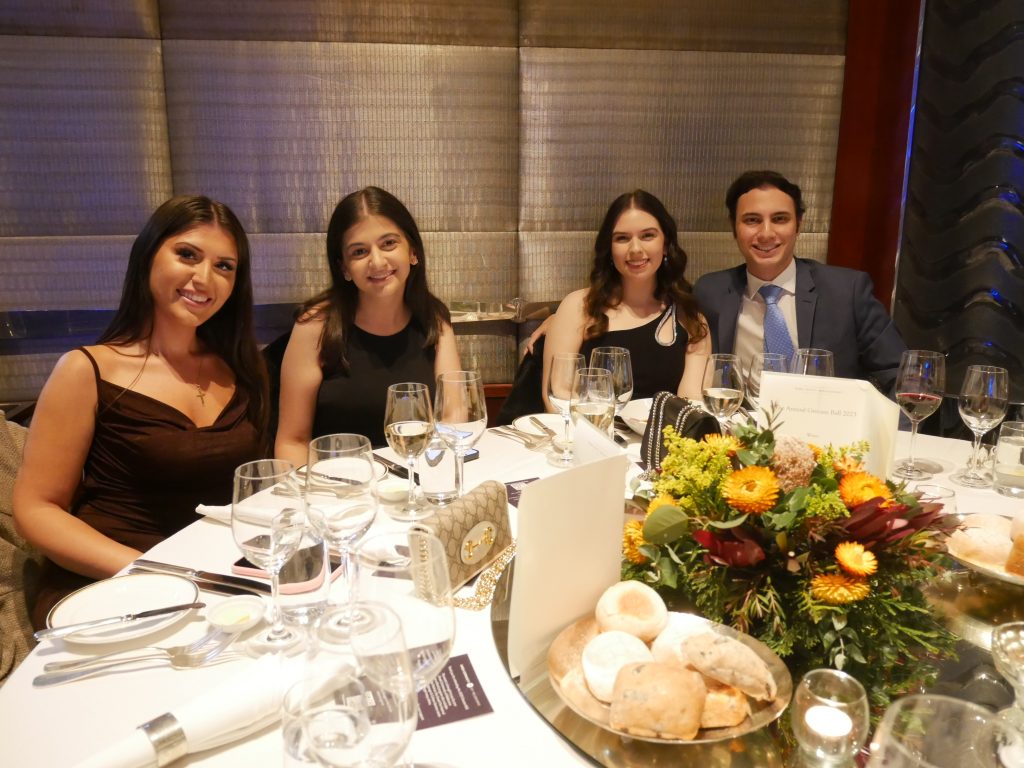
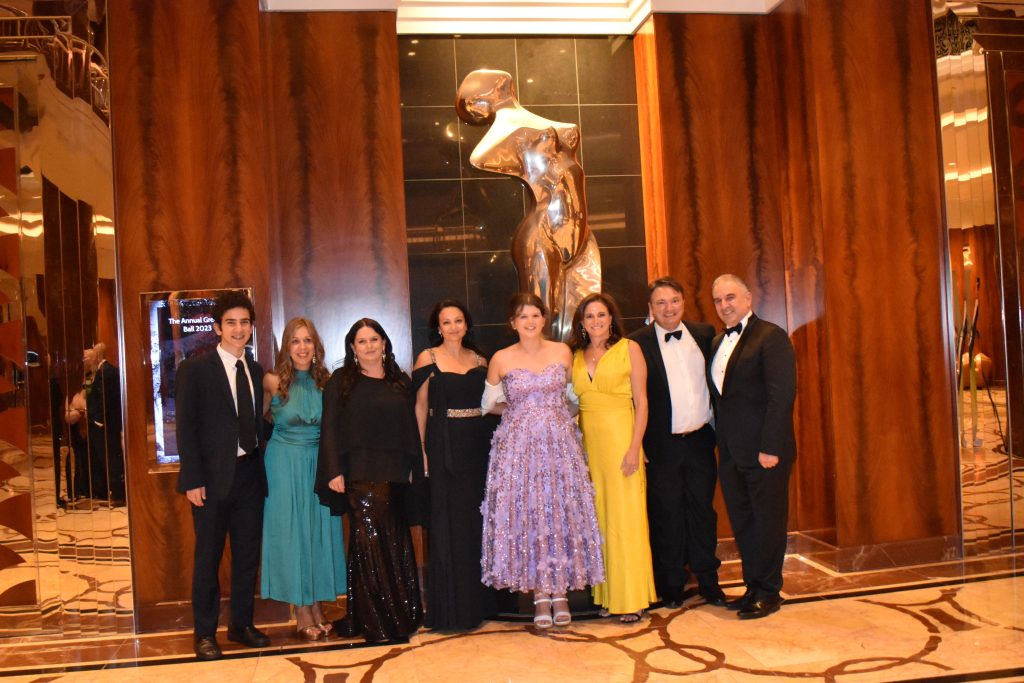
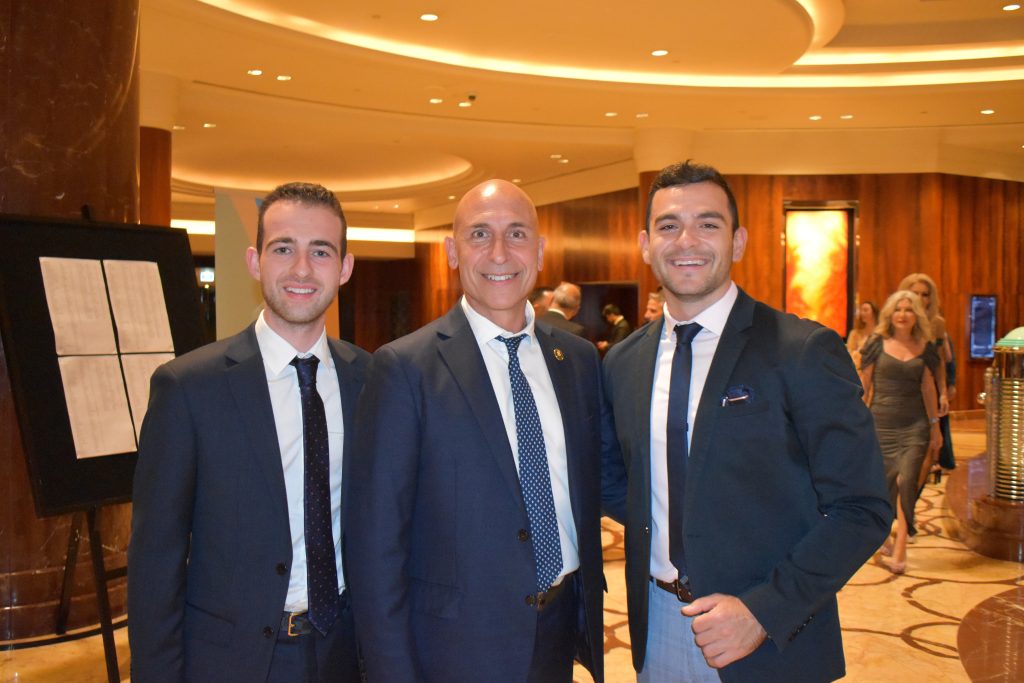
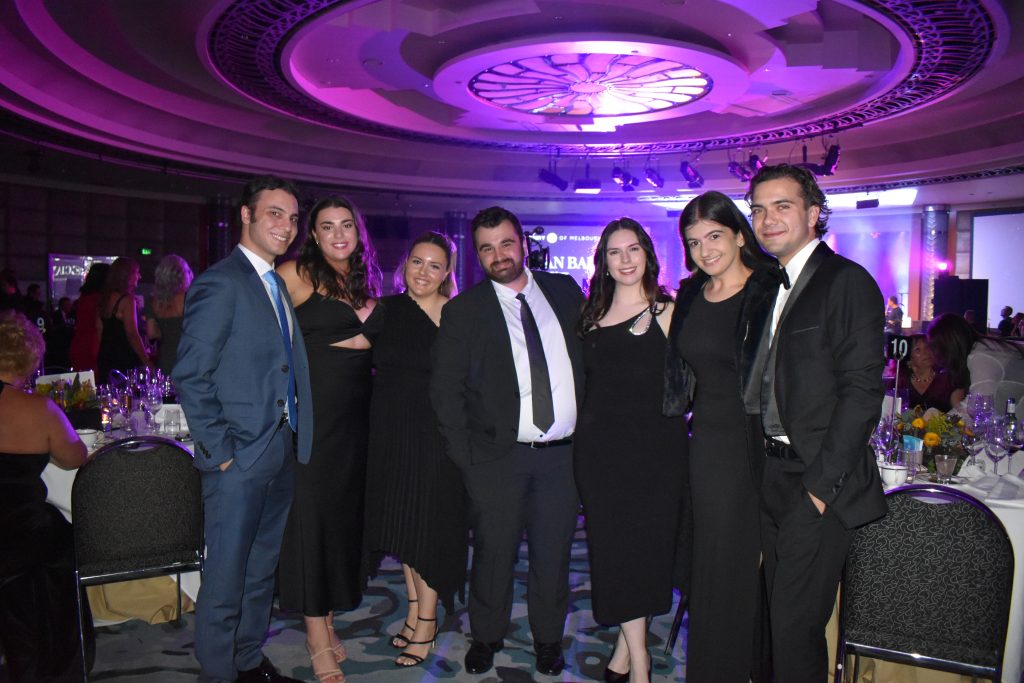
If the inaugural Grecian Ball at the Hyatt last year had been about influential Greeks getting together, the 2nd Grecian Ball was about future generations and the carrying on of the torch.
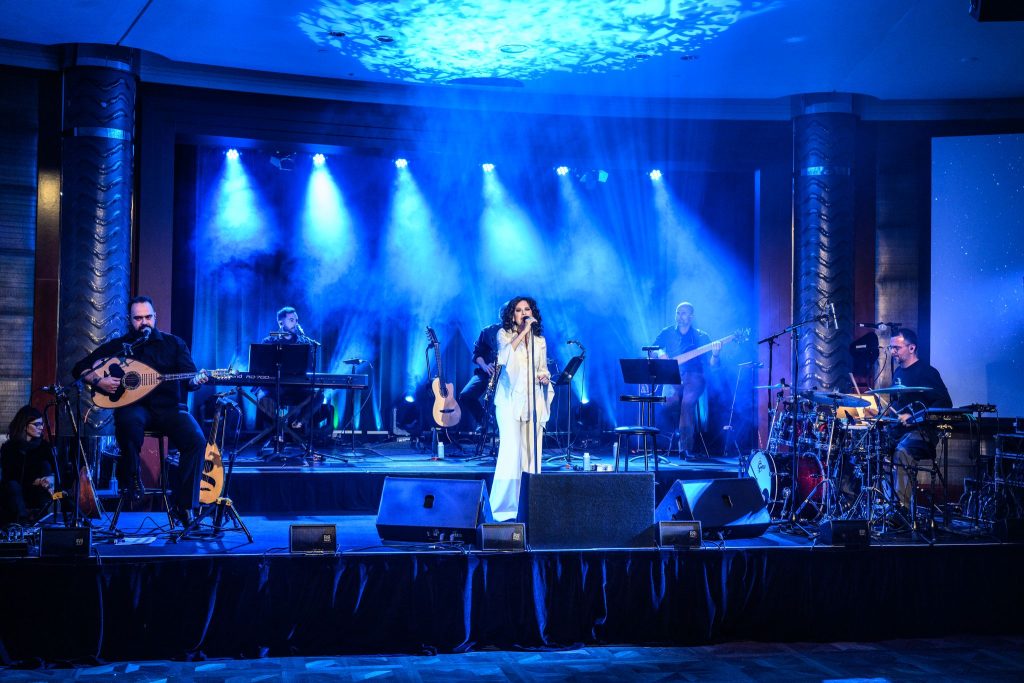
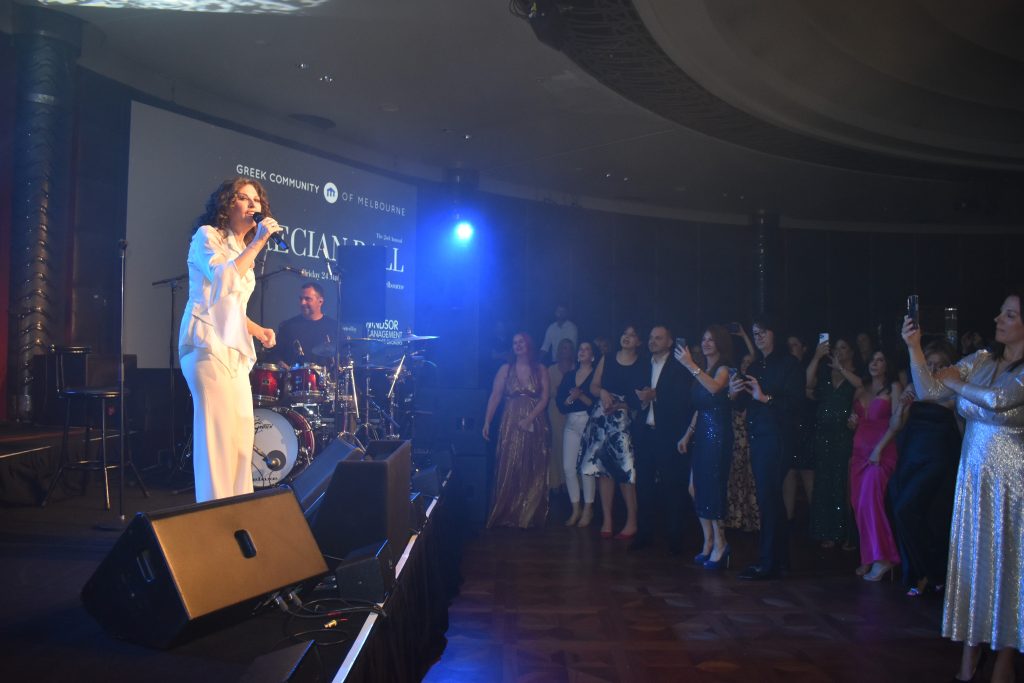
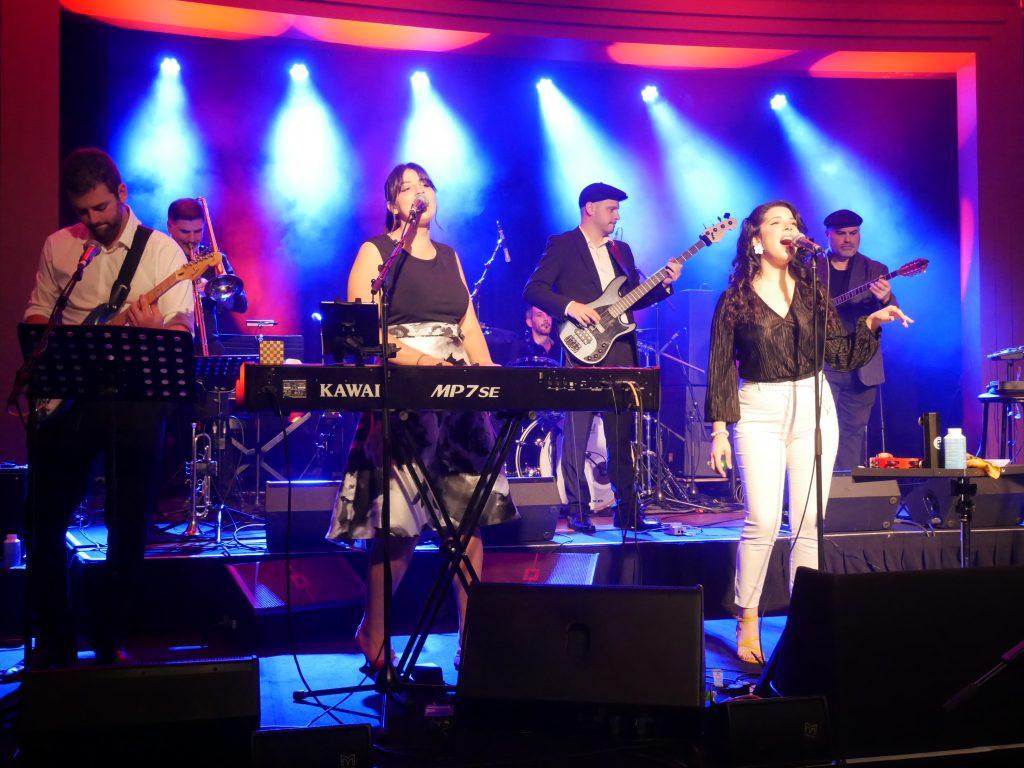
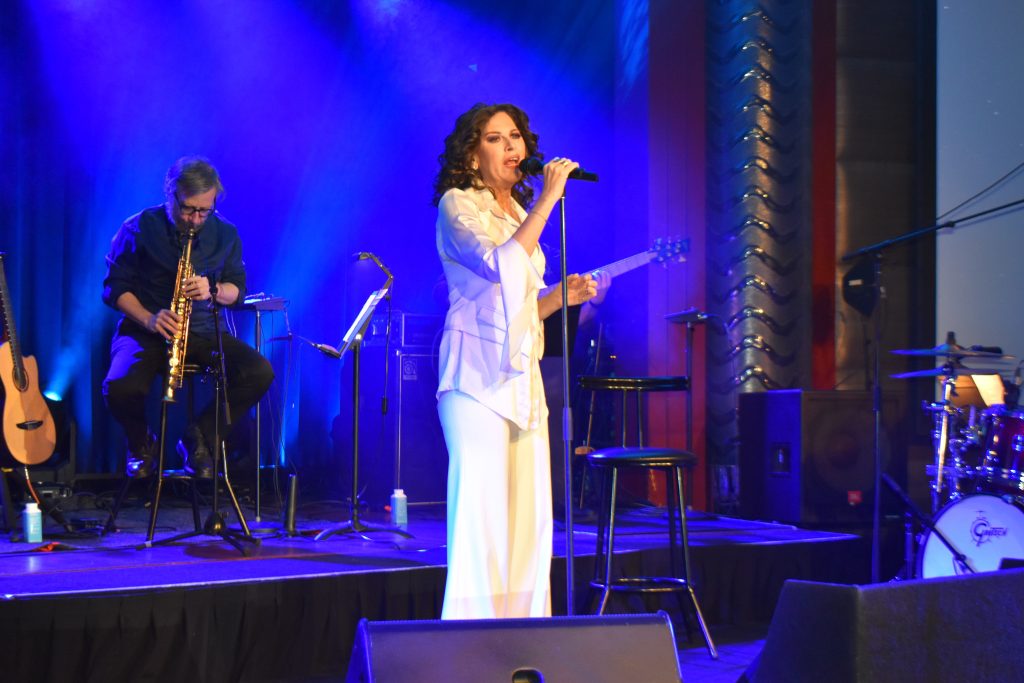
At a time when the future of Greek clubs looks bleak due to a lack of youth participation, it was refreshing to see many young faces present to enjoy performances by Greek folk singer Eleftheria Arvanitaki and the Cats and the Canary; while also paying tribute to the ideals of the start of the Greek War of Independence (25 March, 1821).
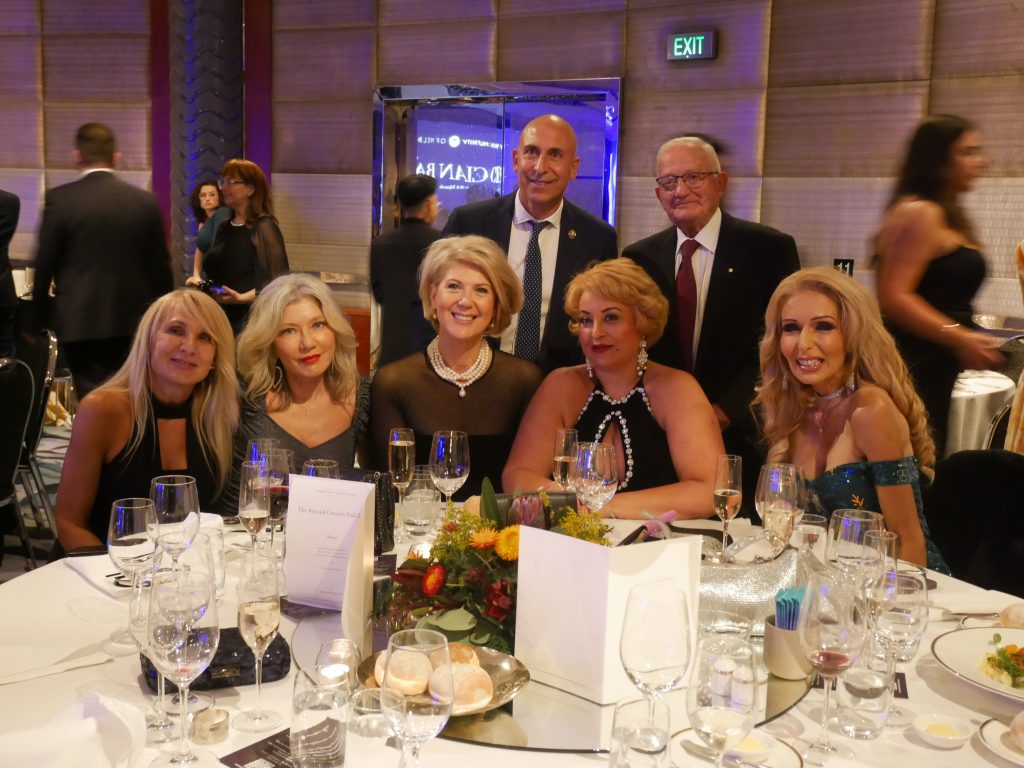
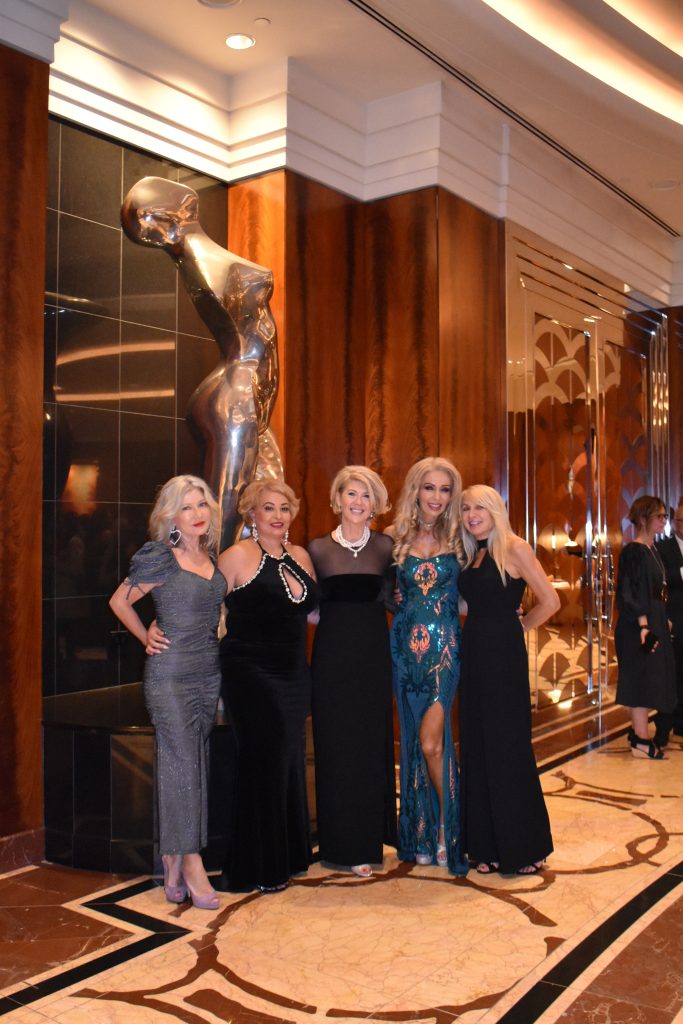
Eleftheria Arvanitaki at the Grecian Ball. Photo: The Greek Herald / Mary Sinanidis.Arvanitaki performs at the Grecian Ball. Photo: The Greek Herald / Mary Sinanidis.Cats and the Canary. Photo: The Greek Herald / Giorgos Psomiadis.
Despite allocated seats, there was a lot of intergenerational mingling. George Kotsirilos, President of the Panarcadian Club, was pleased to see so many young people at the event. His club is also looking to its future.
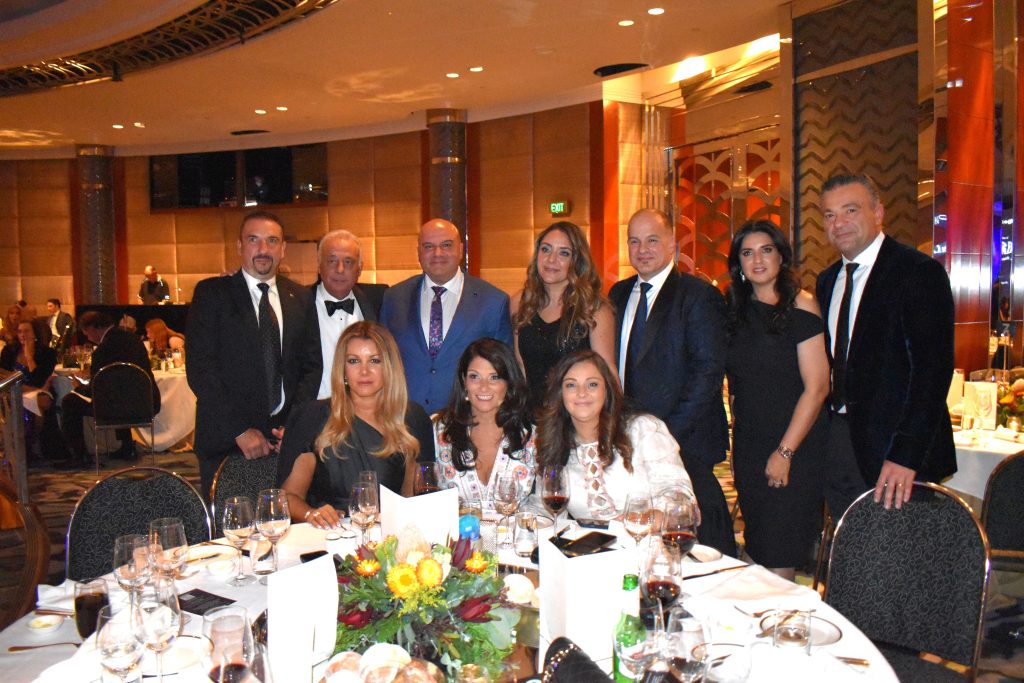
Youth at the event. Photo: The Greek Herald / Giorgos Psomiadis.Dr Marinis Pirpiris family and friends. Photo: The Greek Herald / Mary Sinanidis.
“We have captured the 55-65 year olds who are going to carry the association for the next 20 years,” he said. “The younger ones are familiar with the organisation, and I guess we all go through a stage in our lives where we may have other interests, but there comes a moment when we miss that and return.”
Peter Giasoumi, George Kotsirilos, President of the Panarcadian Club, and Dr Dean Kotsianos from GYG. Photo: The Greek Herald / Mary Sinanidis.Youth at the event. Photo: The Greek Herald / Mary Sinanidis.
Mr Dean Kotsianis, former president of NUGAS university group and co-founder of the Greek Youth Generator (GYG) for 18-29 year olds, told The Greek Herald that young Greeks are exploring “identities that haven’t existed yet.”
“I think a lot of young people feel they have to fit a cookie cutter model to explain what it means to be Greek and what it means to feel Greek, but we have the freedom and flexibility because of the people we know and we like to do our own thing,” he said.
“We are defining our own presence here. This, for me, means something unique versus what it means for someone else.”
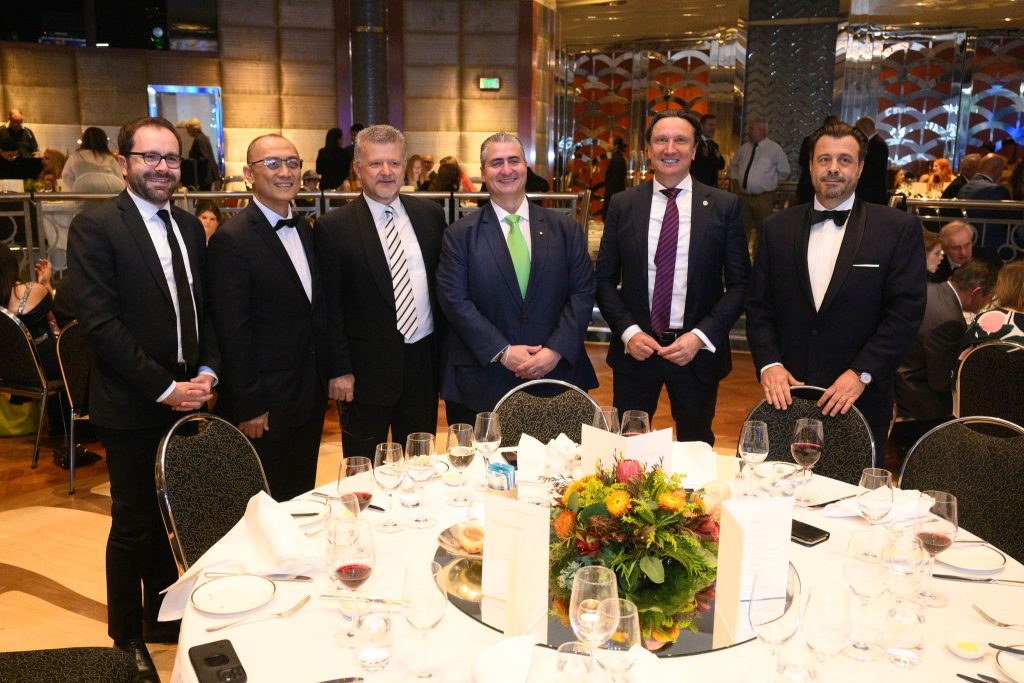
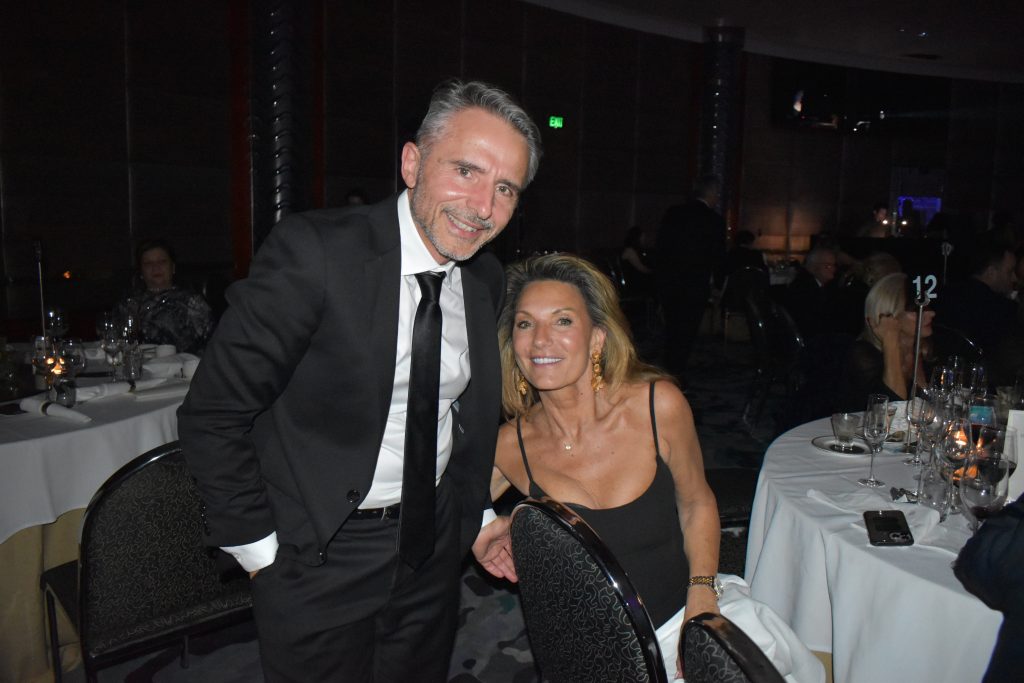
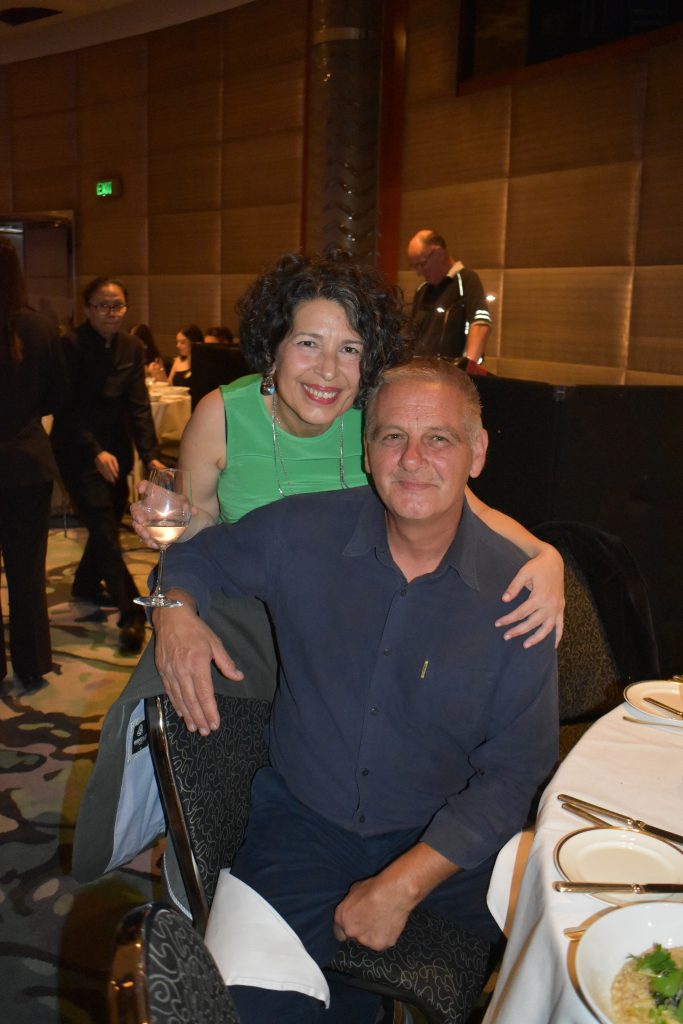
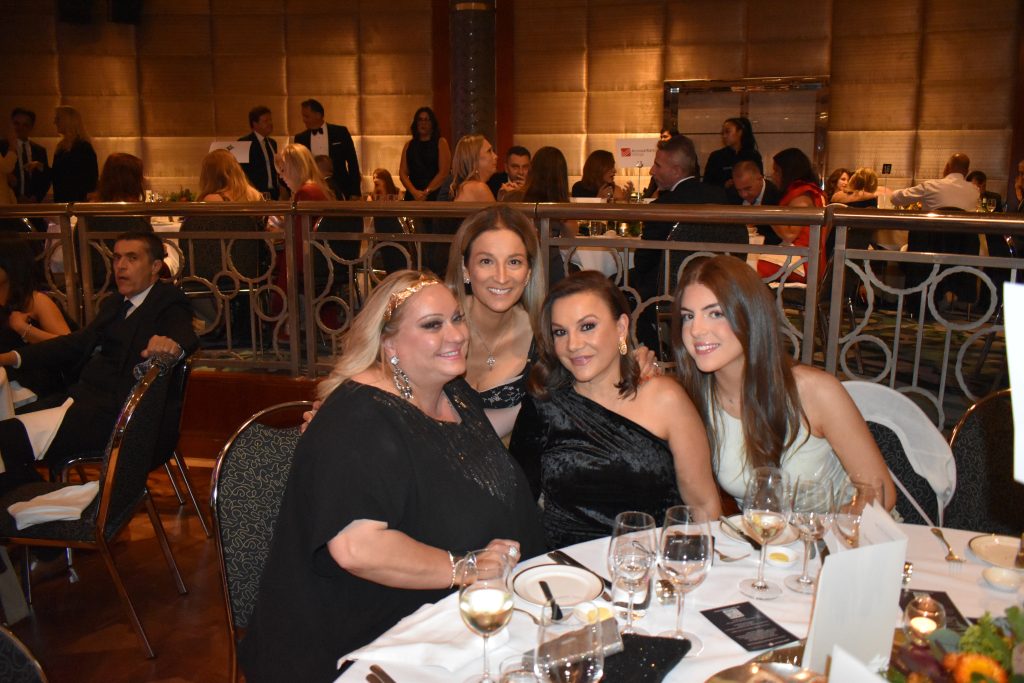
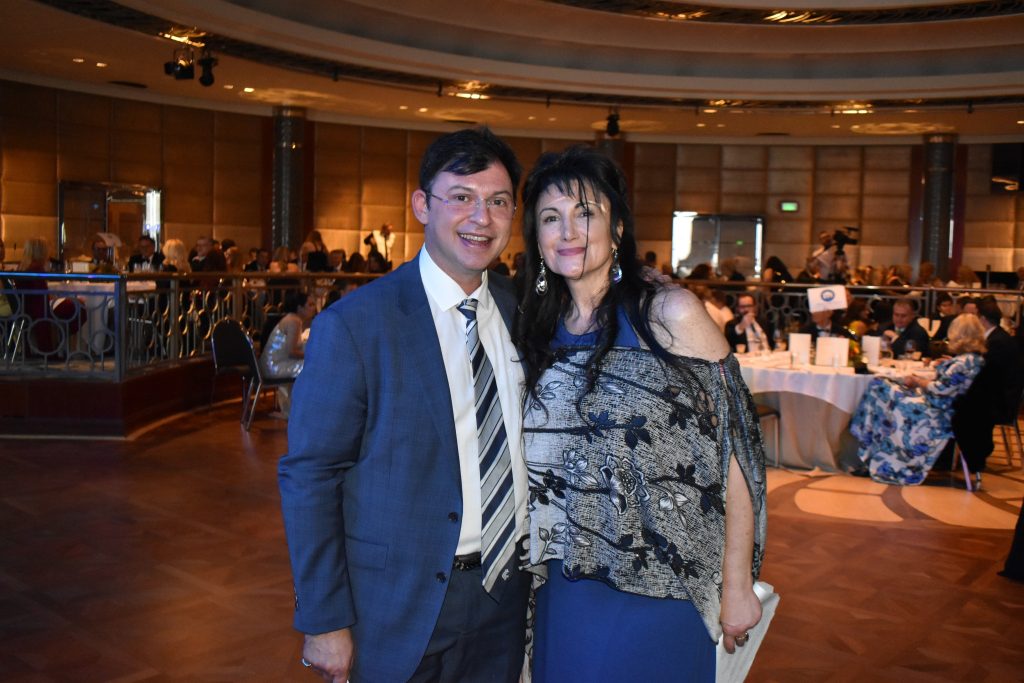
Everyone enjoyed themselves. Photo: The Greek Herald / Mary Sinanidis.Official guests. Photo: The Greek Herald / Mary Sinanidis.Jill Taylor-Nikitakis at the Grecian Ball. Photo: The Greek Herald / Mary Sinanidis.
Standing beside him, his university buddy and GYG co-founder Peter Giasoumi, said: “The community isn’t what it once was. It is changing and we can make it accessible to as many people as possible.”
Billy Battista, current president of NUGAS, told The Greek Herald a lot of the influential Greeks in the room had, at some stage, been members of the university society which is this year celebrating its 50th anniversary.
“The Greek Community of Melbourne and NUGAS are very close,” he said. “We have a partnership where we support each other and we work together on initiatives and things like that. We run our NUGAS meetings and some of the events at the Greek Centre and tonight we’re here to support them.”
Support doesn’t come cheap at $250 per head and there was criticism on social media with comparisons of old Grecian Balls in the 1960s where tickets were cheap. Back then, of course, Greeks were struggling migrants and there was a DIY mentality, with association presidents gasping for air while wives served dishes trying not to trip over broods of kids because baby sitters were out of the question. And back then, there were no highlight Greek performers but a band made up of self-taught community musicians.
Arvanitaki. Photo: The Greek Herald / Mary Sinanidis.Lee Tarlamis and Trung Luu. Photo: The Greek Herald / Mary Sinanidis.More guests. Photo: The Greek Herald / Mary Sinanidis.
Our circumstances have changed as we’ve become more established. As Nick Staikos said: “This institution is 126 years old. It’s older than Australia’s federation and we should be proud of that.”
Cathy Alexiadis, retired educator and president of the Greek Australian Cultural League (GACL), has been to many dances like the Grecian Ball but as she looked around the crowded room, filled with new and different faces, she said in wonder: “I don’t know as many people here tonight as I usually do.”
With this year’s Antipodes periodical being dedicated to Philhellenes, I asked her: “Would you like me to introduce you to a Philhellene?”
Before long, she and the Hellenic Museum CEO Sarah Craig were talking about philhellenism and coming up with ideas for collaborations which may or may not come to fruition. And in popped academic researcher and author Georgia (Juliana) Charpantidou to introduce herself to both.
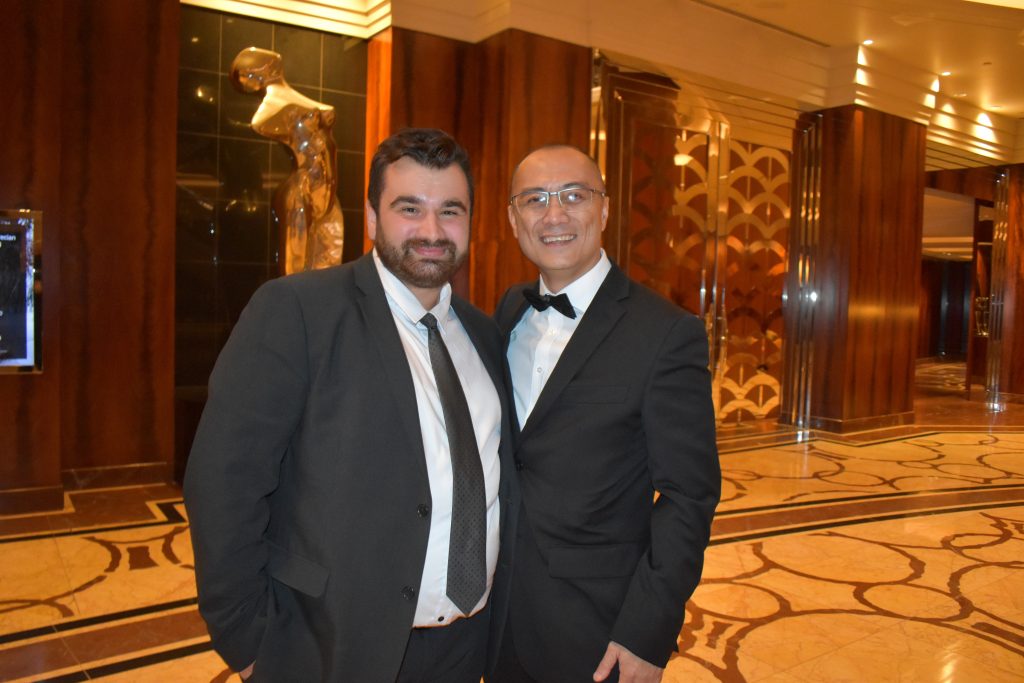
(L-R): Hellenic Museum CEO Sarah Craig, Cathy Alexiadis and Georgia (Juliana) Charpantidou. Photo: The Greek Herald / Mary Sinanidis.Everyone had a ball. Photo: The Greek Herald / Mary Sinanidis.
A buzz of networking and self-introductions.
While chatting with the current NUGAS President, Vietnamese Australian Shadow Minister Trung Luu heard the word “NUGAS” and his interest was piqued. He patted the President on the back and said: “I played soccer for NUGAS when I was at uni.”
NUGAS President Battista meets Luu who used to play soccer for NUGAS. Photo: The Greek Herald / Mary Sinanidis.
“And you didn’t include that as part of your speech tonight?” we both exclaimed.
“In my speech, I pointed to the similarities of Vietnamese and Greeks,” he told The Greek Herald, referencing the struggle for freedom and oppression Greeks had gone through in 1821 which the Vietnamese can relate to.
Greek Community of Melbourne (GCM) President, Bill Papastergiadis, drew on the global significance of 25 March 1821 which transcends time and place. He spoke of recent interactions with Greek groups in the Ukraine to show that the “triumph and hope” of 1821 “is as relevant today as it was 200 years ago.”
Mr Papastergiadis referred to a meeting with seven Ukrainian parliamentarians this week and an email he received the day before by the President of the Federation of Greek Associations of Ukraine, Alexandra Protsenko, and his dealings with the association since war broke out.
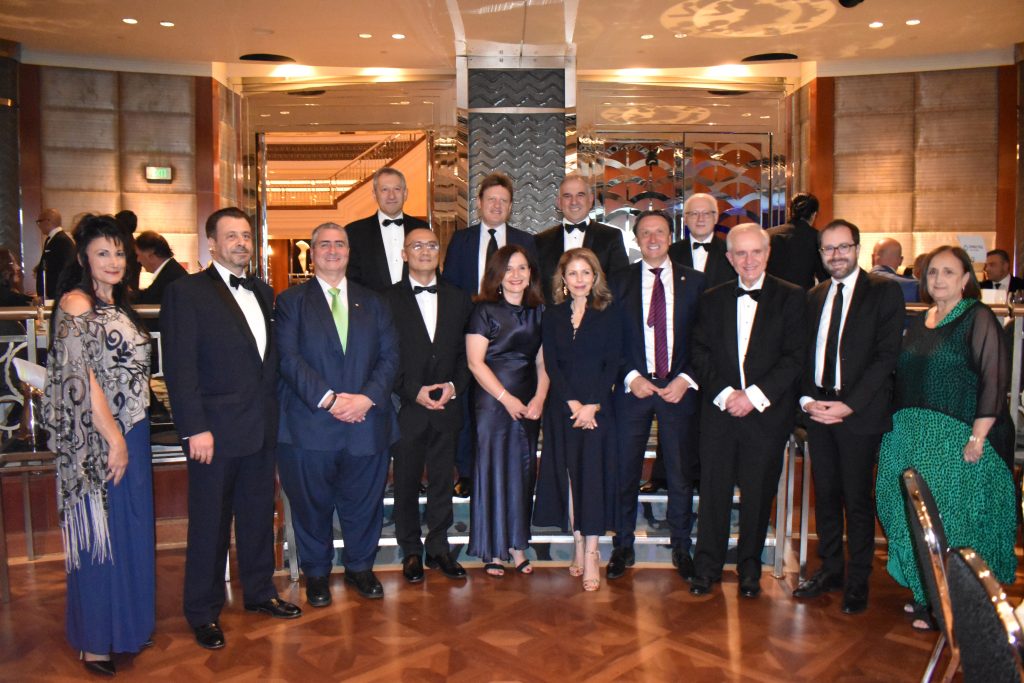
All the official and VIP guests. Photo: The Greek Herald / Mary Sinanidis.
“Here is someone facing a violent battle and, as the parliamentarians indicated, they went to bed one morning with a particular life and by 4.30 the next day, they were living a totally different experience,” he said, adding of the deep relationships forged between Greece and Ukraine historically and more recently when former minister Jenny Mikakos spearheaded a funding campaign to assist Ukrainian refugees in Greece.
“We are fortunate that we live in a multicultural and cosmopolitan state and country which allows us to build relationships across the globe because we can celebrate our identity in this unique way, we have this freedom.”
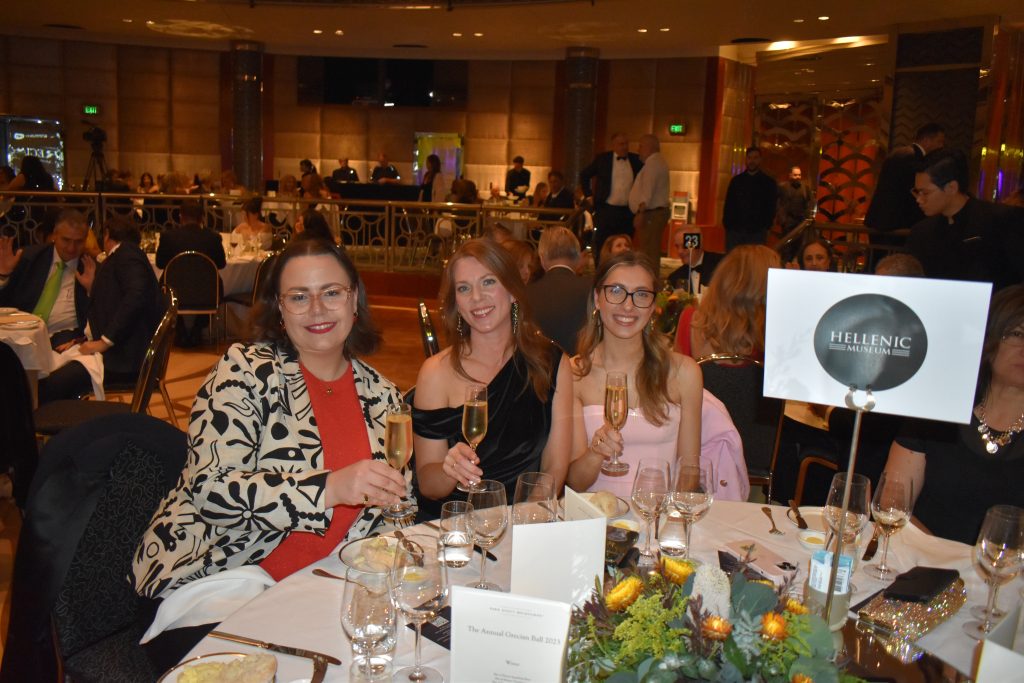
Hellenic Museum table. Photo: The Greek Herald / Mary Sinanidis.Ball gowns were the order of the night. Photos: The Greek Herald / Mary Sinanidis.This was the 2nd Grecian Ball. Photo: The Greek Herald / Mary Sinanidis.All smiles. Photo: The Greek Herald / Mary Sinanidis.Emcees. Photo: The Greek Herald / Mary Sinanidis.
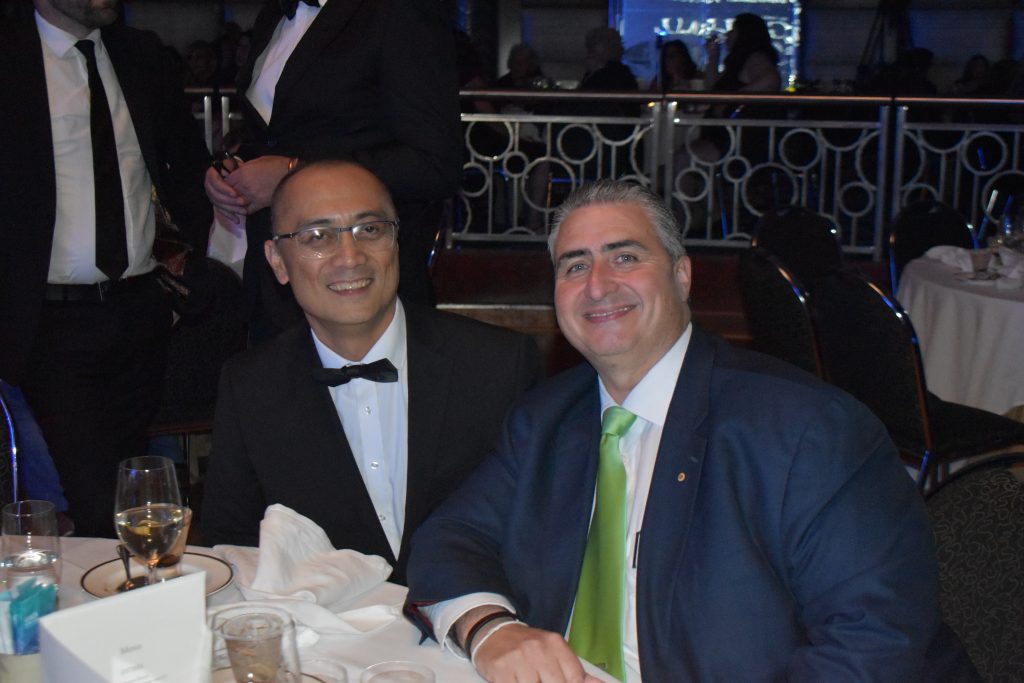
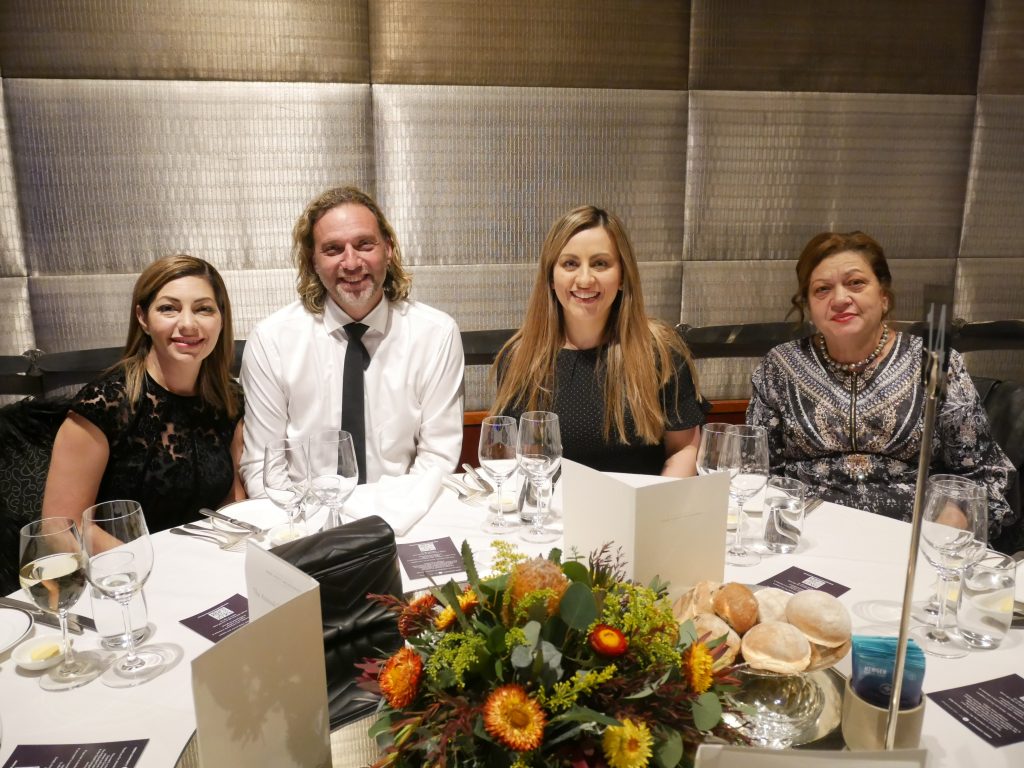
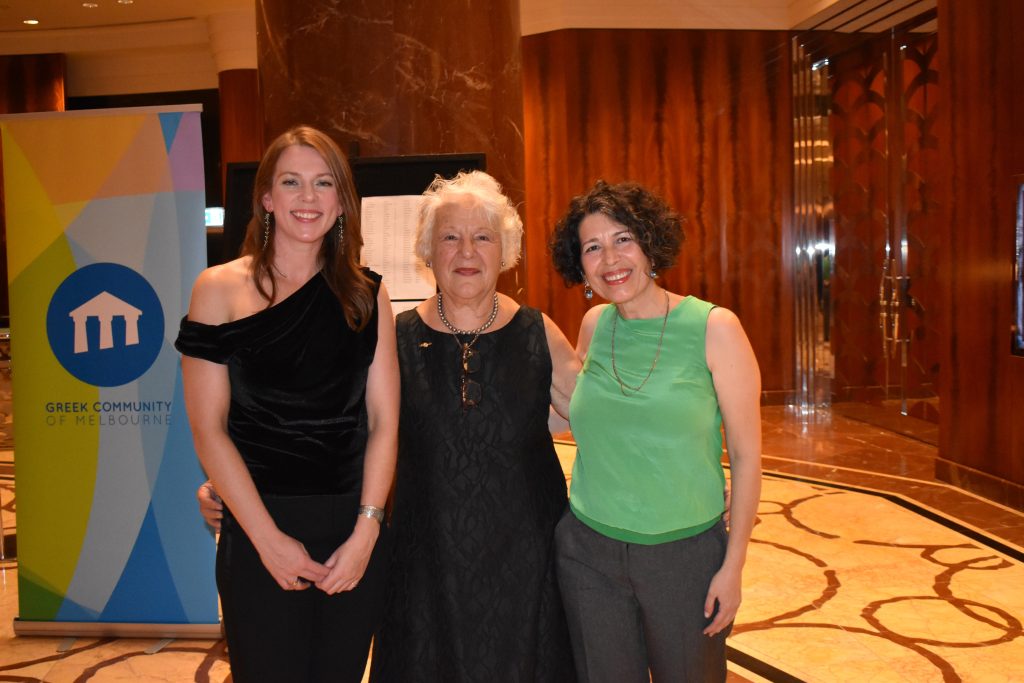
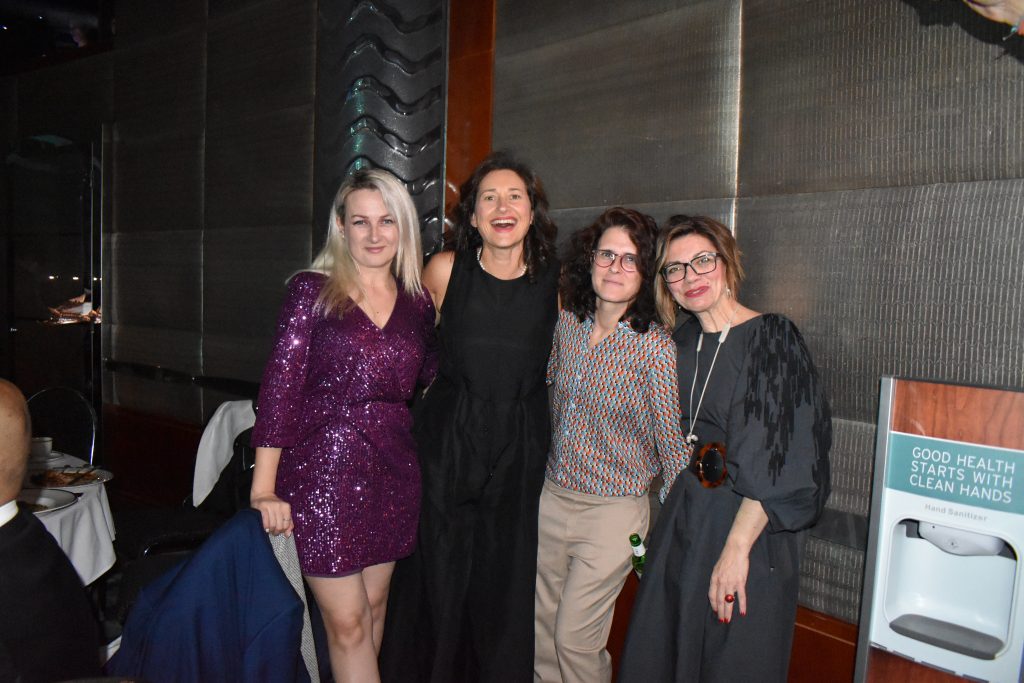
And that’s the real message of the Grecian Ball. The dancing, music, gourmet food, flashing cameras and fashion, three free tickets to Greece and entertaining presentations by emcees Anthea Sidiropoulos and Leonidas Vlahakis were just the icing on a much deeper message. Pollies like Mr Staikos, Mr Luu, Lee Tarlamis MP, Nick Kotsiras, Greek Consul General to Melbourne Emmanuel Kakavelakis and representatives of HACCI, Fronditha, PRONIA and the Greek Community of Melbourne, associations and clubs got together, exchanged ideas and met new people.
What comes of this isn’t obvious the next day. But it sets the tone for the future.
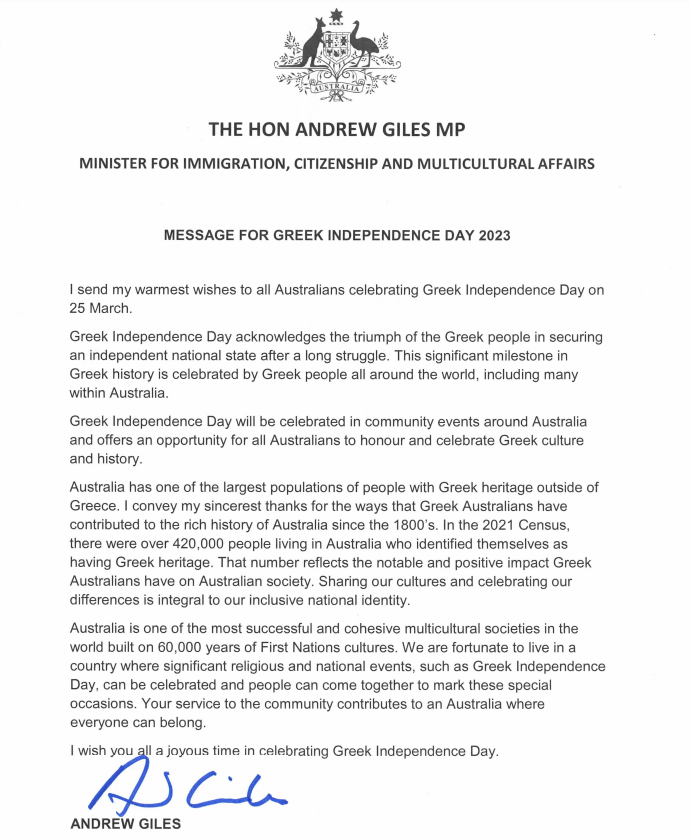
Federal Minister for Immigration, Citizenship, Migrant Services and Multicultural Affairs, Andrew Giles, has expressed his “warmest wishes” to Australia’s Greek community celebrating Greece’s Independence Day today.
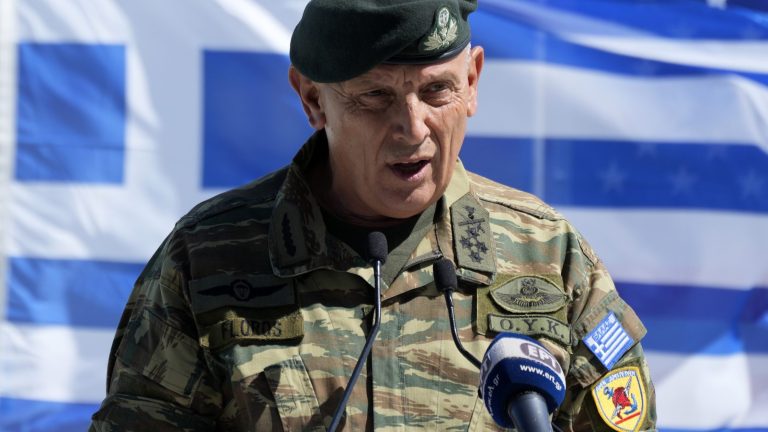
The Chief of Hellenic National Defence General Staff (GEETHA), General Constantinos Floros, has sent a message to the Greek diaspora in Australia to mark Greece’s Independence Day.
Full Message in English:
Dear Greek Australians,
March 25, 1821 – The day when the Greek nation threw away the rags of slavery and humiliation and clothed itself in the bright and proud garment of Eleftheria!
400 years passed and yet we did not assimilate, we did not lose our language, our faith, our national consciousness. It was not possible to assimilate. For these 400 years, a spark smouldered beneath the ashes, a spark kept alive by the untamed freedom fighters in the mountains (the klephts and armatoloi), the Great Masters, and the simple priests of the villages and towns. That spark, on March 25, 1821, became a fire, which ignited and devoured and blazed and consumed all those who had deprived us of our dignity and our freedom.
On February 22, 1821, Alexandros Ypsilantis crossed the Prut river and issued the revolutionary proclamation “Fight for Faith and Country, the time has come, O Greek men!” At the same time, the entire Moria is ready to explode. The unrestrained Papaflessas electrifies people’s consciences, the people mobilise, while Kolokotronis kneels before the icon of the Virgin Mary in Chrysovitsi and prays: “My Virgin Mary, I said and my eyes filled with tears, My Virgin Mary, help the Greeks again to rise up!”
As he asked, so it happened! The Greeks got excited and the place was filled with men, weapons and proud Greek women ready to enter the fight, ready to fall into the fire.
General Floros.
Today, the heroic array of all those men and women of steel march before us mentally. In the front line, horsemen, the proud Commanders-in-Chief of Moria and Roumeli, Theodoros Kolokotronis and George Karaiskakis, Konstantinos Kanaris with the burning torch raised, the invincible Nikitaras with the sword in his hooked hand, the hero-martyr Athanasios Diakos, the proud captain Laskarina Bouboulina, the inimitable free besiegers of Messolongi! And behind them follow the countless other named and anonymous fighters of 1821. They are mentally marching in front of us shouting the war cry: “Freedom or Death,” making the earth tremble.
My dear compatriots,
No matter how many years pass, the message of March 25, 1821 does not fade nor change. In an age of great challenges, in an age when certainties and points of reference are shaken, overturned or lost, March 25, 1821 gives us all the answers to who we are, where we come from and where we are destined to arrive. We come from heroic and steely people.
The men and women of the Hellenic Armed Forces, whom I have the greatest honour to lead, draw inspiration, strength and optimism from the inexhaustible soul of 1821. I assure you as their leader that we are constantly training on land, sea and air, systematically building alliances and partnerships, renewing our personnel, strengthening their arsenal with state-of-the-art weapon systems and being constantly alert and vigilant to do our duty if and whenever required, effectively ensuring the freedom, independence and dignity of Greece.
With these thoughts and with unshakable faith in the inexhaustible powers and value of Hellenism, I wish from the bottom of my heart to all of you a great celebration of our national anniversary and health, progress, prosperity and every happiness to you and your families!
We are proud of you, our expatriate compatriots of Australia, because you are progressing and growing in your field, because you keep our national identity alive, because you never forget our beloved Greece, because you “feel for the Motherland” even if you are far away.
Long live the glorious ’21! Long live Hellenism everywhere on Earth!
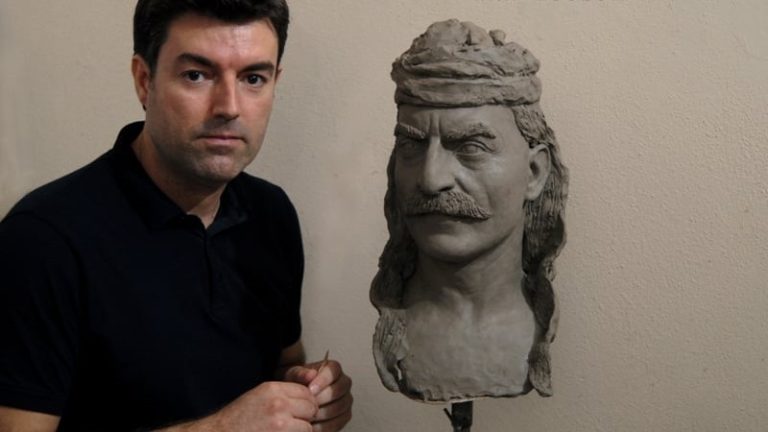
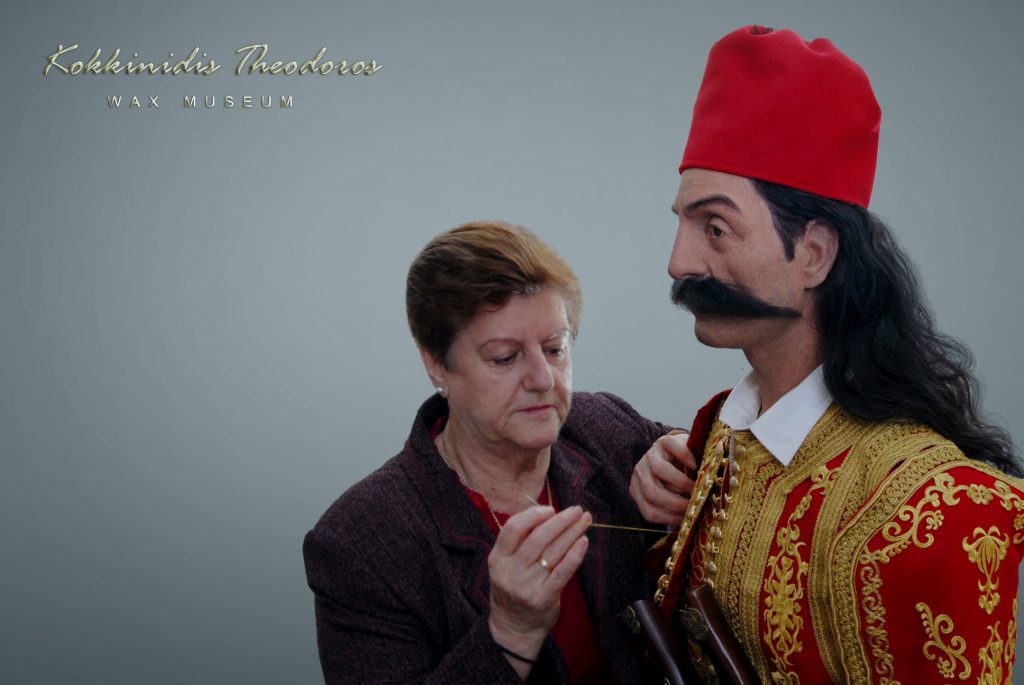
Theodoros Kokkinidis is the man who turns well-known personalities from Greece and beyond into wax figures.
Konstantinos Karamanlis, Melina Mercouri, Maria Callas and Mikis Theodorakis – They are just a few of the 35 personalities that have become wax figures by the hands of Kokkinidis.
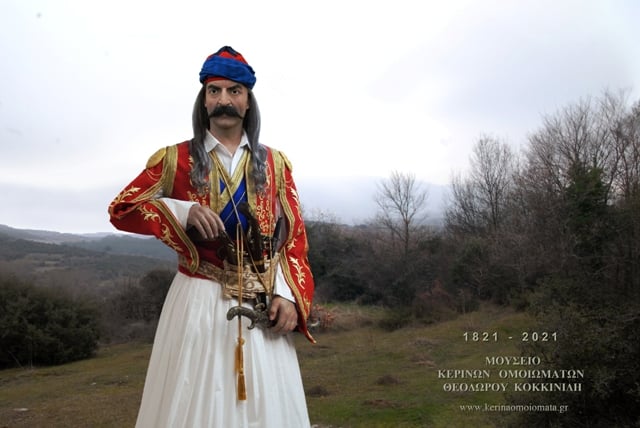
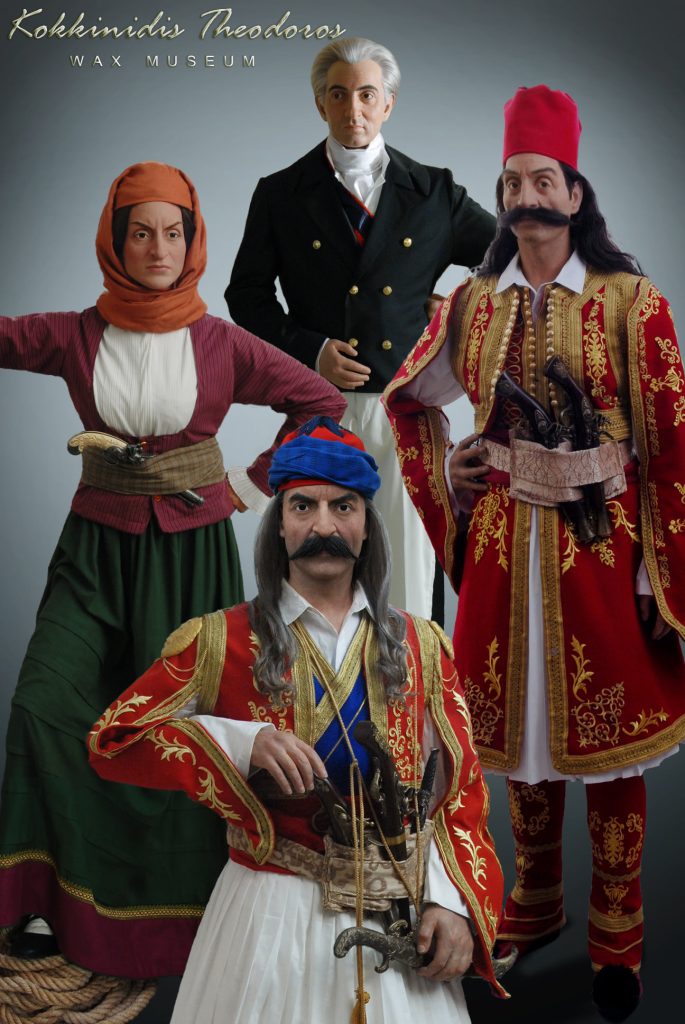
To mark the bicentenary of the Greek Revolution two years ago, the artist turned six heroes and heroines of the National Struggle into wax – Manto Mavrogenous, Georgios Karaiskakis, Theodoros Kolokotronis, Laskarina Bouboulina and Ioannis Kapodistrias.
Kokkinidis was born in 1977 in West Berlin to German immigrant parents. He lived and grew up in Kipia, Kavala, until he was 18 years old. From a very young age, he showed his love for the arts. He studied music, engaged in singing and painting. At the age of 16, as a high school student, he took part in a competition organised by the Greek Education Department in the country’s schools and won first prize.
Since 2010, he has operated the wax museum of Kipia, Kavala, which has attracted interest from all over the world.
Through The Greek Herald, Kokkinidis speaks about his Greek Revolution collection and does not hide his desire to bring the collection to Australia.
How did your love of creating wax figures came about?
I have been painting ever since I can remember. I used to love drawing faces, portraits of my favourite childhood heroes. Growing up, somewhere in adolescence, I happened to see a tribute for the Madame Tussauds museum in London in a magazine. That was the stimulus to make a wax figure myself, impressed by how lifelike the faces looked. So I set out to make my first creation, which was Michael Jackson.
How old were you then?
I was 16 years old. I took my first steps using my imagination, since I didn’t know much about it. I only knew that the raw material had to be wax. So, I used a hair dryer to be able to give the wax shape and control the shape I wanted. This was not the proper way. Then I learned the process by trying to understand the methodology through research in books. There was no Internet at the time. Later, I had the opportunity to visit the Museum of Madame Tussauds, to meet some creators and they explained how a wax figure is made. That’s where I understood the process.
You are not just a sculptor. You also have your own museum.
Right. I was born in Berlin, but when I was 1.5 years old my parents returned to Greece. They stayed in Germany for 10 years. I started working with wax in Greece. The idea came about as follows: I was creating without the goal of marketing or selling my works. After all, it’s a fragile and delicate wax figure. So it was necessary to have a space for people to see them, who until then came to my workshop. And so in March 2010, came the museum. It was the natural evolution, I might say.
The museum has been open to the public for 13 years.How are your works received?
For me it is a great pleasure to have visitors here, because that is the goal: to share the joy of creation with the world. That has always been my goal when it comes to art. I am very glad to hear exclamations of surprise and admiration when I see them enter the museum. I listen to them, I talk to them, I listen to their opinions and we move on. People embraced this project and some visitors come again and again over the years.
Recently you created the heroes of 1821, who are a timeless symbol for our homeland and culture.
I am inspired by various themes and personalities. I would like to have the opportunity to live a great many years to be able to create all that I want and imagine. The creation of the works is slow. During the year I make two sculptures, at most three. Two is the average. Thus, I would like in the next few years to be able to create a maze of different themes that the visitor will be able to see when entering the museum.
Tell us more about the wax figures of the heroes of 1821.
The occasion was the 200 anniversary since the Greek Revolution, because I was able to get into this subject. It was 200 years before I was able to create these sculptures. Apart from the importance that these heroes had, who played a decisive role in the evolution of the place, even figuratively, the image they give to the museum is something different. All this research that was done about their costumes, their weapons, it was a very nice dive into history and I was very inspired by the heroes of the time.
Was it different to create heroes of 1821?
It was more difficult to give the style of the time, but it was easier to create a sculpture without dwelling on the absolute details like modern faces we know down to every wrinkle of every star, as they are photographed. So, I looked to give evidence of their personality through their gaze, from the information I had. This, then, left me more free to create with still greater pleasure.
Right now how many waxworks of Heroes of 1821 do you have?
There are five heroes, including Ioannis Kapodistrias.
So this collection took you over two years?
Yes, yes… I started working before 2021 so I could have projects on the anniversary.
How sculptures have you made so far?
I have 35 works but I still have one in the workshop that I haven’t presented because of an accident I had. So all up, 36. As soon as the next figure is completed they will be presented together.
I am surprised that the Ministry of Culture or some other institution has not yet approached you to bring the exhibition with the heroes of 1821 to Athens.
I think the reasons may be various. I feel, the official state can be a little slow in matters like this. I feel also that whatever does not originate in Athens is of secondary importance in the eyes of the official state. I say it with regret that those of us in the provinces are always a step further back.
Are tourists coming to your museum?
Many tourists come, especially in summer, which is the tourist season here in Kavala. It starts in spring and ends in September. Then there is a lot of traffic from foreign tourists. In the remaining months visitors come from all over Greece and I am very grateful, as I am grateful to all the press who support and communicate with the museum.
The Greek community in Australia love exhibitions like yours. Are you envisioning your wax figures to travel to Australia?
I would very much like my exhibition to travel in general-especially when we talk about Australia where Hellenism is so present. However, it is very difficult to travel the sculptures because products made from wax are very fragile. It is also expensive to transport them. Nevertheless, it gives me immense happiness to be able to present my works in other locations or even countries. It will also be a bridge to meet other people. I would dare under conditions. It is very difficult to disassemble, to transport, to be re-dressed, to be reburied, to be lit accordingly, the temperatures not to be high so that we do not have damage and the works are not destroyed.
You are now in a recovery period from an accident you had. What are your next plans?
I’m looking forward to working again. I see a sculpture that I have not finished, I want to finish it. From the spring onwards I shall be able to complete it. Two projects will be presented this summer.
*All photos credit: Photo: Wax Museum / Kokkinidis Theodoros