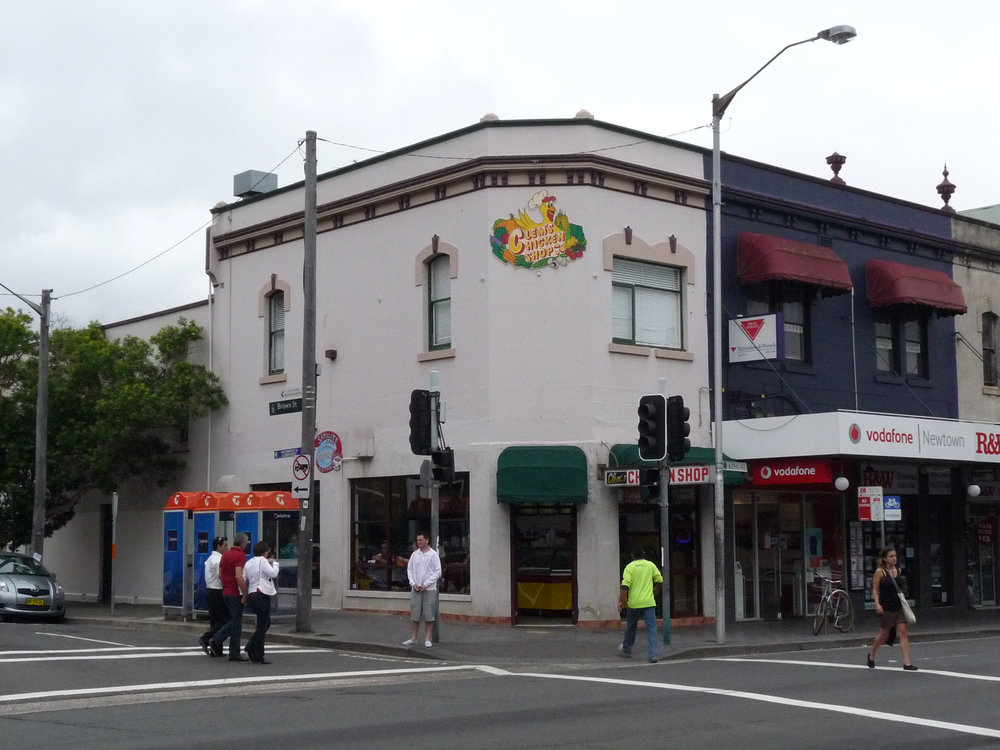
Clem’s chicken shop is an legendary place at Newtown in Sydney. A place which has been named again and again as the area’s best takeaway, offers the most famous roast chicken and home-style meals, and has behind it, a story with Greek colour.
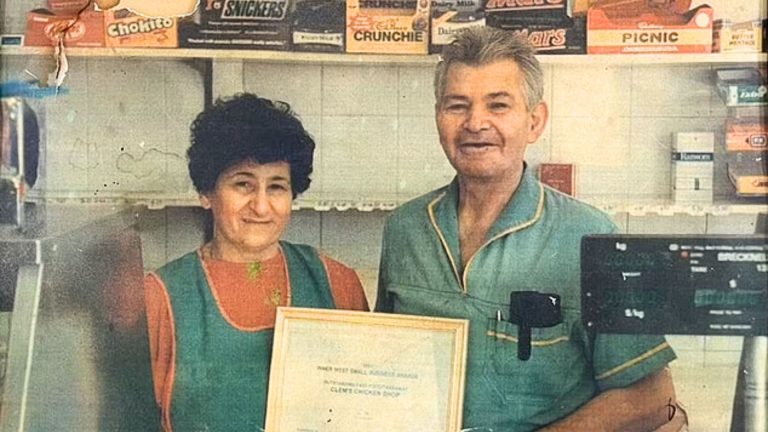
According to Daily Mail Australia, Clem’s was founded by Greek immigrants Despina and Kleanthis ‘Clem’ Tsakalides in 1982, and in the continuously changing suburb of Newtown, many of its 80s recipes are loved until this day.
Their son, Spiro Tsakalides, toldDaily Mail Australiathat Newtown was ‘seriously rough’ and a ‘no go zone’ for many in Sydney, but that didn’t stop his parents from spotting an opportunity for a chicken shop in the area.
Photo: Patricia Baillie / archives.cityofsydney
The place changed between 1990 and 2010 with redevelopment of pubs and new apartments.
“We see what is happening outside, we see the buzz of the place and more importantly, people can see us. They can see what we’re about,” Mr Tsakalides said.
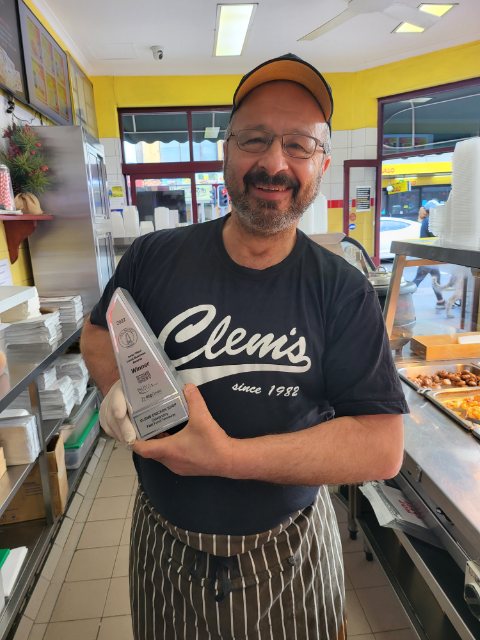
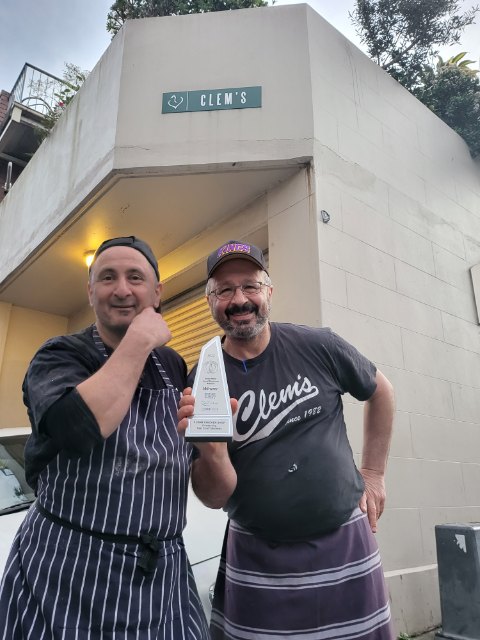
Clem’s chicken shop celebrated its 41st anniversary on January 5 and won Sydney’s Inner West Small Business Awards ‘Best Fastfood/Takeaway’ for 2023 for a second consecutive year.
Holding the award
Mr Tsakalides’ mum Despina is still the heart of the shop. According to her, she and her husband stayed through all the ‘bad times’ when others would have given up.
“There was definitely a lot more good than there was bad. That’s why we’re still here,” she said.
Mr Tsakalides credited his parents’ work ethic for the shop’s success and hails his father’s will to help those in need inside the community, through the shop.
“Essentially, we’re just a shop from humble beginnings serving everyday people and we will continue to do so as best as we can,” he said.
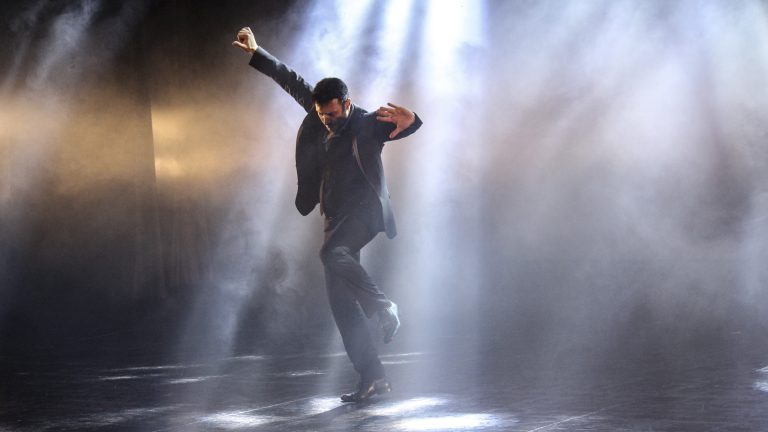
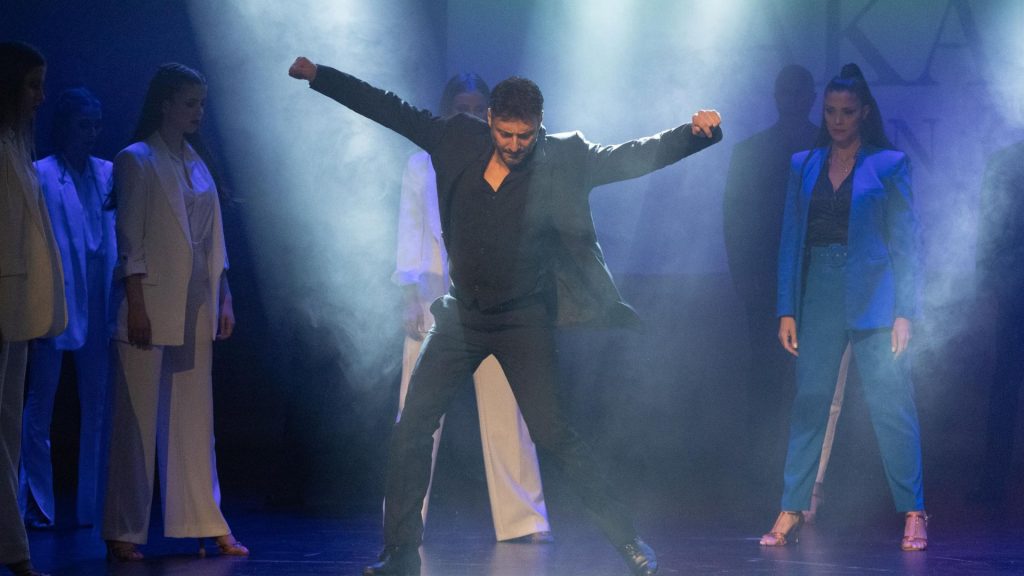
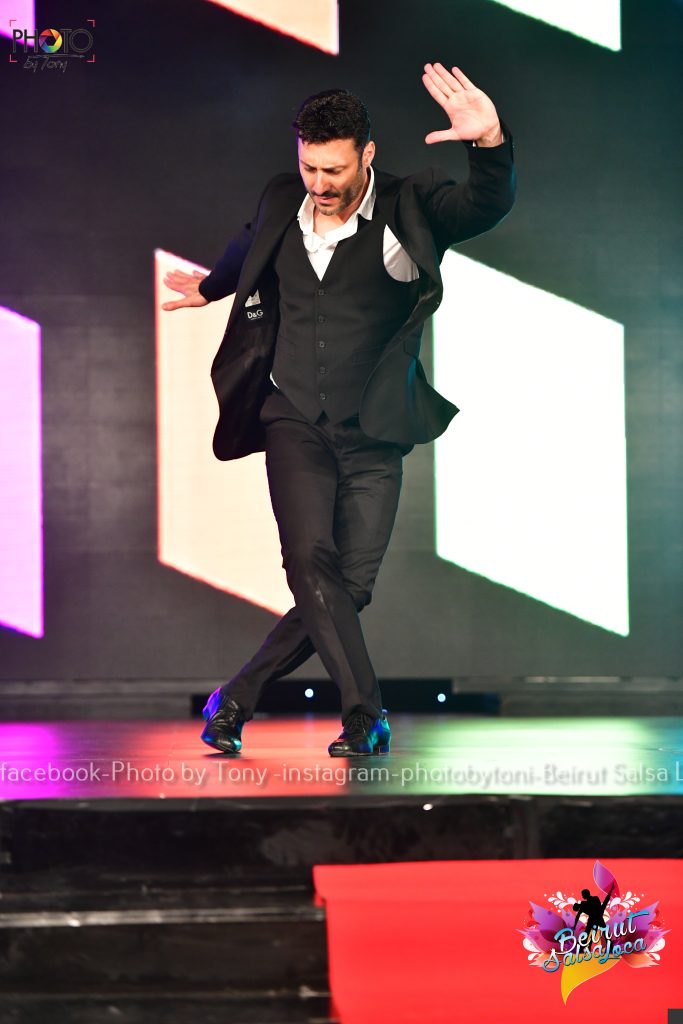
Australia is set to host the first ever Zeibekiko Festival from July 1 to July 10. At the events which will take place in Sydney, Melbourne and Adelaide, Christos Shakallis is expected to captivate the audience with his knowledge of the famous Zeibekiko dance.
A few days before the Zeibekiko master is due to arrive in Australia, he talks to The Greek Herald and promises to bring with him the aura of Greece and Cyprus, but also to leave his soul on the stage.
Christos Shakallis.
How did you get into dancing?
I grew up in a dancing family. My earliest childhood memories are at the dance school founded and taught by my father and mother. When I was a student, I went straight to dance school after school. The dance school was my second home. From the age of 6, I started my first dance steps. Then, when I turned 14 years old, my interest in dancing became more intense. At this age I realised that dance would define my future.
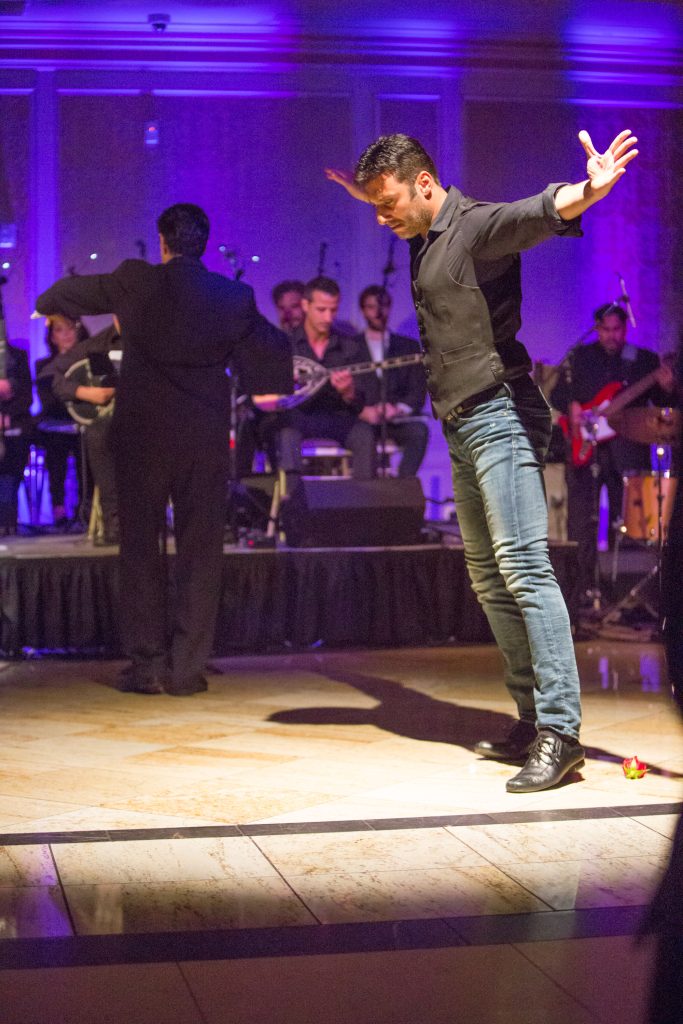
Dancing Zeibekiko
Tell us about your participation in the Refugee Folkloric Group “I ADOULOTI” Shakalli.
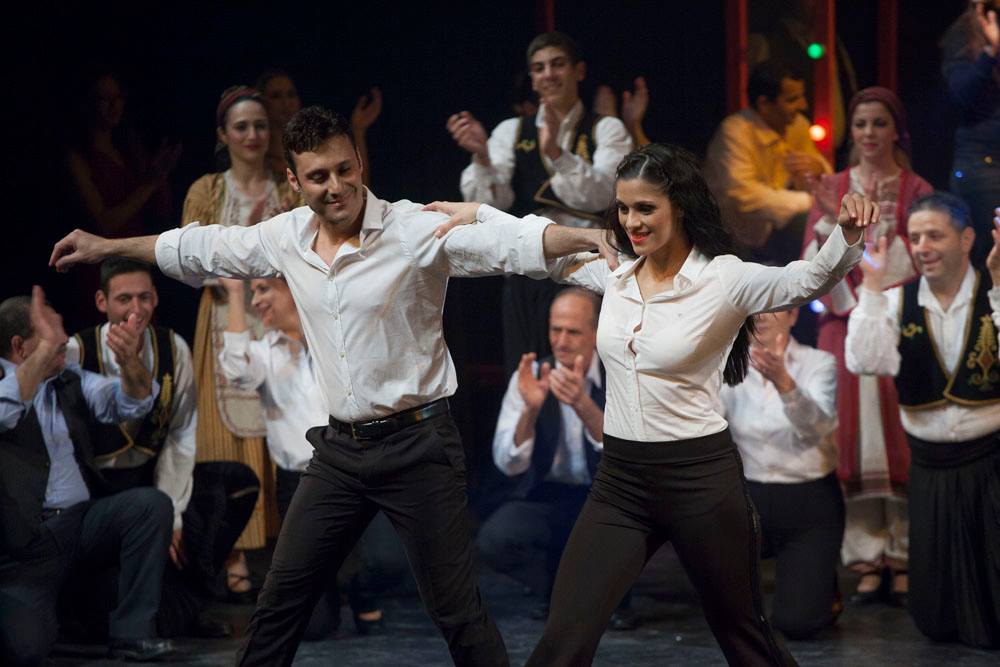
The Refugee Folkloric Group “I ADOULOTI” Shakalli was founded in 1975, one year after the Turkish invasion of Cyprus in 1974. The idea for the creation of the group belongs to my father, dance teacher and choreographer, the late Mikis Shakallis. The purpose of the group is to keep alive the spirit of our tradition through dances and music, to preserve the memory of the older dances and to educate the new generation so that they embrace our tradition.
At the same time, we want to make zeibekiko known outside borders. Having as its main tool the performances inside and outside of Cyprus, over time the group was recognised as an “ambassador” of our cultural heritage.
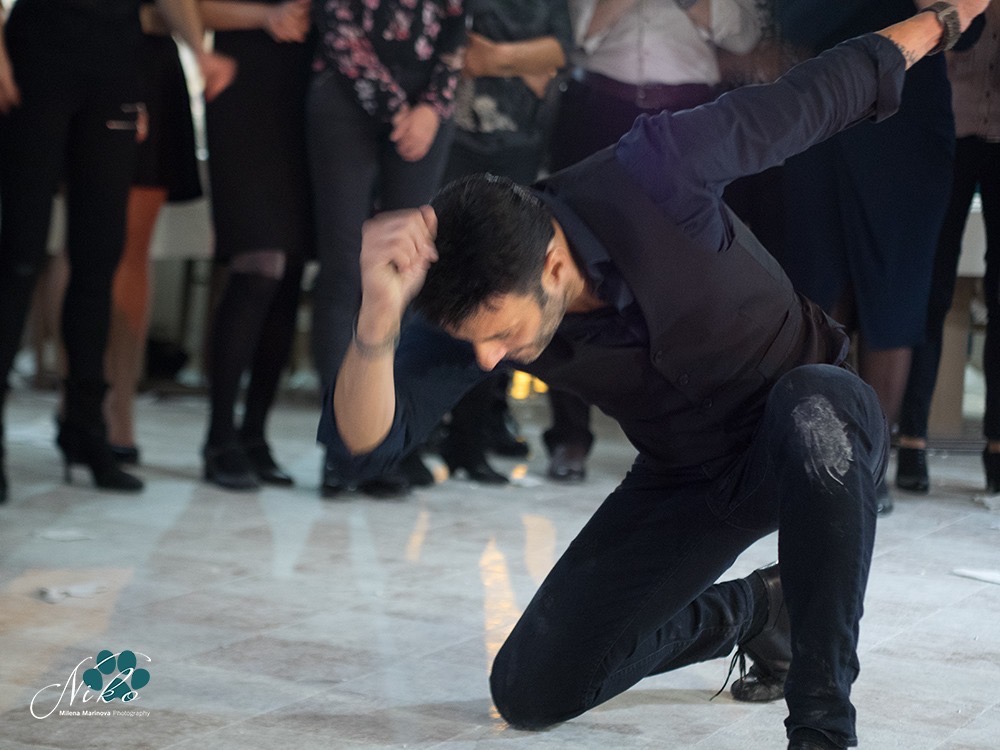
Mr Shakallis.
Through my participation in the group, I had the opportunity from a young age to perform and participate in various international festivals organised on all continents. I have participated with the Folklore Society in more than 1000 performances. Therefore, I had the opportunity to gather experiences, images and these would accompany and define my future dance journey.
They say that Zeibekiko has no steps, it is not taught, but anyone can dance it with the feelings which comes out of them. Do you partially agree?
Zeibekiko does not follow a standard pace, but it has a rhythm that should be followed. It is clearly taught like all other dances. In fact, it requires dedication, patience, persistence and of course, many hours of practice.
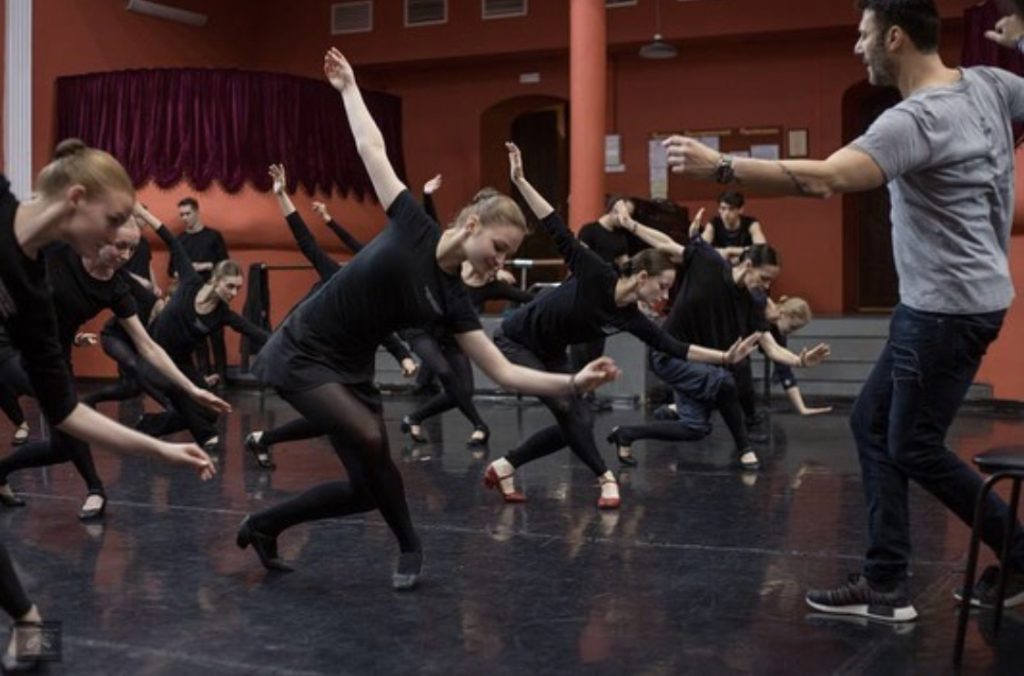
Students learning zeibekiko.
Through the teachings, you become familiar with the basic rhythm but also with its variations. You learn specific movements characteristic of the Zeibekiko dance. You combine and assimilate rhythm and movements to such an extent that you can create freely, follow the music and leave your own mark on the dance floor.
I agree that anyone could dance Zeibekiko. I would add, however, that the correct dance education helps to express ones emotions more easily. This is the main admission of the students themselves after a certain period of time being taught Zeibekiko dance.
Shakallis has participated with the Folklore Society in more than 1000 performances.
You are a Zeibekiko master. Is this dance your passion?
Zeibekiko shows dynamism and often shows the character of the people. Every time I dance Zeibekiko, I give my soul. Through it, I feel that I am transferring my passions and experiences on stage. Personally, I consider Zeibekiko dance capable of expressing and externalising my feelings. So yes, I would say I have a great passion and love for this dance.
What can people expect from the Zeibekiko Festival Australia?
I have noticed that learning Greek dances is a favourite activity of the Greeks of the diaspora. For my part, I will try to transmit my knowledge to them and provide them with the “tools” that will help them express themselves in dance.
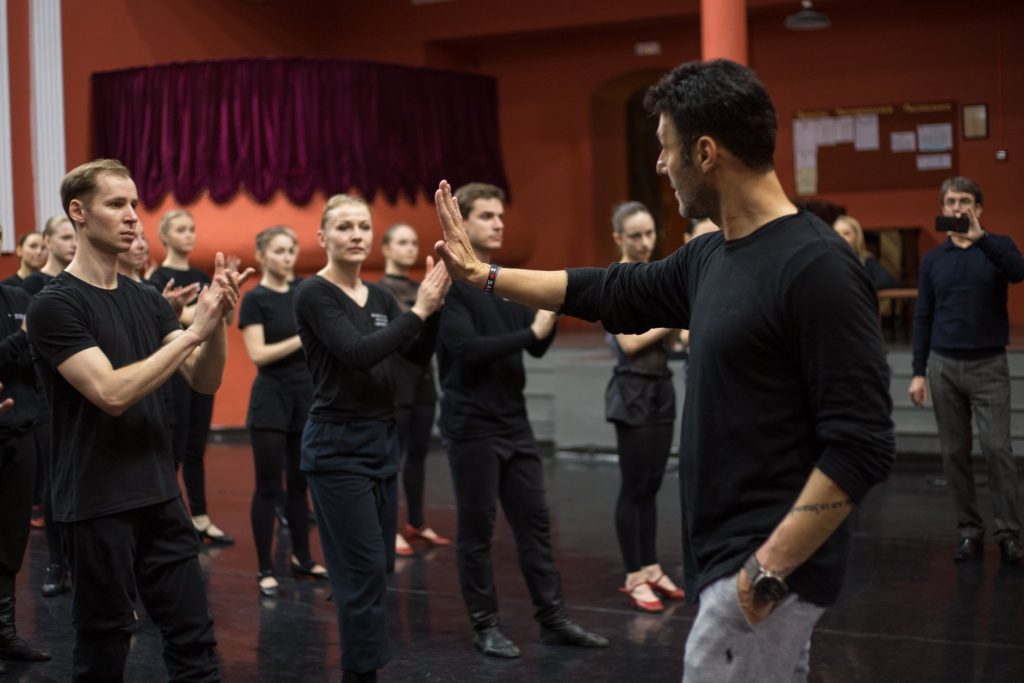
Teaching students.
We will listen to music together and understand rhythm, which is inextricably linked to the lyrics. We will learn dance movements, we will place our body and hands correctly, and we will let each Zeibekiko externalise our feelings as Zeibekiko is the best Greek emotional dance.
It is a lonely, painful dance with an inner tension, different for everyone. So, by dancing Zeibekiko, everyone can express their pain in a different way.
During the time that I will be in Australia, I will also try to take them on a dance trip to Greece and Cyprus. I feel that by teaching Zeibekiko dance I will be able to share with them a piece of Greece and Cyprus.
The Greek Community of Melbourne (GCM) will present an online-only lecture about the Albanian Diaspora in Greece on June 15 at 7pm.
Join Rexhina Ndoci, a PhD Candidate from The Ohio State University, for an engaging talk on “Language and Ethnic Identity: Constructing the Albanian Diaspora in Greece.”
This lecture is part of the Greek History and Culture Seminars and will be delivered online via Facebook and YouTube, ensuring widespread accessibility for all attendees.
Rexhina Ndoci is specialising in sociolinguistics and language contact. With a strong background in English and Greek Languages and Literatures from the National and Kapodistrian University of Athens, she is currently pursuing her PhD in Linguistics at The Ohio State University.
Ndoci’s research focuses on the linguistic construction of Albanianness in Greece and the social perception of Albanian-accented Greek. She employs various research methodologies, including experimental, discourse analytic, and ethnographically informed methods. Furthermore, Ndoci serves as a teaching assistant for undergraduate linguistics courses and as a Research Assistant at the Laboratory for Greek Dialectology, working under the guidance of Dr Brian D. Joseph. She also collaborates with Dr Petros Karatsareas from the University of Westminster to examine the linguistic repertoires of Albanian onward migrants in the UK.
In this captivating lecture, Ndoci will discuss two interconnected studies: an analysis of Greek internet memes about Albanian L2 Greek (AlbGrk) and a perception experiment examining the social evaluations of the same variety. The analysis of 98 memes collected from Greek websites and social media platforms sheds light on the portrayal of Albanians, perpetuating stereotypes and reinforcing negative perceptions. The distinctive features of AlbGrk depicted in the memes are primarily phonological adaptations not found in Albanian.
Ndoci introduces the concept of “Mock Albanian Greek” to describe the constructed representation of AlbGrk in these memes, highlighting its deviation from the authentic AlbGrk spoken by the diaspora.
Ndoci emphasises the significance of memes as a valuable tool to explore public perceptions of linguistic features associated with migrant communities. Memes, with their anonymous and unrestricted nature, can perpetuate harmful stereotypes about vulnerable groups such as migrants.
Additionally, her research contributes to the social speech perception literature, shedding light on listeners’ sensitivity to phonological and lexical features when making judgments about speakers. The judgments reveal an indexical field for AlbGrk features, encompassing associations with ruralness and negative social attributes, as well as dissociations from positive attributes. The study also uncovers overt and covert xenophobic ideologies of the two ethnic groups towards speakers of the ethnic variety.
When: 15 June 2023. Time: 7:00 pm Platform: Facebook/Youtube.
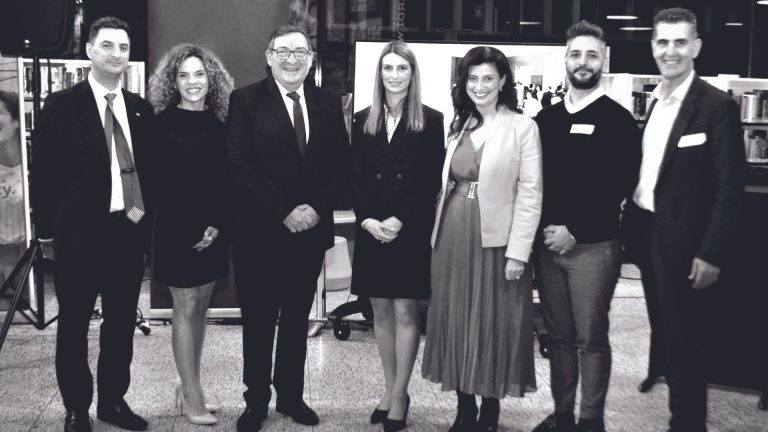
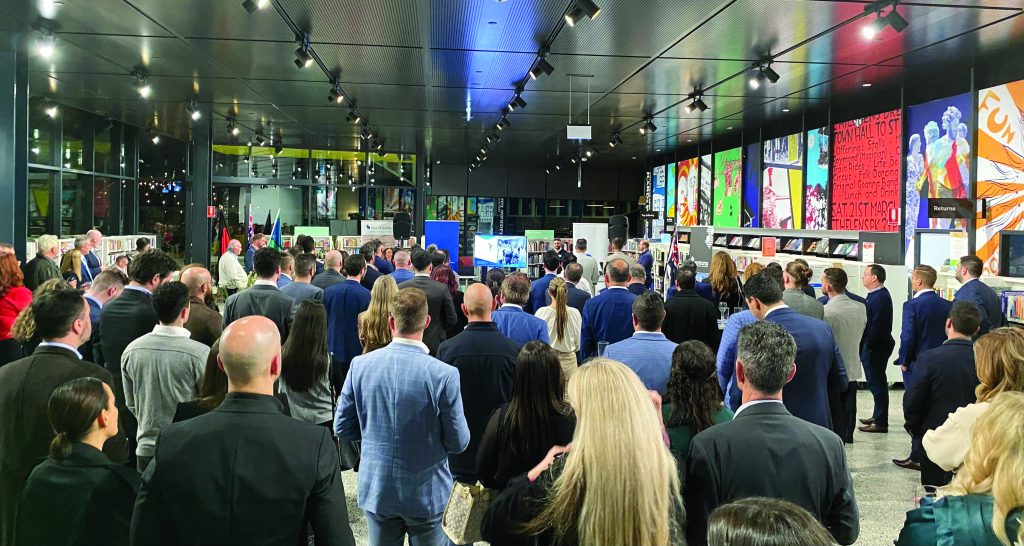
On Wednesday, June 7, over 200 leaders from the business and professional community gathered at the City of Prospect Library to celebrate the membership launch for the Hellenic Australian Chamber of Commerce and Industry South Australia (HACCI SA).
On behalf of the Board, HACCI SA Chair Kosta Koutsonas welcomed all: “This is an exciting time which will allow the Hellenic Australian business and professional community to lead, collaborate and excel. Our mission is to connect with integrity and purpose in our pursuit of excellence.”
“We’ll provide a unique platform where our members will connect, interact and grow with like-minded professionals through our regular networking and professional development events, newsletters, plus online and business leader forums,” Mr Koutsonas added.
Membership launch.
There’s significant momentum for the Greek community at the moment, including the recent progress for the establishment of a sister city program/relationship between Adelaide and Athens, which will realise significant economic, business, and cultural benefits.
HACCI SA Board members and HACCI Federation have also met with economic and trade delegations and believe there are substantive opportunities for businesses to benefit.
Fellow Board Member Dr Sylvia Villios reinforced: “HACCI SA will also commit to our next generation through professional development, resources, cross-collaboration among emerging leaders and strategic networking and mentoring opportunities.”
Mr Koutsonas concluded: “We should be encouraging each other’s ideas and initiatives, and supporting one another, so all of us can benefit. Our community is strong! Let’s make it stronger.”
Esteemed guests in attendance on the night included SA Minister for the Arts, Andrea Michaels; Federal Member for Adelaide, Steve Georganas; Members of the Legislative Council, Connie Bonaros and Frank Pangallo; the Consul General of Greece in Adelaide, George Psiachas; Deputy Mayor Mark Groote representing the City of Prospect; and Chris Apostolides and Andrew Ladas representing Major Corporate Sponsor, the Bank of Sydney.
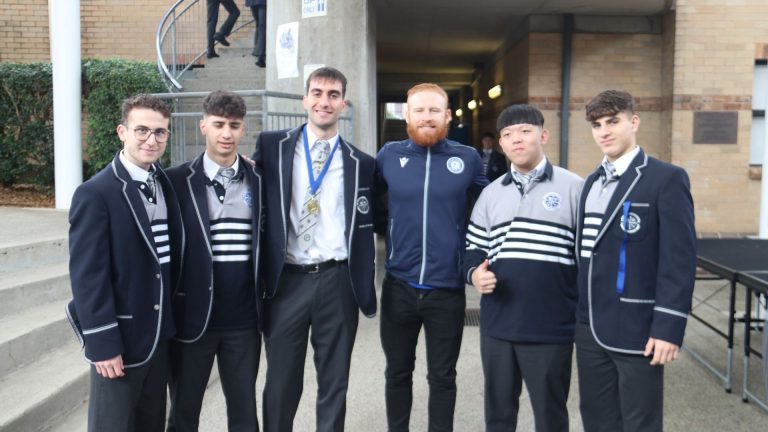
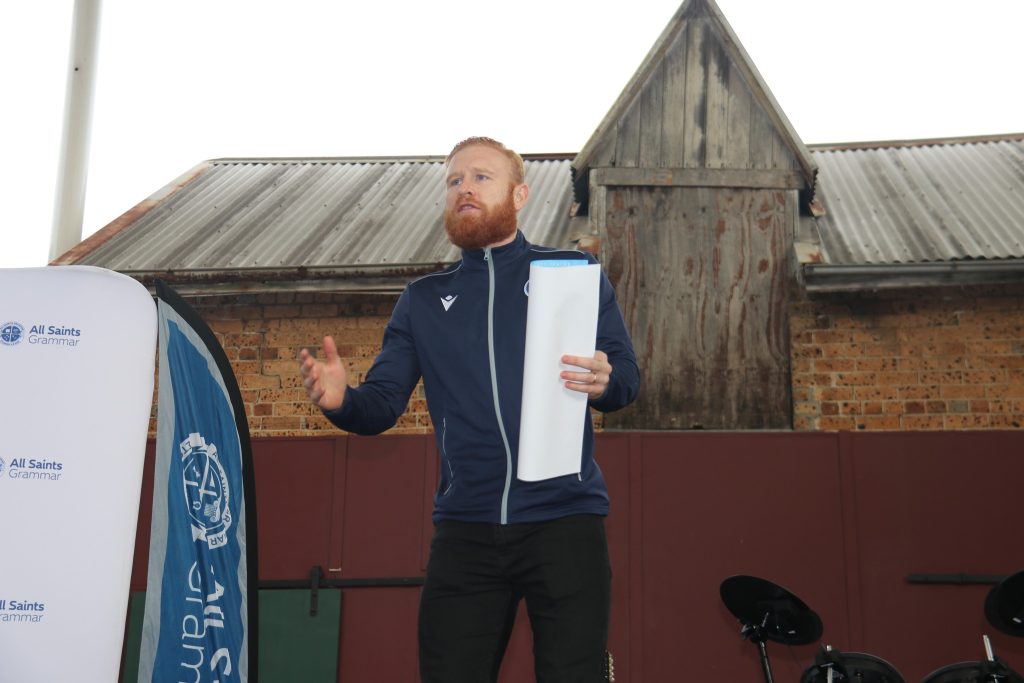
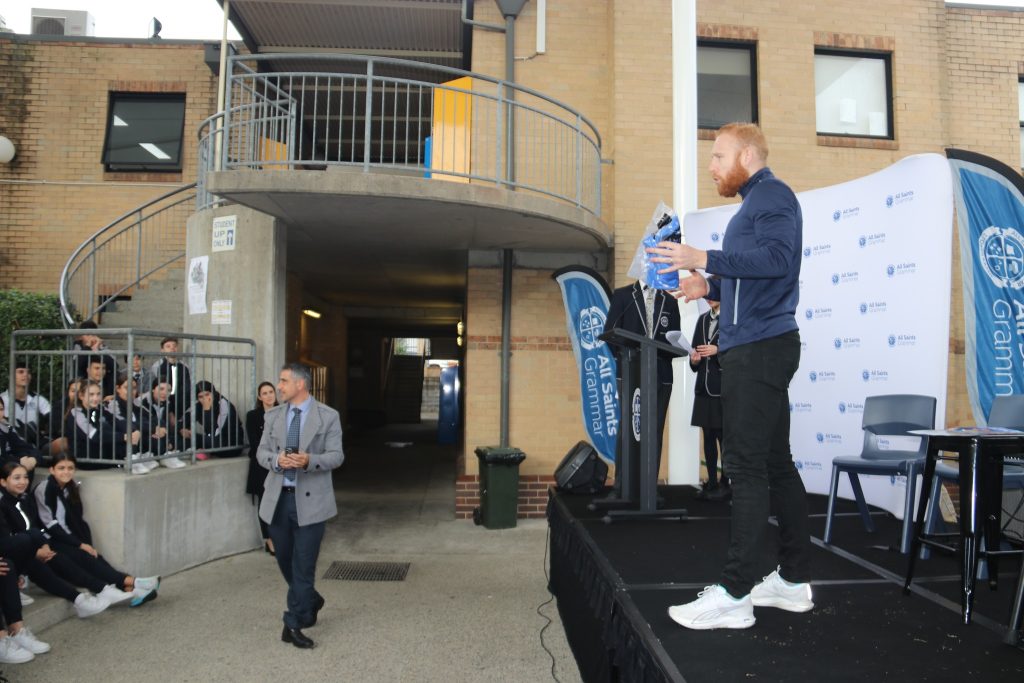
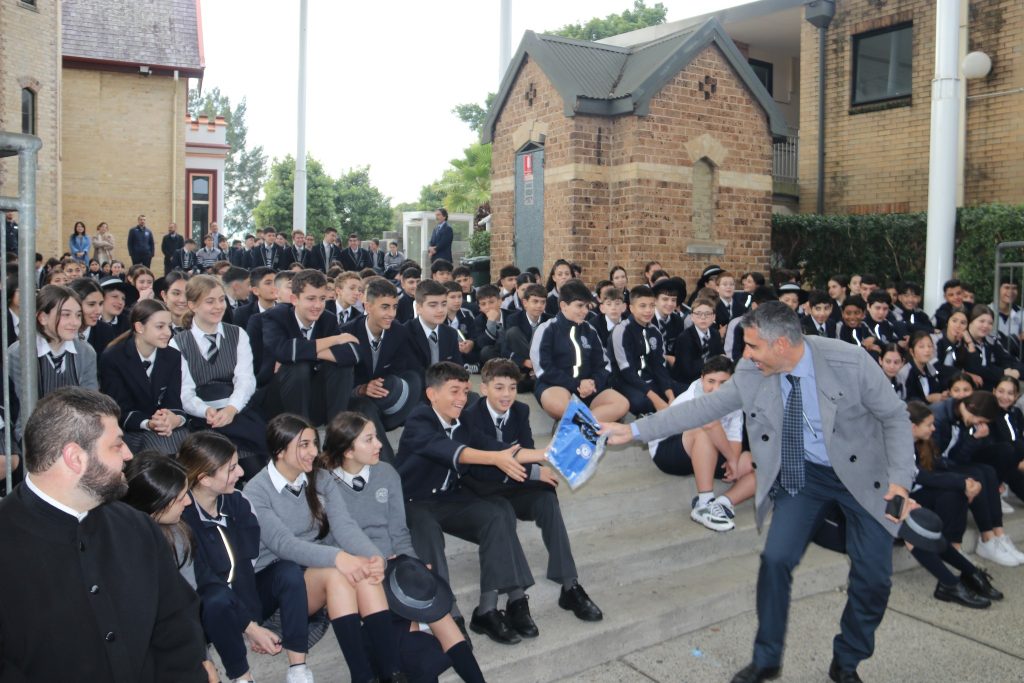
Sydney Olympic FC legend, Ziggy Gordon, had the pleasure of speaking to the students about their local team at Belmore.
Sydney Olympic staff then listened in on all the achievements that the All Saints Grammar students have accomplished.
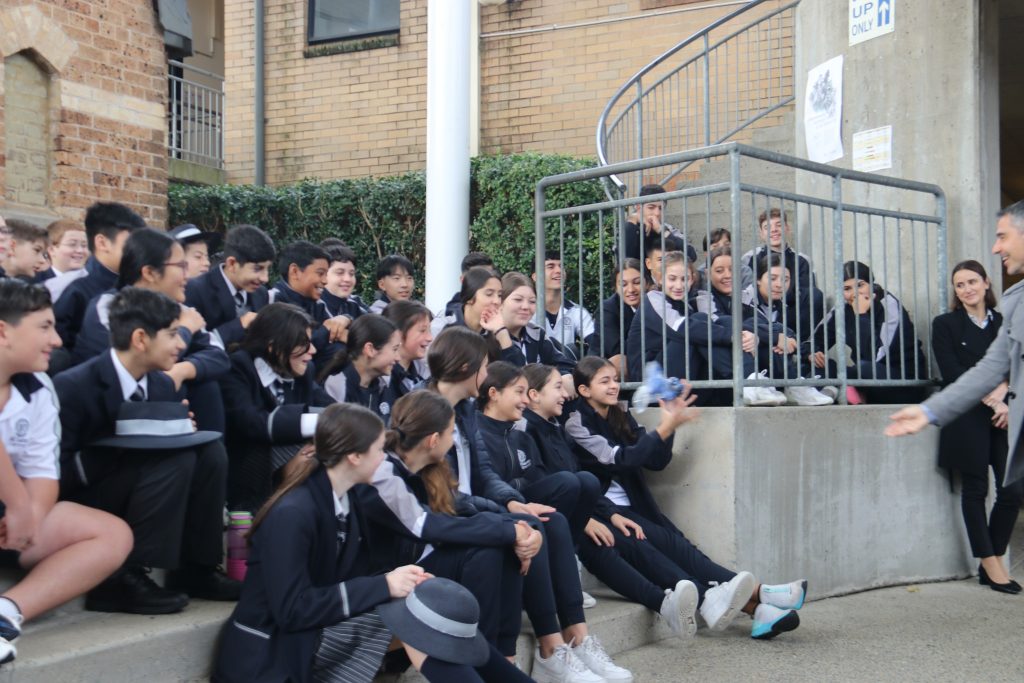
Ziggy Gordon.Ziggy Gordon talking to the studentsAll Saints Grammar school students
Ziggy and the staff at Sydney Olympic received a tour of the school and look forward to future collaborations between the school and the club.
In return, all students were gifted with free Tickets to the next Home match at Belmore Sports Ground against St George City on Sunday, June 18 at 3pm.
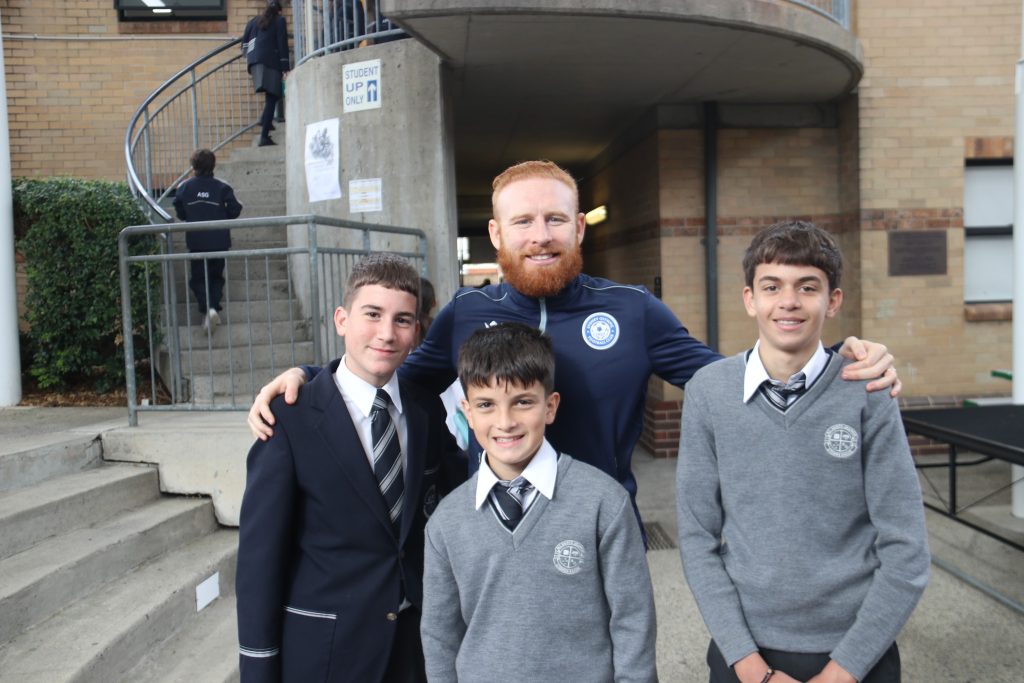
Ziggy Gordon and the youth.Students
“Sydney Olympic is my home and your home too. I look forward to seeing all of you there!” Ziggy told students. “There’s more than one football team in Belmore!”
The visit was in conjunction with Sydney Olympics’ current promotion for next Sunday, where the first 60 kids under the age of 12 will receive a free Training jersey and the school with the highest attendance at the match will also receive a free training session from the first grade Men’s Captain Ziggy Gordon.
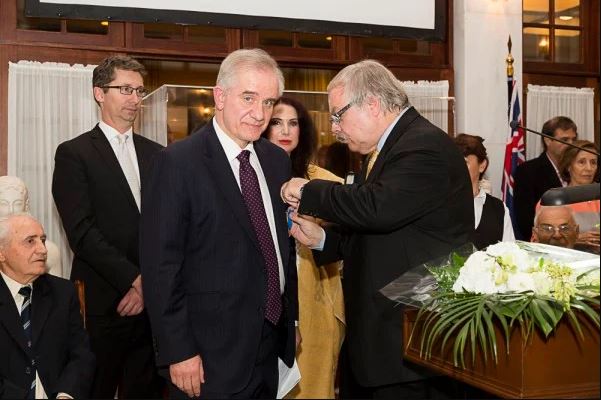
The Governor-General, His Excellency General the Honourable David Hurley AC DSC (Retd), has accepted the Government’s advice to appoint the Hon Justice Emilios Kyrou AO as a Judge of the Federal Court of Australia and as President of the Administrative Appeals Tribunal (AAT).
Justice Kyrou’s appointment to the Federal Court commenced on June 8 and his appointment as AAT President commences today.
On 16 December 2022 the Australian Government announced it would replace the AAT with a new administrative review body.
Emilios receiving the Greek medal in 2015.
Justice Kyrou’s appointment as President of the AAT is an important step in the Government’s reform of Australia’s system of administrative review.
As President, Justice Kyrou will lead the AAT through this important reform. He will be the inaugural president of the new administrative review body, once established.
On behalf of the Australian Government, Hon Mark Dreyfus KC MP congratulates Justice Kyrou on his appointment. He would also like to again thank the Hon Justice Susan Kenny AM and the Hon Justice Berna Collier for their service as Acting AAT President in recent months.
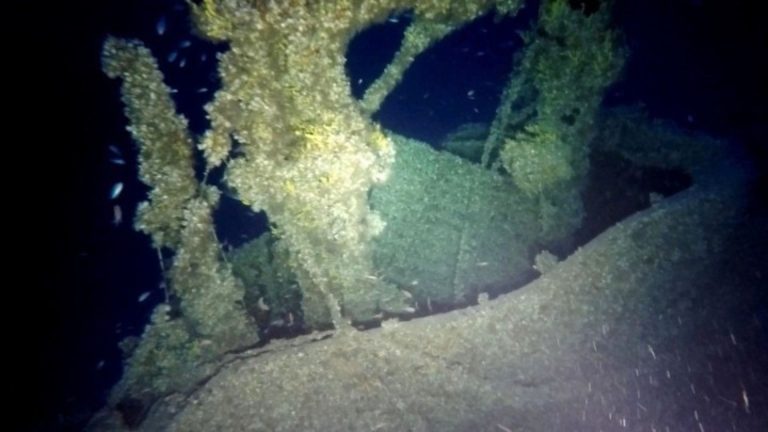
The lost British submarine “H.M.S. Triumph,” whose true fate had been shrouded in mystery ever since the vessel and its entire crew disappeared in 1942, has finally been discovered on the bed of the Aegean Sea by Greek researcher Kostas Thoktaridis and his team after a 25 year search.
According to amna.gr, the submarine had disappeared without a trace with all 64 crew members on board, some 81 years earlier, in the midst of World War II.
Various attempts to find it had been mounted at various times by teams from the United Kingdom, Malta and Russia, all without success.
It finally fell to Thoktaridis and his team to solve the mystery of its disappearance, after a search that first started in 1998.
“It was the hardest and most expensive mission I have ever carried out in my life,” Thoktaridis told amna.gr.
First launched in 1938, the “Triumph” joined the war in May 1939 and carried out 20 military missions in total. It first sailed to the Aegean at the end of March 1941 to scout the shores of the Dodecanese islands and land officers on Greek shores.
The last time the submarine was sighted in motion was by an Italian pilot flying in the area, about four nautical miles southeast of Sounion.
This lost piece of information helped Thoktaridis complete the “puzzle” of the submarine’s history.
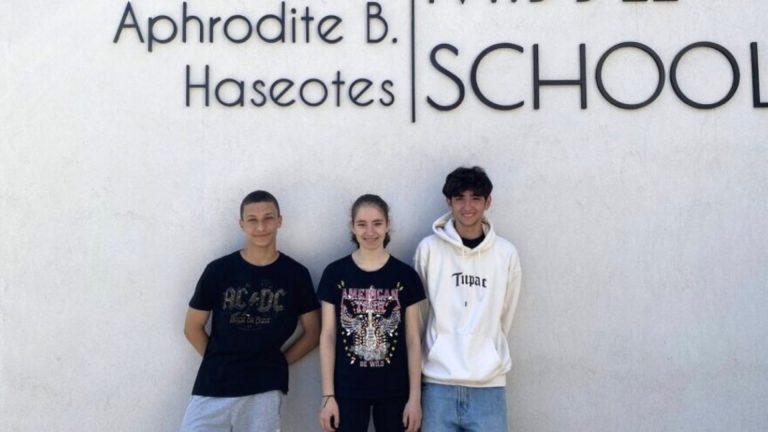
Three high school students from Thessaloniki became the first Greeks to win first prize in the Eurostat Statistics Competition.
According to protothema.gr, the team members hail from the Hasiotis High School of the American Agricultural School in Thessaloniki.
The Greek students had to face hard competition as they won their title among 1,444 schools, 5,208 teams and 19,388 peers from 19 European countries.
The team of Greek students consists of 3rd year students Polykarpo-Aris Kalaitzidis, Dimitrios Paroutis, and Maria-Anastasia Trevla.
This was the third year the team participated in the annual competition. Last year, they won second prize and this year they emerged first in all of Europe.
“We worked hard and methodically. It is the third year that we participate. Statistics is a very interesting science and extremely fascinating,” the students said.
Along with math teacher Olga Grigoriadou, who supervised and guided the team, they are preparing their bags for Luxembourg, where the award ceremony will take place on June 26.
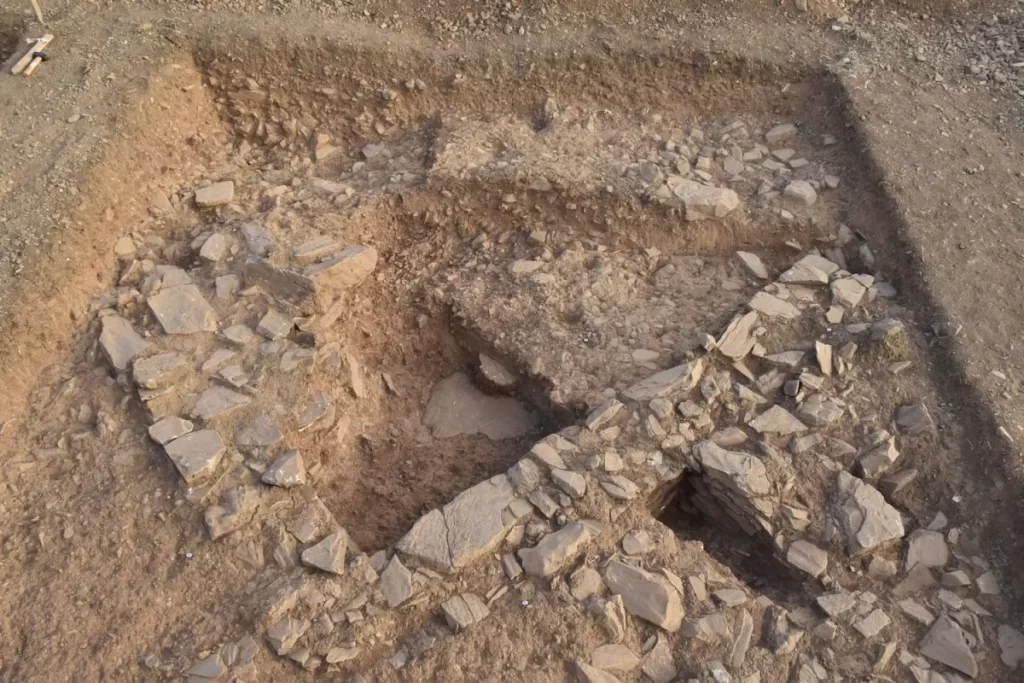
Archaeologists from the University of Göttingen in Thorikos, Greece discovered one of the earliest-known Iron Age houses in Athens under the Thorikos Archaeological Project Gent-Göttingen.
The find gives fresh insight into the early history of Greece, as in the past there has never been any building structures from the earliest Iron Age discovered in Attica.
The ancient village is 60 kilometers south of Athens, close to a historic silver mine. In the region there are Mycenaean dome tombs and a classical settlement with homes, businesses, temples, a theatre, and graveyards.
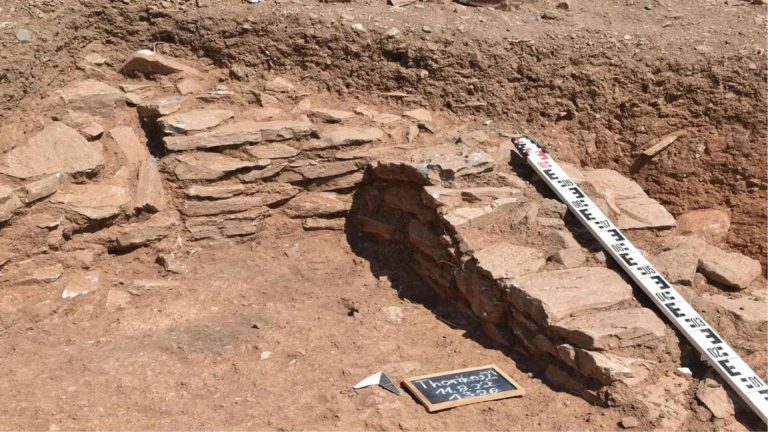
In 2019, an uncovered wall corner was discovered that, at first glance, appeared to point to a traditional tomb building. However, additional investigation showed that it was a building from the 10th to 9th centuries BC, not a burial site.
Iron Age house from the 10th to the 9th century BC. in Thorikos (Attica/Greece): courtyard with adjoining rooms. Photo: Thorikos Archaeological Project Gent-Göttingen
Researchers have been looking into the building’s size for the past year and have located five to six rooms. Numerous stones were in the largest room, which could have once been a paved courtyard.
Its use between approximately 950 and 825 BC was substantiated by analysis of the inorganic and organic characteristics of the rocks.
According to arkeonews, the continuation of the excavations is being funded with around 82,000 euros by the Gerda Henkel Foundation.
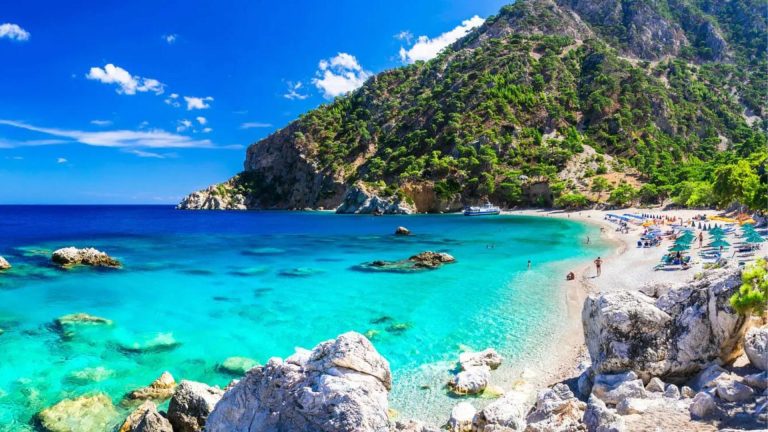
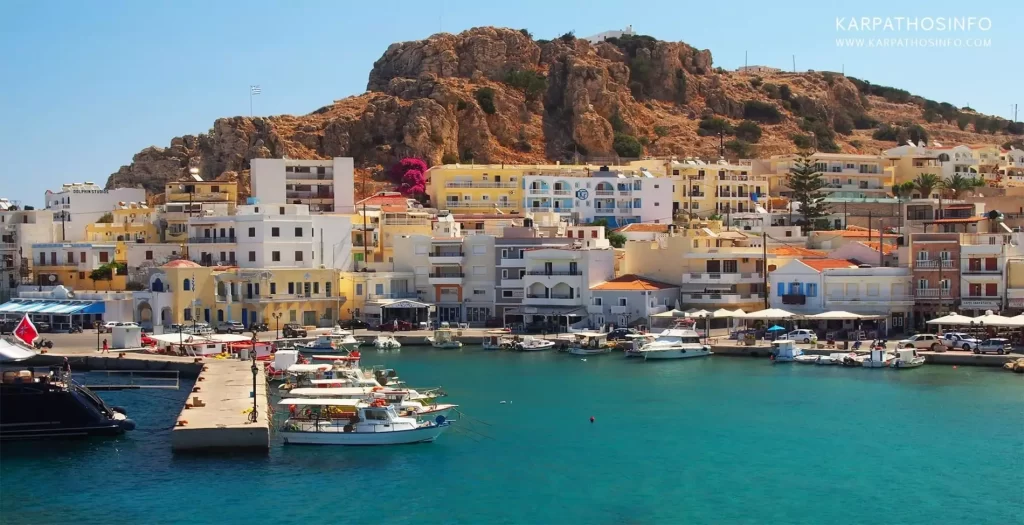
Blick, Switzerland’s largest newspaper, has urged Swiss and German-speaking travellers to change habits and choose islands without mass tourism. The Greek island of Karpathos was among the suggestions.
The newspaper published a list of 8 European islands which stand out for their traditions, natural beauty and authenticity.
Karpathos island
Karpathos stands in fifth place because the magazine said it “is a bright example of quality, as it is also known as the ‘secret’ Santorini.”
The list includes places from France to Italy, and from Malta to Britain, the Netherlands and Germany.