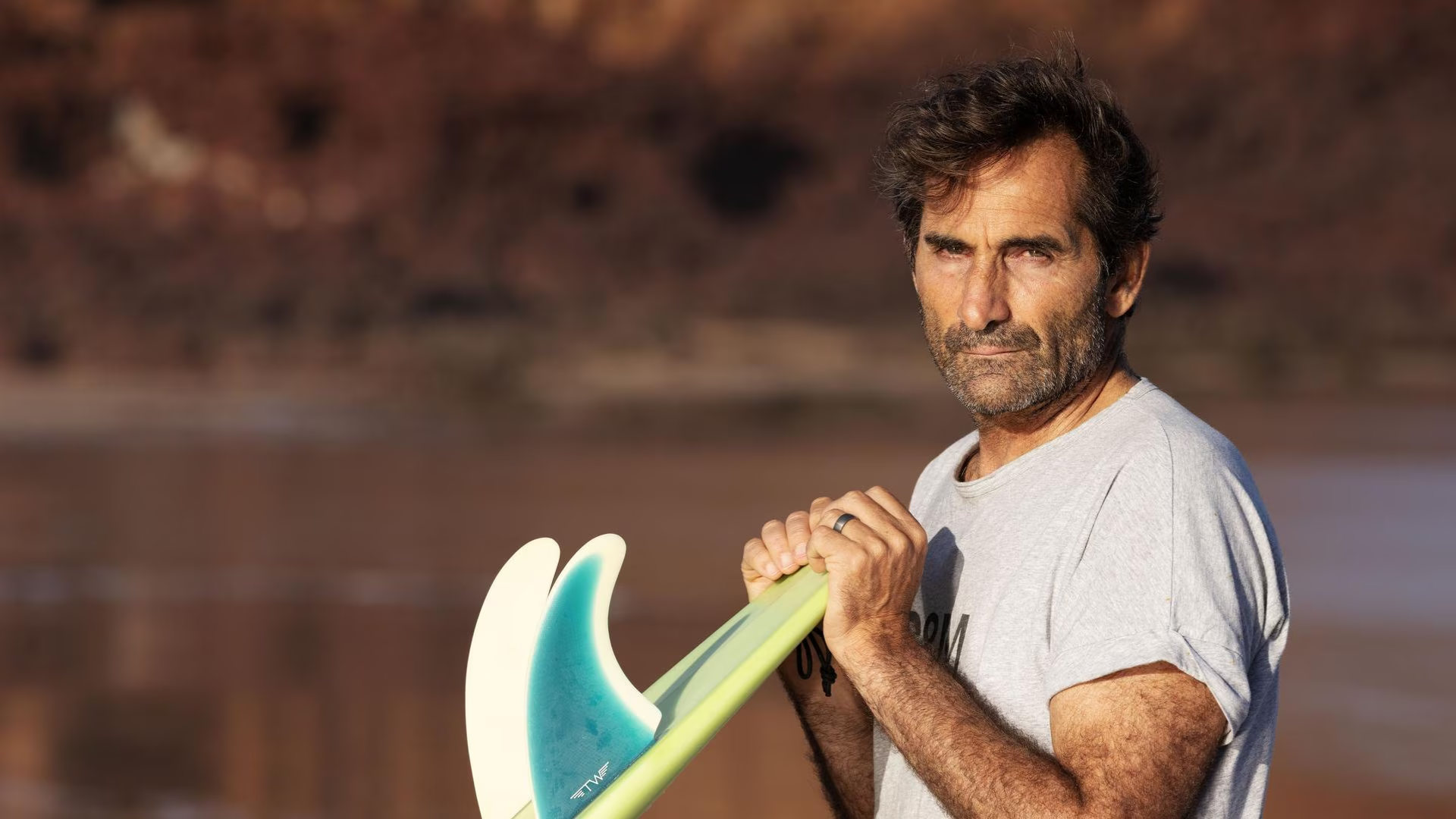
The twin brother of shark attack victim Mercury Psillakis, Mike Psillakis, is calling for stronger controls on shark populations following a recent attack at Coogee Beach that left a teacher in a critical condition.
Psillakis pointed to mitigation efforts used on Reunion Island as an example of how shark attacks can be reduced. Between 2011 and 2019, the island recorded around 30 shark attacks, but authorities say none have occurred since 2019 after new measures were introduced.
Those measures included bans on swimming and surfing, as well as a program using SMART drumlines to catch and kill adult bull and tiger sharks rather than releasing them.
Psillakis supports a similar approach in Australia.
“They didn’t wait for data on shark populations to take that next step of lethal drumlines,” he told The Sydney Morning Herald. “The last attack was ‘enough is enough’.
“We have to use our drumlines differently. We have to use them in the same way Reunion Island uses them. We’re not talking about decimating or making a species go extinct. We’re just there to control the populations.”
NSW Premier Chris Minns has rejected the idea of killing white sharks, saying they are a migratory and protected species. He said a “headcount” of bull sharks would instead be conducted to assess whether their population has increased. As the population figures are currently unknown, Minns said the government would consider a cull based on the findings.
Psillakis argued that Reunion Island’s approach focused on attack risk rather than shark population size.
“I think we have to look at the death rate of people rather than the population rate of sharks. That’s probably the most important thing,” he said.
Mercury Psillakis, 56, was killed by a great white shark at Long Reef Beach in Sydney’s north in September last year and his brother has since been advocating for increased safety measures in coastal waters.
Source: The Sydney Morning Herald
