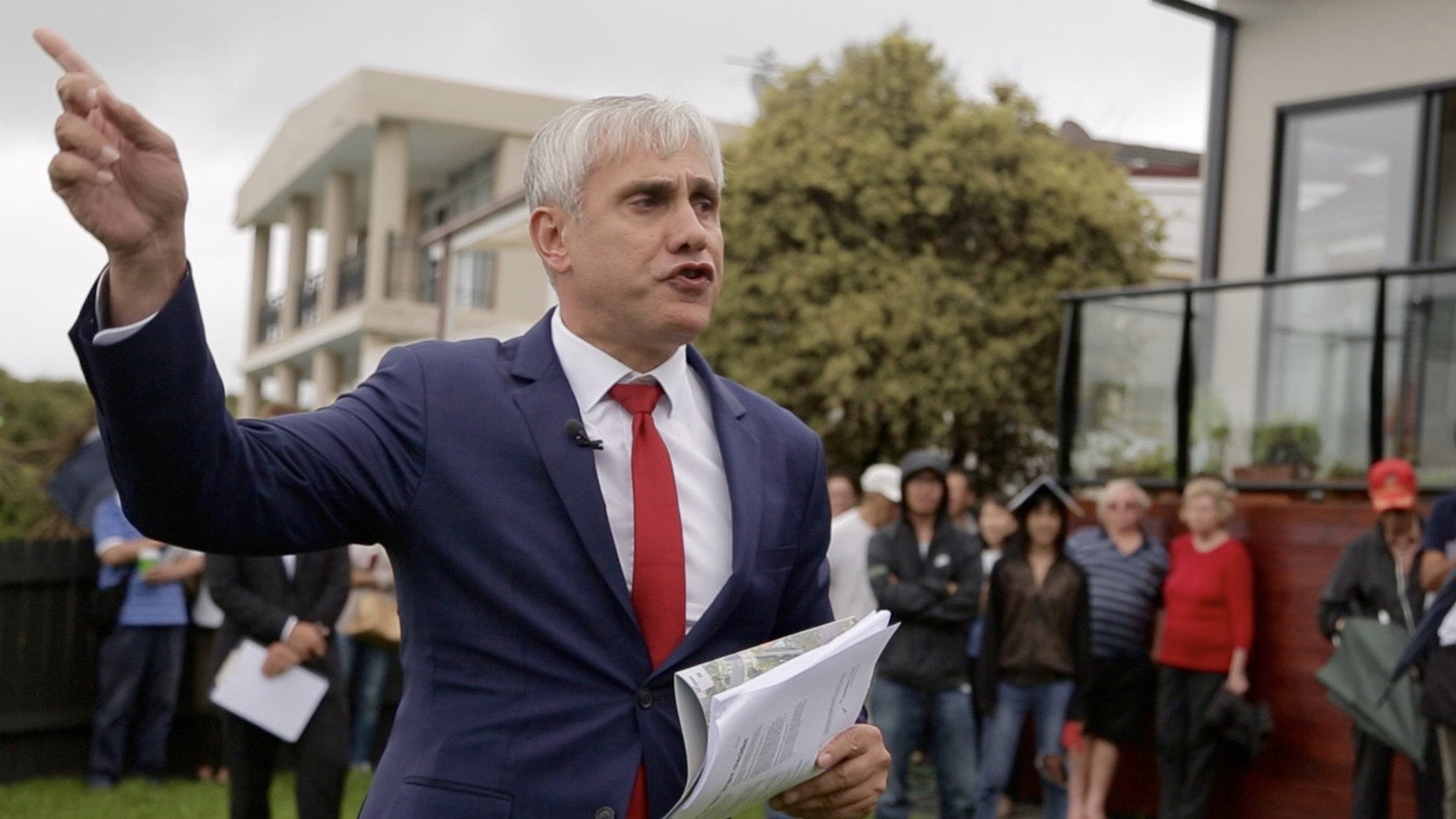
Prominent real estate commentator and auctioneer Tom Panos has criticised the federal government’s changes to capital gains tax and negative gearing, arguing the policies underestimate how buyers and sellers actually behave in the property market.
Speaking after appearing on a 60 Minutes episode examining the reforms, Panos said public frustration was not only about the policy details but also about trust and whether voters had been given the full picture before the changes were announced.
“If these housing policies were genuinely considered necessary, then logic would suggest they should have been introduced when the property market was stronger, when prices were rising aggressively, when auction clearance rates were robust, and when the economy was demonstrating greater resilience,” he said.
Panos also questioned the argument that reducing investor activity at auctions would help first-home buyers, saying the theory did not reflect his decades of experience in the industry.
“As someone who’s spent decades auctioning almost every weekend, I found this argument disconnected from how the market actually operates,” he said.
“The reality is that first-home buyers are not typically dominant participants at auctions.”
He said many first-home buyers prefer private treaty sales due to the flexibility around finance and due diligence, while auctions require unconditional contracts and immediate commitment.
“After thousands of auctions, I can confidently say that first-home buyers are not routinely being locked out because investors are overwhelming them at auction every Saturday,” Panos said.
He said housing policy often focuses on economic models while overlooking the decisions of real people.
“Markets are not spreadsheets but people, who don’t always act the way models predict,” he said.
“The people I meet every week at auctions, inspections, open homes, and negotiations are not statistics. They’re families. They’re investors. They’re first-home buyers. They’re retirees.”
Panos said his experience in real estate had shown him that the market could challenge even the most confident predictions.
“The market has a habit of humbling experts, politicians, economists, commentators, and agents alike,” he said.
“That’s why the best decisions are often made when we spend less time talking about what should happen, and more time understanding what is actually happening.”
Source: Realestate.com.au.
