More than 1.5 million Australians are living with diabetes. Around 1.3 million Australians have been diagnosed with Type 2 diabetes (T2D) – the most common form of diabetes.
Diabetes is a condition of chronically elevated blood glucose (sugar) levels caused by a deficiency of the hormone insulin, produced in the pancreas or resistance to the physiological actions of insulin.
Continuous Glucose Monitors (CGMs) gives people living with diabetes more accurate and frequent data about their glucose levels without needing to do regular finger prick checks.
In 2022, the Australian Government delivered an election commitment to give all 130,000 Australians with Type 1 diabetes (T1D) access to subsidised CGMs under the National Diabetes Services Scheme (NDSS).
But Diabetes Australia and its member organisations are calling for the Albanese Government to extend and subsidise CGMs for Australians with T2D and other types of diabetes.
Their campaign stems from the Federal Government’s recent report into the state of diabetes in Australia – The State of Diabetes Mellitus in Australia in 2024. Recommendation 15 from the report stated that the Committee called for subsidised access to CGMs be further expanded.
Although people living with T2D have the same insulin requirements as a person living with T1D, they are not able to access subsidy for products such as CGMs.
Leading the way for change
Diabetes Australia is leading the Unite for Tech campaign, with member organisations to help Australians living with all types of diabetes to have access to the technology they need to live well.
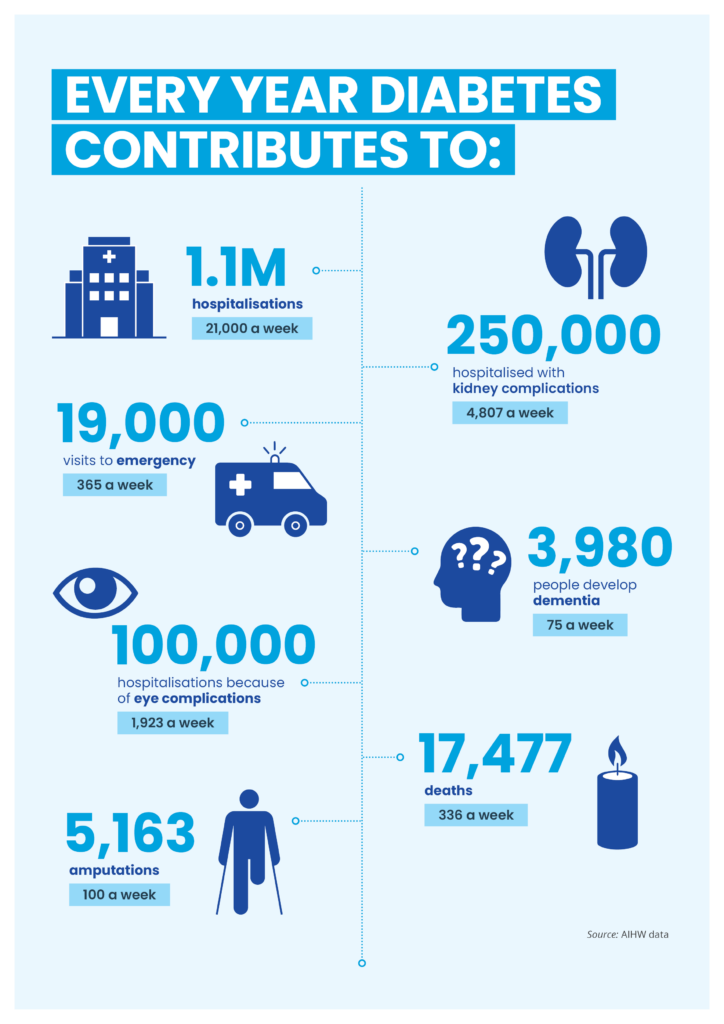
They say expanding subsided access to CGMs would help people manage their diabetes more effectively and reduce the impact of diabetes-related complications on Australia’s health system.
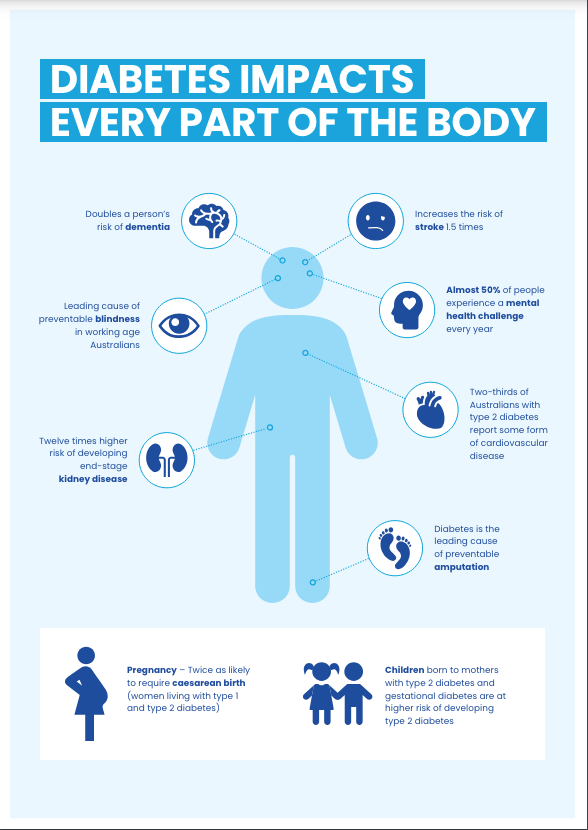
Long-term management of blood glucose levels is critical to reduce the risk of complications including amputations, vision loss, stroke, and heart and kidney failure.
Diabetes Australia Group Chief Executive Officer Justine Cain said the campaign includes supporting people living with TD2 who are most at risk, to access ‘affordable and life-changing’ CGMs.
“Diabetes Australia is calling on the Federal Government to invest $200 million over four years in increased subsidies for CGMs and insulin pumps,” Ms Cain said.
“Investing in diabetes technologies is proven to improve health and economic outcomes.
“Research shows that these devices are game-changing in terms of managing blood glucose levels, which ultimately reduces the risk of diabetes complications and hospitalisations and improves quality of life.”
Australian Diabetes Society is affiliated with Diabetes Australia and Chief Executive Officer, Associate Professor Sofianos Andrikopoulos said he is optimistic the findings of the report will be implemented by the Federal Government.
“We are working with other key stakeholders to ensure that the [Federal] Government delivers on these recommendations,” he said.
“People with T2D feel discriminated against and strongly feel that they should have the choice of accessing CGMs if they choose to.”
Living with T2D – a case study
The advanced technology of a CGM device means people living with diabetes can check glucose levels throughout the day and night without pricking a finger.
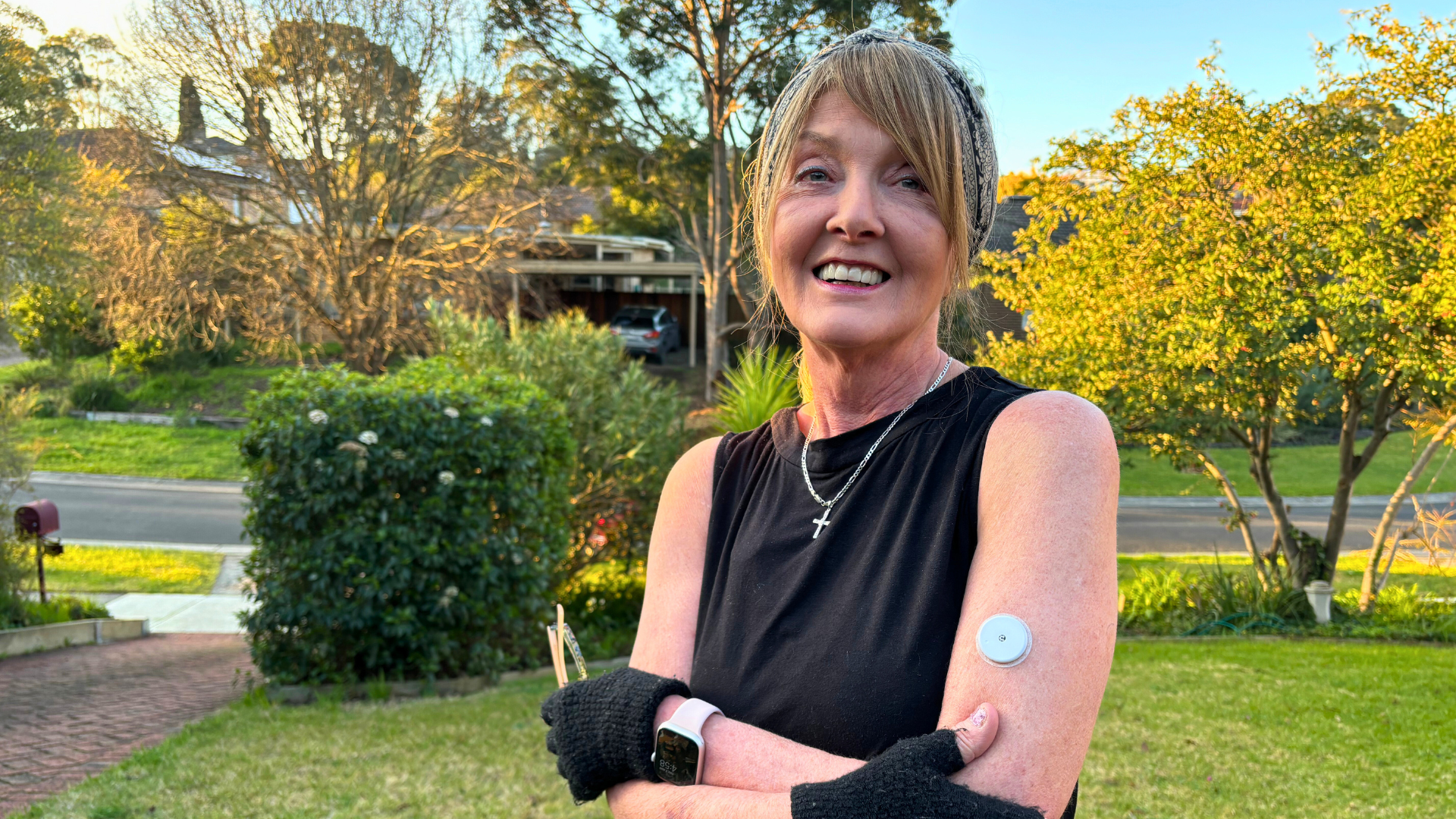
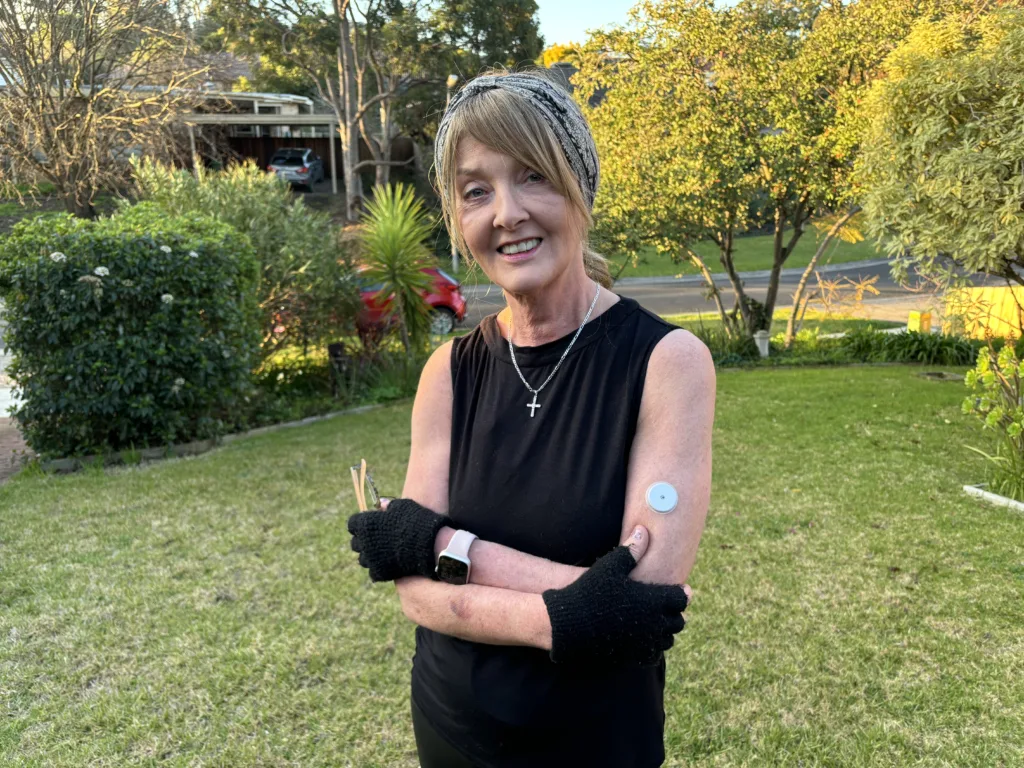
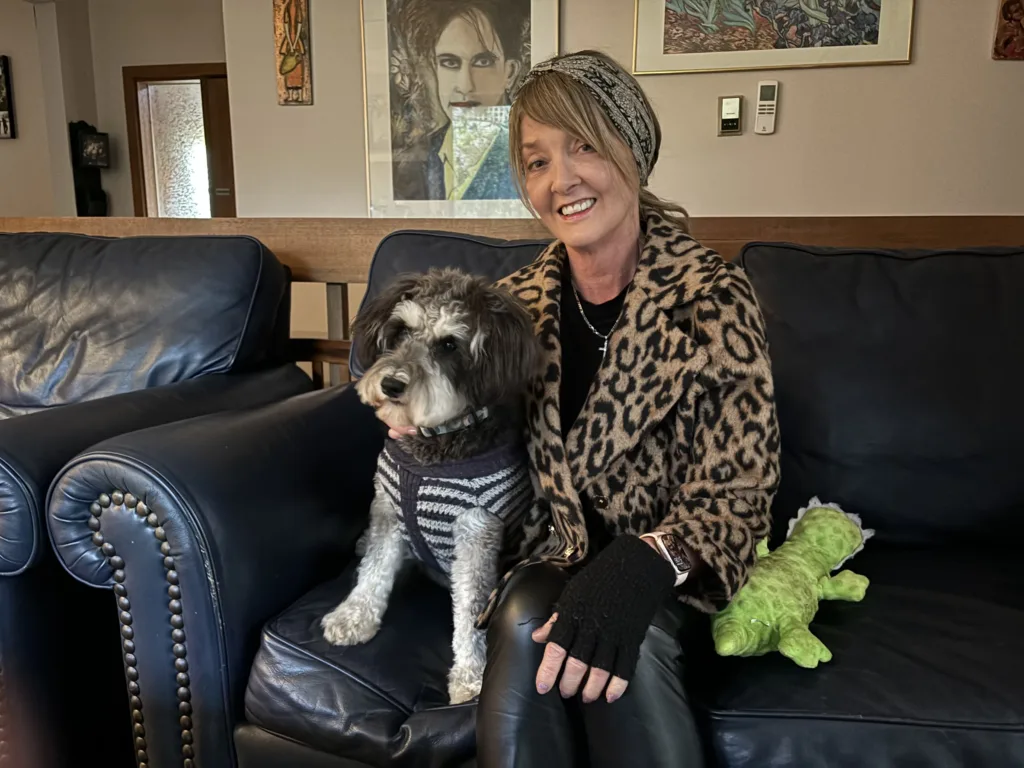
The CGM is giving Mary Kotsopoulos, 65, from Melbourne, a good night’s sleep. Until she purchased the cheapest CGM (Freestyle Libre 2), she was ‘terrified’ of going to sleep at night.
“I was so scared to go to sleep at night because my sugar levels would drop to levels that you can go into a coma, and you don’t know when you are asleep that it’s happening,” Mary told The Greek Herald.
Mary is paying $200 a month for her CGM – a sensor worn on the upper arm for two weeks at a time for 24 hours a day. She said people living with T2D should have access to the CGM in the same way people with T1D can, to make it an ‘equal playing field.’
“They’re allowed to gain access to the Libre sensor monitor quite inexpensively compared to people like me and I haven’t got anything different to them in terms of what I must deal with because I have to give myself insulin every day and I am also on diabetic tablets – everything a Type 1 diabetic has,” she said.
What the Health Minister said
A spokesperson for the Health Minister, the Hon Mark Butler MP, said the Government welcomes the report of the House of Representatives Standing Committee on Health, Aged Care and Sport inquiry into diabetes in Australia.
“This report shines a light on a serious public health issue affecting every community in Australia,” the spokesperson said.
“The Government will carefully consider the report.”
.)