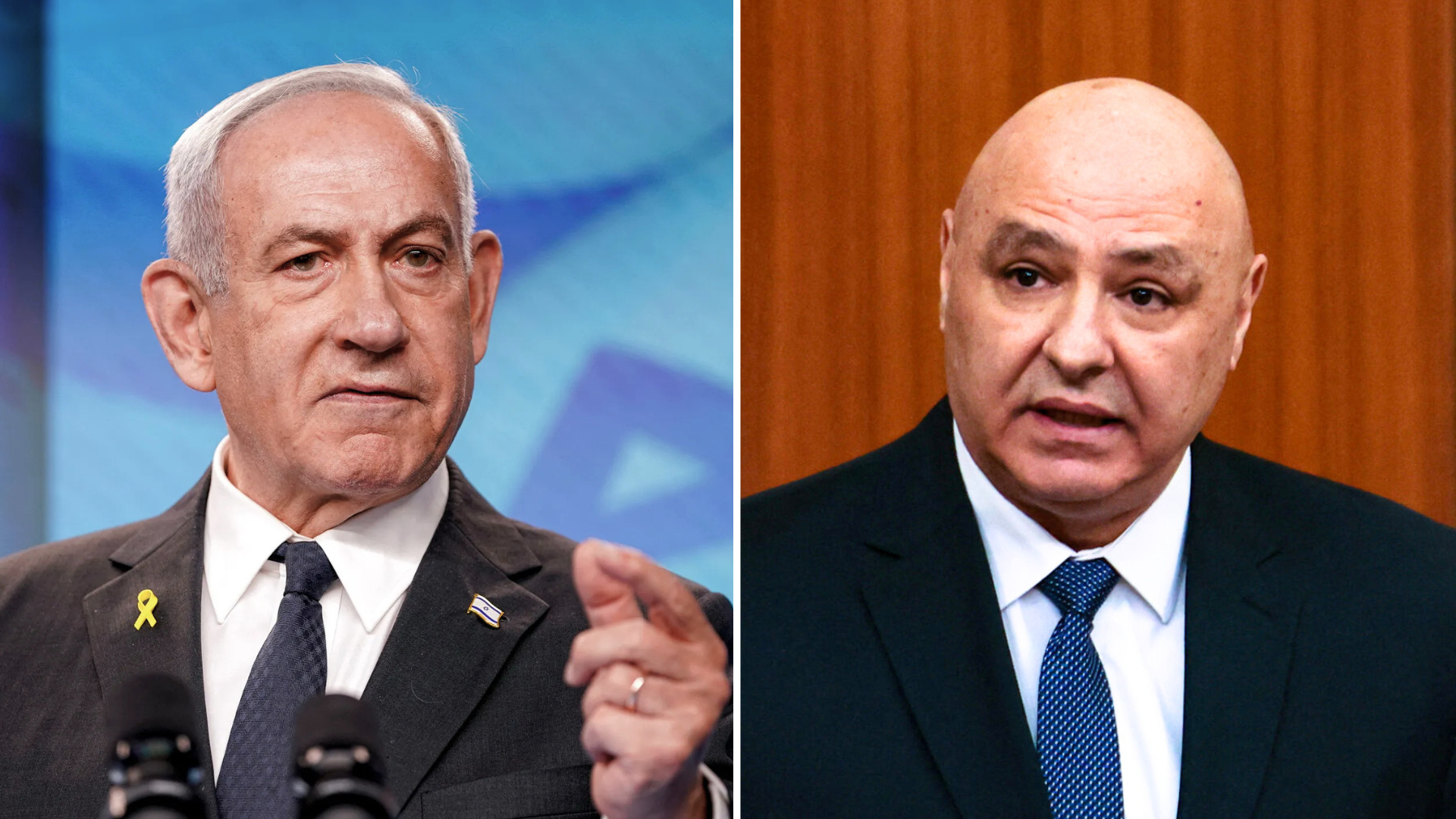
A 10-day ceasefire between Israel and Lebanon has come into effect following mediation by US President Donald Trump, who announced the agreement after speaking with Israeli Prime Minister Benjamin Netanyahu and Lebanese President Joseph Aoun.
The temporary truce, which began at 7am Friday (AEST), is seen as a possible step towards easing broader regional tensions involving Iran. However, uncertainty remains over how it will hold, given Israel is engaged in conflict with Hezbollah rather than the Lebanese state itself.
“These two leaders have agreed that in order to achieve PEACE between their Countries, they will formally begin a 10-day CEASEFIRE,” Trump declared on social media.
Despite the announcement, Israeli strikes on Hezbollah-linked targets have continued, raising doubts about enforcement. Analysts warn the agreement’s fragility lies in Hezbollah’s position outside formal state control. “If that means the state of Lebanon, what about Hezbollah? They can break it tomorrow and that’s the end of the 10 days,” said Elliott Abrams.
Netanyahu described the ceasefire as “temporary” and a “timeout,” while maintaining Israeli troops would remain in a “security zone” in southern Lebanon.
“We have an opportunity to make a historic peace agreement with Lebanon,” he said.
Hezbollah has signalled conditional openness to the truce, tying its commitment to Israel halting all hostilities, while crediting Iran’s diplomatic role.
Meanwhile, Greek Prime Minister Kyriakos Mitsotakis held separate calls with both leaders, welcoming the ceasefire and stressing its importance for regional stability. He emphasised that preserving the truce is critical for peace and urged Lebanon to maintain full sovereignty across its territory, reaffirming Greece’s balanced ties with both nations.
The ceasefire comes amid ongoing negotiations involving the US, Iran and regional actors, with questions lingering over whether the short-term pause can evolve into a lasting agreement.
Source: Sydney Morning Herald and To Vima
