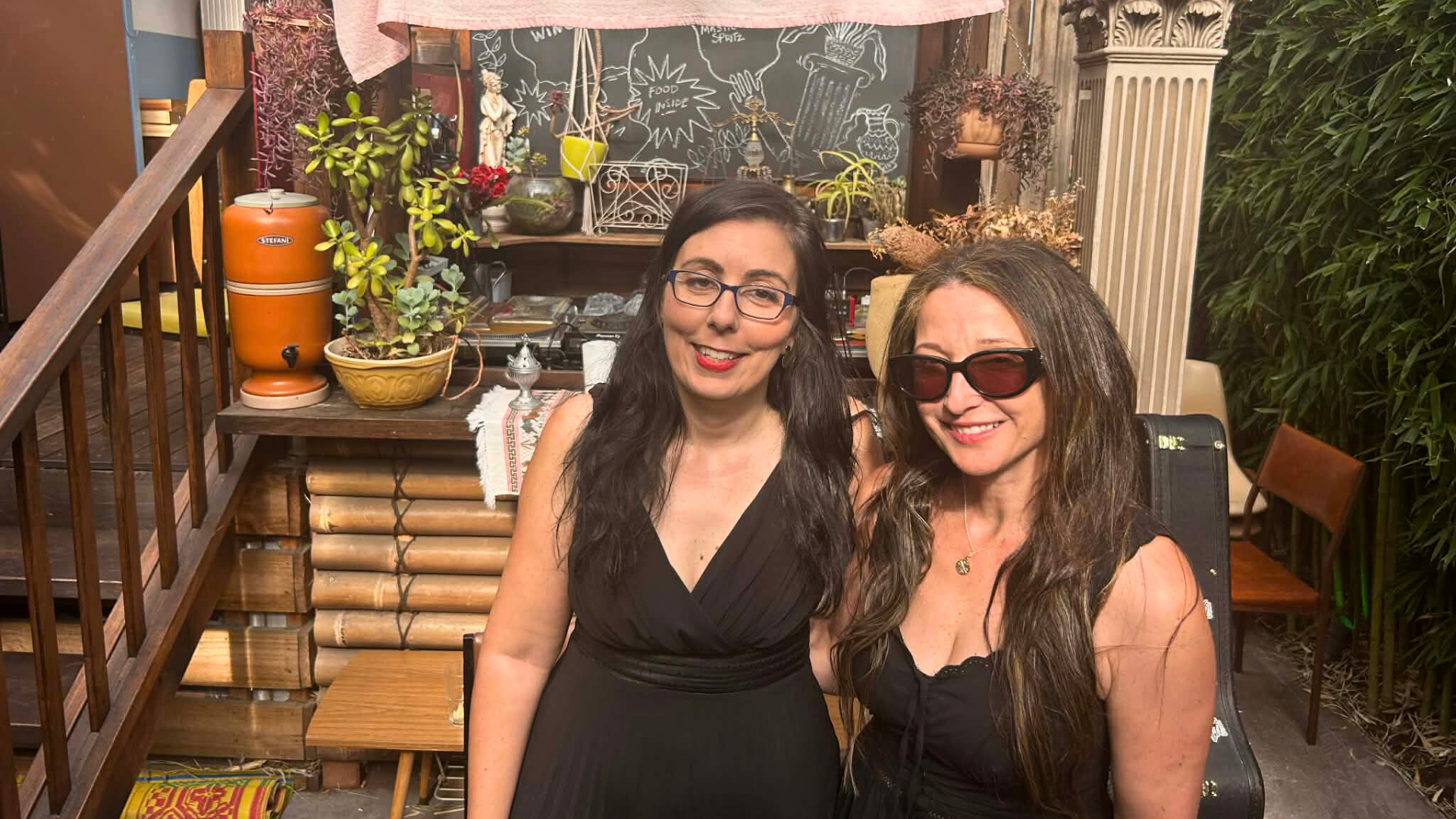
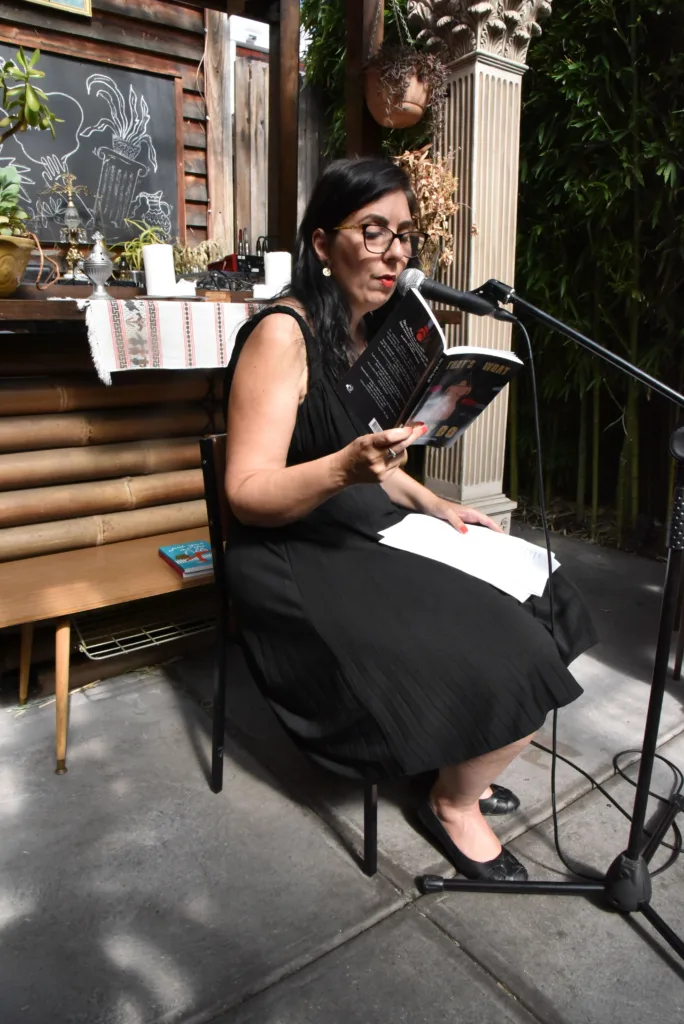
Best-selling and award-winning poet Koraly Dimitriadis officially launched her fourth poetry book, That’s What They Do, at the Cypriot restaurant, cafe and event space, Capers, in Thornbury, Victoria on Sunday, February 8.
That’s What They Do is poetry about the different ways a person can experience emotional abuse – through family, friends, work, society, governments and relationships. It also includes some of Koraly’s political poetry about stories in the media and explores the injustices of violence against women.
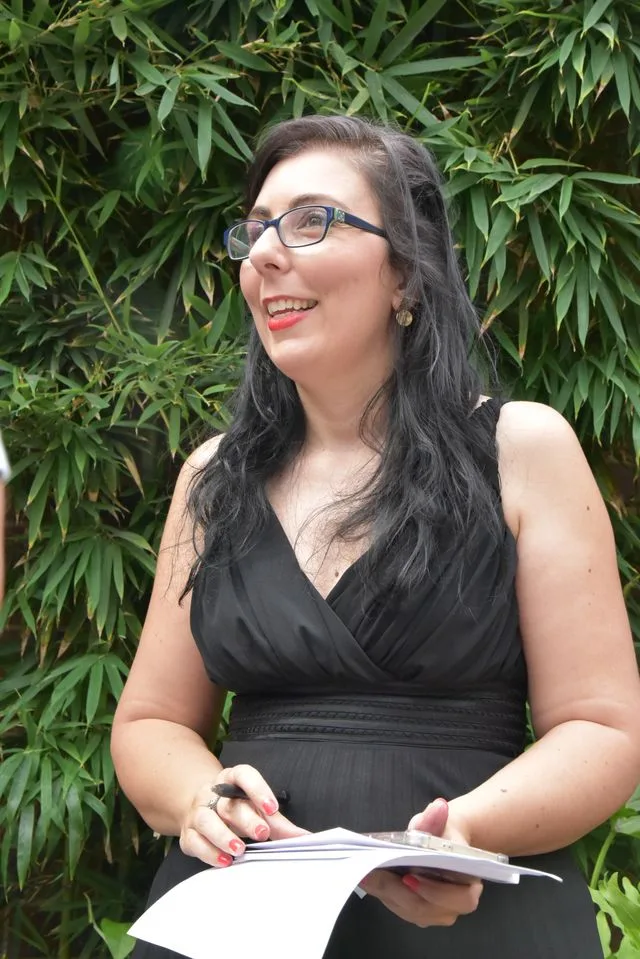
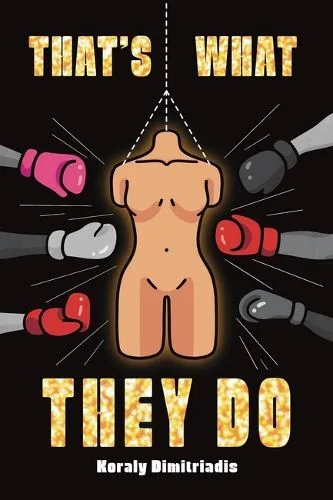
The book was officially launched by lawyer, mediator and musician, Emily Highfield. Emily (Amalia), who is also of Greek descent, introduced Koraly as a trailblazer.
“Koraly is the beginning of a movement, a cultural, feminist movement. She’s talking about things nobody is talking about, and things that need to be spoken about,” she said.
Emily, who is also one of Koraly’s speakers at the inaugural Greek Women Speak symposium this Sunday, February 15, at the Greek Centre in Melbourne, spoke of Googling for Greek Australian writers over a year ago and stumbled across Koraly’s work.
“Koraly’s work has been a lighthouse for me, Koraly is my lighthouse,” she said.
Emily, together with anti-bullying Sydney-based lawyer Stefanie Costi, will be joining Koraly on stage at Greek Women Speak, where she will have a second launch with the topic “That’s What They Do – Bullying, emotional abuse, and how to stand up for yourself in a culture that tells you to shut up.”
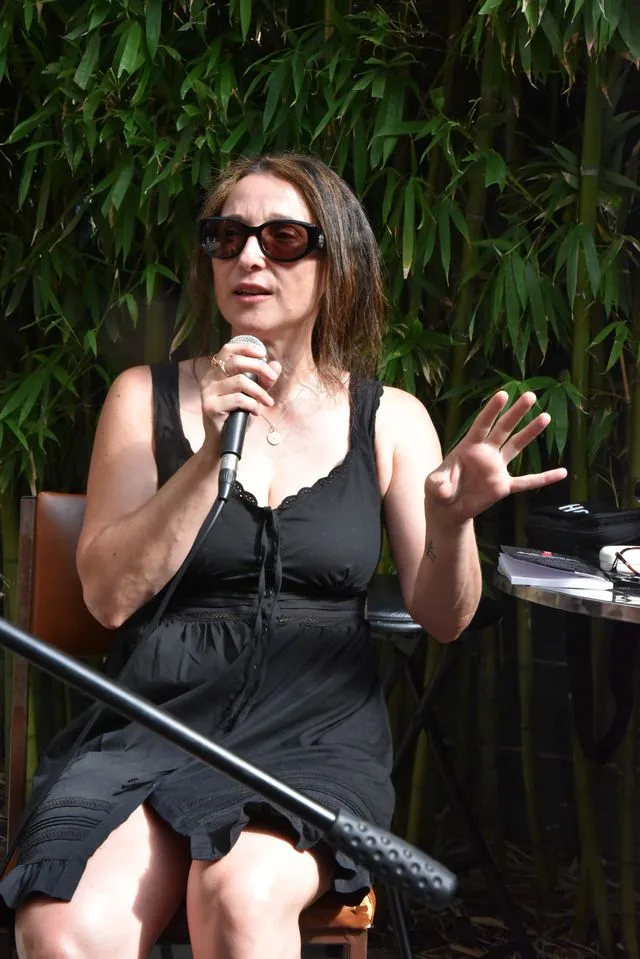
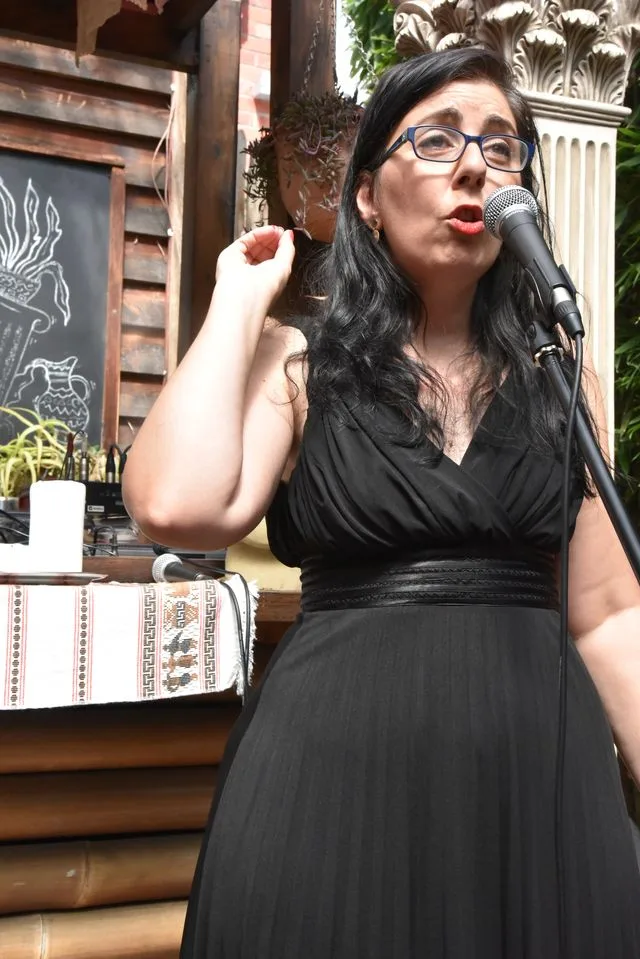
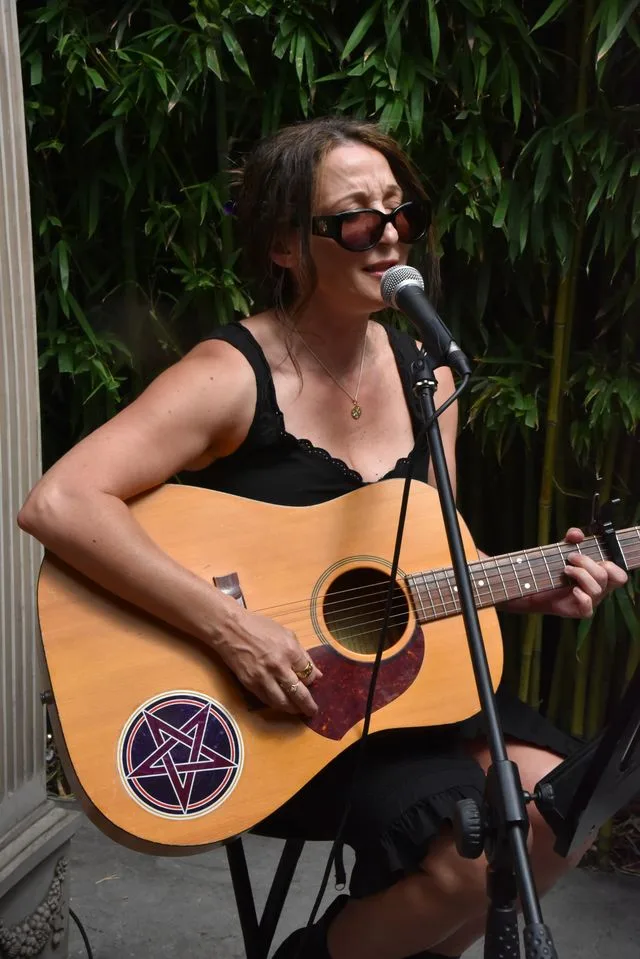
After singing a few acoustic songs including Dalaras’ Kali Tihi, Emily introduced Koraly who performed some of her classic poems such as Yiayia mou, Just Give Me The Pills, She’s Not Normal and Mediterranean Madness, before moving onto the signature poem of the collection, That’s What They Do.
The poem reads “That’s What They do, abusers, they only need one punching bag, not two, treat everyone around them like gold just not you, to pack the biggest punch.”
After a short break, Koraly read more intimately while sitting on a chair. Some of the poem titles included “Shit Friend”, about her experience of being called a shit friend when she put up boundaries in a toxic friendship. “Shine”, about the struggles of co-operating, “The systems,” about corrupt systems that keep us trapped, “Selfish” examining where self-sacrifice ends in migrant cultures, and “Shut up and we’ll be good to you” about her experiences of being a writer, “Dear Cypriot and Greek diaspora” about the conservatives of the culture looking down on her work.
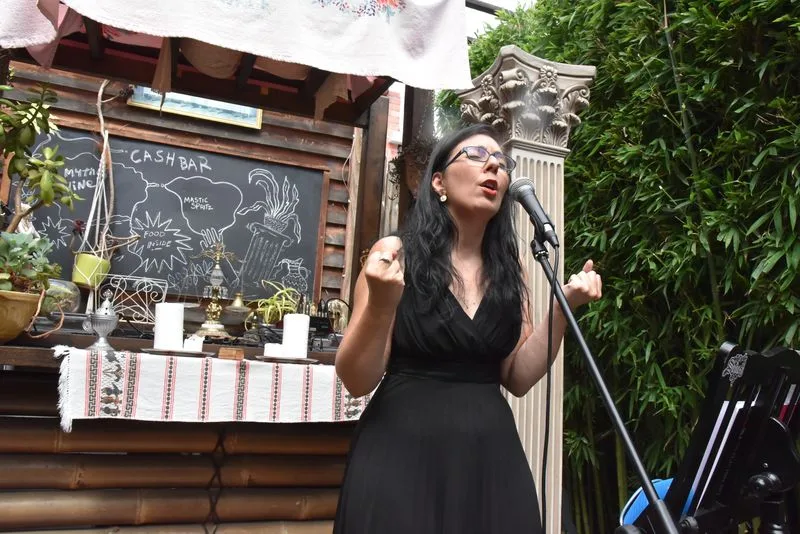
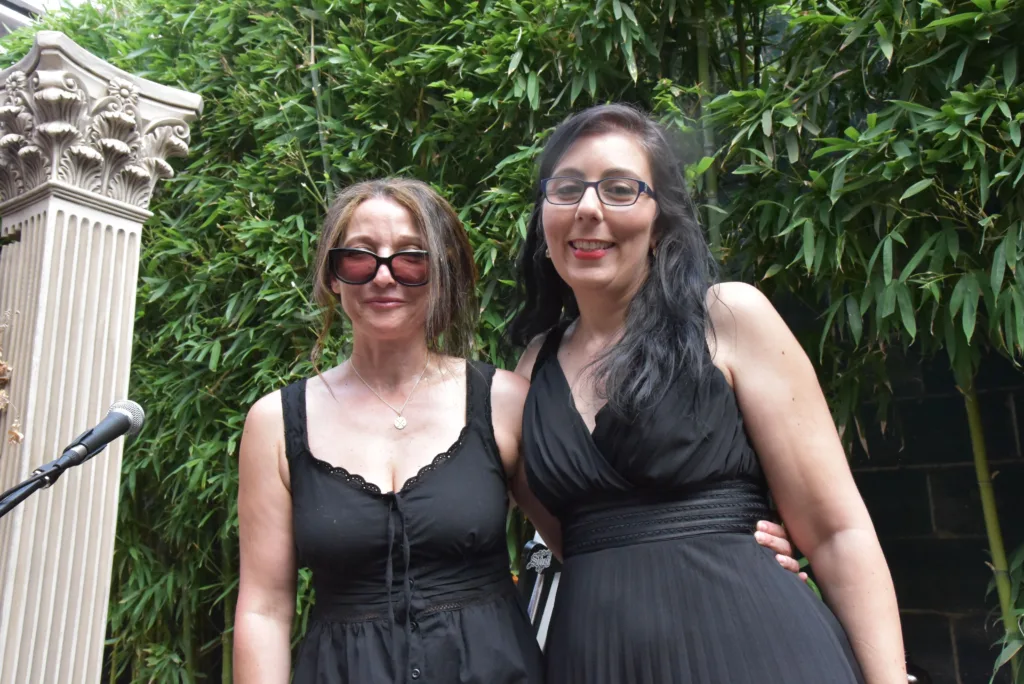
Other poems included “Guilty” about the guilt often placed on women to control them, “She’s too intense”, “I won’t be a vomit bucket for your trauma” and “My father is a poet”, exploring the sacrifice of the migrants and how her father didn’t have the opportunities she was afforded to have a career as a poet.
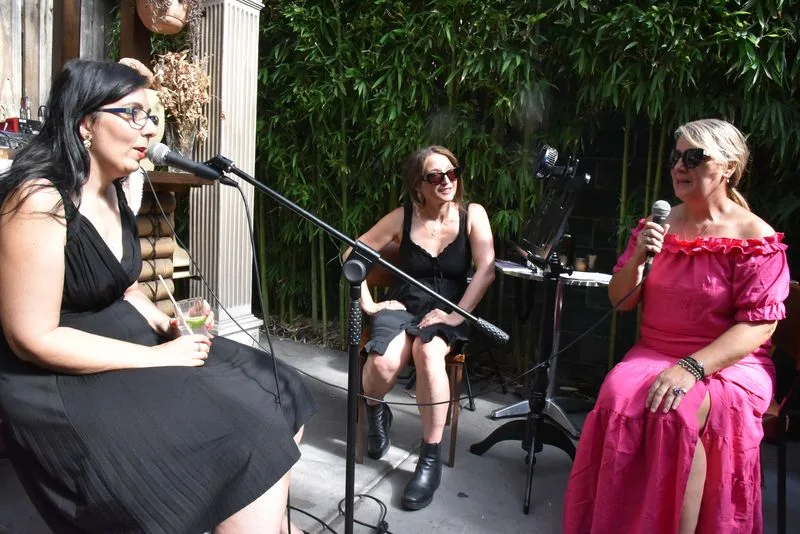
After performing, Emily joined Koraly in conversation and questions were also taken from the audience. When asked by Emily how she finds the strength to do what she does, Koraly responded that she used the poetry to liberate herself from her marriage, and then the poetry became the liberation for others.
“It became a habit to help myself and it continues to be that. First, it was helping myself leave my marriage, and then to heal myself, and to heal intergenerational trauma, and when I saw it was helping other people, that helped too,” Koraly said.
“I didn’t have a lighthouse when I was leaving my marriage and had so much backlash. I was my own lighthouse, and my future daughter and what I wanted her to become was my lighthouse.”
Koraly thanked her daughter who helped with the editing and designed the cover. David Cameron was also credited with helping with the editing.
Koraly published her poetry book through her poetry press Outside The Box Press, speaking about how she wasted so many years trying to knock on doors to get opportunities.
“I wanted to write this book because I wasted too many years trying to figure things out, and if I can save people some time, and make life a little more comfortable for women, then that gives me joy,” she said.
Apart from Greek Women Speak, Koraly will also be performing at Mother Tongue poetry on Friday, February 13 at 7:30pm at Fairfield Uniting Church. Online tickets can also be purchased for Greek Women Speak here.
*All photos by Di Cousens
