By Dimitris Kametopoulos
A young Greek Australian from the Sydney suburb of Bexley, Dimitris Sidiropoulos, is emerging as a rising volleyball star in Greece.
“The great thing about sport is that you learn everything in the moment. You learn how to solve problems immediately, understand teamwork and cooperation, get to know yourself better, and look after both your physical and mental health,” he says.
Dimitris, welcome back to The Greek Herald. It’s been several months since we last spoke about your professional career in Greece and your journey in volleyball. Can you give us an update on your progress, where you are now, and how things are going with your team?
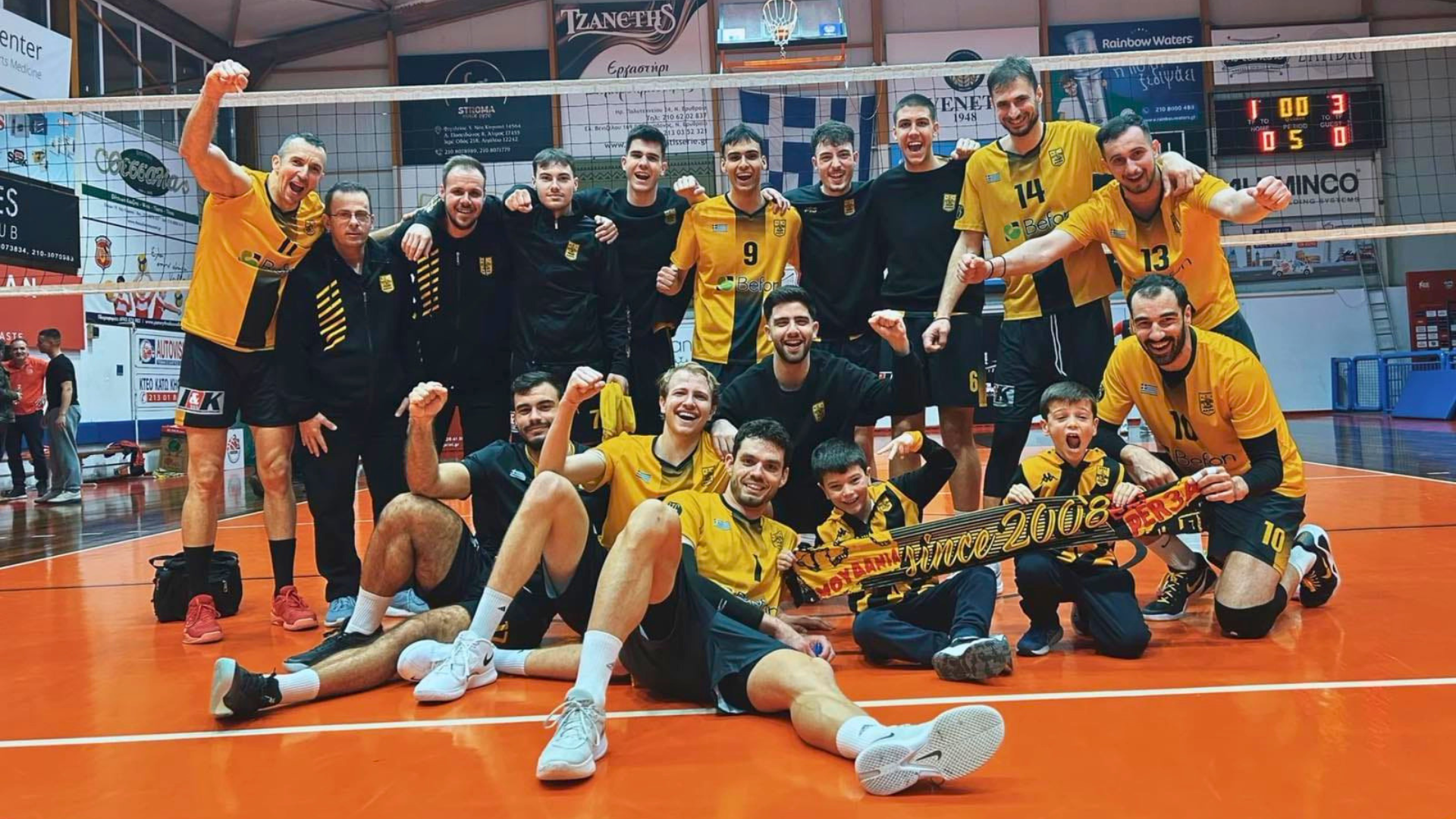
Mr Kametopoulos, thank you once again for the invitation to The Greek Herald. I’m very happy to speak with you again. Yes, several months have passed since our last conversation. It has been a long year, with both challenges and successes, as is always the case in sport and in life. This year, I played for Aris Thessaloniki with the goal of helping the team gain promotion to the first division. I’m very happy to say that we achieved that goal. After 10 years, the team has returned to the top division.
It was a very demanding season, with many trips across Greece — from Orestiada in Thrace to Rethymno in Crete, and from Florina to Athens. I feel like I’ve seen the whole country. We played in full stadiums, and it truly felt like a dream that ended in the best possible way. Now that the season is over, I’ll remain in Thessaloniki while I consider my next steps. For now, I plan to enjoy the unforgettable Greek summer and prepare for the next season.


Have your dreams come true by playing professionally in Greece? And what are your goals for the future?
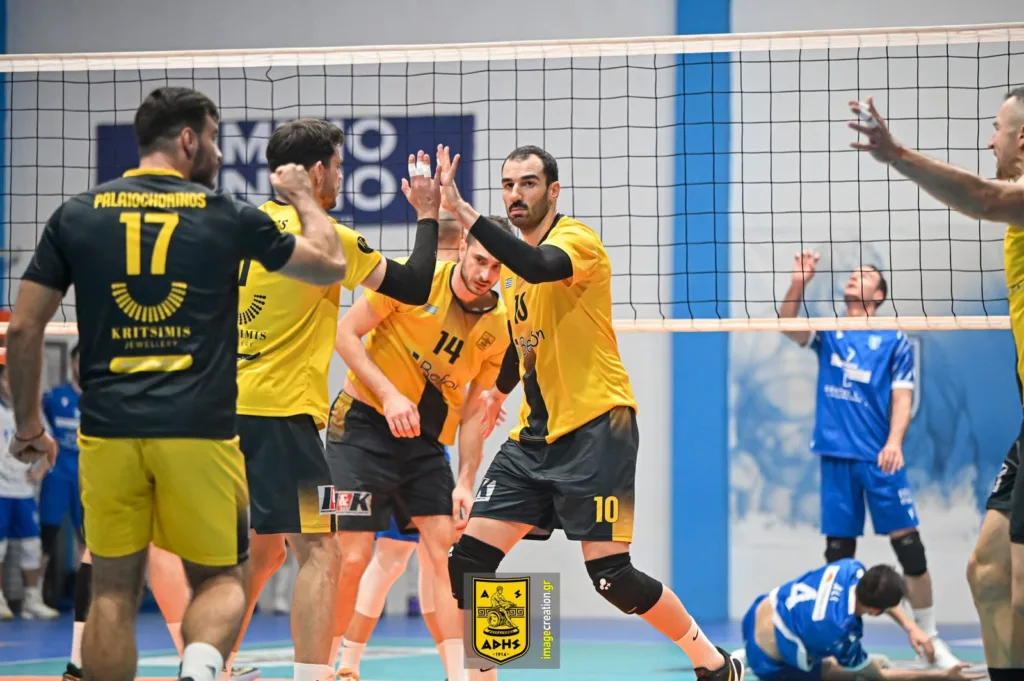
The truth is that for the past two to three years since returning to Greece, I have been living my dream — a dream I’ve had since I started playing professionally in Europe. I’ve played for some major teams in Greece and have helped achieve back-to-back promotions for two teams from the second division to the first division, which was always one of my main goals.
As for the future, we’ll see how things develop. I’m currently in discussions about next season to determine where I’ll play and what our goals will be as a team. For now, I plan to stay in Greece over the summer and continue working towards next season. As an athlete, my goal is constant improvement — and that’s something I apply not only in sport, but in life in general.
What qualities do you think a volleyball player should have? How should someone train and what should they focus on?
I really like this question. It’s something I’ve thought about a lot, especially through my studies. For me, it goes beyond sport — it applies to life in general. Whatever you do, you need to love it, understand why you do it, and enjoy the process, even though there will be days that are difficult.
The most important things are hard work — both smart and consistent — and a constant desire to learn and improve. Patience, faith and dedication are key. These are the qualities that have helped me reach where I am today, not just in sport, but in life overall.

How popular is volleyball in Greece compared to Australia? Are there similarities or differences?
In Greece, volleyball is the third most popular sport after football and basketball. In recent years, sport in general has been growing, with more funding and higher ambitions across teams.
There’s a big difference compared to Australia, where volleyball isn’t as prominent. In Greece, people follow it closely — they attend matches, watch games on television, and players are featured in media. I’ll give you an example: the other day I went to my local market, and a woman wished me “good luck” for the game because she had been following my team for five years. It’s a great feeling to have that kind of support.
Do you feel your team has strong support behind it?
Yes, absolutely. That support makes a big difference and motivates us even more.
You are now living in Thessaloniki, a city you have personal ties to. How do you find life there? What are its challenges and highlights?
I really enjoy life in Greece, not only in Thessaloniki. I feel fortunate that my family has roots here, because it’s a beautiful city with rich history, great surroundings, and of course amazing food.
Greek culture is something special, and I’m happy to experience it every day. There are differences compared to life in Australia, but I don’t see them as negative — just different. I love Greece, our culture, and our history, and that’s why I’ve chosen to live here.

Young people today face many challenges. How important is sport, and would you recommend volleyball?
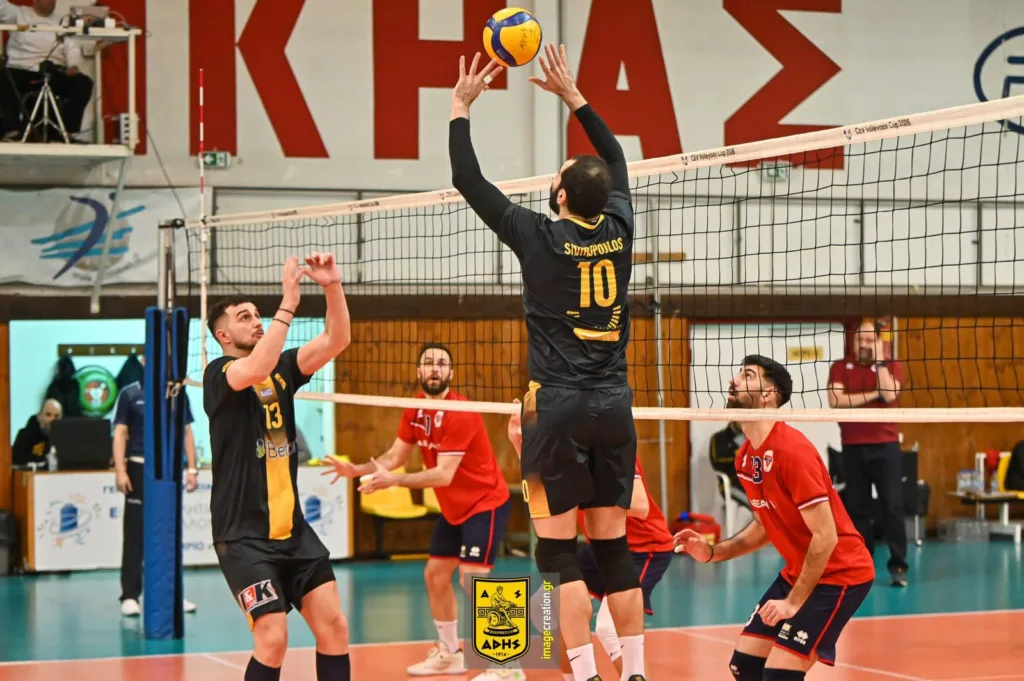
Of course I would recommend it. I believe that everything you learn is valuable — whether through sport, education, or relationships. Sport teaches you so much in real time: problem-solving, teamwork, discipline, self-awareness, and the importance of physical and mental wellbeing.
I’ve been playing professionally for eight or nine years now, and I can’t describe how many life lessons I’ve gained — from different cultures, languages and experiences. I wouldn’t change it for anything. Most importantly, I’ve learned a lot about myself.
I’m also very fortunate to have a supportive family — without them, it would be much harder. I would encourage any child to try a sport. Of course, I’d say volleyball — maybe I’m a bit biased — but whatever they choose will benefit them.
Dimitris, thank you for your time. We wish you continued success and to keep chasing your dreams. We are proud that a Greek Australian from Bexley is excelling in sport in Greece.
Mr Kametopoulos, thank you and The Greek Herald for the interview. I hope I’ve offered a small insight into the life of an athlete in Greece. Best wishes to everyone, and greetings to all Hellenes in Australia!
