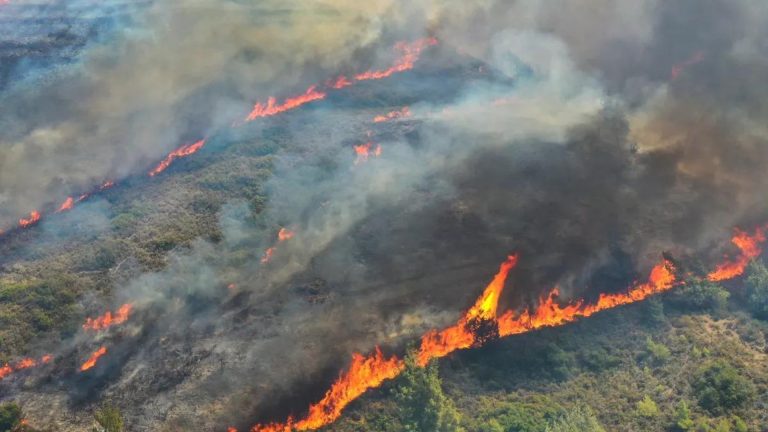
Dedicated firefighters are relentlessly combatting the raging wildfires in the Evros region for the 16th day in Greece.
According to Greek Fire Service spokesperson Ioannis Artopios, efforts are concentrated in the south of Dadia forest, and on the south of the village of Soufli, between Leukimis and Provatonas.
The firefighting effort involves 122 fire engines with a crew of 582 members, and 16 teams of firefighters on foot, supported by 17 firefighting aircraft in the Evros region, according to Ekathimerini.
A firefighter near Sidiro and Yannuli. Photo: Anadolu Agency.
Mr Artopios said, “We tackle one front, while new ones appear” however, “most fronts have now been handled.”
The fight to battle the fires in Greece continues, however, Mr Artopios noted the blazes are more manageable.
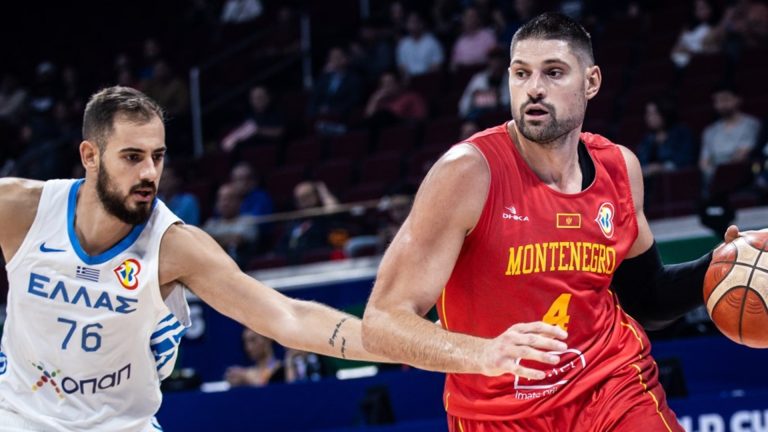
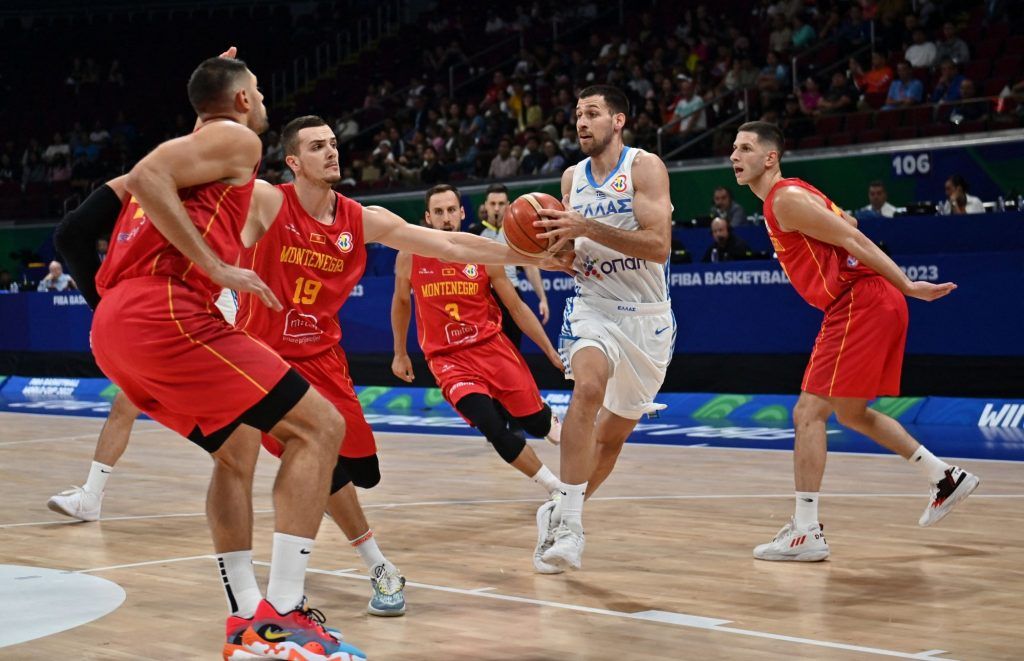
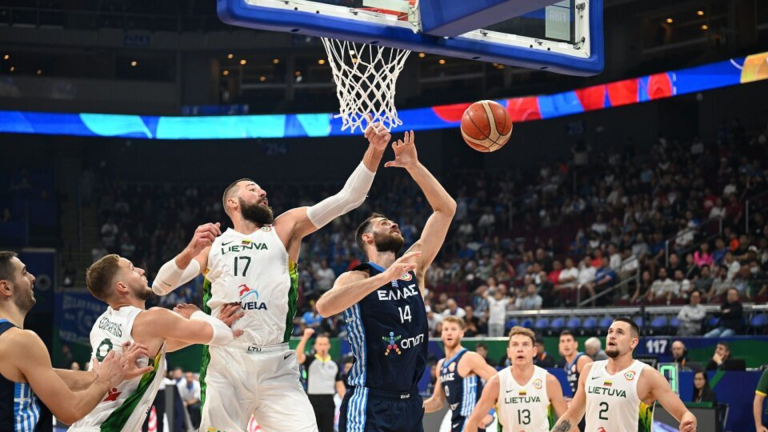
Greece was defeated by Montenegro, 73-69, ending their campaign in the FIBA World Cup on Sunday at the Mall of Asia Arena, Phillipines.
Both teams were out of the hunt for the quarter-finals in the FIBA World Cup, with Greece crashing out against Lithuania, 92-67, on Friday, September 2.
In the final game between the teams, Montenegro led from start to finish, with Greece eager to climb their way back.
In the fourth quarter, Greece made a comeback, but fell short in the final World Cup game, 73-69, reported FIBA.
The services of Thanasis Antetokounmpo and Kostantinos Mitoglou were missing for Greece on Sunday, according to Ekathimerini.
Greece defeated by Montenegro in FIBA 2023. Photo: Hellas Post English.
The loss put Greece last in Group J, 2-3, in the Round of 16 group, finishing 15th place in the World Cup.
Greece can still book a spot in the 2024 Paris Olympics through one of four Olympic qualifying tournaments.
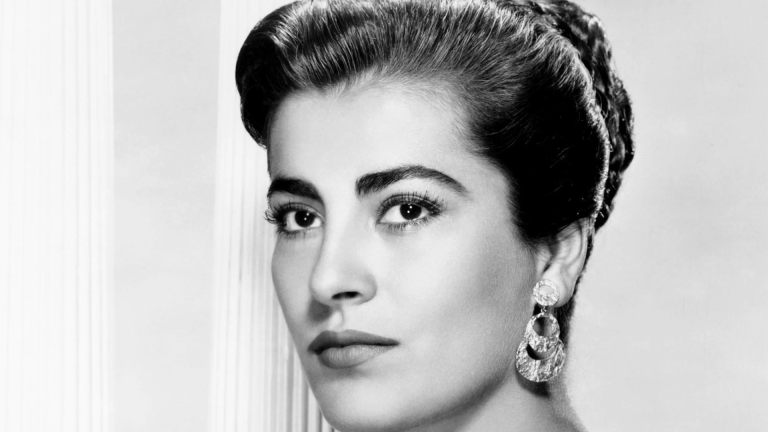
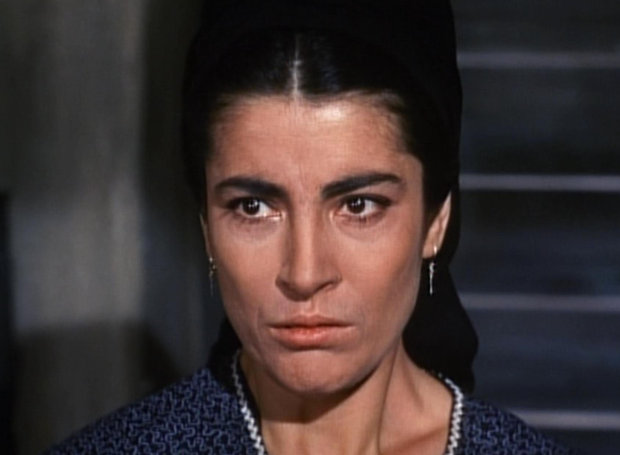
Born on September 3, 1929, Irene Papas was an iconic Greek actress who went beyond the narrow limits of her own country to make a career abroad.
Known as a symbol of Greek beauty, she became a representative of Mediterranean culture with her acting skills and spirit making her one of the most important females in theatre and cinema of her time.
Born to parents who were teachers, Irene first appeared in the artistic field at the age of 15 as a singer and dancer. She went on to study at the Drama School of the National Theatre and in the first few years of her career she collaborated with various entertainers.
Irene Papas acting in the movie Guns of Navarone. Photo: sansimera
Appearing in many award-winning films such as ‘The Lake of Sighs’ (1959), ‘Antigone’ (1961) and the famous ‘The Guns of Navarone’, Irene always tackled important female roles which fully embodied the power of tragedy. She was also heavily recognised for her deep expressive voice and her dynamic personality.
Irene Papas passed away on September 12, 2022 at the age of 93.
Writer and researcher Michael Alexandratos will be giving a lecture titled ‘The Other Side of the Moon: Constructing an Anthology of Greek Outsider Writing’ on Thursday, September 7 as part of the Greek Community of Melbourne’s Greek History and Cultural Seminars. This is an in-person event.
This talk surveys the authors and writings from an anthology in progress titled “The Other Side of the Moon: Greek Outsider Writing (1840-present).” Featuring the gallomanic “Poetic Tracts” of Yorgios Exarchopolous, the proto-surrealist prose of Michaïl Mitsakis, the epigrams of Lesbos-born eccentric Armandos Dellapatridis and the writings of the insane collected by Kostas Varnalis—this anthology positions itself as an alternative history of Modern Greek literature; one that extends as far back as the early decades of the Greek nation-state.
Edited by Michael Alexandratos, this anthology collects writings from the mad, eccentric or otherwise marginalised individuals who operated on the fringes of dominant literary movements. The emerging category of “Outsider Writing”—the literary equivalent of Roger Cardinal’s 1972 formulation of “Outsider Art”— is used to conceptualise these authors and their idiosyncratic poetics.
Although the definitions and scope of this term are still being debated, it provides a useful framework for which to understand these writers and their place in Modern Greek literature. This talk will argue that instead of ghettoising these writers, the use of the term “Outsider Writing” offers readers a way to appreciate and recognise voices in Greek literary history that have existed outside the realms of the normal.
About Michael Alexandratos
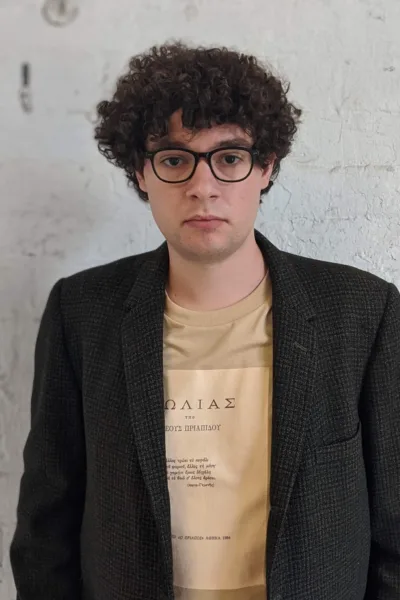
Michael Alexandratos (b. 1997) is a writer, researcher and publisher based in Sydney, Australia. He runs the small imprint Cycladic Press, which is dedicated to publishing books on Modern Greek literature and culture, as well as the blog and record label Amnesiac Archive, which focuses on unexplored areas in music and recorded sound. He is currently working on an anthology of Greek outsider writing.
Writer and researcher Michael Alexandratos.
How to participate
This is an in-person event only, so please join us at the Greek Centre, on the Mezzanine Level (Press M in the elevator).
See our speaker live, ask questions during the Q&A and hobnob with fellow participants before and after the event.
Greece has missed out on the quarterfinals of the FIBA World Cup as it crumbled against Lithuania in the second half on Friday, September 1, to go down 92-67.
The Greek national team wasted an eight-point advantage (40-32) late in the first half, that ended 43-39, to suffer a bad loss in the be-all and end-all match in the second phase of the tournament.
Lithuania had a strong start (9-2) to the match, but Greece responded with a series of triples that gave it a five-point advantage (18-13). Its improved defense against a frustrated Lithuania saw the Greeks stay head throughout the rest of the first half, led by Thomas Walkup and Giannoulis Larentzakis.
Suddenly the Greek team slowed down in the third period with the quality players of Lithuania taking full control of the game. They denied the Greek offense time
In the final quarter Greece gave up trying and the Lithuanians ran riot in a very disappointing finale for the team coached by Dimitris Itoudis, who always had limited options at his disposal.
Walkup ended the match with 21 points and Larentzakis had 17.
Greece now has one more game left to play, on Sunday against Montenegro, but that will only bear on the final position of the team in the tournament, between the ninth and the 16th position.
With the Australian Cup Playoffs set to be hosted in Darwin this year, we look at the long history of the game and the Greek involvement.
Beginning from 1911, the first game in the Northern Territory was recorded. Played at the Sport Ground, HMS Prometheus and Darwin locals came together to play football. At the time there were not enough residents to form a team, so locals and sailors combined to play for the Prometheus team. In the end Prometheus won 2-1.
From 1912-1958, new teams were created with many battling each other to win the cup. According to historians, there were quite a few new players in town who aimed to win the trophy.
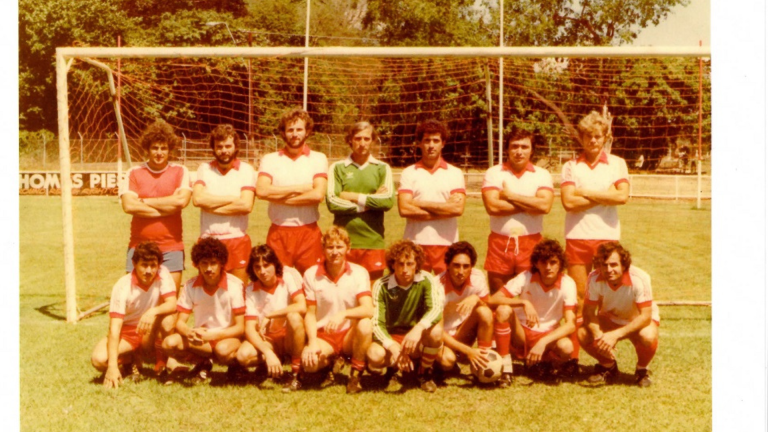
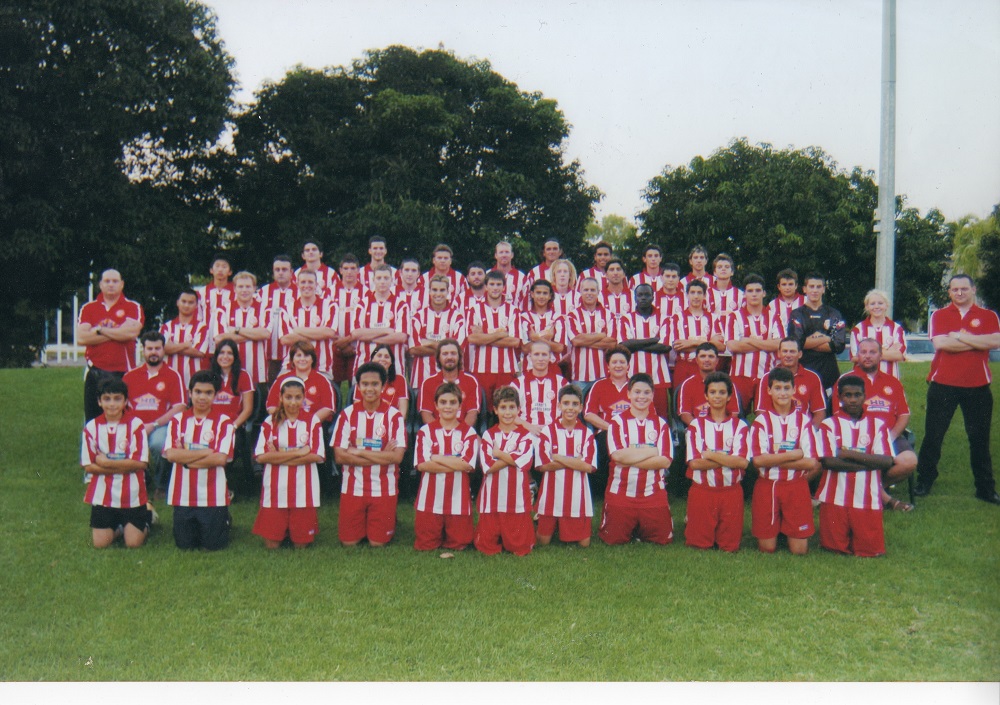
The entire Darwin Olympic FC team. Photo: Darwin Olympic.
After years of different teams playing the game, in 1958 Hellenic was formed which was exclusively a team of immigrants from the island of Kalymnos. This team became very dominant and successful but a breakaway in 1967 saw a rivalry emerge with the new team Olympic.
Following this, the Greek community began to dominate Darwin soccer, with a number of Greeks VS the rest games staged annually and a number of teams producing some of the most prominent Greek players in history.
Found all over cities, towns and villages, many streets in Greece have been named after revolutionary heroes, poets, gods, architects, and queens.
For many the Greek street name is a map of the country’s spiritual identity, allowing people to engage in stories and shaping the overall Greek experience.
With this, we look at three of Greece’s most prominent street names and the connection they have with our national identity.
Iera Odos
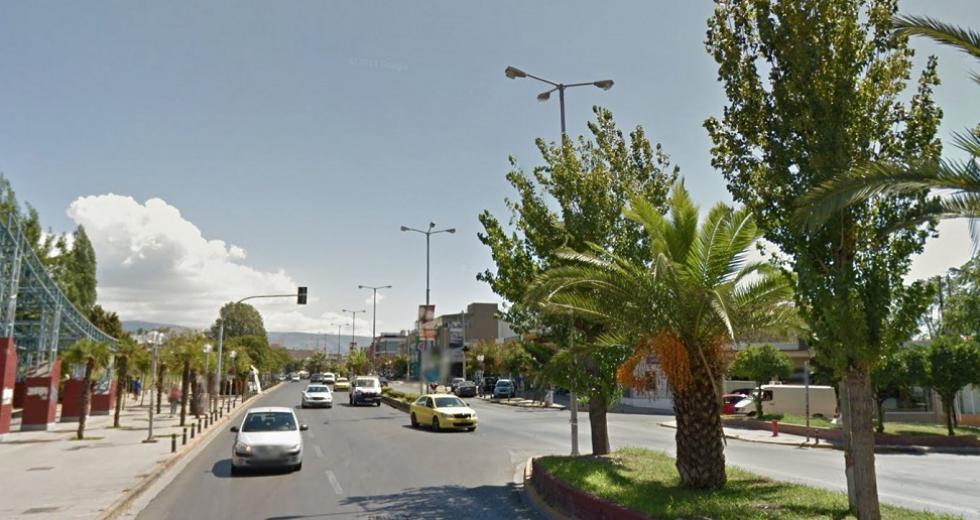
Known as the ‘sacred way’, this road begins from the archaeological site of Kerameikos in Athens and eventually connects to the National Road.
During Ancient Greek times many sacred roads were used for religious processions to sanctuaries and to other sacred destinations.
Iera Odos. Photo: Water and Waste
Dionysos Areopagitou
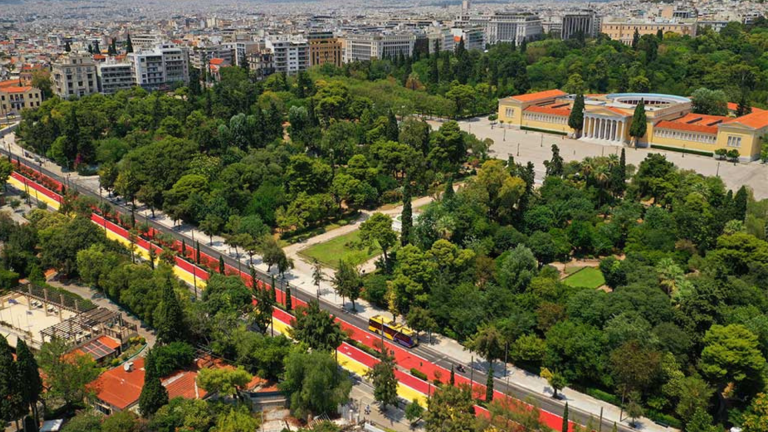
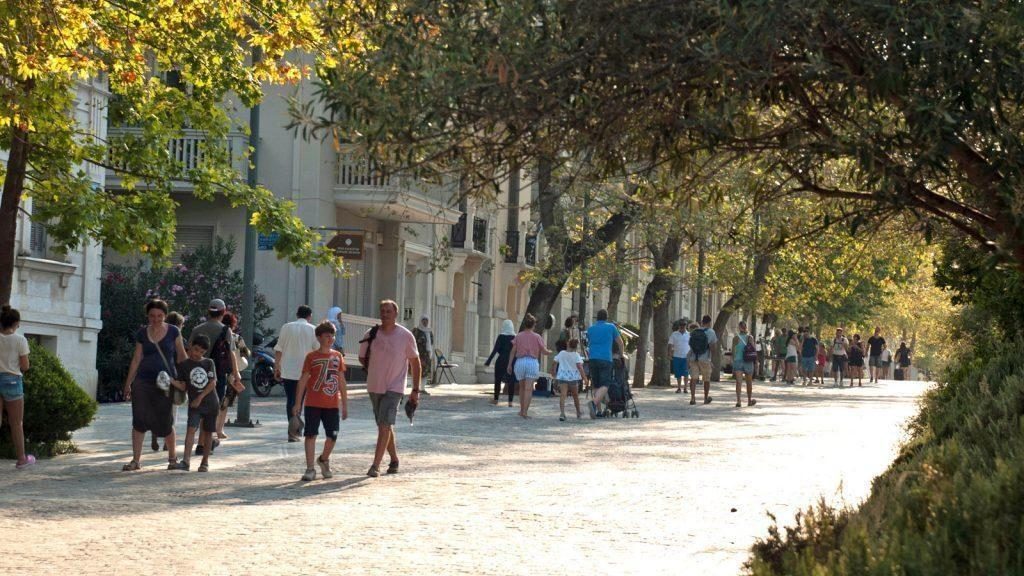
Running along the base of the Acropolis is the broad pedestrian street, named after Dionysius the Aeropagite who was a judge of the Areos Pagos. He was fortunate to have converted to Christianity by Paul the Apostle.
Situated in the perfect location with the landmarks of Athens surrounding it. The street feels as though it has been there for a long period of time and was designed by the architect Dimitris Pikionis in the 1950’s.
Dionysos Areopagitou. Photo: Athens24
Palaion Patron Germanou
A central street in Athens, near Syntagma, this street is named after Germanos the Metropolitan of Patra. He is recognised as being a member of the Filikis Etaireias who blessed the revolutionary flag that was raised at the monastery of Agia Lavra in Kalavryta.
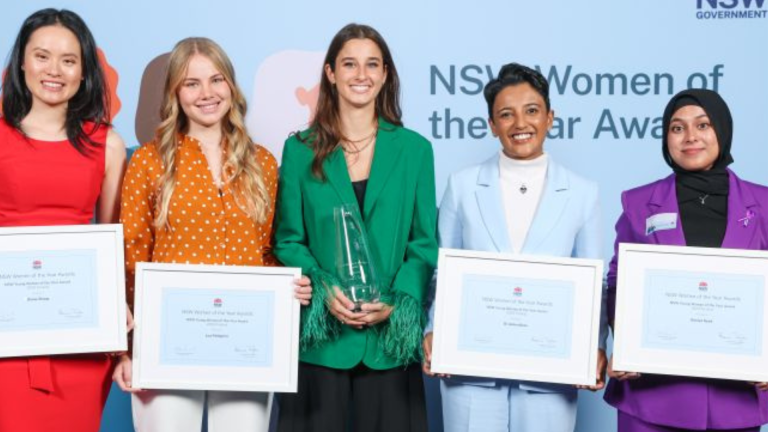
Nominations for the NSW Women of the Year Awards 2024 opened Thursday, August 31.
Minister for Women Jodie Harrison said the NSW Government is looking for the most empowering and inspiring women and girls in the state.
“These awards recognise the invaluable contribution to community, industry and society that women in NSW have made through their hard work, dedication and passion. The awards honour our inspirational women with the recognition they truly deserve,” Minister Harrison said.
“We want to continue to empower the next generation of young women to be limitless in delivering positive changes through fortitude in their fields of expertise. We can only achieve this by shining a light on the contributions and achievements of women in our communities.”
The annual awards will put the spotlight on women and girls whose determination, bravery, skill and passion should be celebrated and shared, inspiring others to achieve great things. They celebrate the role models who challenge inequality, innovate and inspire.
The 2024 award categories are:
Premier’s NSW Woman of Excellence
NSW Community Hero
NSW Young Woman of the Year
NSW Aboriginal Woman of the Year
Young Woman of the Year 2023 winner, Chanel Contos, said winning the award gave her the opportunity to spread her work across borders, working with state and federal governments in Australia and with teachers internationally.
“Almost all the work I do aims to amplify the voices of young women, so I felt privileged to be recognised in such a special way. Women and young girls often involve themselves in community action, social good and volunteering with little to no recognition or pay for this extra work. Young women are such a passionate group who deserve to have their voices amplified.” Ms Contos said.
Young Women of the Year 2023 Award winner, Chanel Contos.
Nominations are also open to recognise and honour young girls in the Ones to Watch Showcase. It will put the spotlight on the rising stars of the community, showcasing 10 exemplary young girls between the ages of 7-15 years old.
The winners of the awards will be announced at the NSW Women of the Year Awards ceremony on March 7 2024 as part of NSW Women’s Week 2024.
Nominations be be made here and will close close Sunday, 8 October at midnight.
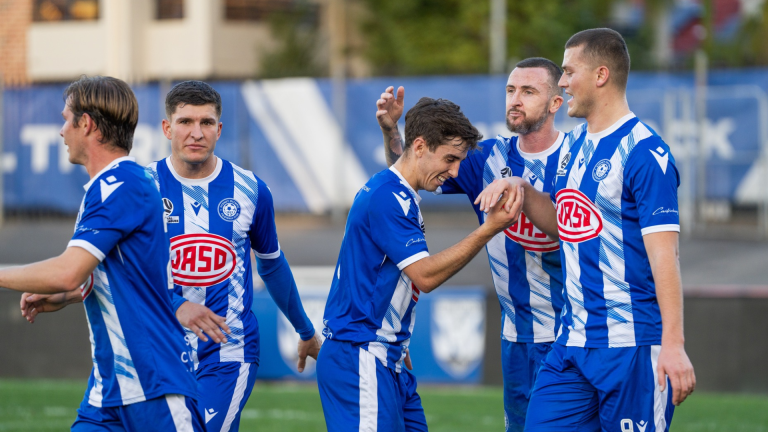
Football Australia (FA) has announced the Assessment and Review Phase for the proposed National Second Tier (NST) has commenced, with a handful of clubs confirming their bids.
The Request for Proposal (RFP) phase concluded with the target of a 2024 launch, though FA did not disclose which clubs had made submissions after 26 teams had been shortlisted for the RFP.
Thus far, six teams have announced their bids, including three from Victoria and two from New South Wales. Sydney Olympic FC and South Melbourne FC were among the clubs that confirmed via their social media pages.
Also confirming their bids were, Avondale FC, APIA Leichhardt, Preston Lions and Sydney United.
FA aims to feature a minimum of 10 teams that will compete in a home and away league structure with finals. However, they may also explore a phased ‘group based’ model, where the National Premier Leagues would influence the composition, adopting the ‘Champions League’ model.
“We’ve taken significant strides towards establishing a robust framework for the National Second Tier. The response and the submissions received are testament to the passion and commitment of the football community to this pivotal initiative,” James Johnson, CEO of Football Australia said.
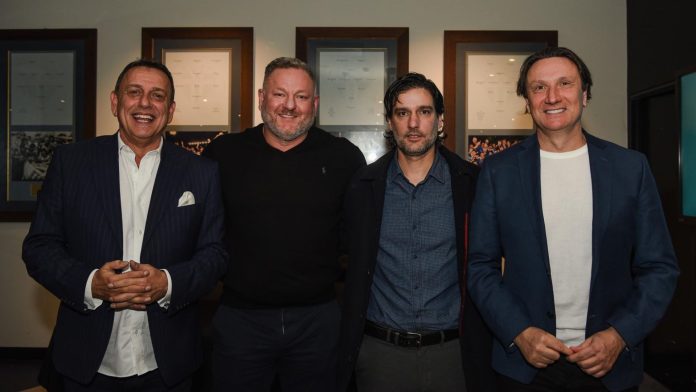
Left to Right: South Melbourne FC President, Nicholas Maikousis; Sydney Olympic FC President, Damon Hanlin; South Melbourne FC Senior Coach, Esteban Quintas; South Melbourne FC Chairman, Bill Papastergiadis.
The next phase will see each submitted proposal undergo a rigorous evaluation to ensure its completeness and alignment with the set criteria and requirements with help from accounting and advisory experts BDO as an independent third party to assist.
Should those proposals be suitable, the FA will progress to the Completion Phase, which marks the end of the selection process.
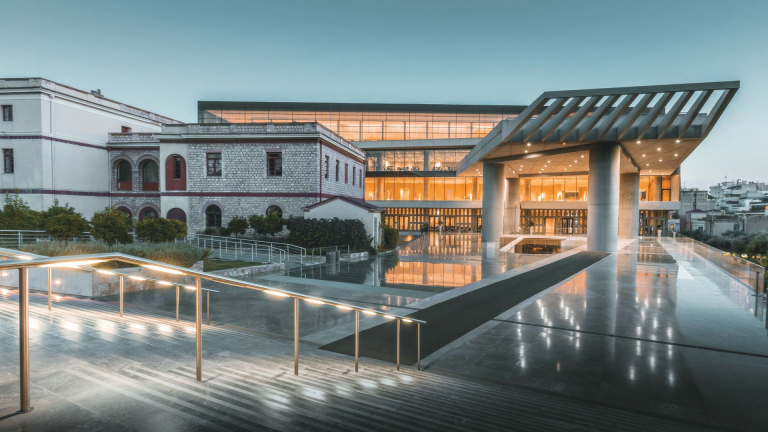
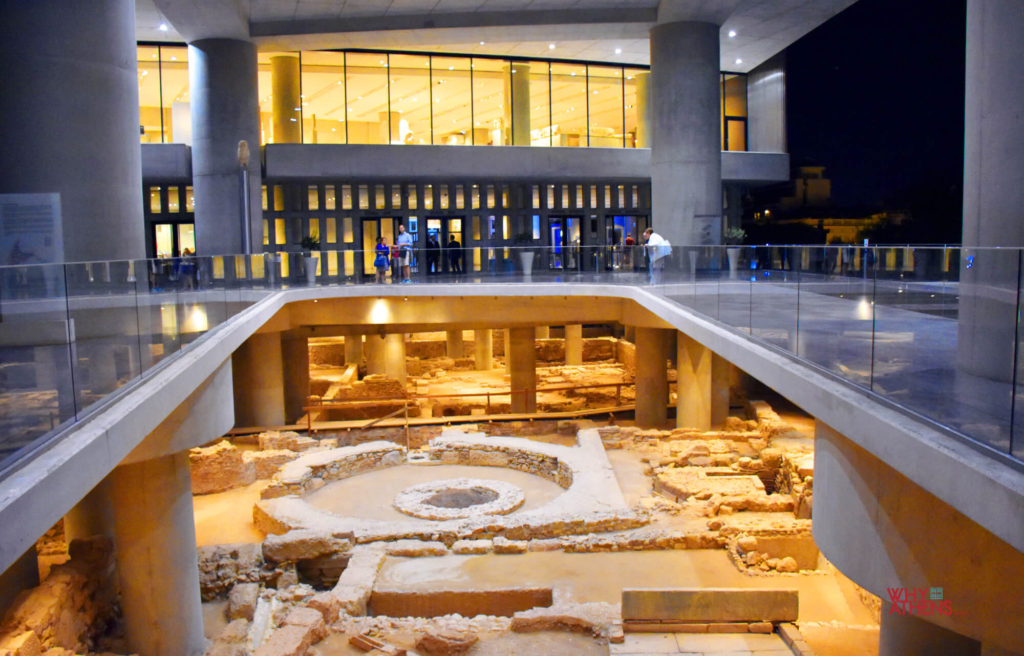
Athens’ Acropolis Museum has made it onto Europe’s Top 10 Best Value Museums List for 2023.
Based on a recent survey conducted and published by Knowledge Academy, the company used TripAdvisor’s list of top 20 museums in Europe and created an average rating based on the number of reviews and ratings taken from the museums page.
They also used the number of relevant Instagram hashtags, the museums admission fees, and opening hours as data, to help create a point score out of 100.
Photo: Why Athens
According to the study, the Acropolis Museum had a total of 76,000 hashtags with the museum’s location allows for the artefacts to come to life due to their proximity to the ancient monuments.
The final results meant that the Acropolis Museum was ranked 7th with a score of 56.5 out 100 and is considered the most affordable museum in Europe.