Home Blog Page 94

Australia Day 2026 Honours List recognises contributions of Greek Australians

Australians of Hellenic heritage are among those recognised in the 2026 Australia Day Honours List, announced by the Governor-General today, with honours spanning the judiciary, medicine, community leadership, philanthropy, education, sport, emergency services and defence.

A total of 949 Australians were honoured this year across the Order of Australia, Meritorious awards, and Distinguished and Conspicuous Service awards.

Governor-General Her Excellency the Honourable Ms Sam Mostyn AC said the recipients reflected Australia’s values of service and community.

“So many Australians continue to give the best of themselves in the interest of others,” she said.

The Greek Herald spoke with a number of Greek Australians recognised in this year’s Honours List about their service and what the recognition means to them.

Companion of the Order of Australia (AC)

Chief Justice Christopher John Kourakis AC, SA

The Honourable Chief Justice Christopher John Kourakis was appointed a Companion of the Order of Australia (AC) for eminent service to the judiciary, the law and legal reform, social justice and gender equity, the Greek community, and education.

Chief Justice Kourakis has served as Chief Justice of the Supreme Court of South Australia since 2012, following his appointment as a judge of the Court in 2008. He previously served as Solicitor-General of South Australia from 2003 to 2008, and has been a Senior Counsel since 1997, after being admitted as a barrister and solicitor of the Supreme Court of South Australia in 1982.

His career has included senior leadership roles within the Legal Services Commission of South Australia, extensive involvement in national judicial bodies, and advisory positions with The University of Adelaide, reflecting a long-standing commitment to legal education and institutional reform.
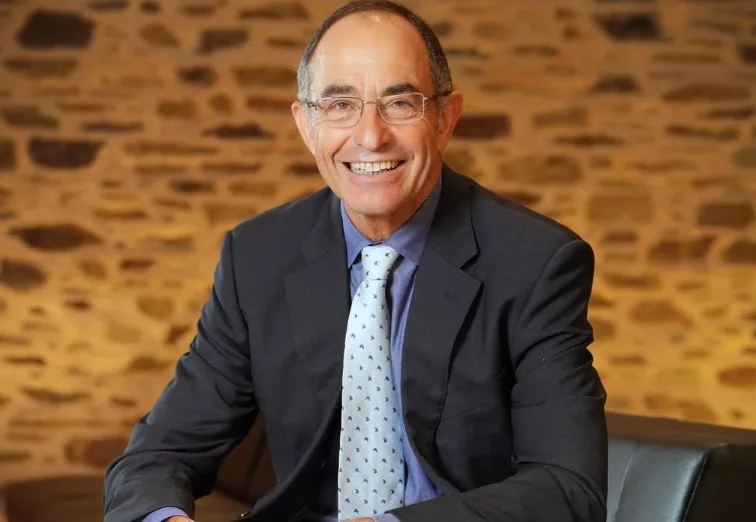
Chief Justice Christopher John Kourakis AC.

Alongside his judicial responsibilities, Chief Justice Kourakis has maintained strong engagement with multicultural and Hellenic organisations. He has served as National and South Australian Patron of the Hellenic Australian Lawyers Association, and has been a consistent supporter of initiatives promoting young professionals and community leadership.

Speaking to The Greek Herald, Chief Justice Kourakis said the honour was particularly meaningful as it recognised contributions beyond his formal judicial role.

“It’s really satisfying to be recognised for the things you do outside the core job that you hold,” he said. 

Reflecting on his migrant background he explained, “I’ve always tried to support children of migrants like me to advance in their community and working lives,” he said. “Seeing the child of an earlier wave of migrants in a leadership position gives newer migrants hope for their children.”

With his tenure as Chief Justice concluding in February 2026, he said the next chapter would allow him to deepen his community involvement.

“Once I leave the judiciary, I’ll be able to be more directly involved – mentoring young professionals, supporting community organisations, and speaking more freely,” he said. “I’m looking forward to contributing in ways that simply aren’t possible while serving as a judge.”

Member of the Order of Australia (AM)

Nicholas Lintzeris AM, NSW

Conjoint Professor Nicholas Lintzeris was appointed a Member of the Order of Australia (AM) for significant service as a clinical researcher in addiction medicine, recognising more than three decades of leadership in improving treatment outcomes for people with substance-use disorders in Australia and internationally.

Professor Lintzeris has held senior clinical, academic and leadership roles across addiction medicine for over 30 years, with a focus on advancing evidence-based treatment, reducing harm and improving access to care for some of the most marginalised people in society. His work has contributed extensively to clinical guidelines, policy development and national approaches to drug and alcohol treatment.
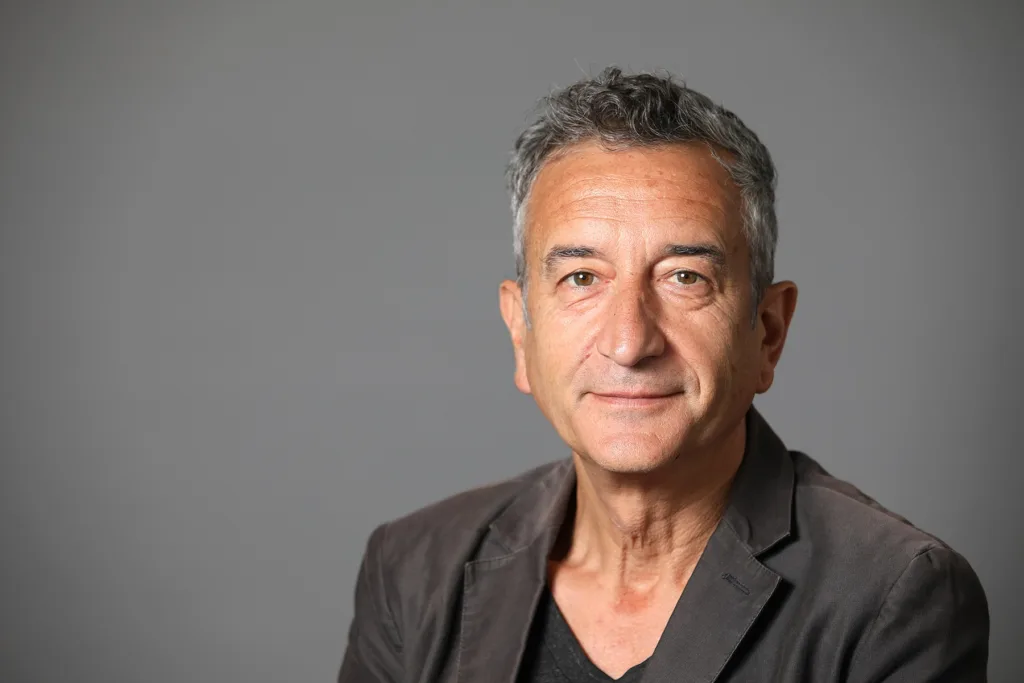
Nicholas Lintzeris AM.

He has been a Conjoint Professor at the University of Sydney since 2014, a former President of the Australasian Chapter of Addiction Medicine, and a chief investigator on numerous National Health and Medical Research Council grants. His academic output includes more than 250 peer-reviewed publications, reflecting a career dedicated to translating research into practical clinical outcomes.

Speaking to The Greek Herald, Professor Lintzeris said the recognition was especially meaningful given the nature of the work he has devoted his career to – supporting people who are often pushed to the margins of society.

“We work in an area that carries a lot of stigma,” he said. “People who struggle with drug and alcohol problems are often judged harshly – and so are the people who work with them.”

One of the most significant contributions of his career, he said, was helping introduce medication-based treatment for opioid dependence in Australia in the mid-1990s (buprenorphine), allowing people to access care without having to abandon their families, jobs or daily lives.

“Once upon a time, if you had a heroin problem, treatment meant giving up your job, your family and your life to enter long-term residential rehabilitation,” he said. “Now people can see a doctor, start treatment, and return to work the next day. That simply wasn’t possible 30 or 40 years ago.”

He said the impact of those changes extended well beyond individual patients.

“It’s not just thousands of patients,” he said. “It’s their families as well.”

Reflecting on his upbringing, Professor Lintzeris said his Greek heritage and migrant experience profoundly shaped his understanding of marginalisation and the direction of his work.

“I grew up as a ‘wog’ in Hobart in the 1970s, where there were very few of us,” he said. “You grow up understanding what it’s like to be ‘the other’. That experience stays with you – and it shapes the work you choose to do.”

Looking ahead, Professor Lintzeris said his focus remains on improving treatment options for alcohol, stimulant and cannabis-related problems, and on making care more accessible to Australians who need it.

Professor Nicholas Manolios AM, NSW

Professor Nicholas Manolios AM, was appointed a Member of the Order of Australia in the General Division for significant service to medicine in the field of immunology and rheumatic diseases.

Professor Manolios has had a distinguished clinical, academic and research career spanning several decades. He has been closely associated with Westmead Hospital within the Western Sydney Local Health District, where he served as Director of Rheumatology for 25 years and continues as a member of the Honorary Medical Staff and a clinical researcher at the Clinical Research Centre. He has also contributed to research governance through his service on the Scientific Advisory Council.

Professor Nicholas Manolios AM.

At The University of Sydney, Professor Manolios has been a Professor of Medicine since 2010. He previously served as Sub Dean of the Westmead Clinical School for six years and as Director of the Institute of Bone and Joint Research from 2000 to 2014, combining senior leadership with medical education and research development.

He has been a member of the Australian Rheumatology Association since 1978 and continues to serve on the NSW/ACT Council and multiple committees, including the Scientific Programming Committee. He is a Fellow of the Royal Australasian College of Physicians and the Royal College of Pathologists of Australasia, and a former Director of the NSW Arthritis Foundation.

Professor Manolios is the author or co-author of more than 200 research papers, reflecting a sustained contribution to rheumatology, immunology and clinical research in Australia.

Nicolas George Mersiades AM, NSW

Mr Nicolas George Mersiades AM, of Balgowlah Heights, NSW, was appointed a Member of the Order of Australia in the General Division for significant service to aged welfare.

Mr Mersiades has had a long and senior career across aged care policy, regulation and administration, spanning government, advisory and sector leadership roles. He served as Deputy Chair of the Aged Care Financing Authority from 2012 to 2021 and is currently a Board Member of the Aged Care Advisory Committee within the Independent Health and Aged Care Pricing Authority. His contributions have also included membership of the Aged Care Sector Committee and the Aged Care Quality Advisory Council of the former Aged Care Quality Agency.

Within the Department of Health, Mr Mersiades held a number of senior executive roles, including First Assistant Secretary of the Aged Care Division from 2002 to 2006. He previously served as State Manager in New South Wales and Queensland, and as Principal Advisor in the Budget Management Branch, contributing to national aged care policy development, funding oversight and service delivery reform.

Beyond government, Mr Mersiades has held senior leadership positions within the not-for-profit health and aged care sector. He served as Director of Aged Care at Catholic Health Australia from 2009 to 2022 and as General Manager of Strategic Policy at Catholic Healthcare from 2006 to 2009. Earlier in his career, he was a member of the Senior Executive Service within the Department of Finance, further strengthening his expertise in public administration and financial governance.

Mr Mersiades’ career reflects a sustained commitment to improving aged care systems, funding frameworks and quality oversight in Australia.

Medals of the Order of Australia (OAM)

Petros (Peter) Christos Copulos OAM, VIC

Mr Petros Christos Copulos was awarded the Medal of the Order of Australia (OAM) for service to the community through charitable organisations, recognising decades of sustained philanthropy and leadership in regional Victoria.

A long-time resident of Shepparton, Mr Copulos migrated to Australia as a child from Greek Macedonia in 1948, arriving with his family from a region marked by war, hunger and hardship. Reflecting on his early life, he told The Greek Herald that survival in his village depended on seasonal food production and the support of extended family networks.
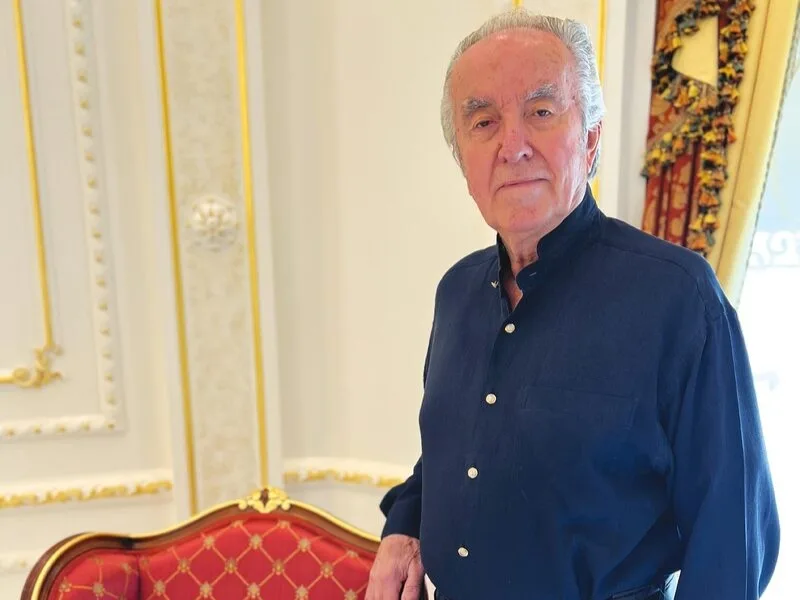
Petros (Peter) Christos Copulos OAM.

“If we had stayed in the village, we didn’t have enough to eat,” he said. “Australia gave us the opportunity to work hard and to benefit from our work. I never dreamed of being able to achieve what my family and I have achieved.”

Mr Copulos went on to establish a successful business career in regional Victoria and, in 2008, he and his wife Maria founded the Peter and Maria Copulos Foundation as an expression of gratitude to the community that supported them. Since its establishment, the Foundation has provided extensive support across regional health, education, emergency services, arts and cultural institutions, with a strong focus on long-term, locally based outcomes.

“The community has helped me a lot over the years,” Mr Copulos said. “I’m at a stage now where I’d like to give back.”

Among the Foundation’s most significant contributions was a $1 million donation in 2019 towards the development of the Shepparton Art Museum (SAM), with the building’s foyer now carrying the Copulos family name. In 2023, the Foundation funded postgraduate nursing and midwifery scholarships at Goulburn Valley Health, supporting local nurses to study, upskill and remain working in the region.

Mr Copulos said the decision to focus on regional health services was deeply personal.

“The hospital helps the whole community,” he said. “Health services, ambulances, fire brigades, police – these are the services that look after people when they need it most.”

Over the years, the Foundation has also supported Shepparton Search and Rescue, local schools, community organisations, and regional emergency services, with Mr Copulos emphasising that his philanthropy was never intended to be short-term.

“My support is ongoing,” he said. “We have structured things so it will continue for generations to come.”

Reflecting on his Hellenic heritage, Mr Copulos said his values were shaped by childhood memories of war, migration and hunger, including vivid recollections passed down through generations.

“My ancestors had to leave – Australia, America, Germany – to send money back so the family could survive,” he said. “I remember everything. Hunger teaches you what really matters.”

He said those experiences instilled a lifelong sense of responsibility to ensure others did not endure the same hardship.

“We worked day and night to get where we are,” he said. “So giving back is simply the right thing to do.”

Mr Copulos said the honour came as a genuine surprise.

“I never expected to be recognised in this way,” he said. “I say thank you to Australia, and to the Shepparton community, for honouring me like this.”

Viola Kalokerinos OAM, ACT

Mrs Viola Kalokerinos was awarded the Medal of the Order of Australia for service to the community of Canberra.

Having migrated to Australia more than 50 years ago, she settled in the ACT and worked alongside her husband in their family milk bar and pizza business. Following his sudden passing in 2003, she continued managing the business while increasing her involvement in volunteer and community work.

She has supported local schools, the Greek Orthodox Church and a wide range of community organisations, and played a key role in establishing a Bendigo Community Bank branch in her suburb after all local banks closed.
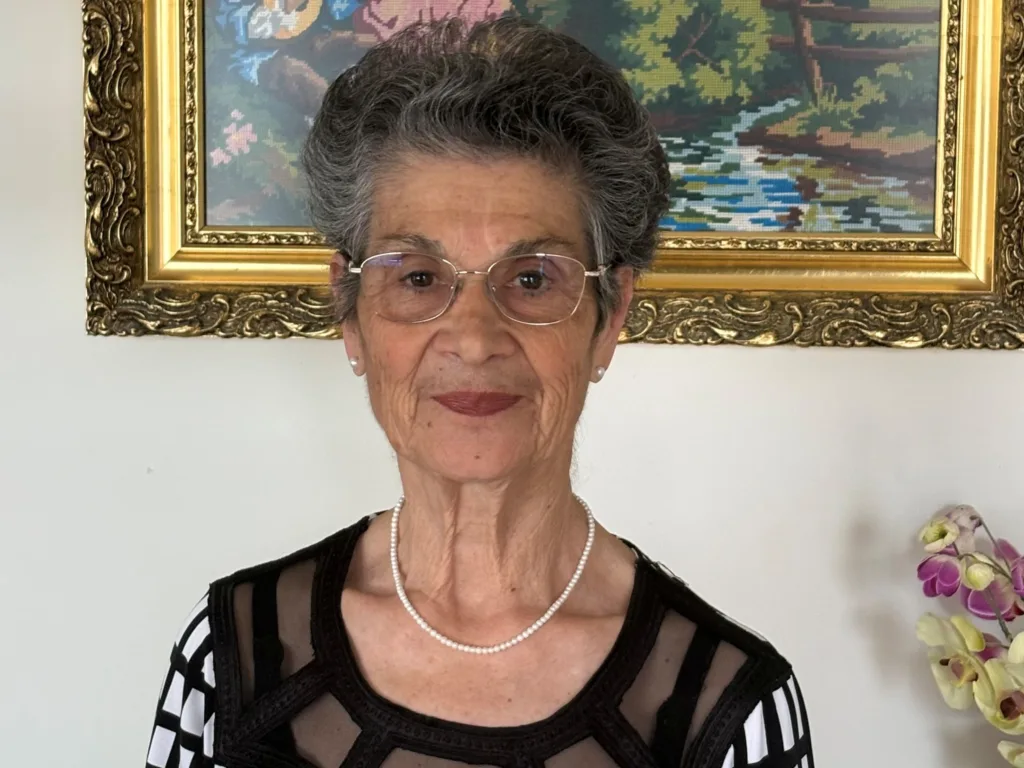
Viola Kalokerinos OAM.

Following the opening of the community bank, Mrs Kalokerinos became involved – and remains involved – with an organisation supporting people with disabilities. What began as relationships formed through her shop developed into long-term personal connections.

Speaking to The Greek Herald, she said this support has continued for many years.

“I first knew them from the shop, and I would invite them to my home and cook for them once a month,” she said. “Even today, we still meet every month. Over the years, some have passed away, but we are very close – like a family.”

In 2013, Mrs Kalokerinos was recognised by UN Women Canberra as one of 100 women honoured for their contribution to the broader community.

Reflecting on receiving the Order of Australia, she described the recognition as unexpected.

“I never imagined that the work I did for my community would ever lead to something like this,” she said.

George Moscos OAM, NSW

Mr George Moscos was awarded the Medal of the Order of Australia for service to the community of North Sydney.

A career educator for more than 50 years, Mr Moscos devoted his professional life to teaching, leadership and mentoring within the New South Wales public education system. Even after formally retiring, he continued to support the next generation of teachers through mentoring roles and university practicum programs.
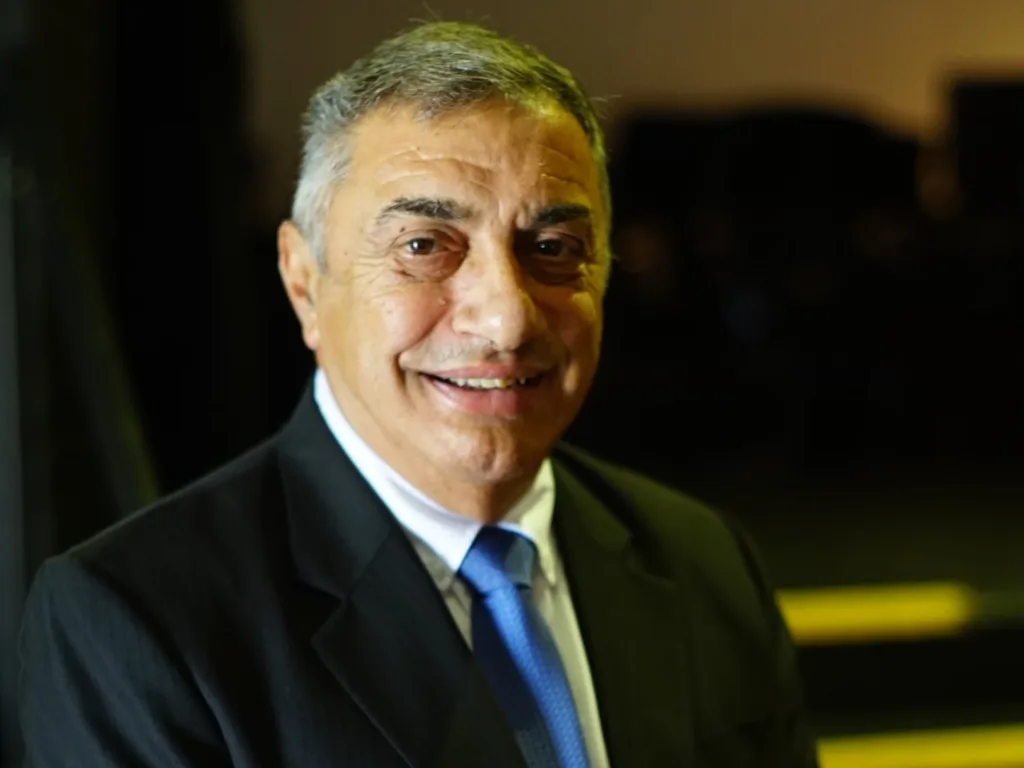
George Moscos OAM.

Beyond education, Mr Moscos has made a significant contribution to community life through faith, sport and veteran support organisations. He has served for decades at St Michael’s Greek Orthodox Church in Crows Nest, where he has been a long-time parish councillor and continues to serve as a chanter. His community leadership has also extended to Sydney Legacy, where he has supported widows and young people affected by war, and contributed to national commemorative initiatives, including Anzac Centenary education programs.

Mr Moscos has also played a substantial role in Australian football at the community and administrative level. He served as Chairman and President of North Ryde Soccer Club – formerly known as Ryde City – and is a Life Member of the club. In addition, he served for a number of years on the Football NSW judiciary, contributing to the governance and integrity of the sport.

Speaking to The Greek Herald, Mr Moscos said he felt both humbled and proud to receive the honour.

“I’m greatly honoured and very proud to accept it,” he said. “I never expected to receive an award like this.”

One of the most memorable achievements of his career came through his work combining education, sport and international engagement. As a school football coach, Mr Moscos led 17 overseas tours over 17 years, fostering cultural exchange and lifelong friendships.

“In 2012, we became the first Australian schoolboys’ team to go to Gallipoli and play against Turkish schoolboys,” he said. “We made many friends – and that, to me, is what matters most.”

Reflecting on his heritage, Mr Moscos said his values were shaped by his parents, who migrated from the island of Symi.

“They taught us respect – for others, for faith and for community,” he said. “Those values have guided everything I’ve done.”

He said the relationships built over a lifetime of service had been the greatest reward.

“It’s the friends I’ve made and the support I’ve received that have mattered most,” he said. “We’re never alone – community is everything.”

Peter Leo Papps OAM, NSW

Mr Peter Leo Papps was awarded the Medal of the Order of Australia for service to the sport of shooting, recognising more than seven decades of involvement as a competitor, administrator and mentor.

Now aged 86, Mr Papps began competitive shooting at just 12 years old. One of the defining moments of his career came early, when he represented Australia in rapid-fire pistol shooting at the 1956 Olympic Games, aged just 16, as part of the nation’s first Olympic pistol team.
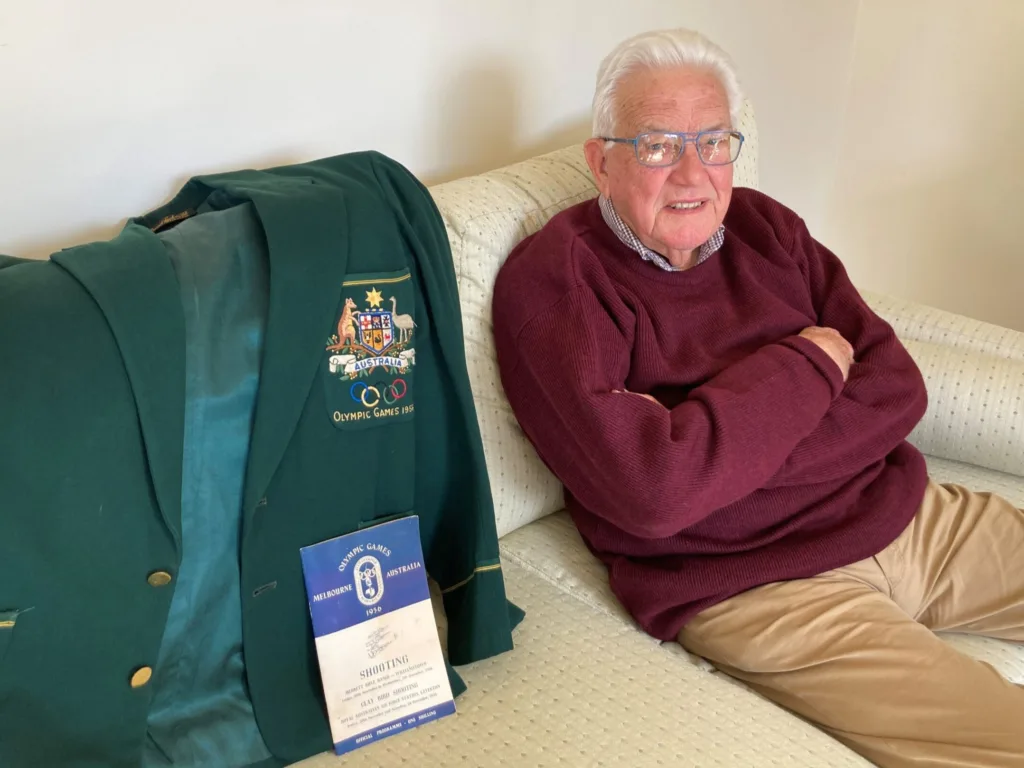
Peter Leo Papps OAM.

“That was most probably one of the highlights of my shooting career,” he said. “It was a very proud moment to represent Australia.”

Beyond competition, Mr Papps has played a significant leadership role in the sport at both national and international levels. He served as President of the Australian Shooting Association from 1977 to 1980, was Vice-President of the Australian Clay Target Association, and represented Australia internationally through the International Shooting Union. He also acted as a delegate to both the Australian Olympic Federation and the Australian Commonwealth Games Association during the late 1970s.

At club level, he has been instrumental in the development of shooting organisations across New South Wales, the ACT and South Australia. He is a Founding and Life Member of ACT International Clay Target, established in 1973, and has served as President of the Berrima Clay Target Club since 2022, having been a founding member in 2015. Earlier roles include Vice-President of the Canberra and Queanbeyan Gun Club, as well as sponsorship and support of national competitions, including the Australian Federal Police Shooting Competition during the late 1970s. He also co-founded Frontier Arms in South Australia, operating the business from 1977 to 1988.

Speaking to The Greek Herald, Mr Papps said his focus in later years has been on education, safety and clearly distinguishing licensed, competitive shooting from criminal gun use.

“My aim has always been to make sure young people are taught properly – with discipline, safety and respect,” he said. “If you educate people correctly, you protect both the sport and the community.”

He highlighted his long-standing involvement in structured junior training programs through local gun clubs, including initiatives linked to the Duke of Edinburgh Award, which emphasise extended supervision, accountability and responsible participation.

Reflecting on his heritage, Mr Papps said his family’s Greek roots form part of a much longer Australian story. His grandfather, Panai Pappadakis, migrated to Australia from Galaxidi – then a small fishing village in Greece – in the late 19th century, among the earliest waves of Greek migration to Australia.

Apostolos (Paul) Gaganis OAM, SA

Mr Apostolos (Paul) Gaganis was awarded the Medal of the Order of Australia (OAM) for service to the community and to the Australian food industry, recognising more than five decades of hands-on support for migrant and refugee communities across South Australia.

Since 1971, Mr Gaganis has served as Managing Director and Chairman of Gaganis Bros Imported Food Wholesalers Pty Ltd. Through his warehouse operations, he became a direct source of assistance for newly arrived families from Europe, the Middle East and Latin America, many of whom were referred to him by churches, community organisations and government services when food was scarce.
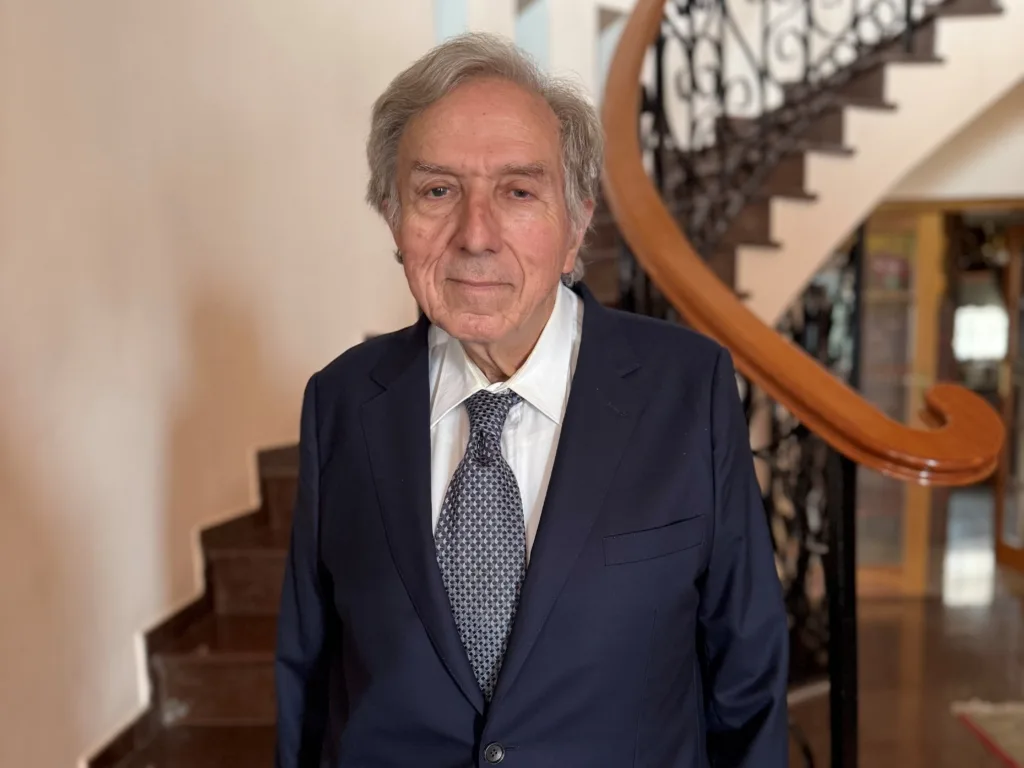
“Thousands of people always needed some kind of help,” he told The Greek Herald. “And we tried, in the best way possible, to help them.”

Working from a warehouse rather than a retail outlet allowed him to respond at scale. He recalled refugee families housed in former military camps who were being fed, but lacked access to familiar staples.

“They asked for sacks of beans and lentils,” he said. “Not kilos – sacks.”

Food was provided in bulk so families could cook for themselves, restoring dignity at a time when they had little control over their lives.

“Hunger is the worst thing that exists,” he said. “If someone was hungry, I didn’t want to talk – I wanted them to eat.”

Mr Gaganis said he always chose to give food rather than money, ensuring immediate needs were met. Many people he assisted later returned – some now working in industry or trades – simply to thank him.

“They remembered they were never hungry,” he said.

Originally from Veria, near Thessaloniki, Mr Gaganis said his values were shaped by stories of hardship during the years of Occupation.

“I grew up hearing, ‘We only have half a kilo of beans – add more water so everyone can eat,’” he said. “So I always asked myself, why should anyone be hungry in Australia, when Australia has everything?”

Beyond his wholesale business, Mr Gaganis is also the owner and producer of Limestone Olive Park at Port Wakefield and has supported disability services, schools, food rescue initiatives and bushfire relief efforts for decades. A parishioner of St George Greek Orthodox Church in Thebarton and the Western Suburbs, he has remained closely connected to the Greek Orthodox community.

Reflecting on the honour, he said recognition was never his aim.

“I only did what I thought was right,” he said.

Meritorious awards

Nektarios Parissis APM, VIC

Acting Sergeant Nektarios Parissis was awarded the Australian Police Medal for distinguished service as a member of an Australian police force.

A member of Victoria Police for 35 years, Acting Sergeant Parissis has served Melbourne’s inner northern suburbs in both frontline operational and community liaison roles, building strong relationships with partner agencies, local stakeholders and vulnerable community members.
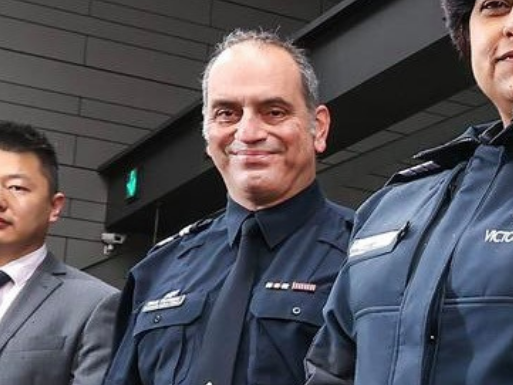
Nektarios Parissis APM.

He has demonstrated a strong commitment to community engagement, working closely with organisations including the Salvation Army and the Department of Families, Fairness and Housing, and supporting culturally and linguistically diverse communities to ensure victims of crime are understood and supported through investigative processes.

For the past 14 years, Acting Sergeant Parissis has led the Victoria Police Christmas Toy Drive in partnership with Ronald McDonald House, bringing the community together to support children facing serious health challenges.

His dedication to community policing has been recognised through his appointment as Neighbourhood Policing Co-ordinator for Melbourne North, where he continues to serve as a respected officer, colleague and mentor.

George Haitidis ESM, VIC

Mr George Haitidis was awarded the Emergency Services Medal for distinguished service as a member of an Australian emergency service.

Mr Haitidis has been a dedicated operational member of the Victoria State Emergency Service (VICSES) for nearly 20 years, joining the Monash Unit in July 2005. He was appointed Section Leader in 2008 and later that year assumed the role of Unit Controller and Officer in Charge.
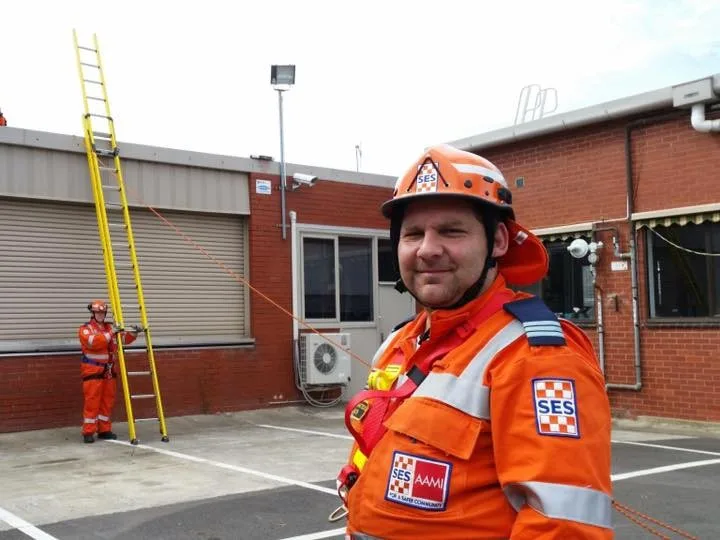
George Haitidis ESM

A highly trained land-based swift water specialist, Mr Haitidis has been deployed across Victoria in both preparedness and operational response roles. His leadership during the Maribyrnong floods in 2023 was critical to the rescue of residents trapped by rapidly rising waters, and he also played a key role in rescuing nine people during the October 2022 floods.

Beyond operational leadership, Mr Haitidis has shown strong care for volunteer wellbeing, leading mental health initiatives and training programs in partnership with the Emergency Services Foundation, and providing mentorship and personal support to volunteers across VICSES.

As a trained Divisional Commander, he has overseen multi-unit coordination during major storm operations, contributing significantly to large-scale emergency responses across the state.

Nadia Ann Nearhos ACM, QLD

Ms Nadia Ann Nearhos (Tschirpig) was awarded the Australian Corrections Medal for distinguished service as a member of an Australian correctional service.

Ms Nearhos is Regional Manager for Community Corrections in Queensland’s South Coast region and brings more than 20 years of frontline and leadership experience in corrective services.

Progressing from an administrative officer to a community correctional officer, she has built strong operational foundations through direct engagement with offenders across diverse communities, including remote and high-risk areas, supporting reintegration and reducing recidivism.

She has demonstrated a strong commitment to frontline safety, risk management and staff development, including leading emergency responses during the 2023 Christmas Day storms on the Gold Coast to ensure service continuity and staff welfare.

Ms Nearhos has driven innovation across community corrections, including leading the rollout of the Connect Electronic Case Management System, advancing end-to-end case management, and improving tailored support for women under supervision. She continues to work closely with police, courts and community partners to strengthen responses to domestic and family violence and organised crime.

Military honours

Christopher Anthony Kukas CSM

Lieutenant Colonel Christopher Anthony Kukas was awarded the Conspicuous Service Medal for meritorious achievement as Staff Officer Personnel Plans within Headquarters Joint Operations Command.

Lieutenant Colonel Kukas has led significant reform across operational personnel policy, mortuary affairs and forces entertainment structures, generating substantial improvements in capability while reducing complexity.

His work has directly benefited deployed personnel and has had a positive impact across Headquarters Joint Operations Command operations, activities and investments.

Anyone can nominate any Australian for an award in the Order of Australia. If you know someone worthy, nominate them now at www.gg.gov.au.

*These are the names The Greek Herald was able to identify as being of Greek or Cypriot heritage. If you believe your name should be included, please email info@foreignlanguage.com.au.

Feminine resolve reborn in Karen Martin’s ‘Hypsipyle and the Curse of Lemnos’

It is no secret that loyalty, when divided, can present a punishing tightrope that is impossible to walk. To which side then, do we lean, and ultimately fall, when faced with insurmountable, ill-fated choices? What would it cost?

In this case, what would it cost a woman?

Award-winning Australian playwright and author, Karen Martin guides readers through the “corridors of the underworld” in her latest novella as she retells the “infamous” history of Lemnos from a feminine perspective – the perspective of Lemnian Queen, Hypsipyle.

Martin untangles Arachne’s “exquisite web” to reveal just how royal roots bloom into “weighted” routes as the blessing of power also curses with consequence.

Imprisoned in a labyrinth of torment, Hypsipyle’s moral dilemmas and “patterns of misfortune” appear to ensnare all who enter her sphere of influence, as her journey seeks to “rebirth” the feminine resolve while silently striving to repair the resulting ripples in her own reflection.

Down a revolutionary road paved with survival and reclamation, each sentence navigates the seemingly predestined build of “intimate burden”, anticipatory grief, the blueprint of repercussion, and the” waged wars” between “heart, soul, and mind”.

True to the conventions of Greek myth, with a twist, the author’s style is emblazoned with vivid imagery and artistic prose from the onset.  Aphrodite’s “sadistic spite” towards her husband, Hephaestus leads to a retribution-stained alliance with the chthonic goddesses, “Erinyes” who ignite the “vengeful ruin” and curse of Lemnos left for all “pitiful mortals” to bear – “Let the hearts of Lemnos’ men turn cold to their wives.”

The author focuses on how in retaliation to their abandonment, all women of Lemnos—except for one—emerge from the “silent slaughter” of men as “killers, survivors, sisters” … “not redeemed, but rebirthed” … unified, yet isolated.  At this very moment, audiences will be thrust into suspense and the depths of patriarchal duty as Hypsipyle is reborn in her own right while knowingly exiling herself from the women she governs by saving her father, King Thoas.

Alongside recurring acts of justice and sacrifice, Hypsipyle’s epochal decision and truthful admission steers the novella and shapes the view of the “Lemnian Crimes”.

Haunting and explorative, Martin reveals how the notion of lasting freedom is not merely seized by expectation, but rather, integrates itself as an unattainable right in Hypsipyle’s life while being presented as the price women must pay for their honesty   and defiance.  

Despite the personal cost, Martin skilfully underscores truth as a cathartic ritual, necessary for renewal, reinvention, and rebirth. In addition, vulnerability can be interpreted as inherent to the feminine resolve, emerging as a crucial force that reflects inner fortitude, integrity, and resilience.

Layered lessons, metaphors, and a sense of duality also help to awaken and establish this unique interpretation of Lemnian history. From the very soil in which Hypsipyle “plants the seed of her undoing”, she is shepherded by her “garden turned oracle” imbued with memories of her late mother, Myrina. Nostalgia aids in reflecting Hypsipyle’s compassion and fealty struggles on a broader, deeply human level, as her devotion to both parents touches the “vulnerable child” in all of us. 

Martin ingeniously calls on the inescapable laws of nature and time as themes to illustrate the protagonist’s spiritual strength, accentuating the evolution of her resolve. As Hypsipyle ventures out of the roles imposed on her, inherited societal norms for women further peel away, revealing a deeper, more complex and introspective understanding of femininity and its purpose across the ages.

Through sublime symbolism and irony, it is evident that Hypsipyle’s destiny – as a daughter; a woman, and a queen – would always be met with perplexing expectations: “Rule with fire and restraint” … “If you kill the drones before the queen lays again, there will be no next generation” … “which roots will still feed the soil?”

Jason, his argonauts, and the peace of anonymity for Hypsipyle following exile provides healing intervals to the story and grants glimpses of hope for both characters and readers alike amid enduring shame and crestfallen circumstances.

Upon reflection, reshaping the fabric of identity is not only highlighted as pivotal to the novella, and Hypsipyle, but to the agency of all Lemnian women.

Extracted from “the shadows”, this essential retelling of Lemnian history offers a room between worlds where conscience can converse beyond voice. A woman’s conscience. This version bestows Hypsipyle and her “emotional toll” the spotlight as Martin uses her “creative liberty” to successfully push past the less visceral boundaries of previous iterations, and in doing so, orchestrates a space where “women become seen and heard”, even in their silence.

As Martin notes, “we owe this to our daughters”.

South Melbourne FC cruise to 5–0 win to maintain perfect OFC Pro League record

South Melbourne FC have continued their strong start to the OFC Pro League, recording a dominant 5–0 victory over PNG Hekari FC to close out the opening round of the competition at North Harbour Stadium in Auckland.

The win marks South Melbourne’s second consecutive victory, leaving the Australian club on the maximum six points from two matches and one of only two teams – alongside Auckland FC – to maintain a perfect record so far in the tournament.

Three goals in the opening half set the tone for the Oceania Club of the Century, who asserted control from the outset after being made to work hard in their opening match against Tahiti United.

South Melbourne struck twice inside the first seven minutes. Tommy Giannakopoulos opened the scoring with a header from a Jack Painter-Andrews cross, before Jordan Swibel marked his first start of the campaign by chesting home a Yuki Uchida delivery to double the lead.

Photo: Joshua Devenie / www.phototek.nz

PNG Hekari FC showed brief resistance, with Rex Naime heading narrowly wide from a set piece and John Orobulu firing a long-range effort off target. However, South Melbourne restored full control just before the break when Max Mikkola converted from close range. While initially ruled offside, the goal was awarded following a VAR review, sending South Melbourne into half-time with a commanding 3–0 advantage.

The second half followed a similar pattern, with South Melbourne continuing to exploit space across the PNG side’s backline. Swibel added his second goal in the 57th minute, chasing down a long ball from Uchida and finishing powerfully past goalkeeper Dave Tomare.

The only setback for South Melbourne came shortly after the hour mark, when Bulgarian goalkeeper Ilia Shalamanov-Trenkova was forced off following a head knock, with Jake Charlston coming on as his replacement.

Swibel was substituted with 20 minutes remaining as a precaution ahead of the next round, while substitute James Lackay went close soon after. PNG Hekari goalkeeper Tomare was again called into action late in the match, conceding a penalty after colliding with Jack Pope. Nahuel Bonada struck the crossbar from the spot, but made amends moments later by scoring South Melbourne’s fifth goal in the 87th minute after winning possession inside the box.

South Melbourne FC now travel to Papua New Guinea for the second round of the OFC Pro League, sitting second on the competition table. PNG Hekari FC return home still searching for their first points of the campaign.

Final score:
PNG Hekari FC 0
South Melbourne FC 5
(Giannakopoulos 3’, Swibel 7’, 57’, Mikkola 45’, Bonada 87’)

Half-time: 0–3

Proud debut for Geladaris as he bows out of Australian Open Juniors

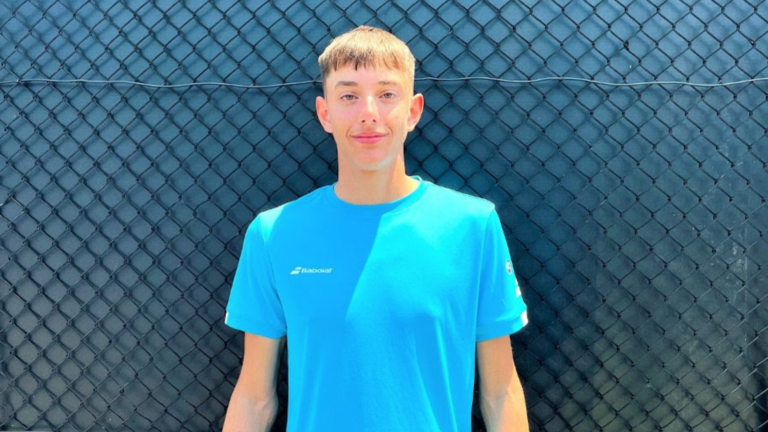
Odysseas Geladaris put up a spirited fight on his Grand Slam debut, but was ultimately eliminated from the Australian Open Junior Championships by world No.47 junior Kai Thompson, going down 6–2, 7–6(3) at Melbourne Park.

The 17-year-old Greek junior, currently ranked No.77 in the world, showed resilience and growing confidence throughout the match, particularly in a tightly contested second set that suggested the margin could have been closer.

Playing his first-ever match at Melbourne Park – on Court 11 – Geladaris took time to settle into the contest. A slow start saw him fall behind 0–4 in the opening set, and while he clawed back a break to reduce the deficit to 2–5 through improved serving, the early damage proved decisive.

The second set told a very different story. Geladaris lifted his intensity and fought for every point, saving a break point in the third game and three more in the fifth to edge ahead 2–1 and then 3–2. He also applied pressure on Thompson’s serve for the first time in the sixth game, creating two chances to extend his lead to 4–2, though he was unable to convert.

Both players held serve as the set progressed, before Thompson gained the upper hand in the tiebreak. The Hong Kong junior raced to a 4–0 lead and maintained his composure to close it out 7–3, sealing victory after 1 hour and 41 minutes of play.

Despite the loss, the match left a sense of promise for Geladaris, who demonstrated that he could compete at this level and was capable of pushing higher-ranked opponents. His Australian Open Junior campaign followed two strong qualifying victories in Traralgon, which secured his place in the main draw of the Australian Open Junior Championships.

The journey to Australia itself was nearly derailed, with the cost of the campaign placing participation in doubt just weeks earlier. Support from the Greek-Australian community proved decisive, with Harry Manaras launching a fundraiser to assist the Geladaris family, while Greek tennis star Stefanos Tsitsipas was also informed and made a separate, generous contribution.

While his debut has come to an end, Geladaris leaves Melbourne having gained invaluable experience – and with many confident that this will not be his last appearance on the Grand Slam stage.

Hall destroyed in fire at St Nectarios Greek Orthodox Church in Adelaide

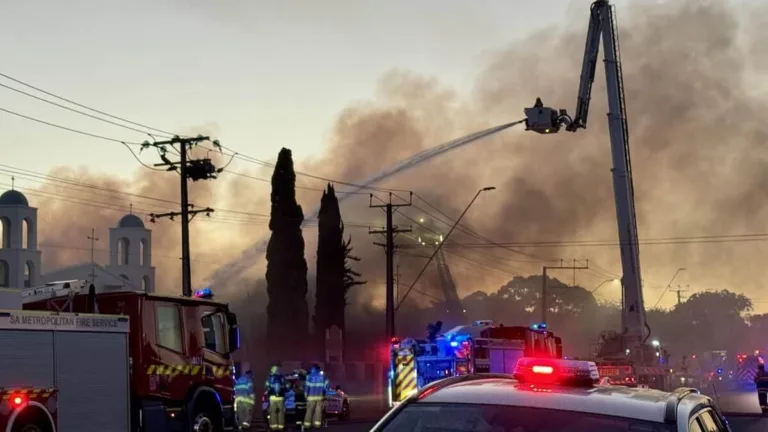
A fire on destroyed the community hall adjacent to the Holy Monastery of St Nectarios in Croydon Park, Adelaide, while the main church building and a neighbouring nursing home were saved following the swift response of emergency services.

The blaze broke out on Regency Road shortly after 7pm on Friday night, 24 January, with crews from the Metropolitan Fire Service (MFS) called to the scene as flames engulfed the hall and thick black smoke rose into the sky. Firefighters remained on site into the early hours amid concerns of possible reignition, as investigations into the cause of the fire continue.

The community hall sustained extensive damage, with its roof collapsing, glass doors shattered and debris scattered throughout the interior. Walls were blackened by soot, and the smell of burnt timber lingered across the site.

Parish Council President Vladimir Devrelos praised the efforts of emergency services, saying their actions were critical in protecting the church, which has stood for more than 50 years.

“I do my cross and thank God for the dedication shown by our emergency services,” Mr Devrelos said.
“They did a wonderful job. All of them are heroes, to say the least.
“The blessing for us is that the church itself is untouched and intact, and God willing, services will be able to proceed.”

The destroyed hall, established in 2017, played an important role in parish life, hosting community celebrations, cultural events and after-school Greek language classes. Its loss has been described as significant for the local Greek Orthodox community.

Also spared was St Basil’s Nursing Home, located beside the church and home to approximately 80 residents. No injuries were reported among residents, parishioners or emergency personnel.

MFS Commander Phil Ross said it took around five hours to fully extinguish the blaze, with 16 firefighters deployed at the scene. He said the fire spread rapidly after entering the roof space, making it difficult to contain.

In the aftermath, there was an outpouring of relief and support from the wider community. Many expressed gratitude that the church and nursing home were spared, while others sought clarification after early reports referred to an “administration building.” Parish representatives later confirmed that the structure destroyed was the community hall, not the church.

A public smoke warning was issued on Friday night before being lifted later in the evening. Authorities have confirmed the cause of the fire remains under investigation. Subject to electrical safety checks, regular church services are expected to proceed.

From Greek taverns to cheat meals: Thanasi Kokkinakis’ food favourites

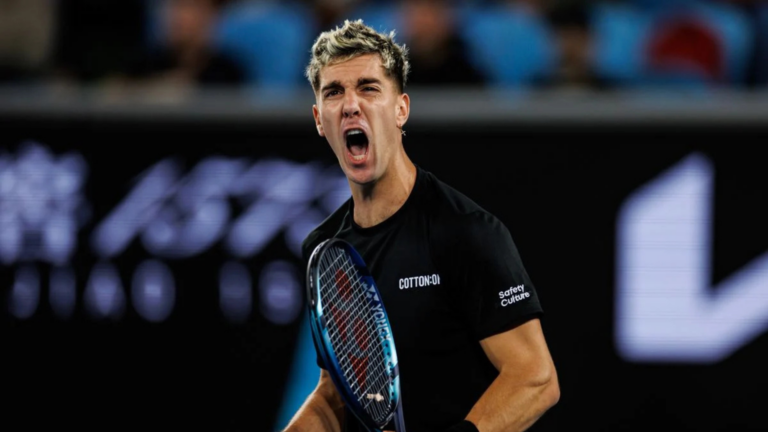
Thanasi Kokkinakis might be better known for his on-court achievements tennis, but off court he’s a serious food lover, according to good food and the Sydney Morning Herald.

Heading into this year’s Australian Open, where he’s slated to play doubles with close friend Nick Kyrgios and, fitness permitting, singles too, Kokkinakis has also been exploring the food and drinks world. He recently filmed a lamb-cooking segment with chef Curtis Stone, and serves as an ambassador for Altos tequila, an official sponsor of the tournament.

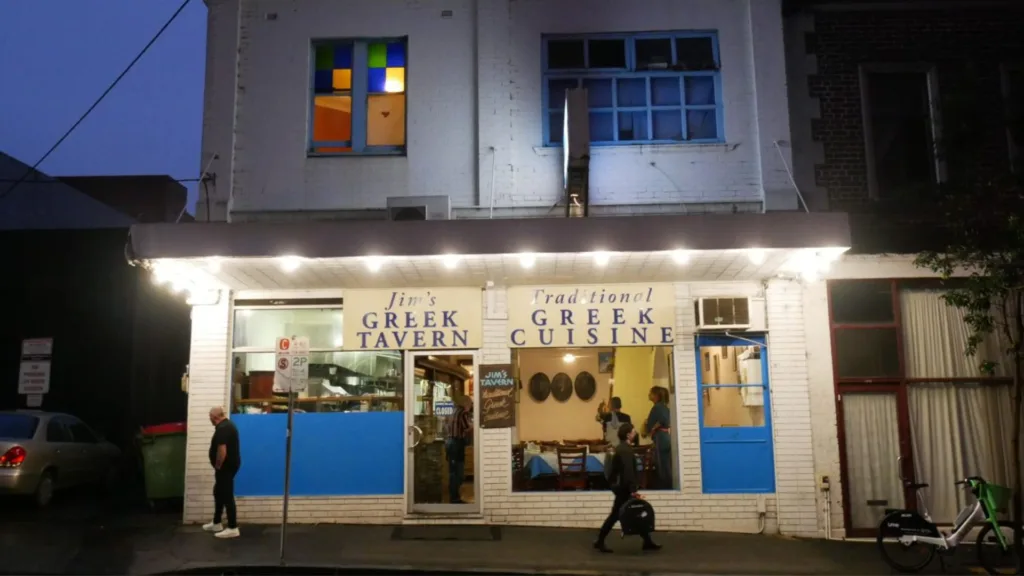
While training and rehab have dominated his schedule, Kokkinakis says nothing beats a lively meal with friends. That’s why Jim’s Greek Tavern in Collingwood holds a special place in his heart. “It feels like a chaotic family backyard,” he says speaking to The Sydney Morning Herald. The fish – especially blue-eye trevalla – and the lamb remain firm favourites.

Melbourne’s food scene is rich in his rotation: Marbl Steakhouse in Prahran, where the wagyu rib-eye impresses; Gilson in South Yarra for cotoletta with wood-fired bread and burrata; Marion Wine Bar’s flatbread and vodka pasta; Maison Batard for French steak and salad; and Oushou for quality Japanese.

Photo: Giorgos Psomiadis

For takeaway, he recommends Zeus Street Greek Food – especially the seasoned fried pita chips and, on cheat days, fried chicken or a smash burger.

His café picks include Norman South Yarra (famed for chilli scramble and oat lattes), Operator Diner’s TikTok-famous fried chicken and waffles, Hector’s Deli’s mushroom melt, Urban Provedore coffee and Yugen Dining’s weekend brunch matcha.

Overseas, London tops his list, with Greek favourite Zephyr in Notting Hill, Myrtos, Gold and the vibrant Park Xinhua. At home, it’s fried eggs with avocado, and his ultimate guilty pleasure: a glazed doughnut.

Source: The Sydney Morning Herald

Hellenic Youth Club of Canberra thrives with community support

The Hellenic Youth Club (HYC) of Canberra has provided a dedicated space for Greek youth to connect since it was formally incorporated in 1973. Despite undergoing several name changes over the years, the essence of HYC has remained the same: a place for young people in Canberra to meet others with shared life experiences.

Initially known as the Greek Youth Club of Canberra, the group dissolved before being re-established by The Hellenic Club as the Hellenic Youth Association in 1988. Since then, HYC has been grateful for the continued support of The Hellenic Club and its strong connection with Canberra’s broader community.

Today, HYC aims to be a pillar for Greek youth in Canberra by promoting culture and faith, while providing opportunities for young people to connect through events. Past events have included an RnB night, Don’t Stop The Music, a ski trip in collaboration with The Hellenic Society of UNSW, and its popular Bouzouki Night, which attracted 320 Greek youth this year. HYC also organised an interstate trip to Melbourne, where 30 members spent a weekend bonding at a Greek concert, a SIGMA night, the NUGAS Ball, and a winery day trip with the Lemnian Youth of Victoria.

The Greek Herald spoke with current HYC President Olivia Kambouris about her seven years with the club and the joy and passion she continues to find in being part of the youth community. Olivia joined as a general committee member at the age of 19 and has since served as Secretary, Treasurer, Vice-President and, for the past two years, President. She was introduced to the club by her cousins during a HYC trip to Melbourne. Reflecting on that experience, she recalled, “I was a pretty reserved and shy kid, but the club was just so welcoming, and it was a great weekend.”

Most HYC committee members are students or young professionals, and Olivia says she is fortunate to have met “so many good people on the committee… who have been equally passionate about Greek youth.” Her time as President has been enjoyable, and she has loved “seeing new members come in – and not just Greek members, anyone who is interested. That’s been the biggest reward, seeing the growth and engagement… As long as we’ve got people coming and we’re hosting good events, we’re setting up something good to pass on to the next generation.”

Olivia also acknowledged concerns about the long-term future of Canberra’s Greek community and the possibility that it may one day diminish. “I feel like it’s probably a big driver behind why I’m on the committee,” she said. “But looking at the Canberra community, I can’t see that happening with the senior leadership we have, the initiatives they run, and the passion behind the people I see turning up to events.”

She noted that Canberra’s Greek community remains active and collaborative, despite having a relatively small number of major organisations. “Everyone seems to work harmoniously to create space for the Greek community,” Olivia said. “We all work together and we’re not segregated… so I think we’re sitting on a gold mine of good and active youth.”

HYC will elect a new committee this December and hopes to expand its interstate collaborations in 2026 with youth groups in Melbourne, Sydney, Adelaide and Darwin. Olivia emphasised the importance of uniting Greek clubs across Australia.

“We need to have a clear channel between all the states. Being able to connect with different Greek people has always been a positive experience,” she said. “Next year, we’ll keep building on those connections with larger youth groups and see where that takes us.” She added that promoting the Greek language would also be a focus in the year ahead.

HYC expressed its appreciation to everyone who has volunteered and supported the club, with Olivia saying she hopes to see the organisation “grow bigger and better.” The drive and passion behind HYC suggest that young Greek-Australians in Canberra can look forward to an event-filled 2026.

Hektor Giotopoulos Moore to represent Australia at 2026 Winter Olympics

Figure skater Hektor Giotopoulos Moore has been selected to represent Australia at the 2026 Winter Olympic Games, marking a major milestone in his international skating career and a moment of pride for the Greek community in Australia.

Giotopoulos Moore will compete in the Pairs event alongside partner Anastasiia Golubeva, following the official announcement of the first athletes selected to the Australian Olympic Winter Team.

Speaking following his selection, Giotopoulos Moore said he was proud to represent both his heritage and his country.
“I am very proud to be able to represent the Greek community as well as the Australian, and the fact that the Olympics were originally from Greece is a very cool bonus,” he said, in comments published by the Australian Olympic Committee.

The pair secured one of just 19 Mixed Pairs quota places for the Olympics after finishing ninth at the ISU World Figure Skating Championships in Boston in March 2025. Their qualification followed a breakthrough bronze medal at the ISU Grand Prix in Halifax in 2024 – the first medal ever won by Australia at a senior International Skating Union Grand Prix – as well as back-to-back silver medals at the World Junior Championships in 2022 and 2023.

Hektor Giotopoulos Moore and Anastasiia Golubeva have secured their place on the Australian team following strong international performances and the pair’s Olympic qualification.

Giotopoulos Moore, who began skating at the age of eight, has described his Olympic selection as the culmination of more than a decade of dedication and sacrifice.
“Being selected for the Olympic team is a dream come true,” he said. “To me, it shows all the hard work and sacrifices I’ve made over the past 15 years have been worth it.”

His partner Golubeva, who received Australian citizenship in December 2025, said representing Australia at the Olympics was a significant achievement and expressed gratitude for the opportunities she has received since joining the national program.

Australian Olympic Team Chef de Mission Alisa Camplin said the selection of Giotopoulos Moore and Golubeva reflected years of sustained excellence at the highest level of international competition.

The newly selected skaters will next compete at the Four Continents Championships in Beijing before returning to Montreal to complete preparations for the Games.

The Milano Cortina 2026 Winter Olympics will commence on 6 February 2026, with figure skating events held at the Milano Ice Skating Arena across 12 days. Australian athletes are expected to compete in figure skating on 9, 11, 15 and 16 February.

Sydney Olympic FC members press for clarity on governance and finances

Concerns surrounding governance, transparency and the future direction of Sydney Olympic Football Club have continued to build following a members’ meeting in December 2025, formal requests for information, and a public statement issued by the club’s board.

At the centre of the discussion are member-approved financial deeds, member concerns relating to the club’s constitution, and what members describe as a lack of clarity around decision-making authority and accountability within the organisation.

Members’ meeting and request for information

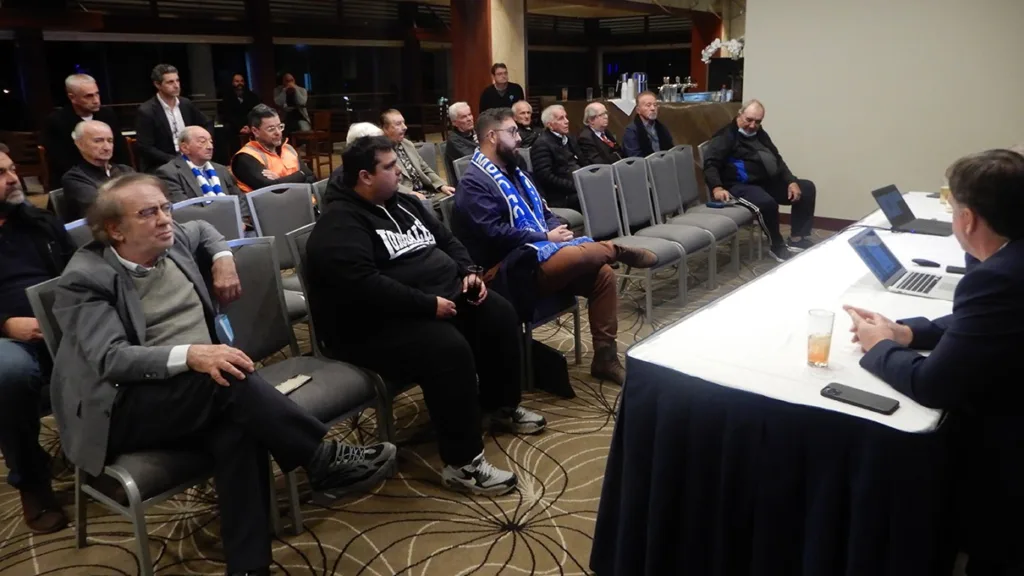
As previously reported by The Greek Herald, a meeting of members, former players and long-standing supporters was held in Sydney on 17 December 2025, where those present agreed to pursue an Extraordinary General Meeting (EGM).

Those in attendance stressed that the move was not intended to undermine the club, but to ensure members were properly informed about its financial position, governance framework and long-term strategy.

Following the meeting, a formal written request was sent to the board on 18 January 2026, seeking access to information including financial records, governance arrangements and documentation relating to deeds approved by members at previous AGMs. Members have asked that the information be provided by 25 January 2026.

Financial deeds approved by members

Central to the concerns raised are two legal instruments approved by members at the club’s Annual General Meeting on 16 June 2022:

  • a Financial Support Deed, dated 23 December 2021, between Damon Hanlin as lender and Sydney Olympic Football Club Ltd as borrower; and
  • a General Security Deed of the same date, securing the club’s obligations under the Financial Support Deed.

According to the signed AGM minutes, both deeds were circulated to members in advance, explained during the meeting, and approved unanimously.

Some members have since questioned the accuracy of the attendance record for the 2022 AGM, which formed the basis for quorum when the deeds were approved. They say that individuals listed in the minutes as present have since stated they were not in attendance, raising concerns about whether quorum was properly constituted. The club has not publicly addressed those claims, and members say they are seeking clarification through formal channels.

The deeds were executed on behalf of Sydney Olympic Football Club Ltd by the club’s directors at the time, Lawrie McKinna and Chris Gardiner, acting in their capacity as directors. Hanlin executed the deeds as the lender and counterparty, not as a signatory for the club.

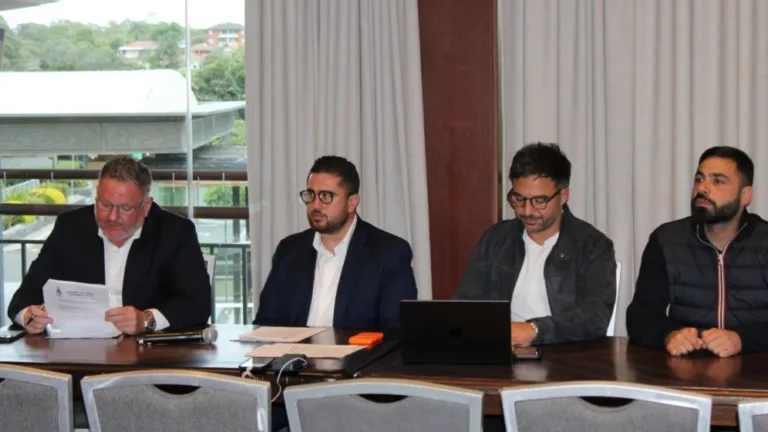
(L-R): Chris Gardiner and Lawrie McKinna.

The minutes further record that Hanlin, who was president at the time, declared a conflict of interest, stepped aside as chair during discussion of the resolutions, and did not vote on their approval.

While the deeds were approved by members, the AGM minutes do not disclose the total value of funds advanced. Based on subsequent financial reporting, some members estimate the amount exceeds $2 million.

At the AGM, McKinna and Gardiner told members the arrangements were intended to secure and formalise ongoing funding, underwrite operations, and restore confidence with Football NSW, at a time when the club was emerging from significant financial instability.

That period followed the sudden departure of then-president Bill Papas in June 2021, after allegations linked to the widely reported Westpac fraud investigation became public. Papas subsequently left Australia, and Sydney Olympic FC was left facing uncertainty.

The 2022 AGM minutes note that balance-sheet issues from prior years had been corrected and that operational losses were being met through secured funding arrangements, which were presented as necessary to stabilise the club and ensure its ongoing participation in the NPL.

Hanlin comments on funding, stepping back and Championship structure

The nature of the funding arrangements returned to public discussion following public comments made by Hanlin, in which he said that the majority of funds he had provided during his tenure had been treated as non-repayable at the time. He acknowledged, however, that “at the present time” some funding may be treated differently, adding, “I’m considering my options.”

In the same comments, Hanlin said he stepped away from the NPL club due to the personal and financial burden of running it, describing the role as demanding and time-consuming. He stated that he now has “no involvement” in the club’s governance or day-to-day operations, while reiterating that Sydney Olympic remains a member-based club under its constitution.

Former Sydney Olympic President Damon Hanlin. Photo: The Greek Herald.

At the club’s Annual General Meeting on 28 October 2025, Hanlin outlined the structure of Sydney Olympic’s participation in the national second-tier competition, explaining that the Australian Championship entity is separately owned by him and operates independently from the member-based NPL club. As reported by The Greek Herald at that AGM, he said this structure was adopted to protect his personal investment, noting the member-based club had not contributed capital to the Championship licence. Hanlin added that the Championship entity pays heritage and branding fees to Sydney Olympic Football Club as part of that arrangement.

Some members, however, say they remain unconvinced, pointing to the ongoing financial arrangements approved in prior years, the continued public association of key individuals with the club, and what they describe as a lack of clarity around who is exercising effective control and influence over major decisions.

Constitution concerns and board response

Members have also raised concerns about a document presented to them as an updated constitution, which they say materially alters the balance of power within the club. The issues raised include expanded board discretion over membership and access to records, changes to voting thresholds, and uncertainty about when and how the amendments were adopted.

In a statement issued on 22 January 2026, the Sydney Olympic FC board acknowledged the recent commentary and opinions expressed publicly, saying it was important for members and supporters to understand where the club currently stands and what the present administration has been focused on.

(L-R): Damon Hanlin, Matthew Phelps, newly appointed director Rodolf Salem, and Chris Charalambous. Photo: The Greek Herald.

The board said it had deliberately prioritised rebuilding the club’s foundations, describing that work as essential but not always visible or immediately reflected in results on the pitch.

“The club has deliberately prioritised the culture within the Club and key operational matters – stabilising finances, rebuilding football operations, recruiting and developing player talent, and, critically, settling the coaches, volunteers, and staff who keep this club functioning week in and week out,” the statement said.

The board noted that without these fundamentals in place, “no amount of noise, criticism, or structural change” would lead to long-term success, and expressed disappointment that, during this phase, some members had chosen public criticism rather than what it described as constructive engagement.

It emphasised that Sydney Olympic Football Club is “bigger than individuals, factions, or egos,” and said the club’s future depends on unity, effort, and people stepping forward to contribute positively.

The statement added that rebuilding trust, performance and stability takes time, and reiterated the board’s commitment to placing the club on a sustainable footing so that Sydney Olympic can continue to compete “with pride, credibility and ambition across all levels.”

The statement was signed by board members Chris Charalambous, Matt Phelps and Rodolf Salem.

Next steps for members and the board

Discussion among members has continued in private forums, with many encouraging supporters to formally join the club as members, noting that membership provides voting rights and a pathway to participate constructively in the club’s future. Others have stressed that requests for information should not be viewed as disloyalty, but as part of responsible stewardship of a community-owned club.

Members say they are now awaiting confirmation on whether and when an EGM will be convened, as well as the provision of information requested by 25 January 2026. Issues relating to stability, transparency and governance remain central to ongoing discussions between the board and members.

Courtney Houssos announces $200m school maintenance program across NSW

Acting Minister for Education and Early Learning Courtney Houssos has highlighted a $200 million school maintenance and upgrade program being delivered across New South Wales over the summer holidays, with students set to return to improved classrooms and facilities for the start of Term 1, 2026.

The Minns Labor Government’s program will see works completed at almost 850 public schools, ranging from routine maintenance and minor upgrades to larger refurbishment projects led by the NSW Department of Education’s local asset management teams.

More than 1,300 projects are underway across the state, with hundreds of tradespeople working throughout the school holiday period to ensure campuses are clean, safe and ready for the new school year.

The works include painting at more than 300 schools, over 200 flooring replacement projects, close to 50 bathroom upgrades, and a range of critical accessibility improvements, including new ramps and lift upgrades. Schools will also benefit from refreshed outdoor areas, repaired walkways and essential building works.

Courtney Houssos said the summer maintenance blitz reflects the Government’s focus on delivering practical improvements that directly support students, teachers and school communities.

“While students are enjoying their summer break, work is underway at hundreds of schools across NSW to ensure they return to a great learning environment for the start of 2026,” Ms Houssos said.

“The Minns Labor Government is focused on getting the fundamentals right – maintaining our schools, improving facilities, and supporting principals, teachers and school communities with the infrastructure they deserve.”

“Whether it’s new paint and flooring, upgraded bathrooms, vital repairs or accessibility improvements, these works are about ensuring every student can access a world-class public education.”

Across NSW, the summer school maintenance program includes:

  • $36 million for painting works
  • $28 million for upgraded bathrooms and amenities
  • $21 million for flooring projects
  • $14 million for accessibility improvements
  • $12 million for roof repairs or replacements
  • $2.4 million for specialist classroom upgrades

Ms Houssos said the upgrades would ensure classrooms and shared spaces are refreshed and ready for day one of Term 1.