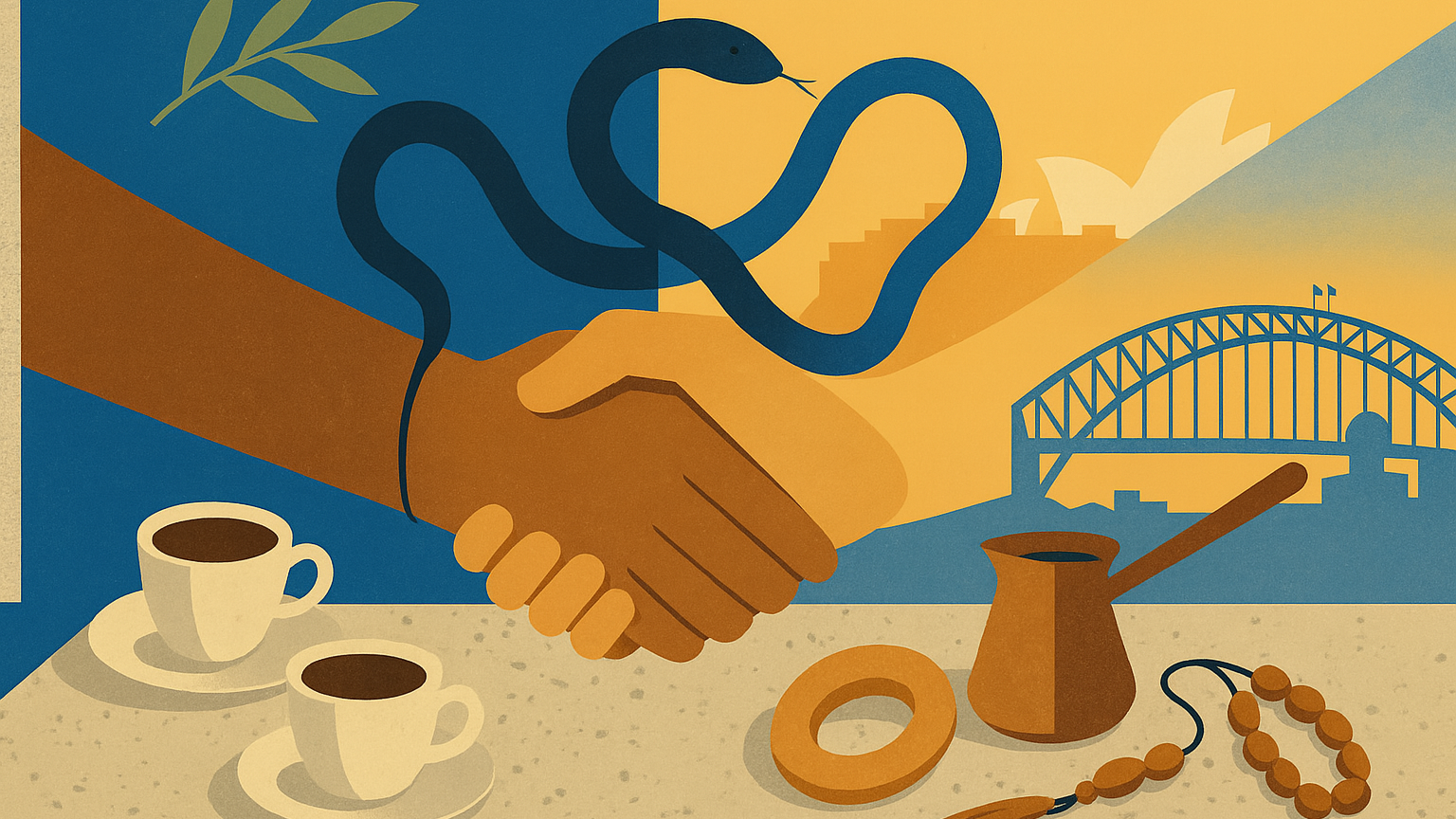
In many Greek Australian households, children grew up hearing cautionary phrases like “View today’s friends like tomorrow’s enemies” or the infamous Greek proverb, “Fílos kai fidi apó f’ arxízoun”, which translates to “friend and snake begin with the same letter.”
These warnings, often passed down by immigrant parents shaped by hardship, weren’t expressions of cynicism but reflections of survival. In tight-knit communities where word spreads quickly and reputations are fragile, trust was sacred, and not easily given.
Yet despite this guardedness, Greeks are known for their deep sense of filía: a friendship that encompasses not just camaraderie, but loyalty, respect, and emotional closeness. In the Greek worldview, friendship is a philosophical and social cornerstone. Even the word philosophy (philo for friend, and sophia meaning wisdom) roots friendship in the pursuit of a shared good.
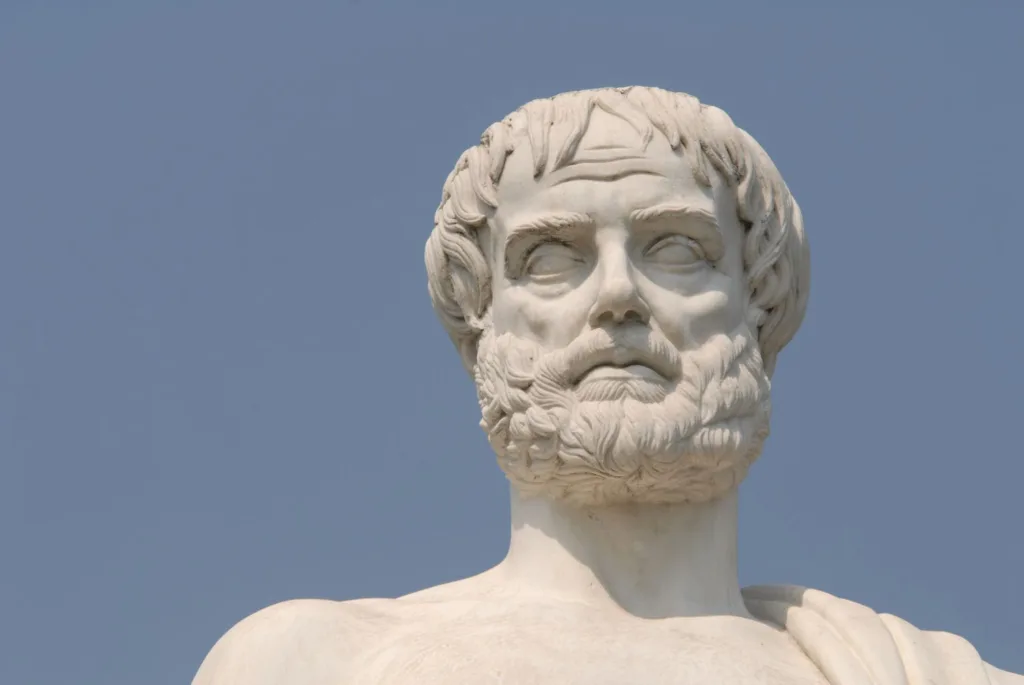
Aristotle himself defined friendship as a vital component of the good life. He identified three kinds: (a) Friendships of pleasure, based on enjoyment of each other’s company; (b) Friendships of utility, formed for mutual benefit; and (c) Friendships of virtue, the most noble type, grounded in shared values and mutual goodwill.
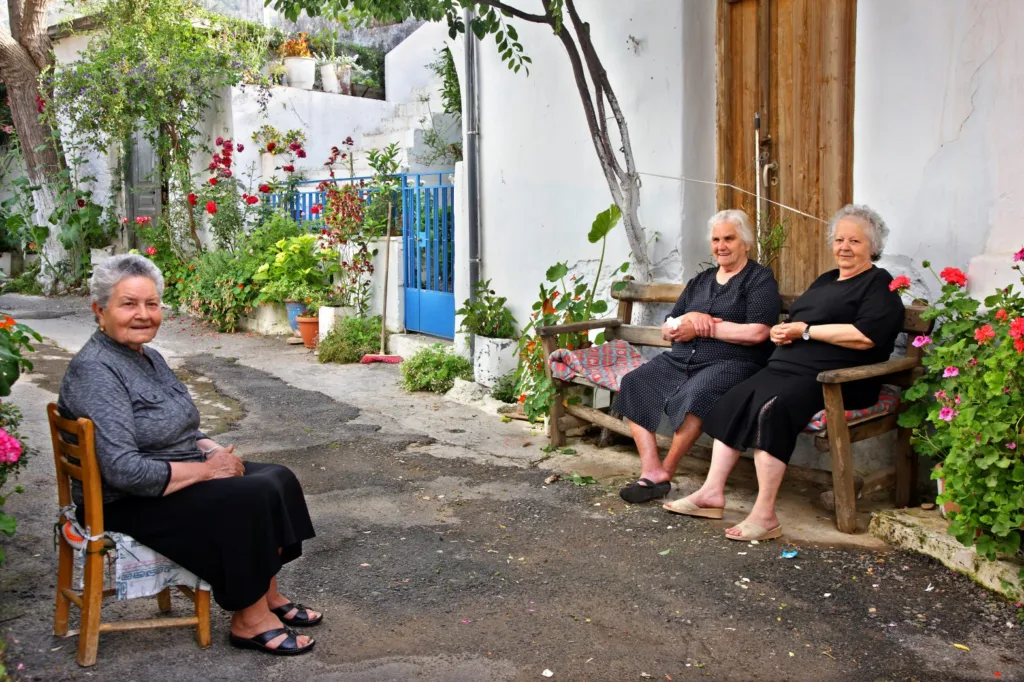
Among Greeks, it’s this last category that’s most revered. In the homeland, friendships are often built over a lifetime, forged during childhood, cemented through shared rites of passage like military service, weddings, or village festivals. There’s an unspoken depth to these connections: a friend is not just a friend, but a kouniáda (in-law), a koumbára (wedding sponsor), a psychís aderfí (soul sister or brother).
This tradition was carried into diaspora life, particularly in cities like Melbourne, Sydney, Adelaide, and Perth, where Greek migrants forged strong social networks to cope with the challenges of displacement and adaptation.
In the 1950s and ’60s, Greek men who worked together on the Snowy Mountains Scheme or in factories formed bonds forged in shared labour and homesickness. Women, meanwhile, developed friendships through neighbourhood filoptoho (friends of the poor) gatherings, church groups, and sewing circles often watching each other’s children and exchanging recipes in the language of comfort and care.
Diaspora life, however, presents a more complex picture. Greek migrants brought with them the value of filía, but often found it tested in new and unfamiliar settings. In cities like Melbourne or Sydney, Greek Australians live among a broader, multicultural fabric. Community ties remain strong, yet friendships can be harder to cultivate with the same depth as those back in the homeland.
In Greece, friendships often span decades. People celebrate name days together, mourn each other’s losses, raise each other’s children. In diaspora, friendship can feel more fragmented. While community events, churches, and Greek associations create opportunities for connection, the demands of modern life, careers, families, distance, sometimes dilute the bonds.
Social media and meetup groups labelled “Melbourne Friends” or “Greek Women’s Brunches” signal a desire for connection, but often reveal a different kind of relationship: event-based, convenient. These friendships can be warm and supportive, but they don’t always echo the all-encompassing, unconditional loyalty that many Greeks associate with true filía.
Even in older Greek Australian circles, there is often nostalgia for friendships from the past. At a wreath-laying ceremony for the Cyprus invasion, I ask two elderly men for stories of mateship. One laughed and replied, “I have more stories of friends who became enemies. Why don’t you write about those?” It was a joke, but also a reminder that friendship, like all relationships, can be fragile.
Still, Greek culture remains rich with examples of profound friendship. Ancient literature and myth are filled with stories of bonds that transcended time, class, and even death: Achilles and Patroclus, a friendship so fierce it shaped the course of a war. Theseus and Pirithous, who swore eternal loyalty and followed each other into the underworld. Socrates and Plato, bonded by thought and mentorship. Alexander the Great and Hephaestion, whose companionship defied labels – whether friendship or love, it was soul-deep.
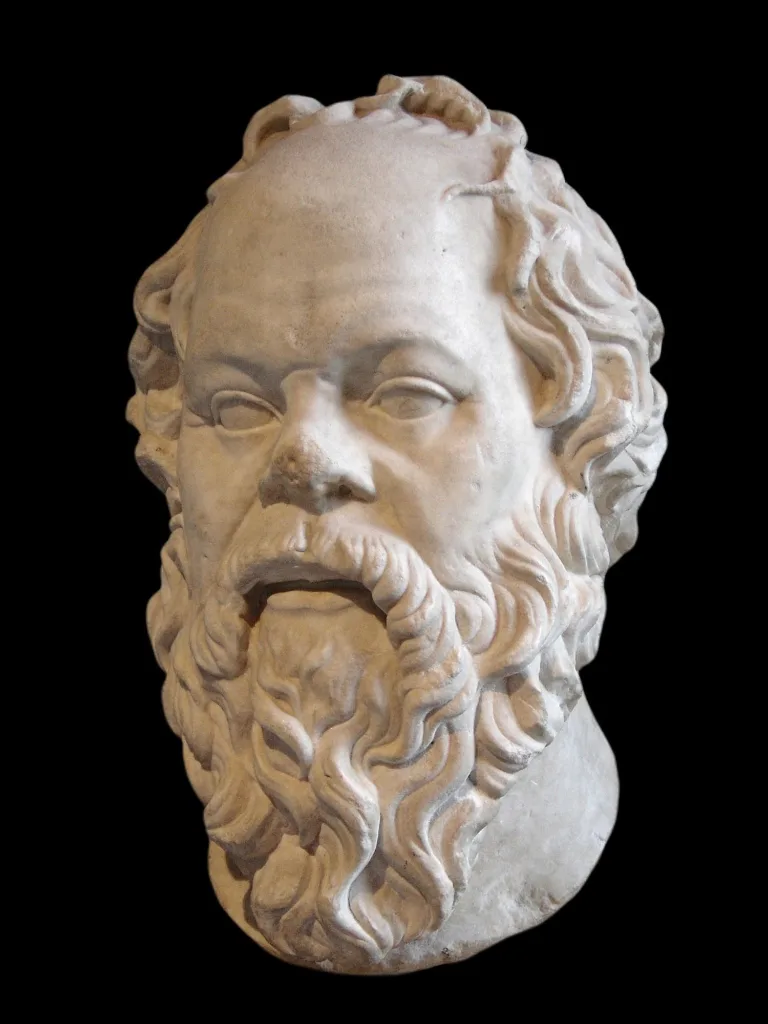
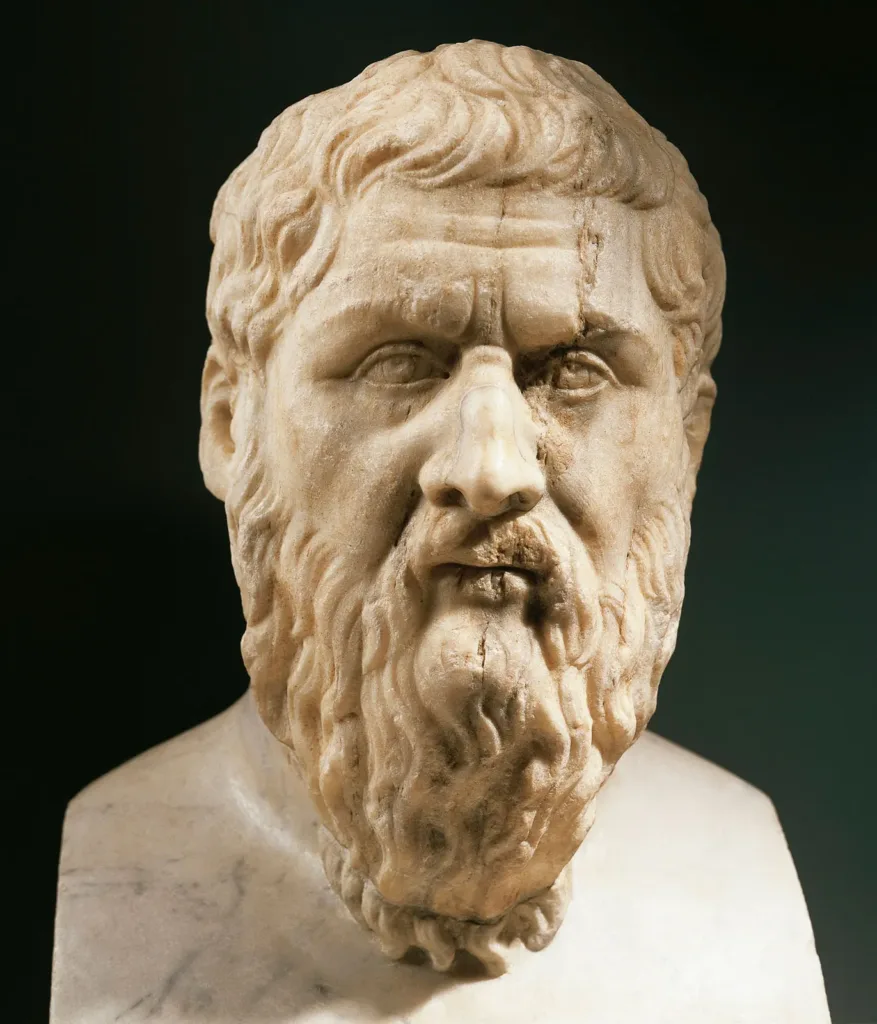
In each case, filía was more than closeness, it was kinship of the soul.
A true friend will show up with fasoláda when you’re sick, pick up your child from school in a crisis, offer a place to stay without being asked, take care of your dog when you go on a holiday to Greece without you having to pay a stranger. They become part of your oikogéneia, your family in every way that matters.
On this International Friendship Day, as selfies are shared and hashtags circulate, perhaps we can take a moment to reflect not just on having friends, but on being one. To embody the ancient Greek understanding of friendship as something sacred, soulful, and enduring.
Because to be truly seen, truly supported, and truly known by even one friend in a lifetime is enough.
