By Dr Panayiotis Diamadis, Vice-President, Australian Institute for Holocaust and Genocide Studies
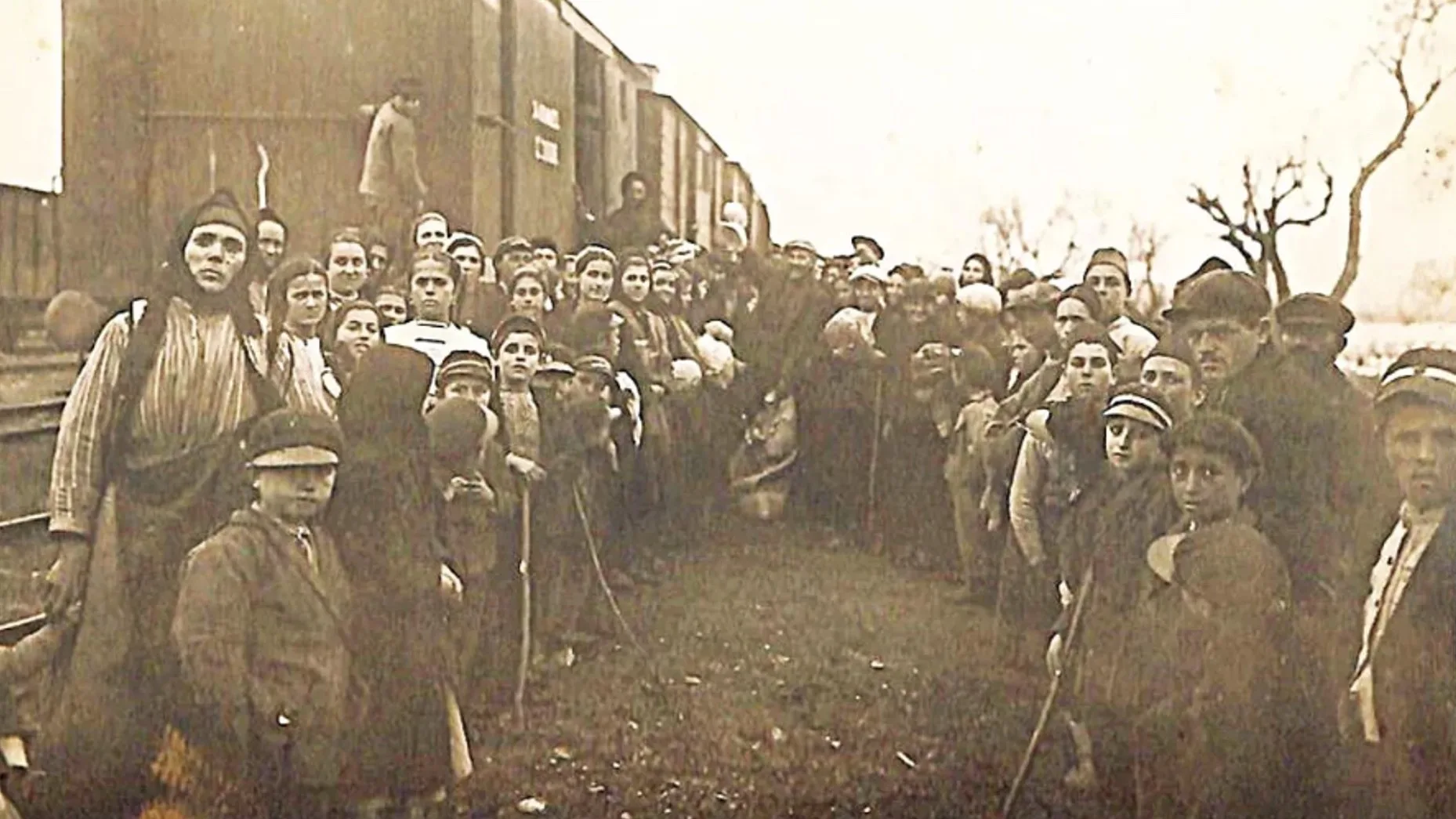
This day, every day, it is our duty to honour the ANZACs who sacrificed so much. ANZAC Day was born on the shores of the Kallipole Peninsula, named for its largest settlement, Kallipole (Gallipoli), the ‘Beautiful City’. Their sacrifice went far beyond the battlefield, inspiring Australians and New Zealanders to give generously to the survivors of the Genocides of the indigenous Hellenes, Armenians and Assyrians of the Turkish-ruled Ottoman Empire.
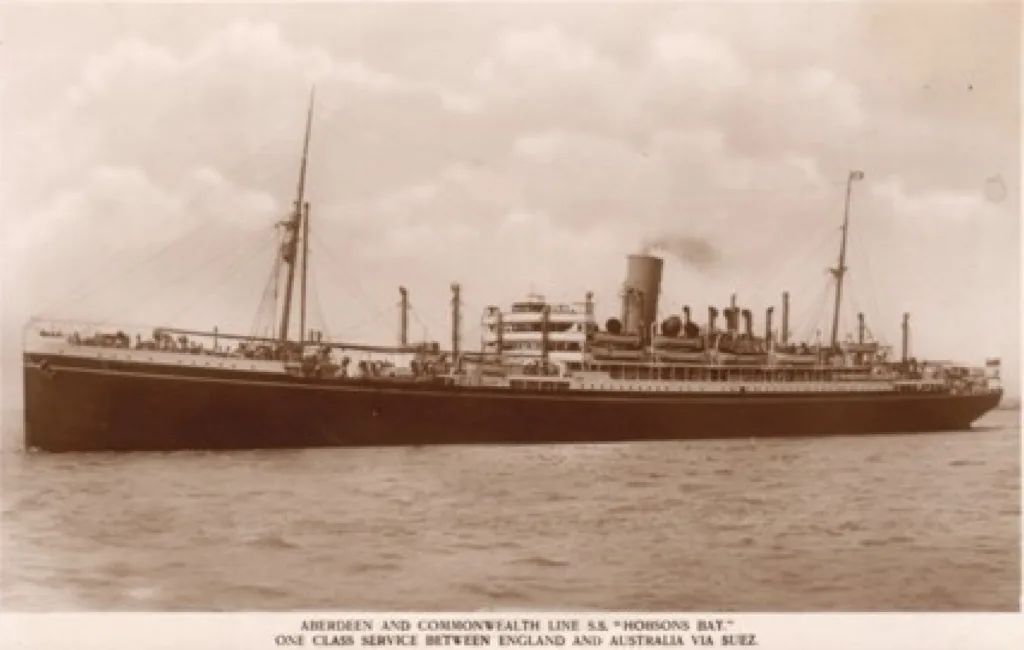
It was in October 1922 that the Australian vessel Hobson’s Bay ‘passed tragic Gallipoli, where many brave ANZACs from Australia and New Zealand had laid down their young lives, face to the foe. And now the unhappy victims of this same foe were to be fed with bread from their homeland, as if to complete the work for which they died. ANZAC bread!’
This is how Rev. Dr. Loyal Lincoln Wirt, an American Congregational minister and the International Commissioner of the Near East Relief organisation, described the shipment of Australian flour in his memoir The world is my parish.
The Hobson’s Bay had sailed from Melbourne the previous month with thousands sacks of flour donated by Victorian farmers. Having left part of its cargo at Beirut, for the Australasian Orphanage at nearby Antelias, proceeded to Constantinople.
Wirt recalled being met by the local Near East Relief Director, Dr Jacquith.
‘Do you remember St. Paul’s vision and the cry from Macedonia, ‘Come over and help us’? You are no saint and probably do not resemble St. Paul in the least – except perhaps in stature – but here is a message for you. It came in the same way St. Paul’s did – by wireless’.
Jacquith handed Wirt a radiogram from a Near East Relief post at Alexandroupolis in western Thrace: ‘It was indeed the same cry.’ The message read: ‘Ten thousand people driven from Eastern Thrace are here, starving to death. They have been overlooked in the food distribution. Some are dead, many are dying. Can you send flour?’
The Hobson’s Bay still had 4,000 bags of Australian flour stowed away, according to Wirt, ‘given for the express purpose of meeting some such emergency.’ As he later recorded: ‘Time was precious; moments meant lives.’ Within a few hours, the flour had been transferred to a steamer and was on its way.
This flour – and the bread baked from it – was used by the League of Nations’ Commissioner for Refugees, Colonel George Devine Treloar and his colleagues to feed thousands of destitute survivors of the state-orchestrated plan to exterminate the indigenous Christian presence in eastern Thrace and Anatolia.
The final part of the ANZAC legacy is for the next Parliament of the Commonwealth of Australia to acknowledge the efforts of those ANZACs, those Australians and New Zealanders who fought against genocide and did their utmost to assist the survivors from the other side of the world.
We will remember them. Lest we forget.
