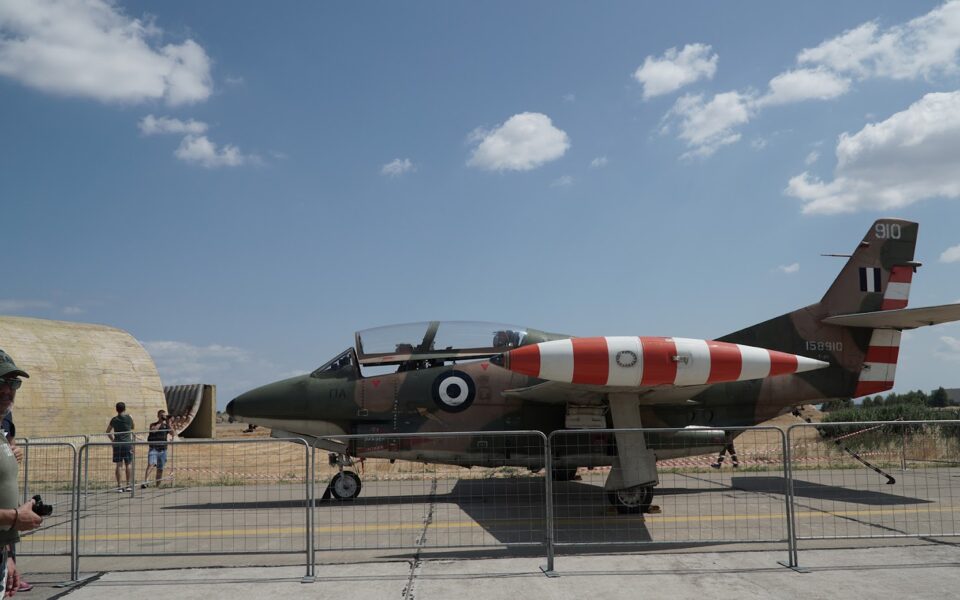
A pilot in Greece has been confirmed dead after a Hellenic Air Force T-2 Buckeye training jet crashed, according toEkathimerini.
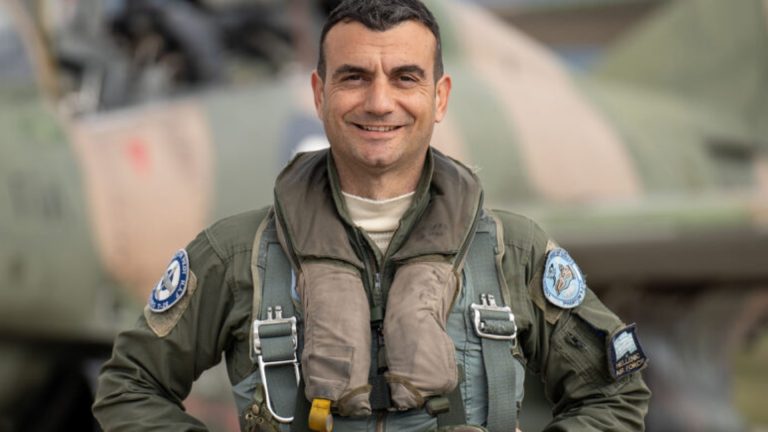
The pilot and Squadron Leader Epaminondas Kostas died at the age of 40.
Epaminondas Kostas died in a Hellenic Air Force T-2 Buckeye training jet crash. Photo: Ekathimerini.
Hellenic Air Force Air Staff shared that the pilot was the only person aboard the aircraft, which crashed near the Kalamata airbase in the Peloponnese.
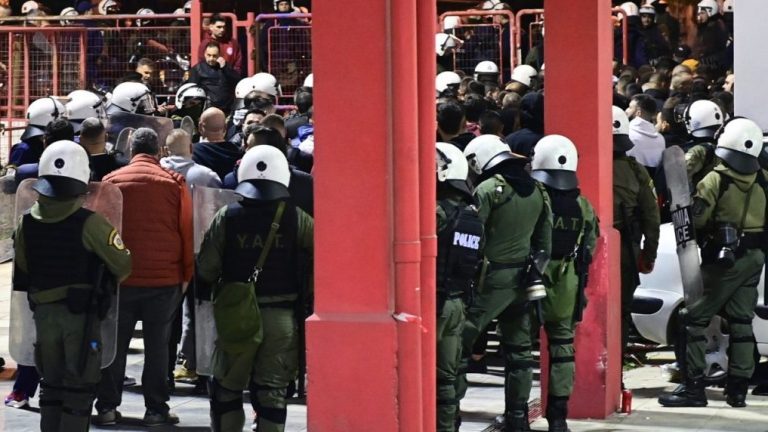
A policeman in Greece has been confirmed dead following a naval flare incident that took place during a violent clash with Olympiakos fans in Rentis.
Ekathimerini shared that the incident, which took place outside a volleyball stadium in Rentis, near Pireaus on December 7, left the 31-year-old officer Georgios Lyngeridis hospitalised and in critical condition.
He was then taken to Nikaia General Hospital, where he was sedated, intubated, and supported with mechanical ventilation. His leg was also amputated earlier this month.
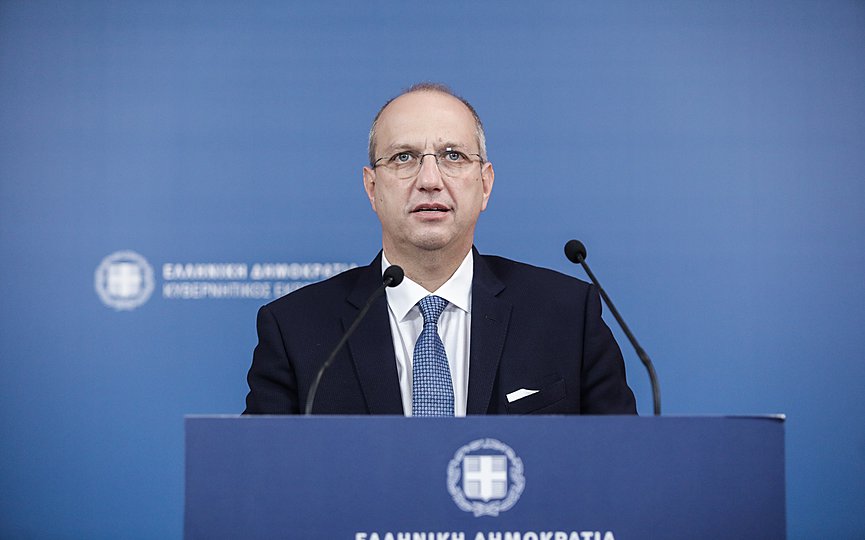
The Citizen Protection Minister, Yannis Oikonomou. Photo: The National herald.
Greece’s Citizen Protection Minister Yannis Oikonomou expressed his condolences to the police man’s family after news of his death emerged.
“The apprehension of all those involved in his murder, at every level, is the least we can do to honour his memory and a necessary response to the Greek society’s demand for justice,” Oikonomou said.
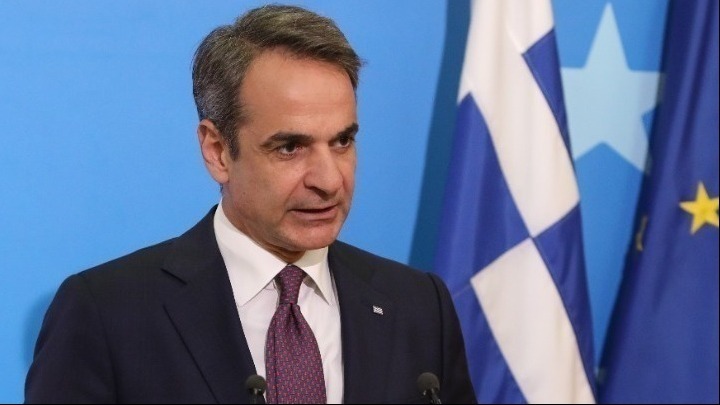
Kyriakos Mitsotakis expressed his condolences to the police officer’s family and friends. Photo: Anna.gr.
Greece’s Prime Minister Kyriakos Mitsotakis also expressed his grief for the death of the officer. He shared his pledge to ensure the punishment of the “murderers of Rentis and the eradication of the violence.”
He also gave his condolences to officer Lyngeridis’ family and friends.
As investigations into the attack continue, an 18-year-old has been arrested following the incident and is facing charges of attempted manslaughter.
Georgios Lyngeridis’ funeral will be held this Friday at 1:30 pm in Athens, Greece.
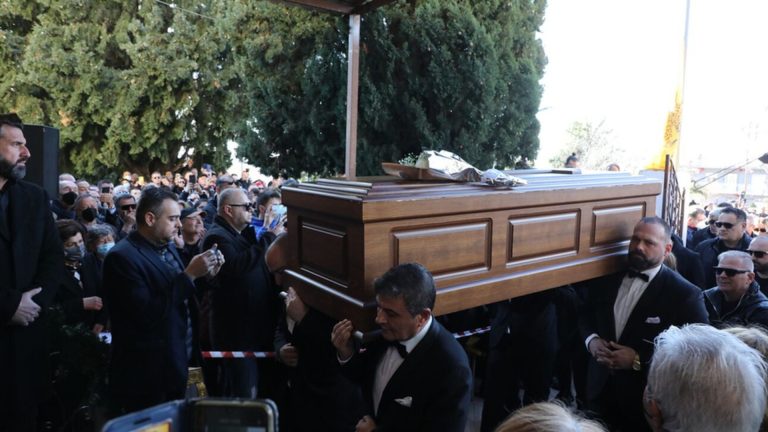
People from all around Greece came together to pay tribute to the legendary singer Vasilis Karras at his funeral on Wednesday.
The service, held in Kokkinochori, Kavala, was filled with many who adored and respected the singer.
The funeral was held at the Holy Temple of Agios Nestor, with the funeral speech delivered by the artistic director of the Symphony Orchestra of New Greece, Evangelos Arambatzis.
CNN shared that many of the former singer’s colleagues, friends and residents of the area came together to pay their respects at Karras’ funeral.
Many well known Greek singers were also spotted at the funeral including Despina Vandi, Antonis Remos, Paola, Giannis Ploutarhos, Phoebus, Dantis, and Christos Menidiatis.
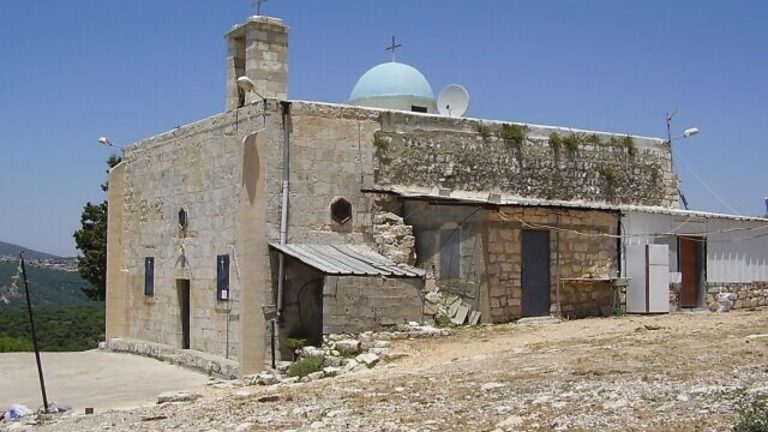
The Saint Mary’s Greek Orthodox Church in Irquit, northern Israel has been hit by a Hezbollah anti-tank missile, according to The Times of Israel.
Israel’s Defence Forces (IDF) shared on X that “the attack is not only a clear violation of UN Security Council Resolution 1701 but also a violation of the freedom of worship.”
The IDF also confirmed that nine soldiers were injured after rescuing an elderly man in his 80’s who was found wounded from the Hezbollah attack. The missile was fired from Lebanon.
Hezbollah attacked the St. Mary’s Greek-Orthodox Church of Iqrit in northern Israel.
An anti-tank missile from Lebanon directly hit the church, injuring a civilian.
This attack is not only a clear violation of @UN Security Council Resolution 1701, but also a violation of the…
One of the soldiers has been put in a serious condition, while the others were reported in light-to-moderate condition.
The military in Israel said that Hezbollah also fired a missile from near a mosque in southern Lebanon’s Yaroun area.
“This is further proof of Hezbollah’s cynical exploitation of Lebanese civilians and holy sites for its terrorist activity,” the Israel Defense Forces said.
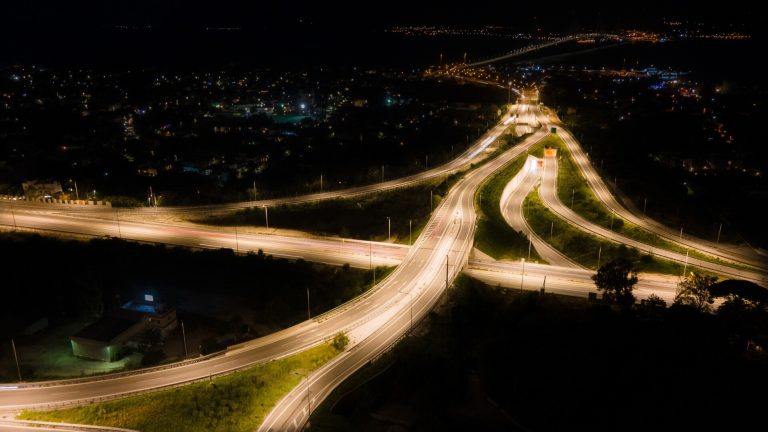
The Athens-Patras highway in Greece is the first highway to be lit up using a smart lighting system that adjusts automatically based on the amount of traffic.
According toitsinternational.com, the system along a trial section of the tolled 218km-long highway, also known as Motorway 8, adjusts the lighting to best suit the driving conditions. Vinci Highways, the company operating the road, has committed to achieving net-zero emissions on its network by 2050.
The system uses artificial intelligence and machine learning to figure out the best lighting level by analyzing live data, including traffic, weather, and road incidents from various sources. By constantly monitoring traffic the system calculates total traffic and predicts the next hour. When traffic decreases and predicted traffic stays low, the system gradually reduces the lighting intensity.
Photo: Florian Schwert
The system also gets real-time data from the highway’s weather stations and cameras. If there’s a change in driving conditions, it immediately increases the lighting. The trial is set up along the Elefsina to Corinth section and will be expanded along the entire highway.
Vinci states that the system aims to reduce the annual energy consumption for night lighting by up to 75%. It also lessens light pollution for people living near the motorway.
The adaptive lighting system has been developed in collaboration with the National Technical University of Athens and specialist start-ups including Extrabit, Athens-based predictive weather forecasting company Ex Machina and Invision AI.
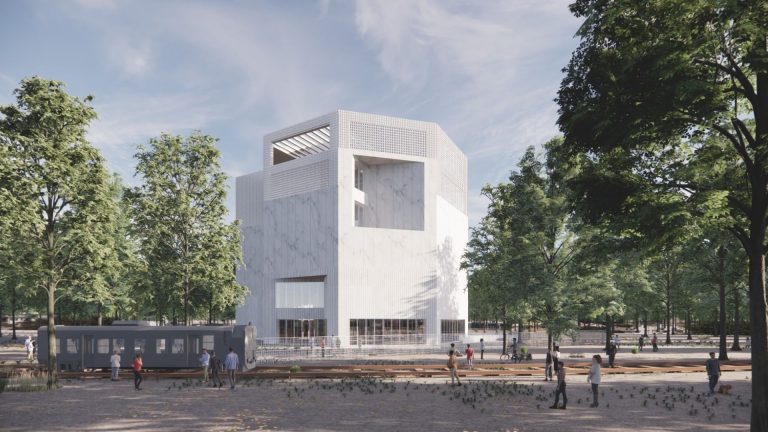
Greece’s Environment Ministry and Thessaloniki’s city planning authority gave permission to build the Holocaust Museum in the city.
According to ekathimerini.com, the Jewish Community of Thessaloniki announced that construction is set to start next year. The project aims to finish in 2026.
The community mentioned that the building permit clears the way for the museum’s construction, and it’s expected to be finished in 2.5 years. The funding for the museum comes from the Greek government, Germany, the Stavros Niarchos Foundation, and Pfizer CEO Albert Bourla, through the Genesis Prize Foundation.
Photo: holocausteducenter.gr
The decision to build the Holocaust Museum in the Thessaloniki Rail Cargo Station area was made about ten years ago due to its historical significance. During World War II, this location was the point from which nearly 50,000 Jews were sent to German concentration camps. However, it took legislative regulations and two Presidential Decrees to address various issues, including ownership and land use in the area.
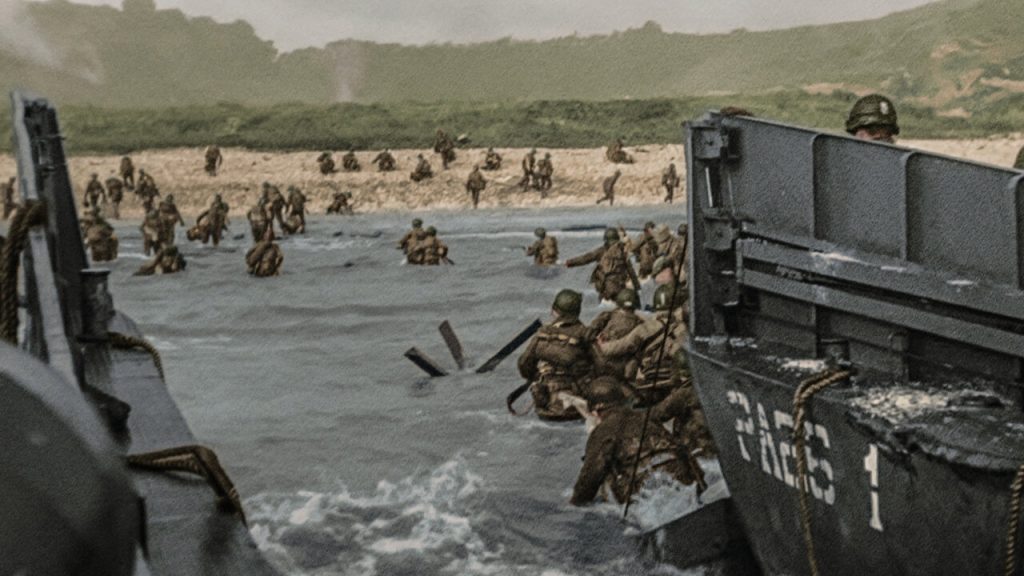
Many Greeks were surprised when they viewed the recent Netflix documentary titled “World War II: From the Frontlines”.
The documentary, which includes enhanced archival footage and incorporates perspectives from all sides involved in the conflict, characterizes the Greek resistance to the WWII Italian invasion as weak.
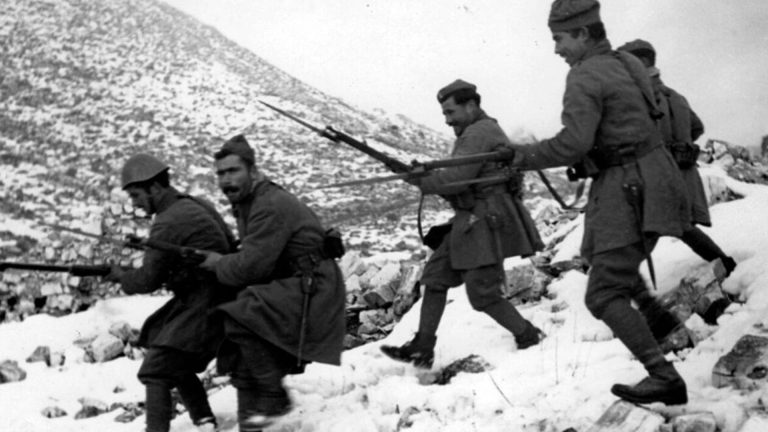
The documentary implies that Greece only showed weak resistance to Italy while there is no reference to the resilient defense mounted by the Greek military, which fought hard against the odds to repel Mussolini’s forces back into Albania.
In a time of rapid production of documentaries and dramas, there is a growing concern among historians and enthusiasts regarding the accuracy of the content being produced.
Photo: netflix
According to thearchaeologist.org, Greek soldiers, fought hard with the Italian forces, despite of being outnumbered and facing firepower disadvantages. Noteworthy among these battles was the Battle of Pindus, where Greek troops successfully repelled Italian advances.
Greece held its ground for 219 days, from October 1940 to April 1941, until Nazi Germany initiated a big attack. Throughout this period, Greece endured 13,325 deaths, 62,663 injuries and 1,290 individuals listed as missing. The world acknowledged the Greeks for their bravery and resistance during these invasions and the years of Axis occupation.
Winston Churchill famously praised the Greek people for their heroism, and leaders from across the globe lauded Greece for its courage.
The Board of the Cyprus Community of New South Wales has issued the following Year in Review for 2023.
Full review in English:
As we approach the final days of 2023 it’s opportune to review the past 12 months at the Cyprus Community of NSW.
2023 has been another challenging and eventful year.
It was a time to reconnect with members who were once able to contribute so much in their younger years, now their memories spark that smile of how much the Club and Cyprus means to them.
It was also a year we welcomed many new members, some in their youth slowly changing the fabric of our Club.
It has always been difficult for a group of volunteers to operate such a large diverse Community with many competing interests and demands, as well as with decades long financial issues. Despite these challenges, 2023 has been a year of historic milestones, a truly rewarding year.
For the first time outside Cyprus and the UK, our veterans and their families were recognised for their sacrifice.
Many members asked to know more about their family’s involvement in World War one, two and the Balkan wars.
Cypriots served with the Greek and Australian military side-by-side in virtually every theatre of war. Cyprus had the highest number of volunteers per capital to serve in World War two than any other territory/ country.
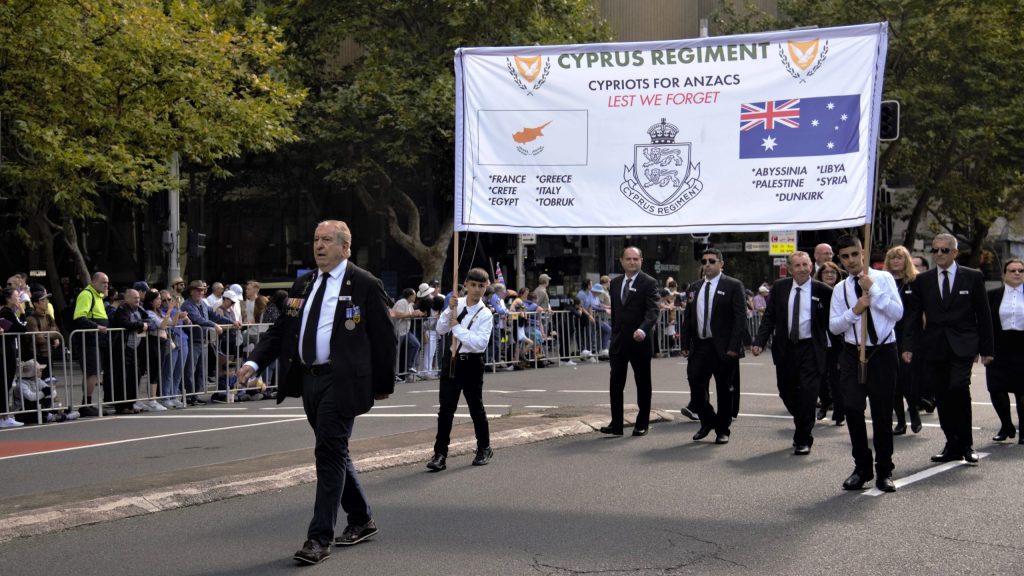
Cypriots were invited to join this year’s Anzac Day parade in Sydney
The Cyprus Community is proud to have led the campaign for the recognition of our veterans and in recent months our newly formed Cypriots for Anzac will be announcing the unveiling of a major monument in honour of our veterans.
2023 was also a year when archaeological heritage artefacts were returned from Australia back to Cyprus. The Cyprus Community hosted Dr Marina Solomidou Ieronymidou, the Head of the Cyprus Department of Antiquities and her team of investigators, preservers and curators to officially receive the artefacts and carry them back to Cyprus.
The Community’s newly formed Heritage Committee is hard at work to negotiate a Memorandum of Understanding (MoU) with the Australian government to formalise the process to repatriate and preserve other items from our heritage.
In 2023, we also hosted the Cambridge University Museum Director of Greek-Cypriot artefacts.
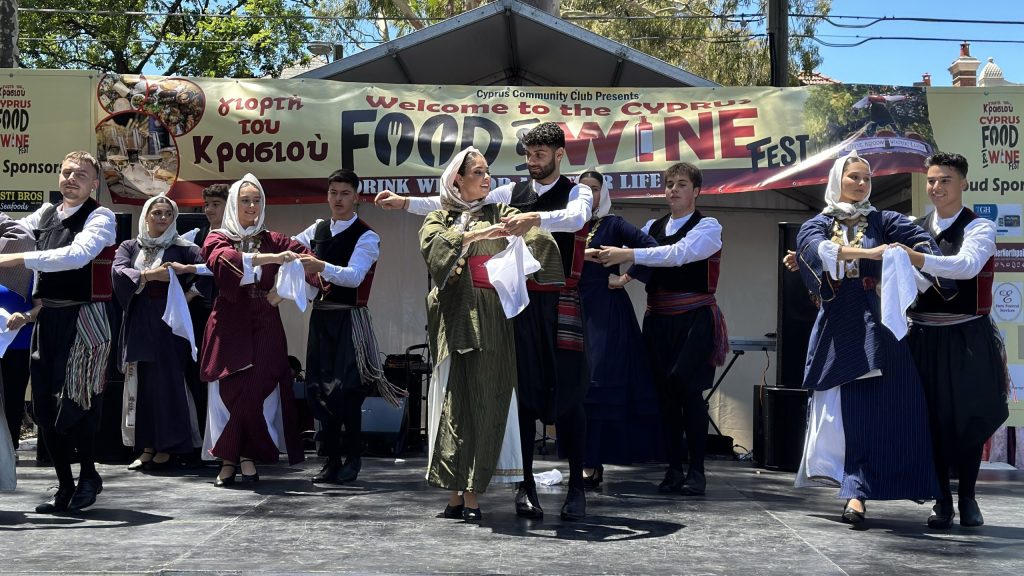
The Community’s social and cultural activities were the most diverse and largest we have had for a very long time.
Our Tuesday members lunch continues to grow and provide traditional “laika” fare. With affordable food and beverage, live entertainment and the famous meat raffle, it’s the perfect get together for members, friends and family.
Our soccer club attracted nearly 2,000 applications, it’s amongst the fastest growing vibrant sporting club in the state.
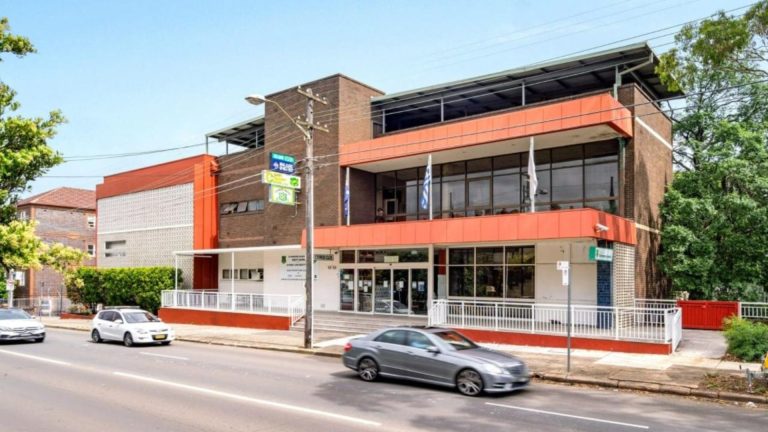
But perhaps for many the greatest achievement which has alluded boards, Presidents and Club supporters for over two decades, is the milestone of the year – the rezoning of the Stanmore property. It’s no small feat.
What does it mean?
The bulk of the land once zoned “open space” means nothing could be built on it. For the first time, the entire Stanmore property can be redeveloped into mixed use residential commercial precinct. This has significantly raised the value of the land.
With a decrease in the Cyprus Club’s debt to asset ratio, roll out of necessary repairs and upgrades, the Club has achieved unenviable benchmarks to offer range of services, events, functions, cultural and education activities and recognition from our neighbours, RSL, government, public and private institutions.
We are a volunteer-based organisation.
In a time-poor age, it’s comforting to see that there are people with views, ideas, something to say, who also have something to contribute and make the effort to help their community.
Helping with repairs to help organise events, it’s the volunteers who quietly, without fanfare or glory, turn up and lend a hand.
The Cyprus Community is the last of the great Greek organisations which offer full set of services from Greek language and dancing schools, to a soccer club and kafenia. We should all be proud that we have kept our pioneer’s vision alive, even in such challenging times.
The Community’s traditional Christmas Fair on Saturday, December 16 was bigger this year with over 30 stalls, music rides and much more, plus Santa Clause arrived with the compliments of Marrickville Fire Brigade – an event that should not be missed.
Cypriot community visited the annual Christmas Markets
Members, children and grandchildren were photographed with Santa and his helper and received gifts, Santa’s blessing and a word of advice for the coming year.
Our famous New Year’s Eve Dance is also bigger than ever. Bookings are essential.
As we review 2023, we must not forget the coming year commemorates 50 long years of foreign occupation. For 50 years, refugees have been waiting to go home, over 1,000 waiting to find out the fate of their missing relatives and friends.
The region has become even more volatile, challenges Cyprus faces can only motivate us to rededicate our efforts to support a just outcome for Cyprus.
We wish all our members, their families, supporters, volunteers, teachers, coaches, managers parents and directors of our Soccer Club, to the members of Justice for Cyprus Committee (SEKA), the Heritage and ANZAC Subcommittees, and to our members, friends, patrons, sponsors, financial supporters, all the best for the festive season and a healthy, happy, peaceful and progressive 2024.
The University is considering steering away from a discipline of Languages and Cultures and wants to instead form a Discipline of Global Studies. This means language programs for Modern Greek, Croatian, German, Italian and Russian could be discontinued.
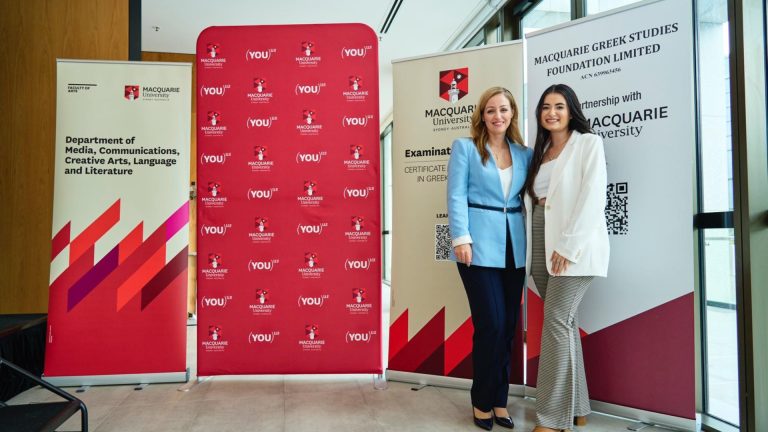
Since then, the Macquarie Greek Studies Foundation (MGSF) confirmed in December that it continues to hold discussions with the University over its proposal to discontinue the language course. The President of the MGSF, Theo Premetis, said a final decision on whether the Modern Greek Studies Program would be discontinued is expected to be made by the middle of 2024. New enrolments are currently taking place for the 2024 academic year.
In the meantime, The Greek Herald has decided to speak to some alumni and current students of Macquarie University to hear their thoughts on any potential changes to the Modern Greek Studies Program.
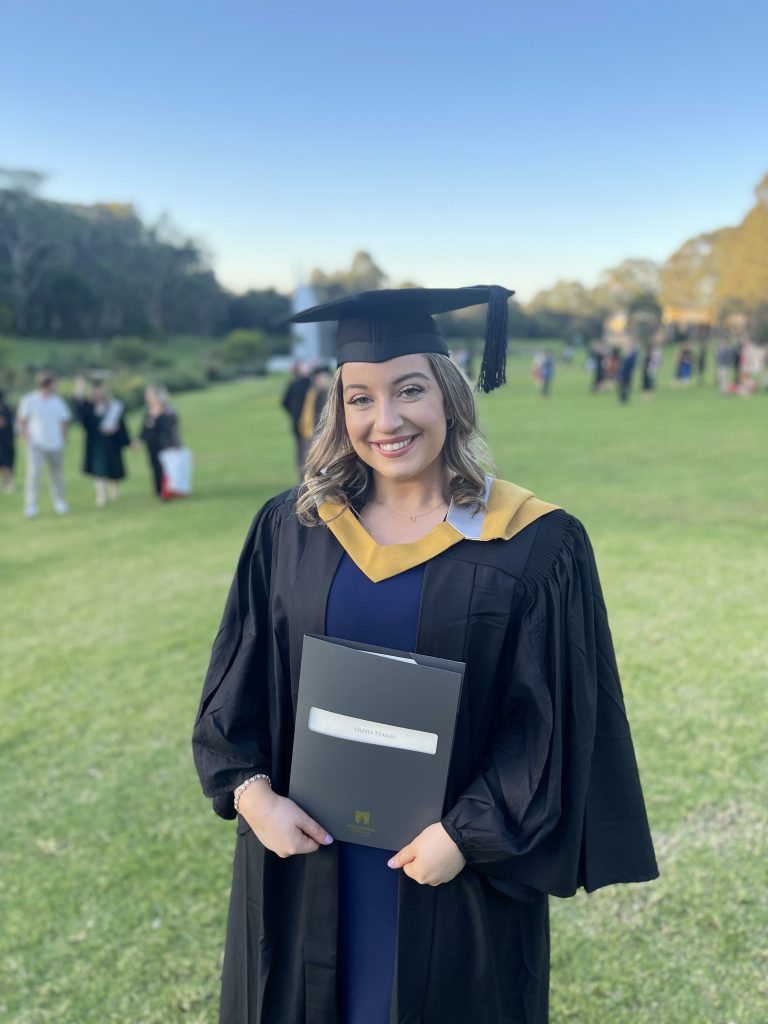
Olivia Tzakos
Olivia Tzakos.
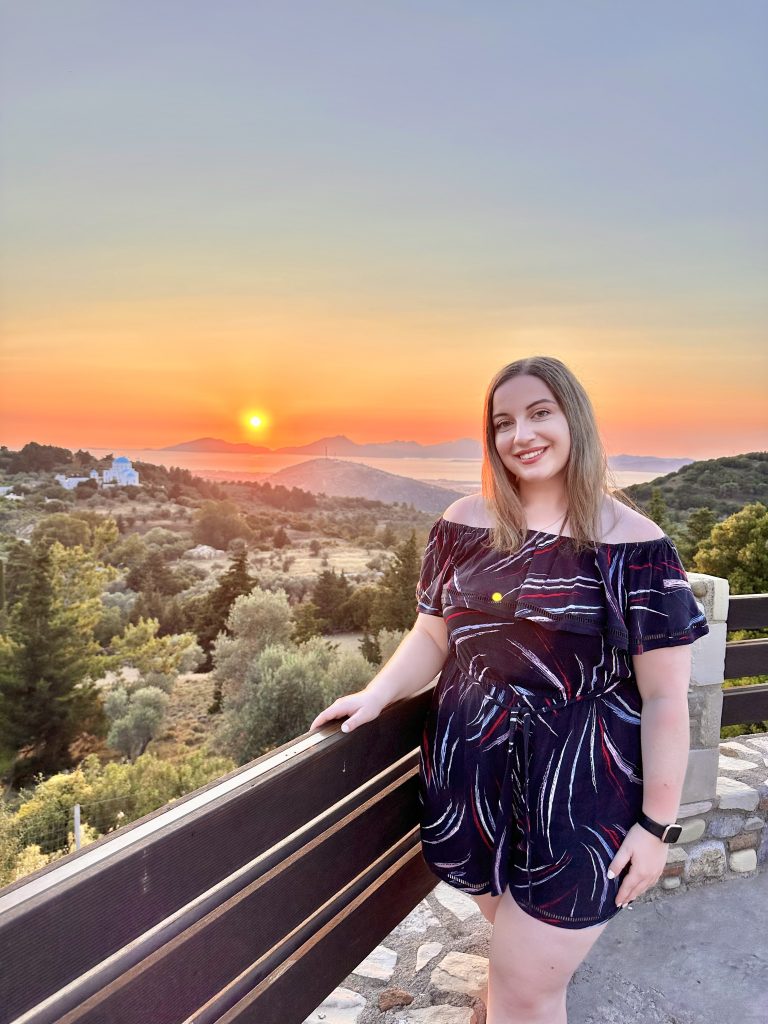
Olivia Tzakos, a 23-year-old who’s currently studying a Master of Speech and Language Pathology at Macquarie University, said having the opportunity to study the Greek language was so important to her.
“It allowed me to strengthen the connection to my cultural roots and continue keeping our beautiful language alive as a third generation Greek Australian,” Olivia said.
She had the pleasure of being taught Modern Greek by Dr Patricia Koromvokis, who she said is “one of the most inspirational academics I have come across” in her tertiary education.
“Having a lecturer who is extremely passionate about teaching the Greek language enhanced my desire and dedication towards immersing myself in the Modern Greek Studies Program,” she said.
Olivia said she’d encourage more people to do the program as “learning a second language provides significant employment opportunities and improves one’s ability to converse within cultural contexts.”
“Having learnt Greek as a second language is advantageous for me professionally as I intend to enter the field of speech pathology after I finish my studies,” she added.
Olivia Tzakos.
She was devastated to hear that the Modern Greek Studies Program at Macquarie may be in jeopardy.
“To think that the future of the Greek language could be at stake is even more upsetting as it greatly affects learning and employment opportunities for students, as well as future generations within the Greek community,” she said.
The 23-year-old said it was important to her to keep the Greek language alive in Australia.
“I hope that everyone rallies behind the continuation of Modern Greek Studies at Macquarie University as I believe it is of utmost importance to spread and maintain one of the world’s oldest languages in order to preserve and celebrate our Greek identity and culture,” she concluded.
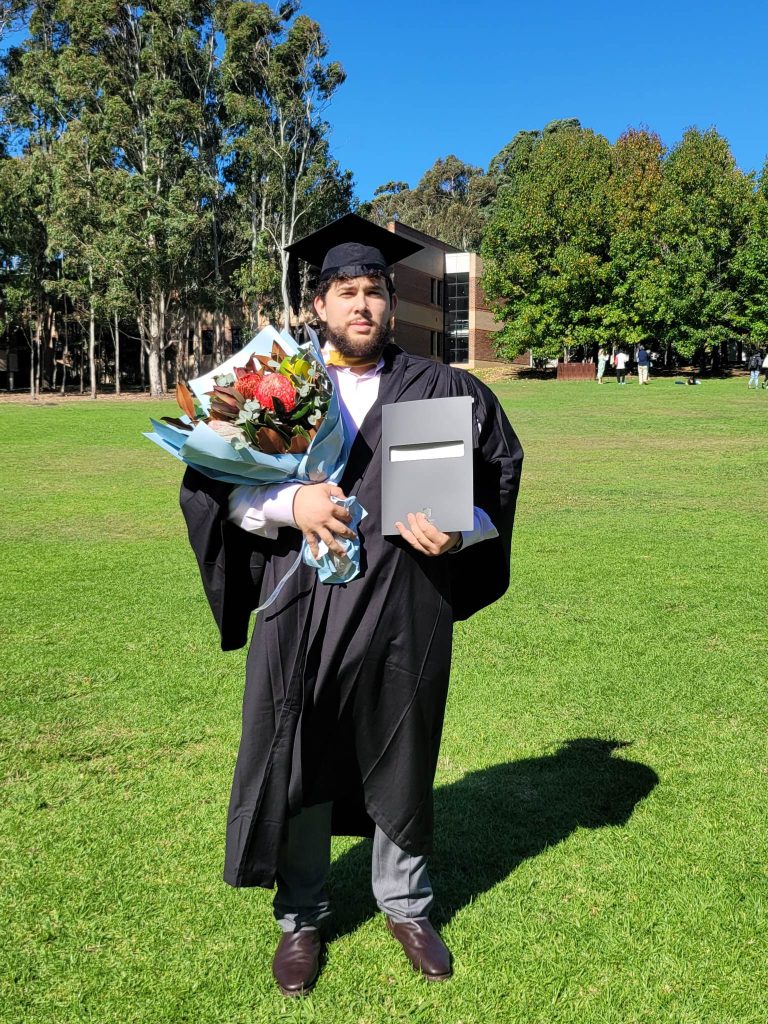
Samuel Giovas
Samuel Giovas.
Samuel Giovas, a 22-year-old graduate who just completed his Bachelor of International Studies last year, said he specialised in Modern Greek.
“One of the highlights of my time at Macquarie includes being involved in MUGA and just being involved with the Greek community,” he said.
“I also had a great teacher, Dr Koromvokis and she made the course really enjoyable. To be able to learn the Greek language and understand it better was also a great outcome of the course.”
Samuel said after finding out the Greek course may be discontinued, many students emailed MUGA, outlining how they want to study Greek and how they’re really sad to hear the course might be discontinuing.
“I think learning language, especially one with a long history such as Greek, is really important and we need the ability to be able to do it,” he said.
“Also, with the development of Artificial Intelligence (AI) in the current and very sudden future, it won’t be able to replicate language, and so it’s something with so many benefits that needs to be taught and continue to be taught in institutions such as universities.”
Alexia Nastatos
Alexia Nastatos.
Alexia Nastatos is another former student who “absolutely LOVED” the course.
“I didn’t elect to study Greek until my last year, as I had a few spare electives, and oh my goodness, I wished I’d done it sooner,” she said.
The 24-year-old Macquarie University graduate said she loved being able to reconnect with her culture through language.
“It gave me the opportunity to be taught by Patricia Koromvokis! Not only is she an amazing lecturer and teacher, but I had actually been wanting to be taught by her for years. I also got the chance to meet some amazing people,” Alexia said.
“It’s a way of connecting with your culture through the language and keeping it alive within Australia. Past generations have fought so vigorously to keep the Greek language and culture alive for future generations, so I see studying the course as a way of honouring that.
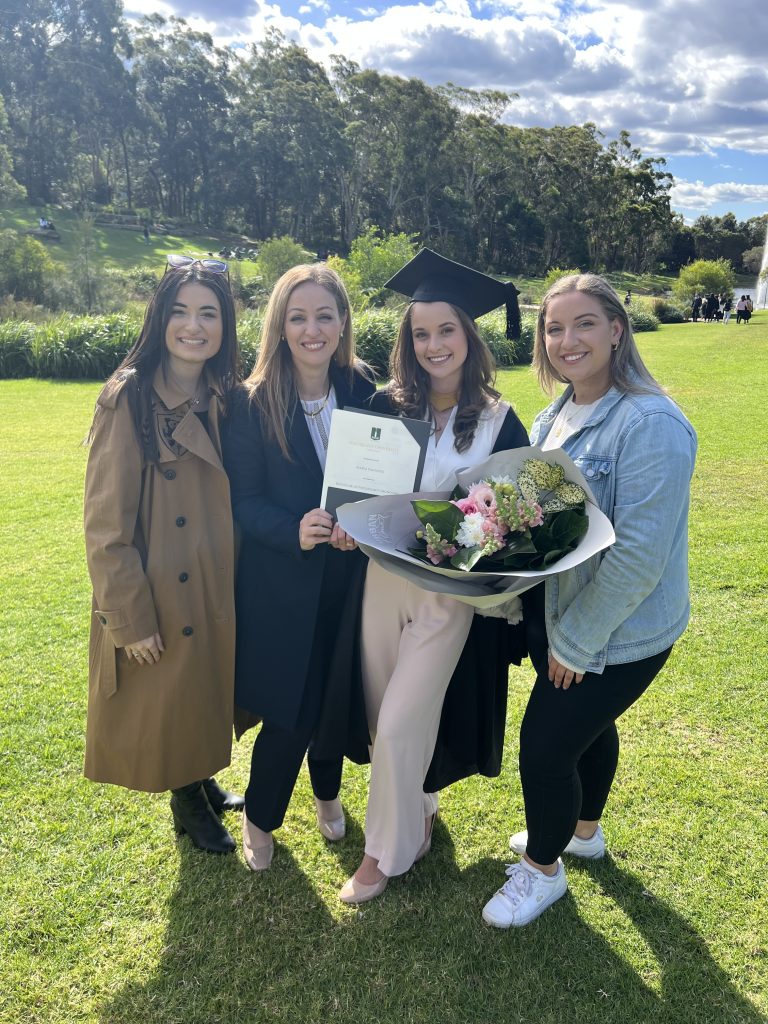
Alexia Nastatos with her friends and Dr Patricia Koromvokis (second from left).
“For those who don’t have a Greek background, it doesn’t matter! Give yourself a challenge, meet some amazing people, and learn a beautiful language.”
The 24-year-old said she was quite saddened to hear the course may not be offered anymore.
“As a language with such a long history, from a culture with deep roots, I struggle to understand why this language should be discontinued,” she said.
“Why shouldn’t the interested mind, or the person with Greek heritage, be given the chance to study Greek? Learning a language can open so many doors for people, and why shouldn’t Greek be one of those languages for university students?”
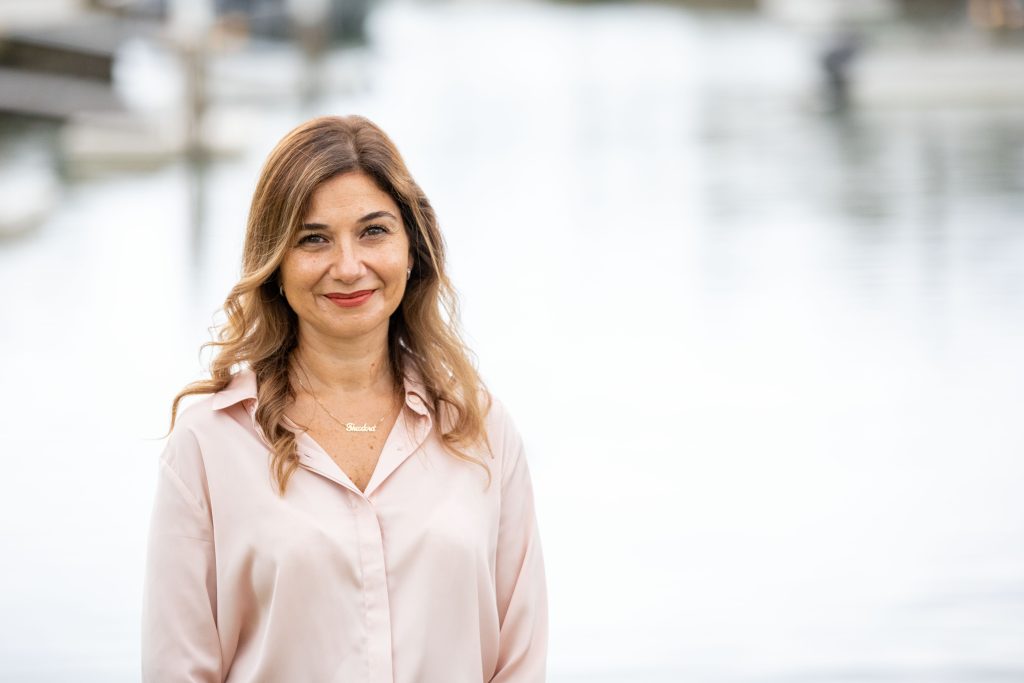
Doris Damoulakis
Doris Damoulakis.
Doris Damoulakis, a Clinical Psychologist of 20 years and former Macquarie student who studied the course, said she had an excellent experience.
“My first teacher was Vasilis who was followed by Dr Elizabeth. They were both passionate, knowledgeable, invested and relentless in their goal to make the Greek language something that was accessible to all students who wanted to learn and connect with the Greek language,” she said.
“I got to learn about the Greats of Greek literature, poetry, philosophy, psychology as well as the historical events that have shaped Greece and their impact on the world.
“It also enabled me to cruise through aspects of my psychology degree because names of certain conditions and medical terms are actually Greek words and so it made my studies easier.”
She said as Australia is such a multicultural country built on a rich tapestry of cultures, languages, foods, identities, and ways of life, discontinuing Greek studies “goes against and denies our way of life.”
“This is not acceptable for Greek studies or any language for that matter. Students should be able to have the choice to study their language in tertiary settings,” she said.
“If we start pulling Greek out of one university, which will be next? When will it end?”
Parisa Marathos (Marathocabitis)
(L-R) Dr Patricia Koromvokis with Parissa Marathos.
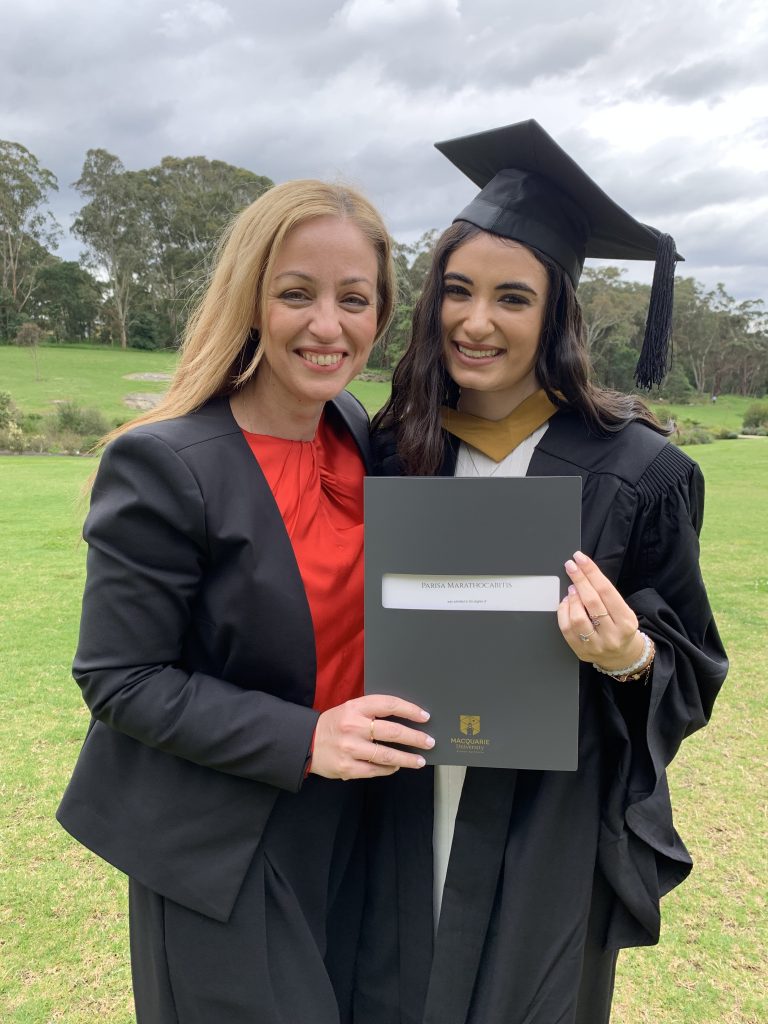
Parisa Marathocabitis, a 25-year-old Bachelor of Arts (major in music) /Bachelor of Education (Primary) graduate of Macquarie University, said speaking Greek has always been incredibly important to her.
“It became instrumental throughout my degree when I was asked to represent MUGA and the Combined University Greek Association (CUGA) by reciting poems in Greek for the commemoration of the Athens Polytechnic Uprising in 1973 (Το Πολητεχνειο) in both 2019 and 2020,” Parisa said.
Parisa said studying modern Greek at Macquarie reminded her of her passion to uphold the Greek culture and language, “as well as its values, its history, its richness.”
“Sitting in the tutorial rooms being taught by the outstanding Dr Patricia Koromvokis, truly gave me a sense of inspiration and a feeling of privilege knowing that by choosing to study modern Greek made a huge impact in the course being still available to continue to study in the 21st century at a tertiary level,” she said.
She said undertaking the course was also “an incredibly fulfilling cultural experience.”
“You’re able to learn a new skill in learning a new language at a tertiary level, especially if you haven’t had the opportunity to experience this before,” Parisa explained.
“Studying Modern Greek at a tertiary level at Macquarie truly was a highlight of my entire degree.”
Parisa said if the course is not saved, “tertiary programs truly are going backwards in not offering to learn languages in the 21stcentury in the Faculty of Arts.”
“People who value and cherish what Modern Greek means to them like myself, would go to no end in making the course available for the next generation to study, to continue the passion, the history, the richness and love for one of the most incredible languages in the world,” she said.
James Adonopoulos
James Adonopoulos.
James Adonopoulos, a 44-year-old Academic Dean of Kaplan Business School, said he chose to study Modern Greek at Macquarie, “not only because it’s one of the very few universities at which it’s still taught, but also because of Macquarie’s world-class online delivery.”
He said as a “profoundly proud Hellenophile” his entire adult life, it was special for James to study Modern Greek at Macquarie as “it’s so much more than just the deeper learning of a beautiful language.”
“It’s everything else I’ve additionally learnt as a by-product of this process – the culture, the history, the music, the country, the people, the customs, the food, the politics – all of it thanks to the engaging curriculum,” he said.
James said if you’re of Greek ancestry, nothing prepares you for how fulfilling and life-enriching it is to learn the Greek language.
“It will instil in you, just like it did in me, an even stronger appreciation of our ancestors’ unparalleled contribution to the world we know today,” he explained.
“But there are benefits even to people of other cultures because it simultaneously engenders a greater understanding of science, philosophy, ethics, linguistics – and that’s in addition to how much easier it becomes to travel around one of the most breathtaking countries on this planet – a place tourists rarely visit only once.”
James said saving the Greek language course at Macquarie was about more than just the Greek diaspora and preserving the opportunity for second and third generations of Greek Australians to study it.
“This is also fundamentally about the need for Macquarie University to continue delivering with its renowned excellence a course that by its very existence recognises the influence of Greece on the Australian way of life, with architecture, business, sport, festivals, government and cuisine a few of the sectors that have been most positively influenced,” he said.
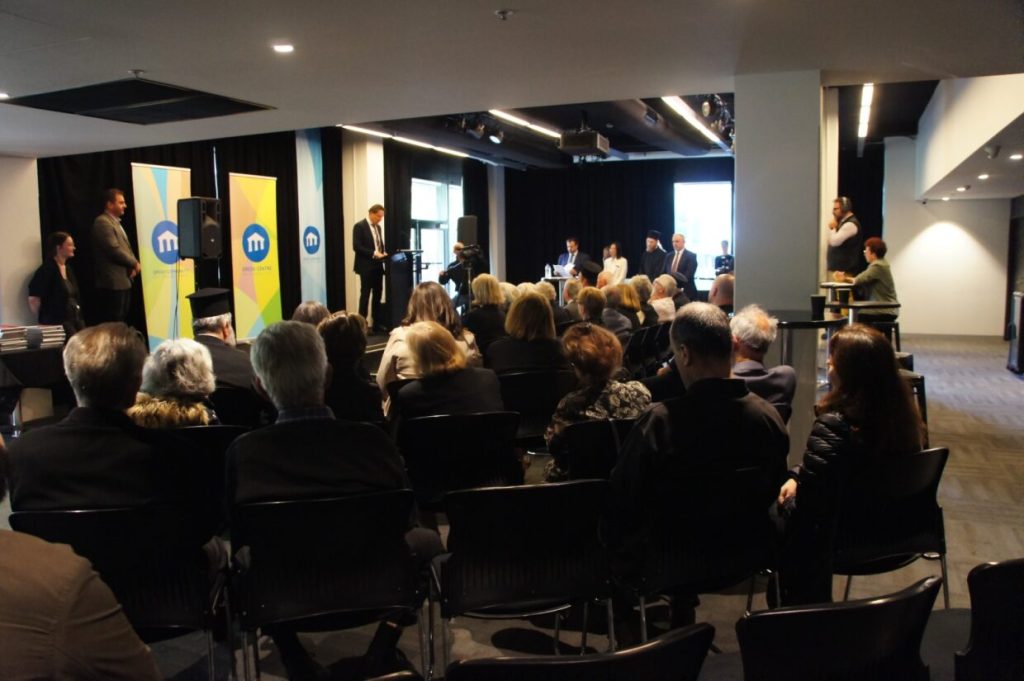
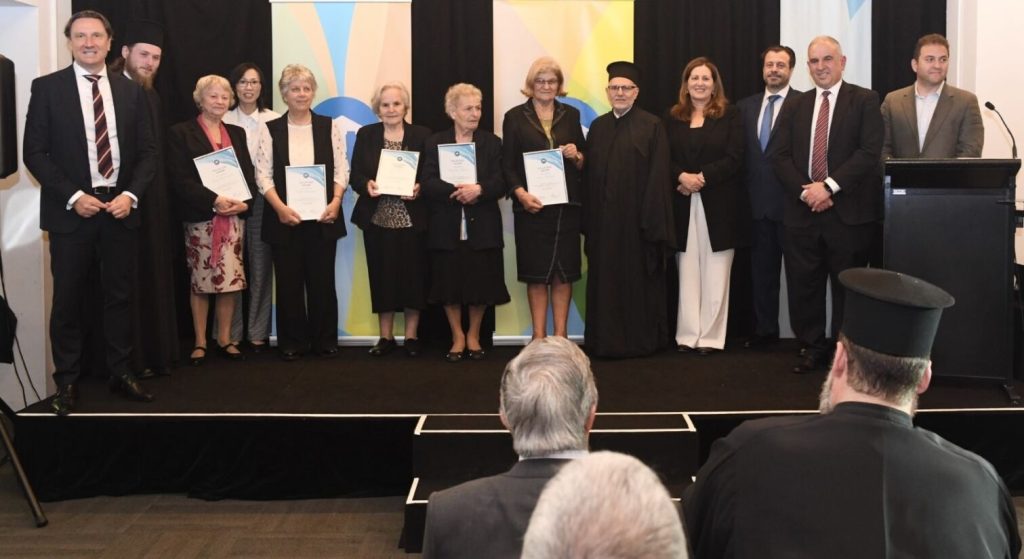
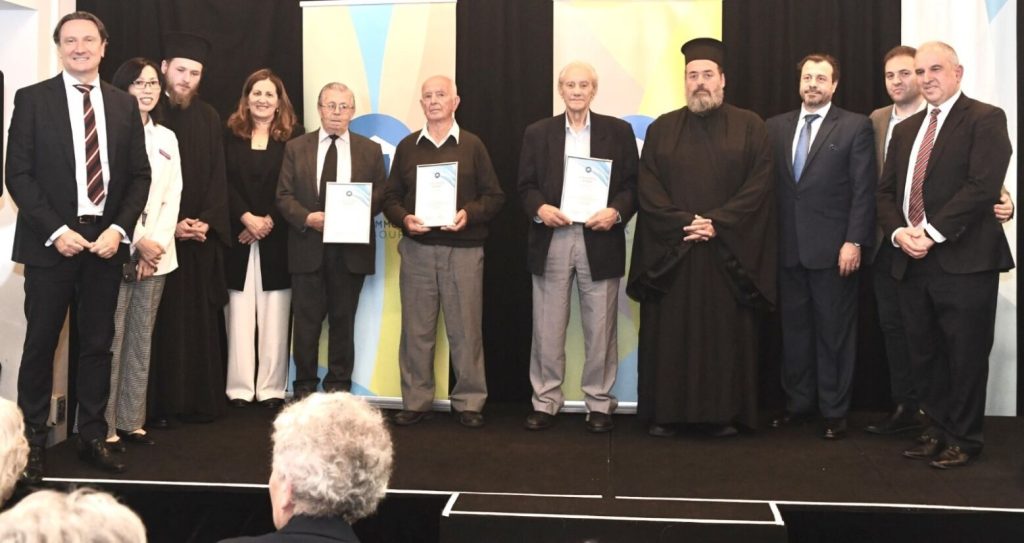
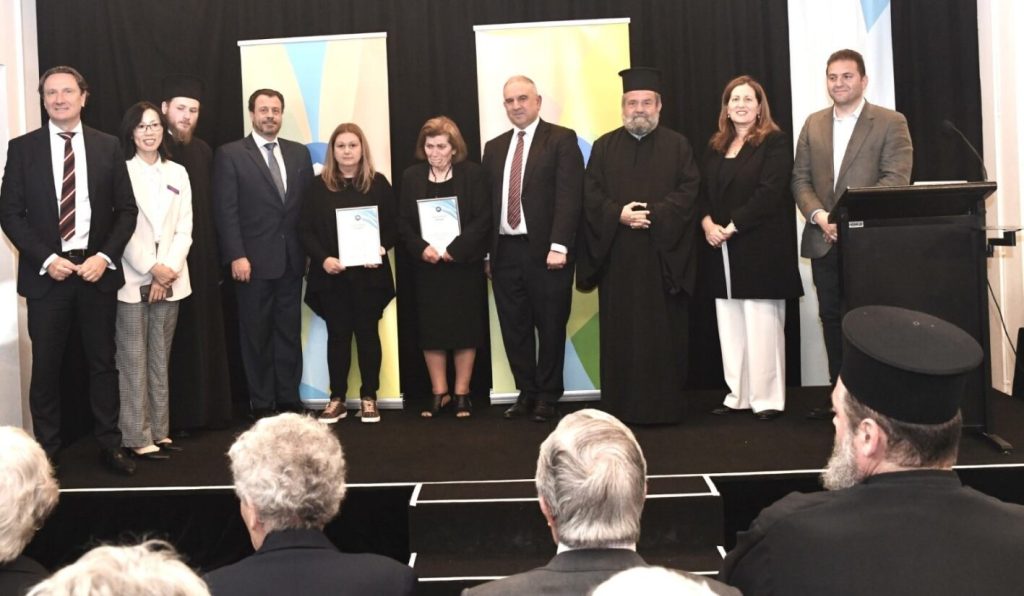
The Greek Community of Melbourne (GCM) proudly hosted its inaugural Appreciation Ceremony to recognise and honour the dedication and selfless contributions of exemplary volunteers with more than 10 years of community contribution.
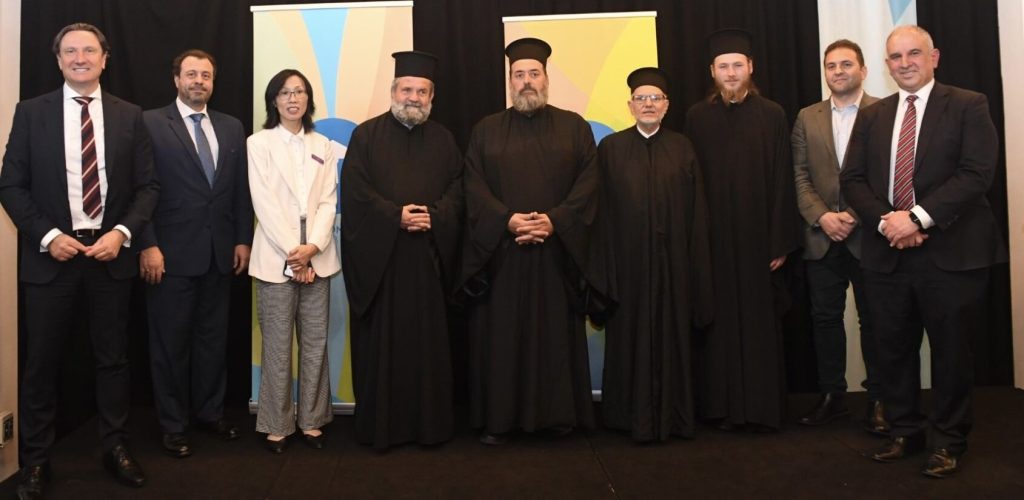
This heartwarming ceremony brought together community members, devoted volunteers, and priests from the Holy Church of “Annunciation of our Lady,” “Holy Trinity” Church, “St. George” Church, Holy Church of “St. Eleftherios” and Holy Church of “St. Dimitrios.”
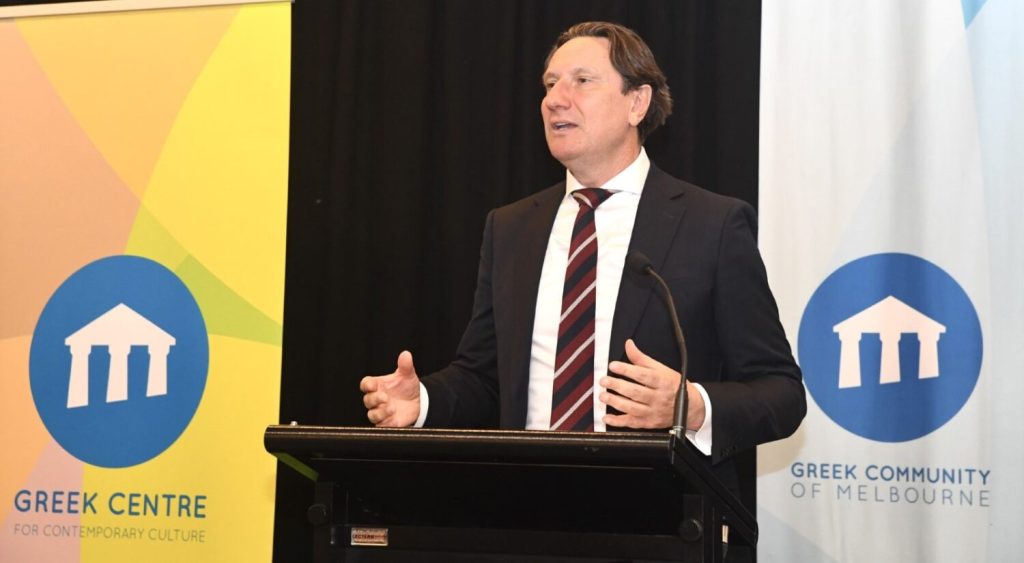
The ceremony began with a warm welcome from Nick Koukouvitakis, GCM Secretary, expressing gratitude for the invaluable contributions of volunteers who have made a significant impact on the community.
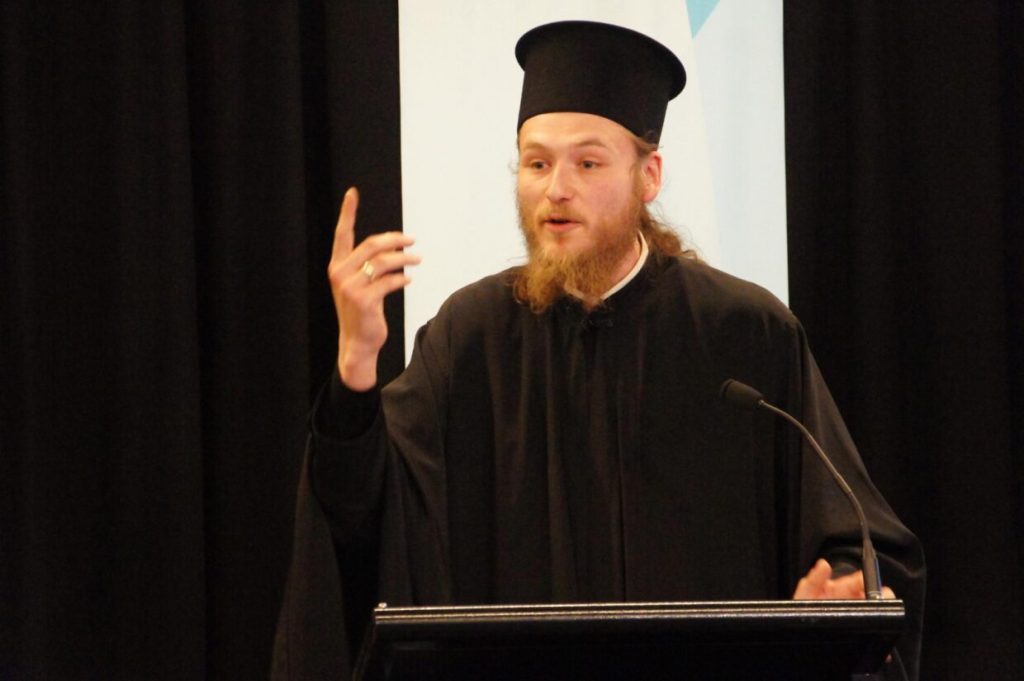
All photos supplied by Kostas Deves.
Mr Koukouvitakis started his speech with a famous quote from Helen Dyer, “Volunteerism is the voice of the people put into action. These actions shape and mould the present into a future of which we can all be proud.”
“Your compassion and kindness towards others are an inspiration to all, and your efforts have not gone unnoticed,” he added.
The GCM President, Bill Papastergiadis OAM also gave a speech and took people on a retrospective journey through the history of the community and its churches.
Mr Papastergiadis put together the threads of the community’s past, highlighting key milestones, challenges, and triumphs, created a powerful narrative that resonated with everyone present.
By delving into the history, Mr Papastergiadis not only honoured the sacrifices and contributions of those who came before us but also provided a context for our present identity and aspirations.
The key points of this narrative were that in 1898,an eight-member ecclesiastical committee consisting of Greeks and Syrians was appointed with the goal of bringing a permanent priest to Melbourne. On December 6, 1900, the foundation ceremony of the first Orthodox church took place, marking the official beginning of Orthodox doctrine in Victoria.
For almost 60 years, the Holy Church of “Annunciation of our Lady” was the sole church meeting the religious needs of Orthodox Greeks. Today, it is considered one of the most significant buildings representing the historical Greek presence in Melbourne.
In the 1950s, the Community responded to the increasing needs resulting from post-war mass migration by establishing two additional Orthodox churches.
Throughout these years, the members of the Community volunteered their contributions to the operation of Orthodox churches, covering administration, financial obligations, fundraising, and everything necessary for their smooth functioning.
Mr Papastergiadis stated, “The GCM is built on the foundation of unity and shared values. Our volunteers embody these principles, and it is only fitting that we come together as a community to honour their commitment, passion, and generosity.”
“This event serves as a platform to shine a spotlight on their selfless acts and express our heartfelt gratitude for the positive change they bring to the lives of others and our community,” he added.
Father Phillip Papagiannopoulos, a representative from the Greek Orthodox Archdiocese of Australia, expressed his gratitude to the volunteers.
“Our volunteers are the heartbeat of our community, and their unwavering dedication deserves to be recognised. You are our light. You are our faith. You are the backbone of our churches. Your exemplary service echoes the spirit of love, compassion, and unity,” Father Phillip said.
The Consul General of Melbourne, Emmanuel Kakavelakis, also spoke and fostered a sense of unity and continuity, reminding us that our shared history is a source of strength and resilience.
He remarked, “Volunteerism is not imposed; it is inspired. It is grounded in Love, the kind that is written with a capital ‘L’ and resides deep within us. This humility is a path of greatness. The power of volunteering is unifying, is transformative. Your dedication is a source of inspiration for us all.”
The Chairperson of the Victorian Multicultural Commission, Vivienne Nguyen, by sharing her personal story being a refugee herself, expressed profound appreciation for the volunteers, “This ceremony is a testament to the profound impact you had on the wider community.”
“You set a strong foundation for all the communities that came after you here in this city. We followed your footsteps. You have created a sense of belonging for all of us. It was very healing founding this reminder of the home we left behind. We are immensely grateful for their tireless efforts and selfless service,” Ms Nguyen added.
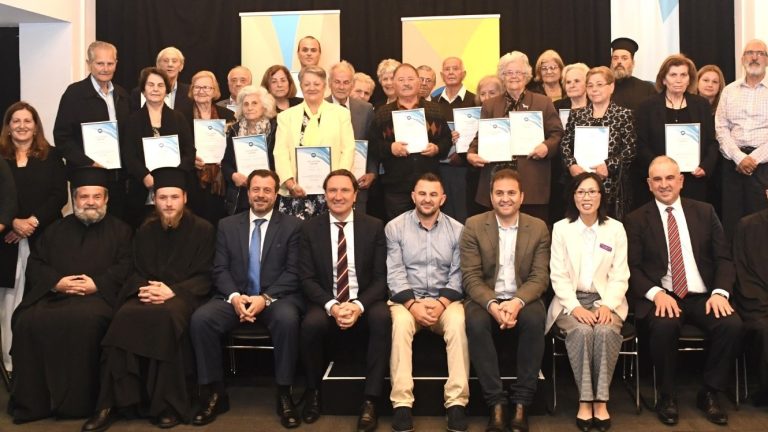
Following the moving speeches, Associate Prof. Marinis Pirpiris, Treasurer of the GCM, and Helene Hiotis, GCM board member and principal of Bentleigh Secondary College, presented certificates of recognition to over 40 of the GCM longstanding volunteers.
Photo: Kostas Deves.
Four certificates were also given to the families of volunteers who are deceased. Among the volunteers was Costas Kolokythas, who has been the chanter of “St. George” Church for 58 years. With his selfless contributions and humble commitment, he was an inspiration for all the attendees.
The success of the inaugural ceremony has set a positive tone for future endeavours aimed at recognising and appreciating the unsung heroes within the GCM.