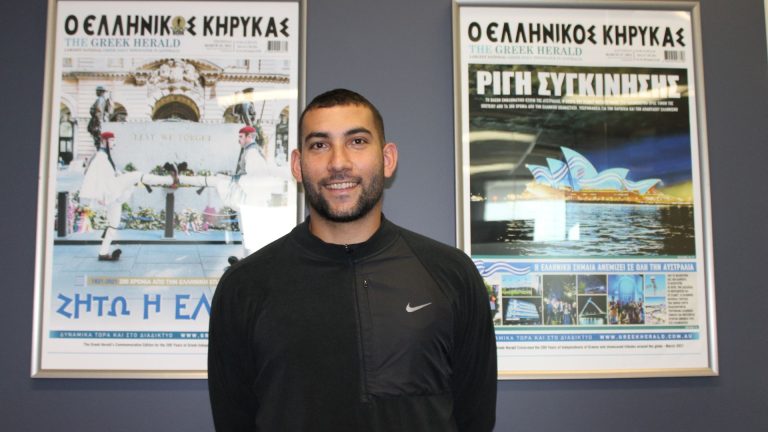
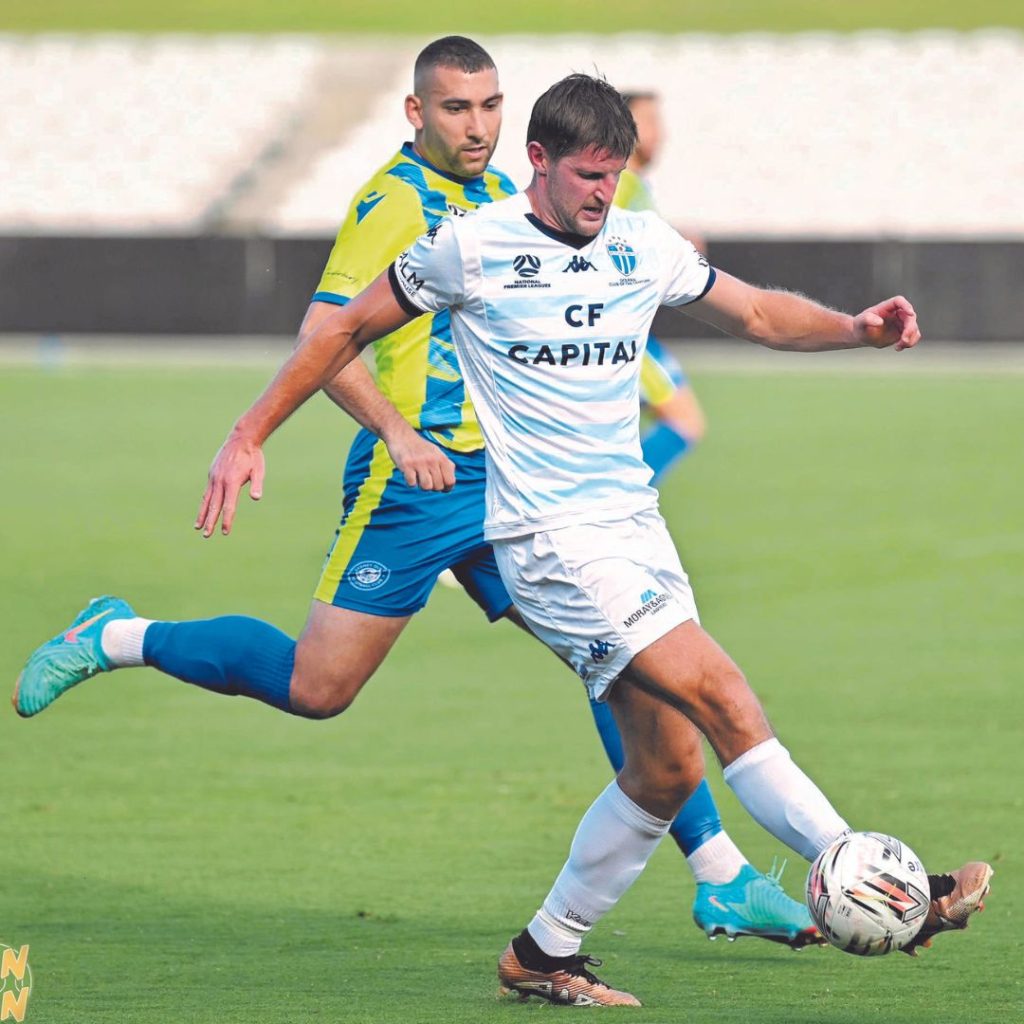
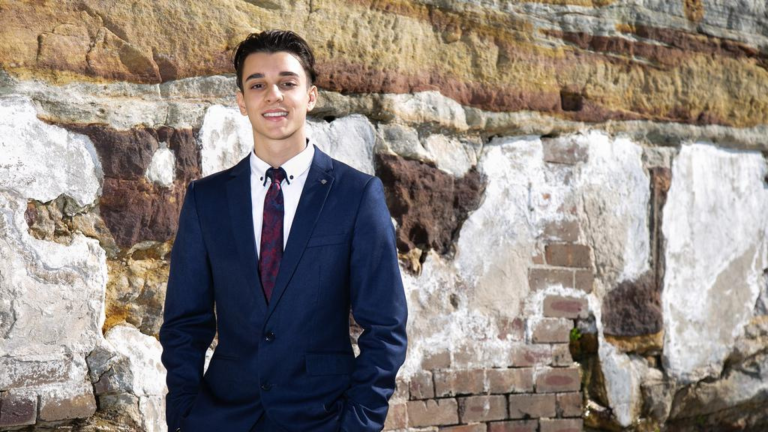
26-year-old George Timotheou’s technique in providing solutions and concealing dangers in defence are unique. These characteristics make him stand out, as well as his ability to read the phases and transfers to the extreme forwards.
The father-of-two started his professional career at Sydney FC but never managed to break into the main team, instead playing in their reserve team in the National Premier Leagues (NPL). Halfway through his two-year contract, Timotheou left the club to sign for Sydney Olympic FC, where he made 27 appearances during his two seasons there, before leaving to sign a deal with Bundesliga football club Schalke 04.
George Timotheou
Timotheou made his professional debut for Schalke 04 in the Bundesliga on 18 May 2019, starting in the home match against VfB Stuttgart. In November 2020, Timotheou returned to Australia to play in the A-League, signing with Adelaide United on a two-year contract.
With the new NSW men’s National Premier Leagues season starting this week, The Greek Herald sat down with Timotheou to hear all about his plans for the year ahead.
Sydney Olympic FC
Why did you choose to return to Sydney Olympic?
I think, because it’s my home. The club was very good to me a few years ago. And I think it was natural. It wasn’t hard to decide, I think it was mainly my decision to come back. So, it wasn’t really difficult for me.
How did you first get into football?
I started at the very young age of three at Gungahlin United FC and stayed for about ten years with that team. Later I went to the Australian Institute of Sports.
What positions do you play?
I started as a left and right striker and a central striker. In one match the central defender was injured and the coach put me as a defender to help. Since then, I have established myself as a defender.
You have played in several teams and of course, abroad.
Yes, I played in several good teams and at the same time, I gained the experience to perform well in every game. Of course, I played for League teams, in the NPL and overseas at Schalke in Germany. For a very short time I was also at the Belgian club Zulte Waregem.
I returned to Australia and went to Adelaide United and later to Melbourne Victory and back to Gungahlin United FC. Now of course I’m at Sydney Olympic – a team that has breathed life into Australian football during the NPL period and now, with the National Second Division, it will recreate football and raise the level.
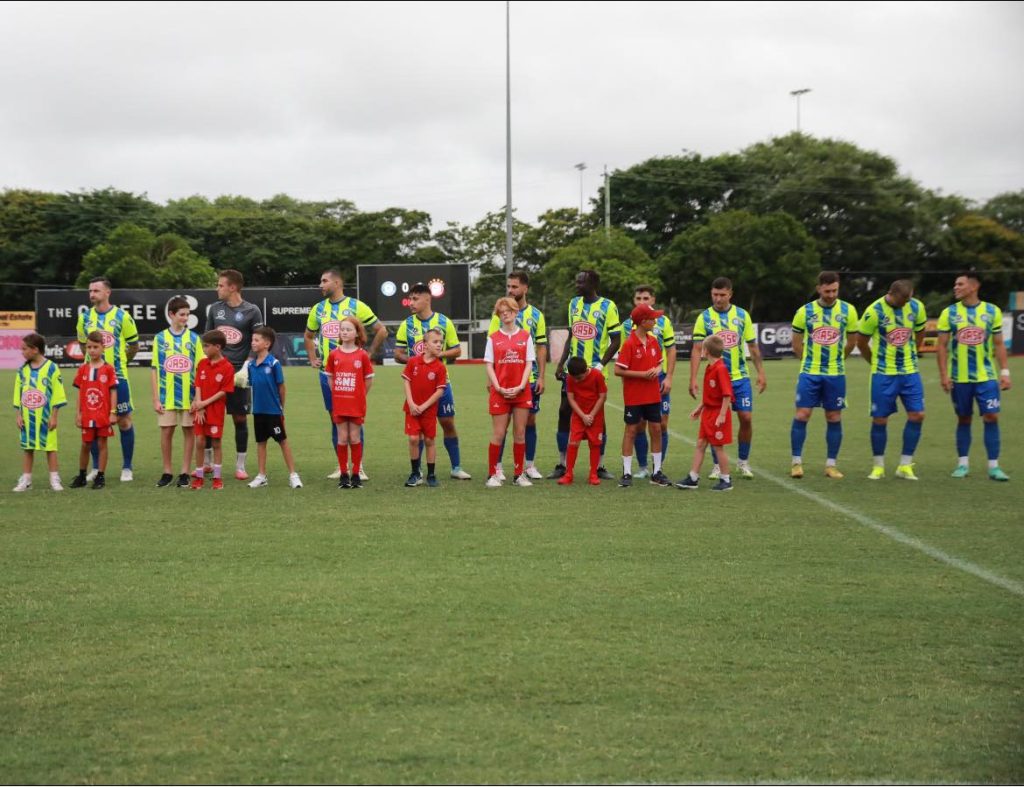
Sydney Olympic FC.
What are your thoughts on the National Second Division?
There was previously no second division or anything like that, so obviously when I heard that Sydney Olympic was in the second division, I was very excited about it. I think it will be a big step forward and with the roster we have I think we can do very well. All the lads have shown great interest and we are training as much as possible, and in our friendly games the results are showing.
Sydney Olympic have so far done well in all three cup tournaments this year.
Yes. At The Greek Herald Cup the presence of the fans was fantastic and with a positive result we lifted the Cup. It was the same result at the Hellenic Cup in Brisbane. Both games were fantastic.
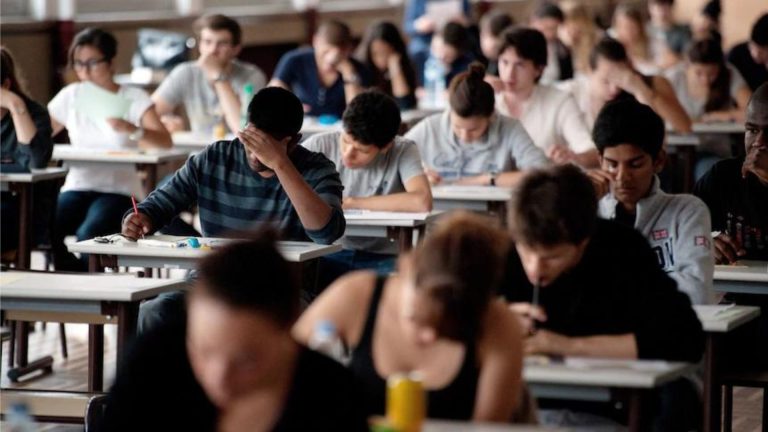
I have always been in favour of abolishing university entrance examinations. This institutional examination process in the form of HSC, VCE or whatever it is called, offers only pain, injustice, confusion, psychological terror, mental upheaval and most importantly tarnishes and condemns the diligence, learning ethos and training acquired by the student (the child) during the last three grades of his/her school (Years 10-12).
How is it possible that a continuous struggle of three years, a course of intensive learning of three full years, can be replaced with a two or three-hour exam? How can the toil, the intensity of learning, the long and wide study of three years be balanced with a two-hour examination, during which the child may had arrived with a temporary but overwhelming illness, high fever, mental upset, panic symptom?
My opinion since 1980, when I was still writing in the newspaper Nea Patrida of the Group of the late Theodoros Skalkos, was and remains unchanged. Children should be admitted exclusively with their academic High School Certificate, which will show all their three annual performances in the main five or six subjects of the science discipline they would like to follow. Is it possible to replace three years of performance and hard work and learning with a two-hour exam?
My view is that university entrance exams are a trumped-up mechanism for socialising learning and performance. In Greece it is something more. To strengthen and operate the tutoring schools and schools of para-education that have been operating for decades and suck the blood of the Greek family, with the result that many parents do not give birth to children because they can’t educate them.
In general, however, both in Greece and Australia, university entrance exams are a completely unfair system, I would say criminal from the point of view of the fairness of a child’s evaluation. Thousands of children who, with good and excellent performance in the last three years of their Gymnasium, did not perform as expected and as a result they fled abroad or were condemned and lived in failed professions, without deserving it. And all of them, or at least the vast majority of those who failed the university entrance exams, when they arrived in Europe or America, excelled in university and academic studies, because they entered on the basis of their Baccalaureate/High School Certificate. They excelled because they were excellent students in the last three grades of Gymnasium; they excelled because they had an ethos of learning and continuous and persistent effort for improvement, for the best. Many of those who had “failed” in Greece or in Australia in the entrance exams became great scientists, academics and distinguished men of letters.
“School is not just about information and knowledge. School is also education. It is a way of life, behavior, education, character. And this second part has been lost [from Greece],” emphasises in a statement recently published by most eminent today Professor of Linguistics in Greece, former Rector of the University of Athens and heart friend and collaborator, Professor George Babiniotis.
The course and process of learning over the course of three years is the most honest, fair, legitimate, unaffected, appropriate, and impartial way of measuring the worthiness of the child. For three whole years, the course of his/her learning will be measured by the teachers, evaluated globally, assessed in depth. And the child will mature learning unaffected, psychologically calm, without time extremes and silos of psychotic anguish.
So why do lawmakers and government officials insist on university entrance exams?
The main reason is that children who go to independent and well-organised and expensive schools will have better learning opportunities and thus have the advantage over children in state schools. So herein lies the problem; Then why not improve state schools too? Why doesn’t the government cultivate terms and conditions for better teachers and better students to come to state schools? Why do we prefer to transfer the problem to the child, and expose him to complete destruction with a two-hour examination? How do we as families and public servants endure this process at the expense of children?
I quote below an excerpt from the statement of the hierophant of Greek education, Professor Babiniotis, who proclaims throughout Greece the great truth, but it is also true for Australia, that university entrance examinations are no longer a fair and just evaluation system. The wise linguist explains:
“Since 2009, when we held the national dialogue on Education, I have been saying that this system with the Panhellenic schools does not drag on anymore. It’s unfair, it’s inhumane, it’s cruel, it’s unreliable. You can’t judge a child in a 3-hour exam where something can happen. However, the potential that a child has in the three years of his performance and his performance in high school, we should be looking at. This is how the whole of Europe works. This is how large universities abroad operate. In other words, they ask you for your diploma and your grade in the last grades of Lyceum, in the three grades of Lyceum. So there have a picture of you and the schools that have a very limited number and cannot open it and do an additional examination on some subjects, if necessary. In most faculties you don’t have to do that, and the way you get into university is your identity, as shown by the academic, so to speak, baccalaureate.
“It is a fact that a high school has become obsolete where all subjects, you know high school no longer count, that is, no one counts them, he looks when he will be away, how he will read something more to take exams. So those of us who have an understanding of what is happening in education, we are living this thing and it is the worst thing that has happened to us. Now one will say yes, but there will be pressure on teachers to give grades etc. There is a safety valve called the issue bank. There, then, subjects from the subject bank are given from time to time in the school with correction by the teachers, which objectively you now have a grading. That is, if the teacher has put 19 and in the examination with the subjects from the subject bank he goes to 14 from there and then there will be an intermediate grade and vice versa. So, we are talking about a parallel upgrade of the issue bank, which must be something substantial for there to be justice. And I think that the Lyceum will be set up again in this way educationally. So, in order for there to be a resurrection of the Lyceum, decisions must be made that may have a reaction from some people who profit from the current system, but the government, the Ministry of Education must dare this solution, which will be for the good of the students themselves and will slowly lead to the abolition of entrance exams.
“We need to overcome rigidities and distortions that have created some interests, some people who have settled in this way or are making money. These, if you have the courage to overcome them, you can provide solutions. Otherwise you stay in the status quo and go through what you are going through, that is, you have three years lost from education. And we all keep saying that it is a matter of education or a matter of education the other. Whose education? An education that actually stops in high school? An education that has ceased to have character and education? Because when you talk about forms of behavior, values, rules, principles, they consider you right-wing, conservative, junta and I don’t know what else. In other words, when will the teacher be freed to do both his education and his lesson and to have a comfort and respect from people but also a good remuneration? In other words, to be able to stand in society without having to have two or three occupations?”
*Professor Anastasios M. Tamis taught at Universities in Australia and abroad, was the creator and founding director of the Dardalis Archives of the Hellenic Diaspora and is currently the President of the Australian Institute of Macedonian Studies (AIMS).
Ranked the “Best Diet Overall” by U.S. News & World Report for the 7th year in a row in 2024, the Mediterranean diet’s health benefits are well known. But what exactly is this diet, and can everyone follow it? Harvard Professor Frank Hu has suggested that fusing it with a traditional Asian diet may make the Mediterranean diet more beneficial to more people.
In the conference’s first session, Hu discussed the way “East meets West” for “Lessons in Longevity” from Crete, Greece, and Okinawa, Japan. He introduced the Mediterranean (Med) diet as a healthy dietary pattern characterized by a “high intake of plant-based foods (fruits and vegetables, legumes, nuts, and OLIVE OIL)” and “moderate intake of dairy, fish, poultry,” but “low in red meat, sweets and highly processed food.”
Hu then went on to consider Crete as “the birthplace of the Med diet,” where traditional dietary patterns “capture the essence of the Med diet,” with especially low rates of coronary heart disease “and some cancers, as well as one of the highest adult life expectancies” when it was part of Dr. Ancel Keys’s Seven Countries Study in the middle of the 20th century.
Source: Southern Living
Referring to a 2022 Journal of the American College of Cardiology article about olive oil and mortality that he co-authored, Hu attributed some of the diet’s health benefits to Cretans’ “long-standing tradition of using olive oil,” which he called “a hallmark of [the] traditional Mediterranean diet.” Moreover, Hu pointed out that studies on a wide range of plant based foods and health outcomes linked higher consumption of fruit, vegetables, nuts, olive oil, and coffee to a lower risk of chronic diseases.
Hu went on to present the Traditional Healthy Asian Diet Pyramid, which includes many features of a traditional Mediterranean diet. Acknowledging that traditional Asian diets vary among countries (as Mediterranean diets do), he added that they also have a lot in common. In addition, long-established Asian and Mediterranean diets share such healthy components as plentiful fruit, vegetables, whole grains, legumes, nuts, and oily fish. Asian diets add soy, green tea, fermented vegetables, and seaweed but do not tend to include red wine or olive oil.
A higher consumption of soy, as Hu explained, has been associated with a lower risk of several chronic diseases, such as breast cancer and coronary heart disease. The numerous healthy components of the traditional Asian diet of Okinawa, such as the polyphenols that are also abundant in the Med diet, help explain why there are more centenarians in Okinawa than anywhere else in Japan (and more than in many other countries). The habit of stopping eating when one is 80% full, rather than 100% full, also helps.
Why talk about these two diets together? Hu explained that “one can create a personalized fusion diet using elements from both” Asian and Mediterranean cultures. That is what he does. Such a fusion was studied in the Direct Plus trial, which added Asian elements to a Mediterranean diet and found that those who followed the supplemented fusion diet had healthier brains as they aged, compared with control groups. Hu suggested that several diets could be used alone or in combination to promote healthy aging and longevity, such as the Mediterranean, Okinawa, Planetary health, Nordic, DASH, and Harvard healthy eating plate diet strategies.
In his conclusion, Hu pointed out, “the existence of multiple healthy eating patterns across diverse cultures offers [the] flexibility of combining beneficial elements of East and West dietary traditions to create more personalized diets. This ‘fusion diet’ approach not only amplifies the benefits of diverse dietary strategies to promote healthy aging but also enhances acceptability by broader populations.” This is important, since “adopting a healthy diet along with other lifestyle factors could add 8 to 10 years of life expectancy free from major chronic diseases.”
The Cretan Lifestyle Conference highlighted the significance of a healthy lifestyle as well as healthy eating, focusing largely on the benefits of the traditional Mediterranean way of life, but also recognizing similar advantages from the tried and tested lifestyles of other cultures. An increasing understanding of what makes various traditional diets and ways of life beneficial to humans and the environment can offer more healthy options to the global population.
*Originally published on Greek Liquid Gold: Authentic Extra Virgin Olive Oil (greekliquidgold.com). See that site for recipes with olive oil, photos from Greece, agrotourism and food tourism suggestions, and olive oil news and information.
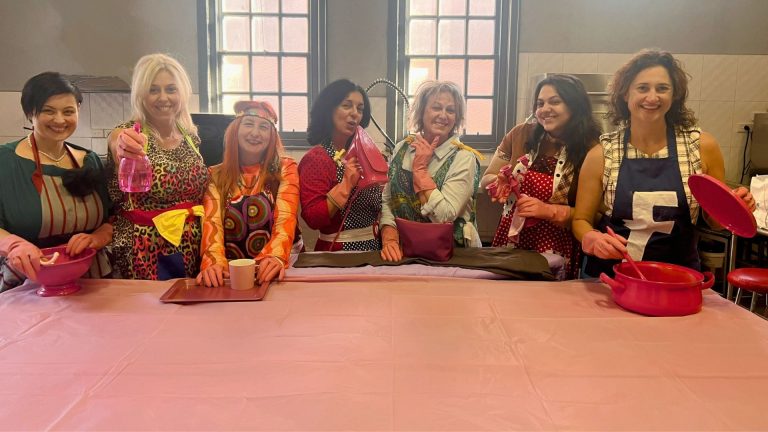
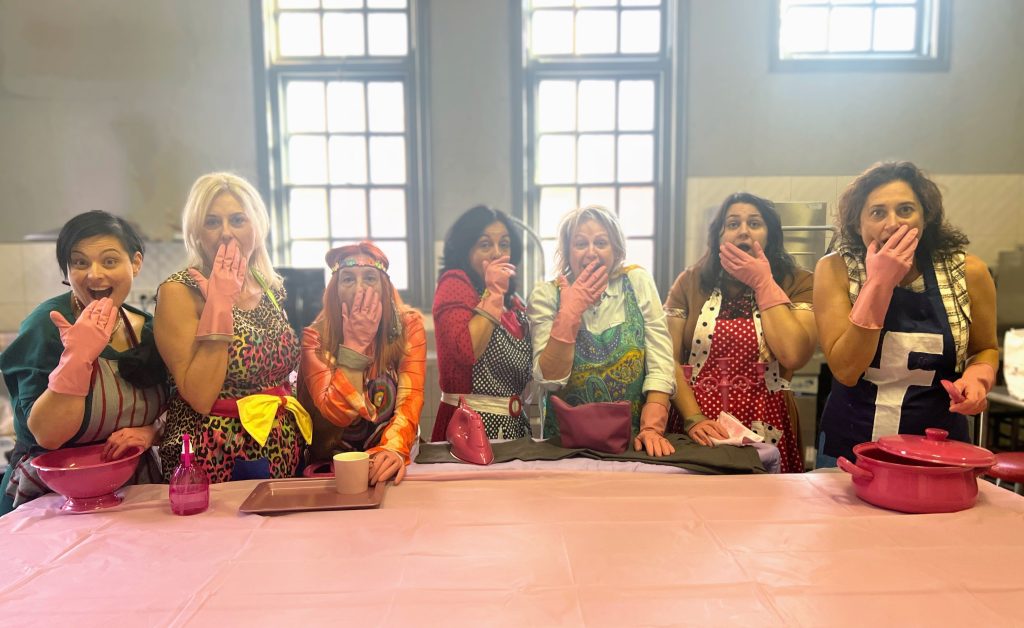
The adult group of the Creative Drama & Arts Centre of the Greek Community of Melbourne (GCM) is back this year with an exciting, subversive comedy, ‘Girls in the Shadow,’ for only three performances on March 2nd & 3rd at the Clayton Community Centre.
By placing women at the forefront, this innovative comedy is a distinctive blend of originality and vibrancy, a collage of scenes from renowned works by Greek and international playwrights.
At its core lies an exploration of womanhood and female identity, as shaped by significant relationships with partners, family, authority, and wealth. It explores various time periods, societies, circumstances and roles, yet consistently portrays women’s struggle through the passage of time, fading relationships, corrupting power, and societal scrutiny and hypocrisy.
The adult group of the Creative Drama & Arts Centre of the Greek Community of Melbourne
Can a sea bass dish be turned into a deadly weapon? What else could a woman want when she already has a washing machine with 24 programs and a dryer? What is the distance between two individuals who live under the same roof? And what about infidelity? Is it ever okay to cheat if you’re not the one experiencing unfaithfulness?
The theatrical comedy ‘Girls in the Shadow’ delves into these questions and more. Some answers may surprise you, while others hit close to home. Some will catch you off guard, while others will resonate deeply with you.
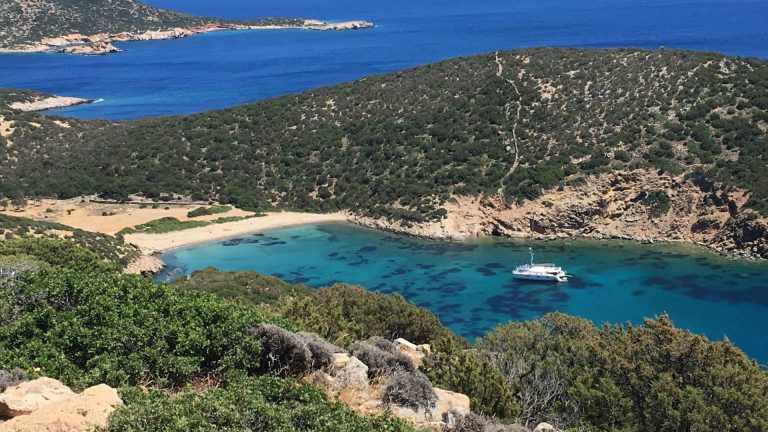
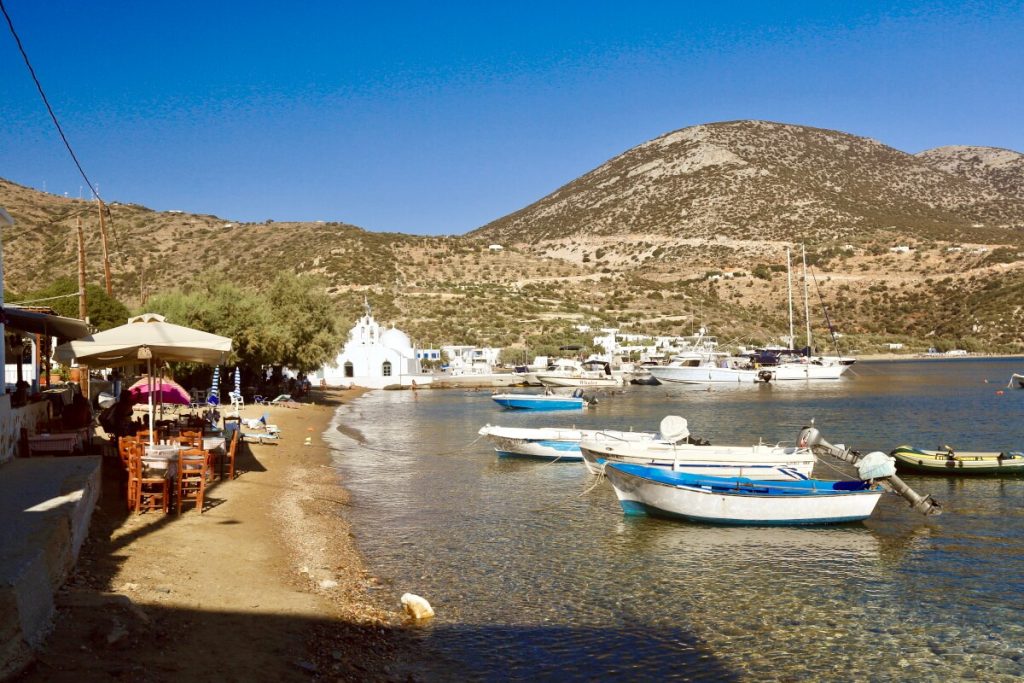
Vogue’s yearly list of the best destinations in the world has picked Sifnos island of Greece as a top spot.
Sifnos is known for its peaceful atmosphere and delicious food. Vogue suggests that travelers should visit Sifnos to experience slow and relaxing vacations, enjoying its traditional cuisine.
According to protothema.gr, other destinations on Vogue’s list include Grenada, Quito, Big Sur, Tangier, Jeju Island, Bodrum, Madagascar, Serbia, Paris, and Galicia in Spain.
Yannis Rafeletos, the newly appointed Deputy Mayor of Tourism for the Municipality of Sifnos, expressed the commitment to preserve and showcase the island’s unique features.
Photo: sifnos.gr
Its scenic hiking trails, cultural heritage, and natural beauty make the island a unique destination.
Sifnos plans include encouraging various tourism, cultural, and sports-related events, aligning with the island’s identity.
One of the highlights will be the Panhellenic Trial Championship race, set to unfold on the captivating Aegean island at the end of March.
Sifnos is gearing up for another remarkable season, building on its record-high tourist arrivals from the previous year.
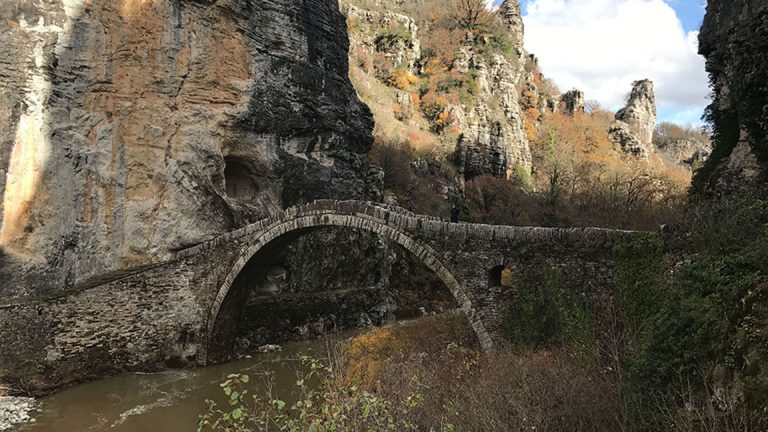
Zagori region of Greece is now officially part of the prestigious UNESCO World Heritage list.
According to protothema.gr, Zagori which is made up of 46 charming villages has been acknowledged for its unique beauty and authenticity. The news were announced during the 46th session of the World Heritage Committee held in Riyadh. Zagori was first nominated for the recognition last year.
Situated in the Pindus mountain range in Epirus, Zagori is known for its picturesque villages, known as Zagorochoria, nestled among the hills and slopes. It’s a popular spot for hikers, rafters, and nature enthusiasts, as well as those looking for a cozy retreat in boutique hotels and B&Bs.
Greece’s Culture Minister, Lina Mendoni, expressed her delight at the news, underlining its significance as a positive indication of global recognition of Greece’s more recent cultural heritage beyond ancient Greece or the Byzantine era.
The past year’s biggest property deal-makers of NSW aged under 35 have been revealed and 6 Australians of Greek heritage are included in the list.
Real estate transaction figures provided exclusively to The Sunday Telegraph revealed a range of Sydney and regional NSW agents under the age of 35 pulled in more than $100m in sales last year.
According to The Daily Telegraph, any of the top performing young real estate agents are understood to have scored more than $5m in gross commission over the year.
It came after Sydney real estate prices surprisingly bounced back from interest rate increases, hitting new highs in spring and overtaking the previous peak in prices record during the pandemic.
Photo: PhotoMIX Company
31 year old George Karasalidis of C21 Southern Realty, served in Wolli creek, Earlwood and Kingsgrove, sold 85 properties with a total sales value of $95,404,933.
32 year old Brad Panayiotou of McGrath Parramatta, served in Parramatta and surrounds and sold 47 properties with a total sales value of $67,092,092.
31 year old Stephen Mina of McGrath Parramatta served in Parramatta and surrounds, sold 39 properties with a total sales value of $49,807,560.
21 year old Jackson Passas of McGrath Maroubra served in Southeast Sydney, sold 28 properties with a total sales value of $49,630,000.
32 year old George Gialouris of Cobden Hayson, served in Lane Cove and surrounds and sold 22 properties with a total sales value of $47,500,000.
32 year Angelo Vagenas of McGrath South Hurstville, served in Beverly Hills and surrounds and sold 37 properties with a total sales value of $47,000,000.
A surfer’s paradise with pink sand at the most eastern point of Australia is the best beach in the world, according to Lonely Planet.
The Pass in Byron Bay, New South Wales, is suitable for both beginners and experienced surfers.
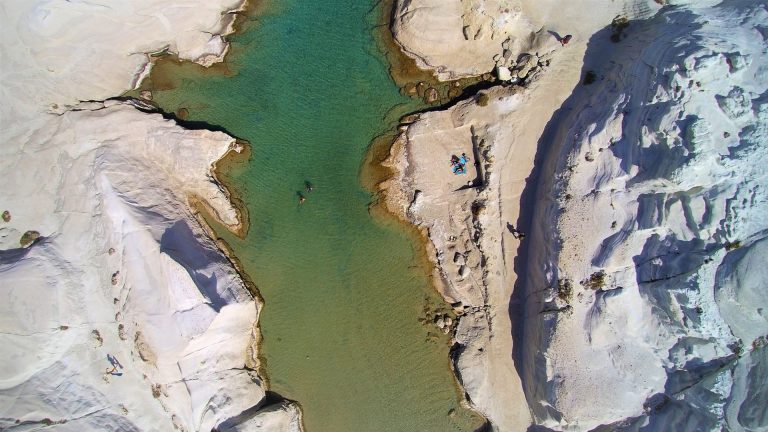
Sarakiniko Beach on Milos island, Greece, also ranked 5th on Lonely Planet’s list of the top 20 beaches in the world. The magazine noted that the impressive view from the volcanic cliffs and the cool waters compensate those who need to carry their own supplies to this beach.
Photo: byronbayescapes.com
“Centuries of erosion from waves and winds have created pools and ridges in the rocky formations on the beach, forming caves for exploration and alabaster rocks for jumps. Sunbathe on the rocks or use them as a point of access to glide into the water for some snorkeling,” the magazine continues.
For those who want to avoid crowds, Lonely Planet recommends visiting Sarakiniko in September or October. Even during the high season, it’s better to arrive early in the morning, when the only sound you hear is the wind and the waves.
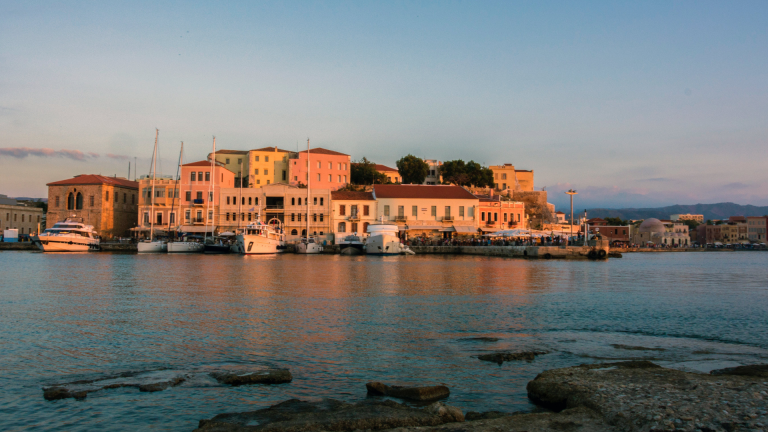
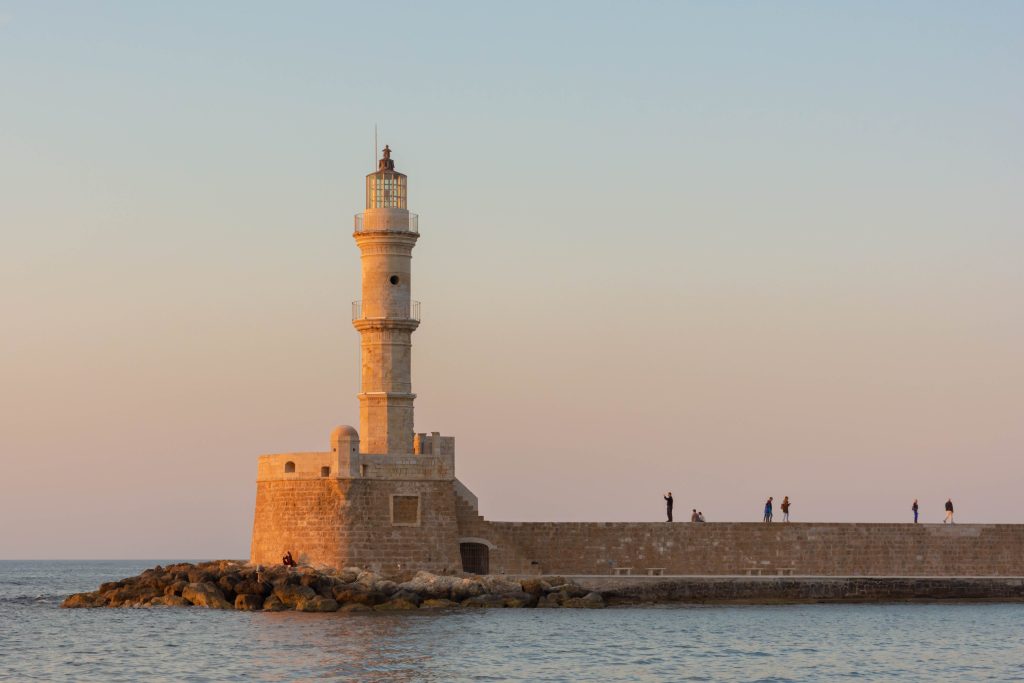
A €3.2 million initiative to revamp a prominent public square in downtown Hania, Crete, is set to begin, with local authorities aiming to create a more accessible environment while boosting nearby businesses.
According to ekathimerini.com, the redevelopment plans for the 1866 Square, show that the entire area will be repaved and the sidewalks abolished, allowing full access for wheelchairs and baby strollers without the need of ramps.
Additionally, there will be a shady promenade with benches in the center of the square, and the streets will become low-speed zones, restricting vehicle speeds to a maximum of 20 kilometers per hour.
The square was named in honor of the revolution of the Cretans (1866-1869) against the Ottoman Turks, which culminated with the holocaust of Arkadi. It is located immediately after the end of the old city in the southwestern part of the Venetian Walls.
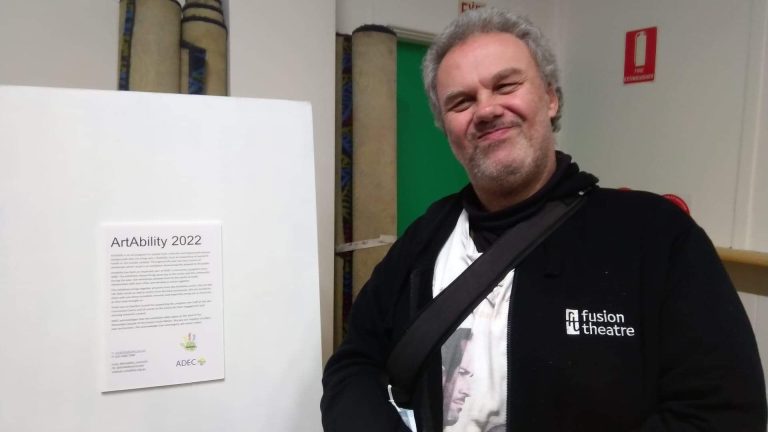
Alex Litsoudis is an artist, actor and film maker. Born with an intellectual disability, Alex has defied societal expectations and forged a remarkable career spanning over twenty-five years. From acting on stage to exhibiting artwork, his journey is one of resilience, passion, and creativity.
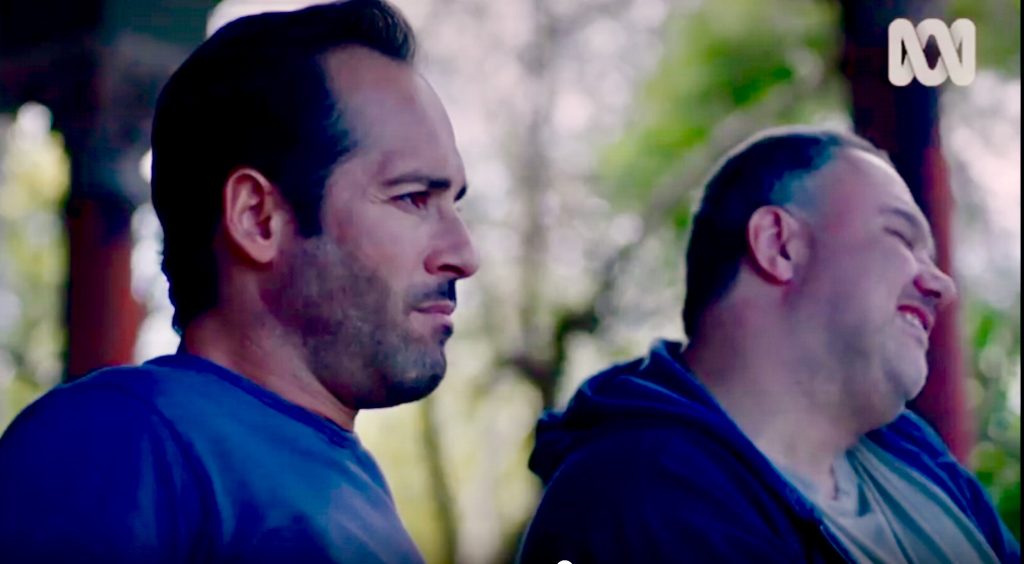
For over two decades, Alex has been a pioneering performer on both stage and screen. His repertoire includes notable performances in acclaimed productions such as the eLearning series for carers ‘Zero Tolerance – Understand Abuse’ by the NDS (National Disability Services), the ABC series ‘Seven Types of Ambiguity,’ the stage play ‘A Place Called Maze’ (La Mama Theatre), and the immersive experience ‘Light of the Mind’ at the Nocturnal Festival.
In 2011, Alex took a leap into filmmaking, producing the autobiographical film ‘Who Is He?’ which debuted at the Greek festival in 2010. The film has since garnered attention at film festivals both locally and internationally and has been broadcast on television in Melbourne and Greece. Alex also performed in the 2006 Commonwealth Games ceremony with the 1,000 so called ‘Commonwealth Dames’ as part of Dame Edna Everage’s Melbourne tribute.
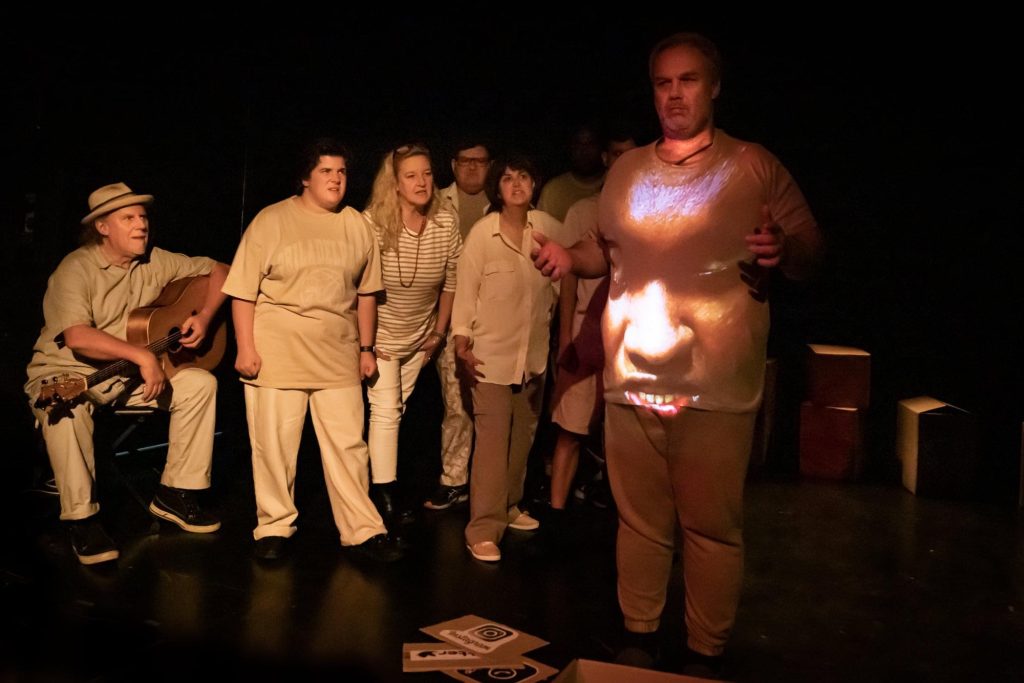
Fusion Theatre, Down But-Not-Out.
Back in 1997, he embarked on the initiative to establish a drama group, catering specifically to adults with intellectual disabilities. Building upon previous involvement with performers from ‘The Ability Bunch’, Alex and members of the group reached out to Deakin University’s School of Performing Arts. A pivotal meeting ensued between Alex, Deakin University and representatives from disability service provider ‘Leisure Link-up’ (now ‘The Bridge Connects’), The City of Greater Dandenong, and Springvale Neighbourhood House. As a result, two highly successful pilot workshops were conducted in 1997, leading to the inception of ‘Dramability.’
Transitioning to ‘Fusion Theatre,’ an inclusive performance company, in 2013 marked a significant evolution for the group. Securing funding from Arts Victoria (now Creative Victoria) for mentorship development provided recognition of the program’s importance. Under the mentorship of Andrea Litras, a six-month training program was undertaken, culminating in the production of a showpiece featuring hired professional actors.
Seven Types of Ambiguity with Alex-Dimitriades.
As a founding member of ‘Fusion,’ Alex has been instrumental in fostering inclusive opportunities within the arts. Through dedication and collaboration with various stakeholders, Alex and his group created a platform that empowers individuals with intellectual disabilities to explore and engage with the world of drama and performing arts.
Beyond the stage and screen, Alex has been a visual artist for over a decade. His artistic journey is deeply personal, driven by a passion for storytelling through painting. His works often capture glimpses of innermost thoughts and emotions from childhood memories and places visited. His artistic endeavours have been nurtured through programs like ‘ArtAbility’, a visual arts initiative by ADEC (Action on Disability within Ethnic Communities). This program has provided Alex with a platform to explore his creativity and develop his unique artistic voice.
In 2019, he presented his first exhibition at the Heritage Hill in Dandenong. In the same year, he received a generous grant from City of Greater Dandenong with ‘AuspicousArts’ to continue production of a film based on five artists with disabilities, titled ‘Who Are They?’. During a lengthy process with the onset of COVID in 2020-21 and now in its final stages of production, Alex hopes to present his film to audiences in 2024.
Through his many performances, film making and artwork, he continues to challenge perceptions, breaks barriers, and celebrate diversity.
Digital Art by Alex Litsoudis
Alex Litsoudis is amongst many Greek Australian artists who have participated in the GAAD (Greek Australian Artist Directory). An initiative by the Greek Australian Cultural League (GACL), the GAAD celebrates Greek Australian visual and performing artists by showcasing their works and contributions to the Australian arts landscape.
By preserving and promoting the artistic legacy of Greek Australian artists, the directory ensures that their talents are duly acknowledged and cherished, cementing their place in Australia’s artistic narrative.
Alex Litsoudis in the film “Who is He?”
Interested artists can register their profiles by visiting www.gacl.com.au and clicking on the dedicated GAAD section. For any inquiries related to the GAAD, individuals can either email GACL President Cathy Alexopoulos infogaclm@gmail.com or contact GAAD Co-ordinator Vasy Petros on 0412 242 557.
*Written by Vasy Petros. This is a Greek Australian Cultural League Initiative supported by The Greek Herald.