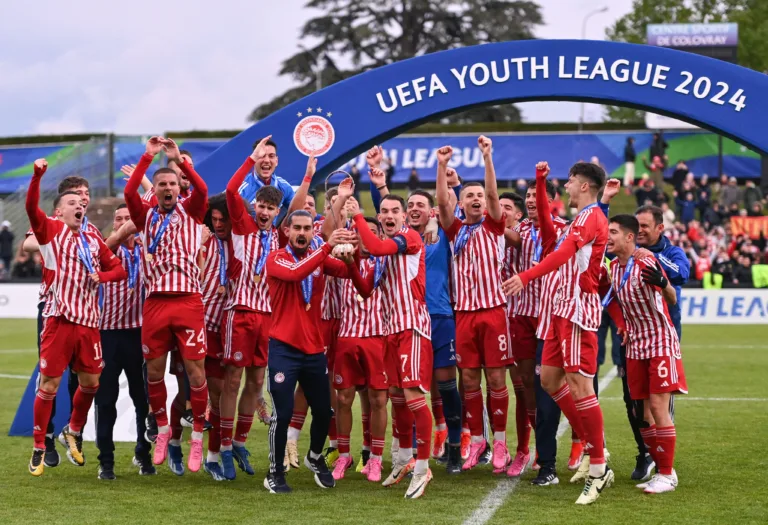
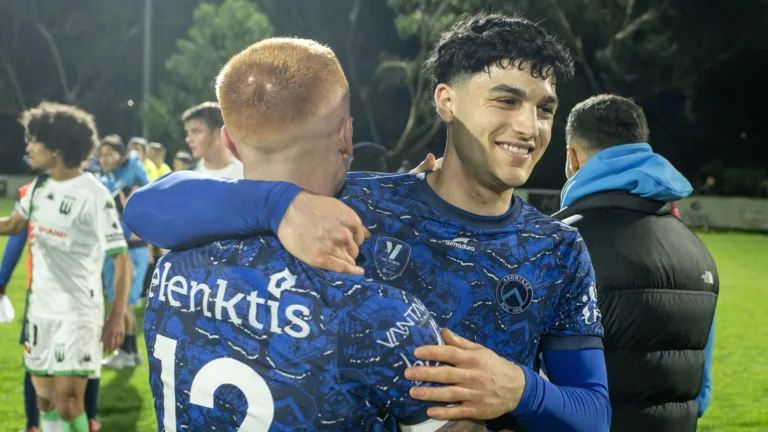
Olympiacos became the first club from Greece to win a UEFA trophy as they defeated AC Milan in the UEFA Youth League final in Nyon.
According to UEFA, the first hour was goalless but Christos Mouzakitis’s penalty was followed by two superb strikes by Antonios Papakanellos and Theofanis Bakoulas.
Olympiacos nearly had the lead in the 38th minute and again on the hour when Dariusz Stalmach was ruled to have handled in the box and Mouzakitis put his penalty inside the post beyond the reach of Raveyre.
The lead was 3-0 on 66 minutes following a stunning Bakoulas goal, producing an acrobatic bicycle kick from Konstantinos Koutsogoulas’s cross, securing the win for Olympiacos.
There was only ever one winner to come through the domestic champions path before last season, Salzburg in 2016/17; now there have been two in a row with Olympiacos following AZ Alkmaar. Both Greece and Italy were represented in the final for the first time.
We all know the traditional story of Greek migration to Australia.
Young men and women left their families behind in Greece, boarded boats with only one suitcase containing the essentials, and headed towards Australia in the hope of having a better and brighter future.
Achieving this dream wasn’t always easy though as many Greek migrants struggled with the English language and faced persistent racism. But they still never gave up. Instead, they opened their own small businesses, integrated into society and contributed to building the foundations of Australia.
It’s this contribution which deserves to be recognised today, especially in time for Mother’s Day.
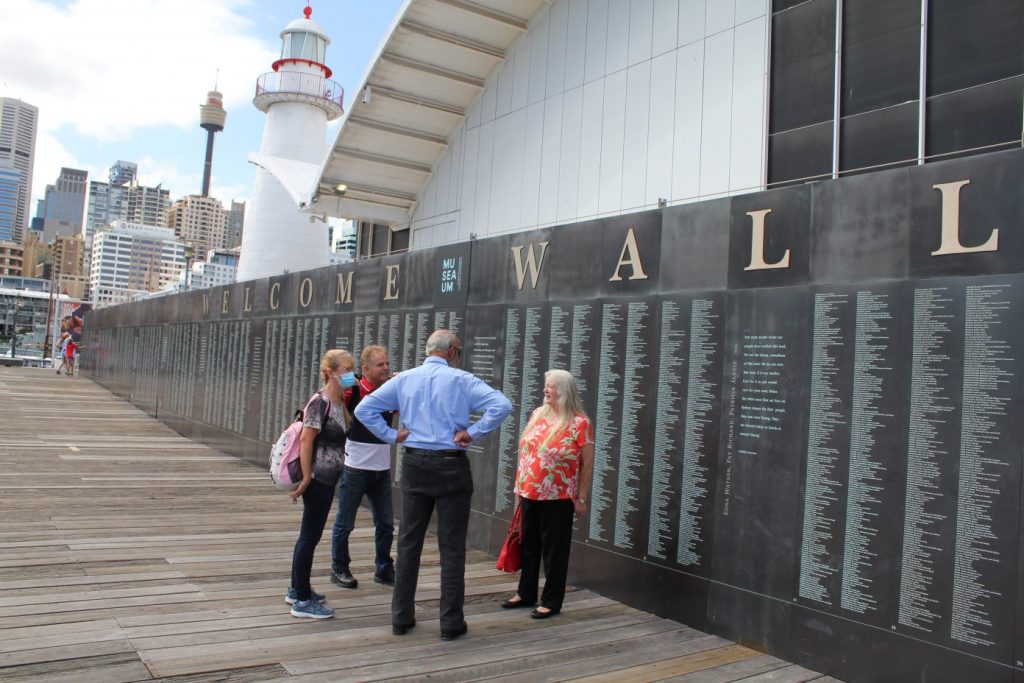
But how can you have a permanent record of your loved one’s achievements? The Welcome Wall, Australia’s National Monument to Migration is the answer.
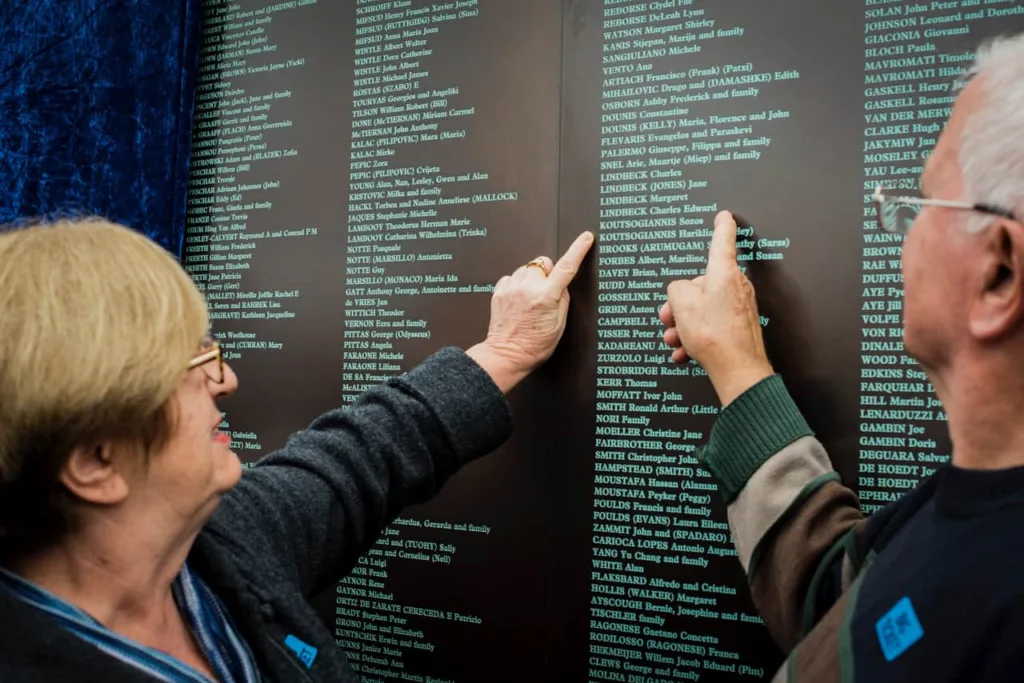
Located at the Australian National Maritime Museum in Sydney, the bronze-panelled Monument faces Darling Harbour and Pyrmont Bay, and features over 34,000 names of migrants who made Australia their home. Currently, there are 2,343 migrants of Greek heritage on the Monument – amongst these, the first ten Greek migrants to Australia.
The National Monument to Migration.
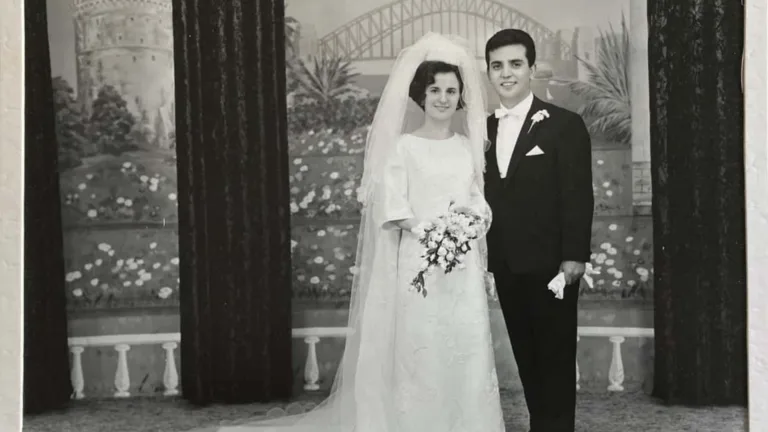
One of these Greek names belongs to Hariklia Yiannakaros, later known as Shirley Jackson, the mum of Tina and Kaily Koutsogiannis
A mother’s migration journey:
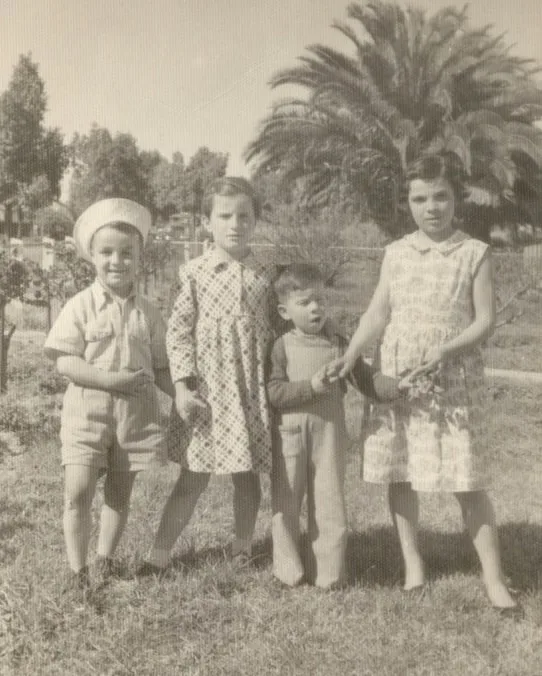
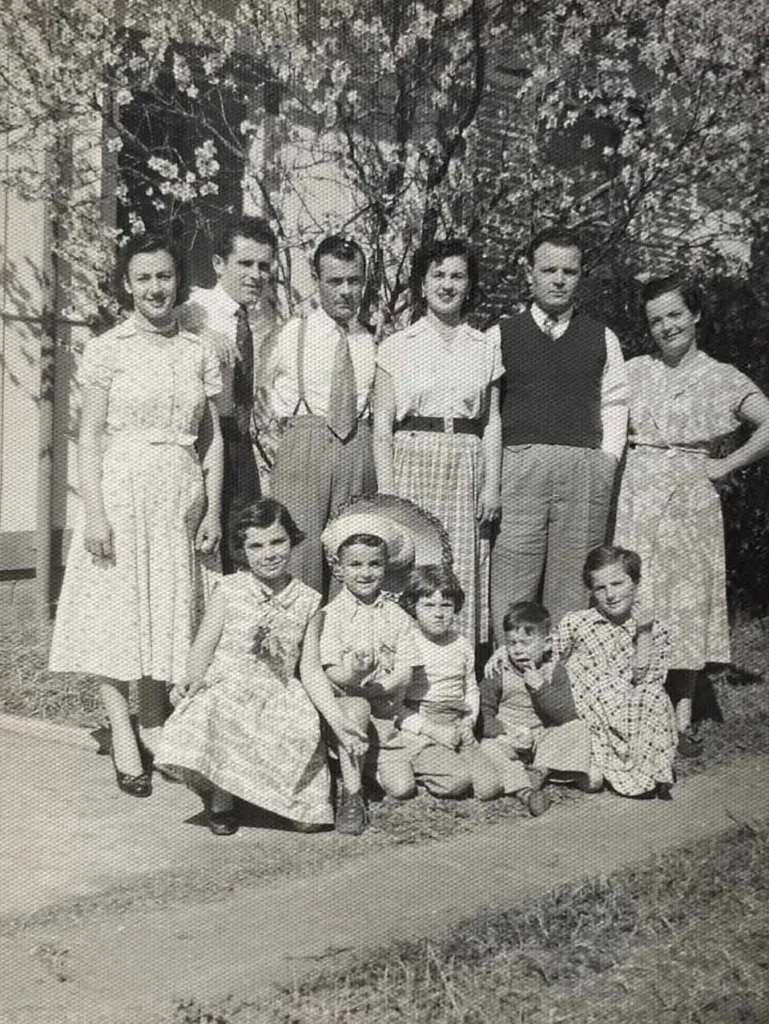
Hariklia was born to parents Calliope and Yianni Yiannakaros in the coastal village of Platy on the north Aegean Greek island of Lemnos towards the end of World War II.
In 1949, her father Yianni migrated to Australia, leaving his daughter and pregnant wife for what he referred to as the “unknown land” in search of a better life for his family. In 1954, the 9-year-old Hariklia along with Calliope and her 4-year-old brother Yiorgo sailed to Athens where they boarded the ship KYRINIA for Australia.
The 31-day trip concluded in Melbourne in December 1954 and the family reunited. Hariklia was beside herself with excitement at seeing her father after five years and going to live in the land of “milk and honey”.
The family eventually moved to Griffith, a regional city in New South Wales, and became known as the ‘Jacksons’ courtesy of a bank manager who struggled with the pronunciation of “Yiannakaros.” Hariklia’s dad also informed her that from that day onwards she would be known as ‘Shirley.’
Life in Griffith was a stark contrast to their quiet village in Platy. Shirley, as she was now known, found herself in a bustling environment filled with new experiences and challenges. She has memories of eating fish and chips strangely wrapped in newspaper for the first time and school lunches featuring her favourite corn beef and salad. Yet, she adapted quickly, aided by the guidance of a compassionate teacher who patiently taught her English, allowing her to communicate and integrate into her new surroundings.
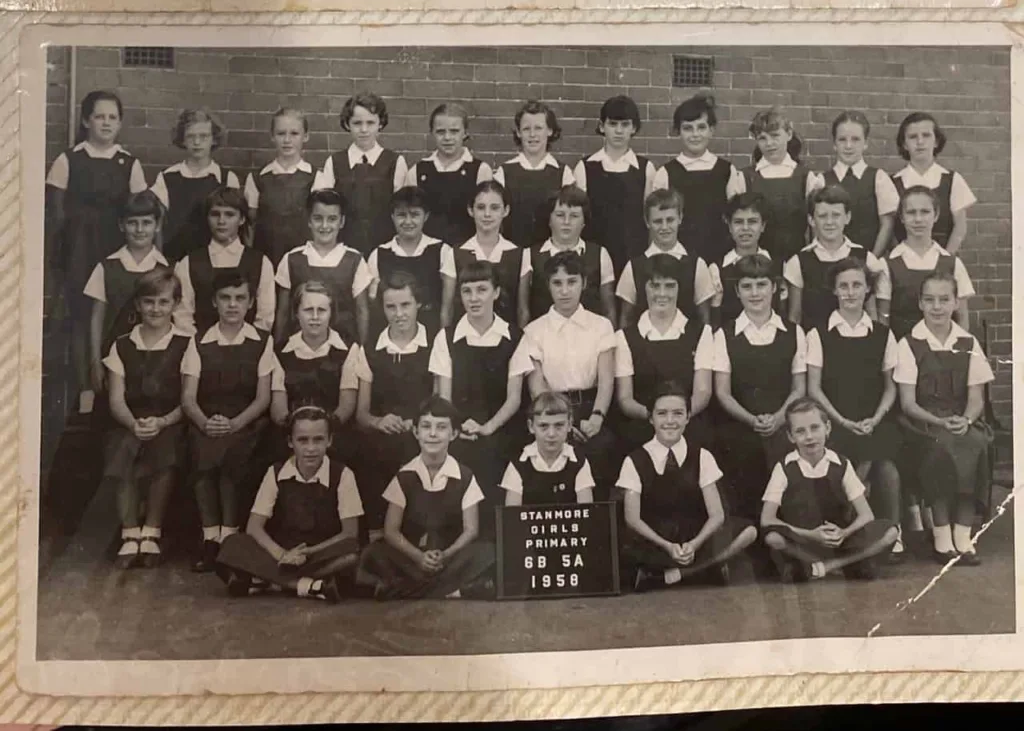
As the Jacksons settled into their new life in Griffith, they were joined by relatives from Lemnos, further enriching their sense of community and belonging. However, fate had more surprises in store for Shirley and her family as they made the move to Sydney, where they lived above their ‘Arcadia Milkbar’ on Parramatta Road in Stanmore.
During this time, Shirley assumed the role of translator for the Greek community, accompanying local Greeks to various appointments and serving customers in the family shop whilst standing on Shelley’s drink crates behind the counter. Despite her academic prowess, Shirley’s education was cut short at 15, as she was required to assist her father in managing the business and caring for her ailing mother.
“She is a girl and it is her place to help look after her family,” her father said at the time.
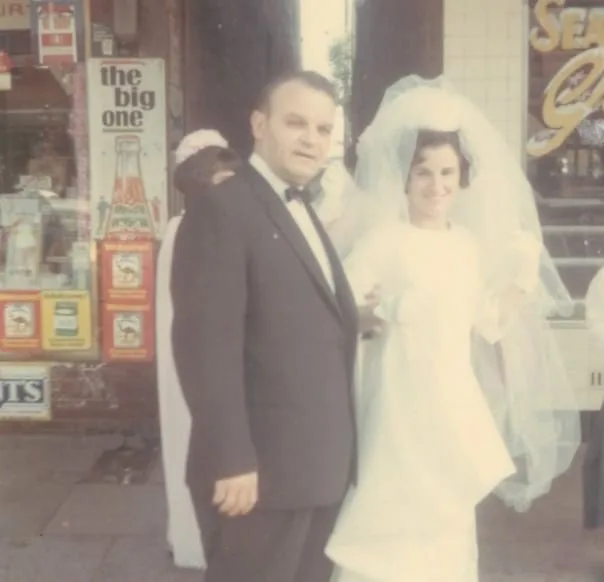
Yet, amidst the challenges, love found its way into Shirley’s life through an introduction by her cousin George Bananis. She met Sozos Koutsogiannis, a fellow Lemnian migrant, and their romance blossomed, culminating in marriage and had daughters Konstantina (Tina) and Kaliopy (Kaily) in the years that followed.
Their journey together took them back to Lemnos in 1973, albeit under restricted circumstances due to political unrest in Greece at the time. Shirley’s return to her homeland after 18 years only served to highlight the vast differences between her old and new lives.
Over the years, Shirley’s compassionate and friendly nature guided her through various roles, from a nurse’s aide to a retail worker. The Koutsogiannis family eventually settled in Cabarita in 1980, where they owned a delicatessen and café, becoming cherished members of the local community.
Honouring a mother’s love:
Shirley and Sozos were registered on Australia’s National Monument to Migration in 2015, a testament to their resilience and contribution to their adopted homeland.
Their daughter Tina tells The Greek Herald why she, along with her sister Kaily, decided to honour their parents’ legacy on the Monument.
“Kaily and I knew that they would appreciate being honoured on the National Monument to Migration, but we didn’t realise how special it made them feel until the day of the ceremony. Mum felt so proud that her story of a little Greek village girl from Platy was recognised at the Australian National Maritime Museum,” Tina said.
Tina also encouraged others to think about inscribing their own parents or grandparents’ name on the Monument.
“As the children and grandchildren of migrants, we owe a lot for the sacrifices our parents and ancestors made in migrating to Australia, in many cases they were just children themselves. This is a special way of honouring them,” she said.
The Australian National Maritime Museum requires a tax-deductible gift of $500 to etch the name of a loved one with Greek heritage on the Monument.
“The Museum then requests a brief story about each person being honoured on the Monument for publication on its online archive. The Museum is amassing a selection of stories from these migrants; stories that, in turn, build the history of modern Australia.
Honour your mum this Mother’s Day on Australia’s National Monument to Migration at the Australian National Maritime Museum. Register to be part of the next unveiling ceremony. To register please visitthis website or call (02) 9298 3777.
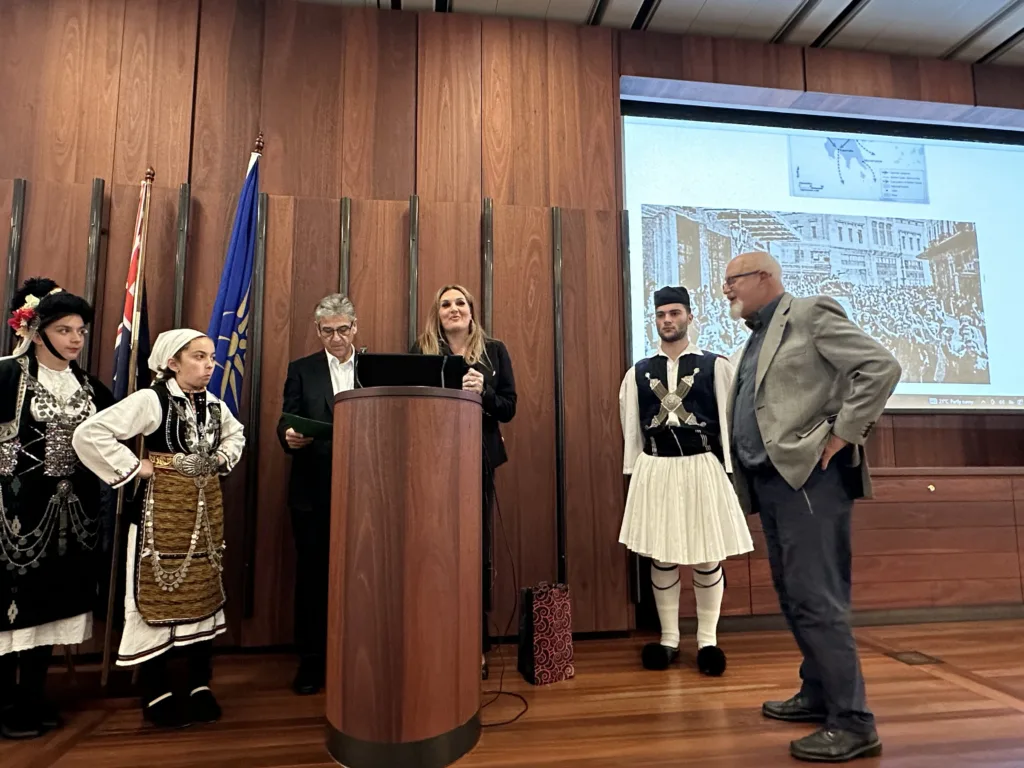
The Battle of Vevi, 11-12 April 1941, fought around the village of Vevi in the Florina district of Macedonia was the first engagement between ANZACs and Nazi troops in the Greek Campaign. They fought for control of a strategic pass over the mountains and behind the defensive lines of the Hellenic Army.
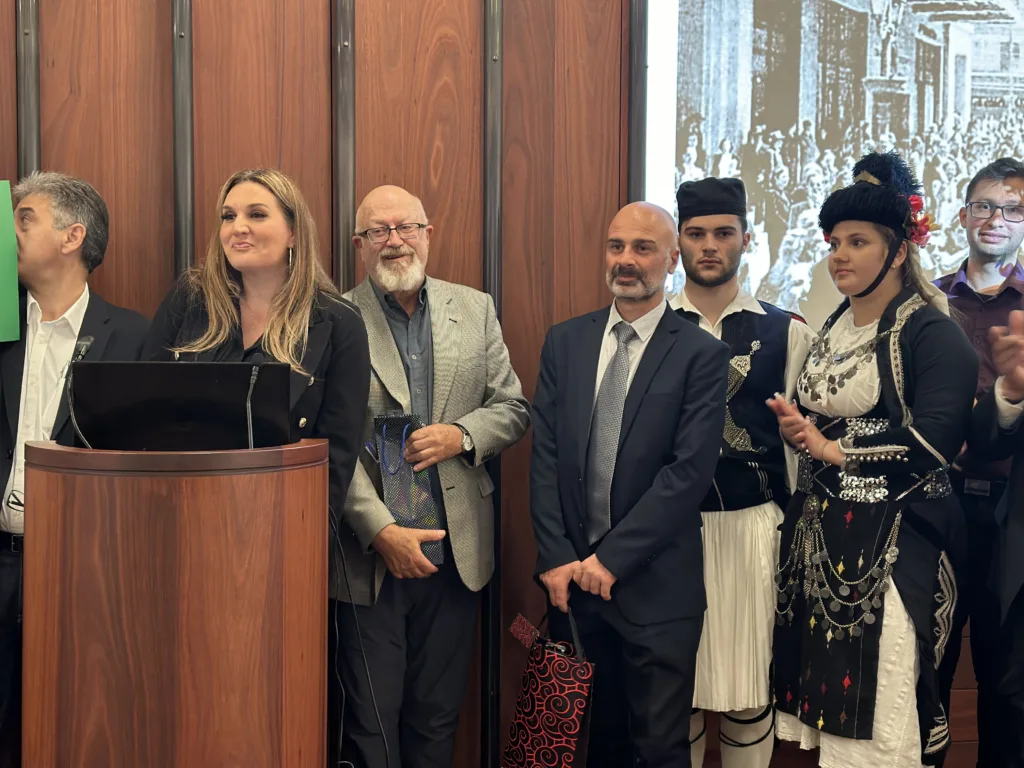
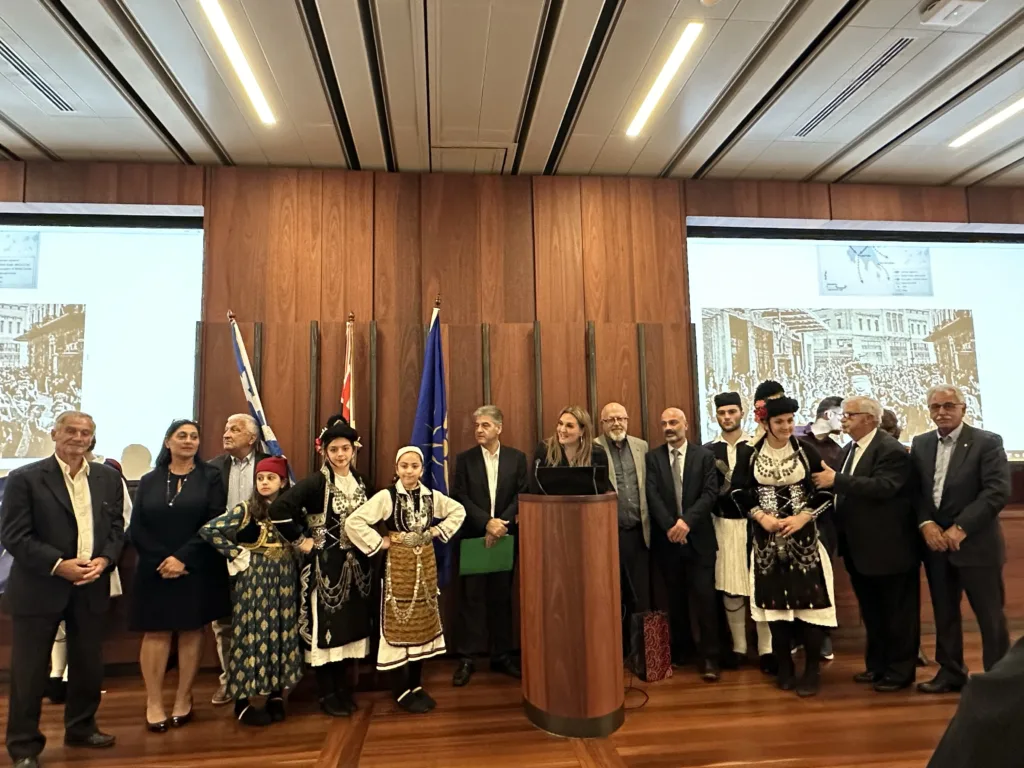
It was a milestone marked by a commemoration at the Anzac Memorial at Hyde Park in the heart of Sydney, an excellent initiative by the Pan-Macedonian Association of NSW which will hopefully become an annual event.
All photos copyright The Greek Herald.
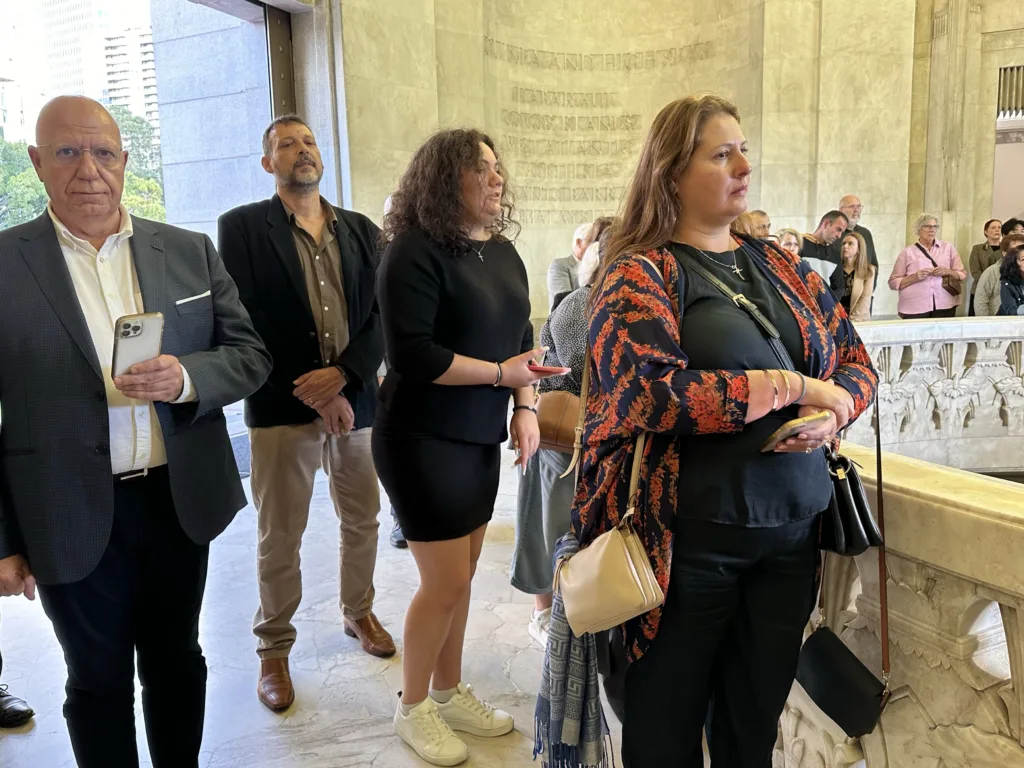
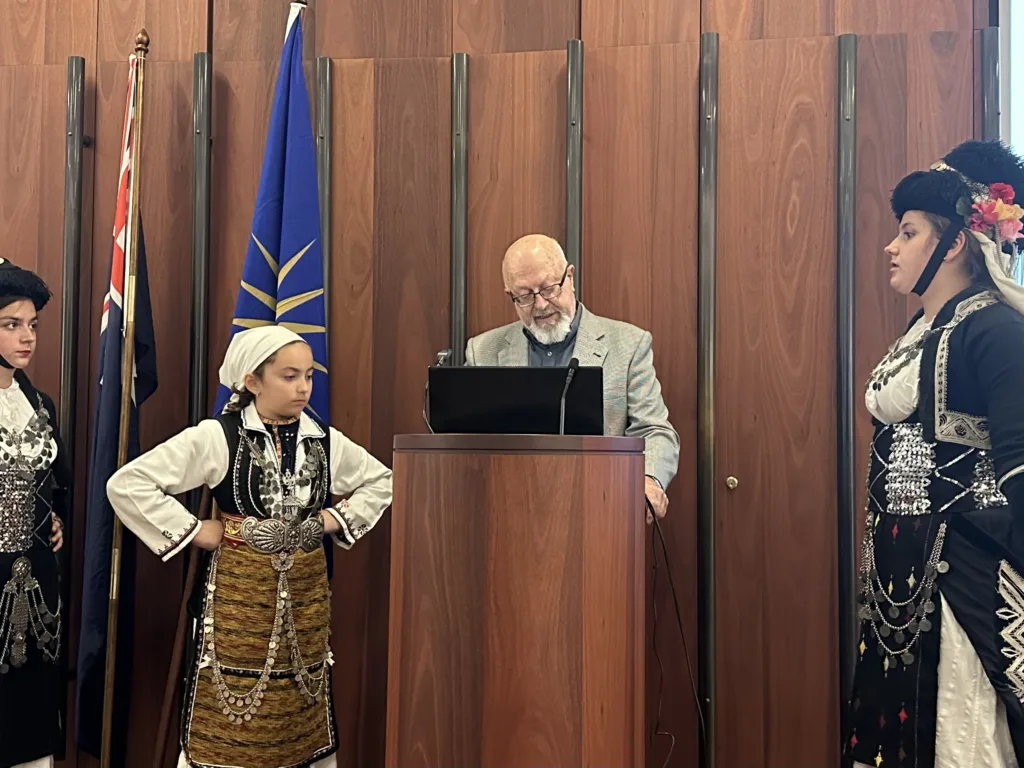
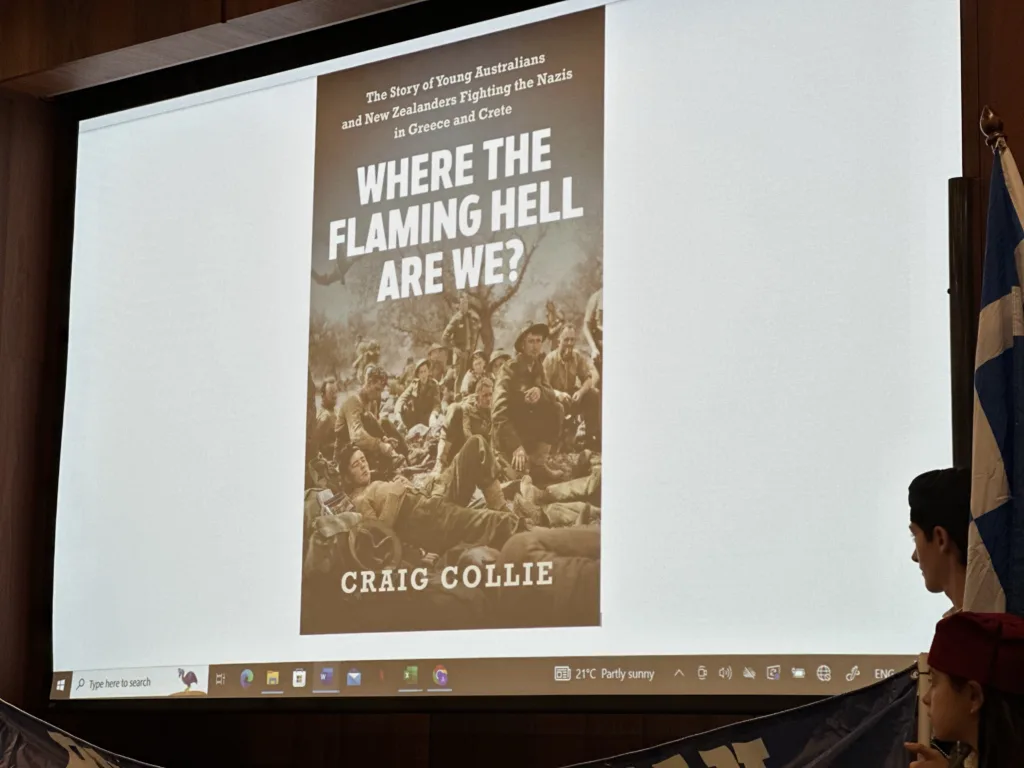
Emceeing the event was Themis Kallos, whilst the keynote speaker was Craig Collie, author of ‘Where the flamin’ hell are we?’, an excellent book about the Greek Campaign of 1941. For some members of the audience, childhood memories were awakened as Mr Collie showed a series of photographs of the Florina district, where they were born and raised.
Keynote speaker Craig Collie.
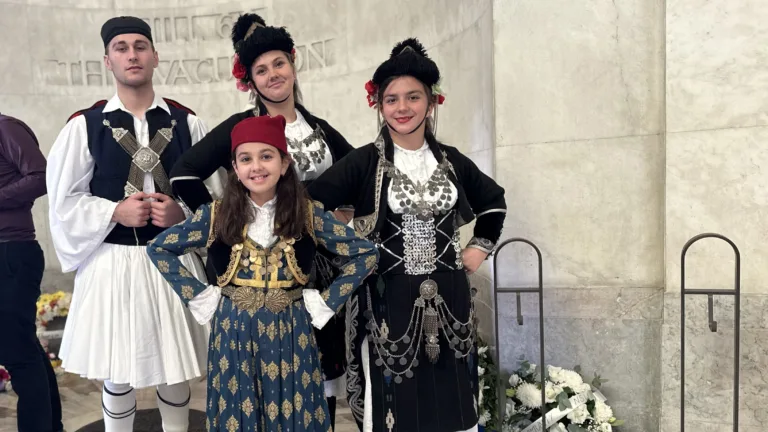
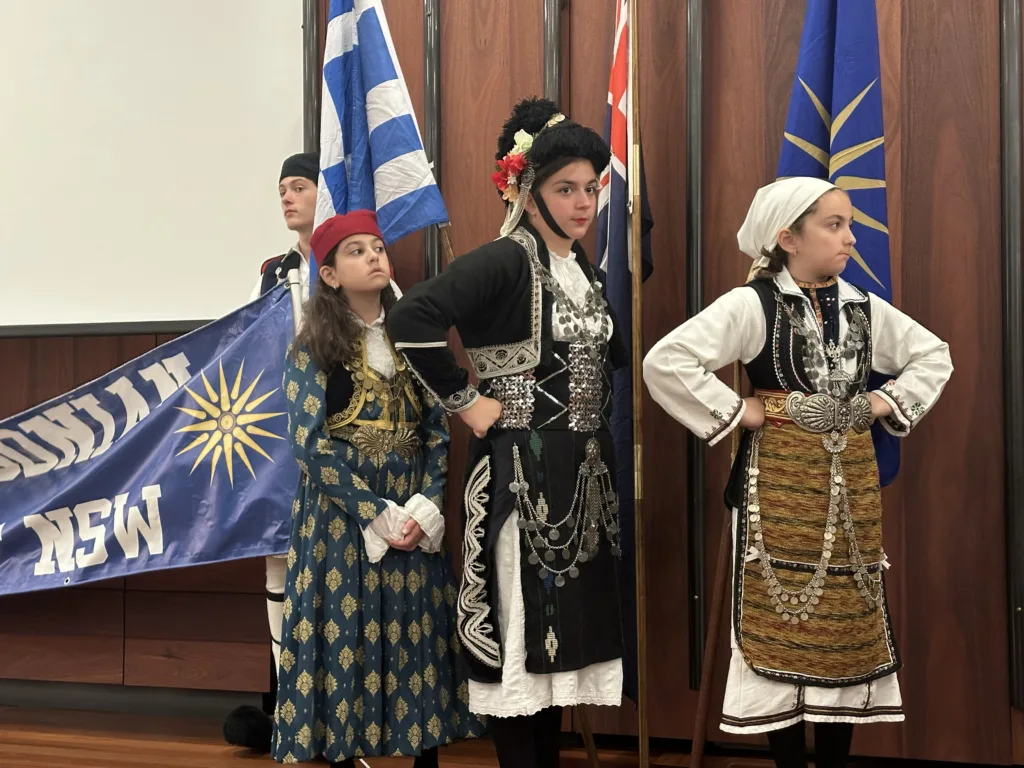
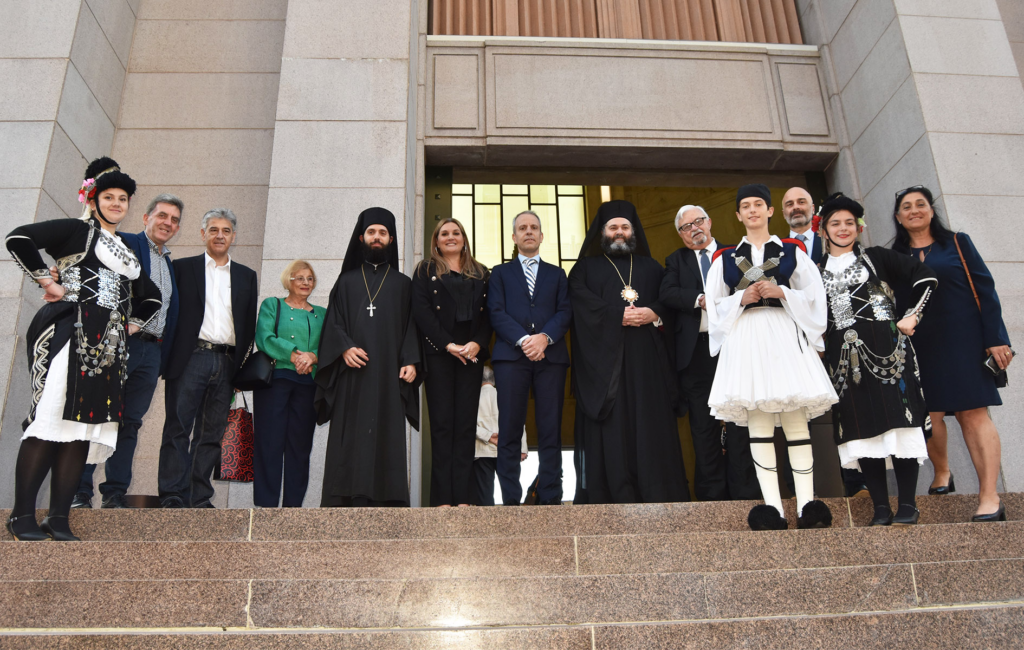
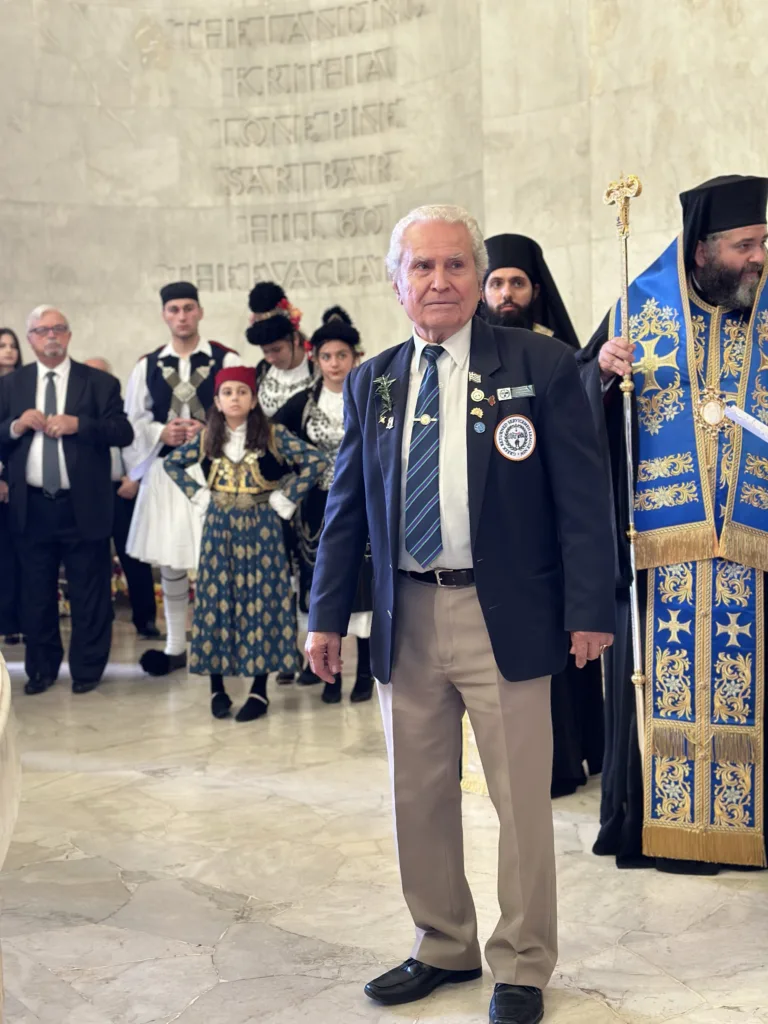
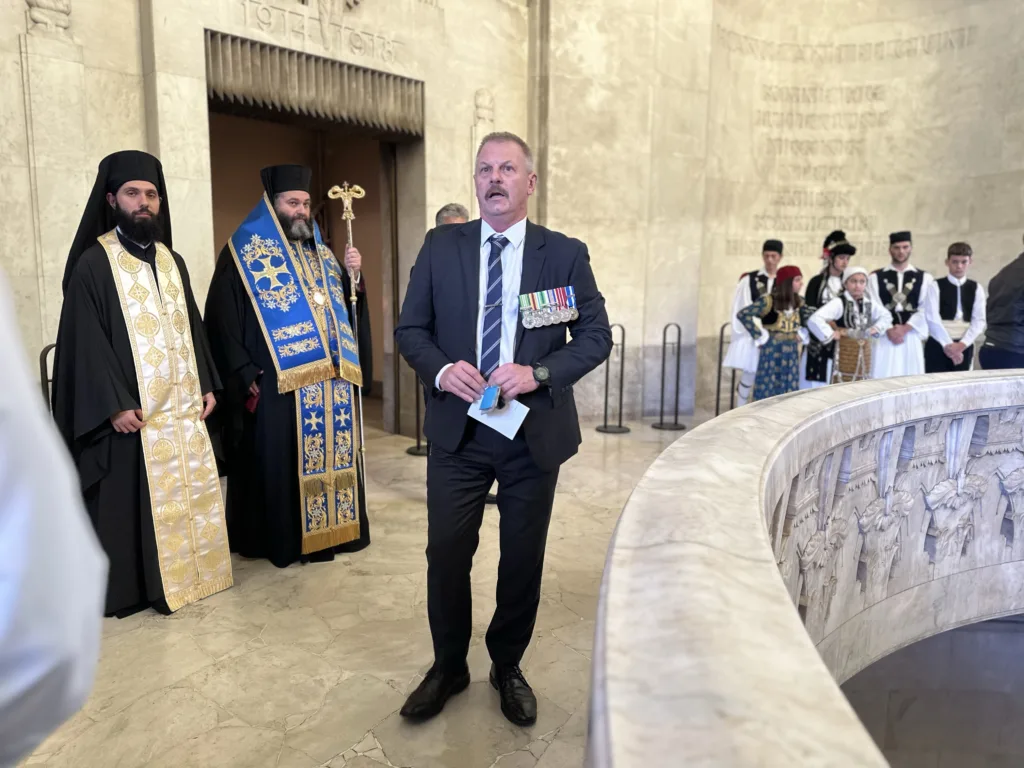
As youth from the Papapetros’ Aristotelian Dance Academy stood proudly dressed in traditional Greek costumes, the National Anthems of Greece and Australia were recited and a number of speeches were given.
The Consul General of Greece in Sydney, Yannis Mallikourtis said it was important to honour not only Greece’s history but Australia’s as well because it was the Battle of Vevi that united Macedonia and Australia during that time.
President of the Pan-Macedonian Association of NSW, Anastasia Karakominakis offered her thanks to all those who supported the event, and welcomed the specials guests and keynote speaker.
“We must honour our past and inspire and educate our community,” Ms Karakominakis said.
President of the Pan-Macedonian Association of NSW, Anastasia Karakominakis speaks.Photo supplied by Vasilis Vasilas.
A centrepiece of the commemoration event was the Requiem (Mnimosino) chanted by Bishop Bartholomew of Charioupolis and the Very Reverend Archimandrite Fr Irenaeus of St Sophia & Three Daughters Greek Orthodox Church in Surry Hills.
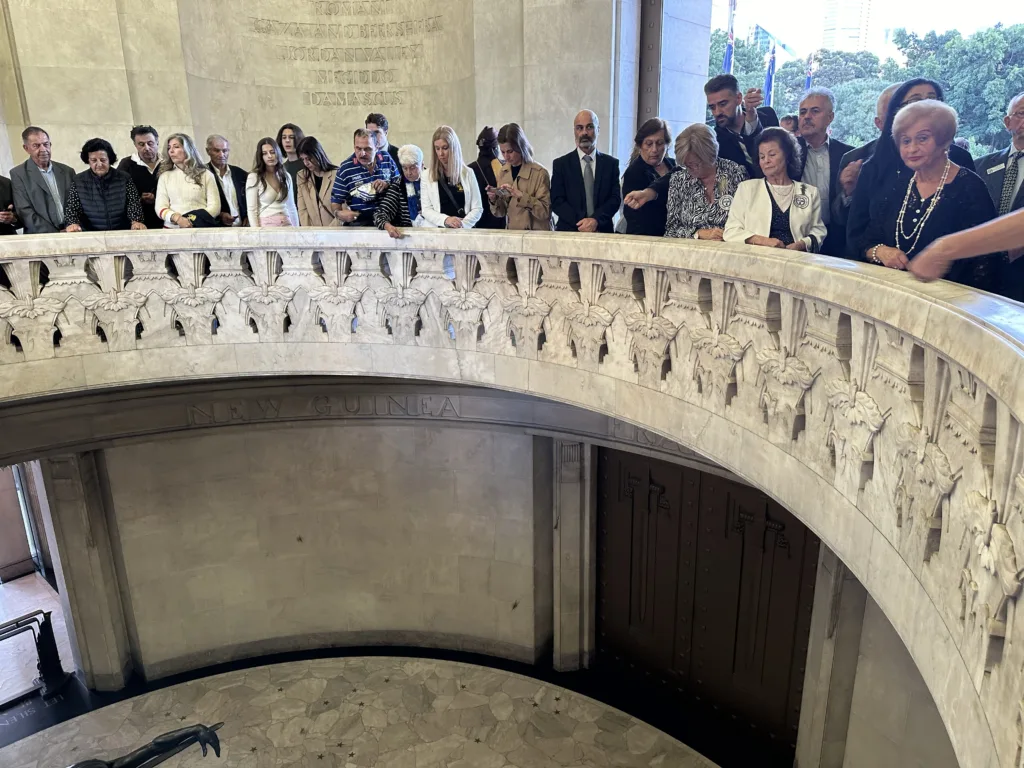
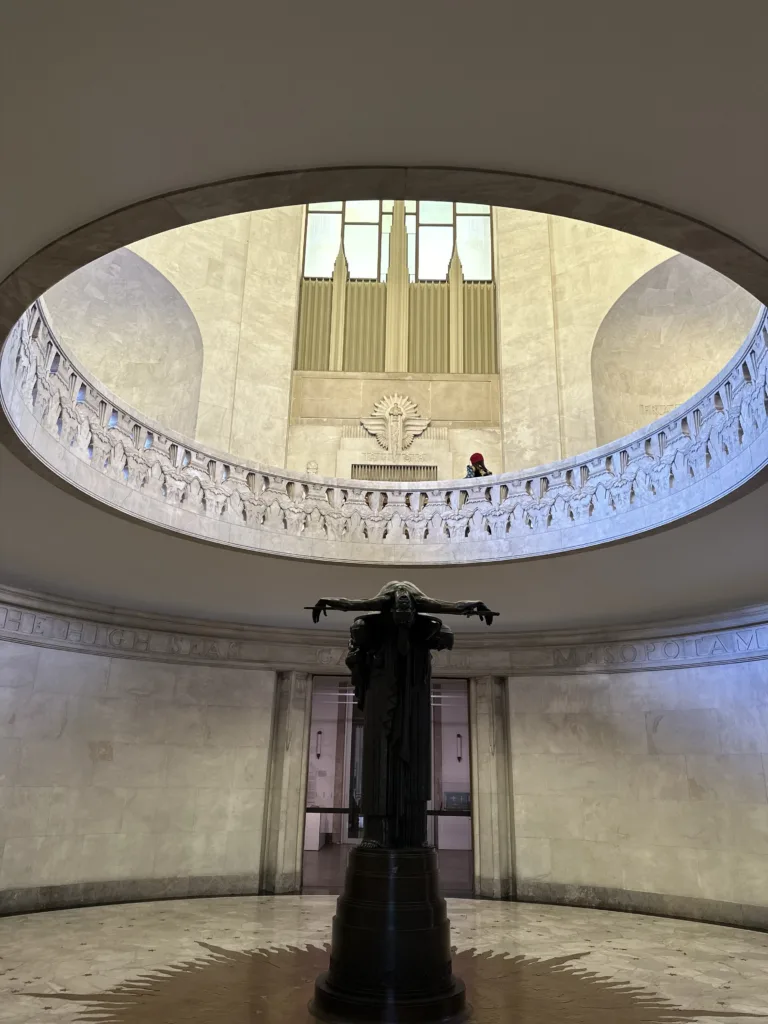
The Bishop’s voice in particular resounded off the marble walls and floors of the Anzac Memorial at Hyde Park, a monument built by the people of NSW to honour the sacrifice of their soldiers buried overseas during World War One.
As Peter Tsigounis, President of the Greek Ex-Services League, recited in The Ode, ‘Lest We Forget.’ It is the duty of every Australian Hellene to remember the ANZACs and the Hellenes who fell or who served and survived in defence of Australia, New Zealand, Greece and Cyprus.
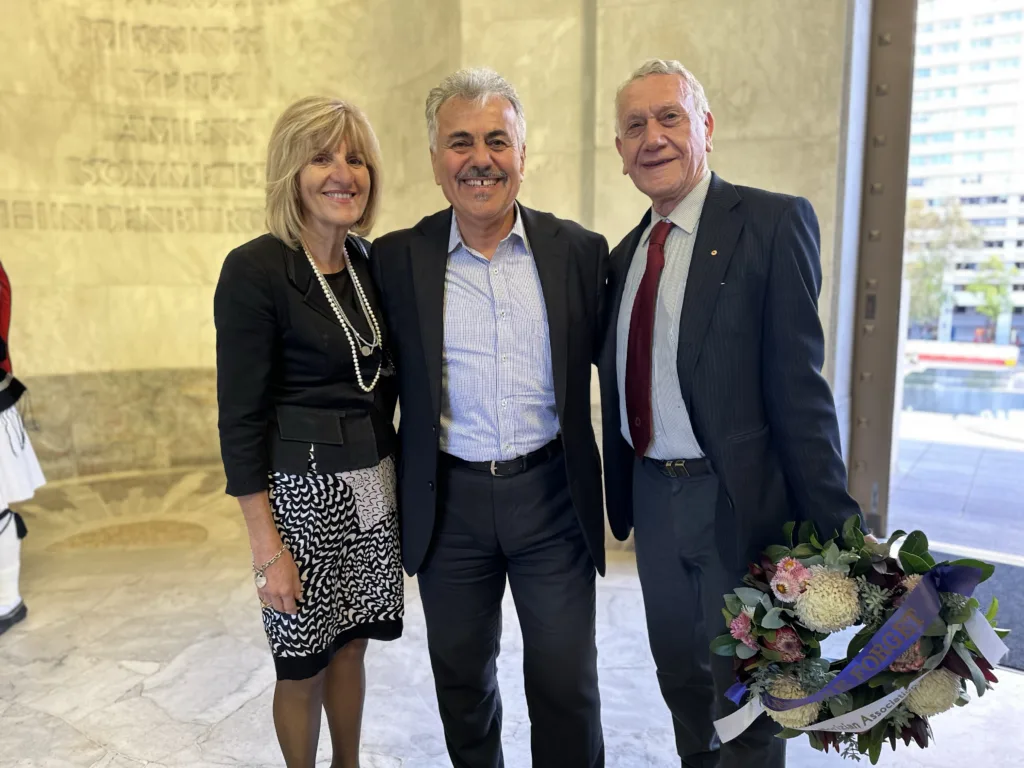
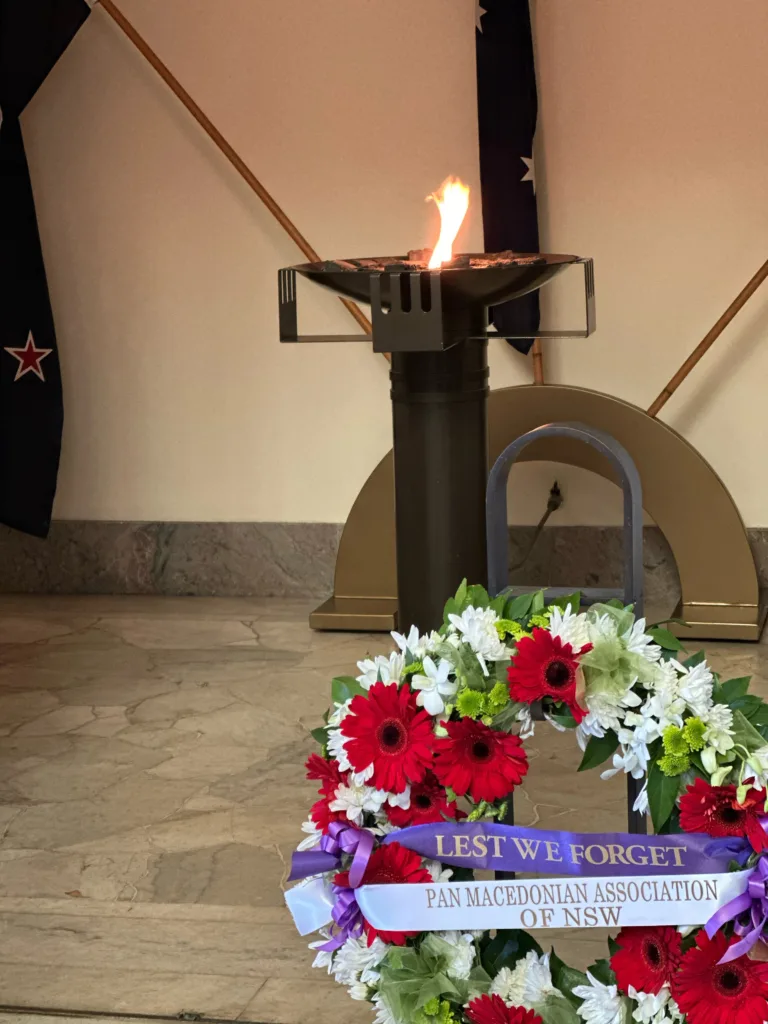
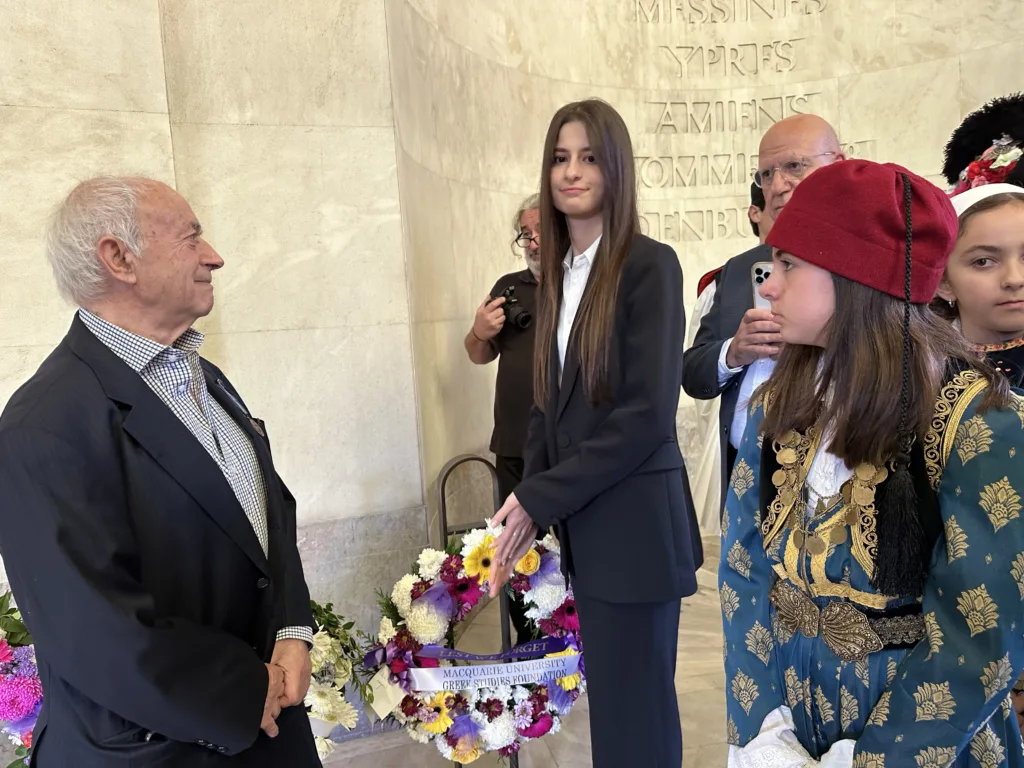
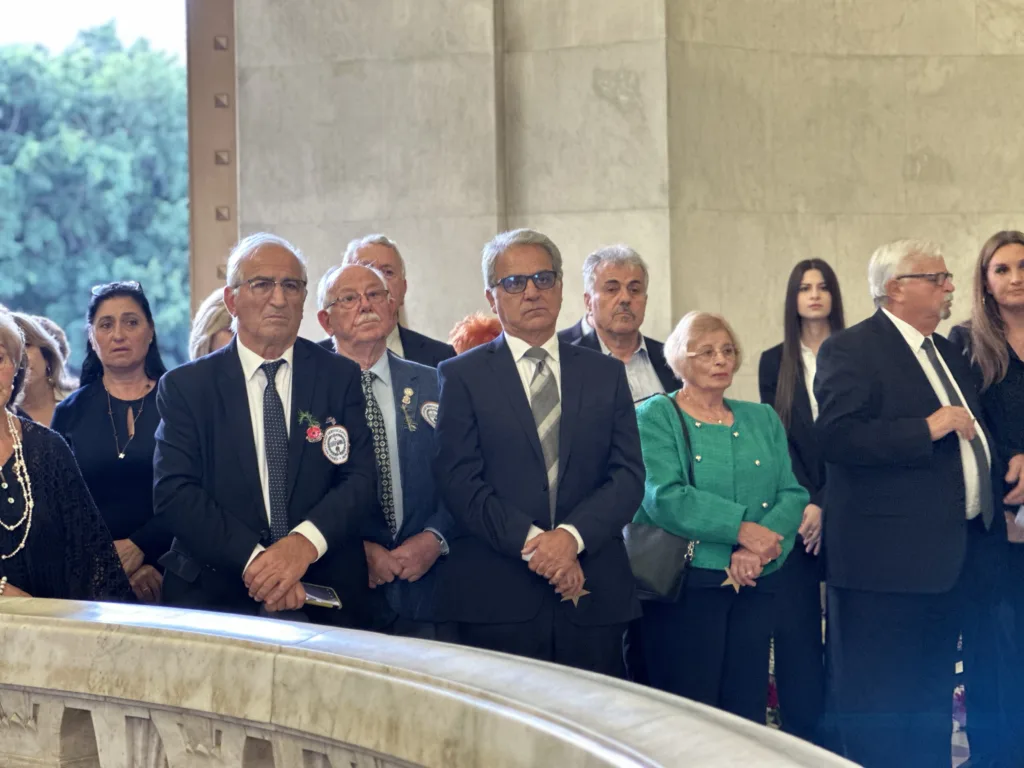
The final part of the commemoration was a wreath laying and Star Ceremony, where attendees cast paper gold stars with the names of fallen ANZACs in to the Well of Contemplation. The centrepiece of the Anzac Memorial is the sculpture named Sacrifice, three female figures carrying the lifeless body of a fallen warrior.
The Anzac Memorial Hyde Park is a tribute to the Anzacs with Hellenic influences and links throughout. Most significant are the five soil samples from five battlefields around Hellas (Greece) – namely the Mediterranean Sea, Cape Spada (the north-western corner of Crete), Vevi (Macedonia), Tempe (Macedonia/Thessaly) and Rethymnon (Crete). Every Australian Hellene and every visitor from Hellas and Cyprus should include the Anzac Memorial on their itinerary.
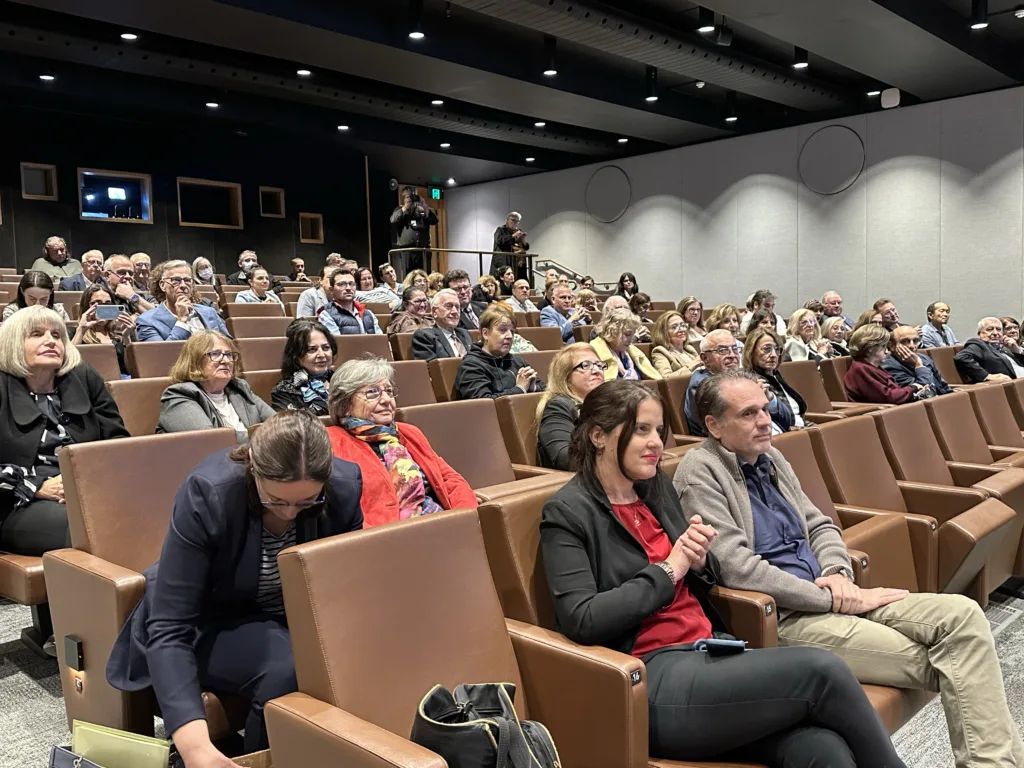
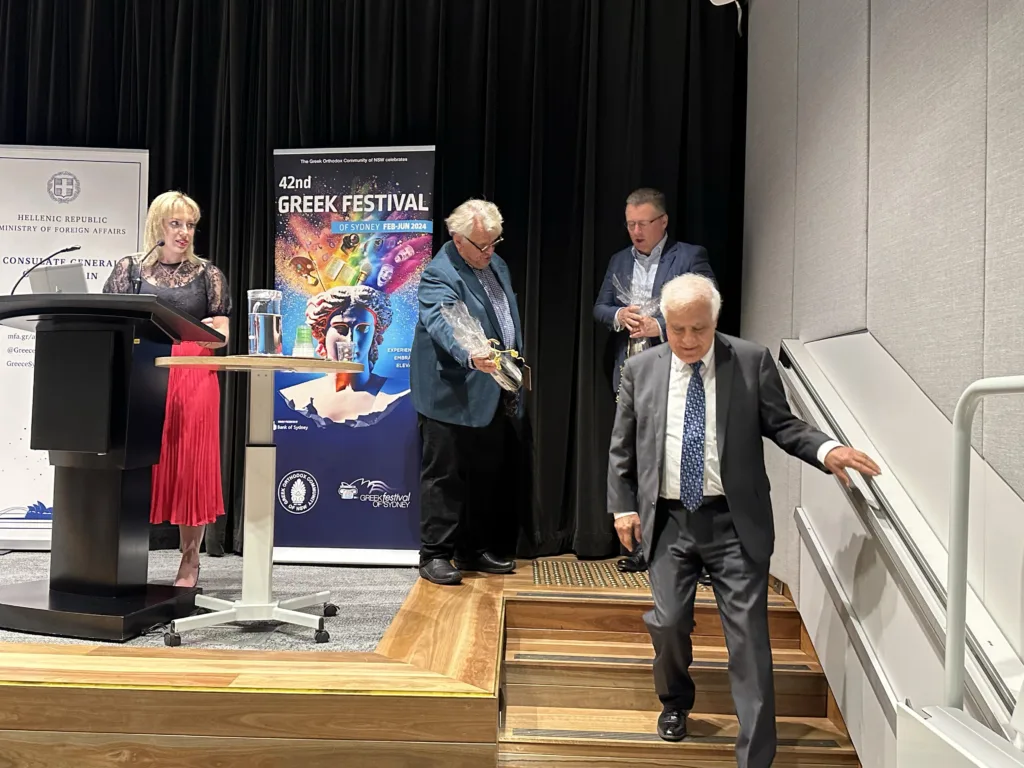
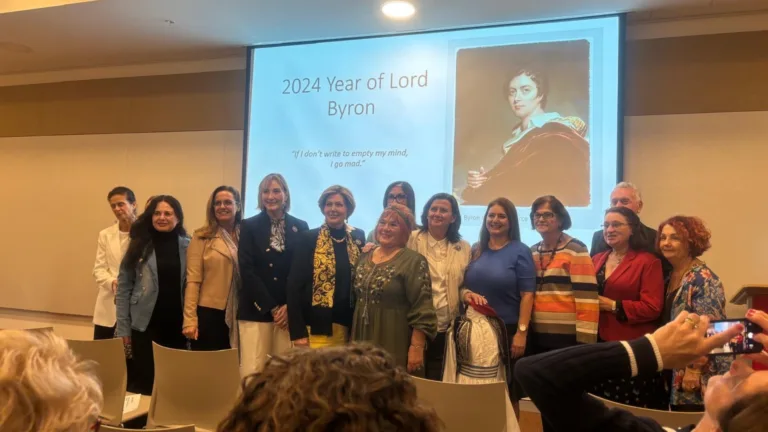
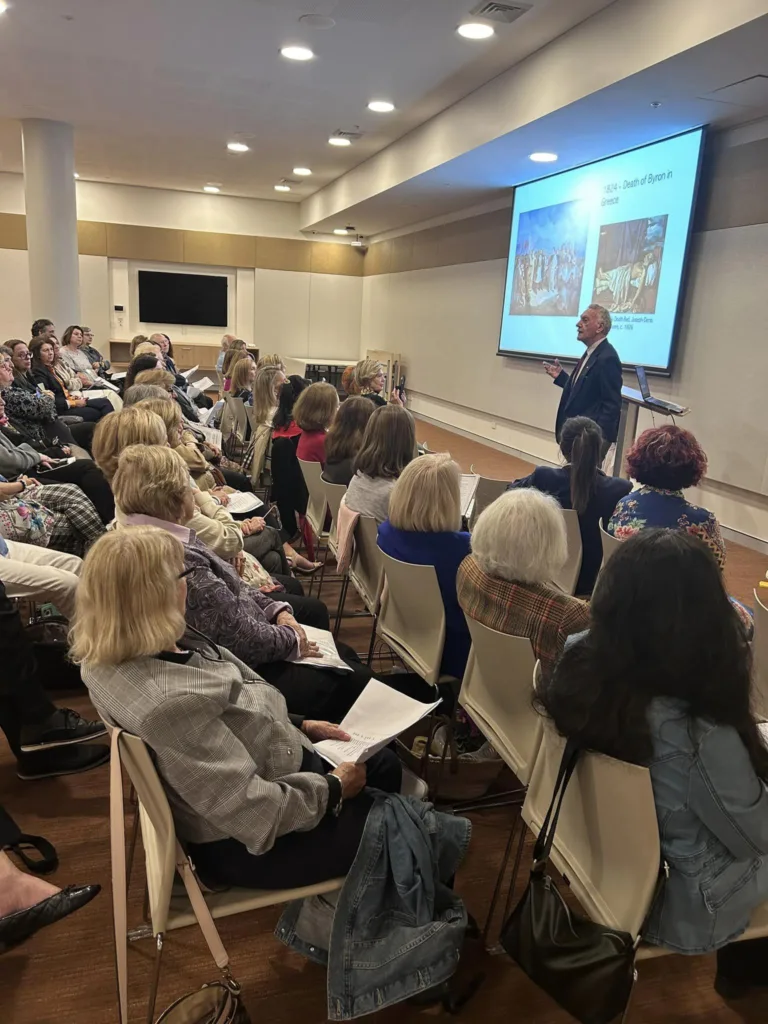
A talk was held at NSW Parliament theatrette on Thursday, April 18 as part of the Greek Festival of Sydney honouring the remarkable contributions of Lord Byron to poetry, philanthropy, and politics.
The event was held to honour the 200th anniversary of Lord Byron’s death (19 April 1824).
All photos copyright The Greek Herald.
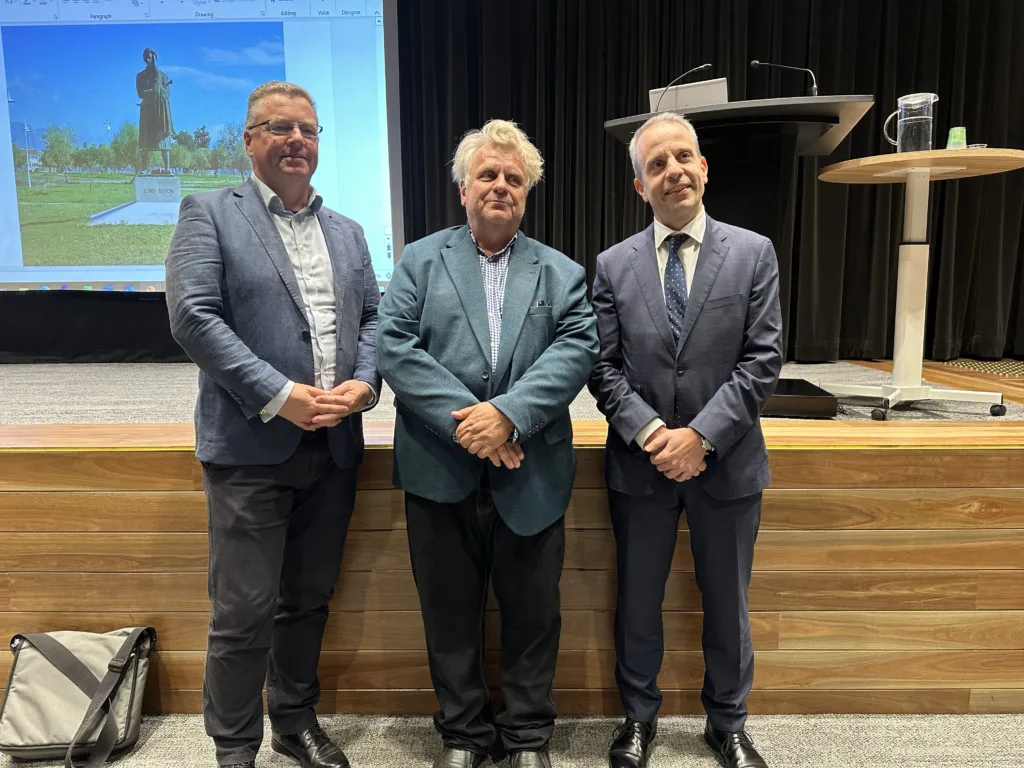
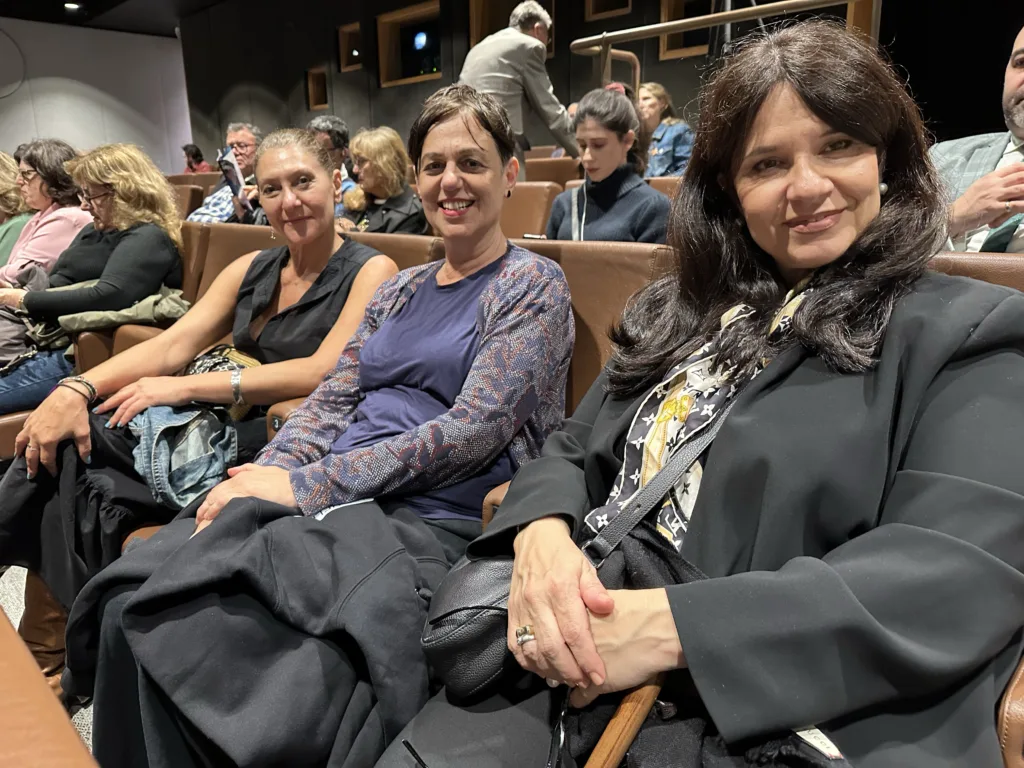
Renowned scholars Professor Mark Byron and Professor Vrasidas Karalis took the stage to shed light on Lord Byron’s profound love for Greece and his enduring impact on shaping modern Greece and Europe.
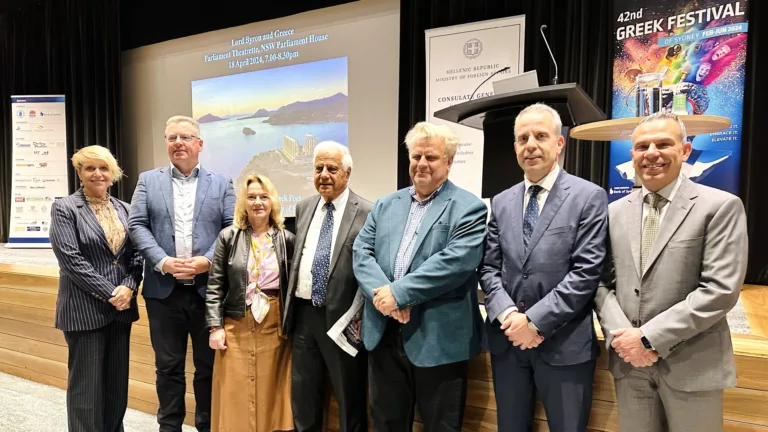
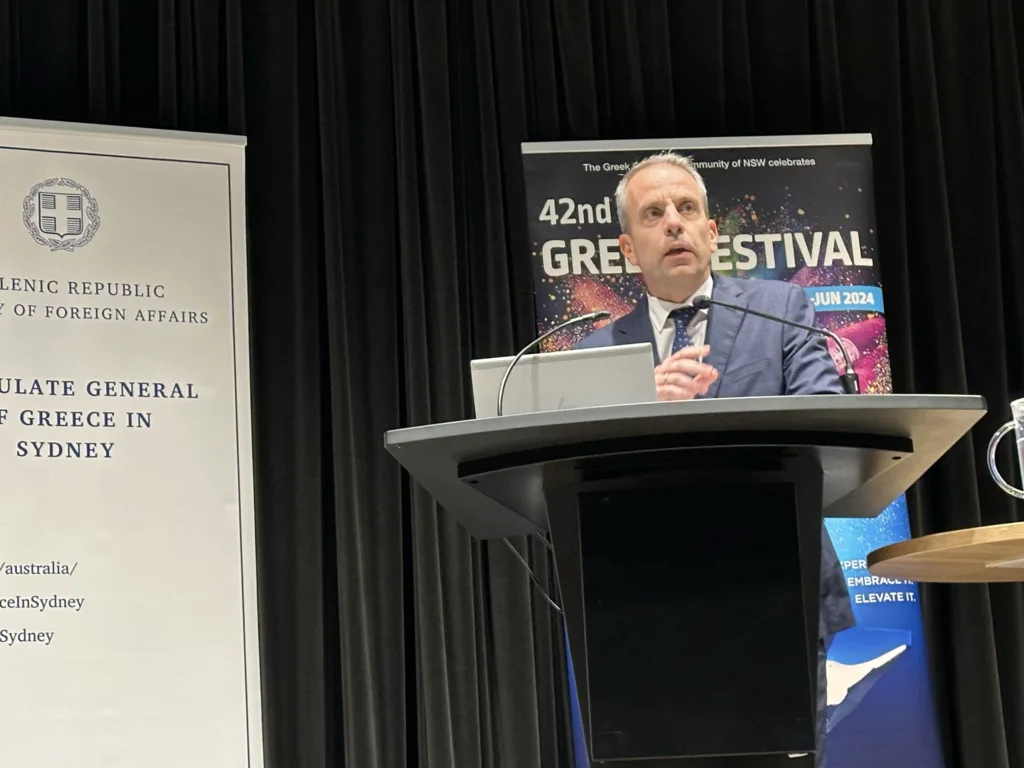
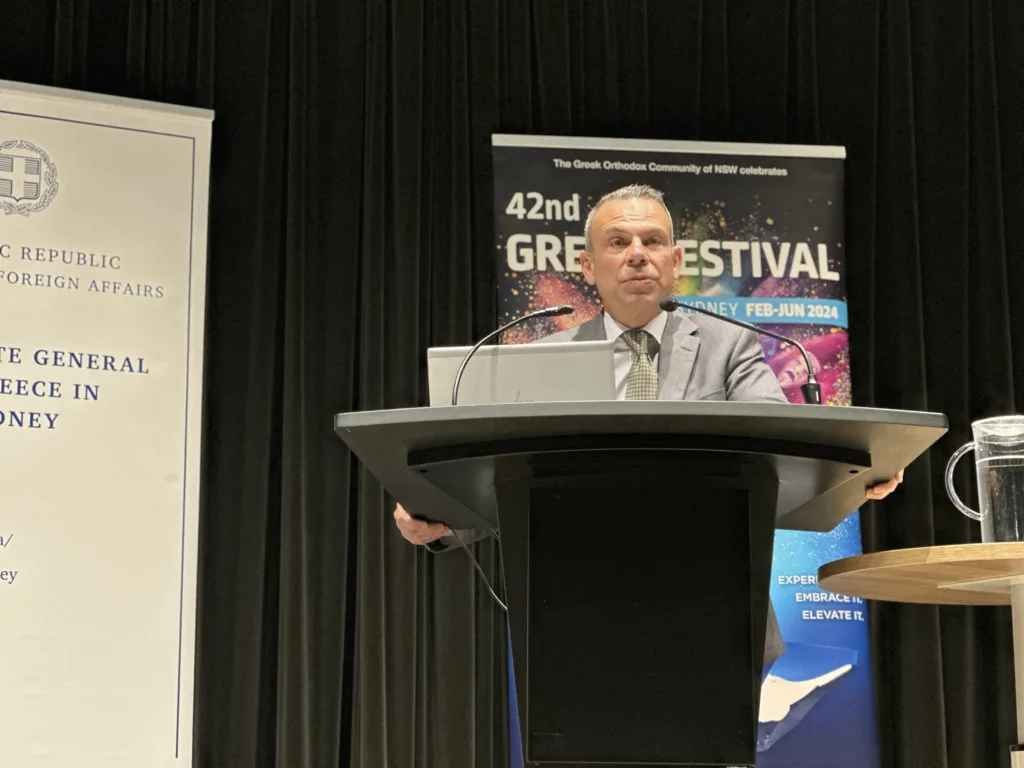
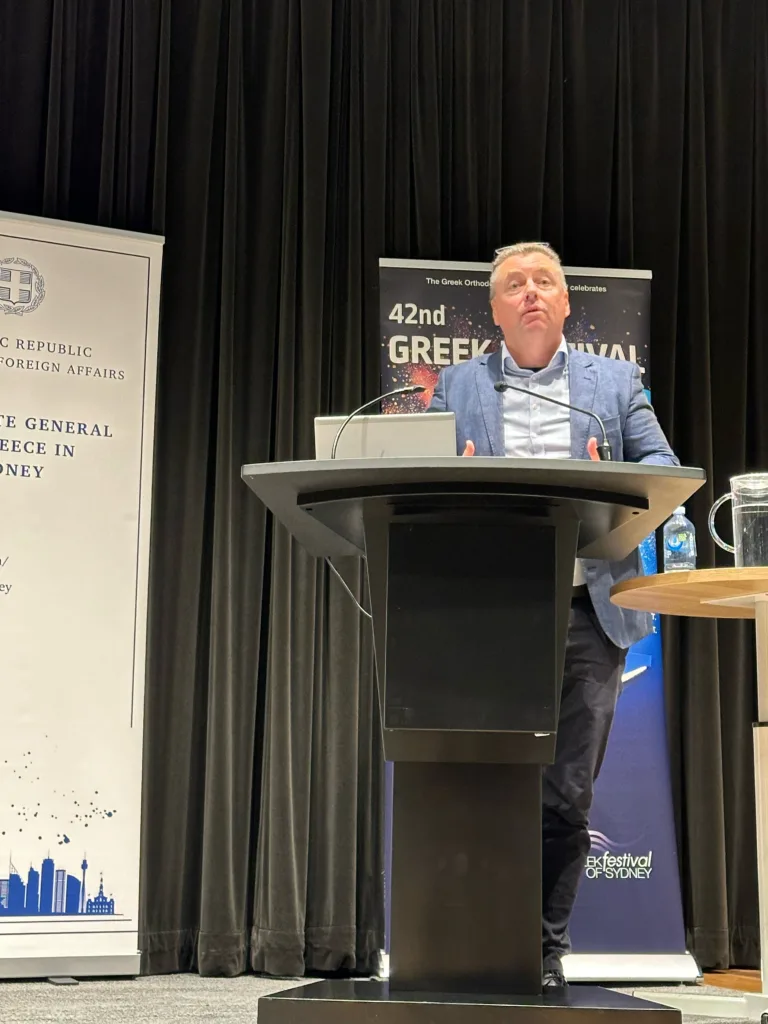
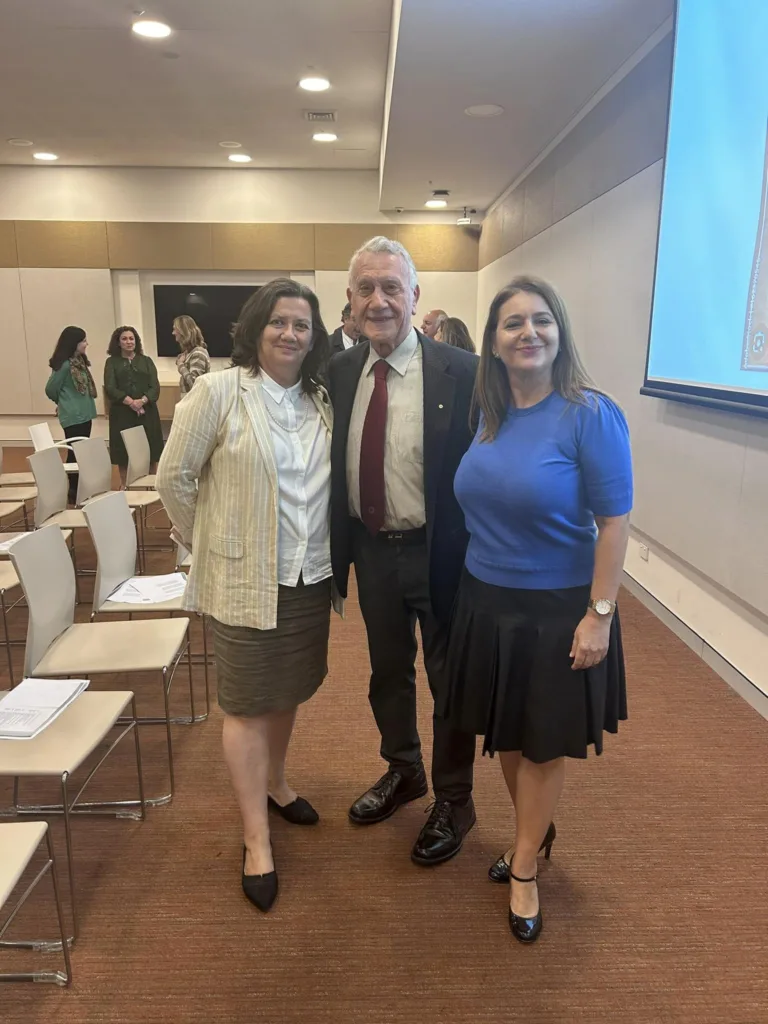
The event commenced with emcee Sophia Komarkowski guiding the proceedings, followed by a series of distinguished speakers including the Consul General of Greece in Sydney, Yannis Mallikourtis; Mark Buttigieg MLC, representing the NSW Minister for Multiculturalism, Steve Kamper MP; and Harry Danalis, President of the Greek Orthodox Community of NSW (GOCNSW).
Consul General of Greece in Sydney, Yannis Mallikourtis.Mark Buttigieg MLC.
In attendance was also Kevin Hennessy, Deputy Consul General of Ireland in Sydney; Chryssa Prokopaki, Trade Commissioner of Greece in Australia; Anastasia Christofilopoulou, First Secretary for Public Diplomacy at the Consulate of Greece in Sydney; and Nia Karteris, Chair of the Greek Festival of Sydney.
Mr Mallikourtis’ address delved into Lord Byron’s pivotal role in the Greek cause for independence in 1821, highlighting his visionary stance and relentless pursuit of Greece’s emergence as a sovereign nation. He underscored the geopolitical complexities preceding the Greek Revolution and Lord Byron’s strategic efforts to garner international support, despite opposition from both external powers and internal factions.
Mr Buttigieg eloquently articulated Lord Byron’s revered status among Greeks for his unwavering commitment to their liberation struggle. He recounted Lord Byron’s courageous exploits in Kefalonia, where he ardently championed the resistance movement, ultimately sacrificing his life for the cause.
Professor Mark Byron’s speech explored the thematic richness and symbolic depth of Lord Byron’s poetry, particularly focusing on his poignant engagement with Greece. He illuminated how Lord Byron’s poetry transcended mere literary expression, serving as a powerful conduit for exploring universal human experiences and societal themes.
Professor Mark Byron.
Professor Byron unveiled the layers of symbolism embedded in Byron’s verses, particularly his portrayal of Greece’s beauty juxtaposed with its struggle for liberty under Ottoman rule. The poet’s lamentations over Greece’s ruins and fervent desire for its revival resonated as powerful motifs throughout his works.
Through Lord Byron’s poetry, Greece emerged not merely as a geographical entity, but as a potent symbol of human aspiration and the enduring struggle for freedom.
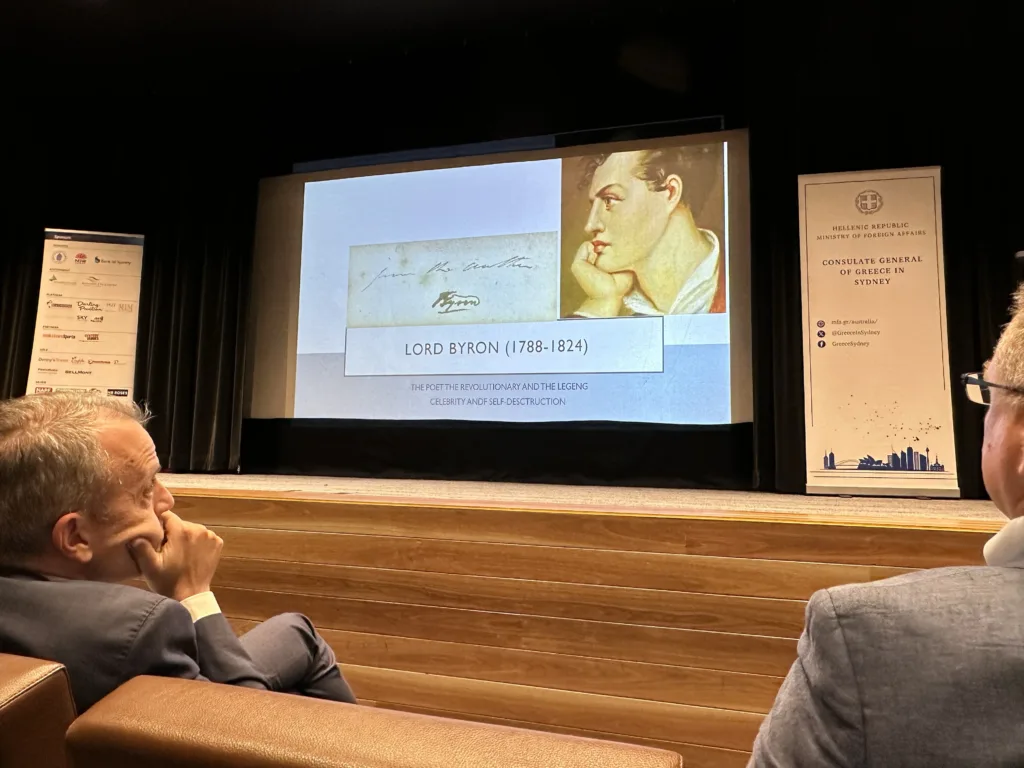
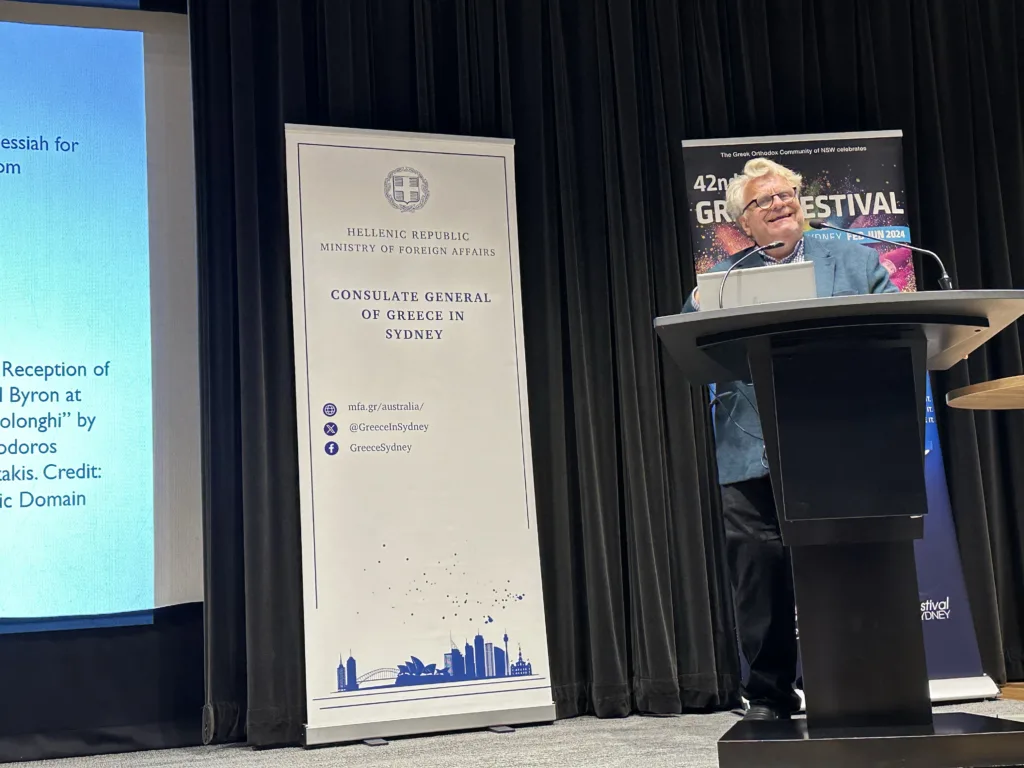
Professor Vrasidas Karalis delivered a comprehensive lecture, highlighting the profound impact Lord Byron made on Greek culture. He emphasised Lord Byron’s pivotal role in constructing Greek identity and bolstering the economy through his presence in Greece.
Professor Vrasidas Karalis.
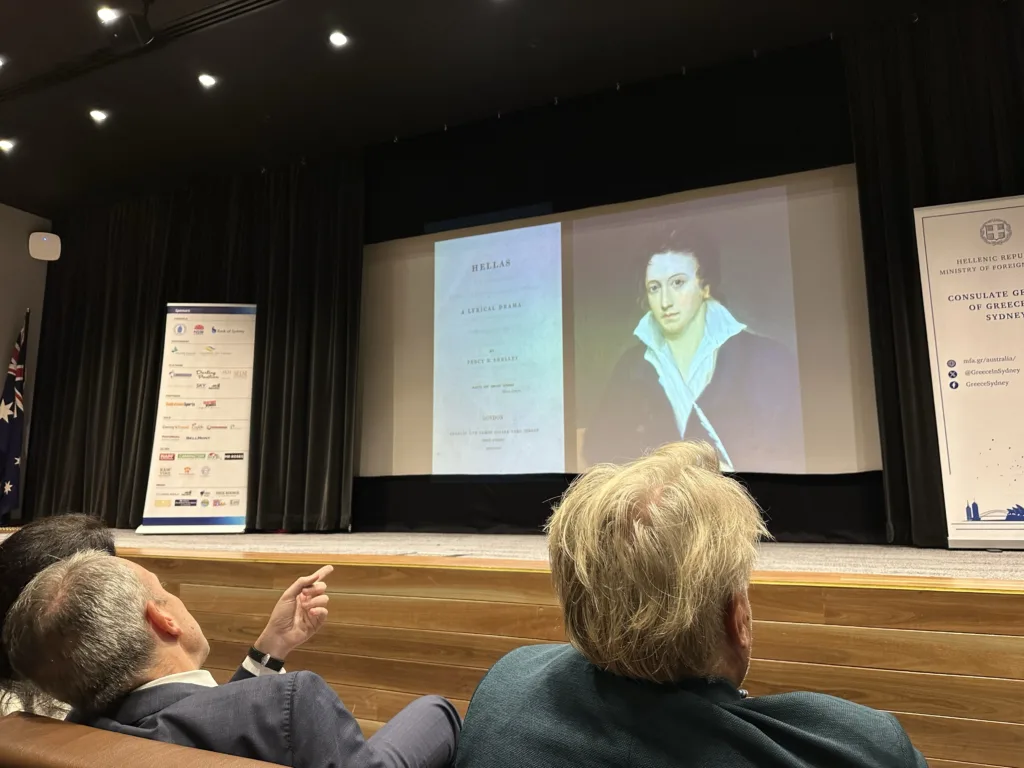
Professor Karalis portrayed Lord Byron as both a revolutionary and a legend, highlighting parallels between him and contemporary star Lady Gaga. He also discussed Lord Byron’s idealisation as a cultural and national icon in Greece, despite his foreign background, showcasing various paintings and images depicting the poet as a Greek figure associated with the Greek Revolution.
His talk explored Lord Byron’s eccentricities, relationships, and widespread admiration during his lifetime, underscoring his profound impact on literature and poetry.
The Professor concluded by dissecting Greece’s significance in Lord Byron’s works, emphasising his authentic portrayal of the Greek people and his contribution to reshaping the perception of 19th-century Greece.
At the conclusion of the talks, both guest speakers were presented with gifts from Mr Danalis.
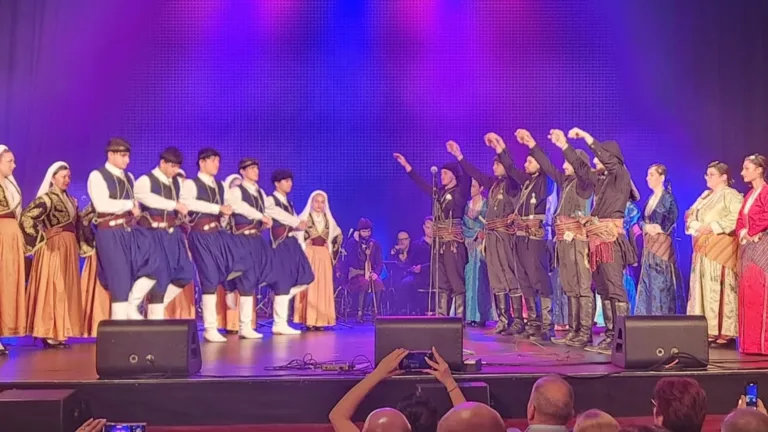
For the first time ever, dance groups from the Cretan Association of Sydney and Pontoxeniteas NSW performed together at the ‘Greek Legends of the 20th Century’ concert at State Theatre in Sydney.
The performance consisted of Cretan and Pontian war dances, with live music by Ari Paraskakis and Manoli Karageorgiou – the Cretan musicians, and Kosta Papoulidis, Prodromos Moysiadis and Zoe Karatasas – the Pontian musicians.
Alexandra Papoulidis choreographed the dances, while the dancers were instructed by teachers Paul Spanoudakis and Christina Iwannidou.
The history-making performance received a standing ovation from the crowd.
In a post on Facebook, the Cretan Association of NSW thanked everyone for their help to put together the remarkable performance.
“We were honoured to be included in such a memorable production where we could celebrate our Greek Legends,” the post read. “A truly a wonderful experience. “
The President of Pontoxeniteas NSW, Maria Anthony also expressed her pride watching the dance groups take the stage together.
“I am extremely proud to watch the young students from both clubs get on stage and perform the way they did amongst singers and musicians who do it for a living,” she said.
“Our young people volunteer their time each week, come to dance lessons, see their friends and hold onto our traditions. This night shows that our students on stage performed with their heart and what they stand for.
“Long Live Pontos, Long Live Crete, Long Live Greece and Long Live Australia.”
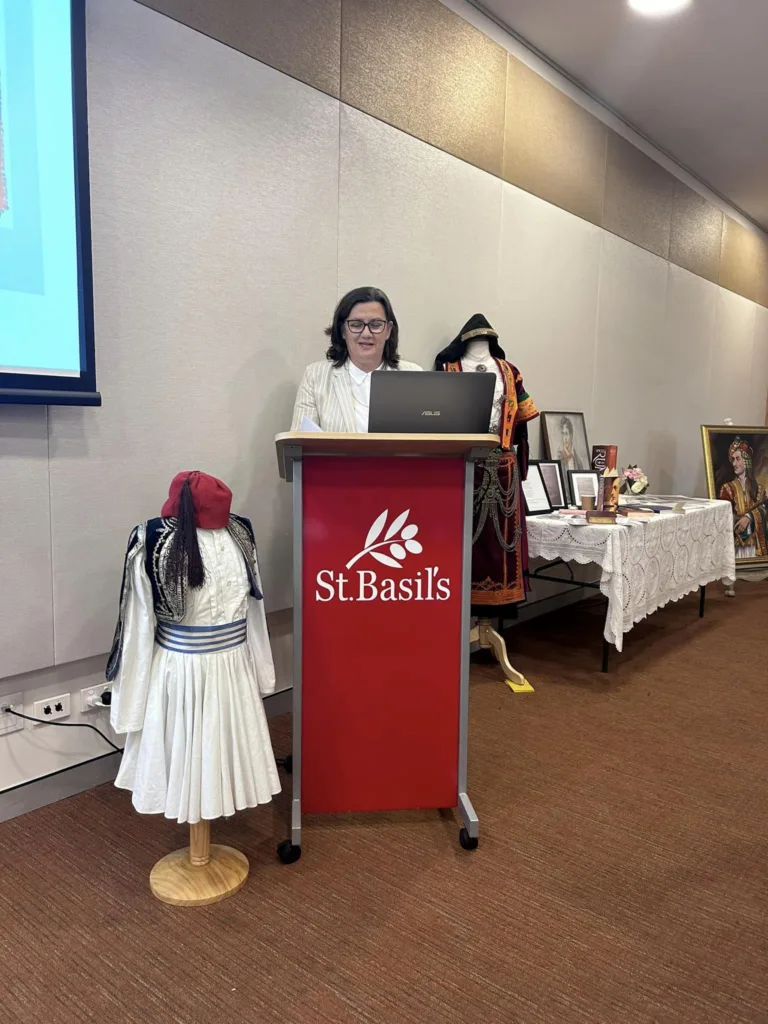
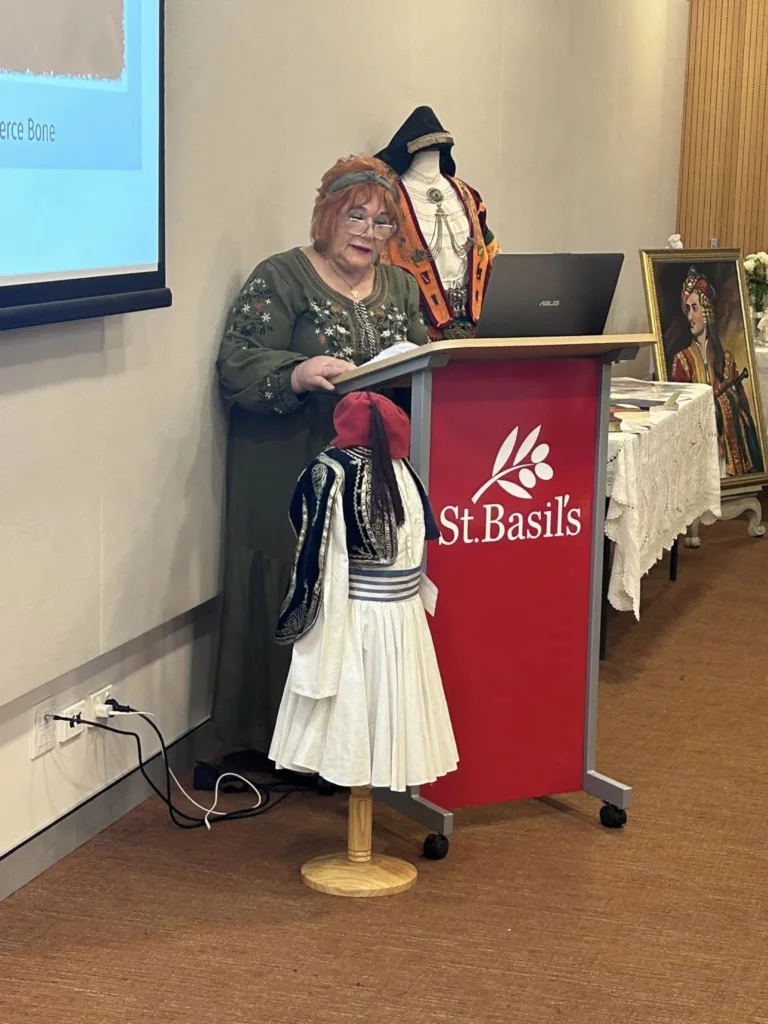
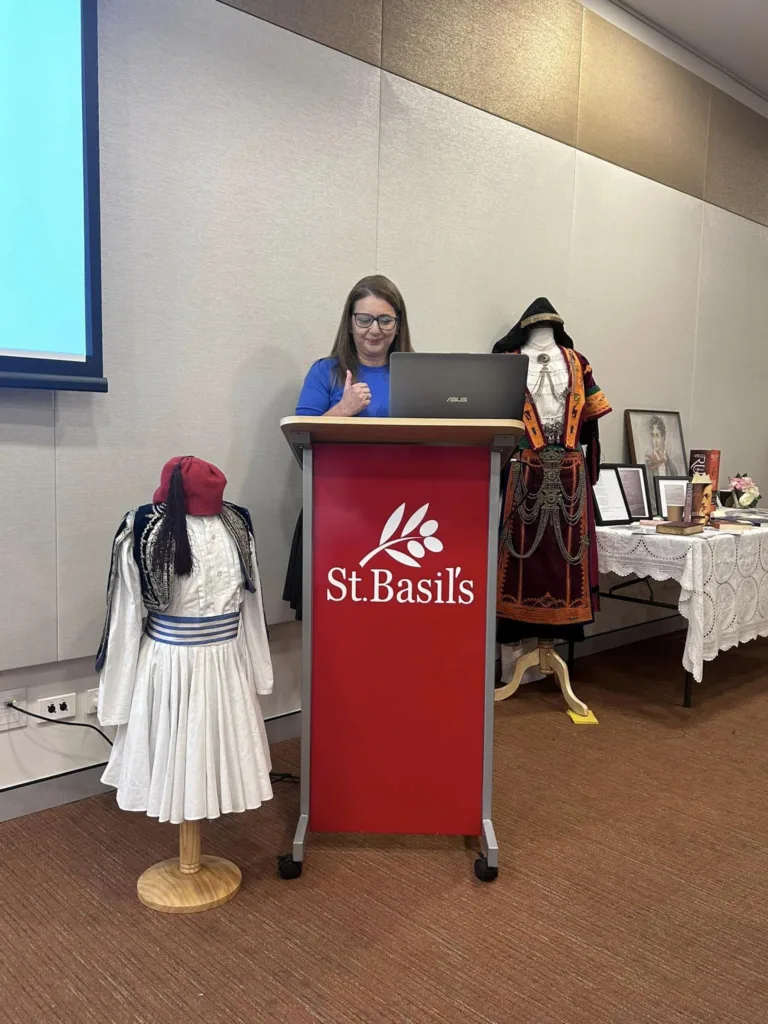
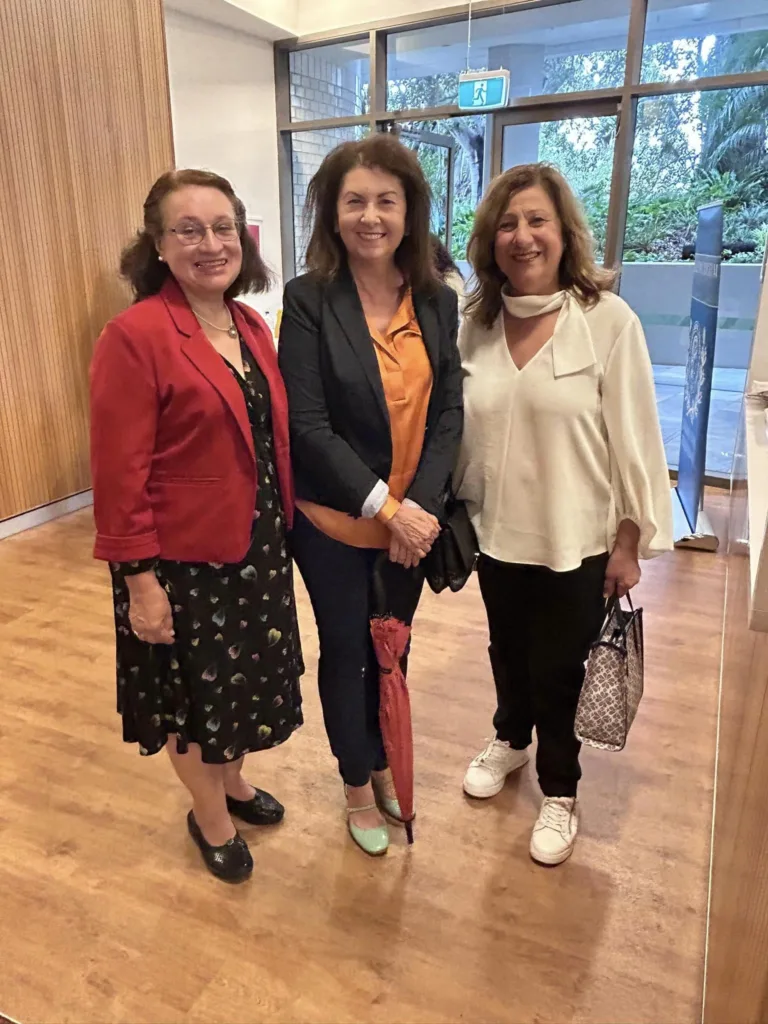
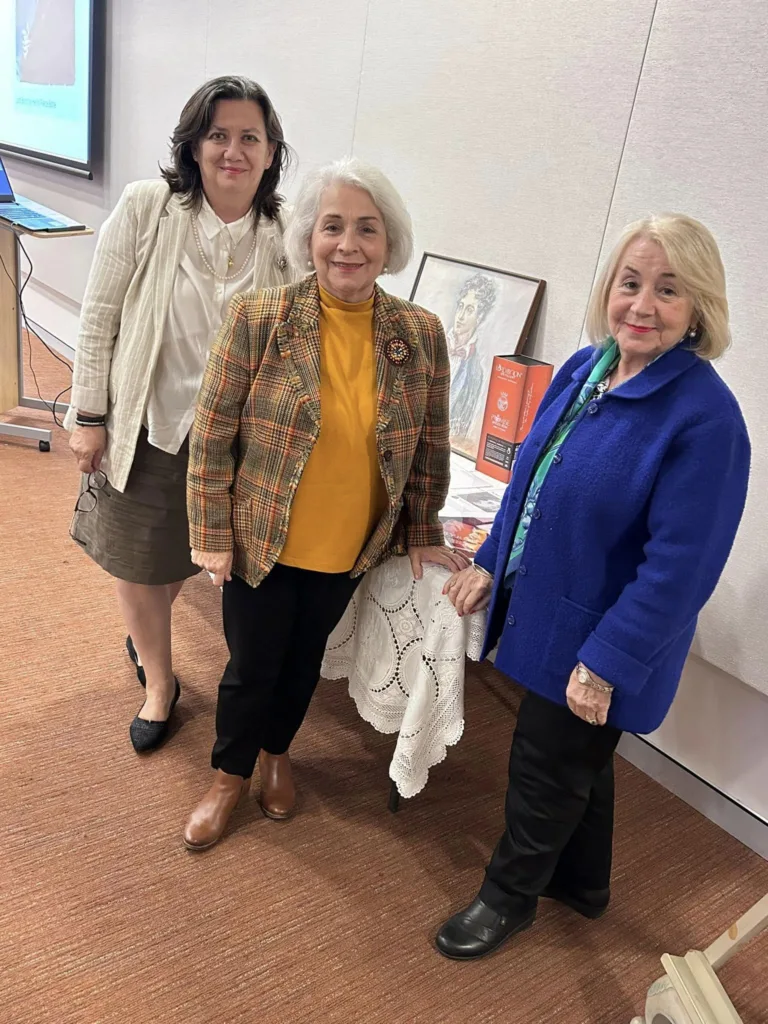
The Hellenic Lyceum of Sydney’s book club honoured the bicentenary of poet Lord Byron’s death on Saturday, April 20 with an event at St Basil’s in Randwick, Sydney from 2.30pm.
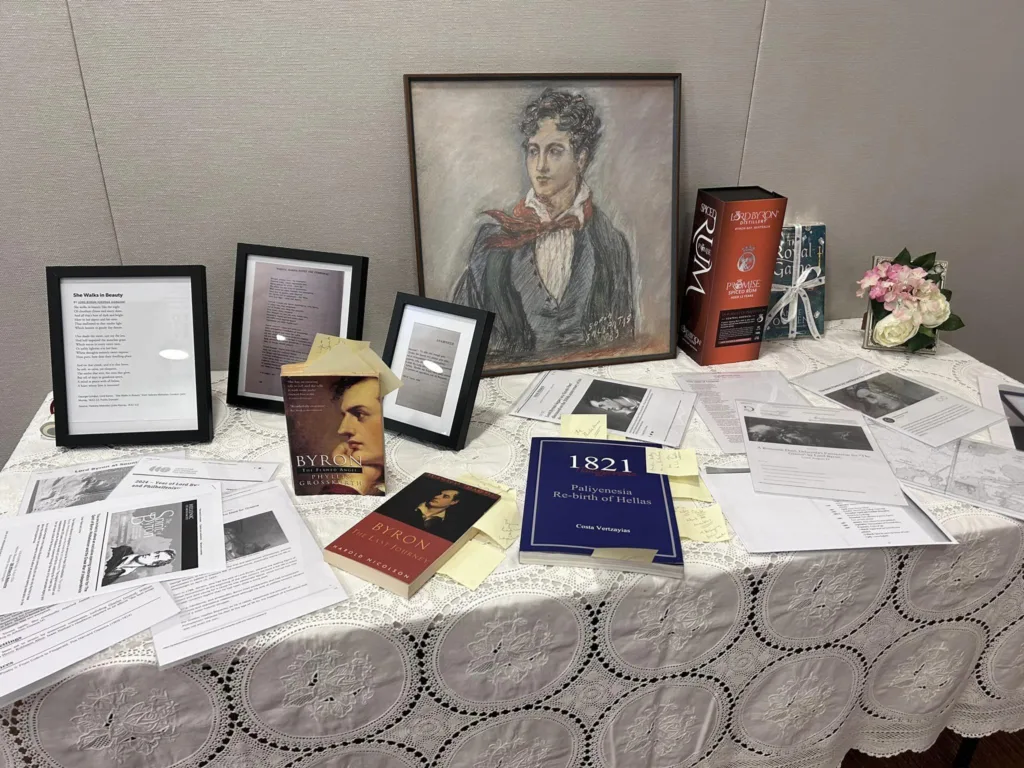
The Hellenic Lyceum Book Club presented Lord Byron’s life, influences and literary works, using four speakers and a collection of books for reference together with other forms of media.
Tina Contos spoke about his extraordinary life – both personal and professional, his scandals and the legacy he left behind.
Eleni Kandylas – Mallios spoke about the Romantic Literary Movement of the time and his poetry in detail – in Greek and English.
Costa Vertzayias spoke about Lord Byron as the most famous Philhellene and his involvement with the Greek War of Independence in 1821.
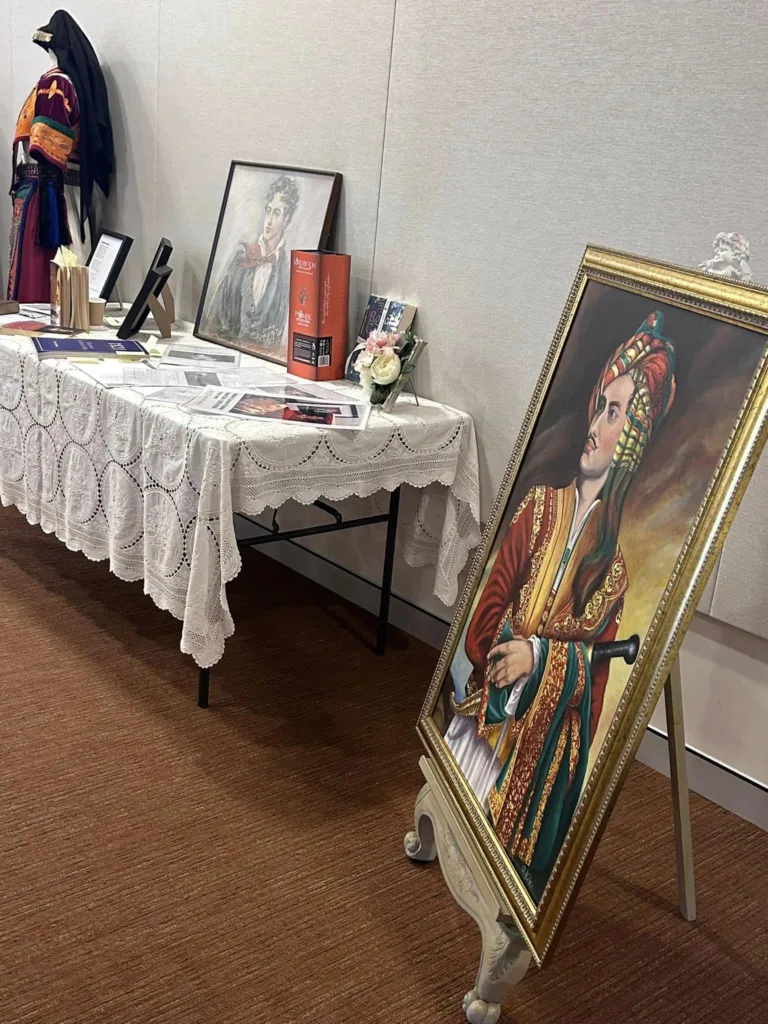
Marina Efthimiou spoke about the painting of Lord Byron painted by Sophia Salapatas in 1983, which still belongs to the Lyceum and was used for the talk on Lord Byron in 1984 for the 150th Anniversary of his death held at Hellenic House.
The book club looked at Lord Byron’s influence with art and the French Philhellene painter Eugene Delacroix, Combat of the Giaour and the Pasha in 1827, based on a poem by Lord Byron and the Greek painter Theodoros Vryzakis and his paintings, especially The Maid of Athens in 1860, based on a poem by Lord Byron.
The talk also emphasised his influence on Greek literature in particular with Dionysios Solomos, and also how Greek literature, especially Ancient Greek writers, influenced Lord Byron’s poetry.
The talk looked at his travels around Europe in 1809, which provided him with landscapes and characters for his poetry, and then again as an exiled man in 1816 due to his scandalous life and huge debts having never returned to England.
Mention was made about Byron Bay here in New South Wales with so many street names based on English writers and the name chosen by Captain Cook, Cape Byron, after Lord Byron’s grandfather, Admiral John Byron in 1770.
The presentation ended with a Greek singer and her band singing the poem, The Isles in Greece, to a beautiful tune using a strong Greek influence with the instruments.
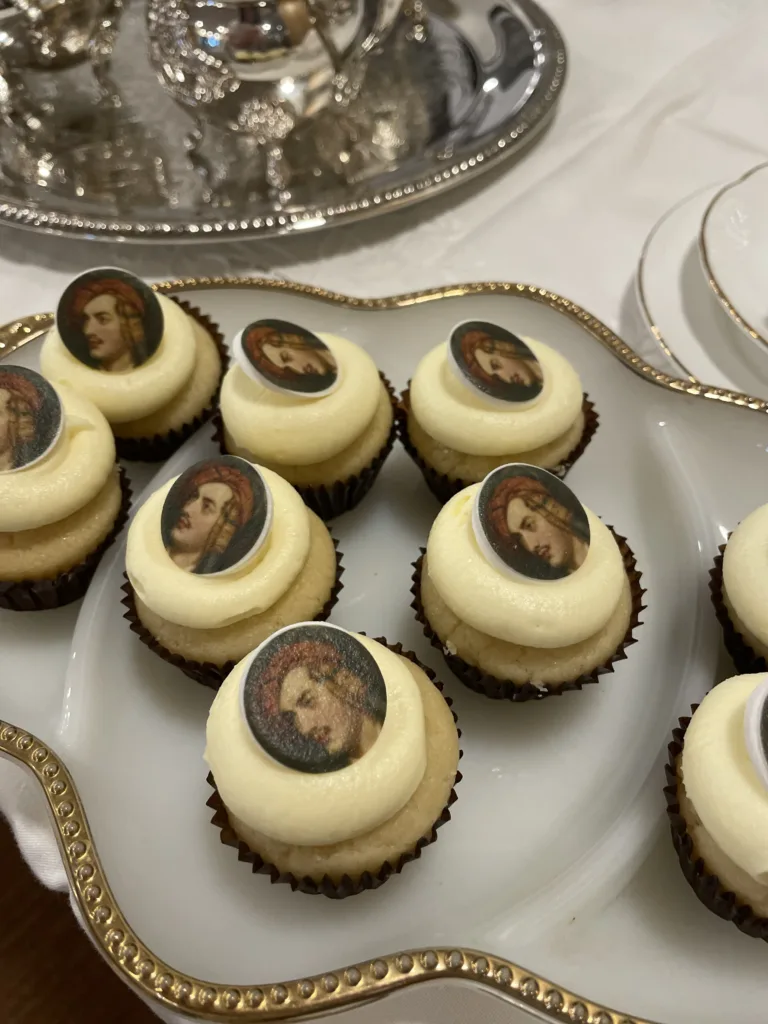
The afternoon ended with an English High Tea and a lucky door prize was given out – a bottle of rum named Lord Byron.
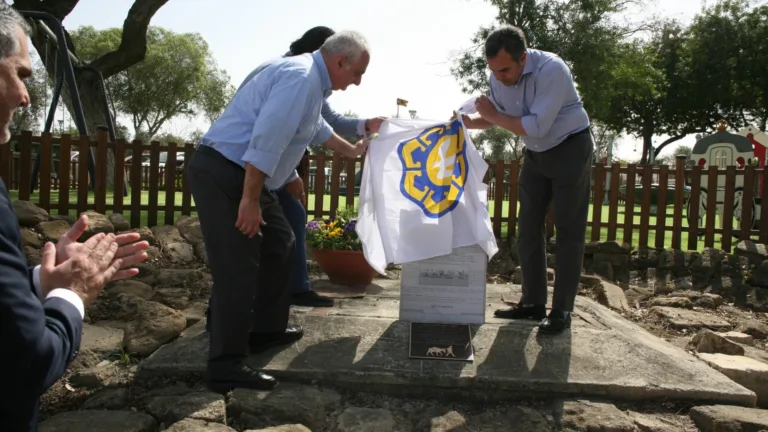
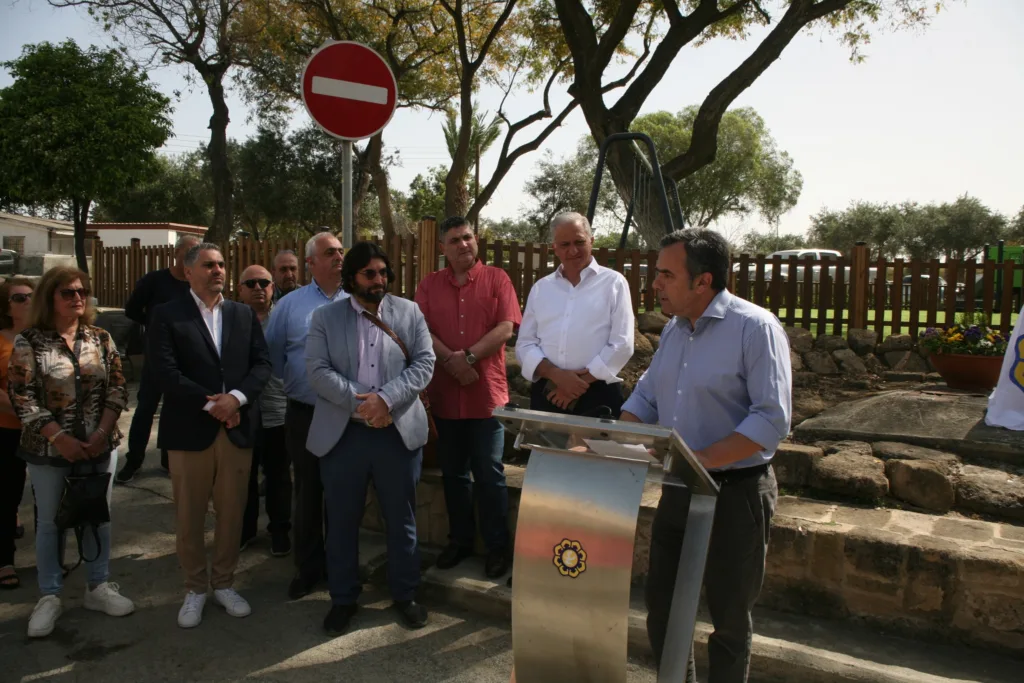
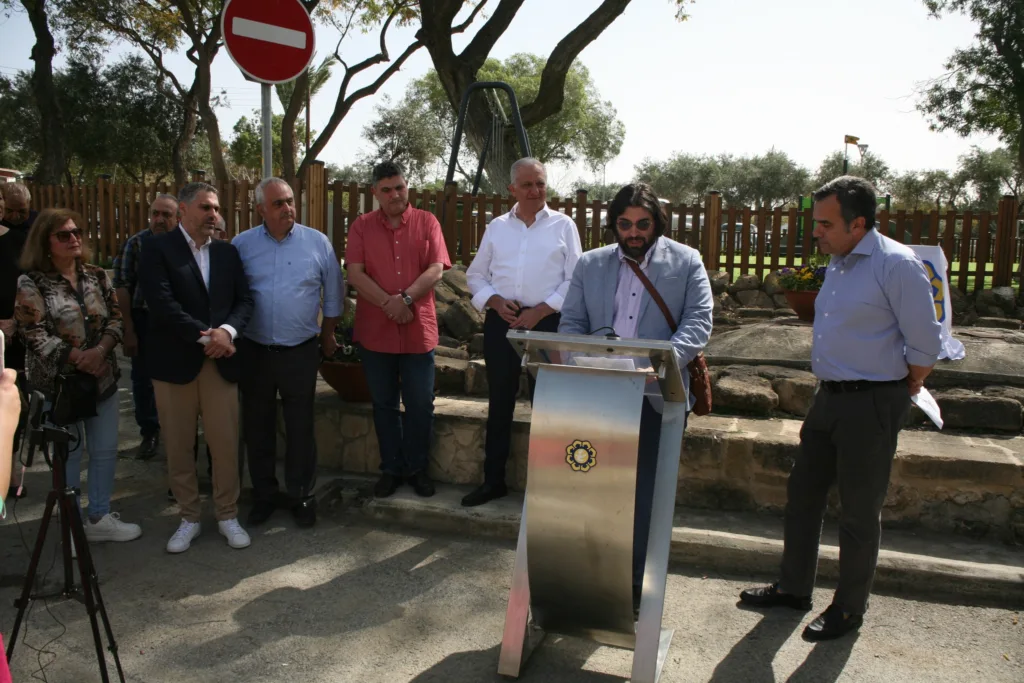
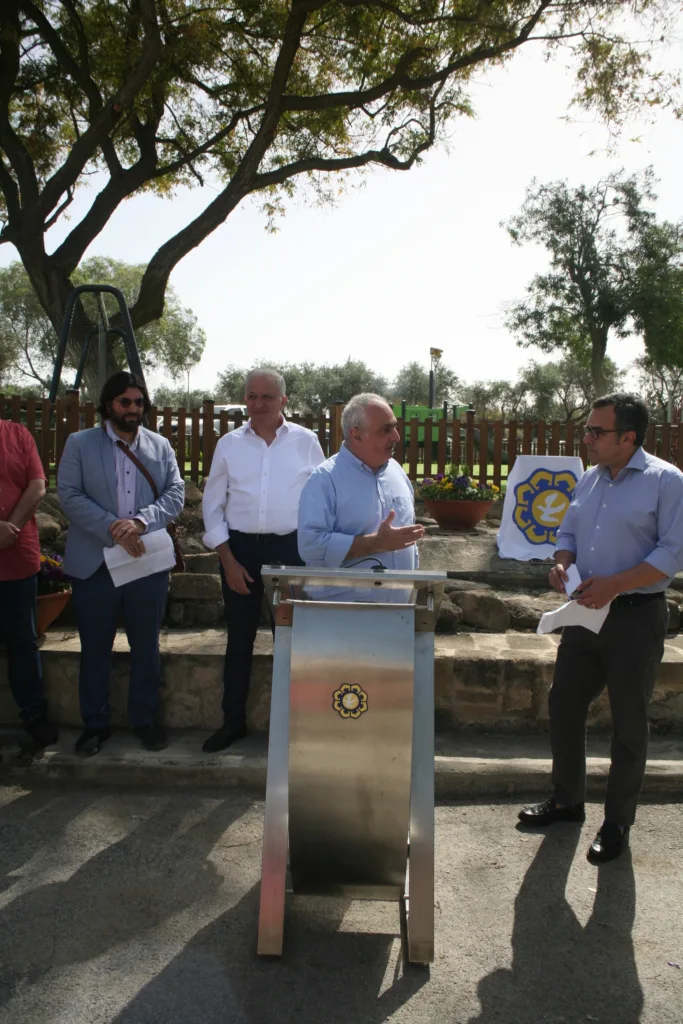
On the eve of ANZAC Day, the Board of the Cyprus Community of New South Wales, its Cypriots for ANZAC Subcommittee and Australian War Animals Memorial announced the launch of a fund to install a monument in Nicosia, Cyprus in honour of the Cypriot Mule Corps.
Nigel Allsopp, President of the Australian War Animals Memorial, was instrumental to researching and organising a plaque to honour the Mule Corps that was recently unveiled in Nicosia by the Mayors of the city.
Mr Allsopp said that the unveiling of the plaque was just phase one and more funds will be raised for the development of a life size monument to the Corp.
Photo: Australian War Animal Memorial Organisation.
The mule corps, made up of Cypriot mules and their muleteers, saw active service between the summer of 1916 and April 1920.
Professor Atrikkos Varnavas of Flinders University, South Australia, said that the Corp played a “decisive role” in supplying British and allied forces in Thessaloniki and Constantinople (Istanbul).
The “Macedonian Mule Corps” was a formation of the British Salonika Army consisting primarily of Cypriot muleteers and their mules.
Professor Varnavas said that about 12,000 Cypriot mule and donkey herders took part in the first World War, and several thousand more served in the second World War alongside the British forces.
“The use of horses, mules, and donkeys on the war front at the time was extremely valuable and important, since they transported military equipment to inaccessible areas that the motorised units of the army could not reach,” Professor Varnavas said.
Photo: Australian War Animal Memorial Organisation.
He added that “Cypriots were excellent operators of these animals due to their agricultural backgrounds.”
He also said 177 members of the Cypriot mule corps were recorded as having died in action and referred to “the joint role of Greek-speaking Christians and Turkish-speaking Muslims who marched and served together.”
Mr Demetriades also spoke on behalf of the Cyprus mule corps initiative group, and thanked both the Nicosia municipality for hosting the plaque, and Mr Allsopp, whose idea it had been to honour the mule corps.
“The ceremony creates a memorial not only for the people but also for the mules which served in the first world war,” Mr Demetriades said, adding his hope that the memorial will “become a point of reference for animal lovers in Cyprus.”
Harry Andrews (veteran) member of the Cyprus Community of NSW‘s ANZAC Subcommittee said that the work of the Mule Corp is often overlooked, but like Simpson and his donkey in Gallipoli the risk and the skills of these soldiers says much about courage and dedication to the cause.
Photo: Australian War Animal Memorial Organisation.
Michael Kyriacou, President of the Cyprus Community of NSW, said “we are thankful for the work of Nigel Allsop to bring to light the deeds of the Mule Corp an integral part of the allies cause.”
Mr Kyriacou noted that the Community is proud to take the lead and be part of this ambitious project to instal a monument of international significance in Nicosia, Cyprus.
“This is what Community is all about, it is our duty to ensure we never forget our veterans, their work with the ANZACs that gave birth to an enduring mateship between Australia and Cyprus,” Mr Kyriacou said.
My Kyriacou said that at the upcoming Federation of Cypriot Communities Conference hosted in Sydney, he will put to his colleagues the need to support and deliver such projects in Cyprus and Australia to educate and remind the community and our allies of Cyprus’ enduring historic role in the world.
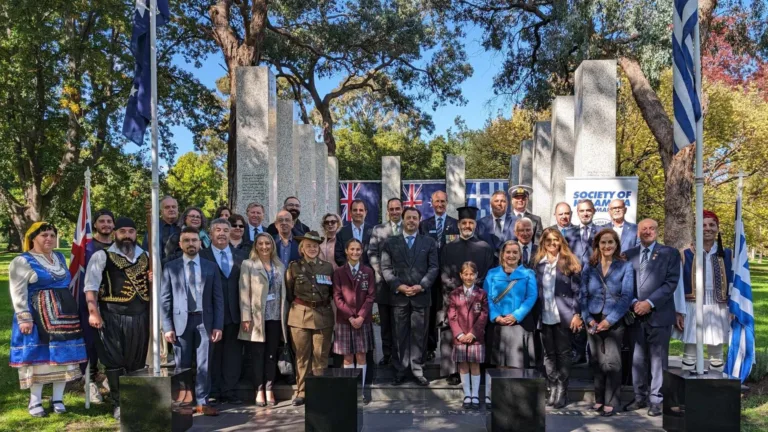
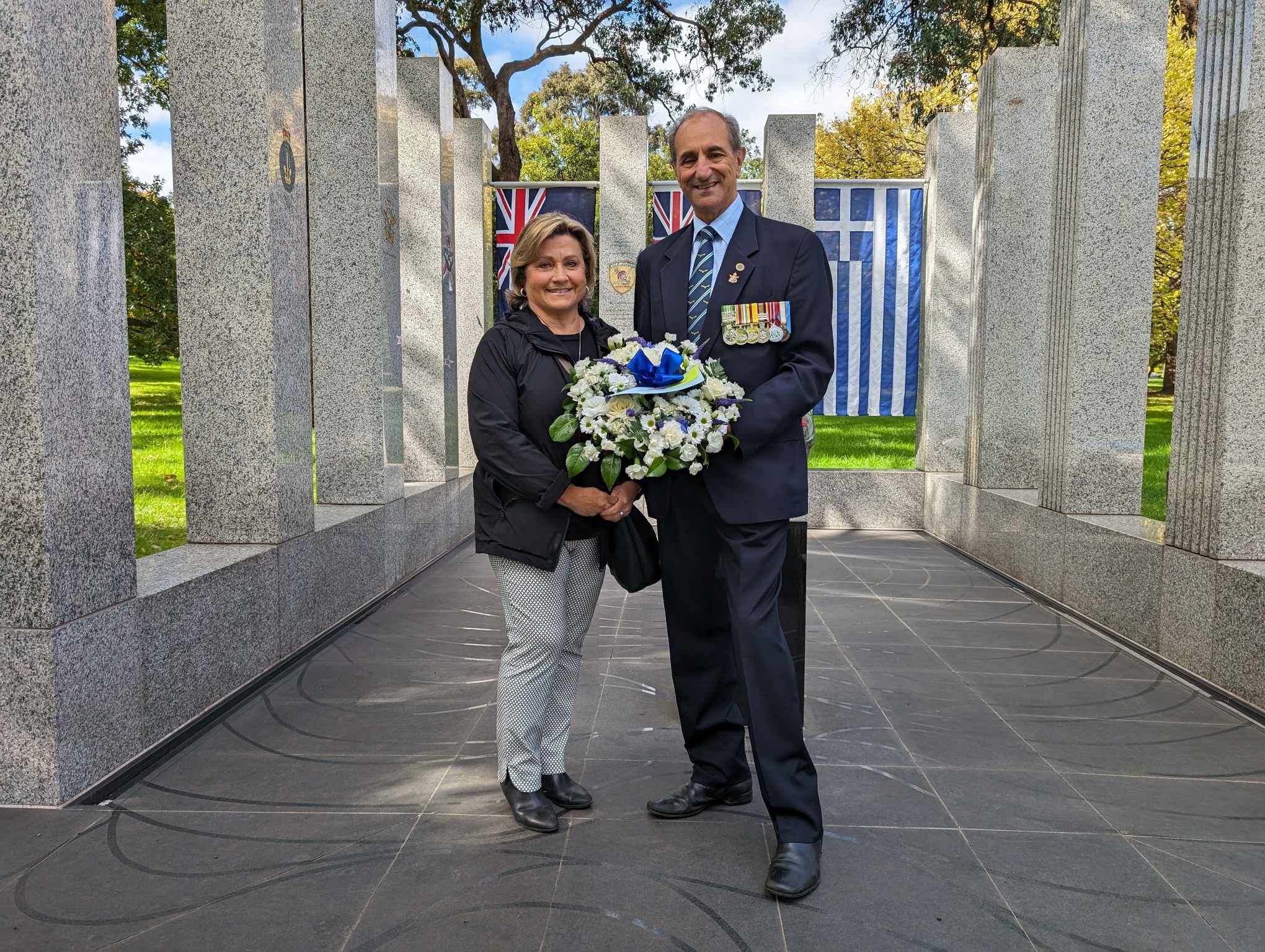
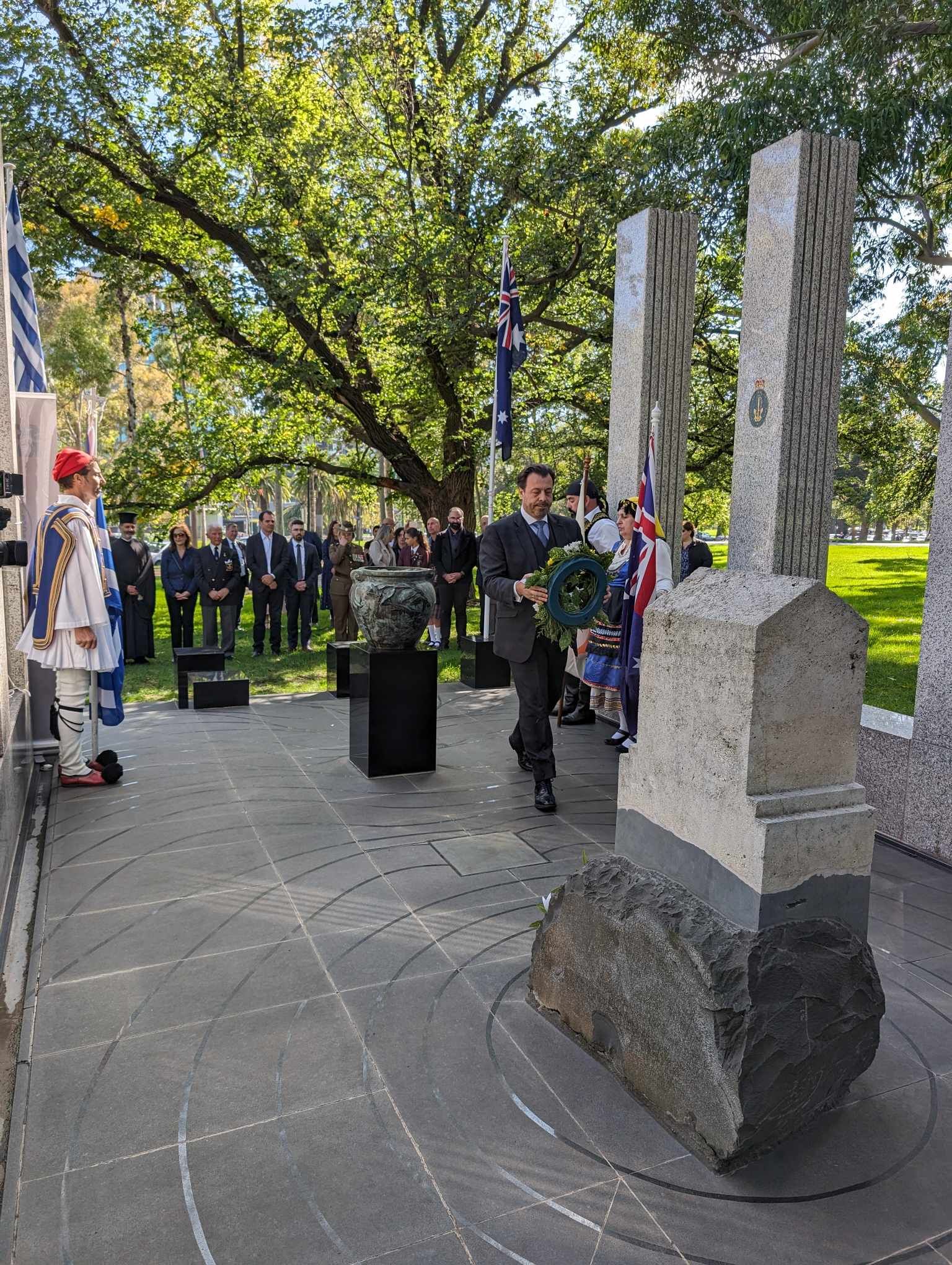
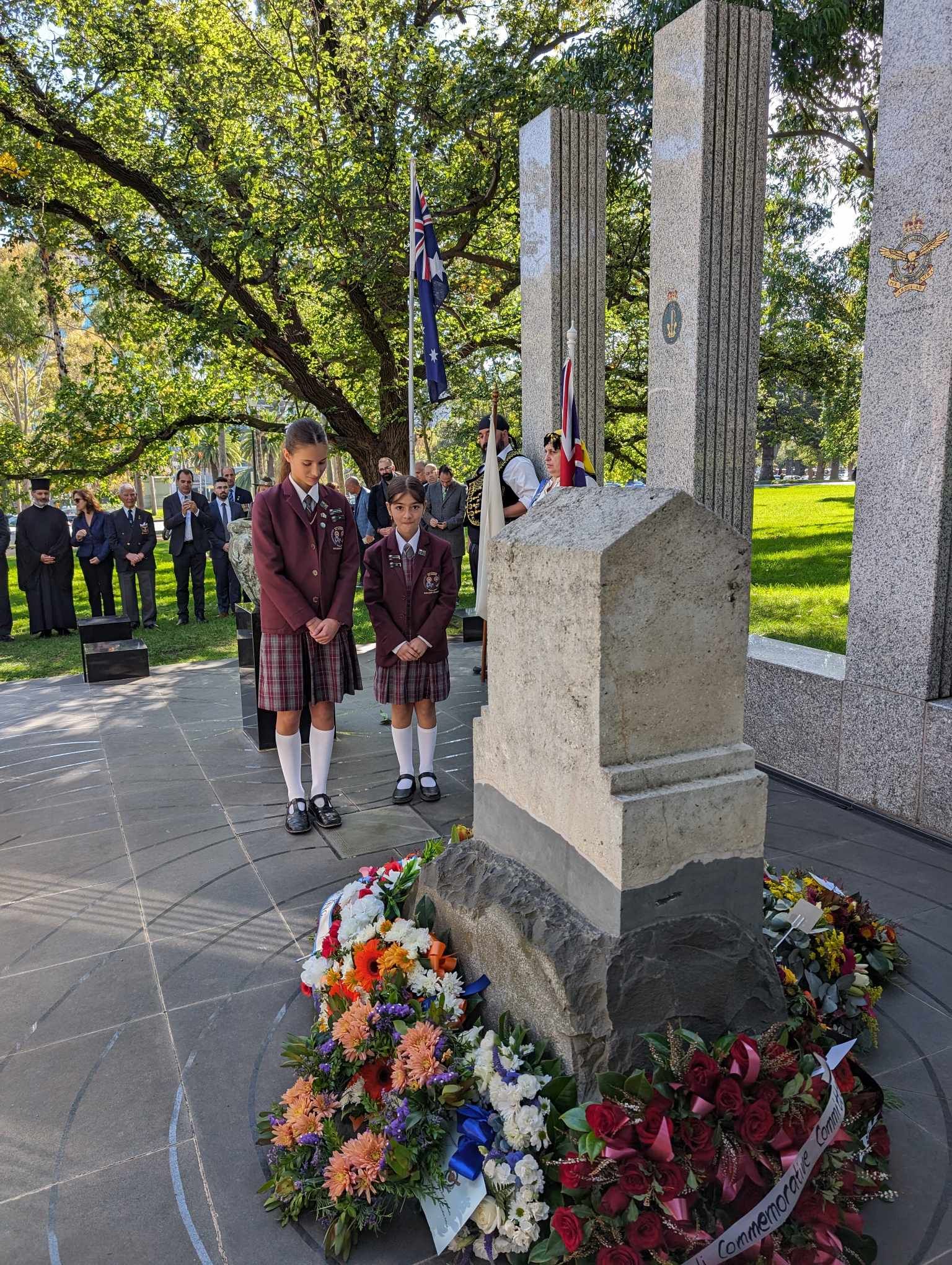
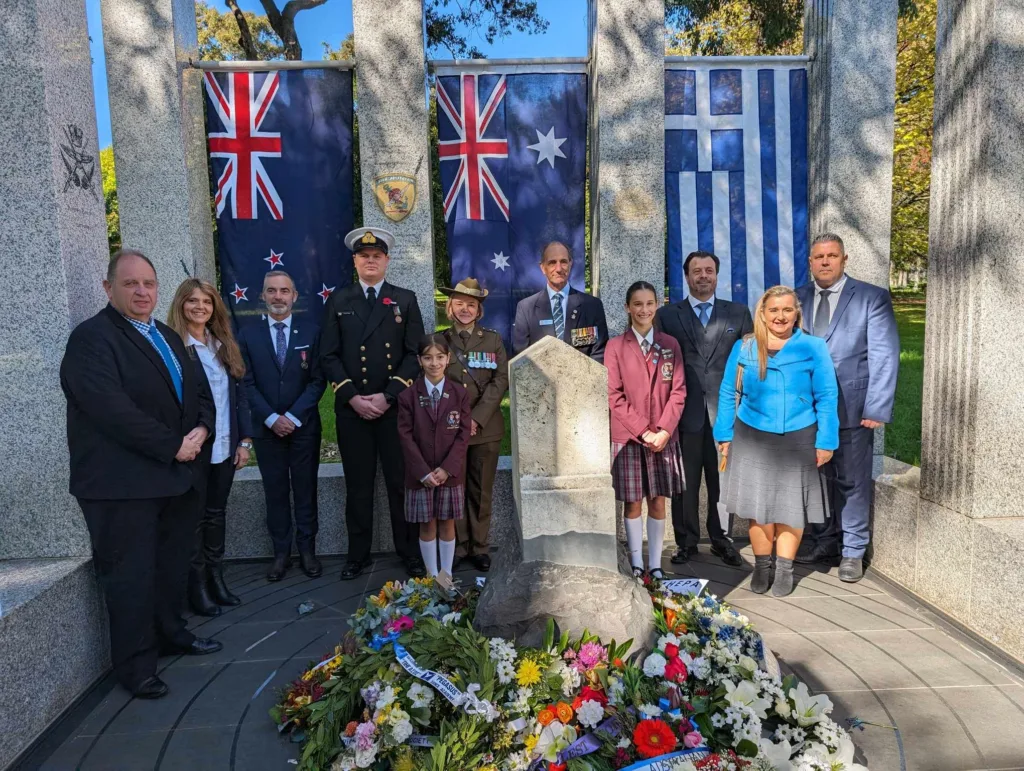
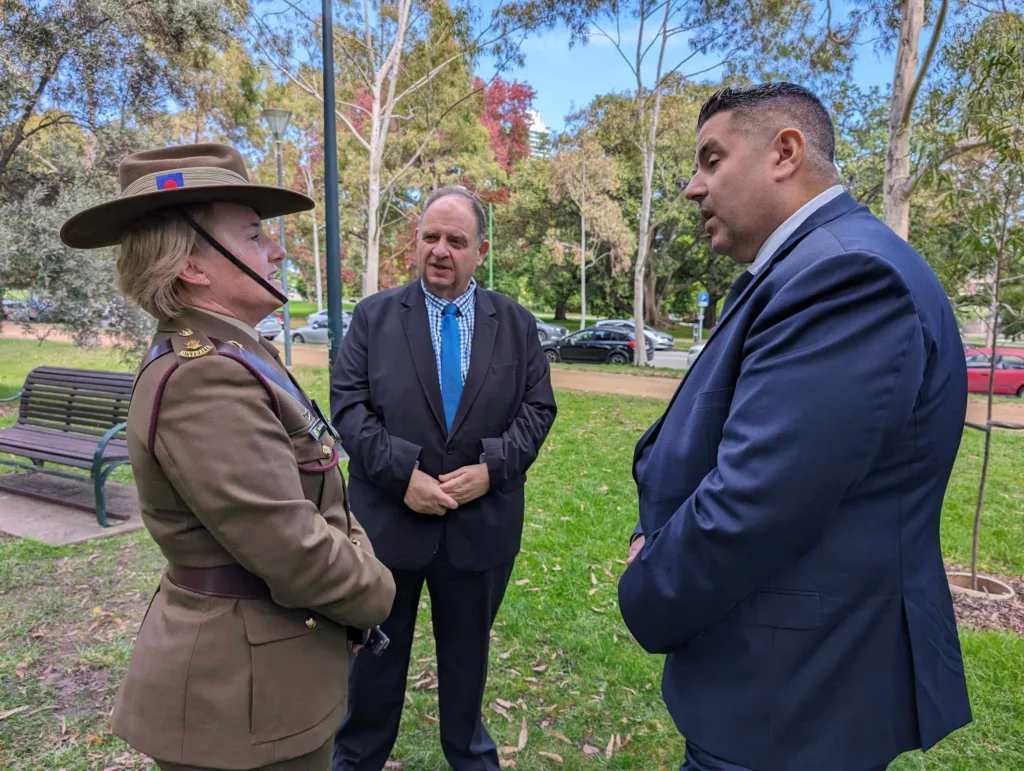
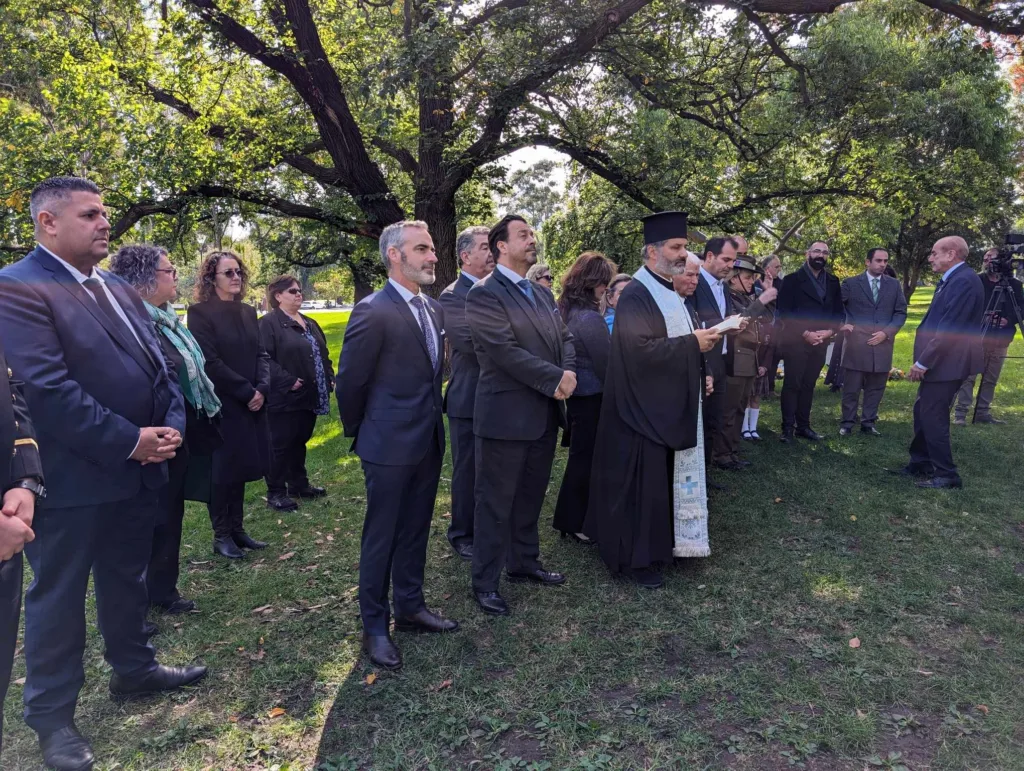
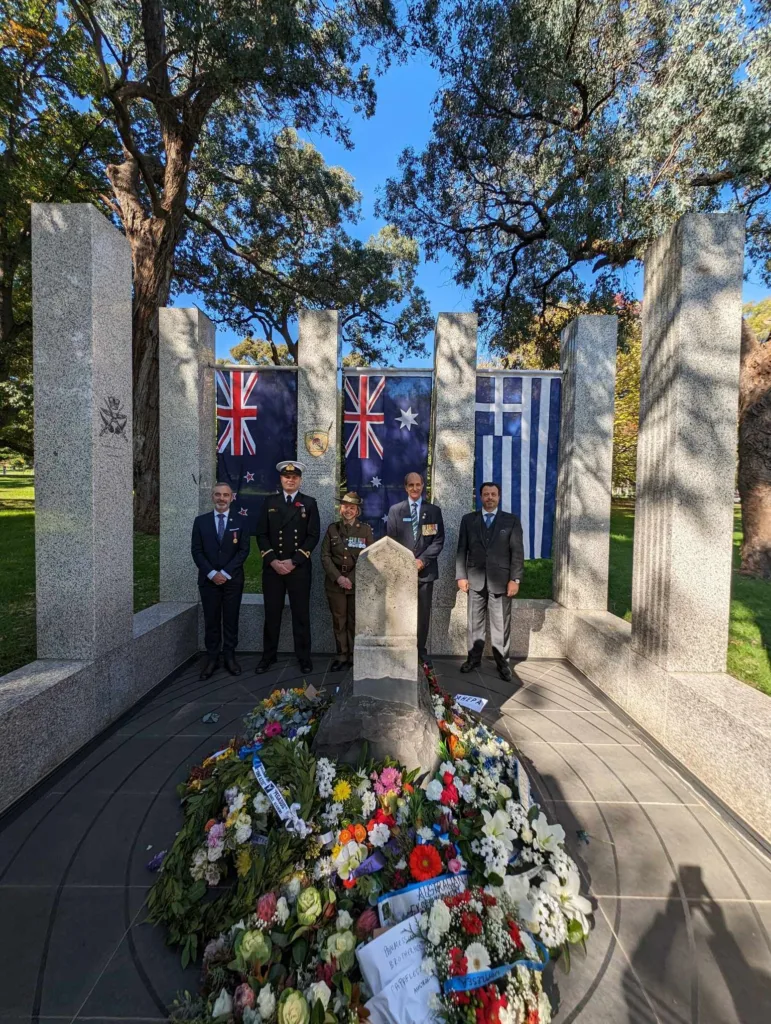
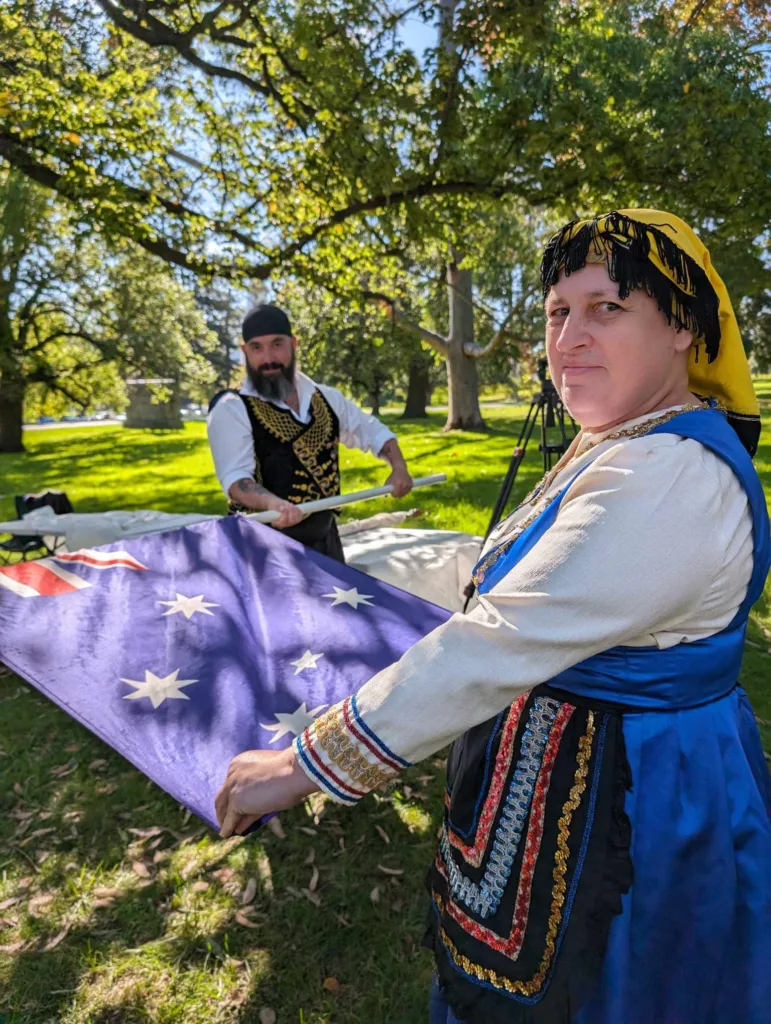
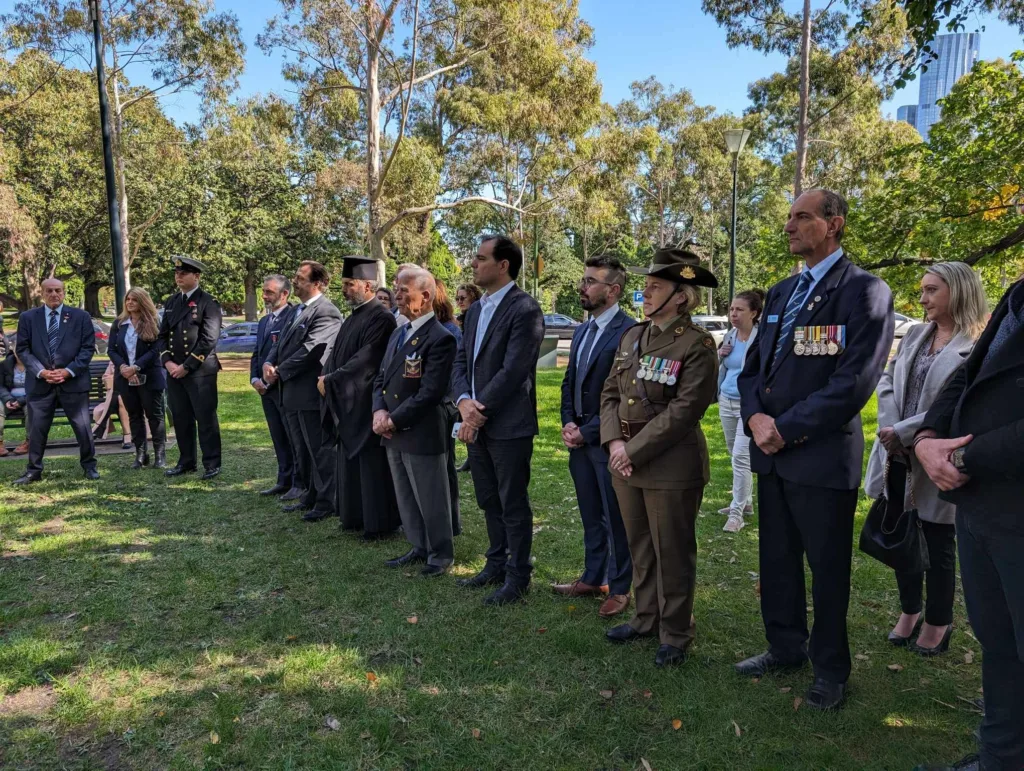
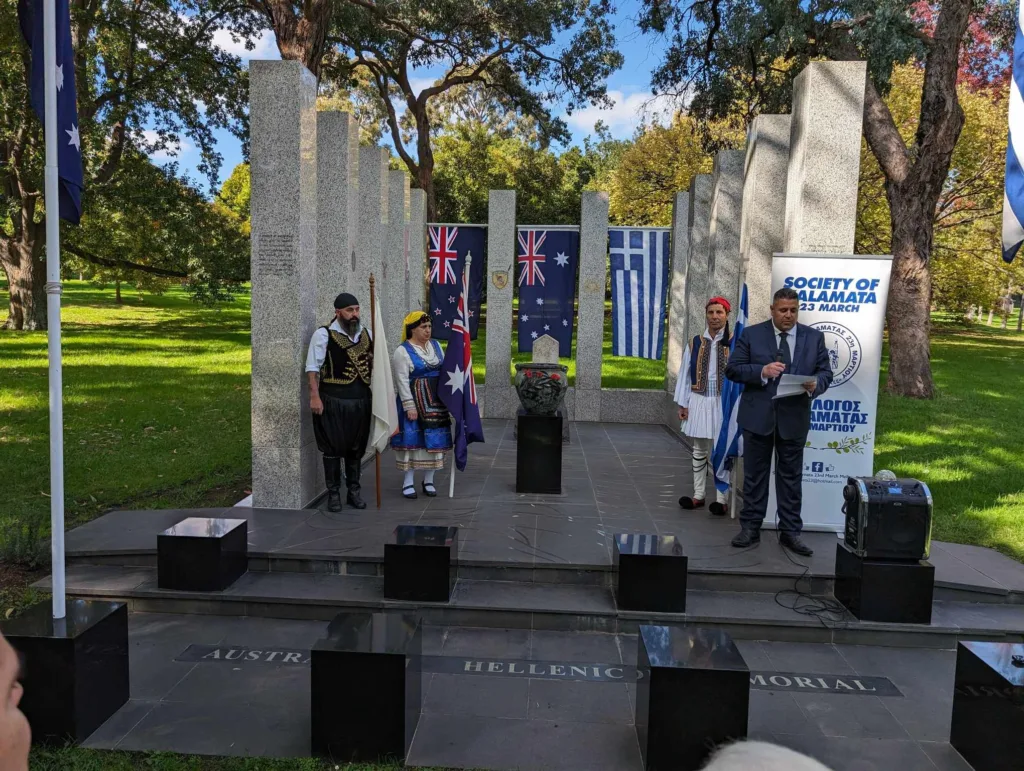
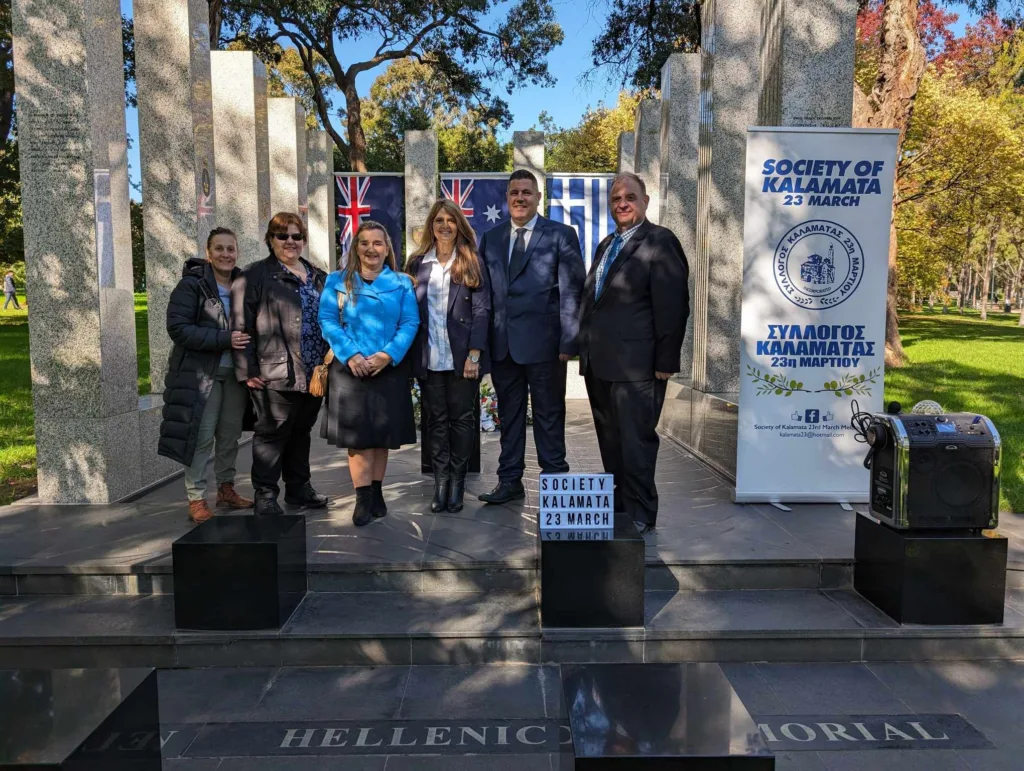
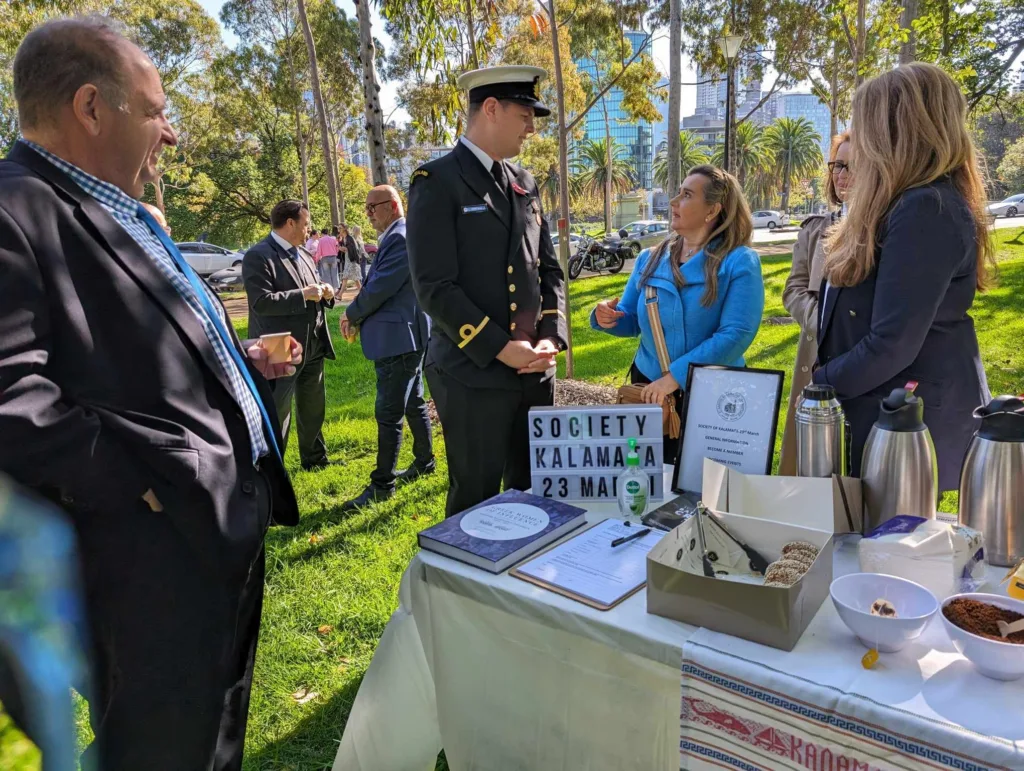
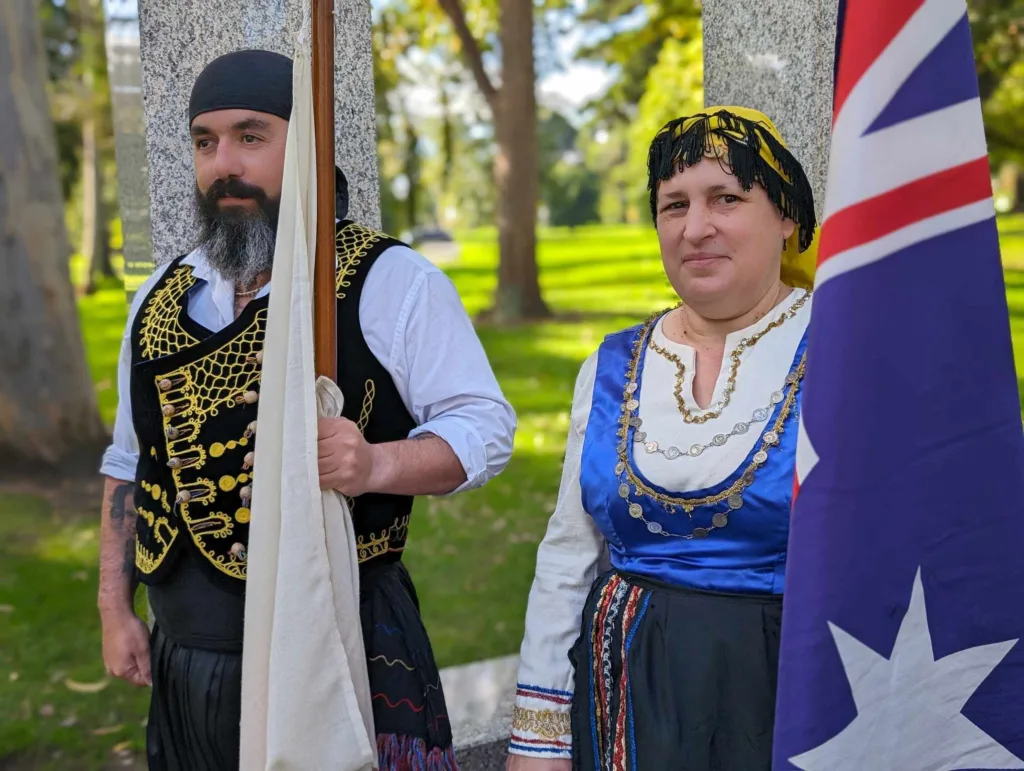
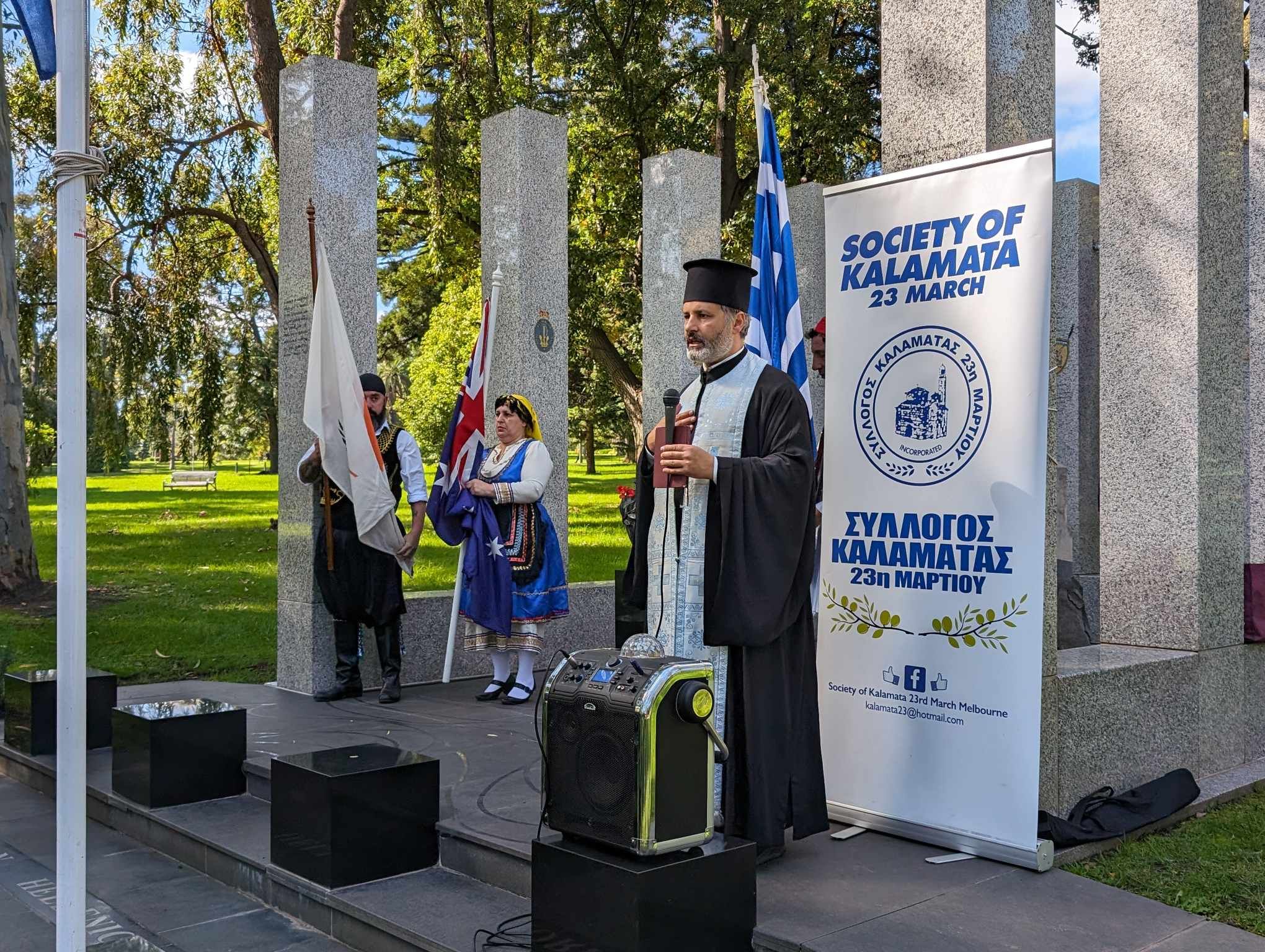
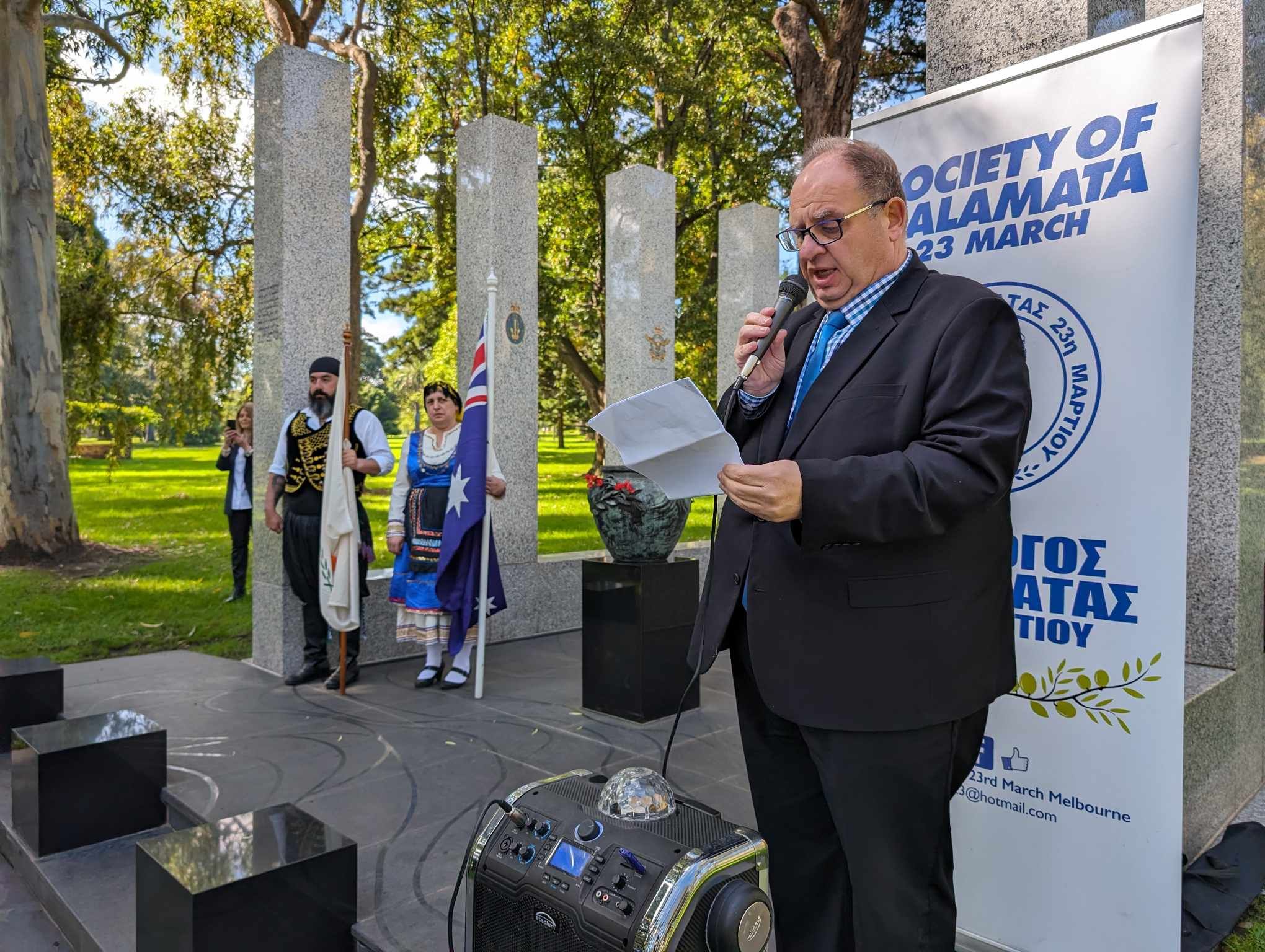
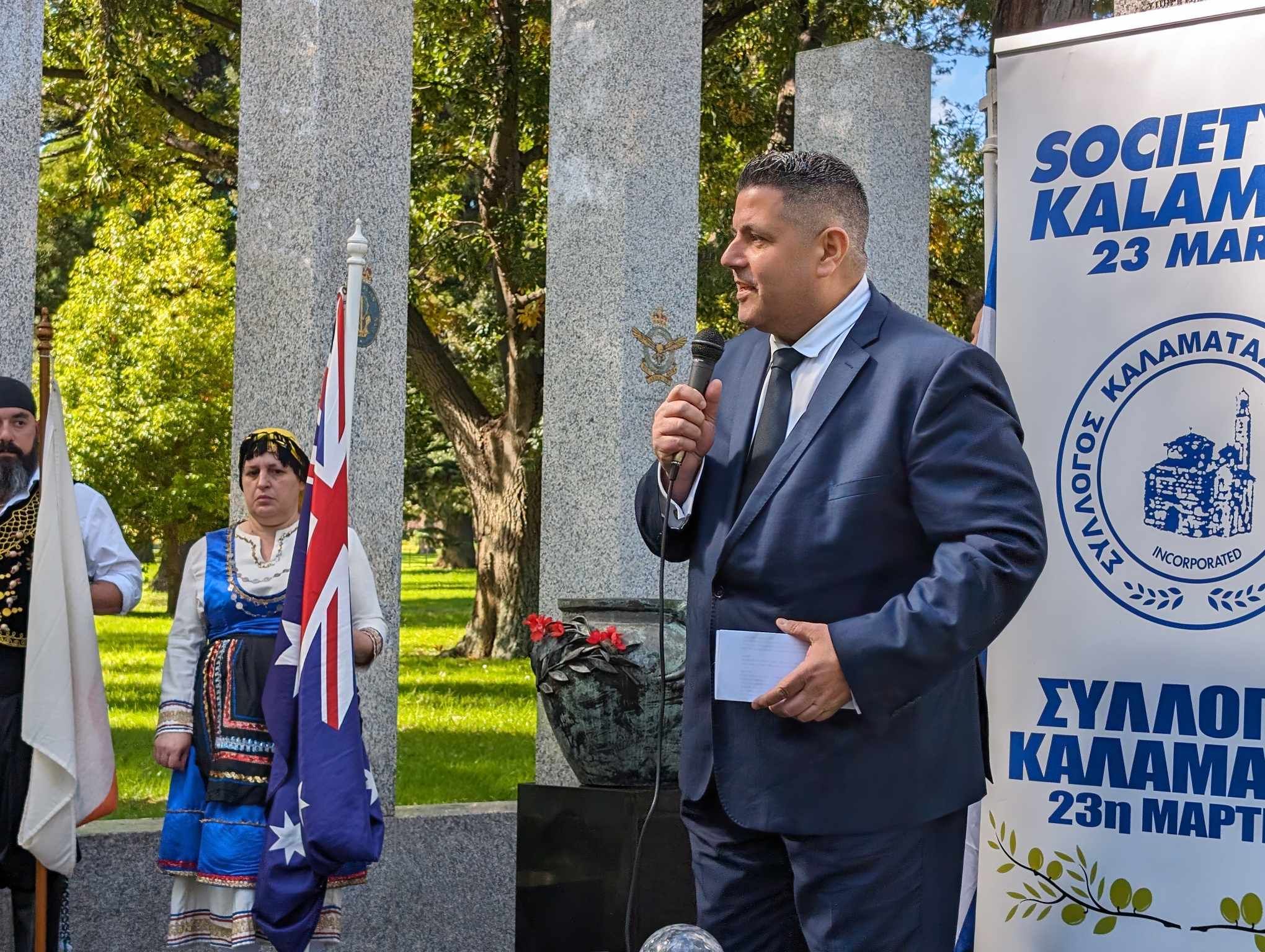
On Sunday, April 21, around 30 people gathered for a commemorative service at the Australian Hellenic Memorial, located at the foot of Melbourne’s Shrine of Remembrance. The service honoured the ANZACs and other Allied soldiers who fought in the Battle of Kalamata on April 28, 1941.
All photos copyright The Greek Herald / Mary Sinanidis.
Consul General of Greece in Melbourne, Emmanuel Kakavelakis lays a wreath.
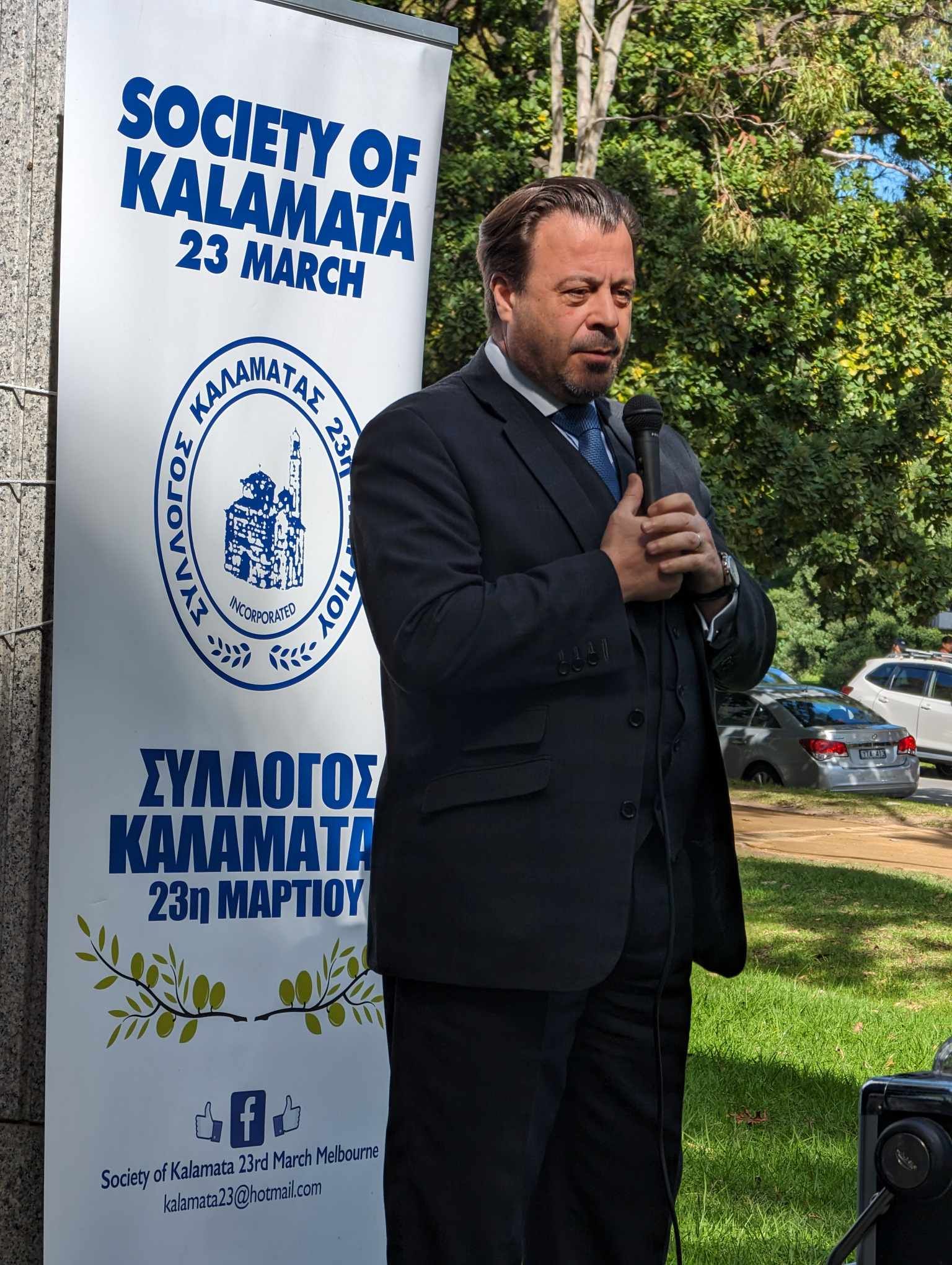
Society of Kalamata 23rd March President Sam Vlachos told The Greek Herald, “We’ve been commemorating the Battle in this way for about eight years. It’s a ceremony that wasn’t established by previous generations. Our Cretan friends pioneered WWII memorials. Peter Andrinopoulos thought it would be fitting to commemorate this Battle when the second generation took over. There’s a corresponding ceremony held in Kalamata at the same time.”
Vlachos highlighted the strong support from various community groups. Paul Sougleris, representing the Papaflessas Pammessinian Brotherhood, laid a wreath. Melbourne boasts of several associations covering the city of Kalamata including Papaflessas, the Trifyllia Association, and the Pelians.
He guesstimates there may be around 50,000 Victorians with connections to Kalamata, the southern Peloponnese city situated at the head of the Messenian Gulf along the Nedon River. Their connection is so strong that there is even a Kalamata Square in the City of Darebin.
Raising awareness
While the area is steeped in history, Vlachos admitted his involvement with the association led to his first exposure to the Battle of Kalamata.
“To be honest, I knew very little about it until I took up my role with this Association,” he says, adding that it’s important to increase awareness, especially considering the strong role that ANZACs played.
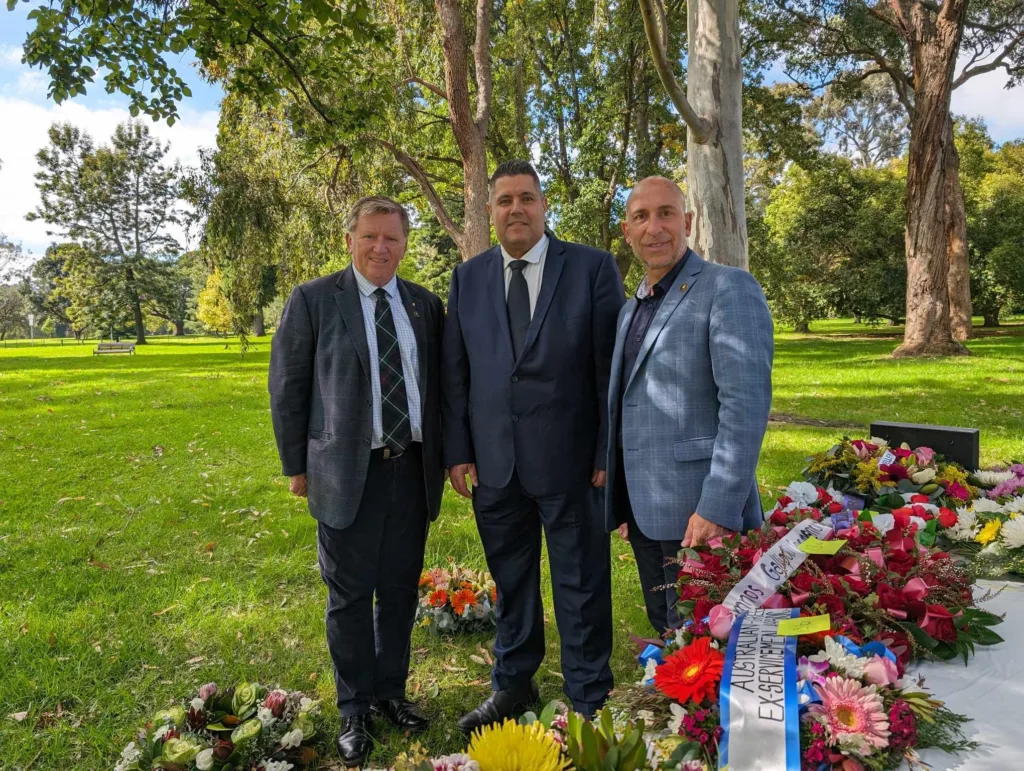
Jim Claven, Sam Vlachos and Giorgos Kotsirilos
John Delia, representing the Air Force Association, confirmed his group’s annual presence at the memorial. However, when questioned about the Battle of Kalamata, he was unaware of it.
“I have no idea,” he said.
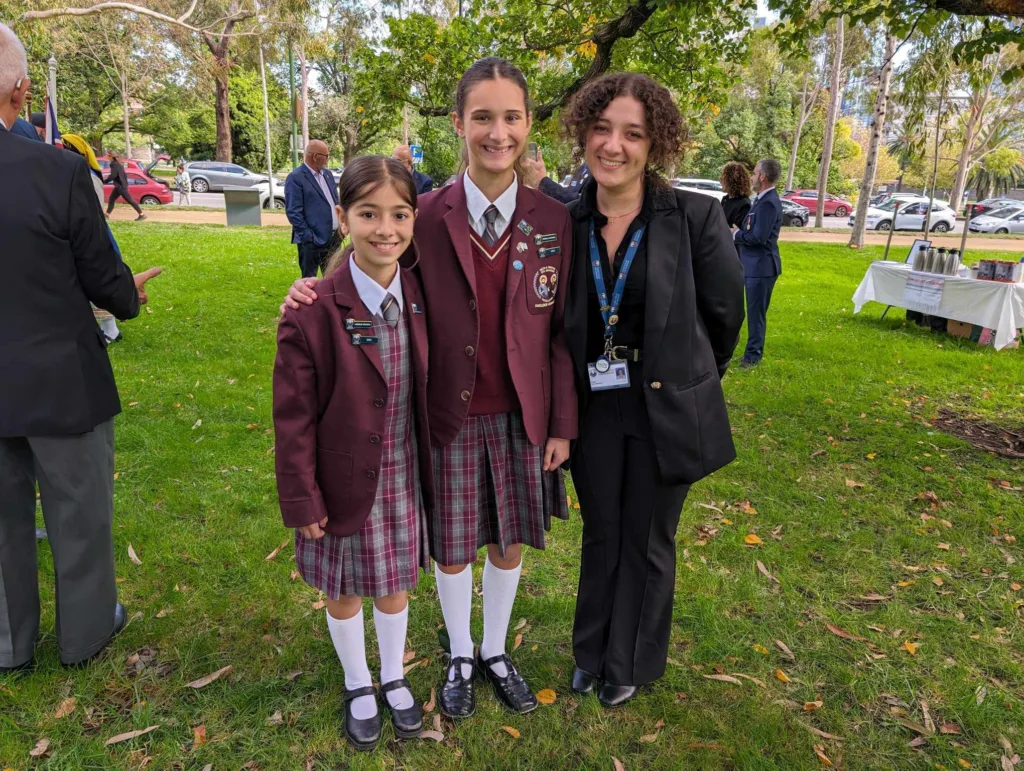
Asked about their presence, two young girls from Oakleigh Grammar, Melina and Eva from Year 6 and Year 7 respectively, said they came to lay a wreath and honour Greece’s history.
“We were at the march last Sunday,” said Eva, “and we’re learning about this Battle at school this week.”
Joseph Young, representing the New Zealand Defence Force, said he researched the Battle when invited to participate in the wreath-laying and was impressed by what he learned.
“I had never heard of it before, and yet it was an important battle for the Anzacs,” he said of the evacuation involving more than 60,000 Commonwealth British, Indian, Palestinian, and Cypriot men who gathered to aid Greece in its defence against the invading Italian troops.
On April 6, 1941, Germans entered Greece in preparation for Operation Barbarossa, the invasion of the Soviet Union. The campaign leading to the Battle of Kalamata began with the defence of the Corinth Canal in April 1941, where Allied troops stopped German paratroopers from capturing the bridge across the canal. By April 26, between 18,000 and 20,000 troops assembled in Kalamata, including Palestinian, Indian, Cypriot, and Yugoslav troops.
While more than 40,000 troops were successfully evacuated, not all Allies waiting on the waterfront could escape. By April 28, 6 pm, German troops with artillery launched a fierce attack on Kalamata and the 8,000 troops left behind.
Continuing the legacy
Greek Consul General of Melbourne, Emmanuel Kakavelakis, said, “We are gathered here 83 years later to commemorate a battle that hasn’t yet received the recognition it should.”
“I think even in Greece, it was in the late 60s that we had the first commemoration of the battle itself, but for Greek Australians, there is another significance because the Battle of Kalamata is one more link of this relationship of Greece and Australia that starts from Gallipoli and continues to this day.”
Consul General of Greece in Melbourne, Emmanuel Kakavelakis gives a speech.
Sophia Mandoukos’ parents, Ioannis and Aikaterini Yiannacoulacos, were founding members of the Society of Kalamata 23rd March. She feels closer to them by being part of the group now that they have passed away.
“When they created the Society in 1983, it was a wonderful way for them to give to their community, network, and reunite with people,” she said. “Now it is our turn. I hope my daughter someday takes over the rein.”
Steve Kyritsis, President of the Australian Hellenic Memorial Foundation, told The Greek Herald that the commemoration of the Battle of Kalamata is one of the 10 regular wreath-laying events that take place at the monument. Each year, without fail, it takes place near ANZAC Day, reminding Greeks and Australians of their shared history.
South Melbourne FC has continued its unbeaten run in this year’s Victorian National Premier Leagues championship.
The “Blue and Whites” were in an aggressive mood and did not leave any room for reaction to their opponent, Dandenong City, which led them to score an impressive 4-0 win against them.
They now remain unbeaten at the top of the leaderboard, with 26 points. This marked their third consecutive victory.
South Melbourne FC were victorious. Photo: The Greek Herald / Bill Roumeliotis.
The game took place on Friday, April 20, at Frank Holohan Reserve and was the 10th match of the Victorian NPL championship.
As well as marking their third win in a row, South Melbourne FC also celebrated its eighth win in this year’s championship.
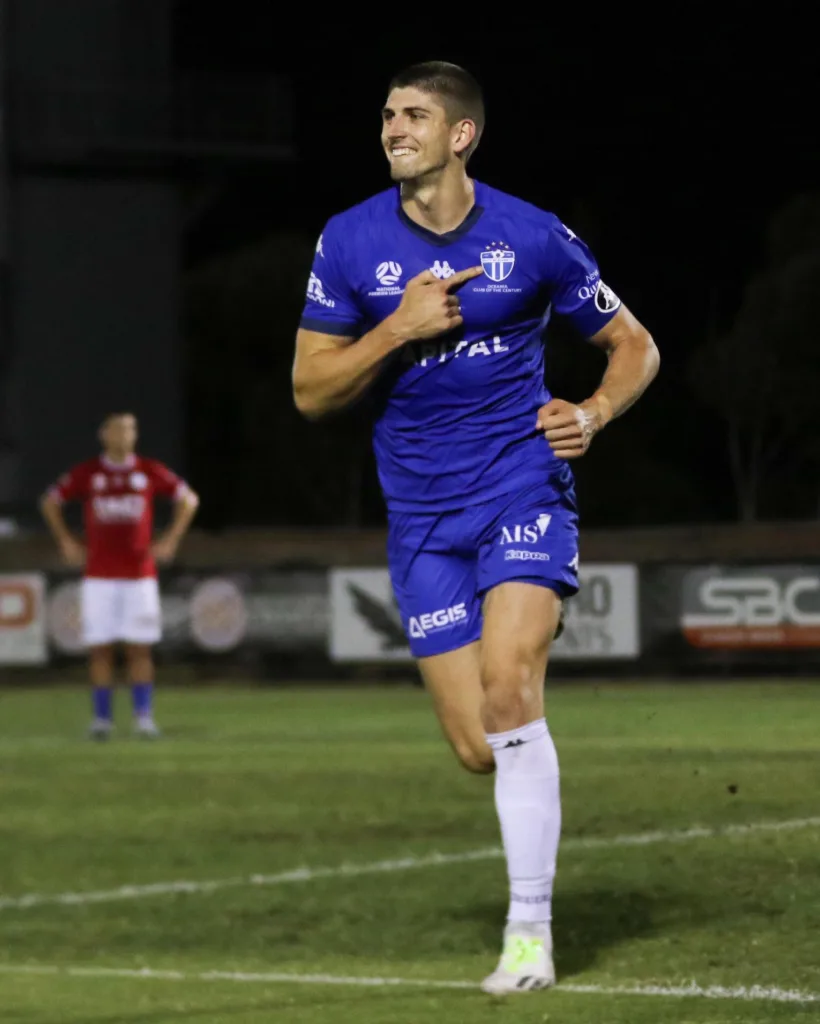
South Melbourne had a great day with their captain Harrison Sawyer, who imposed his pace at the start of the match. He scored in the 12th minute for the Greek team.
Things became even simpler for South Melbourne in the 27th minute, when Ross Archibald made it 0-2 with a header.
The third coal came in at the 43′ minute, from a well-placed penalty kick by Sawyer, and in the 67′, the same player scored his third personal goal of the night with a close-range shot to make the final 4-0.
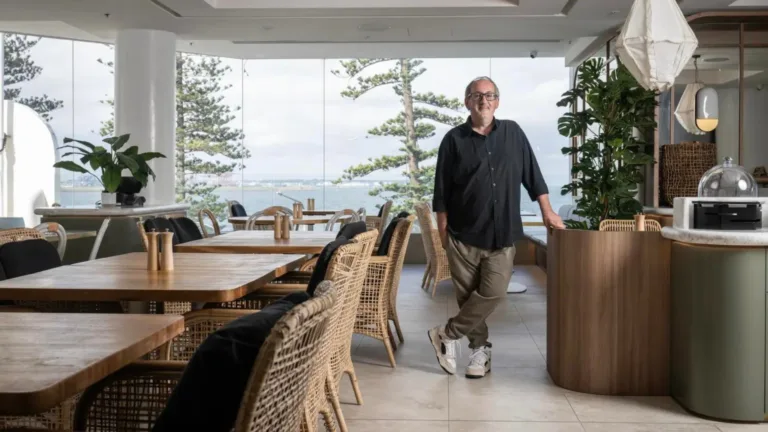
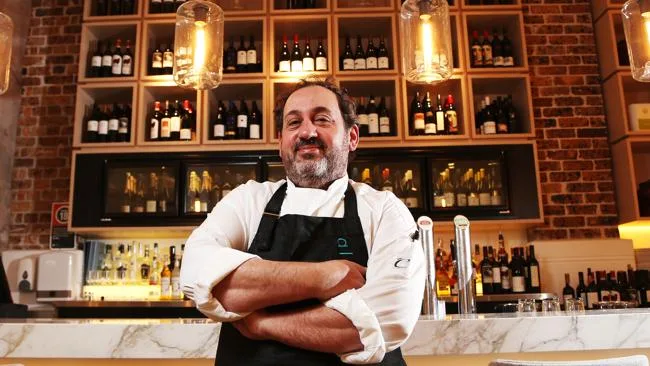
The former Alpha Greek restaurant chef Peter Conistis has confirmed he will be opening a new restaurant in May the Sydney suburb of Brighton Le-Sands.
The restaurant Ammos will seat 350 people and be part of the Novotel Hotel’s dining scene once the venue relaunches next year. The restaurant will be located on level three.