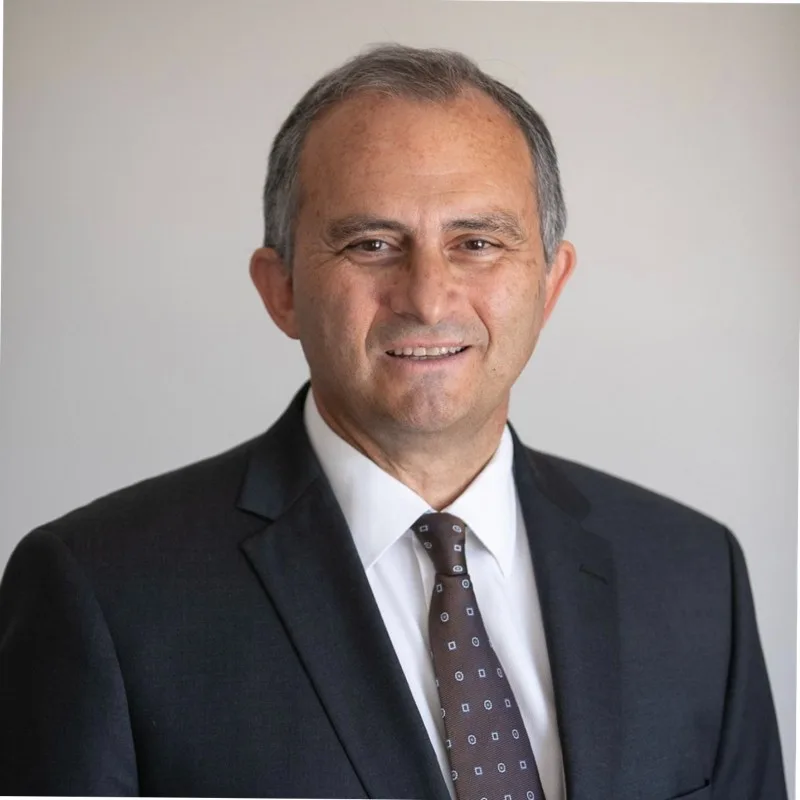
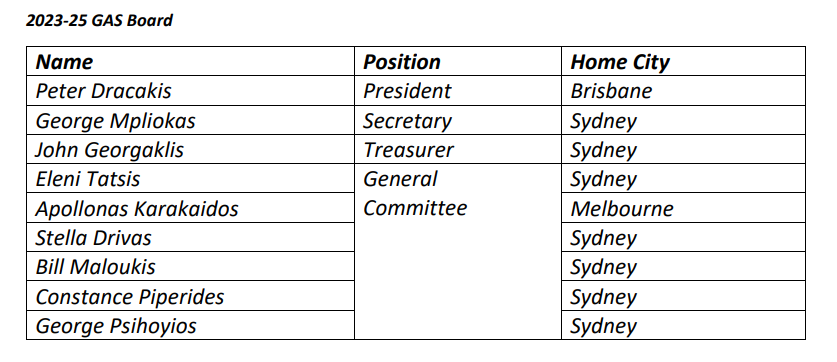
The Greek-Australian Society Inc (GAS) has announced the election of Peter Dracakis as President, and the appointment of Bill Maloukis to the GAS Board, filling vacancies left by outgoing President, Ellie Stamatelatos.
A GAS Member since 2021 and Vice-President since 2023, Peter Dracakis possesses extensive experience in accounting and corporate advisory, with a passion for strategic business planning and having worked with major brands across Australia, including PwC and The Coffee Club. Peter has served diligently as acting President since February 2024.
With his election, Brisbane-based Dracakis becomes the third President of GAS – following Ms Stamatelatos and George Psihoyios – as well as the first GAS President from outside of Sydney.
“It has been a year of significant growth for GAS, as we’ve continued to build on the success of our Mentoring Program and evolve how we connect with our audience across the country. This is in no small part due to the efforts of our Committee,” Mr Dracakis said.
“I’m now looking forward to guiding the team through the remainder of this term. I’d like to personally extend my thanks to Ellie Stamatelatos, who provided great leadership during her tenure, and wish her all the best in her future endeavours.”
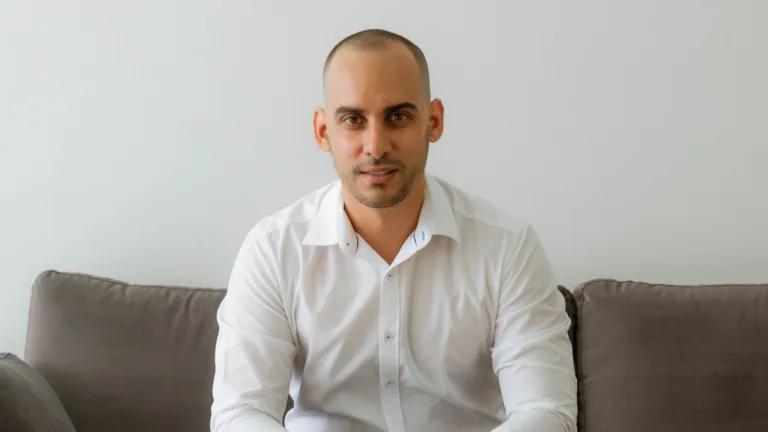
With a strong background in business leadership and a passion for community service, Bill Maloukis is eager to contribute to GAS’ strategic goals and initiatives. Currently the Managing Director of Construction Specialties Australia, Bill’s career spans over three decades, having collaborated with renowned brands and industry leaders to drive growth and success within the Australian building sector, delivering world-class projects, including Sydney Metro, Sydney Allianz Stadium and the new Royal Adelaide Hospital.
Bill Maloukis.
Bill’s specialist skills in business management, strategic planning and stakeholder engagement have helped him to lead teams of dedicated professionals and support industry partners to overcome complex challenges.
A GAS Member since 2022, Bill is also actively involved in community service, serving on the Engineers Australia College of Leadership and Management Board – Sydney, as a Councillor of the Eastern Sydney Regional Advisory Council (ESRAC), and as a GAS Mentor – becoming the fourth participant in the GAS Mentoring Program to subsequently join the Board.
“I am eager to bring my experience and commitment to the Board, supporting GAS’ mission to offer a modern, philanthropic and inclusive platform representative of the Greek-Australian community,” Mr Maloukis said.
“I look forward to the prospect of providing my support and expertise in addressing GAS’ strategic challenges and opportunities to create positive impacts.
“Thank you to the GAS Board for this opportunity, I look forward to working with my new colleagues and connect with our Members even further.”
Peter’s election as President and Bill’s appointment to the Board are until the end of the current term, ending 31 December 2024.
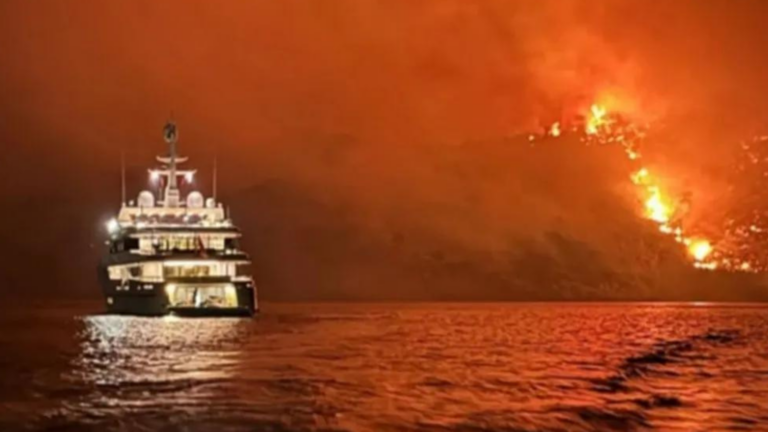
The captain and first officer of a yacht have been jailed ahead of a trial on charges of arson over a forest fire on the Greek island of Hydra. Eleven other crew members were freed on bail and with restrictions.
This comes after thirteen Greek crew members of the tourist yacht Persefoni I were charged with arson on Sunday, June 23 after fireworks launched from their vessel allegedly started a forest fire on Hydra late on Friday, June 21.
The entire crew of the yacht have denied any wrongdoing.
Greek yacht crew faced the prosecutor over wildfire incident on Hydra.
According to Ekathimerini, Greek prosecutors have also charged eight adult Kazakh passengers aboard the yacht with complicity in arson for the Hydra fire. Two minors among them are not facing charges.
Greek authorities had sought assistance from Kazakhstan, after the yacht’s renters left Greece without being questioned by authorities.
The Piraeus Public Prosecutor’s Office has launched a preliminary inquiry into the firefighting and port authorities’ handling of the Hydra fire case. The focus is on investigating any oversights that permitted the yacht’s lessees to depart Greece despite suspicions of their involvement in the blaze.
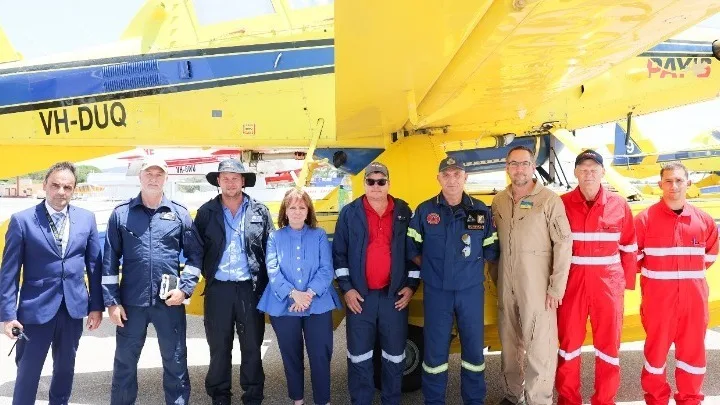
Greece’s President Katerina Sakellaropoulou met with Australian firefighting crews of the Air Tractor aircraft at Demokritos Airport in Alexandroupolis on Thursday, June 27.
The Air Tractors have been hired by the Greek Ministry of Climate Crisis and Civil Protection and are based at Alexandroupolis Airport.
The Greek President visited the Australian firefighting crews during a three-day visit to Alexandroupolis.
During the visit, Sakellaropoulou also attended a ceremony to present a kayak made from recycled material to the Alexandroupolis Nautical Club by the director of “Enalia,” Lefteris Arapakis, on the Greek President’s initiative.
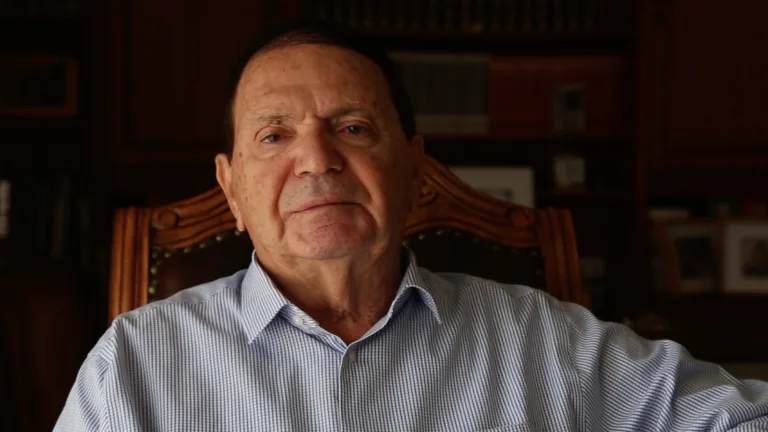
Greek Cypriot Demetrios Thavid, also as known Jim David, was born in 1943 in Nicosia, Cyprus. He arrived in Sydney in 1954. Aged 10, he began school immediately at the inner-Sydney suburb of Redfern.
“I didn’t like it all. The Australians hated the foreigners at that time,” Jim says.
At university he graduated in Medical Herbalism. The women in his family were his inspiration.
“My grandmother would send me to a mountain to get her the herbs she needed and she’d make medicines. I learnt about botanicals but I was only young. Now, I have two companies where I make natural medicines,” he explains.
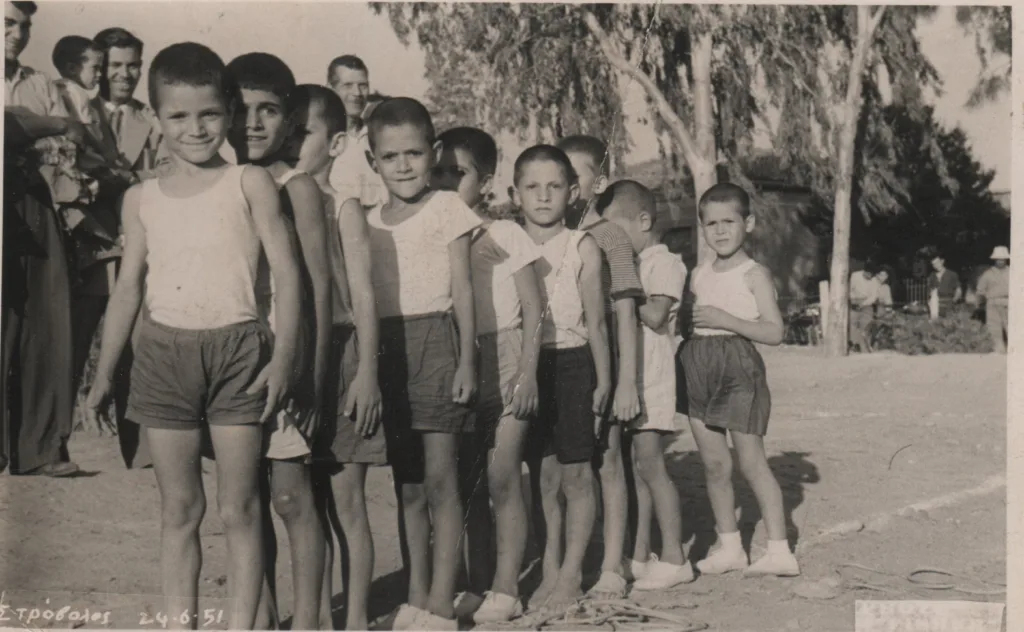
Jim David, 9 years old. Front of the line. Nicosia,1952.
Jim has relatives who were killed by the bombs dropped by Turkey on Cyprus in 1974. His ongoing sense of responsibility is relentless.
“It is my ethical duty to fight for the Cyprus Problem,” he says.
Jim was instrumental in the formation of Sydney’s branch of SEKA in 1975 – a national organisation pursuing a just and viable solution for Cyprus.
“I was the Vice President, then the President,” he explains.
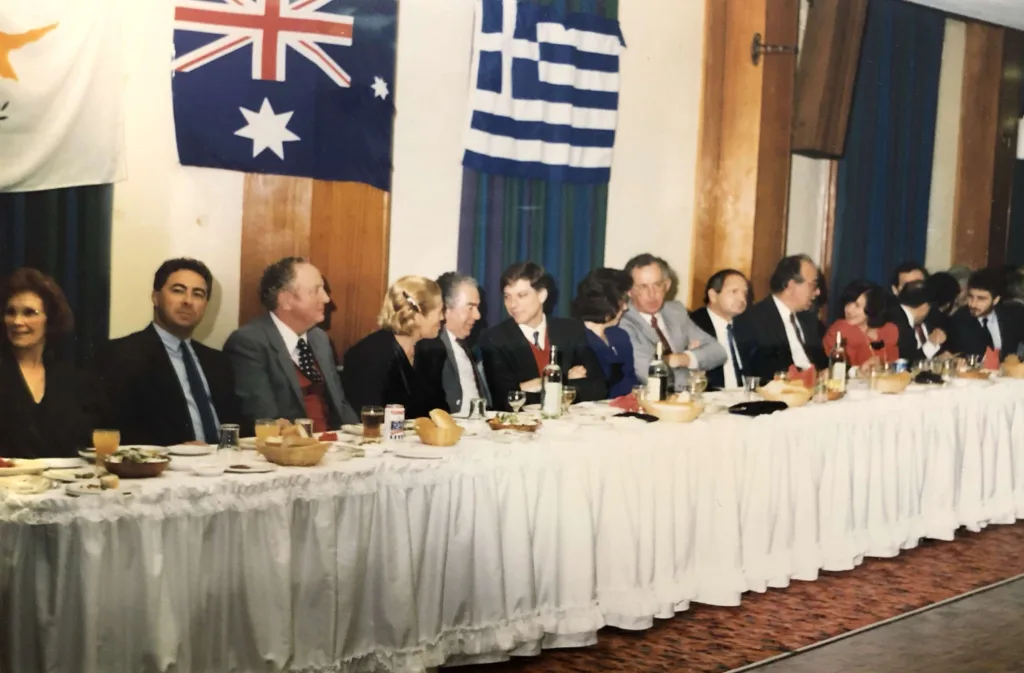
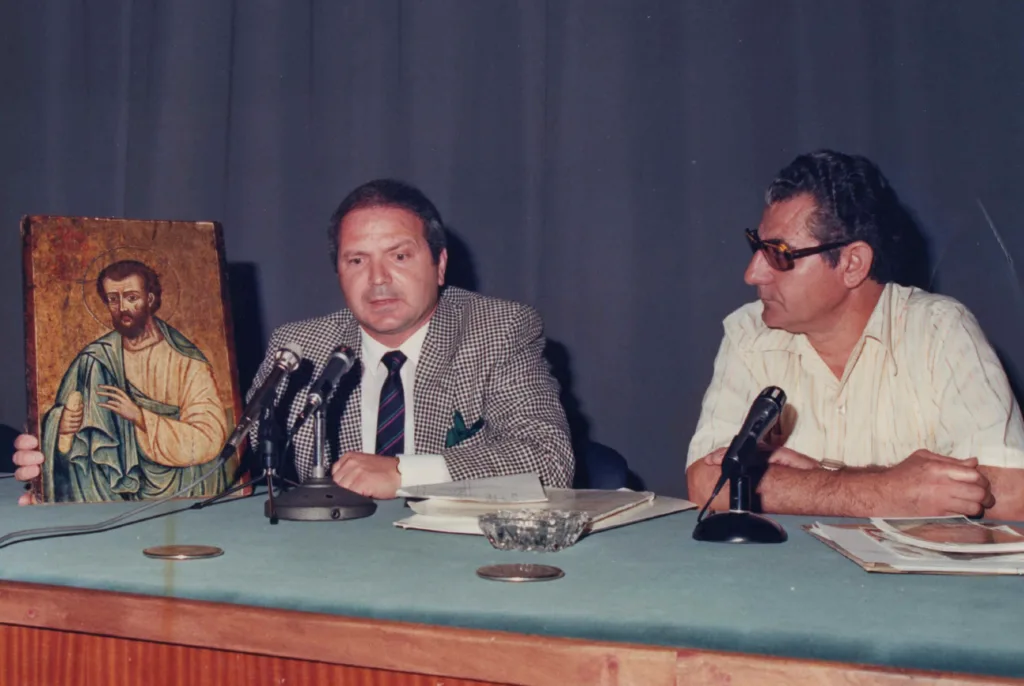
Jim David at a SEKA NSW event.
Since then, hundreds of community members continue to protest against the illegal occupation.
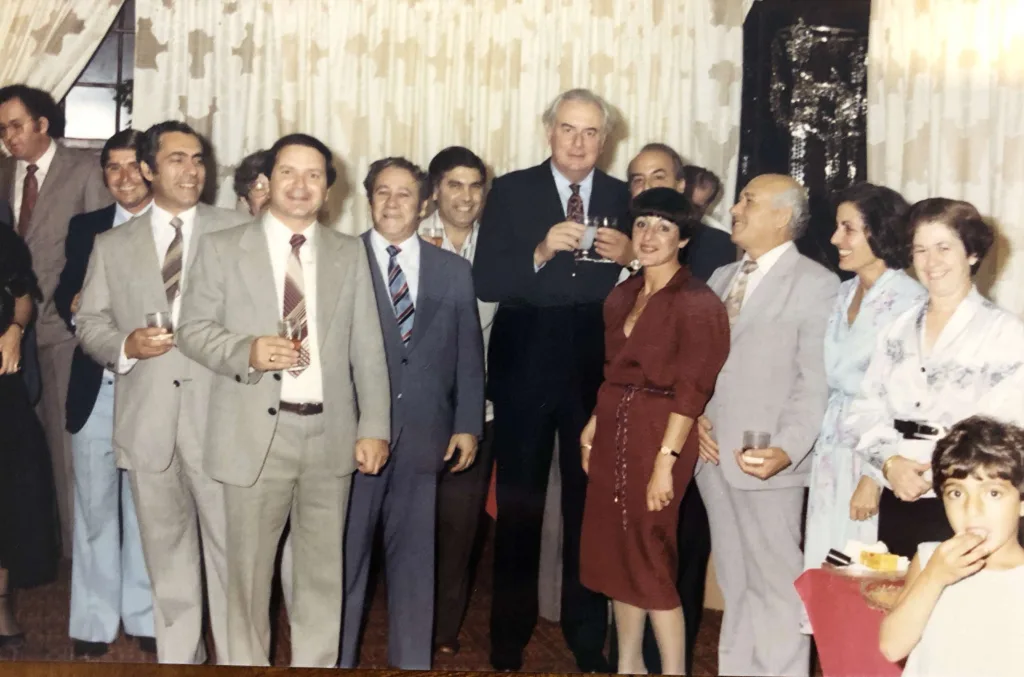
Jim knew Gough Whitlam before he became Prime Minister in 1972.
“After the invasion, anything I asked of Mr Whitlam, about the Cyprus problem, he was always there to help,” he says.
When Greek cultural heritage was stolen from the occupied North, Jim looked for guidance.
“We had conversations with Mr Whitlam, how can we stop this theft and the sale of those stolen artifacts. He explained to me that Australia has to sign the UNESCO Convention for the Protection of Moveable Cultural Heritage,” the Greek Cypriot says.
Jim David with Gough Whitlam at a SEKA NSW campaign.
Later when Jim was in New York, he saw some of the stolen mosaics from the Cypriot Church of Kanakaria. The Paul Getty Museum was interested in buying the 1600-year-old artefacts.
“I went to see them in person and advised ‘please don’t buy these mosaics because they are stolen and whatever you pay, you will lose.’ I made my point and we left,” he says.
Jim David, Kanakaria Mosiacs, New York, 1991.
Frustrated that political negotiations were at a stalemate, Jim made a bold move in 1991.
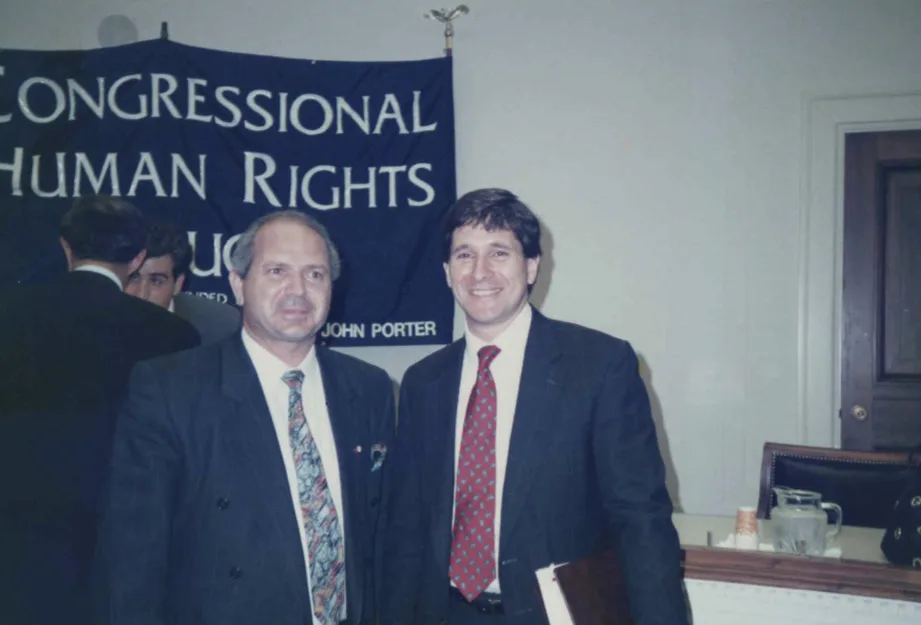
“I knew the only ones who could resolve the situation were the Americans. I decided to go to see… the Head of the CIA, William Webster… He was a very good person and he offered to help. I went to see Congress and asked aid to be cut from Turkey until they took responsibility for human rights, Geneva conventions and the United Nations charter. It was passed in Congress unanimously to stop aid to Turkey. They weren’t prepared to stop aid completely, but they did cut 375 million American dollars,” Jim details.
Jim David, Congress.
By the early 1990s, 20 years after the war, more than 2,000 Cypriots remained missing – both civilians and soldiers disappeared without a trace. Greek and Cypriot organisations across Australia signed petitions demanding knowledge of the fate of the ‘missing persons.’ Jim delivered them in person to the United Nations.
When met with indifference, Jim embarked on another mission. He put a $1 million reward for any significant information on the ‘missing persons.’ An Englishman came forward from the Royal Military Paratroopers and requested access to large scale maps.
“He was in charge of Kyrenia and he explained to me who was killed in that area. He marked the maps, where the graves were and how they were killed. The marked maps were shown to the so-called Turkish Cypriot President, Rauf Denktash, but he refused to acknowledge the deaths. Then, a chance meeting,” he says.
Denktash was staying in the same hotel as Jim in New York.
“I met him in the lobby, we had a chat and he invited me to go and see him. When I saw Denktash in Cyprus, he said the missing persons don’t exist. EOKA killed them. I said, ‘but Mr Denktash, here are the photos. In your hands. How could EOKA have killed them, if they are in your hands?’ He didn’t admit to anything,” Jim says.
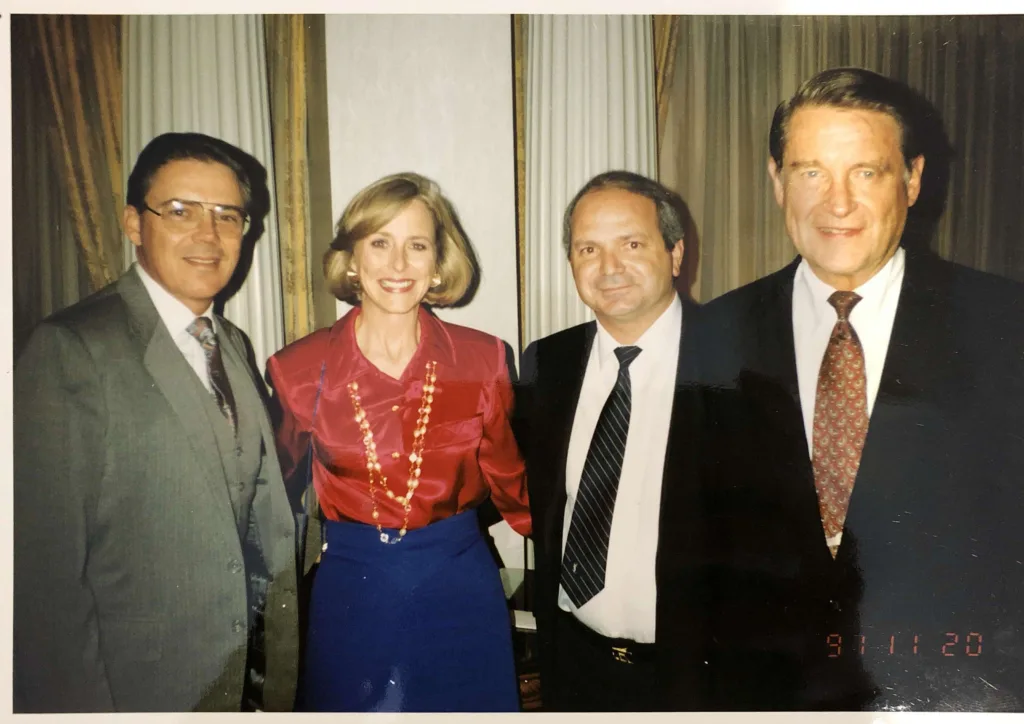
Jim David, America, CIA, 1991.
Now Jim, nearly 50 years after the invasion, reflects, “the situation in Cyprus is very easily solved. Unfortunately, the current Turkish President, Erdogan, is intransigent. They want to take the rest of Cyprus. Because they have huge military power, they are slowly taking more, as in Famagusta – slowly, bit by bit.”
Jim believes the secret to the solution is to work closely with the Turkish Cypriots who are also oppressed by Turkey’s occupation in the North of the island.
When asked which is his homeland, Jim laughs.
“My roots are in Cyprus. I was born there, so were my great grandfathers. I love Cyprus very much. Australia, I love because it is my second homeland, that gave me opportunities to go forward in life,” he concluded.
*Jim David’s story features in Kay Pavlou’s new one-hour documentary Two Homelands. In the documentary, six elderly Greek Cypriots reflect on their war-torn homeland and life in Australia.
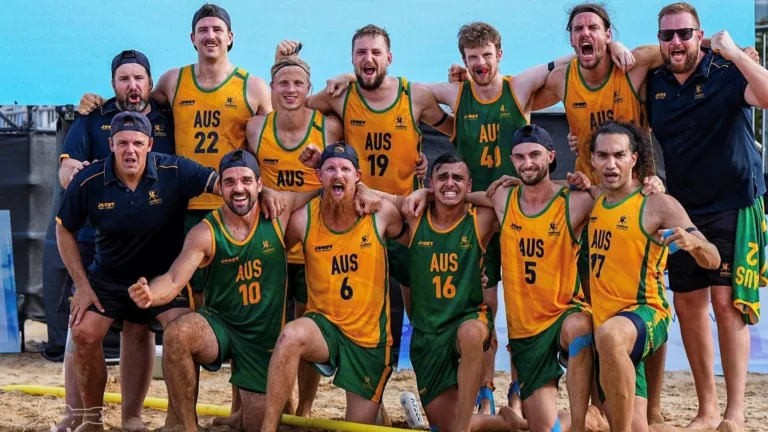
Greek Australian athlete George Alfieris proudly represented Australia at the Men’s Beach Handball World Championships held from June 18 to June 23.
The Australian team secured their spot in the prestigious tournament by triumphing at the Oceania Championships earlier this year, earning the right to compete against the world’s top 16 nations.
Throughout the championship, Australia faced formidable opponents, including Denmark, Hungary, Oman, China, Uruguay, the United States, and Puerto Rico. The team managed to secure two wins, ultimately finishing in a respectable 14th place.
George was selected for the promotion poster for Match Day 2.
The event concluded on Sunday, June 23 with Croatia clinching the gold medal in a thrilling final against Denmark.
Following the championships, George is set to embark on a summer beach handball season in Europe. He will join the Irish club Greens and the Greek club Beachboys 2012 for tournaments in Opuses, Croatia, and Preveza, Greece, respectively.
George is also currently in negotiations with a Cypriot club, highlighting his ongoing commitment to the sport and his international career.
Taking an assured place among the most creative authors and administrators of his time in Australasia was Hellenist and Academician Michael John Osborne (25 January 1942 – 23 June 2024).[1]
Osborne arrived from Britain in 1983 to make an enormous contribution to the tertiary sector in Australia and to Hellenic studies, initially as Professor of Classics at the University of Melbourne (1983-1989) and then arguably as one of the most vigorous and resourceful Australian Vice-Chancellors of his era (1990-2006) at La Trobe University. Osborne brought with him from Oxford University, where he studied Classics and Hellenic epigraphy, a vision and passion for the humanities that is rarely seen in today’s university culture.
In 1990, he accepted the highest academic post as Vice-Chancellor of La Trobe University, and implemented for the next sixteen years, until his retirement in 2006, his bold administrative and academic policies, elevating his institution to the status of one of the best 100 tertiary institutions in the globe. Osborne exerted a mighty influence on the formation of Hellenic Studies in Australia and China which expanded, grew more powerful and became more efficient under his inspiring guidance. He felt a strong attraction towards the ancient civilisations of Greece and China and was highly engaged in cultural exchange activities, earning the respect of successive foreign government institutions.
Under Osborne’s care, Hellenic studies and the Greek language attained their full development in Melbourne, exercising also extensive influence in Australia and China. The subjects flourished under his leadership, expanding teaching and research, and engaging with the Greek community in Australia.
His commitment to the study of Hellenism in Australia and China has been received with enormous gratitude by the Hellenes in Australia, Greece, and Cyprus, which bestowed upon him numerous awards and high distinctions.[2] He was elected a corresponding member of the Academy of Athens; awarded a Doctorate of Letters by the National and Kapodistrian University of Athens and was proclaimed a Laureate of the Aristotle Award by the Greek State (1998). Yet his overriding contribution was the establishment of the National Centre for Hellenic Studies and Research at La Trobe University, making La Trobe one of the most Hellenised universities and one of the best 100 Universities in the world.
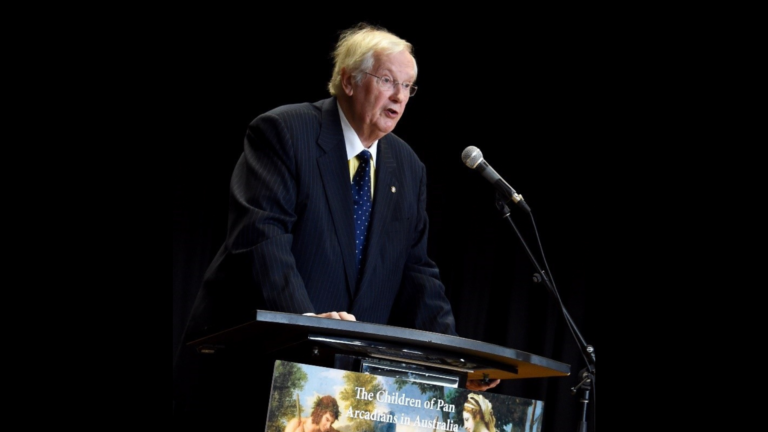
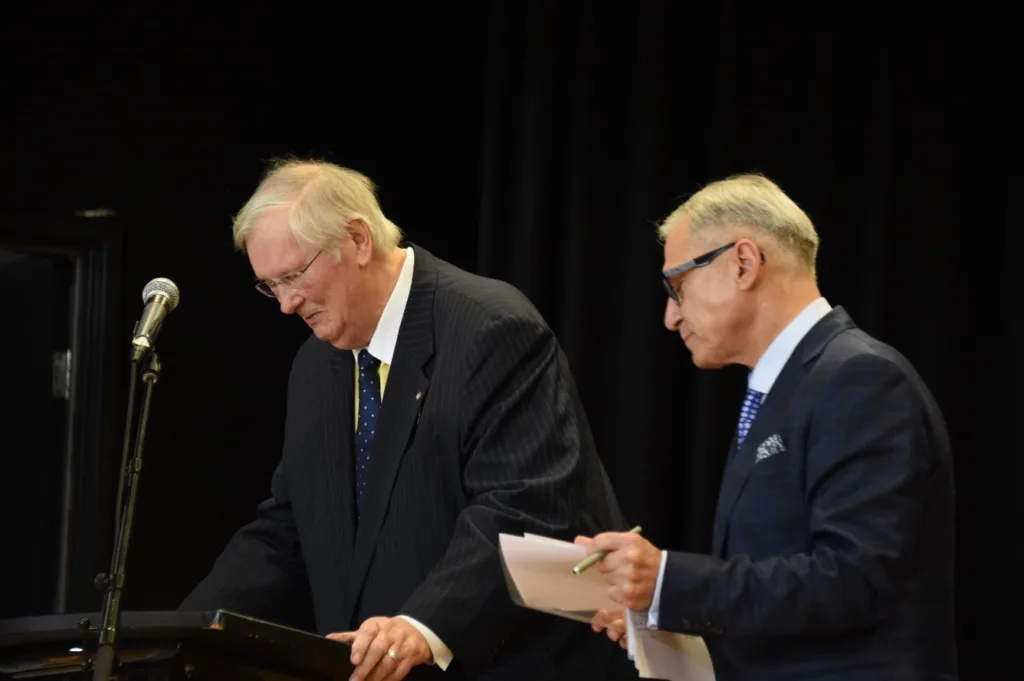
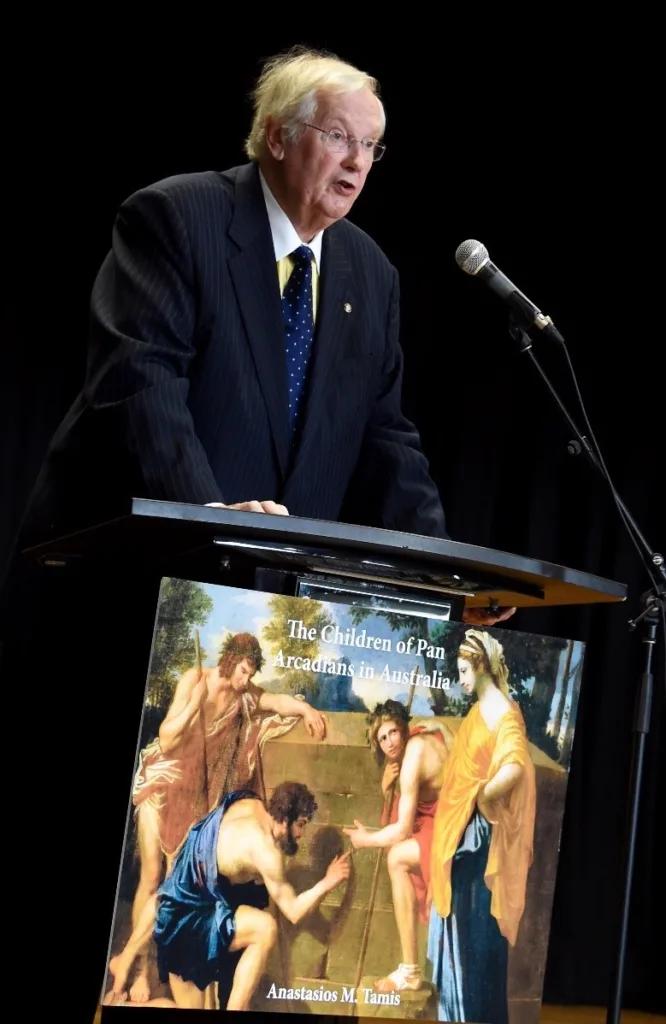
Professor M. J. Osborne launches the book entitled ‘The Story of the Arcadians in Australia’ at Alphington Grammar in September 2019, Melbourne; television presenter and MC John Mangos in action. Photo: Kostas Deves.
Osborne was born in England and attended Eastbourne Grammar School before studying classical studies and archaeology at Christ Church, Oxford (1961-1965), attaining his BA Literae Humaniores (Class I), Oxford (1965), his MA Literae Humaniores, Oxford (1968), and his Doctor of Philosophy and Letters (summa cum laude), Katholieke Universiteit te Leuven (Belgium).[3] Osborne had a distinguished teaching career in Classical Studies and Archaeology as Lecturer and Senior Lecturer at the University of Bristol (1965-1966) and Lancaster (1966-1982), until his appointment as Professor and Head of Classical Studies, Modern Greek and Archaeology at the University of Melbourne (1983-1989).[4]
As has been noted elsewhere,[5] “the great significance of Michael’s contribution to scholarship and higher education emerged not just from his intellect and his vision for the future, but from his humanism and his strong belief in fairness and social inclusion.”
Osborne’s greatest scholarly contributions have been in the field of Greek epigraphy and Greek history. He spent many years in Athens working on the topic of naturalised Athenian citizens, making many significant contributions to Athenian historical studies in his book Naturalization in Athens (four volumes 1981-1983). The corpus of inscribed Athenian citizenship decrees that comprises the first volume is a model for the publication of epigraphic evidence, providing definitive editions based on the painstaking study of the stones.[6]
The Lexicon of Greek Personal Names Vol. II (Attica), published in 1994, together with its companion volume Foreign Residents of Athens of two years later, and the massive publication by the Academy of Germany,Inscriptiones Graecae II – III Attica 300 – 228 BC (Editio Tertia) in 2015, written with his colleague Sean Byrneare the most significant enduring products of Osborne’s appreciation of the historical potential of the epigraphic record. Realisation of such a project to analyse and present the data for all known residents of Ancient Athens, based necessarily on intimate engagement with the vast array of source material and expertise in the arcane area of Attic prosopography, requires perseverance and commitment.
For Australian and world Hellenes, Osborne was the first person to give expression to the new spirit of Philhellenism in Melbourne and attract due attention from their leaders and institutions. His Philhellenism was profoundly manifested with decisions and policies that made La Trobe University the most Hellenised University in the Hellenic Diaspora. He convinced the University Council to establish two Chairs in Hellenic Studies (the Zissis Dardalis Chair of Greek and the Professorship for the Director of the National Centre for Hellenic Studies and Research [NCHSR-EKEME] – arguably, one of the largest research centres for Hellenic Studies outside Greece). He also offered the use of six impressive buildings on the campus for the accommodation of the NCHSR and its activities, for ninety-nine years.
The President of the Hellenic Republic, Kostis Stephanopoulos, the President of the Republic of Cyprus, Glafkos Clerides and the Prime Minister of Australia, Malcolm Fraser had granted their support and visited the NCHSR, becoming its patrons. Its staff comprising academics, researchers, computer analysts and administrators, was joined by several renowned scholars and Research Fellows from around the world.
Eminent scholar and Hellenist M. J. Osborne addresses his audience on the Arcadian Vision. As President of La Trobe University, in 1997, he established two Chairs in Greek, the Dardalis Chair of Greek Studies and the National Centre for Hellenic Studies and Research in Melbourne. Photo: Kostas Deves.
The concurrent establishment of the NCHSR (1997-2008) and the Dardalis Chair of Greek Studies offered hope and opportunities for the continuance of the Hellenic spirit, its literature and culture, in Australia. Osborne’s Philhellenism became a delicate instrument capable of expressing the deepest humanitarian sentiments towards the children of Greek immigrants and thousands of students from the mainstream society. His love for Hellas was uncompromised. He was conscious of her glorious past and conceived an ardent affection for contemporary Hellenes. Everything in Hellas’ history became interesting, demonstrating over the years an indiscriminate praise of all things connected with classical life and letters.
Let us read how he bonded his scholarly and personal interest with the Hellenes:
“My links with the Greek community in Australia began when I was appointed Professor of Classical Studies at the University of Melbourne, and an early event was participation in the Melbourne city delegation to Thessalonike to sign a sister city agreement. At the University of Melbourne, I had the opportunity to promote the shared program of Modern Greek between Melbourne, Monash, and La Trobe universities. After appointment as President of La Trobe University (in 1990) I was privileged to play a significant role in the establishment and development of the National Centre for Hellenic Studies and Research (EKEME) which became an important asset for the Greek community, indeed a beacon light for Hellenism in Australia (attracting in 2006 a rare and prestigious Onassis Award). As university President I had strong links with leading Chinese universities and upon retirement from La Trobe, I accepted a professorship at Peking University, where I was able to introduce a lecture program in Ancient Greek Civilization and to take the initiative in establishing a degree program in Modern Greek in the Beijing Foreign Studies University.
My appreciation of, and enthusiasm for, Hellenic Studies stems from the consideration that the Greeks in antiquity laid the foundations for Western Civilization, and (until quite recently) the enormous significance of this contribution has been widely recognized, notably in the major universities in the western world. Democratic systems of government owe their genesis to the Athenians of the fifth century BCE, and the literature, art, and philosophical thought of the ancient Greeks (“the crystalline sea of thought and its eternity” in the words of the poet, Shelley) has permeated the works of authors and thinkers throughout the ages. Indeed, in a western perspective, as Shelley succinctly observed in the introduction to his poem Hellas, “We are all Greeks – our laws, our literature, our arts have their roots in Greece”. Naturally, in the globalized environment in which we now live due acknowledgement is reasonably made to other traditions and cultures, but this broader perspective should not be allowed to diminish the seminal contribution of Hellenism to modern civilizatio.”
Prof. Michael John Osborne, a renowned Hellenist and humanist, also, a profound advocate of the Chinese culture and civilization and expert in Greek Epigraphy,[7] undertook a crusade over the years that followed his period of administration to condemn the displacement of zeal for western culture by programs of a vocational nature, which defeated the original educational objectives of tertiary institutions.
Delivering a lecture on the Parthenon at the Governor’s House of Western Australia (November 2009), he epitomised his convictions as follows:
“By an unhappy contrast, in twenty-first century Australia the future of Hellenic Studies, indeed of Humanities in general, is being rendered precarious as more and more universities either through choice or through (real or imagined) constraints marginalize, or even abandon, such fields of study in favour of ‘demand driven’ programs of an essentially vocational nature. This lurch towards a predominantly functional university sector, in which the Humanities are increasingly (dis)regarded as irrelevant, can only impoverish our society markedly, and, if not arrested, will cause monuments such as the Parthenon to survive not as icons attesting the civilized and educated nature of our society but as epitaphs certifying only too clearly its emptiness.”
M. J. Osborne has been developed into the most influential Hellenist and scholar of Epigraphy in the Hellenic Diaspora, attracting the respect and the esteem of numerous Greek collective entities, State and Government institutions, Academies of Science and letters, Greek and Cypriot community organizations and educational institutions. This admiration about his contribution towards the Hellenic studies was manifested also within the Greek communities in Australia, New Zealand, China and other Asian regions by expressions of reverence and demonstrations of support. They invited him to receive prizes and awards, to deliver lectures about Greek archaeology, epigraphy, prosopography, classical studies, to join prestigious Boards of the Hellenes, to become a most precious Honorary member of Greek Societies and Cultural Leagues. M. Osborne authored several, authoritative books and, having developed an interest in China during his Vice-chancellorship, edited five volumes of source materials from the Forbidden City covering relations between Britain and China during the Qing Dynasty. A festschrift in his honour was published in 2012 titled Philathenaios: Studies in Honour of Michael J. Osborne.
*Written by Dr Anastasios M. Tamis, Director, Australian Institute for Hellenic Research
[1] See Philathenaios, Studies in Honour of Michael J. Osborne edited by Tamis, A. M., C. J. Mackie, and S. G. Byrne (2010), Greek Epigraphic Society, Athens. His impressive scholarly evolution commenced at Eastbourne Grammar School, followed by Oxford University. He was proclaimed a Laureate, Belgian Royal Academy of Sciences, Letters & Fine Arts (1980); Member, Institute for Advanced Study, Princeton (1978 -); Fellow, Australian Academy of Humanities (1985 -); Corresponding Member, Academy of Athens (1998 -); Hon. Fellow, Hungarian Academy of Engineering (1998 -); Fellow, Australian Institute of Management (2000 -); Hon. Member, Greek Epigraphical Society (2012 -). Awards: Hon. D. Lit. National & Kapodistrian University of Athens (2001); Hon. D.Litt. La Trobe University (2006).
[2] His community contributions have been recognized by sundry awards, including Honorary Distinction for services to Hellenism, Republic of Cyprus (2000); Niki Award, Australia (2005); Gold Crown, World Congress of the Greeks of the Diaspora (2006); Award of Oecumenical Hellenism, Academy of Institutions and Cultures (2013) and Life Member of the Historical and Folkloric Society of Chalkidiki, Greece (2017).
[3] M. J. Osborne was awarded numerous distinctions and was made a Laureate of the Belgian Royal Academy of Sciences, Letters and Fine Arts (1980); Member, The Institute for Advanced Study, Princeton (elected 1978); Fellow, Australian Academy of the Humanities (elected 1985); Council Member, Australian Academy of the Humanities (1988-1989); Professor Emeritus, The University of Melbourne (1990-); Japan Foundation Fellow (1994); Honorary Professor, Yunnan University (PRC) [appointed 1994]; Honorary Professor, Kunming Medical University (PRC) (appointed 1995); Honorary Professor, Yunnan Normal University (PRC) (appointed 1997); Honorary Fellow, Hungarian Academy of Engineering (elected 1998).
[4] Academic career: Lecturer in Classics, Bristol University (1965 -1966); Lecturer/ Senior Lecturer, University of Lancaster (1966 – 1982); Professor of Classical Studies (including Modern Greek) University of Melbourne (1982 – 1990); Professor Emeritus, University of Melbourne (1990 – ); Vice-Chancellor & President, La Trobe University (1990 – 2006); Foundation Distinguished Professor, La Trobe University (2000); Visiting Professor, Maximilians Universität, München (1973); Katholieke Universiteit, Leuven (1975 & 1988); University of Oslo (1976); Institute for Advanced Study, Princeton (1978); Fondation Hardt, Geneva (1981); Alexander S. Onassis Public Benefit Foundation Research Fellow, Athens (2001); Guest Professor Peking University (2003 -); Hellenic Education & Research Center, Athens (2006 -); Beijing Foreign Studies University (2008 -). Hon. Professor: Yunnan University (1994 -), Kunming Medical University (1995 -), Yunnan Normal University (1997 -), Harbin Medical University (2001 -), Sichuan University (2001 -), Nanjing University (2003 -).
[5] Tamis et.al. (2010: i-iii)
[6] His main field of study and research has been Greek History and Epigraphy in the Hellenistic Period. His view about his scholarly focus is also clear: “The inscriptions (mostly on stone) are particularly attractive for study because they provide a direct link with antiquity; also, because additional texts are coming to light every year, providing new insights into matters of historical significance. Obviously, the study of these documents necessitates my presence in Greece and as a result I spent a considerable portion of many years in Athens as a member of the British School of Archaeology.” Interview, 22 October 2018, AIMS Archives.
[7] Prof. M. J. Osborne in association with Sean Byrne compiled the monumental four-volume Naturalization in Athens (1983),published by the Royal Academy of Belgium. This publication studies and critically analyses the political history of Athens during the classical as well as the Hellenistic period. His second work entitled Lexicon of Greek Personal Names (1994), published by Fraser and Matthews, lists 7,000 names of Athenian citizens in Attica, amongst them 195 citizens bearing the name of “Socrates” and 150 under the name “Pamphilos”. This is an analytical study of the prosopographic history of Athens. Prof. Osborne and S. Byrne also prepared a third massive worktitled The Foreign Residents ofAthens (1996)published in Leuven as Studia Hellenistica,depicting in its 479 pages the identity of metics, foreigners who lived in Athens. These two scholars in 2016 finally produced a volume of the seriesInscriptiones Graecae, published by the German Academy, incorporating inscriptions found at the Athenian cemetery in the Keramikos and the Agora of Athens.
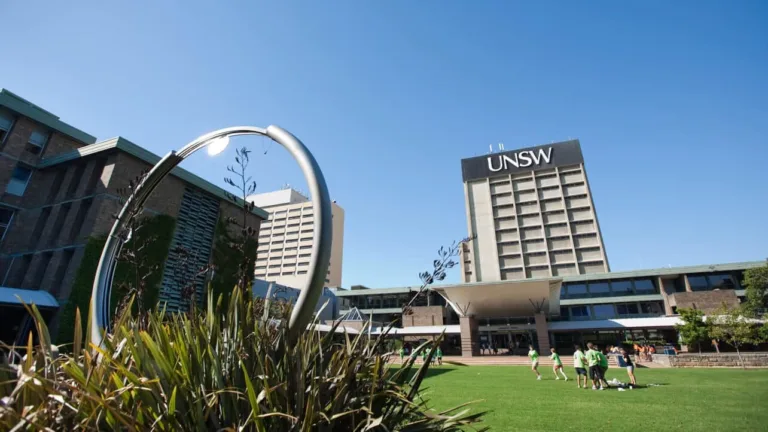
The Foundation for Hellenic Studies at the University of New South Wales (UNSW) is holding a fundraising luncheon at the Venus Reception Centre in Kogarah, Sydney on Sunday, July 14.
The luncheon will start at 12pm and will help raise funds to support the university’s Greek Studies Program.
Tickets are $100 and attendees will enjoy a three-course meal with drinks included.
To book your ticket to the Fundraising Luncheon on Saturday, July 14 at the Venus Reception Centre (20 Belgrave Street, Kogarah) from 12pm, you can contact Liana on 0430 457 089.
Poly’s Fruit Juices will close this month after 31 years of producing some of the best juices from South Australia’s Riverland including the much-loved Orchard Crush.
The juice production facility is closing after owner George Polymiadis decided it was time to retire.
Mr Polymiadis told ABC that news of his retirement has had him fielding daily calls from the local community to buy up bottles of Orchard Crush.
Orchard Crush juice has been a favourite among residents in South Australia’s Riverland for 31 years. Photo: ABC Rural / Eliza Berlage.
“It’s been very busy,” he said. “Everyone is in a little bit of a shock, and they want to stock up, which is obviously nice for us.”
Mr Polymiadis said his decision to retire was driven by the loss of fruit supplied by his brother and a desire to focus his time elsewhere after his wife fell ill last year.
While Mr Polymiadis’ sons aren’t interested in taking over the business, he said he doesn’t want to wait for a buyer.
“This was my dream, and I don’t want to impose that because if you’re not happy doing it, you won’t do it for very long,” he said.
The “#HeartHealthMatters – Community + Sport” project recognises that sport acts as a catalyst for community development, bringing communities together, building character, drives social change (integration & inclusion), inspires future generations, and promotes a healthy lifestyle.
NSW Sports Minister Steve Kamper said, “The intersection of community, sport, and health plays a vital role in shaping regional communities across NSW. By continuing to invest in and support these areas, regional communities in NSW can thrive and become more resilient and vibrant.”
“Andy and the team at Heartbeat of Football Foundation deliver meaningful outcomes each weekend at sporting grounds and community events. It made sense to extend our support for the next few years, so that they continue making a difference to people, families and sporting communities across NSW,” Mr Kamper added.
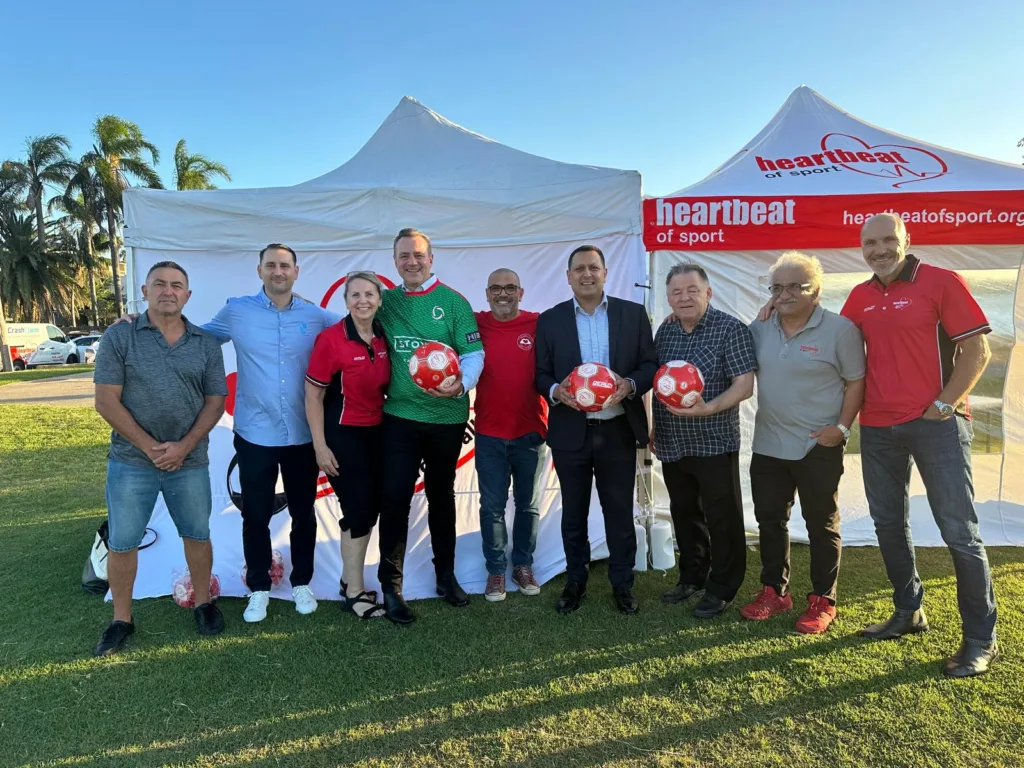
Steve Kamper MP (fourth from left) with members from Heartbeat of Football.
The Foundation presenting as both Heartbeat of Football (HOF) & Heartbeat of Sport has now delivered over 12,000 nurse-led preventative heart health screening tests across Australia, as well as provided over 1,500 people with CPR & AED confidence sessions – growing the bystander network willing and able to respond to an emergency cardiac situation.
“This additional support from the NSW Government and Minister Kamper is a game-changer,” HOF Founder Andrew Paschalidis said.
“The fact that we will be able to deliver 85% (34 of the 40) #HeartHealthMatters days across regional NSW is truly transformative. Cardiovascular disease (CVD) disproportionately affects those in regional and rural areas, and underserved groups like First Nations, women, and multicultural communities. Enhanced funding can significantly reduce these disparities and improve overall health outcomes.”
The “#HeartHealthMatters – Community + Sport” project will be delivering heart health checks to as many people as possible for key modifiable risk factors – Blood Pressure, Blood Sugar and Cholesterol at their local sports ground. In addition, it will be holding CPR and AED confidence sessions to build a stronger and more diverse network of bystander confidence as every minute counts when a person is in cardiac arrest – as the chance of survival decreases by 10 percent every minute.
Shoalhaven City Council on the NSW South Coast has unanimously rejected hotel expansion plans by the Feros Group following significant community backlash.
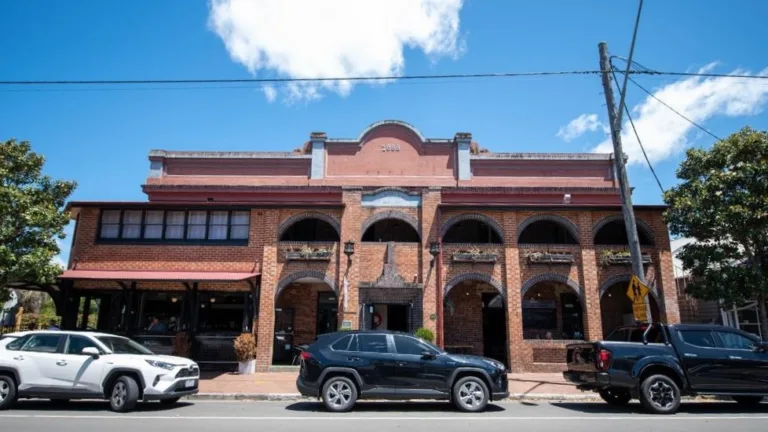
On Monday, June 24, the Council voted against the proposed $10.5 million expansions to The Berry Hotel, which has stood on Queen Street, Berry, since 1863.
According to documents from the meeting, the Council decided against the expansion proposal because it believed the Feros Group failed to adequately address a number of planning controls in the development application including heritage conservation and building height.
The Feros Group’s plans involved construction of 33 new hotel rooms, associated parking lots, a rooftop pool and landscaping.
An artist’s impression of the $10.5 million Berry Hotel expansion plans.
There were 315 submissions made against the expansion proposal despite the project plans suggesting there would be no physical works on the existing building, which has historical significance.
The Council’s rejection on Monday can be overturned by the NSW Regional Planning Panel – which will have the final say given the project’s significant price tag.
A spokesman for The Feros Group told The Daily Telegraph the team were working on amendments to the plan, should it be rejected by the NSW Regional Planning Panel.
The state government body will release its determination online within the next seven days.