Home Blog Page 583

Experience ‘Bouzoukia by the Sea’ with Stan in South Australia

Get ready for an unforgettable night of music, energy, and passion as ‘Bouzoukia by the Sea’ brings the magic of live Greek entertainment to the stunning Semaphore Foreshore. 

On Friday, January 17, the iconic performer Stan will take the stage for a one-night-only performance that promises to captivate fans and ignite the night with his chart-topping hits and electrifying energy. 

Renowned for his magnetic stage presence and a string of beloved songs that have dominated the airwaves, Stan is set to deliver an extraordinary show that celebrates the rich musical traditions of Greece with a modern twist. 

From soulful ballads to high-energy anthems, attendees can expect a dynamic setlist that will keep them dancing and singing along all night.

‘Bouzoukia by the Sea’ offers a unique opportunity to immerse yourself in the authentic Greek bouzoukia experience, combining exceptional live music with the beauty of the Australian outdoors and famous beaches. 

This is the ONLY place in Australia where you can experience this truly unique vibe by the sea, evoking the essence of the Athenian Riviera. The event will be held at Semaphore Foreshore, providing the perfect setting for an evening of celebration and connection.

Event Details:

Date: Friday, January 17, 2025

Time: Doors open at 6 PM; Event finishes at 11 PM

Location: Semaphore Foreshore, Adelaide, SA

Tickets: Available now at https://events.humanitix.com/bouzoukia-by-the-sea-2025

Ticket Information:

  • Standing Tickets: $80 – Enjoy a real Greek bar experience.
  • Table Bookings: Sold out, but a waiting list is available. Dinner for table bookings will be lovingly prepared by the volunteers of the Semaphore Greek Festival. Please email admi@pagoc.com.au to join the waiting list.

This is more than a concert – it’s a cultural celebration that brings the essence of Greece to life. Whether you’re a longtime fan of Stan or new to the world of bouzoukia, this event is a must-attend for anyone who loves music, community, and unforgettable experiences. 

Tickets are selling fast, so don’t miss your chance to be part of this incredible night. Gather your friends and family, and join us for “Bouzoukia by the Sea” with Stan on January 17.
2025 Greek Community Cup kicks off with exciting matches

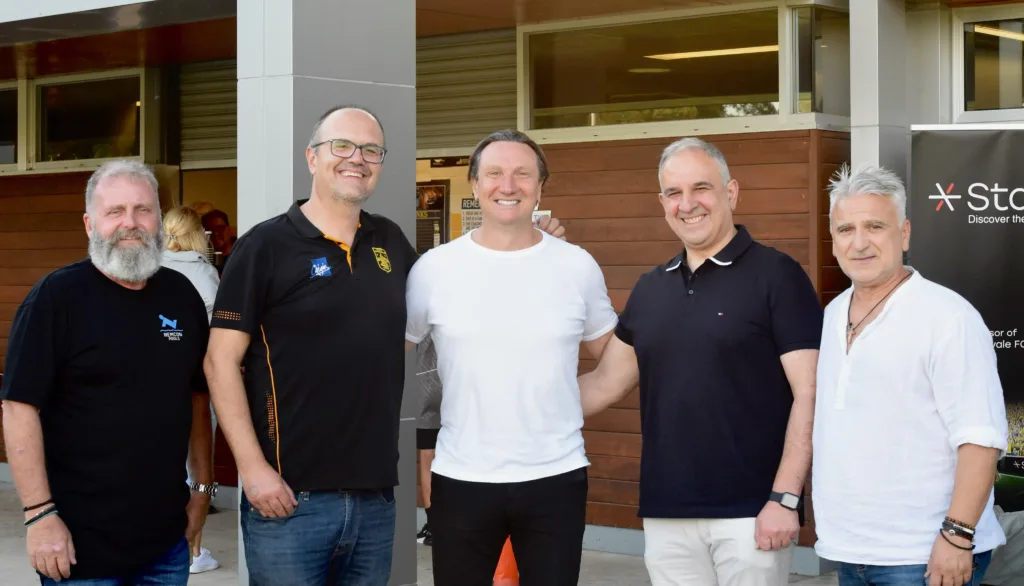
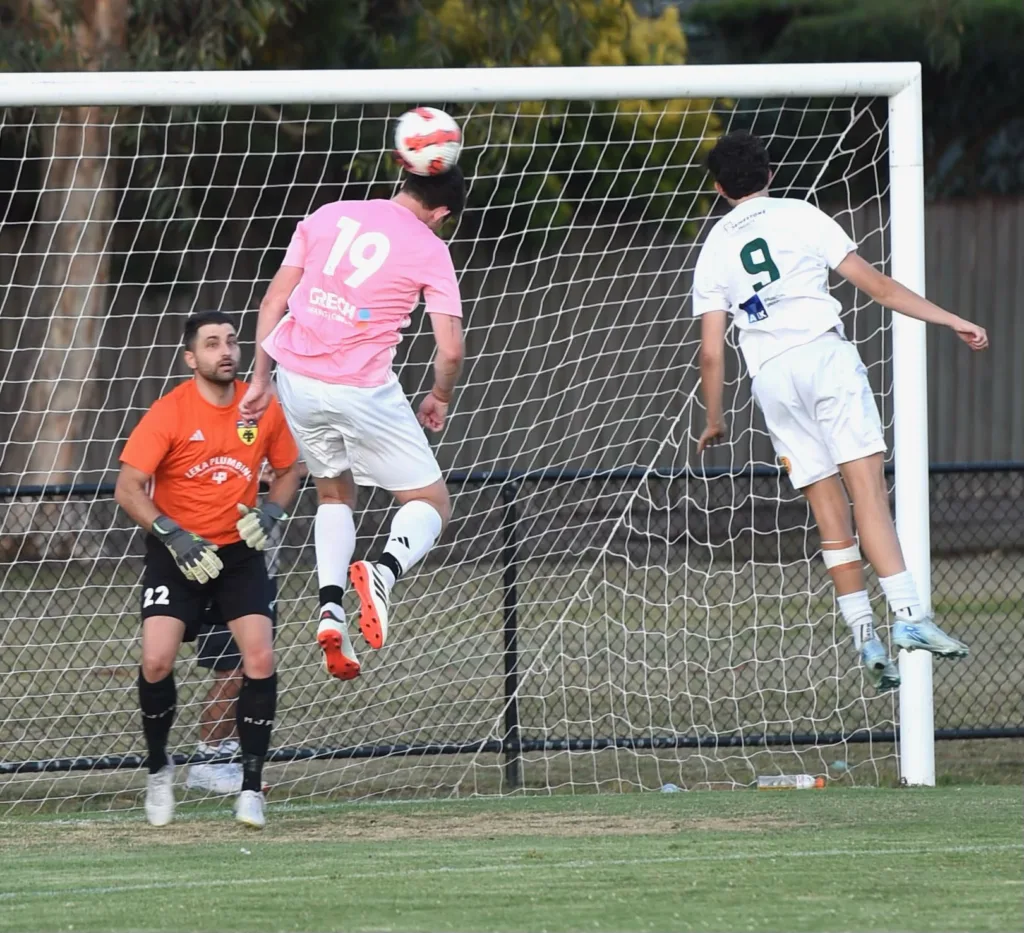
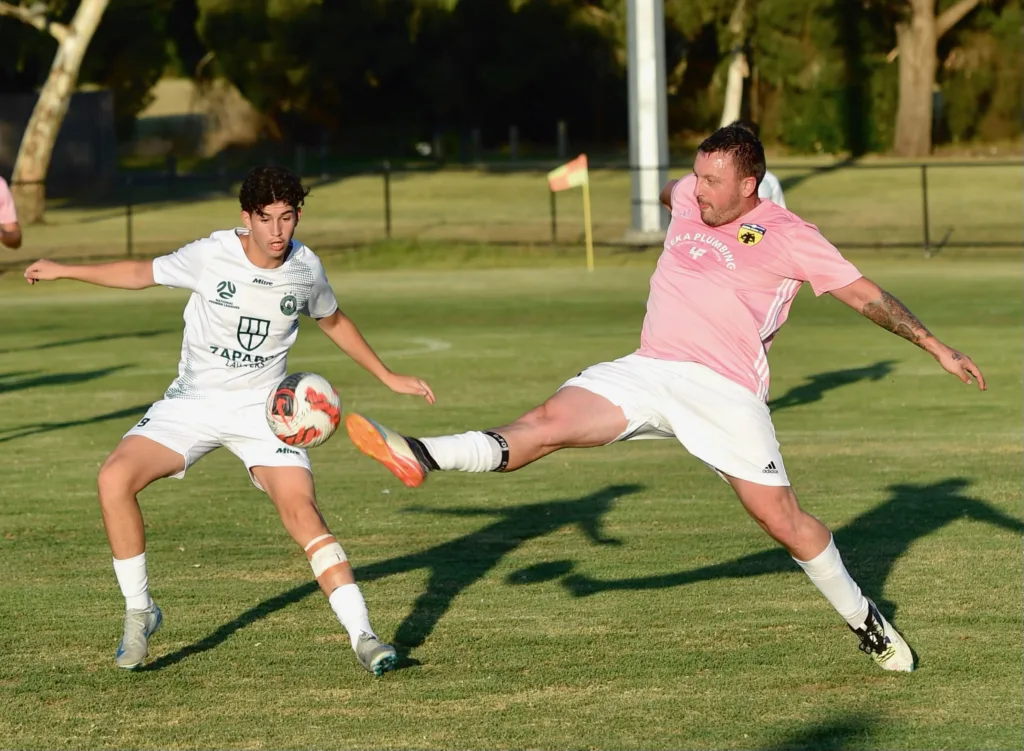
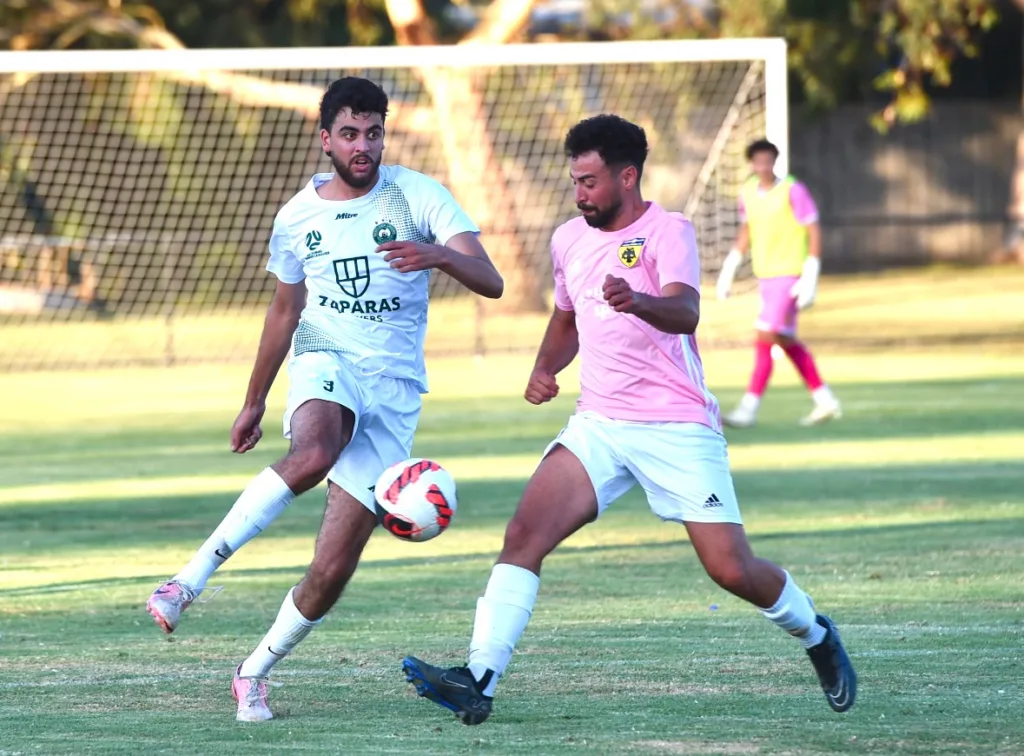
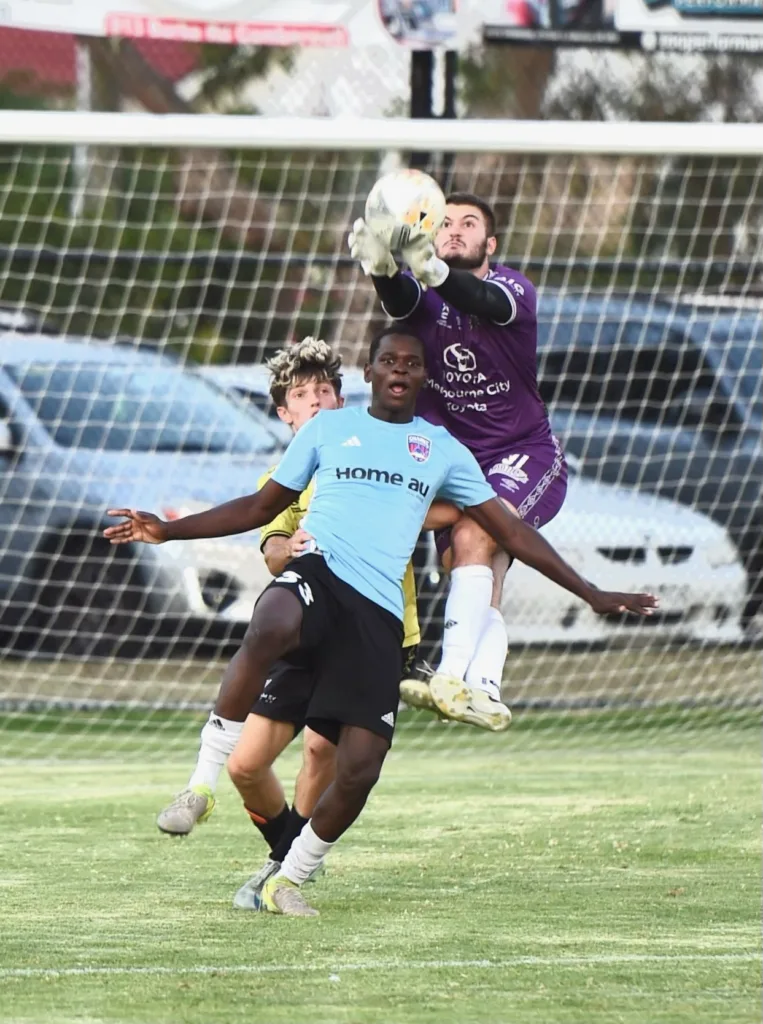
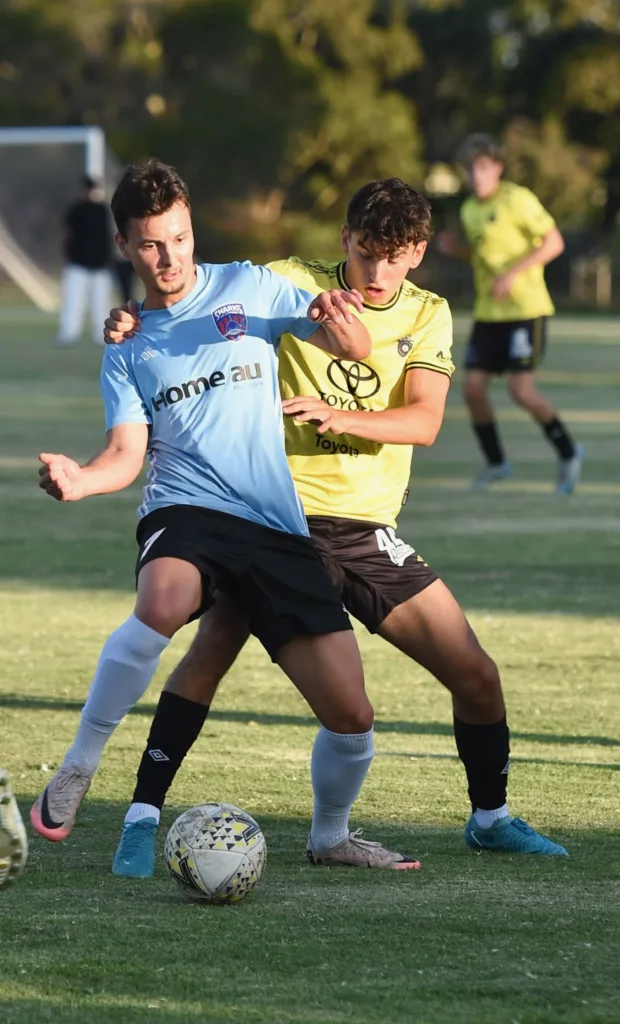
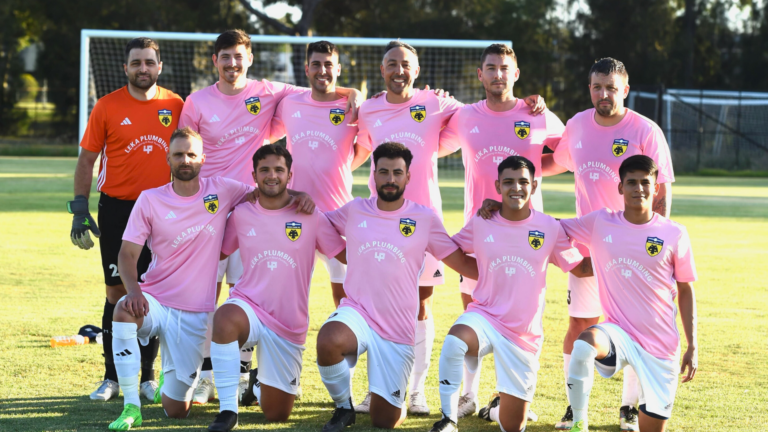
The Greek Community Cup, organised by the Greek Community of Melbourne (GCM), commenced in a splendid manner on Friday, January 10 at the home of Aris Springvale.  

The strong crowd that followed the opening two matches would have thought they were in a town in Greece.  

President of the GCM, Bill Papastergiadis OAM expressed his pride on how the event was managed.  

“With the blaring Greek music of artists like Kazantzidis, through to the nourishing souvlaki, the Hellenic beers along with the Greek language dominating the stands, the evening symbolised an important part of the historic cultural impact of Hellenism on sports in Australia,” Mr Papastergiadis said.

“Football played a critical role in how our community came together and our organisation is a proud custodian of this tradition through this tournament. 

“Many thanks go to Jorge Menidis, Michael Karamitos, Michael Profiris, Rolando and Jim Simos of the Aris Springvale Football Club for this year’s event.”

On the first night, Port Melbourne Hellas defeated Heidelberg 3 goals to 2. In the other match, Bentleigh Greens won 4 nil against Keon Park.

Jim Simos, President of Aris Springvale, noted, “As a proud member of the Greek-Australian community, nothing makes me happier than seeing the Greek Community come together to enjoy this great sport. To see a dozen clubs from all levels compete for this year’s Greek Community of Melbourne competition shows the impact that the Greek Community has had on this sport, and with Victorian Football in general.”

“As someone who grew up watching the Hellenic Cup, it fills me with immense joy, that Aris Springvale have been chosen to host this event,” Jim added.

“We promise everyone that comes down will have a great experience and this will hopefully be the catalyst for the Greek Community of Melbourne to grow from strength to strength.”

George Katsakis, after Bentleigh Greens’ win against Keon Park, said, “It’s great to see the traditional Hellenic cup reinvented. As a community, it symbolises our strength in Victorian football.”

“The club and I feel proud to be competing in this tournament and gives us an avenue to further develop our youth, in particular those of Greek heritage with an understanding of the significance of being competitive like true Greek warriors,” Mr Katsakis added.

“We will be taking every measure to field the strongest possible team, giving us every opportunity to win as many games as possible. Our appreciation for putting this event together goes to the Greek Community of Melbourne and in particular Michael Karamitos.”

Full fixtures, scores, and updates can be found at: www.greekcup.com.au 

LA wildfire survivor saves Alekos Fassianos painting inspiring gratitude from artist’s family

Amid Southern California’s devastating wildfires, which have claimed at least 16 lives and forced thousands from their homes, one man’s dramatic escape is capturing hearts worldwide.

Los Angeles resident Francois Auroux, 56, was filmed fleeing his Pacific Palisades home on a bicycle, clutching a painting by renowned Greek artist Alekos Fassianos.

As raging Santa Ana winds fuelled the fires, Auroux rushed to save family heirlooms, including a hard drive containing photos and the painting, which had deep sentimental value.

“I ran and grabbed a hard drive that our family photos were on. I grabbed a couple of our family heirlooms,” he recalled. Among them was “The Cyclist,” a silk screen his mother had bought in Paris, which had been cherished by his family for years.

Auroux’s harrowing escape was captured on camera by an NBC reporter.

“This is our house. The backyard’s on fire. I’m out of here,” he told the reporter. He was later seen riding into the night, his body battered by red-hot embers.

The fire quickly consumed Auroux’s home, and his family’s belongings were lost, except for the painting and a few photos. The emotional weight of saving the artwork was not lost on him.

“My grandfather, Albert Auroux, was a dental surgeon in Paris and personally knew Alekos Fassianos,” he explained. “That’s why my whole family loves his paintings.”

Auroux’s act of saving the painting prompted the artist’s family, including Fassianos’ daughter Victoria Fasianou, to track him down.

“We wanted to find him to send a message of support, as he’s going through a tough time,” Mariza Fasianou, Alekos Fassianos’ widow, said.

The Fassianos family plans to send Auroux a print of “The Coffee Drinkers,” a beloved Greek scene by the artist.

Since the video went viral, Auroux has received an outpouring of support, both from Los Angeles and Greece.

Source: Ekathimerini.

Stefanos Tsitsipas draws confidence from Greek support ahead of Australian Open

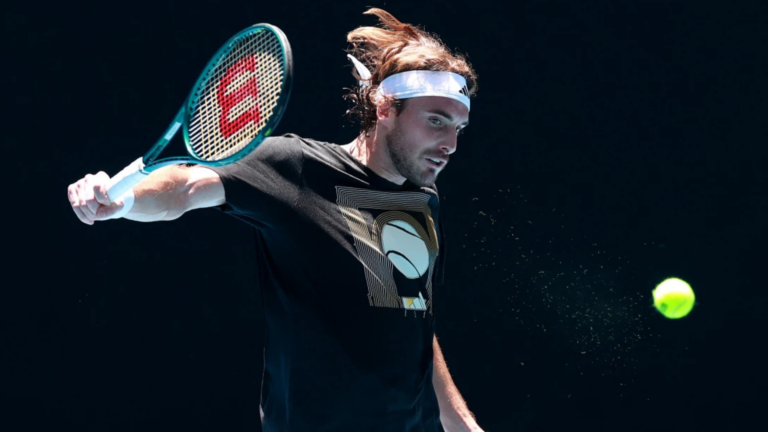
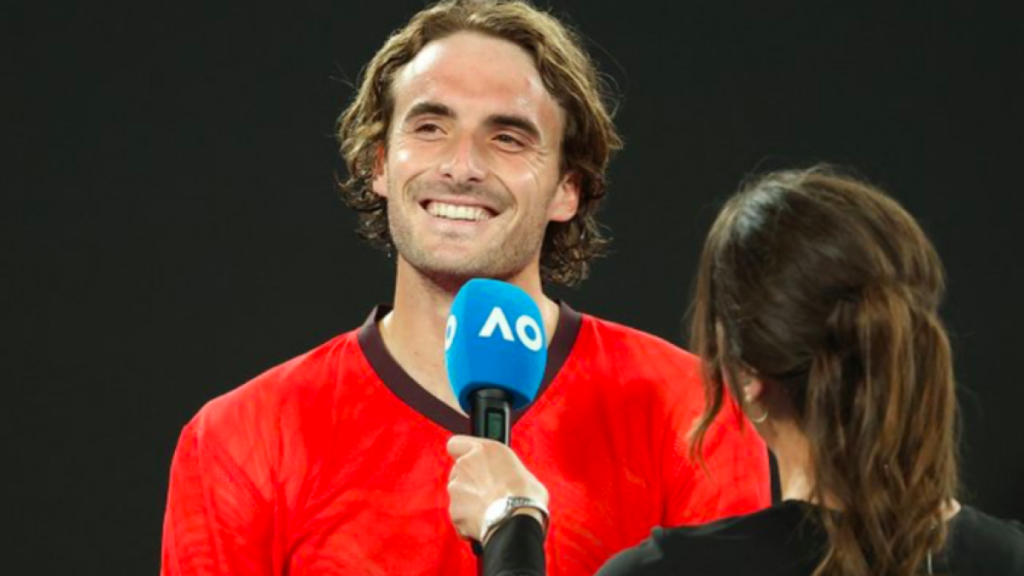
Stefanos Tsitsipas is ready to begin his 2025 Australian Open campaign, drawing confidence from the strong support of the Greek community in Melbourne, which has played a key role in his consistent success at the tournament.

The 26-year-old Greek, who has reached three semifinals and the 2023 final, is determined to make another deep run at the season’s first Grand Slam.

“Traveling so far overseas and having that feeling of home allows me to feel good within my comfort zone,” Tsitsipas said during his pre-tournament press conference.

“I think that’s also why my tennis thrives and I feel better with my game. I can’t wait to start here in Australia, which I’ve talked about is my home Slam.”

The Greek fanbase has been a constant source of motivation for Tsitsipas, especially in challenging moments on the court.

“Having that bit of an addition to my game where I know I get rewarded and I get really supported in difficult moments by fans in the crowd adds a little bit to my excitement,” he added.

Tsitsipas enters the 2025 Australian Open after a strong finish to his 2024 season, where he ended as an alternate at the Nitto ATP Finals. He also represented Greece at the United Cup in Perth, posting a 1-1 record in singles.

With a 24-7 career record at the Australian Open, Tsitsipas is eager to build on his past successes, having reached at least the semifinals in every year since 2019, aside from two early exits (2020 3R, 2024 4R).

“I worked very hard [in the offseason] to get ready for Australia,” Tsitsipas said. “Overall very happy with the way I committed to the work, and my mentality seemed pretty good. I was in a good place. I was patient with the work.”

Tsitsipas will face American Alex Michelsen in the first round. The pair previously met in Tokyo last September, where Tsitsipas rallied to a 4-6, 6-1, 6-2 victory.

“I just hope my tennis blends in well with the rest of the crowd,” Tsitsipas said.

“I hope I’m going to be able to really perform at my highest level and bring that tennis that I’ve shown in the last few years.”

Source: ATP Tour.

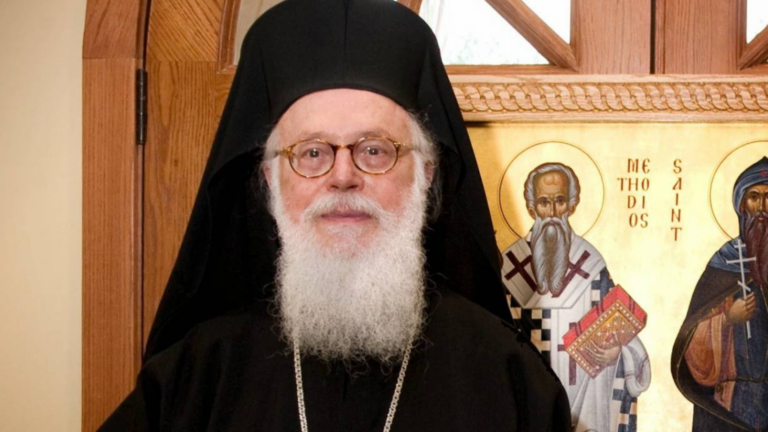
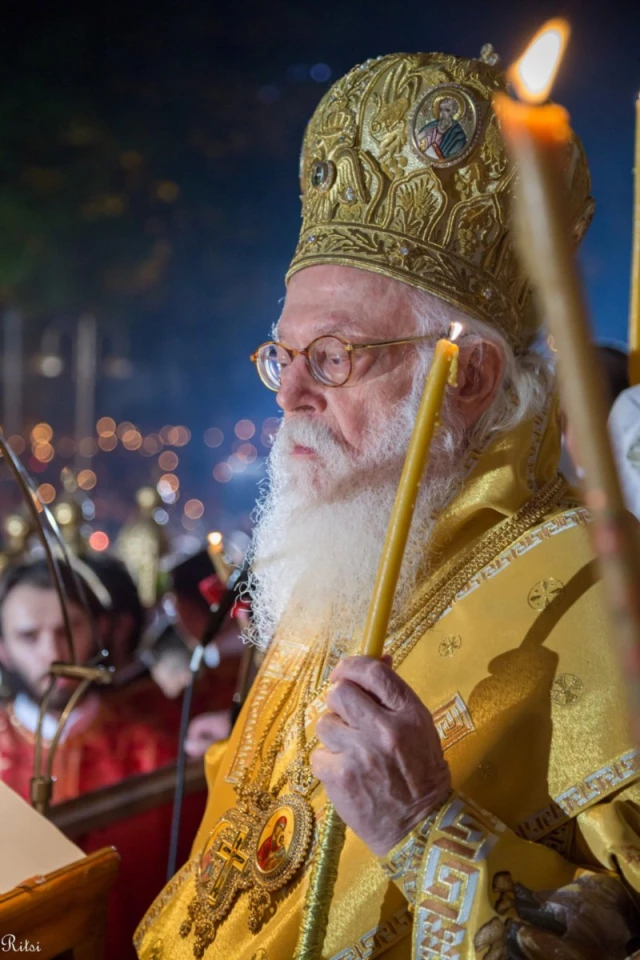
Albanian Orthodox archbishop remains in critical condition after emergency surgery

Archbishop Anastasios of Albania remains in critical condition after emergency surgery on Friday, January 10, to treat severe internal bleeding.

The 95-year-old religious leader, hospitalised at Evangelismos Hospital in Athens, Greece for the past eight days, underwent laparoscopic surgery to address bleeding in his small intestine.

Despite previous treatment, his condition deteriorated early Friday, and he was moved back to the Intensive Care Unit, intubated.

Doctors have emphasised that the next 48 hours are critical for his recovery.

Source: Ekathimerini.

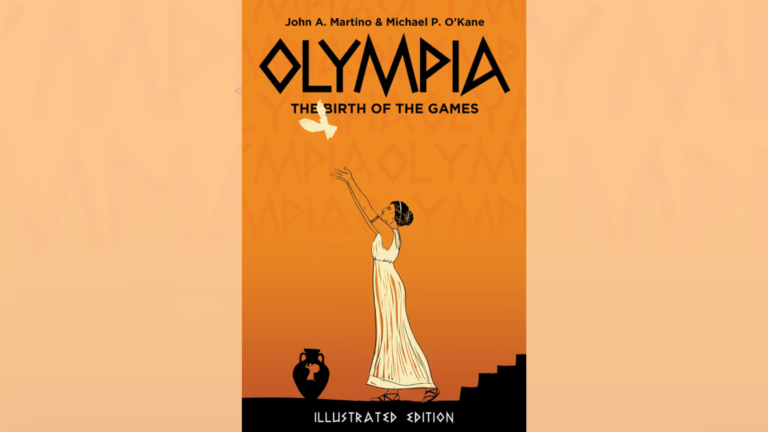
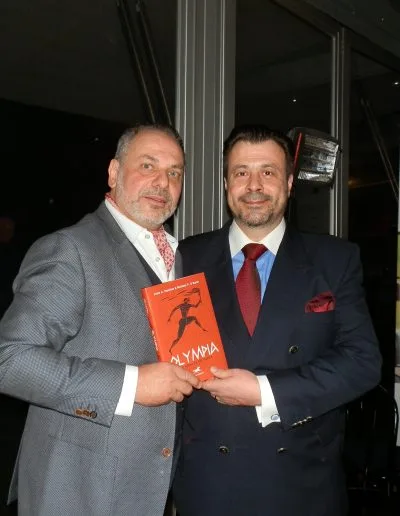
A legacy of peace: Reviewing John Martino’s and Michael O’Kane’s ‘Olympia’

0

Olympia – The Birth of The Games exquisitely exhibits how the “first and oldest peace-building institution in human history”- the Olympic Games – has inspirited the world, from ancient times through to modern.

Co-authors, John A. Martino and Michael P. O’Kane transport readers to an “ancient Hellenic civilisation” in order to explain just how the “richness” of “Olympism” has come to inspire a more “peaceful world” despite contemporary hurdles.

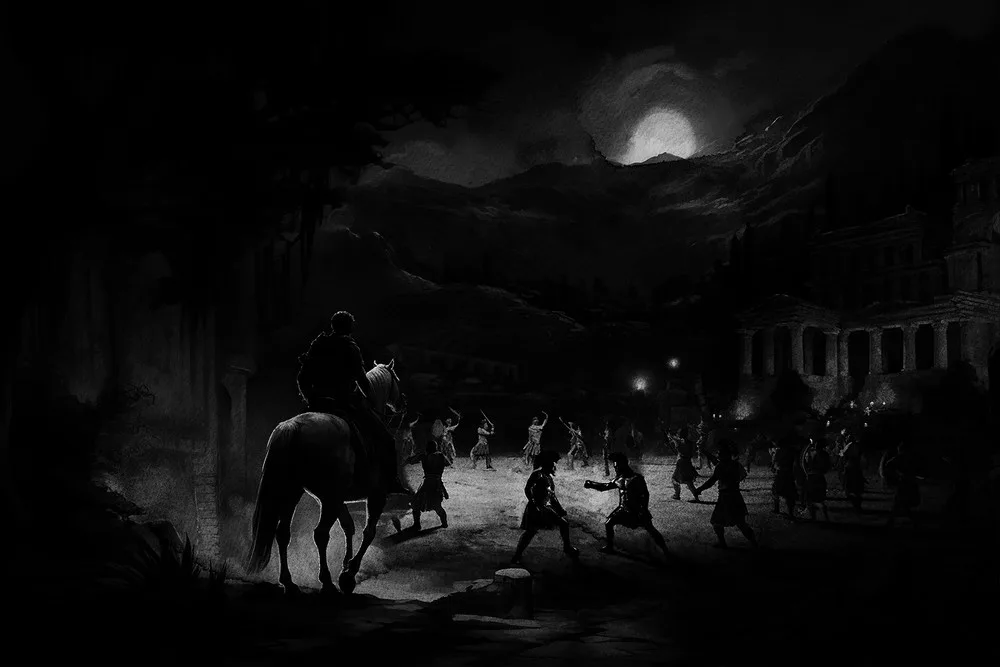
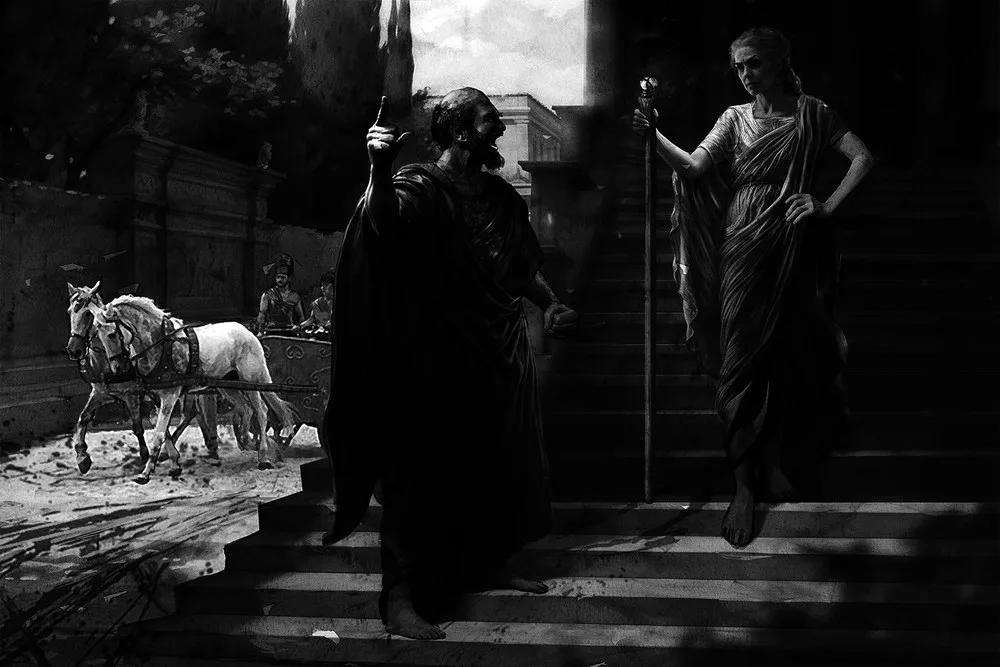
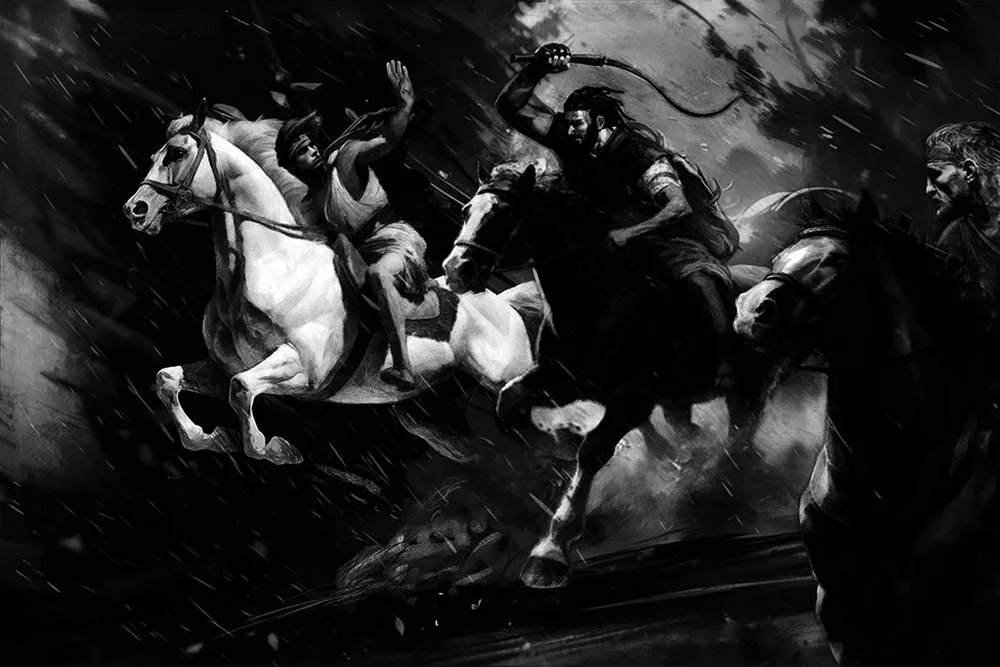
Ancient Greek-style calligraphy, mythological figures and archaic symbolism unite to adorn the book’s exterior, while Ekaterina Mironova’s illuminating illustrations interspersed throughout help to visualise a fierce setting immersed in the imperishable echoes of cheering crowds on the skirts of “body littered” battlefields.

Presented through purposeful and action-packed storytelling, Olympia commences with Alexis Lyras’ gripping foreword granting audiences a glimpse into its historic premise – a tribute to heritage and a legacy of peace – the origin of the Olympic Games.

Main protagonist and unyielding hero, “Pelops of Olympos” shoulders the bulk of the riveting narrative through ragged breaths and blasphemous betrayals as he, in turn, is shouldered by the book’s most revisited themes – enduring loyalty.

Enthralling and uplifting, Martino and O’Kane scrupulously capture how cultural and sporting rituals and traditions of the past, with a great focus on spirituality, were pivotal to life in the times of 776 B.C.E.

From the “fortified” walls of Elis, to the “unforgiving walls” of the “shining city” of Carthage, very little is left to the imagination as each “ill-fated” wound and “slave-bound” sacrifice is navigated amid “mourning cries,” with “blood-lusting barbarians” always only one “glowering look” away.

For the most part, all will feel catapulted inside the constant motions of familial rifts and captors’ and kings’ dominance, with moments of relief found in high priestess Europa’s “prayers to the Gods,” lucky cook Koroibos’ playfulness, and the devoted romance between “Golden Boy” Pelops and heroine, in her own right, Hippodamia.

The authors do phenomenally well in introducing all “touched by Greek civilisation,” from savvy Israelite and “Captain of the Babel” Saul, to the exiled Egyptian Prince Rameses, Philistine, Goliath, and Carthaginian queen Dido – all characters who earn their place in the resurrected mysteries driving the discovery of true unity.

Martino and O’Kane create an atmosphere across “broad lush plains” and “shadowy interiors of adytons” that is hallmark of a cinematic experience, as the whirlwind woes of regally attired rivals intertwine with vengeful and villainous lords who “show no mercy” all under the commanding presence of Zeus.

It is the final race, however, that most electrifies the purpose of competition and ignites the relevance of duty, honour, and courage in sport, delivering the essence of the Games and their influence on the Olympics as we now know them.

By depicting the resilience that these athletes, or restless warriors, embody in spite of their losses and a fractured ambience lingering in the air – a message far greater than an “olive-leaf-wreath” win is revealed – that true victory can only be achieved with compassion, teamwork, honesty and above all, integrity.

Ironically, the foresight of blind Greek poet, Homer offers a wisdom that no “Spartan slaughterhouse” or conquering crown could conjure, helping to immortalise timeless values rooted in Hellenic pride. 

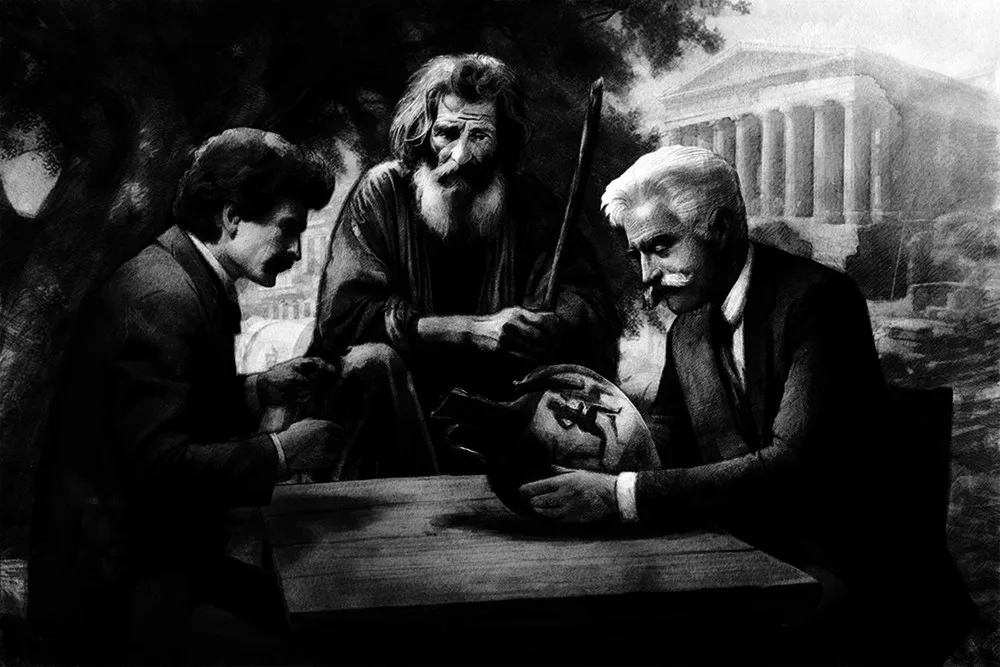
Transcending time and space, a retrospective Epilogue brings closure and links everything together over a conversation amongst historians in 1881 C.E., pondering their guesses over the events that transpired the day Pelops rode his stallion, Pegasus toward the finish line under Poseidon’s thunder.

Long ago, a champion of excellence and humility paved a way of peace that continues to strengthen the Peloponnesian sites of Greece today and beyond, reminding those who seek their glory, that nothing so magnificent ever built itself.

Where once “weary horseman galloped” battling “nose-to-nose”… where once a very intrigued Baron De Coubertin “listened intently” to a Greek tour guide unravel the possibilities of a “sacred sanctuary”… another sun now sinks toward the horizon with the memory of legends, the eternal “light of Olympia,” and of a sporting legacy leading generations to come.

Inheritance and joint bank accounts in Greece

0

By Anastasia Miliou, Attorney at the Supreme Courts of Greece

The inheritance Laws that are applicable in Greece are exclusively related with assets that are located in Greece. The assets can be moveable or immovable, or an undivided (ab indivisio) share over them.

The inheritance includes money (cash), jewelry, works of art and bank accounts.

Regarding the bank accounts, the inheritance includes only personal bank accounts and not joint bank accounts.  

The above can be found in the article  25 of law 2961/2001 regarding tax matters in combination with the article 1 and 2 of law 5638/1932 that refers to bank accounts. Article 2 says that the joint bank account in which there is the condition that after the death of anyone of the cosigners the deposit and the bank account automatically belong to the rest of the cosigners until the last of them dies. 

In joint bank accounts ie. bank deposits where there are two or more cosigners there is a particular relationship between these two or more persons and the bank.

In joint bank accounts all cosigners automatically become privy to money deposited in the account. Regardless whether the money is deposited by one of the account owners (in part or in total) hence all the parties automatically have rights to the money in the account. (article 1 of law 5638/1932)

This means that with a deposit into a joint account, the co-signers of the account become owners of the money in the account regardless of the reason of the deposit. Withdrawal by anyone named on the account is not theft nor can it be considered a crime.

The depositor has the right to take legal action against the person who withdrew anything from half to the full amount except if there is another portion or percentage claim decided on between themselves. However this is a matter of their internal relationships and it doesn’t affect the bank or third parties.

In case of death, the amount in the joint account cannot be inherited. Money from a joint account cannot be included in a will and testimony unless the last owner is dead. (article 2 of law5638/1932 and article 25 of law 2961/2001 ).

The surviving member of the joint account continues to be the only one who can have access. If the person who owns the joint account is just one, then that person is the only one who can withdraw the full amount within the account even if, in actual fact, it does not morally belong to him. In such a case, the heir cannot turn against the bank to seek an inheritance share from a joint account as the co-signer is the only one who can have access. The living heirs of the deceased can seek the portion of the deposit of the deceased based on the internal relations with the co-signer.

For example, there is a joint bank account with three parties, a husband, a wife and a third person who is not relative. All of them have equal rights to that money regardless of who deposits the money. After the death of the husband, the joint bank account remains active between the wife and the third person. The children of the couple can’t be heirs of this bank account and have no access to it. After the death of the mother, this bank account will still belong to the third party and the children of the couple won’t have still access to it.

When the third and last party of this joint account dies then, his/her heirs will get the money.

In that case the heirs of the couple can seek the money from the third person with a legal action, based on the internal relations of their parents with the third person. Practically they have to prove that all or part of the money belonged to their parents (income). However it must be clarified that this legal action is not based on inheritance laws.

Anastasia C. Miliou is an Attorney at Law at the Supreme Courts with experience in international law and a large clientele in both Greece and abroad. Her telephone number is 6945028153. If you would like questions answered as part of her articles in English online, you can e-mail her at natmil@otenet.gr or visit www.legalaction.gr

Greek inscription discovered among Byzantine monastery ruins in Israel

0

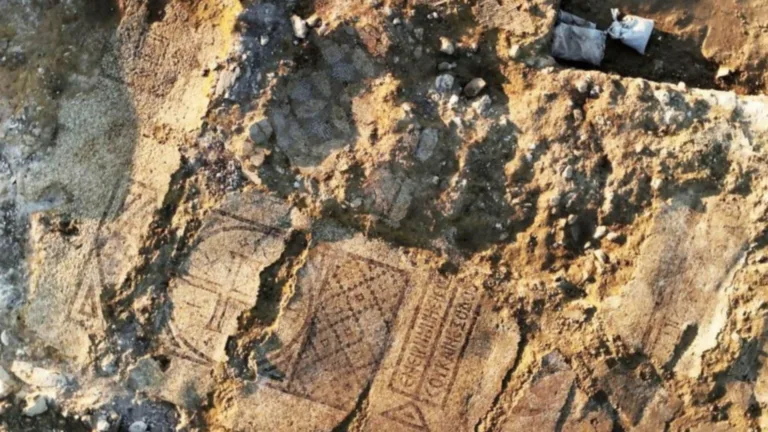
Archaeologists in Israel have uncovered a mosaic with the ancient Greek phrase, “Blessed are you when you come in and blessed are you when you go out,” in Kiryat Gat, in the southern part of the country.

According to an article of Eleni Sampani in ekathimerini.com, the inscription, dating to the 5th or 6th century CE, was found in the remains of a Byzantine monastery. Mark Avrahami, head of the conservation team, described the mosaic as one of the rarest ever discovered in Israel. It will soon be preserved and displayed to the public.

The mosaic floor includes the Biblical phrase alongside intricate depictions of lions, doves, geometric patterns, flowers, crosses, and a ceramic vessel.

The discovery was made during construction for a new neighborhood. Archaeologists believe the monastery was built on an earlier Roman settlement. Excavations revealed at least ten additional structures, including a winepress, storage facilities, and a large ceramics workshop.

Artifacts unearthed at the site include Gaza amphorae—used to transport wine or olive oil across the Mediterranean—small glass vessels, and a rare ceramic amphora with a human face. Experts highlight the strategic location of the Roman settlement, emphasizing its historical significance in the region.

Source: ekathimerini.com

Maria Callas Museum shortlisted for European Museum of the Year Award

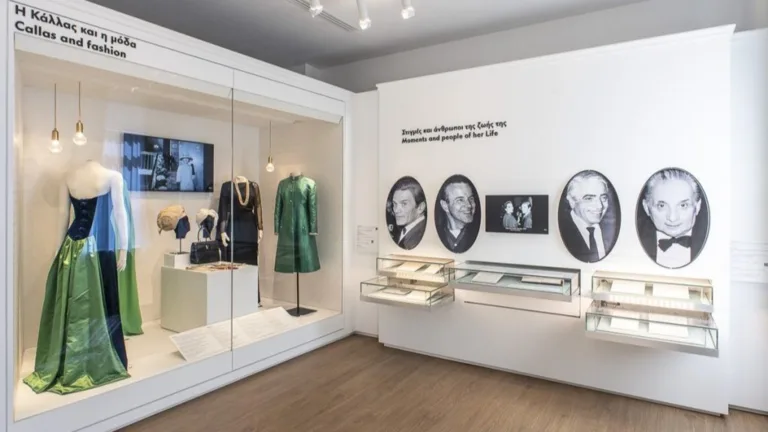
After just one year of operation, the Maria Callas Museum in Athens, Greece has been shortlisted for the prestigious European Museum of the Year Awards (EMYA) 2025, solidifying its status as a modern cultural institution with international appeal, ekathimerini.com, has reported.

“We are proud that, within just one year of operation, our museum is being recognized internationally as a space of innovation, creativity, and a bridge connecting cultural heritage with the modern era,” said Kostis Papaioannou, president of Technopolis at the Municipality of Athens, which oversees the museum.

Maria Florou, head of the Museum Division at Athens Municipality’s Technopolis, described the nomination as “a great honor” and emphasized the museum’s commitment to overcoming challenges and continuing its inspiring work.

In its first year, the museum welcomed over 38,000 visitors from more than 50 countries. It has become a significant cultural destination, attracting opera, music, and culture enthusiasts while also reaching new audiences through exhibitions, educational programs, artistic events, and social initiatives.

The museum’s success has been bolstered by generous donations, international collaborations, and a focus on inclusion and accessibility, creating a welcoming environment for a diverse global audience.

From 41 nominated museums across Europe, the EMYA grand winner will be revealed in May 2025 at the Sybir Memorial Museum in Białystok, Poland.

EMYA is Europe’s most distinguished museum accolade, celebrating professional excellence, innovation, and creativity across varied institutions. The awards recognize museums that promote sustainability, social responsibility, and community engagement, evaluating their ability to inspire creativity, uphold societal values, and foster inclusion and dialogue.

Source: ekathimerini.com

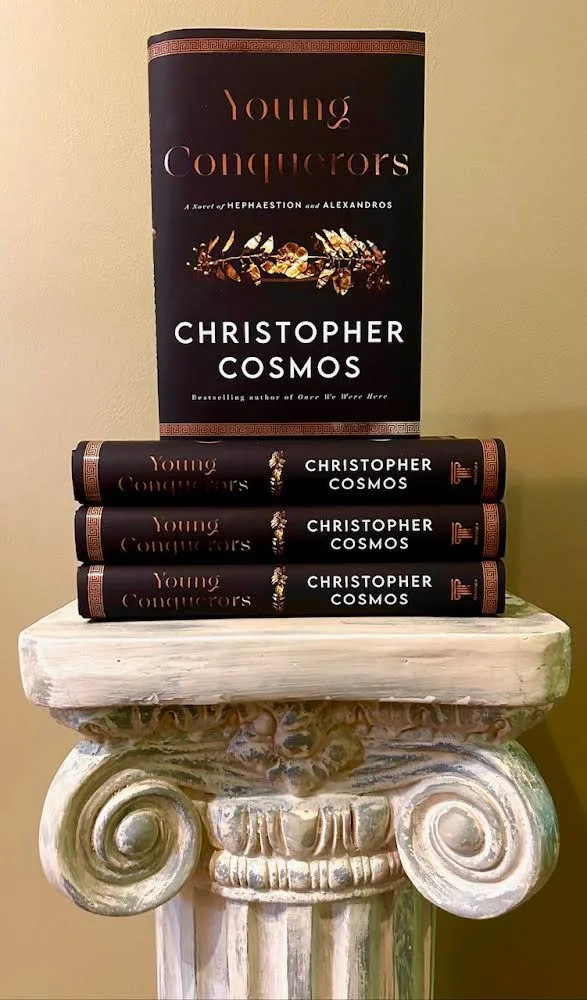
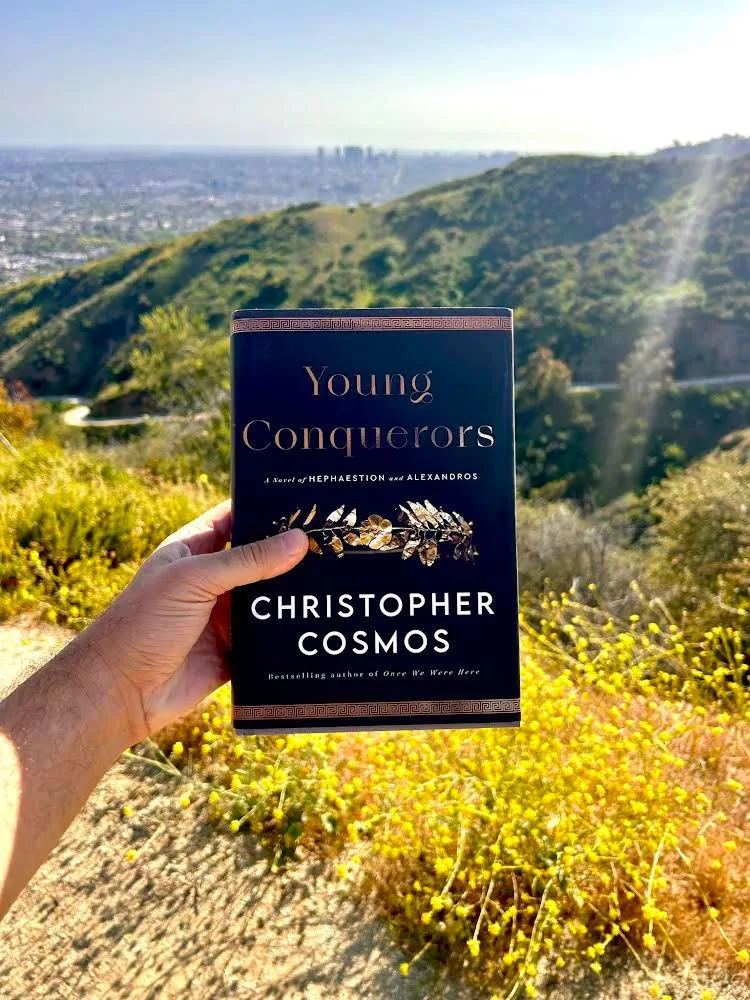
Christopher Cosmos releases new novel about Alexander the Great’s formative years

By Despina Karpathiou

Even if you’re not fascinated by Ancient History, you’ll be drawn to the intriguing world of a young Alexander the Great after reading Young Conquerors.

The latest novel from acclaimed author and screenwriter Christopher Cosmos will have you hooked, page by page.

Christopher has turned his attention back to ancient tales after the phenomenal success of his best-selling debut novel, Once We Were Here.

This time, his novel discusses the narrative of the fabled King of Greek Macedonia through the eyes of Hephaestion, his closest companion. This King would later be known as Alexander the Great, arguably the greatest conqueror the world has ever seen.

The Greek Herald sat down with Christopher to break down his new novel and his Greek heritage.

For those who don’t know you, could you please introduce yourself.

My name is Christopher Cosmos and I’m a Black List screenwriter and bestselling author from the United States.

Tell us briefly about your upbringing as a Greek in America?

The Greek part of my upbringing as a Greek American centred around two main things: church and food. We cooked Greek food at home, then of course maintained a close cultural connection to our heritage and the diaspora community via church, where I was an altar boy from a very young age all the way through high school.

What is one thing you’d like people to know about you that they don’t know?

I live in Greece for a couple months every year and have been to every location I write about, including all the locations in Young Conquerors. I have a bracelet I wear from each place where one of my novels is set. 

What fascinates you about Alexander the Great?

His early years are what fascinate me the most and that is what Young Conquerors is about. [I am fascinated] especially how a middle child from a northern Greek kingdom could navigate a ruthless court, political climate, and home life before setting out from a very small kingdom and conquering the largest empire the world had ever seen, without losing a battle, and change the entire course of history and the world. 

To do all that, it requires someone of deep passion and purpose, and willing to give himself to those two things in a whole and complete way. It’s always struck me as something to absorb and aspire to.

What motivated you to write a novel through the eyes of Alexander the Great’s closest companion Hephaestion?

Sometimes we come upon people in history who are larger than it. 

Instead of trying to think like someone who is so unique and different, I instead chose to tell the story of Alexander’s formative years through the eyes of the person who knew him best, so we can experience all the same wonder as Hephaestion who is with him every step of the way. 

They say the greatest stories are true, and this one certainly fits that bill as a young Alexander navigates a real-life Game of Thrones in Ancient Greece to eventually become king of Macedonia, and the man history will later call “Great.”

What do you hope readers take away from your new novel?

Two very important things: that we should love as deeply as possible and always chase the horizon, and never stop, until our short time here is over.

Have you always been fascinated by Greek stories and history or did something in particular pique your interest?

In my first novel, Once We Were Here, I wrote something along the lines of: “people so often think of blood as something that becomes distant, and fades. But it doesn’t.” 

I think these Greek stories are in our blood, always will be, and need to be told and told by us, too.

Do you have any other books in the works?

My main focus is trying to get Young Conquerors as far and wide as I possibly can, and into the hands of as many readers as possible, then also hopefully turning it into a fantastic mini-series to be shot in Greece where they have one of the best film incentives in the world. 

So, if there are any Greek producers out there who might be reading this, send me a note and let’s make some Greek movie magic! 

Where do you see yourself in five years?

Telling Greek stories and travelling the world. 

For more info and pictures of Greece and updates on my work, please follow along on Instagram @christophercosmos!