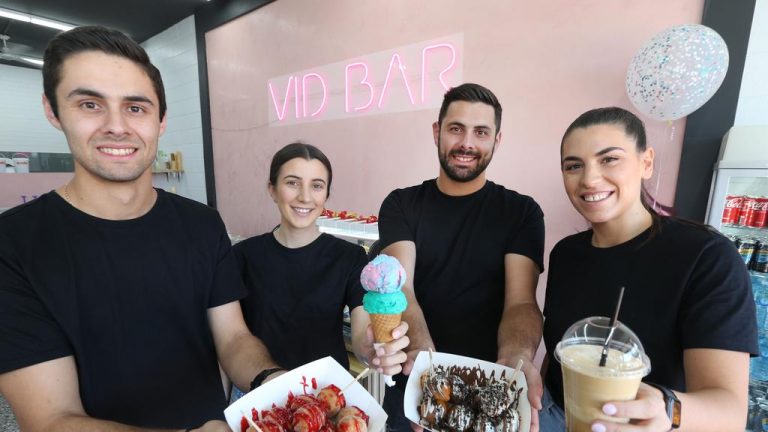
A dessert bar named VID Bar (Village Ice-cream Dessert Bar), has just opened in Highton, Victoria, by two Greek brothers, Spiros and Nicholas Alesios, TheGeelong Advertiser reports.
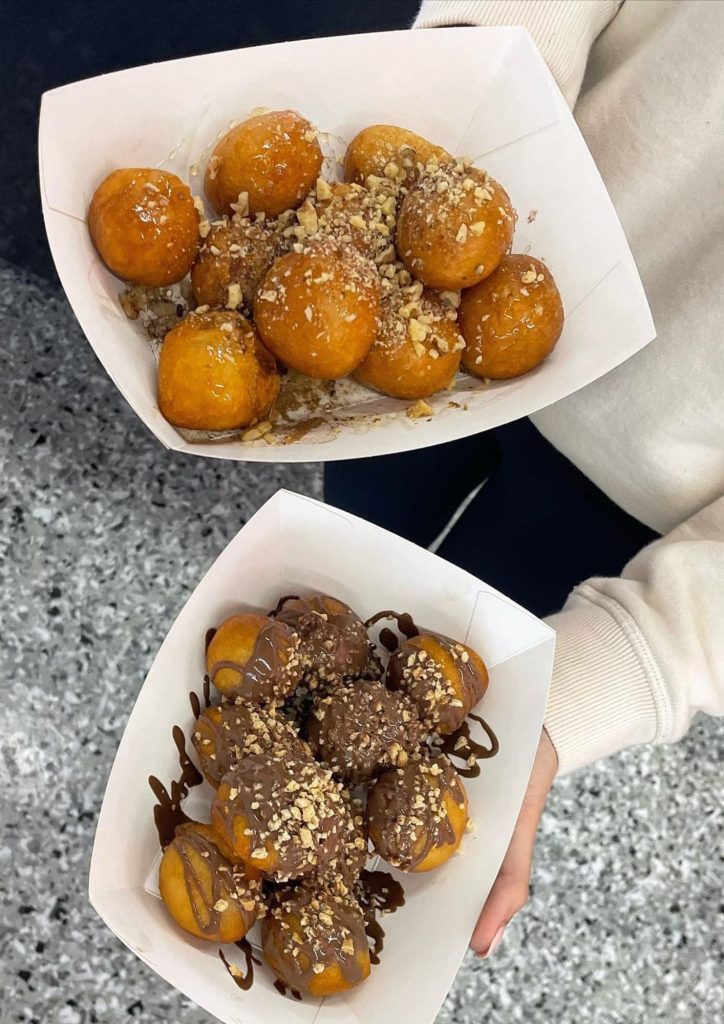
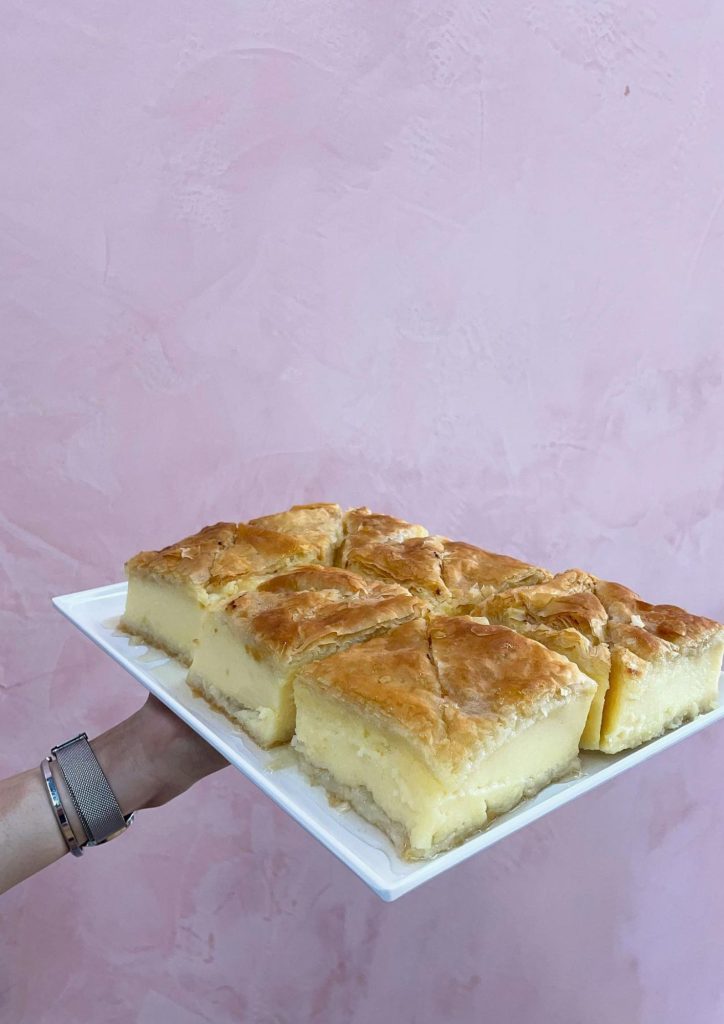
The bar, which serves 31 flavours of ice creams, Greek doughnuts and sweets such as loukoumades and galaktoboureko, brings a taste of Greece to sweet lovers.
For the owners, the business is a way to pay tribute to their home traditions and their past.
“Our sister has an ice cream shop in St Leonards, we thought we might go in our own direction and create something a little bit closer to home,” Spiros told TheGeelong Advertiser.
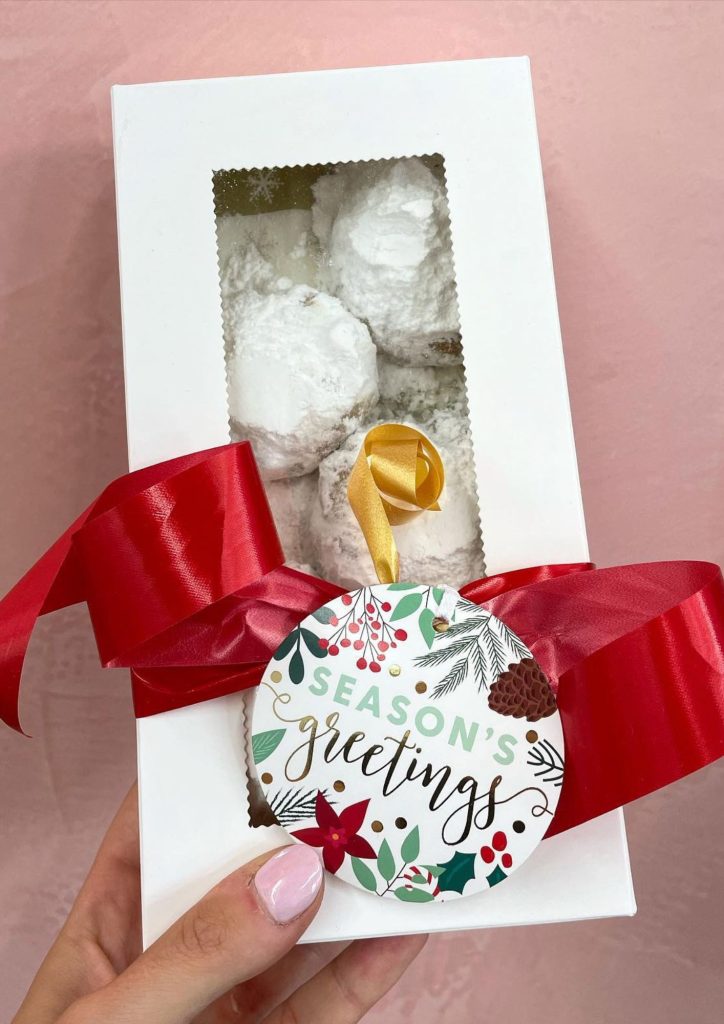
LoukoumadesKourabiedesGalaktoboureko
The brothers, who love desserts and ice cream, believe that Greek doughnuts are something new to the market and they aim to fill this gap with their recent business move.
“There’s nothing really that’s been done like that here,” Spiro said and stressed his plans to expand the bar’s dining space.
“Our bar has something sweet, but something that is also different. It will appeal to most,” he concluded.
My first encounter with the archaeological site of Ancient Rokka took place at night, accompanied by my two small children, a crowd, and an orchestra. It was the night of the August full moon, when Greece celebrates the summer with special events, including a live outdoor musical performance on a steep, rocky hillside above a village in northwestern Crete.
My children, my husband, and I struggled to find our way on the rough ground as night fell, but once the orchestral music engulfed me and I considered our unique position below the remnants of an ancient town and across the gorge from dramatic cliffs, I realised I needed to return by day. (This time lapse photography gives you some idea of the 2021 version of a similar event, but I remember more darkness and mystery at an earlier edition of it.)
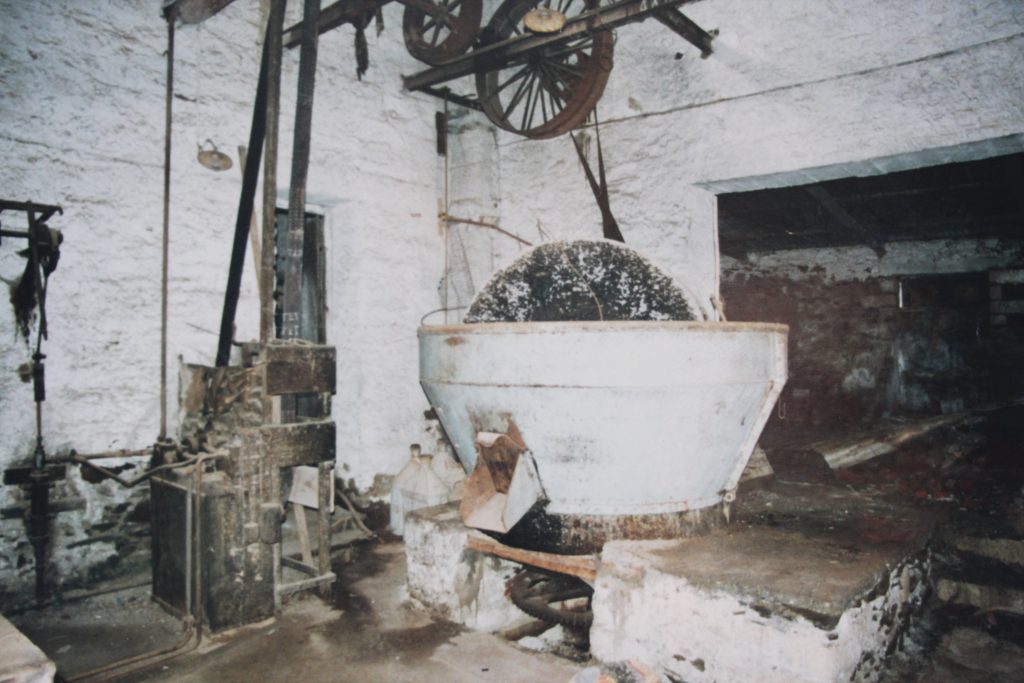
Years later, I was visiting a beloved olive mill destination, Biolea, with my brother Dean in the same part of Crete. We had toured the updated version of an old-fashioned stone mill and hydraulic press on another visit; that day, we sampled Biolea’s organic extra virgin and flavored olive oils and drank coffee at their café. (On a different occasion, I enjoyed a fresh lunch there with Canadian friends who deemed the salad the best they’d had on their entire visit to Greece).
Photo by Lisa Radinovsky.
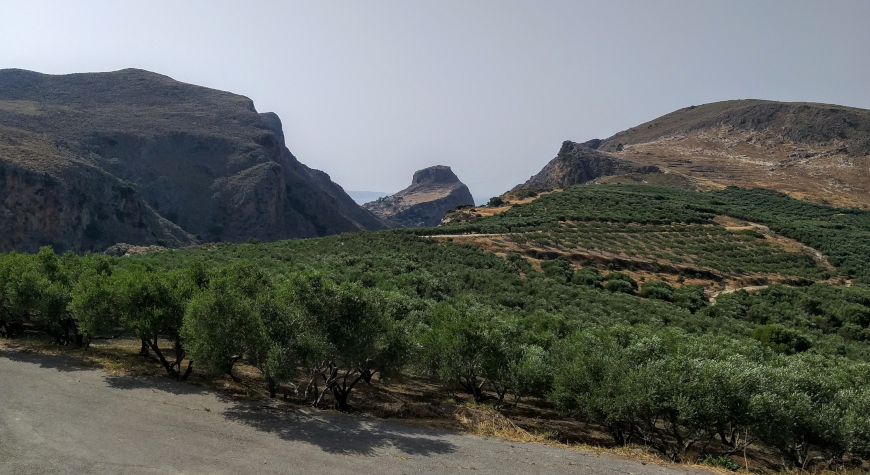
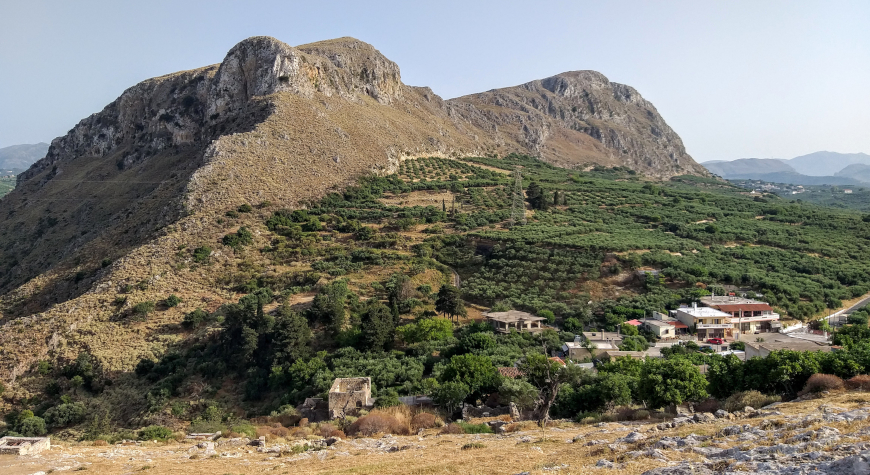
Looking beyond Biolea’s olive groves, which extend toward two rocky hills and seem to disappear into the deep gorge between the hills, Dean and I were struck by a particularly intriguing hill on the far side of the gorge, with a wide open slanted space cut off by descending cliffs on the long side facing us and a vertically ascending rocky ridge at the other end. This is the hill called Trouli, home of the archaeological site of Rokka.
Photo by Lisa Radinovsky.
We debated whether to visit the sculpturesque ancient olive tree of Ano Vouves on our way back to Chania, because the intricate design and rough texture of its 3,000 to 5,000 year old massive hollow trunk has fascinated us since we first saw it. This time, we decided to head the other way, to Ancient Rokka. Dean’s GPS surprised me by accurately directing us along tiny village lanes, past a church with remnants of very old frescoes, up and down scenic olive-covered hillsides, and over narrow dirt roads through olive groves to the little village of Rokka. Once there, we asked friendly villagers how to find the archaeological site.
Photo by Lisa Radinovsky.
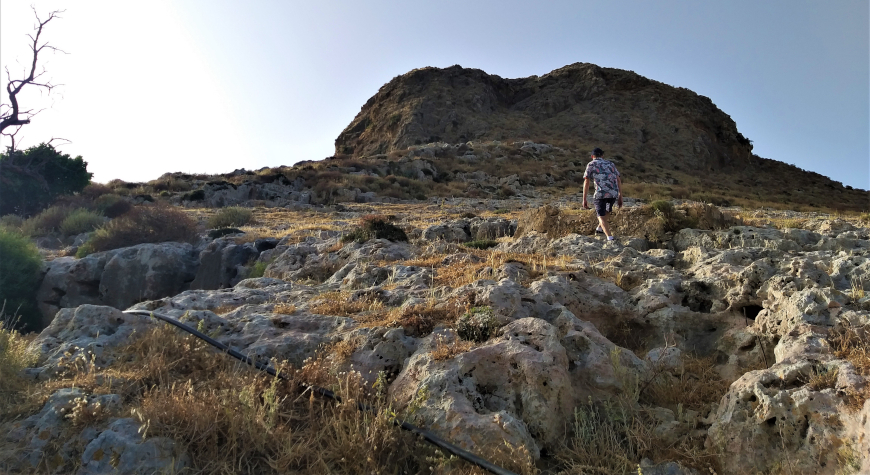
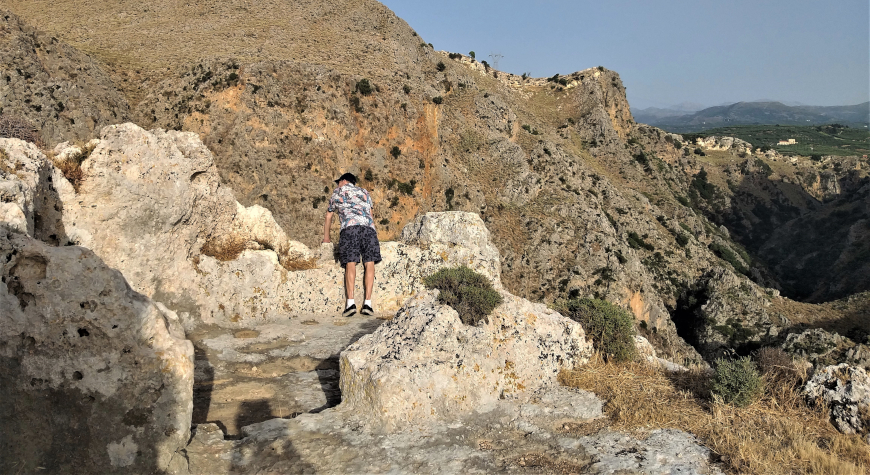
Αs we climbed the steep, rocky hill that June evening, we were glad to be wearing good walking shoes and relieved that we had avoided the midday sun. We wondered if we should venture all the way to the top, beyond the ruins we could see initially. There is even more to explore, including the remains of the acropolis and Byzantine fortress, as well as a stunning view of the surrounding landscape and the sea, as I learned from this drone video. However, at about 265 meters above sea level, the fortress appears very difficult to access, and we were adequately fascinated by what we found below it.
Photo by Lisa Radinovsky.
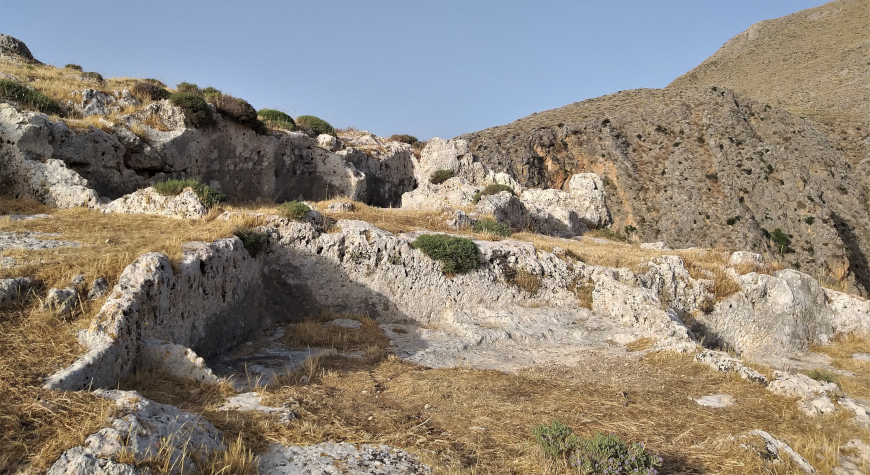
Remnants of walls carved into the rock of the hillside mark the boundaries of age-old rooms, some with doorsteps very close to the edge of the gorge. Their residents do not appear to have suffered from a fear of heights; a misstep could lead to a precipitous drop off nearly vertical cliffs.
Photo by Lisa Radinovsky.
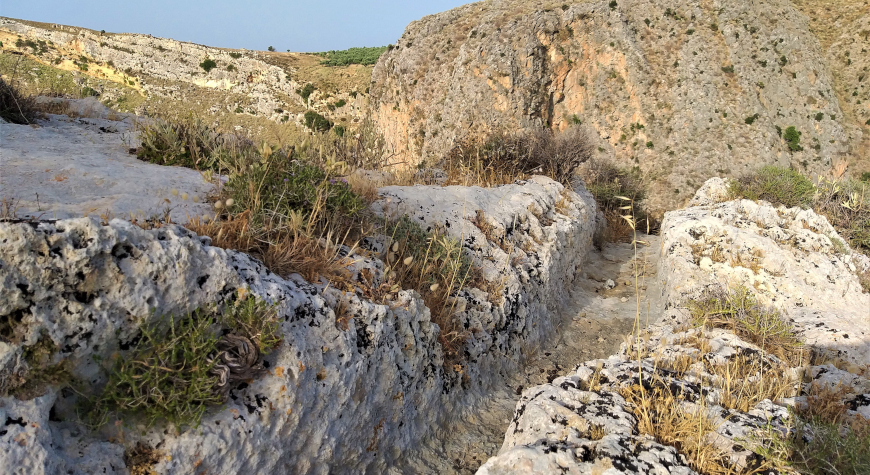
Grooves cut into the stone must have channeled water toward the gorge that runs between cliffs, heading back toward Biolea. A stone step or two remain here and there. According to Angelfire, “objects have been unearthed here that date from the 5th to the 2nd century BC.”
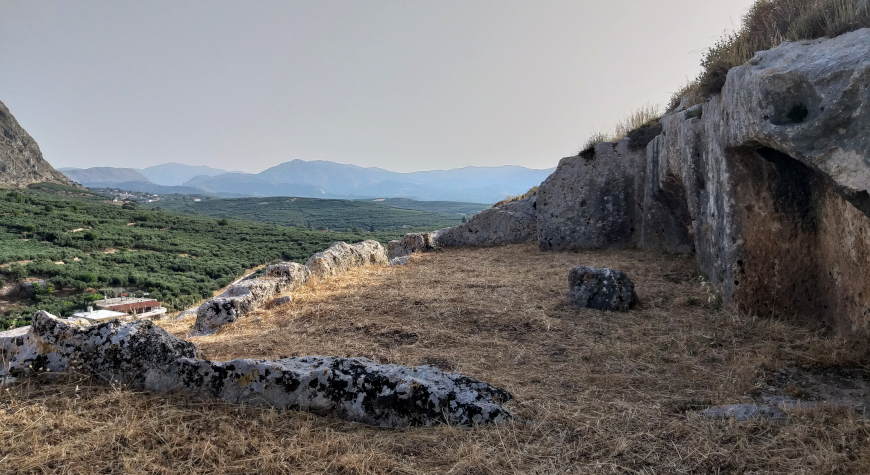
Higher up, we find small rectangular indentations and caves—very low-ceilinged little rooms, or animal shelters?–carved into the hillside. A curiously low doorway and wide rectangular opening are cut into the rock below dry grasses and wild shrubs that grow up to the edge of the stony ridge.
Photo by Lisa Radinovsky.
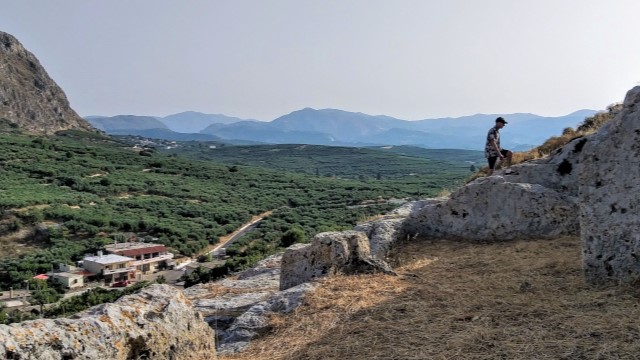
However it was used millennia ago, the flat area in front of the cave room and indentations now forms a wonderful observation deck. It offers a panoramic view of the steep, dry rocky hills across the deep gorge from us (to our left and in front of us), and below us to the right, plains covered with olive groves stretching beyond the handful of village houses toward the foothills of the White Mountains that fade into the distant south.
Photo by Lisa Radinovsky.
Earth tones predominated on that June evening: shades of brown, green, off-white, gray, black, and rusty orange beneath the pale blue sky of early evening, with a few delicate wildflowers adding tints of pink and purple and the slanting sun diffusing a warm glow. Consider visiting Ancient Rokka in the early evening on a clear, calm day if you appreciate the way the sinking sunbathes vistas of hills, cliffs, and olive groves in its gentle light.
*Originally published on Greek Liquid Gold: Authentic Extra Virgin Olive Oil (greekliquidgold.com). See that site for recipes with olive oil, photos from Greece, agrotourism and food tourism suggestions, and olive oil news and information.
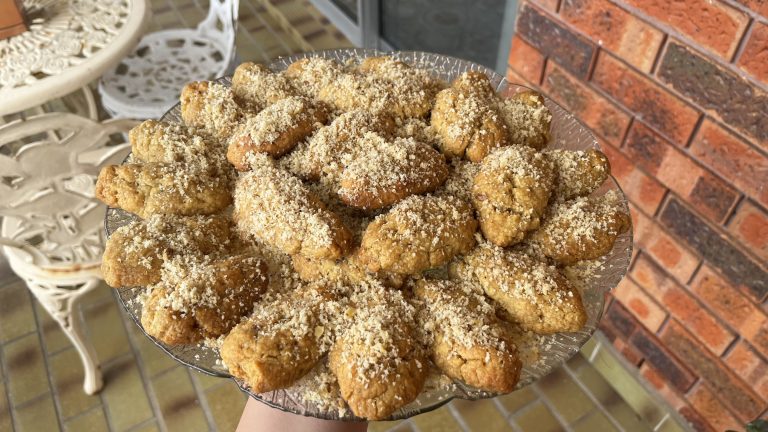
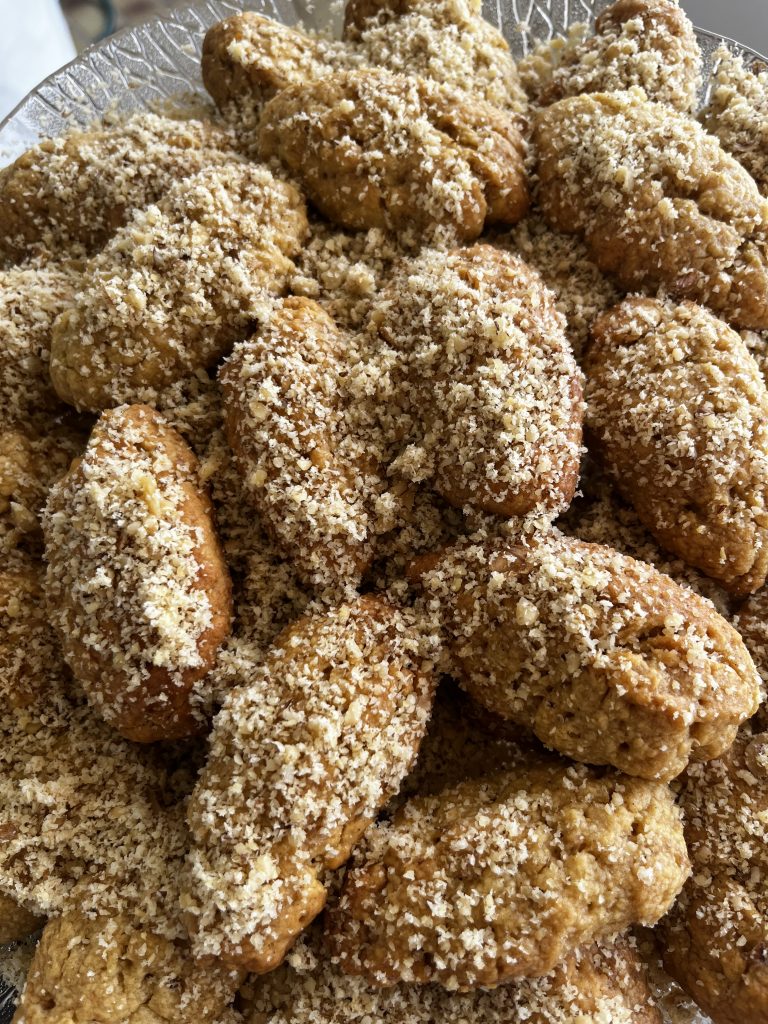
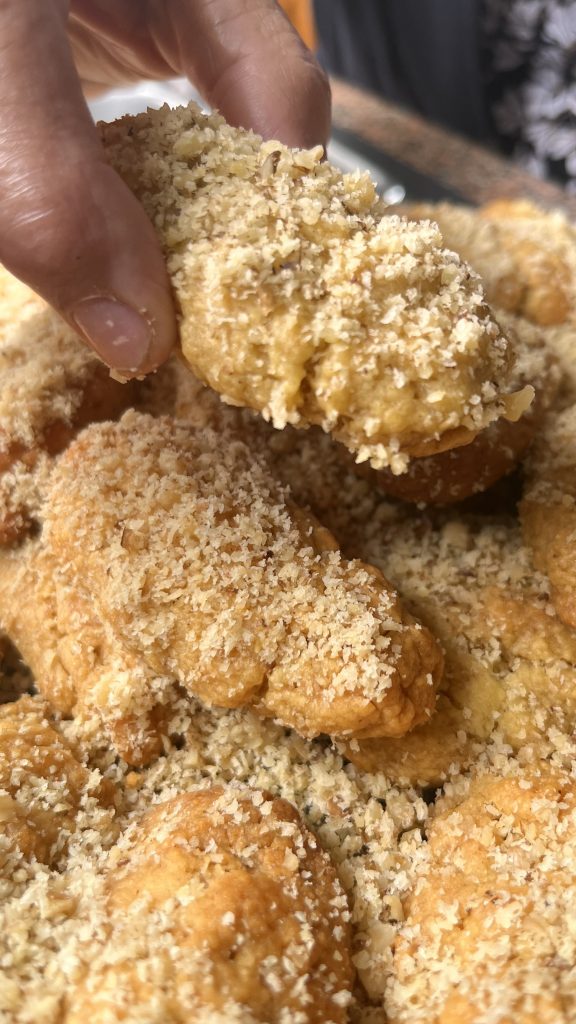
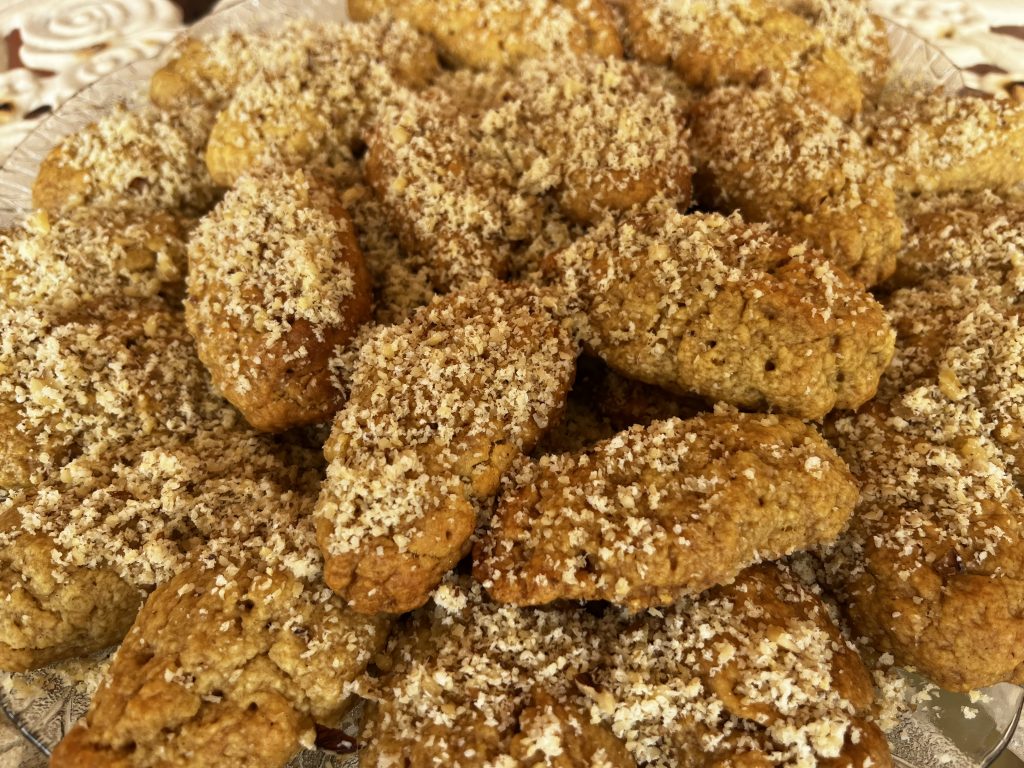
Melomakarona – the staple Greek Christmas cookie! This dessert is often served throughout the Christmas period as they have no egg or dairy and are perfect as a treat for those fasting.
The cookie’s name is a fusion of the Greek words “meli” meaning honey, and “makarona” which stems from the word “makaria” meaning blessed.
To make melomakarona, follow the recipe below. Check out our Instagram reel for a visual guide too @thegreekherald.
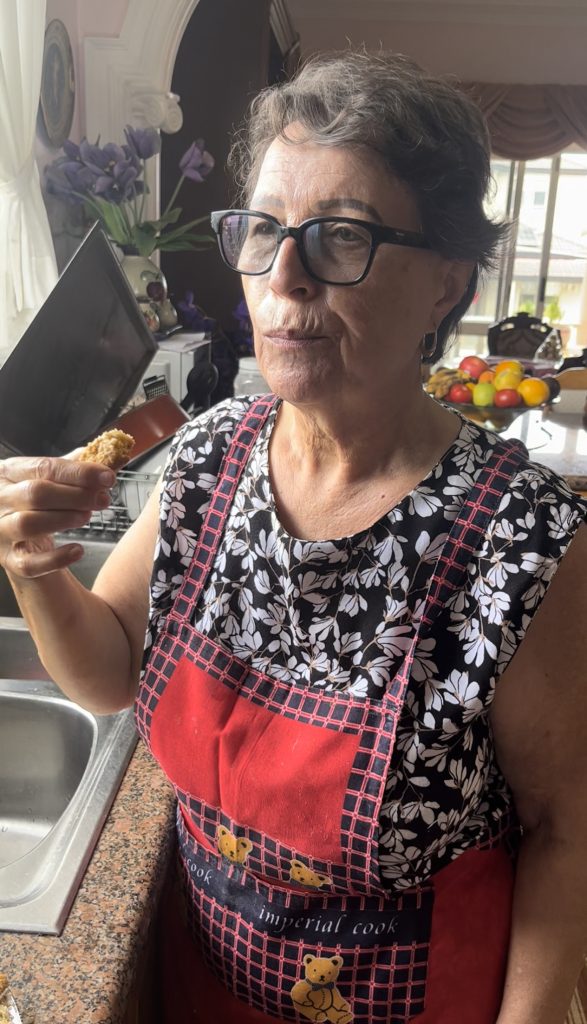
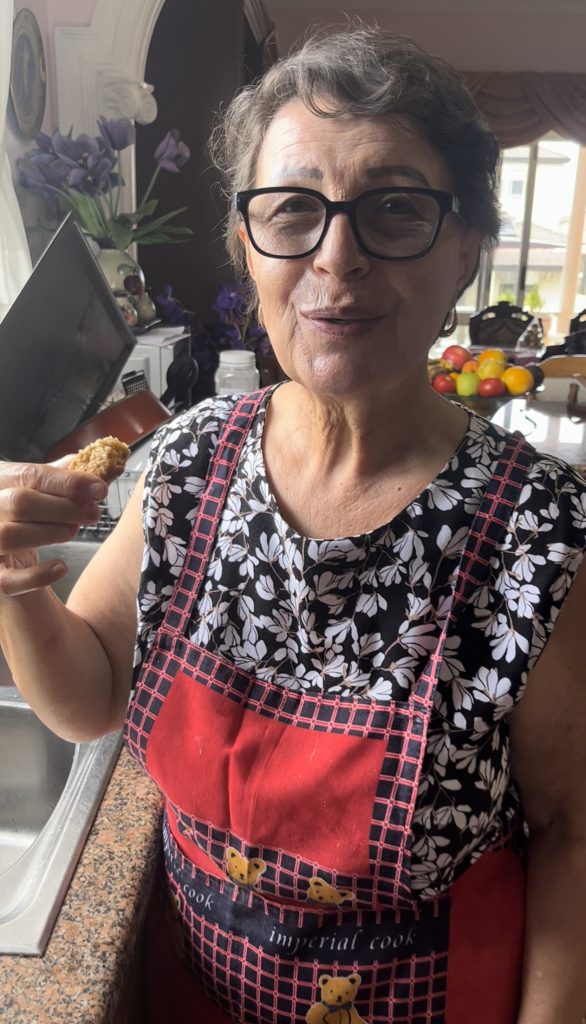
Yiayia Zoe enjoying a melomakarona. All photos: Pamela Rontziokos
Melomakarona Recipe:
Serves: 40
Cooking Time: 1hr 30 minutes
Ingredients:
Melomakarona mix:
½ cup of fine semolina
4 cups self-raising flour
1/2 tbsp baking powder
1/3 cup sugar
1 flat tbsp powdered cinnamon
1 tsp vanilla
1 tsp baking soda
1/3 cup of brandy
1/2 olive oil
1/2 cup vegetable/sunflower oil
Juice of 1 orange
Zest of 1 orange
Syrup:
1 1/2 cups water
1 cup sugar
1 cinnamon stick
A quarter of a lemon
Half an orange
1 cup honey
Decorating:
1 2/3 cups chopped walnuts
Method:
First, make the syrup. Add water, sugar, cinnamon sticks, lemon and orange in a pot and boil for 3-4 minutes (until the sugar has dissolved).
Remove the mixture from the stove. Then add the honey. Set outside so the syrup mixture can cool.
For the melomakarona dough, add olive oil and vegetable oil together. In a separate bowl squeeze one orange and add baking soda. Then pour the foamy mixture into oil.
Add semolina, cinnamon, vanilla, honey, orange zest and whisk together.
Pour flour and baking powder in a bowl and combine.
Start kneading the dough using your hands, until the dough is smooth and soft and slightly sticky. Make sure to not overwork the dough as it will become tough.
Preheat the oven at 180. Layer 4 baking trays with baking paper.
Let the dough rest for 30 minutes.
Pinch a portion of dough about the size of a walnut, 30g to be exact. Shape with your palms into a smooth oblong shape – similar to a small egg. Place on the baking tray, push lightly the top with a fork and pierce three times on top about halfway through the dough. Repeat.
Bake for 15-20 minutes, until the melomakarona are lightly and evenly browned and cooked through.
Once melomakarona is out of the oven, dip them immediately in the cold syrup, flipping them with a slotted spoon to absorb the syrup for approx. 10-20 seconds – depending on how syrupy you like them.
Remove the cookies using a slotted spoon, place on a platter and sprinkle with chopped walnuts.
Store your melomakarona at room temperature in an airtight container and they will last for all your Christmas holidays!
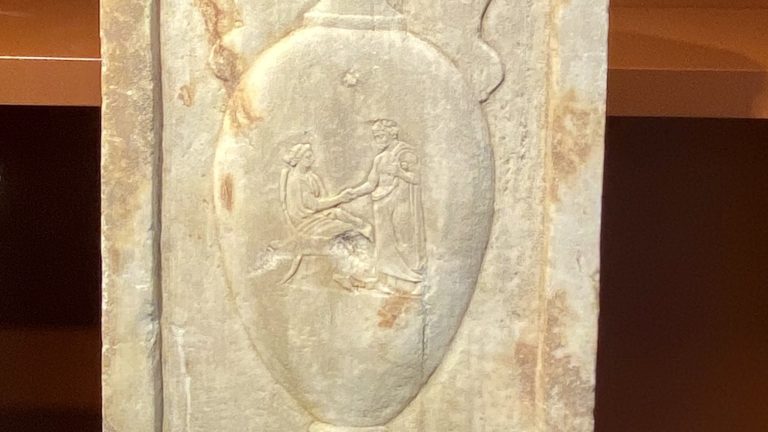
An ancient funerary stele that was returned to Greece by British authorities was revealed to the public at the Epigraphical Museum in Athens on Tuesday, AMNA.gr has reported.
The funerary stele’s provenance is lost because it was the product of smuggling, but it is said to date back to the 4th century BC.
Stylistic details and the white, fine-grained Pentelic marble indicate it was made in Attica – the ancient district of eastern Greece.
— Υπουργείο Πολιτισμού και Αθλητισμού (@cultureGR) December 20, 2022
The stele made its way onto a Christie‘s catalogue for an auction on December 8, 2021, when it was flagged for further research by the Greek Culture Ministry’s Directorate of Documentation and Protection of Cultural Goods.
At the time, the funerary stele was given a starting price for 60,000 to 80,000 British pounds. It was eventually determined the ancient monument was a product of antique smuggling.
Greece’s Minister of Culture and Sports, Lina Mendoni, said since the origin of the monument could not be determined so far, it will remain in the Epigraphical Museum of Athens.
Australian indie pop star, Eves Karydas, has faced many obstacles in trying to break into the music industry but she says there was one that almost caused her to leave the cutthroat scene.
Karydas revealed to the Daily Telegraph, that she was one of many female artists who received the controversial advice to promote her body before her music on social media platforms.
The artist went offline earlier this year before returning to her socials stating that she did what the industry wanted but needed to take some time away.
“I need time away from pretending like everything is awesome for the purposes of social media,” Karydas wrote on social media.
“I’ve posted thirst traps, marketed myself as a ‘hot girl’, obsessively checked likes, read comments, puked at the gross misogyny it incites but also secretly craved the attention.
“And for what? All because I was told that was how to get ahead in this industry? Because I was constantly told I’d have to readjust my expectations of success if I did any differently?”
Karydas said that the pressure was enough to make her consider quitting her music career.
“I felt I needed to quit and just do something else, so I shelved music for a bit. I went and did a woodworking course,” she concluded.
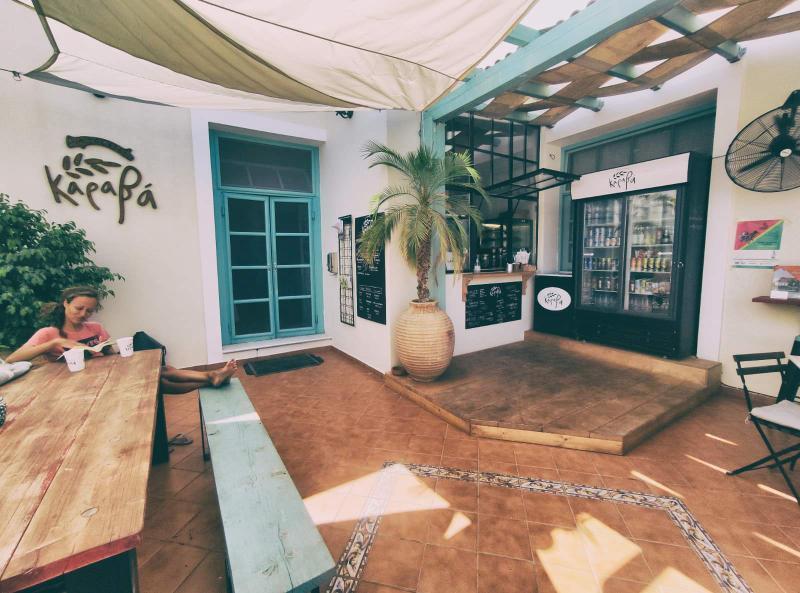
In the northern part of Greece’s Kythera Island, there is a small village named Karavas. It is so remote, that visitors end up there either to visit a relative or in most cases because they pick the wrong turn off the main road.
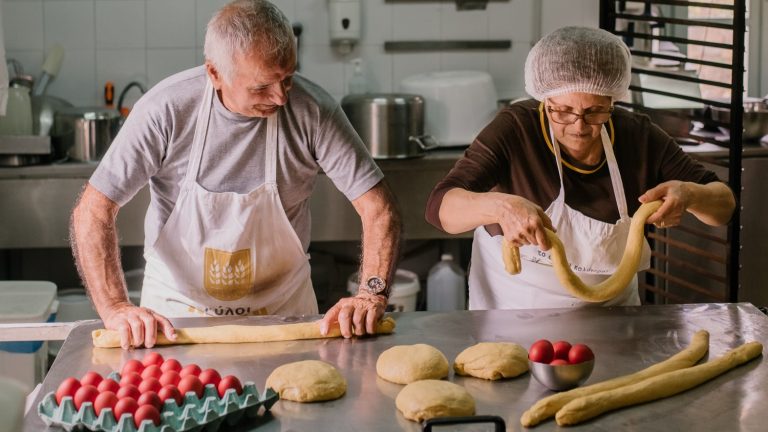
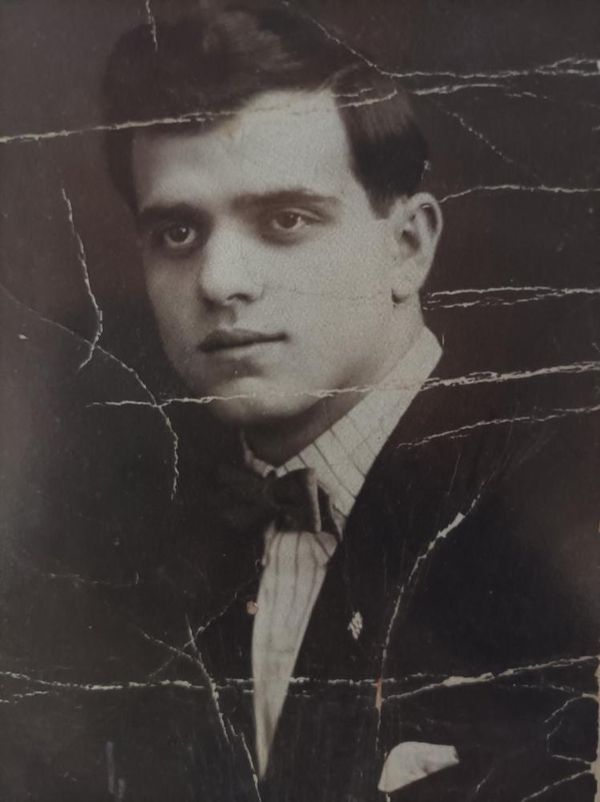
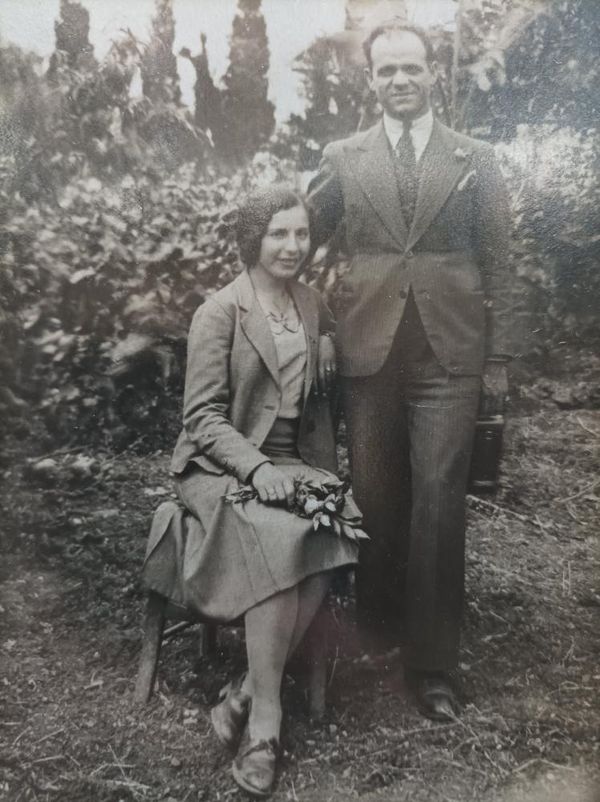
Tucked away somewhere in the village, there is a traditional bakery carrying 90 years of history and a unique family story within its walls that intertwines Greece and Australia.
It was 1932 when young Dimitris Koronaios moved to Australia with his family. The migration wave had already started at the beginning of the century and the Kytherians who were returning to their homeland had started spreading the word that Australia was “the promised land”.
“The conditions there were ideal for someone to build a career,” Pavlos Koronaios, Dimitris’ grandson, tells The Greek Herald.
“The rumour started spreading. People started their migration journey and said goodbye to friends and family knowing that probably they would never see each other again.”
Dimitris, Pavlos’ grandfather, was a hard-working person and hungry for knowledge.
“Judging from what he would later create, he also had an amazing plan,” Pavlos adds.
The creation of the olive mill
In his 30s, having raised money and gained experience from doing odd jobs in Australia, Dimitris decided to come back to his birthplace. He left everything he had built Down Under and although at the time his decision would seem crazy to his friends, he never looked back.
“He did it because of the strong bond he had with his roots. He was missing Kythera and Greece,” Pavlos says.
“When my father, who later spent a part of his life in Australia too, talks about his time there, he says that there was not a day he would wake up in the morning without the desire to come back home.”
However, at the time, life in Kythera was hard. The island, a place of magnificent natural beauty, was isolated but this did not deter Dimitris from taking the risk to open the most modern olive mill of its time.
“What made it unique was neither its size nor the architecture, but rather the machines. It was the first mechanical-motion mill,” Pavlos explains.
When Dimitris, who by then had become an influential figure on the island, passed away at the age of 57, his son, Giannis Koronaios, had already started his own journey to Australia.
At the time, another migration wave had begun and businesses on the island started closing. The olive mill, which had already changed hands, closed its doors in 1964.
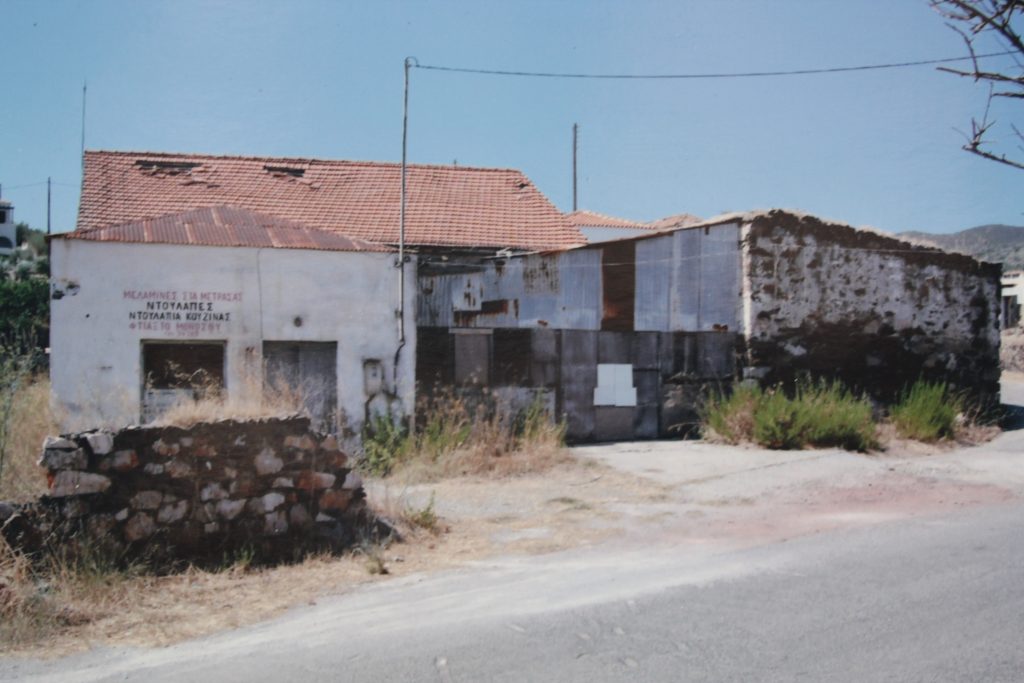
For 40 years it was a building with old machines.
“A warehouse full of memories and garbage,” says Pavlos.
When he was born, the mill was next to his home and he has fond memories of growing up around the abandoned building.
“I would get inside and try to guess what was in there. It was like a treasure hunt for me,” he adds.
Back to the family
The abandoned mill would be Pavlos’ father’s painful desire for many years. The first time he went to Australia his sister was already there and he worked in restaurants.
“He taught us not to be afraid of trying to do something we loved even though we didn’t know how,” Pavlos says.
When he came back to Athens, his father became a fuel tanker driver. Later on, he moved to Kythera where he opened a souvlaki restaurant. Three years after Pavlos’ birth, in 1983, the family returned to the capital of Greece.
“My father was sad because his father’s heritage was deteriorating,” Pavlos reflects.
“I remember him making plans about how the building could be used. He was talking about the olive mill with love. There was something he had to fulfill first. Find his way back to the island”.
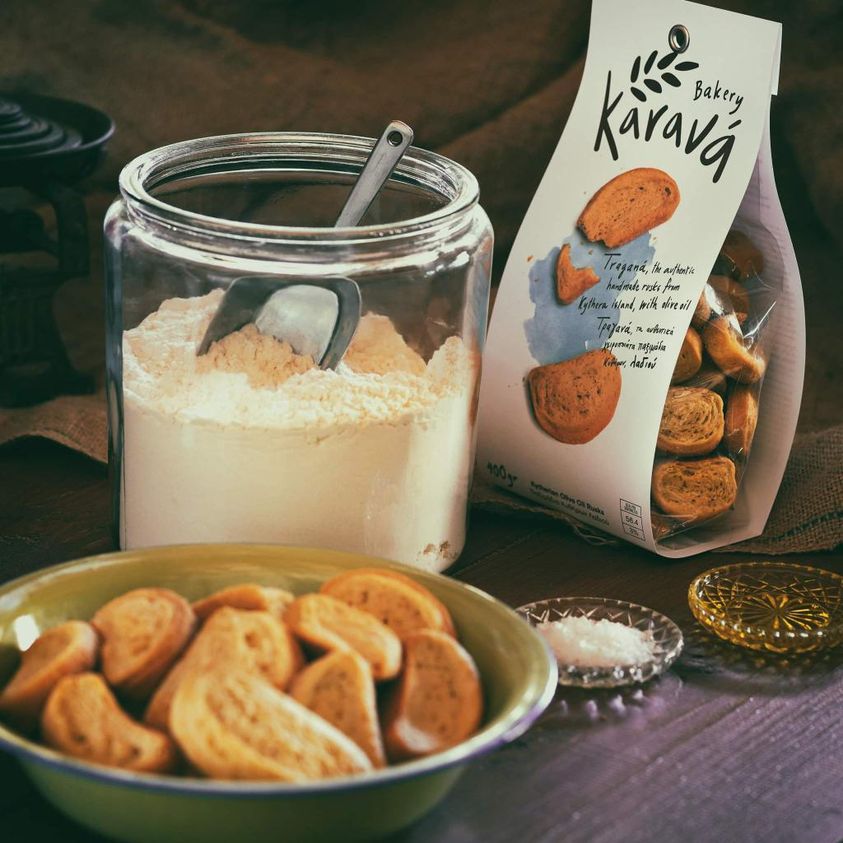
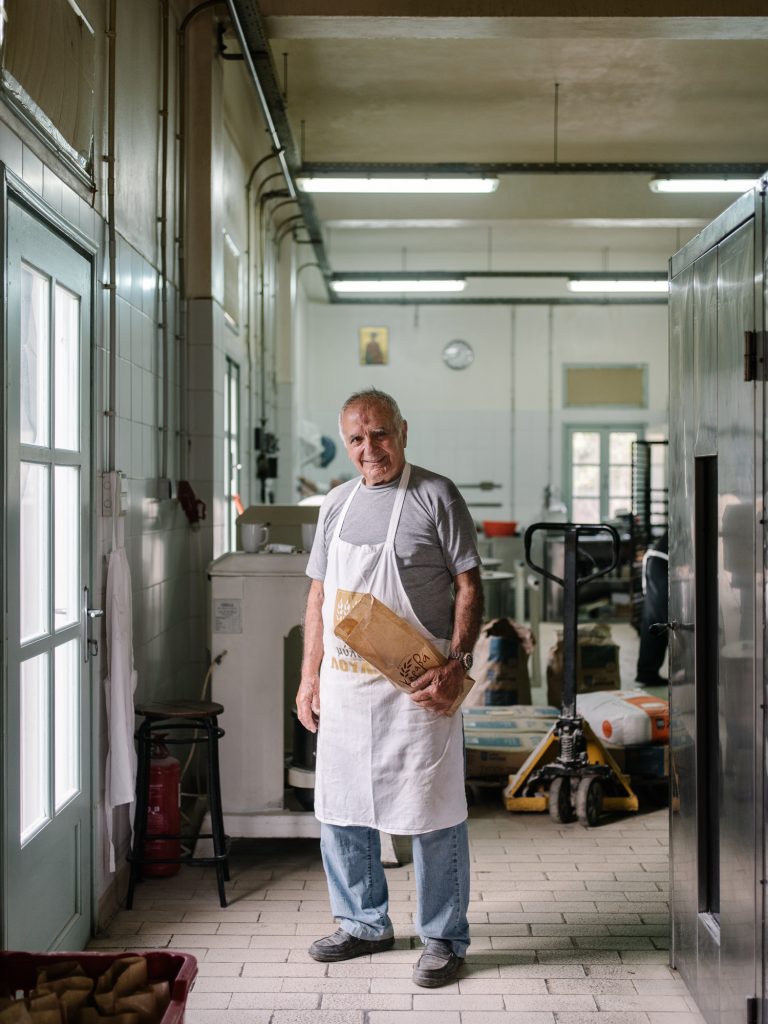
When Giannis heard about an opportunity to be a partner at one of the three bakeries of Kythera, he didn’t think twice. In 1992, he returned home. This was his first contact with oil rusks (paksimadia).
Pavlos grew up with his father’s dream. He visited Kythera every summer for three months. One night, in 1992, he helped him until he fell asleep exhausted on a bag of flour.
“One of the most magical characteristics of a bakery is its smell. It reminds you of home, and the figures of pappou and yiayia,” he recalls.
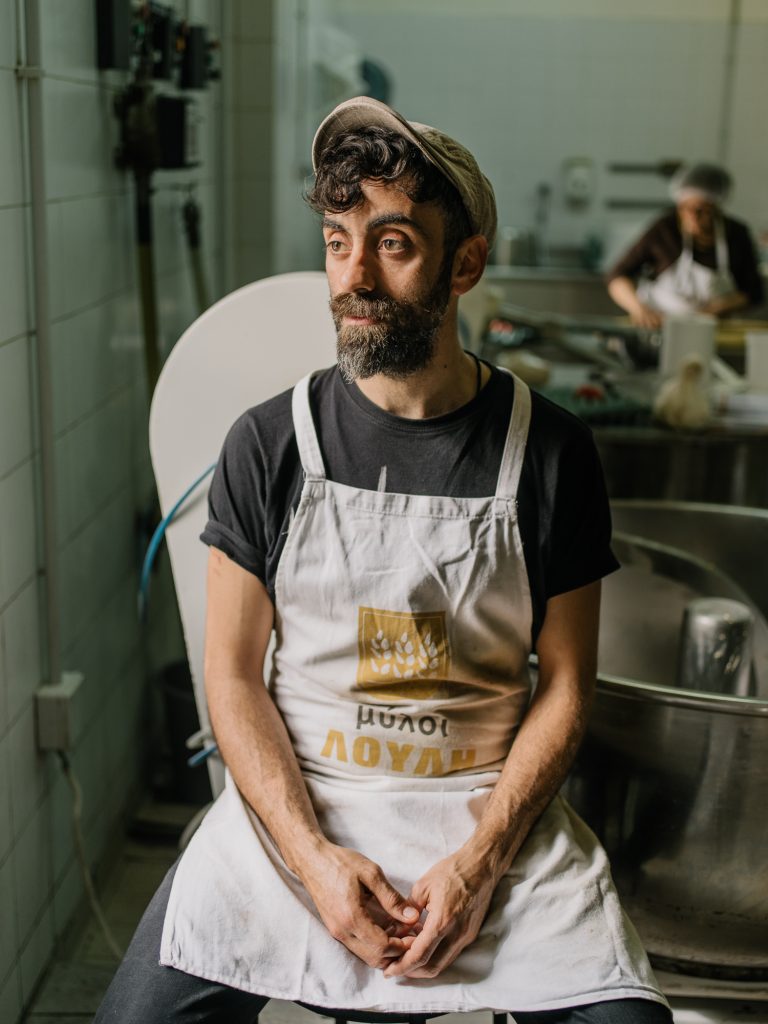
He was 23 when, fed-up of the fast-paced life in Athens and urged by the desire to give back to the community, he moved to Kythera shortly after.
Present and past united
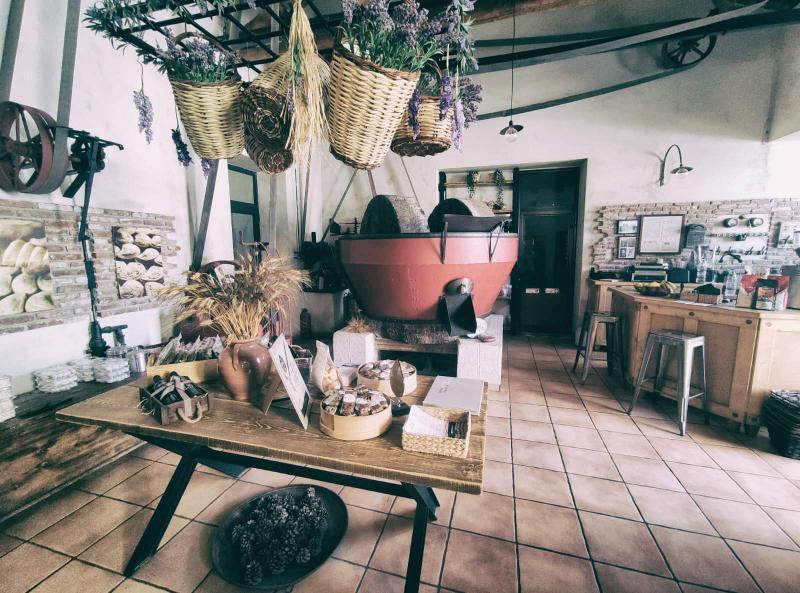
When the first ‘European development’ funding programs started in Greece, Pavlos and his family had the idea to restore the old olive mill and turn it into a bakery.
Pavlos.
“Until our opening in 2006 we were facing the same doubts that my grandfather faced. People said it would not succeed. Everyone was saying that it was an amazing idea, just in the wrong place,” Pavlos remembers.
But it was not. The Karavas bakery took off – proving that dreams can indeed come true.
When the collaborations with big supermarket companies began, oil rusk would become a symbol of change for the Kytherian village.
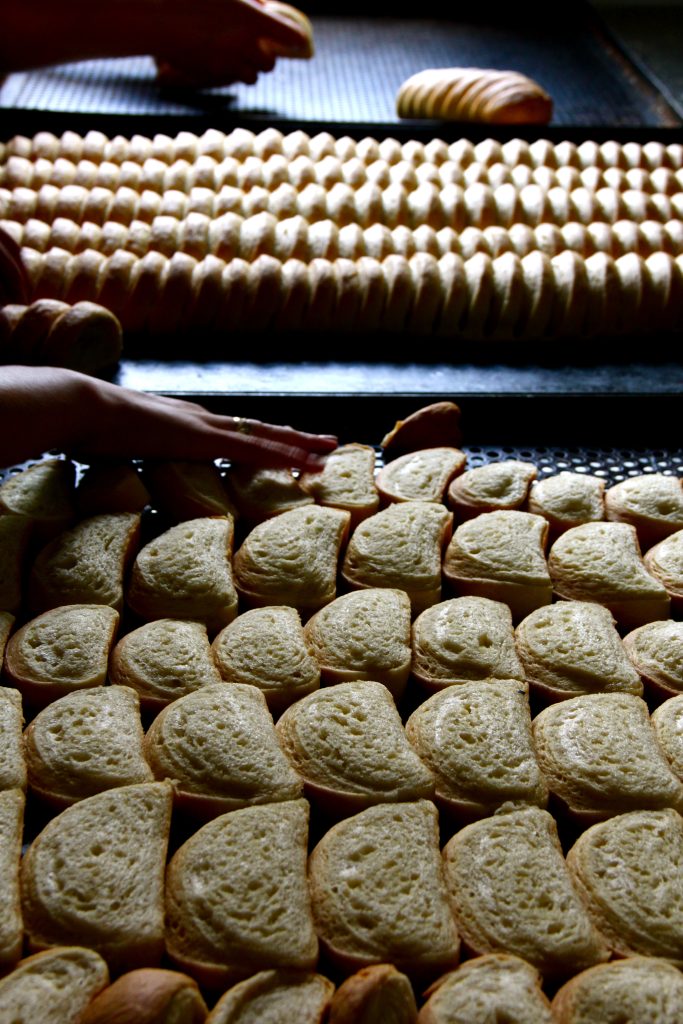
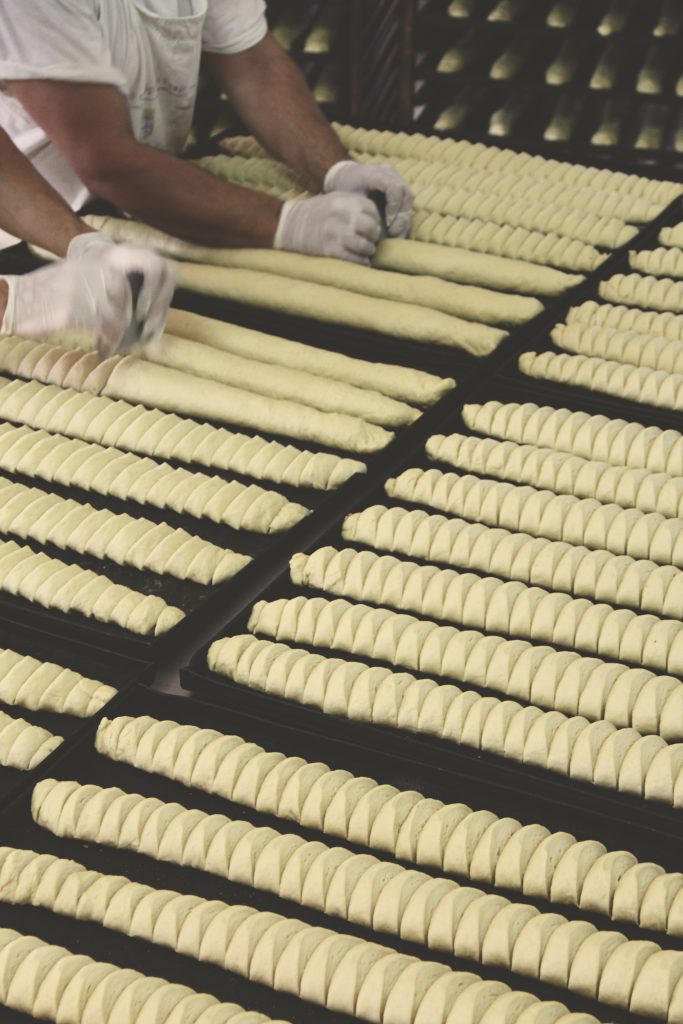
It was a local product, exported to many countries around the world. Karavas bakery would become a fundamental part of life on the island, giving jobs to 20 islanders, producing daily more than 1.5 tonnes of rusk and making the village known for its authentic products. People would come just to take a look at the olive mill, smell the pastries and taste a little part of history.
As for the Kytherians in Australia, the taste of home would get back to them in a package.
Pavlos’s father
“Australia was a ‘must’ export destination. Around 60,000 Kytherians live there,” Pavlos explains.
At the beginning of the pandemic a collaboration started and now Greeks in Australia can find Karavas’ bakery oil rusks in fruit shops and restaurants around Sydney, Canberra and Melbourne.
“I know that we have created a very strong connection with Australia and even though it has faded a bit through the years, it is now strong again through the… path of the rusk. It is the perfect way to do it,” Pavlos concludes.
“People say ‘an image is worth 1000 words. But let me tell you, a bite is worth a million.”
Djurdjevic (2009) has said that the Balkan Peninsula generates more history than is able to consume. One tell-tale instance of Djurdjevic’s claim veracity is the nature of customs, rites and tales incorporated by the intense movement of population throughout the Balkans and mainly in the Eastern Rumelia and Thrace. The distinctiveness of Christmas celebrations is confessed and unique to the rest of the state.
This is a look into a folklore Christmas custom that takes place in Isaakio, Thrace: Pourpouris, an awe-inspiring performance with Pourpouris the main character, attracts the attention of local and occasionally nationwide media and interest and holds a rich history tracing back to the Asia Minor refugees.
Pourpouris is one of the “Ragouatsaria” (or “Ragoutsia”) rituals, that refer to the masquerades who move about singing festive traditional “kollianta,” the Christmas carols. Pourpouris revitalises a rite that dates back to the refugee ancestry of Thrace. In many ways, the performance of folklore could be called an exercise in behaviour modification (Wilson, 2006). Through the things people make with their words (verbal lore), hands (material lore), and their actions (customary lore), they attempt to create a social world more to their own liking (Wilson, 2006). Indeed, when [people] tell a story, or make a quilt, or perform a ceremony, they are usually attempting through the power of artistically successful forms, to influence the way people act, including at times, themselves (Wilson, 2006).
Refugee Origins:
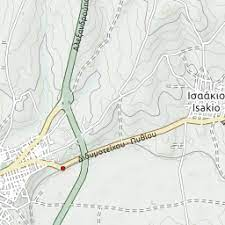
Isaakio is a lowlander village of Thrace, on the frontiers of Turkey and the Evros river. According to a 2011 census, 407 permanent residents live in Isaakio. Pourpouris is also celebrated in Cheimonio, another lowland village of Thrace.
Isaakio village on the map.
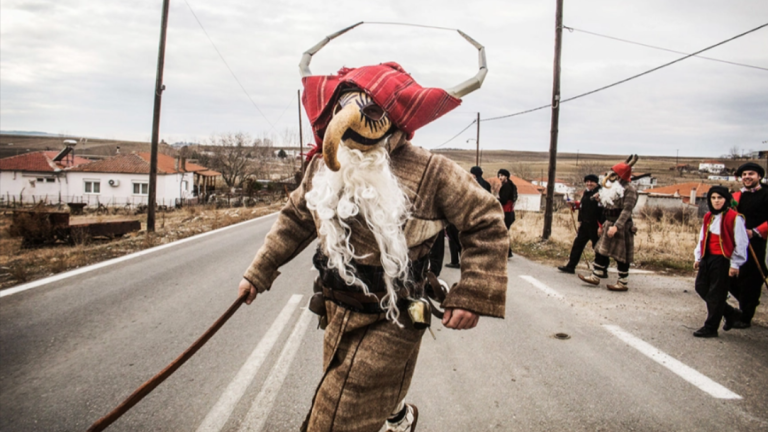
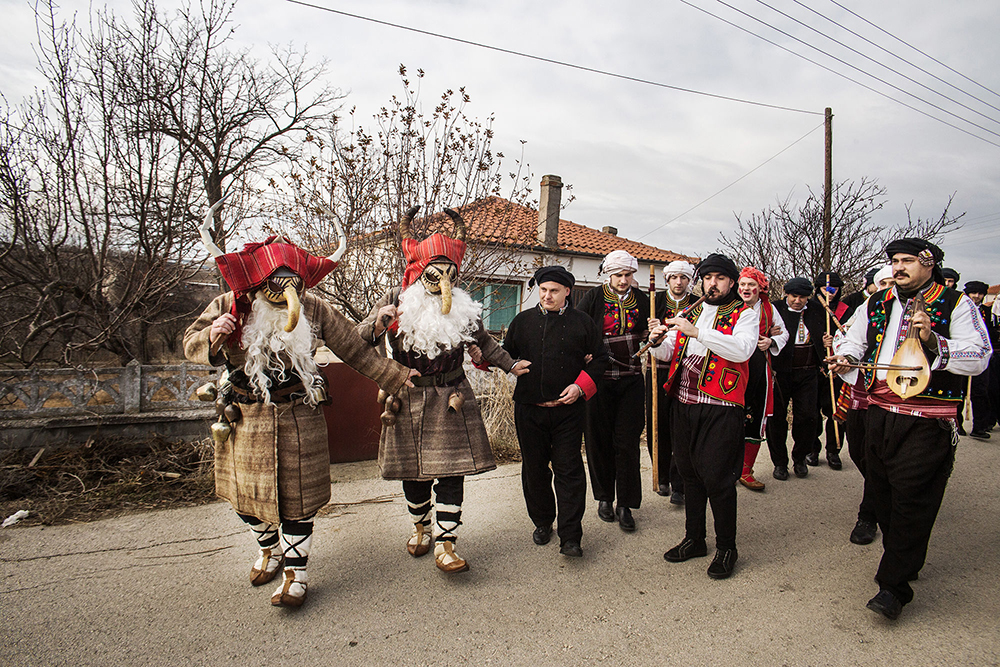
During the Twelve Days to Nativity, it was customary and characteristic of the inhabitants of the village Isaakio to disguise as a reminder of the festive time period (archaiologia.gr, 2016). The residents of Isaakio animated the custom of Pourpouris on the second, oftentimes even on the third day of Christmas: Pourpouris arrived with the 1922 “Sakpasiotes” as they were called, refugees from the seven villages opposite Eastern Thrace during their relocation there (archaiologia.gr, 2016). Pourpouris, the imposing, goblin-looking, horn-carrying creature, is vested in sheepskin and goes around the houses to sing the Nativity songs, “kalanta.”
As explained by Wilson (2006) folklore calls forth three broad categories: Things people make with words (verbal lore), things they make with their hands (material lore) and things they make with their actions (customary lore). Of course, Wilson elaborates (2006), many forms of folklore, overlap these categories. Such is the case of Thracian Pourpouris: a verbal, material, customary lore at once.
Pourpouris is vested in sheepskin and traditional, embroidered winter clothes to protect the wearer from the bitter cold of Thrace, sings Christmas songs and dances to the traditional instrumental music of Thrace.
The Celebration:
Central figures of the custom are Pourpouris, the masquerade and his wife, Kortopoula (Efstathopoulou). Pourpouris wears bells that symbolise the hardships of the winter, and his disguise is meant to inspire fear to scare the evil spits aways from the village, meant to disappear during this holy time of the year. Kortopoula, his wife, stands for the fertility of the land, in extension the upcoming springtime and the blooming of nature. Since the rite is revived only by men, Kortopoula is actually a disguised man. Pourpouris chases away the men who attempt to approach his wife. The whole village takes part in the custom, singing, dancing, playing tricks and giving away treats and Christmas delicacies (Efstathopoulou).
Meaning:
Folklore persists through time and space because the things people traditionally make with their words, hands and actions continue to give pleasure and satisfy artistic impulses common to the species (Wilson, 2006). Folklore persists also because it continues to meet basic human needs, says Wilson (2006).
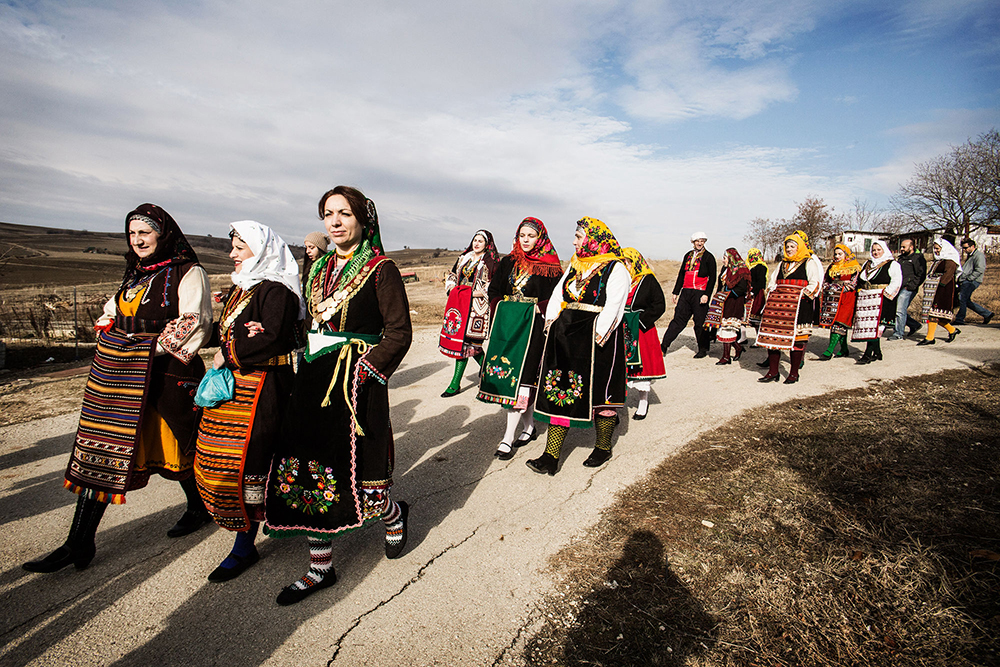
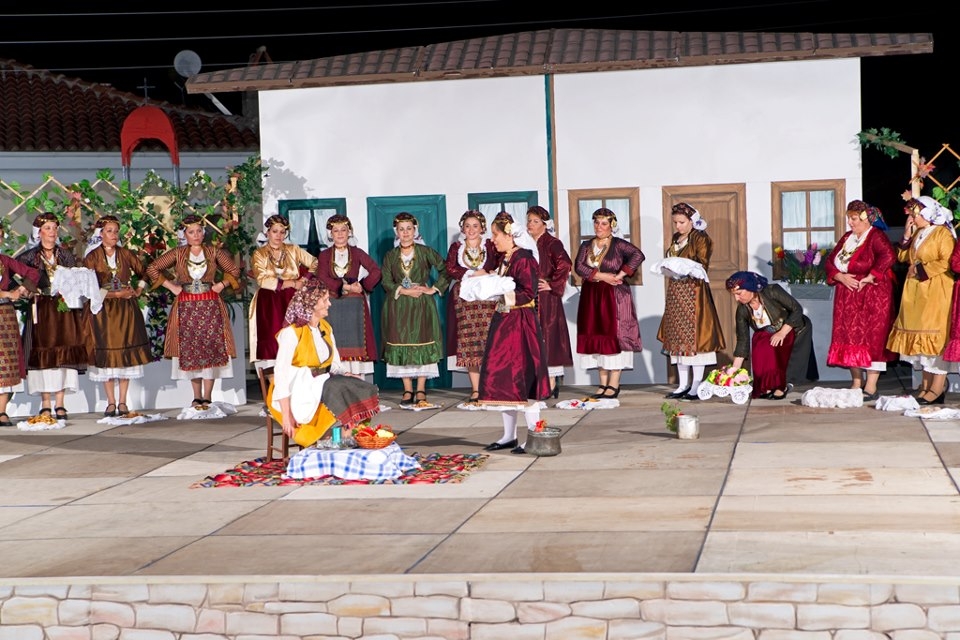
Another custom that arrived with the refugee women from Eastern Romelia and that has taken roots is the gynecocratic custom of “Mpampo”: Mpampo, the eldest woman in the village, who is also the midwife (deserving a special status and respect by the members of the community). The married women of the village take Mpampo and, in a pompous march walk her around, singing sarcastic songs, while men are excluded from any participation. In case a man attempts to approach, the women hunt him down, throw water at him and undress him-the piece of the removed attire is then set up for auction. Following the completion of the celebration, the married women and Mpampo retreat and have a feast, secluded. The women make merry, eat and drink, sing and dance, all in exaggeration.
The custom of “Mpampo.”
The custom of Mpampo takes place every year on the 8th of January the Nea Petra, Monokklisia and Charopo of Serrai. According the ethnological standpoint, the Mpampo custom traces back to the ancient Greek times, as it clearly recalls the Thesmophoria and the Aloa, that were held during the same time of the year (San Simera).
References:
Archailogia.gr. (2016). H «Μπάμπω» και ο «Πουρπούρης». Θράκη: Δώδεκα Μέρες Γιορτής. Η «Μπάμπω» και ο «Πουρπούρης» (archaiologia.gr).
Σαν Σήμερα. Το Έθιμο της Μπάμπως. https://www.sansimera.gr/articles/487
Hobsbawm, E. (1983). Introduction: Inventing Traditions. In the Invention of Tradition, ed, E. Hobsbawm & T. Ranger. Cambridge: Cambridge University Press.
Mccormack, T. (1969). Folk Culture and the Mass Media. European Journal of Sociology / Archives Européennes de Sociologie / Europäisches Archiv für Soziologie , 1969, Vol. 10, No. 2, Myths and Mass Media (1969), pp. 220-237. Published by: Cambridge University Press. Stable URL: http://www. jstor.com/stable/23998659.
Nagel, J. (1994). Constructing Ethnicity: Creating and Recreating Ethnic Identity and Culture. Social Problems41:153-76. Oxford University Press on Behalf of the Society for the Study of Social Problems. Stable URL: https://www.jstor.org/stable/3096847.
Wilson, W. A. (2006). Documenting Folklore. In J. T. Rudy & D. Call (Eds.), Marrow of Human Experience, The: Essays on Folklore by William A. Wilson (pp. 81–104). University Press of Colorado. https://doi.org/10.2307/j.ctt4cgkmk.10
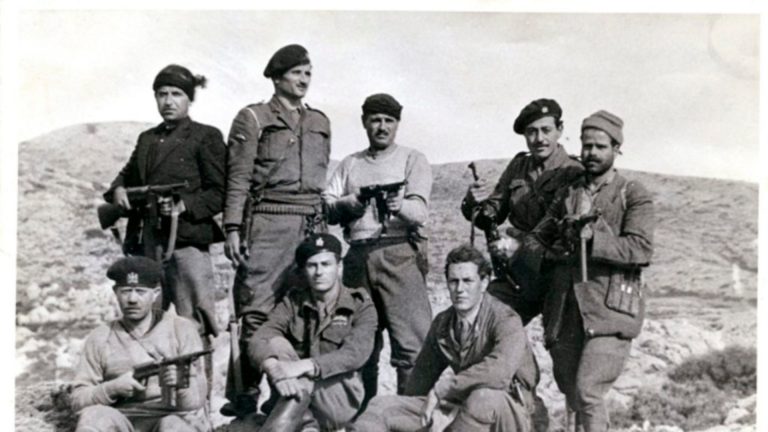
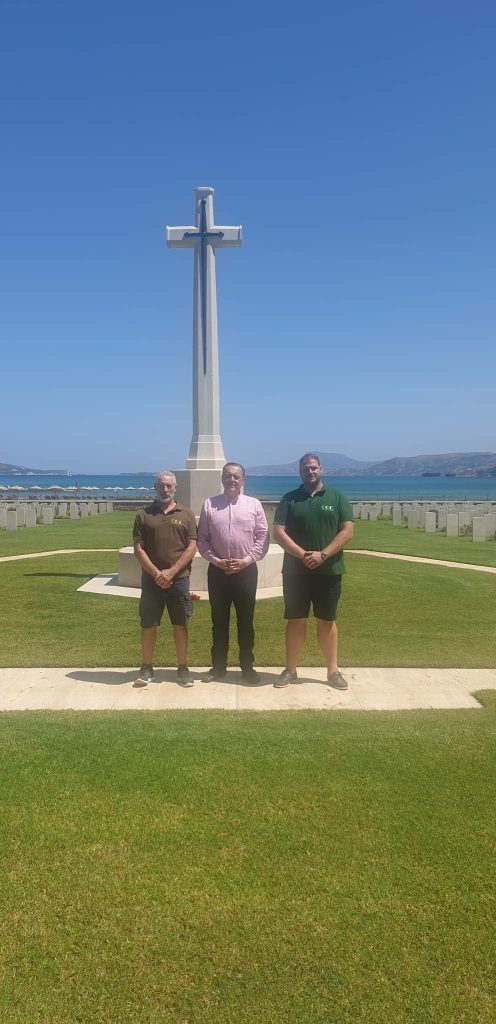
The Cretan Federation of Australia & New Zealand, in conjunction with the Cretan Commemorations Committee – The Battle of Crete and the Resistance which is based in Crete and the Battle of Crete & Greece Commemorative Council in Victoria, have embarked on a project titled The ANZAC & Allied Trail of Crete.
The project is about the mapping of a large network of routes throughout the island, the placement of information signs with historical narration and photographic material on them, the development of 3D electronic maps that will be presented on a website and possibly also in an electronic application and many other parallel actions that will frame the central idea.
This large project aims to highlight the historical events of the Battle of Crete through the actual routes followed by the ANZAC & Αllied forces during the battle, the evacuation and points of great interest from the preparation of the defence of the island to the occupation that followed.
In a press release, the Federation said the families of a few ANZAC veterans who are still alive in Australia, NZ, England and Greece, have “shown enormous interest in going to Crete and walking the trails of there fathers, grandfathers, uncles and brothers.”
“The organisations involved feel it’s their duty to make this project a reality. The involvement of the younger generations and the passing on of historical knowledge is a duty for every Cretan, anywhere in the world,” the Federation added in the press release.
The preparation of the project requires historical research which will be carried out in collaboration with historians, authors, researchers, collectors, and a large network of people with knowledge of the Battle of Crete and the Resistance that followed.
The Cretan Federation, the Cretan Commemorations Committee and the Victorian Battle of Crete Commemorative Council will conduct the above research and invite the cooperation of the general public, self-governing bodies, collectives, and private individuals, local, state and Federal Governments to partake.
The meetings in preparation conducted by both Antonis Tsourdalakis and Giannis Thimianos with the Municipalities of Chania, Rethymno, Iraklio, Apokoronas, Ag. Vasiliou and Sfakia have concluded in a positive and enthusiastic manner, during August 2022.
The entire proposal has also been presented to the Hellenic National Defence Forces who have also given their full support moving forward, through the Ministry for Defence.
This gives the project the impetus it deserves and triggers the start of the research required for the specifics, that will consist of the historical and economic-technical study within a short period of time.
All stakeholders invite anyone interested in joining this project to reach out via email at admin@cretan.com.au
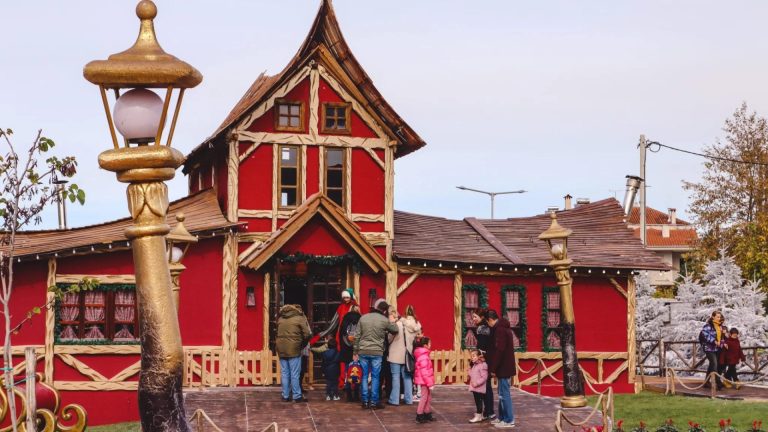
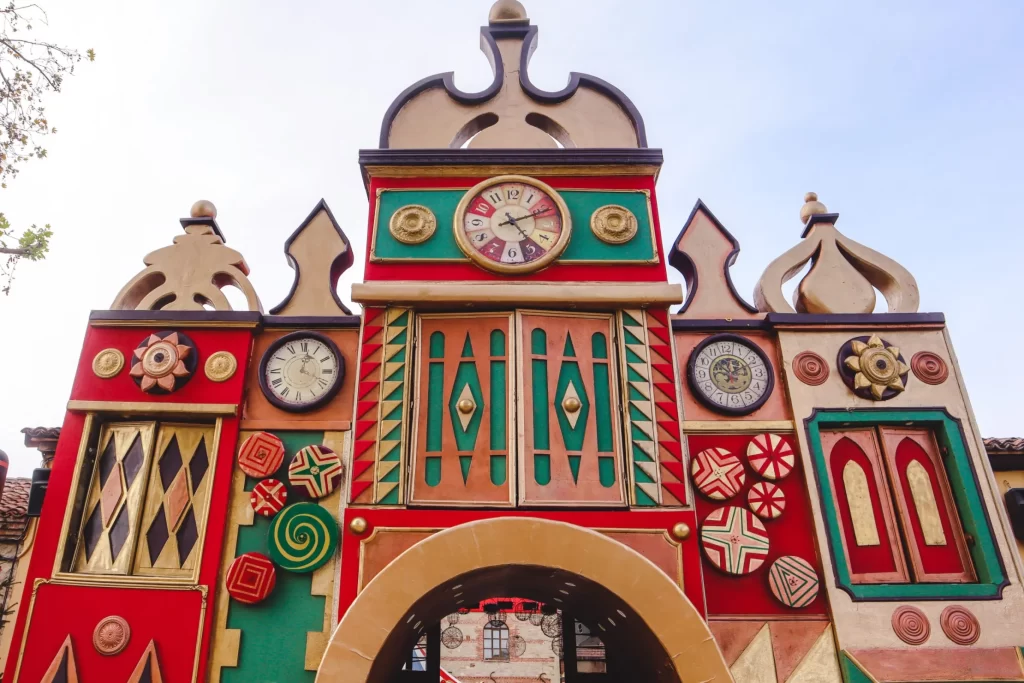
The small city of Trikala in Greece’s northwest hosts an annual smart Christmas market with autonomous vehicles and robots that deliver Santa’s letters, CGTN has reported.
The festive market attracts around 40,000 visitors every weekend.
“Here in the city of Trikala we have fully autonomous vehicles travelling around the city centre,” software engineer, Loukas Vavitsa, said about the market.
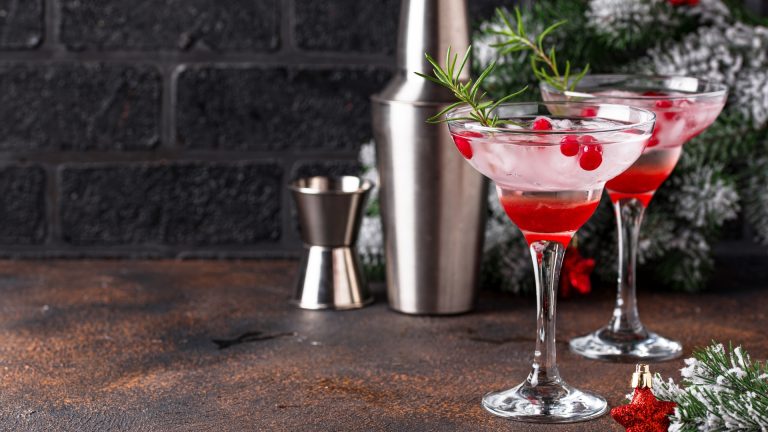
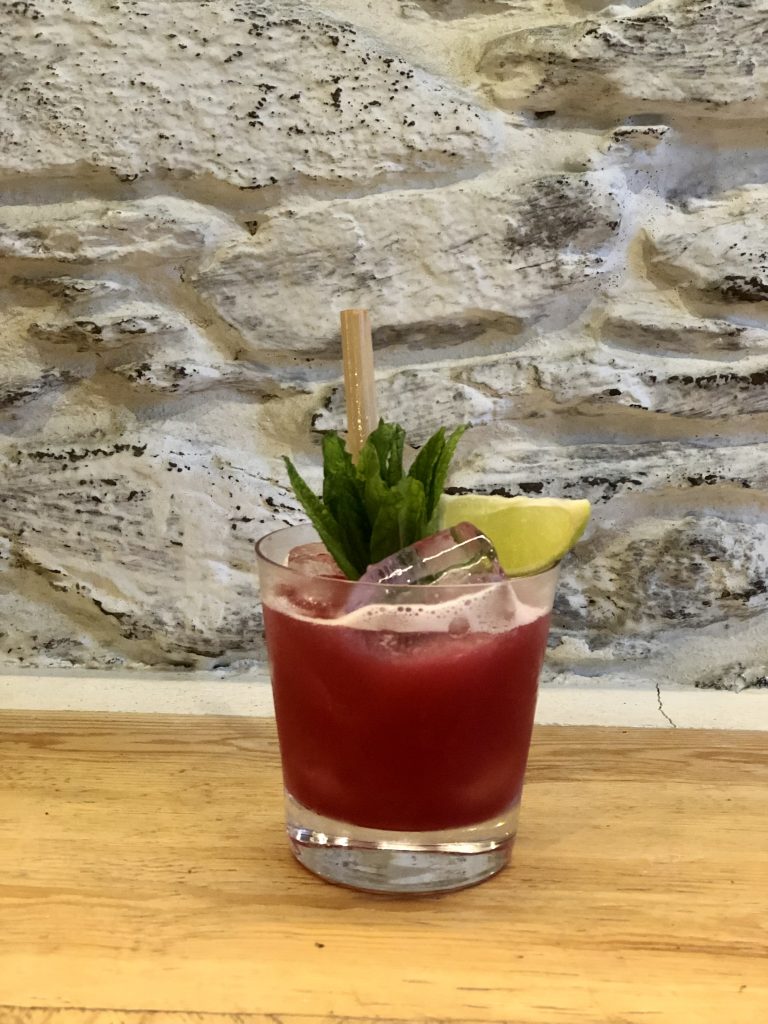
The Greek Herald are sharing three Greek-inspired cocktails for your Christmas table. For those who are avoiding alcohol this silly season, there’s also a sweet little mocktail on the list.
Cocktail:‘The Night Before Christmas’
Ingredients:
40 ml Mastiha
30 ml red Wine
30 ml strawberry puree (or marmalade)
30 ml lemon juice
15 ml vanilla syrup
Instructions:
Fill shaker with 2/3 ice.
Pour ingredients into shaker.
Shake for 15 seconds.
Empty shaker into wine glass.
Garnish with mint and strawberries.
Cocktail: ‘Mrs Claus’
Ingredients:
50 ml gin
10 ml rosewater
2 tsp peach marmalade
30 ml lemon juice
Instructions:
Fill shaker with 2/3 ice.
Pour ingredients into shaker.
Shake for 15 seconds.
Double strain over a coupe glass.
Garnish with lemon peel.
Mocktail:‘Jingle Bells’
Ingredients:
2 tbsp marmalade
50 ml grapefruit juice
20 ml lime juice
10 ml sugar syrup
3 basil leaves
Instructions:
Pour ingredients into highball glass.
Stir well so marmalade is mixed with the rest of the ingredients.