Pop culture star from Sex and the City, Sarah Jessica Parker, says making lemon potatoes is her way of “trying to get to Greece.”
In a New York food blog Grub Street that has resurfaced recently, Parker said: “Lemon potatoes are what I do. That’s me looking for the holy grail.”
“When you have them in Greece, or you have them in Astoria, they taste a certain way,” she added.
“It’s almost like they were maybe boiled and then baked, because there’s a smoothness inside to the potato.”
Sarah Jessica Parker raves about lemon potatoes from Greece.
After reminiscing about the undeniable tastiness of lemon potatoes in Greece, Parker tries to describe what a “true Greek potato tastes like.”
“It’s not that you want it crisp, necessarily, because true Greek lemon potatoes have the skin on the exterior that’s not the actual jacket of the potato. It’s a very specific thing,” she continued.
“And then: Are you going to use oregano? Thyme? What herb won’t eclipse that strong lemon flavour? But then you don’t want too much lemon flavour, either. Lemon potatoes are me trying to get to Greece.”
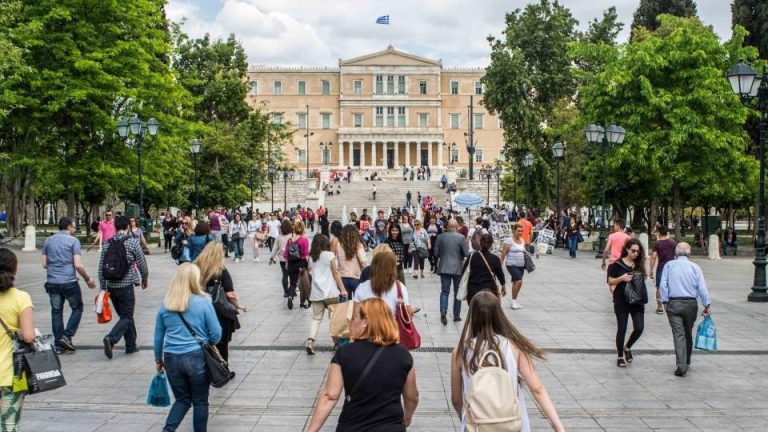
The study, conducted by Professor Byron Kotzamanis, notes the population in Greece will range between 9.5 and a total of 10.4 million by 2035.
Back in 2015, the population was 10.9 million, meaning the population will decline from 450,000 to 1.4 million people in comparison to 2015 figures.
Greece’s population is expected to decrease by 2.5 million within the next 27 years.
The study notes that estimates are more ominous regarding 2050.
Schengen Visa News reports Greece is facing a large ageing population and a small workforce between the ages of 18-65 to to cover the pensions of the elderly with their contributions.
The study suggested “direct intervention” was needed to deal with the ageing population and this could “only be achieved through immigration.”
Sydney Roosters NRLW player Jessica Sergis’ mother, Jenny Sergis, will contest an Apprehended Violence Order (AVO) application made by police to protect the rugby player, according to The Daily Telegraph.
Jessica plays for the Sydney Roosters in the National Rugby League. She won Dally M Player of the Year back in 2019 and is now one of the leading faces of women’s rugby league.
According to The Daily Telegraph, police officers applied for a court order to protect the NRLW player from her mother Jenny.
Jess Sergis. Photo: Brett Hemmings.
Jenny did not appear at Waverley Local Court in Sydney on Thursday where the police mentioned the application for AVO. Her lawyer, Nick Kelly of McGirr & Associates, informed the courts that Jenny was undertaking a “12-week residential program.”
Mr Kelly told the court Jenny would not be agreeing to the AVO application. The police are to serve a brief by March 16 with a response from Jenny’s lawyers by April 6.
In the interim, a provisional AVO was made to protect Jessica. Criminal charges have not been laid.
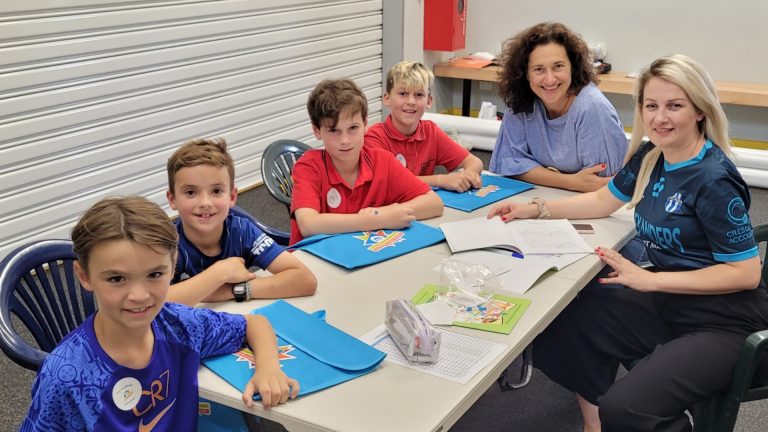
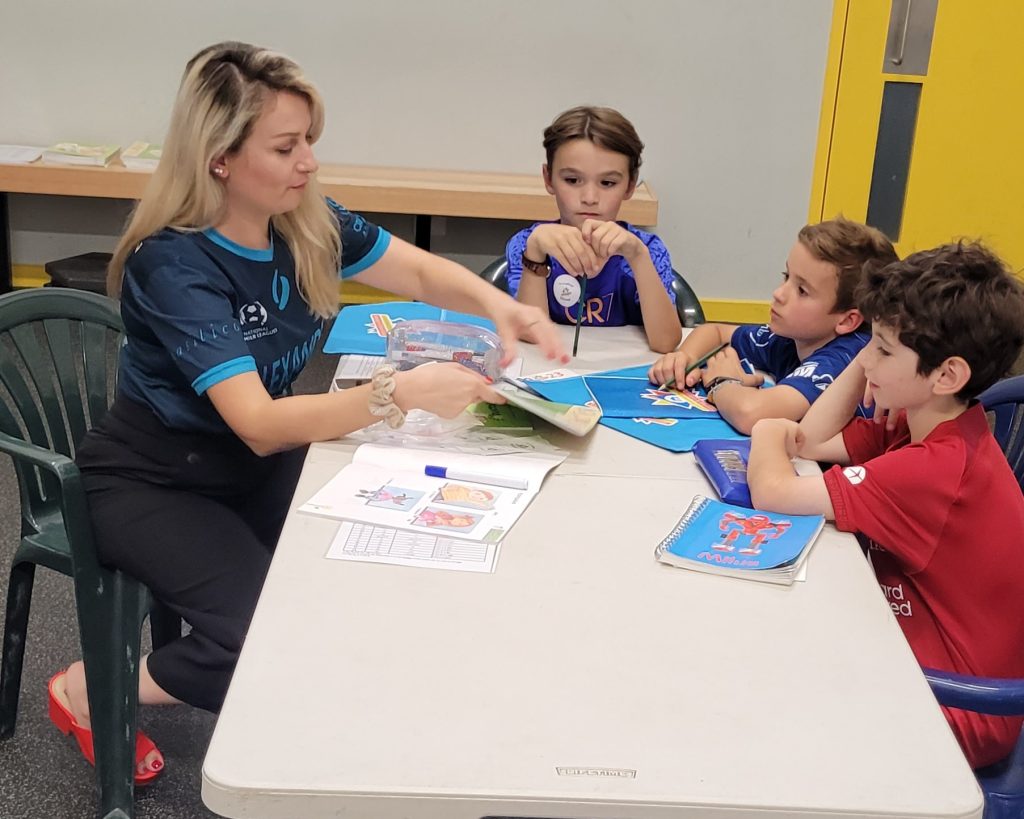
This pioneering program aims to offer the opportunity to young athletes to connect with their Greek identity, the Greek language and customs, while at the same time playing football at their home ground.
Greek language initiative for football students at Malvern City FC begins.
Students and parents were happy to be able to combine their learning of the Greek language and culture with playing their favourite sport – since the lessons take place immediately before or after the children’s training sessions at Malvern City FC.
The GCM hopes to extend this innovative venture to other football clubs, thus enabling as many children as possible to get to know and deepen their Greek roots.
The person responsible for the program is Ms Tzani Anthi, who coordinates and delivers lessons at the football club.
For more information you can contact: Anthi.tzani@greekcommunity.vic.edu.au or education@greekcommunity.vic.edu.au
Cypriot Australian Andrew Lambrou has released Cyprus’ song entry Break A Broken Heart to perform at the Eurovision song contest this year.
The Sydney-based singer will be representing Cyprus at Eurovision in May in Liverpool, the United Kingdom. He signed with Greek record label, Panik Records, in November 2022.
Break A Broken Heart is written by Thomas Stengaard, Jimmy “Joker” Thörnfeldt, Jimmy Jansson and Marcus Winther-John.
The Eurovision entry song is about relationships and a broken heart, and how they can push us to rise from the ashes and come out stronger.
Lambrou recently flew to Greece to film the music video which is directed by Giorgos Benioudakis, who has worked with many Greek music artists.
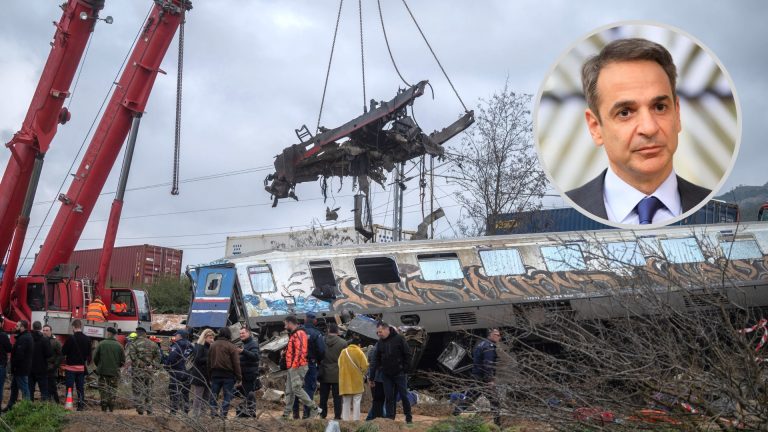
Greece’s Prime Minister, Kyriakos Mitsotakis, has thanked world leaders who sent messages of support after a deadly train crash in Tempi killed at least 57 people.
“In the midst of the terrible suffering and loss of life at Tempi, we are heartened by the messages of sympathy and support from around the world,” Mitsotakis said in a statement on social media.
“To all that have reached out during this very difficult time, we thank you.”
In the midst of the terrible suffering and loss of life at Tempi, we are heartened by the messages of sympathy and support from around the world. To all that have reached out during this very difficult time, we thank you.
— Prime Minister GR (@PrimeministerGR) March 2, 2023
Among those who reached out to Greek officials are the President of the People’s Republic of China Xi Jinping, Turkish President Recep Tayyip Erdogan, French President Emmanuel Macron, and German Chancellor Olaf Scholz.
United States President Joe Biden sent a message of condolences to Greece on social media and said: “We wish those injured a quick and full recovery.”
King Charles III also sent a letter to Greece’s President, Katerina Sakellaropoulou, expressing his sorrow after having learned of the fatal train crash.
A message of condolence from His Majesty The King to the President of Greece following the train crash in Northern Greece:
“During our visits to Greece, we have always felt the kindness and generosity of the Greek people. Our thoughts, prayers and sincere condolences to all those affected by this terrible tragedy,” the British monarch said in the statement.
Greece is in mourning as the death toll from the train crash near Larissa at Tempi grew to 57 people on Thursday night, with 56 passengers still missing, according to the Hellenic Police.
Many of the victims were thought to be university students returning home after a long holiday weekend.
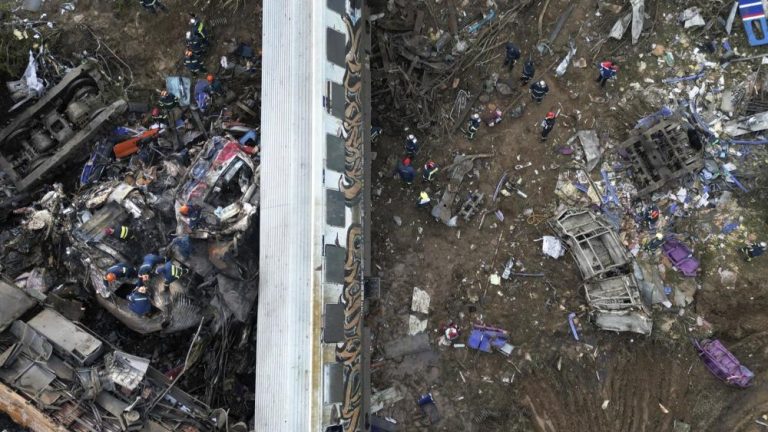
Rescue operations are still underway under difficult conditions, with the focus now being on the third carriage that is almost completely overturned. The search is expected to conclude on Friday.
“It will be very difficult to find survivors, due to the temperatures that developed in the carriages,” 40-year-old rescuer, Constantinos Imamidis, told Reuters.
“This is the hardest thing, instead of saving lives we have to dig out bodies.”
Rescuers search for survivors. Photo: AMNA.
The high-speed passenger train with more than 350 people on board crashed head-on with a freight train near the city of Larissa late on Tuesday.
Greece’s Prime Minister, Kyriakos Mitsotakis, rushed to the scene at Tempi and called a three-day period of official mourning, ordering flags to fly at half mast. He said it appeared the crash was “mainly due to a tragic human error.”
Greek police arrested a local stationmaster who was in charge of signalling over the deadly train crash, and Greece’s Transport and Infrastructure Minister Konstantinos Karamanlis announced his resignation.
‘This crime will not be forgotten’:
Thousands of Greeks took to the streets on Wednesday for a second day of protests as anger mounts over the loss of life from the train crash.
Braving torrential rain and thunder, demonstrators marched from the office headquarters of Hellenic Train in Athens to the Greek parliament, chanting “this crime will not be forgotten.”
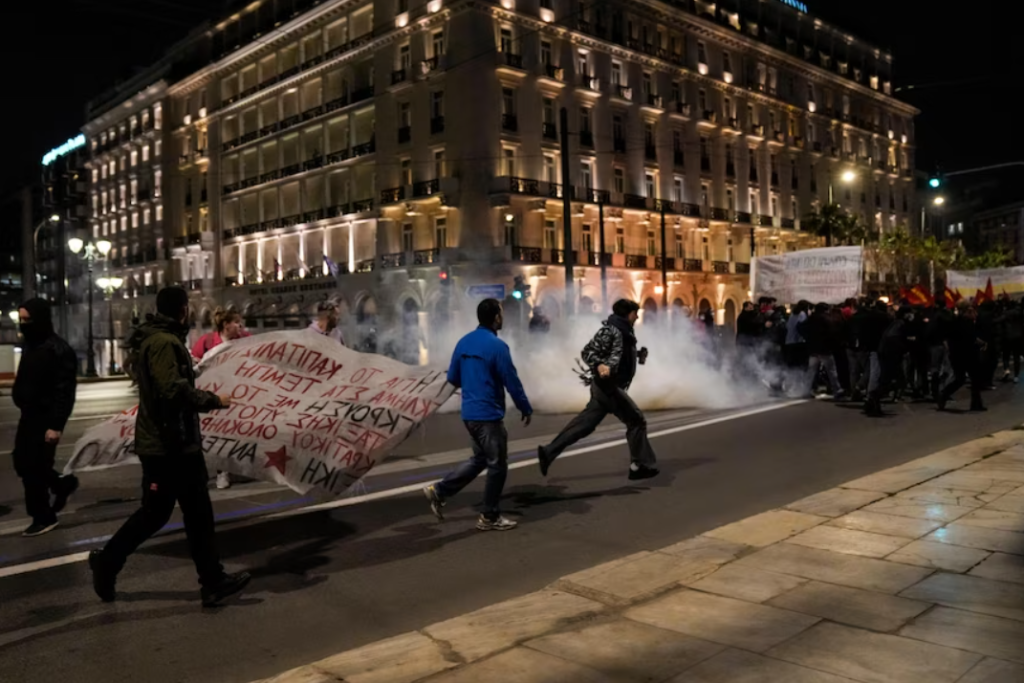
Police used tear gas to disperse protesters in the capital Athens. Photo: AP / Petros Giannakouris.
Highlighting the growing sense of fury over the crash, protesters hurled rocks at the Athens rail company offices on Wednesday evening before being dispersed by volleys of teargas fired by riot police. Protests also broke out in Thessaloniki.
The protests came hours after the Greek government conceded that rail projects nationwide had been beset by “chronic public sector ills.”
In the first public admission of the problems plaguing the railway network, Greek officials said efforts to overhaul the system had failed and authorities would look into the causes of the accident and delays in implementing rail projects.
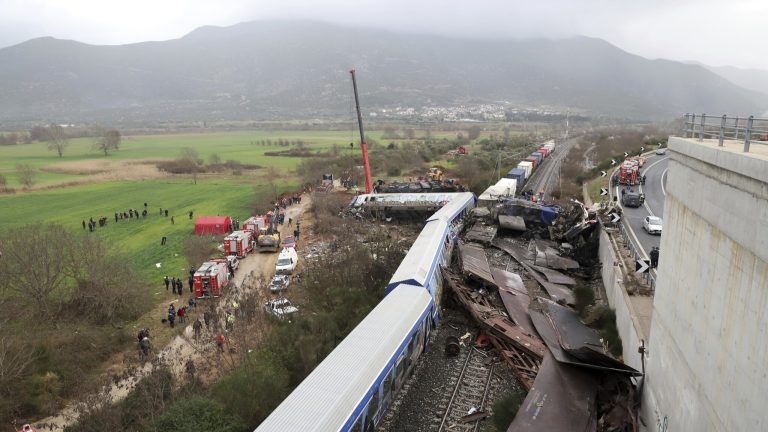
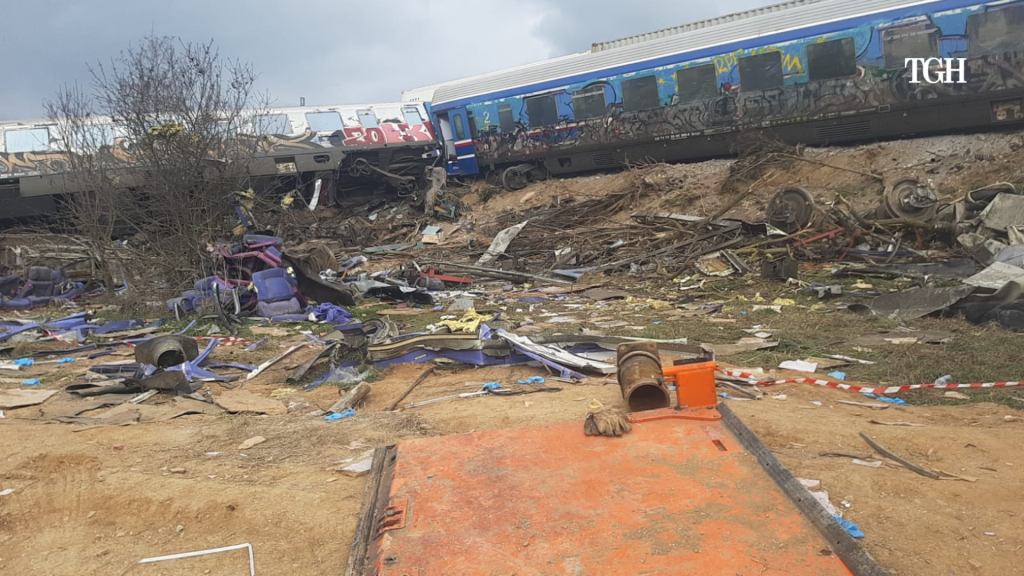
The two trains — a passenger train carrying 342 people and travelling from Athens to Thessaloniki, and a cargo train from Thessaloniki to Larissa — collided head-on at Tempi late on Tuesday.
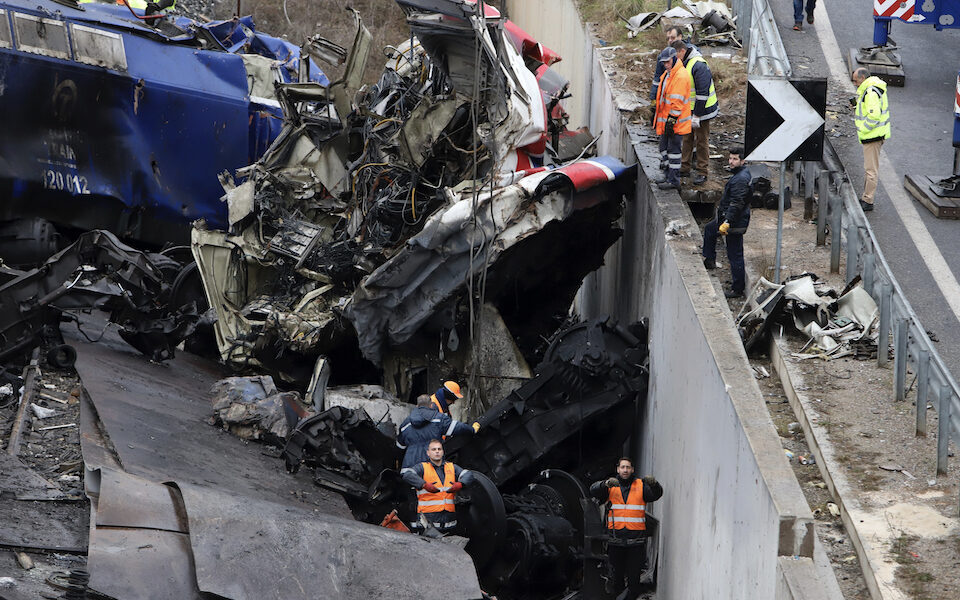
Witnesses who rushed to the scene described the front two carriages of the passenger train, where most of the student victims were seated, as being completely destroyed.
Scene of the crash. Photo copyright: The Greek Herald.
By midmorning on Wednesday, rescuers were continuing to search for the missing and 35 bodies had been taken to the general hospital in Larissa. Some were burned beyond recognition, forcing relatives to give DNA samples.
Greece’s Prime Minister, Kyriakos Mitsotakis, rushed to the scene at Tempi on Wednesday and called a three-day period of official mourning, ordering flags to fly at half mast. He said it appears the crash was “mainly due to a tragic human error.”
In a statement, the Greek Orthodox Community of New South Wales (GOCNSW) expressed “its deep sorrow and sympathy to the Greek people for the unspeakable tragedy they are experiencing.”
“It was announced that it was human error, but who will be able to ease the pain of so many families who lost their loved ones and mostly young people, mainly students returning to Thessaloniki,” the GOCNSW statement adds.
“We call on the Greek Government to take all necessary measures so that we do not again mourn victims for safe public and cheap rail transport.”
In their statement, The Greek Orthodox Community of South Australia (GOCSA) extended its condolences to the families and victims of the Tempi train disaster and said the Community will lower all Greek flags on its building to half mast “as a sign of respect during the mourning period.”
In Sydney and Perth in Western Australia, the Greek Consulates have lowered their Greek flags to half mast in memory of the victims of the train crash in Greece.
Archbishop Makarios of Australia also issued a statement on Tuesday and said he was “deeply shocked by the tragic train collision that occurred in our homeland of Greece.”
“All Greeks of Australia as a whole mourn and suffer together with the Greek people, who are experiencing moments of unspeakable pain and suffering,” the Archbishop added.
These statements come as leaders across the world expressed their grief in the aftermath including Turkey’s President Recep Tayyip Erdogan, German Chancellor Olaf Scholz and the President of the People’s Republic of China, Xi Jinping.
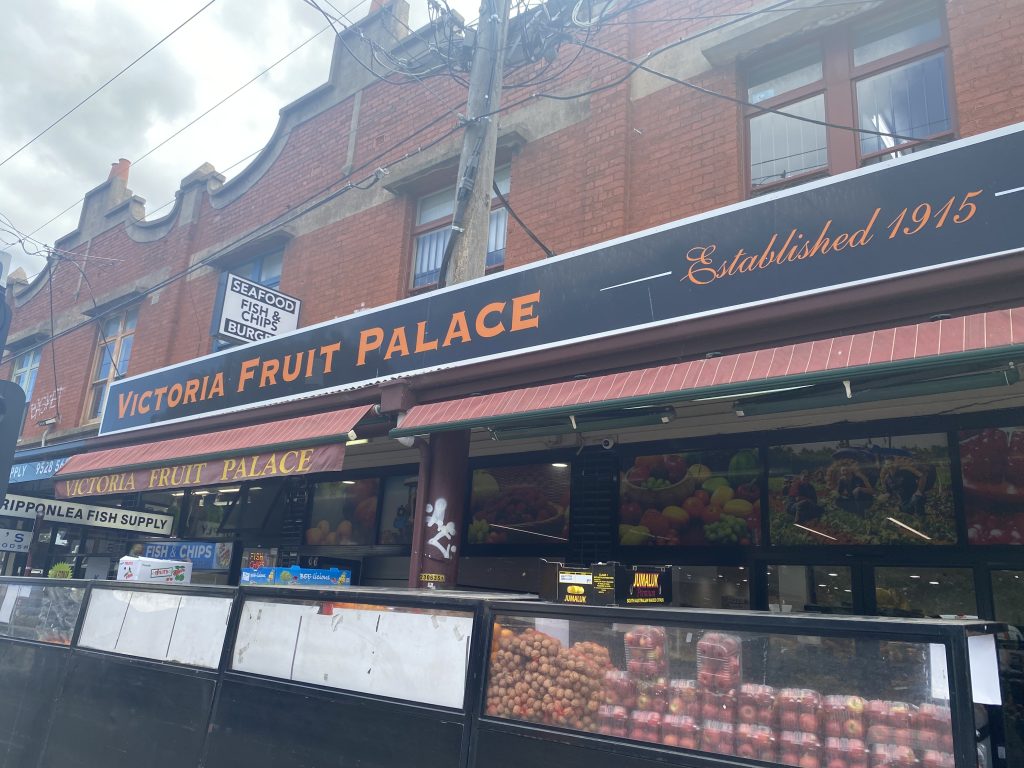
In the Melbourne suburb of Ripponlea, there is one strip where shops look exactly the same as when buildings were first built back in 1915. The architecture, the red bricks, the shop labels – all look like they have escaped the test of time.
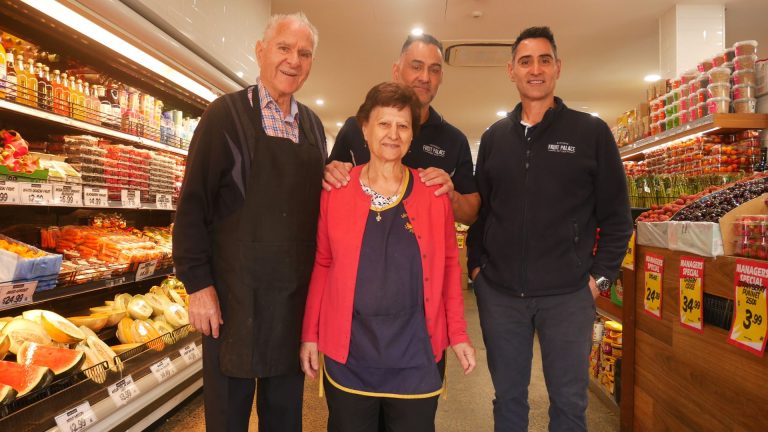
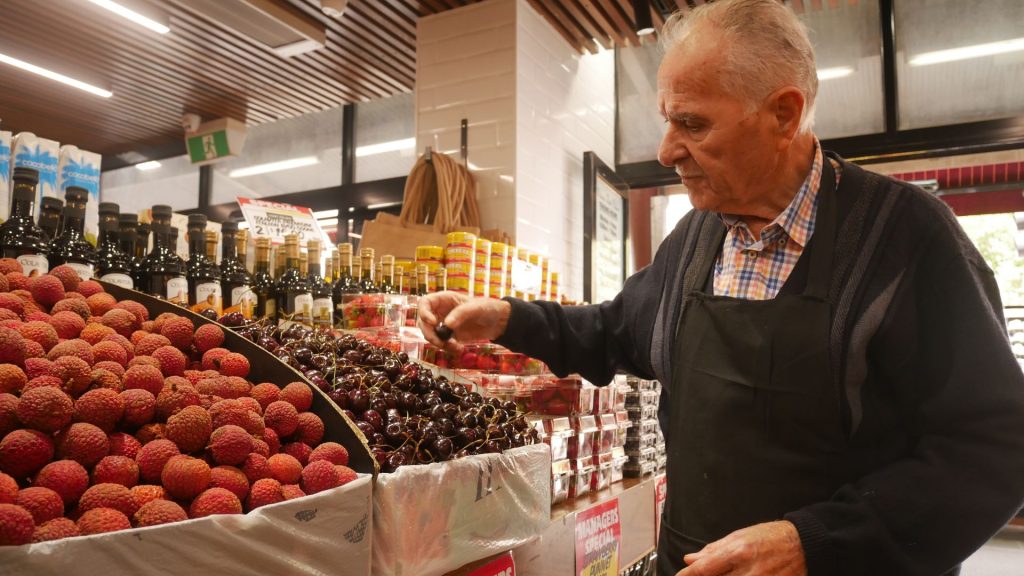
Victoria Fruit Palace is one of these shops. The fruit and grocery shop has supplied many generations of customers at Ripponlea with quality products and is currently owned and managed by Greek brothers Bill and Kon Maglis.
For over 100 years, it had passed from the hands of one owner to another before ending up with their parents Harry and Stella in 1976.
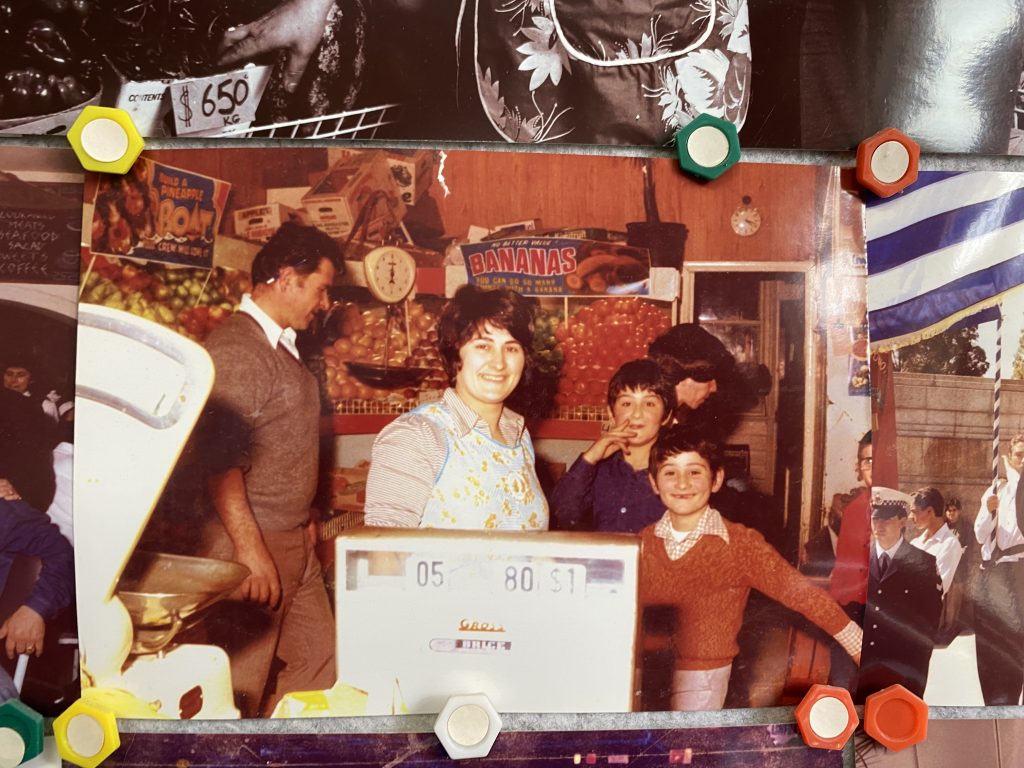
Stella showing pictures of the past. All photos copyright: The Greek Herald / Giorgos Psomiadis.
Harry came to Australia on December 27, 1964. Stella came two years later.
They were born in two villages of the Peloponnese, Greece, with a 9-kilometer distance between them. Although they were living close by, they only met in Melbourne, Victoria.
“A cousin of mine who came to Australia a year before me urged me to apply to the state for immigration,” Stella tells The Greek Herald. She was paying a visit to her uncle in Melbourne and there she met her husband.
Stella, Kon and Bill.
Harry, who was working in the construction business in Athens, recalls that it was hard to get paid for his job in Greece. He said he had to fight sometimes for the money he deserved. He won’t forget his first payday in Australia when someone left an envelope at his place of work exactly when it was supposed to come.
“This is the promised land,” he says.
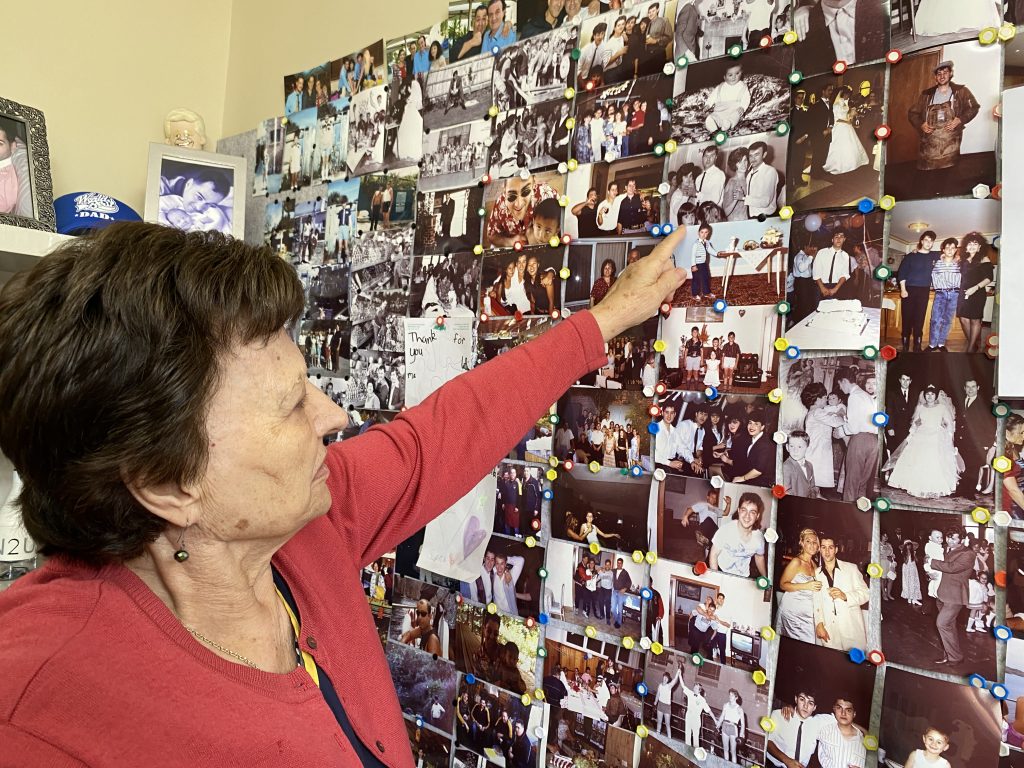
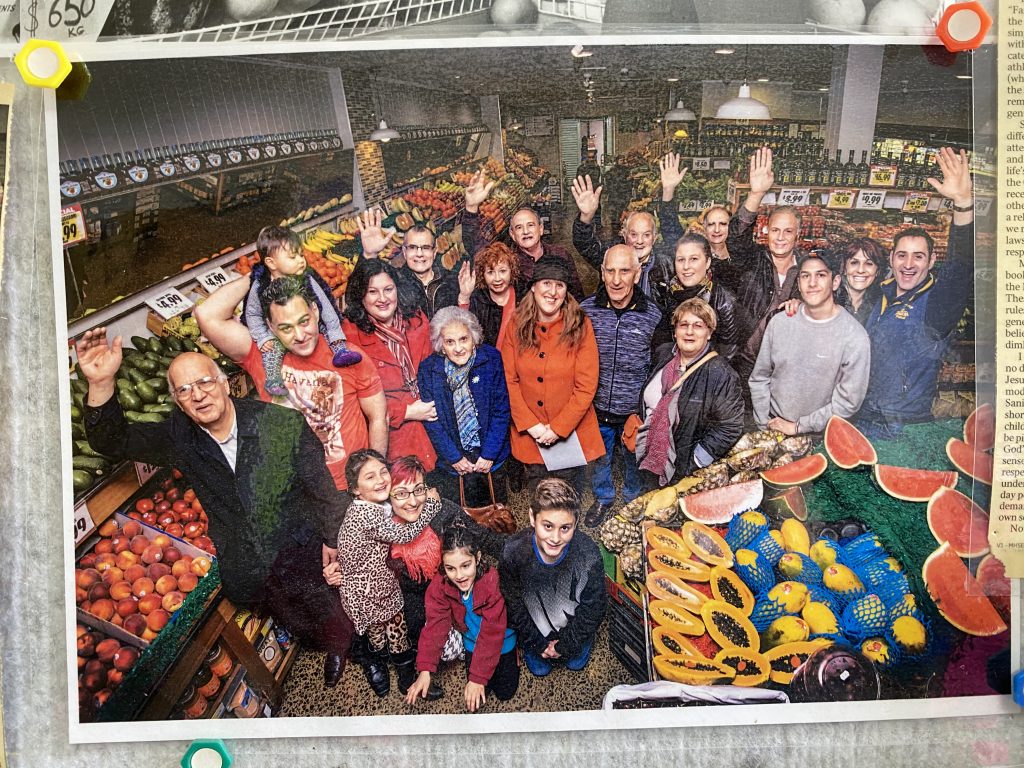
The family in front of the great picture wall.
A place to call home
After doing various jobs, the couple co-owned a store near the highway before buying the fruit shop in Ripponlea. It was first and foremost their home.
On the ground floor, customers were coming in and out and the family were constantly selling fruits. On the upper floor, Bill, Kon and Giannis – Harry and Stella’s three children – were playing, eating and sleeping. Ripponlea became their neighbourhood. One day, 108 people were gathered in the fruit shop to celebrate Harry’s name day.
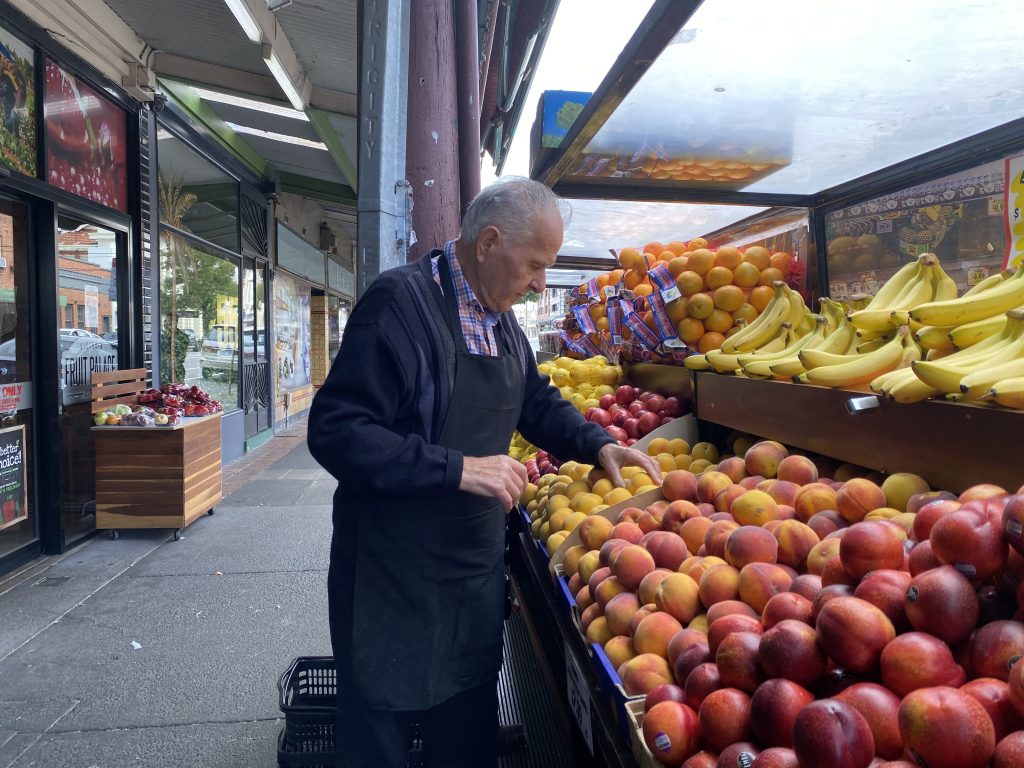
Harry is still helping today, 46 years later.
“We were working day and night,” he says. “I have spent 46 years in this place and I am still here.”
He remembers how hard it was trying to learn how to write the products in English.
“I had to learn how to write apple as apple, potato as potato,” he says.
Stella joins in and stands up to show the family’s life events collected in pictures across the wall.
“Look! All our life is here,” she says.
A reunion of the past owners.
The next generation
Their son, Bill, was the first to work in the shop and when he was younger, older people used to love him.
“Is this Billy’s shop?” they asked when entering.
Bill and his brother Kon have sweet memories from their neighbourhood. The fisherman, the shoemaker, their friends with whom they were playing in the street.
“It was similar to the way Greek kids were playing in their village,” they say, but add that it was hard to find time for holidays.
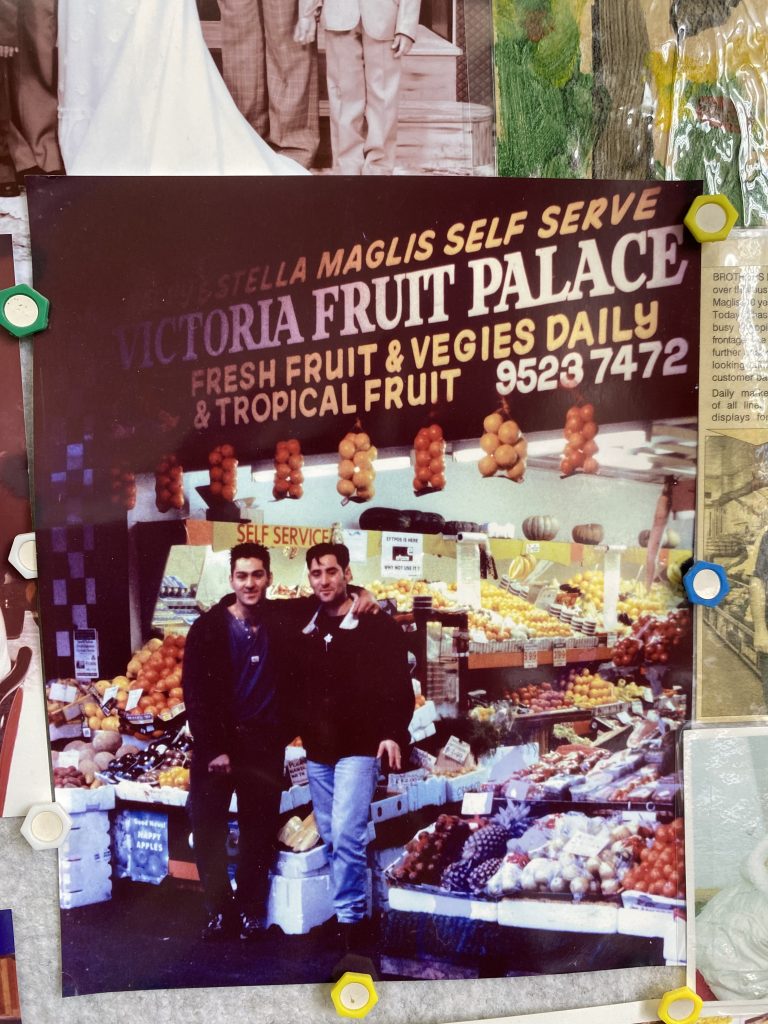
Kon and Bill in the past.Harry outside the fruit shop.
In 1999, Bill and Kon started running the place together and since then, they keep developing every aspect of it.
“You just keep doing what you are doing. You improvise all the time. You have to evolve and constantly think of ways to improve the business,” they say.
First the shop was only selling fruits, then groceries were added and the brothers started bringing new things to the shelves.
“We were asking customers what they were looking for. If they wanted something they couldn’t find, we would bring it,” Kon says.
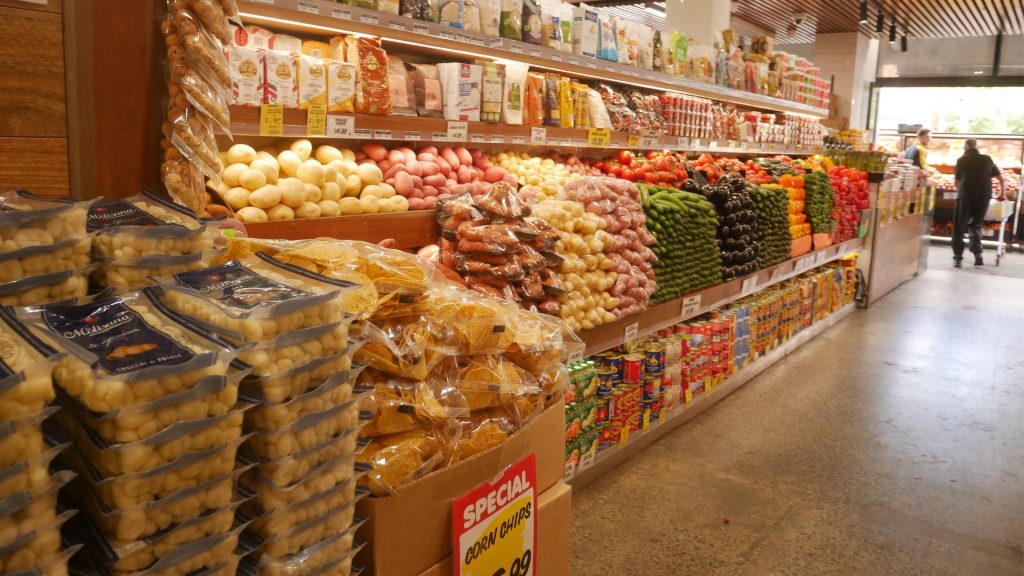
Products in Victoria Fruit Palace.
As the space expanded, more and more products were available in the shop. Today, one can find everything. Artisan bread, dairy products, herbs and spices and a huge range of international specialty goods including gourmet condiments. There’s also a deli range of antipasto and cheeses, meats and small goods from local suppliers along with frozen products. Even bunches of fresh seasonal flowers.
“Many of the things we bring, we make sure to taste them first. If we don’t like them, we don’t bring them in our place,” Kon says.
The relationship with the costumers is still strong.
Victoria Fruit Palace.
“You are always as good as your product. If you give them a good product then people come back to you and you will become friends. You will get to know each other,” Bill adds.
Victoria Fruit Palace is today one of the top five quality fruit markets in Melbourne. More than 100 years after it first opened its doors, and 46 years after the family started running it, its story is still being written.
All photos copyright: The Greek Herald / Giorgos Psomiadis
Don’t let age stand in the way of learning a second language. The Online Adult School of the Greek Community of Canberra is offering Greek language classes to adults and enrolments are already at an all-time high.
To find out more, The Greek Herald spoke with Head Tutor Adoni Kechagias who encourages everyone to learn Greek.
Tell us a bit about yourself:
My name is Adoni Kechagias and I am the Head Tutor of the Online Adult School of the Greek Community of Canberra. I am also a published author of a screenwriting book in Greek and an Australian Film Television and Radio School Certified Script Assessor. Recently, I graduated an RMIT course for Interpreting and Translating. I have completed my exams for my NAATI Translating License and waiting for the results with fingers crossed.
How many students are currently enrolled in adult classes at Canberra’s Greek school?
We have currently 50 students, enrolled in seven online classes of Beginners, Intermediate and Advanced levels.
What do you offer in the adult classes at Canberra’s Greek school?
We offer to every student the opportunity to learn Greek or to improve and advance their current knowledge of Modern Greek. Based on the levels and syllabus established by the Common European Framework of Reference for Languages (CEFR) and the Australian curriculum, our classes aim to enhance reading and listening comprehension, writing, speaking and grammar.
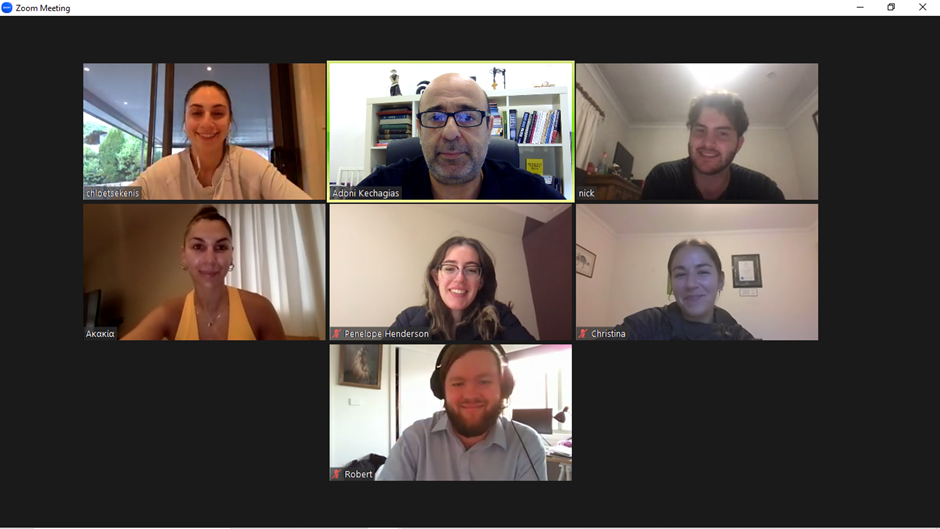
Adoni Kechagias teaching his adult class.
Who can enrol into the classes? Do people have to be Greek?
Everyone can enrol into our classes. The fact that currently half of our students are not of Greek background is proof that everyone can have a genuine interest in learning Modern Greek. Non-Greek background students usually face the additional challenge of not being able to practice in real life what they learn in the classroom and that’s another reason why we are always extra sensitive, supportive and welcoming to these students.
Why do you encourage people to enrol and learn Greek?
Languages help us connect with others. Most of the times people study a language so they can communicate better with other people. Also, languages can advance a person’s career.
But apart from the practical rewards, learning a foreign language is like taking your brain to the gym. It feeds the brain, improves memory, enhances problem solving and critical thinking skills. It also enhances concentration and improves your listening comprehension ability. Learning a second “logic” will result in great flexibility of mind and enhanced creativity.
Languages help us connect with other cultures. A great understanding of the cultures promotes greater tolerance, empathy, and acceptance of others.
After studying a few languages myself, all I can say is that I consider learning another language as critical as learning mathematics, for a person’s development.
Is there anything else you’d like to say?
Learning a foreign language is not an easy thing. It is a long and time-consuming process that requires patience and dedication. I strongly encourage potential learners to research before enrolling in any language course. Ask themselves questions like: “Am I ready to dedicate time for training and studying for a long period of time?” or “have I done the necessary arrangements to provide myself the opportunity to practice what I learn in the classroom?” or even “Is the language I have chosen to study an easy or a more complicated one and what kind of challenges does it involve?”
Talking about learning a language online, things that should also be considered are the person’s ability to learn through online platforms and the ability to spend more time in front of a screen.