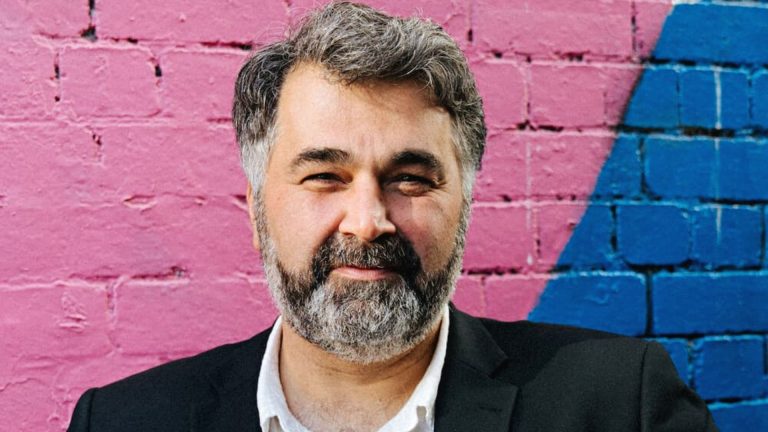
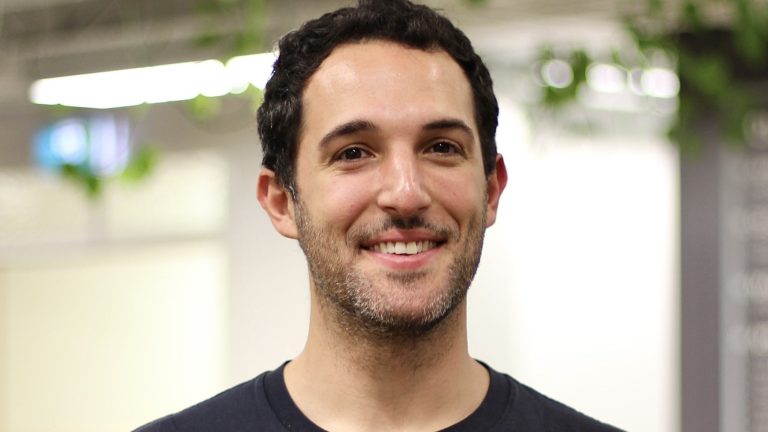
The Founder and CEO of the Asylum Seeker Resource Centre (ASRC) in Victoria, Kon Karapanagiotidis OAM, announced on Thursday the organisation has been saved from closing its doors.
In February this year, Mr Karapanagiotidis publicly called for donations and support to keep the ASRC open after a decline in donations since July 2022.
In response to his call, Mr Karapanagiotidis shared on social media that over 22,500 people had donated, raising $5.1 million to save the organisation.
“It wasn’t because I thought you stopped caring but because it’s such tough economic times.
“What came next is something I have never seen in 22 years. You rallied as this incredible community of compassion and hope and justice and love—and you came to our aid.”
Mr Karapanagiotidis plans to resize and implement sustainable strategies going forward for the ASRC.
Over the past 21 years, the ASRC have supported over 30,000 people seeking asylum and refugees without federal government funding, relying on the public’s support for funding.
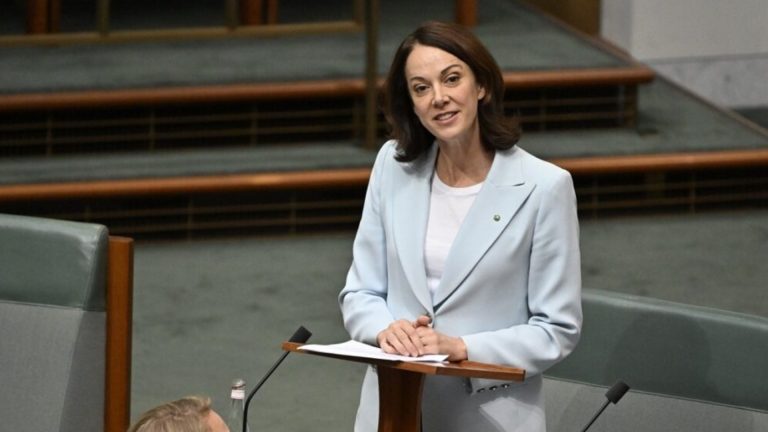
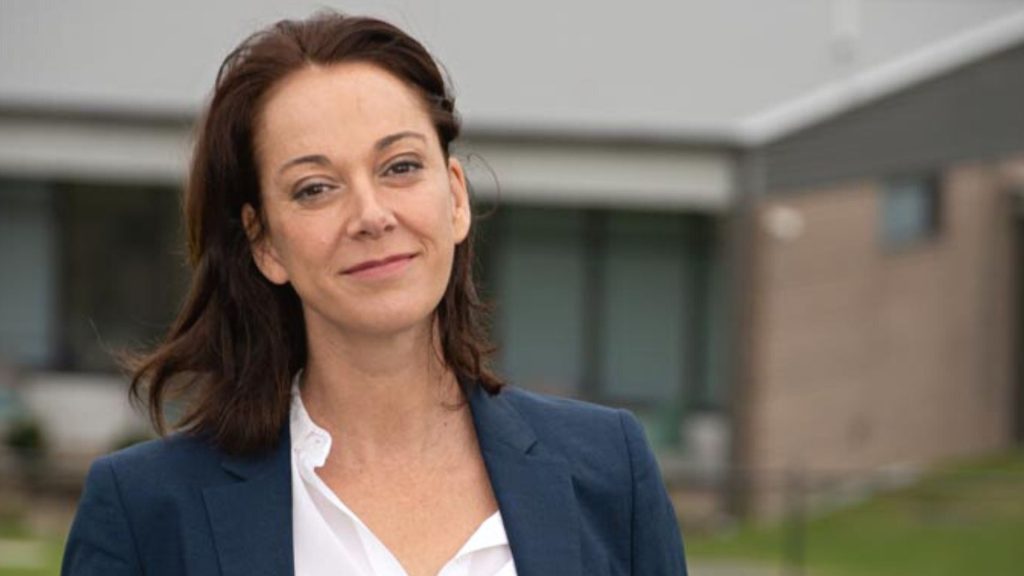
Federal Member for Mackellar, Dr Sophie Scamps, has signed the Joint Justice Initiative’s Affirmation of Support calling for the Australian Government to recognise the 1915 Armenian, Assyrian and Greek genocides perpetrated by the Ottoman Empire.
Executive Director of the Armenian National Committee of Australia (ANC-AU), Michael Kolokossian, said in a statement: “We thank Dr Sophie Scamps for affirming her support and working constructively with the ANC-AU to advance national recognition of the genocides.”
“Australia must recognise the 1915 Genocides and hold the perpetrators accountable to ensure crimes against humanity are never repeated,” Mr Kolokossian said.
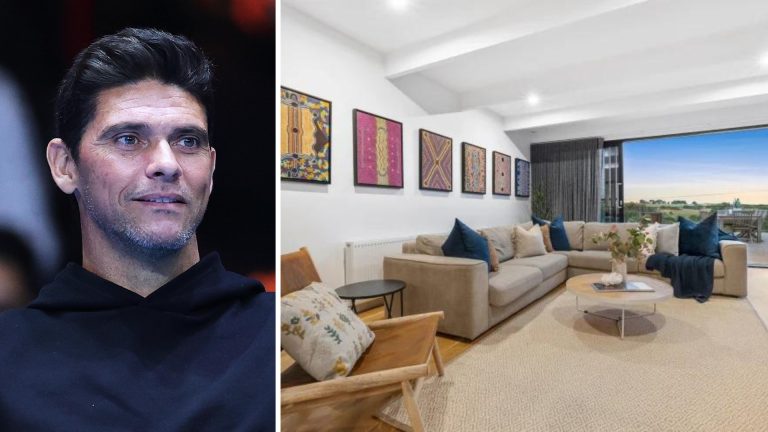
A grand home on the Surf Coast in Victoria, rented by Mark Philippoussis and his family for the last two years, is up for sale.
According to The Sydney Morning Herald, the four-bedroom home at 23 Carnavon Avenue, Jan Juc, is expected to be sold for between $3.4 million to $3.7 million.
Selling agent and Property Exchange Group executive director, Alex Lyons, said: “He [Mark] moved back to Australia to Jan Juc from San Diego at the start of COVID. He wanted to find something that was the next chapter in his, and his family’s, lives.”
23 Carnavon Ave Jan Juc, rented by Mark Philippoussis and his family until recently, will be listed for sale on March 10. Photo: Property Exchange Group.
Philippoussis and his family have recently moved out and the tennis star has reflected on his time at the ocean property.
He said his favourite part of the home was “how amazing it’s been to check the waves from your balcony… then simply walk across the road for a surf.”
Co-founder and chief executive of Vow, George Peppou, told the Australian Financial Reviewthe company will find out if it has the approval of Food Standards ANZ by May next year.
“They are publishing on their website the executive summary of what we’re submitting for approval. It’s the first public discourse for cell cultured meat in Australia,” Peppou said.
-2,200L production capacity 📈 -Able to produce 10-30 tonnes of cultured meat annually at full production capacity 🥩 -One of the largest cultured meat factories on the planet 🌏 -Right in Vow's HQ in Sydney, Australia 🇦🇺
The former chef said the process of making the meat takes two months. An almond-sized biopsy is taken from the animal, the cells are replicated and fed a solution that gives them nutrients to grow.
Mr Peppou added that “there will be some resistance, or discomfort, with the idea that there are these new types of ways of producing meat.”
Food Standards ANZ said in a statement it would assess Vow‘s production process and the “chemical, nutritional, microbiological and dietary exposure” of the quail meat.
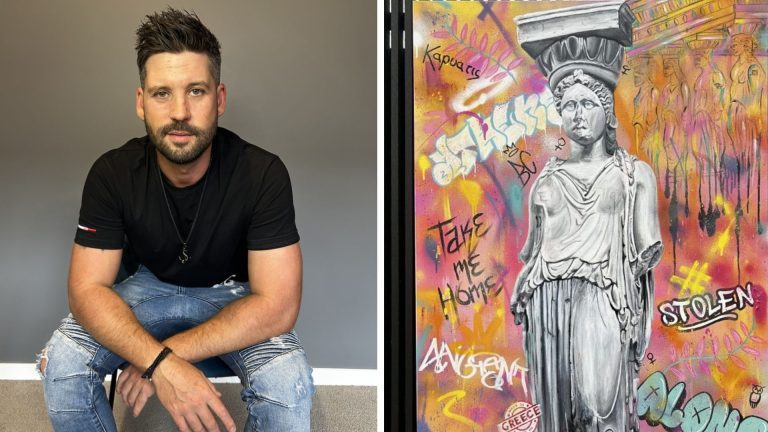
A rising star in the art world, Greek-Australian artist, Anthony Tartaglia, has released a new artwork, ALONE, in response to heightened calls for the reunification of the Parthenon and Acropolis Sculptures.
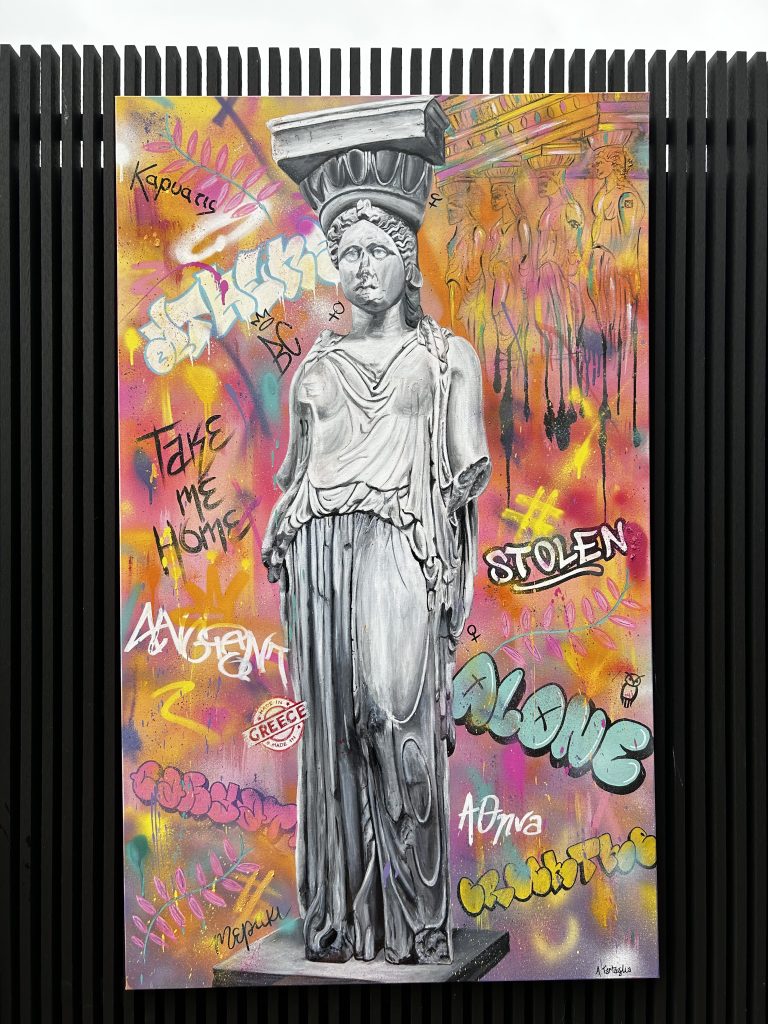
In a poignant and striking rendition, and in his signature urban Melbourne style, the widely recognised ‘missing Caryatid’ – who sits alone in the British Museum – tells her story from across the globe in an emotive exchange with the artist as she implores for her return.
Approached by The Australian Parthenon Association (APA) in late 2022, Melbourne-based Anthony says he was deeply honoured to be asked to support the global cause surrounding one of the world’s most significant artworks.
“I was overwhelmed when members of the APA saw in my work exactly what I was trying to portray, and I was overjoyed that the story I was trying to tell was seen by the right people.
“When we discussed if I would be interested in creating a piece about the fate of the cultural artworks from the Acropolis, I couldn’t wait to start,” Anthony says.
“The APA relay their messages through words, intellectual debate and lobbying and they’ve worked alongside key international figures. But they had heard of my passion for classical Greek art and when I learnt more about theirs, they fuelled a fire within me to join the cause.”
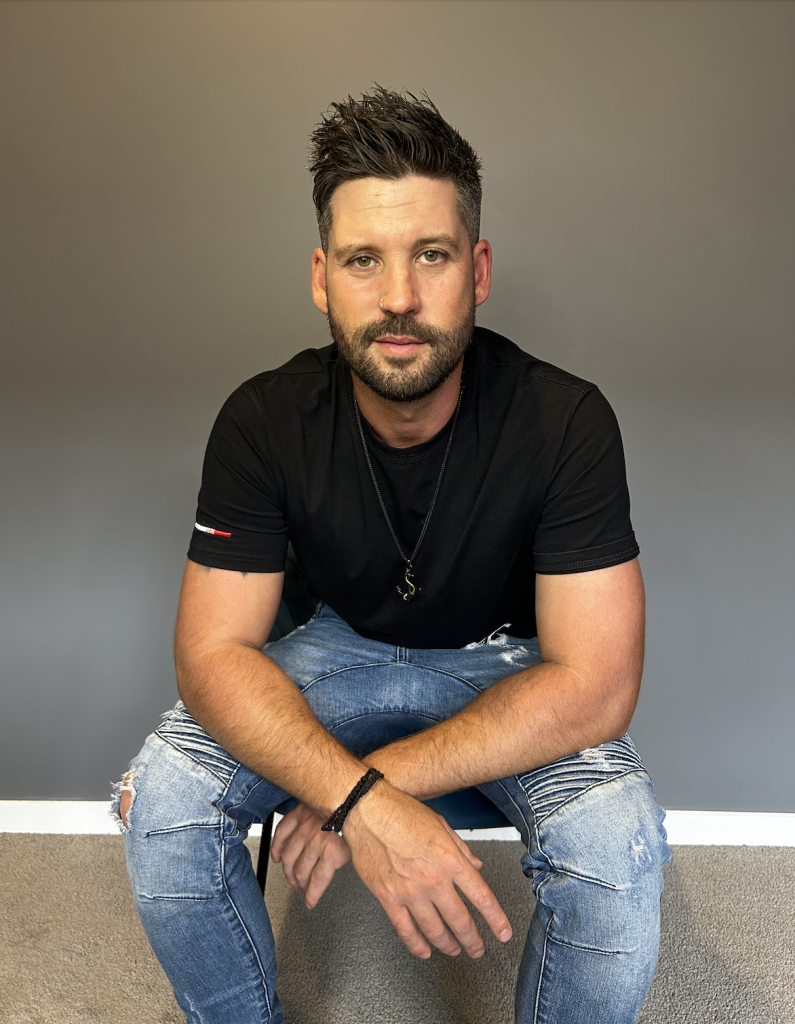
Greek-Australian artist, Anthony Tartaglia.
Renowned Australian author, public figure and APA Chairman, David Hill, says the association is thrilled with Anthony’s piece and delighted with his interpretation, adding what better way could there be to ‘bring home’ the message of the looted Caryatid and the Parthenon Sculptures, than through art itself.
“The Greeks have been calling for the return of the Sculptures for the past 200 years.
“These are the most important surviving ancient artworks of the world and represent an extraordinary age of achievement for mankind,” says David.
“To see a new generation of Greek-Australian artists recognise this and to have talent such as Anthony join the fight for restitution is fantastic.”
The 1.5m high x 900mm wide painting features the ‘stolen’ Caryatid with her sisters faded in the background, weeping for her to return and be by their side. ‘Take me home’ is one of the first things that can be read and an old-school postage stamp branded with the words ‘Made in Greece’ draws further attention to the issue.
There is also an owl, the symbol of the goddess Athena, who herself is the symbol of Athens, and an olive branch which was added as the artwork neared completion – an unusual process for Anthony who typically experiments with elements and features before he commences painting.
“I chose the Caryatid because she’s the most recognised symbol of the stolen Greek artefacts and especially because she’s one that is completely separated from any collection, whether it be that in the British Museum, or that back home in Athens.
“Each of the Caryatids is also different to the next and in fact she’s also my favourite of all the sisters,” Anthony says.
“As I painted her, I could feel her own desire to be reunited with her sisters and their longing for her to return.
It’s as if she and I were in conversation and she was begging, ‘take me back to my homeland’.
“I could feel that her sisters were missing her, and that bringing her home doesn’t need to be a cause for any further tension or debate. It’s why the olive branch was painted on as I was finishing, because it’s not only a symbol of Greece, but it’s a symbol of peace, and that’s what the sisters and all of us want.”
Anthony’s inclusion of the five Caryatids that have remained in Athens aligns with the current Greek Government’s Ministry of Culture key call to action, which stresses the importance of reunification.
“There is no doubt that you are awe struck when you first see the Caryatid and the Parthenon Sculptures wherever that may be,” says Anthony.
“In my case, I’d been to the British Museum a few years before I’d visited the Acropolis Museum. While I was very excited to see the UK held collection for the first time, I remember becoming quite agitated and unsettled.
“A few years later when I saw the Acropolis Museum and its true and real homage to the Parthenon and the Erechtheion directly behind it, when I saw what these great ancient wonders looked like and what they were supposed to look like if they’d been left intact and as a whole, I thought back to the separated Caryatid and this really upset me.
“I now feel relieved and proud and hope that in some way by creating ALONE I can add to the legacy of my ancestors, and that I can be a part of the reunification story that’s bigger than all of us.”
ALONE took Anthony more than 30 hours to complete and is currently being prepared for display at various art exhibitions. The piece will eventually be placed for sale but Anthony says it will only go to an owner who can honour its purpose.
The Caryatid and Parthenon Sculptures were removed from the Erechtheion and the Parthenon temples between 1801 to 1812.
“It is widely accepted there was no altruistic purpose for their removal, other than to adorn the country residence and gardens of Thomas Bruce, 7th Earl of Elgin, Britain’s then ambassador to the Ottoman occupiers of Greece,” David says.
“While we cannot change history, we can right its wrongs, especially in an era where we’re increasingly unifying globally to rectify mistakes of the past.
“The Sculptures belong to all humanity, but they remain and are indisputably the cultural heritage that belongs to and is inextricably linked to the modern Greeks,” says David.
Along with the missing Caryatid, there are approximately 200 pieces from the Parthenon currently held in the British Museum that are being requested. Australians wishing to support the call for reunification can reach out to the APA at australiansforparthenon.org.
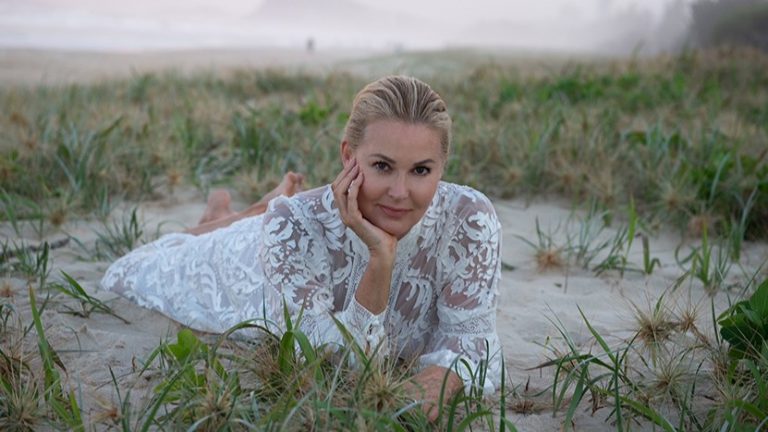
When top model Philippa Mathews’ career was at its zenith, she could be spotted at Super Paradise in Mykonos, Greece living life to the fullest. These days, she’s back in Australia and more likely to be spotted at Mermaid Beach, 17 minutes away from Surfers Paradise in Queensland, speaking Greek to her fox terrier, Daisy.
“She’s bilingual,” Philippa jokes to The Greek Herald.
“When I wake up in the morning, I don’t think in English but in Greek. I think I should have been born a Greek.”
She moved to the Gold Coast in 1997, following the suggestion of her ex-husband, Greek businessman Alexis Theodoridis. She baptised her two sons at St Anna’s Greek Orthodox Church in Bundall and still finds solace as a member of the parish despite her Anglican upbringing.
“Greek Australians are different to most Greeks in Greece, and are more Australian in their outlook,” she says. “Some don’t even speak the language, especially if they don’t have a yiayia.”
Philippa, who speaks fluent Greek as well as French and Italian, tried to teach her own sons the language and would argue at their schools about the importance of teaching foreign languages.
“Life changes,” she says. “Some of us have kids and others don’t, but your thoughts and desires change as you grow.”
She admits that it was easier adapting to the Greek way of life than it had been moving from Greece to the Gold Coast.
“But I adjusted to life here when I became a mum and got into the school routine and made friends with other school mums,” she says. “I went from moda to mana.”
She is happy to have given her sons a charmed life.
“It’s a demanding system in Greece,” she says. “My sons had a beautiful childhood at Mermaid Beach. They spent their life fishing, water skiing and kayaking, though they never were into surfing that much. I tried hard to teach them some Greek.”
Speaking to friends in Greece, she knows how hard it is to raise children.
“Dimitra [Kostaki’s] son plays basketball, and they have to take him to training at 11 at night through to 12.30am, because that’s the only time they have a spare court,” she says.
Her eldest son, Chris Theo, models but also develops apps amongst other business ventures. Philippa still models too.
“There’s no such thing as super models these days,” Philippa says. “For example, since Instagram, the industry has changed. Standards have changed. Now, my height would be a hindrance for a lot of the work though, back then, taller was better.”
Fashion’s heyday:
She remembers the 90s in Greece as “the best era ever.”
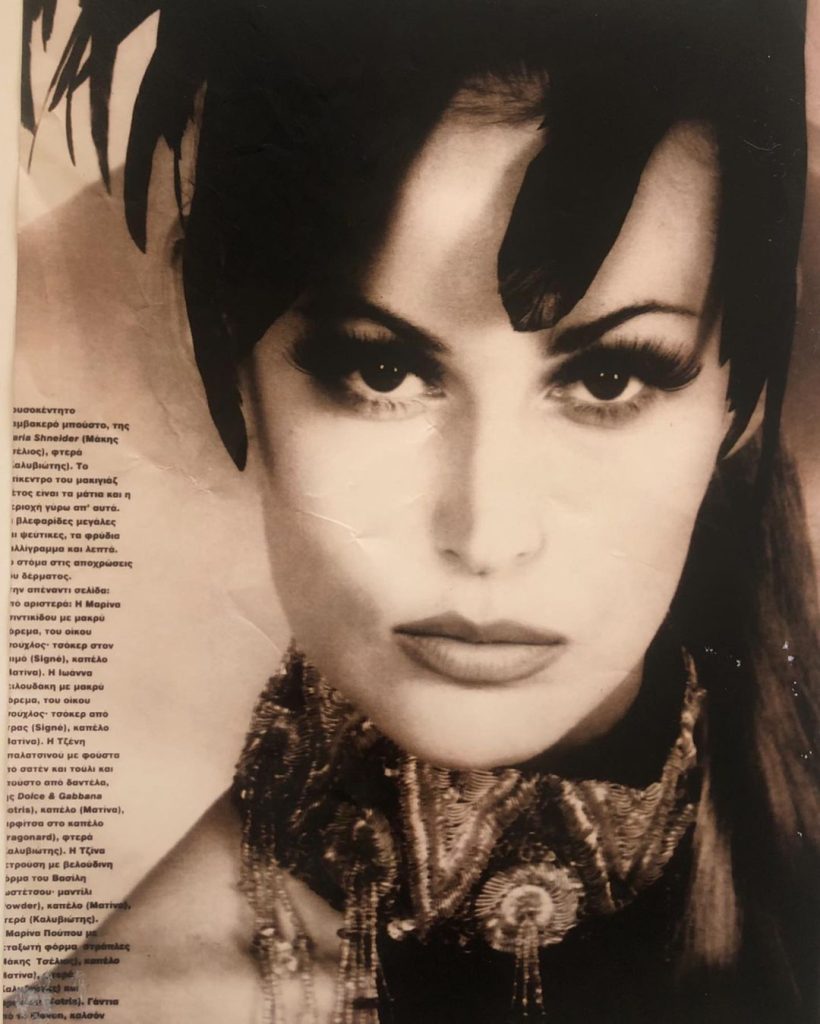
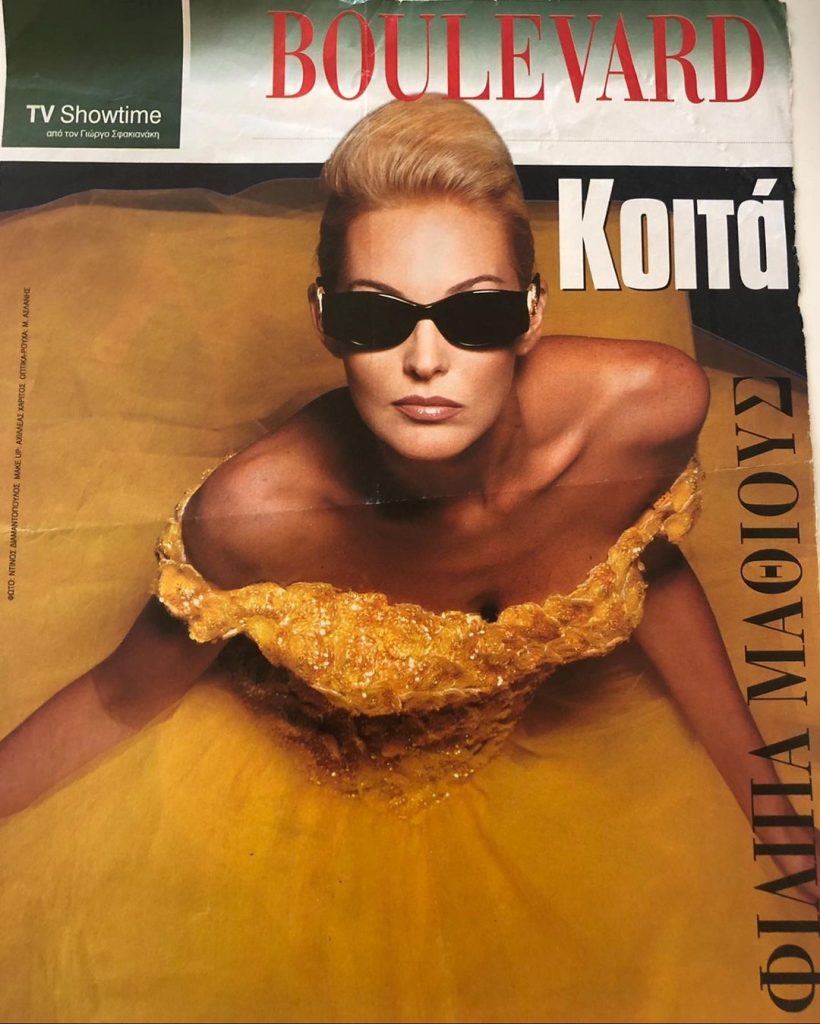
A chat with Philippa is like a holiday to the Greece of her heyday when she graced the front covers of iconic magazines and appeared on the world’s fashion runways side by side with other chiselled supermodels.
Despite her Aussie nationality, Greeks cheered her on, claiming her as their own during the 10 years she lived in swanky Kolonaki Square, Athens. In those days, she appeared on Greek talk shows speaking flawless Greek.
The move to Greece came just as her career was taking off in the late 80s when she was convinced by a flatmate to visit Mykonos for six days in 1987.
“I said ‘no, I’m in New York’, but she kept calling,” Philippa explains. “I had to go to Milano and thought I’d pass by Mykonos on my way back to New York. I intended to stay for six days, but I stayed for three months, and then went to Athens to live for 10 years. I was young and crazy, and I stayed and I stayed and I stayed.”
She said she “fell in love with the country, the people, everything.”
“I had a relationship and thought I’d leave when it ended but I didn’t,” she says. “I went to the Greek Hellenic Union and slowly started to speak Greek. I got two different teachers who used to come for private lessons.”
Greek friends helped also. She remembers the crazy capers of her youth with fondness, such as the time fellow model Vicky Koulianou parked on a footpath on Ermou Street.
“I told her not to, but she seemed sure we could, however as we walked away, we saw a traffic inspector writing up fines and rushed back to the car. I thought we’d get a fine, but Vicky told me to pull down my sunnies as he walked over. Instead of giving us a fine, he asked for our autographs to give to his daughter,” Philippa remembers, laughing.
She regularly chats with her cronies and gets very nostalgic.
“You can take the girl out of Greece, but you can’t take Greece out of the girl,” she says.
“Philippa, come back,” they say.
She’s tempted, though she would avoid Mykonos as that is a part of her life that is done and dusted.
“I’d do simple things, like go to a taverna and listen to music or go to Crete to join a guy who is there saving the strays and other animals,” she says. “How can Greeks be so open-minded and kind and still not take care of the strays?”
She admits to missing Greece so much.
“It’s a love-hate relationship with Greece and a love-hate relationship with Australia. My dream would be to be here for six months and six months there,” she concludes.
Dr Anna Fyta, a distinguished scholar in Modernist poetry and the reception of Greek Classics, will present an online-only lecture on Galatea Alexiou Kazantzaki, a prominent Greek female author, on March 9, 2023, at 7pm.
The seminar, which is organised by the Greek Community of Melbourne (GCM) will be conducted in English and will be available through Facebook and Youtube.
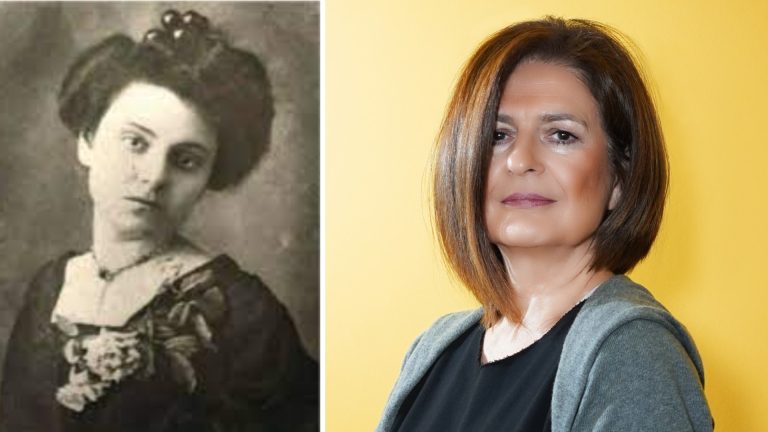
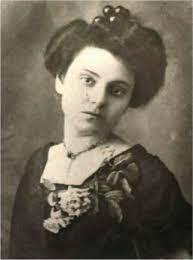
Galatea Alexiou Kazantzaki:
Galatea Kazantzaki (nee Galatea Alexiou) (1884–1962), was born in Heraklion, Crete. Daughter to eminent publisher and author Stylianos Alexiou and sister to author, novelist and academic Ellie Alexiou, Galatea was one of the most prolific female authorial voices in Greek Modernism. And yet, to this date, she remains one of the most understudied Greek writers in Anglophone literature.
Her surname, associated with her first husband Nikos Kazantzakis, seems to have had a negative impact on her recognition as a major female author of the 20th century Greek Arts and Letters.
The lecture on Galatea will introduce her first years when, as a fledgling author, she was trying her pen in a largely male-dominated, literary canon. Her emergence and consistent contribution to Greek literature, journalism and political activism was not only heavily debated but it was also often derided as subsidiary to or lacking the rigor of her male counterparts.
The lecture will provide a closer look at her multifaceted, idiosyncratic approaches to poetry, translation, essay, novel and drama.
Galatea Alexiou Kazantzaki.
First conceived during the period of Greek aestheticism and modernism, Galatea’s works span through the decades of interwar years, the German occupation and post-World War II Greece until her untimely death in 1962.
The lecture will attempt to shed new light on an important female author whose impact and artistic value are still pending appreciation and acknowledgement from the global community.
Dr Anna Fyta:
Anna Fyta’s doctoral and comparative literature research work centre on Modernist poetry and the reception of Greek Classics. Her doctoral thesis explores the dialogue of the American Modernist poet H.D. (Hilda Doolittle) with ancient Greek dramatist Euripides.
Parts of her research and academic work involve the interdisciplinary conversations of American women poets with classical Hellenism and Greek mythology. Her essay on H.D.’s “Translation as Mythopoesis: Helen in Egypt as Meta-Palinode,” was published in The Classics in Modernist Translation (2019) by Bloomsbury Academic.
Dr Anna Fyta is a distinguished scholar in Modernist poetry and the reception of Greek Classics.
In her article “Dramatic Heterotopias and Transformations of Mythic Space” which appeared in the journal Ex-centric Narratives (Aristotle U., 2020), she interprets Joan Jonas’s post-conceptual project Lines in the Sand alongside H.D.’s epic poem Helen in Egypt. Her essay “Galatea Kazantzaki Alexiou (1884–1962): A Modernist Greek Author’s Decadent Poetics” (2021) appeared in Feminist Modernist Studies.
As guest editor, she is currently working for a forthcoming, special issue of Ex-centric Narratives: Journal of Anglophone Literature, Culture and Media published by Aristotle University in Thessaloniki. Anna Fyta teaches English and American Literature at Athens College, Greece.
Dr Fyta’s lecture aims to shed new light on an important female author whose artistic value and impact are still awaiting recognition and acknowledgement from the global community.
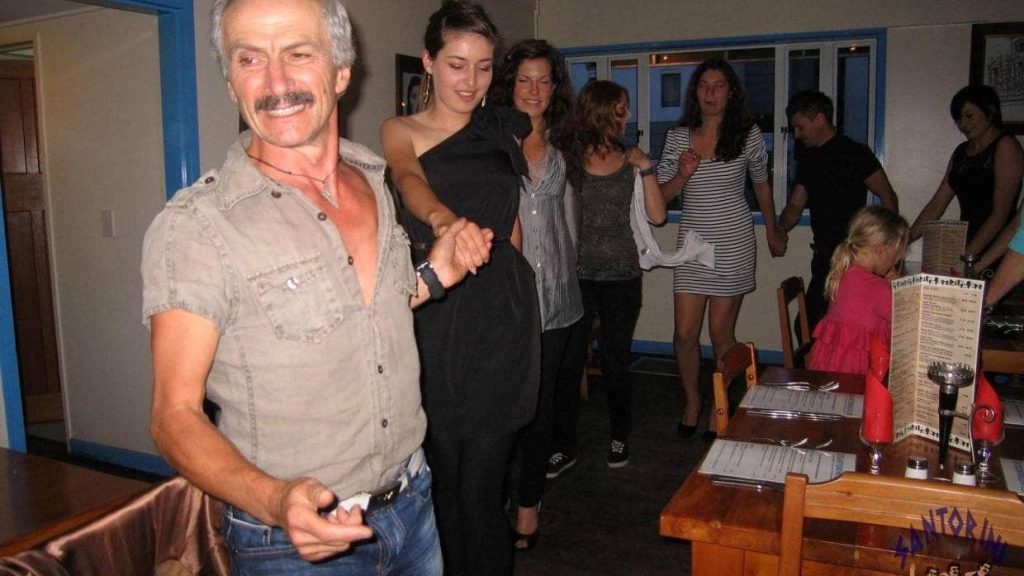
Costa Kerdemelidis, former owner of New Zealand’s Greek party restaurant Santorini, has turned the devastation of losing his business in the 2011 Christchurch earthquakes into a musical.
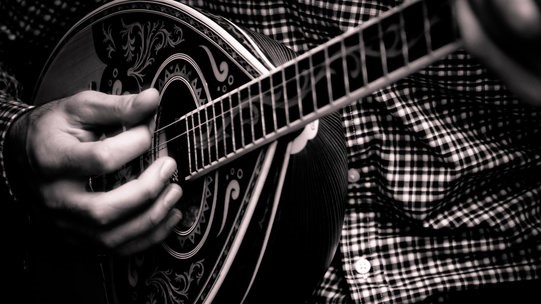
According to Stuff, the restaurant was known for people dancing on barrels, smashing plates and watching Kerdemelides play bouzouki since it opened in 1993.
“It is quite strange because we had the restaurant and I felt like I would always be there playing music until I died,” Kerdemelides said.
The musical opens at The Piano Christchurch on Friday and runs until March 11. Photo: Stuff.
“Then the earthquake struck and the restaurant went down. I didn’t have the will to start again at that stage.”
73-year-old Kerdemelides said instead of re-opening the business he decided to write songs and tell the story of the restaurant.
“There are so many things that happened in that restaurant and I met so many people and felt there was a story to write,” he told Stuff.
The musical, called Breaking Plates, is about a Greek family who move to NZ and open a restaurant in Christchurch. It opens at The Piano Christchurch on Friday and runs until March 11.
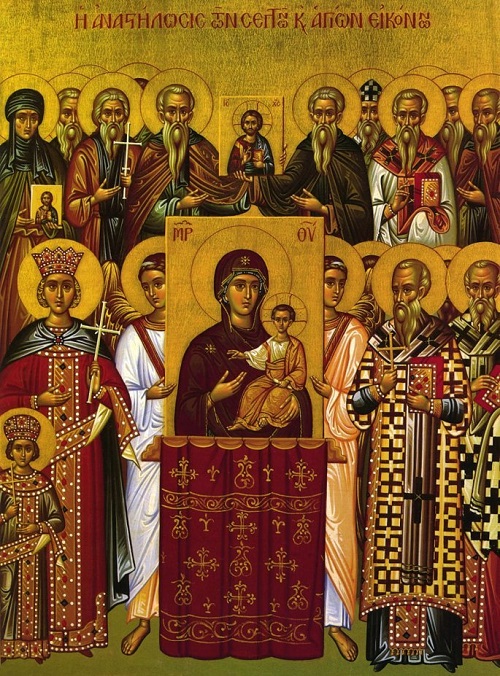
The Sunday of Orthodoxy is the first Sunday of Great Lent. Since 843, the theme of this religious day focuses on ‘the victory’ of the icons.
What does the Sunday of Orthodoxy signify?
In 843, the iconoclastic controversy, which had raged on and off since 726, finally came to an end and icons and their veneration were restored on the first Sunday of Great Lent.
Ever since, the Sunday of Orthodoxy has been commemorated as the “Triumph of Orthodoxy” as icons could be used in churches without strife.
The Sunday of Orthodoxy is commemorated with the Divine Liturgy of Saint Basil the Great, which is preceded by the Matins service.
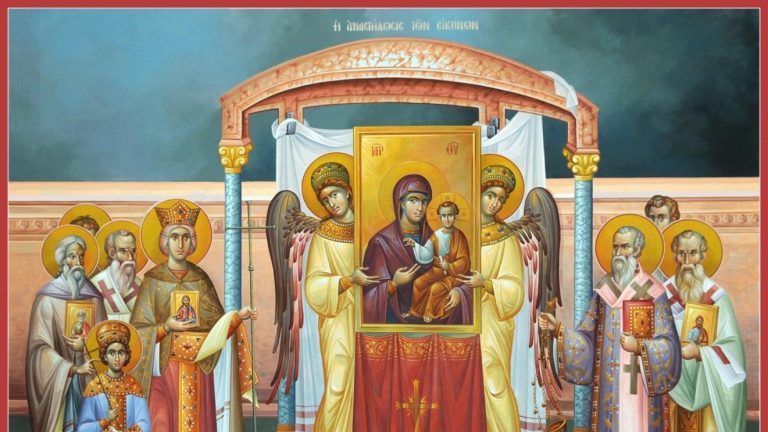
Icon related to the feast day:
The icon related to the Sunday of Orthodoxy features the Virgin Hodegetria, a popular depiction of the Virgin Mary as “Directress” or literally “She who shows the way to God.”
To the left of the icon is Empress Theodora and her son Michael III. To the right of the icon are the Patriarchs Methodios and Tarasios.
The icon is surrounded by the numerous saints who struggled against the Iconoclastic heresy.
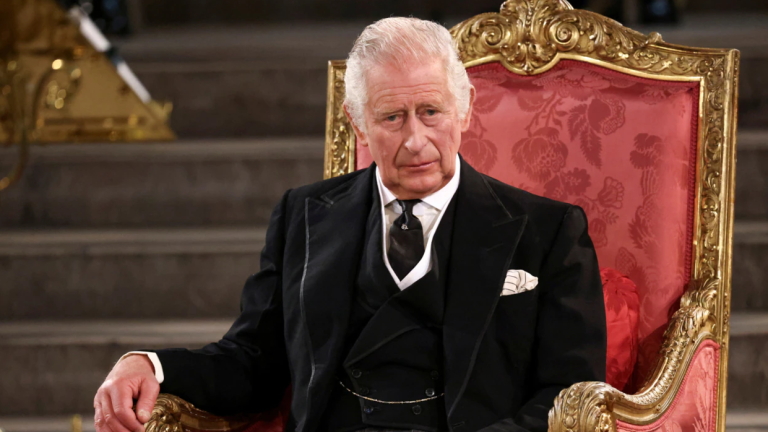
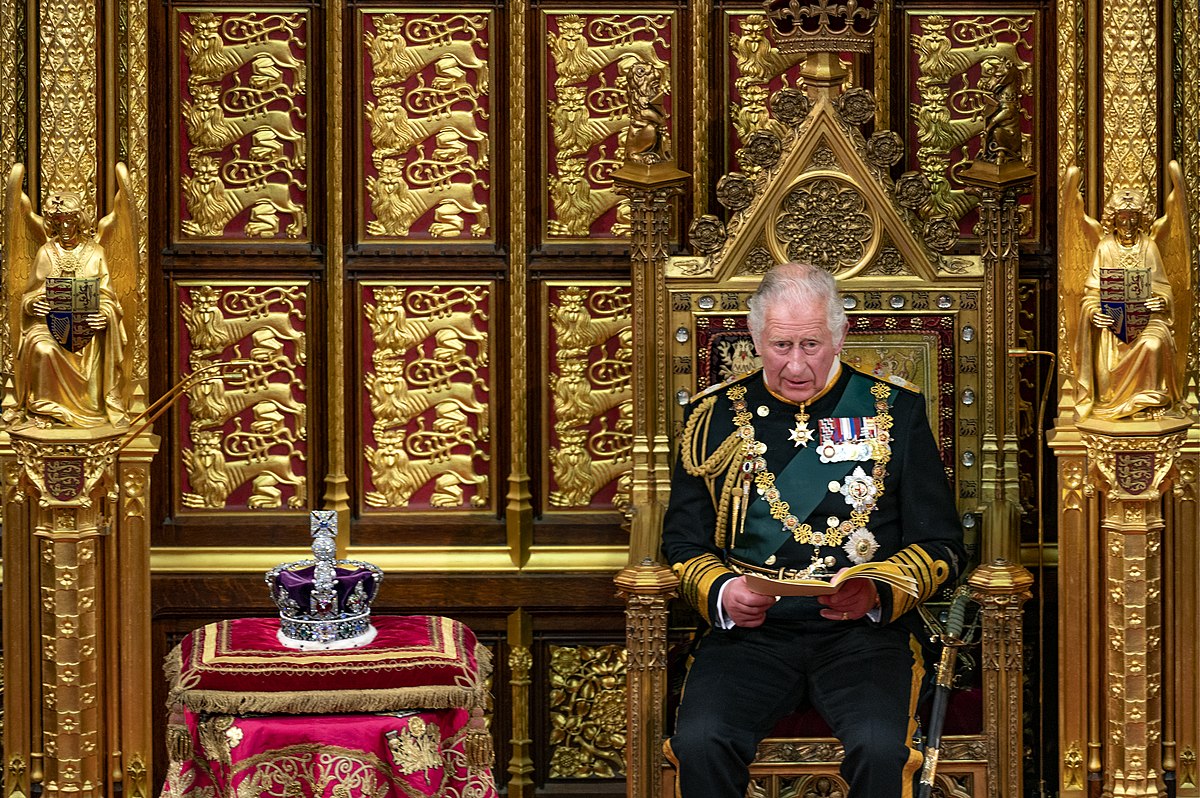
Greek Orthodox chanting will feature in the coronation of King Charles III as a homage to the King’s late father Prince Phillip, who was born on the Greek island of Corfu and previously a member of the former Greek royal family.
King Charles’ link to Greece and the Orthodox faith is through his late father, Prince Philip, the Duke of Edinburgh. Photo: Annabel Moeller / Wikimedia Commons.
“Integrating Greek psalmody into the equally ancient rites of the Coronation service is a profound and beautiful demonstration of the deep appreciation for Orthodox Christianity long shown by both His Majesty and the late Duke of Edinburgh,” Dr Ligas said.
The ensemble is made up of experienced singers who have served as cantors in cathedrals and parishes in the United Kingdom and Greece.