Home Blog Page 1006

Top 7 souvenirs from Greece you can use at home

0

Greece is abundant with rich culture, flavoursome food, scenic landscapes and traditional methods of artistic works.

Choosing souvenirs from Greece on a trip, can be an exciting way to cherish memories when returning home and also share the culture with loved ones.
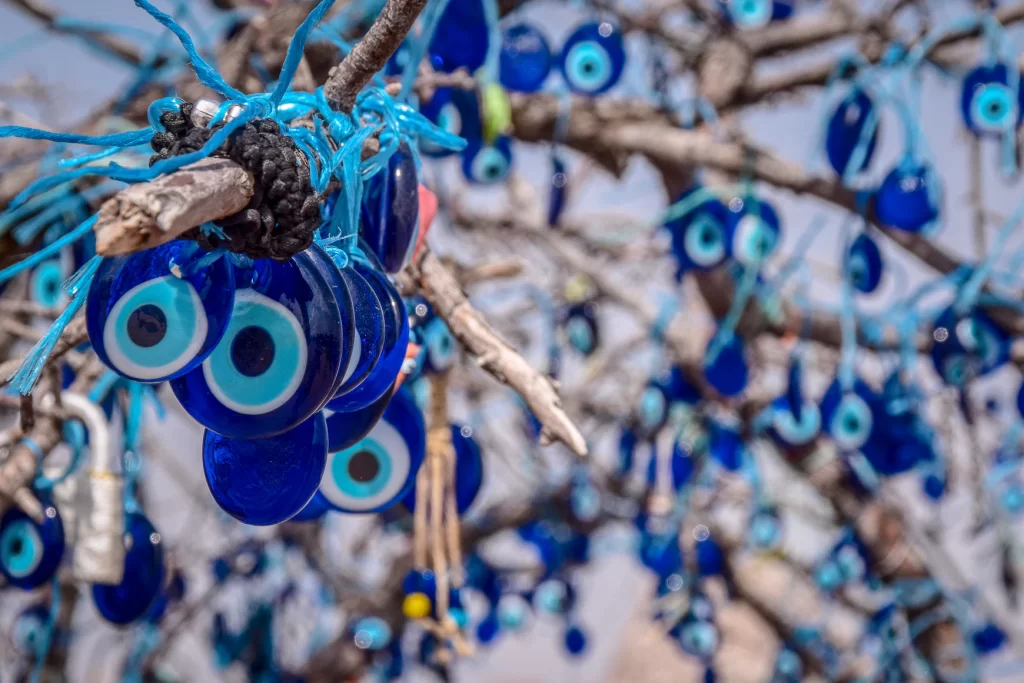
Mati to protect against the evil eye.

Various items with Mati (the Evil Eye):

The Evil Eye, called the Mati, is a longstanding cultural belief in Greece which dates back over 5,000 years ago. The superstition of the ‘evil eye’ is found in many cultures throughout the Mediterranean, including Western and Central Asia, which believe the evil eye can cause a person misfortune.

The Mati, which is a popular Greek souvenir, is used to protect oneself from the evil eye. The eye surrounded by blue can be purchased in many ways, from jewellery, shirts, home decor and worry beads.

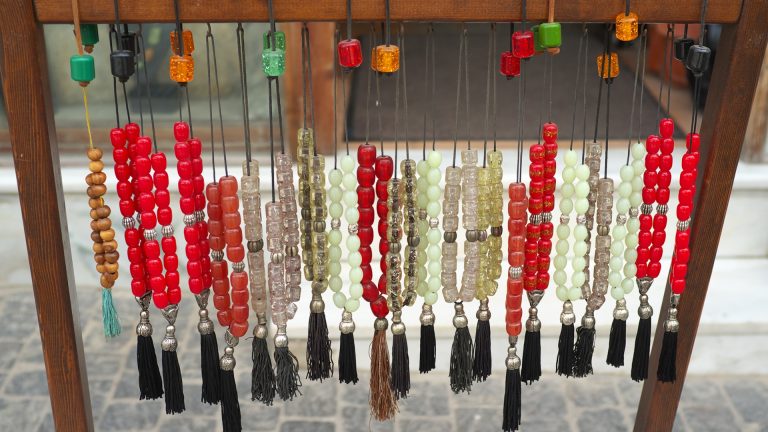
Komboloi, traditional 'worry beads' in Greece often used for passing time.
Komboloi, traditional ‘worry beads’ in Greece often used for passing time.

Komboloi:

Greek worry beads, called komboloi, are a popular tourist souvenir and gift idea, used to pass time in Greek and Cypriot culture. Many cultures use the beads for religious purpose, such as counting while praying, however, Greeks can be seen flicking through the beads while sipping on an espresso coffee as a form of relaxation.

The Greek Boston warns tourists that while these popular beads are sold in many shops, they range in quality from a cheap to high-end version. The quality beads are often known to be soft fragile, hand-cut amber beads whereas the cheaper beads are made of synthetic materials.

Olive oil is a staple in Greece and the Mediterranean diet.

Olive oil and products made with olive oil:

It’s no wonder olive oil is a top souvenir from Greece with Greek olive oil companies taking away 52 awards at the Olive Japan International Olive Oil Competition this year. There were 710 entries from 24 countries and Greece won 21 gold prizes and 31 silver for quality olive oil.

Olive oil is a staple in every Mediterranean diet with many health benefits, especially extra virgin olive oil, which is considered one of the world’s most healthiest fats. 
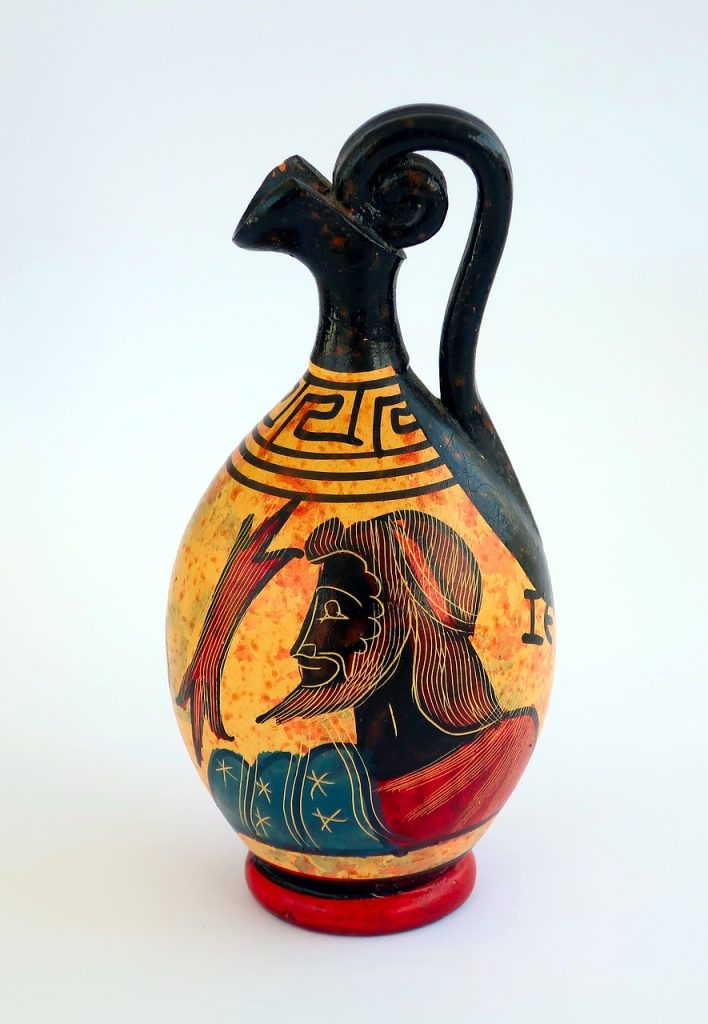
Greek ceramics with handcrafted designs.

Handmade ceramic and pottery replicas:

Ancient artwork and handmade replica ceramics are a popular choice for tourists looking for souvenirs for around the home, as well as gifts for loved ones.

The traditional pottery is often made in local workshops with old methods, ranging from vases, jugs and different sets. For coffee lovers, hand crafted vessels are made into demitasse sets ideal for serving espresso coffee, according to The Greek Reporter.
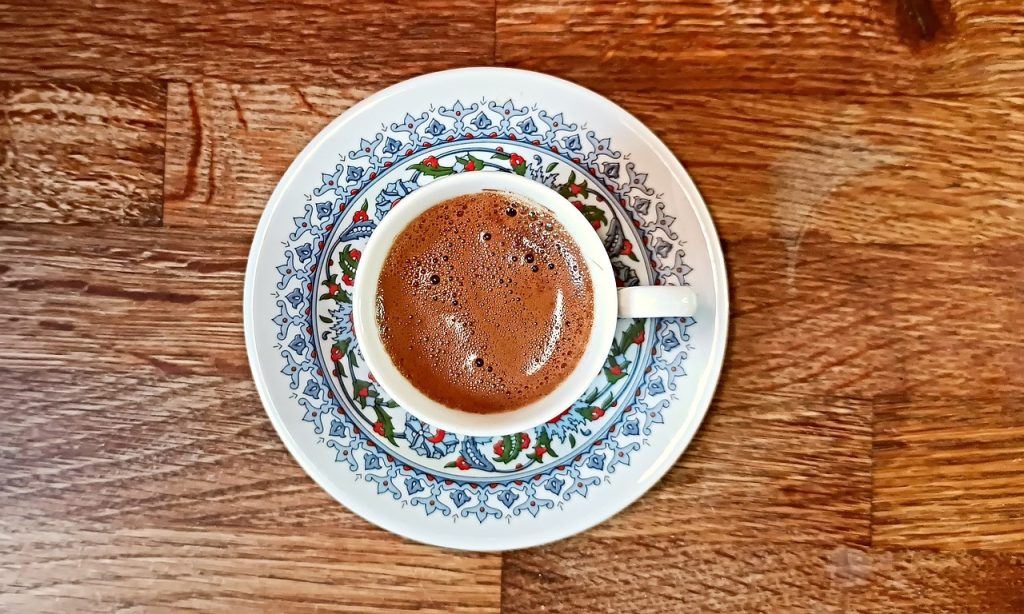
Traditional dark, roasted Greek coffee.

Greek coffee:

Dark roasted Greek coffee is an iconic tradition among locals, and perfect to take home in combination with a souvenir demitasse pottery set!

Greek beans are a much-loved souvenir among tourists while visiting the country because of the quality and taste compared to other places in the world. In 2013, a study showed Greek-style coffee may offer benefits that are healthier than other types of coffee, which may also explain why taking a bag of coffee home after a trip to Greece is ideal.

According to Greece Travel Ideas, to embrace the flavours and nostalgia of sipping coffee in Greece, the best way to prepare a Greek coffee with a strong, aromatic fine grind is in a narrow, tall pot called briki over an open fire, Bunsen burner or cooker.

Greece national spirit, ouzo, a clear liquor served cold.
Greece’s national spirit, ouzo, a clear liquor served cold.

Ouzo, Greek spirits and liqueurs:

Ouzo is one of Greece’s national spirits, a traditional, authentic alcohol commonly served cold, on its own in a shot glass. This clear, aniseed-based spirit has variations of fragrances and flavours.

The strongest ouzos, due to higher alcohol percentage because of the distillery process, are raki, tsipouro, and tsikoudia. Flavourwise, rakomelo (raki mixed with honey and spices), Metaxa brandy and mastiha ouzo are popular choices.

Greek honey which can be infused with Thyme for a premium nectar.

Greek honey, known as ambrosia

Ancient Greeks called honey “ambrosia” meaning the food or nectar of the gods and perhaps they were onto something before current science today. A recent study (2022) researched six Greek honeys from the Greek island of Lemnos and found the antimicrobial activity of the islands honey was equal to or higher than renowned Manuka.

This popular topping, spread and sweetener, is known to be richer and more aromatic in flavour from Greece. A popular Greek premium honey is thyme honey, where the herb is infused into the sticky and rich flavoured nectar.


How ‘The Tipping Point’ helps students on remote Greece connect with global mentors

By Giorgos Psomiadis.

‘The Tipping Point’ (TTP) is an educational tool that can connect mentors from all over the world with students on the most remote Greek island. From Australia to the island of Kastellorizo, the program aims “to contribute towards the creation of informed and conscientious young people in terms of their academic choices and future careers.” 

The Greek Herald talked with the program’s creators, The Hellenic Initiative Australia (THI Australia), mentors in Australia as well as Greek students in Kastellorizo, who shared their experience. 

The co-founder of TTP, Amalia Konstantakopoulou, explains how the global connection is achieved. 

“With the assistance of technology, via live group sessions and/or asynchronous question-and-answer online training, students, regardless of geographic region, economic and social status, broaden their horizons and explore their options, all while having their questions answered by 2,000+ mentors around the world, from farmers and breeders on Aegean islands to researchers at CERN, scientists in Australia, and artists in Spain,” she says.

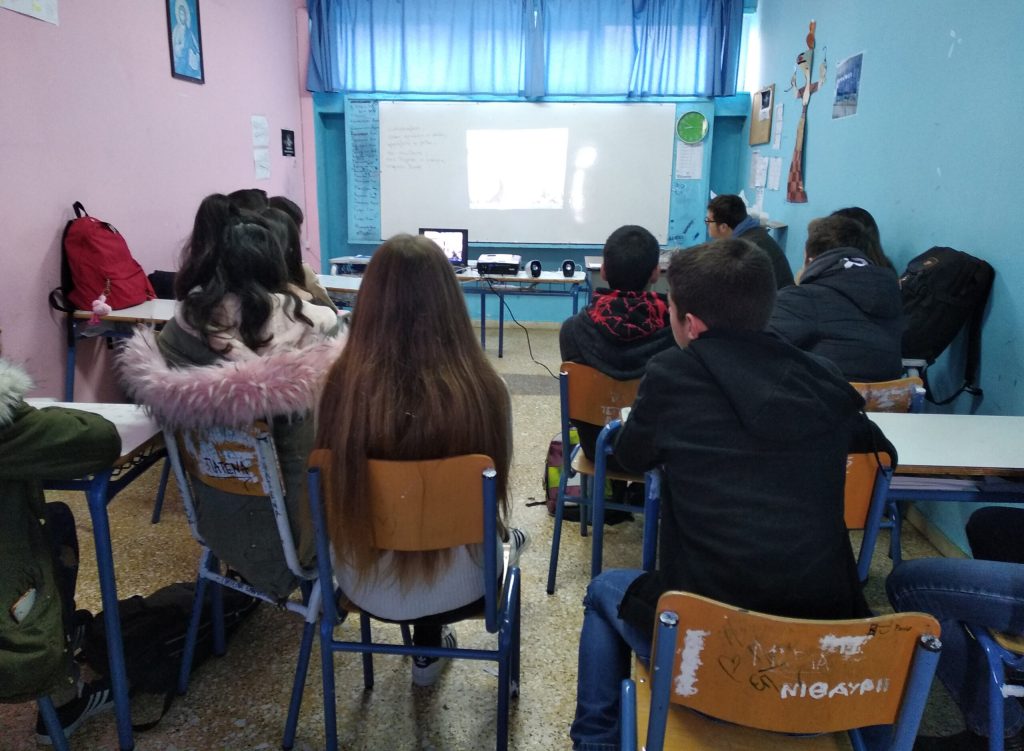
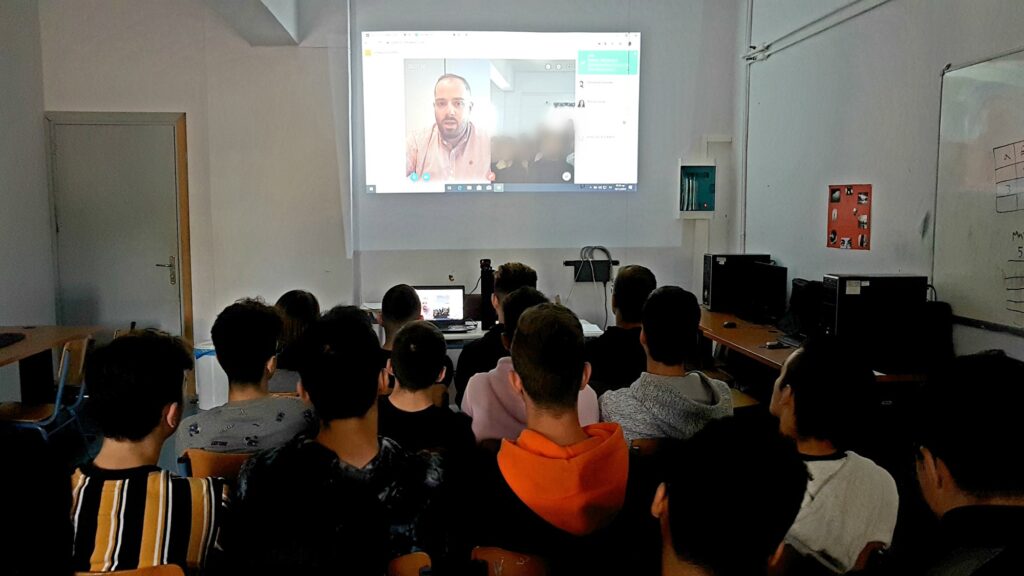
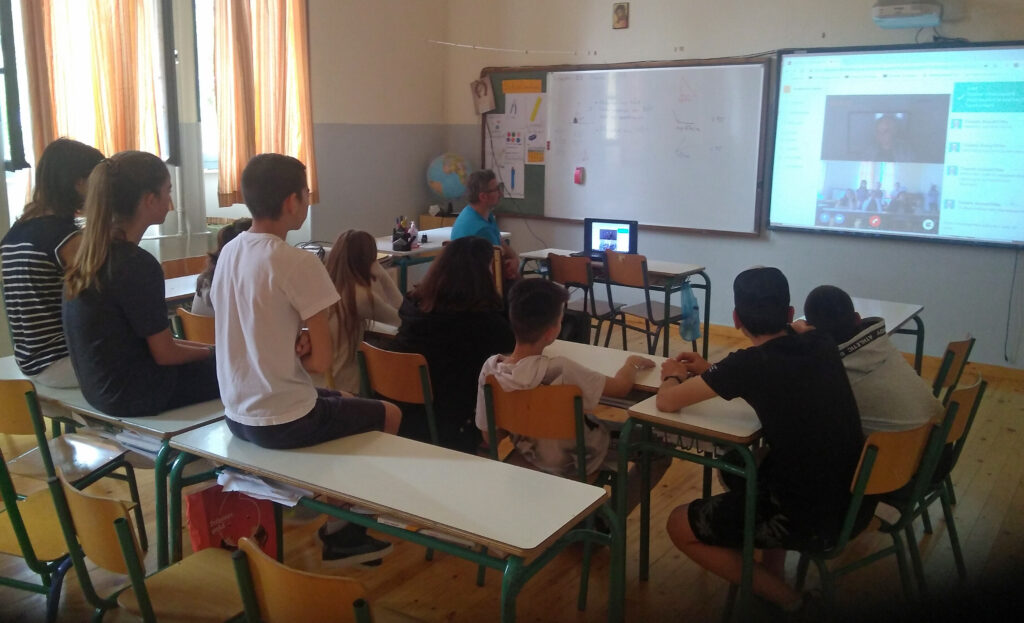
Students in live group sessions.

To date, over 700 schools and communities, from Fourfouras in Crete and Halki, to Arta, Kalamata and Evros, have joined the TTP program, with the support of over 1,800 teachers and their valuable input, enabling more than 40,000 students to be inspired and connected to the modern labour market from the comfort of their classroom.

Amalia says that TTP “contributes to bridging the digital gap by training young children to use new AI technologies, such as ChatGPT, in which technical knowledge or a programming language is not a prerequisite, as communication with the digital medium takes place in spoken language, as with a human being.” 

“This process trains students to ask more targeted questions, all while developing three soft skills – Critical Thinking, Problem-Solving, and Creativity,” she adds.

“So, not only do they have access to a network of people they would never meet otherwise, which consequently increases the stimuli schools in areas like Kastellorizo, Evros, Leros, villages of Epirus, etc., are exposed to, but also, before that, they have ensured the conditions for training themselves to ask better questions with a machine, so that when connecting with the mentor, their time is more effectively and constructively used.”

According to her, the lack of appropriate information and new performances is particularly acute in schools in remote areas, as their geographical location limits access to both people and stimuli even more. 

“TTP is adding experiential learning and personal experience to the educational process, offering students the opportunity to learn about their interests and career prospects, as well as develop their skills regardless of geographical barriers,” she says. 

Role of THI Australia:

Grants by THI Australia to charities in Greece fall under four program streams – health, social services, education, and employment pathways.

“When TTP Project first reached out to THI Australia in 2019, it knew that this was a valuable tool for school students, particularly in regional parts of Greece with limited opportunities to gain insights into career options beyond the traditional employment paths,” Stergitsa Zamagias-Hill, Chief Executive Officer of THI Australia, says.

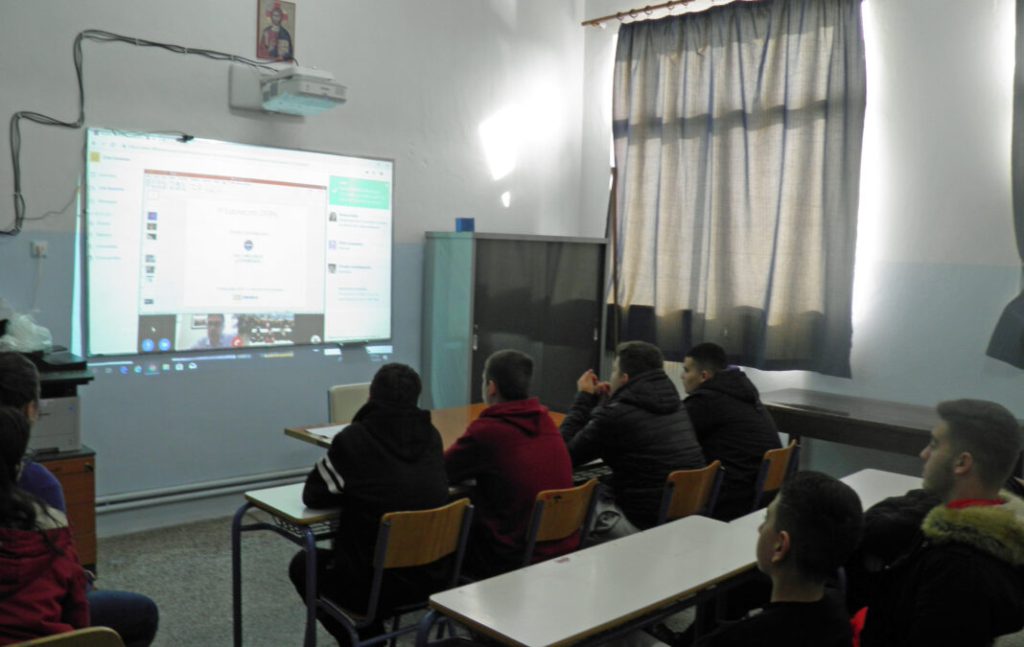
‘The Tipping Point’ (TTP) program connecting mentors from all over the world.

“The program also provides Greek Australians with an important opportunity to support the program as mentors.”

In 2019, THI Australia commenced with three pilot schools and built on the number of participating schools in subsequent years by tailoring its approach to Greek Australian associations and individuals who were interested in supporting schools in certain parts of Greece. 

Schools in Crete, Kalamata and Kos have been supported by associations and individuals.

As Ms Zamagias-Hill explains, Freda Miriklis, THI Australia Director and past Committee member of the Kastellorizian Association of Victoria (KAV), brought TTP Project to the attention of the KAV. Valuing the importance of education and career counselling, KAV made a commitment to support the High School on Kastellorizo for three years.

“Freda Mirklis and Phillippa Adgemis (KAV Committee member) visited the school in July 2022 and met with a number of the students and the Principal of the school, Betty Mouzak. They were pleased that there was significant engagement with the program and THI Australia looks forward to sharing feedback from students participating in the program in the 2022 – 2023 academic year,” she says.

The mentors:

Dr Dimitrios Salampasis, Director MFinTech, Senior Lecturer FinTech Innovation, Swinburne University of Technology, has been a mentor and shares his experience from the program. 

“I immediately became fascinated with the idea and the potential of connecting with schools from Greece and other parts of the world, discuss and share my thoughts, ideas, and experience with students,” he says.

“I am passionate about curating the next generation of talent and contributing to the shaping of future leaders. I have been a mentor for a few years now and I must admit that the experience has been exceeding my expectations. 

“I enjoy every single session and I am positively surprised by the thirst and interest students at such young age have, taking also into account the complicated and contemporary themes they choose for discussion.” 

COVID-19 has redefined and reshaped the way education can be delivered. 

Dr Salampasis believes that COVID-19 has redefined and reshaped the way education and learning are conceptualised, contextualised, and delivered. 

“The pandemic has been pushing the boundaries of transformational and evolutionary innovation in education has been repurposing the way learning is developed. I believe that having students being exposed to mentors from different parts of the world utilising digital technologies is a priceless and unique opportunity and experience. Digital technologies enable delivery and curation of novel teaching and learning experiences in a location-agnostic manner,” he said. 

Apart from personally benefiting from the whole “mentoring through sessions” experience, he says that “it’s amazing to connect and give back to my home country and there is no better reward to help curate the next generation of leaders and responsible citizens of Greece and the world.”

Students:

A 17-year-old student from Lemnos describes his experience with the TTP program as inspirational.

“The vocational rehabilitation school program seems helpless and outdated in the face of such techniques. Truly, the meeting with mentors from this program is a source of inspiration but also of reflection for us students, as it conveys to them experientially the professional experience,” the student says.

“I hope that in the future other such programs will ‘bloom’ in the school environment and provide real solutions to chronic school issues.” 

Students learning remotely.

Other students between the age of 13 and 15, based on the island of Kastellorizo, share the way they benefited from the program. 

“Because I am in one of the most remote islands of Greece, I had the opportunity to meet through “live video” people (professional mentors) that I would not otherwise have had the opportunity to meet,” one student says.

“This allows me to get to know and think about my future and other professions besides those of my closed social environment.

Another student says: “I got informed about different professions and thanks to that I realised which professions I like. With the help of the mentors, I am now starting to think about what I want to do in the future. Because I am on one of the most remote islands of Greece, I had the opportunity to meet people through live video that I would not otherwise have had the opportunity to meet.” 

From music, to singing and photographing, the fields a student can be mentored in are plenty. And students feel gratitude for learning about them from the experts.  

“I really hope that this program continues in the coming years so that other children can have this experience, learn new things to help themselves for their future and dreams,” one student concludes.

Greece among top 10 outbound tourist destinations in the world

The United Nations World Tourism Organisation (UNWTO) ranked Greece among the top 10 outbound tourism destinations in the world for the year 2021.

According to the data by UNWTO, which is the most recent to date, Greece is among the top five preferred places to visit for tourists in the Mediterranean regions.

In comparison to previous data in 2019, Greece moved up in the rankings as the preferred outbound destination place for travelers from Germany, Italy, the Netherlands, Austria, Switzerland, and Sweden.

Source: Ekathimerini

Read more: Greek streets among the world’s most beautiful

Melbourne seminar to focus on early years of British rule in Cyprus

Historian and post-doctoral researcher, Elena Bouleti, will deliver an online only lecture on the topic of “Early Years of British Administration in Cyprus” on Thursday, July 20 at 7pm, as part of the Greek History and Culture Seminars offered by the Greek Community of Melbourne (GCM). 

The lecture will be broadcasted on the social media platforms, YouTube and Facebook. 

Elena Bouleti, a historian and post-doctoral researcher in the Department of Political Science and History at Panteion University, Athens, has dedicated her research to British policy towards the Turkish-Cypriot community of Cyprus from 1878 to 1950. Her doctoral thesis focused on this subject, and her post-doctorate research examines the refugee and migratory patterns of Greek and Turkish Cypriots in the 1960s, 1970s, and after the 1974 invasion of Cyprus.

During her online lecture, Dr Bouleti will shed light on the unique transition of the Ottoman Muslim community of Cyprus from a religious community, particularly the ruling community, to a national community. This transformation unfolded without direct influence from Turkish nationalism. Following the Cyprus Convention in 1878, the British administration of the island was established on a strict colonial basis, sustaining the religious foundation of the Ottoman administrative system while selectively modernising certain aspects to facilitate a British colony.

Dr Bouleti’s lecture will delve into the initial anti-colonial sentiments among the Muslim community, triggered by the British infiltration into their social, economic, and religious core. With a focus on nationalism formed along communal lines, she will trace the contribution of the colonial regime to its development. 

Dr Bouleti.

Additionally, Dr Bouleti will explore communal attempts to redefine traditional religious institutions to counter British colonial control, resulting in a secular and nationalistic scope within these institutions.

According to Dr Bouleti, British efforts to suppress Turkish Cypriot nationalism inadvertently fuelled an anti-British sentiment within the community. The suppressed nationalism manifested as anti-colonialism within a strict communal-religious framework. 

While Turkish Cypriots sought to preserve their religious community and institutions, they also attributed national characteristics to them by claiming self-administration through elections. This duality in the national and communal frame continued to shape the Turkish Cypriot identity even after World War I, despite the growing influence of Young Turk ideology.

This lecture offers a unique opportunity for researchers, students, and history enthusiasts to gain deep insights into the early years of British administration in Cyprus and its impact on the formation of Turkish Cypriot nationalism. 

To participate in the event, please visit the official YouTube channel or Facebook page of the Greek Community of Melbourne on Thursday, July 20 at 7pm (Melbourne time). We encourage active engagement through the live chat, where participants can ask questions and contribute to the discussion of the issues surrounding this interesting historical topic.

Details about the event:

  • When: Thursday 20 July, 7pm
  • How: Live streamed on Facebook and YouTube

World’s largest container ship named after Greek port Piraeus

The largest container ship to be built in the world, the ‘OOCL Piraeus,’ has been named after the largest port in Greece.

The OOCL Piraeus has a transport capacity of 24,188 TEUs with a length of 399.99 meters, width 61.30 meters (24 rows) and deadweight of 215,000 tons.

According to amna.gr, the ship has recently arrived at the Piraeus Container Terminal (PCT) headquarters, in the Neo Ikonio, Perama section of the port in Greece.

The ship’s arrival is passage of friendship shown between the Chinese and Greek people, and the world.

PTC CEO Zhang Anming said in a statement on Monday: “We are proud that one of the largest container transport ships in the world carries the name of the largest Greek port, Piraeus, and will carry its glorious name to the world.”

The ship is equipped with state-of-the-art systems and technology, designed to allow a more efficient economy in energy.

Source: amna.gr

Systemic parties and ideologies in Greece

0

By Anastasios M. Tamis*

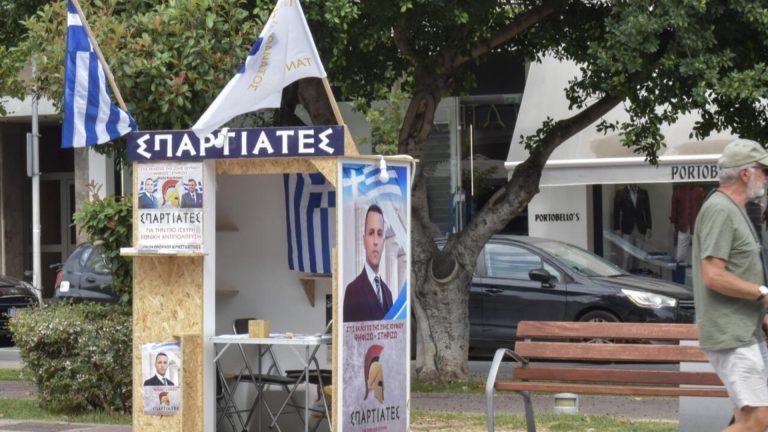
Chaos again in Greece with the so-called “far right” parties. We constantly hear about the “antisystemic parties” that entered the Greek Parliament, we hear that these are the Chrysavgites (Golden Dawners), the neo-Nazis, the far-right, the fascists. Everyone walks into one of the TV windows selling garbage, tons of garbage, and baptises the others, as they see fit, as they like to put it simply. 

What does a “systemic” party mean? It means the party that conforms to the dominant system, the system of capitalism for example, it means the party that does not renounce and does not want to abolish the prevailing system of government. Those who belong to parties that strengthen, support, or legitimately oppose the ideology of these parties and do not seek to abolish the system are systemic. They are OK, they are acceptable, they are straightforward, they are democrats, they may even be neoliberals, but today in Greece they may also be communists. However, the latter are also anti-systemic, because their foundation values are based on the destruction and leveling of the system of capitalism and the bourgeoisie. 

Apart from how we baptise others and what ideological nuance we want to give them, I think that political terms are used without much care and precision. To confuse, for example, Liberalism, and especially National Liberalism, with neo-Nazis, and the far right, is to say the least, apart from an inaccurate view and interpretation, remains also a fundamental historical error. At least from the mid-19th century until the last decade of the twentieth century, national liberalism, as a political worldview, was the ideology that fought against the Nazis and fascists. Therefore, the majority of those who belong to this area of national liberalism are neither anti-systemic, nor far-right, nor Nazi.

If we look bibliographically to interpret the positions of these parties, we will establish that they are related to national liberalism. National Liberalism is a variant of liberalism, combining nationalism with certain liberal policies, especially regarding education, state-church relations, and modern and efficient bureaucratic management. Its roots lie in Central Europe of the 19th century, the criticism of mainstream conservative liberalism regarding the unchecked freedom of international trade. National liberalism, on the other hand, proposes cooperation between government and national industry within the framework of moderate protectionism, preferential tariffs, subsidies for infant industry, sectors of strategic importance for national development, and various forms of industrial planning. Today, it seems to be emerging as an alternative to the European Union and globalisation in general in their current form. Simply put, right-wing policies prioritise national identity, security, and economic liberalism, while progressive wing policies emphasise social progress, equality, and solidarity.

Apart from the meaning and dimension that we can give to the three parties that derive their ideology as an outgrowth of national liberalism in Greece, there is also the voter himself. These parties did not emerge, did not enter the Parliament by arms, as a few years ago some from the leftist spectrum in Greece dared to talk about the abolition of parliamentary democracy in Greece and yet they remain elected MPs in our Parliament. 

These parties were elected by Greek citizens, Greek voters, and if it is proven that their parties, their organisations, are not criminal gangs and men of fanatical and uncontrollable organs, I do not see why the reaction. Is democracy afraid of the other voice? Is this 13-14% of our people, who have always had this tendency towards conservatism and national liberalism, such a dangerous element? What had happened in Greece, in at least two elections, is obvious. The Mitsotakis Government gave the opportunity to thousands of small and medium-sized enterprises to make a living and bring food on the family table, gave them the opportunity, after the great economic crisis that preceded it, to smile, feeling that they also have some money in their pocket, and voted for what they considered stable and secure. 

Surely there are ordinary people who, along with the struggle for survival, look back to their Faith and ask to protect their national and religious identity, and others who feel ethnically humiliated by the Prespes Treaty, and others who rightly or wrongly see the Islamic danger overshadowing Europe and those who cannot negotiate the danger from the East and those still wounded by the Turkish invasion of Cyprus,  and all those who do not forget the evils of the civil war, but also those few (no more than 3%) who are ideologically subservient to far-right ideologies and values, who consciously voted for these three parties on the right wing of the New Democracy Party. 

However, in my view we also have the “antisystemic” parties from the opposite wing, the Far-Left, those who essentially want to overthrow the bourgeois regime in Greece, abolish capitalism, drive Greece out of NATO and the European Union and, if they could, even overthrow the Parliament. For them, today in post-Junta Greece, no one speaks in the windows of television garbage, nor does anyone openly include them in the antisystemic group of parties! 

*Professor Anastasios M. Tamis taught at Universities in Australia and abroad, was the creator and founding director of the Dardalis Archives of the Hellenic Diaspora and is currently the President of the Australian Institute of Macedonian Studies (AIMS).

Eight Greek universities ranked among top in the world

0

Eight Greek universities have recently been ranked in the Quacquarelli Symonds ‘QS World University Rankings 2024: Top global universities.’

The list features 1,500 institutions across 104 locations around the world.

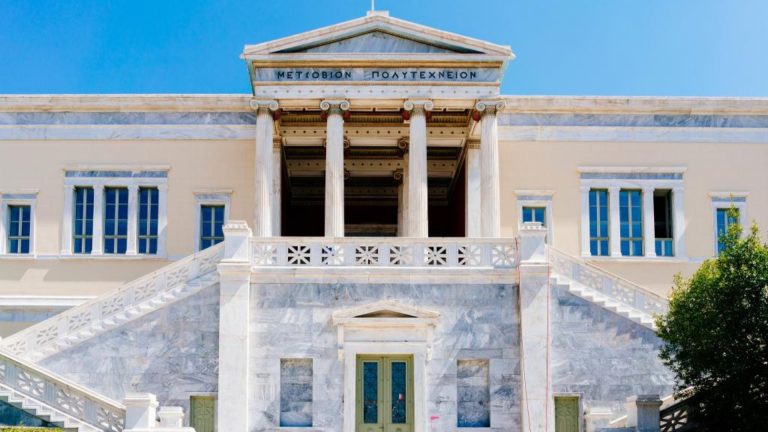
The National Technical University of Athens (or Athens Polytechnic) was the top Greek university among the eight, ranking 347th place in the world on the QS list.

Athens Polytechnic is one of the oldest universities in Greece and known as a prestigious engineering school.

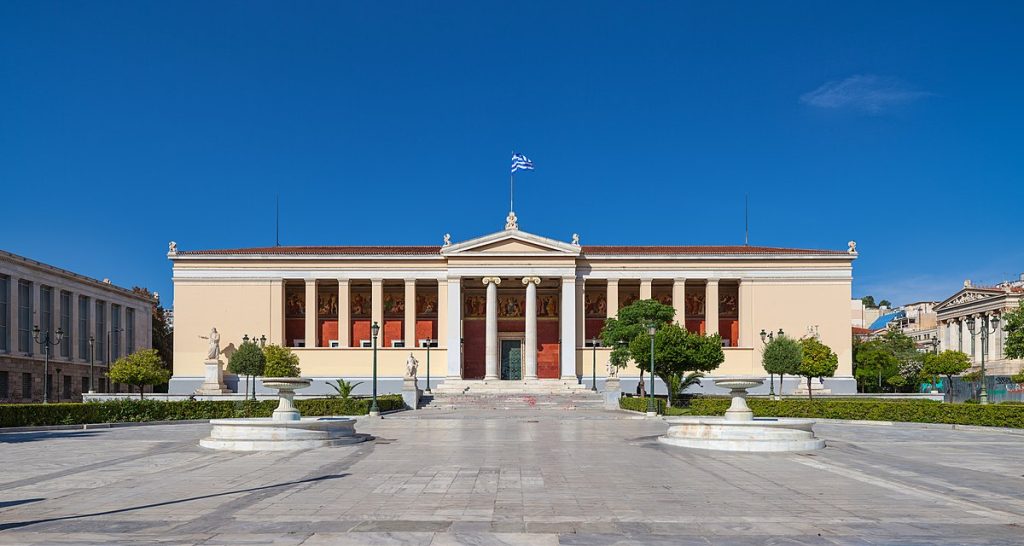
National and Kapodistrian University of Athens in 444th place.

According to Ekathimerini, the second highest ranking Greek university was the National and Kapodistrian University of Athens in 444th place.

The Aristotle University of Thessaloniki came in 530th with the University of Crete close behind in 534th.

The remaining four are The University of Patras placing 791-800, Athens University of Economics and Business placing 901-950, University of Ioannina placing 1001-1200, and the Polytechnic of Crete placing 1400+.

Source: Ekathimerini

French woman returns Acropolis ancient marble fragment to Greece

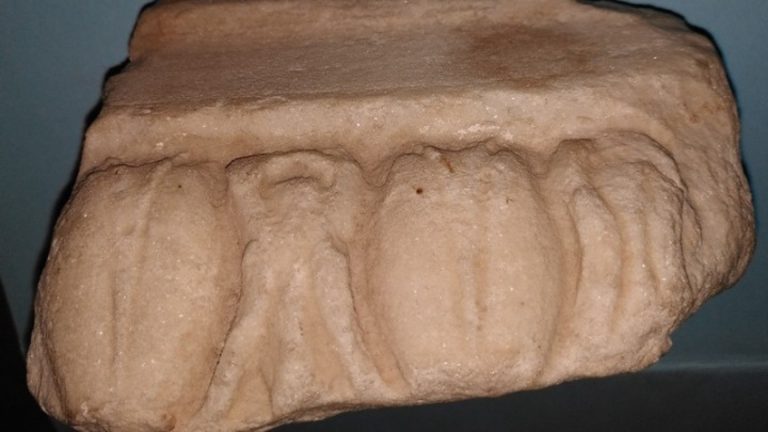
An egg-and-leaf sculpted architectural fragment from the Erechtheion temple on the Acropolis in Athens will be voluntarily returned to Greece by the Prefecture of the Rhone, in France.

The artefact was voluntarily given to the Rhone Prefecture in Lyon by art historian Jean-Claude Mossiere on behalf of an elderly French citizen, Jacqueline Junelles, who owned the fragment since the 1970s.

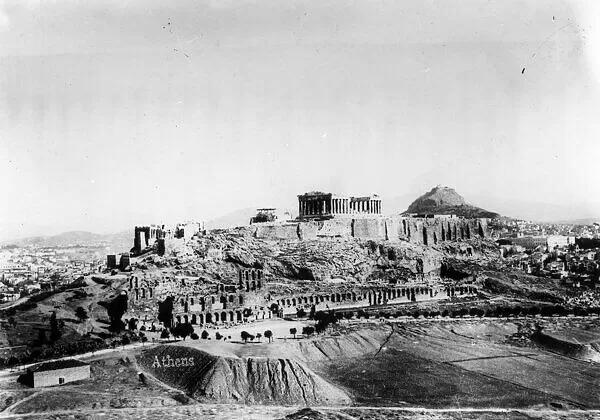
The Greek Ministry of Culture said in a statement that the marble fragment was removed from the Acropolis in the 1930s and comes from the Erechtheion, Temple of Athena Polias, which is on the north side of the Acropolis.

Acropolis photographed in 1930s.

“The repatriation of cultural goods illegally exported from our country is a political priority and a constant pursuit of the Ministry of Culture and the Archaeological Service,” said the Minister of Culture Lina Mendoni, on the delivery of the marble fragment.

“Every voluntary return of antiquities, to the land of birth, gives us special joy and great satisfaction.”

The Prefect of Rhone Emmanuelle Darmon and Regional Director of Cultural Affairs of the Auvergne-Rhone-Alpes Region Marc Drouot delivered the marble fragment to the Ambassador of Greece, Dimitrios Zevelakis, in Paris.

Read more: Have the Caryatids of the Acropolis told all their secrets?

Source: Amna.gr

Alex Hawke MP faces possible Liberal party expulsion

Alex Hawke MP, the former Federal Immigration Minister, will face a motion later this year to be expelled from the Liberal party.

The motion to expel Hawke was put forward by the Artarmon branch of the Liberal party, with accusations he delayed Morrison government pre-selections last year ahead of the 2022 federal elections.

MP Alex Hawke. Photo: Daily Telegraph.

In October or November this year, the NSW state council will debate claims that Hawke’s failure to attend nomination review committee meetings before the 2022 election “impaired” pre-selections in Farrer and North Sydney.

Source: The Guardian

Sydney doctor Peter Alexakis found guilty of malpractice

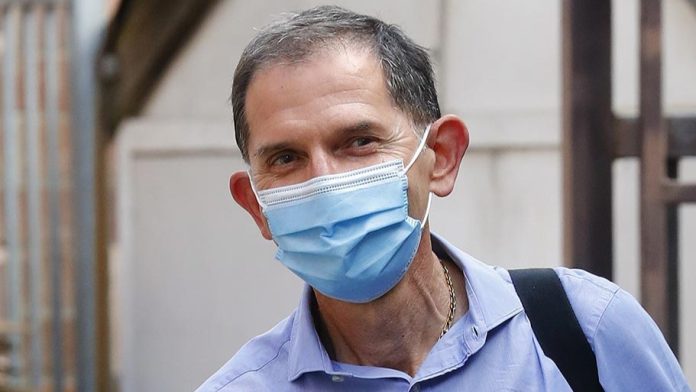
Sydney doctor Peter Alexakis has been found guilty of professional misconduct in NSW Civil and Administrative Tribunal (NCAT) this week, The Sydney Morning Herald has reported.

This comes after Dr Alexakis inherited $24 million left to him by a patient after winning a long-running court battle against The Salvation Army and the ­deceased man’s ex-business partner and friends.

Dr Alexakis was referred to the NCAT after doctors who treated the elderly patient in 2017 prior to his death complained to the Health Care Complaints Commission (HCCC).

When presenting the case to the tribunal, the HCCC alleged Dr Alexakis visited the ailing patient 92 times, or almost daily, in the months leading up to the execution of the will, and that he had established a “friendship” with the patient to exploit him for financial gain. The patient was 83 when he died.

Whilst the tribunal found there was insufficient evidence the patient had been manipulated into changing his will, it said Dr Alexakis did fail to observe professional boundaries and interfered with treating doctors at Royal Prince Alfred Hospital and Concord Hospital.

According to The Sydney Morning Herald, the tribunal will reprimand Dr Alexakis at a later hearing but for now, the GP is free to continue practicing medicine.

Dr Alexakis was contacted by The Sydney Morning Herald for comment.

Source: The Sydney Morning Herald.