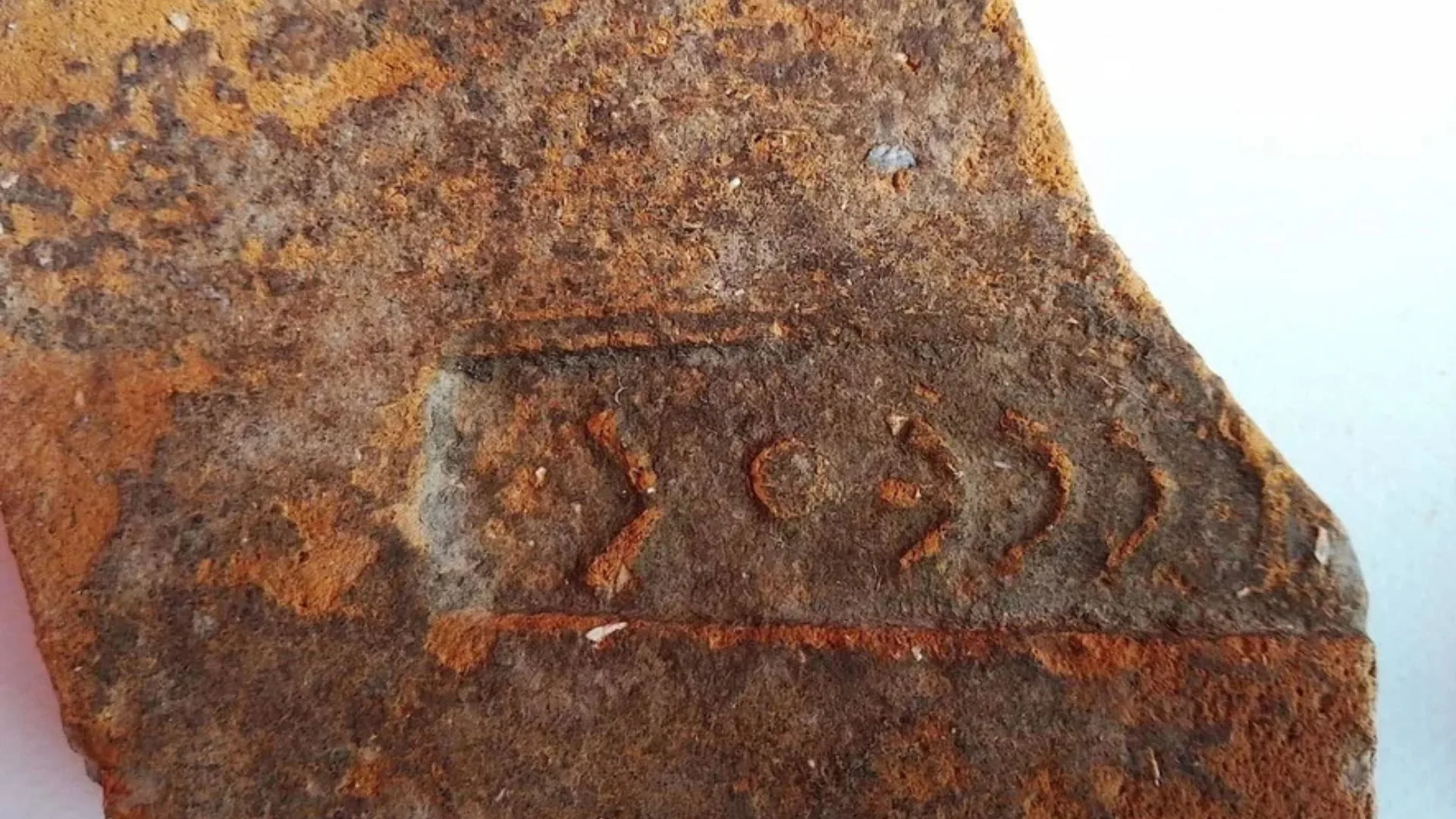
Archaeologists working on the Ionian island of Ithaca have uncovered what they believe to be a sanctuary dedicated to the legendary hero Odysseus, marking one of the most important archaeological discoveries in recent years, according to gpnews.com
The excavation took place at a site known as the “School of Homer,” where researchers found a tile fragment bearing an inscription linked to Odysseus’s name. This key find, along with numerous votive offerings, ceramics, and metal objects, suggests the presence of an organized place of worship devoted to the mythical king.
Artifacts recovered from the site span a long period, from the Mycenaean era (1600–1100 BC) to the Hellenistic period, indicating that the cult of Odysseus endured for over a thousand years. The discovery of Mycenaean material is particularly significant, as it may point to traditions connected to Odysseus that predate the works of Homer.
Later finds from the Hellenistic age show that devotion to the hero continued despite major cultural and political changes in the Greek world. The sanctuary’s elevated position overlooking the sea further supports its identification as a shrine honoring a famed seafarer.
While the discovery does not confirm that Odysseus was a historical figure, it highlights how deeply mythology was woven into everyday life in ancient Greece. Heroes like Odysseus were not only literary figures but also objects of worship.
His story, preserved in the epic Odyssey, remains one of the most influential works of Western literature.
Source: gbnews.com
