A joint ceremonial session of the Hellenic Parliament has formally recognised the decisive role played by the Greek diaspora and academic community in securing UNESCO’s historic recognition of World Greek Language Day.
Held in the Senate Chamber at the invitation of the President of the Hellenic Parliament Nikitas Kaklamanis, the session brought together senior government officials, MPs from across the political spectrum, diplomats and leading scholars from Greece and the global Diaspora.
The event marked UNESCO’s unanimous decision on 12 November 2025 to designate February 9 – the anniversary of the death of national poet Dionysios Solomos – as World Greek Language Day, recognising the enduring contribution of the Greek language to global civilisation.
Among those present were Deputy Minister for Foreign Affairs responsible for Diaspora Ioannis–Michail Loverdos, Deputy Minister for Education Konstantinos Vlasis, and Greece’s Permanent Representative to UNESCO, Ambassador Georgios Koumoutsakos, who played a central diplomatic role in advancing the initiative internationally.
The session was jointly organised by the Special Standing Committee on Hellenism of the Diaspora and the Standing Committee on Cultural and Educational Affairs.
Addressing the chamber, Ambassador Koumoutsakos called on Greek communities, the Church and the business sector worldwide to actively and financially support the global promotion of the Greek language.
Particular emphasis was placed on the contribution of diaspora academics who, over recent years, prepared studies, research and documentation that underpinned Greece’s diplomatic campaign at UNESCO. These efforts, speakers noted, were instrumental in mobilising international consensus.
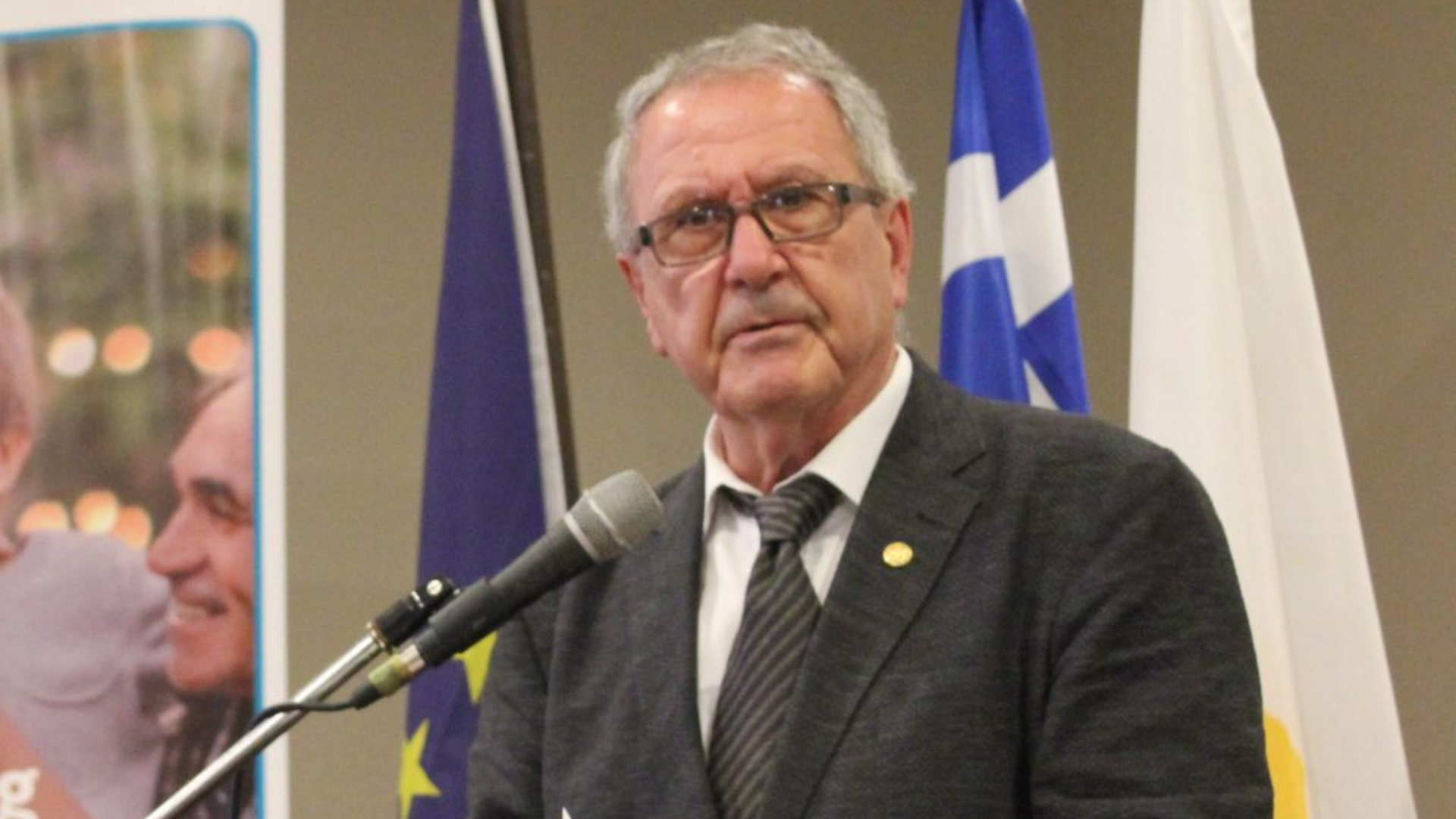
From Australia, Anastasios Tamis, Professor of Social Linguistics and History of the Greek Diaspora, was singled out for his pivotal role. According to Ambassador Koumoutsakos and fellow academics, Professor Tamis’ sustained advocacy proved decisive during the final stages of the campaign.
During the session, reference was also made to Professor Tamis’ earlier public criticism of the Australian Government after it abstained from a key UNESCO vote in April 2015 relating to the Greek language – a stance that was later reversed in November of the same year.
In an excerpt from his address to Parliament, Professor Tamis described UNESCO’s recognition as a milestone with far-reaching implications, noting that Greek is the only language of the Western world with an uninterrupted written and spoken history of more than 3,500 years and the sole ancient language still in continuous use today.
He argued that the recognition should serve as a catalyst for a coordinated global effort to revitalise and promote Greek as a living, creative language, particularly in the formation of new scientific and technological concepts. He also underscored that Greek is the only language to have received global institutional recognition specifically for its contribution to humanity.
Speakers further highlighted that the original idea for a World Greek Language Day emerged from the diaspora in 2014, before being formally recognised by the Hellenic Parliament in 2017 and ultimately elevated to global status through UNESCO.
The session concluded with a clear message: while the international recognition of the Greek language marks a historic achievement, its long-term impact will depend on sustained action by the Greek state and the global diaspora to ensure that Greek remains relevant, taught and actively used in the modern world.
