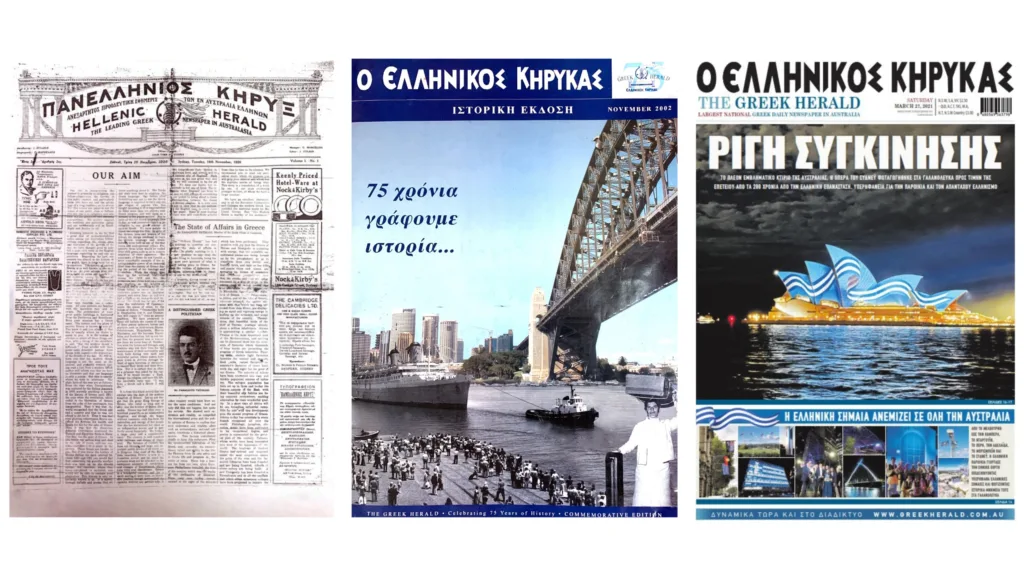
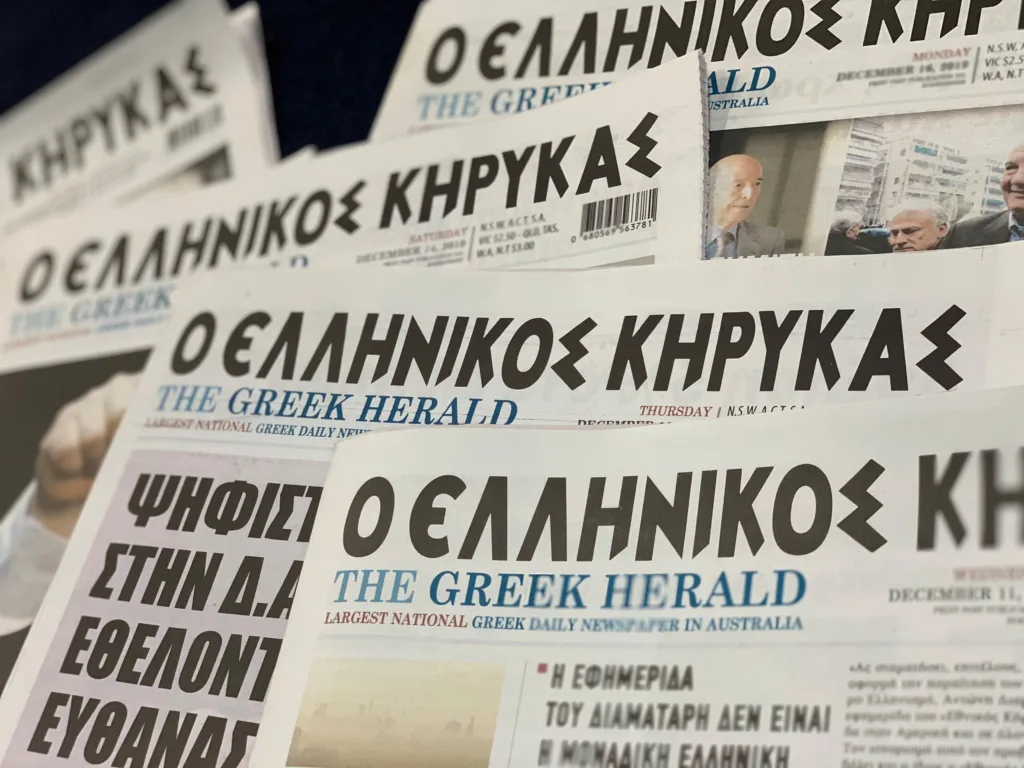
In late May 2026, The Greek Herald will mark an extraordinary national milestone: 100 years of continuous publication, making it Australia’s longest-running Greek newspaper and one of the oldest migrant-founded publications still operating in the country.
Founded in November 1926, The Greek Herald emerged at a time when Australia was grappling with its identity as a young nation shaped by migration, yet constrained by racially exclusionary policies. For Southern European migrants arriving in the aftermath of the 1925 Ferry Royal Commission, public voice and representation were limited. In this climate, the establishment of a Greek-language newspaper was not merely cultural — it was civic.
The publication’s first manager and publisher, George Marcellos, and its first editor, John Stilson, laid the foundations for what would become a national institution.
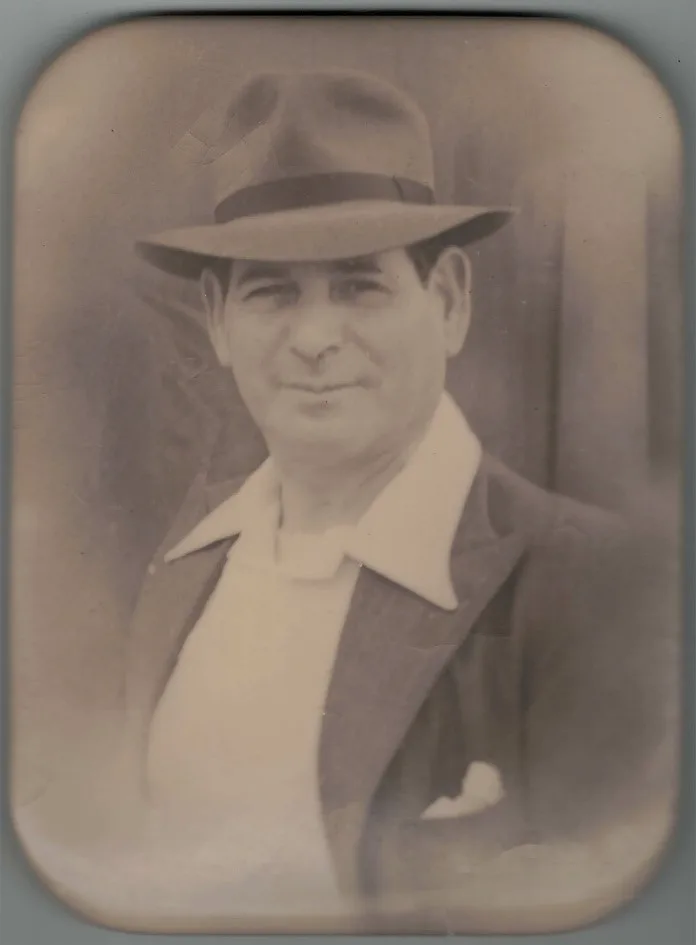
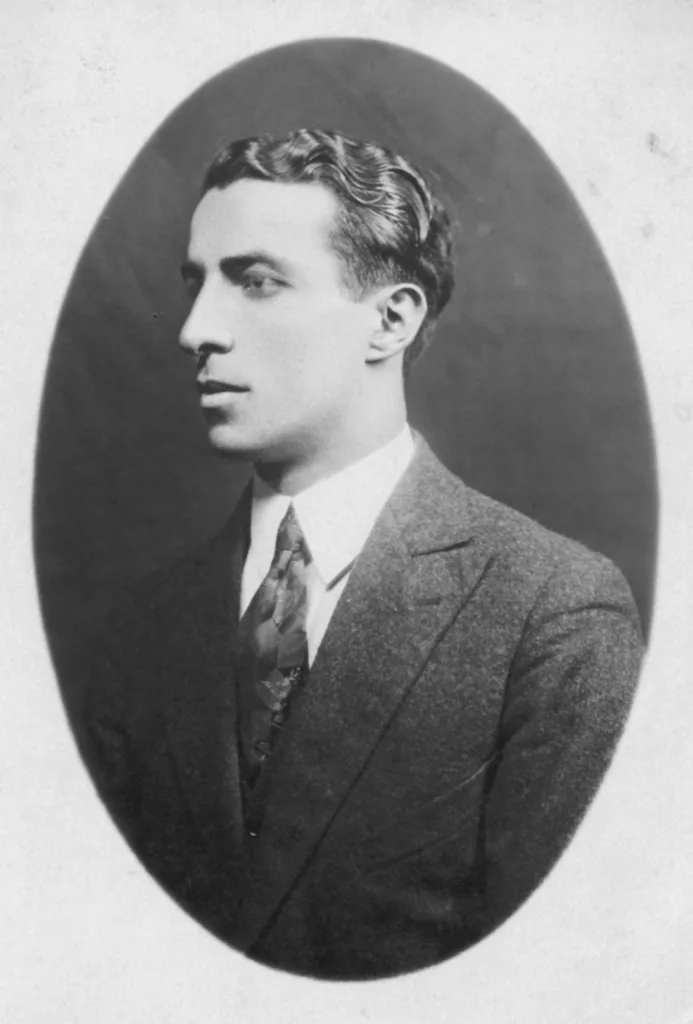
From its earliest editions, The Greek Herald functioned as both lifeline and forum: publishing ship arrivals, employment notices, births and deaths, while reporting on political developments in both Greece and Australia, and encouraging migrants to understand and participate in the civic life of their new homeland. It was a place where newly arrived migrants — many with little English — could navigate Australian institutions, engage in democratic processes, and assert their place within society.
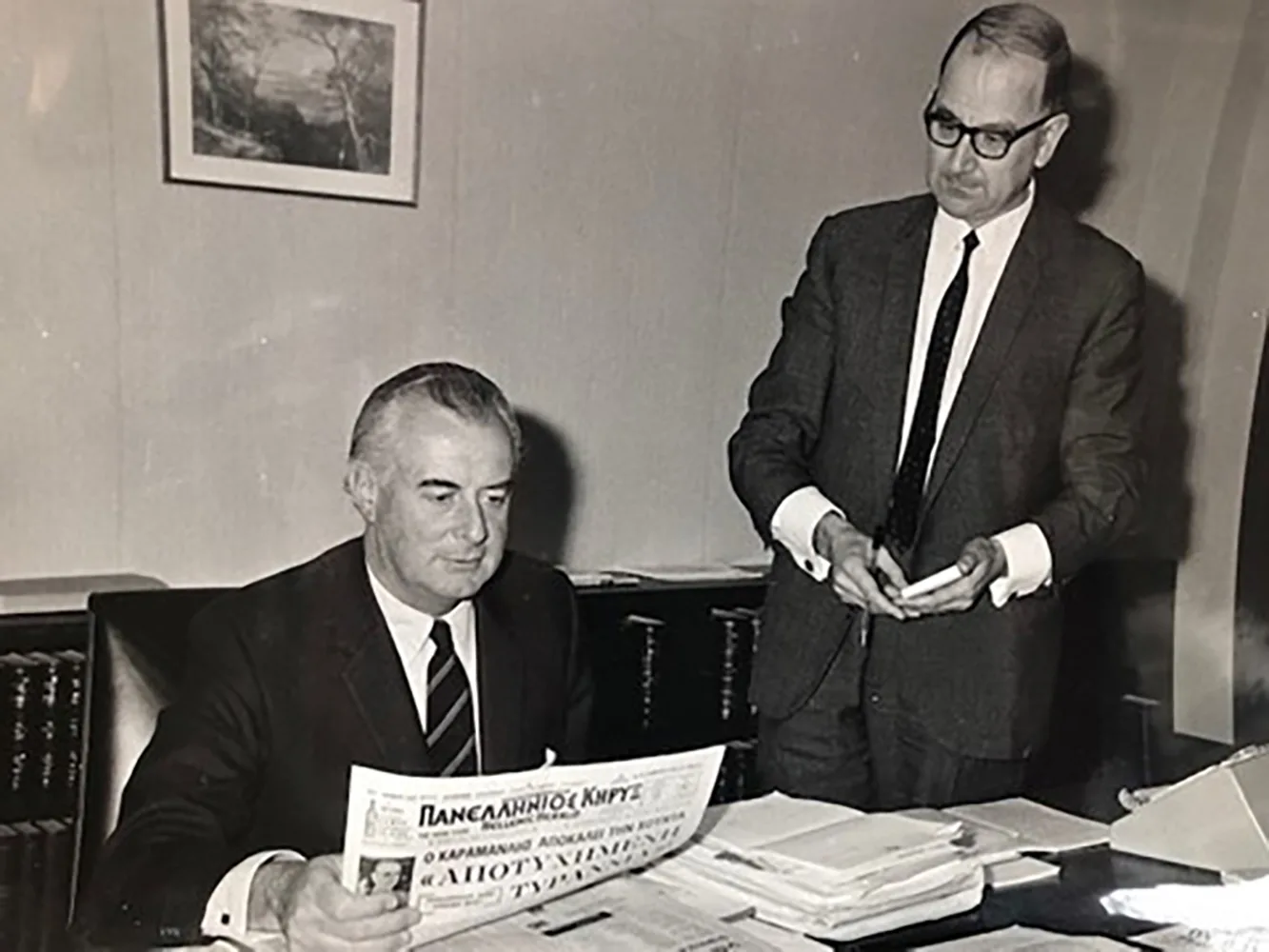

Across the decades that followed, the newspaper’s pages became a living record of history. They documented the impact of the Second World War and preserved the legacy of the Battle of Crete within Australian memory. They reported on the 1973 Polytechnic Uprising and the restoration of democracy in Greece. They chronicled the trauma of the 1974 invasion of Cyprus and reflected the mobilisation of Greek and Cypriot Australians advocating for justice — advocacy that continues to this day through editorial leadership, community engagement and national dialogue.

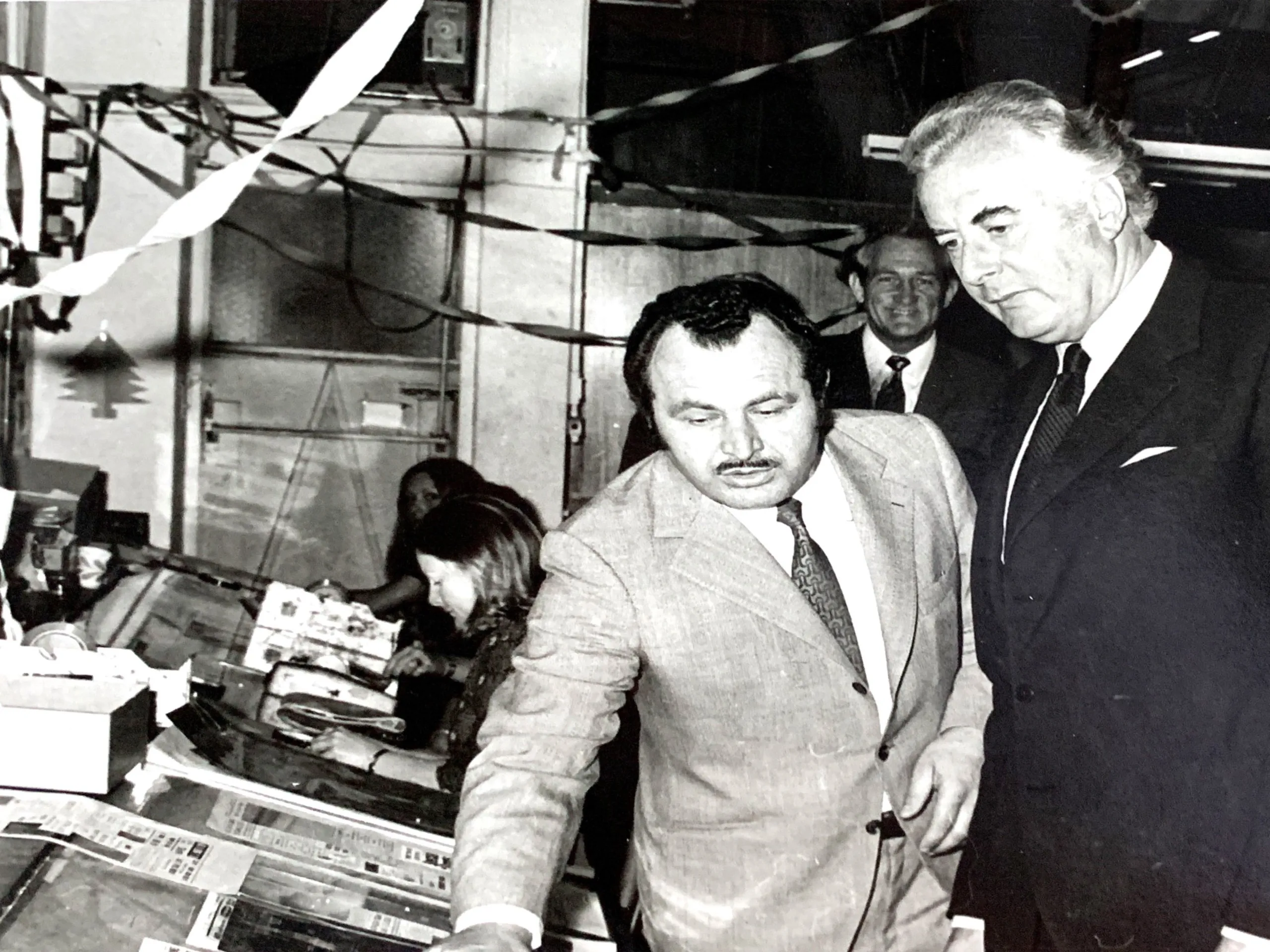
Institutionally, the publication evolved alongside the community it served. In 1972, under the leadership of Theodoros Skalkos, it transitioned into full daily national production. In 1992, it pioneered Australia’s first 24-hour Greek-language satellite radio link between Greece and Australia. In 2000, it was formally recognised by the President of the Hellenic Republic as the best Greek-language newspaper in the global diaspora.

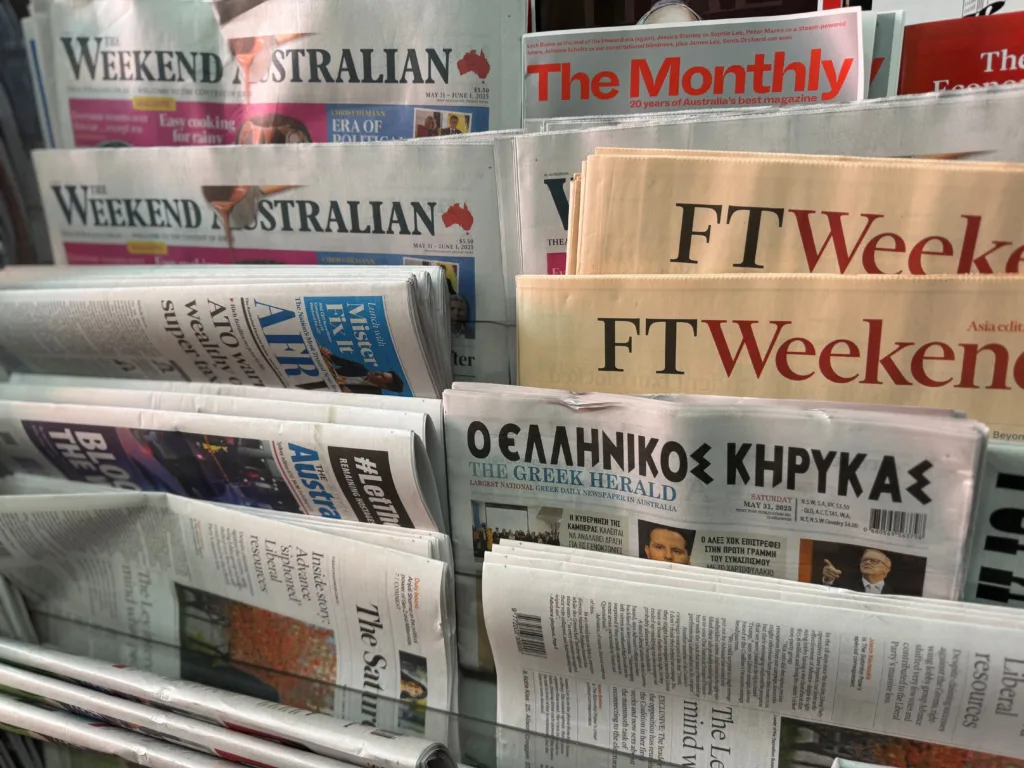
Over the past century, The Greek Herald has grown into a bilingual national media platform, publishing in both Greek and English. It remains the only daily Greek-language newspaper published outside Greece and Cyprus, while also engaging second-, third- and fourth-generation Greek Australians in English — reflecting the evolving voice of the diaspora itself.
Beyond international affairs, the newspaper has traced the community’s journey from migrant labour to civic leadership — reporting on the rise of Greek Australians into local councils, state parliaments, the judiciary, academia, sport and business. In doing so, it has contributed to Australia’s broader multicultural story and demonstrated how migrant communities strengthen national public life.
In recent years, The Greek Herald has continued its advocacy through national initiatives such as the Greek Herald Woman of the Year Awards, the first program of its kind in Australia dedicated to recognising Hellenic Australian women for leadership and community contribution.
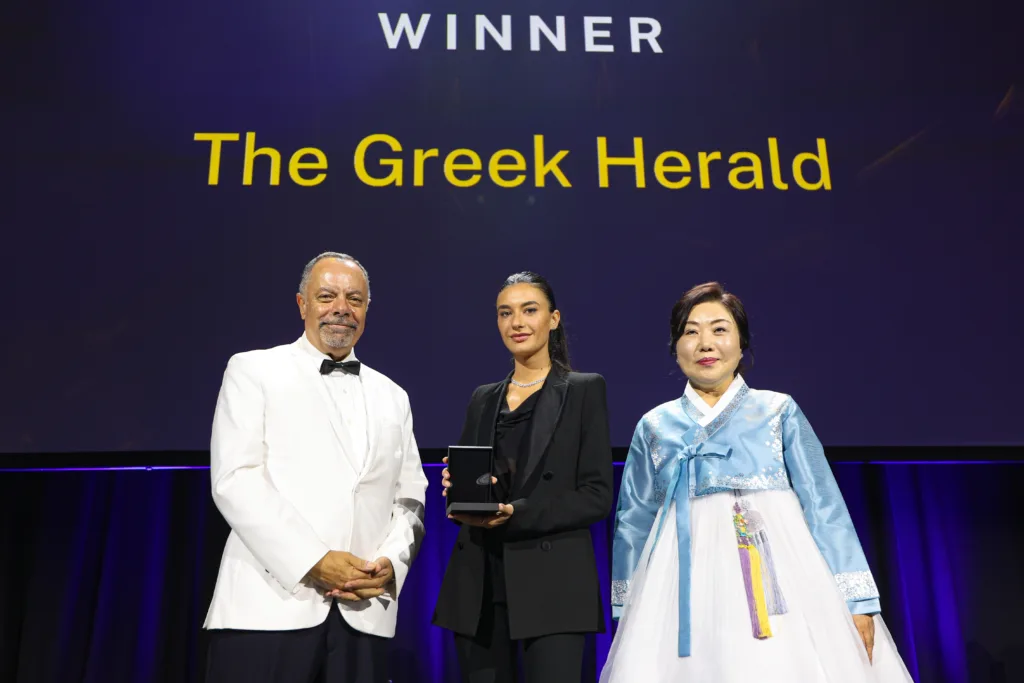
In 2025, the publication was awarded Multicultural Publication of the Year, recognising its journalistic standards, advocacy, and contribution to social cohesion — positioning The Greek Herald not only as a community newspaper, but as a respected part of Australia’s wider media landscape.

Today, from hot-metal presses to real-time digital reporting, The Greek Herald operates as a modern multimedia organisation with an international readership — while preserving more than 500,000 pages of archive, one of the most comprehensive continuous written records of Greek diaspora life anywhere in the world.
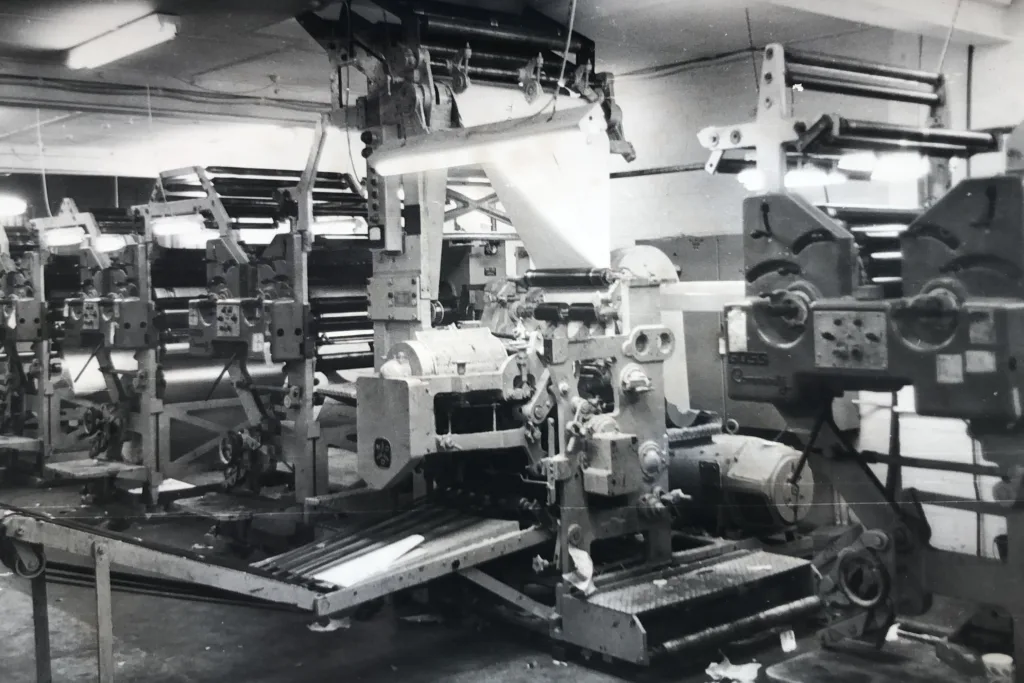




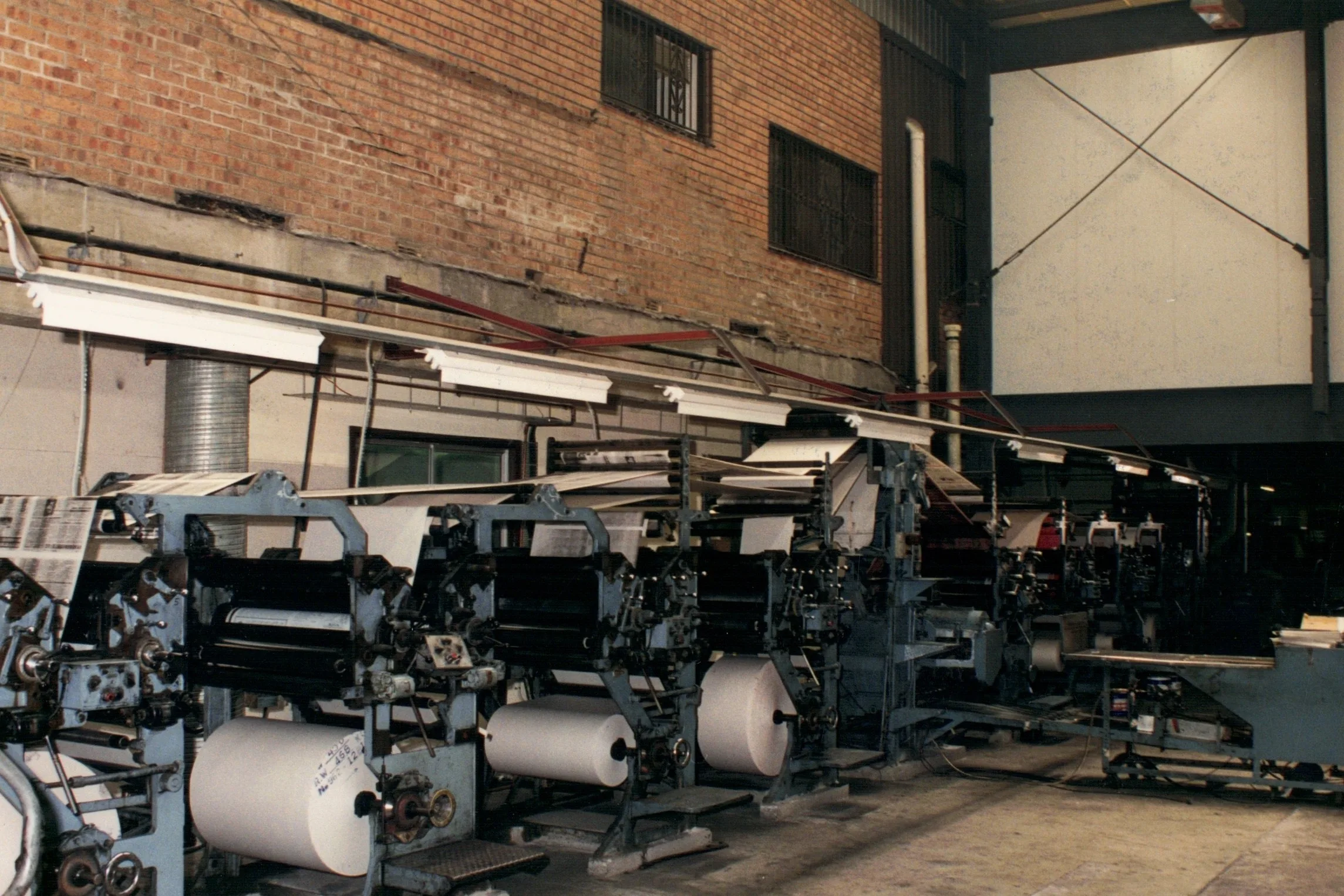
The centenary will be formally commemorated at New South Wales Parliament House in late May 2026 — a symbolic recognition of the publication’s long-standing role in democratic participation, civic dialogue and multicultural visibility within Australia.

Publisher and Managing Director Dimitra Skalkos said the centenary represents more than endurance.
“For 100 years, The Greek Herald has existed because communities need to see themselves reflected in the public record,” Ms Skalkos said.
“We began as a Greek-language paper helping migrants navigate a new country. Today, we speak to Australia — in Greek and in English — about identity, justice, equality and belonging.
“Our role has always been to document history as it unfolds and to ensure that migrant voices are not lost, forgotten or marginalised.”
As it enters its second century, The Greek Herald stands as proof that migrant media is not peripheral to the national story — it is central to it.