By Peter Oglos.
NAIDOC week is a celebration. A celebration of the rich history, culture and achievements of Aboriginal and Torres Strait Islander (ATSI) peoples.
Indigenous culture has been present in Australia for over 50,000 years. Yet, it wasn’t until 1938 that Indigenous peoples’ sacrifices and valuable contribution to the country were formerly recognised.
Prior to the establishment of NAIDOC week by the National Aborigines Day Observance Committee (NAIDOC) in 1974, Indigenous history was remembered solemnly.
On Australia Day, 1938, protestors marched through the streets of Sydney, followed by a congress attended by over a thousand people. One of the first major civil rights gatherings in the world, it was known as the Day of Mourning.
This Day of Mourning, while initially raising awareness of the poor treatment of Aboriginal Australians during the colonisation and federation of Australia, transitioned and became a week of celebration in 1974. Officially recognised as ‘NAIDOC week’.
This alone shows the progression Australian society has made in the last 100 years. From recognising its past mistakes, to celebrating the diverse Australian culture that stretches back for thousands of years.
Similarities between the Aboriginal and Greek culture
While not known to many, the ATSI and Greek cultures share a deep historical and astrological bond.
Among other similarities, both cultures recognise the symbolism and significance of constellations. So much so that they actually shared a few astrological symbols.
Sitting beside the zodiac near Sagittarius is the constellation Aquila, the eagle. In Greek mythology, Aquila carried the thunderbolts of Zeus. Meanwhile, in Wiradjuri traditions, Aquila is Maliyan, the Wedge-tailed Eagle.
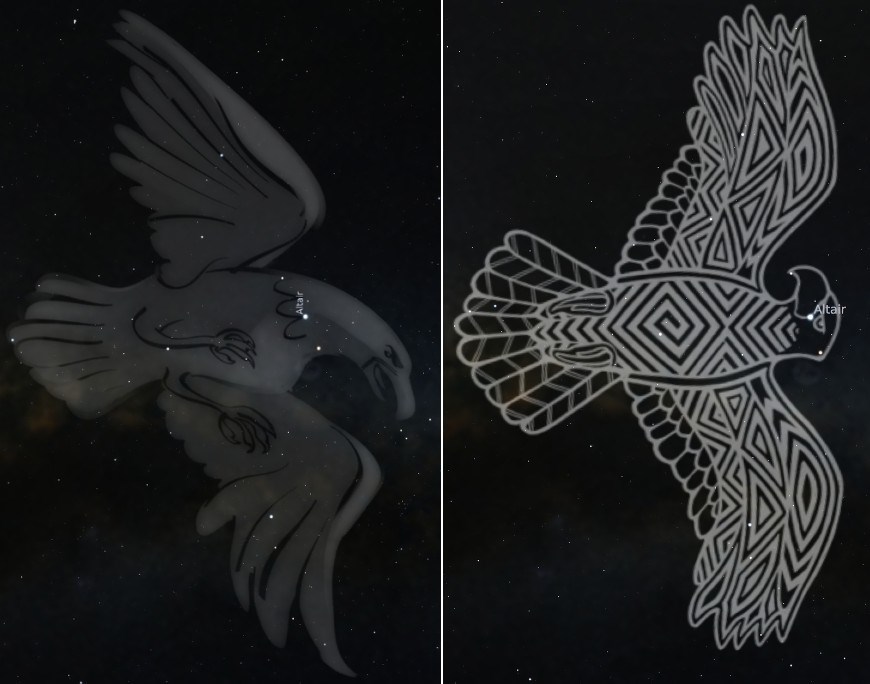
The two cultures even share the symbolism of the star Altair as the eagle’s eye – despite being seen in different orientations.
In Greek mythology, the scorpion that killed Orion sits opposite the hunter in the night sky as the constellation Scorpius. In Aboriginal Dreamtime, the Indigenous pictured the culture hero, Tagai, killed his 12-man fishing crew (Zugubals) in a rage for breaking traditional law, before they all ascended into the sky. Tagai is standing on his canoe, formed by the stars of Scorpius.
‘Both cultures share crucial values’
The links between Greek Australians and Indigenous people go back to the late 1890s as Greeks, like other migrants, had relationships with Indigenous women which they kept, especially when children were born.
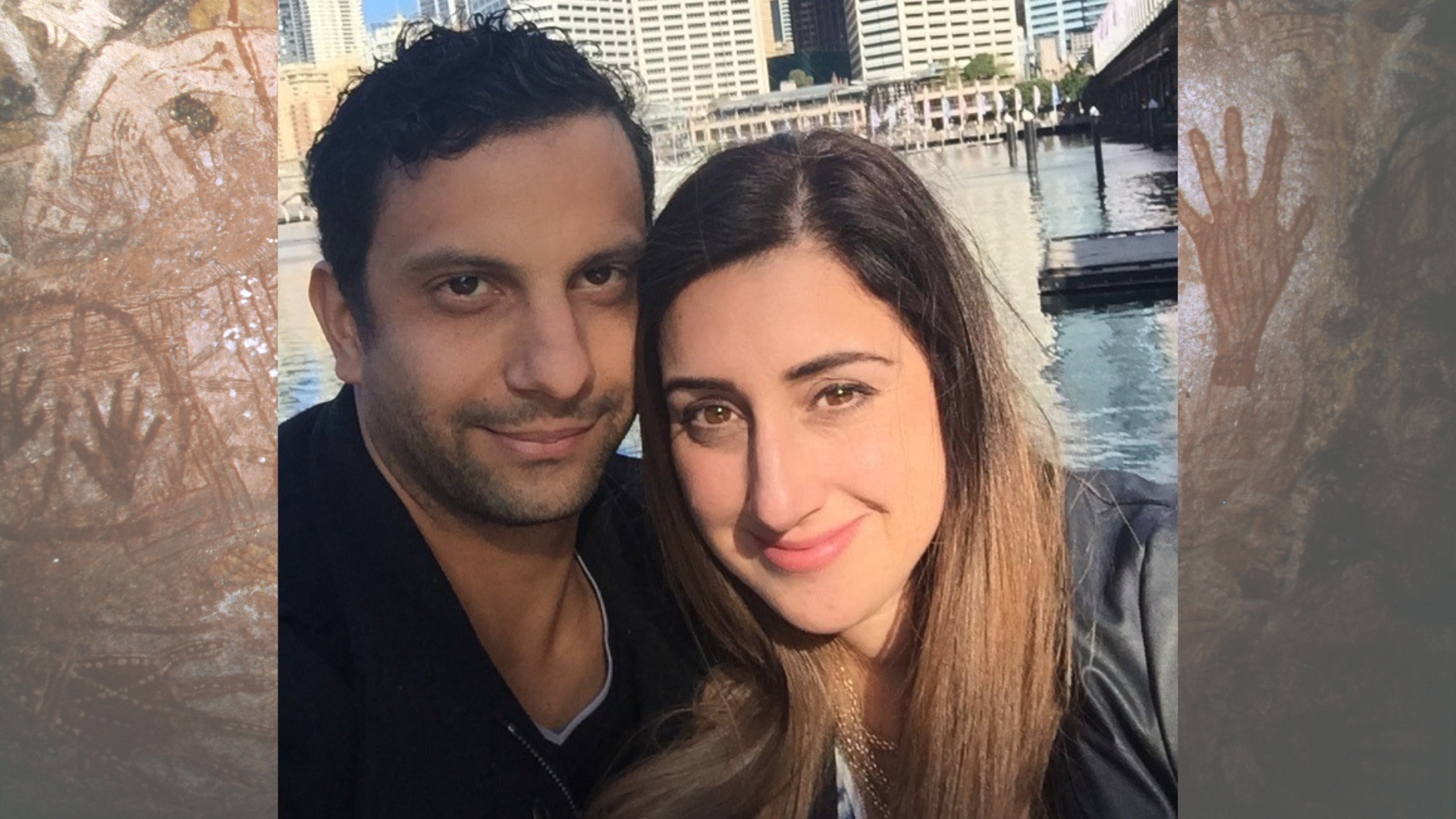
Matthew Hadjicosta who shares an equal Indigenous and Greek ancestry through his mother’s family history explains how this background has shaped him as a person.
In the 1950s, his grandmother, who is Indigenous, married a Cypriot man and travelled to Greece, where she gave birth to Matthew’s mother.
“Both cultures have taught me to show respect to my elders, whether it being my Greek or indigenous side,” Matthew tells The Greek Herald.
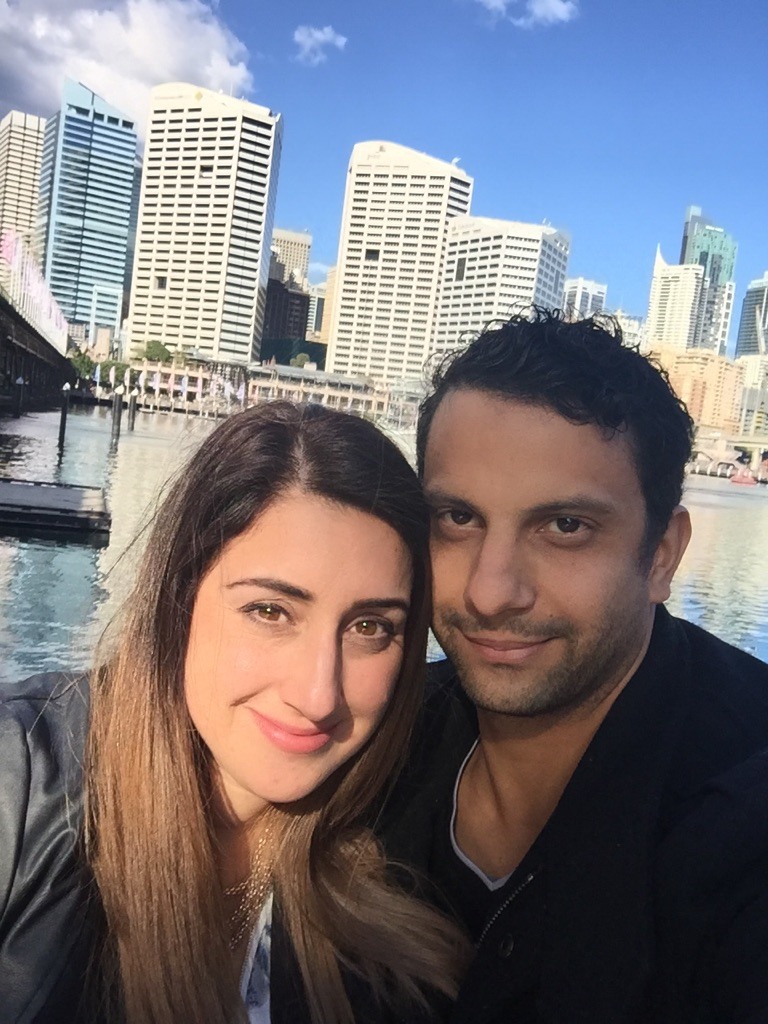
“That’s impacted me as now I can pass that lesson of respect to my kids.”
Matthew says that both cultures share two crucial values. A love for family, a love for dance and music and the fact that there’s always an opportunity to be found to spend quality time with the family.
“I often play the didgeridoo with my kids for their school events and at home and I also teach my son.”
“We also do dot painting. I sometimes communicate with family with the aboriginal language that we learnt when we were young.”
This year’s theme for NAIDOC week is ‘For Our Elders’ and encourages families across the country to acknowledge the incredible impact that Indigenous Elders have in families and on communities.

 peoples.)