The Greek Museum of Adelaide marked World Greek Language Day, observed globally on February 9 and formally recognised by UNESCO, with a special public talk examining the enduring legacy of Nikos Kazantzakis and his profound contribution to modern Greek demotic language.
Held on Sunday, 8 February 2026, at Adelaide High School, the event formed part of the Museum’s official commemoration of the Greek language as a vessel of historical memory, intellectual creation, and cultural continuity.
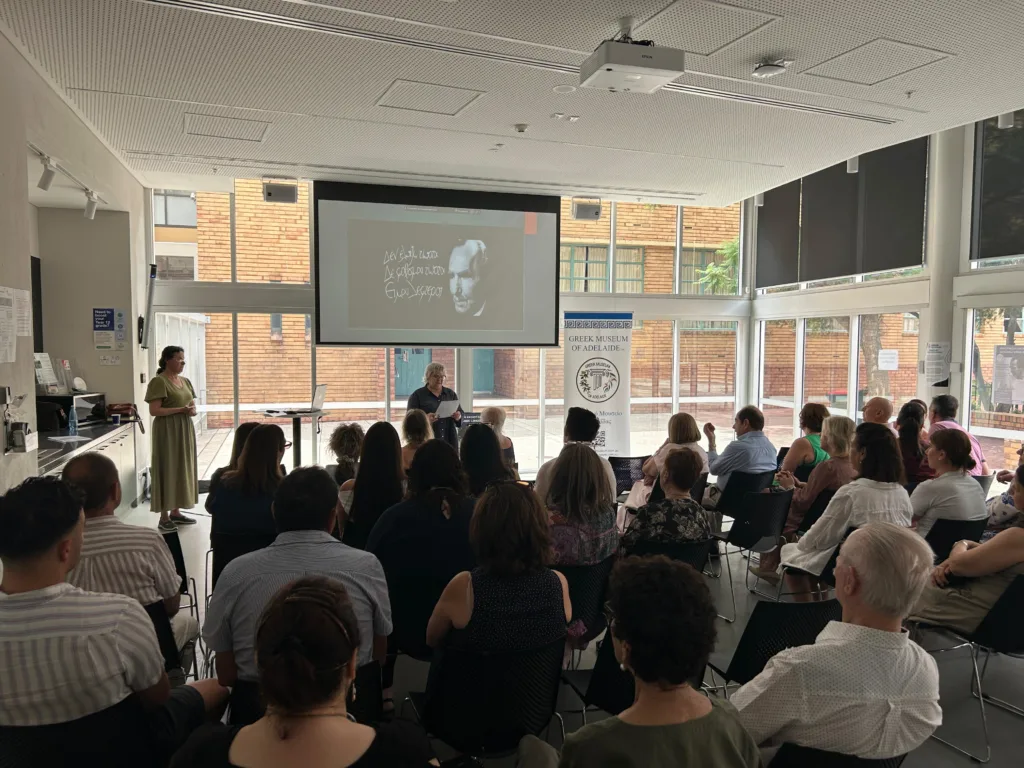
The talk, titled “Nikos Kazantzakis – His contribution to modern Greek demotic language and the role of the Cretan dialect in his work,” attracted members of the Greek community, educators, students, and lovers of Greek literature, language and philosophy.
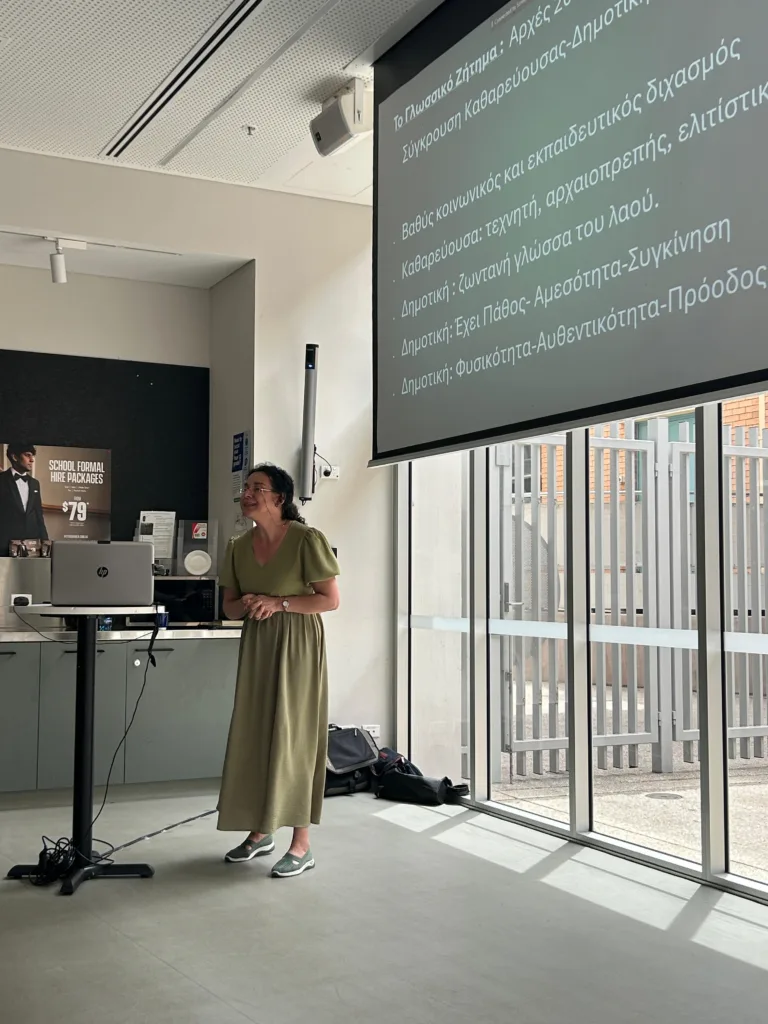
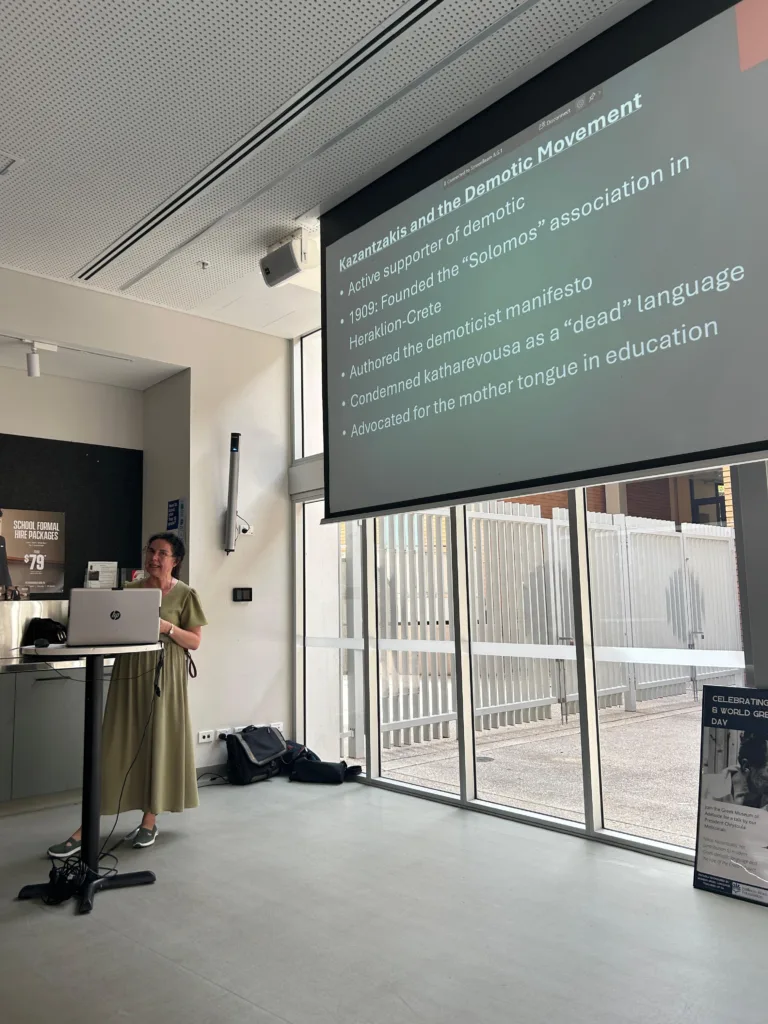
The presentation was delivered by Chrysoula Melissinaki, President of the Greek Museum of Adelaide, and was offered in two sessions: a Greek-language lecture from 2:00 to 2:40 pm, followed by an English-language presentation from 3:00 to 3:40 pm, ensuring accessibility for a broad audience.
Language, freedom, and the demotic vision
At the heart of the talk was Kazantzakis’ unwavering commitment to demotic Greek as the authentic language of the people. Melissinaki traced his active role in the Demotic Movement, including his early involvement in Crete and his opposition to Katharevousa, which he regarded as an artificial and alienating linguistic construct.
Kazantzakis’ belief that language must arise from lived experience, rather than imposed formalism, was presented as both a pedagogical and ethical stance. For him, demotic Greek was not merely a stylistic choice, but the foundation of intellectual freedom, genuine education, and national cohesion.
Language as philosophy and inquiry
The talk highlighted how Kazantzakis treated language not simply as a means of expression, but as a living philosophical instrument. His writing, translated into more than forty languages, addresses universal existential concerns, including freedom, faith, struggle, and meaning, while remaining deeply rooted in Greek linguistic tradition.
Particular attention was given to Asketiki (Salvatores Dei), described as a “lexical laboratory” in which language becomes an instrument of spiritual exercise. Through powerful metaphors such as the fire of existence, the cry of the earth, and the wrestling ground of the soul, Chrysoula explained that Kazantzakis transformed words into vehicles of inquiry.
This was explored through the analysis of Kazantzakis’ use of neologisms, which are newly forged words designed to express realities beyond conventional vocabulary.
The Cretan dialect as collective memory
A central focus of the presentation was the role of the Cretan dialect in Kazantzakis’ work, particularly in novels such as Καπετάν Μιχάλης (Captain Michalis). Rather than functioning as local colour, the dialect was shown to operate as a cultural and ideological vessel, binding characters to land, history, and collective memory.
Through this, Kazantzakis conveyed values such as honour, resistance, sacrifice, and freedom as, according to Chrysoula, the dialect carries the moral weight of lived experience, shaped by conquest and struggle, and gives voice to a collective ethos rooted in generations of memory.
Legacy and a diasporic resonance
The presentation concluded with a reflection on the legacy of Kazantzakis, noting that while he never visited Australia, his work has taken deep root within the Greek diaspora, including in Australia, where his writings are taught in university literature, philosophy, and theology programs.
He was presented not merely as a major Greek author, but as a symbol of Greek identity and as a cultural bridge between Greece and the wider world.
The event concluded by reaffirming the central message of World Greek Language Day: that language is not simply a tool of communication, but a mode of existence.
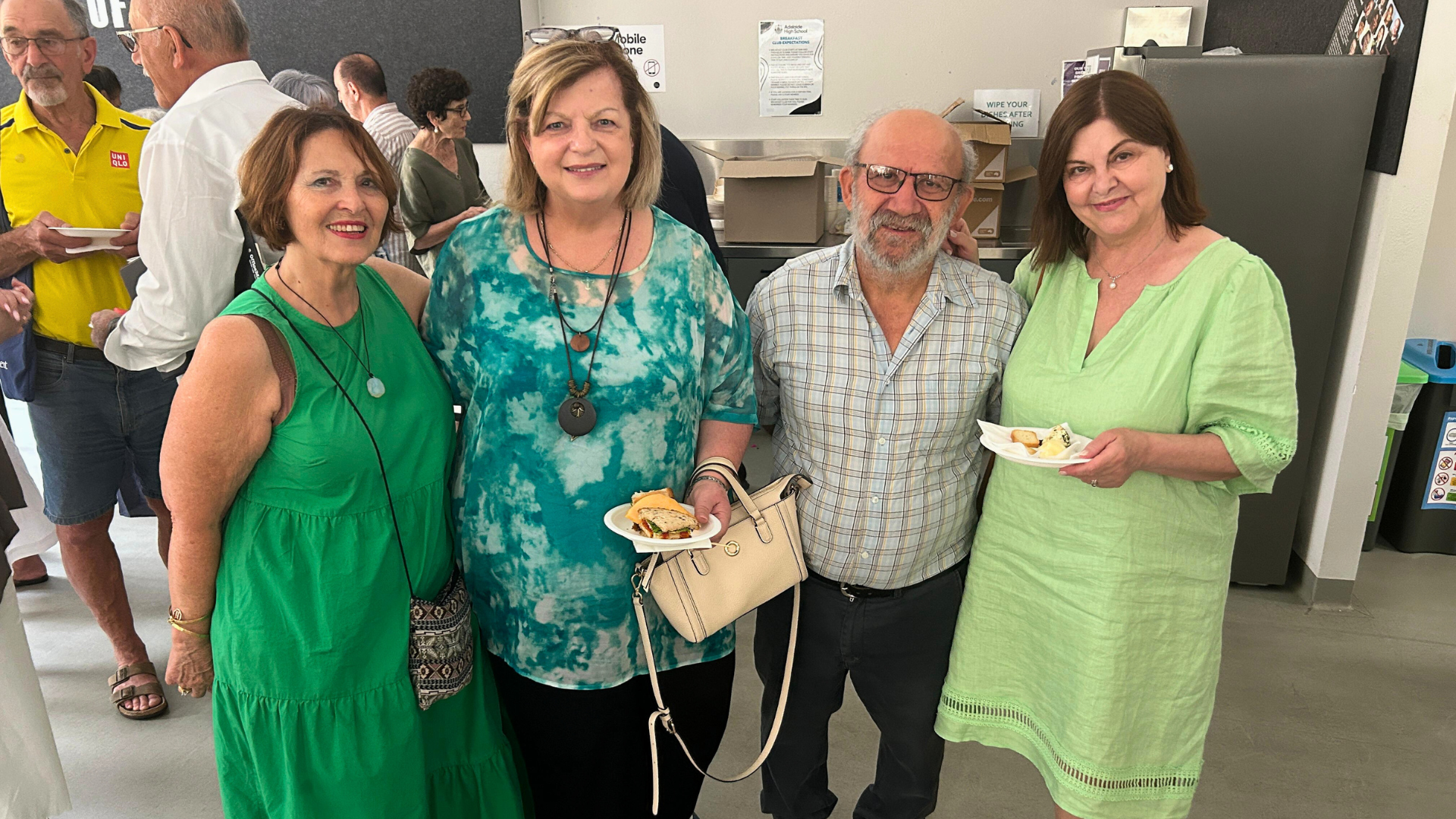
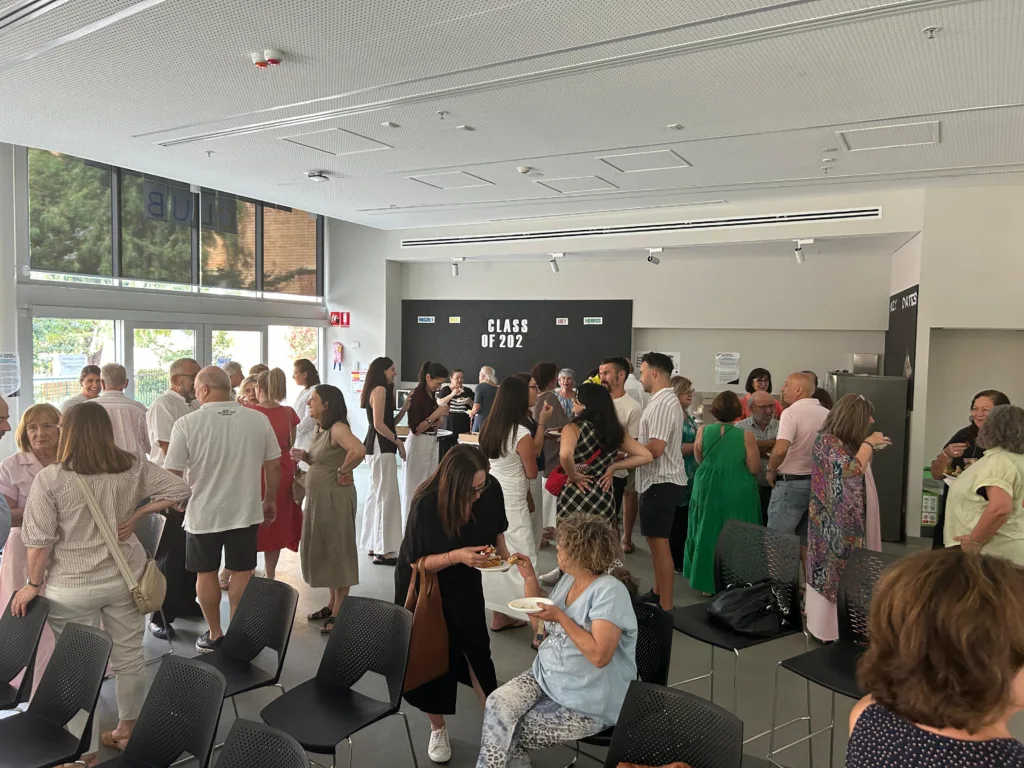
Refreshments were served at the conclusion of the event, allowing attendees to continue discussion and reflection in a convivial setting.
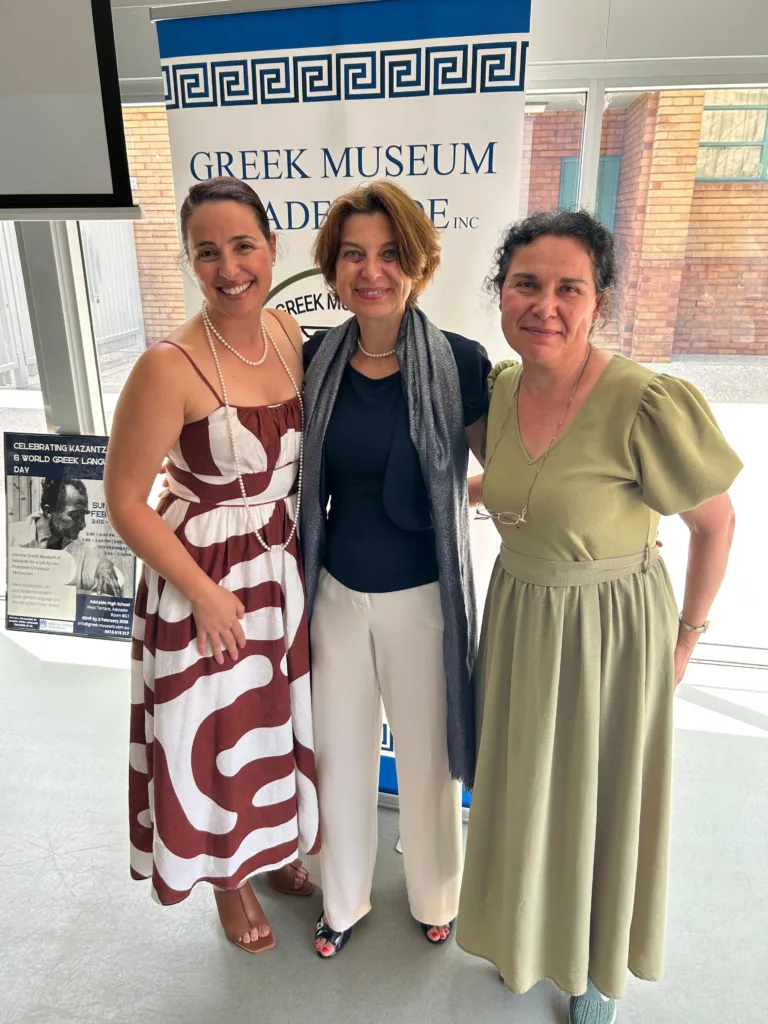
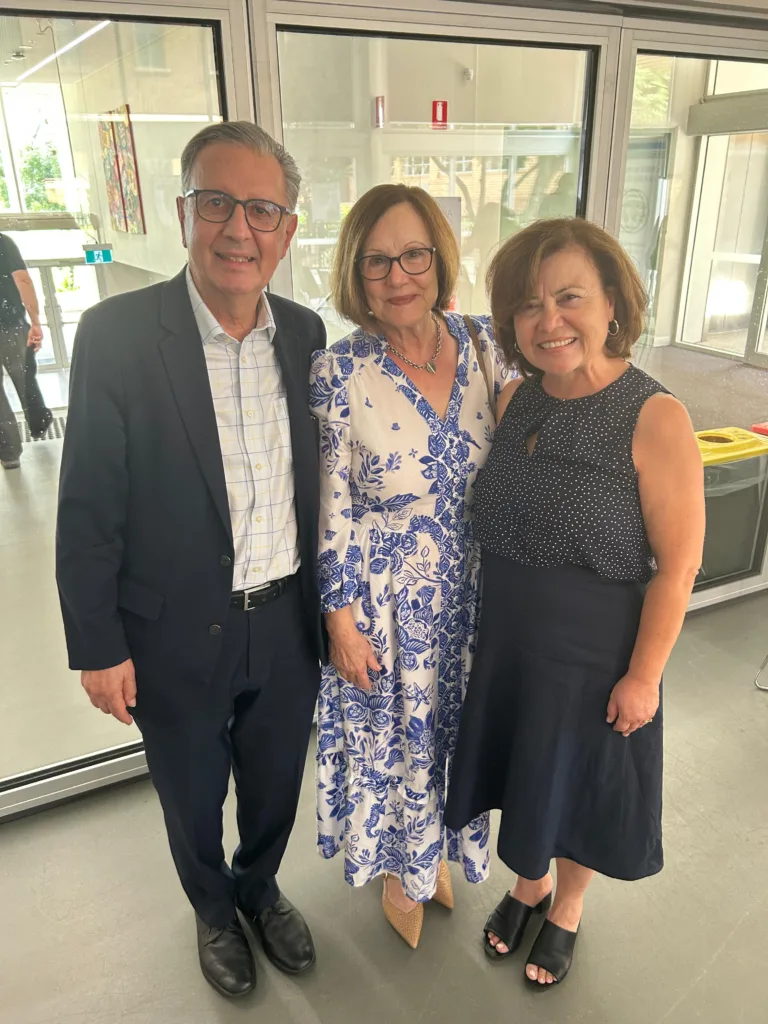
Special guests included the Consul General of Greece in Adelaide, Dr Alexandra Theodoropoulou, and the Mayor of West Torrens, Michael Coxen.
