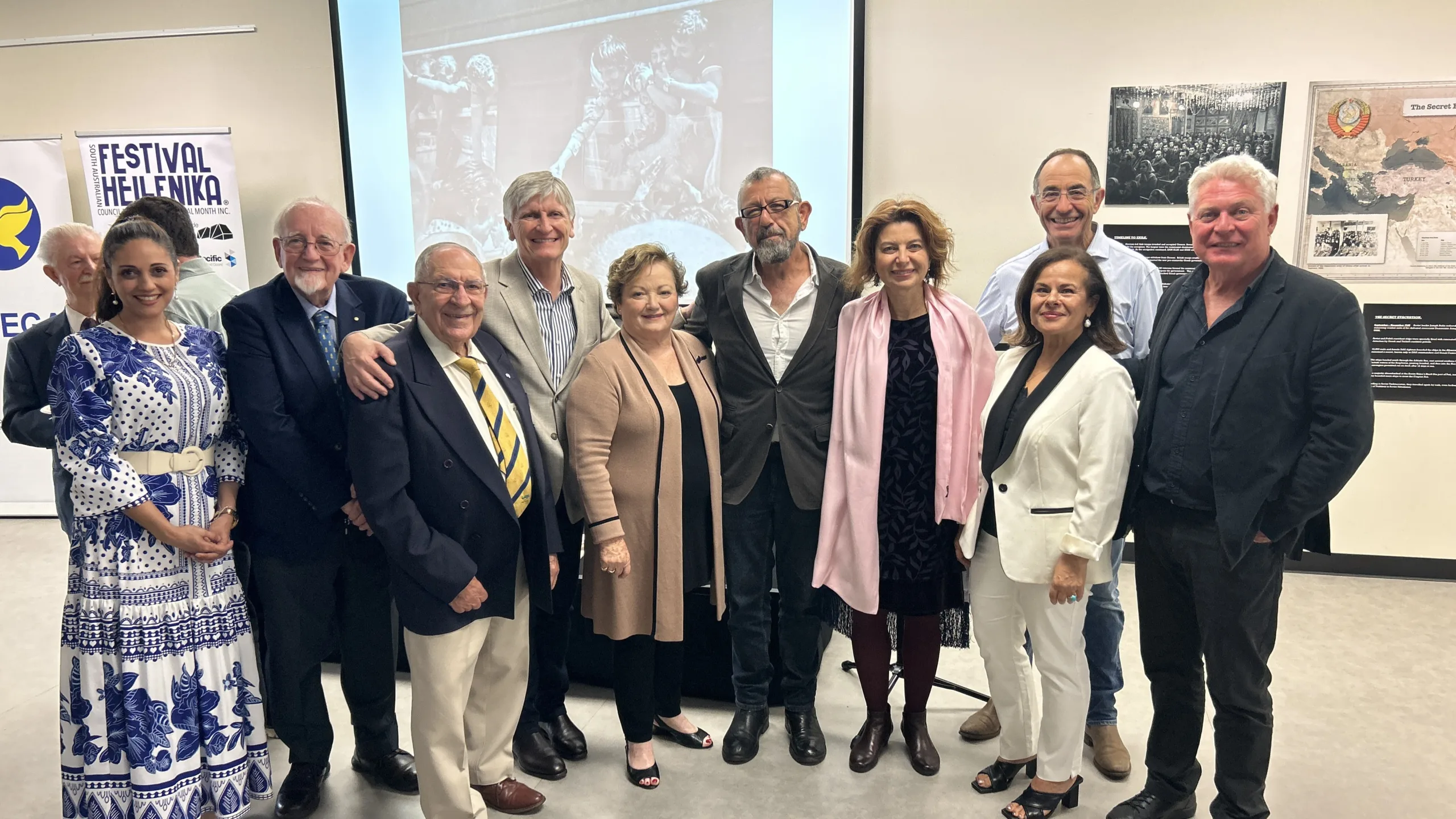
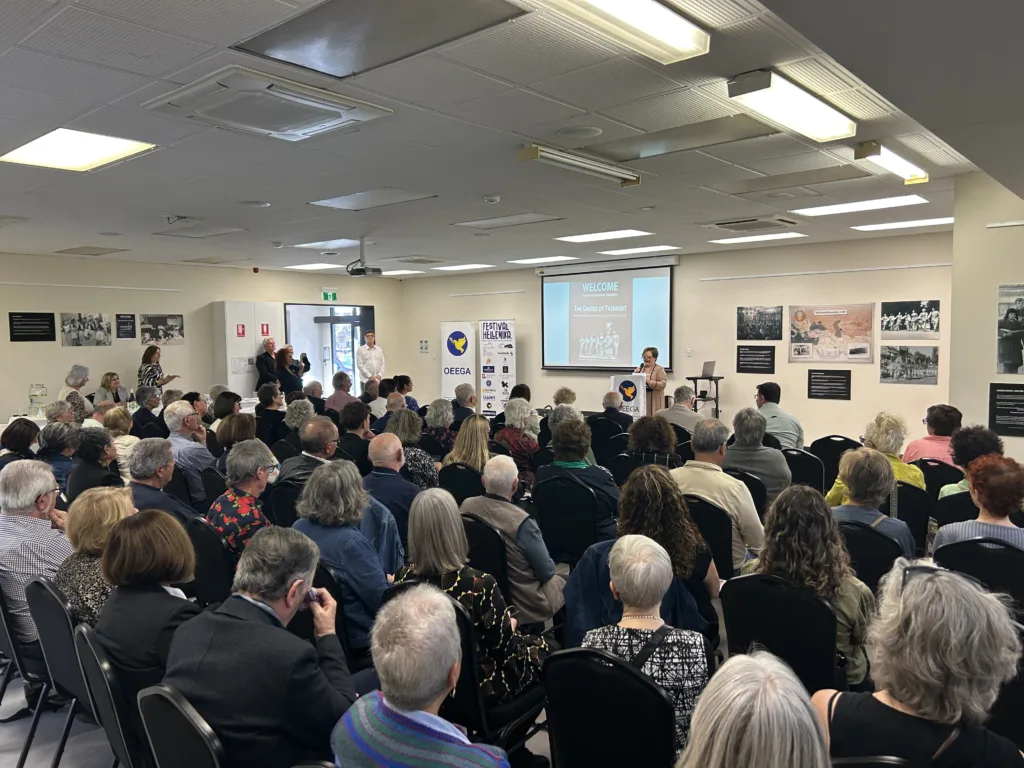
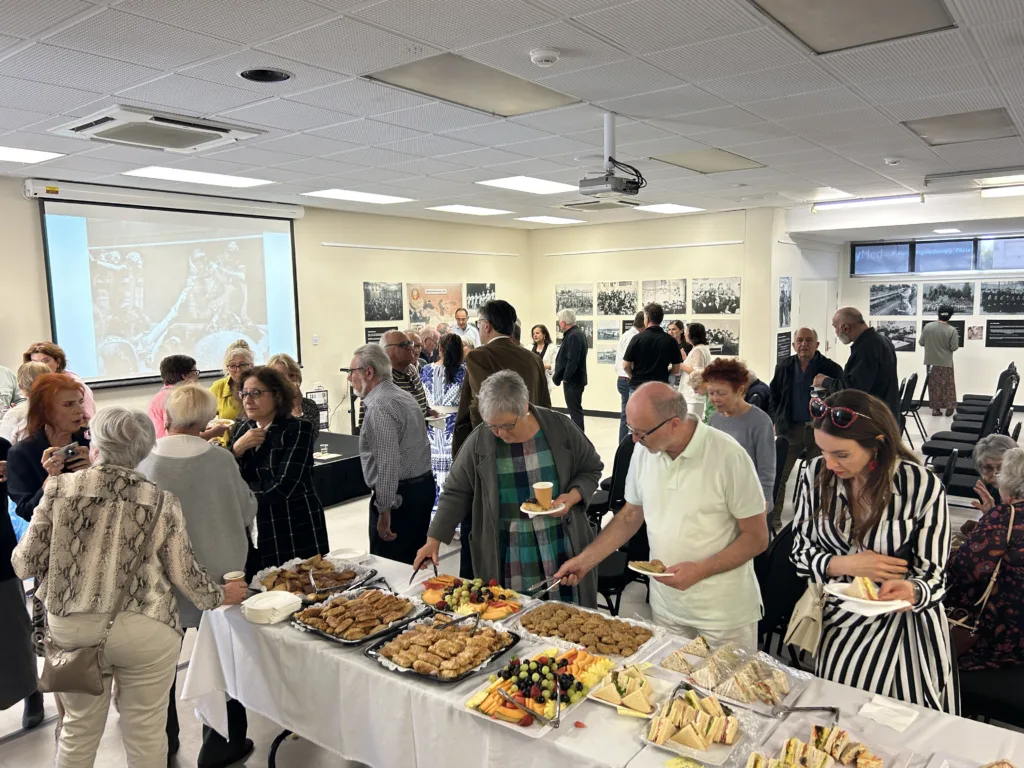
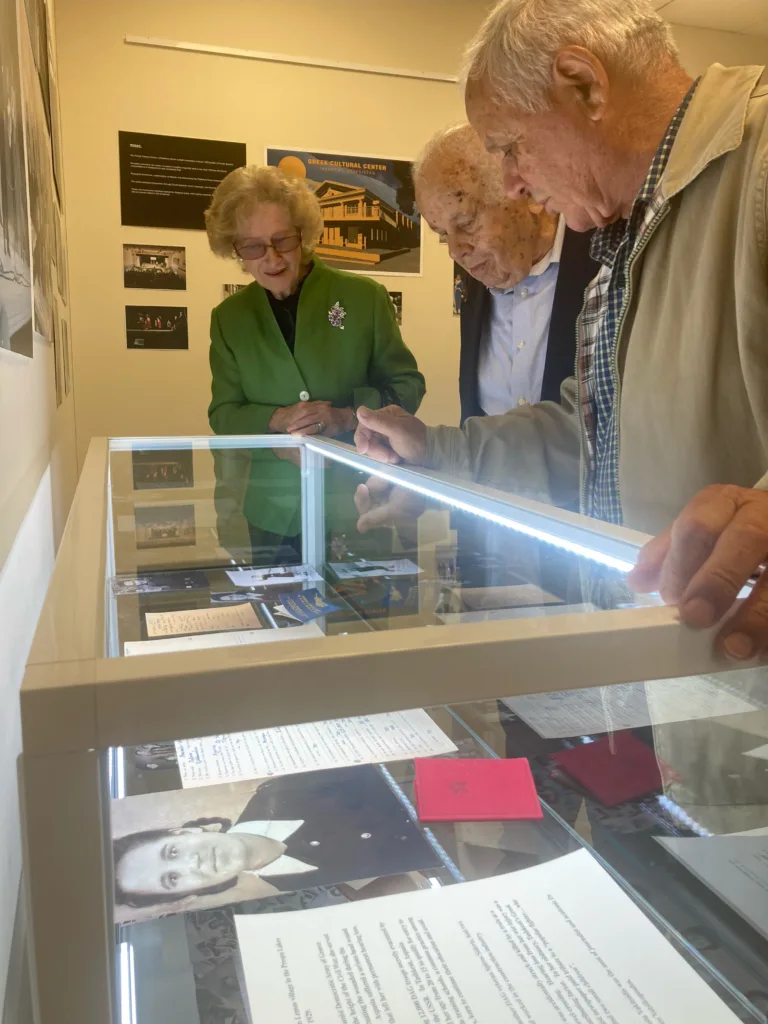
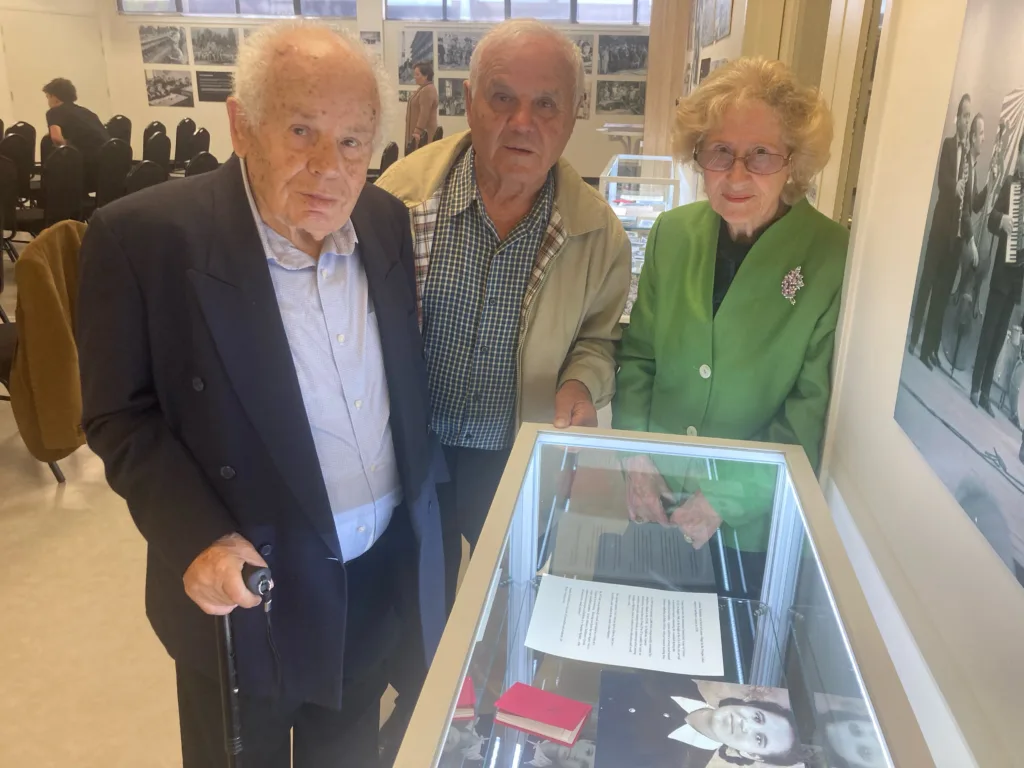
On May 3, the Organisation of Hellene and Hellene-Cypriot Women of Australia (SA) Inc (OEEGA SA), Festival Hellenika, and the Greek Museum of Adelaide, as part of the South Australian History Festival, held ‘The Greeks of Tashkent – A Photographic Exhibition.’ It reveals a largely untold story of the Greek civil war, political exile, and cultural persistence in the city of Tashkent in Uzbekistan, through rare Soviet-era photographs and archival material.
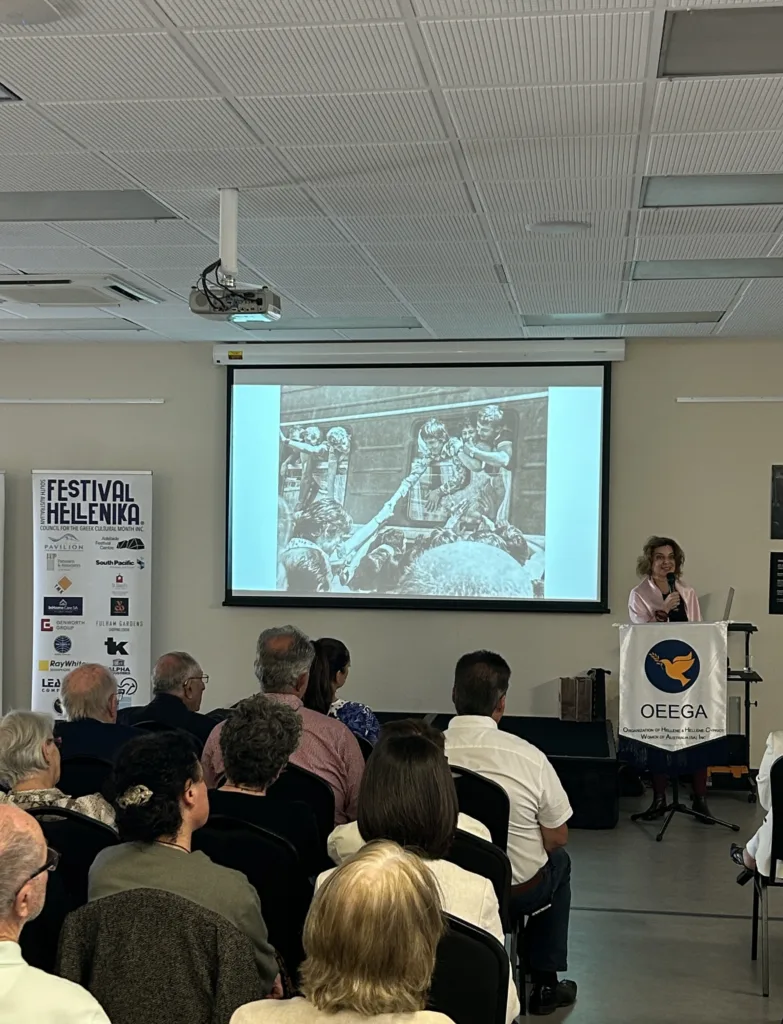
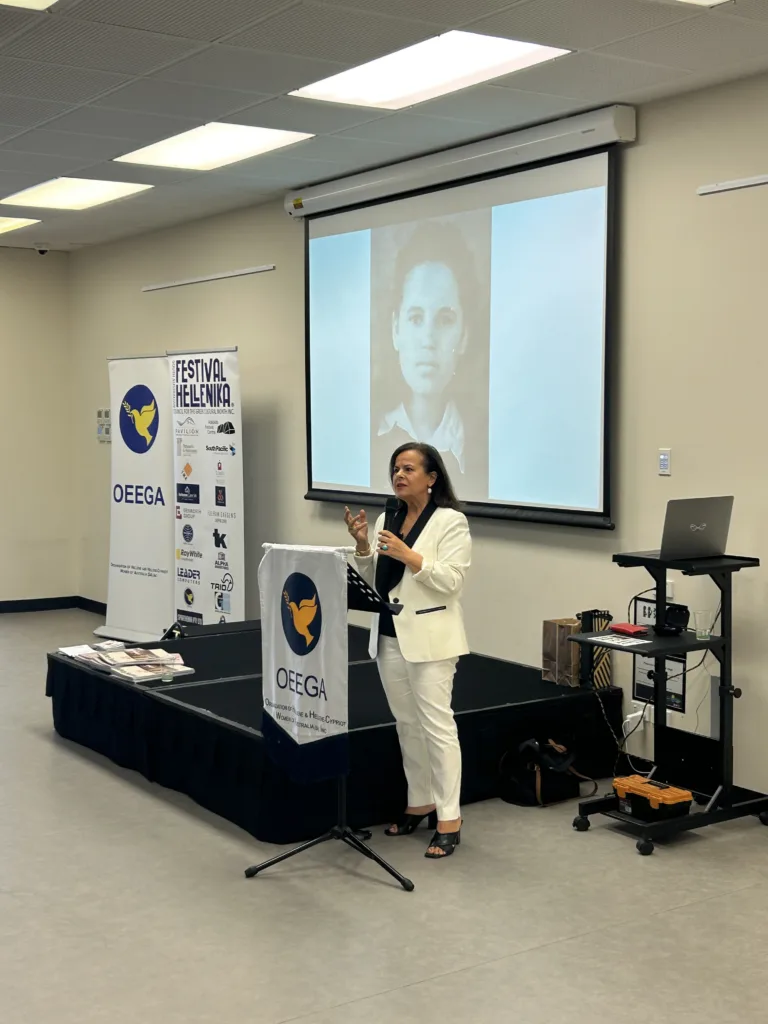
The keynote address was delivered by Dr Helen Vatsikopoulos, award-winning journalist and academic, whose family history is directly connected to the narrative. Her aunt Aspasia was a teenage conscript in the communist Democratic Army of Greece (DAG) and one of the thousands sent into exile.
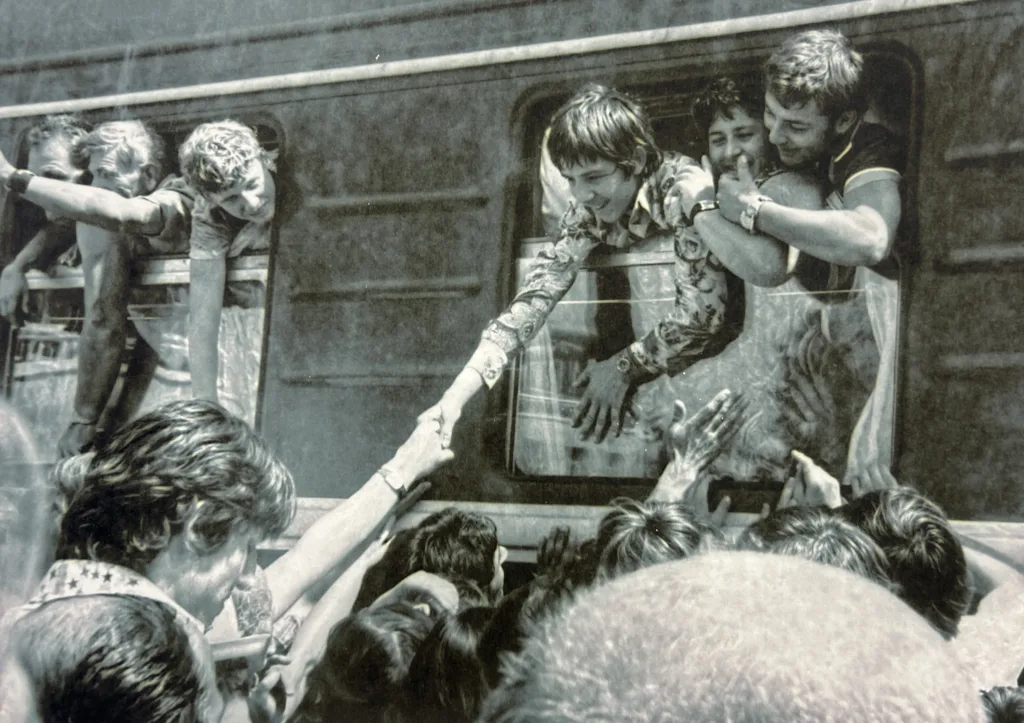
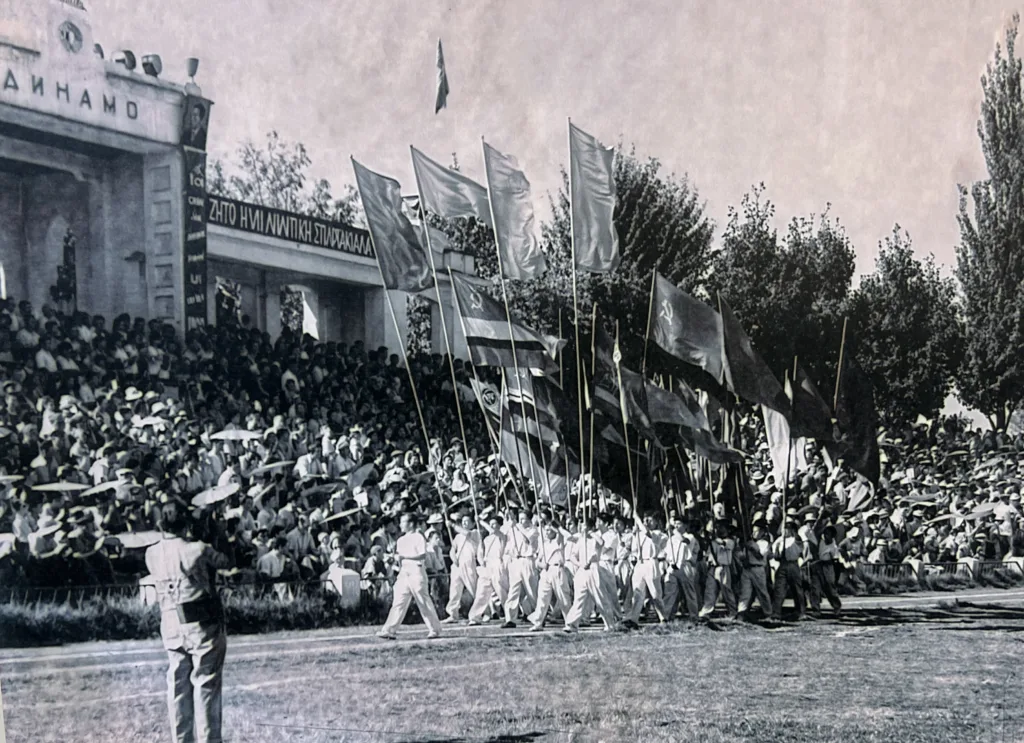
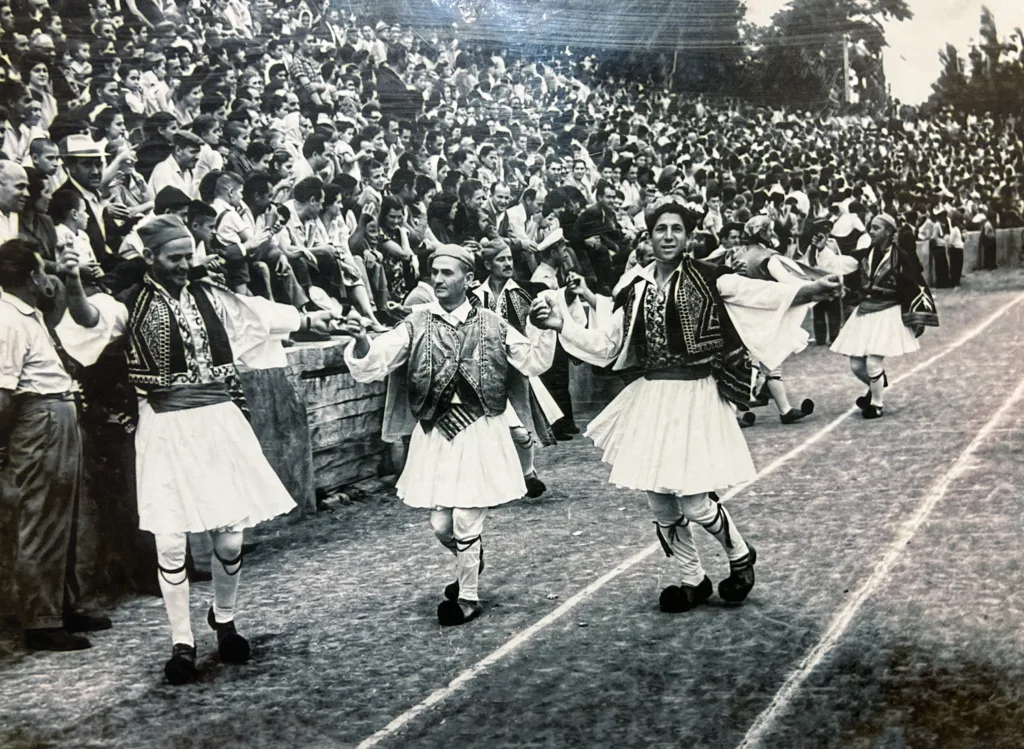
Dr Vatsikopoulos traced the trajectory of over 12,000 DAG fighters and supporters who fled to Albania after their defeat in the Greek Civil War (1946–1949), describing their movements through a secret Soviet evacuation, ordered by Joseph Stalin, from Albania, across the Black Sea and into the USSR. Their journey ended in Tashkent, capital of Soviet Uzbekistan. The destination remained a secret to all except to DAG commanders and Greek Communist Party (KKE) leaders. By December 1949, the rollcall of the Tashkent Greeks was “8,571 men, 3,401 women, 25 children…[and] 70% were members of the Greek Communist Party.”
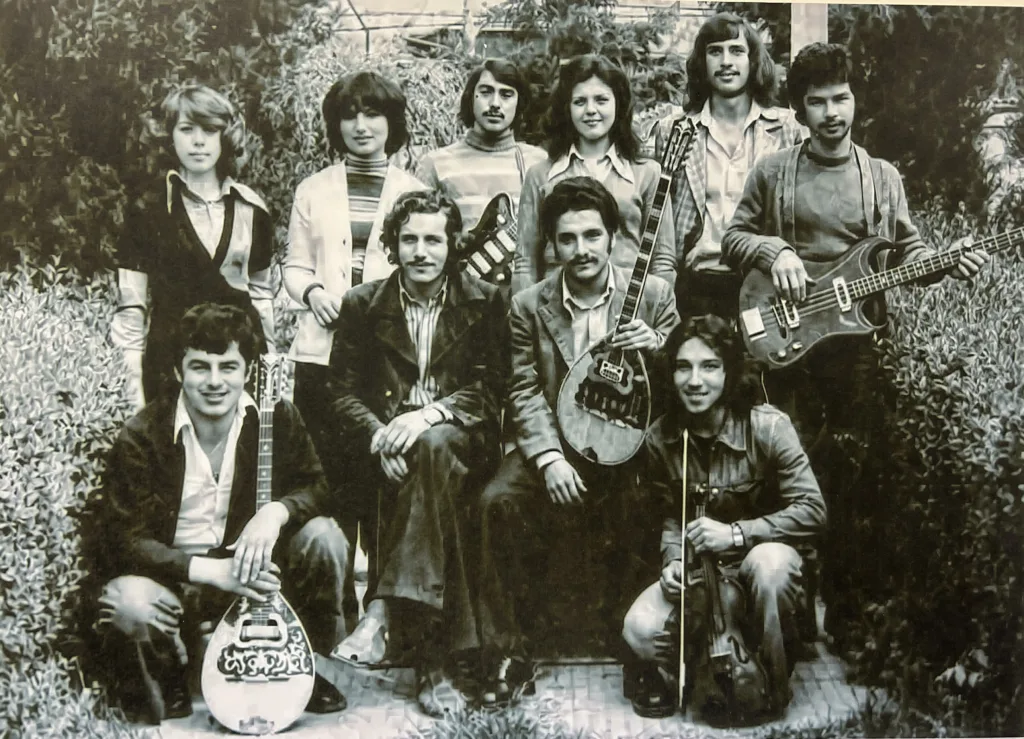
Dr Vatsikopoulos explained that after Stalin’s death in 1953, de-Stalinisation policies led to ideological cracks emerging in the community, where, in 1955, violent in-fighting broke out. Despite this, the community would evolve, with the mid-1950s to 1960s bringing opportunity. Greeks attended universities, became engineers, artists, doctors. Cultural life flourished with Greek language, dance, theatre, and music uniting a people longing for their homeland.
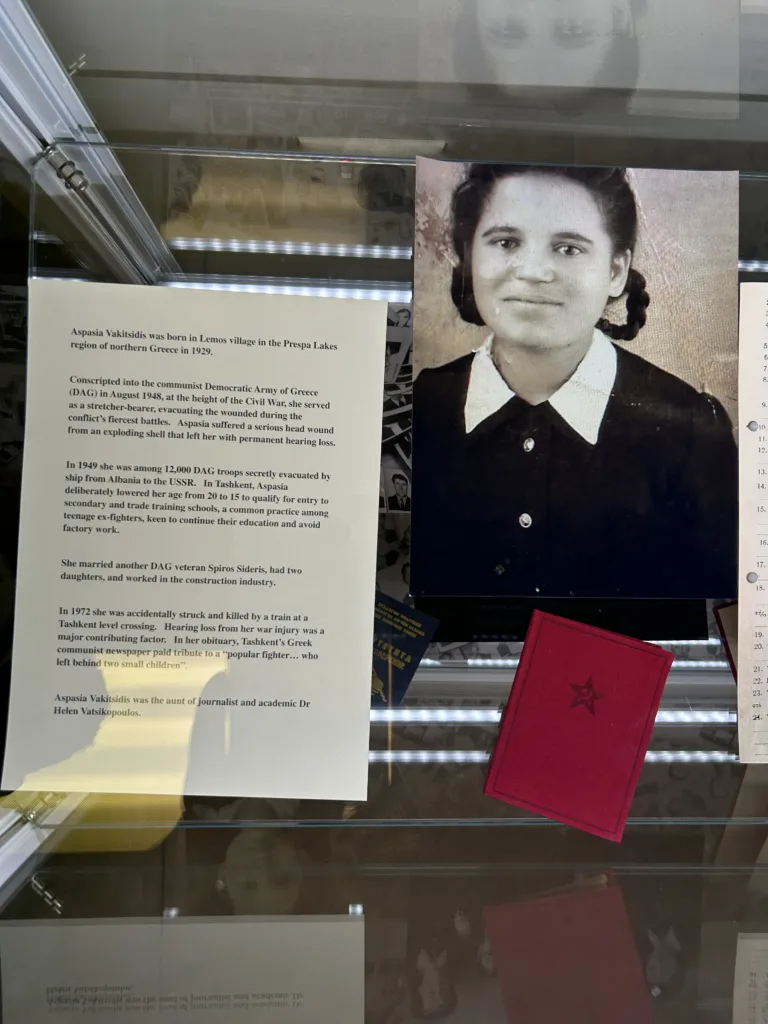
In 1972, the Tashkent Greek population peaked at approximately 35,000. After 1974, following the end of the Junta in Greece, the first wave of Tashkent Greeks began repatriation to Greece under the supervision of the International Red Cross.
Some Tashkent veterans and their offspring migrated directly to Australia, Canada and the US. Approximately 6,000 Greeks across four generations, remained in Tashkent.
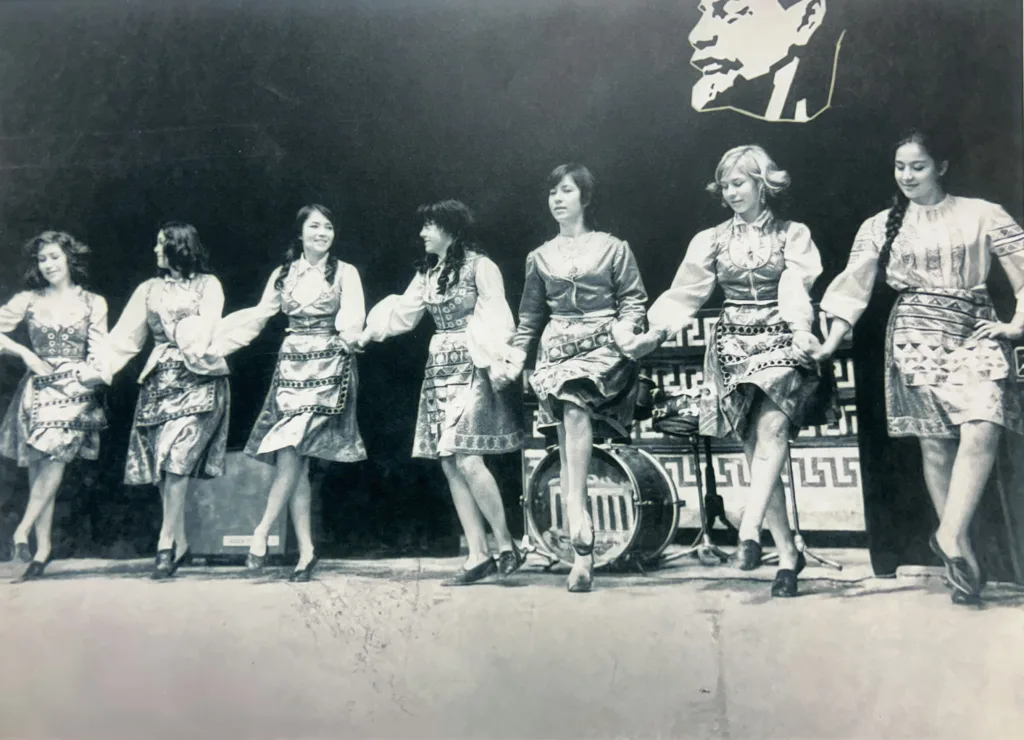
In 1982, Greece’s Government declared a full amnesty for all remaining Civil War political refugees and restoration of Greek citizenship.
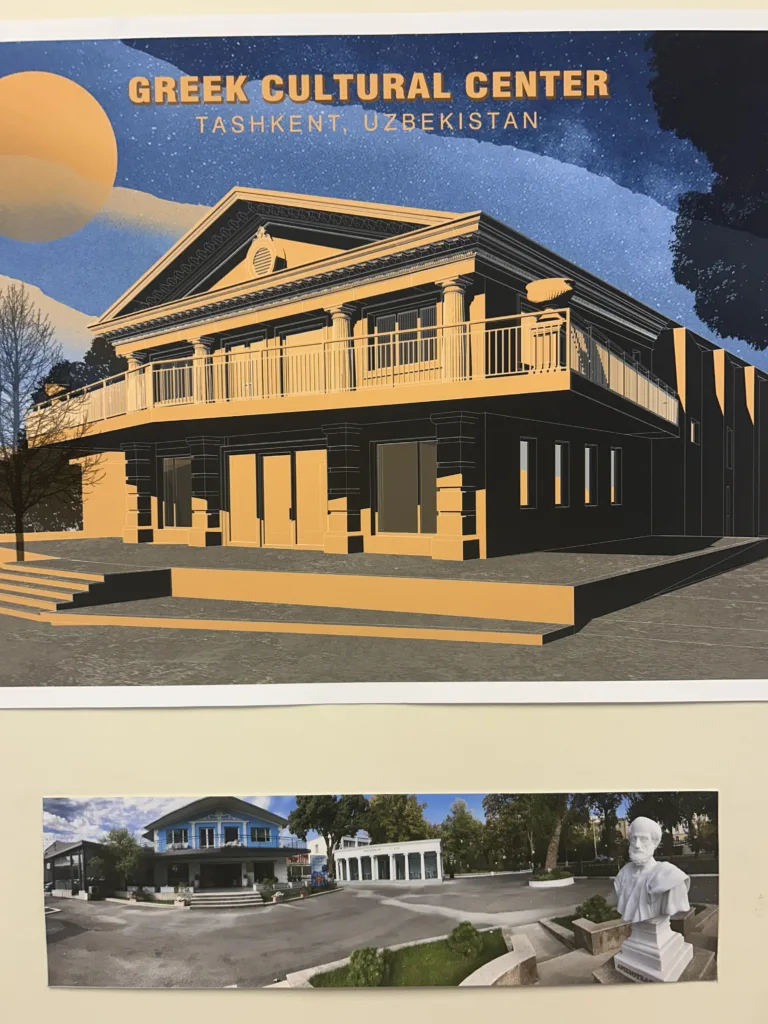
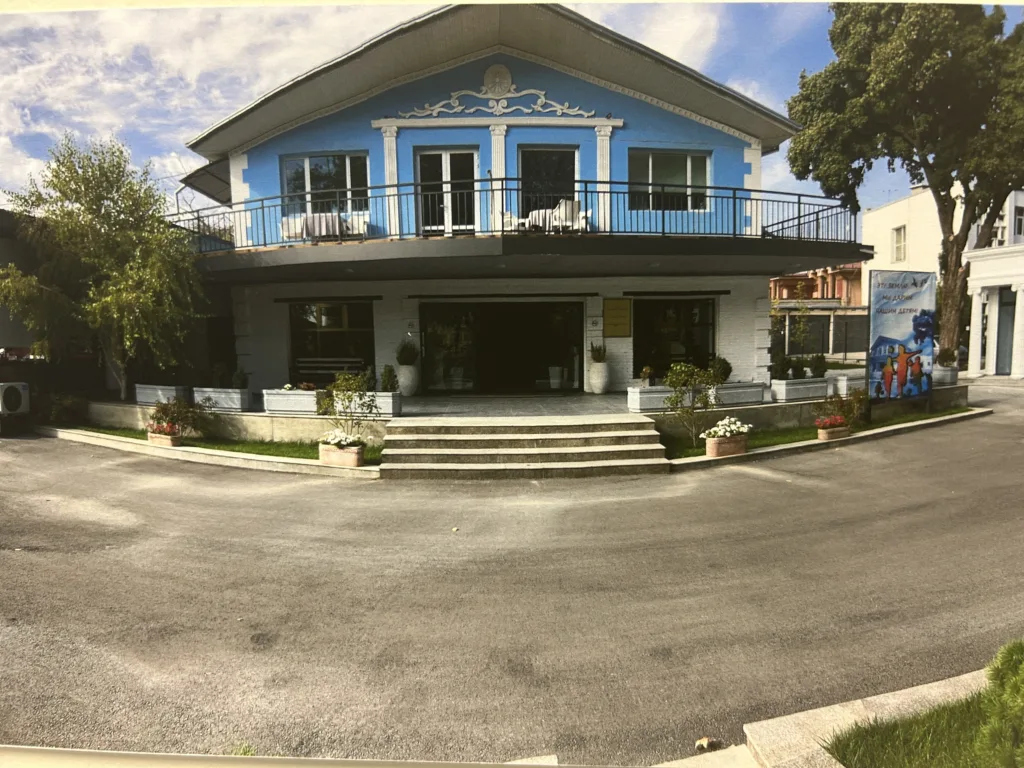
By 2024, only 1,500 Greeks remain in Tashkent. Their story is preserved through the Greek Cultural Centre of Tashkent, which was recently restored.
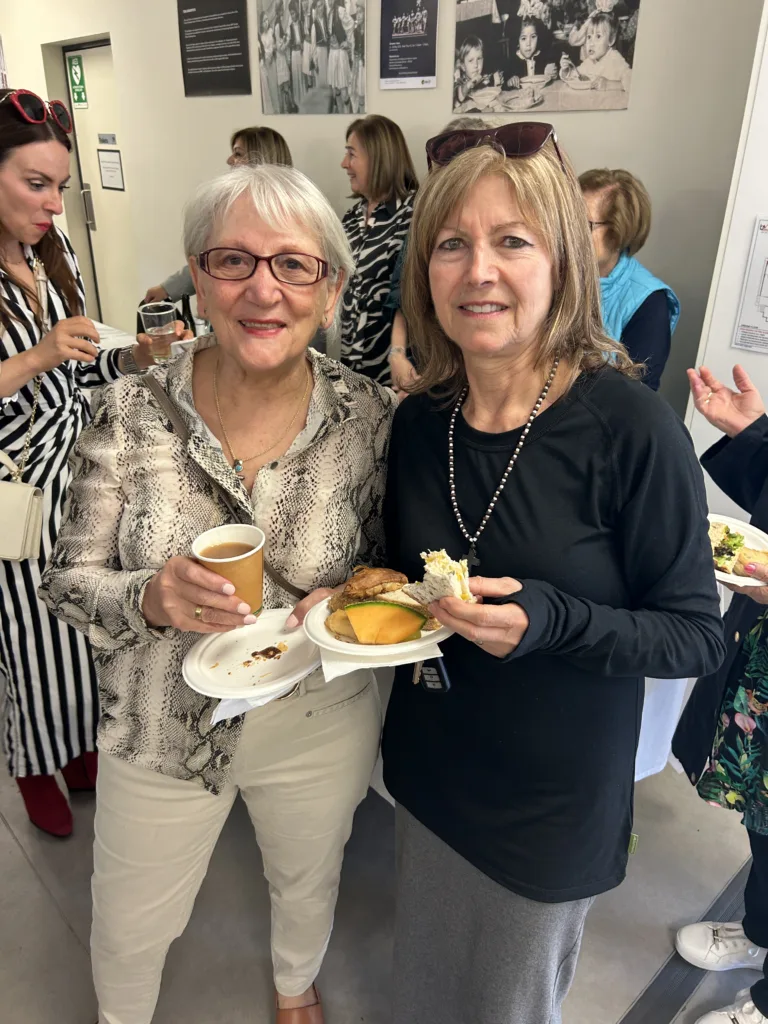
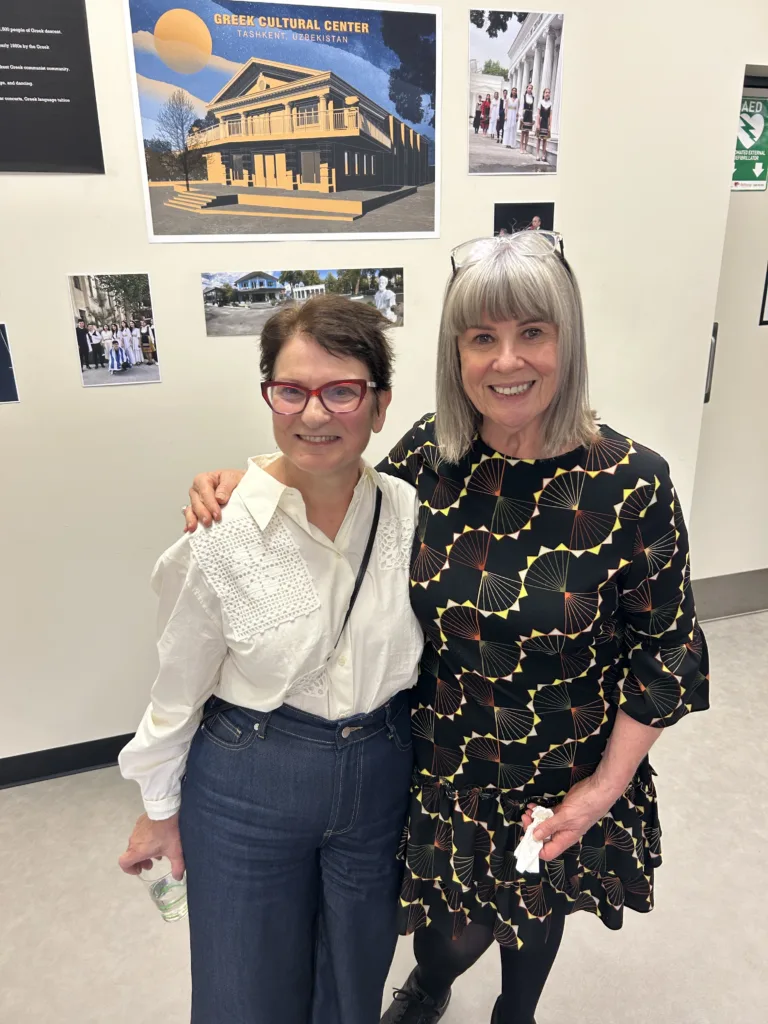
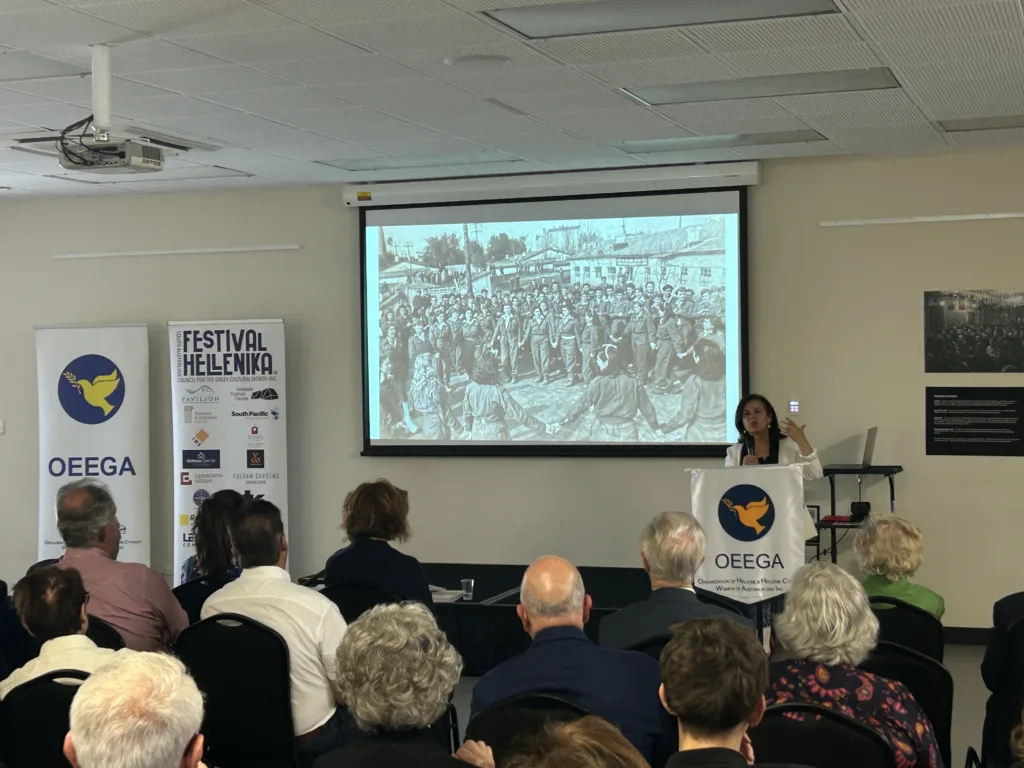
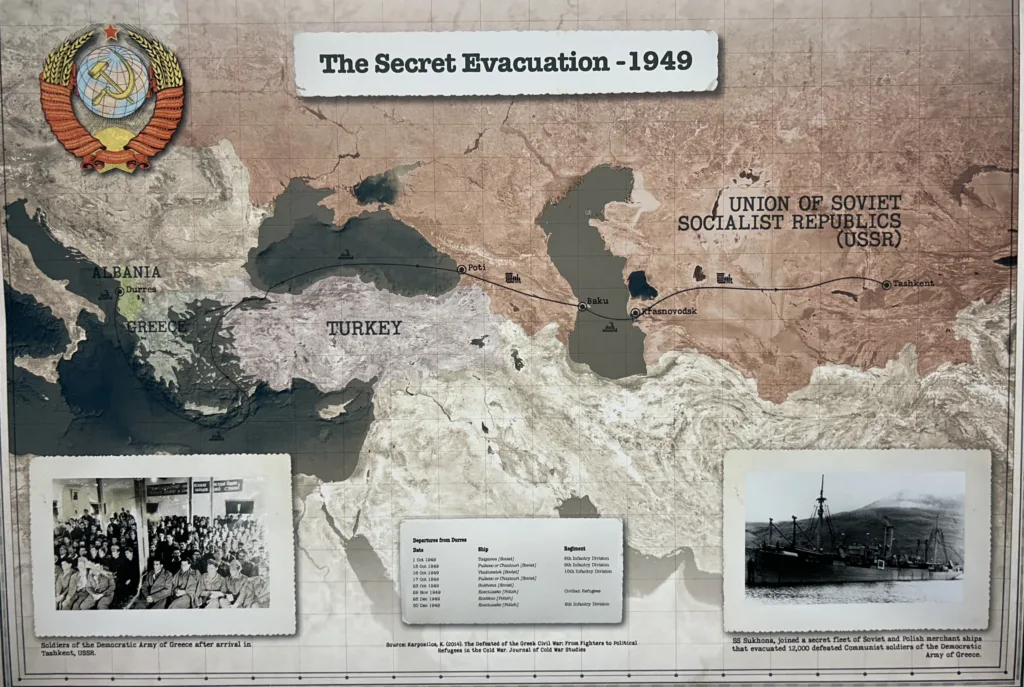
Following Dr Vatsikopoulos’ keynote, Consul General of Greece in SA, Dr Alexandra Theodoropoulou, officially launched the event and reflected on the painful and important past events, stating that “all the stories of the civil war and secrets are amazing, and we all have parts of our family [history] that are silent. Sometimes we get the lessons not from the Motherland Greece but from the diaspora [through exhibitions such as this].”
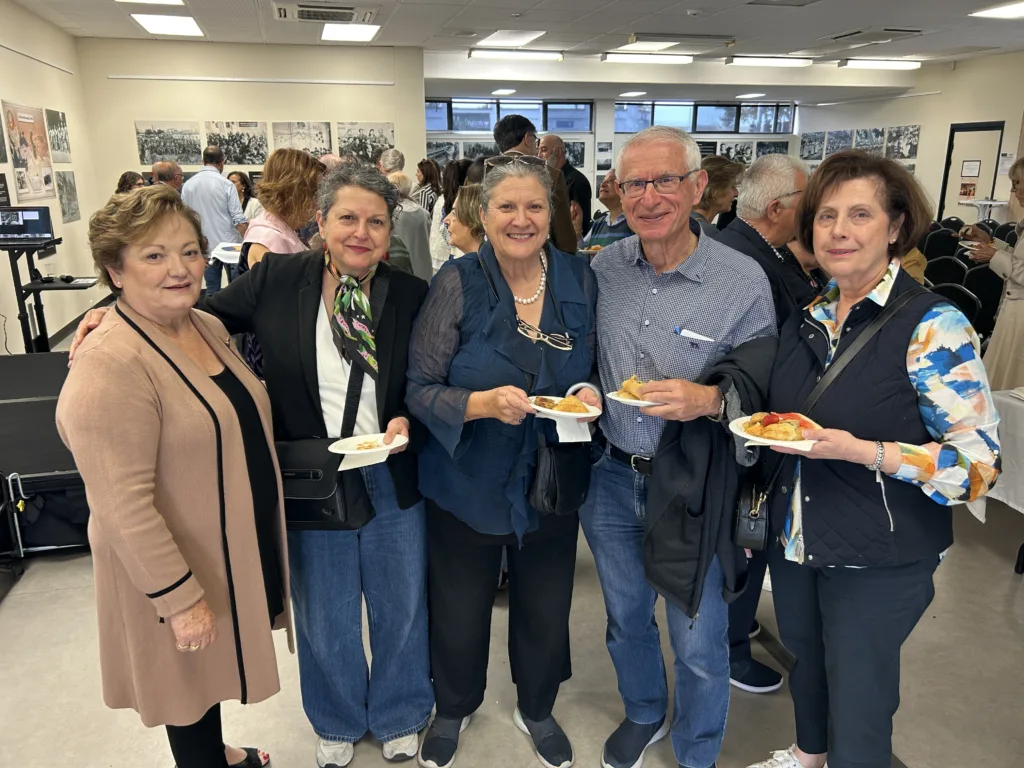
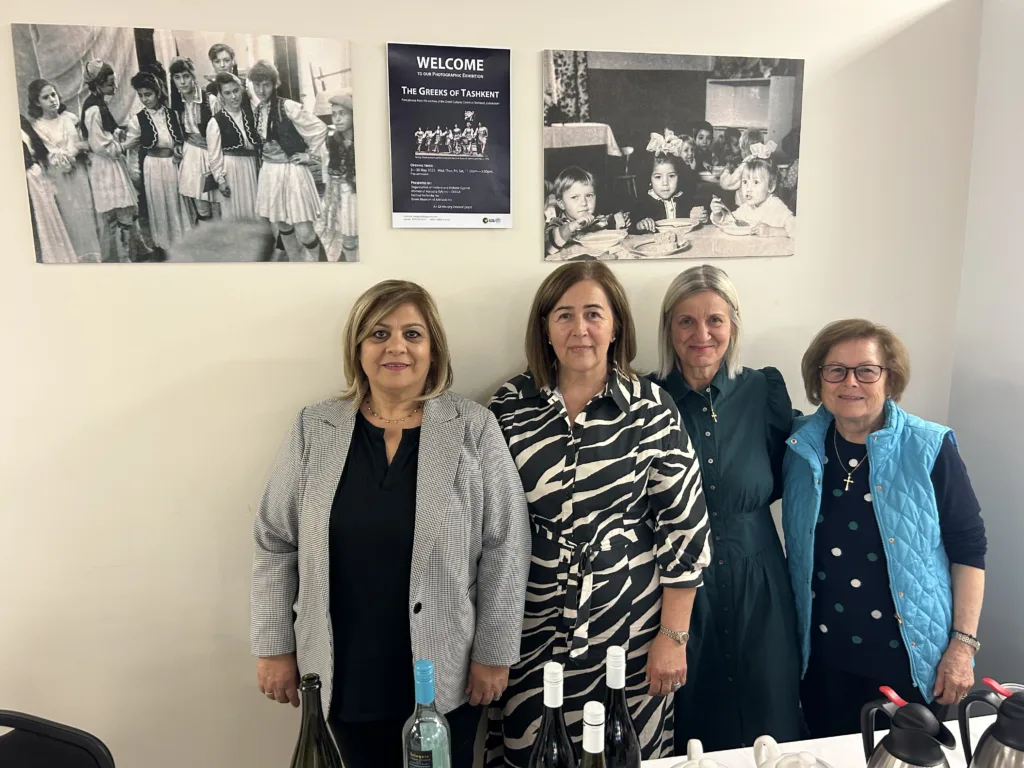
The exhibition brings to light the resilience of Greek identity and its enduring preservation even when separated from Greece, and serves to educate Greek and Philhellenes alike on a chapter of Greek history shrouded by sorrow, complexity and intergenerational stories.
The exhibition is open from 3–30 May, Wednesdays to Saturdays, 11:00am–3:00pm at the Cowandilla Community Room, Hilton SA.
The exhibition was conceived and co-curated by Centre President Costas Politis, former ABC Foreign Correspondent journalist Mark Corcoran, and journalist and University of Technology Sydney Fellow Dr Helen Vatsikopoulos.
