
In Pelopi, a small village on the Greek island of Lesvos, the silence is devastating. Where there were once herds and the daily hum of farm life, there is now uncertainty and loss. In a matter of weeks, an outbreak of foot-and-mouth disease (FMD) has wiped out livestock and livelihoods.
Compelled to act, Melbourne cousins, psychologist Stefan Tsagaris and commercial analyst Nicky Tzouvanellis, have launched a fundraiser to support the community after the catastrophic outbreak. For them, the crisis isn’t just a headline; it’s a direct blow to their heritage.
The virus is notoriously aggressive, spreading rapidly through air and soil. To protect the wider agricultural economy, authorities have enforced strict containment measures, including mass culling, leaving families in Pelopi without their primary source of income just weeks before the peak Easter period.

“Pelopi is incredibly important to us,” they wrote in their fundraiser. “It’s a village whose streets we’ve walked… the origin of our family’s migration story.”
Their connection runs deep. Their grandmothers were siblings who migrated to Australia, creating a close-knit family that has remained tightly connected ever since. Despite growing up in Melbourne, both cousins return often and remain closely tied to the village.
“We’re super connected to the village,” Stefan says. “Everyone we know is kind of concentrated in this one place.”
So when news of the outbreak came through, it hit hard.
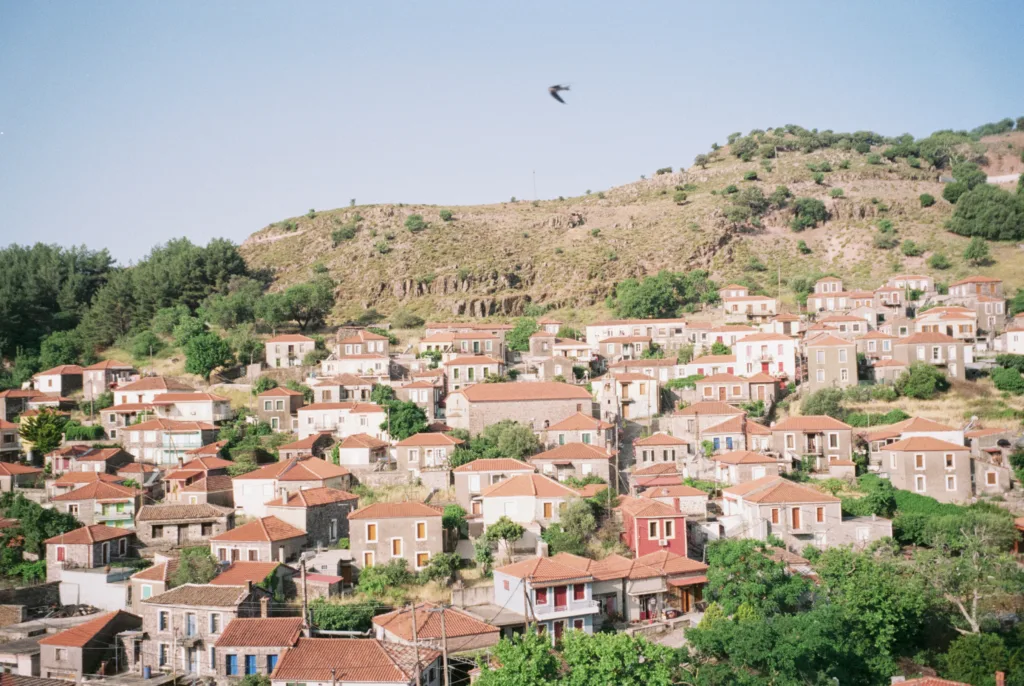
“We found out a few days after it started. It just became talk of the town,” he says, describing a family group chat filling with messages from Greece. The situation quickly became personal, with the first confirmed case linked to someone in their extended network.
“It’s very close to home,” he says.
The impact has been immediate and devastating. Under containment rules, entire herds are culled if just one animal tests positive, erasing livelihoods overnight.
“One of our relatives had over 400 sheep and a few cows,” Nicky says. “To lose everything overnight… it’s not just financial. These animals are part of their everyday life. Then suddenly, they’re gone.”
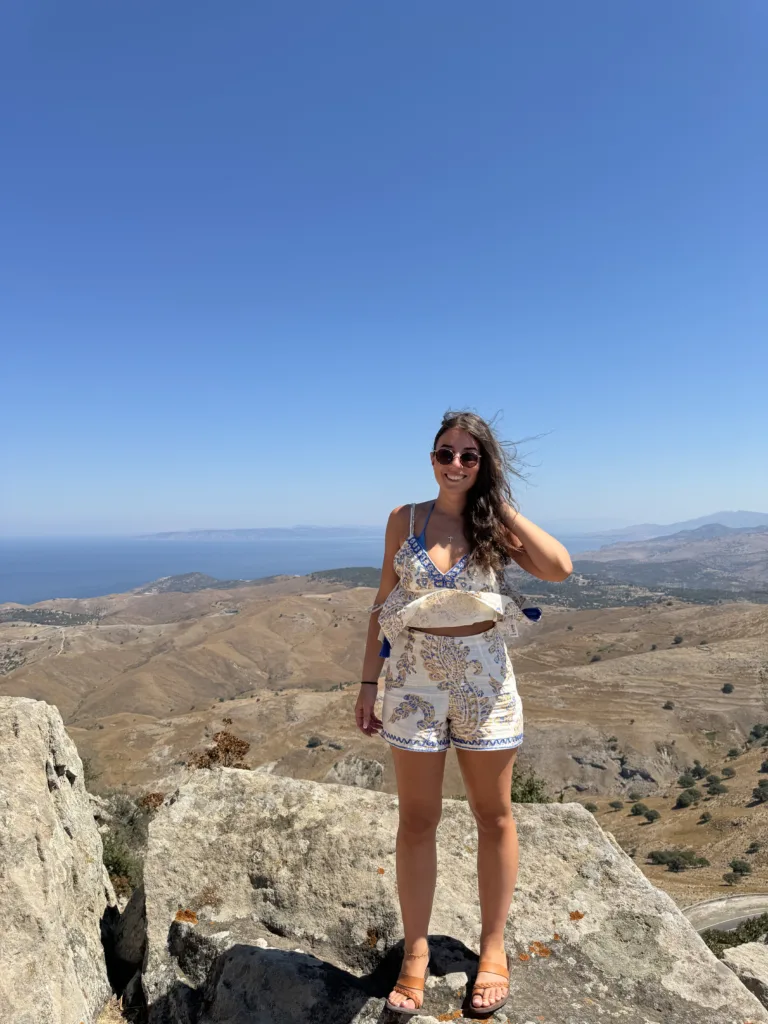
Thousands of animals have already been culled across the region. For Stefan, the emotional toll is just as significant as the financial loss.
“These animals are more than income,” he says. “They’re part of people’s identity.”
Watching from Australia, the cousins felt they had to do something.
“We both had the idea separately, ‘we should start a GoFundMe,’” Stefan says. “Then we realised we were thinking the same thing.”
They launched the fundraiser within days. The response has been swift, and unexpected.
“We’ve had donations from people we know, but also people we don’t,” Nicky says. “Someone gave $1,000 from overseas and we have no idea who they are.”
While support is coming from across Australia and beyond, their focus is clear: helping the families back home.
“This won’t fix everything,” Stefan says. “It’s a multi-million-dollar problem. But it’s something.”
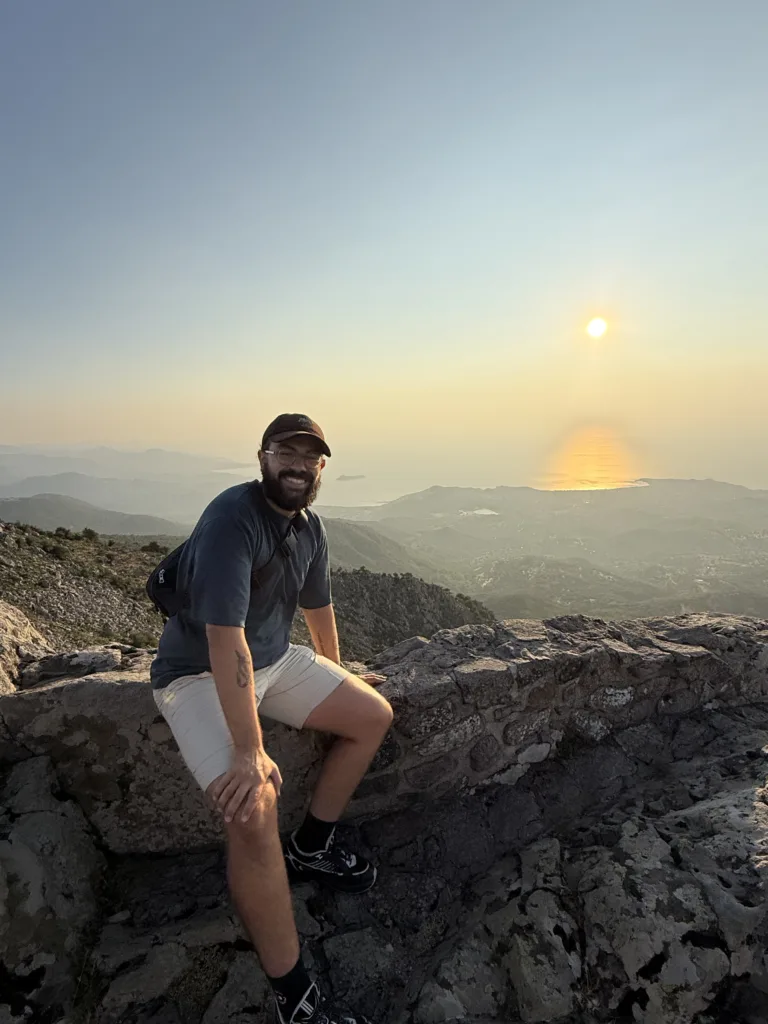
The money will go directly to the worst-affected families, those who have lost entire herds. With help from a trusted contact in the village, they are identifying around 10 to 15 families in urgent need.
“In a village of 300 people, everyone knows whose farms are empty,” Stefan says.
It’s the first time the cousins have taken on something like this. But for them, the decision was simple.
“It doesn’t feel like an obligation,” Nicky says. “We just feel compelled to help.”
Because no matter the distance, the connection remains.
“What makes this especially personal is that both of our families, our grandparents and parents, come from this village,” Stefan says. “We often think about what our lives might have looked like if they had stayed. You can live on the other side of the world, but that connection never really leaves you.”
And now, as Pelopi faces one of its hardest moments, that connection is turning into action.
*At the time of publishing, the fundraiser had raised almost $9,000 of the $20,000 goal.
