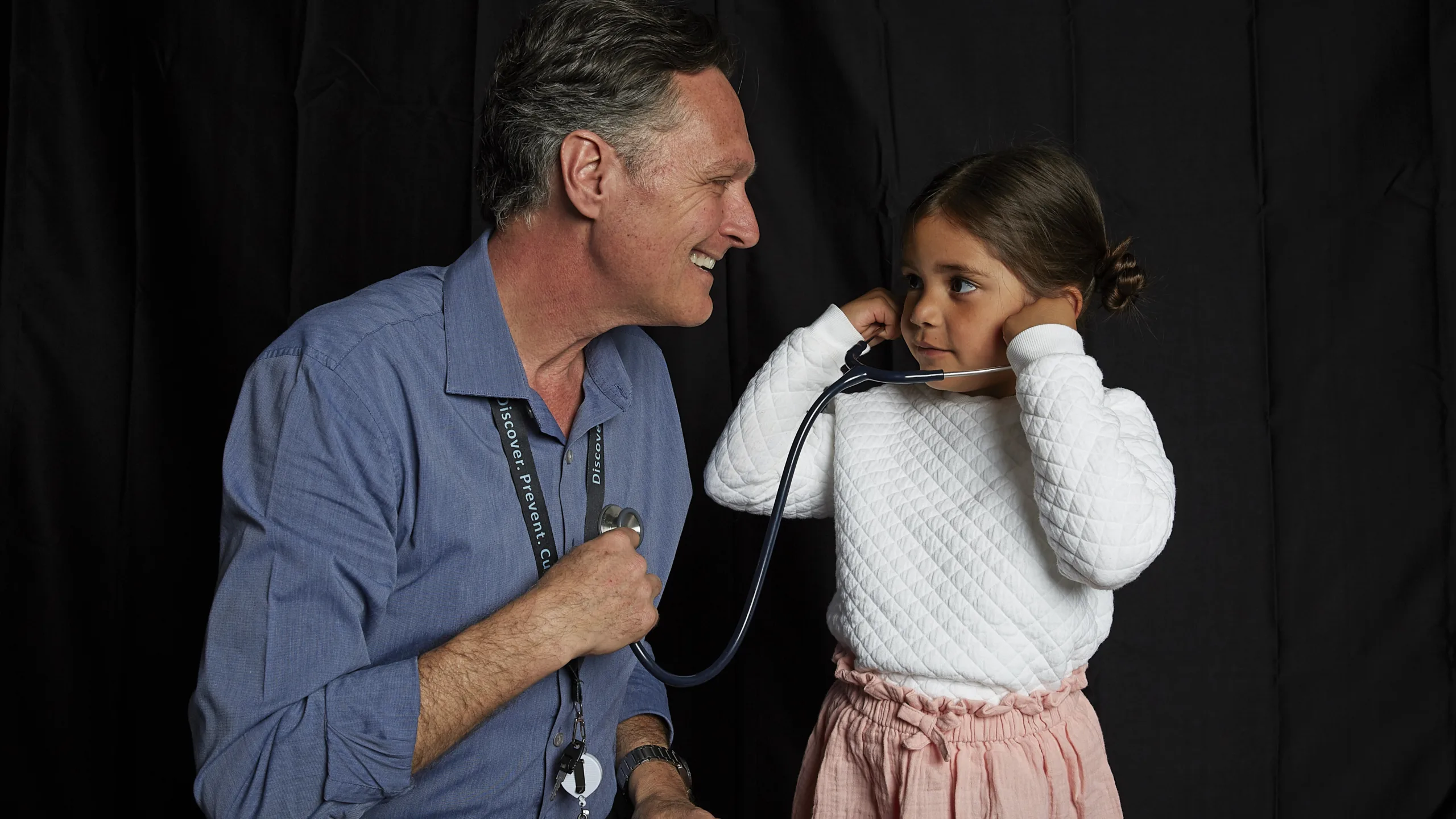
As NAIDOC Week 2025 continues, Professor Jonathan Carapetis, renowned paediatrician and infectious disease expert, reflects on a life shaped by two ancient cultures and one unshakable goal: closing the health gap for Indigenous children.
With roots in the rugged hills of Ikaria and a career forged in some of Australia’s most under-resourced communities, Carapetis believes healing begins with understanding.
“The first thing Aboriginal people ask is, ‘Where’s your mob from?’” he says. “I tell them: Ikaria and Asia Minor. And just like that, there’s a connection.”

Born in Adelaide, South Australia to a Greek father and Anglo-Australian mother, Carapetis grew up straddling cultures.
“We weren’t the typical Greek family,” he says.
While his cousins spoke Greek and attended church, his own household leaned Anglo, a conscious decision by his parents after tensions over their intercultural marriage.
“They later regretted not raising us more Greek,” he reflects. “But it was always there, every second weekend at my grandparents’ big family gatherings, that sense of connection.”
His paternal roots trace back to Monokambos, Ikaria, the famed “Blue Zone” island. His grandfather emigrated in the 1920s, joining his father in Port Pirie, South Australia.
“They were subsistence farmers. They came with nothing, cleared land with axes, saved up for a truck, then bought a small farm,” Carapetis said.
His grandmother, a survivor of the Asia Minor Catastrophe, arrived through an arranged marriage, but fell for the neighbour instead. “That was my grandfather,” he smiles.
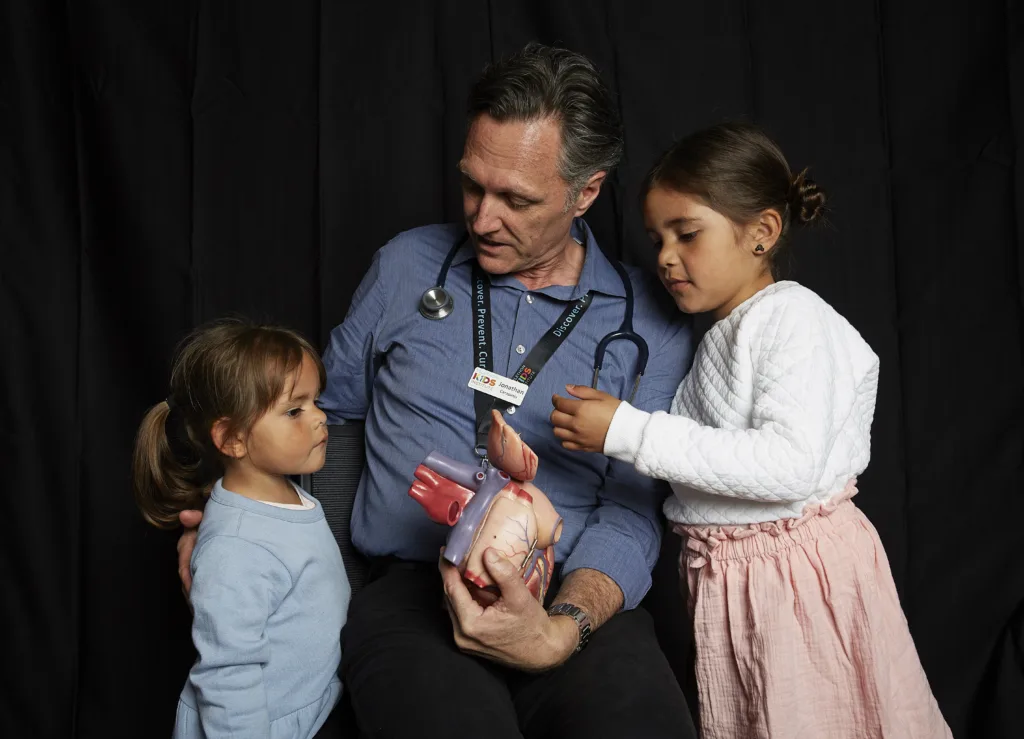
Carapetis’ global perspective was shaped in Washington DC, where he attended high school while his father worked as a civil engineer for the World Bank in Africa. “That’s when I saw the health challenges of low-income countries,” he says. It planted the seed.
After medical studies in Melbourne and a PhD in Darwin, where he was named NT Australian of the Year, he later moved to Perth and became WA Australian of the Year in 2021 and a Member of the Order of Australia in 2018. But accolades are secondary to action.
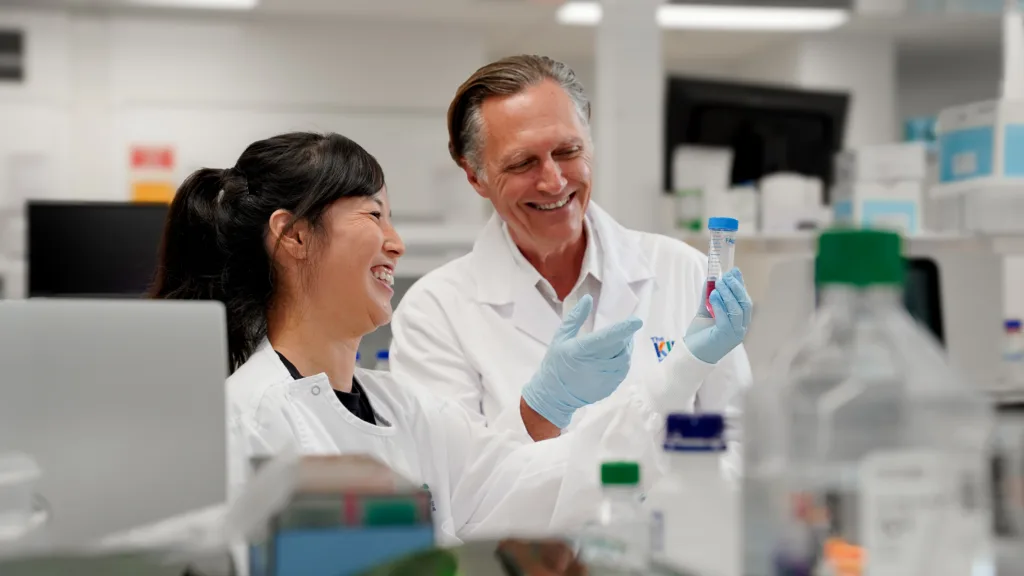
His life’s work centres on rheumatic heart disease (RHD), a preventable illness caused by untreated strep A infections. Once widespread in working-class and migrant communities, it has virtually disappeared from wealthy suburbs, but still devastates Indigenous families.
“It was common in the Greek community too,” he says. “Older Greek Australians will remember uncles or cousins who had it. Refugees still suffer from it.”
As Director of the END RHD Centre of Research Excellence, Carapetis led the creation of The RHD Endgame Strategy – the blueprint to eliminate rheumatic heart disease in Australia by 2031. Under his leadership, the Kids Research Institute embedded Aboriginal health into every program: launching the Working Together Strategic Plan, establishing the Kulunga Aboriginal Research Unit, setting national-first Indigenous research standards.
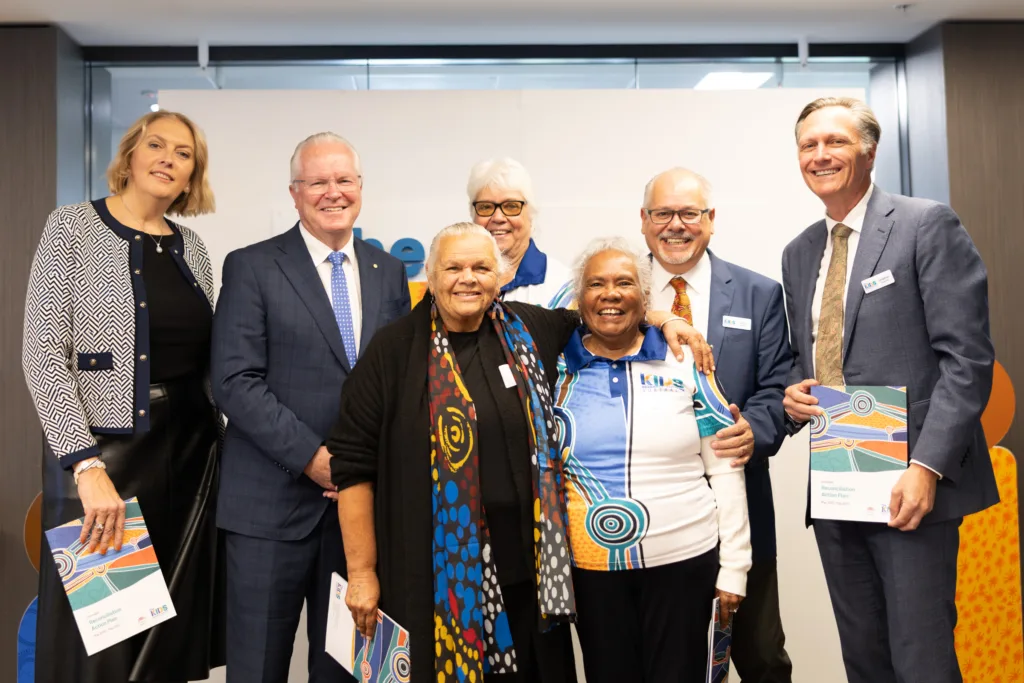
Still, he insists, “The job isn’t done until the research changes lives.” That means working with, not on, communities. “We need partnerships with policymakers, communicators, and most importantly, community leaders. We need to stop doing research on people and start doing it with them.”
What binds it all, he says, is values. “Greek Australians can learn a lot from Indigenous communities, especially about holding onto those family bonds. It’s not just about preserving culture. It’s the values underneath that matter.”
As NAIDOC Week invites reflection, Carapetis urges the Greek community to move beyond nostalgia. “We came here seeking safety and opportunity. We should understand what it means to be displaced, to rebuild. That empathy is our bridge to First Nations people.”
Why does this work matter so deeply to him? “Because we are all connected,” he says. “It’s not just about being a scientist; it’s about being human.”
