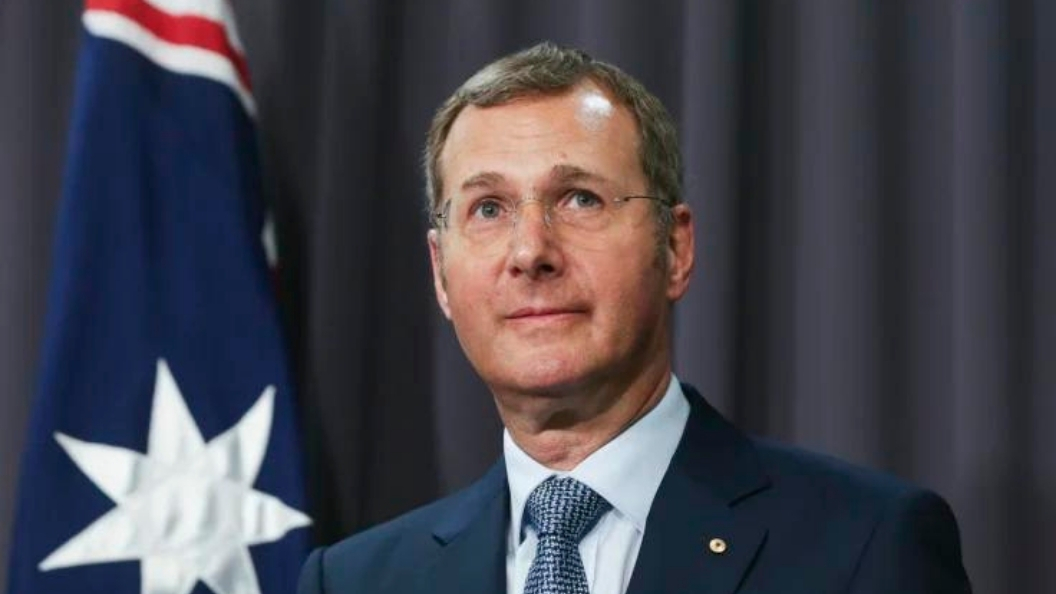
As over fifty percent (53.4%) of eligible Australians are now fully vaccinated and more that 77% have received at least one dose of a COVID-19 vaccine, Australia’s Deputy Chief Medical Officer (CMO) Professor Michael Kidd says he feels confident about the vaccine rollout and the vaccination rates across the country.
“We have seen more than 2 million doses of vaccine administered each week to people right across the country and we have more than 10,000 places where you can go to in Australia to get a COVID-19 vaccine… we are very rapidly getting close to that 70 and 80 per cent vaccination rates as agreed by the National Cabinet,” said Professor Kidd urging people to keep rolling up their sleeves.
“If we want to be protected against becoming seriously unwell from COVID-19, the way to do that is through vaccination,” he said.
Protection of elderly Australians a priority
Speaking about the vulnerable people in the community Professor Kidd said that 99% of people working in residential aged care facilities across Australia have received at least a first dose of a COVID-19 vaccine and 82% are fully vaccinated.
“This is a remarkable achievement. We already have very high rates of vaccination coverage of the residents of residential aged care. We’re providing that additional level of protection through the vaccination of the aged care workforce,” said the Deputy CMO.
From 17 September 2021 it is a requirement that residential aged care workers must be vaccinated against COVID-19 as a condition of employment.
Kidd: Vaccine hesitancy continues to decline
Asked on how the government is tackling the issue of vaccine hesitancy in multicultural communities, Professor Kidd said that according to latest figures the percentage of those vaccine hesitant seems to be declining and highlighted the role of multicultural leaders and ethnic media.
“We’re seeing vaccine hesitancy continue to decline around the country. About 5% of people are saying that they won’t receive a vaccine. And then there are others who say that they’re feeling hesitant, but they think that they probably will,” he said.
“Working with the leaders of the various cultural and linguistically diverse communities across Australia has been really important, because these are the people who understand why there might be hesitancy amongst different groups within the community, and can through their leadership roles assist us in getting messages out to everybody.”
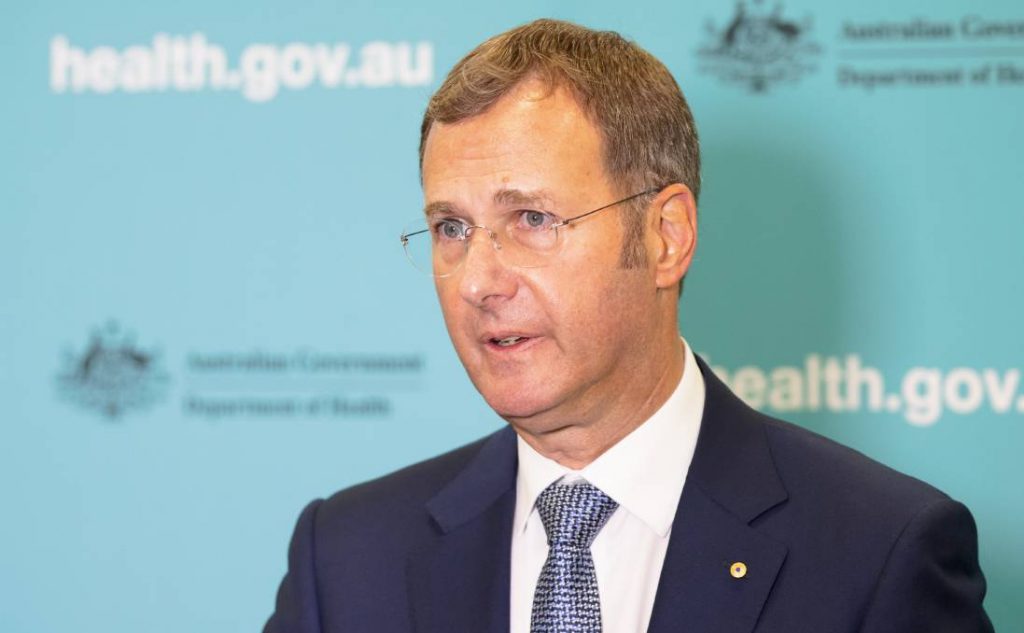
Paediatric vaccination and booster vaccines
With regards to pediatric vaccination Professor Kidd said that Australia is prepared to provide vaccines to children under the age of 12 once “we have vaccines which have been shown to be safe and effective”
“Any vaccine has to go through the assessment process of the Therapeutic Goods Administration (TGA) and then will be reviewed by the Australian Technical Advisory Group on Immunization (ATAGI),” he said.
When asked about booster vaccines, the Deputy CMO said that Australian Authorities monitor the response of a number of countries that started their vaccine rollout earlier than Australia and clarified that some groups of people may need a booster dose of a vaccine for ongoing immunity.
“People who are immune compromised, may need a third dose of a vaccine in order to get a strong sustained protection,” he said and added that further variants of the virus may also require additional doses.
“There may be further variants which appear where the vaccines may not be as effective. In that case, we’ll need booster doses. At the moment, we don’t have approval for booster doses in Australia.”
How can we make sure that once the borders reopen, they will remain open?
Rolling lockdowns across Australia and the closure of state and international borders have taken a toll to community members who can’t see their families overseas but Professor Kidd is adamant that for families to reconnect safely vaccination targets need to be met.
“I know this has been very challenging, our lives have been very disrupted by the pandemic and my thoughts go out to those of your readers who have been separated from family members, loved ones and friends,” Professor Kidd said.
“Once we open up our international borders, we will have COVID-19 outbreaks occurring right across Australia and people who’ve been vaccinated will have good protection against becoming seriously unwell and at risk of losing their lives but people who have not been vaccinated will be at very significant risk.”
“We don’t want to see people losing their lives if we can prevent that from happening through vaccinations. So, we’re very keen to get as many people vaccinated in Australia as quickly as possible so that we can open our borders safely.”
In NSW unvaccinated residents will get freedoms. Why should we get vaccinated?
At Monday’s COVID-19 update the NSW Premier, Gladys Berejiklian revealed the state’s three-stage plan out of lockdown which outlined the restrictions set to be relaxed at 80 per cent double dose vaccination.
The Premier revealed unvaccinated residents would be subject to stay-at-home orders until December 1 but said they will be able to visit places of worship once the state reaches 80 per cent double dose vaccination.
In a question on why people should get vaccinated if they will eventually get freedoms, Professor Kidd said that the purpose of vaccination is to “protect yourself against becoming seriously unwell, and at risk of dying if you are infected with COVID-19. By getting vaccinated you are less likely to catch COVID-19, and you are less likely to transmit COVID-19 onto other people.”
“We’re getting vaccinated to protect ourselves, our family members, our loved ones, and the wider community.”
*To find out more about the COVID vaccine or for translated resources in Greek visit: www.health.gov.au

