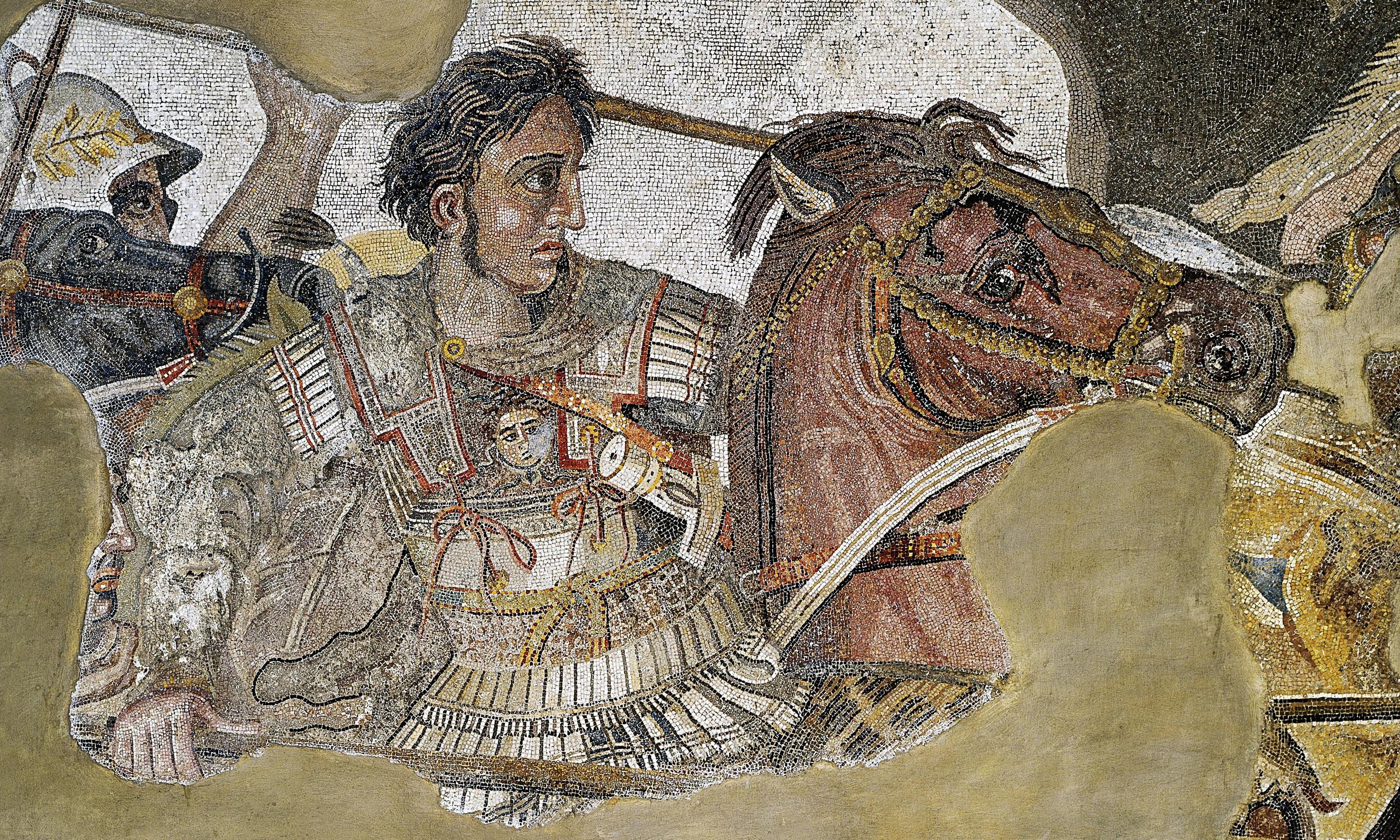
In 325 BC, Alexander the Great began his return westward from India. His ambitions had shifted from conquest to exploration, particularly of maritime routes. According to protagon.gr, while he led the main army through the harsh Gedrosian desert, he assigned his trusted admiral Nearchus to sail from the Indus River to the Euphrates-one of the most dangerous naval missions of antiquity.
Nearchus was tasked with mapping unknown coastlines, securing fresh water, and maintaining supplies in hostile territory. According to Arrian in his work Indica, the fleet reached Armózeia, a fertile region in Persia, offering a stark contrast to the barren coasts previously encountered. The area, likely near modern Minab, had rivers, vineyards, and fruit trees, though notably no olive trees.
From there, Nearchus could see the Arabian cape, confirming he had reached what is now known as the Strait of Hormuz. Armózeia was not merely a stopover but a strategic gateway controlling this vital maritime passage, long recognized as a key trade hub by ancient writers.
One of the most moving moments occurred when Nearchus learned Alexander was nearby. Upon their reunion, Alexander—seeing his admiral exhausted-feared the fleet was lost. When reassured of its safety, he reportedly wept with relief, saying the news pleased him more than conquering Asia.
Centuries later, the name Hormuz shifted to a nearby island, which became a major medieval trade center. The story highlights how geography shaped trade routes and the course of history.
Source: protagon.gr
