
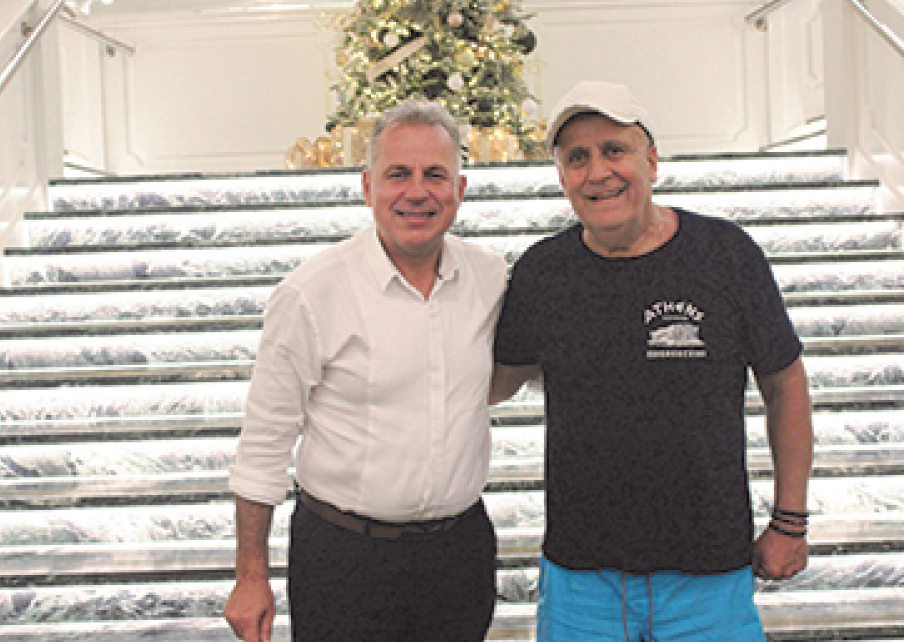
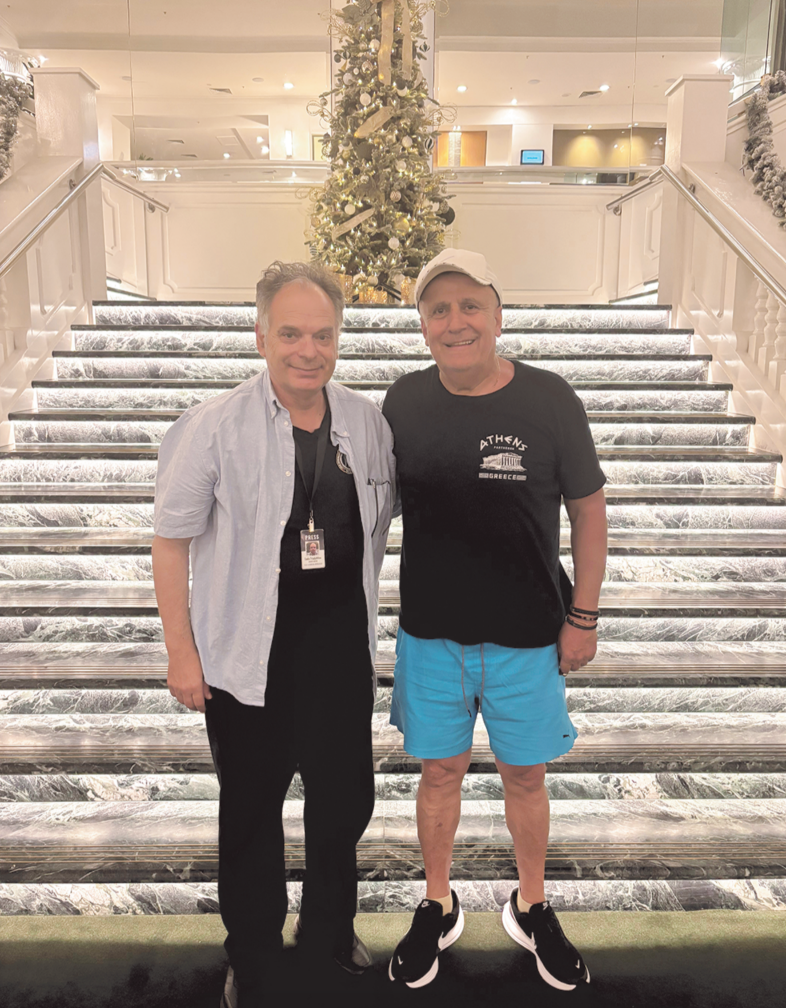
Giannis Topalidis, one of the key figures of the Euro 2004 triumph, visited Australia and met with The Greek Herald last Friday at the Brighton Hotel in Brighton Le Sands.
Topalidis’ presence was a great honour for the Greek diaspora, sparking memories, reflections, and discussions about the present and future of Greek football.
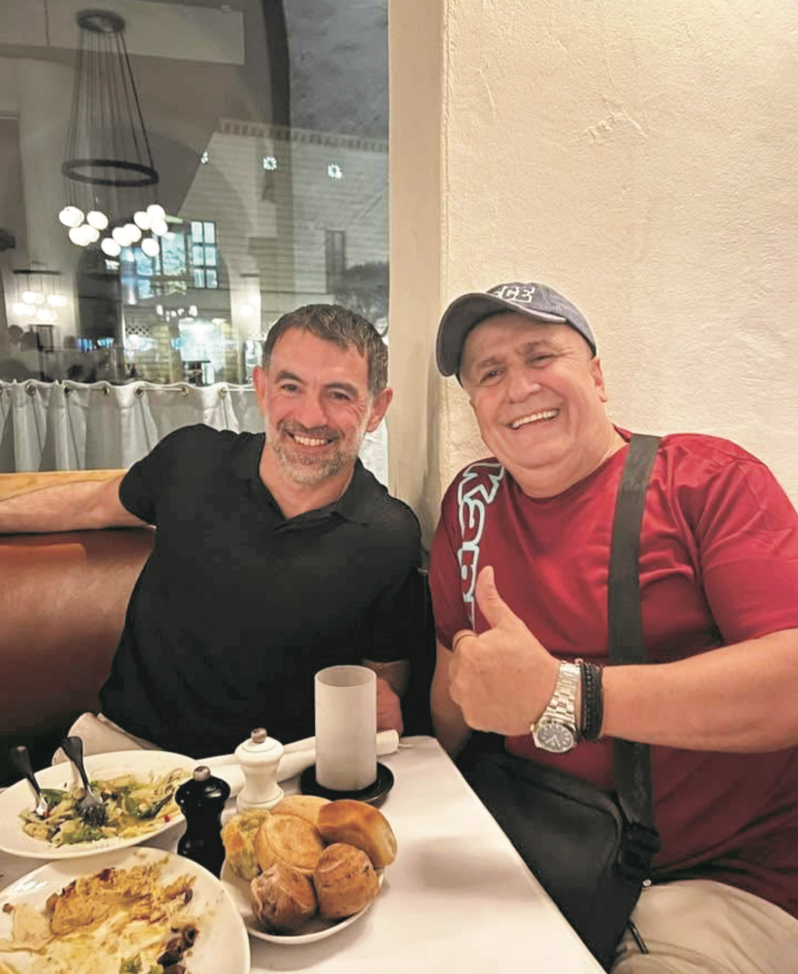
Mr Topalidis, what does this visit to Australia and the reception from the community mean to you?
It’s truly a great honour. From the first moment, I felt at home. The Greeks here have incredible warmth.
How did the idea of this trip to Australia come about?
After so many trips, I felt the need for a new challenge. My continuous contact with Nikos Mouzourakis played a decisive role. That’s how the visit to Melbourne and Sydney came about.
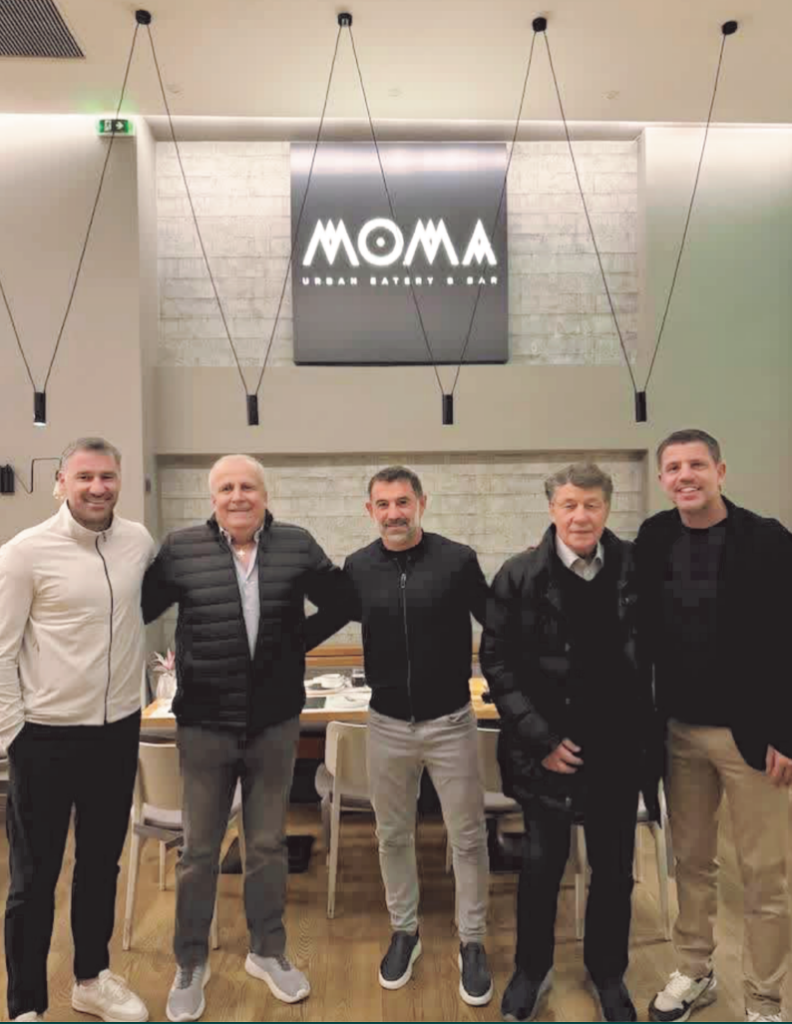
How was your interaction with the Greek community here?
Excellent. Friends and many others, the Greek Center in Cronulla, and the social events made me feel at ease. This kind of love gives you strength.
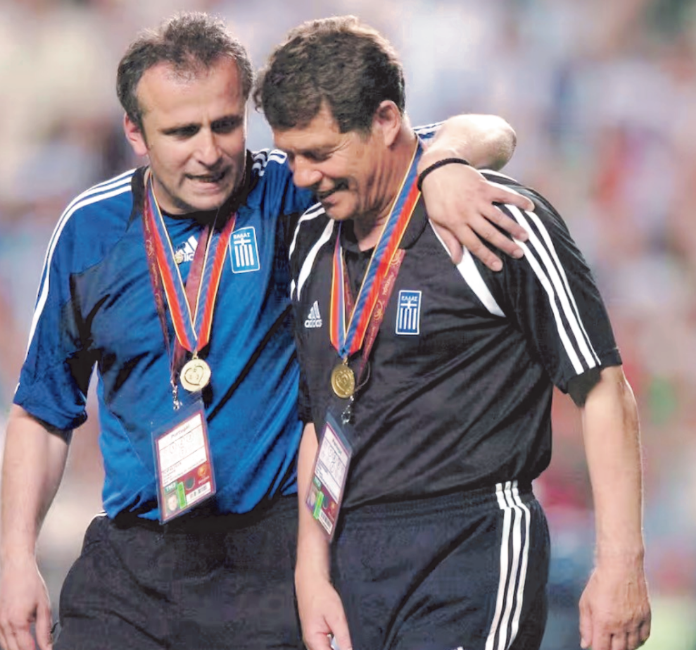
What was your role in Otto Rehhagel’s staff in 2004?
I was something of a “bridge.” On one hand, helping with interpretation to overcome language barriers, and on the other, analysing opponents through video scouting and match observation. A very important part was also working on the players’ psychology, acting as a link with the coach.
How crucial was this contribution to Euro 2004’s success?
Success was collective, but the organisation, discipline, and psychological preparation of the team played a huge role. We all knew exactly what we had to do.
How do you see football’s evolution from 2004 to today?
The game has become faster and more intense. Training is more modern, tactical transitions more demanding. Yet the core value remains: eleven versus eleven, on the same pitch.
What do you think is missing from Greek football today?
The consistent presence of three teams – Olympiacos, Panathinaikos, and AEK – in the Champions League. That raised the level, the experience, and the quality of the players.
How do you evaluate Australian football?
It’s competitive but not the country’s top sport. Cricket and rugby dominate. Nevertheless, Australia’s national team has a respectable level.
Are there opportunities for Greece–Australia cooperation?
Absolutely. There are Greeks in the diaspora with football talent who could strengthen either Greece’s or Australia’s national teams. Nektarios Triantis is one example.
How important is discipline in modern football?
It’s the key to success. In 2004, absolute discipline, on and off the pitch, determined our path.
Topalidis’ visit to Australia was not just a trip – it was a powerful reminder of his enormous contribution to Euro 2004. With every word and every meeting, he shared knowledge, experience, and inspiration with Greeks abroad, rekindling the memory of a triumph that defined the history of Greek football.
His visit became a bridge connecting the glorious past with the future of the sport, showing that his leadership, dedication, and passion continue to inspire and guide generations of players, both in Greece and beyond. A silent hero, bringing the triumph back to the heart of every Greek fan.
