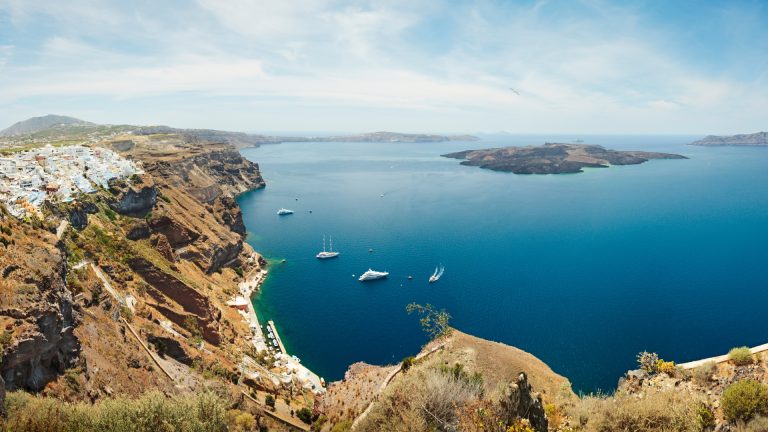
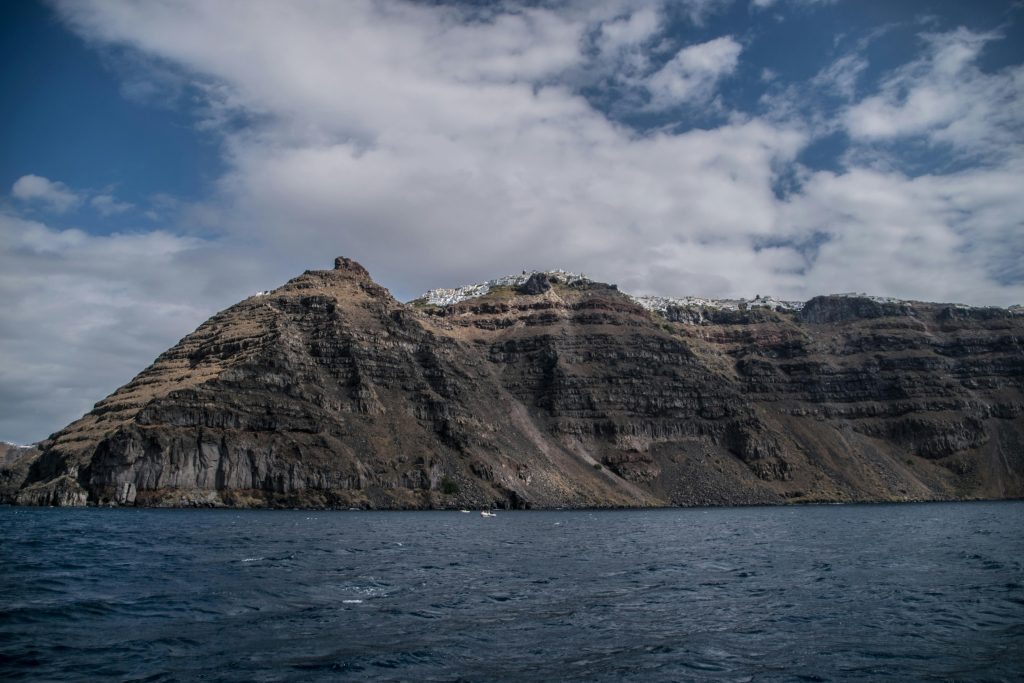
The mysteries of one of the world’s most studied volcanoes in Santorini, are beginning to unfold as geologists delve into its submerged history. Recent drilling into the sea floor surrounding the partially submerged volcano has revealed significant insights into its past eruptions.
Santorini is famous among volcanologists for its Bronze Age eruption in approximately 1600 BC, which might have contributed to the decline of the Minoan civilisation on the island of Crete.
According to nature.com, during an expedition between late 2022 and early 2023, researchers discovered evidence of a previously unknown cataclysm.
Half a million years ago, the volcano erupted violently enough to blanket three nearby islands in debris, and it sent underwater currents racing for 70 kilometres. The eruption was much larger than the one in 1600 BC and was one of the biggest ever in this part of the Mediterranean.
Furthermore, findings from the expedition shed light on a significant eruption in AD 726, comparable in scale to the eruption of Mount St. Helens in Washington in 1980. These discoveries reshape our understanding of Santorini’s volcanic history, with Paraskevi Nomikou, a marine geologist at the National and Kapodistrian University of Athens, stating “The history of Santorini is being written again.”
Photo: jimmy teoh
Although scientists aren’t expecting similar eruptions to happen any time soon, the findings add to the growing understanding of the volcanic risk at Santorini, which last erupted in 1950.
Among the most notable discoveries was a thick layer of volcanic rock, known as tuff, indicative of a significant prehistoric eruption. The researchers named it the Archaeos tuff, after the Greek word for ‘ancient’.
It formed around 520,000 years ago when Santorini erupted underwater, sending shards of ash and rock racing outwards like giant avalanches, the team reported in January in Communications Earth & Environment 1 .
As measured by the size of those underwater flows, the eruption was 6 times larger than the 1600 BC eruption at Santorini.
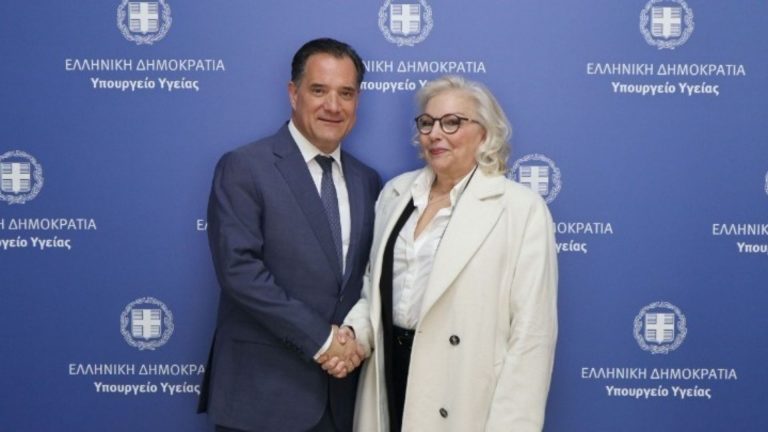
Health Minister of Greece Adonis Georgiadis, met with Anna Panga, the first patient in Greece to be prescribed medical cannabis for medical reasons.
According to amna.gr, Georgiadis emphasised that he is truly happy because Greek patients have access to a final product of medical cannabis.
Photo by Terrance Barksdale
“People facing chronic pain can return to their daily lives with dignity. This gives me joy and I thank Mrs Panga for coming to see me in person and share this joy with me,” he said.
Panga stated that she is very happy because “cannabis gave me back my life.”
She added that “the minister gave me the freedom to live with hope. Thank you very much on behalf of all of us; there are thousands of patients who have been waiting for this moment.”
A member of the Cypriot diaspora, Paul Lambis has for years been considering how to bring together communities around the world. His vision will finally take shape in March, in a city at the crossroads of cosmopolitanism and Cypriot tradition.
Limassol, Europe’s southernmost city in Cyprus, will host the 1st Cyprus Diaspora Forum from 6 to 9 March 2024.
The Cyprus Diaspora Forum will be a unique, four-day event at the Parklane Resort and Spa Hotel. It will bring together Cypriot diaspora communities, influential figures from the public and private sectors in Cyprus, media, academia and civil society.
The event aims to recognise and promote the importance of the Cypriot diaspora, while fostering stronger relationships through entrepreneurship, innovation, philanthropy and cultural engagement.
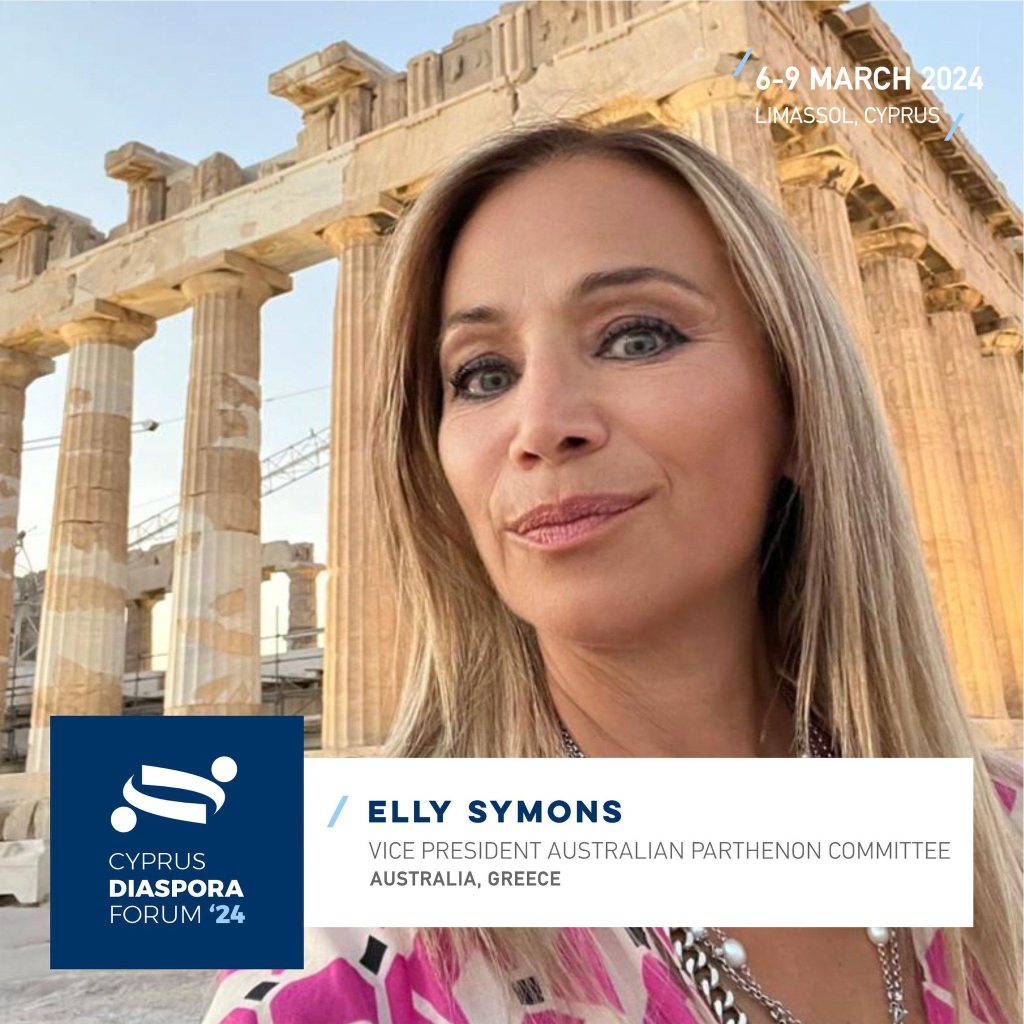
The distinguished guests of the event include the well-known businessman Theodore “Theo” Paphitis, who stole the show in the British reality show “The Dragon’s Den,” the internationally renowned Cypriot psychologist and author Dr Linda Papadopoulos, the Cypriot tycoon Yannis Christodoulou and of course, many Cypriots from Australia. Among them are South Australian Minister for the Arts, Andrea Michaels, Peter Abraham, Elly Symons and others.
The Forum will be open to local companies, start-ups, potential entrepreneurs, research institutions, universities and other organisations from any sector, as it covers almost all sectors of economic activity.
On the occasion of this unique event for the Diaspora, The Greek Herald spoke with Paul Lambis, the founder of the Cyprus Diaspora Forum.
Can you share the inspiration and driving force behind creating the Cyprus Diaspora Forum?
Cyprus, as a country, has evolved into a dynamic business centre, offering numerous investment and employment opportunities to both locals and foreigners. While the Cyprus government continues to nurture the island’s potential, it is essential to use the Cypriot diaspora, their networks of high-net-worth individuals, wealth and investment managers, financial advisors, and so on, to communicate the benefits Cyprus offers as an investment destination – not just a sun and sea resort.
As a result, I decided to establish an annual event to recognise Cyprus’ pioneering individuals abroad, as well as their influence among their own networks, and invite them to an event that will not only showcase them as the island’s international pioneers, but also help strengthen the important work the public and private sectors are doing to further strengthen Cyprus’ importance as a regional business hub.
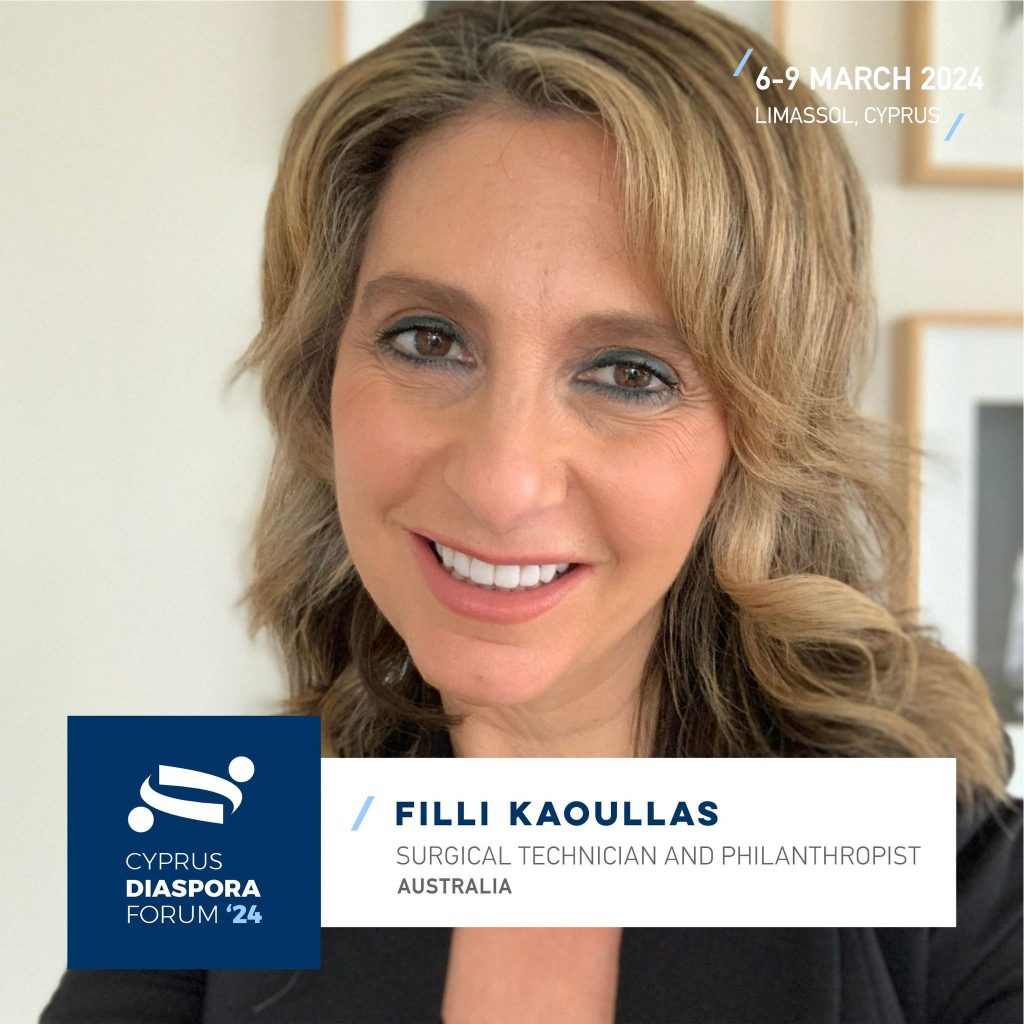
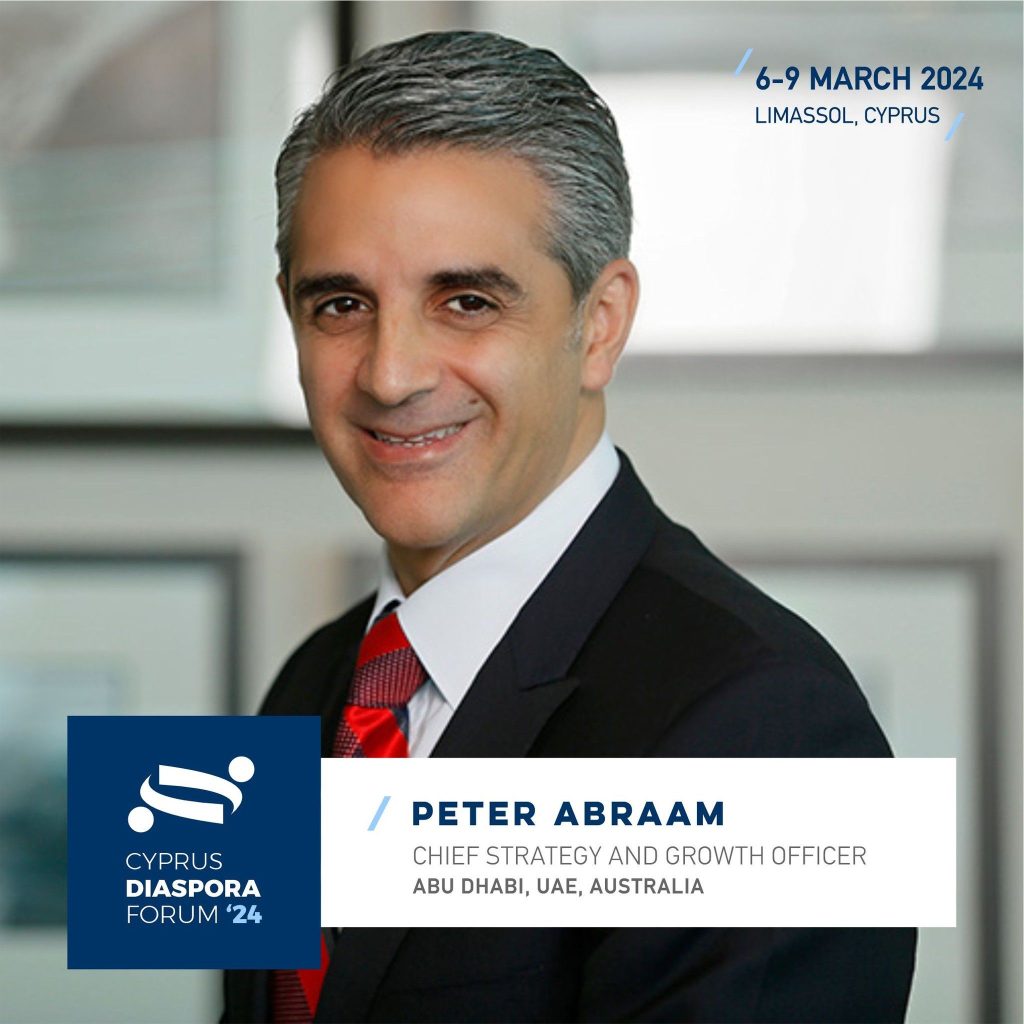
Cyprus Diaspora Forum Filli Kaullas.Cyprus Diaspora Forum Peter Abraams.
Given the diverse diaspora communities worldwide, how does the Cyprus Diaspora Forum specifically aim to engage and connect with Cypriot Australians?
The Cyprus Diaspora Forum will serve to reinforce Cyprus’ reputation as a business centre, while showcasing the Cypriots of the Diaspora – who are our brand ambassadors abroad – recognising them as successful individuals who continue to excel in various industries. The Cypriot Australians, like their counterparts in the UK, USA, Canada, South Africa, and other countries around the globe have contributed to our country’s economic and cultural life for many decades, enriching the societies in which they live and work.
And, as a former member of Cyprus’ vast diaspora family, who was born in South Africa in the 1970s and relocated to Cyprus in the early 2000s, I have always recognised the vital role that Cypriots of the diaspora play in branding our island to the rest of the world.
Could you provide information on whether Cypriot Australians have been specifically invited to participate in the Cyprus Diaspora Forum?
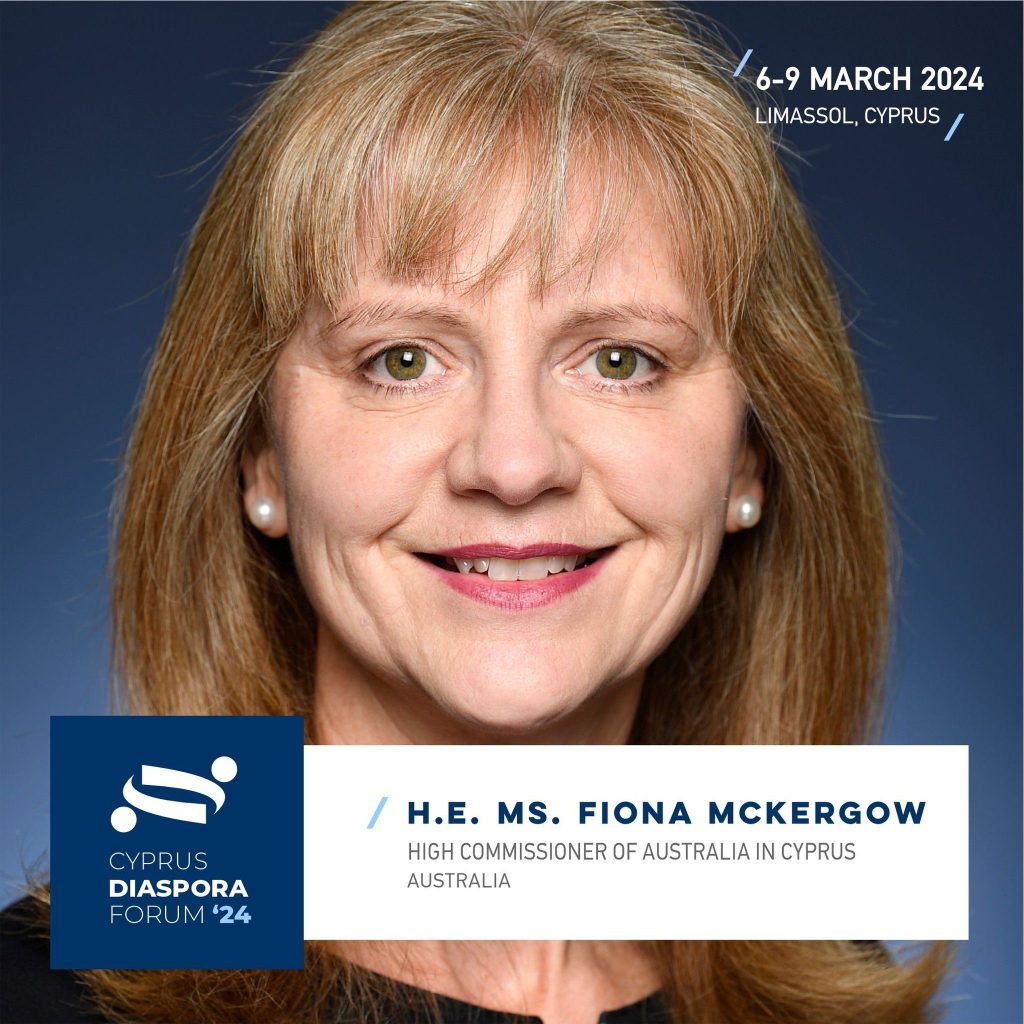
Yes, many members of the Cypriot Australian community have been invited and will attend the event. In fact, one of our team members, Filli Kaoullas, a Surgical Technician and Philanthropist, has been actively involved in the event since its inception and has played a significant part in bridging the gap between the Cypriot community in Australia and Cyprus. Ms. Fiona McKergow, Australia’s High Commissioner in Cyprus, will also attend a discussion on International Relations, which will include other High Commissioners and Ambassadors looking at ways to strengthening bilateral relations between Cyprus and their respective countries by engaging more Cypriots in the Diaspora.
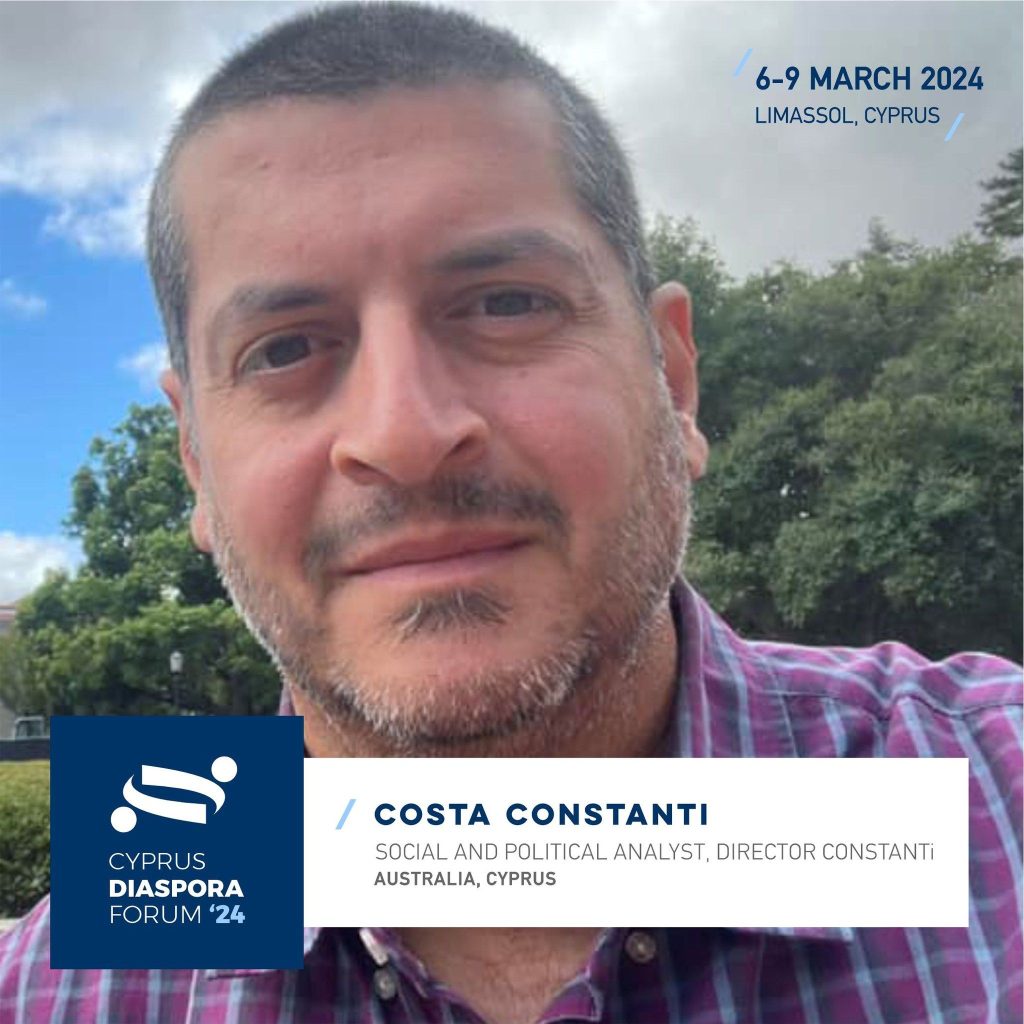
Other prominent Australians include Chief Strategy and Growth Officer Peter Abraam, Vice President Australian Parthenon Committee Elly Symons, State Member of Parliament Hon. Andrea Michaels, Businessman George Moulos, Fine Artist Marina Solonos, Social and Political Analyst Costas Constanti, Author Helena Kidd, and many others.
Networking is a crucial element of the event. How can Cypriot Australians actively participate in discussions, establish connections, and contribute to the strengthening of bilateral ties between Australia and Cyprus, especially in areas like business, technology, and culture?
The communal ties that Cyprus’ diaspora maintain with their ancestral homeland play a significant role in forging local-global relationships and building societies. We will look at how Cyprus may assist diaspora entrepreneurs and local organisations that serve as entrepreneurship hubs by providing them with the tools and information they need to succeed. Attendees will be motivated and empowered to think boldly, move confidently, and harness sage business advice and insight from global entrepreneurs, educators, and academics.
Another aspect of the forum is highlighting the importance of Cyprus as an established and growing tech hub in the European Union and a promising location for setting up headquarters, bringing together many flagship international tech companies, reinforcing the island’s ability to offer every resource needed for establishing one’s headquarters, launching a regional office such as back offices or development centres, expanding one’s business, or establishing an innovative startup.
Analysts and industry professionals will address upcoming market trends, technological advancements, the ambitious objective of achieving carbon neutrality, and Cyprus’ future energy landscape, among other topics.
What are the primary goals and outcomes you hope to achieve with the Cyprus Diaspora Forum, especially concerning its impact on Cypriot communities globally?
The Cyprus Diaspora Forum is ultimately a platform for all, connecting Cypriots in the diaspora, the local community, and friends of Cyprus through a significant event with the primary purpose of improving Cyprus’ status as a leading business destination.
Encouraging investment in Cyprus will also significantly improve the lives of our citizens, create job opportunities, and boost overall human development, resulting in a slowing down of Cyprus’ brain drain of highly skilled individuals who leave the island due to a lack of employment opportunities.
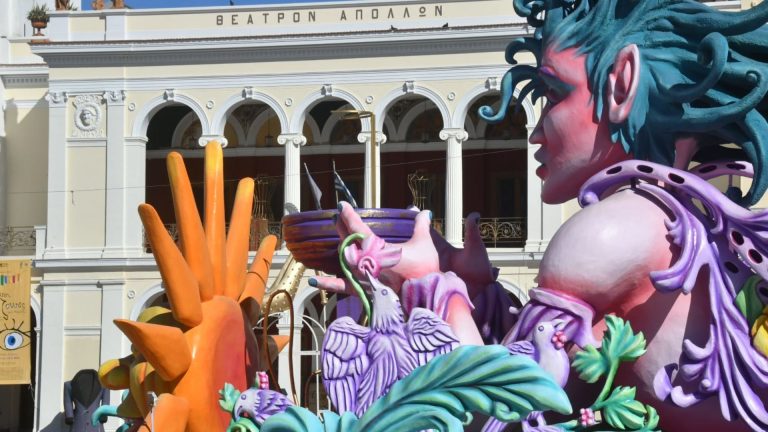
It’s Patras Carnival time! The biggest carnival in Greece, the Patrino Carnavale (or the more generic ‘Apokries,’ as it’s known in Greece), rivals the most well-known carnivals in the world, such Rio de Janeiro’s Carnival, the Venetian Carnival, New Orlean’s Mardi Gras, and of course our biggest Aussie carnivals – Sydney’s Mardi Gras and Melbourne’s Moomba.
Like many centuries and even millennia old, large, social festivities, the Carnival of Patras stems from pagan celebrations, such as those of our ancient Dionysus. Back then, these get-togethers included a farewell to Winter (in the Northern Hemisphere), in lieu of the rejuvenating Spring.
Since then, Christianity and later societal governing institutions have somewhat tamed these ancient rites, incorporating them into our modern carnival form. Some forms of pagan and folk culture continue to persevere though, such as mask wearing and satirical floats.
Carnival
Carnival or carnavale/carnavali stems from the Latin – carne levare – meaning to abstain from meat (Apokries has the same meaning). This etymology reveals Carnival’s spirit – a final, wild revelry including feasting before meat eating ends. In Christian Orthodox terms, Carnivale heralds the strict pre-Easter fasting period where body, as well as the soul, pay homage to Jesus Christ in his 40 days of suffering in the desert, before Crucifixion and his ascent to Heaven.
The Patrino Carnavale’s festivities thus begin in the approximate three to sometimes four-week period before the Orthodox religious fasting period of Sarakosti – the 40-day Lent period, preceding Easter.
Tina and her sister
This year the Patras Carnival season began on January 16 (always on St Anthony’s name day) and ends on Sunday, March 17, the day before Clean Monday, March 18 – from whereon fasting begins. Hence, in the timeline of Greek Orthodox custom and tradition, Carnivale comes first, followed by fasting, and then Easter.
Speaking to a Greek Australian from Patras, Tina Crisas, who has been involved in Patra Carnivals for over three decades, tells me: “Leading up to the big parade, I especially admire most of the customs still being honoured till this day. They are what make the Patrino Carnivale what it is and are part of its fabric.”
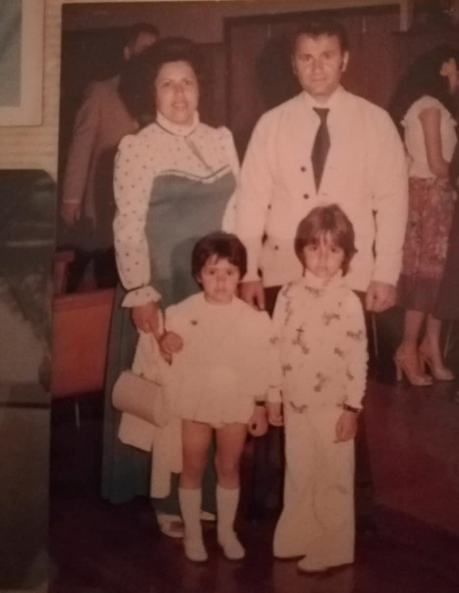
Tina and her parentsTina Crisas
Notwithstanding customs, the Patras Carnival is about having a good time regardless of age, as Tina confirms: “It’s the perfect opportunity to let one’s hair down and have fun! There’s a buzz in the air and the climate is pure exhilaration for spectator and participator alike. Clusters and clusters of swirling bedazzlement in all shapes and sizes fills the streets. It’s impossible to not admire the lively procession in hoards right in front of you.”
Tina and her family
Tina continues, “Since having my daughter, seeing the carnival through her rose-coloured lenses is all the more special and such a wonderful feeling. We have since switched to the kiddo friendly procession, but still partake in so many of the after-parade parties held by carnival groups or public establishments.”
The Patras Carnival’s organising happens mainly via the City of Patras’ specialist department, specifically dedicated throughout the year to all things associated with this annual event, such as making the floats. There is also much help from the public and businesses towards this huge extravaganza consisting of parades, street parties, dances, concerts and elements of a circus, drawing tens of thousands of people.
The Patras Carnival, in its modern form, began in the 1820s when a wealthy Greek merchant held a costume ball in his home, and was further influenced by French troops who were stationed in Patras during its liberation from the Ottomans in 1828.
Float makers of the old days
The French had their own history of Carnival since medieval times, with the famous Nice Carnival of France dating back to the 1200s. Further influences to the Patras Carnival were the nearby Ionian islands, ruled by the Venetians for a long time, as did the fact that Patras is a port city close to Italy.
Tina mentions being “especially fond of the ‘Burning of the Carnival King’ float.”
“It takes place at the port’s pier and has an electrifying finale loaded with a mesmerising display of fireworks inclusive for everyone to take in,” she explains.
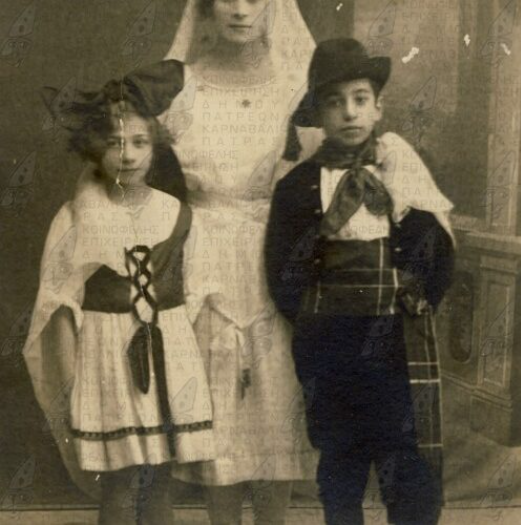
Carnival kids in the 1920s
This ritual, on the final eve of Carnival, also has its roots in France’s Nice Carnival, which subsequently mirrors the burning of effigies in ancient cultures to symbolise renewal and rebirth.
My discussion with Tina about the Carnival subsequently led to customary, yet also unique Greek Australian experiences, discourse too.
“I was born and raised in Marrickville, Sydney, Australia, and came to Greece at 17 years old. I’m married and have a 7-year-old daughter, Amanda. We came to Greece in the early 90’s as it was my parents’ dream to retire in their hometown after working hard from the 1960s,” she says.
“We had visited relatives many years before that, at the proverbial village as well as in the city of Patras. Having grown up in a large city such as Sydney, I still recall being in awe of the ruggedness of the Greek landscape while on our holiday.”
Tina continues, “I have been back to Australia a few times. My last, longer stay was in Adelaide, where I immersed myself in the Greek community and with whom I still hold firm ties and have the fondest of memories.
Tina in patras beach
“In my heart, Australia will always be home for me, whether I’m there physically or not, so, Greece still plays second fiddle I’m afraid! I feel that Greece doesn’t cater to the young as in regards to a quality and stress-free educational experience, nor does it provide ample opportunity to rise ranks in the workforce. I also appreciate a regimented and carefully structured system, which is something I sometimes miss living in Greece!”
The thought crosses my mind that perhaps life for Greek Australians can sometimes resemble a carnival in terms of the various experiences of joy, humour, and break from the everyday mundane that our trips between Greece and Australia offer us – the ability to see things like smells, colours, tastes, sights and sounds from a different perspective on a mental, but also a visceral level. Life mimicking art.
Sydney-based Melisma Ensemble, and its director Dimitri Koubaroulis, are bringing NikoTeini duet from Istanbul to Australia for their debut tour.
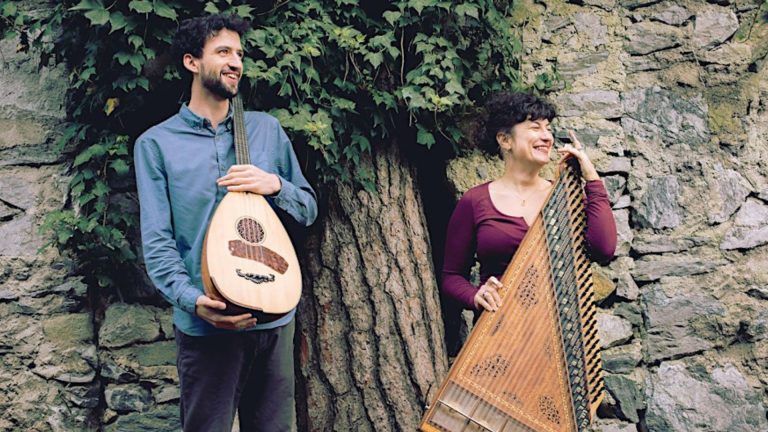
NikoTeini consists of and is named after world-class Greek musicians Nikos Papageorgiou and Asineth Fotini Kokkala. Nikos plays the lavta (Istanbul lute) and Fotini, the kanun (zithe). Βoth instruments rarely heard in the Australian contemporary music scene.
Inspired by the traditional music of Greece and Turkey, as well as contemporary compositions written especially for them, NikoTeini will be joining Melisma Ensemble on a journey of Greek urban folk and Anatolian melodies, for one night only in Sydney on March 3. As a duet they will also be touring Melbourne, Adelaide and Tasmania organised by the Greek Fringe.
Nikos and Fotini said the following on the Sydney concert.
“Hailing from Greece and living in Constantinople (Istanbul), we play and sing music that we love from the wider region of the Eastern Mediterranean,” they said.
“Our story started in 2019, when we began to study music together. During Covid lockdowns, we decided to share our music every Monday through our YouTube channel.
“These videos, made with as simple technical means as a mobile phone, are essentially a demonstration of the simplicity and immediacy which represent us. Thus, for at least two years through our continuous presence, we have maintained contact with our audience.
“The repertoire we engage with is mostly classical or folk modal music traditions from different eras and regions; mainly those of Greece and Turkey. Additionally, we often get involved with newer compositions that we love and which suit our style.
“Our journey led us to the need for a new YouTube channel section, called “NikoTeini & friends”. In it, we feature musicians we appreciate and collaborate with, such as Antonis Apergis, Apostolos Sideris, İsmail İlgün, Alexia Mouza, Efren Lopez and others.
“Our most recent YouTube channel section (called “NikoTeini & composers”) is an invitation and a challenge at the same time which we pose to musicians and composers of styles different to our own. We present music they write specifically for our duet, which creates a novel type of interaction.
“Coming to Australia we will have the pleasure of collaborating with Melisma Ensemble under the direction of our beloved Dimitri Koubaroulis.“
Melisma Ensemble is a Sydney-based group which performs Byzantine Chant and music from the art and folk traditions of Greece, and the broader Eastern Mediterranean region.
Among the aims of the group is to make these rich musical traditions more accessible to the Australian public while providing an opportunity for enthusiasts to connect, enjoy and learn about them in a meaningful and creative way.
Dimitri Koubaroulis, founder and director of Melisma, is a chanter and teacher of Byzantine Chant and folk music with a special interest in the music of the Eastern Mediterranean.
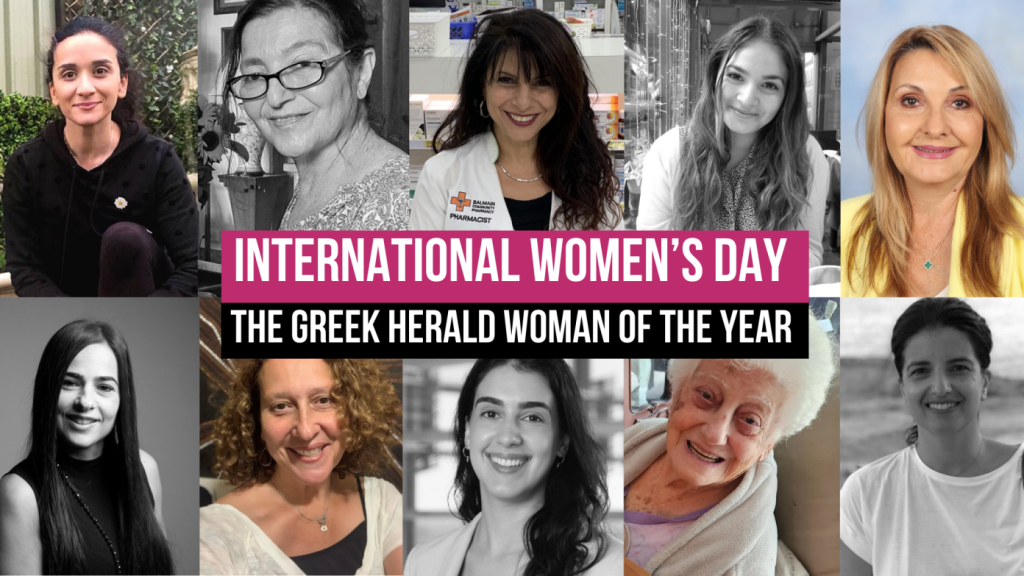
In celebration of International Women’s Day 2024, the 42ndGreek Festival of Sydney, in collaboration with The Greek Herald, will hold an inspiring event to recognise and celebrate the remarkable achievements of Greek women in Australia and around the world.
Andriana Simos: Panel Moderator & Digital Editor at The Greek Herald
Jenny Zagas: Principal at Lucas Gardens School & Disability Advocate
Anais Menounos: Sydney Lawyer & Co-founder of the St Nicholas Mission Academy in Ghana, Africa
Marika Kontellis: Director at Zakumi Consulting, CEO at Inner Sydney Voice, CEO at Council on the Ageing NSW
Yiana Roumeliotis: Community Engagement Officer at the Addison Road Community Organisation
In the lead up to the event – which will also feature the inaugural presentation of The Greek Herald Woman of the Year award– we will showcase each panellist and their accomplishments.
Marika Kontellis is Director at Zakumi Consulting Pty Ltd, Executive Officer at Inner Sydney Voice, and Chief Executive Officer at Council on the Ageing NSW.
Marika was born into a community minded and activist family. Her father was a known and respected international wrestler who helped establish and support the Greek Community in NSW during the 1960s, 70s and 80s.
Marika has built a successful consultancy service exclusively for the health and social care sectors. She has worked with Australia’s most respected care agencies including The Benevolent Society of NSW, Cerebral Palsy Alliance, Disability Council of NSW, Catholic Care and presently, Inner Sydney Voice.
She is a relationship manager and knows how to push people out of their comfort zone and support them to participate in thinking to progress the common good. Her frontline social work experience brings credibility to her leadership advice when she supports social care organisations to understand their communities, predict future customer needs and honestly review service models.
Marika is a past member of the Disability Council of NSW, the Guardianship Tribunal of NSW and was, until 2012, an elected Local Government Councillor.
In between her paid work, Marika juggles her family commitments including caring and supporting her father and her mother who lives with dementia.
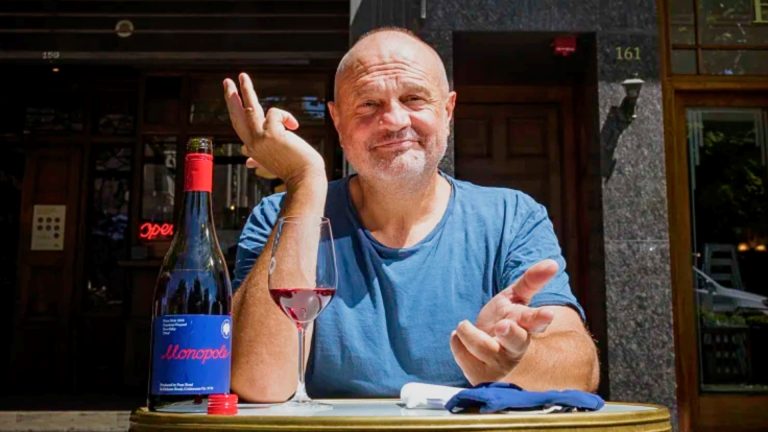
Legendary restaurateur, Con Christopoulos has teamed up withVictor Liong of two-hatted Lee Ho Fook, for their first joint venture – Bossa Nova Sushi.
According to The Sydney Morning Herald, the two members of Melbourne restaurant royalty are opening a sushi train with a Brazilian-meets-Japanese identity.
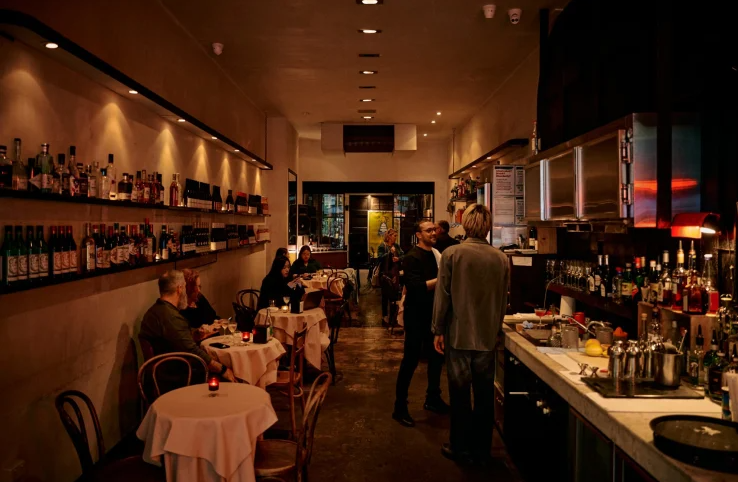
Bossa Nova Sushi was dreamt up during the final stages of the pandemic lockdowns as an anchored, 26-seat sushi train providing high-quality Japanese meal that is both quick and elegant, elevating the popular fast-casual idea.
The shape of 70 Bourke Street is ideally suited to a sushi train. Photo: Pete Dillon.
“It’s going to have finesse. It’s going to be stylish,” Christopoulos says.
The conveyor belt will carry a combination of traditional sushi train products made with Australian, New Zealand, and Japanese seafood, as well as meals influenced by convenience shops and izakaya; a hot menu will include 12 to 15 complimentary items, as well as sushi for takeout.
Inspired by the Japanese diaspora in Brazil, where the largest Japanese population resides, Bossa Nova will also feature the Brazilian sugar cane spirit, Cachaca, alongside Sake, with European wines also available.
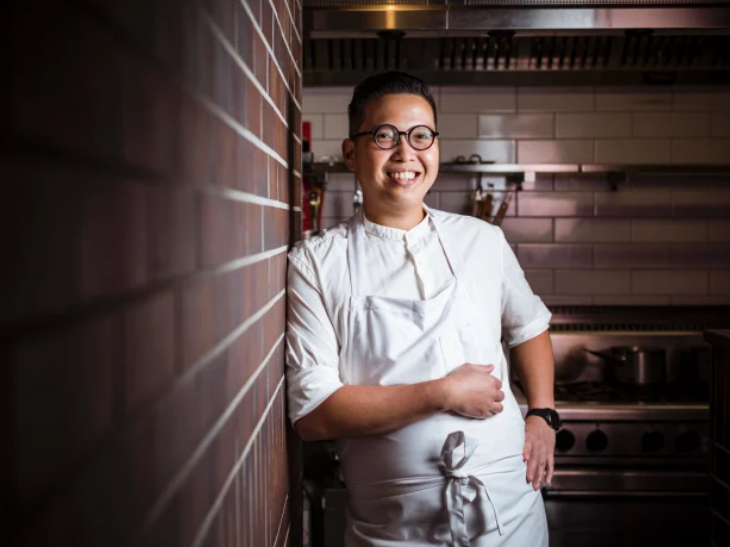
Victor Liong, the head chef and proprietor at Lee Ho Fook, is about to helm a sushi bar. Photo: Chris Hopkins.
Liong, one of Australia’s most celebrated young names in Chinese cooking, says “Con’s always had a good vision on hospitality in Melbourne and this idea I was excited about.”
“On the train everyone is equal, everyone has the same experience and enjoyment is immediate.”
Bossa Nova Sushi now sits in popular restaurant, Kafeneion’s, old Bourke street home, and is scheduled to open in May at 70 Bourke Street, Melbourne.
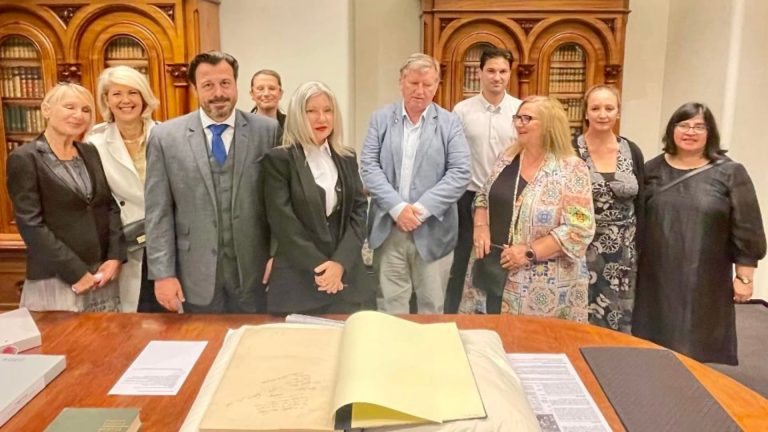
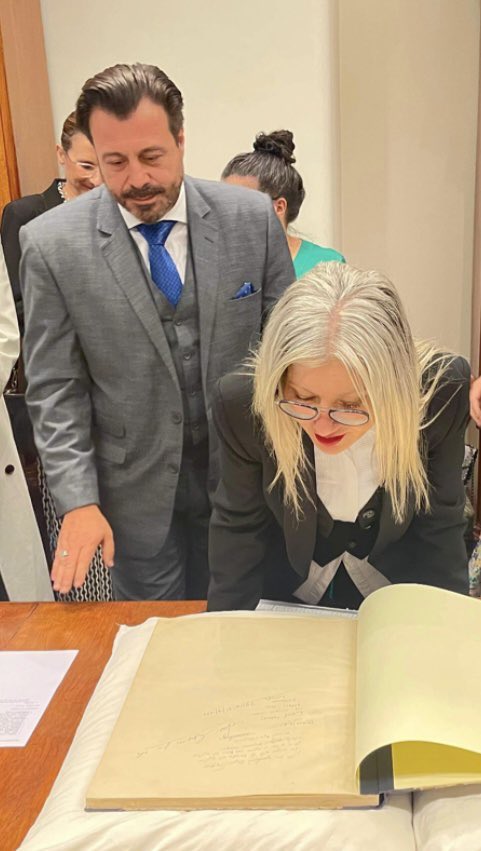
Denise Zapantis chose a leap day, Thursday, February 29, to donate her family’s rare book to the State Library of Victoria.
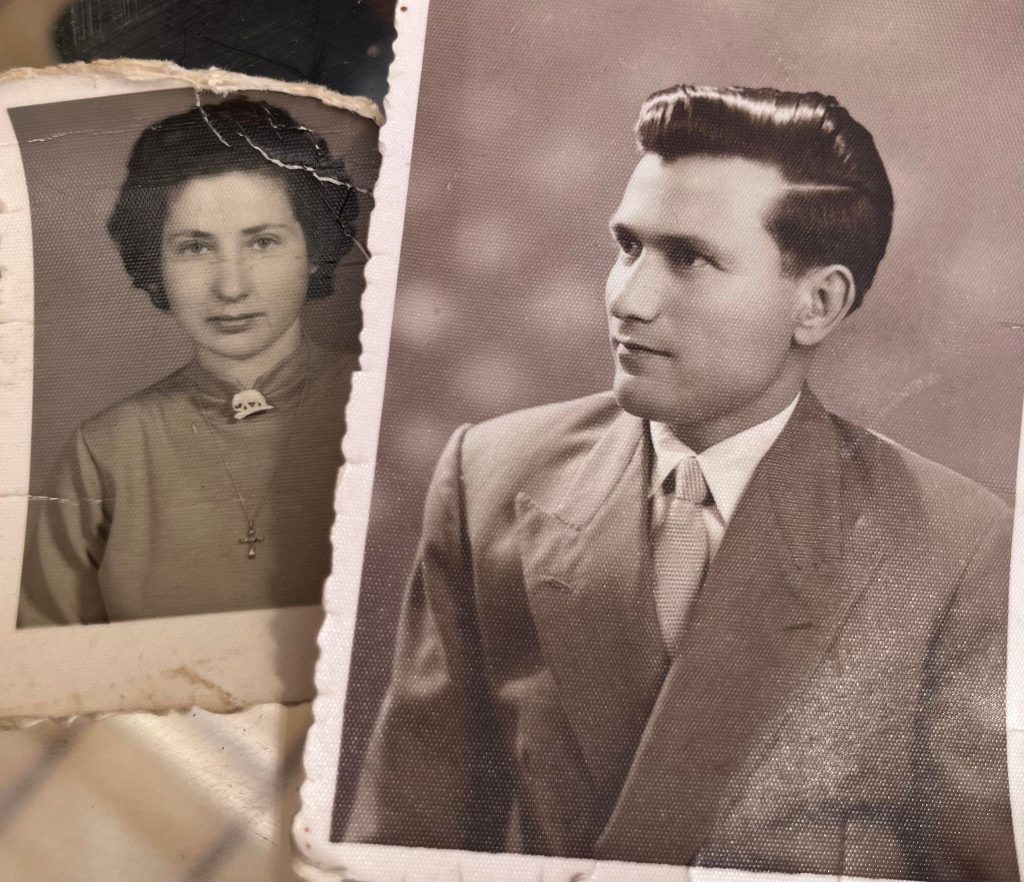
The donation, a quadrilingual tome titled The Sacrifices of Greece in the Second World War wasn’t just any book donation; it was a story woven through the lives of two remarkable men: Panagis Zapantis, a Greek immigrant to Melbourne and butcher by trade, and Constantinos Doxiadis, a world-renowned architect and urban planner.
Zapantis purchased the book from a young bookseller in Omonia, Athens. Experiencing the atrocities of turbulence in Greece firsthand, the book became more than just words; it was a way to understand and share his history.
Denise Zapantis’ parents were Kate and Panagis Zapantis.
“He never spoke of the personal trauma of being a political prisoner,” Denise told The Greek Herald.
“Instead, he would point to relevant chapters in this book and talk about history. He found solace in sharing the story of Modern Greece.”
The first time Denise and her brother were shown the book, they were adolescents.
“I saw a photo of people being hung at a central square in Athens, a shocking moment in history,” Denise recalled, highlighting the book’s documentation of the brutality of war.
“The book also documented the devastating impact of the war on Greece.”
Historian Jim Claven, present at the event, told The Greek Herald, “[The book] details the economic and infrastructure impacts, the destruction of villages and towns and the disastrous effects of famine and war on the Greek people. It estimates that Greece lost over one million in population. The war the Axis nations unleashed on the world brought nothing but terror and destruction. This book explains the cold, hard statistics, graphs, maps and stark photographs show how Greece was affected.”
Though Zapantis and the book’s author, Doxiadis, led different lives, they were linked by their shared history. Doxiadis also had a connection to Australia, living in Brisbane for a bit and experiencing the birth of his son there.
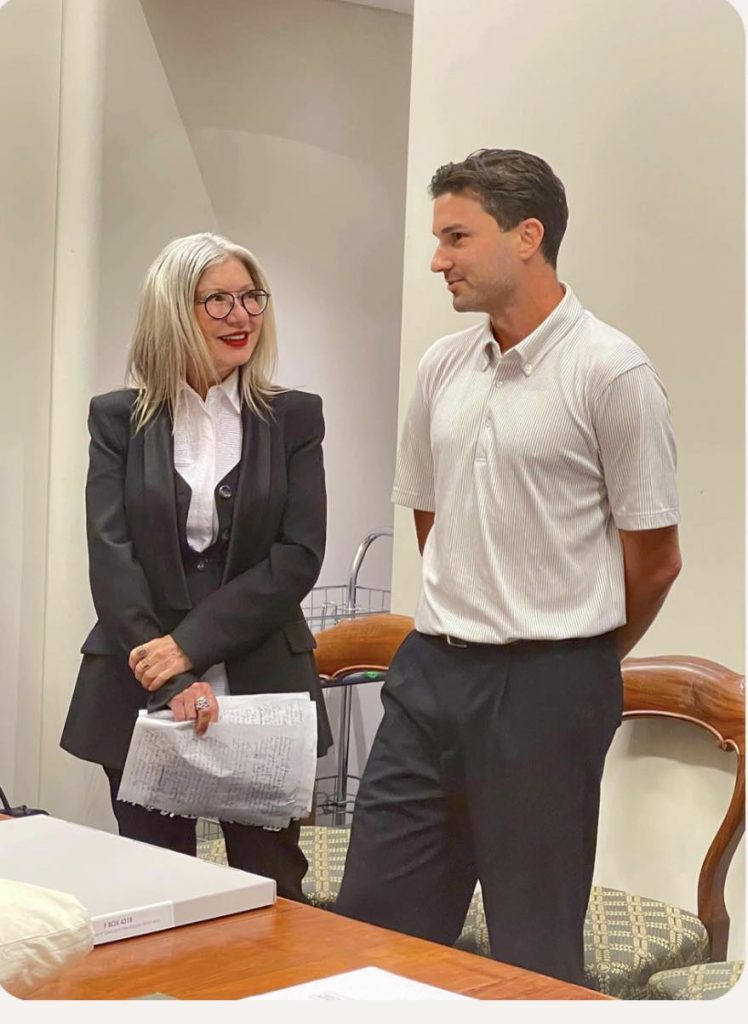
Denise and some of the attendees lingered after the event, discussing history and her father’s decision to bring the book to Melbourne. All photos copyright: The Greek Herald / Mary Sinanidis.
Denise Zapantis and her friends, following the donation.
While Zapantis cherished the book for its knowledge and intellectual conversations, Doxiadis, using his architectural expertise, wrote the book to meticulously document the war’s impact and advocate for reparations.
Sociologist Juliana Charpantidou explained, “Written in four languages, the book served as a persuasive tool for Greece to advocate for reconstruction aid. It laid the groundwork for initiatives such as the Marshall Plan.”
Greek Consul General Emmanuel Kakavelakis and Denise Zapantis.
Present at the library event, Consul General of Greece in Melbourne, Emmanuel Kakavelakis also emphasised the book’s role in securing reparations. Doxiadis used his influence to further Greece’s cause.
Recognising the book’s historical value, Denise and her brother, Dennis, sought guidance upon their father’s passing in 2012. Paul Sougleris, a friend and business owner, connected them with Claven, who facilitated the donation.
“Future generations will be indebted to the Zapantis family for preserving this crucial piece of history,” Claven remarked.
Denise Zapantis and her nephew Peter Zapantis, honouring his grandfather.
This rare book, the only copy in Australia, is a testament to the enduring human spirit, the power of knowledge, and the importance of preserving historical narratives for future generations.
The story of Zapantis, Doxiadis, and the book goes beyond a simple donation. It’s a powerful reminder of the interconnectedness of human experience, the enduring strength of the human spirit, and the responsibility we have to preserve our collective history.
For Denise the book also goes a long way to preserving her father’s history.
“I felt him with me today. It was like a mnimosino (memorial),” she said. “It was a memorial for dad and for all who passed before him, for those who witnessed living history.”
*All photos copyright The Greek Herald / Mary Sinanidis.
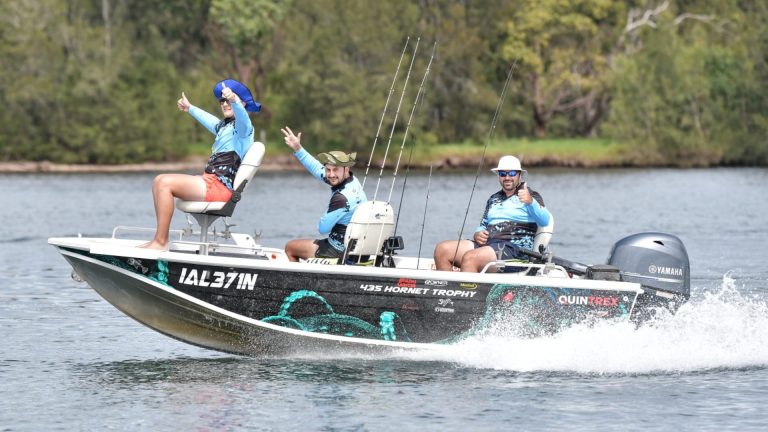
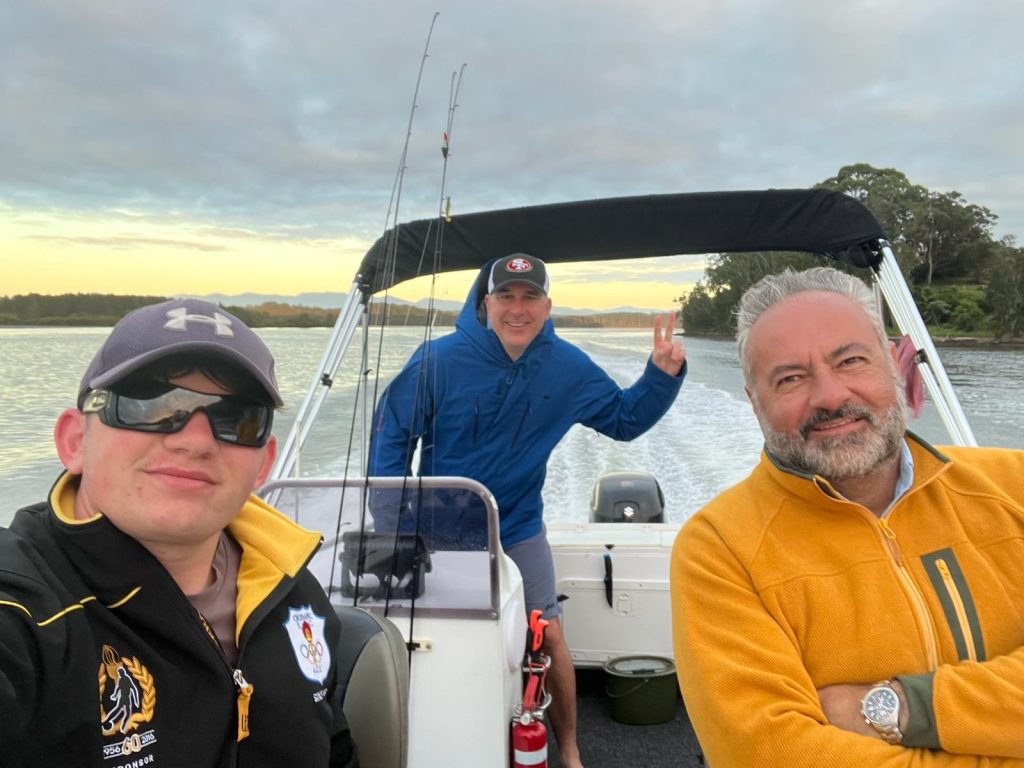
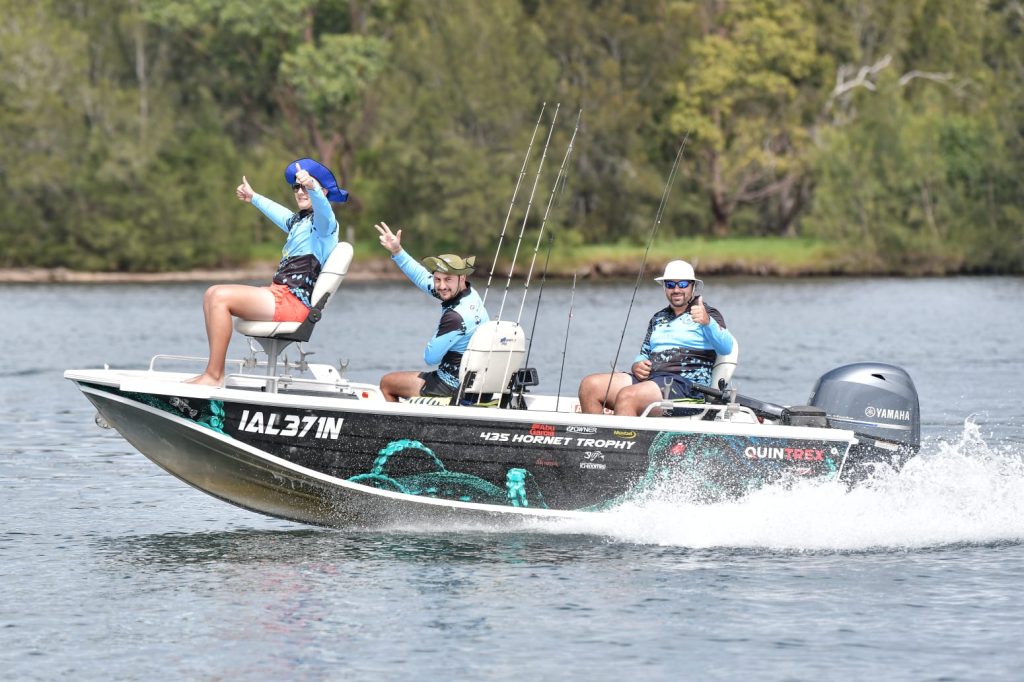
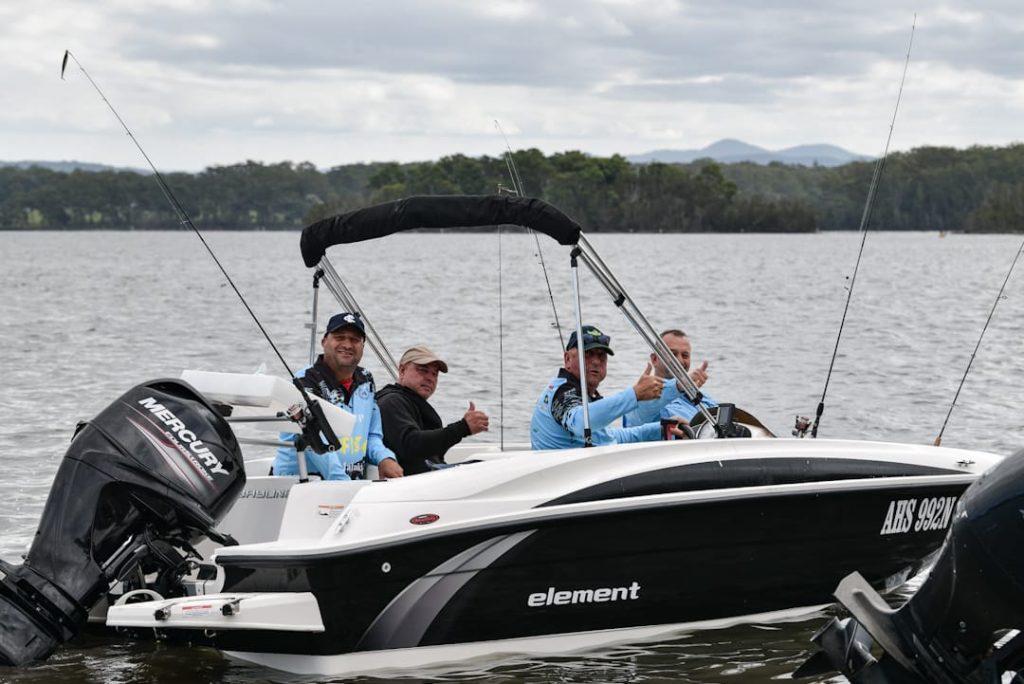
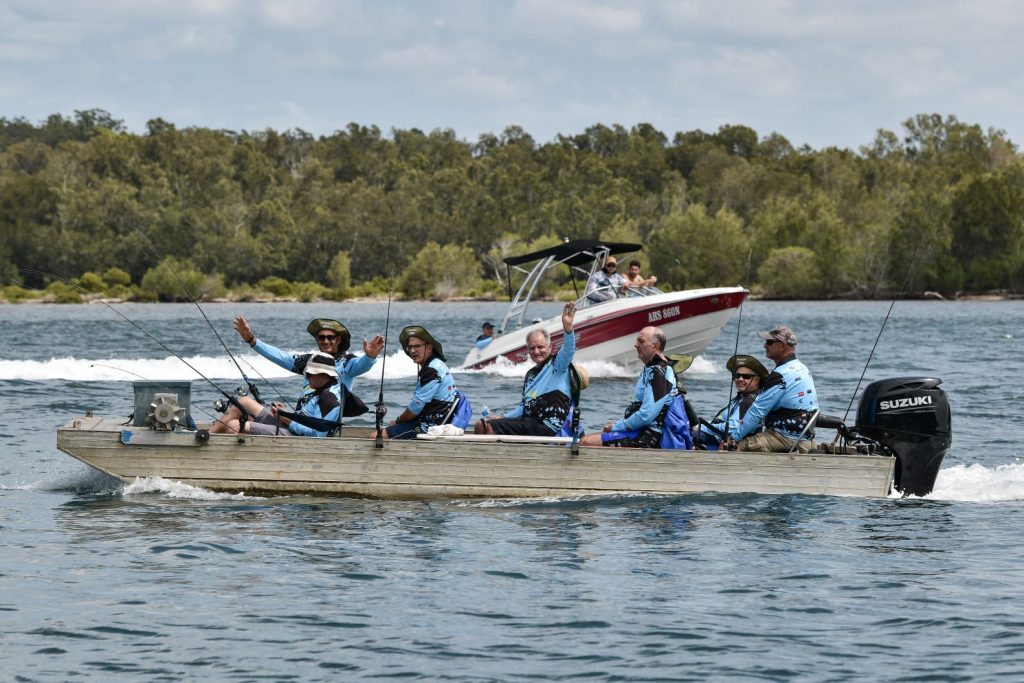
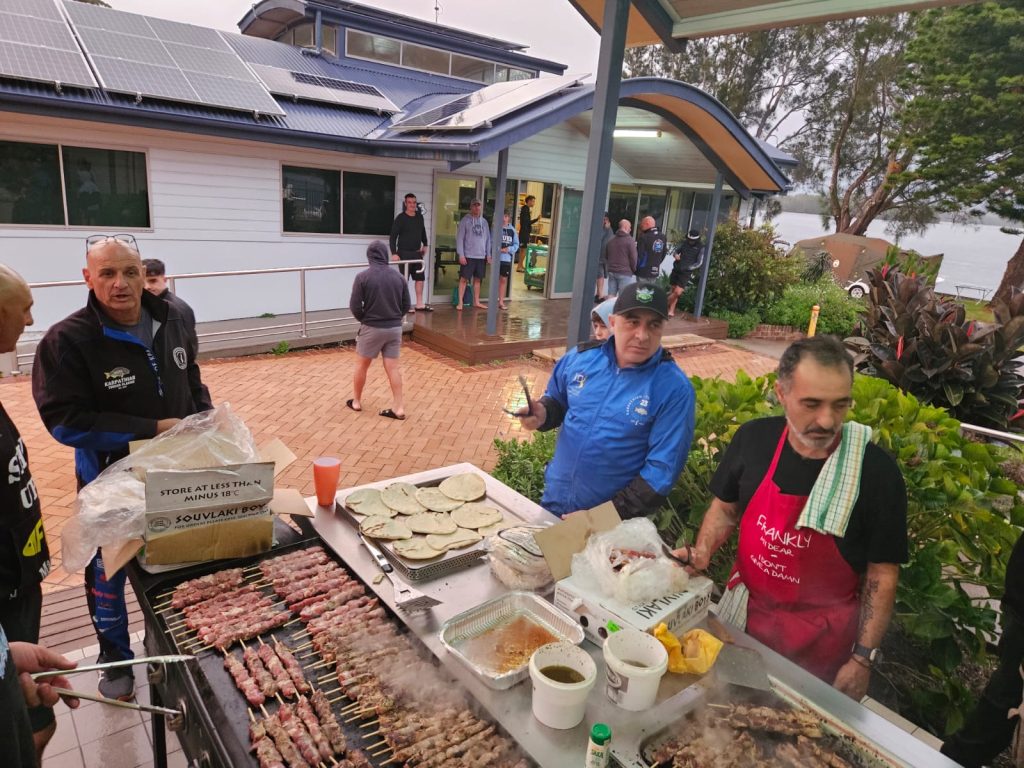
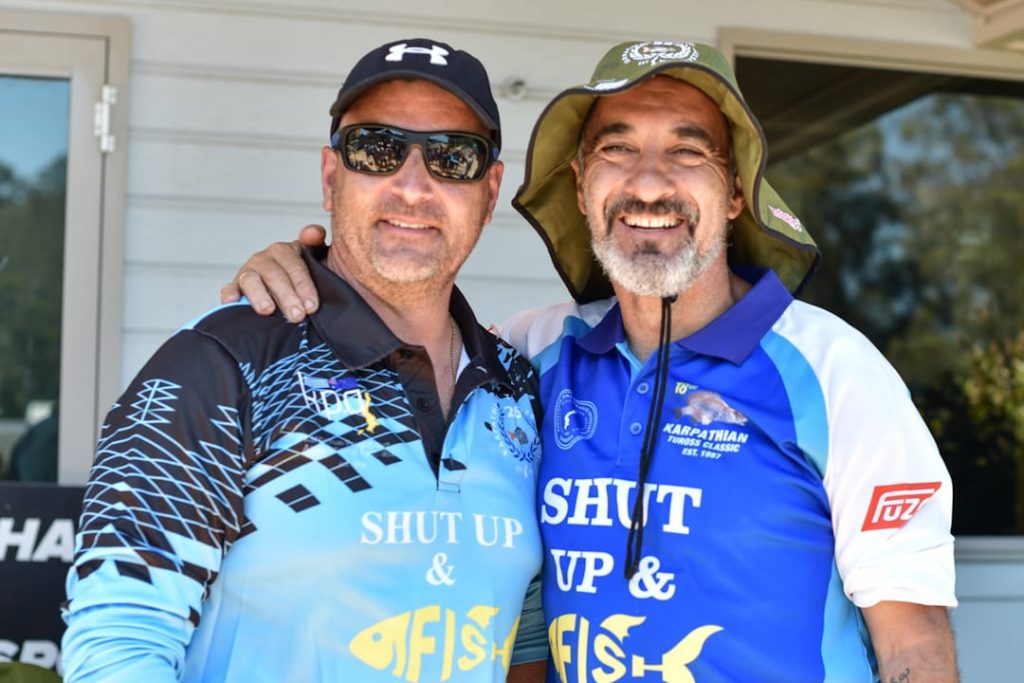
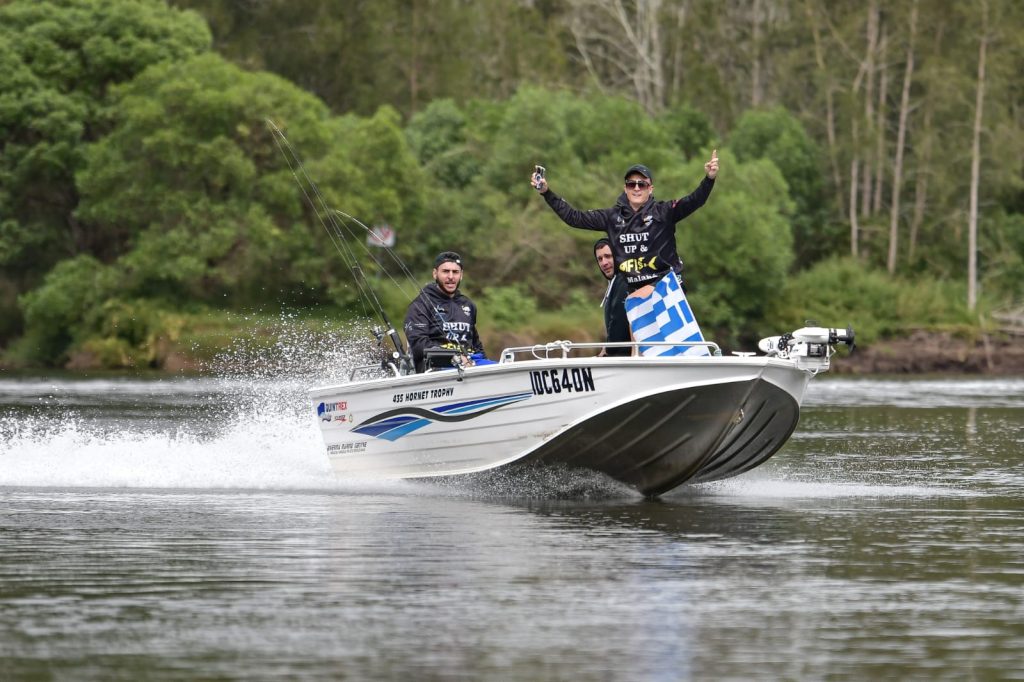
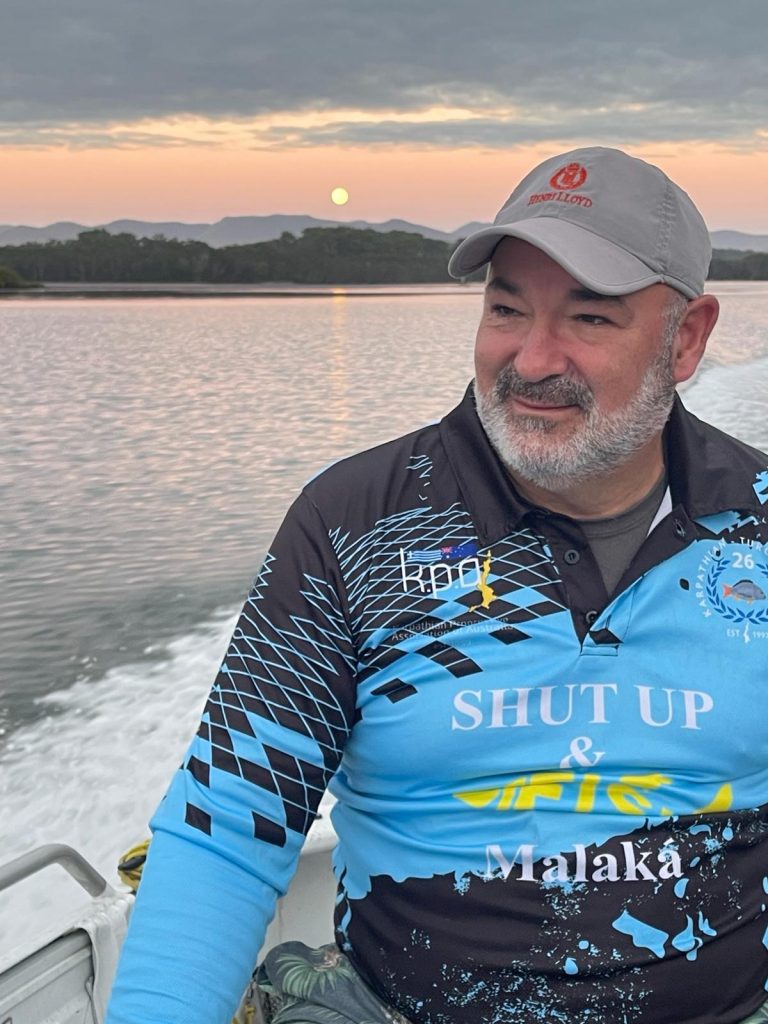
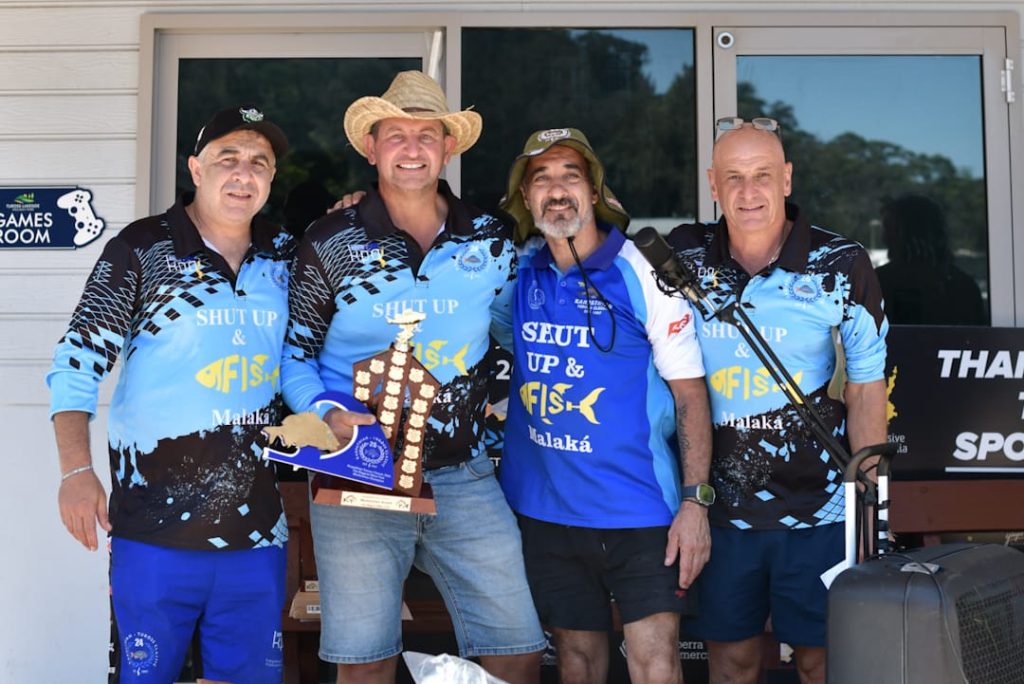
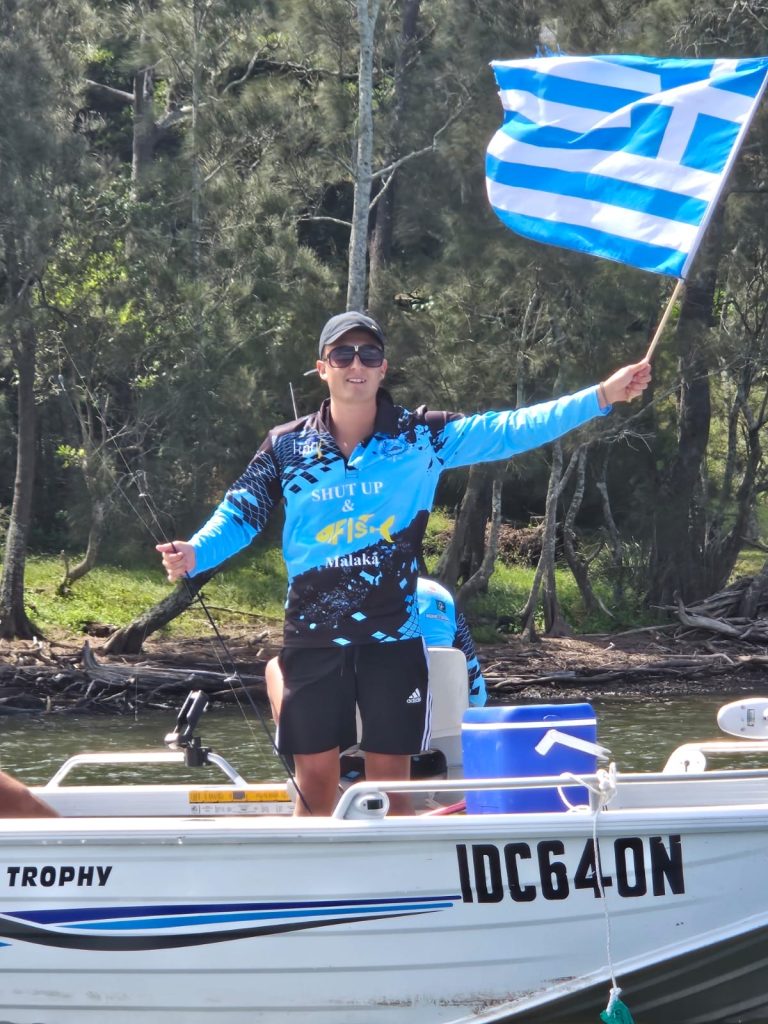
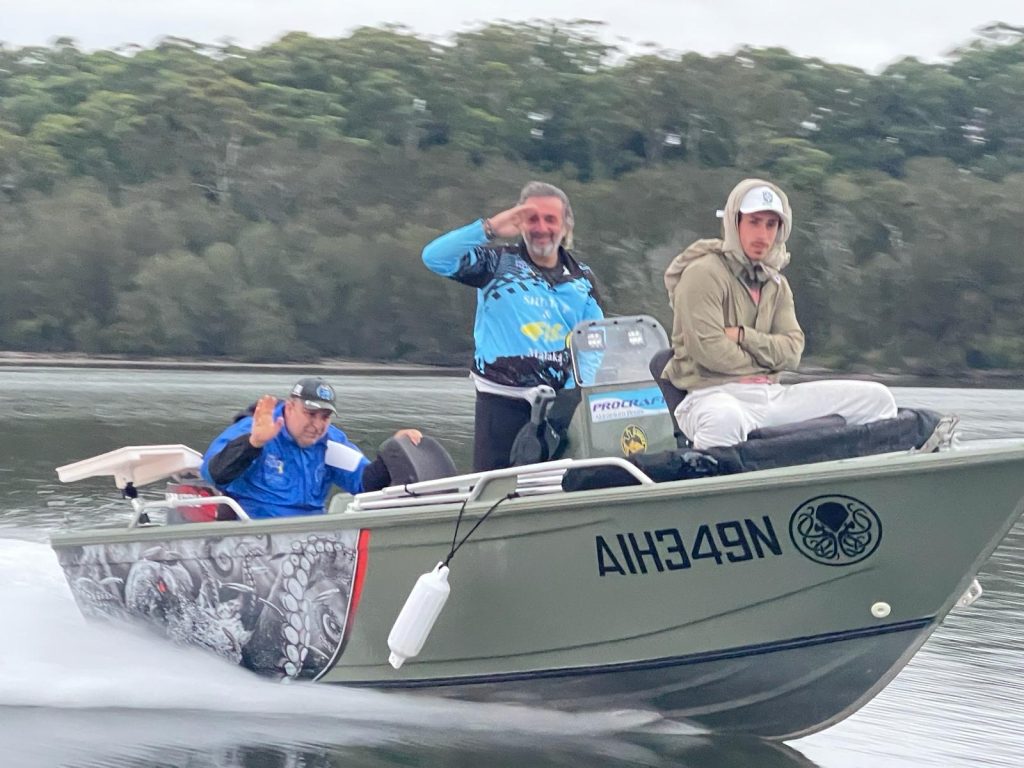
Every year, on the last weekend of February, the Karpathian Progressive Association of Canberra hosts their annual Karpathian Tuross Classic fishing competition.
It invites young kids aged 11 up until older men aged 80 and over to come along and join in on a three-day event that combines fishing, Greek feasts, and fun for everyone.
Now in its 27th year, the fishing competition has become a staple event in the Canberra Greek community.
The President of the Karpathian Progressive Association of Canberra, Frank Kochinos told The Greek Herald the competition was a popular hit every year and ties the community together.
“The satisfaction of giving back to people and bringing the Greeks together at least once a year is immense,” Mr Kochinos said.
“The event serves as more than just a fishing contest; it’s a means of fostering connections, strengthening bonds, and preserving traditions.
“It’s also about touching base, spending quality time together, strengthening our bonds and creating memories that last a lifetime.”
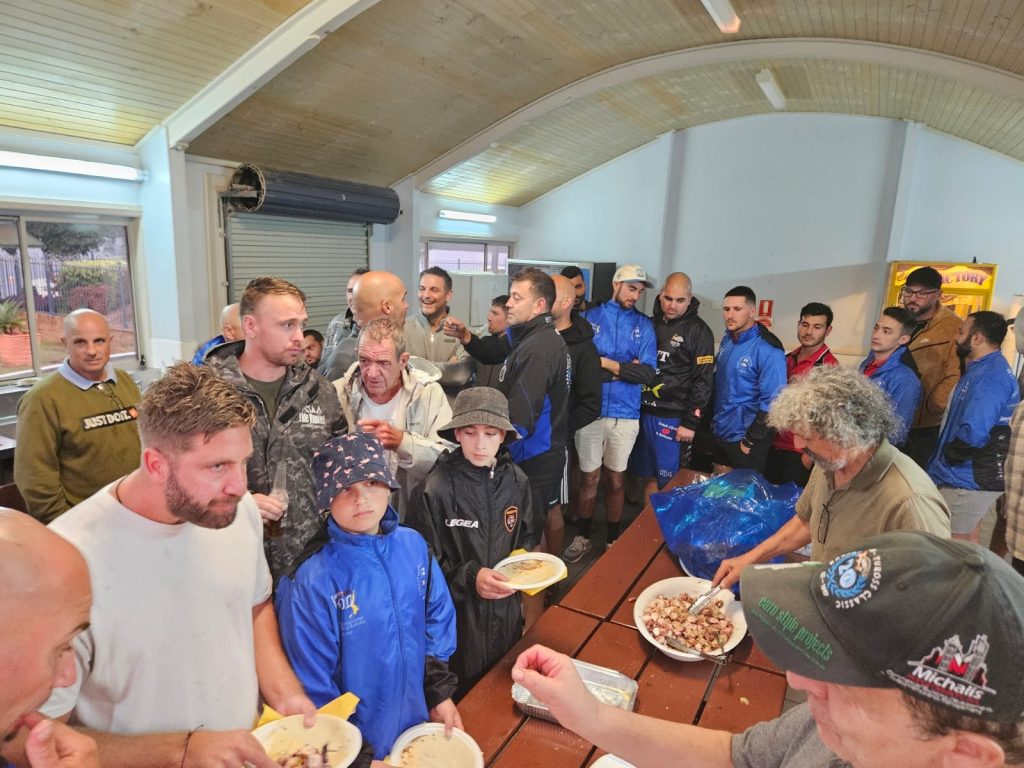
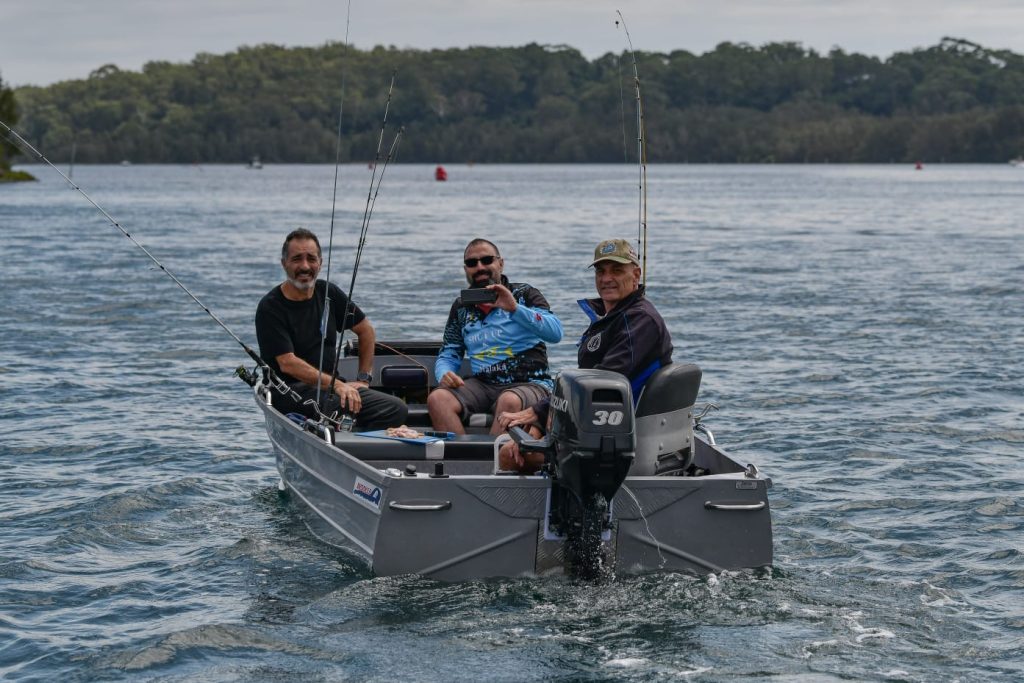
Over the years, the competition has seen remarkable growth, with this year’s event having more than 170 people attend. It involves young boys, their siblings, cousins, uncles, dads, grandparents, and friends staying in cabins, with their boats docked nearby, and enjoying endless fun and fishing.
It invites young kids aged 11 up until older men aged 80 and over to come along and join in on a three-day event that combines fishing, Greek feasts, and fun for everyone.
This year’s event involved a feast on Friday night, a full day of fishing on Saturday, followed by a dinner, and then more fishing on Sunday.
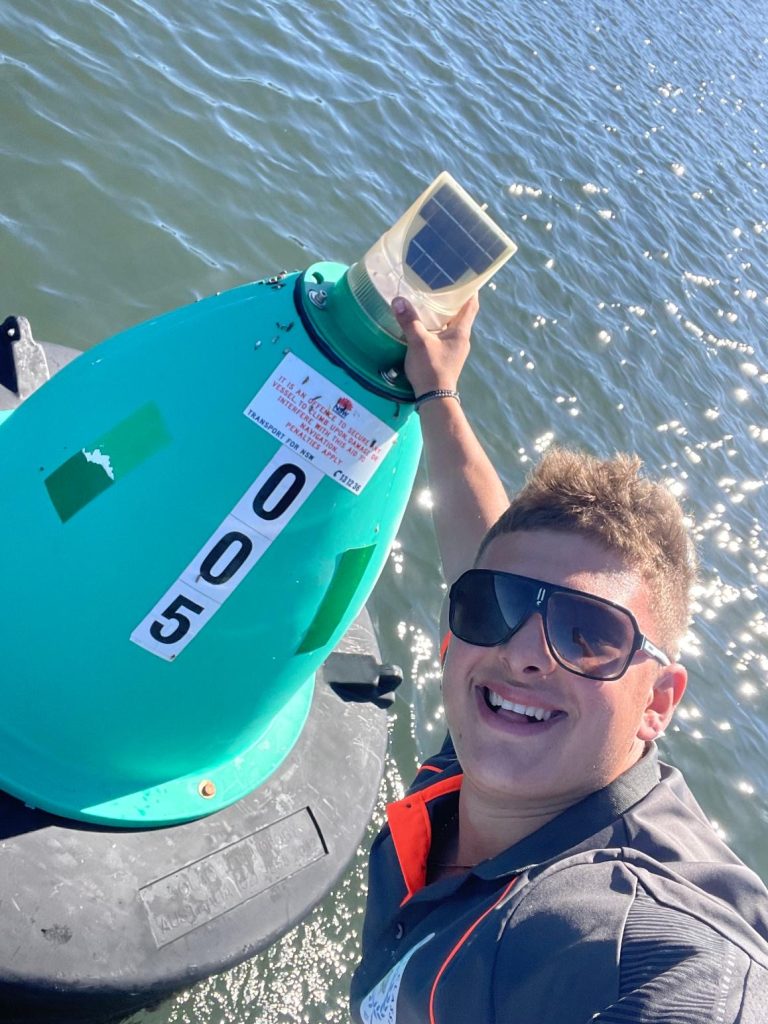
Across the weekend, there were also six shoutouts made, which were little challenges that prompted people to participate to win prizes. They varied from anything from ‘best 20 second video,’ to ‘first to catch certain varieties of fish.’
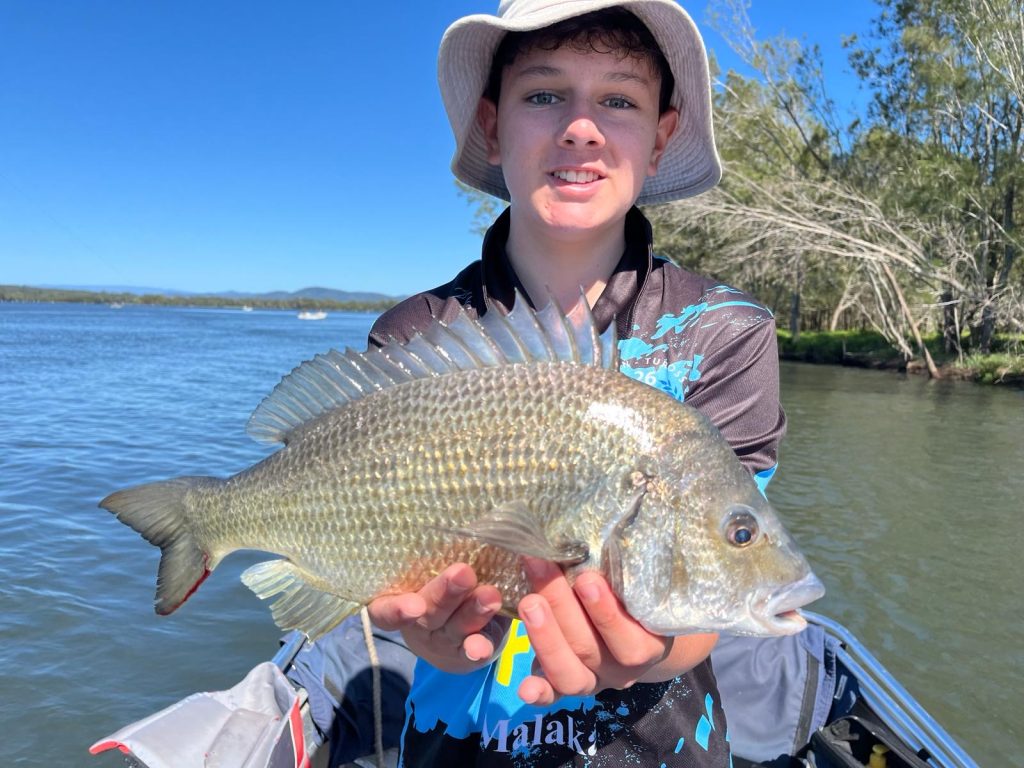
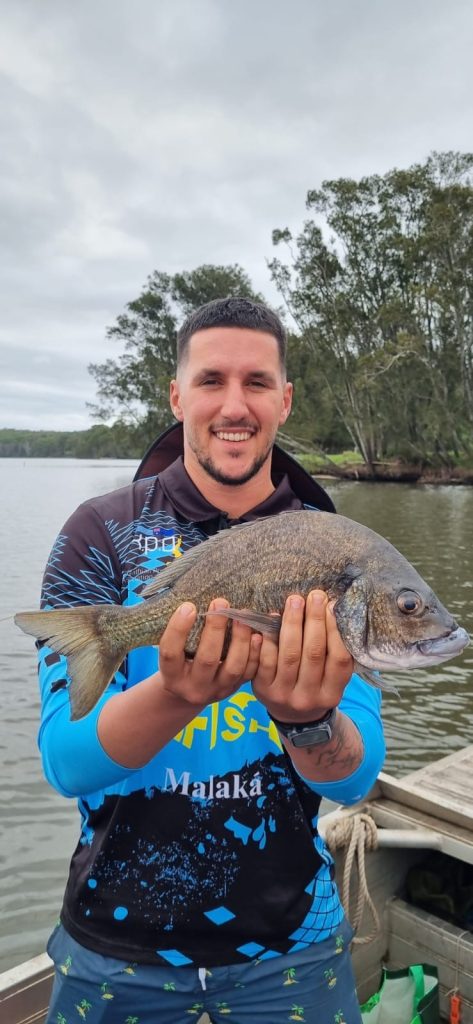
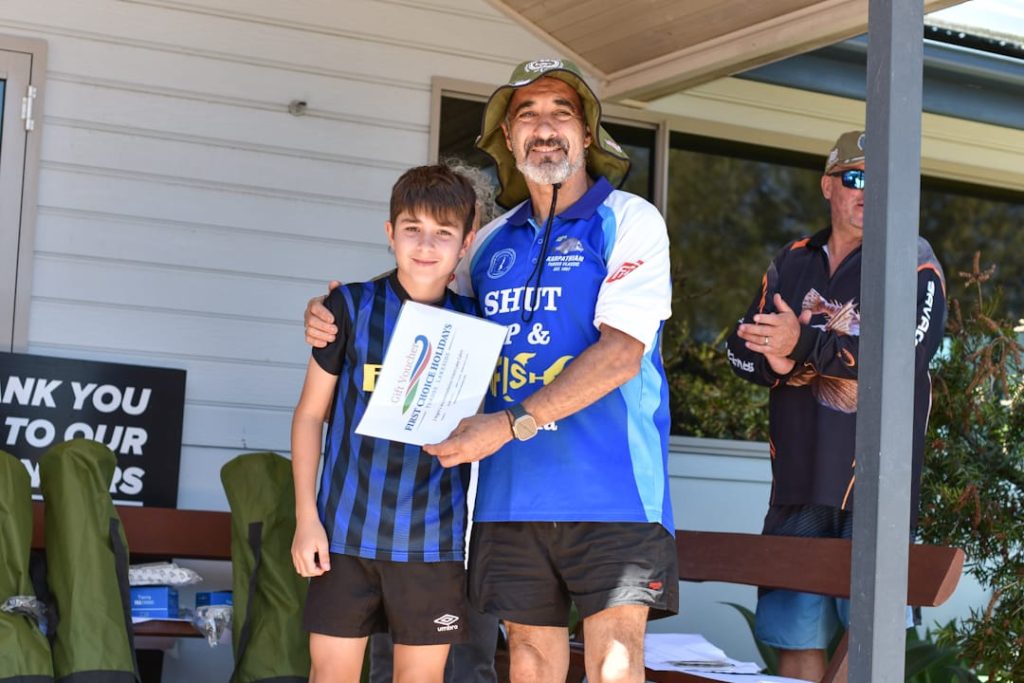
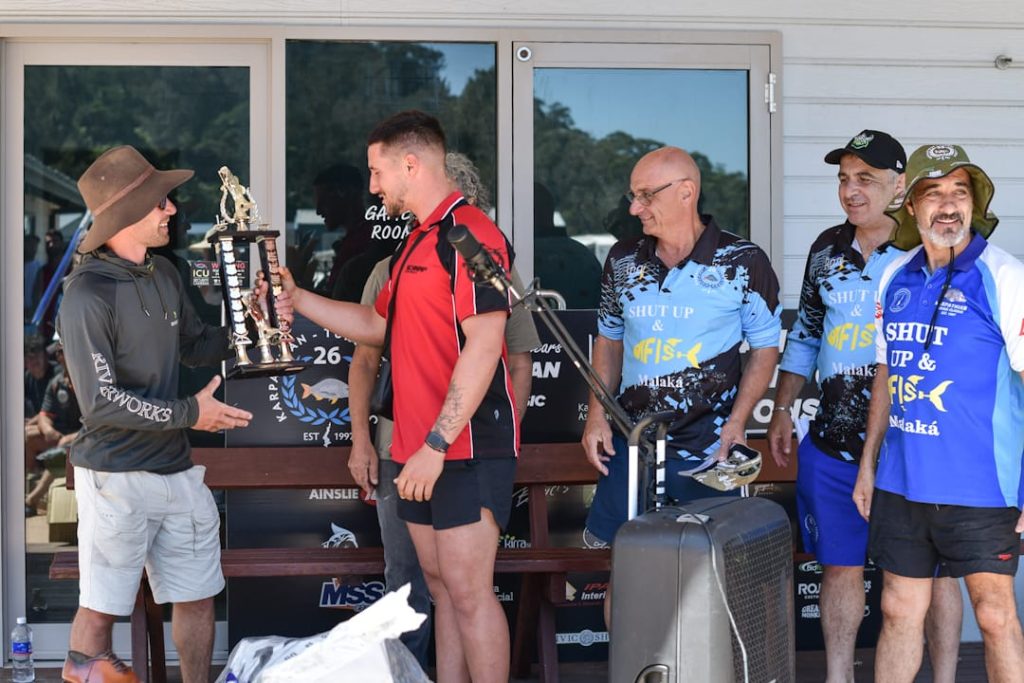
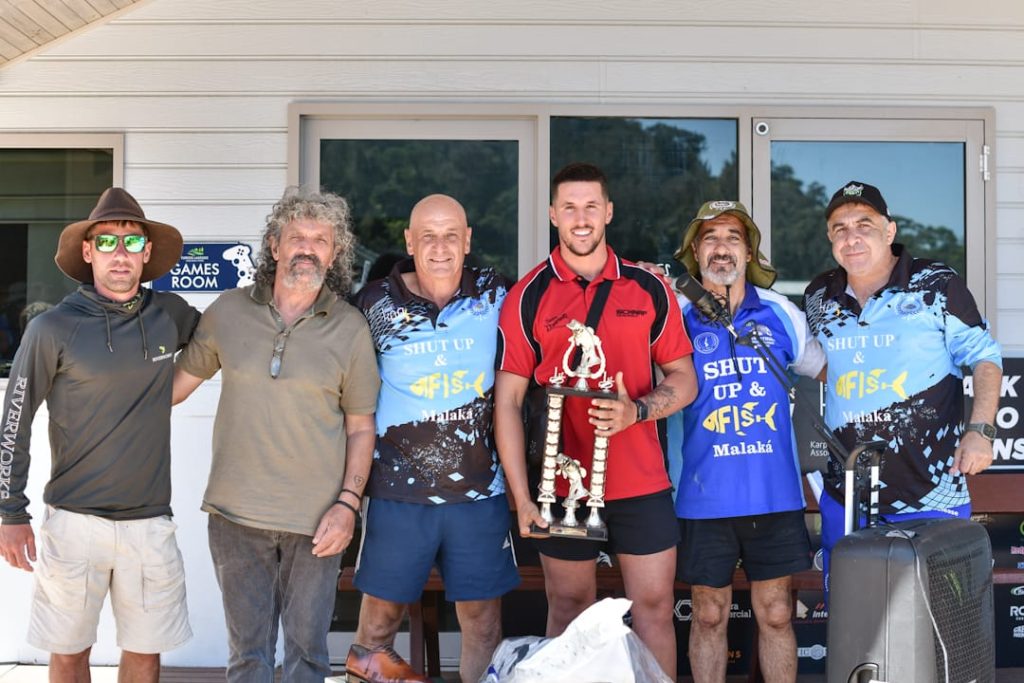
The major prize across the competition was the big brim (biggest fish) winner. In the senior division, Christoforos Kalantzis was victorious, whilst Cambell McGrath won in the junior division.
the big brim (biggest fish) winner.
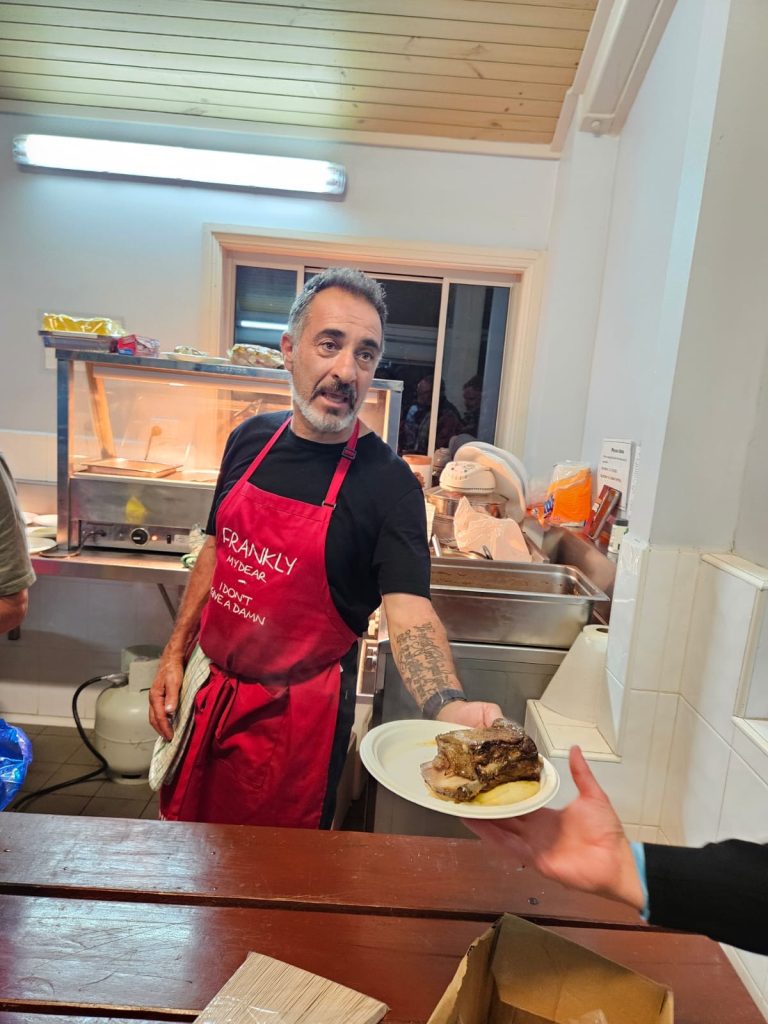
Mr Kochinos is also known for putting on a great feast every year, with support of many generous sponsors and supporters. This year, he cooked up oysters, meats, gourmet meals and a delicious array of salads.
“The event was a huge success this year,” Mr Kochinos said.
“Everything went like clockwork, and seeing everyone happy and healthy was so rewarding.
“The success of the competition wouldn’t be possible without the generous support of sponsors, who contribute to everything from food to prizes. Their contributions ensure that the event remains accessible and enjoyable for all.”
John Mantinaos, a member of the Association since 1999, said the competition began in 1997, and was started by his brother Leo Mantinaos. The first competition was then attended by himself, his brother Leo, his dad Con Mantinaos, as well as Con Haniotis, Harry Tzifas, Sal Zorzi, Harry Krisaris, Leo Hazilias, Harry Hazadonis, Mano Constantine, Tony Sorentino and the late Laz Naumidis.
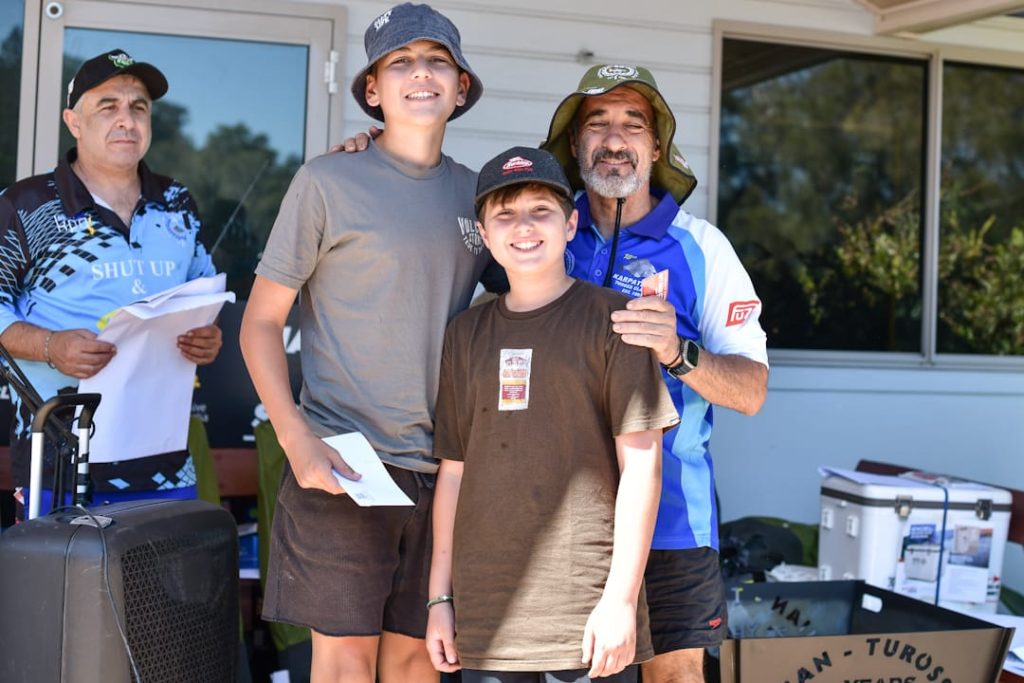
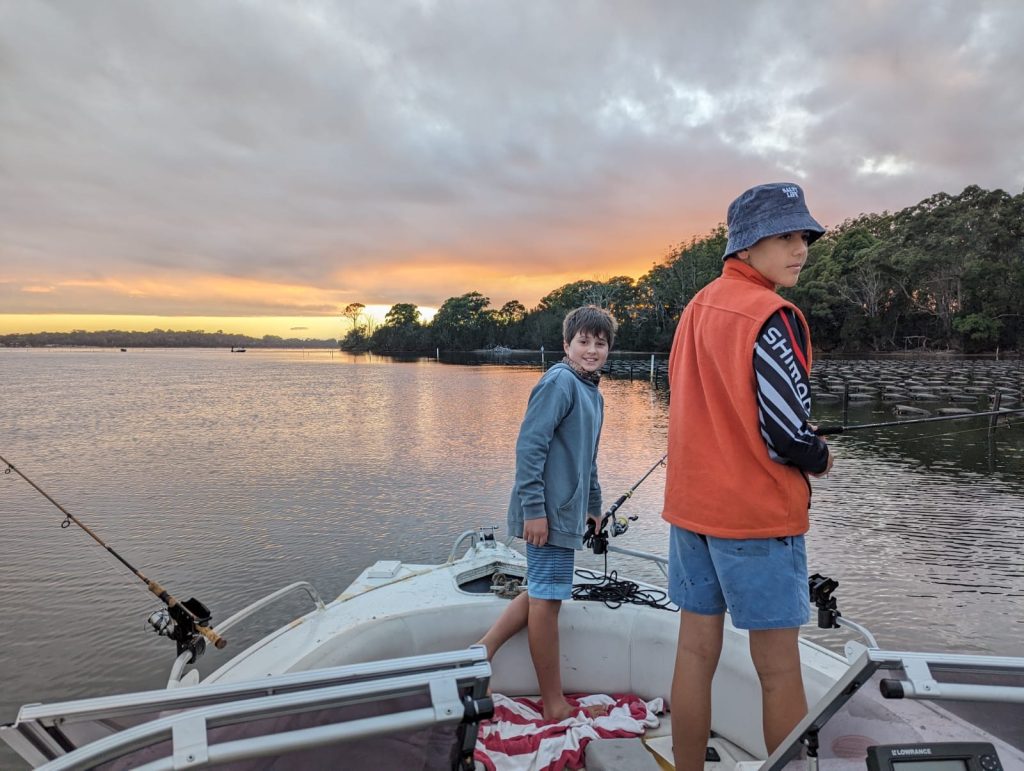
“The philosophy behind the fishing comp is that it has a father-son focus, we really push that because we’ve got a lot of fathers who come down with their kids… and it gives them the opportunity to spend good, quality time together,” Mr Mantinaos said.
fathers who come down with their kids.
“We’ve now lowered the age to 11 for younger kids to come along too.
“Spending time on a boat is an opportunity for people to talk, be open and be able to resolve any issues they might be having.”
Mr Kochinos said the Karpathian Tuross Classic fishing competition is a testament to the resilience and unity of the community.
“I couldn’t be prouder to be a part of it,” Mr Kochinos added.
“It’s all about bringing people together and keeping the Greek community spirit alive and we look forward to hosting many more events.”
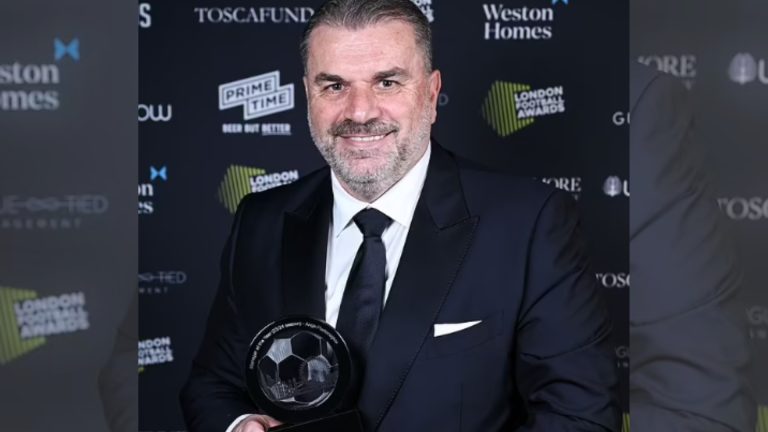
Tottenham Hotspur FC manager, Ange Postecoglou has been named Manager of the Year at the 2024 London Football Awards.
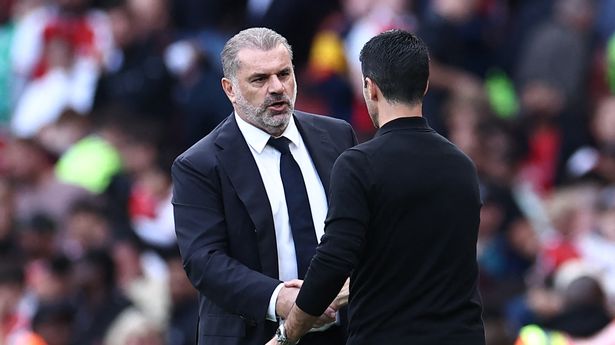
According to Aleagues, Postecoglou came out victorious over Arsenal Manager rival, and 2023 winner, Mikel Arteta to the honour, despite the Spaniard overseeing another Premier League title charge.
Postecoglou was also up against West Ham’s David Moyes, departing Chelsea Women manager, Emma Hayes, and Leyton Orient boss, Richie Wellens for the LFAs’ management award, which is only given to London teams.
Tottenham boss, Ange Postecoglou has pipped Arsenal’s, Mikel Arteta to the Manager of the Year award at the London Football Awards 2024. Photo: The Mirror.
“Little bit bizarre,” Postecoglou told BBC Radio London after receiving the award.
“Honoured but not really made the impact I want to you yet”.
“Really trying hard to bring some success to the club and really relish what that will bring,” Postecoglou added.
Spurs, who are now fifth in the table, have beaten Manchester United and Liverpool this season, as well as Arsenal and Premier League champions Manchester City.