Home Blog Page 814

The surprising history and cultural value of Carnival in Greece

By Marina Siskos

Carnival celebrations in Greece vary notoriously across the country. Different regions, ascribe significance to various aspects of the celebration, from the historic, cultural, and symbolic elements of it, rendering it, one of the most motley festivals of the country. The highly inhomogeneous population of Greece confers to the variance for the ways we celebrate the Carnival and anticipate the Holy Easter.  

Some common elements that run through most celebrations, are the Carnival’s origin from god Dionysus, the custom of disguise into imaginary, animal or real entities, the evasion from social courtesy, the abolition of social norms and boundaries, the upheaval of the status quo, which also summarises the ritualistic spirit of the celebration.

In Ancient Greece, god Dionysus, the child of Zeus and Semeli – who, according to the legend, was born twice, the first time as a semi-god and the second time in fully divine status – was honored in the temple of Zeus. The celebration was accompanied by meat-eating coming from the sacrifices to the God, and abundant wine.

The theatrical element is pronounced in the celebration of Dionysus. During the Greek Dionysia, the holiday in honour of the god Dionysus, apart from strictly ‘religious’ rites, theatrical performances were also organised.

Mask is the fundamental element of the celebration

The spirit of Dionysus was propagated and survived, preserving the fundamental element of the celebration: the mask. This was the case until the Christian times, when it was renamed as Apokrea: the word means the repudiation of meat at the reception of the Lent. Many scholars believe that Christmas and Carnival traditions were based on the Roman Saturnalia. Carnival, as the fun time preceding the Christian period of the Lent, was popularised in Europe during the Middle Ages.

Disruption of social status

The antithetic behavior of the carnivalesque festivals, intends to dissolve social conventions, only to fortify them later. The cultural props that accompany the Carnival, are masks, disguises, and the maypole. The carnival season lasts three weeks: the first, is the Propone (from ‘prophono,’ to address, to announce), as carnival is announced. The second is the ‘Meat week,’ and the last one, the ‘Cheese week,’ an introduction to the Lenten fast.
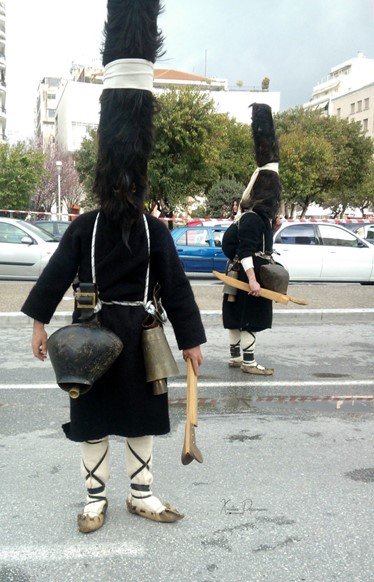
Masqueraders of Ragkoutsaria marching in Thessaloniki. Photo courtesy: Christina Papaioannou

Thrace, ‘The burning of Jaros’

The land of god Dionysus, Thrace, becomes a vibrant Carnival destination with talented masqueraders, and a sequence of traditional rites and rituals, skillfully dramatised. In the traditional town of Xanthi, people preserve the age-old custom of “Jaros burning.”

It seems that burning, holds a unique symbolic place in the celebration. It may signify the will to leave the past behind and clear the path for the new that is to come. The “Jaros” is a figurine that is burnt upon a pile of holly oaks. The ritual is performed to scatter the evil, in this case the flees that used to plague rural Greece during the summer. The custom dates back to the village of Samakov, Eastern Thrace, and is reenacted every year in the homonymous village.  

‘Kiopek Mpehis (Κιοπέκ Μπέης)

In the Kiopek Mpehis custom, the elements of satire and the humiliation of the Ottoman conqueror are prevalent. In reenacting the custom, the tyrant, personified by the wealthy lord, the “Mpehis,” is met with resistance and sedition, raised by the locals.

Satire and swindle are the core functions relived in the folklore ritual of Kiopek Mpehis and the Monks, Houhoutos or the King, which are essentially the same practice, in several other places, emphasising the injustice plagued by the conqueror, on the one side, and to the skillful resistance, on the other side. The incarnated functions are left intact, despite any superficial additions and regional differentiations – the name, the roles (dramatis personae), the disguises. 

Kiopek Mpehis is bequest by refugee ancestors and survives as an active memento of the Thracian peoples’ strong social unity, as is evidenced through history.
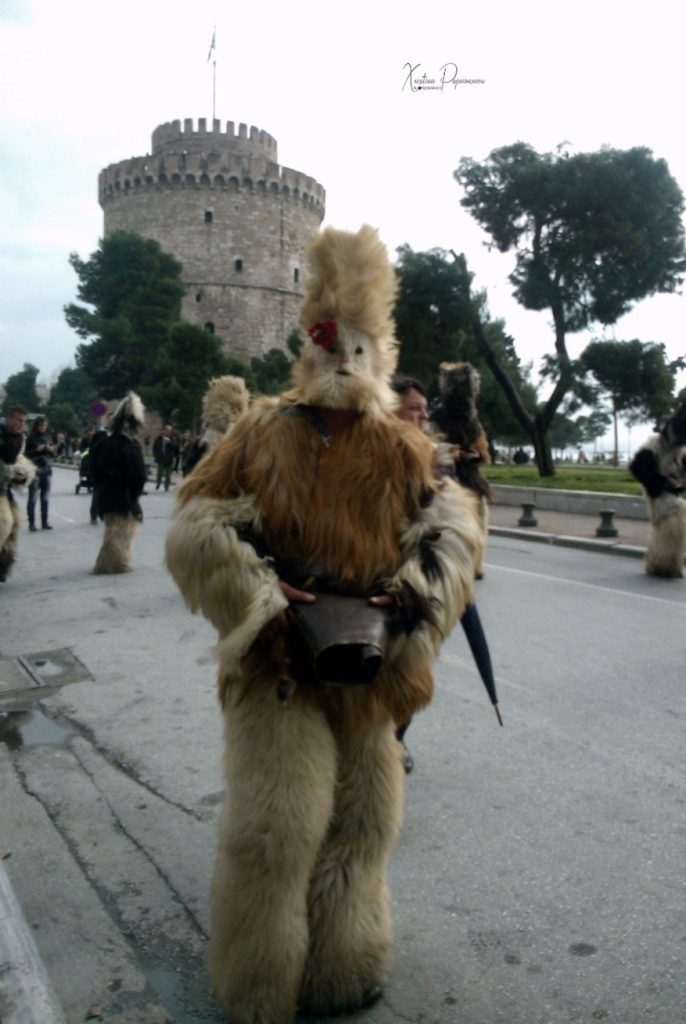
Carnival parade in Thessaloniki. Photo: Christina Papaioannou.
Papaioannou Christina (@papaioannou_xristina) • Φωτογραφίες και βίντεο στο Instagram

Naoussa, “Janissaries and Boules”

Rooted in ancient Dionysus’ rituals, the traditional event of “Janissaries and Boules” is revived during the Apokrea in the city of Naoussa.

According to historical records, 1706 has probably been the first time the ritual was held. It narrates a story of resistance against the inhumane practice of the devshirme, the massive kidnapping of young boys by the Ottoman army across the Balkans. The people of Naoussa, resisted the devshirme by killing the sultan’s emissary. Then, most men became kleftes, inhabiting the mountains. The custom was established as part of the carnival as the time of the rebellion took place during the Apokrea. The following year, the young men returned to the city of Naoussa, masked, so that they wouldn’t be recognised by the Turks and armored by silverware to protect their pectoral area. This dressing habit instilled the exquisite aesthetic and the neat appearance of the disguised.

The custom of “Janissaries” is honoured, accompanied by the traditional zurna and the davul. Early in the morning of Sunday of Apokrea, the participants rise to get ready for the march. The gathering of the village is signaled by the solemn sound of the zurna and the heavy beating of the davul.

The importance of tradition

Of the many customs bequeathed from our ancestry, eventually only a few survive. Others fade away, whereas others are systematically repressed by the collective memory. The rituals by which communities negotiate symbols of itself in the Carnival is complex and intriguing. Carnival is about shared stories and only the stories that are substantial to our contemporary narrative survive.

Bibliography

Museum of Cycladic Art holds 11th International Kids’ Art Contest

The 11th International Kids’ Art Contest by the Museum of Cycladic Art has the title “Today’s stories on ancient vases” and invites little friends aged 4-15 to draw images of their everyday lives that they would like to leave as a personal footprint to future generations.

This year’s contest starts on February 15 and ends on April 22, 2024 while the children’s artwork will be presented in September 2024 as part of the major exhibition during the 2nd Cycladic Kids Festival.

The International Kids’ Art Contest is one of the most successful initiatives of the Museum of Cycladic Art where thousands of children from Greece and abroad participate every year, special schools and refugee reception and integration centers. This year, through the Art Contest, we explore the permanent exhibition “Scenes from Daily Life in Antiquity” located on the 4th floor of the Museum of Cycladic Art. As we explore various themes and objects exhibited, we learn about the private and public life of ancient people in Classical and Hellenistic Greece.

One of today’s richest sources of information about antiquity is the painted clay vases. Since prehistoric times, people depict on these vases’ images of their everyday lives and scenes from mythology. Today, we find similar images mainly through internet and social media.

In this year’s Kids’ Art Contest, we invite children to recreate a scene from their everyday life, using painting, collage, photography or mixed media and include their creation into the vase outline.

  • What would you like people to know about your life?
  • What do you choose to share with others?
  • Which images are the most typical of your life and era?

The Contest’s results will be announced in June, just before the school year ends.

Members of this year’s jury:

  • Nikos Aliagas – Journalist / Photographer
  • Panos Giannikopoulos – Curator of Contemporary Art
  • Nadia Kontogeorgi – Actress
  • Theodoros Papakostas – Archaeologist
  • Erato Hatzisavva – Rector of the Athens School of Fine Arts
  • Heidi Holder – Chair of Education at The Metropolitan Museum of Art

Participate in the Contest by following the steps below and send your artwork by April 22, 2024:

[1] Download the template and print it on A4 paper size.

[2] Choose the materials, colors, and technique you love and create a Daily Life scene within the vase outline. (You may use collage, photography, or mixed media)

[3] Scan your work in color and high resolution.

[4] Ask an adult to fill in your details in the entry form and upload your work to https://kidscontest.cycladic.gr/en/ File size should not exceed 5 MB.

[5] To participate at the exhibition organized in September within the framework of the 2nd Cycladic Kids’ Festival, it is further required to send your original artwork by post to the Museum of Cycladic Art until May 31, 2024:
Museum of Cycladic Art, 4 Neophytou Douka Street, 10676 Athens
To the Attention of the Kids’ Art Contest

The online submission process should be done for each project separately. Each child or adult must fill in the entry form, attach their project electronically and receive a unique code. Works sent by post without having received a code will not take part in the process.

[6] You can only submit a single drawing.

Good luck!

The 11th International Kids’ Art Contest and the digital platform kidscontest.cycladic.gr/en are implemented with the support of Eurolife FFH, Strategic Partner of the Museum of Cycladic Art and RAYCAP, Supporter of the Educational Programs of the Museum of Cycladic Art. The International Kids’ Art Contest is held under the auspices of the Ministry of Foreign Affairs.

For questions and additional information about the International Kids’ Art Contest please visit:  https://kidscontest.cycladic.gr/en/

Greek women of the diaspora to be the focus of Melbourne seminar

An interesting lecture entitled “Biculturalism, acculturation, and the Greek women of diaspora” will be presented by Eva Boleti, at the Greek Centre, on Thursday 14 March 2024, as part of the Greek History and Culture Seminars offered by the Greek Community of Melbourne.

Within the Greek households in Australia, the grandmother, “yiayia” in Greek, holds a profoundly influential position in nurturing and perpetuating cultural heritage and identity among subsequent generations. Their significance extends far beyond familial roles, as they serve as custodians of tradition and guardians of the collective memory of their community. Through their unwavering devotion and profound socio-emotional support, yiayiades create an environment where younger family members feel encouraged to explore and cherish their cultural legacy.

Beyond mere caretaking, yiayiades offer a sense of continuity and stability amidst the challenges of adapting to a new and often unfamiliar environment. Their presence not only preserves cultural practices but also imbues immigrant families with a profound sense of pride in their heritage. This pride serves as a resilient anchor, providing individuals and families with the choice of cultural assimilation and ensuring that their connection to their roots remains unyielding – if they wish to.

Eva Boleti in Western Australia.

Eva is a graduate of French Philology of the Kapodistrian University of Athens. Later she completed two masters – one in Portugal, and one in Sydney. The first in culture and art studies, and the second in the secondary education part (specialising in Greek, French, English language, and culture studies). She is presently a PhD candidate in the field of Greek Culture at the University of Sydney and concurrently working as a high school teacher of Greek and French, while experimenting with clay and ceramic art – as a hobby.

When: Thursday 14 March 2024

Ώρα: 7:00 pm

Where: Mezzanine Level, The Greek Centre, 168 Lonsdale Street, Melbourne

Greek-Australian Cultural League announces Book Award 2024

The Greek- Australian Cultural League has announced the Book Awards for books written by authors active and residing in Australia.

Book Award rules:

  1. The books may be written in Greek or English, bilingual or translations. The GACL Book Prize 2024 will cover books published in the years 2022 and 2023.
  • Only books submitted by their authors or translators will be judged. The authors are requested to use the appropriate application form posted on the GACL website and submit three (3) copies of each book before Friday 12 July 2024. In the caseof bilingual publications, it is up to the author to designate the language of the publication that they wish to submit for consideration. The publications will not be returned.
  • The number of prizes is limited to ten, one in each category and each language, provided there is a book worthy of a prize. The categories are: (a) Poetry, (b) Prose, (c) Theatrical play, (d) History/Study, and (e) Book for children.
  • The prize in each category consists of: Monetary amount, as well as a certificate and a gift.
  • The announcement of the results will be organised at a special function towards the end of the year.

For further details please contact the Coordinator Vasiliki Laiou on telephone 0407 542 089, email: vasilaiou@gmail.com, or infogaclm@gmail.com

Dr Edward H. Spence to give talk in Sydney on the rise of ‘Intelligent Machines’

The 42nd Greek Festival of Sydney has set the stage for a profound exploration into the convergence of ancient wisdom and modern technology. On Wednesday, 10 April 2024 at 7:30 pm, esteemed playwright Dr Edward H. Spence will lead an engaging examination of this theme at the Greek Theatre – Mantouridion in Marrickville, Sydney.

The event, titled “Wisdom, and the Rise of Intelligent Machines,” will feature a captivating talk by Dr Spence, followed by a performance of the thought-provoking play “Logos Unbound.” Attendees will then have the opportunity to participate in an interactive discussion with Dr Spence and fellow audience members.

Drawing from Greek philosophy, including insights from luminaries such as Plato and the Stoics, Dr Spence will delve into how these ancient teachings can provide valuable perspectives on the role of wisdom in our lives. Moreover, the event will tackle the pertinent question: Can artificial intelligence agents, like ChatGPT, Bard, and Pi, truly acquire wisdom? Despite their impressive capabilities, can AI machines ever attain the level of wisdom embodied by philosophical giants like Socrates?

“We are at a crucial juncture where technology is advancing at an unprecedented pace, raising profound questions about the nature of wisdom and its relationship with artificial intelligence,” Dr Spence says.

“By examining the timeless wisdom of ancient Greek philosophy, we can gain invaluable insights into navigating the complexities of our modern, AI-driven world.”

Attendees can expect an intellectually stimulating evening that encourages deep reflection and meaningful dialogue. Whether you’re a seasoned philosopher, a technology enthusiast, or simply curious about the intersection of wisdom and AI, this event promises to be both enlightening and thought-provoking.

Event Details:

Key Personnel:

  • Director: Nino LoGiudice
  • Event Manager: Kaye Spence
  • Actors: Werrdan Khouri, Myriam Khouri, and Leo Ellinas

For more information on the programme and to book tickets to selected events, please visit www.greekfestivalofsydney.com.au

15-year-old Michaela Loukas paves the way for women in STEM

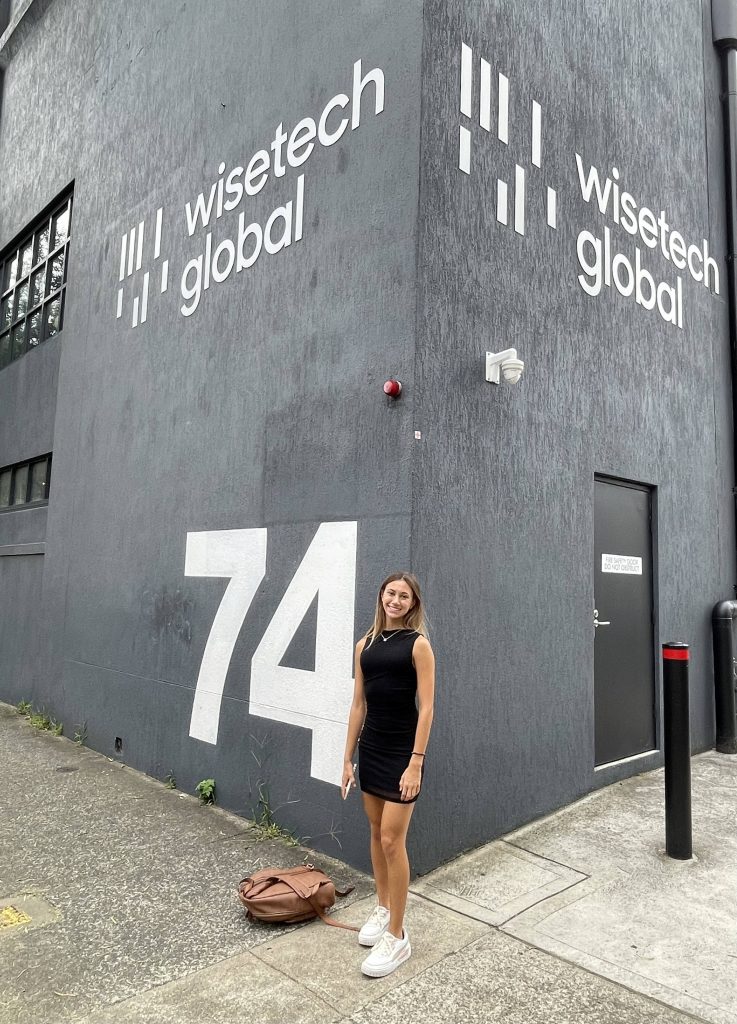
At only 15 years old, Michaela Loukas was selected to participate in the National Computer Science School (NCSS) program run by Grok Academy.

The NCSS offers a 10-day intensive computer science program and invites Year 11 and 12 students with a passion for STEM (Science, Technology, Engineering and Mathematics) topics to take part. With hundreds of applicants nationwide, the Year 11 Greek Australian student was one of only 80 students exclusively selected to be a part of the Sydney program.

Michaela Loukas
Michaela attended the Sydney stream of the program.

“I attended the Sydney stream of the program which focused heavily on cybersecurity,” Michaela told The Greek Herald.

“We learnt a bit about machine coding which is a complex programming language, as commands are written solely through numbers compared to its higher-level counterparts like Python and Java, which use a variety of written statements.

“We also learnt about social engineering and how scammers design phishing emails to try and deceive people into giving money or valuable information and details. One of the tasks we got to do was write our own fake email scams, which I really enjoyed.”

Michaela Loukas
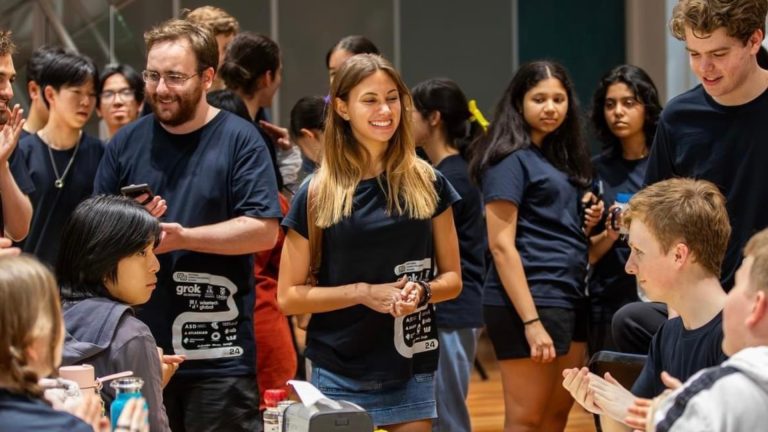
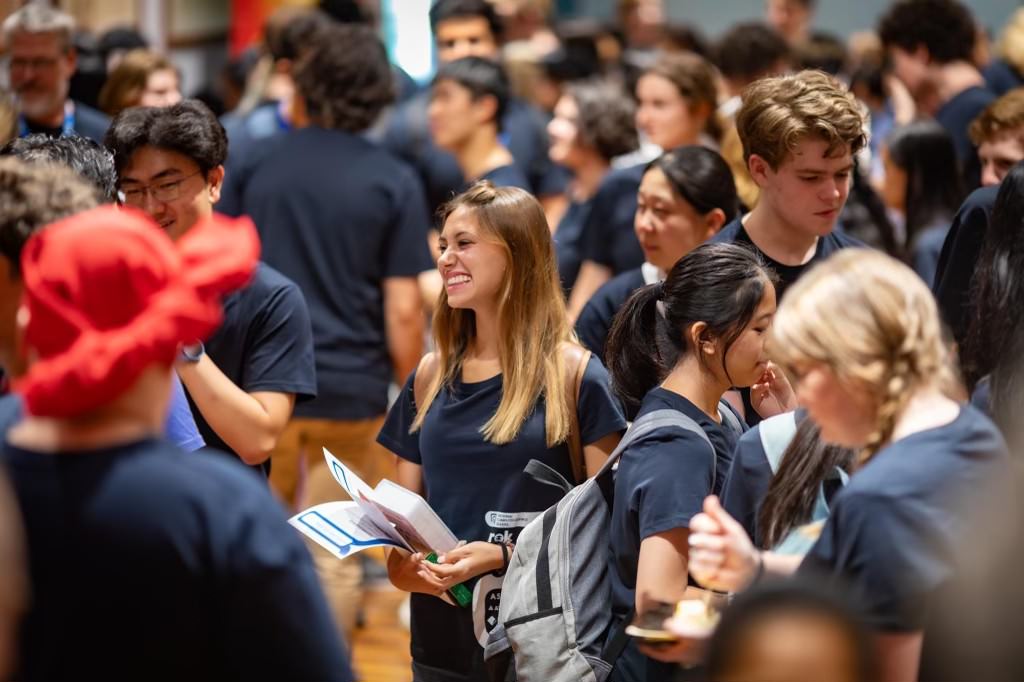
Michaela with students in Sydney.

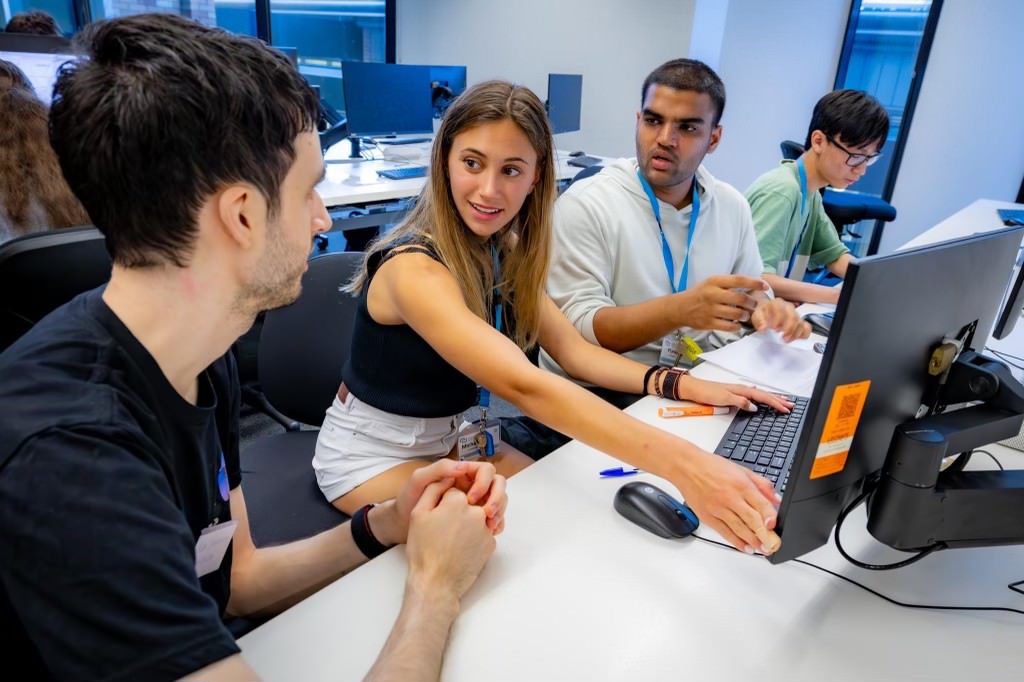
During the NCSS Sydney course, students were also given the opportunity to harness their skills in cryptography, machine coding, lock picking and social engineering. Students worked alongside expert mentors and top-level software engineers from major companies including Atlassian, Google, WiseTech Global, Macquarie and many more. 

“I was able to combine my writing skills, programming skills and cybersecurity skills… We also learnt skills like lockpicking… which was surprisingly really engaging and eye-opening,” Michaela said.

Michaela Loukas
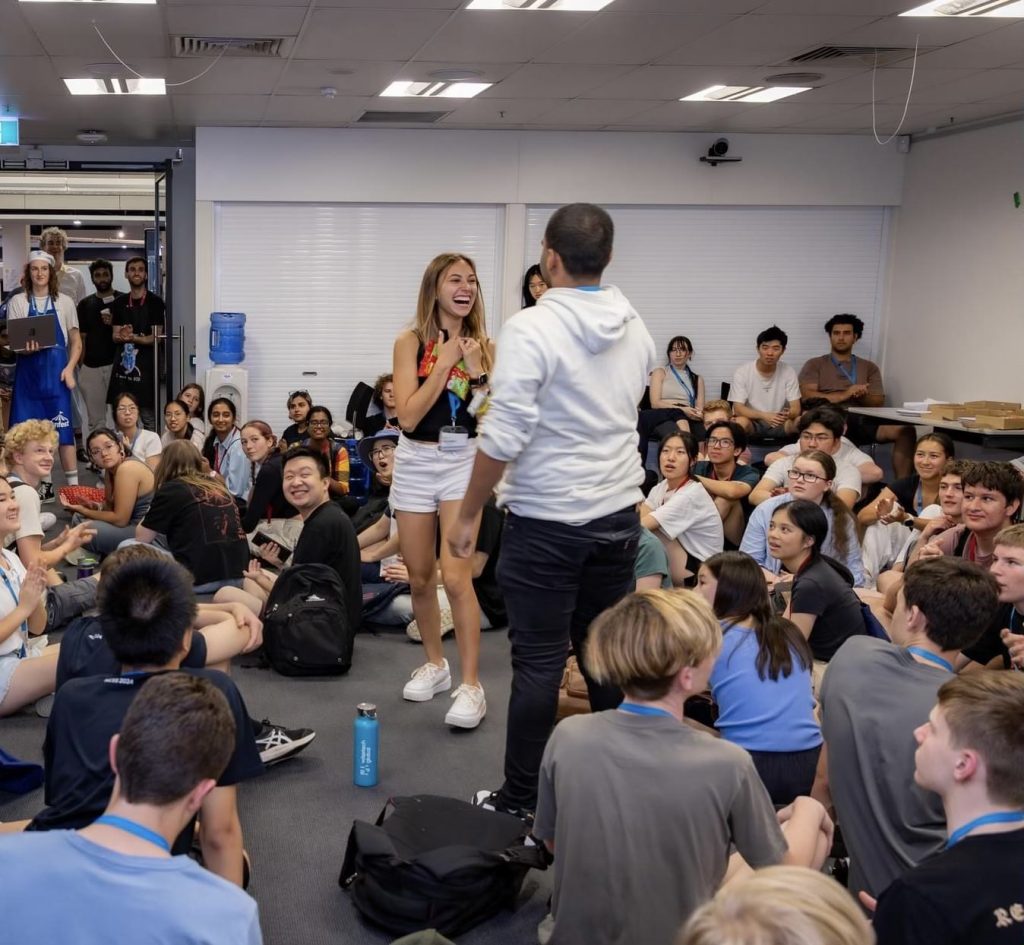
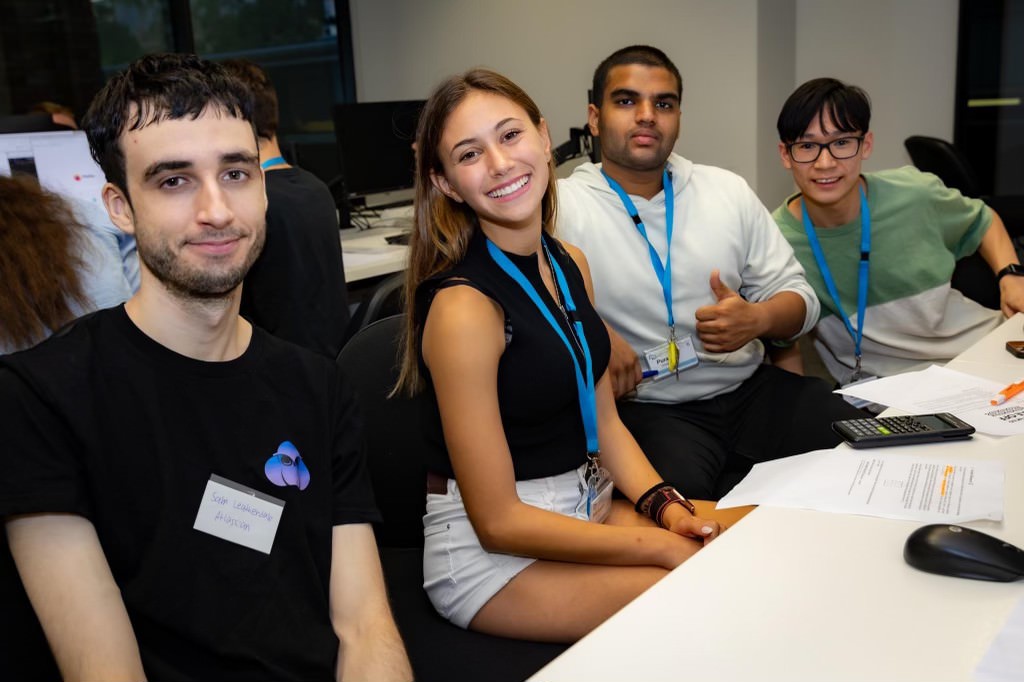
Michaela was one of the youngest participants.

The Year 11 student said as well as being one of the youngest to undertake the program, she was the only student with Greek heritage.

“Having that sense of community, whether it’s based on ethnicity or shared interests, can be so empowering,” Michaela said.

“I think that when you have friends or classmates with the same background to you, it can make young people more inclined to pursue STEM as they feel like they have that community and belonging aspect, as well as a great support network.”

Michaela was also nominated as a team leader in the program, and she won the NCSS 2024 student prize at the graduation ceremony.

Michaela Loukas
Michaela always loved science.

Females in STEM:

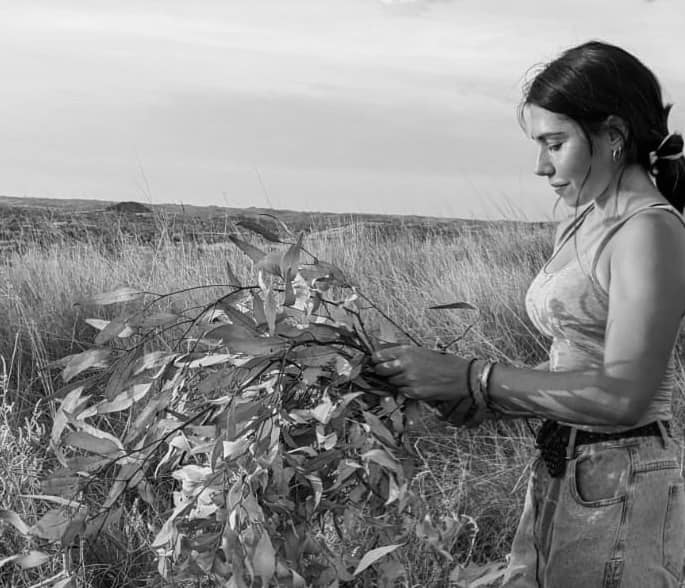
Michaela explained that she always had a love for science.

“My interest in computer science was fostered around primary school when I was in Year 5. I would go to computer club at lunchtime and through that my love for it grew,” she said.

“My primary school teacher had actually asked me if I wanted to participate in the ANSTO national coding competition and I had thought to myself, ‘why not, I’ll give it a go,’ and then I actually ended up coming first in the state too, which was so exciting.”

The 15-year-old said one day she hopes to combine her love for computer science with medicine.

“In the really distant future, I’d love to create my own software which can be utilised in the health care or medical industry,” Michaela said.

“I’ve always had a passion for learning about how the human body works and I feel like I can combine that with my passion for STEM by creating some sort of device program which helps patients with diagnosis, prognosis, or treatment.”

Michaela Loukas
Michaela said she wanted to find a way to combine her love for learning about how the human body works with her passion for STEM.

Following the NCSS 10-day program, Michaela was then invited to assist with a project at Grok Academy.

“I actually came up with the idea of creating a prototype for a screening device which detects whether or not a patient shows signs of melanoma, which is an issue close to my heart,” she explained.

“It was targeted towards rural Australians who lack that instant access to medical facilities or screening centres just so they can be aware of any possible signs of cancer to enforce early intervention and prevent melanoma, which is one of the most common type of cancers.”

Michaela Loukas
Michaela hopes to inspire more young girls to get involved in STEM.

Michaela said despite the number of males in the field, she was all about encouraging other young women to get involved in STEM fields. 

“There is this stigma that girls only choose STEM to impress boys. It’s disheartening, but I’ve learned to prioritise my own happiness and passions over others’ judgments,” she said.

“Beyond learning all the technical skills, NCSS allowed to me to find a place where I finally felt like I belonged. It was about finding your tribe and pursuing your passions, regardless of the barriers society may impose.”

Michaela Loukas
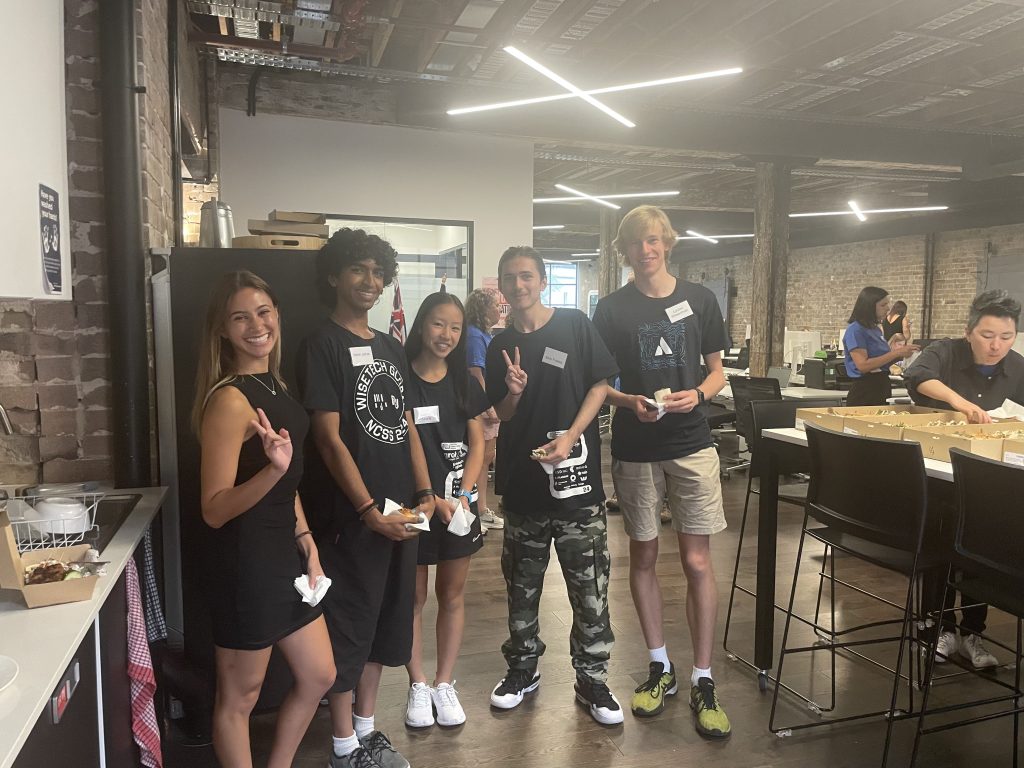
Michaela said she enjoyed her time at the NCSS 10-day intensive computer science program.

What’s her words of advice to other young women like her?

“Although it’s cliché, I think my advice to other young girls like myself is ‘don’t care about what other people think’,” she answered.

“I know it’s hard, but at the end of the day, people are going to judge anyway… so if a science subject is what makes you happy, and you’re interested in it, and you have this burning passion for it, then just do it.”

Father John Varvaris pleads guilty to negligent driving after incident with elderly parishioner

An elderly priest with a long-standing commitment to his community is facing uncertainty as he awaits the outcome of a tragic incident involving a parishioner he accidentally struck with his car. 

85-year-old Father John Varvaris appeared in the Sutherland Local Court on Tuesday, March 5, after pleading guilty to negligent driving causing grievous bodily harm. 

According to The Daily Telegraph, Father Varvaris was driving a woman, whom he had known through his church, to her late husband’s grave for prayers on September 24, 2022. 

Upon returning her home to San Souci, the 87-year-old woman disembarked from the vehicle, only for Father Varvaris, who intended on reversing, to accidentally accelerate forward, hitting the woman who stood to the left of the car.

The woman fell face-first into a knee-high brick fence, which resulted in her obtaining life-changing injuries.

Following the incident, Father Varvaris immediately helped the woman and called triple zero, where police and paramedics then attended the scene. She was taken to St George Hospital.

st George hospital
The parishioner was taken to St George Hospital in Sydney following the incident. Photo: St George ICU.

The woman was left with a brain bleed, facial laceration and broken teeth, injuries to her eye and an ankle and foot fracture. Documents revealed that since the incident, she hasn’t been able to walk unassisted.

When Father Varvaris was seen in court, his lawyer said he would feel guilty for the “unfortunate accident” for the rest of his days.

His lawyer said Father Varvaris had “momentary inattention” and the consequences were unintentional.

The court heard Father Varvaris’ children had also instigated that their father have a restriction placed on his licence to not travel beyond 15km per day at the time, due to the number of hours he spent serving the community and not taking breaks.

It was also revealed in court that Varvaris had no criminal history and had devoted his life in a “selfless and unwavering way” to his community and Christianity for over 50 years.

The court heard Father Varvaris’ license was cancelled in December 2022 on medical grounds, and over his 58 years of driving, he only had 16 minor traffic offences.

Magistrate Philip Stewart declared Varvaris’ case be adjourned to April 2.

Source: The Daily Telegraph.

Cassandra Kalpaxis: Family lawyer helping women navigate the complexities of divorce

For International Women’s Day today, The Greek Herald spoke with Cassandra Kalpaxis from Kalpaxis Legal in Sydney to hear about her inspiring story and what she has achieved as a family lawyer, mediator, and author.

The mum-of-three is a distinguished family lawyer with over 17 years of experience in the field. Her specialty is helping women navigate the complexities of separation and divorce. This stems from her desire to advocate for those who are vulnerable or underprivileged.

Cassandra Kalpaxis
Cassandra Kalpaxis is a family lawyer. Photo: Supplied.

“I don’t think anybody gets into law for any other reason. Lawyers do genuinely want to help people,” Cassandra told The Greek Herald.

“I’m really excited to be in a space where we’re finally seeing some amazing traction around women in the legal profession and we’re embracing all the amazing things they’re accomplishing.

“For me, getting into practicing family law was very much based on seeing the way that children interact with their parents and through my own experiences as well. My marriage also experienced some difficulty early on and being able to navigate that process and go through my own challenges allowed me to better understand my client’s perspective.”

Cassandra, who previously practised criminal law, said her journey to becoming a lawyer began when she was a young teenager.

“I was really fortunate to have a beautiful family friend who was a lawyer, and he gave me the opportunity when I was just 14 to be able to come in [and work at his firm] on school holidays,” she said.

“I would literally make coffees and run around and pick up things for people. I also read a lot, which helped me get familiar with the language, the jargon.

“Then when I finished school, I worked for him full-time and went to university at night… It was just a really amazing experience, and I ended up staying with his firm for about eight years.”

In addition to her legal practice, Cassandra is also an accomplished author, mediator, and advocate for women’s empowerment.

cassandra Kalpaxis
Cassandra signing her book. Photo: Kalpaxis Legal.

She has written three books, with two expected to launch this year. Her books offer valuable resources for those going through divorce and grief – reflecting her commitment to providing support and guidance beyond the courtroom.

“It’s really expensive to see a lawyer, especially while we’re experiencing this cost-of-living crisis, so what I wanted to do was give people who can’t afford to speak to a lawyer the opportunity to have something in their hands to help them,” Cassandra said.

Reflecting on International Women’s Day 2024, Cassandra emphasised the importance of recognising and celebrating the achievements of women in all fields. 

“It’s so important that we have International Women’s Day because women do so much,” she said.

“I think what’s going to happen in the industry is we’re going to see a really beautiful shift around embracing women who need flexibility in the workplace, this includes women who are trailblazers in their own right and women who are okay with pushing back on the status quo.

“I have a daughter and on days where it’s really tough and tricky, I remind myself that I want her to be raised fiercely independent, for her to have opinions that are respected, for her to never face the same adversities that I faced when I entered the space, and if she doesn’t want to be a lawyer… I’m all for it, as long as she does what makes her happy in a really authentic way.”

Cassandra Kalpaxis.
Cassandra and her husband. Photo: Cassandra Kalpaxis.

Cassandra added that one of her greatest achievements by far was her family.

“Being in a position where we have overcome a lot together, and that’s not a small fee for the world that we live in at the moment and being able to keep a family unit together and to approach problems in a way that is done as a unit, is probably my greatest achievement,” she said.

“Professionally, I think turning a practice into something that was really designed for people, and being able to offer solutions that really make a difference to people’s lives is something else I’m really proud of.

“My goals for the future now are really to create a community for women where they can step in, feel safe, feel supported and know that whatever they want to achieve, they’ve got an amazing set of people behind them, and to have a more holistic approach to the law.”

Moray & Agnew ranks among top firms in Legal 500 Asia Pacific

Moray & Agnew has once again been ranked as one of Australia’s top firms in four separate practice areas by Legal 500 Asia Pacific in its 2024 rankings. 

Legal 500 is a global directory that each year publishes an updated assessment of law firms across 150 jurisdictions. The rankings are based on a set of criteria which looks at the strength of the firm and the consistency and quality of the individuals. 

Bill Papastergiadis OAM, Managing Partner Melbourne, said, ‘this is an incredible achievement by Moray & Agnew.”

“This highlights the exceptional work we do for our clients and the depth of expertise we have over so many different areas of practice. The firm continues to excel as a national firm with involvement in some of the largest commercial transactions and insurance litigation in Australia. I am particularly proud that the Melbourne office is recognised in four separate areas as a leading firm in Australia. It highlights our commitment to our clients and our staff which now approaches 200 people,” Mr Papastergiadis said.

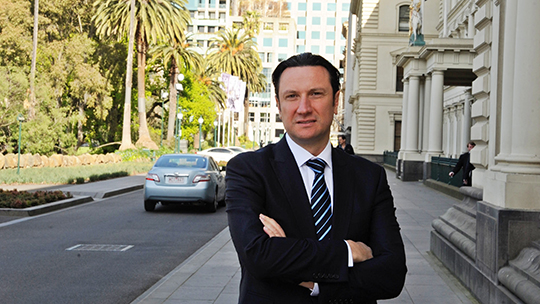
Bill Papastergiadis
Bill Papastergiadis. Photo: Greek Orthodox Community of Melbourne and Victoria.

National Managing Partner Geoffrey Connellan said, “I’m delighted the firm and our Melbourne practice has fared so well in these legal directory rankings. The accolades demonstrate not only our client service excellence, but our strategy to build on expertise in insurance and expand on corporate and commercial service offerings in line with client demand.”

In the area of insurance, Legal 500 noted that Moray & Agnew ‘has a long-standing reputation of delivering results to the insurance sector both locally and to the London Market. The firm has created new law in a number of cases of note. The firm’s growth by its interstate expansion has allowed claims in most states.’ 

Melbourne Partner Yolanta Figiel said, “we are proud of the work our clients trust us with and that is reflected in these rankings. Our insurance clients include Allianz Australia, Australia Post, QBE, Suncorp and TAL.”

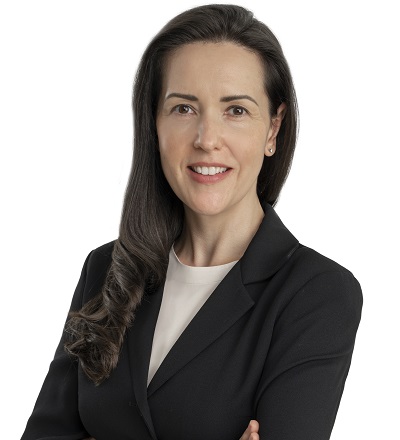
Yolanta Figiel.
Yolanta Figiel. Photo: Morray & Agnew.

In the Labour & Employment practice area, Legal 500 notes that Moray & Agnew ‘have their finger on the pulse with all facets of workplace law and they are always seeking to develop professionally. This practice makes its clients feel incredibly valued and cared for in a way that we have never seen with another law firm.’ 

The employment and labour law practice’s recent work includes adverse actions and breaches of contract claims in the Federal Court, unfair dismissal claims involving complex factual materials and enterprise agreement entitlements.  The firm also acts for a number of local councils in associated disputes and claims before the Fair Work Commission. 

In the Construction law practice, Legal 500 stated ‘the firm stands out for its service, quality of information and commitment to understanding the objectives of the client.’

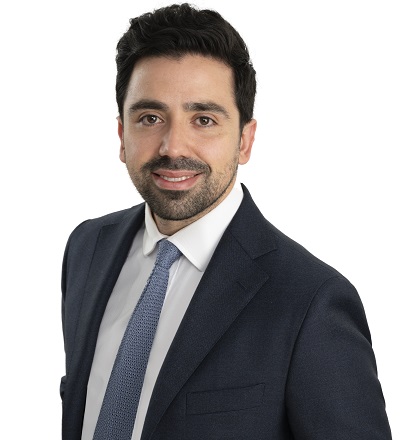
Phillip Vassiliadis
Phillip Vassiliadis. Photo: Moray & Agnew.

Phillip Vassiliadis, a Partner in our Melbourne office, was singled out by the Directory. Phillip was recognised as a ‘Next Generation Partner.’  Phillip said that he was honoured with this recognition.

“I’m grateful for this recognition from Legal 500, it’s a reflection of all the hard work we do for our clients,” Mr Vassiliadis said.

Moray & Agnew’s construction law team continues to be at the forefront of some of the biggest developments in Melbourne and Australia, including the new $2.6 billion AUD West Side Place which includes the Melbourne’s Ritz-Carlton hotel, other significant projects include Collins Square, Melbourne and Upper West Side, Melbourne. 

The property team was also recognised as a top practice by Legal 500. It is a team that has advised on a number of significant projects including the acquisition of Dandenong Plaza, advising Amplifon on their leasing services and a $1 billion fund for the development of rooftop solar farms on industrial and commercial properties across Australia.

Kayla Itsines and Debbie Kepitis named in Australia’s richest women list

The Australian Financial Review has revealed Australia’s richest women in 2024, naming two Greek Australians in the mix for this year’s International Women’s Day.

They include Debbie Kepitis and Kayla Itsines.

The 75 richest women in the country were revealed to have increased by 30% in the past year, with their total valuation being $151.2 billion.

These women recognised in the Rich Women List include entrepreneurs in resources, technology, property, and fashion.

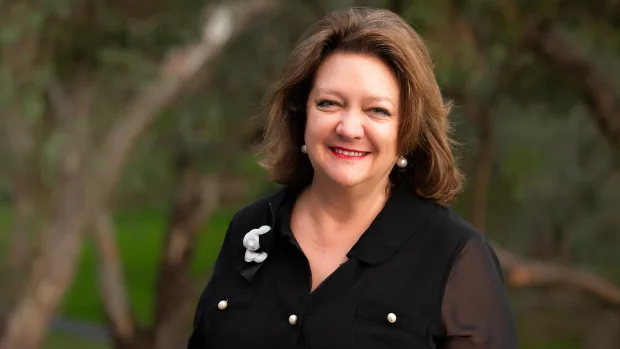
Gina Rineheart
Gina Rineheart was named Australia’s richest woman. Photo: Matt Krumins.

Kayla Itsines 

The Greek Australian fitness queen Kayla Itsines, who co-founded the Sweat fitness app was also named in the Rich Women List for 2024, and was placed at number 67. She was revealed to have $165 million in fortune. 

She originally became famous when her and her ex-fiance Tobi Pearce published a woekout e-book ‘Bikini-body Guide’ in 2014 and soon after, they released  SWEAT in 2015.

Debbie Kepitis 

Debbie Kepitis is the  director of Ingham Property and this year was placed at number 50  of the rich list for the manufacturing and property industry.  She has more than $320 million in fortune.

Debbie is also known for being the daughter of the legendary racehorse owner and breeder Bob Ingham and is continuing her father’s legacy in business and racing.

Source: The Australian Financial Review.