Australia’s Leader of the Opposition, Peter Dutton MP, has sent a message to Greek communities across the country to mark March 25th.
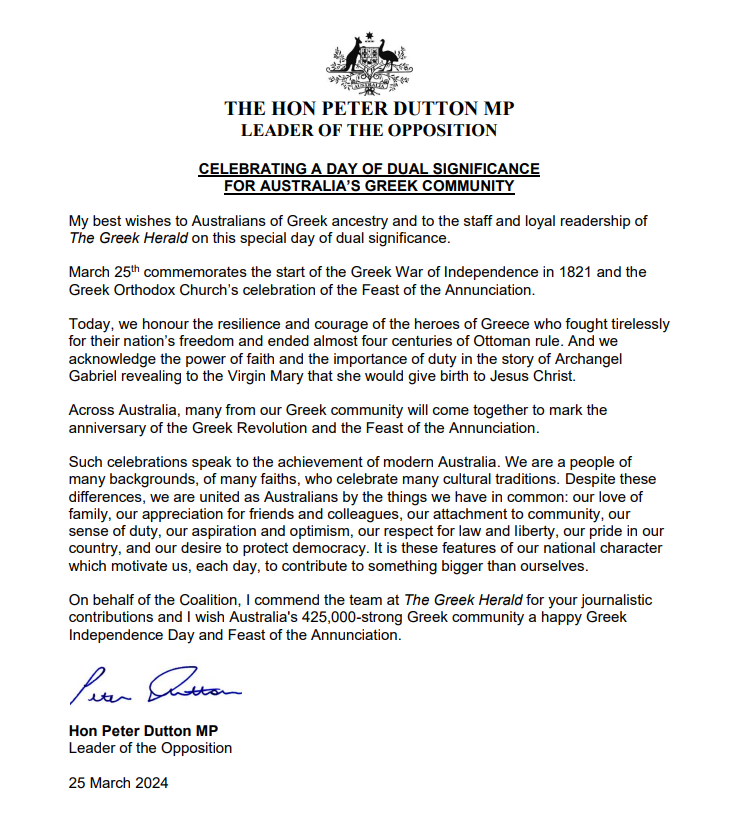
In his message, Mr Dutton acknowledges that March 25th is a day of dual significance for Australia’s Greek community, and said “such celebrations speak to the achievement of modern Australia.”
Full Message:
Message by Australia’s Opposition Leader, Peter Dutton, to mark March 25th.
Australian Prime Minister, Anthony Albanese, has issued a message to Greek communities across the country to mark Greek Independence Day today.
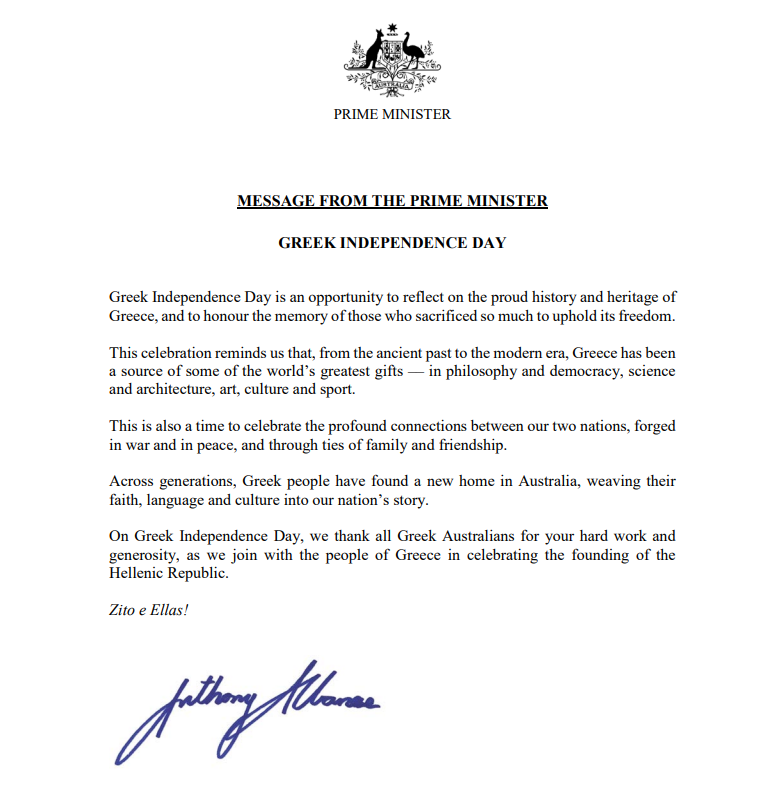
In his message, Mr Albanese said March 25th was an “opportunity to reflect on the proud history and heritage of Greece,” and also thanked all Greek Australians for their hard work and generosity.
Full Message:
Message by Australian Prime Minister Anthony Albanese to mark Greek Independence Day.
The Shadow Minister for Immigration and Citizenship, Dan Tehan has sent his warmest wishes to Greeks living across Australia in honour of Greek Independence Day today.
In his message, Mr Tehan shared:
“On behalf of the Coalition and the communities we represent, I extend the warmest wishes to all Greek people on Greek Independence Day.
Today we reflect on the bravery and sacrifice of those who fought for freedom as well as the courage and determination of the Greek spirit.
As Greeks come together to honour their past, we also celebrate your contribution to shaping the future in Greece, in Australia and around the world.”
The Federal Minister for Immigration, Citizenship and Multicultural Affairs, Andrew Giles MP, has shared a special message to Greek communities in Australia in honour of Greek Independence Day.
In the message, Mr Giles revealed that he has had the privilege of working closely and engaging with the Greek Australian community.
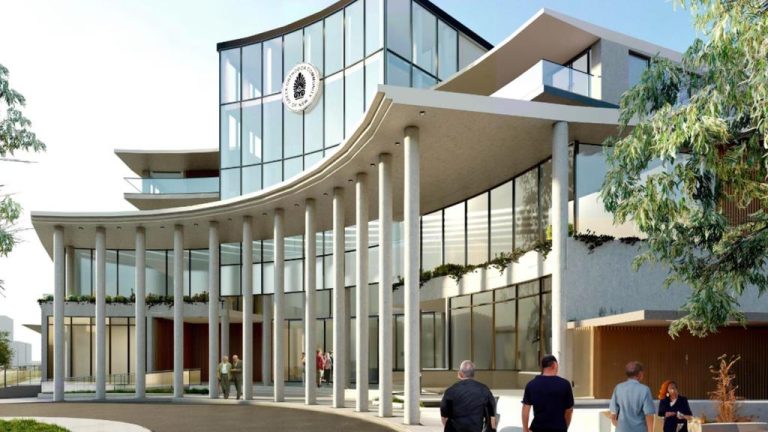
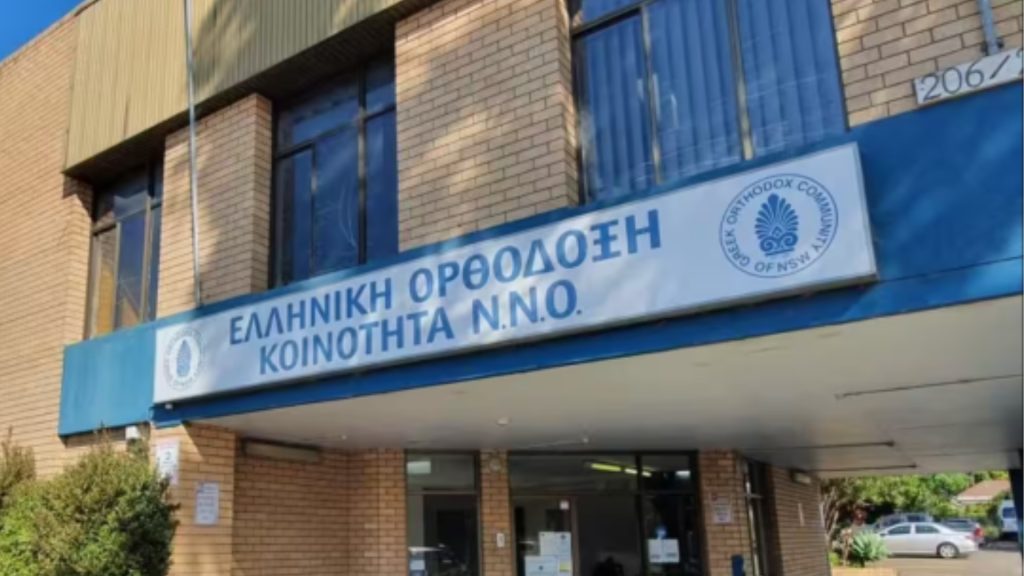
According to The Daily Telegraph, if the plans are approved, the current two-storey Greek Community Club at 206-214 Lakemba Street, Lakemba would be demolished for a revamped multimillion-dollar five-storey centre.
The community centre will become a state-of-the-art hub in Sydney’s southwest, with a bar and gaming rooms alongside an arts and cultural exhibition space.
The current building of the Greek Orthodox Community of NSW at Lakemba.
Plans for the centre suggest it would also have two levels of basement parking, three function rooms, shops, a kids play area, meetings rooms and office spaces, among other things.
Despite lodging plans, the Canterbury-Bankstown Council has raised issues with the development, including around the proposed 21.5 metre building height which does not comply with council’s height limit of 18 metres.
The Sydney South Planning Panel has recommended for council and the GOCNSW to “urgently resolve” their differences.
For many Greek people, when they think of March 25th the concept of freedom comes to mind.
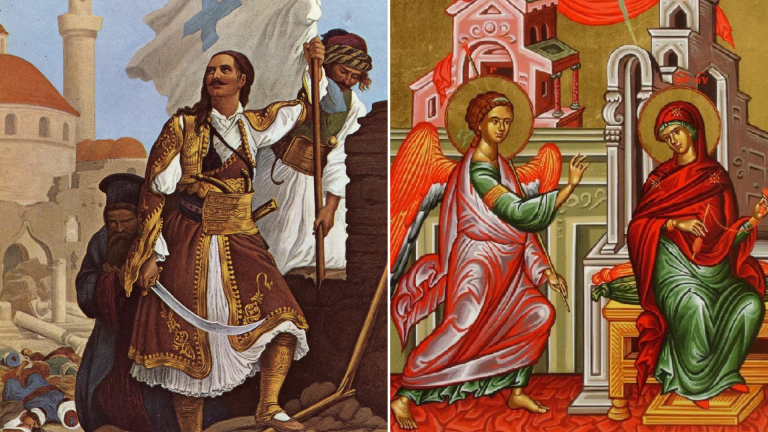
Every year, Greek Independence Day is celebrated on March 25th to honour the start of the Greek Revolution in 1821. It highlights the end of occupation by Ottoman rule in Greece and is a significant part of its history.
To mark the significant day, people throughout Greece, Australia and other parts of the world can be seen attending memorial events for the heroes of 1821, going to church, luncheons, having young kids dress in blue and white or traditional costumes and parade, raising Greek flags and performing poems and speeches.
In many parts of Australia, major buildings in capital cities can be seen lit in blue and white, and Greek flags are on display.
March in Syntagma. Photo: Kathimerini Cyprus English Edition
The biggest event for Greek Independence Day in Greece takes place in Athens, where a parade and formal ceremony is held and attended by officials and armed forces.
Although March 25th marks a significant day in Greek history, did you know it also coincides with a religious celebration?
The Annunciation of the Theotokos
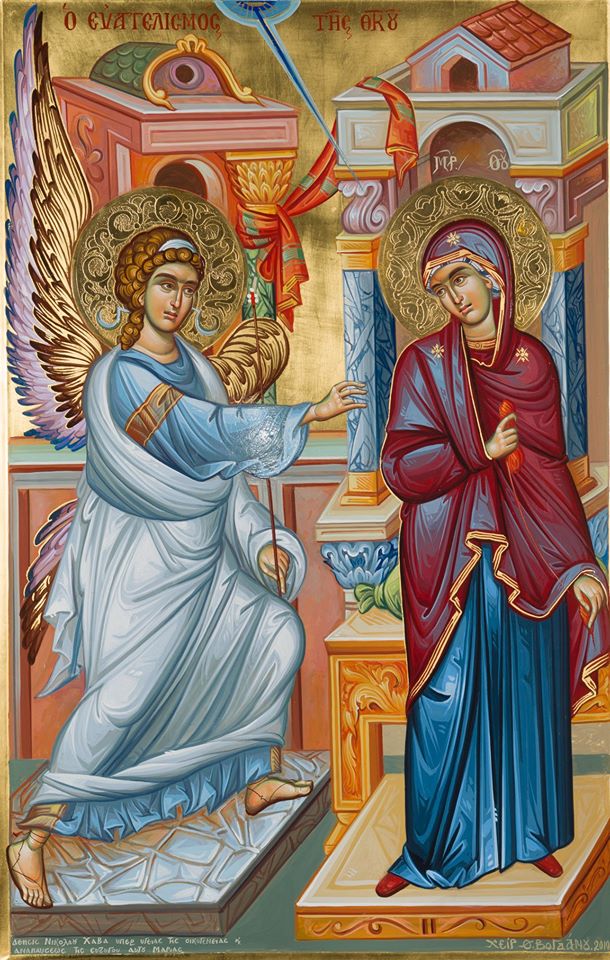
March 25th is also the religious commemoration or celebration of the Annunciation of the Theotokos – one of the Twelve Great Feasts of thechurch. This day recognises when the Archangel Gabriel appeared in front of the Virgin Mary and told her that she would be the bearer of the son of God – Jesus Christ.
Annunciation of the Theotokos. Photo: St Vasilios, Greek Orthodox Church
This event took place nine months before Jesus Christ was born on December 25.
To mark the religious aspect of the double celebration, people named Evan, Evangelia, Evangelos, Eva, Angelina, Evangeline, Angela, Vangelis, Vangos and many more celebrate their name days, parades are held and traditional food is eaten.
People often hold feasts with their loved ones for the Annunciation of the Theotokos, where they consume ‘bakaliaros’ which in English translates to cod fish. This is also due to March 25th falling during the Lent period, so people abstaining from meat can enjoy a traditional alternative.
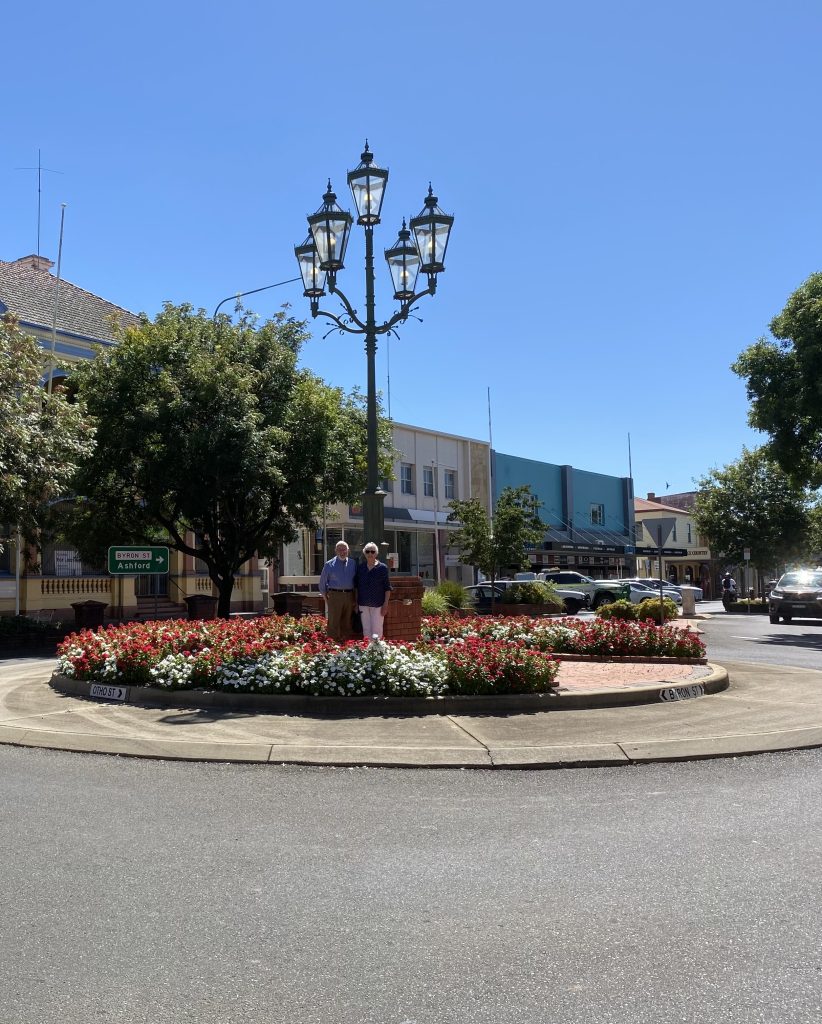
Nestled by the McIntyre River in inland New South Wales, Inverell may seem an unlikely place to find a connection to modern Greece. It was the last thing I expected to find when in June 2017, I swapped the bustling energy of cash-strapped Athens for the tranquil charm of Inverell.
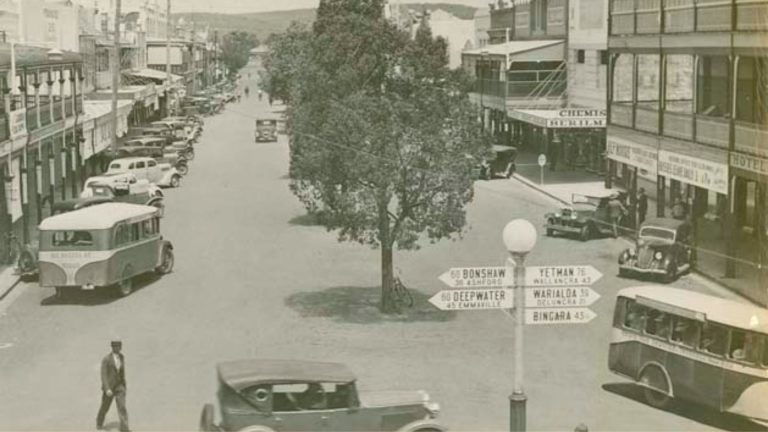
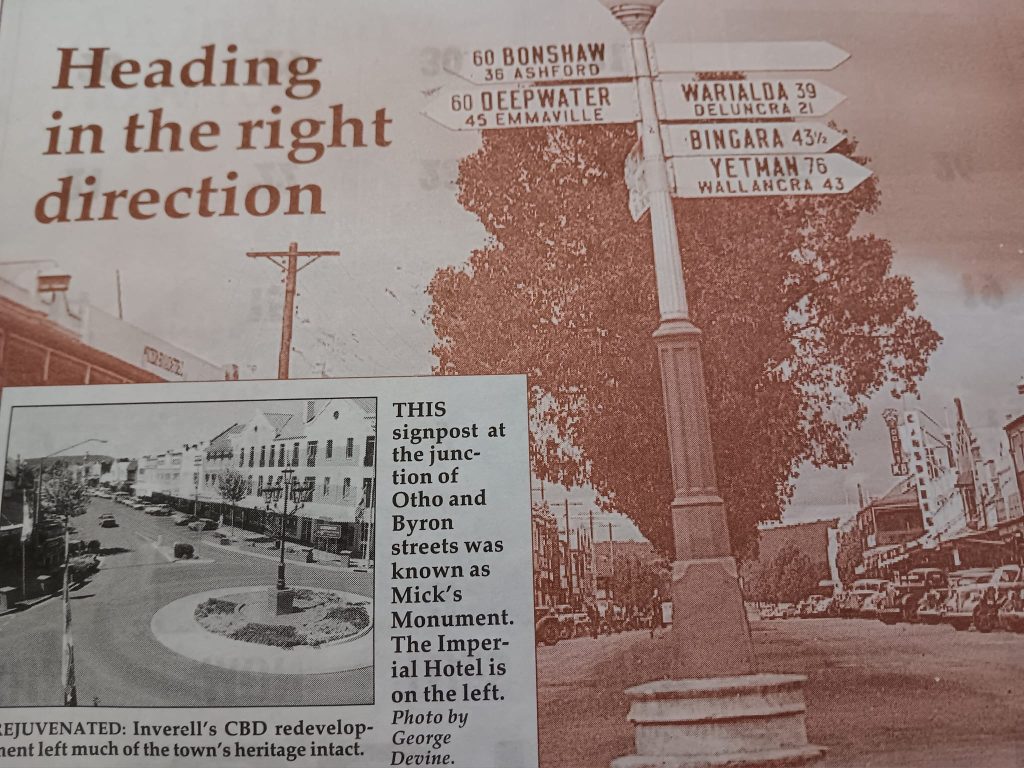
Plane trees lined the streets, a familiar sight from village squares in Greece. It felt like a good omen, especially considering the names adorning the two main roads: Otho and Byron. The names were a calming curiosity as they were linked to the Greek War of Independence – an unexpected resonance in this remote rural town.
Signpost Otho and Byron streets. Photo Inverell Times
As I admired the lovely plane trees flanking the street, my mind wandered to the iconic plane tree at the Holy Monastery of Agia Lavra in Greece. It was under this very tree that Metropolitan Germanos of Old Patras raised the Greek flag of revolution on March 25, 1821. His rallying cry, “Freedom or death!”, echoed the sentiment that had led me to take a leap of faith that brought me to this town.
Fast forward to March 25, 2018, my first Greek Independence Day in the Antipodes. Disappointment washed over me. There was no student parade, no celebratory feast by the sea. Even the plane trees, deemed “inappropriately planted” by the council, were being pulled down.
Unearthing the past: From Bavarian kings to convict origins
Over coffee at the Union, Inverell Shire Mayor Paul Harmon advised me to ignore the naysayers fighting to save the trees. They were damaging footpaths and posing a tripping hazard. In fact, plane trees weren’t even present in the region when botanist Allan Cunningham first explored the area in 1827.
The town itself came into existence around 1835, when squatters first settled the district. Alexander Campbell, a Gaelic speaker, named his 50,000-acre property “Inverell,” meaning “meeting place of swans.” This coincided with a period of great upheaval in Greece as King Otho of Bavaria came of age that same year. His reign was threatened by his Catholic religion, viewed with suspicion by the Greek Orthodox populace, and his childless marriage with Queen Amalia, threatening to bring the dynasty to an end.
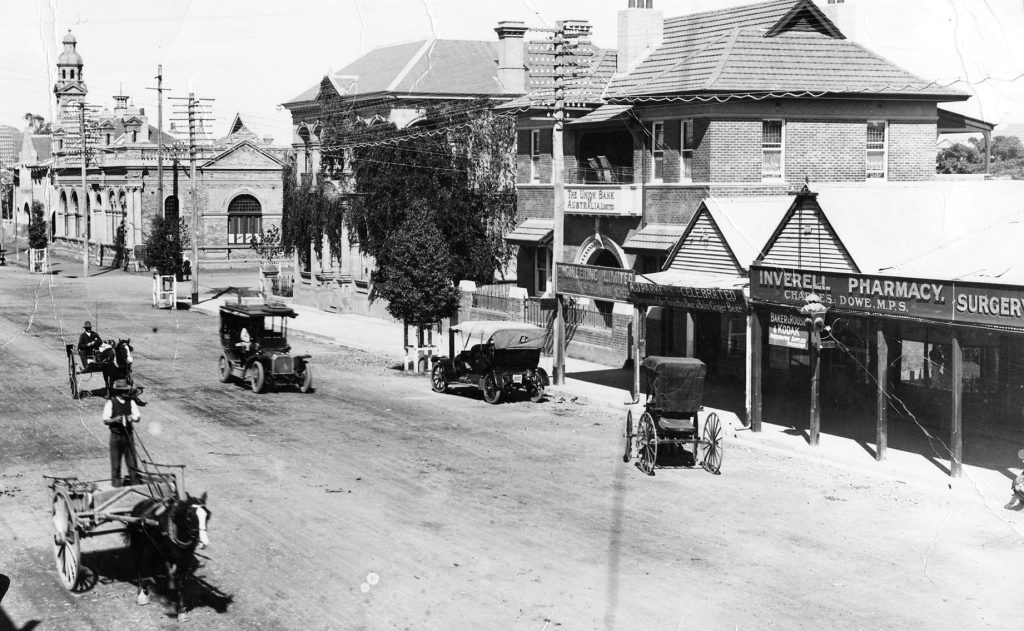
Otho Street Inverell
Kathy McLeod of the Inverell District Family History Group says Otho Street was likely named after the new king of Greece around this time.
“The most likely scenario is that it aligns with the Crimean War (1853-1856),” she tells The Greek Herald. “King Otto was appointed by Britain and France as a puppet king in 1832. He was an ally of Britain during the war and considering the other Crimean War-influenced street names like Raglan and Balaclava, it makes sense.”
McLeod disputes information found in the booklet titled “A heritage walk in Inverell,” claiming the street was named after Prussian chef Otto Pohl.
“The dates just don’t add up,” she says, while also pointing to the number of shepherds of German descent in the area making it likely that pro-German sentiment was high.
Edna Roberts (nee Lute), 96, is the great granddaughter of Otto Pohl, and says that she heard the story growing up but doubts it to be true.
“It’s an old family legend,” she says. “The story goes that a group of Councillors were arguing about what the street should be called as Otto rode past on his horse, and he yelled, ‘Call it Otto,’ and apparently, they listened,” Edna says.
Though she never met her great grandfather, she knew from her grandmother that he was a violent man. Anna Rosalie Pohl, Edna’s grandmother, was the only surviving child from eight miscarriages – the final one leading to her mother’s death.
“After my great grandmother died, Pohl went off his head. So much so that she told me he threw a digging fork at her when she was 13. Finally, my grandfather came along and felt so sorry for her that they eloped to Glen Innes,” Edna says. “Otto ended his own life, committing suicide in 1890.”
By 1919, tensions surrounding the name arose due to its German origins. The Inverell Times (Friday 29 August 1919) reported heated debate at a council meeting: “The much-discussed origin of the word ‘Otho’, the name given to the principal street in Inverell was again referred to at the Council meeting on Tuesday night.”
The article follows with suggestions ranging from Scandinavian to Italian roots for the name. A motion was carried to ask for a Professor of Languages from Sydney University to give an opinion of the subject.
The lack of formal naming procedures in Inverell’s early years means there’s no written record to definitively settle the debate.
“The information has either been passed down by word of mouth or made obvious when researching the Council’s minutes,” Kathy says.
A legacy beyond names
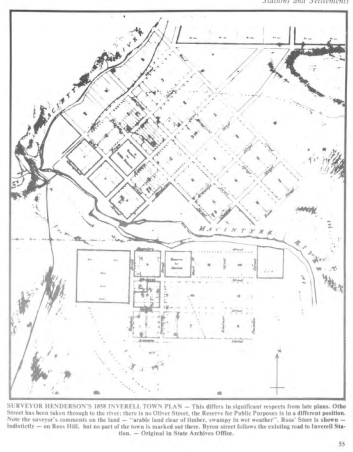
Beryl Hamilton, who spent 40 years researching Inverell’s history, discovered that surveyor Henderson laid the first town plan in 1858, with Otho and Byron Streets already marked. It’s believed these streets were named after the first Europeans in the area – convict Peter Byron and settler Alexander Campbell.
There’s some debate about Byron Street’s origins.
Elizabeth Weidemann’s book, “World of its own,” states that Byron Plains were named after convict Peter Byron. Weidemann writes Peter arrived aboard the convict ship Speke in 1826, aged 25. Uneducated, he had a ruddy complexion and was tattooed with Adam and Eve, a tree and angels on his right arm and a crucifix on his left. Initially assigned to George Blaxland, he was given a ticket of leave and was employed by McIntyre.
The same book points to William Gardner, a tutor on various new England stations in the 1840s and 1850s who wrote accurate accounts of Alexander Campbell’s in the area. It states: “Although William Gardner stated that Byron Plains were named after the poet Lord Byron, the unwavering local tradition has been that they were named after convict Peter Byron, who spent the rest of his life, from 1841, living in the district.”
Philhellene and amateur historian Peter McCarthy cites Gardner’s accounts over “unsubstantiated rumours” later promoted in the public media.
“Peter Byron was called Peter Brom, a convict who was transported to NSW and served a 12-month jail term with hard labour and horse stealing in 1840,” McCarthy tells The Greek Herald.
Greek influences before the arrival of Greeks
McCarthy argues that Inverell, despite its remoteness, wasn’t isolated from British sentiment. He points to General Theodoros Kolokotronis, a hero of the Greek Revolution who served in the British Army during the Napoleonic Wars where he was influenced by revolutionary ideals. This experience proved valuable when he fled to Zakynthos, then occupied by the British, and gained military training under Philhellene Richard Church.
“While there weren’t any Greeks in Inverell until 1899,” McCarthy says, “their influence was undeniable across Europe, and Britain, a strong supporter of the Greek War of Independence, played a role.”
He highlights the presence of other Greek place names around Australia thanks to this sentiment.
The first Greek to arrive in Inverell, Panagiotis Phacheas (anglicised to Peter), was the grandfather’s brother of McCarthy’s wife. Interestingly, many early Greek immigrants anglicised their names for easier business dealings, hence the Phacheas shop was S. Peter and Co.
“The S stood for Spyridon and the Peter was for Panagiotis,” McCarthy says.
McCarthy and his wife, Deanna (Sophia Psaros), later took over the sandwich shop.
George Koupas
“It felt like they were watching over us,” he says.
Over time, more Greeks arrived in Inverell. Families like the Koupas clan, who grew up above the iconic Australia Cafe, became part of the town’s social fabric. George Koupas from Paphos initially dreamt of becoming a journalist for The Greek Herald but ended up working at a milk factory. In Inverell, he opened a family-friendly cafe with his business partner, Kerry Demosthenos. Neither of his children, Chryse nor Paul, remember him commenting on the Greek links of the town’s street names but they both remember the robust Greek community.
“Dad met Sophie (my mum) in Sydney in 1959 on a visit to Sydney. He had dropped in as a favour for his business partner Kerry who had married Thea Eleni (mums’ sister), to pick up a few things for her. That’s how he was introduced to my mother. In two months, they were engaged (it was April) and then married mid-August the same year,” Paul said of his father.
Chryse remembers life above the café and the good times they shared.
Peter Gianneas remembers Inverell’s Greek heyday. He jokes he is the “last Greek” standing after coming to Inverell as a mechanic when Copeton Dam was being built. It was during this time that he met the love of his life, Judy.
May 1975. Uncle Georges Australia Cafe owner George Koupas
His goal was to move the family to Greece, but a trip back home convinced Peter he was ‘home’ in Inverell. His gyros shop was a taste of his homeland to the community, proving you can bring a taste of Greece to a place no matter where you are.
“We went to Marrickville to see how it was done and then offered the same taste to locals,” Judy recalls, saying people still ask for Gyros even now, 14 years since the shop has shut.
Judy and her children speak Greek and she shared stories of their numerous visit to the country, but despite the love for Greece they never noticed the link of the town’s street names to Modern Greek History.
By Stefanos Kavallierakis, a historian, professor at the National School of Public Administration and columnist at the newspaper ‘Ta Nea.’
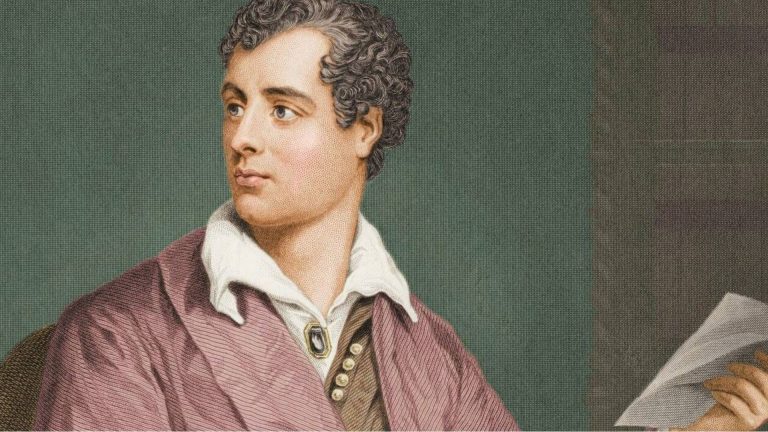
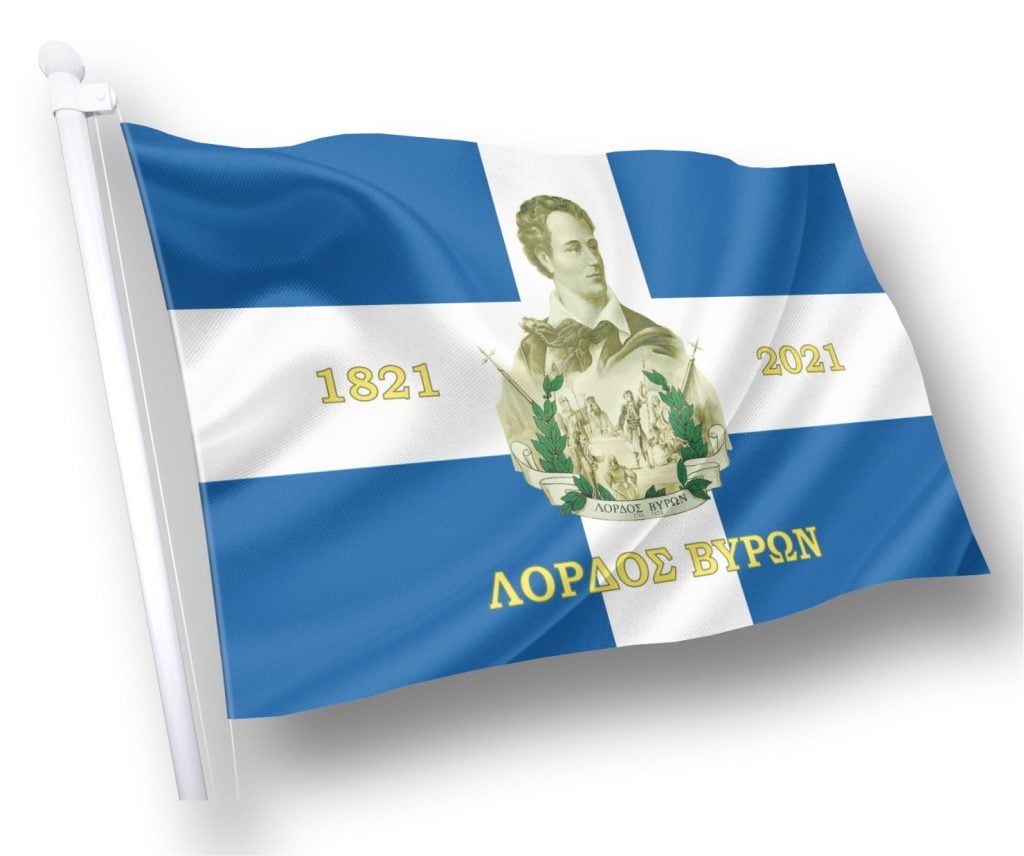
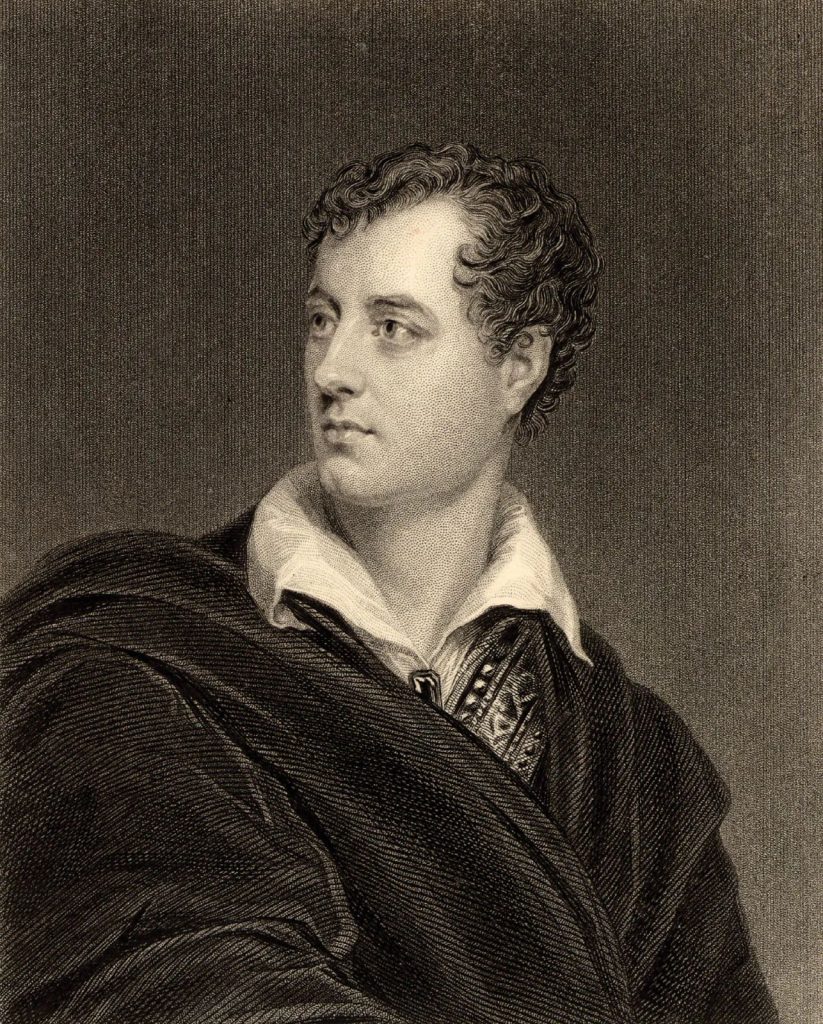
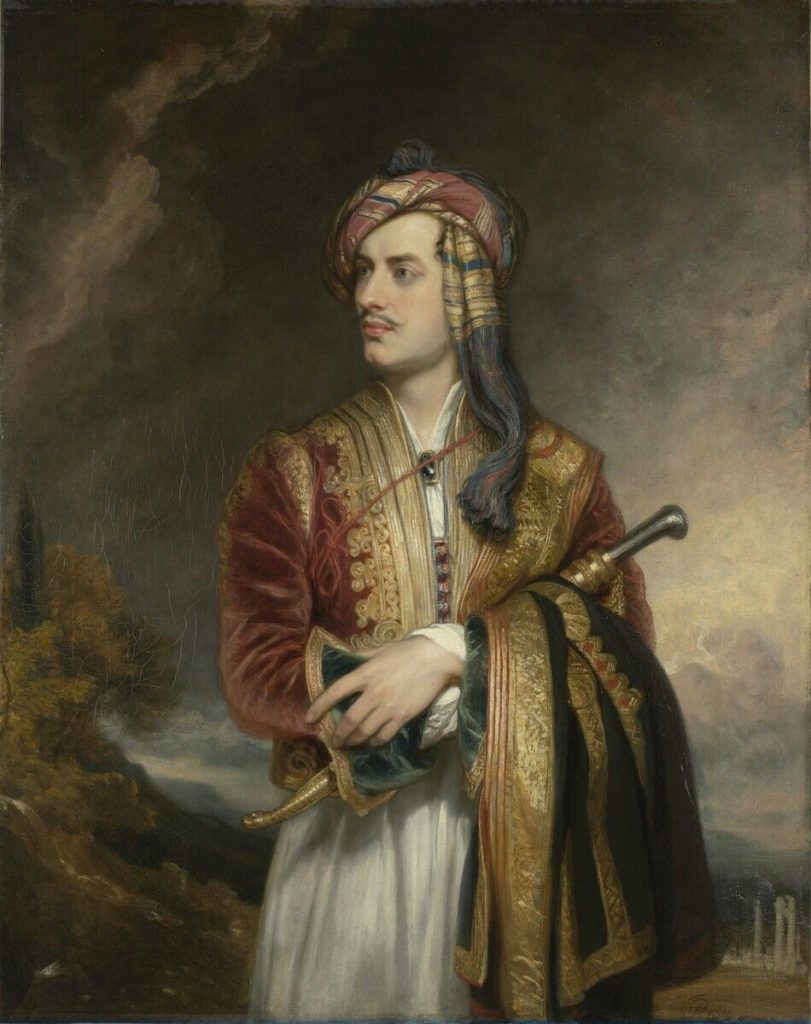
Lord Byron, born George Gordon Byron, was one of the most significant poets of Romanticism in English literature. He was born on January 22, 1788, and died on April 19, 1824. This year marks exactly two centuries since his death, prompting us to revisit the journey and contribution of one of the most influential poets of the Romantic movement.
Byron became famous for his poetic ability and vivid personality. His works include the greatest epic of Romanticism, “Childe Harold’s Pilgrimage,” as well as poems such as “Don Juan.” The themes of his work often included wandering, passion, despair, and pain, clearly influenced by a difficult family situation, which, contrary to legend, was deeply problematic. Byron‘s life, full of travels and seemingly carefree, was filled with adventures such as many intense loves, swimming across the Hellespont, and flirting with suicide, hiding a desperation rather than the spoiled antics of British aristocracy.
Byron is associated with Greek Independence in a unique and special way and his name becomes almost synonymous with it. Strange for someone who arrives in Greece in 1823 and dies in an undignified manner in Messolonghi a year later.
Lord Byron
In a strange way, Byron found in Greece a spark and a meaning of life. A year before 1822 he lived in Italy, a life that led him into an existential abyss. He had become an incoherent mixture of strength and weakness, sentimentality and ferocity, irresponsibility, and tragic gravity. He had become trapped in his poetic myth and his love of life had been replaced by a longing for death.
Late on the night of Friday, July 16, 1823, an English brig, the Hercules, sailed from the port of Genoa. A lord, who happened to be one of the most famous writers of his time, a Greek nobleman, an Italian count, a doctor, and a secretary were aboard, along with an insignificant sum of money. Byron might have thought he was embarking on a new Grand Tour like the one he had undertaken earlier in the Mediterranean between 1809-1811, and not that he would become involved in a revolutionary adventure intimately connected to his historical reputation.
Lord Byron
Byron’s arrival in Greece is not connected to his involvement in military events or even internal political disputes, although he unavoidably comes into contact with them. Byron does not come even as a representative of a foreign power, but becomes the Ambassador of the Greek Revolution’s message abroad. He internationalises the Greek Revolution, but also tightly links it with international speculative capital, creating a peculiar but strong sense of independence associated with the foreign factor. Byron internally strengthened the forces seeking the internationalisation of the Greek issue and the reinforcement of the Greek cause by the external factor.
Byron’s name acted as a magnet for private investors who, in the first months of 1824, concluded a loan of 800,000 pounds with the Provisional Administration of Greece. The guarantee of this first loan of Greece, not even constituted in a state nor having secured any form of autonomy, seemed nightmarish: “the entirety of Greece’s national property.”
When Byron died in Messolonghi in April 1824, the loan had been secured and was a turning point for the Greek Revolution, which was already on the brink of collapsing. The political threshold was taking control over the military one. The Greek Revolution, despite its impressive start and the major victories of its first year, was losing everywhere. Its internationalisation provoked perhaps the first international mobilisation in modern history in favour of a revolutionary movement. The Greek Revolution changed the attitude of the international factor towards the issue of the Ottoman Empire and perhaps created the first humanitarian intervention in history by the Great Powers in favour of a revolutionary movement. England was a characteristic example, and Byron perhaps, without fully understanding it, was the main driver of this transformation. The first Ambassador of the Greek Revolution.
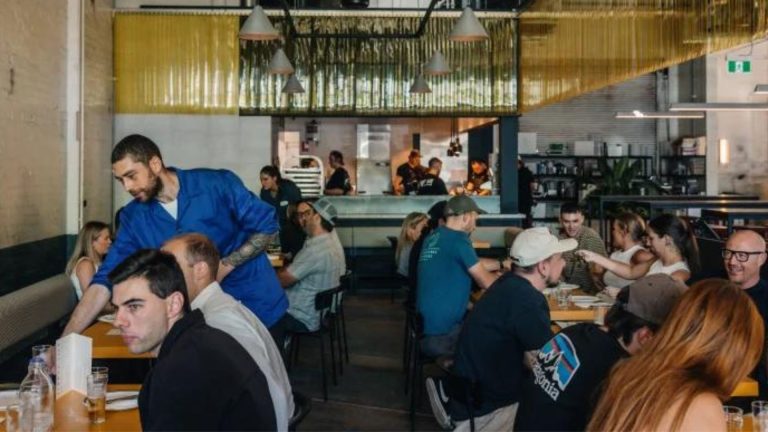
South Australian brewer ‘Pirate Life’ has made its debut in Victoria, with its first Melbourne venue.
A Greek heritage chef, Maria Delengas, renowned for her tenure at Adelaide’s acclaimed Arkhé restaurant, will lead working with Nicolas Lopez, a Chilean-born chef.
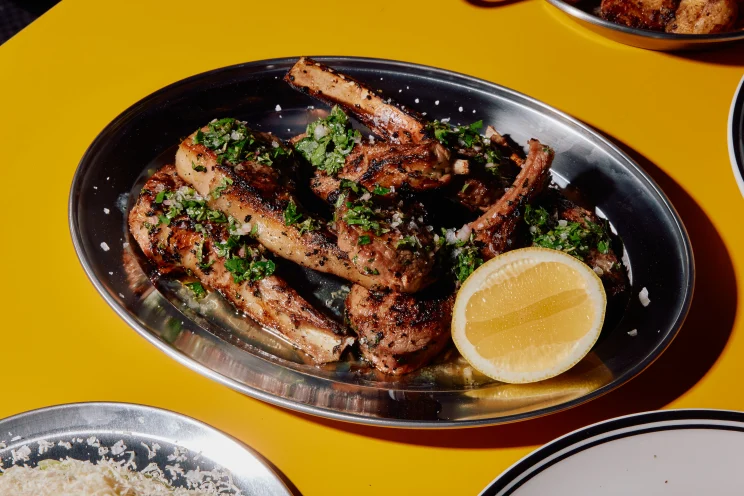
According to the Age, Delengas says her Greek heritage combined with Lopez’s skill in South American barbecue have resulted in winning dishes such as lamb forequarter chops.
Another cross-cultural collab is pickled octopus with ajo blanco, a sauce based on the Spanish soup of stale bread, almonds and garlic, garnished with oregano as a nod to Delengas’ Greek roots.
The building’s industrial bones are celebrated in the original paintwork and walls, and enhanced by the large oven and hearth of the open kitchen.
Photo: The Age
Catering to the bustling office and market crowd, an express lunch menu ensures dishes reach tables within 15 minutes. Noteworthy is the spanakopita lasagne, a unique twist on the traditional Greek pie, layered between sheets of pasta.
This marks Pirate Life’s fourth venue, following its inception in Adelaide in 2014 and fast acquisition by Carlton & United Breweries.
Pirate Life won’t be brewing at South Melbourne, but will send beer from its South Australian headquarters to fill the 11 beer taps in South Melbourne, including a special Market Street Lager exclusive to the venue. These will join predominantly Australian wines (the most expensive glass is $20) and four classic cocktails, including a South Side.
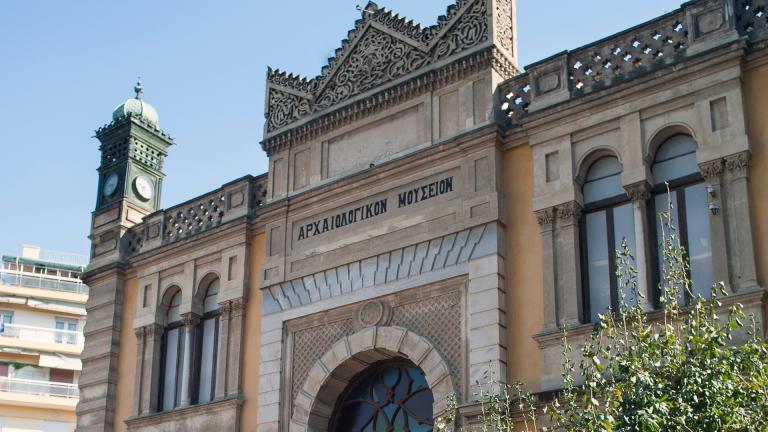
In view of the preparations for Ramadan, the historic Yeni Mosque, an Ottoman landmark nestled in Thessaloniki, known for its various cultural activities, will open its doors to Muslim prayers during Eid al-Fitr, on April 10.
According to ekathimerini.com, this will the first time in its history to do so. Similarly, the Suleymaniye Mosque in Rhodes will also be allocated for Eid prayers.
This decision was formally announced by the General Secretariat of Religious Affairs.
In the region of Attica, alongside the well-known Athens Mosque in Votanikos, there are currently 15 licensed mosques. Additionally, an estimated 55 to 60 unofficial prayer spaces exist.
There are some 300 mosques operating in Thrace, and one each in Kos, Rhodes, Thiva and Thessaloniki. Muslim Greeks number about 125,000 and live primarily in Thrace.
In Attica, Muslim refugees and migrants are estimated at 250,000. Organizations in areas where there are no Muslim prayer spaces can apply to the local municipalities to be granted closed spaces on April 10.