Home Blog Page 788

Greek police force acquire first electric highway patrol

0

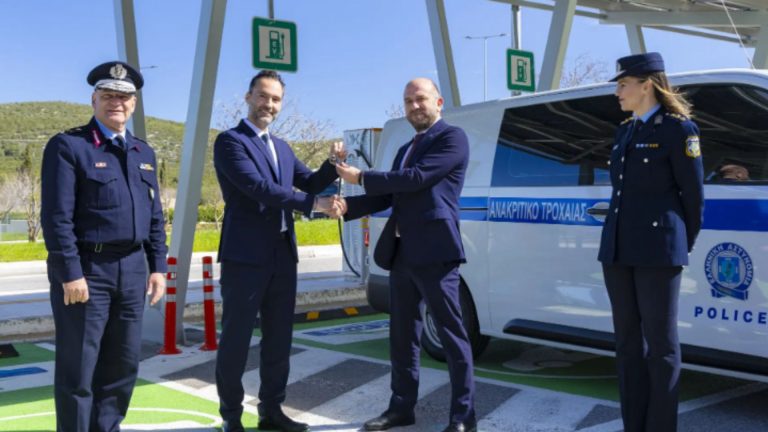
The Greek Police has acquired the first electric VAN type motorway patrol vehicle, a donation of “Nea Odos.”

The electric VAN will cover the police needs of the motorway and has an autonomy of approximately 320 kilometres.

General Secretary of Citizen Protection Manos Logothetis attended the event held at the Automotive Service Station “Malakasa – Sirios.” The vehicle was handed over by the company’s CEO Rodianos Antonakopoulos. 

Logothetis spoke about the “ green” transition of the Hellenic Police and especially of Traffic Police.

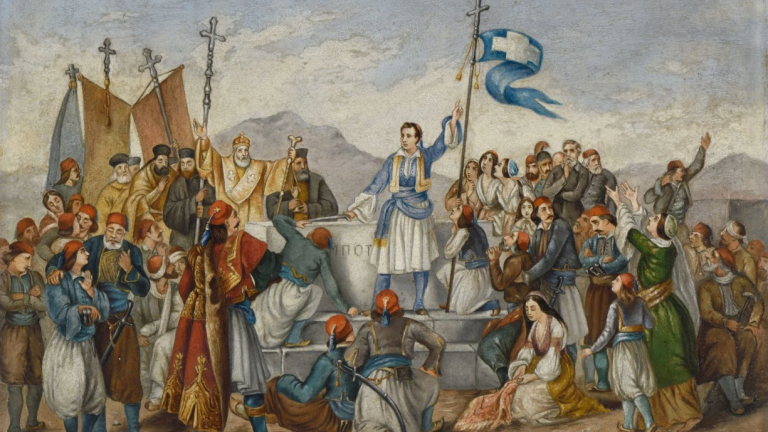
The dream, the utopia and the Greeks abroad built the independence of Greece

By Anastasios M. Tamis*

There are many readings and interpretations, and myriad questions arise about the Greek Revolution, a phenomenon that gave birth to the first independent new country in Eastern Europe.

Was it the revolution, the rebellion of the impoverished peasant Greeks and their robber leaders against the misery, poverty and rayadism of the Ottoman occupiers? Was it the same material interest of the thieving captains, the loufes, who rose up against the conqueror and just 19 months after the Day of the Revolution, discovered that the enemy was not the Turk but the Greek? Was it the bravery of the Greek soul, the indignation, the bottomless pain that could no longer deprive the suffering, the abduction of children, the dishonour and humiliation, the causes that triggered the Revolution, a revolution that the Greeks of Europe and their allies essentially prepared on their behalf?

Were the ancient Greek ancestors, the glorious past of Ancient Greece, the Grecomania and Grecophilia of Europe that paved, cultivated and strengthened the Greek Struggle? Were it the educated Greeks of Europe, the shipowners and merchants who managed to validate and exploit the adoration that the great peoples of Europe felt through the Renaissance and the Enlightenment for Aristotle and Plato and Homer and Alexander the Great? Was it the fatigue felt by the feudal emperors to insist on maintaining borders and suppressing all revisable and political freedom that allowed the Greek rebellion against his Asian oppressor? Was it the interests of England, which wanted to have a state of its own in the armpit of the Ottoman Empire, in the Eastern Mediterranean, that as the first country then urged others, including the “blond race” the Russians to come as her protectors?

Was it the Revolution that persuaded the Western Philhellenic World to legislate in its conscience the independence of Greece? Was the Revolution more or less than the Massacre in Psara, Chios and Messolonghi? But since the Revolution was finally suppressed, how can the triumph of Independence that followed be justified?

It was the Greek fighter’s tenacity, his endurance, to rise and fall and rise again for eight consecutive years, that led to the final victory, even knowing that the Italians who also revolted against the Australians in the end could not be freed, after an ephemeral uprising. Was it the rebellious Greeks and the passion for Freedom that persuaded the Great Powers to intervene?

I could list dozens more questions and look for dozens of interpretations, dozens of reasons that led to the freedom and independence of Greece, through an uprising that lasted so many years. Greece that was approved was not a nation-state. The new nation was a diplomatic spice that essentially had to be favoured by the English, German-Prussians and Russians, but also by the Ottomans, who held back Russia’s ambitions from the north on behalf of the Western powers. Greece in 1830 was the ancient Greece that Westerners were taught in their schools. It was the Greece of city-states and democracy. It was the type of Greece they wanted to protect. Besides, philhellenism was based on this Greece, a Greece of classical times, of ancient beauty, of knowledge, a Greece that had been the backbone of their culture, of European civilisation. Because the Greeks had a basis to talk about freedom and independence, they had reasons, they had their history planted in the heart and knowledge of Europeans. The European was taught the history of Greece, therefore the way for support and protection was open. Unfortunately,  Bulgarians, Serbians, and Romanians, who had no ancient history to refer or to be known by the Europeans, they could not convince of their own struggle for independence.

Greece in 1830 was a geographical part of Hellenism, the smallest and the poorest, which is why the revolution took root there longer. Because in this poor part of Hellenism, there was no developed Ottoman army, no organised fortresses and all the Ottomans who served there were far from their supply centers in human resources and material supplies.

The number of Greeks, according to the first official census of the newly established Greek state, the Greek census of 1828, organised and conducted by the Greek State with Ioannis Kapodistrias as Governor and estimated the inhabitants of the newly established state at 753,400, while the population was also estimated in 1821 at 938,765 inhabitants. This first official census proved that free Greece did not correspond ethnically with the geographical area where Hellenism lived and flourished. In 1912 the population of Greece went from 2.5 million to five million souls, while more than three million remained outside Greek sovereignty. This demographic assessment triggered and formed the basis for the argument of the Great Idea, offering reasonableness and anthropological and ethnological value to the struggles that followed, in order to recover lands where the Greek population lived and flourished for 3,000 years.

Apart from the interpretations as to the relationship that the Greek Revolution of 1821 had to the independence of Greece, it is historically certain that it was the first armed uprising against the Ottoman Empire. And the independence of Greece, the first in the Balkans. Studying the statistical data and figures of a sum of a few tens of thousands of hungry and unhappy revolutionaries, against an empire of many millions, we may compare their struggle to the Battle of Thermopylae and to come to two historical conclusions: (a) that it was passion, faith in a vision, faith in a utopia, faith in an uprising that finally convinced the Greeks abroad, as well as the Philhellenes and they in turn the Great Powers;  As a result, the latter protected and imposed the independence of Greece and (b) the independence of Greece and then its course, through historical struggles, through sacrifices and even civil wars, through social feats and achievements in letters, arts, culture, music, sports, vindicated as a state and as a nation fully all those who fought and sacrificed, vindicated the Philhellenes, vindicated the Great Powers for their trust in the Greek nation.

*Professor Anastasios M. Tamis taught at Universities in Australia and abroad, was the creator and founding director of the Dardalis Archives of the Hellenic Diaspora and is currently the President of the Australian Institute of Macedonian Studies (AIMS).

Nick Kyrgios serves as inspiration for new Hollywood film ‘Challengers’

The Greek Australian tennis star Nick Kyrgios has been revealed to be the latest inspiration for a new Hollywood film directed by Luca Guadagnini.

The film, Challengers, features major movie stars including Zendaya, Mike Faist, and Joshua O’Connor. It is described as a romance-drama film, which focuses on the competitive world of tennis.

It is expected to hit cinemas on April 18. 

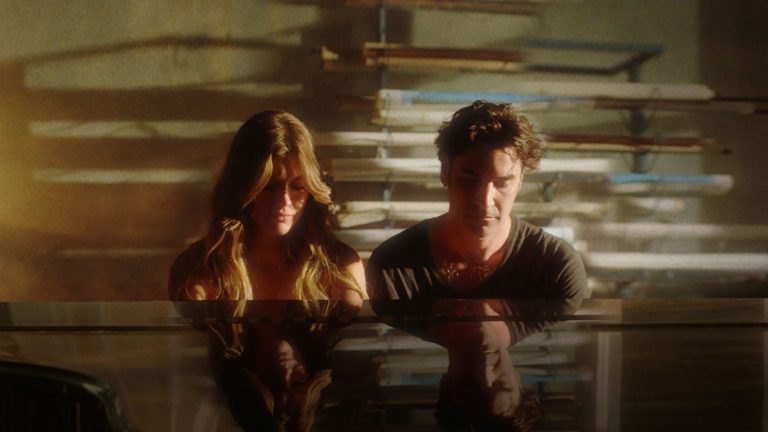
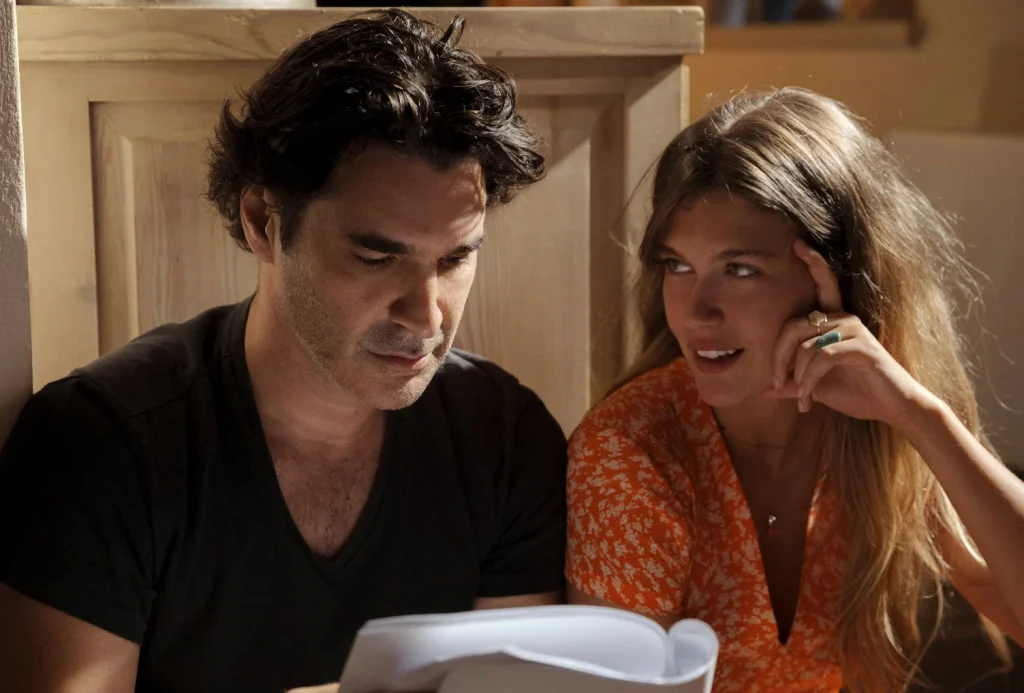
Challengers stars
The stars of the new Challengers film. Photo: Elle.

The Daily Telegraph reported that a character named Patrick was inspired by the Greek Australian tennis star.

“I love him, he is amazing,” O’Connor said about Kyrgios. 

“First of all, he is an astonishingly good tennis player but I also just love the character and the bravado. He is such a character, great to watch, great entertainment.”

Source: The Daily Telegraph.

Season 2 of Greek series ‘Maestro in Blue’ coming to Netflix in May

Netflix’s hit Greek series, ‘Maestro in Blue,’ has been renewed for two new seasons.

This follows a successful launch of the first season, which became extremely popular and premiered at the end of 2022 in Greece, and on March 17, 2023 worldwide.

It featured 9 episodes and can be watched in the original Greek audio language, as well as dubs in English, Spanish, Portuguese, and French.

Maestro in Blue
Maestro in Blue cast members. Photo: Supplied.

Upon its global release, ‘Maestro in Blue’ recorded more than 20 million viewing hours worldwide.

What’s On Netflix revealed that the new second season is expected to hit Netflix in May this year, and the third season will follow.

‘Maestro in Blue’ combines drama and music, and was previously named Greece’s most-watched series on Netflix when it first came out.

Source: What’s On Netflix.

Kalavryton Society NSW host sell-out dinner dance to mark Greek National Day

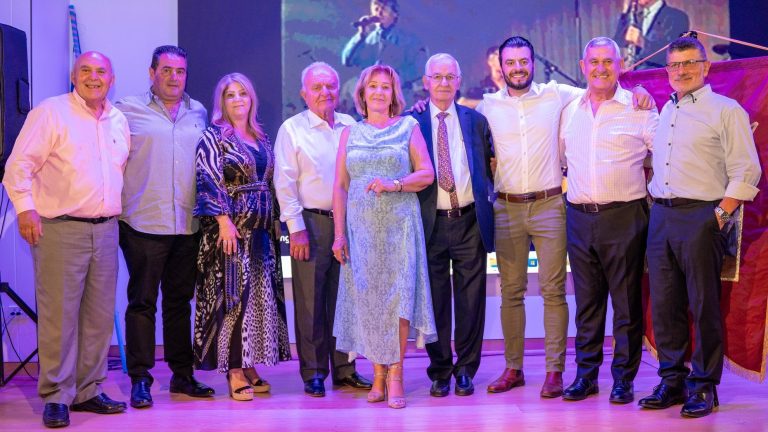
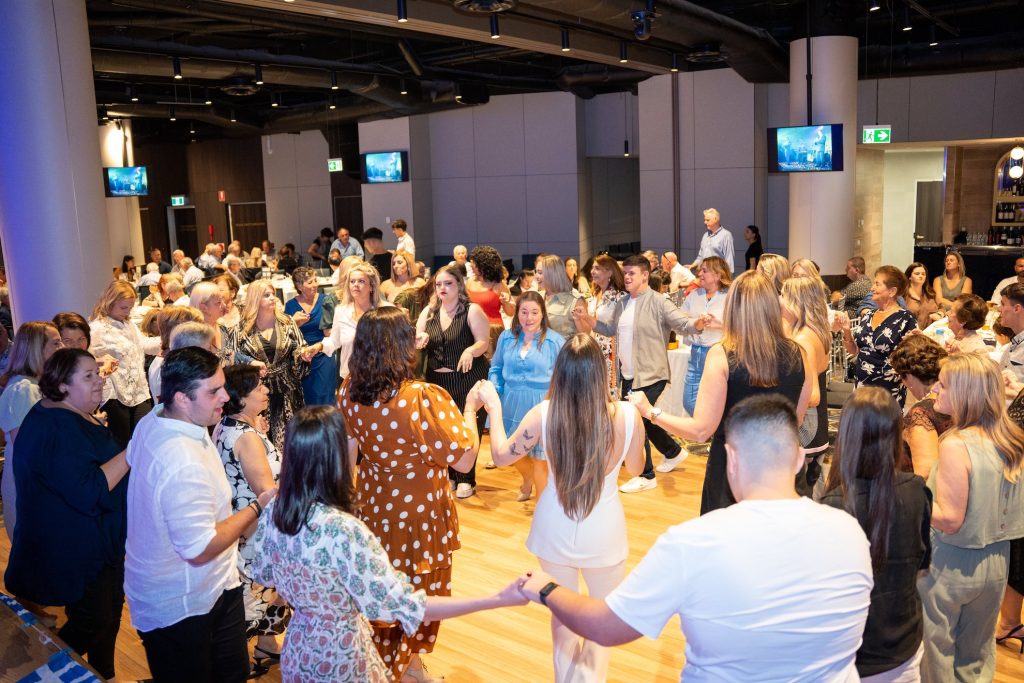
The spirit of Greek independence filled the Petersham RSL on March 24, 2024, as the Kalavryton Society New South Wales’ annual Greek dance celebration drew a sell-out crowd.

The event, held in honour of Greek Independence Day, showcased the vibrant culture and traditions of the Kalavryton community in Sydney.

KALAVRYTA SOCIETY NSW

The evening commenced with speeches from President Alex Kavgas and Public Officer Kon Kolovos, who spoke of the significance of Greek Independence Day and the enduring strength of the Greek community.

“Greek Independence Day is not just a celebration of the past; it’s a reminder of the rich culture and heritage we carry forward. It’s the music we enjoy, the traditions that bind us together and the stories that connect us to our ancestors,” Mr Kavgas said.

KALAVRYTA SOCIETY NSW

“But for our culture to thrive, it needs a future. That’s why it is so important to involve the younger generation. Share our stories, teach them our dances and show them the beauty of our heritage and culture. These are the ways we ensure our culture, traditions and society continue to thrive.

“Kalavryton Society NSW is committed to fostering cultural understanding and celebrating the rich heritage of the Greek community in Sydney. The annual Greek dance is a cornerstone event that brings the community together and showcases the beauty and vibrancy of Greek culture.”

KALAVRYTA SOCIETY NSW

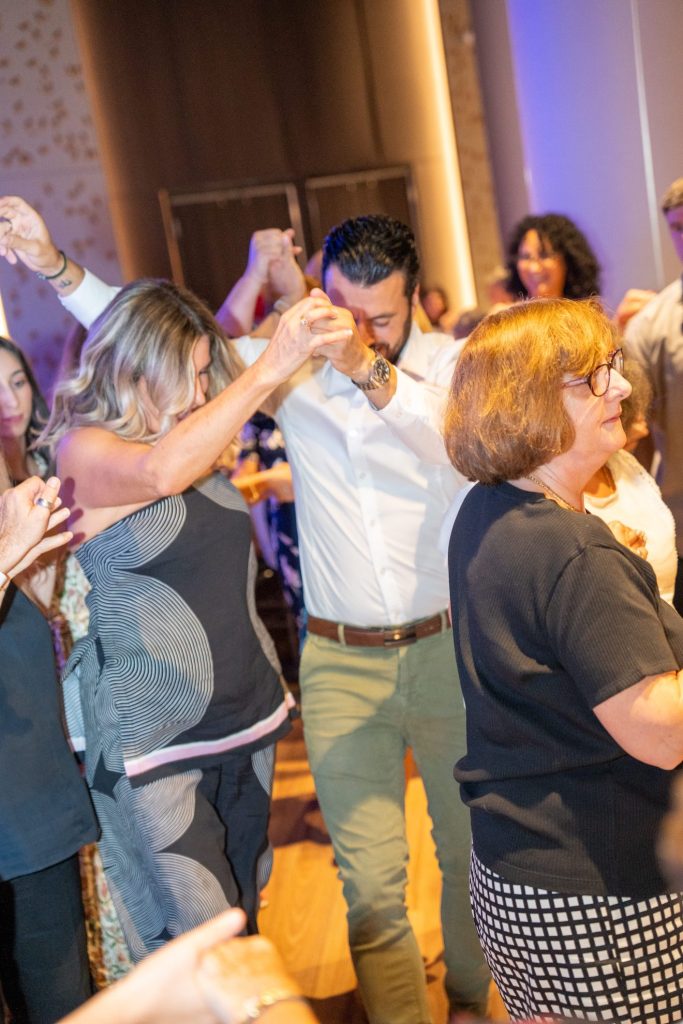
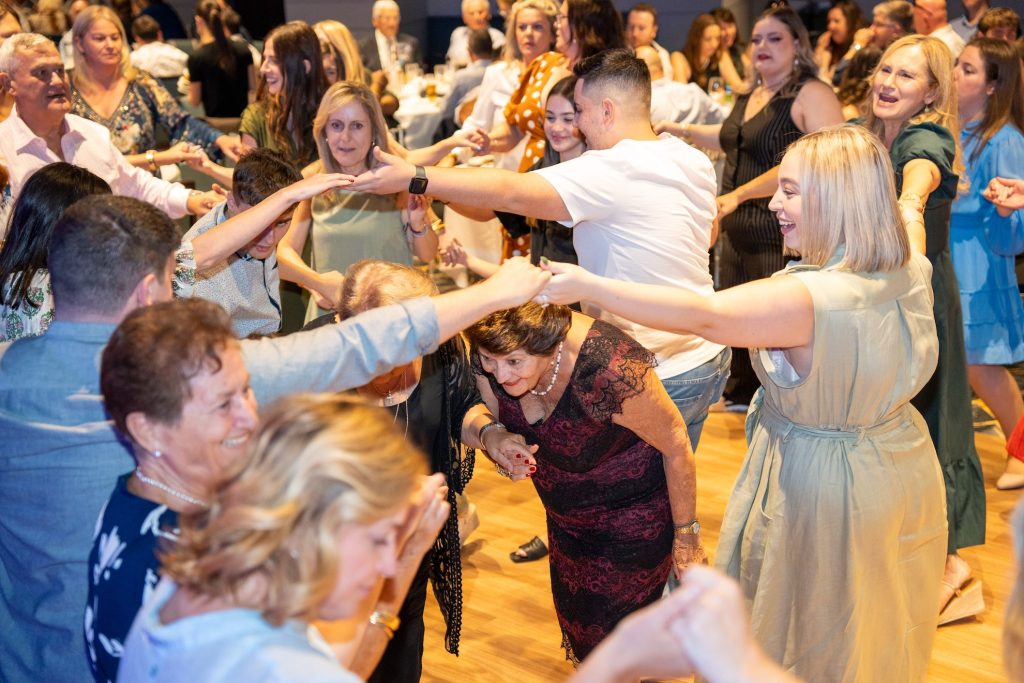
The dance floor then came alive with the dynamic energy of traditional Greek dances. Attendees of all ages enthusiastically participated in classic dances creating a joyous atmosphere.

The sold-out event underscores the enduring popularity of the Kalavryton community’s culture in Sydney. It provided a platform for the community to come together, celebrate their heritage, and share the rich tapestry of Greek traditions.

Honorary distinction in memory of Jack Dardalis

It was one year ago that Zissis (Jack) Dardalis passed away; an ardent friend, a close collaborator, and a Great Benefactor of the Hellenic Diaspora; a man of nobility and affection towards Australian Greeks, Greece, Australia and Hellenism. His body is now in the cemetery of Siatista, his birthplace, an arid place that gave birth to some of Greece’s greatest benefactors. There he rests, leaving in Melbourne, Australia, his history, his memories, and the legends of a life that has known tempests and triumphs, poverty and wealth, disdain and recognition and final recognition as an authentic, pure, true and honest fighter and patriot.

Perhaps no other Greek immigrant can stand by him, without attempting some comparison, for his spontaneous character, his cynicism, his generous affection for man, children, orphans, letters, and sports.

The members of the Australian Institute of Macedonian Studies (AIMS) in a special meeting, upon the recommendation of their President, Professor Anastasios M. Tamis, unanimously decided to honour Zissis Dardalis as their Honorary President and to establish a special Honorary Distinction which will be offered to Universities and Research Institutions under the designation JACK DARDALIS GRANT.

The first grant in memory of Zissis Dardalis, amounting to AU$5,000.00, is expected to be given to the Research and Publications Department of the Museum of the Macedonian Struggle of Thessaloniki. The museum under the direction of curator Dr. Athena Pavlidis has for several years a research department on the history and culture of Macedonia, where postgraduate scholars work under the guidance of a team of University Historians of the Aristotle University of Thessaloniki. The Museum’s Centre for Macedonian Research and Documentation leads the research and documentation of Macedonian archives and publishes books that shed light on the history of Macedonia and Greece in the Balkans and internationally.

The Centre operates specifically under the supervision of the Professors Ioannis Chasiotis, Professor Emeritus, Aristotle University of Thessaloniki, Vasilios Gounaris, Professor, Aristotle University of Thessaloniki, Ioannis Stefanidis, Professor, Aristotle University of Thessaloniki, Vlassi Vlasidis, Associate Professor, University of Thessaloniki, Eleftheria Mantas, Assistant Professor, Aristotle University of Thessaloniki, and Dr Evangelos Hekimoglou,  Economic History. It is under the direction of Stavroula Mavrogeni, Associate Professor at the University of Macedonia.

The Zissis Dardalis Grant will be officially offered to the Chairman of the Board of Directors and the Director of the Museum in July 2024, in the presence of students and academics, and will be preceded by a speech on the life and contribution of this Great Macedonian Man to Greece and Hellenism in Australia. AIMS closely collaborates with the Society for Macedonian Studies in Thessaloniki and the Australian Institute for Hellenic Research for the organisation and success of the event.

“With this honorary distinction in memory of the authentic Zissis Dardalis, we honour his insurmountable contribution to Hellenism, literature, research and arts and we simply fulfil to a minimum the debt we feel we owe to Zissis Dardalis and his family,” Mr Tamis said in his presentation to the members of the AIMS Board of Directors.

Some people are born to mark human debt with their unique path in this life. They remain authentic, unique, and perhaps alone, special but also well-known, heretical, and incompatible, quirky and honest, besalides. Persons with unrestricting anger and inexhaustible strength, bottomless courage. Rage that stifles even the rational, and love that is inexhaustibly given.Crying of a small child,  smile of hope. “I offer to others what I was deprived of as a child” was his motto. This was Zissis Dardalis. A unique and highly supreme human phenomenon, incomparable and unparalleled.

Zissis Dardalis came alone as an orphan and leaved as a unique form of man who belongs to all of us. He belongs to his family, to the thousands of students he benefited, to the hundreds of athletes who accepted his generosity, to the dozens of charitable institutions that accepted his grace, to the hundreds of friends of his heart and visitors who tasted his generous hospitality, to the community and ecclesiastical bodies that benefited, to the distant homeland he had within him and to the nation of Greeks he served in Australia and Greece.

Zissis Dardalis did not have a broad education, he did not have a systemic education. “I am illiterate and a peasant!” he used to mock himself. He grew up without parents, with his aunt and uncle. He was authoritarian, he was irritable. He was compassionate, extremely merciful, with a child’s heart writing his anger on the ice. He had his hooeys, like all of us. His own hooyas, his own habits. He was so unique and authentic that his copy, his replica, his effigy cannot stand next to him. There is no other person to whom one could copy Zissis Dardalis. He spent his life innovating, designing, and creating. From shepherd and slaughterer, he was able to know riches, power and esteem.

Through his actions and now mythical fame, he managed to set up around him hundreds of incidents and unique episodes with prime ministers, ministers, mayors, politicians, and academics. His witty and instinctive comments forced television cameras to stop at the behest of journalists out of surprise and admiration. The inconceivable and peculiar character of his initiatives resulted in the organisation in Greece of an association of “Greek Pilots Friends of Z. Dardalis”.

This inventive Zorbas of the Antipodes innovated by enrolling his daughters in Arsakeio in Athens, in order to acquire a Greek education.  He chartered a plane to Greece to celebrate the triumph of Greek football and buses for his daughters’ weddings. As a benefactor Sponsor, he decided to pay a dividend from the proceeds of his company “Marathon Food”, in order to enhance and germinate the attainment of Greek in the universities of Melbourne, to demonstrate absolute trust in the now demised National Centre for Hellenic Studies and Research, University of La Trobe, having as his partner the most prestigious today worldwide Hellenistic scholar of Greek Epigraphy, Professor Michael John Osborne, to collaborate blindly with our eloquent and prudent diplomats Georgios Veis and Georgios Konstantis, and to invest his absolute trust in this writer and his associates since 1992, when the Archives of the Greek Diaspora were founded, to which he was named, at the suggestion of the Director of the NCHSR.

Everyone who had the good fortune to know him, each has his own story and adventure with the inimitable Jack Dardalis. Restaurant waiters, shopkeepers, bosses, parking lot employees, shop owners, people of night and entertainment, high-ranking merchants and famous Australian industrialists, lords and lords of wealth, Australians, and other Europeans, all had and still have to say, to tell a story, a snapshot of their lives with Zissis Dardalis, his hooyas, his incredible proposals that shocked others,  others were dismissed. Apsis, straightforward, cynical. He caught the lamoyas with his eyes, with his nose he arrested the cunning. He had his own “dardalian” evaluation. He almost never fell out. We all said “Dardalis said it”, “Dardalis smelled it”. His word was law and his promise a contract.

Zissis Dardalis lived in a competitive business environment. The inner sense that guided him not to fall out with the people he worked with was his main compass. He knew the enemy before he lived it. He identified the vicious, the fake. However, he decently drove them away. He did not bring them to him. He adored his birthplace, the heroic and noble Siatista. He decorated it, beneficialized it, established cultural struggles and contributed to its economic upgrade. He restored his mansion, created special stables for his horses, endowed the local Cathedral. On Sundays, when he lived in his village, he begged the newcomers to have the loudspeakers “so that the chants can caress my ears”. He liked to go out on the floor of his mansion, take care of his pots, listen to Sunday mass. He avoided churches, but always stood generous to them, with lavish donations.

Above all, Zisis loved Greece. He was the genuine nobleman. It couldn’t have been otherwise. On her altar his father was sacrificed. He and his sisters grew up in her orphanages. His ancestors had lived and were buried there. Greece as a way of life was the umbilical cord that kept him alive. He was breathing her. He rebelled, moaned, shouted if the rulers of the place did wrong things. He often telephoned ministers and officials of the state to express his praise or displeasure. The Fatherland honored him. He presented him with a glorious medal of honour and brilliant ceremonies were held at the consular residence in Melbourne under Consul Vei and Australian leaders came to congratulate him and great Australian businessmen. During his many “service” trips to Greece, he visited their offices, confessed to them practically and completely “commercially”, as he said, what they did not do, what they defaulted, what they avoided. Zisis had a cynicism that frightened, but also healed.

Since he was a child, Zisis had within him the vital flame, the sense of revelry, the filter of human affection. For hours on end, he listened to the sound of wind instruments, the clarinet near the ear, until the instrumentalist fainted from the intensity and effort. Endless days he organized horseback races at the monastery of Panagia in his village. Endless nights were recognized by the instrumentalists in bouzouki and taverns, restaurants, and nightclubs, dragging the dance first, silvering “orders”, spinning flying, breezy on the dance floor, generously rewarding the musicians, dressing the entire dance floor with his money. What value money can have. “Money should not be loved. You only have to respect it!!” he proclaimed to all the tight-knitters, who “even turn them upside down, not a cent will fall out of their pockets”!! “Do not be distressed by any damage, as long as it is corrected by money!! he advised. Just work and get up in the morning. “Whoever gets up in the morning finds a florin,” he sang, sipping his coffee, sipping on his tsipouro. Vital strength and flame were given to him by the traditional instruments of the place, the Leventian dances of Macedonia, he wept when he heard our national anthem and the rhythm of Kozani “My red apple”. He was undoubtedly Zorba Antipodus. He liked drinks, ouzo, tsipouro, hard drinks, but always with ice. He wanted to enjoy his life. He wouldn’t let his life feast on him. “I could buy half of Melbourne with the money I spent on bouzouki” he said and said again, without any remorse. On the contrary, he felt proud that he did not fall into the trap of greed, the “still little more” that the avaricious miserly shouts just before the end of his life.

He started his day early. At 5.00 in the morning, he was in the factory. He slept a few hours. Three, four at most. His negotiations with the industrialists who supplied him with raw materials, meat and flour, were inconceivably intelligent, almost masterful, impeccably surgical. The child of the orphan, the immigrant with little English, set up documented proposals, organized terms and his successes were almost always successful. He went so far as to export his products of Chinese origin to China.

He was the citizen of Greece, Cyprus, Australia. The priceless patriot, the man inside whom Greece was bleeding.
Former British Museum curator faces court order over alleged thefts

0

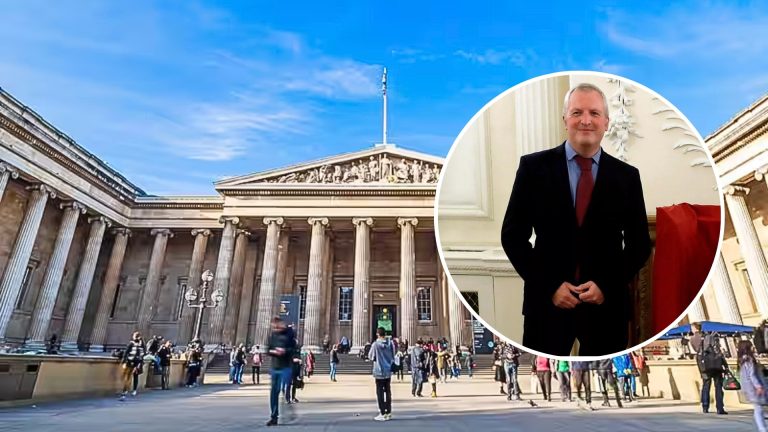
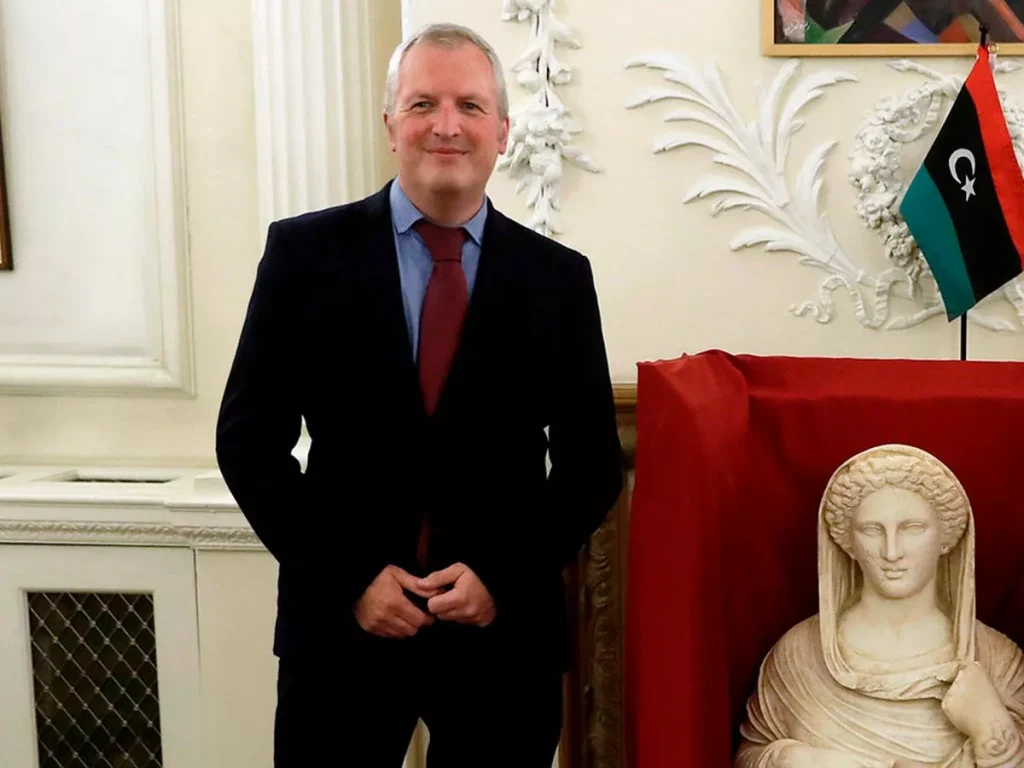
A London court has issued an order for a former curator of the Ancient Greek collections at the British Museum, Mr Peter Higgs, who was accused of stealing hundreds of artefacts.

Reuters reported that Mr Higgs has now been asked to list all items that were stolen from the Museum, and return them.

After being dismissed for the alleged thefts, Mr Higgs will now face a civil lawsuit from the museum, however he has not been criminally charged.

Some of the stolen artefacts include ancient Greek and Roman jewellery.

Peter higgs
Mr Peter Higgs, the artefact thief. Photo: Mirror.co.

Despite Mr Higgs not attending his hearing, the Museum’s lawyers have taken legal action to recover the missing items.

“While the full extent of the thefts is unknown, it is presently believed that over 1,800 items were stolen or damaged and that many hundreds of them were sold or offered for sale by (Higgs),” the Museum’s lawyer, Daniel Burgess, said.

Mr Burgess further added that Higgs tried to “cover his tracks by, among other things, using false names, creating false documents and manipulating records held on the Museum’s IT systems.”

“The British Museum has had 356 items returned so far,” Mr Burgess added.

Source: Reuters.

Journey to the magical world of stars with Greek Community of Melbourne schools

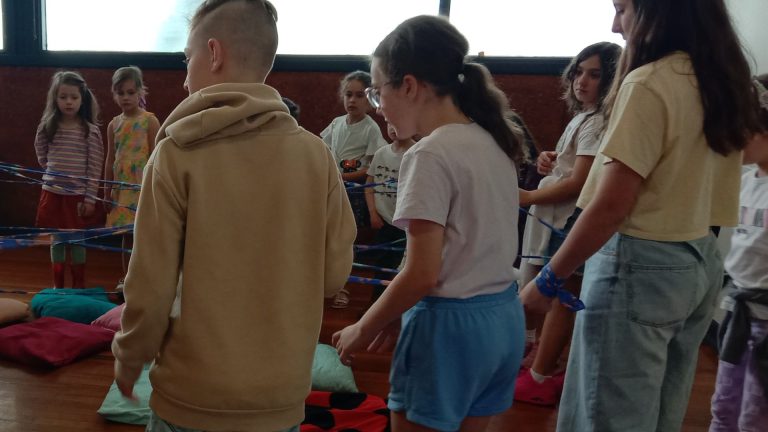
With an innovative educational program created especially for their little friends, the Greek Community of Melbourne (GCM) Schools have invited children on a charming journey into the world of stars on the school holidays.

This innovative program, entitled “The Magic World of the Stars,” is aimed at children aged 4-10 and will take place on Tuesday, April 2, in two areas of the city, Bulleen and Huntingdale, to meet the needs of as many families as possible.

Its aim is the interdisciplinary approach of language through the sciences and arts and the acquaintance with the magical world of stars and space through a fantastic journey guided by the Greek language and mythology.

During the program and under the guidance of experienced teachers of the GCM Schools – Mrs Soumi and Mrs Vikatos in Huntingdale, Mrs Poutahidou and Mrs Gliogou in Bulleen – children will enjoy a wonderful tour in the world of space through book readings, storytelling, Greek myths, experiments, drama, theatrical games, and crafts.

A great idea for this school holidays that will stay in their memory for a long time!

Participation fee: $35

More information on the GCM website: www.greekcommunity.com.au or email christina.soumi@greekcommunity.vic.edu.au

New York bridge renamed in honour of Greek American police officer Pavlos Pallas

0

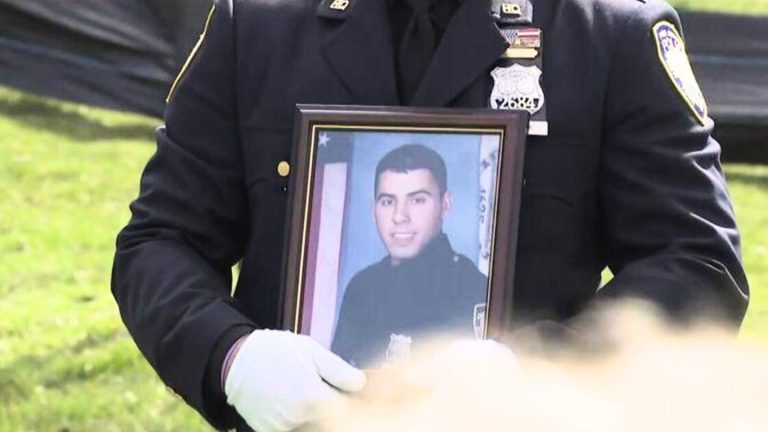
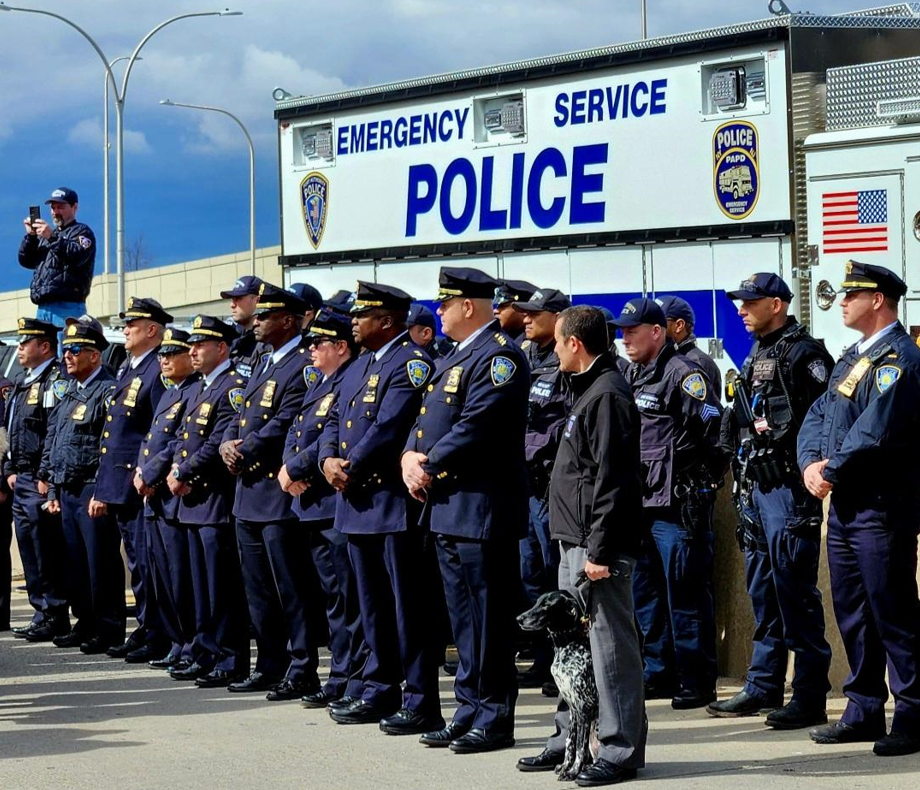
The 94th Street/Grand Central overpass to LaGuardia Airport, in Queens, New York, was named after Greek American Officer Pavlos Pallas, cbsnews has reported.

Pallas was a Port Authority Police officer who died from 9/11-related cancer and will forever be remembered. He served with the Port Authority of New York and the New York City Police Department for 12 years.

Photo: Port Authority PBA

His courageous work responding to the World Trade Center attack resulted in cancer that took his life in 2011. Family members remembered the late officer at the ceremony.

“For him, it came down to this: do the right thing toward your fellow men, take care of your community, and do it all with a smile without taking yourself too seriously,” Margarita Loukas, Pallas’ wife said.

There are now more than 27,000 people with a 9/11-related cancer. More than 5,000 who responded to ground zero have died from a related illness. 

Source: cbsnews

Rare pygmy hippo born at Greek zoo

0

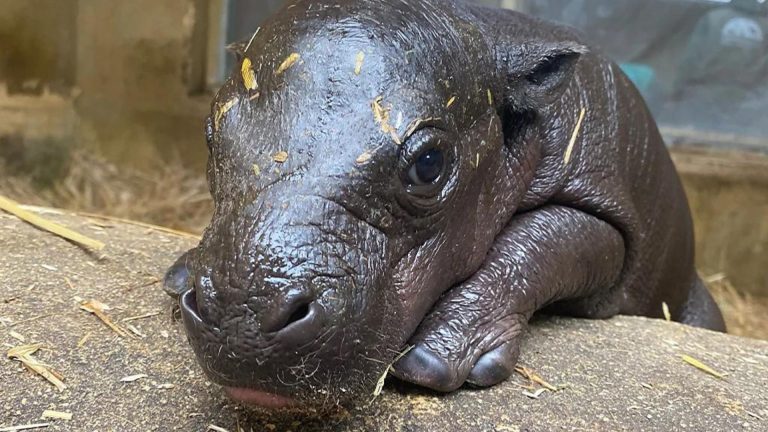
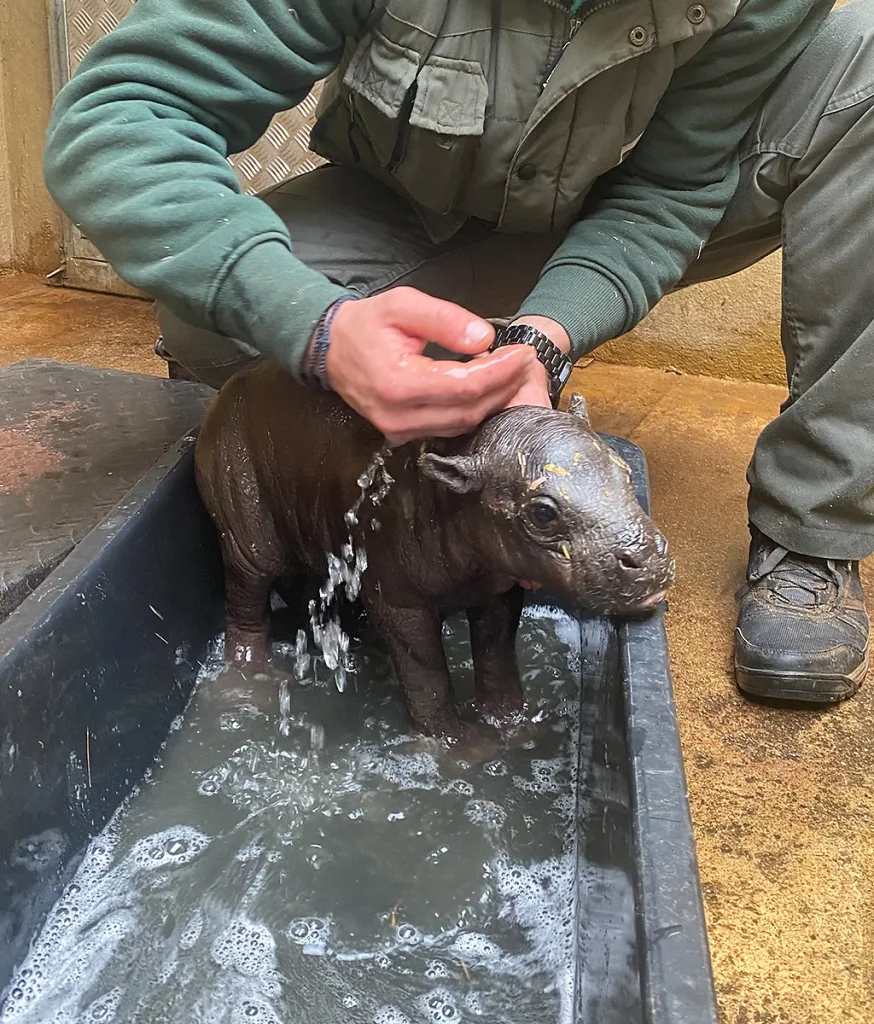
For the first time in ten years, a rare and endangered pygmy hippopotamus, has been born at Athens’ zoo.

The people working at the zoo were thrilled with the birth of the male calf, as a lack of male pygmy hippos in captivity had complicated breeding efforts.

Noi Psaroudaki, the zoo’s wildlife veterinarian, mentioned to Reuters “This is the first birth in the zoo in 2024, and what a birth!”

Photo: Attica Zoological Park

“Every captive birth of pygmy hippos is extremely important.”

According to the independent.co.uk, around 2,000-2,500 pygmy hippos still live in the wild, they are native to swamps and rainforests in western Africa.

The International Union for Conservation of Nature lists pygmy hippos as an endangered species.

Source: Independent