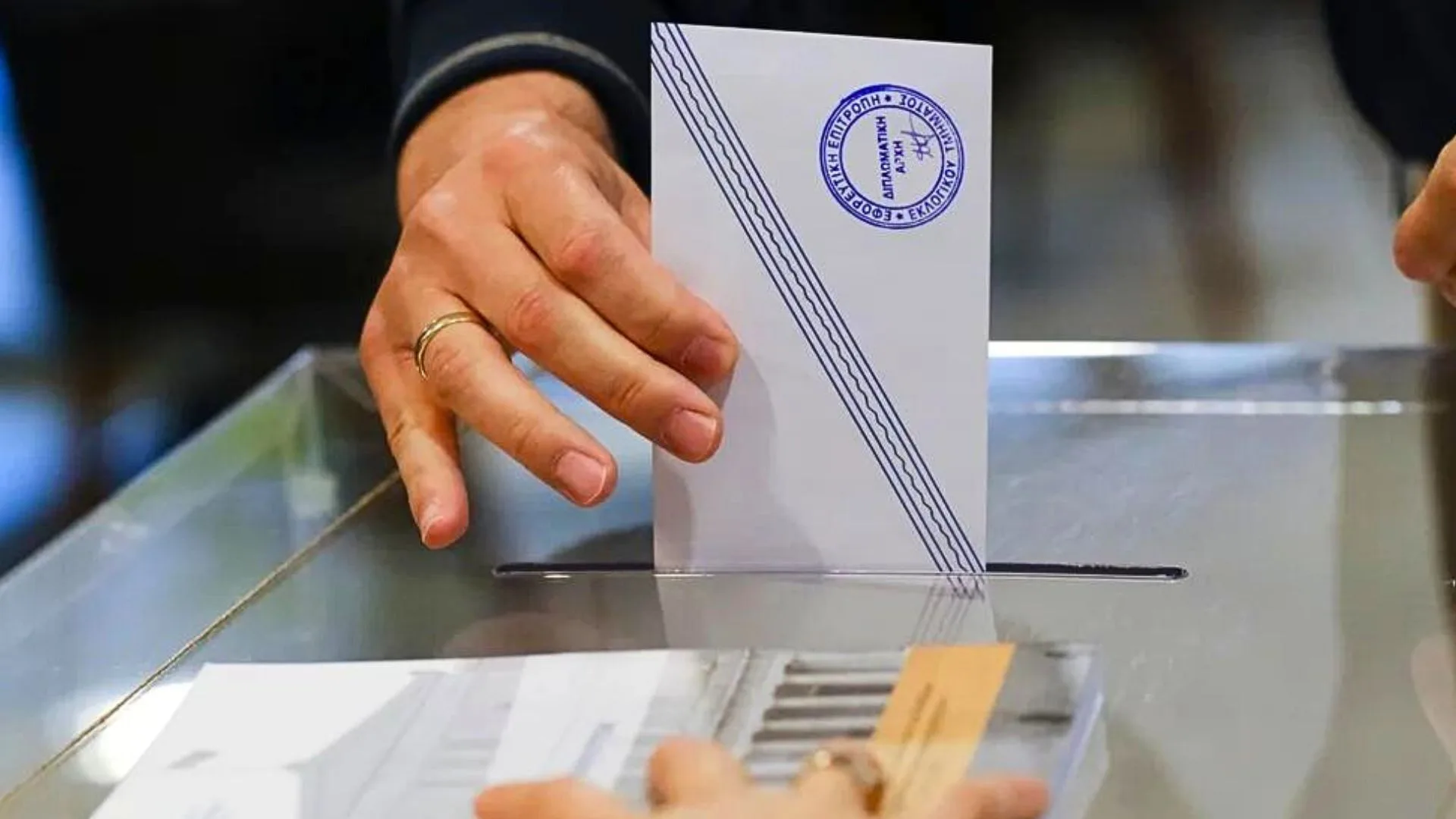
Greece’s Interior Minister Theodoris Livanios has announced that a new platform for voters abroad will open in the coming days, enabling candidate submissions under legislation passed two months ago.
Speaking during a parliamentary discussion on postal voting campaign costs, Livanios said the system will include “enhanced security guarantees” and new certification methods, allowing those without Taxis credentials to register via an upgraded system with real-time identity verification.
He emphasised the democratic importance of engaging the Greek diaspora, noting: “There are hundreds of thousands of voters who are abroad, who have the right to vote, and therefore their participation in the election will make them more active members of the electorate and of course to determine with their vote also the fate of the country, regardless of which party they choose.”
The minister added that political parties will be invited to participate in an inter-party committee once the platform is ready, ensuring they can inform their members overseas about the registration process.

The announcement comes amid criticism from Giorgos Karameros, who questioned €8.54 million in direct assignments for postal voting campaign communications.
Karameros argued there was a “recurring pattern” of contracts awarded to the same companies, raising “reasonable suspicions of pretended competition and circumvention of the purpose of the procedure.”
Responding, Livanios defended the process, stating: “All electoral expenditures… are carried out by direct assignment, for reasons which have been explained very, very many times,” citing provisions under Law 4648/2019 and longstanding practice “at least since 1994.”
He explained that most of the spending related to media outreach aimed at informing voters globally, particularly through platforms such as YouTube, diaspora media, and broadcasters including ERT World.
Livanios said recent contracts prioritised communication abroad, with around €1 million spent domestically and the remainder, approximately €3.5–4 million, directed toward international media campaigns to inform voters of new postal voting options.
The platform is expected to play a key role in expanding participation among Greeks living overseas in future elections.
