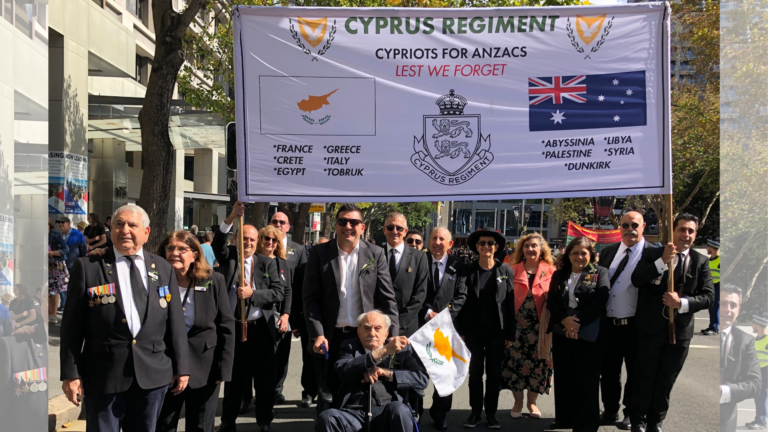
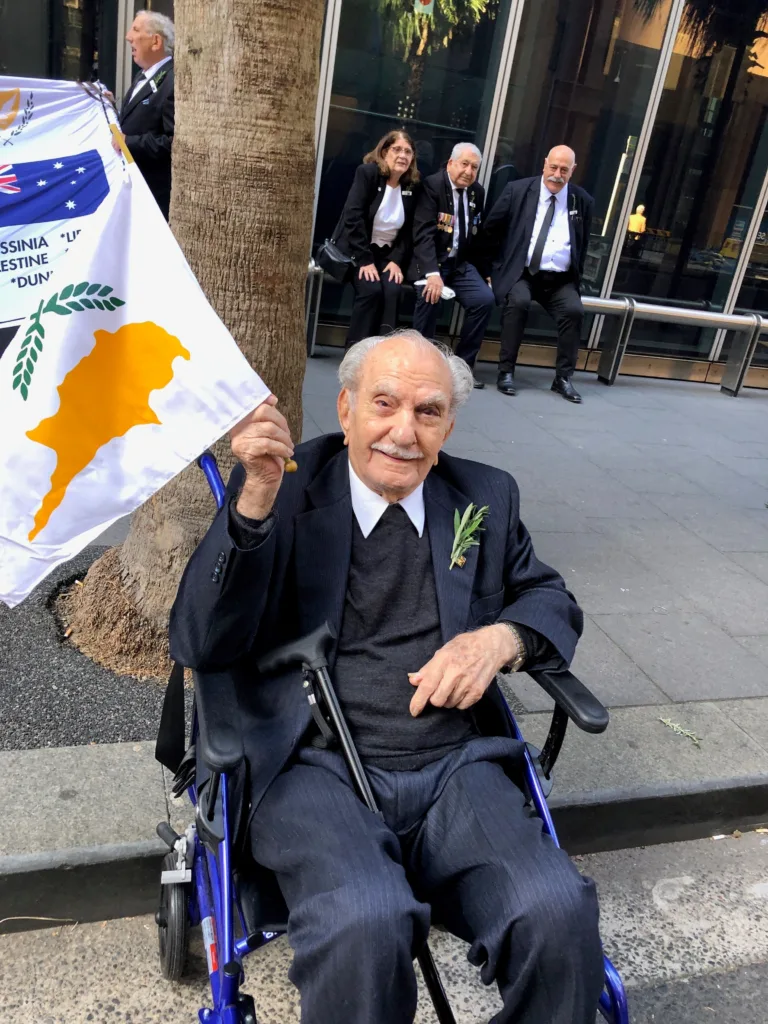
Evripidis Mouxouris was born in Morphou, Cyprus on July 5, 1921, to a farming family. At the time, Cyprus was a British colony and even before Mouxouris left primary school, he was swept up in the anti-British protests of the time.
Mouxouris joined the Worker’s Party of Cyprus (AKEL) in 1940 and remains a member today. He volunteered to fight in WWI and went to the Italian front at his own request. He saw fighting in Africa, as well as in Europe.
After the war, Mouxouris continued to struggle for an independent Cyprus and an end to British colonial rule while he worked on his trade as a tailor and organised union activity and campaigns for worker’s rights. In 1952, he moved to Nicosia and opened a tailor shop.
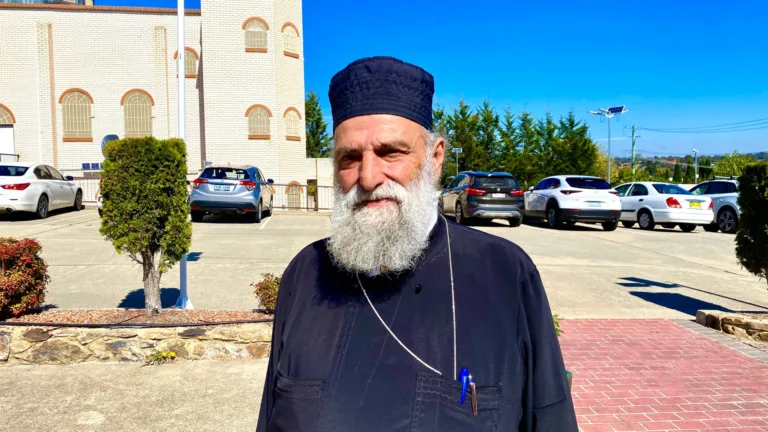
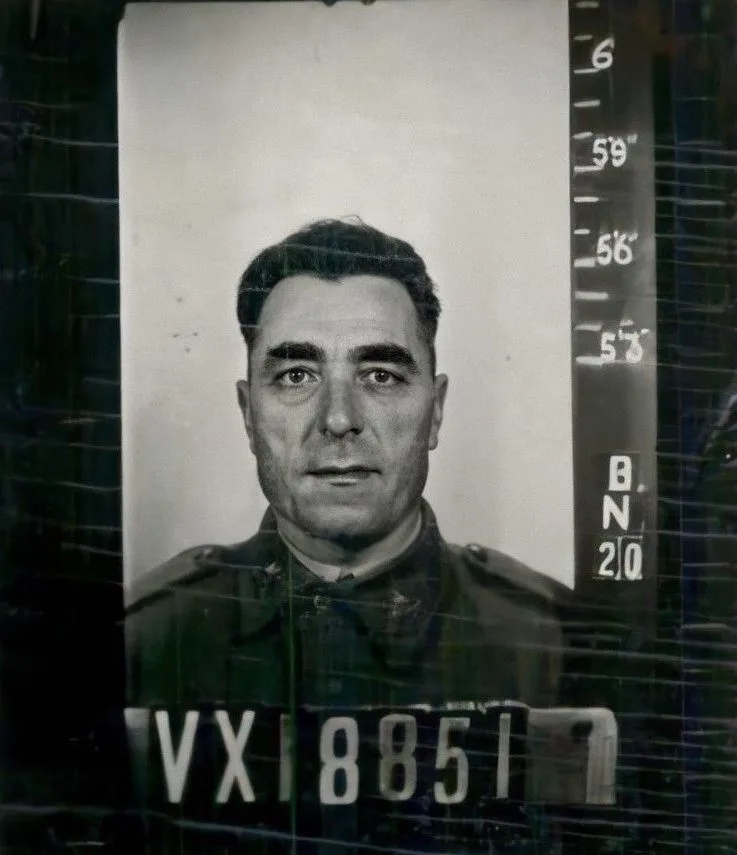
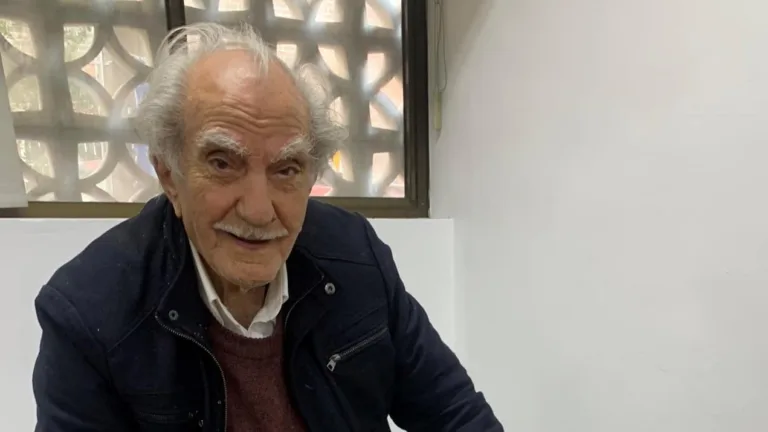
Evripidis Mouxouris. Photo supplied by Kay Pavlou.
Mouxouris married Panayiota in 1965 – five years after Cyprus achieved independence from Britain in 1960. Their daughter, Eva, was born in 1966. Their son, Mario, was born in Morphou in 1974, on the day the town was occupied by the Turkish army.
In 1974, as a result of the Turkish occupation of Cyprus, Mouxouris and his family became refugees in their own country and migrated to Australia.
The family were taken in by a Turkish Cypriot family in Sydney, who helped them to get on their feet in their first few months in Australia.
Since resettling in Sydney, Mouxouris has been an ever-present figure at the Cyprus Community Club in Stanmore and has taken an active interest in his community, as well as maintaining his connections with Cyprus.
Today, Mouxouris spends almost every day at the Club in Stanmore playing backgammon with his friends and cronies in the “kafenion.” Any of his opponents will testify he still has the sharpness to defeat most newcomers in a game that requires strategic skill.
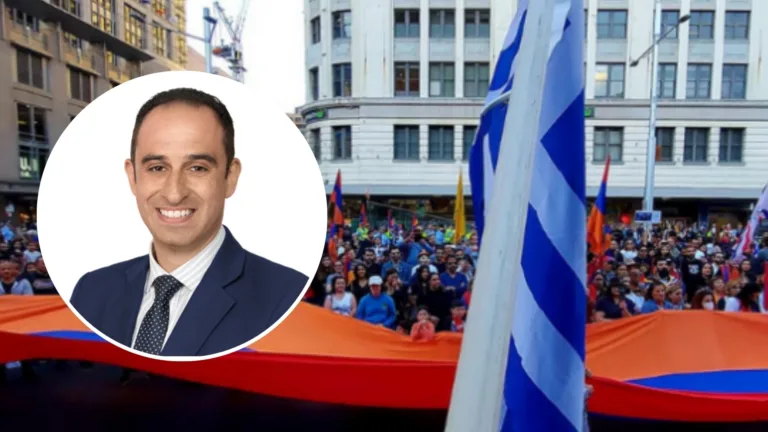
In the lead-up to the 109th Anniversary of the Armenian Genocide, seven Federal Liberal candidates endorsed to run in the next Federal election submitted a joint statement to the Opposition Leader, the Hon. Peter Dutton, calling on him and a future Liberal Government to accurately characterise the events between 1915-1923 as a genocide, reported the Armenian National Committee of Australia (ANC-AU).
The letter, which was sent to the Opposition Leader on 23 April 2024, was endorsed by the following candidates: Gisele Kapterian – Liberal for North Sydney; Dr Katie Allen – Liberal for Higgins; Tim Wilson – Liberal for Goldstein; Manny Cicchiello – Liberal for Aston; Katie Mullens – Liberal for Parramatta; Scott Young – Liberal for Bennelong; and Theo Zographos – Liberal for Chisholm.
Liberal candidates have called for Peter Dutton to recognise the Armenian Genocide.
ANC-AU Executive Director Michael Kolokossian expressed his gratitude to the candidates for standing with the Armenian-Australian community in pressing our nation’s leaders for accurate recognition of the genocide.
“We are a grassroots family, and we support candidates who are willing to champion our issues,” Kolokossian said.
“Each electorate is home to thousands of Australians with Armenian, Assyrian and Greek ancestry. Parramatta, for example, is home to the fastest growing Armenian community in the country, with 3,000 Armenians and over 3,000 Greeks.”
In 2023, the Liberal Party of Australia also endorsed a party policy on the 1915-1923 Armenian, Assyrian and Greek Genocides.
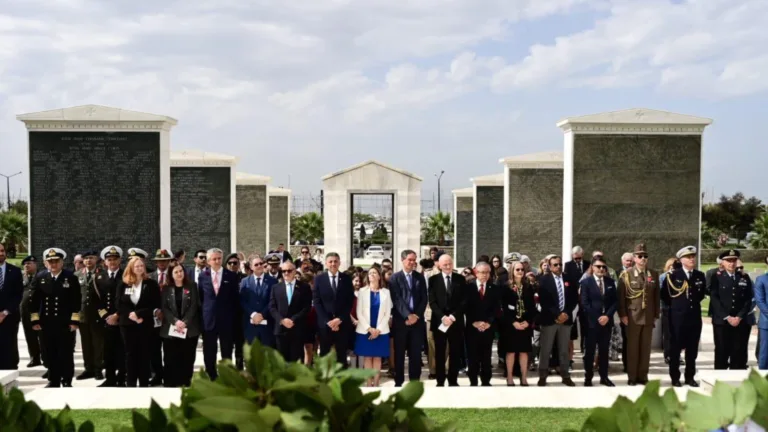
On Thursday, April 25, the Australian Ambassador to Greece, Ms Alison Duncan hosted a special ceremony for ANZAC Day at the Commonwealth War Graves Commission Cemetery in Athens.
This was held in honour of all those who served in armed conflict, and 1315 Australians and New Zealanders attended the ceremony to commemorate the significant day in history.
It was revealed that during the Second World War, 584 Australians and 731 New Zealanders who fell defending Greece, therefore ANZAC Day highlighted their heroic sacrifices.
The ceremony consisted of many special members of Australian and New Zealand communities in Athens who participated in a wreath laying ceremony and paid their respects.
They include Greece’s Deputy Minister of Defence, Mr Yiannis Kefalogiannis, the Deputy Chief of the Hellenic Armed Forces, Vice-Admiral Christos Sasiakos, the representative of the President of the Hellenic Republic, Commander Konstantinos Laskaris, Ambassadors and representatives of foreign missions in Greece, the New Zealand Honorary Consul in Greece, Ms Ioanna Gouvatso, and members of Greek Australian and Greek New Zealand associations.
During the ANZAC Day event, the Hellenic Armed Forces Military Guard and Military Band, students from St. Catherine’s British School, and students from Campion School Athens also participated.
Honoured to host a moving Anzac Day service at the beautiful Commonwealth cemetery in Athens today where 1,315 Australians and New Zealanders are commemorated. We honour their service and sacrifice. Lest We Forget. #AnzacDay2024pic.twitter.com/DlI22GBlnt
— Australian Embassy, Greece (@AusAmbAthens) April 25, 2024
The Ambassador of Australia to Greece, Ms Alison Duncan made a post on X to commemorate the day.
“Honoured to host a moving Anzac Day service at the beautiful Commonwealth cemetery in Athens today where 1,315 Australians and New Zealanders are commemorated,” she said in the post.
Every year, on April 25, Australians honour all those who have fallen, those who have served and all of those who continue to serve and sacrifice for our country.
The annual national holiday, known as ANZAC Day, involves annual marches, ceremonies, a minute of silence, speeches, and special guests from all over Australia, and is celebrated in each state, especially in the nation’s capital, Canberra.
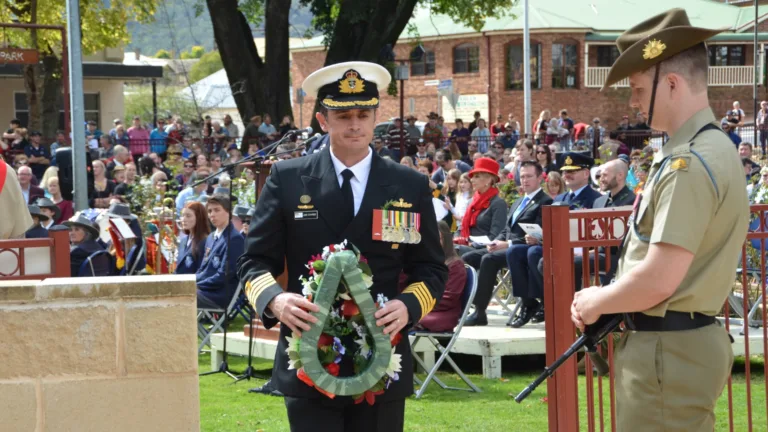
This year for ANZAC Day, The Greek Herald spoke with a Greek Australian Commodore in the Royal Australian Navy, John Stavridis, who gave us the scoop on how and where he commemorates the day and why it is important to him.
He has been in the Navy since 1988 and is currently responsible for the delivery of all training in the Navy, which includes training for new recruits all the way through to specialist courses.
“My story with ANZAC Day started early. My father is from the Greek island of Lemnos, and as many may know, it was the Island that logistically and medically supported the 1915 ANZAC Gallipoli Campaign. So, from a very young age I was aware of the links and bonds between Greeks and Australians,” Commodore Stavridis told The Greek Herald.
“My dad is also a veteran having served with the United Nations Forces in the Korean War. I would accompany him to the RSL on ANZAC Day (and other days throughout the year) for the Dawn Service.
“I have wonderful memories of the diggers, their positivity, resilience, humour, humility, and mateship. It was clear to me they had a love for Australia and that desire to serve made a lasting impression on me. I remember those diggers being humble, asking for nothing and yet had served our nation in such difficult conditions.”
Commodore Stavridis said ANZAC Day commemorated the landing of Australian and New Zealand troops on the Gallipoli peninsula on 25 April 1915.
Anzac Day 2015.
“It is now a day where we acknowledge the service and sacrifice of our current and former service men and women who have served and died in all conflicts but also our allies who have served alongside them,” he said.
“ANZAC Day is also a reminder to me that our freedoms and way of life are something to be cherished as they are the outcomes of the sacrifices and service made by those before us. They therefore deserve our recognition, respect, reflection, and gratitude.
“I think in some small way it also helps them and their families understand their efforts and sacrifices were not in vein but rather helped forge our wonderful nation.”
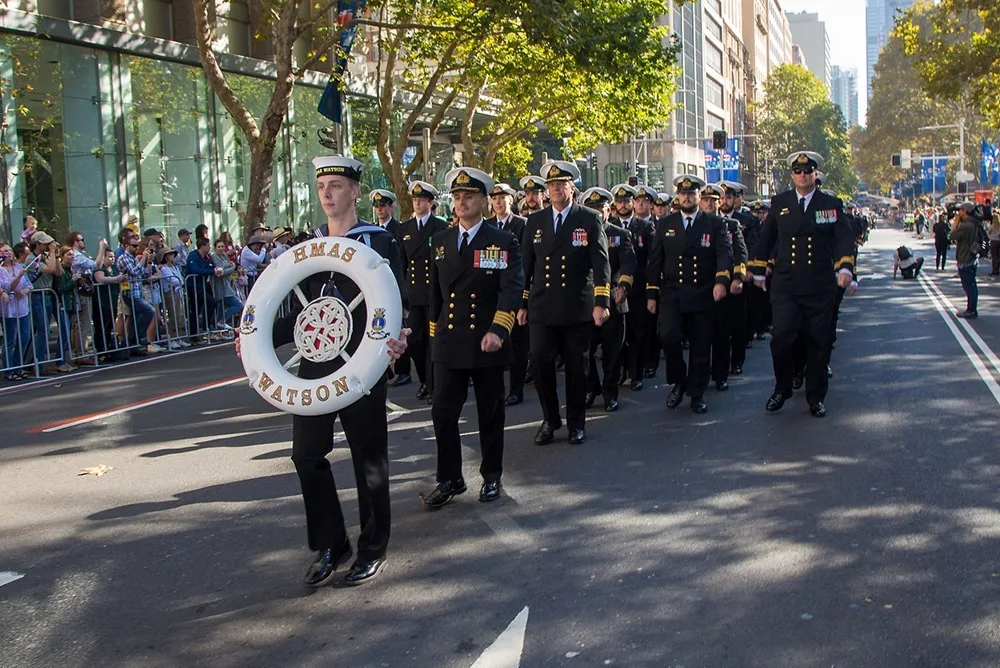
The Greek Australian Commodore said he has attended every possible ANZAC Day ceremony, however, has not marched every year due to being deployed at sea or on operations.
“My first ANZAC Day was as a child, which continued during high school years (my high school would also conduct a service and support the march) and of course, ever since joining the Navy,” Commodore Stavridis said.
“My children now attend Dawn Services, and they march with me. I love telling them stories of their pappou and his service. They also love to make ANZAC biscuits every year to mark the occasion.”
Commodore Stavridis said every year on ANZAC Day he participates in the Dawn Service, and then following that, he visits his local church to light a candle, and then spends the rest of the day with his family.
“The day is not only about those who serve or have served, but also the people who support their service and make so many sacrifices to facilitate it, so time with family is important to me,” he said.
“I march to commemorate and pay my respects to those who have served and sacrificed for our way and quality of life.
“I am forever in gratitude for those young men and women who forewent their entire lives so that we may be free as too their families.”
For this year’s ANZAC Day service, Commodore Stavridis will march in Canberra with the Lemnian Association to mark the release of the new documentary ‘Anzac.Lemnos.1915’. “I always look forward to ANZAC Day not because it is a public holiday, but rather an opportunity to stop and appreciate what we have and thank those that helped grow our nation,” Commodore Stavridis said.
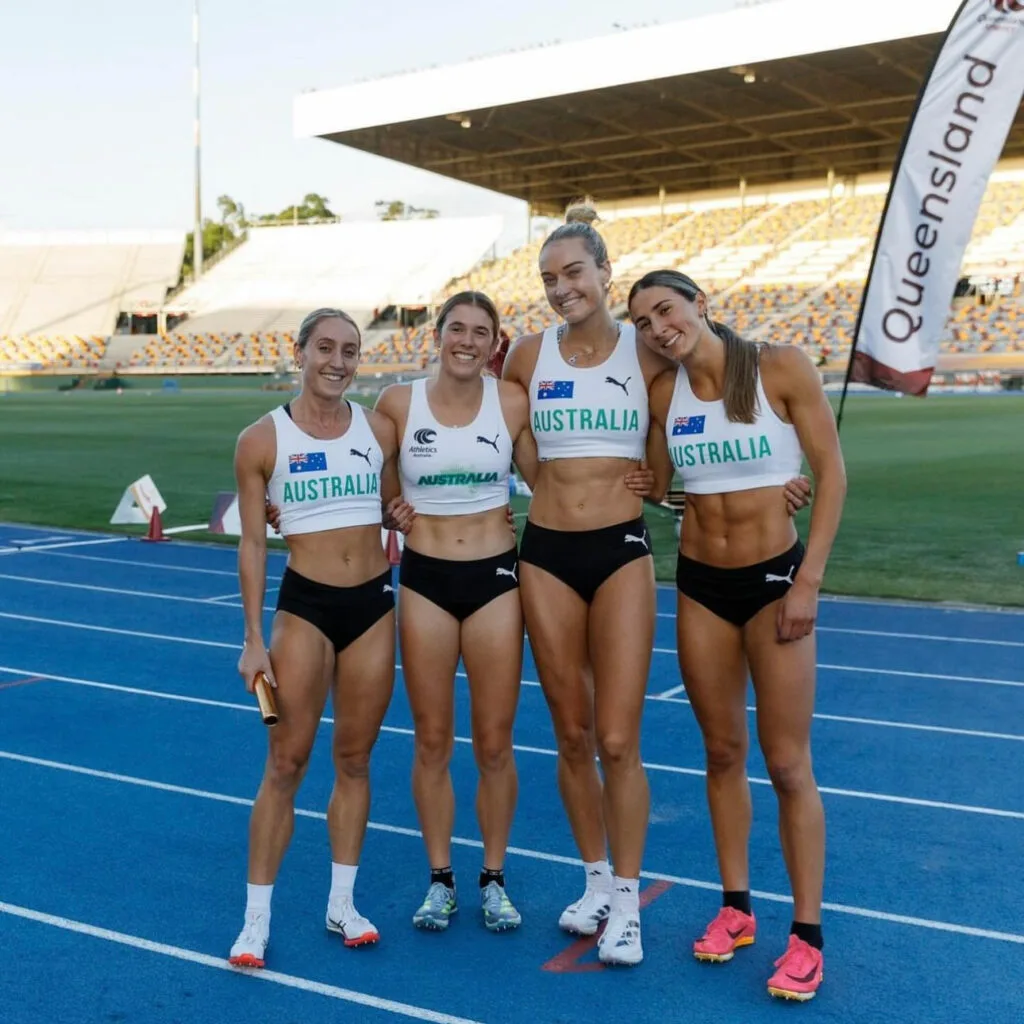
On Thursday, April 25, the Australian track and field athletes will depart for the World Athletics Relays Bahamas 24, which will be held in the Bahamas from May 4-5.
The World Athletics Relays Bahamas 24 will also be a qualifying tournament for the Paris 2024 Olympic Games.
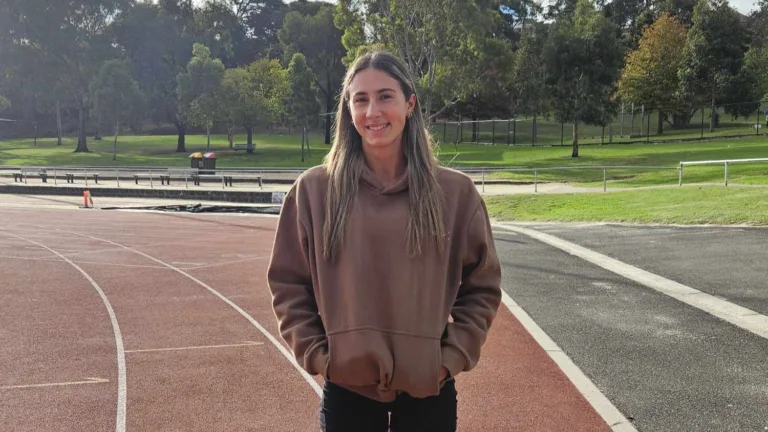
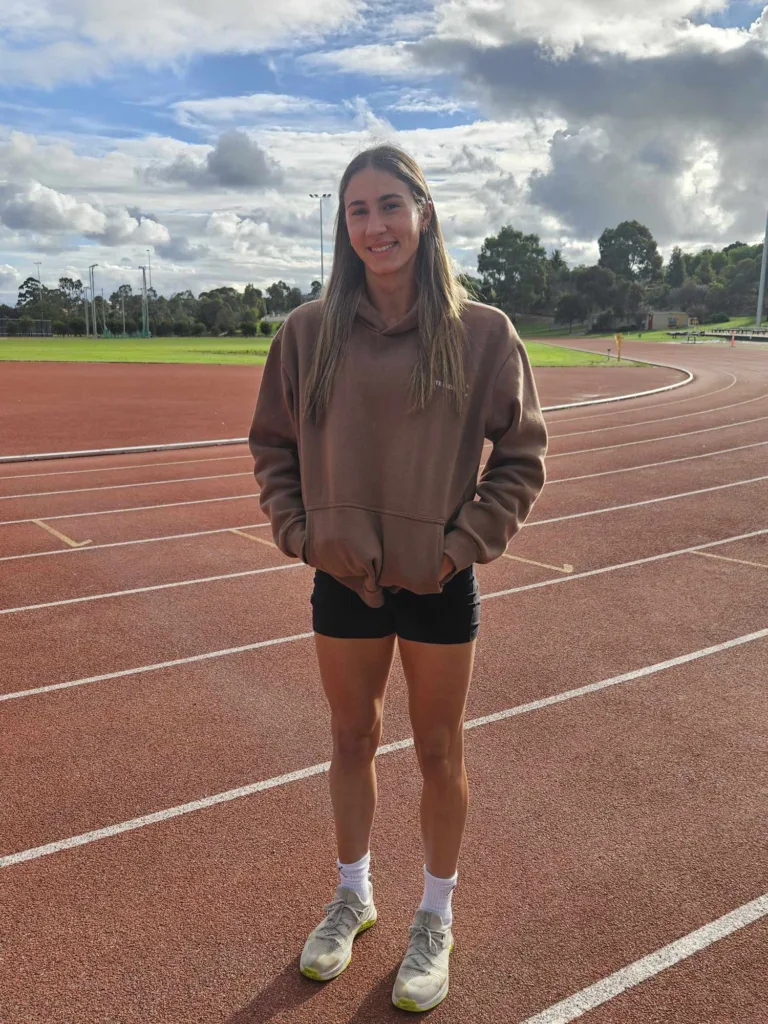
Australia’s delegation includes Greek expatriate track and field athlete, Mikeala Selaidinakos. The Greek Herald met with Mikeala to discuss her journey up until now.
Mikeala was born in Melbourne, Victoria and was raised in the suburb of Coburg. Her father was born in Athens, Greece and her mother has Lebanese heritage.
Mikeala told The Greek Herald she didn’t know in the beginning that she wanted to be a track and field athlete.
“I started playing sports completely by accident at the age of just 8 years old. A girlfriend asked me to join her and compete with her in competitions at the Coburg Harriers Athletic Club where she was registered. I accepted and even came first in all the events I participated in. From there I realised that I was very fast, I liked it and that was my start. I stayed at Coburg Harriers Athletic Club until I was 16 and then moved to Athletics Essendon to make the most of my talent and aspirations,” Mikeala said.
Asked if her skills give her a ticket to the 2024 Paris Olympics, Mikeala revealed it’s all part of being able to qualify.
“It’s a very difficult threshold they have set for qualifying for Paris, the time is 50 seconds, so I need to improve my personal best by two seconds. Many athletes in Australia find it difficult to meet the thresholds, but some of them are selected to compete based on their ranking in their event,” she said.
“I personally believe I am ranked No. 2 in Australia and may be selected as the No. 1 athlete who recently won the 400 metre event in Adelaide.”
Mikeala then told us that she will be given the opportunity to compete in the Olympic Games in the Women’s 4x400m relay event.
“I will be given the opportunity to compete in Paris 2024 with the Women’s 4x400m relay team if we place in the top 16 relay teams in the Bahamas, where the World Track and Field Relay Tournament will be held from May 4-5. This is my big chance to take part in the Olympic Games in Paris,” she said.
On what advice she would give to young kids who want to get involved in athletics and sports in general, the Greek Australian athlete told us:
“To rely on themselves and enjoy what they do. From a young age when I started athletics, my parents just supported me and were happy that I was competing. They didn’t tell me, ‘you have to win, you have to come first.’ They always told me to have fun and enjoy it and that’s what I try to do and I always advise young people and young women to take the stress out of it and enjoy it. If one day you don’t do well, you don’t have to carry it with you and think, ‘why didn’t I do well or next time I will fail,’ you need to relax, you don’t gain anything by having stress. I do it personally now that we are in the Olympic qualifying period.”
I asked Mikeala next about her long surname that is on her jersey when she plays, – SELAIDINAKOS.
“It’s very beautiful, I feel good and I’m proud to have my long Greek surname ‘Selaidinakos’ on my jersey. When I am racing, many announcers with humour ask me how to say my surname. I am very proud to carry my Greek surname to the races,” she said.
“I am very proud of my heritage, my father is Greek and was born in Athens, my mother was born in Australia to Lebanese parents. I feel proud to carry Greek and Lebanese culture. I love Greek and Lebanese music and enjoy it at celebrations and parties, in our home, relatives and friends’ homes.”
Australian track and field athlete Mikeala Selaidinakos aims to qualify for Paris Olympics. Photo by Bill Roumeliotis.
As for her future in athletics, Mikeala said her road to success has come with its fair share of challenges.
“I’m 25 years old and at twenty I looked like I had a bright career ahead of me. Unfortunately, many injuries have prevented me from doing many races and have set me back quite a bit. Over the last year I have overcome the injury problems and have already achieved my first goal of competing for the first time outside of Australia at the international world championships with Team Australia in the Bahamas, where I will be competing against top names in world athletics. Then there’s the World Championships I think in China and I’m waiting to see what happens with the Commonwealth Games,” she said.
Mikeala expressed that apart from athletics, she is a part-time teacher, as due to her athletic commitments she has to train twice a day, and there is no time for full time work.
Mikeala will depart for the Bahamas on Wednesday, April 24.
With Orthodox Easter around the corner, the Lent period leading up to Holy Saturday and Anastasi continues.
The Greek Herald decided to speak to members of Greek communities all over Australia to hear their thoughts on the importance of fasting.
Father Iakovos
Father Iakovos, the parish priest of Saint Demetrios Greek Orthodox Church in Queanbeyan, told The Greek Herald that fasting was something very important in our faith, especially during Orthodox Easter.
He said fasting was about making a sacrifice just like Jesus Christ did for us.
“We fast in honour of God and for ourselves, to renew ourselves spiritually,” Father Iakovos said.
“Fasting is about finding peace within ourselves and showing our love for God. It is also about holding ourselves back because we want to become humble and be loved by Christ as we ourselves love Christ.
“And in return, we receive the Holy Communion, which is the food of all foods, that fuels our mind and body.”
Father Iakovos shared that although fasting has become harder for some, it’s an important practice that needs to be maintained.
“All generations have temptations, especially the newer generation,” Father Iakovos said.
“In previous years and centuries, we used to fast because we didn’t have food to eat. But today, we have motivations because we have so many things to eat.
“The youth today, however, they have more knowledge, and they are still choosing to participate in the fasting because they want to, despite having all this temptation in front of them, which is beautiful.
“They are doing what God is requesting from them and because of this, they develop more peace and love towards God.”
Father Iakovos added that that he loves to see everyone attend church services, especially during Holy Week.
“All ages which come to church are always welcome. Especially the youth because they have more temptations in their lives. It gives me great pleasure when I see the youth in the church, no matter if they fast and receive Holy Communion or not,” Father Iakovos said.
He concluded by wishing everyone a Happy Easter.
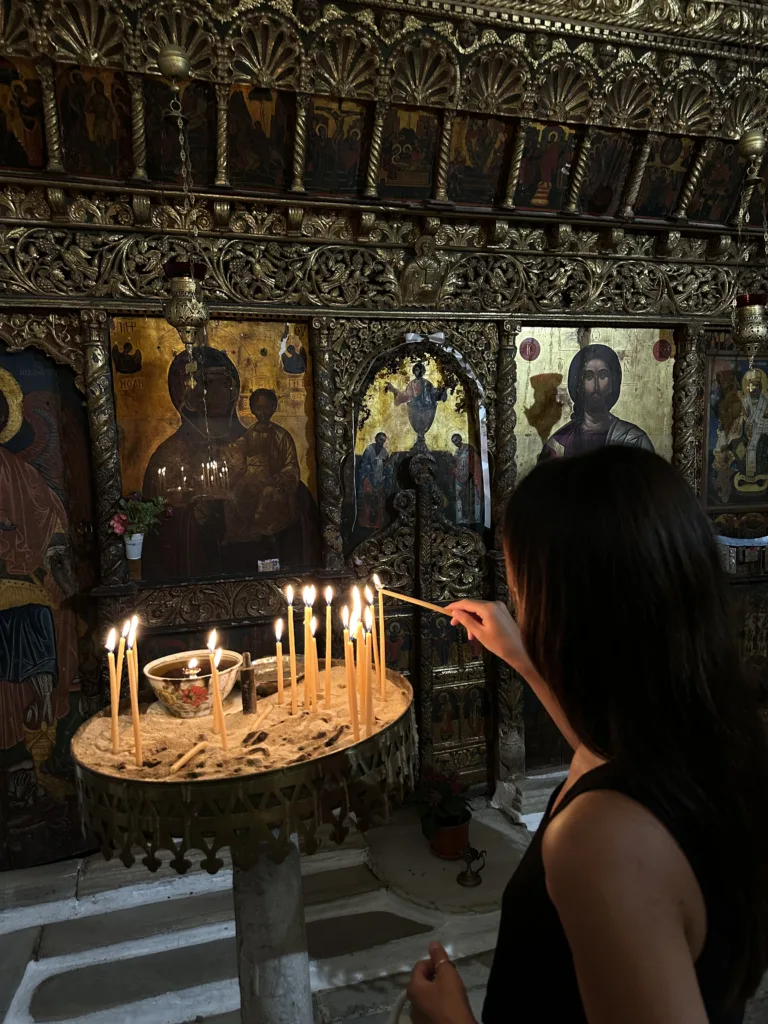
Iphigenia lighting a candle at church.
Iphigenia Thanopoulos
Iphigenia Thanopoulos, a 23-year-old Greek Australian from Sydney, New South Wales is one of many young people in the Greek community who continue the practice of fasting for Orthodox Easter.
“My mum always incorporated fasting for Lent in our diet, but it was always an option, like if I didn’t want to, I didn’t have to,” Iphigenia told The Greek Herald.
“It was always something that all my family participated in, from my grandparents to my parents and now me.”
Iphigenia said she continues to practice her faith and fast for Easter as it was something of great importance to her.
“In the Bible, it talks about how Jesus Christ used fasting and prayer to achieve spiritual victories to help achieve goals. This was followed by his disciples, and then they gave it to us,” she said.
“I think that’s what motivated me to keep it up, but it was just something my parents always taught me and it’s what the church taught too, and I definitely think it’s something that should be passed on to future generations.”
The 23-year-old shared that for her, fasting is not just about abstaining from food. She is currently participating in a vegan fast.
“It’s more than that. Fasting helps us to have our minds and everything on Christ,” Iphigenia said.
“Although it can be challenging, that’s not why I do it, and I also don’t do it because I want to prove something, I do it as it allows me to get closer to my faith. It also makes me feel good and feel closer to God at the end as well.
“During this time, it’s not enough to just fast from food. You’ve got to do the rest as well which includes praying, reading the Bible, looking into your spiritual books and seeing your spiritual father.
“You also have to watch what you say and what comes out of your mouth too, not just what goes into it.”
When asked whether Iphigenia thinks many people still fast, she said she thinks they do.
“I think with the help of the youth groups, especially with the ones we’ve got going on in Sydney, I think young people are becoming more aware of what fasting is and how we can use it,” Iphigenia said.
“And I think that if we continue to teach our religion and practice it to our future kids, it will continue to be passed on to coming generations.”
Natasha and son Dimitri cracking eggs.
Natasha Manikas
“It was something instilled in my life by my parents,” Natasha said.
“As a child you didn’t get much of a say though either. It was a bit of a “αυτό μαγείρεψε η κατσαρόλα” (this is what the pot cooked up).”
Natasha said fasting for Easter is important as it is a “physical and spiritual cleansing of the body and soul.”
“Lent is more than just abstaining from certain foods, whether it’s just cutting out meat or doing the full fast, that cleanses the body,” she said.
“There’s also abstaining from swearing or gossiping, which cleanses the soul.”
The Canberra mum described the feeling of commencing fasting.
“At the beginning, I felt tired, as my body was getting used to the new caloric intake, you know less protein and more carbs,” Natasha said.
“It took a week to build up my energy reserves again, but Cheesefare week helped with this a little as it eased the body into Lent – it’s not as much of a shock to the system to go from normal eating to no oil.”
Despite fasting having its challenges, Natasha said it was a rewarding experience.
Natasha, her husband-Nikos and son Dimitri.
“It is challenging when surrounded by others who don’t fast,” she said.
“Lunchtimes on the school playground can be a bit rough when everyone has delicious foods and you’re stuck with a ‘lettuce sandwich.’ But when you get to Holy Week and you can see the finish line, you feel a certain sense of accomplishment.”
When asked if she thinks people still fast, Natasha said she likes to think so.
“I’m sure the older generation do, but the newer generations may stick to just the Holy Week,” she said.
“Growing up, from Monday to Friday, my family would fast and have no oil. Saturday and Sunday, we would have oil and seafood, and fish on March 25th and Palm Sunday. My sister and I really looked forward to hot chips on the weekend.
“I think nowadays it’s so much easier to fast though, as we have so many vegan options, so you don’t need to spend hours in the supermarket checking the ingredients list.”
Natasha said it’s important to continue passing down Easter traditions with coming generations.
*Information compiled by Kalie Zervos and Amalia Samios. Photos kindly supplied by Michael Samios and Matina Zervos.
Each year on ANZAC Day we commemorate those who fought and died at Gallipoli in 1915 and those brave men and women who have fought in conflicts since then.
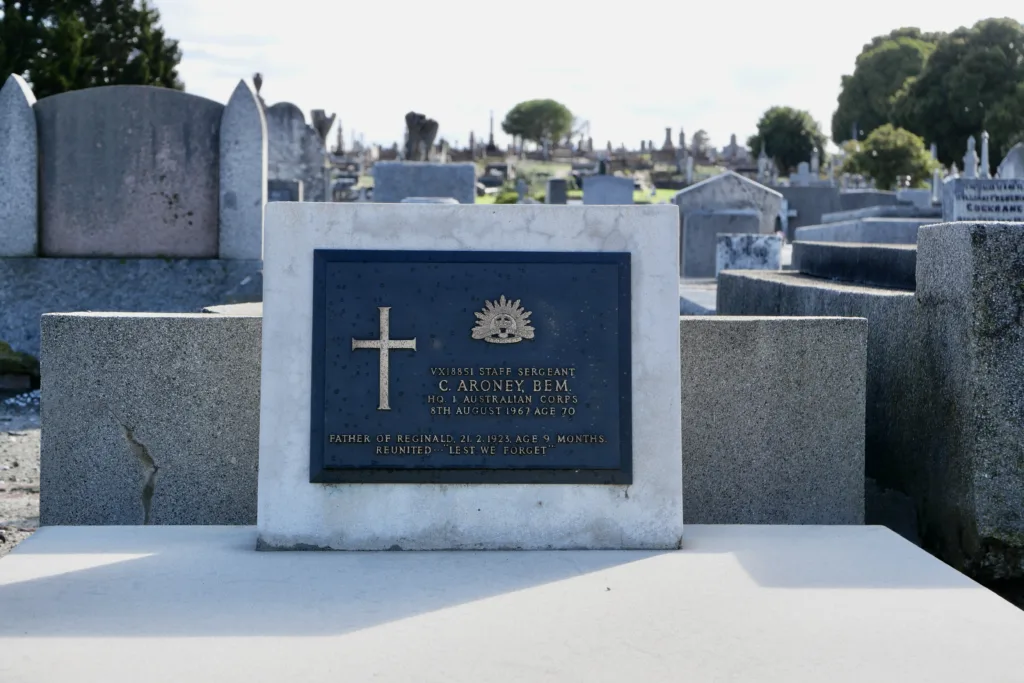
Amongst the young men who enlisted in the Australian Armed forces in WWI were new immigrants from Greece including a Kytherian named Constantine Aroney. He was a dual ANZAC having served in both WWI and WWII.
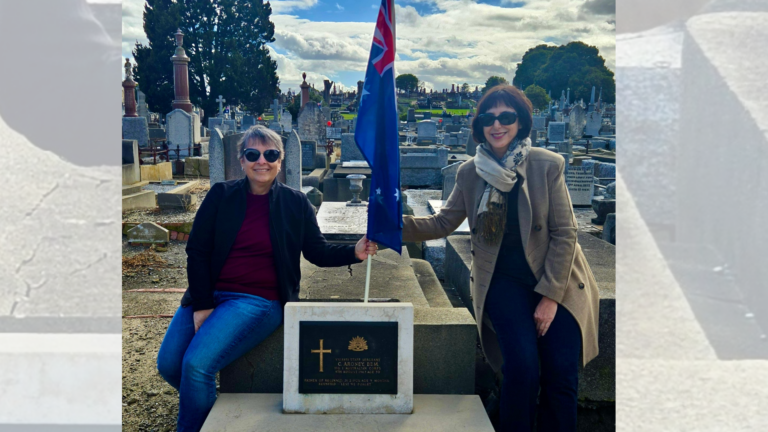
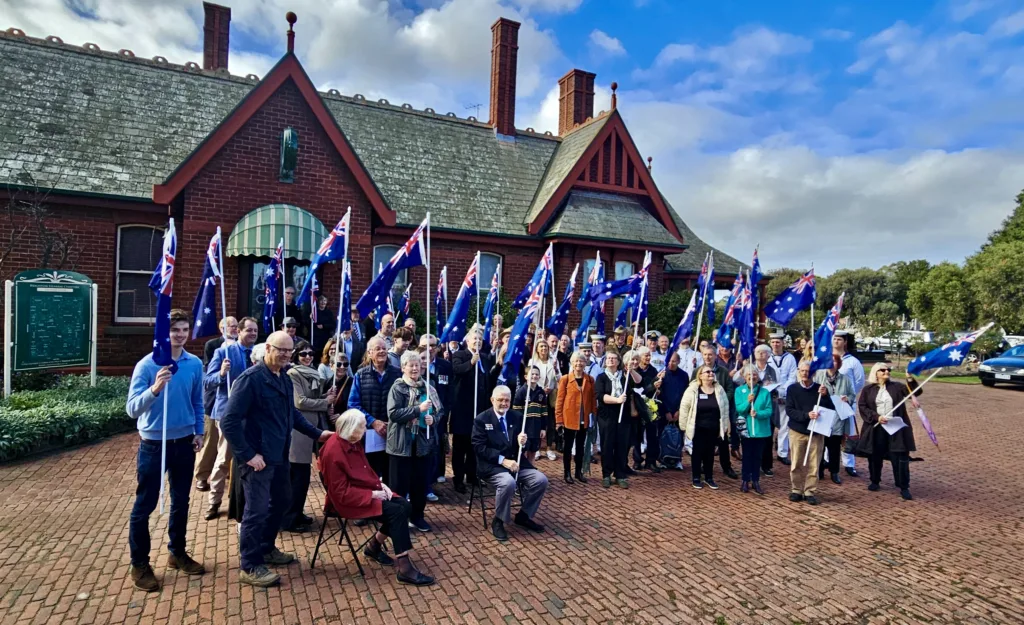
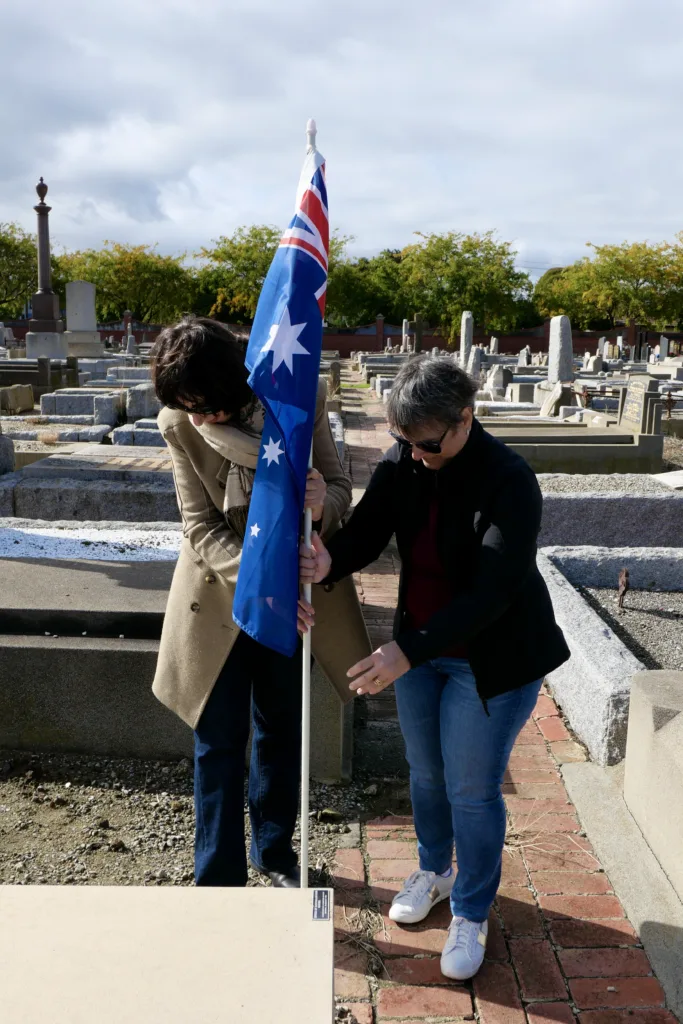
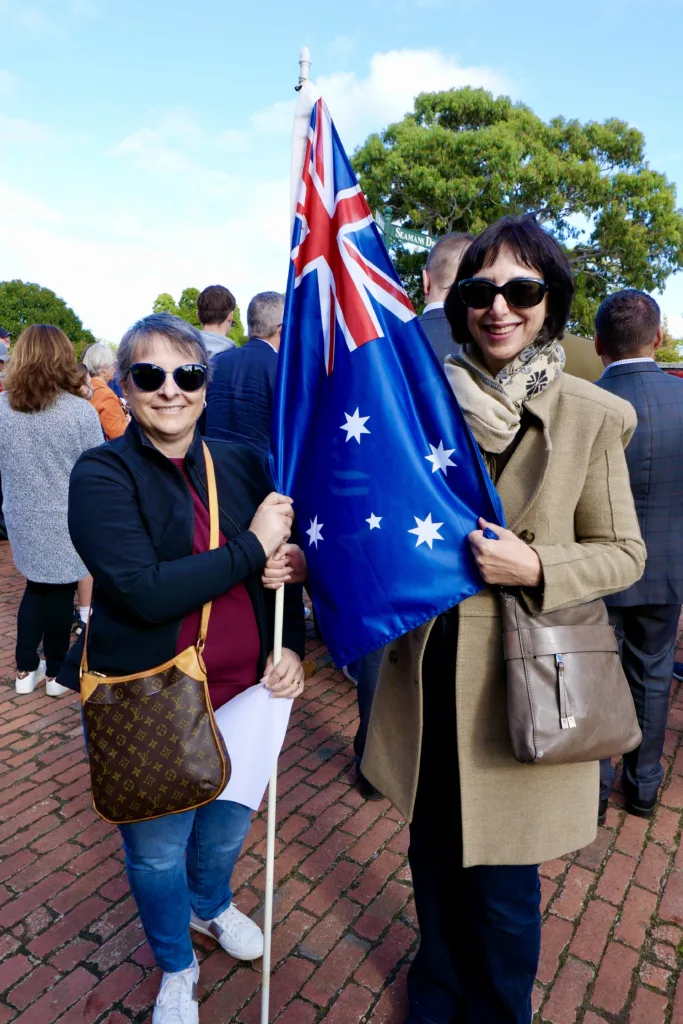
On April 19, as part of ANZAC Day 2024 celebrations, Kalie Zervos and Amalia Samios of Kytherian Genealogy Project, had the absolute honour to take part in an Australian flag raising ceremony at his restored grave site, to acknowledge his service to King and Country in both World Wars.
A few months ago, a representative of the Brighton Cemetorians, a not-for-profit organisation in Melbourne, contacted Kalie and Amalia after coming across Kalie’s blog on the Kytherian Genealogy Project website about Constantine Aroney BEM, the only known Kytherian dual ANZAC. They informed them of their project to restore grave sites of returned soldiers buried in Brighton Cemetery, which this year included the gravesite of Constantine Aroney, but also to invite surviving family members to take part in celebrations.
As Constantine has no known surviving family, the Cemetorians invited Kalie and Amalia to raise the flag in his honour as they are regarded as the forerunners in Kytherian family history worldwide. They were honoured to step in to commemorate the sacrifice and courage of this man, who fought for values of freedom and who in WWII bravely saved men in Greece.
The commemoration ceremony started with a welcome from the President of the Cemetorians, followed by a representative of the Victorian RSL, who recited the Ode of Remembrance and raised the first Australian flag. The other forty-nine Australian flags were then handed to each family or representative. It was done alphabetically so Amalia and Kalie had the honour of receiving the very first flag.
The raising of the flag at Constantine’s grave was very moving for those present. This man came from humble beginnings in Kythera and had the courage to fight for his adopted country, not once but twice. Now he is immortalised where he lies and will be remembered every ANZAC and Remembrance Day when the Cemetorians will continue to raise a flag in his honour.
Who was Constantine Aroney?
Constantine Aroney was born in Aroniadika, Kythera on 12th March 1891 to Panagioti Aronis and Stamatia Margeti and was baptised in the church of Sotiros Christos Aroniadika on 25th March 1891. The passenger list of the Waipara, which travelled from London arriving in Brisbane on 5th July 1911, shows a 16-year-old Konstantine Aronis on board. As the research into migration records reveal no other Constantine Aroney immigrating during that period and his age matches service records, it can be assumed that this is the record of his arrival in Australia.
According to military records, he was a naturalised British subject in 1915.
He was living in Melbourne at the time of his enlistment into the Australian Army on 6th March 1915. His army records show he was initially deployed as a private to the 24th Infantry Battalion “B” Company. He was not at Gallipoli on the day of the fateful battle, as he left Australia on 8th May 1915 and arrived there on 30th August 1915. Whilst in Gallipoli, he contracted conjunctivitis twice and was hospitalised for a short period. The records show he then went to Malta, Alexandria in Egypt and then was transferred to the 2nd Australian Division Salvage Unit on 24th January 1917 and was deployed to France. In April 1918, he was admitted to hospital with a suspected hernia. He was transferred to Reading War Hospital in England, where he was operated on for a double hernia. He returned to Australia on 31st July 1918 and was discharged in Melbourne on 11th September 1918.
In October 1939, he enlisted in the Commonwealth Military Forces and seven months later transferred to the 2nd Australian Imperial Forces and the Headquarters of the 1st Australian Corps, serving in Palestine, North Africa, Greece, Crete and Syria. He was listed as divorced on his enlistment records for WWII. Further investigation into Victorian records show he was divorced from Muriel Agnes Aroney in 1928. They had a son together named Reginald, who sadly passed away at the age of nine months in 1925. At the time of his enlistment, he was living in South Yarra and his next of kin was listed as his sister Annie, who lived in Kythera. By 1940 his address was listed as Carrington Mansions, 22 Albert Rd South Melbourne and his next of kin was listed as Elizabeth Lawrence, a friend who also lived at the same address, where he seemed to have spent the rest of his life. The address may have been a boarding house as one reference to it has been found in a Victorian newspaper archive, in which it was listed as the address of the infamous gangster Squizzy Taylor in 1924, who by chance is also buried in Brighton Cemetery.
Aroney’s background and ability to speak Greek proved extremely valuable when serving in Greece in WWII. When the allied forces were overrun by the German Army, Aroney managed to escape to Crete in an open boat, taking 23 soldiers with him, whom he cared for with the help of Cretan locals. This heroic feat earned him a British Empire Medal in the new year’s honour list in 1944.
Voters’ lists show his occupation as a soldier and later a TPI pensioner. He passed away on 8th August of 1967 at the age of 76 in Heidelberg, Victoria, and was buried along with his infant son in Brighton Cemetery.
Phil Cleary is many things: former teacher, football legend, anti-domestic violence activist, author, an independent member of Australian Parliament, and now embarking on a new venture as a documentary filmmaker. His latest project, titled “Gladys and the Brunswick Boys,” delves into the experiences of World War II ANZACs who fought in Greece.
This labour of love, thirty years in the making, is a culmination of meticulous research, raw footage collected over decades, and insightful interviews. Phil’s dedication to capturing this powerful narrative is evident.
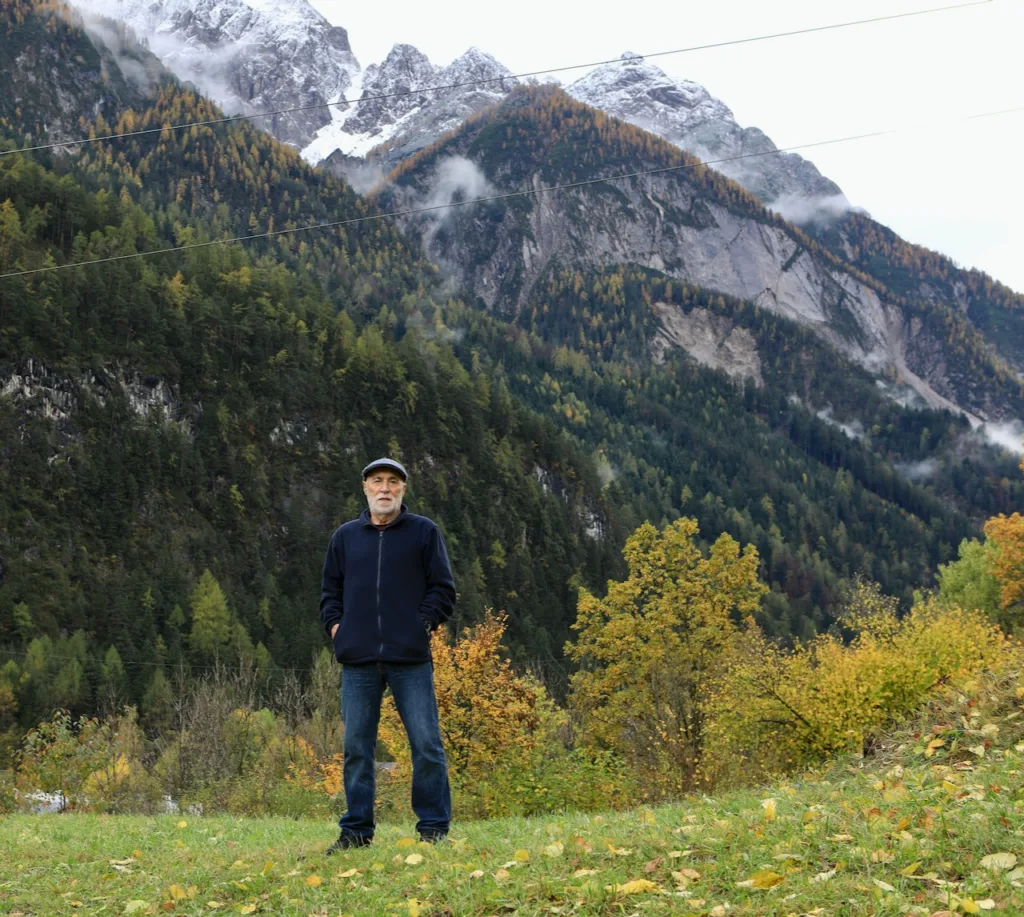
Phil Cleary at Leisach Hill.
“It’s ready,” Phil told The Greek Herald. “Over the past seven years, I have filmed in Brunswick, Greece, Crete and Austria. All I need now is a potential financial backer to get this powerful story onto a platform like Netflix. The footage I have is powerful.”
The genesis of this four-part documentary series traces Phil’s own family history, sparked by the discovery of his grandmother’s old photographs and documents. Reflecting on his childhood observations of his grandparent’s interactions, Phil recounts the story of his grandfather, Teddy Dorian.
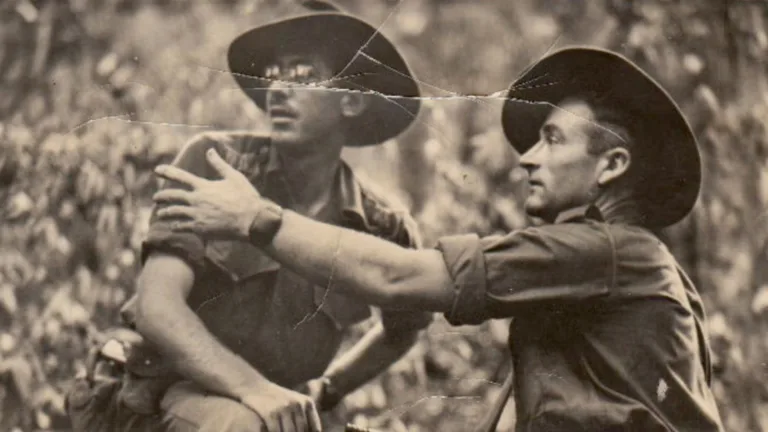
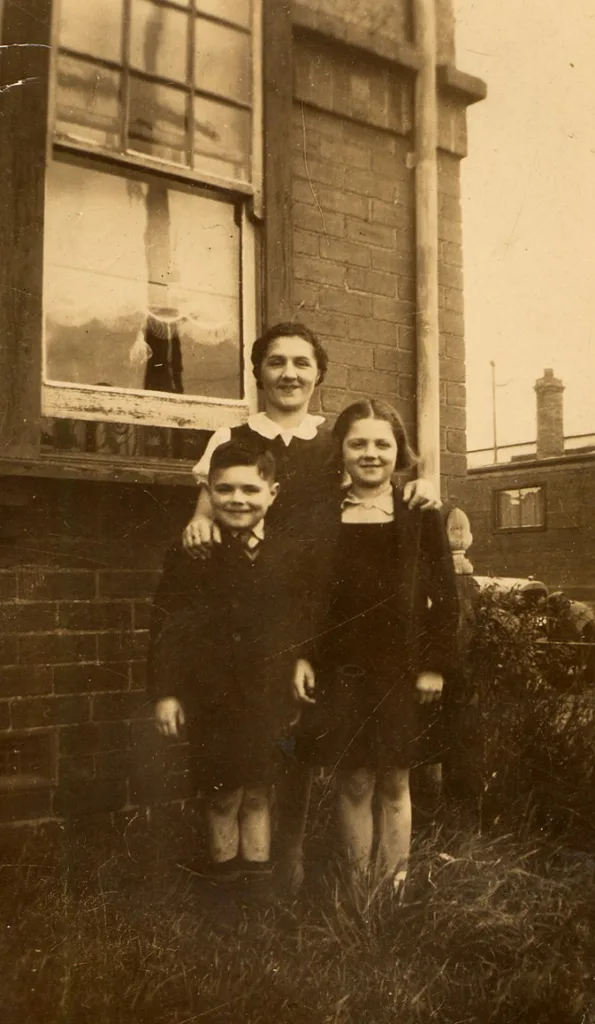
Though it was Teddy who fought in Greece, it’s grandmother Gladys that Phil wants to name the documentary after. She spun at Millers Ropeworks and cared for her two young children including Phil’s mother, during Teddy’s internment in a German POW camp from 1941 to 1945.
Gladys, Little Ted and Lorna.
Women’s strength during war
Many may believe that it was the brutal murder of Phil’s sister Vicki in 1987 that set off his search for social justice, but through Gladys we can see that the seeds were sown in childhood.
It was the resilience and determination of women like Gladys that fuelled Cleary’s advocacy for justice.
“Mothers wrote letters seeking answers,” he said. “In my case, in World War II, my grandmother was writing letters to the government, challenging them about her husband who came back from war and couldn’t work. It was the women who were campaigning and in many cases being harassed.
“My grandmother fought forever, year after year, with Veterans Affairs to have my grandfather looked after. She battled to get my grandfather a full pension, which he sort of got just before he died in 1964.”
POW in Austria.
Men’s post-war trauma
The post-war trauma endured by men like Phil’s grandfather is a central theme in the documentary series. Broken and emaciated, Teddy Dorian returned home to live in a bungalow behind the family’s Brunswick house. Despite challenges, Gladys remained steadfast, though their relationships lacked the depth they once shared.
“My grandmother accepted that they could not have a meaningful relationship, but she never pursued a divorce even though she had a boyfriend,” Phil said.
“My grandfather was an alcoholic, and he’d drink methylated spirits with his mates – a gang of them would meet near the railway line and drink cheap plonk. He suffered acute post-traumatic stress, and his mates did too. His friend Michael Parlon was run over by a train next to the Brunswick bars; he may have committed suicide. His other mate Jackie O’Brien died on Phoenix Street after a drinking session, and my grandfather died when he was 49 years old.”
Phil was 11 at the time, and didn’t realise the details or depth of his grandfather’s trauma.
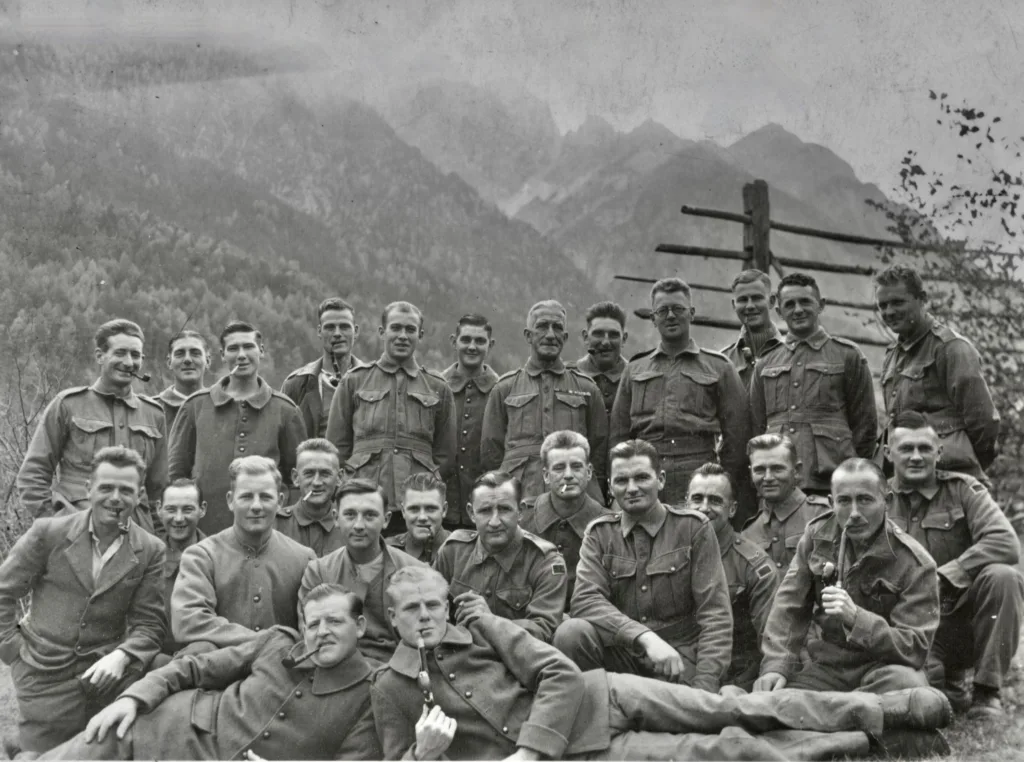
Years later, he came across a group photo of the “Brunswick boys” on a hill in Austria at the Prisoner of War camp near Lienz.
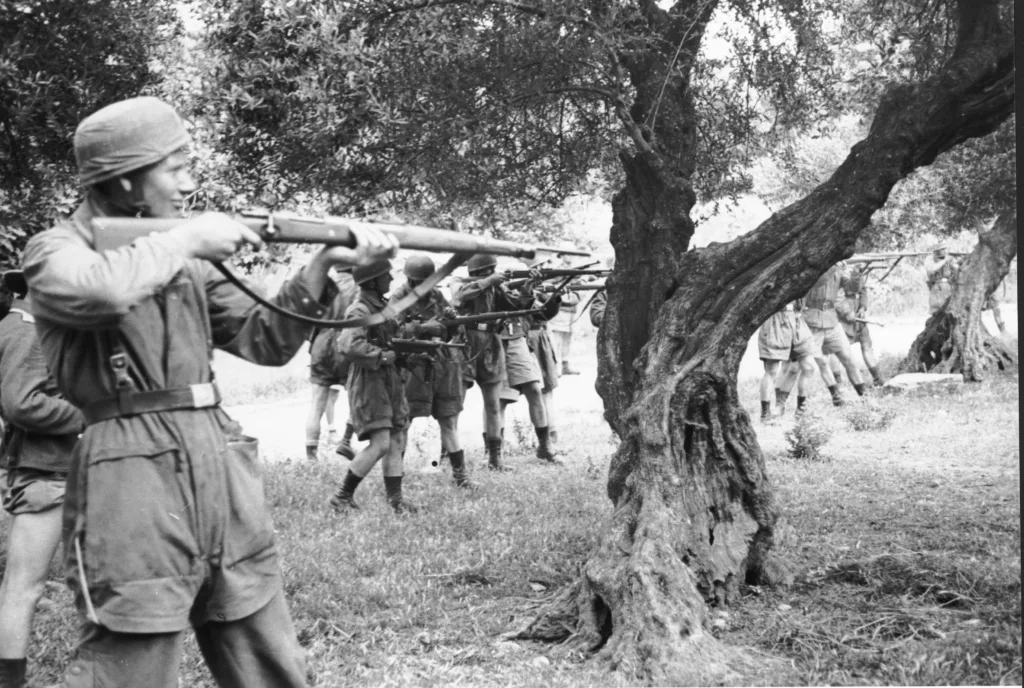
Kondomari.
“It was a remarkable photograph, just under 30 men in three rows, with the Dolomite Mountains on the border of Austria and Italy behind them and I was always interested in it. And eventually I met Billy Ottaway who had gone to war with my grandfather, Teddy, and his best mate Michael. Through Billy, I heard stories about the photograph and the camp. He told me about their capture near the Corinth Canal on the way to Kalamata,” Phil explained.
Billy Ottaway from Dawson Street, Brunswick, just around the corner next to Barry Street, went walking for months after the Corinth Canal was attacked.
“A Greek family took him in and he stayed there for weeks with the Germans passing by,” Phil said.
“Eventually, he decided it was too risky because they didn’t speak English and he didn’t speak Greek, so he gave himself up. And it was there that he came across my grandfather and his mate.”
Meanwhile, Teddy’s brother, Roy Dorian escaped aboard the Costa Rica from Kalamata but the boat was sunk.
“He made it to Crete when the Germans invaded on May 20, 1941 and fought in Giorgoupoli and they marched to Sfakia. They stopped out of the village on the Battle of 42nd Street,” Phil said, referring to the infamous battle when the Nazis launched an airborne attack.
“He fought with Reg Saunders, the famous Indigenous Australian.”
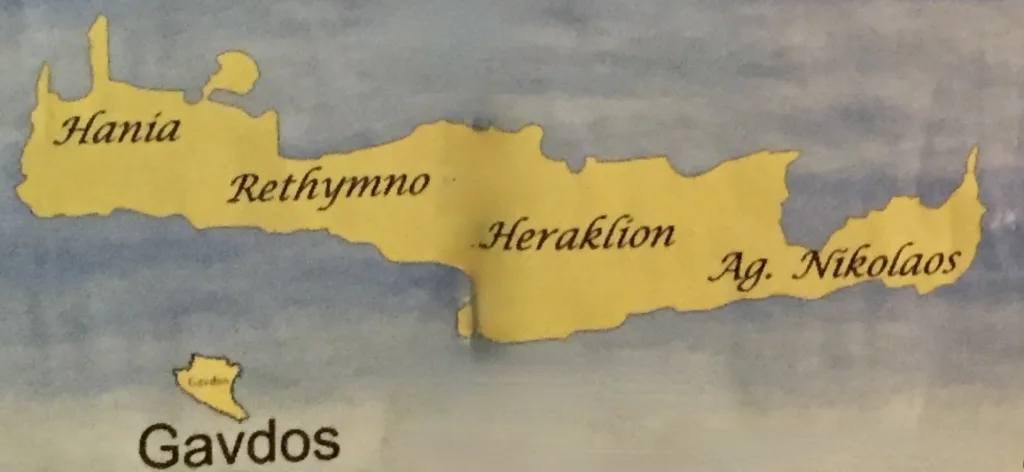
Unfortunately for Roy, the boats had gone by the time he got to Sfakia and so he and a couple of mates found a dinghy and made their 11-hour escape to the island fo Gavdos, from there they walked for four hours to the South before coming across an invasion barge that took him to Egypt. Roy finally returned to Australia before being sent to Papua New Guinea to fight the Japanese, and that is where he finally died.
One son died, and the other came back after years in a POW camp.
Gavdos.
A ripple effect
“I’m interested in the social history and the impact of these men’s wartime experience on their families and their local community. It’s a much bigger study than that of my grandfather and family,” Phil said.
A born storyteller, Phil also learned the art of filmography and travelled to Greece and Austria, revisiting the steps of the “Brunswick boys.” Along the way, he interviewed locals, capturing stories from different angles.
“Billy told me that when he was in a POW camp in Austria, he saw a US airman jump from his plane and die when his parachute didn’t open. And when I travelled to the village, I met Roland Damani, the former school teacher, who told me of the same US airman. I’ve filmed that scene, where he died, where his plane, the Angel, came down, and I know that Billy was not exaggerating,” Phil said.
Unseen footage, captured over years, will capture another side to WWII ANZACs. Phil hopes that, once released, “Gladys and the Brunswick Boys” will shed light on the profound impact of war across generations.
“All I need is a platform to share this footage with a wider audience so that viewers can connect,” he said.
Mouxouris was born in Morphou, Cyprus on July 5, 1921, to a farming family. At the time, Cyprus was a British colony and even before Mouxouris left primary school, he was swept up in the anti-British protests of the time.
Mouxouris joined the Worker’s Party of Cyprus (AKEL) in 1940 and remains a member today. He volunteered to fight in WWI and went to the Italian front at his own request. He saw fighting in Africa, as well as in Europe.
After the war, Mouxouris continued to struggle for an independent Cyprus and an end to British colonial rule while he worked on his trade as a tailor and organised union activity and campaigns for worker’s rights. In 1952, he moved to Nicosia and opened a tailor shop.
Mouxouris married Panayiota in 1965 – five years after Cyprus achieved independence from Britain in 1960. Their daughter, Eva, was born in 1966. Their son, Mario, was born in Morphou in 1974, on the day the town was occupied by the Turkish army.
In 1974, as a result of the Turkish occupation of Cyprus, Mouxouris and his family became refugees in their own country and migrated to Australia.
The family were taken in by a Turkish Cypriot family in Sydney, who helped them to get on their feet in their first few months in Australia.
Since resettling in Sydney, Mouxouris has been an ever-present figure at the Cyprus Community Club in Stanmore and has taken an active interest in his community, as well as maintaining his connections with Cyprus.
Today, Mouxouris spends almost every day at the Club in Stanmore playing backgammon with his friends and cronies in the “kafenion.” Any of his opponents will testify he still has the sharpness to defeat most newcomers in a game that requires strategic skill.
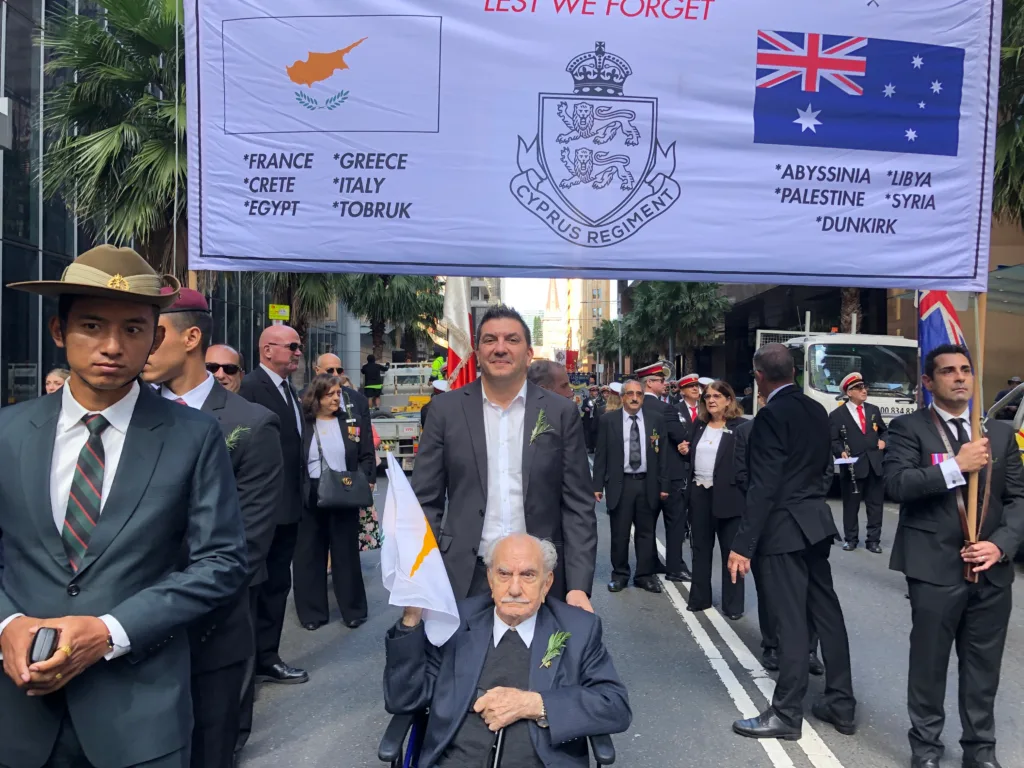
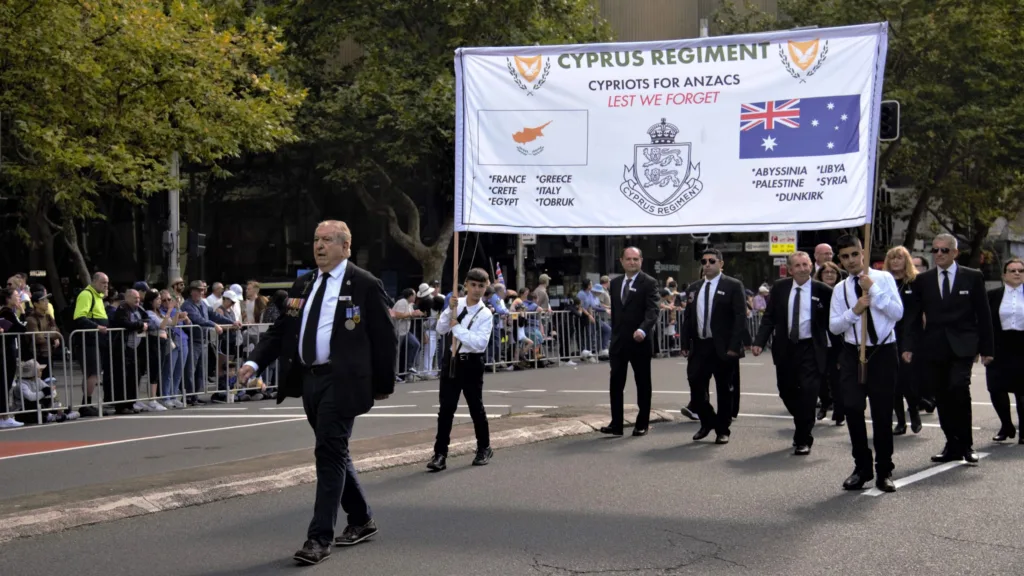
The Cyprus Community of NSW, the Board, and its subcommittee the ‘Cypriots for ANZACs’ invite all families, friends and those from towns, villages who have a connection with veterans to join the march and register online at: https://cyprus.org.au
ANZAC Day is an opportunity to reflect on and acknowledge the sacrifices of those men and women who served or died in all wars, conflicts, and peacekeeping operations.
Two of the men who deserve to be recognised are the last surviving veterans of the Battle of Crete during World War II. They are 105-year-old Arthur Leggett and 101-year-old Les Cook.
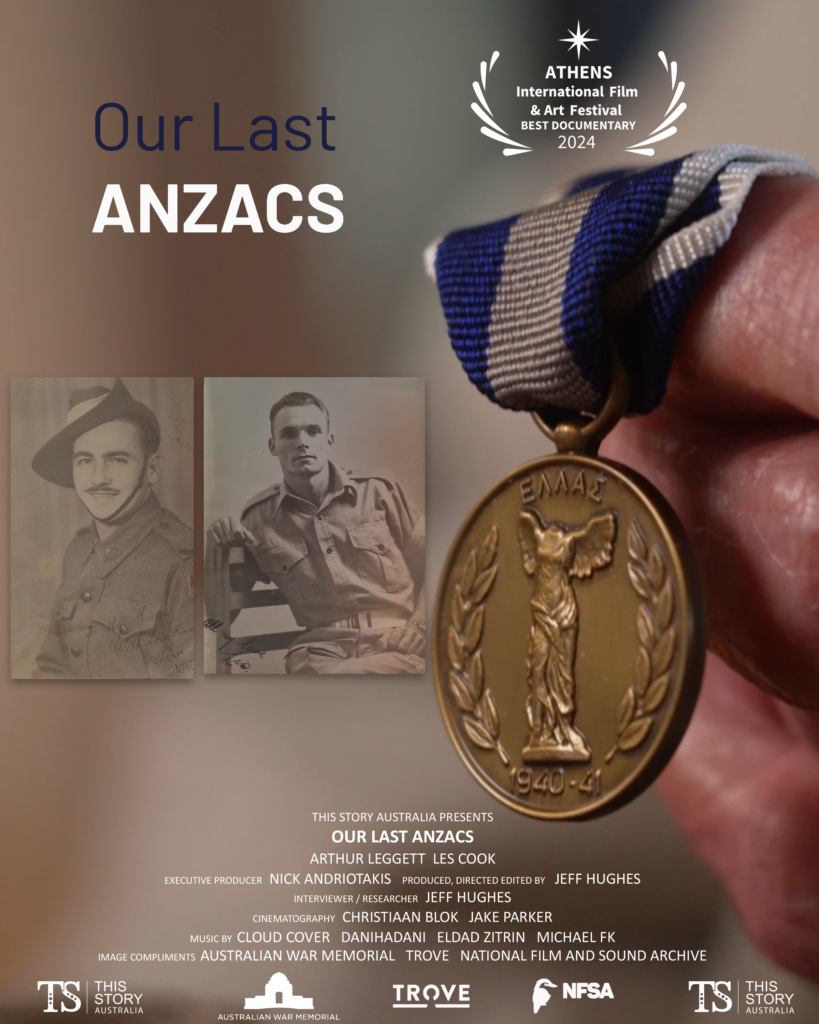
Luckily, This Story Australia has recognised the importance of these veterans and recently produced a new documentary titled ‘Our Last ANZACs,’ which shines a light on the lives of Arthur and Les.
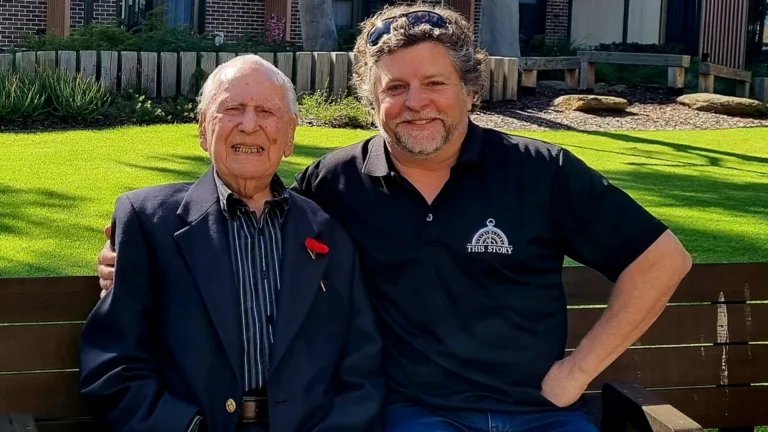
The documentary has been produced by Jeff Hughes, with Nick Andriotakis as Executive Producer. We spoke with Mr Hughes to find out more about his production.
Our Last ANZACS poster.
Tell us a little bit about your new documentary ‘Our Last ANZACs.’
“Our Last ANZACS” is a documentary that shares the personal recounts of the Battle of Crete by Australia’s last two surviving Battle of Crete WWII veterans – Arthur Leggett (105 years old) and Les Cook (101 years old).
It is tremendous that This Story Australia had the opportunity to interview both gentlemen in Perth and Canberra respectively in 2023, and the result is a compelling tale of a story that should never be forgotten.
How did the documentary come about?
This documentary was inspired by an original project created in 2021 called ‘Second Generation ANZAC: The Story of Alf Carpenter.’ The original work highlighted the personal story of Alf Carpenter, a Battle of Crete veteran and went on to win two International Film Awards, after premiering at The Greek Club, Brisbane and then Palace Cinemas Leichhardt in May 2023. To preserve our last ANZAC’s (Arthur and Les’) stories developed into a huge priority in the last two years.
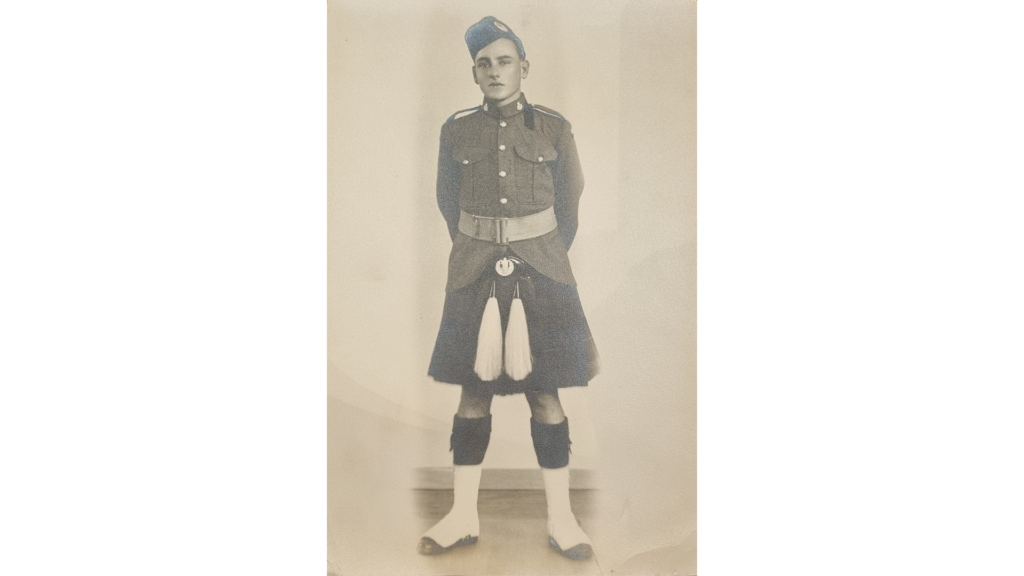
Arthur in 1939.
What was the process of researching, directing and producing like?
Logistically the challenge was interviewing Les and Arthur in different parts of the country. This means different conditions for filming, different cameramen and gear and ultimately, filming on a defined date could be the one and only chance we had to preserve their stories. Also, despite Les and Arthur serving together in the same conflict, the men didn’t know each other and therefore had different experiences in WWII. Editing the stories together to create a strong narrative was a different challenge
How did you interview the ANZACs considering their age? What was it like sharing their stories?
Listening to Les and Arthur was a complete privilege. It is so clear that they are a part of the greatest generation – their politeness, their respect and honour to have served weighs heavy in the energy in the room. We allowed both to go wherever the story was going to take them. The result created more footage when it came to editing, but also it means they spoke honestly and truthfully from the heart.
Why do you think it’s important to document the stories of these ANZAC soldiers?
Arthur and Les are the last of a generation to comment on the unique bond between Australia and the people of Crete. They experienced this first hand in WWII and are national treasures. Every man or woman who has served Australia deserves to have their service documented and shared. They are the reasons why we are one of the best countries in the world.
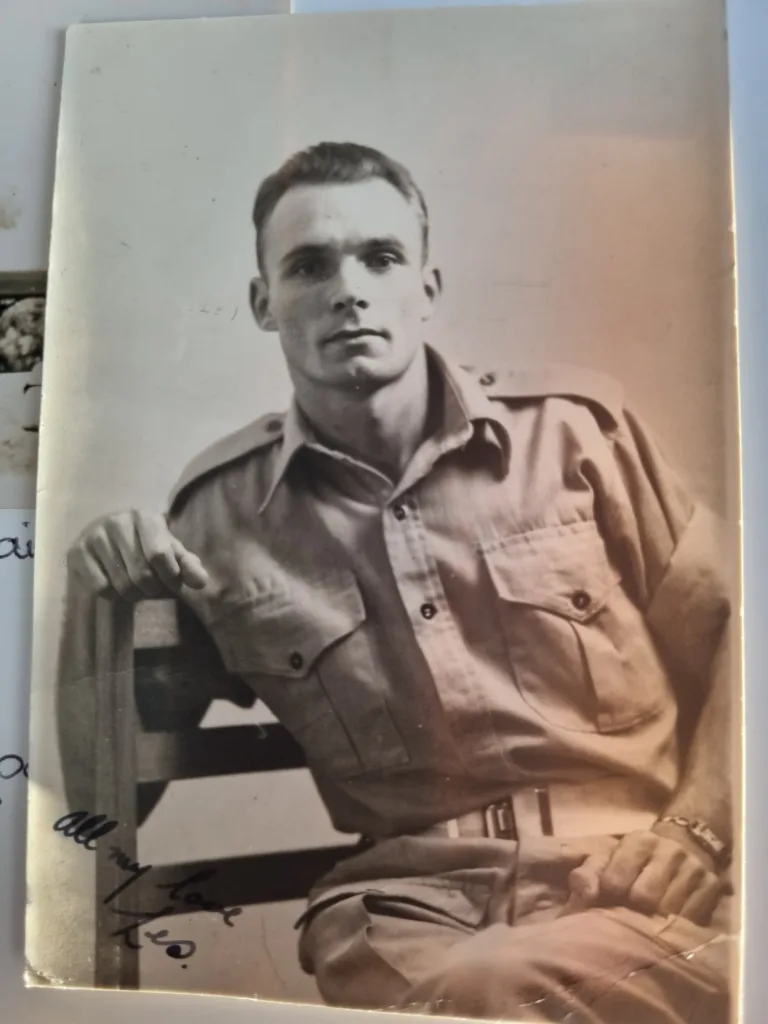
Les Cook.
The documentary has already been successful, having won Best Documentary in the Athens Film & Arts Festival. How does that feel?
The fact that the film is being recognised globally is indicative of how the world feels about Australians. To share a uniquely Australian and Greek story with the world is one thing, but to gain recognition for this, is evidence that the world hungers to connect, learn and understand one another. The ANZAC spirit has a special place in our psyche, and ANZAC stories deserve to be shared with the world.
Is there anything else you wanted to say?
In regard to accessing the film, we are exploring options at the moment. If we get enough response from the public we will investigate some screenings soon. Later in the year it will be available on our website www.thisstory.com.au