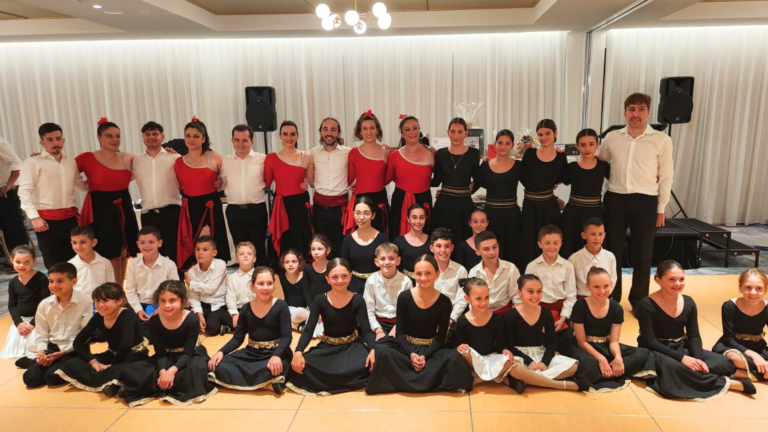
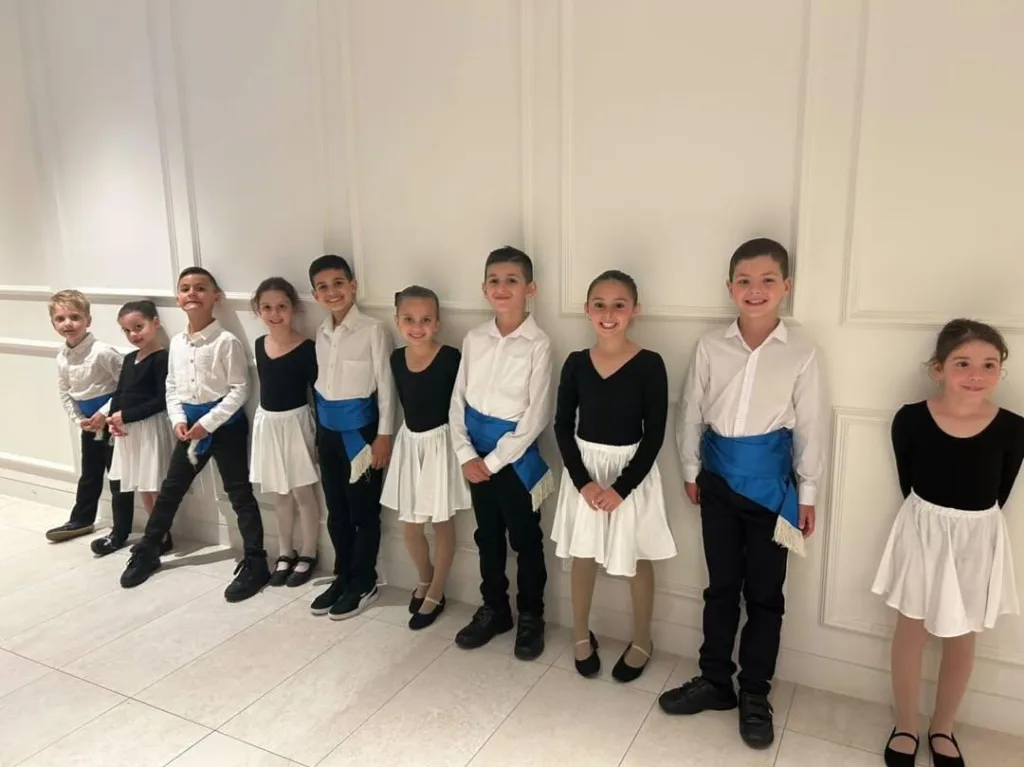
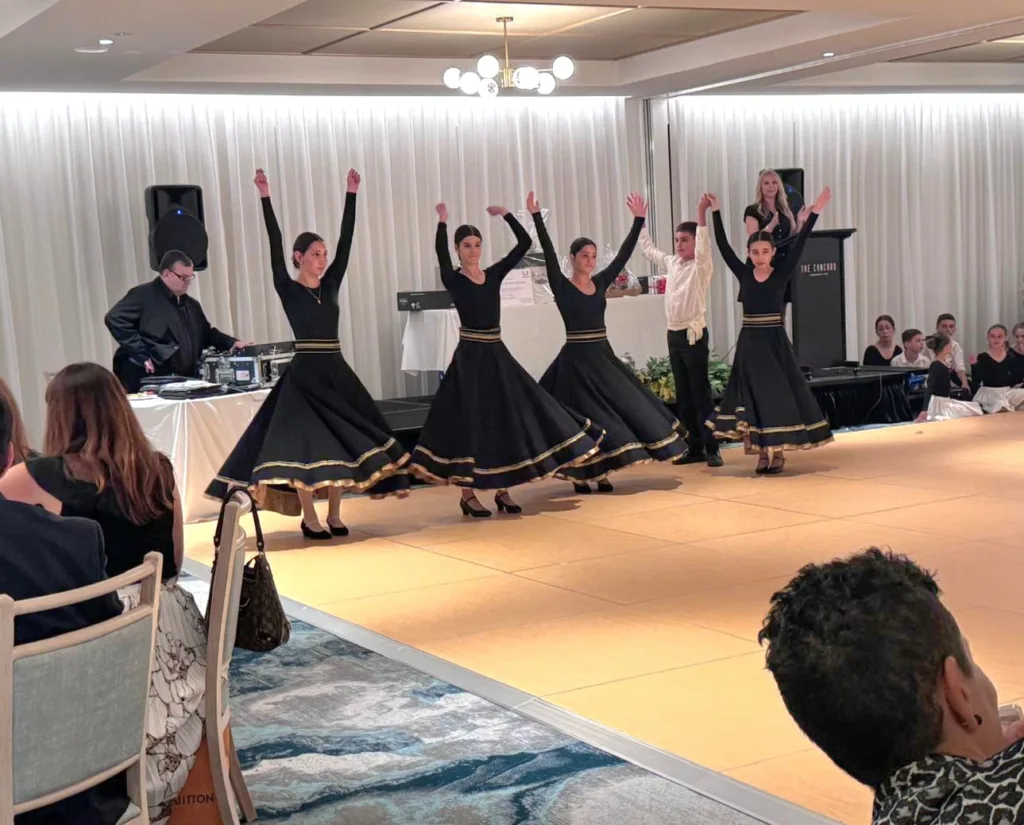
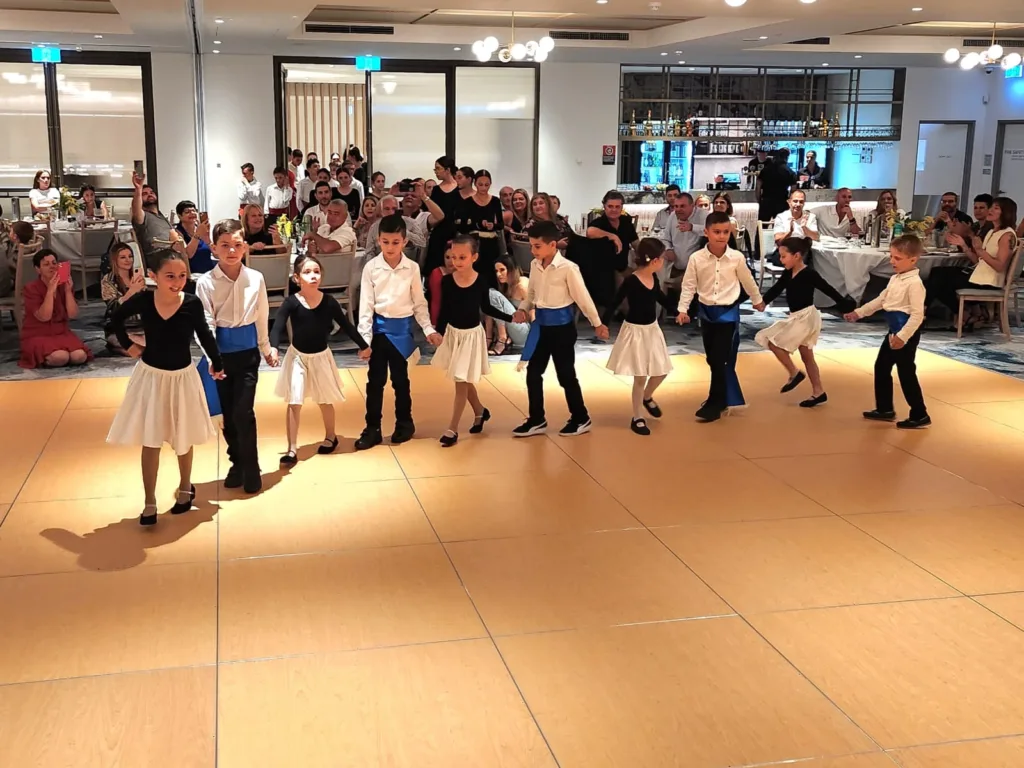
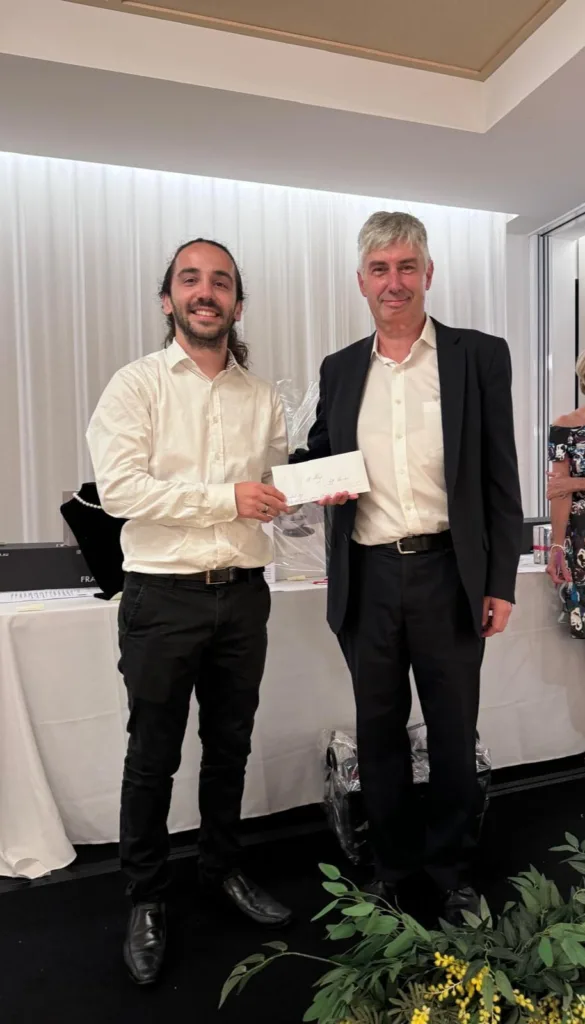
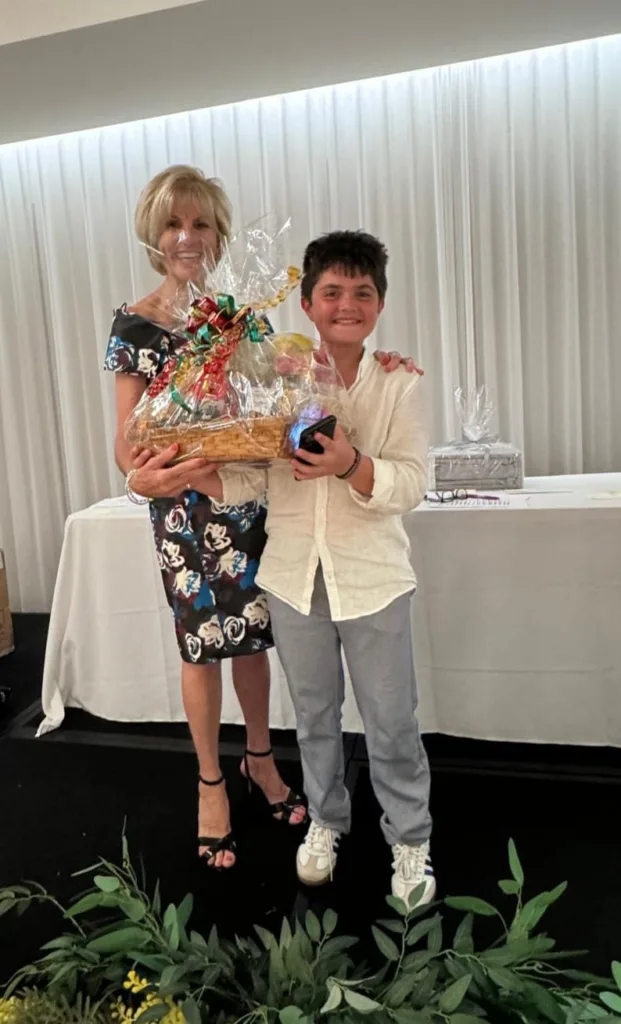
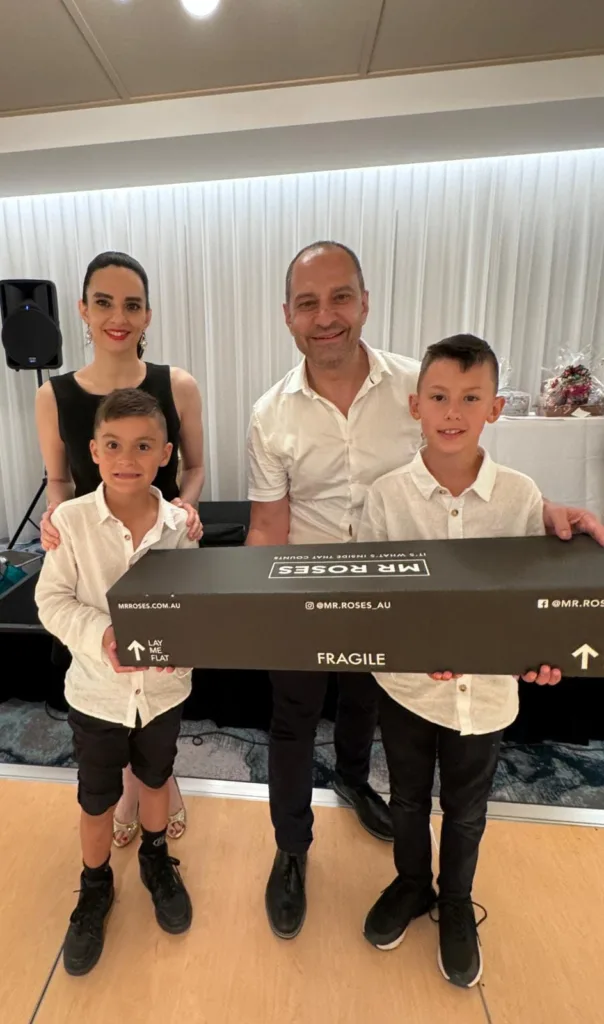
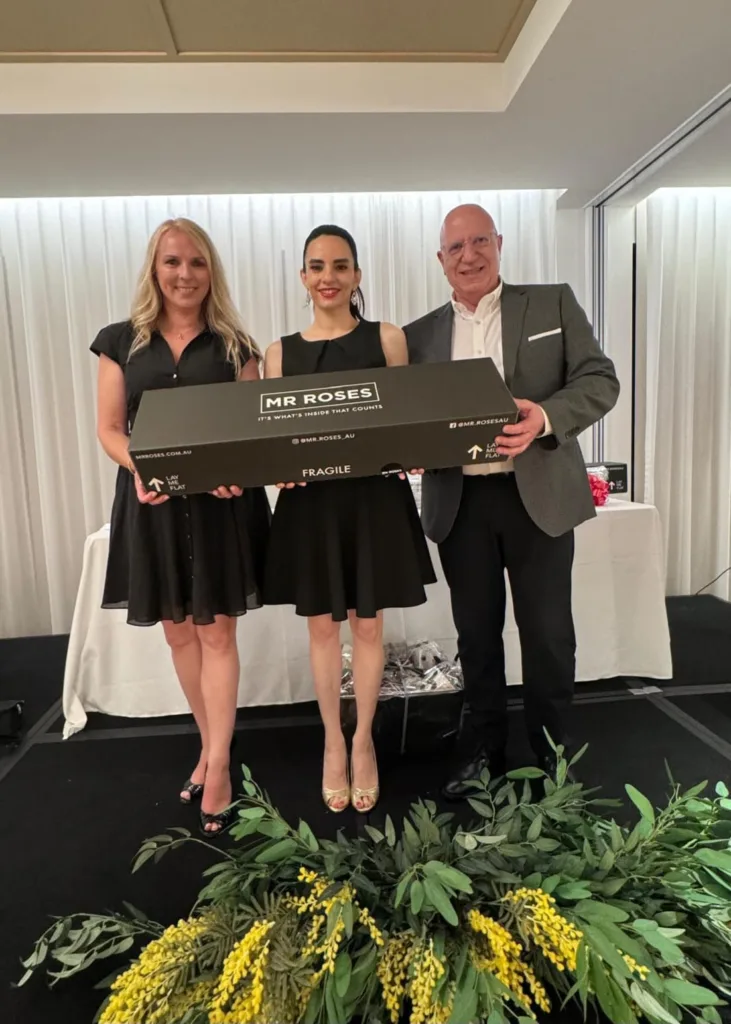
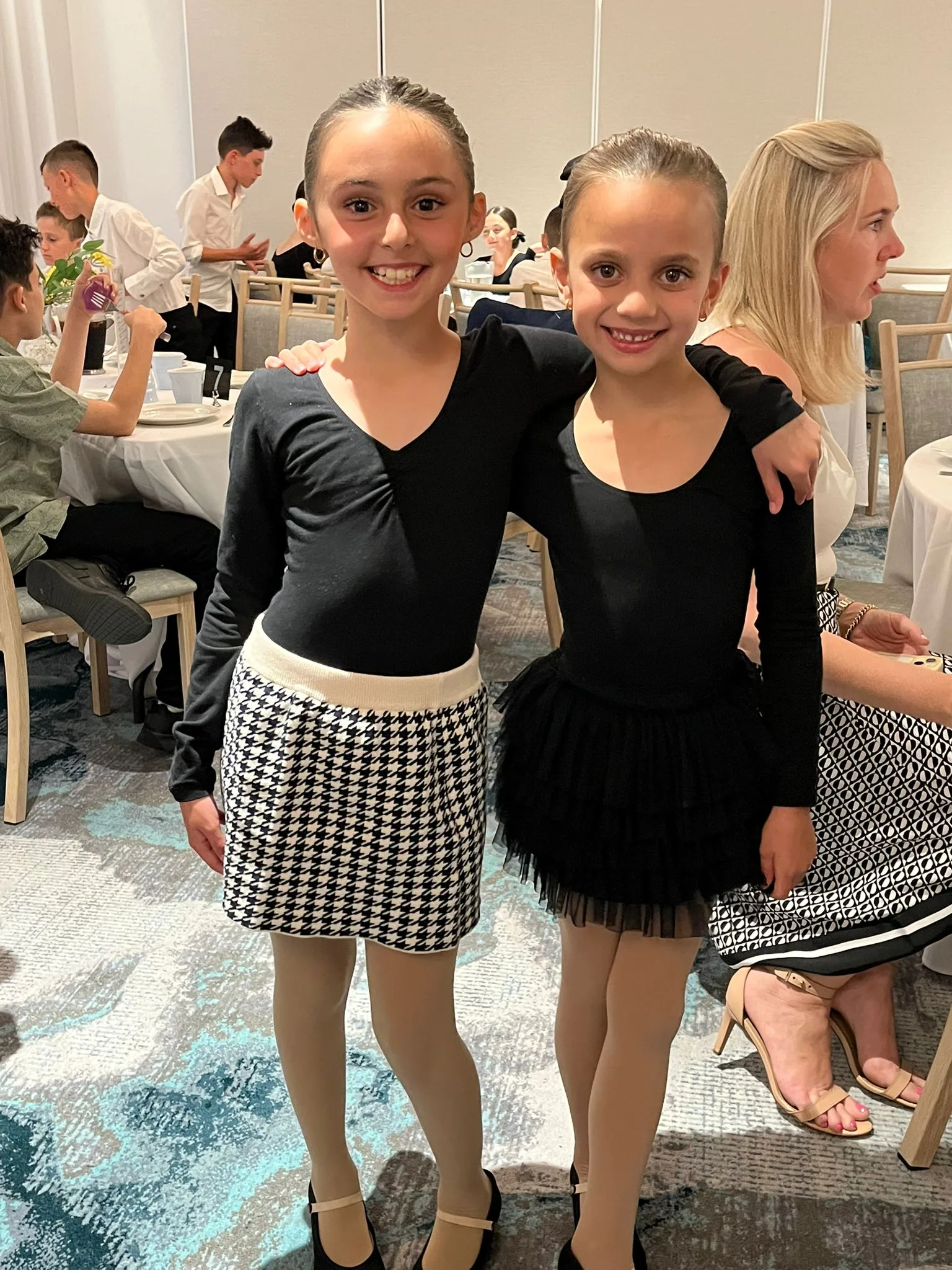
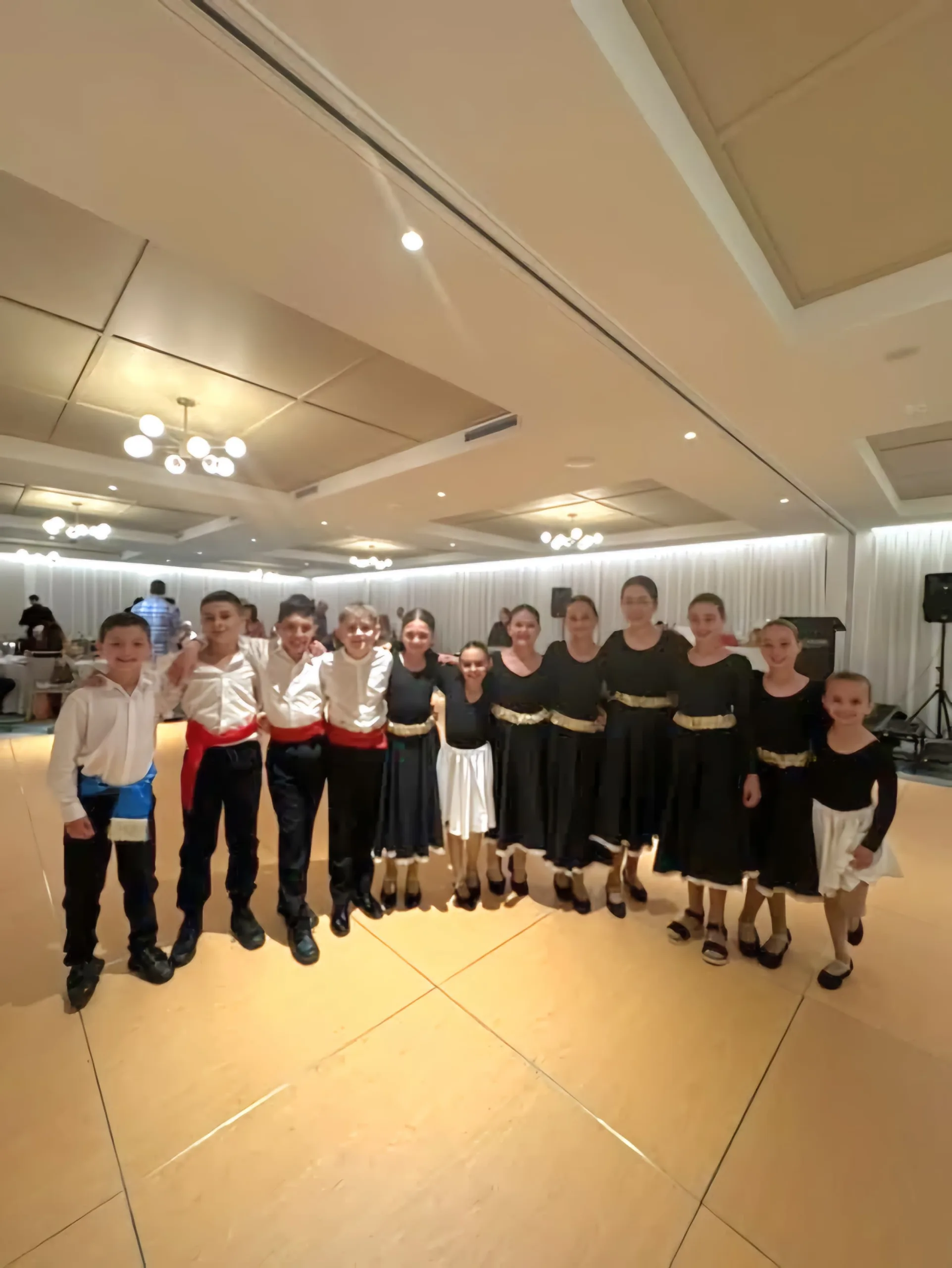
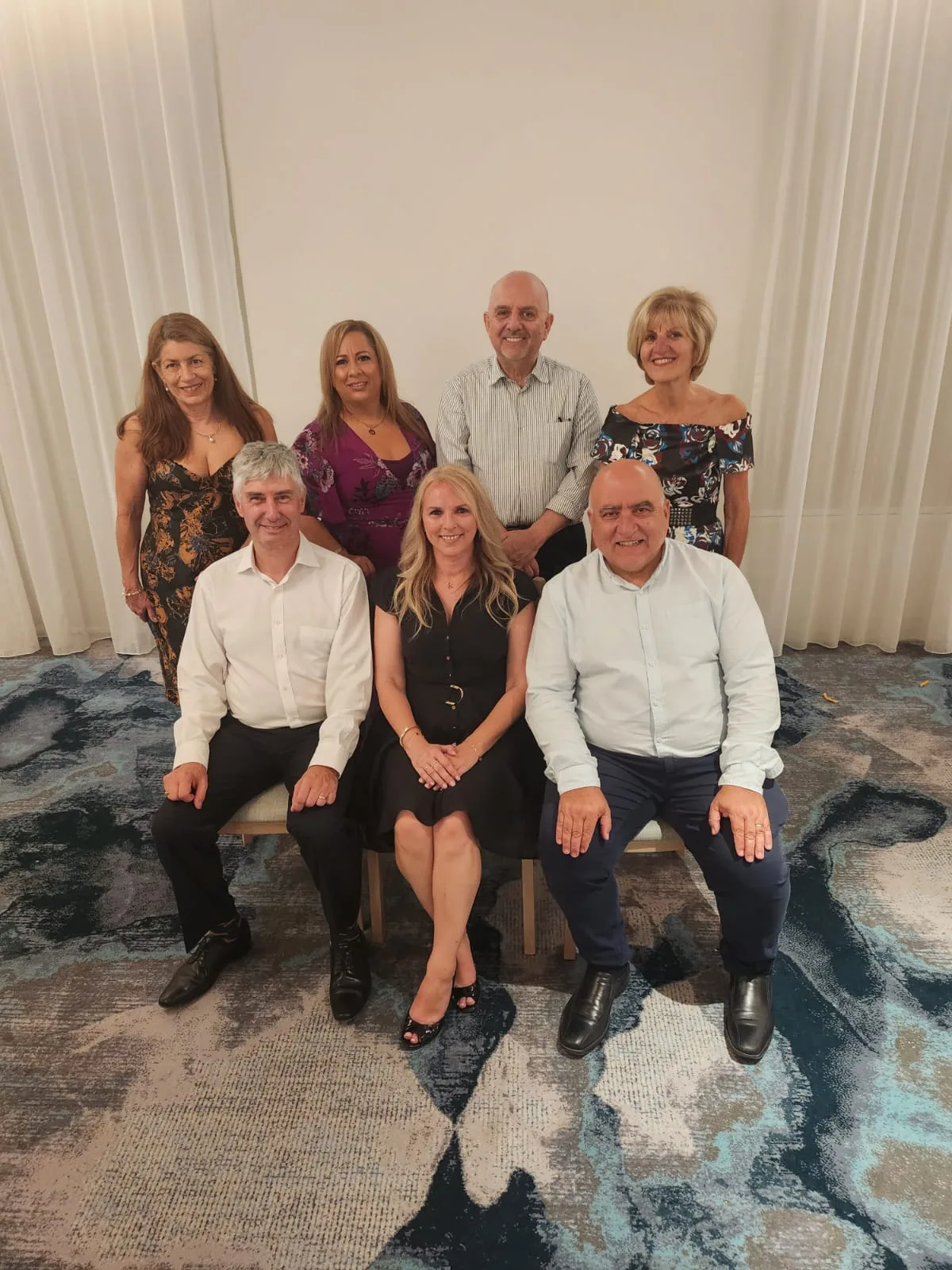
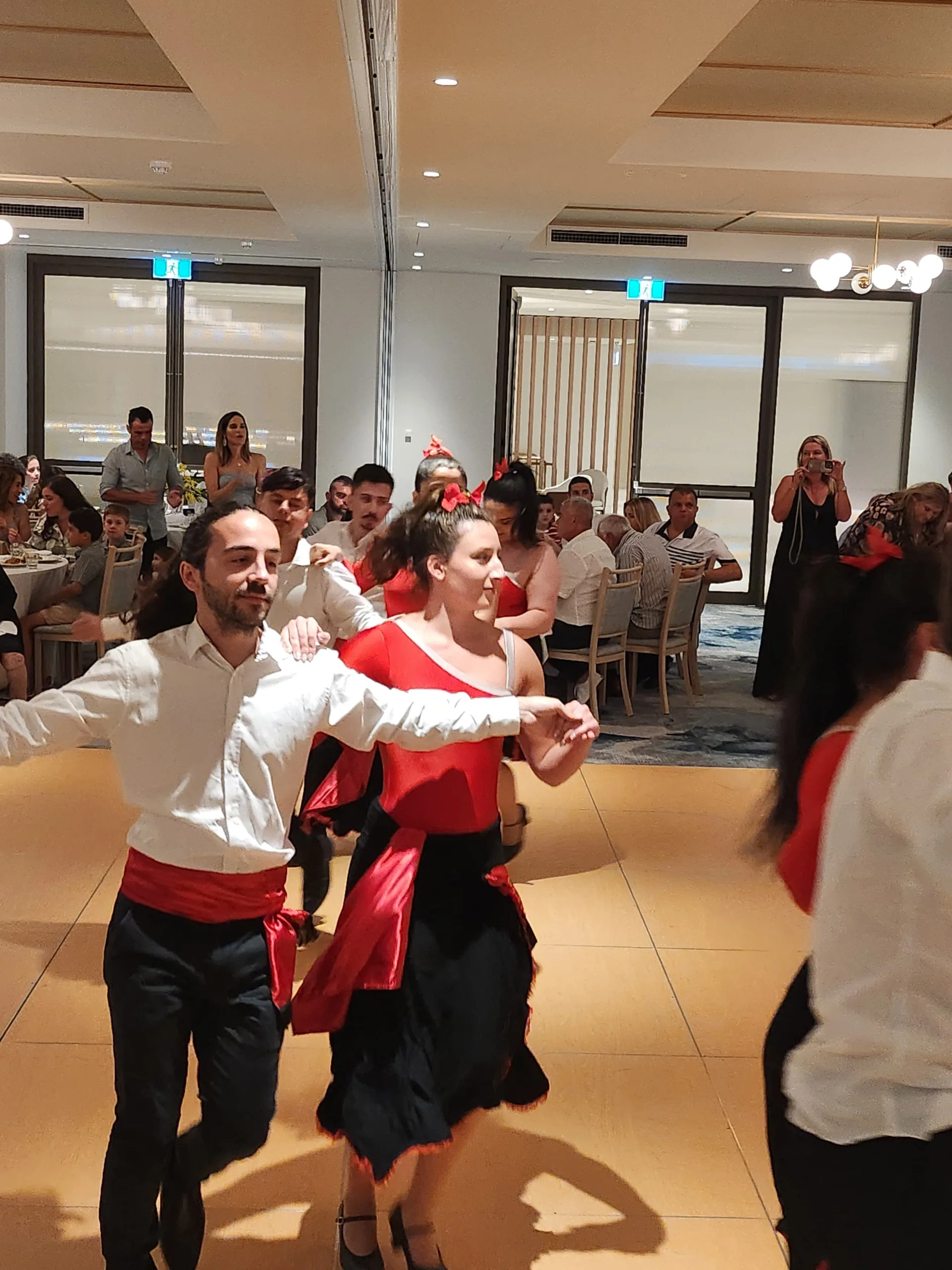
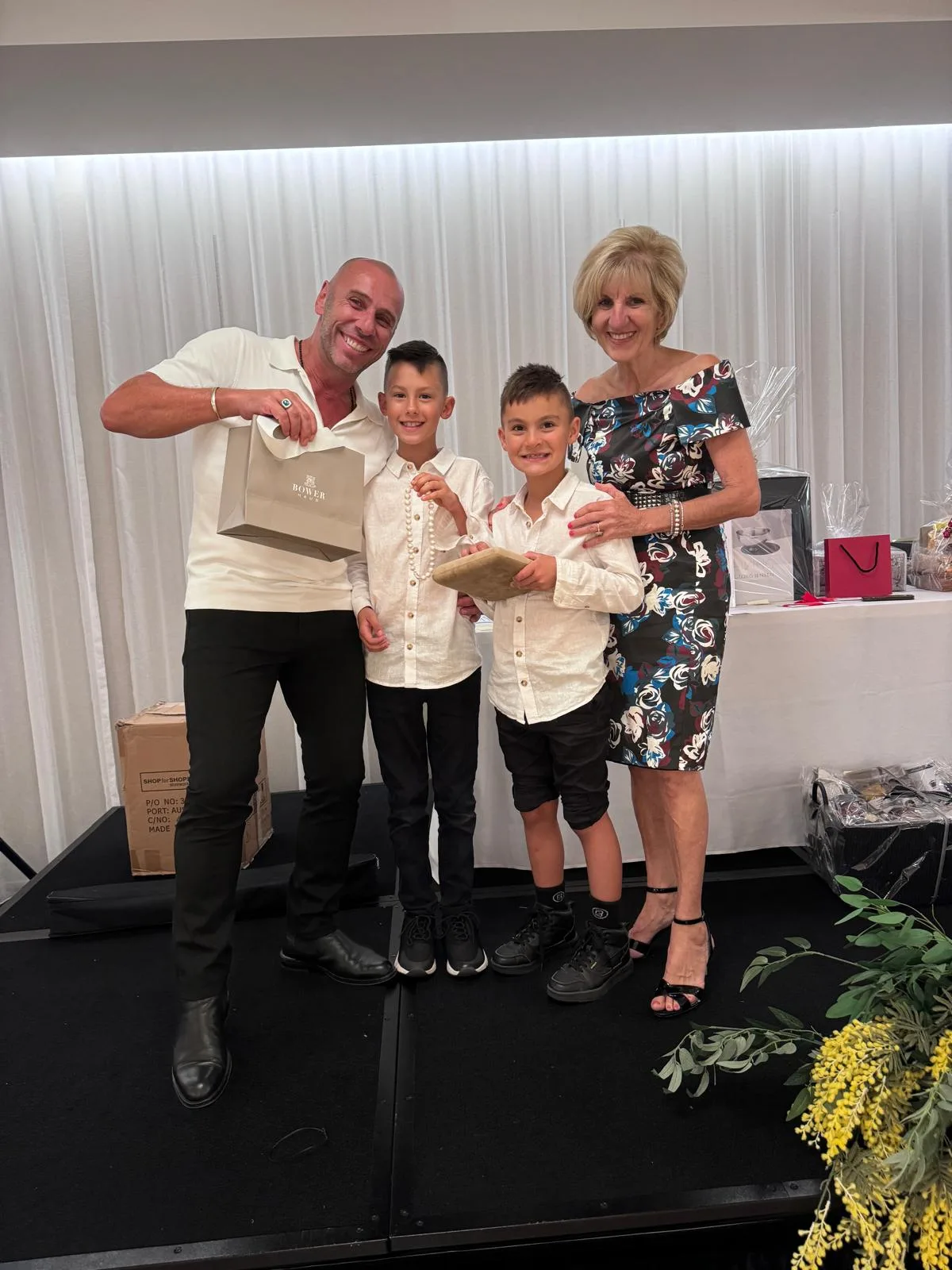
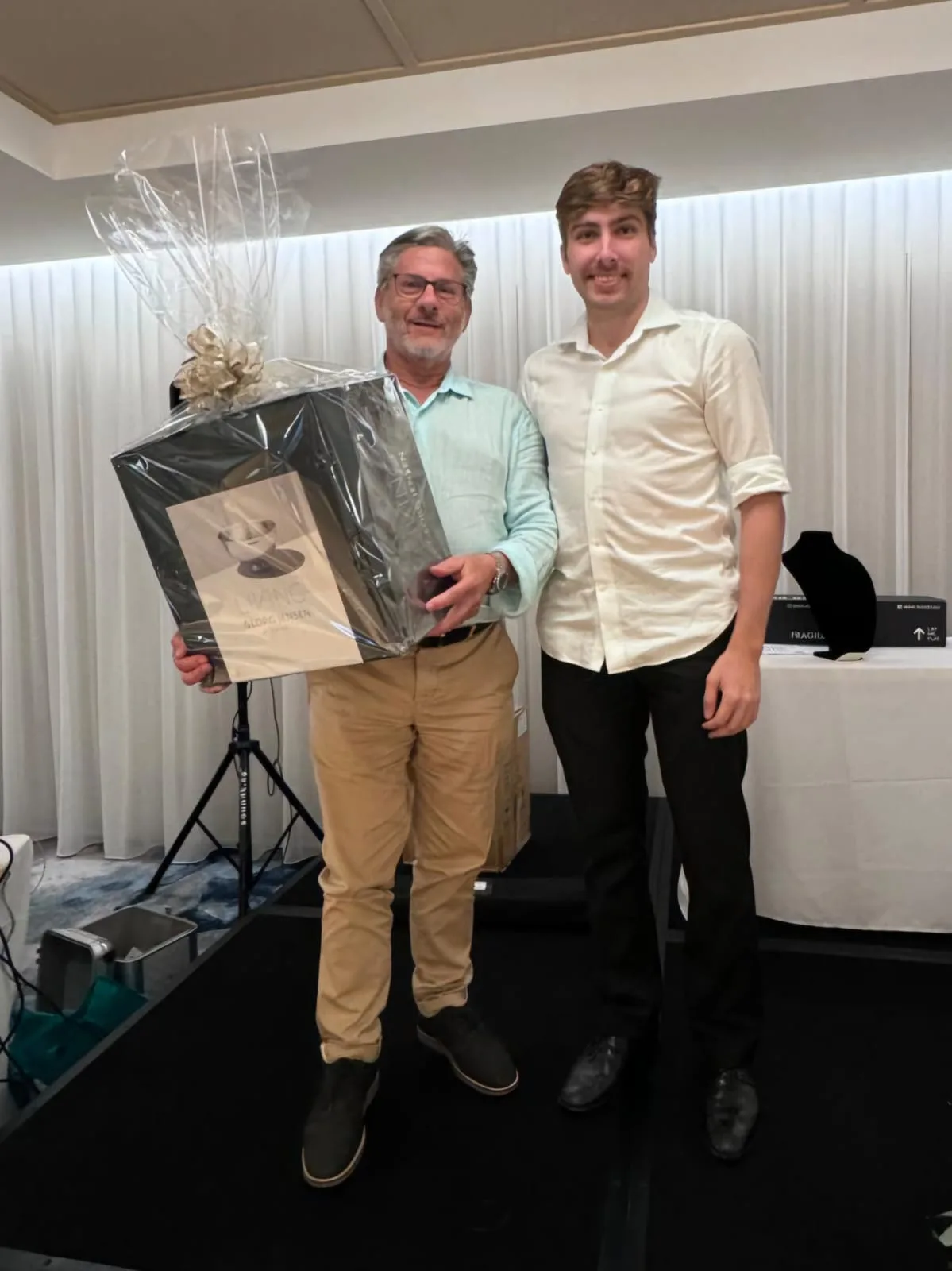
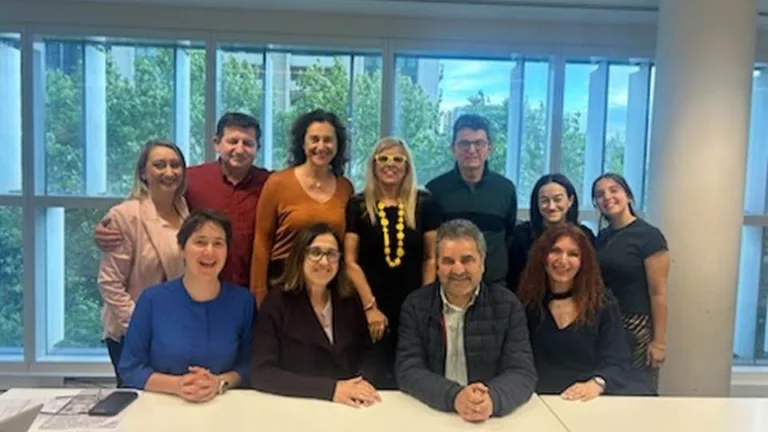
On Saturday, November 23, the annual November Dinner Dance of the Kytherian Association of Australia (KAA) was held at The Concord located in Concord, Sydney’s Inner West.
The evening provided the opportunity for the Friday Night Greek Dancing students, ably taught by dance teachers, Joanna Tsakiridis and Penelope Samios, to perform a selection of dances they have been learning throughout the year and for all generations from the wider Kytherian and philo-Kytherian community to get together.
The President of the KAA, Barbara Zantiotis, spoke on the night and congratulated the students for their efforts throughout the year and also acknowledged the parents for encouraging their children to attend.
“As the future of the KAA rests with you, our younger generation, I encourage you all to continue learning as this will enable our traditions, heritage and culture to be maintained. In addition, it ensures the survival and longevity of our wonderful association which is 102 years old. An amazing achievement in itself!” Ms Zantiotis said.
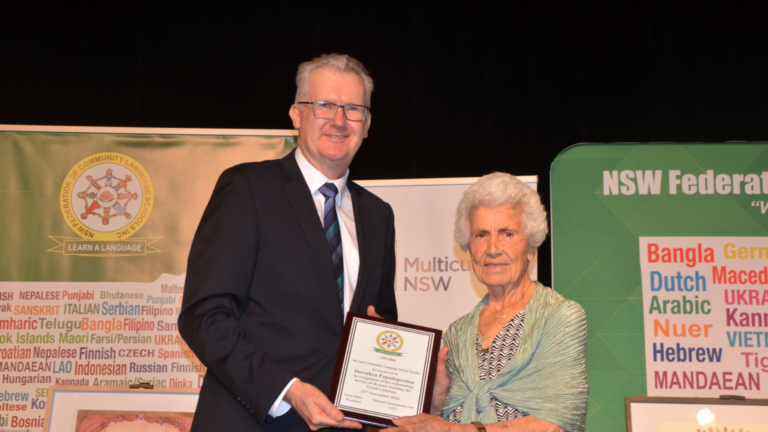
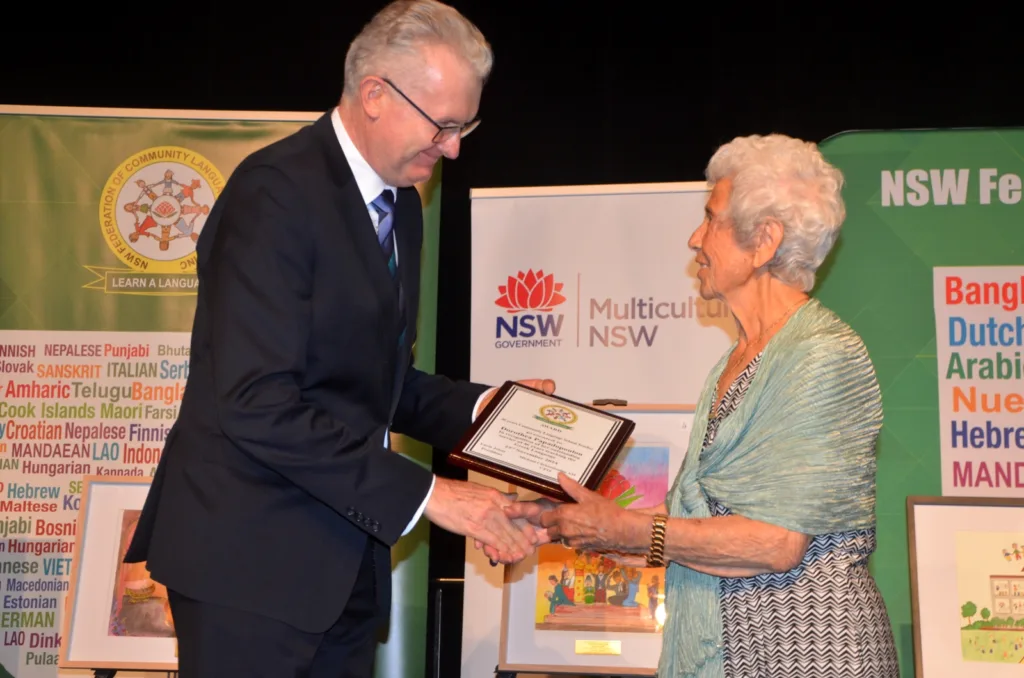
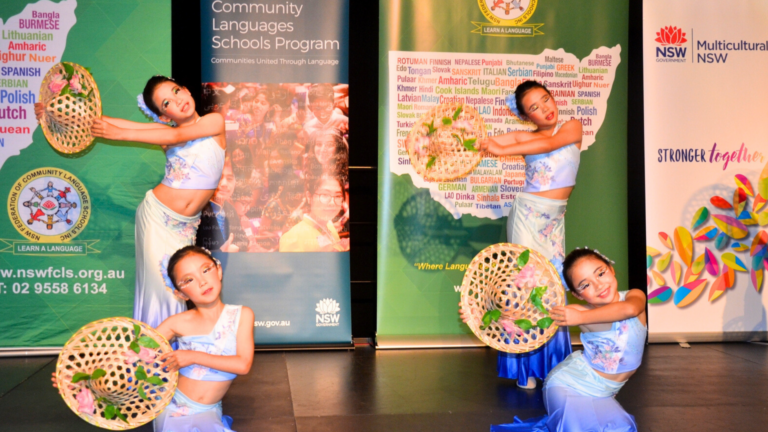
Dorothea Papadopoulou, a Greek language teacher of 46 years, was recognised for her service at the Annual Dinner of the Federation of Community Language Schools on Saturday, November 23, in Sydney.
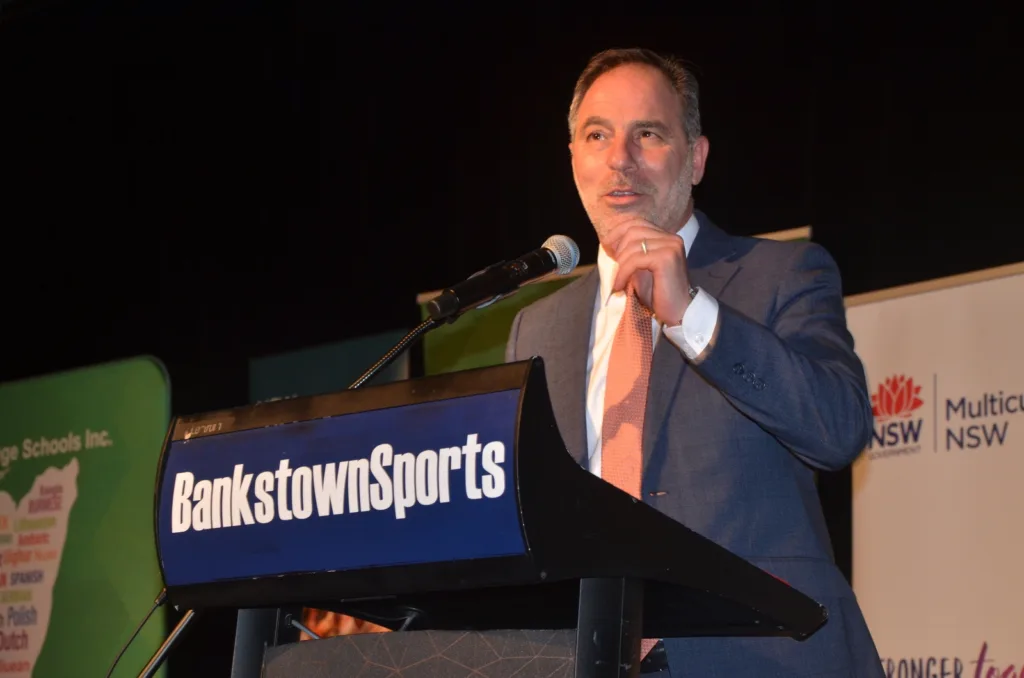
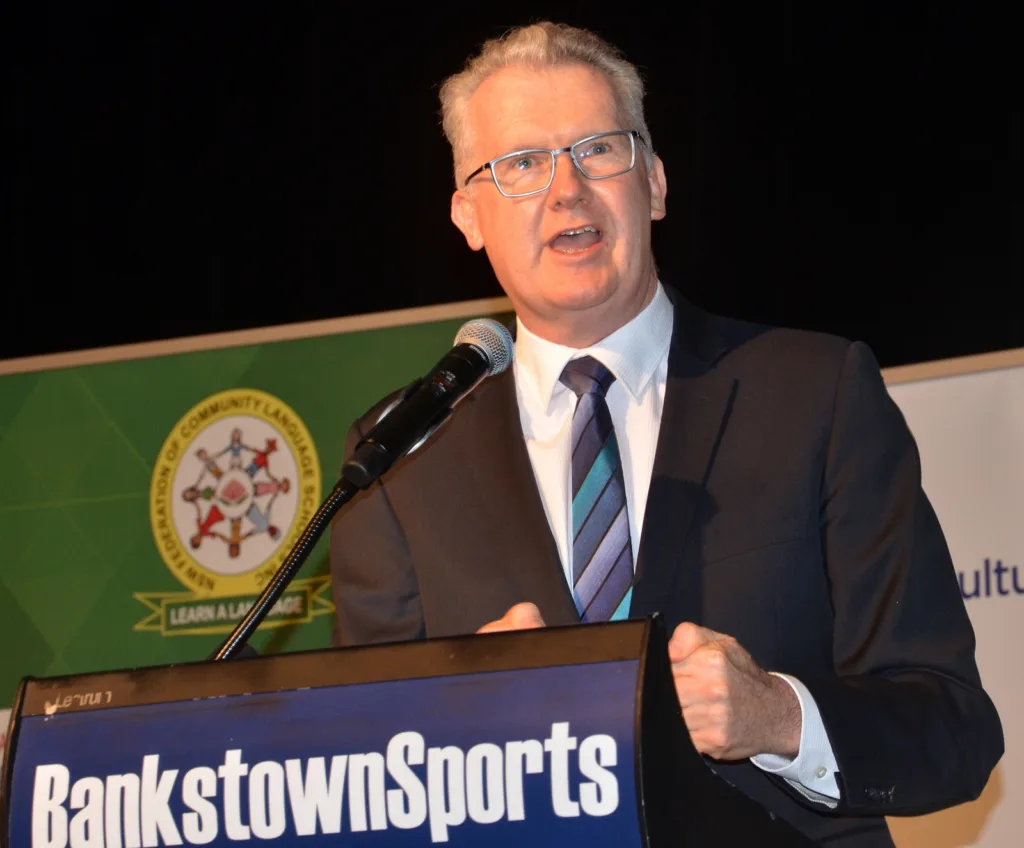
The award was presented by the Federal Minister for Home Affairs, the Arts, Cyber Security, Immigration and Multicultural Affairs, Tony Bourke.
Mrs Papadopoulou was recognisedfor her outstanding contribution to community language teaching, and for her outstanding service of 46 years teaching the Greek language.
Mrs Papadopoulou arrived in Sydney in 1962 and became a cornerstone of Greek language education in New South Wales. Beginning her journey at the Erskineville Police Club, she continued her work in Newtown and later opened the Greek afternoon school at Clemton Park Public School, where she remained for several decades.
During her long career, she taught nearly three generations of students, sharing her deep knowledge of Greek literature, history, geography and impeccable grammar.
Her remarkable educational background from Greece, combined with her determination to keep the Greek heritage alive in Australia, made her a dynamic and beloved educator. Despite challenges, she stood resilient, gaining respect as a role model not only among her peers or colleagues, but also in the wider Greek community.
She contributed greatly to the creation of Greek teaching resources and the increase of school enrolments, attracting students from neighbouring suburbs. Her school events, often enriched with her creations, reflected enthusiasm, and her passion for spreading and preserving Greek language and culture.
Even when she chose to retire, saying, “I’m growing up and I don’t want students to think, ‘this grandmother is their teacher’,” Mrs Papadopoulou remained an embodiment of kindness, responsibility, and quiet strength.
A group of senior politicians has acknowledged that Australian society has now changed dramatically, and that language was a key driver of that change.
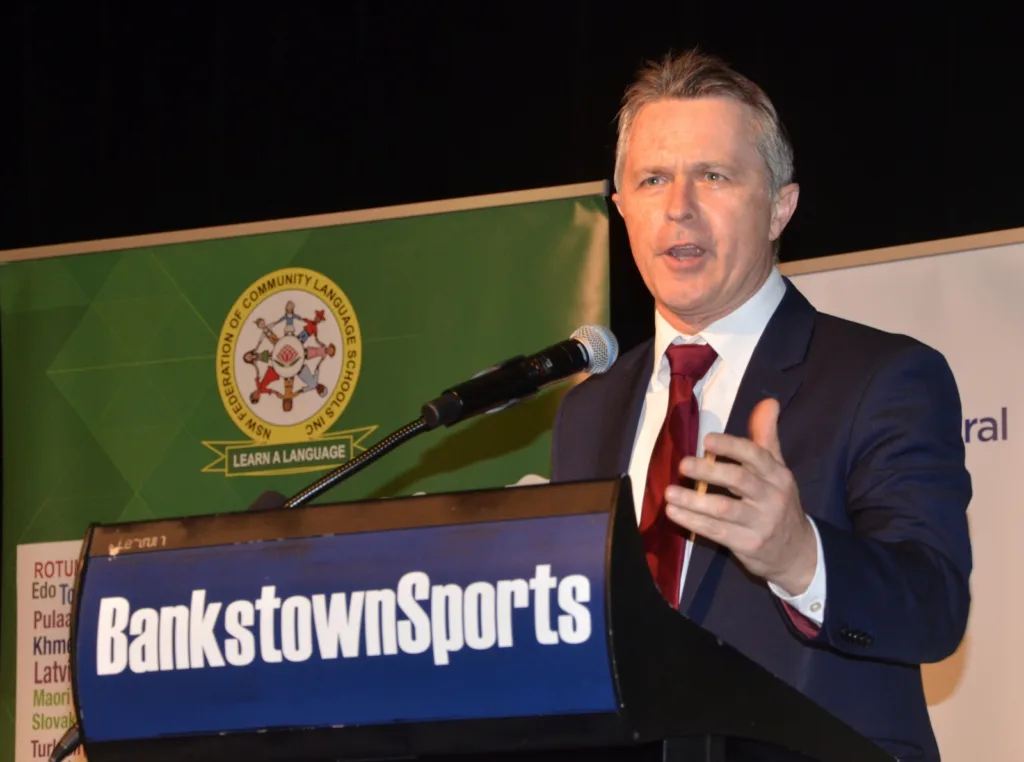
Speaking at the annual dinner of the Federation of Community Language Schools, the Federal Minister for Education, Jason Clare said: “Today one in two of us have parents who were born overseas and one in two of us speaks a language other than English at home.”
“Because of Community Language schools we are now not just a multicultural nation in name but one where language is kept and passed on from generation to generation,” Mr Clare added.
The Minister for Home Affairs, the Arts, Cyber Security, Immigration and Multicultural Affairs, Tony Burke told the teachers: “What you do is fundamental. This is modern Australia. What you do is simply good for your children, your community. It benefits Australia, makes us stronger and gives a bridge into the future.”
In a written message to the dinner, Australia’s Prime Minister, Anthony Albanese said: “Your teachers are keeping language and cultures alive right across NSW. Teaching language to children is a vital part of our identity. Australia is a vibrant and diverse nation and teaching language is a vital part of maintaining our cultural identity.”
The NSW Premier, Chris Minns, in a video message to the teachers said: “Thank you for connecting culture and language. It is an amazing gift you are giving to the next generation. It teaches us new ways of looking at the world while sharpening our minds at the same time.”
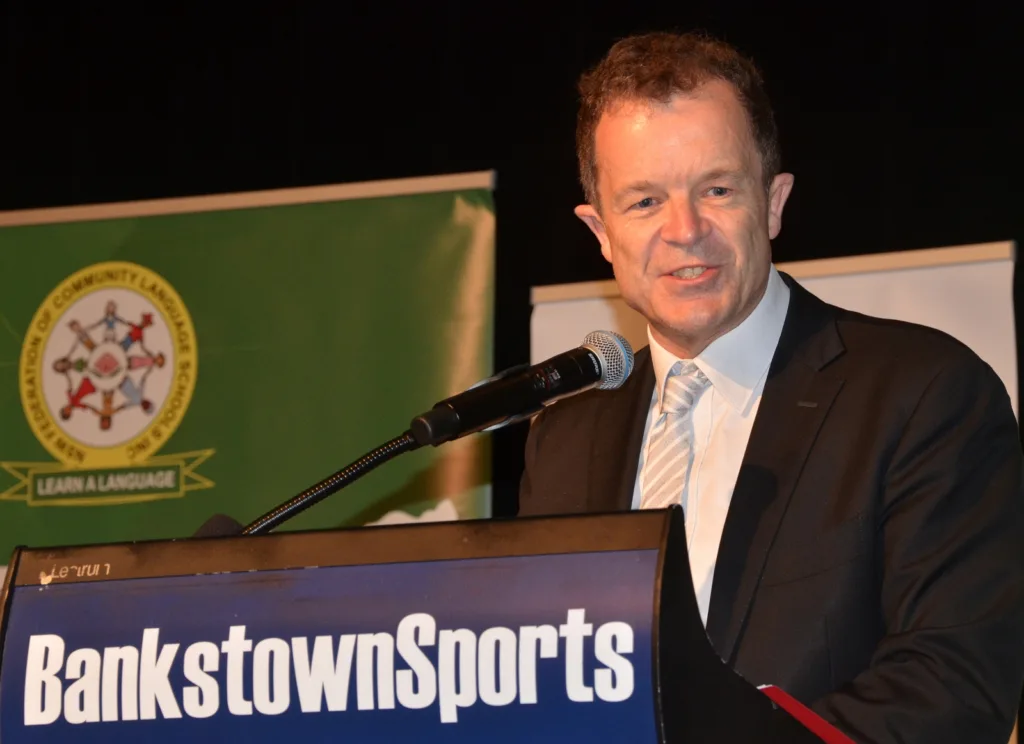
Speaking to the more than 500 teachers at the dinner, the NSW Opposition Leader, Mark Speakman echoed the same sentiments: “You can never underestimate the importance of language education to children in this state where something like half our households speak a language other than English at home.”
“Community language schools help young children maintain their connection with their heritage and ensure that children grow up not only with the language of their ancestors, but also in the values and the traditions of their heritage,” Mr Speakman added.
Mr Speakman concluded by expressing the hope that community language teaching would contribute to making “our great multicultural nation the best on the planet.”
The Minister for Customer Service and Digital Government, Emergency Services, and the Youth, Jihad Dib, told the teachers: “Our diversity is our strength, that our multiculturalism is now born in Australia. The languages we speak, and our heritage make us better as a country. The sixty languages we teach and the 30,000 kids we teach not only strengthens us as a country, but makes us better.”
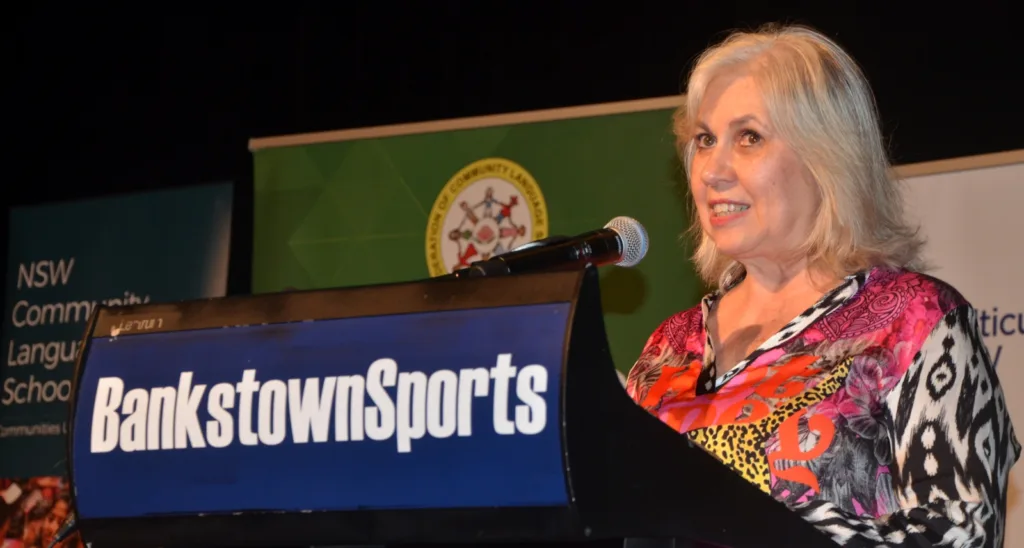
The President of the Federation of Community Language Schools, Lucia Johns told the gathering: “Community language schools are not just places where students learn a language; they are a place for cultural exchange, where the heritage of various communities is preserved and passed on to future generations. Our schools provide students with the opportunity to connect with their roots, to celebrate their traditions, and to embrace the diverse tapestry that makes Australia unique.”
“The teachers at these community language schools play a central role in this process. Hundreds of teachers, often volunteers, dedicate their time, energy, and expertise to help students learn and grow in both language proficiency and cultural understanding. These educators are not just teaching grammar and vocabulary, they are fostering a sense of pride in students’ cultural identities and empowering them to bridge the gap between their heritage and the broader Australian society,” she added.
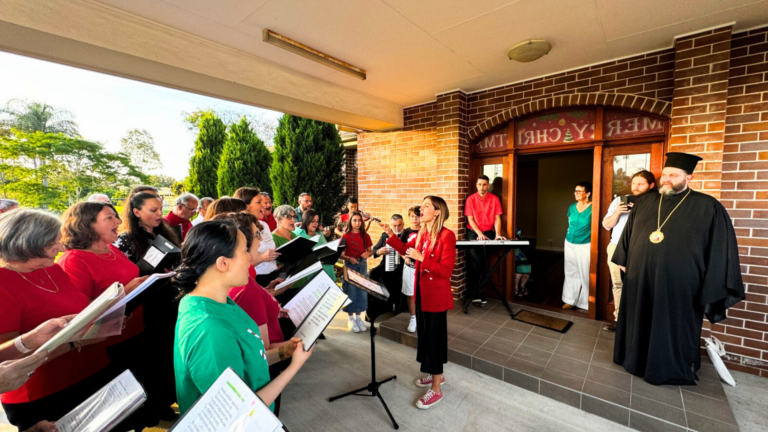
His Grace Bishop Bartholomew of Brisbane welcomed clergy and the public to the offices of the Greek Orthodox Diocese of Brisbane on Sunday, November 17, for the first-ever Christmas tree lighting ceremony.
Opening the evening, Bishop Bartholomew extended greetings on behalf of His Eminence Archbishop Makarios of Australia. The celebration featured traditional carols performed by Brisbane’s local choir, Ellinikes Fones.
Addressing the gathering, the Bishop reflected on the true meaning of Christmas, urging attendees to prioritise spiritual growth over materialism and to welcome Christ into their hearts.
As part of the event, Bishop Bartholomew distributed envelopes containing information on various charities, encouraging direct donations.
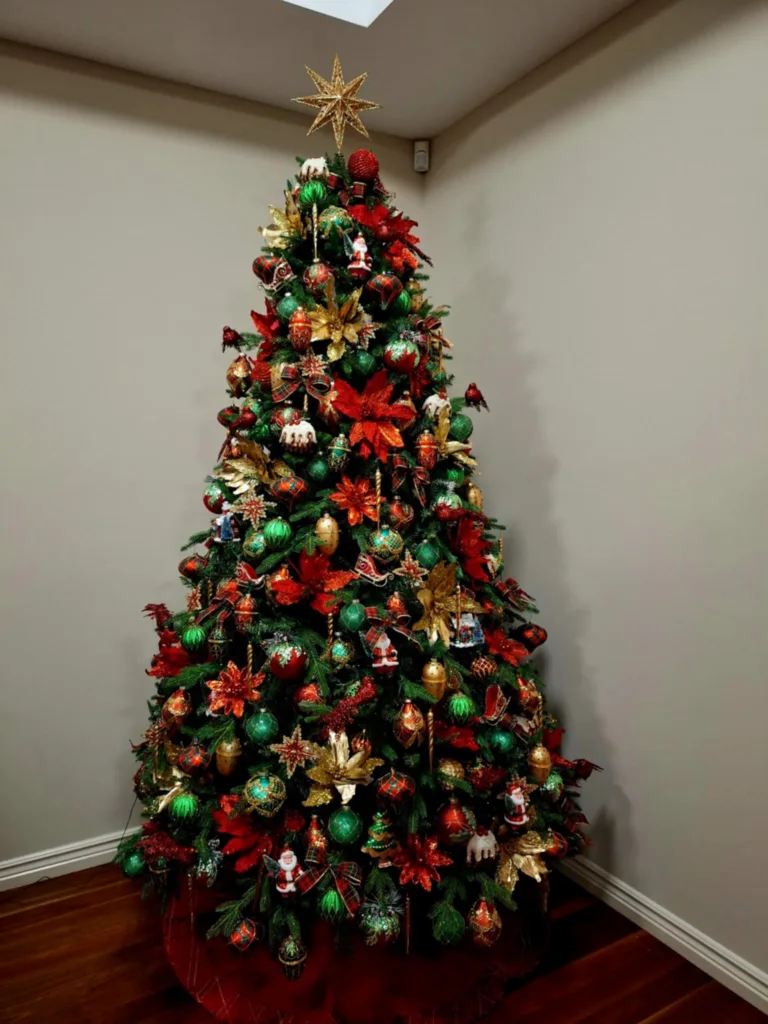
The Christmas tree was then illuminated amidst hymns and chants, symbolising unity and a warm welcome to the diocesan offices. The Bishop highlighted that the lighting served as an invitation for everyone to feel at home within the diocese, reaffirming that its doors are always open to support and serve the community.
The evening concluded with light refreshments for everyone to enjoy.
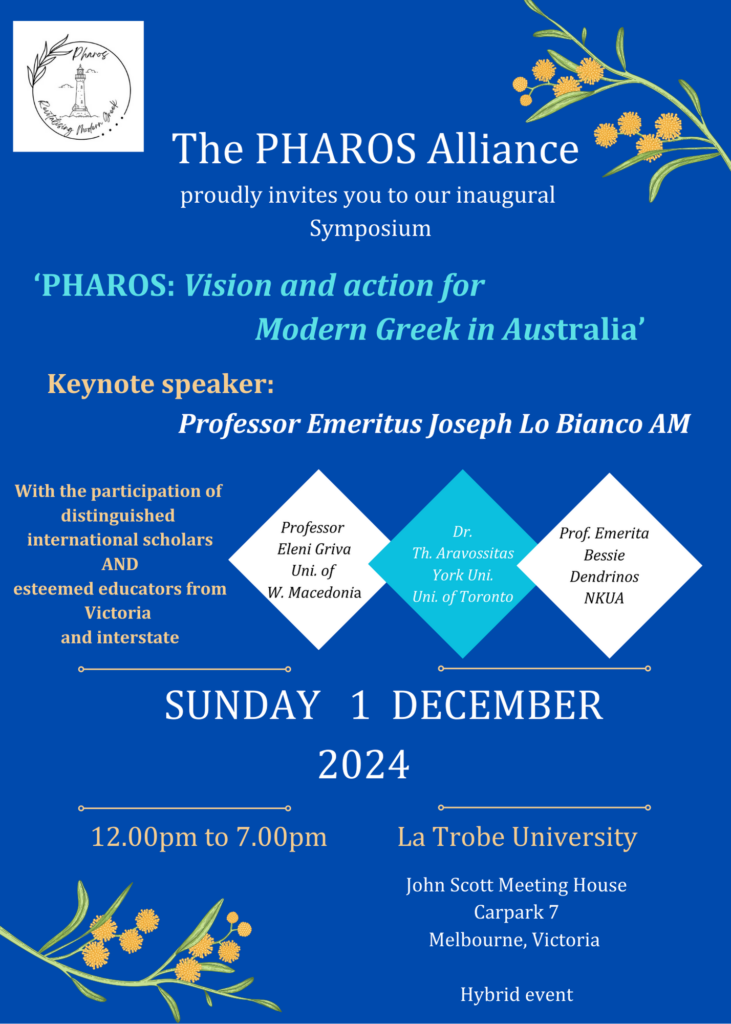
Pharos Alliance is now a registered not-for-profit organisation, dedicated to the promotion, maintenance and expansion of Greek.
Recently, the group completed their registration with Consumer Affairs Victoria, following a vote from members of the Working Party in favour of this next step. Professor Emeritus Joseph Lo Bianco AM was elected as President. Professor Lo Bianco has been facilitating Pharos meetings since the very first meeting.
Yiota Stavridou was elected as Vice President. Denise Diakodimitriou and Vasso Zangalis were elected as Secretary and Treasurer, respectively. Assistants to the Secretary and Treasurer are Dr Stephie Nikoloudis and Eva O’Hehir, respectively.
“It’s an honour to be elected President of the Pharos Alliance,” Professor Lo Bianco said.
For the members of the Working Party, Professor Lo Bianco seemed a logical choice, as the name of the organisation is taken from the research he undertook for the Modern Greek Teachers’ Association of Victoria in 2017, and which was then published in the book ‘Pharos-The Vitality and Presence of Modern Greek in Contemporary Australia.’
On Sunday, December 1, the Pharos Alliance is organising its inaugural Symposium. It will take place at La Trobe University, from 12pm to 7pm. The Symposium is an important opportunity to discuss Pharos Alliance’s systematic effort to revitalise Greek language teaching, usage and promotion, also to reflect on the outcomes of these efforts, compare with and discuss other language revitalisation activities, both in Australia and abroad, and project Pharos Alliance’s work into the future. New research findings will also be discussed.
Participation is free, but those interested in attending are asked to register here. Participation is open to all, educators, parents and interested individuals.
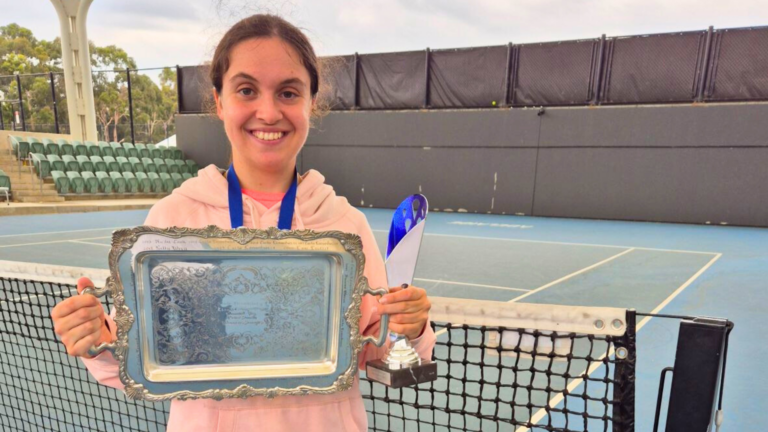
Andriana Petrakis has secured her singles and doubles titles at the 2024 Peter Smith Open (PWII) for Players with Intellectual Impairment at Memorial Drive in South Australia.
“I felt very proud, humbled and happy with myself that I won the same singles title like 2021 and 2022,” Petrakis told The Greek Herald.
Photo: Sport Inclusion Australia.
In 2016, she won her very first tournament at the Memorial Drive for B Grade in Division 2 in SA Tennis Championships tournament.
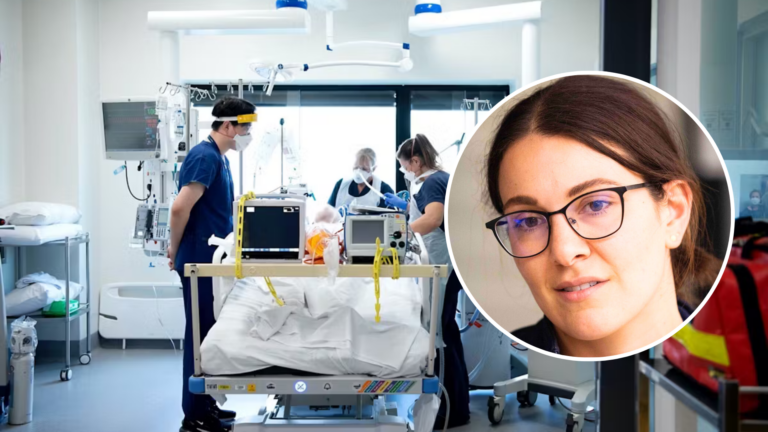
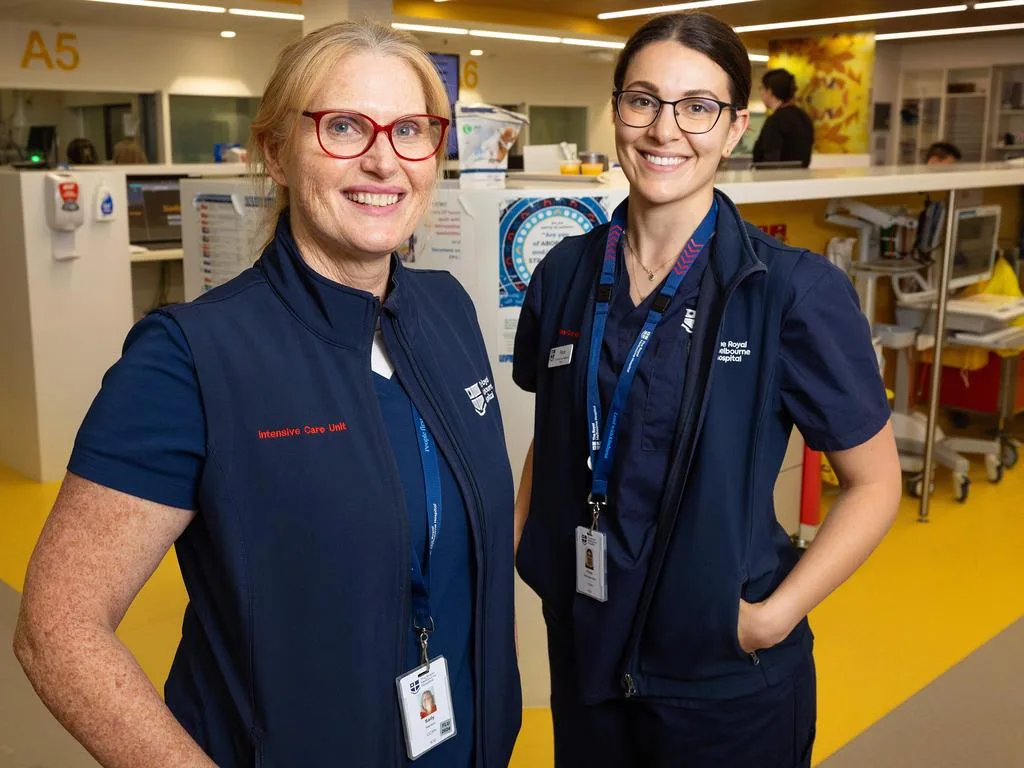
More than 3,000 critically ill patients pass through the doors of Royal Melbourne Hospital’s (RMH) ICU each year, making it a hub of relentless activity and vital care. Here, nurses work in a highly coordinated environment, with each patient assigned a dedicated nurse providing one-on-one attention.
According to The Herald Sun, for 30-year-old ICU nurse Flora Markogiannakis, the fast-paced, high-stakes environment became her calling during the Covid pandemic.
Reflecting on her entry into the field, Markogiannakis said: “I wouldn’t say Covid inspired or deterred me. I was really thrown into it and for me that worked really well, it gave me purpose.”
Markogiannakis has developed a special interest in trauma cases and finds fulfilment in the ICU’s supportive setting. With access to advanced resources and training, she feels equipped to make a real difference.
“You feel like you’ve achieved something by the end of a shift,” she shared.
Sally Neilson (L) and Flora Markogiannakis (R) are two of the hospital’s team of 380 ICU nurses. Photo: Mark Stewart.
Holding a Bachelor’s degree in Nursing and Business Administration, Markogiannakis envisions a potential future in health administration. However, for now, she is focused on the hands-on impact she can make as a nurse.
Despite her passion, the role comes with significant challenges. The mental and physical demands require resilience and self-awareness. “You really have to check in with yourself before every shift and when you go home, to know that you can come back the next day,” she explained.
The emotional toll of supporting patients and their families during some of their darkest moments is not lost on her. “We go through so much in our own personal lives and then caring for the patients and their families who are experiencing some of the worst days of their lives,” Markogiannakis added.
Prominent South Australian tomato growers Harry Kapiris, Peter Petsios and Emmanuel Cafcakis have criticised the handling of a recent tomato virus outbreak, which led to millions in losses and extensive farm shutdowns.
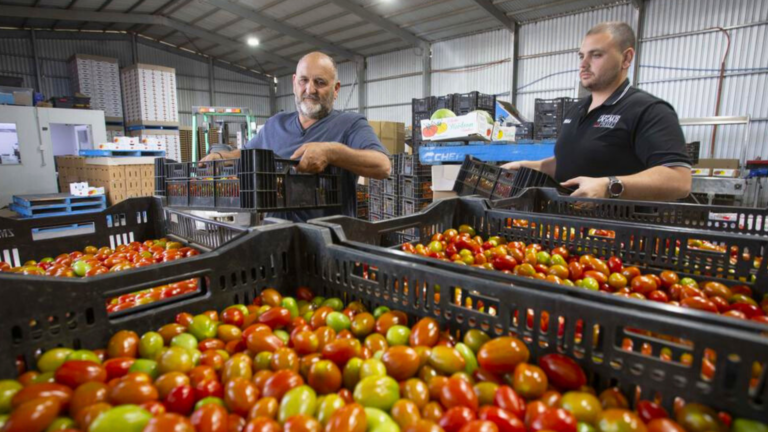
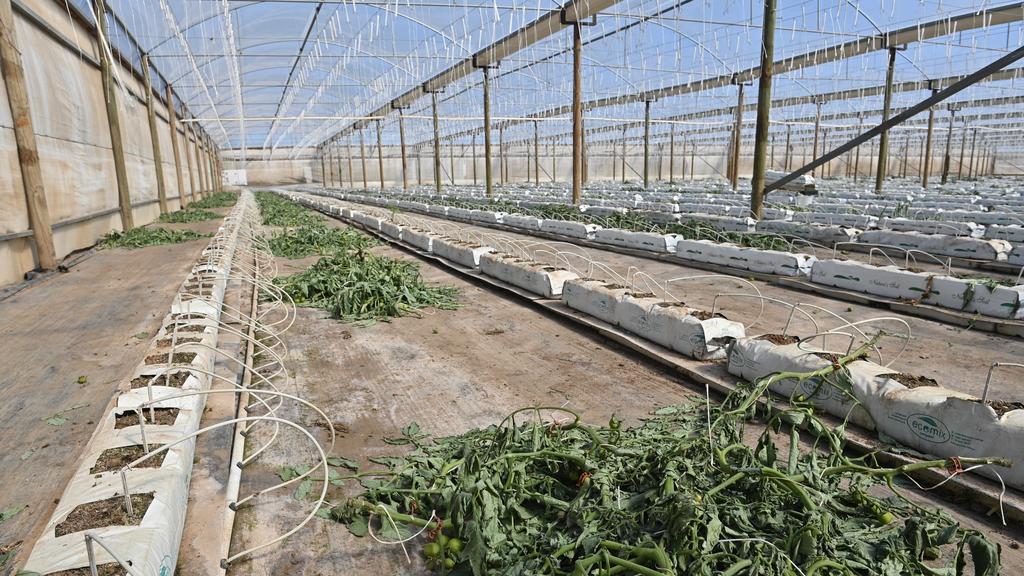
Owner of Gawler River Tomatoes, Harry Kapiris, was forced to destroy $1.1 million worth of crops after biosecurity officials detected the Tomato Brown Rugose Fruit Virus (ToBRFV) on his property. Kapiris later received independent test results showing no trace of the virus, suggesting a false positive.
The shutdown resulted in millions in losses, the layoff of 30 staff, and potential legal action. Kapiris lamented the impact on livelihoods, calling the response “crazy” and demanding accountability.
The long-time owner of SA Tomato, Peter Petsios, whose family has farmed since 1960, destroyed $1.3 million in crops and lost millions more in revenue after virus detection at his facility.
Petsios criticised the government’s response as an overreaction, claiming it had caused more harm than the virus itself. He advocated for targeted containment measures rather than blanket shutdowns, saying the government’s actions crippled the industry.
Harry Kapiris is considering legal action in the wake of biosecurity officers issuing him with an order in August to rip up $1.1m worth of tomato plants. Photo: Keryn Stevens.
Another tomato farmer, Emmanuel Cafcakis, estimated losses exceeding $100,000 despite his Virginia property being cleared of ToBRFV after seven weeks. He condemned the prolonged inspection process and interstate trade restrictions, which created a tomato glut and devastated prices.
Cafcakis expressed concern that heavy-handed measures would discourage future virus reporting, likening the response to a “typical bloody Covid response.”
Authorities defended their actions, citing the need to protect Australia’s $800 million tomato industry. However, growers argue that eradication is unrealistic and that authorities should adopt containment strategies used overseas. Many fear lasting damage to trust between growers and biosecurity officials.
Elon Musk has endorsed Cypriot MEP and YouTuber Fidias Panayiotou for the European Union presidency in a post on X.
This followed a discussion about the term “far right” and Musk’s response to a user praising Fidias as “one of the most transparent politicians in Europe.” Musk later reinforced his support, tweeting, “Fidias for EU President!”
Fidias previously criticised the EU election process after Ursula von der Leyen’s re-election as European Commission president earlier this year, advocating for a “more democratic” system. Musk agreed with his viewpoint, stating, “Fidias has a good point.”
Despite the EU lacking a formal presidency, the European Commission president is its most influential role. Von der Leyen’s term runs until 2029. Musk’s connection with Fidias began in 2023 when the YouTuber camped outside X headquarters to meet him. Fidias, who credits Musk for inspiring his active use of X, later entered the European Parliament.
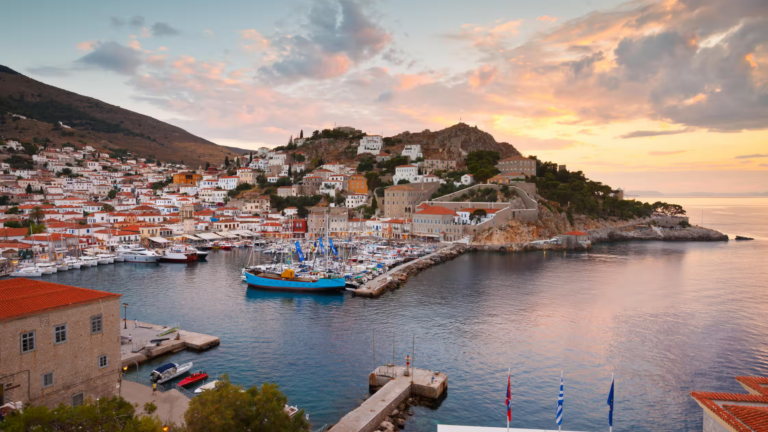
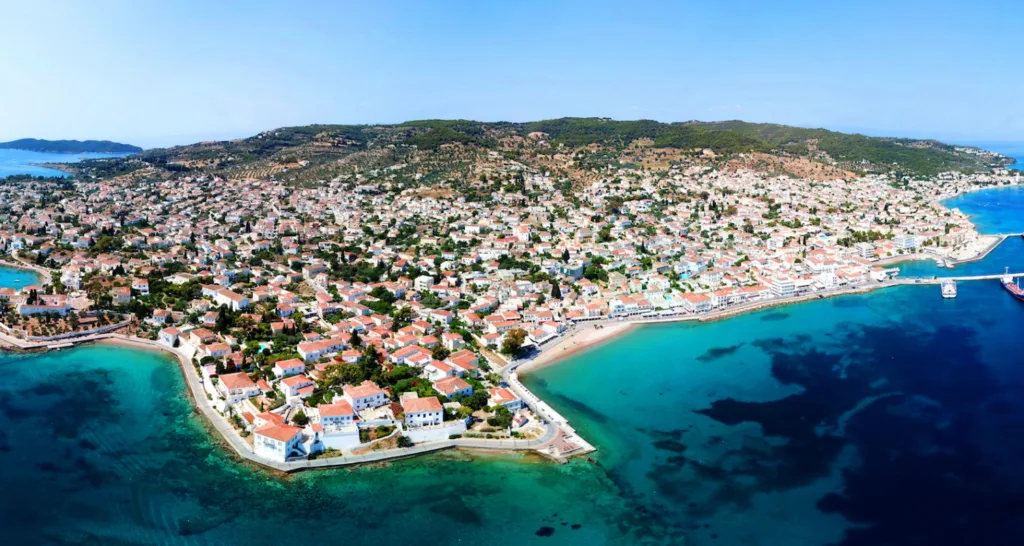
Authorities recently discovered a significant land fraud scheme involving 45 plots of public land, spanning 550,000 square metres, on the Greek islands of Hydra, Spetses and Agistri. A group from northern Greece is accused of forging documents to falsely claim ownership of forested and agricultural areas.
The fraud was identified by a private surveyor and the Greek land registry (Ktimatologio). Investigators revealed that the suspects retroactively altered their tax declarations (E9 forms) to create the appearance of long-standing claims predating the land registry process. They supported these false claims with affidavits repeatedly signed by the same individuals, enhancing the illusion of legitimacy.
Spetses.
The group used a single notary for all notarised documents, likely to minimise risk. Instead of legitimate survey data, they relied on publicly accessible tools from Ktimatologio to identify and claim the plots. Exploiting the system’s reliance on self-reported data and the challenges of verifying historical claims, they hoped to avoid detection, particularly as the targeted lands were remote and public.
Greece’s Deputy Minister of Digital Governance Kostas Kyranakis described the scheme as a calculated exploitation of system loopholes and confirmed that legal proceedings are under way. Officials believe the group anticipated the state’s limited resources would leave the areas unguarded.
The suspects face felony charges, which could result in sentences ranging from 10 to 20 years due to the involvement of public property.