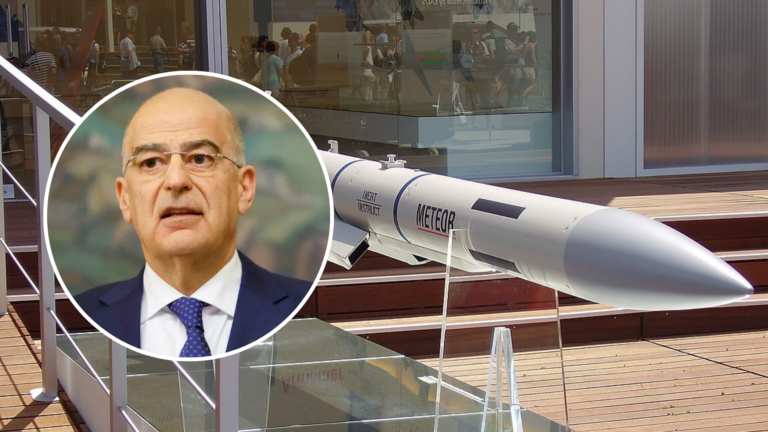
Greek Defence Minister Nikos Dendias has expressed strong opposition to the potential sale of Meteor missiles to Turkey by a consortium involving France.
In a social media post, Dendias revealed that he met with French Ambassador Laurence Auer at the Defense Ministry, requesting an official explanation about reports of the missile sale.
He emphasised that such a deal would contradict the “excellent strategic relations” between Greece and France.
The Meteor is a European medium-range air-to-air missile developed by a French, British, and Italian consortium. Turkey is reportedly seeking the missile as part of its planned acquisition of 40 Eurofighter Typhoon jets.
Following the relevant briefing of Prime Minister Mr. Kyriakos Mitsotakis, and Minister of Foreign Affairs Mr. Georgios Gerapetritis, I met today at the Ministry of National Defence with the Ambassador of France, Ms. Laurence Auer, to request an official explanation regarding… pic.twitter.com/7z4gE57hsM
This move, which would counter Greece’s recent acquisition of Rafale fighter jets, is raising tensions between Athens and Paris.
Dendias’ comments follow a briefing from Prime Minister Kyriakos Mitsotakis and Foreign Minister Georgios Gerapetritis.
Turkey has reportedly overcome objections from Germany to secure approval for the Eurofighter deal from other European nations.
However, Paris retains veto power over any missile export, which has created uncertainty in Greek-French relations, especially under their 2021 defence cooperation agreement.
Greek Prime Minister Kyriakos Mitsotakis has rejected allegations of a cover-up in the Tempe railway disaster during an interview with Alpha TV, stressing that if the freight train was carrying illegal cargo that contributed to the fire, railway operator Hellenic Train would be held accountable.
His comments came amid widespread protests demanding justice for the disaster, which claimed numerous lives.
Mitsotakis initially claimed the train was not carrying suspicious cargo, based on assurances from the Fire Department and Hellenic Train, but acknowledged new evidence has emerged.
Εάν το πόρισμα του ανακριτή είναι ότι υπήρχε κάτι εύφλεκτο και παράνομο σε αυτό το τρένο, θα γυρίσω τον κόσμο ανάποδα να εξασφαλίσω ότι αυτό δεν θα ξαναγίνει. https://t.co/IIvViEaWy1pic.twitter.com/lHWSwiUE5w
“If it is proven [something suspicious was on the train], Hellenic Train must be held accountable,” he said. Mitsotakis firmly rejected accusations of a cover-up, calling them a “huge lie.”
The PM also discussed the emotional impact of the leaked audio recordings from the crash, noting that the public was shocked, especially parents hearing their children’s final moments. He emphasised that citizens demand justice and assurances that such a tragedy will never happen again.
Addressing recent political tensions, Mitsotakis acknowledged the right of victims’ families to demand justice but criticised the opposition for politicising their grief.
He also stated that the investigation into the disaster is nearing its conclusion, with the justice system taking the lead in providing answers.
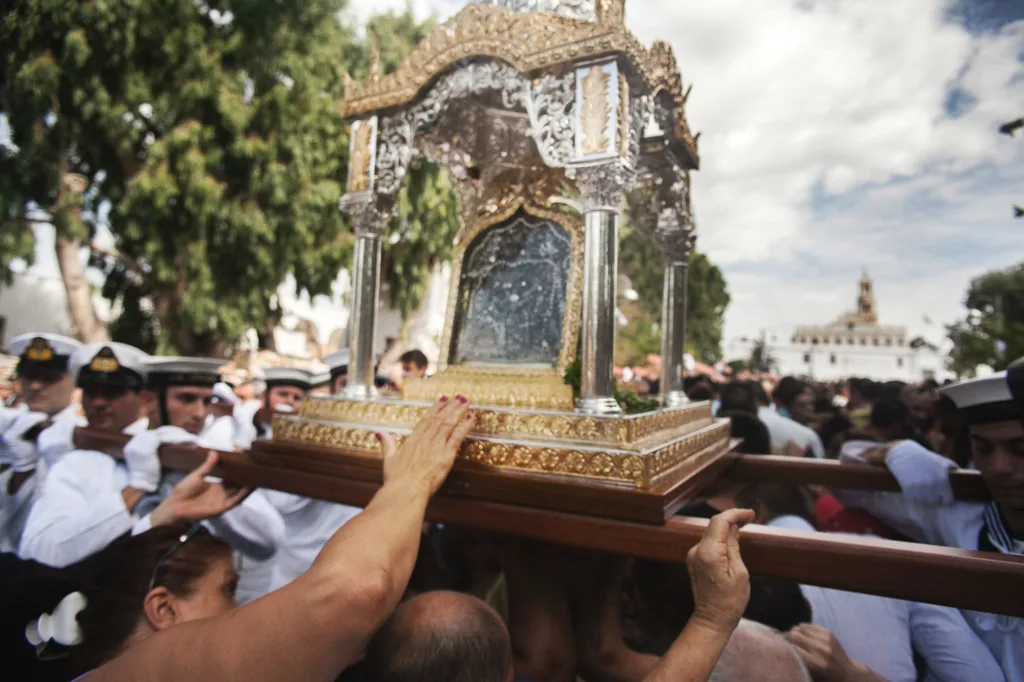
The icon of the Virgin Mary, known for its miraculous powers, was discovered on January 30, 1823, on the Doxara estate in Tinos, Greece. The Church of the Annunciation was built on the site and became a major pilgrimage destination.
The search for the icon began in 1821 after an old man, Michalis Polyzonis, was guided by a dream of the Virgin Mary to search for the icon in the field. Despite initial failures, the search continued after the Virgin Mary appeared to a nun, Pelagia, in 1822, urging her to encourage local leaders to build a church.
Photo: VICE.
During the search, the island faced a plague, which intensified the urgency of finding the icon.
On January 30, 1823, while constructing the church, a builder named Emmanuel Matsa accidentally uncovered the broken icon, which miraculously reassembled itself. The discovery was seen as a divine intervention, and shortly after, the plague ended.
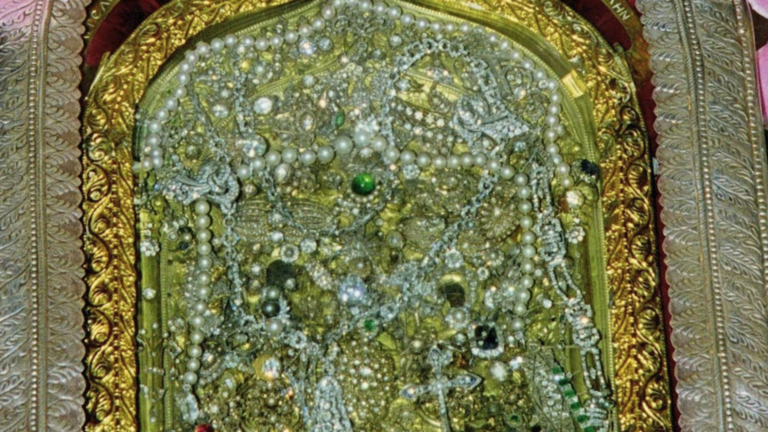
Today, the icon, which depicts the Annunciation of the Virgin Mary, is housed in the grand church built over the original site. The icon is adorned with gold, silver, and precious stones, donated by the faithful over time.
Georgia Yiannoukas’ early life in Paphos, Cyprus was without financial difficulties. She could never imagine she’d become a refugee and live the rest of her life half way across the world.
“It’s very difficult for someone who has two homelands. I always think of Cyprus. My heart is always there,” Georgia says.
In the 1950s, Cyprus was still a British colony and English language was a compulsory subject.
“At school I had a satisfactory level of English because I started in the fourth grade and then did six years in high school. I started studying physiotherapy but I didn’t like it, so I stopped,” she explains.
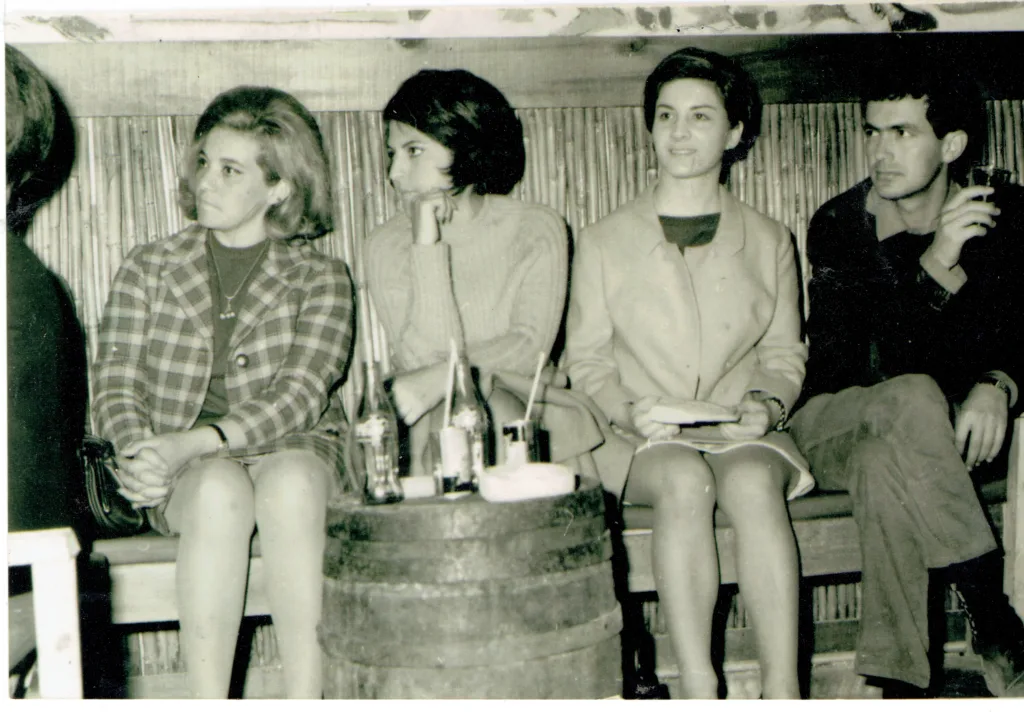
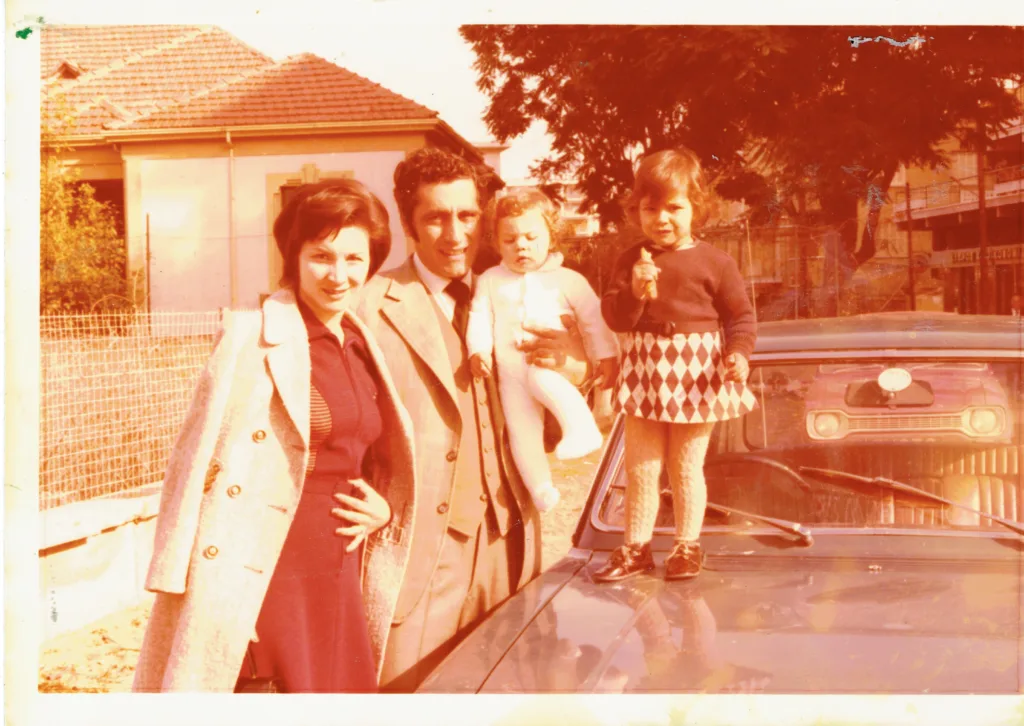
Georgia Yiannoukas, 1950s, Paphos.
Georgia didn’t further her education until she arrived in Australia. She studied interpreting and translation at Macquarie University.
“Afterwards, they sent us to different courses. With Medical Terminology, I passed with high distinction, because I had the advantage that many medical terms are derived from the Greek language and from Latin which I studied for six years at high school,” she says.
Georgia became a specialist Medical interpretor and translator although she never crossed paths with her husband Dr Yannis Yiannoukas.
“Yiannis spoke better English than me because he studied medicine at Victoria University in Manchester. That’s why his medical degree was recognised immediately when arrived,” Georgia says.
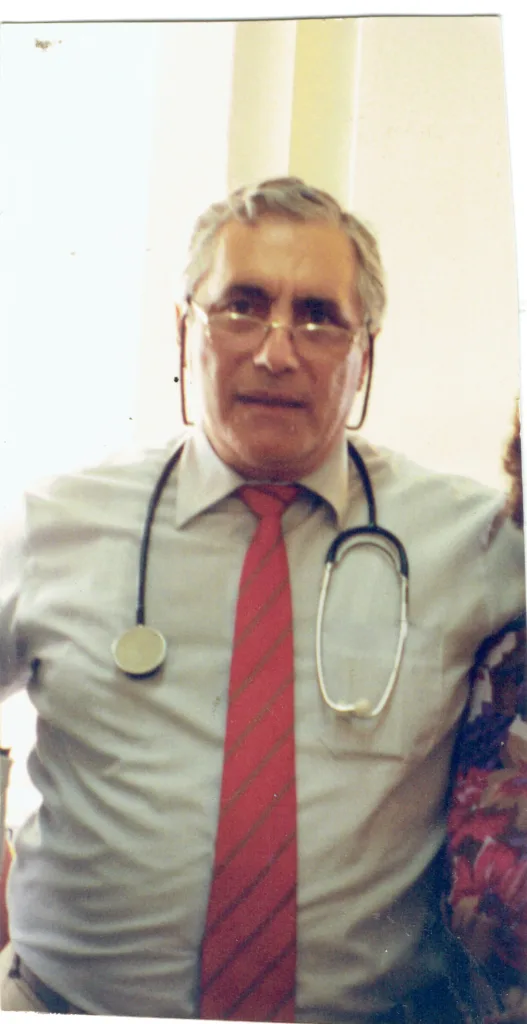
Dr Yiannis Yiannoukas, GP in Newtown.
Although Dr Yiannoukas was a surgeon at the Famagusta Hospital, he transitioned to General Practitioner in Sydney. He was well loved within the Greek Cypriot community and his practice in Newtown became enormously popular.
“Yiannis was very forthright, sociable, talkative, decisive. He took decisions easily, unlike me! Although I grew up in Paphos, after we got married, we lived in Famagusta,” Georgia explains.
By 1974, Georgia and Yiannis had two daughters – Despina, 4, and Corina, 2.
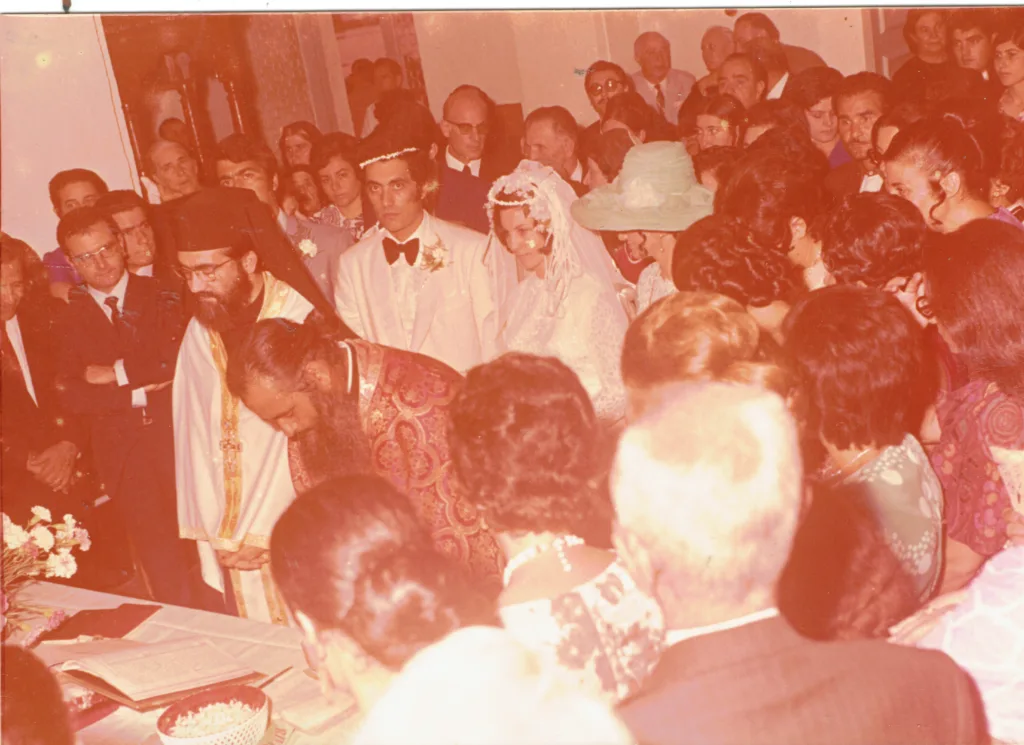
Georgia and Yiannis Yiannoukas Wedding, Cyprus.
“When the Turkish invasion happened, the majority of people left Famagusta. Those who stayed behind were executed by the Turkish Army. They were obvious executions. Those days were the worst memories of my life. We experienced a lot of fear and uncertainty. Everything was unknown. We lost our home, we lost everything,” she says.
“We made the decision to leave Cyprus almost immediately as Yiannis thought ‘who would stop the Turkish Army from taking the whole of Cyprus.’ Life for our children was very uncertain. We wanted to go where there would be a better future for them.”
Soon after they arrived, their youngest, Stavros, was born.
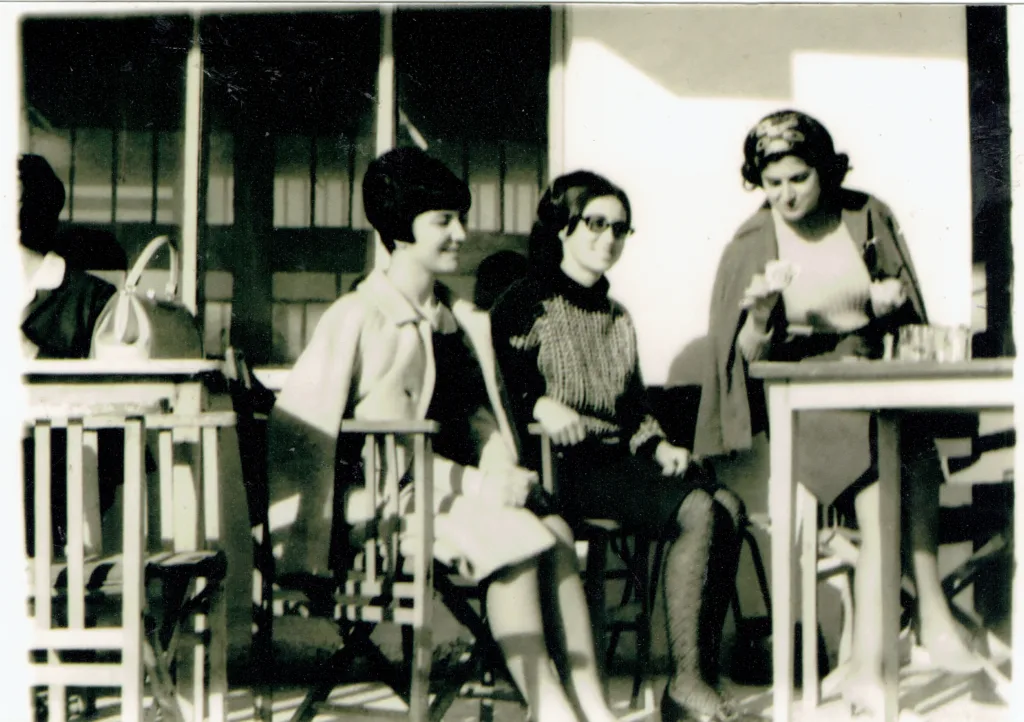
Georgia Yiannoukas, Paphos, 1950s.
“Even though Stavros is the only one born in Australia, he is the most Cypriot of our children,” Georgia says.
The Cyprus Club of NSW played an essential role in the family’s ability to settle into Australian society.
“When I went to the Cypriot Community, I felt like I was at home. We met a lot of people. I wasn’t on the committee, but I always helped. Yiannis was with SEKA – Justice for Cyprus – for many years,” Georgia explains.
Since 1974, no country outside of Turkey has recognised its invasion as legitimate and the occupation has become known as the ‘Cyprus problem’.
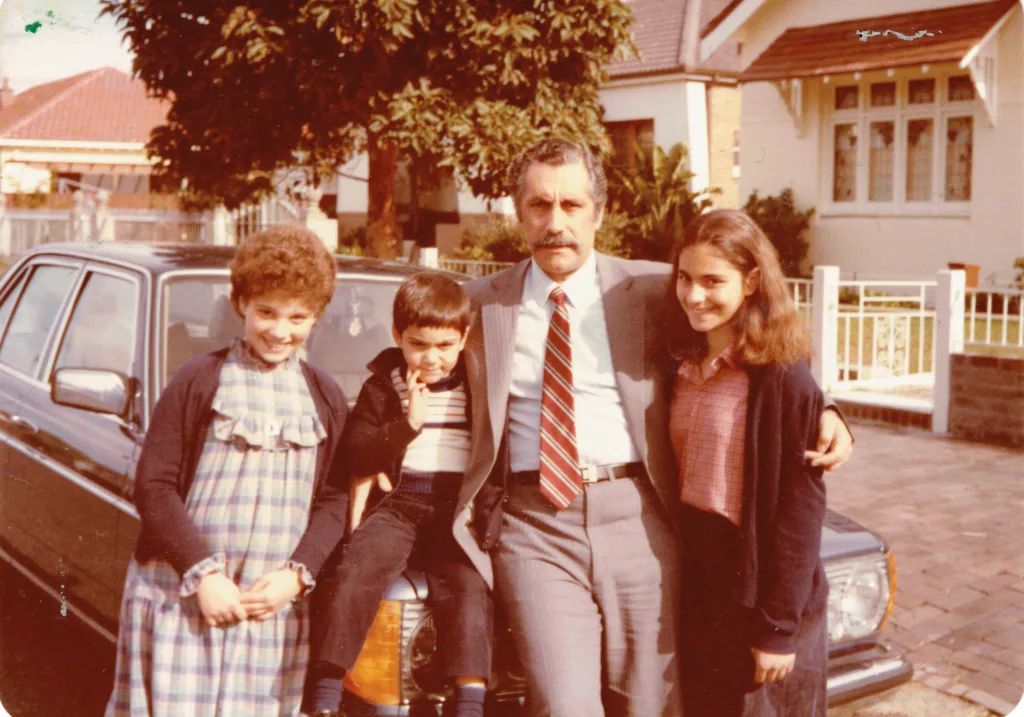
Georgia and Yiannis Yiannoukas & family become refugees, 1974.Dr Yiannis Yiannoukas & children, 1976, Sydney.
“It is very difficult to find a solution for the Cyprus problem, at least in my lifetime. I don’t know later if the conditions change and there is some kind of solution,” Georgia says.
“Australia was more or less what I expected. That is, a peaceful country, the people were not fanatical about politics and also Australia did not interfere into other countries’ affairs. Life was peaceful.
“My best memories are my wedding day, the birth of my children and meeting Yiannis.
We had a good life, in Cyprus and in Australia. Yiannis was 72 years old when he died of lung cancer that had metastasised to the liver. After the metastasis, he lived for only a few days. Now it’s 14 years.
“My children, I’m proud to say, excelled at school. All of them went to university. They all have jobs and work very hard. They are committed to work. They don’t see work as a chore, they enjoy it. It’s a challenge for them. And I have four beautiful grandchildren.”
*Georgia Yiannoukas’story features in Kay Pavlou’s one-hour documentary Two Homelands. In the documentary, six elderly Greek Cypriots reflect on their war-torn homeland and life in Australia.
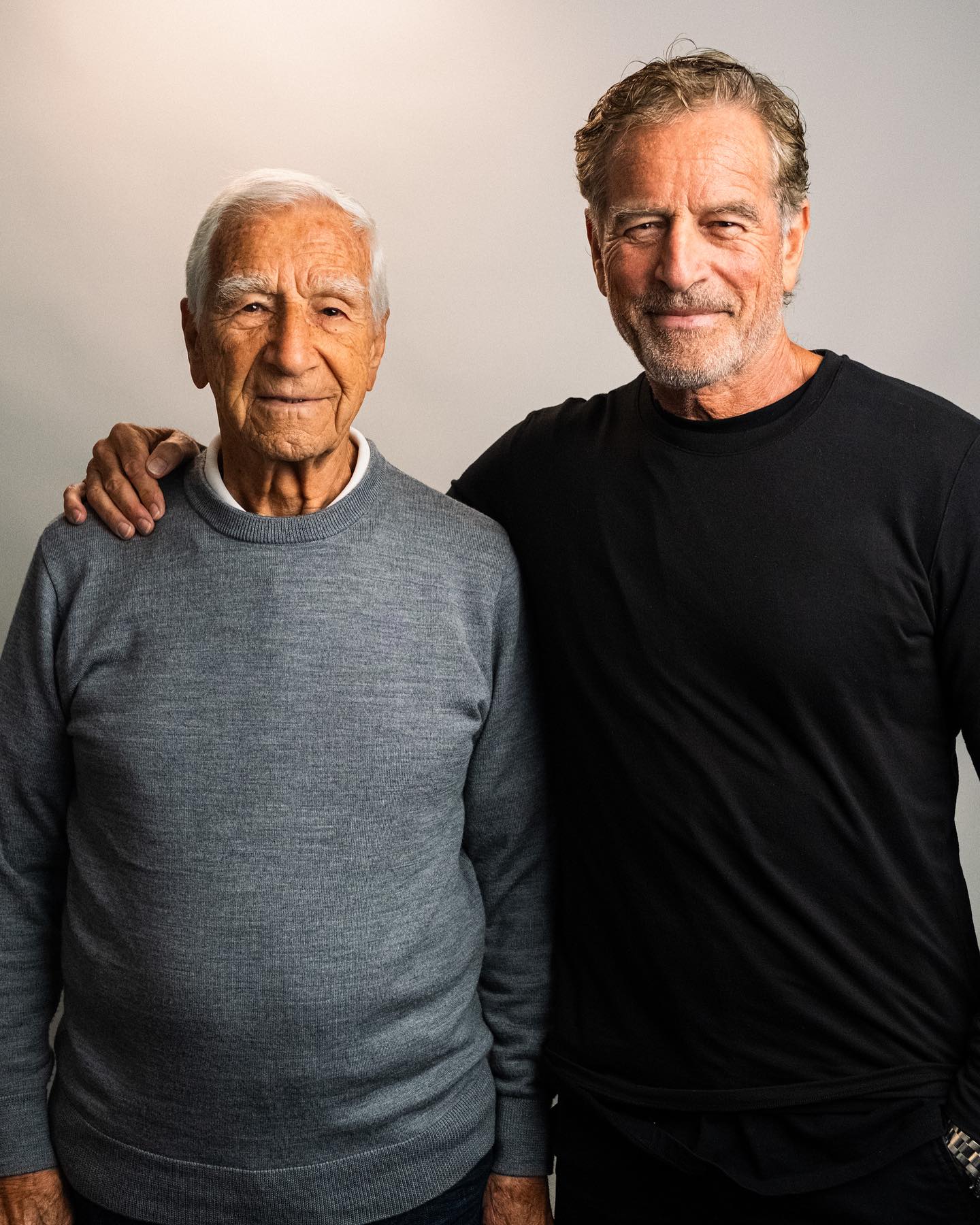
Mark Bouris has shared why he treasures life in Australia, reflecting on his family’s journey from war-torn Greece.
His father arrived in the 1940s, seeking a better life, and Bouris acknowledges the opportunities they had, saying, “I had the opportunity to live a much better life than he did as a child.”
He describes Australia’s warmth, safety, and conditions as a stark contrast to his father’s childhood in a German-occupied village.
Bouris also celebrated Australia’s multiculturalism, saying, “Immigrants give Australia a broad palette of ideology, culture, food, sport, entertainment, music, and appreciation for life.”
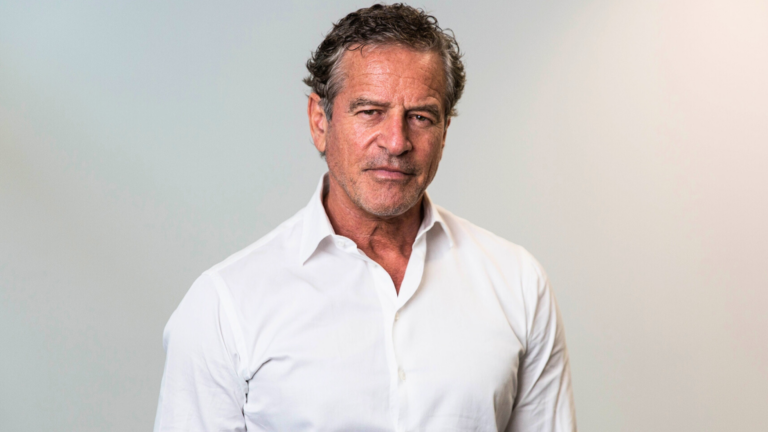
Photo: Mark Bouris / Facebook.
He fondly recalls his family’s integration into Australian life, including their passion for rugby league and beach picnics.
For Bouris, the value of “mateship” — loyalty, respect, and fun — is one of his life’s greatest treasures, a legacy passed down from his father, who embraced the concept despite language barriers.
“Mateship expanded his life and it has expanded mine,” Bouris said.
He expressed deep gratitude for Australia’s welcoming spirit, stating, “I think I am probably one of the luckiest people in the world.”
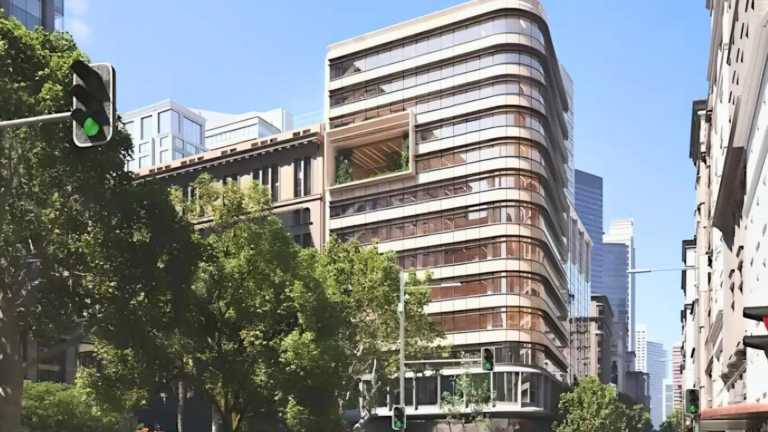
New York-based investor Tony Cheng is set to build Australia’s tallest timber tower, a 13-storey boutique office at 4-6 York Street in Sydney’s CBD.
Designed by architecture firm Tzannes for Cheng’s NGI Investments, the building will feature 11 storeys of mass timber construction, with a hybrid timber-steel design for the top two floors to support large cantilevers over railway tunnels.
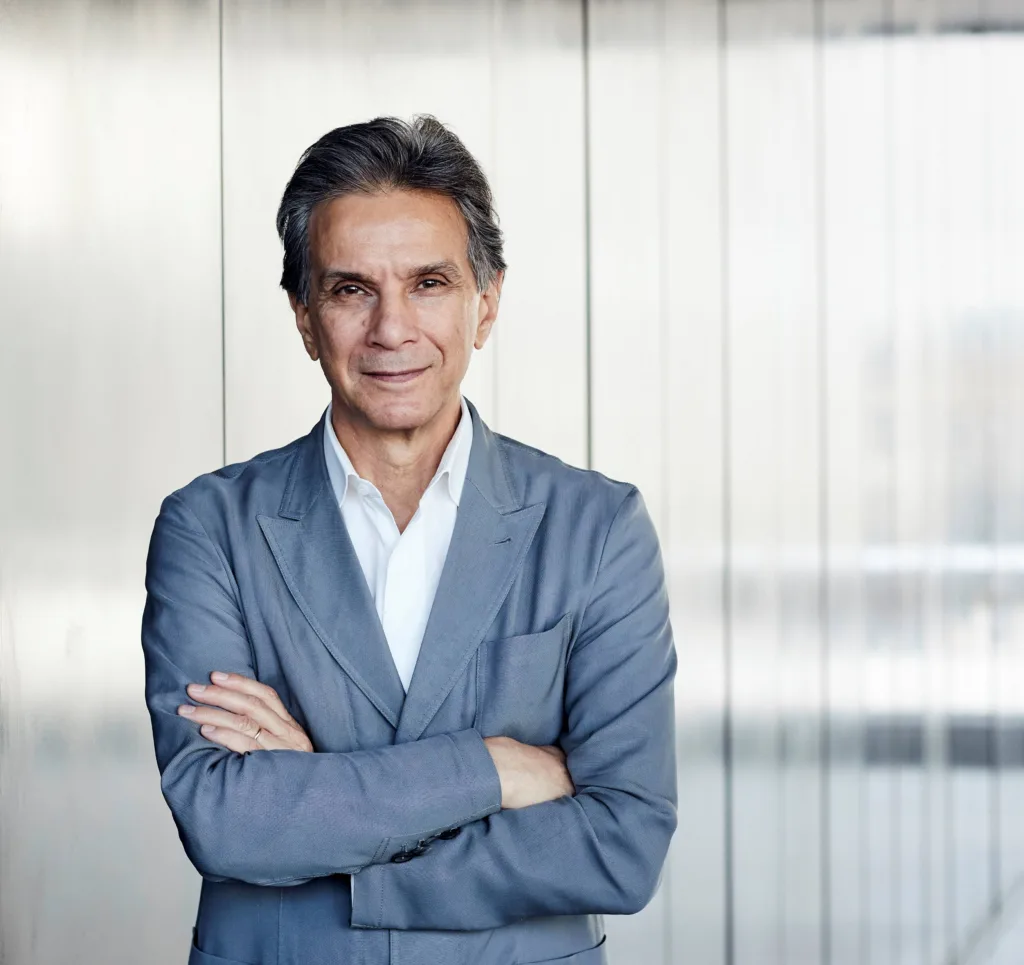
Tzannes co-director Alec Tzannes explained, “It’s fully massed timber above the steel cantilevers required to span over the railway tunnels,” noting that the design incorporates timber for everything from floors to fire escapes.
Alec Tzannes.
This project follows successful timber developments by Tzannes, such as International House Sydney and Daramu House, which demonstrated timber’s viability as a sustainable alternative to concrete.
Tzannes co-director Amy Dowse highlighted the building’s focus on sustainability, stating, “4-6 York Street builds on the knowledge and experience we’ve gained from our previous exemplar projects and will set a new benchmark.”
The design also incorporates elements that respect the nearby heritage-listed Bank of NSW building at 341 George Street, with a facade that blends concrete, ceramic tiles, glass, and timber, complementing the area’s architectural heritage.
Economist Stephen Koukoulas predicts that homeowners could soon save hundreds of dollars monthly, as there’s a strong likelihood the Reserve Bank will begin cutting interest rates at its February 18 meeting.
Money markets have already priced in nearly four 25 basis point cuts by mid-2026, which will lower mortgage repayments for homeowners and small business loan holders.
My 2025 calls: GDP H1 1.5%; solid recovery H2 2.75% Unemployment rate up; towards 4.75% Inflation hovers 2.25 to 2.75% Wages growth drops to 3% with downside risk RBA cuts 150bps 10 yr bonds to 3.75% AUD regains 70 as USD falls House prices keep falling -6% ASX200 weaker 7,500
These rate cuts will free up cash for borrowers, potentially boosting consumer spending or debt reduction, supporting economic growth and a healthy labor market.
For example, a 25 basis point cut on a standard 25-year principal and interest mortgage at 6.25% would reduce repayments by $16 per month for every $100,000 in debt. However, the impact will vary based on loan terms and individual conditions.
Sydney-based private credit firm Gemi Investments has suspended redemptions from its $300 million First Mortgage Fund after overdue repayments from property developers, including those linked to embattled publican Jon Adgemis.
The fund, which holds 70% of its loans in commercial real estate, has faced challenges from high interest rates, vacancy rates, and rising construction costs.
Gemi’s head of investor relations, Michael Glatter, informed investors that redemptions were halted to maintain adequate cash levels in the fund.
Gemi, which has lent millions to Adgemis’ hospitality ventures, including a $54.8 million loan for the development of Noah’s Backpackers in Bondi, had marketed loans with inflated property valuations.
Despite these challenges, Gemi has reported no losses in the First Mortgage Fund since its launch in 2021, targeting a 9% return.
However, investors remain concerned as the firm halts redemptions amid growing pressures in the commercial property sector.
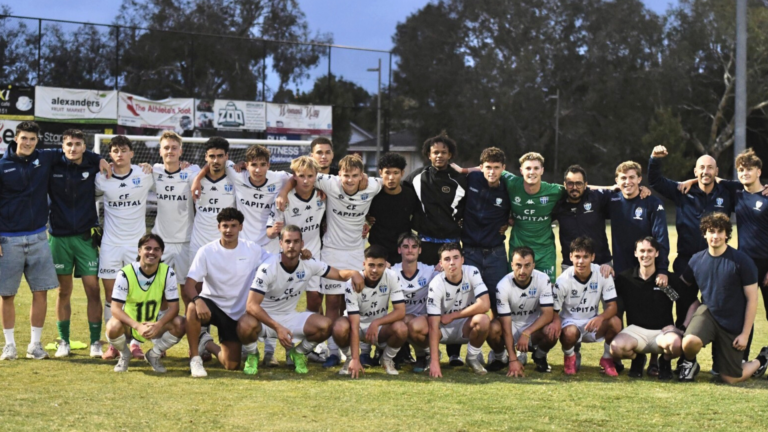
South Melbourne and the Port Melbourne Sharks have secured their places in Saturday’s highly anticipated Cup Final, following hard-fought semi-final victories. Box Hill and Oakleigh Cannons will now compete in the bronze match to determine third place.
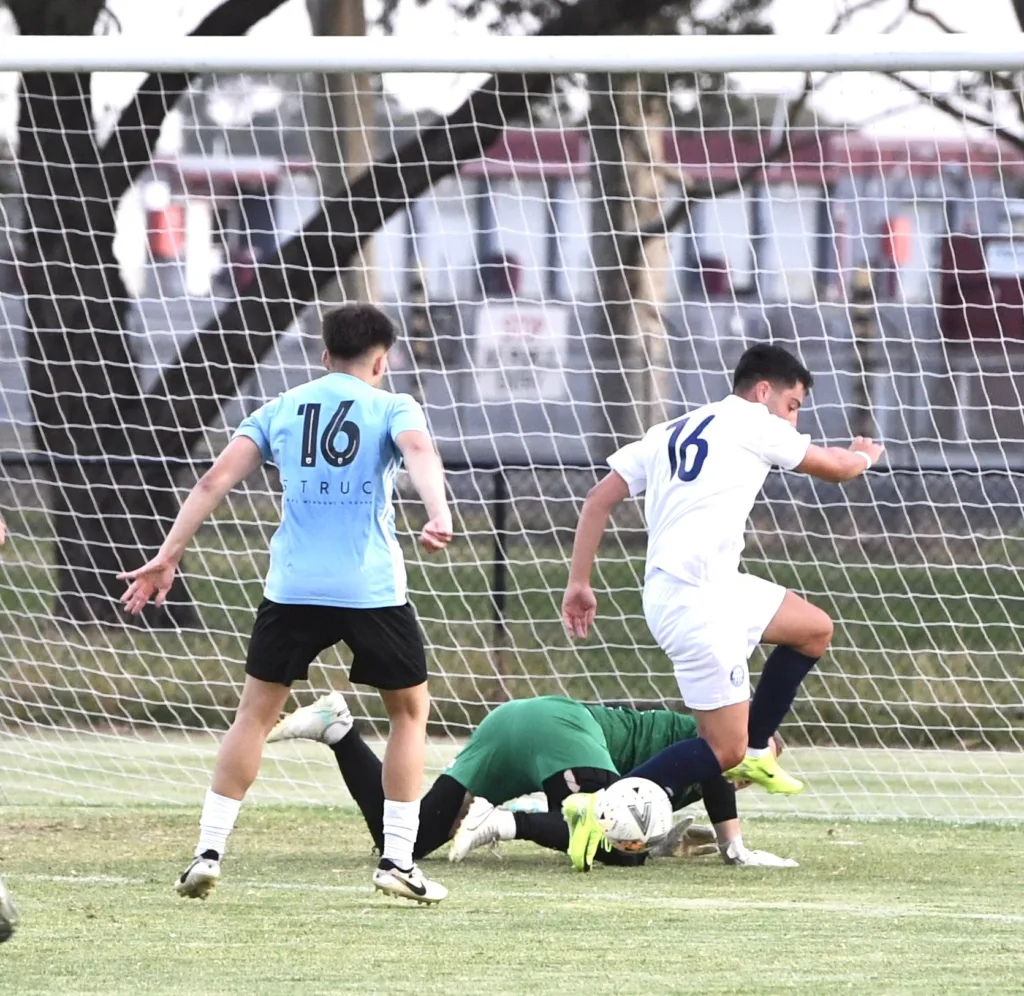
South Melbourne claimed a narrow 2–1 victory over Box Hill in a fiery and physical encounter, earning their spot in the final.
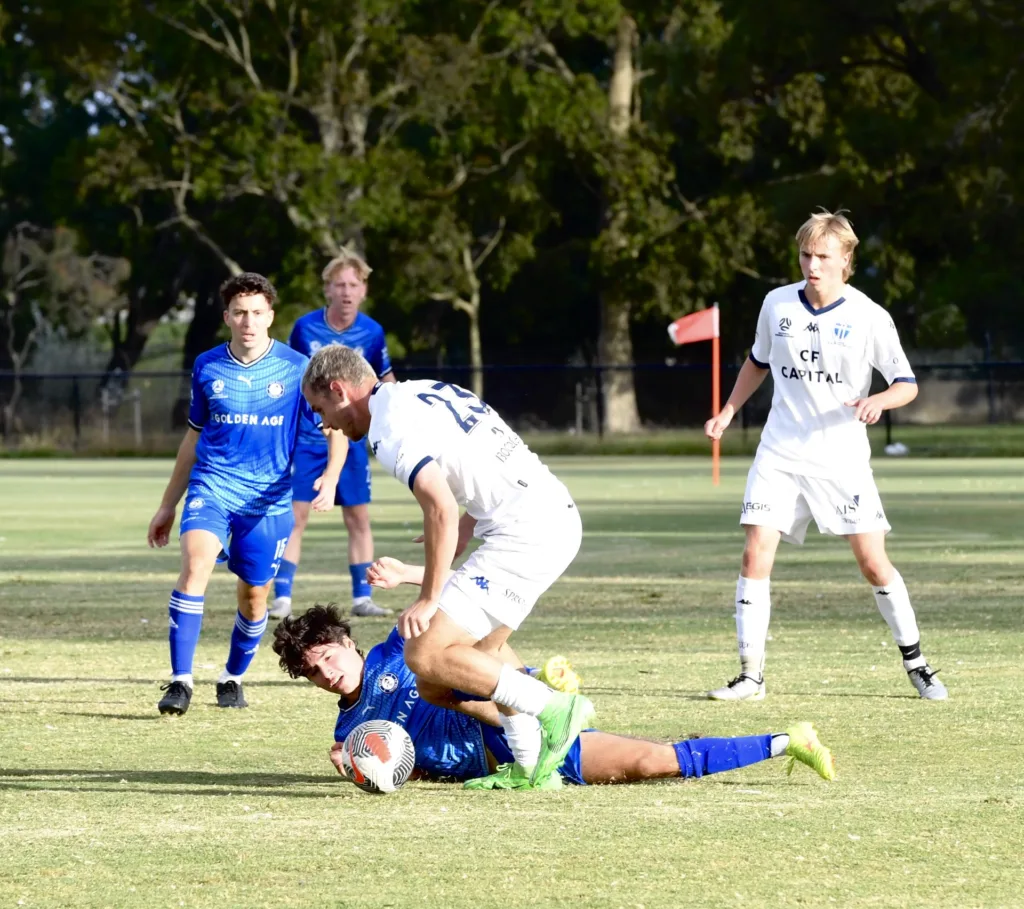
The match began cautiously, with both sides building from the back and probing with long balls. However, tempers flared midway through the first half as a scuffle broke out, prompting the referee to issue multiple yellow cards.
Box Hill capitalised on the tense atmosphere, converting a penalty to take a 1–0 lead. The goal sparked South Melbourne into action, as they responded with two swift counter-attacking goals, courtesy of No. 12 George, who displayed blistering pace and clinical finishing to overturn the deficit before halftime.
The first half saw an extraordinary seven yellow cards issued, underscoring the game’s intensity.
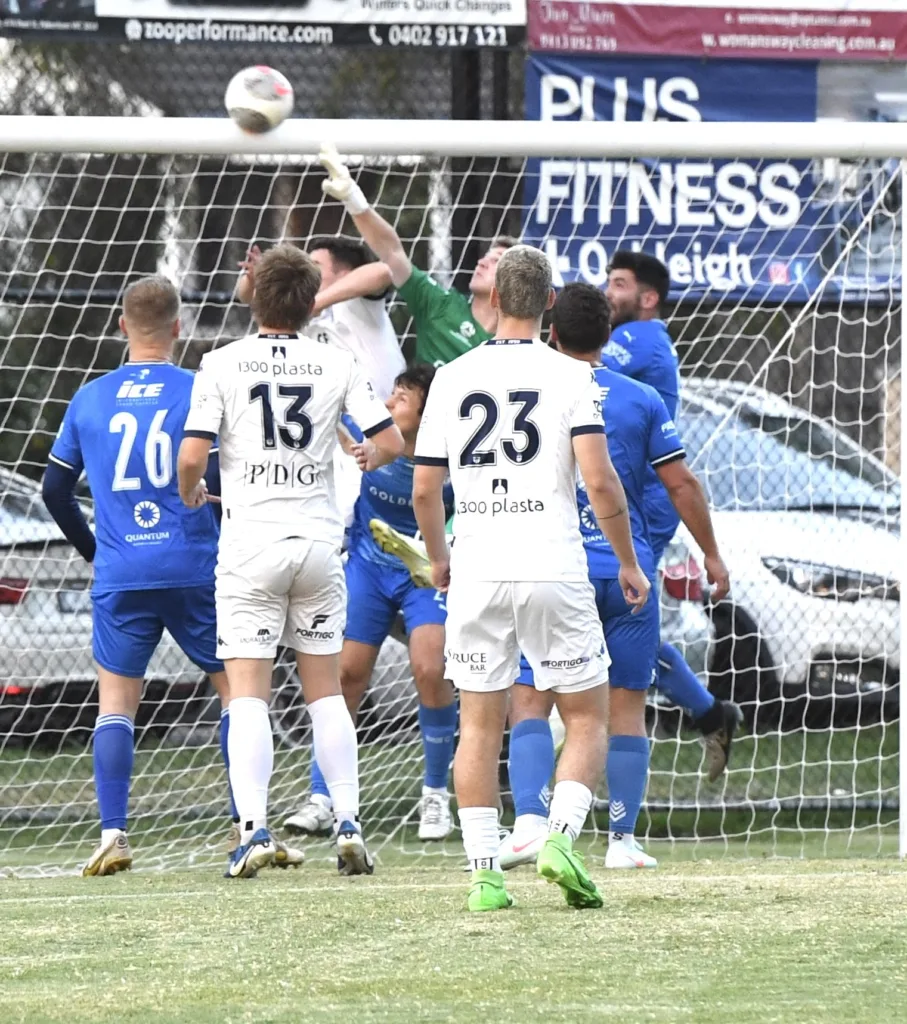
The second half was equally contested, with Box Hill’s No. 22 Fintan impressing despite picking up a yellow card. South Melbourne demonstrated effective game management, using tactical time-wasting to preserve their narrow lead. Despite a late push from Box Hill, South Melbourne held firm to secure the victory.
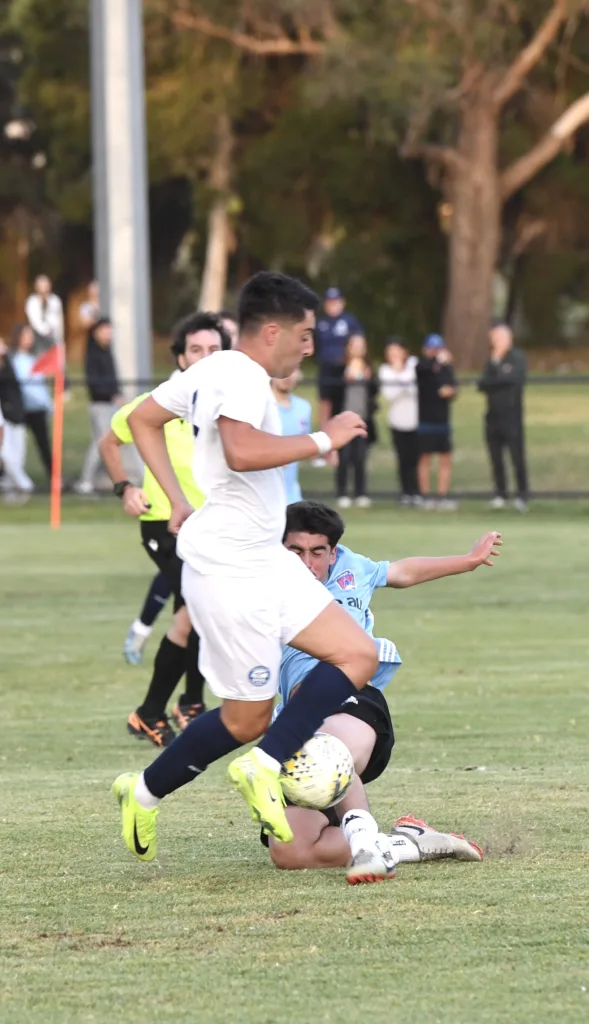
In the other semi-final, the Port Melbourne Sharks booked their place in the final with a gritty 2–1 win over the Oakleigh Cannons.
Port Melbourne took an early lead after converting a penalty and doubled their advantage late in the first half, capitalising on a defensive lapse. Heading into the break, they held a commanding 2–0 lead.
Oakleigh Cannons mounted a spirited fightback in the second half, pressing high and scoring a scrappy goal to reduce the deficit to 2–1. However, their momentum was derailed when a player received a second yellow card, leaving Oakleigh a man down.
Despite the setback, Oakleigh continued to push for an equaliser, but Port Melbourne’s disciplined defence and calm game management ensured the result remained in their favour.
South Melbourne and Port Melbourne Sharks will now face off in Saturday’s Cup Final, promising an electrifying showdown between two deserving teams. Meanwhile, Box Hill and Oakleigh Cannons will compete for the bronze match to determine third place.
Stay tuned for what promises to be an unforgettable day of football!
For competition details, full fixture and results check out www.greekcup.com.au
A Queensland fruit fly outbreak in Glynde has prompted quarantine measures, with residents required to keep homegrown fruit and vegetables on their properties.
The outbreak was confirmed after maggots were discovered in homegrown peaches by a local resident who reported the issue to the Department of Primary Industries and Regions SA (PIRSA).
The quarantine zone spans Glynde and nearby suburbs, from Felixstow to Trinity Gardens, and from Marden to Tranmere. PIRSA staff, identifiable by orange overalls, are visiting homes to apply organic bait and inspect fruit for signs of infestation.
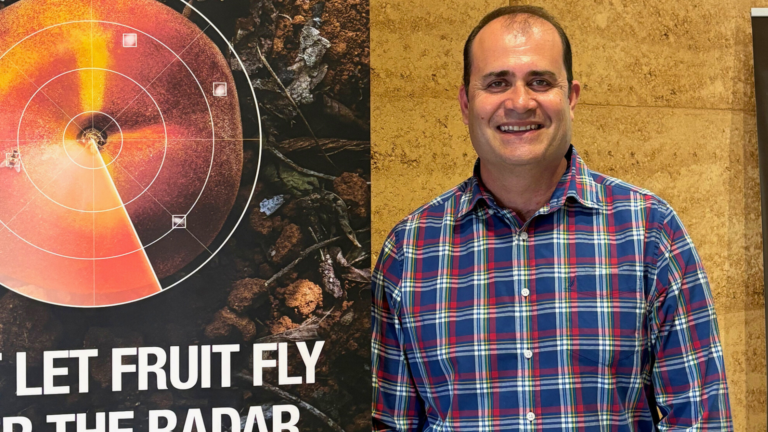
Con Poulos, PIRSA’s acting director of Biosecurity Operations, stressed the importance of following quarantine restrictions to prevent the spread of the pest.
“I’m confident in our proven control methods for successful eradication, but it is vital the community in the affected area does not move any fresh fruit or fruiting vegetables from their properties,” Poulos said. He also warned against giving away or selling homegrown produce.
Poulos advised residents to check their fruit for signs of fruit fly, particularly bruising or maggots, and to dispose of fallen or ripe fruit in green bins to break the fly’s life cycle. PIRSA aims to expand its Sterile Insect Technique program in the area to aid eradication efforts.
If no further infestations are detected, PIRSA expects the quarantine to be lifted later this year.