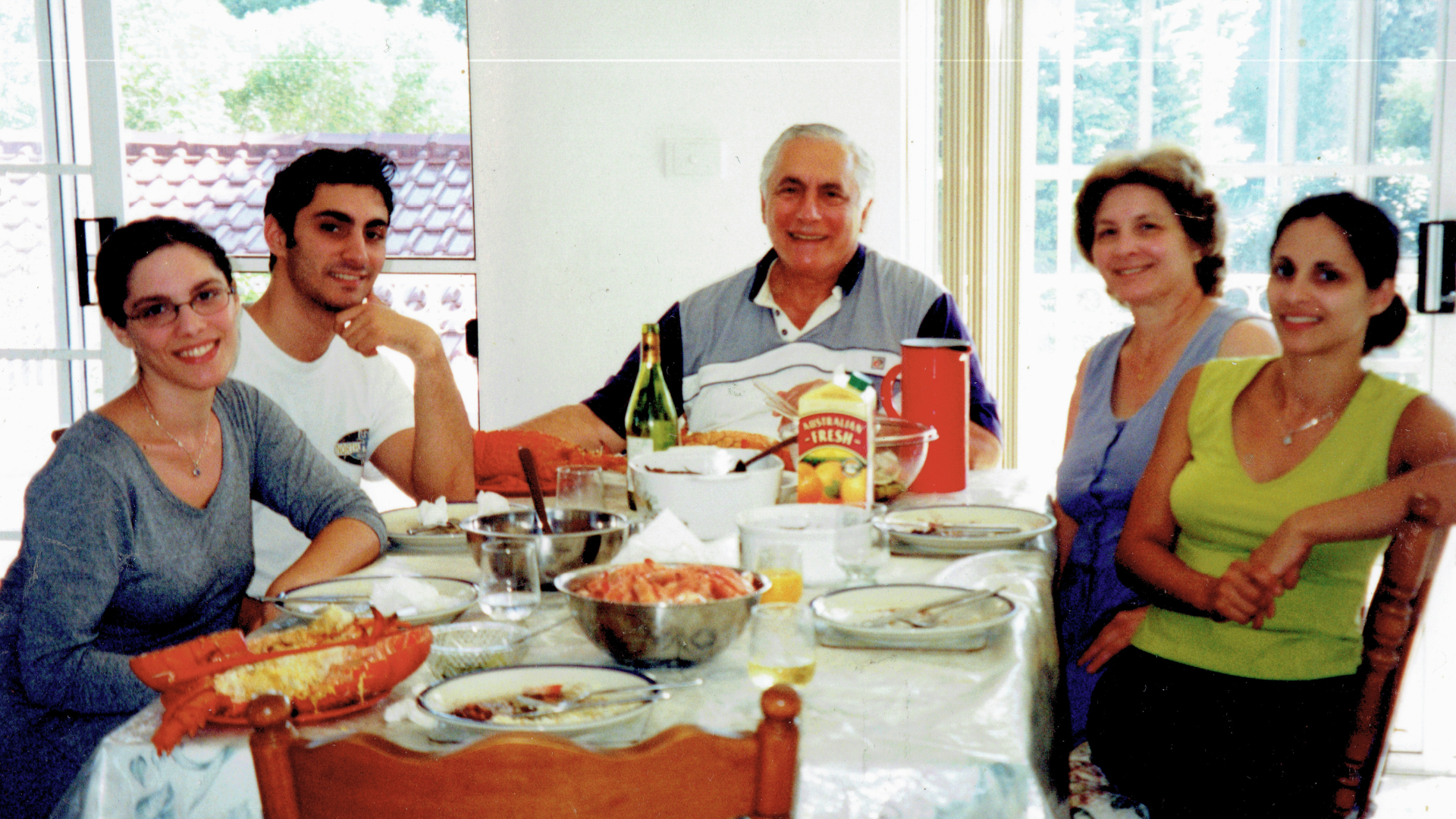
By Kay Pavlou*
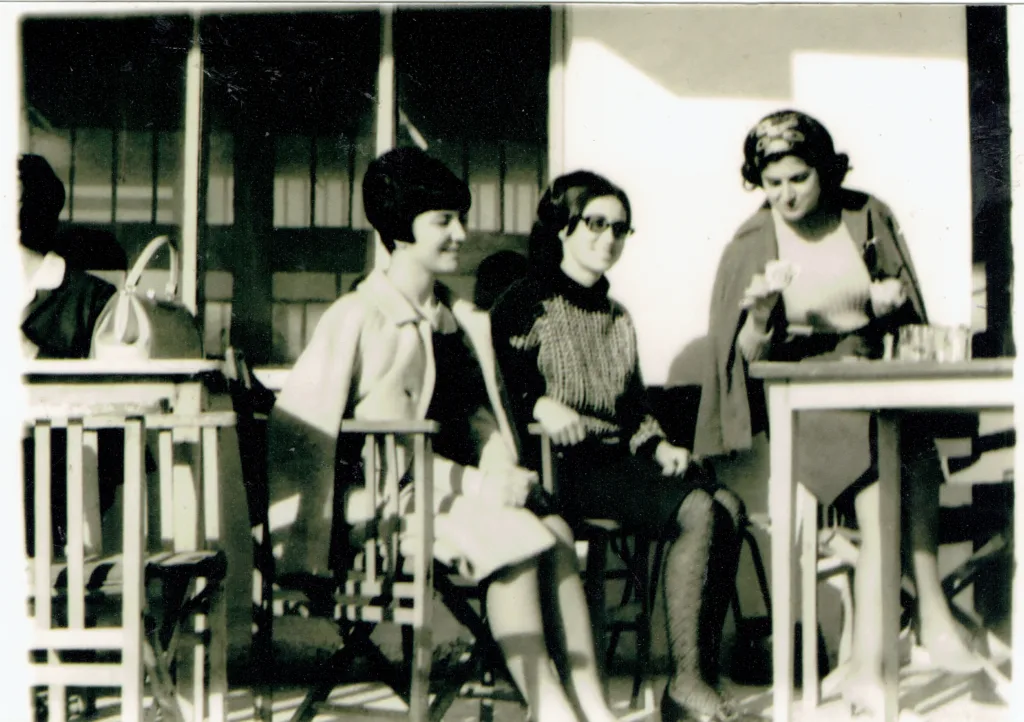
Georgia Yiannoukas’ early life in Paphos, Cyprus was without financial difficulties. She could never imagine she’d become a refugee and live the rest of her life half way across the world.
“It’s very difficult for someone who has two homelands. I always think of Cyprus. My heart is always there,” Georgia says.
In the 1950s, Cyprus was still a British colony and English language was a compulsory subject.
“At school I had a satisfactory level of English because I started in the fourth grade and then did six years in high school. I started studying physiotherapy but I didn’t like it, so I stopped,” she explains.
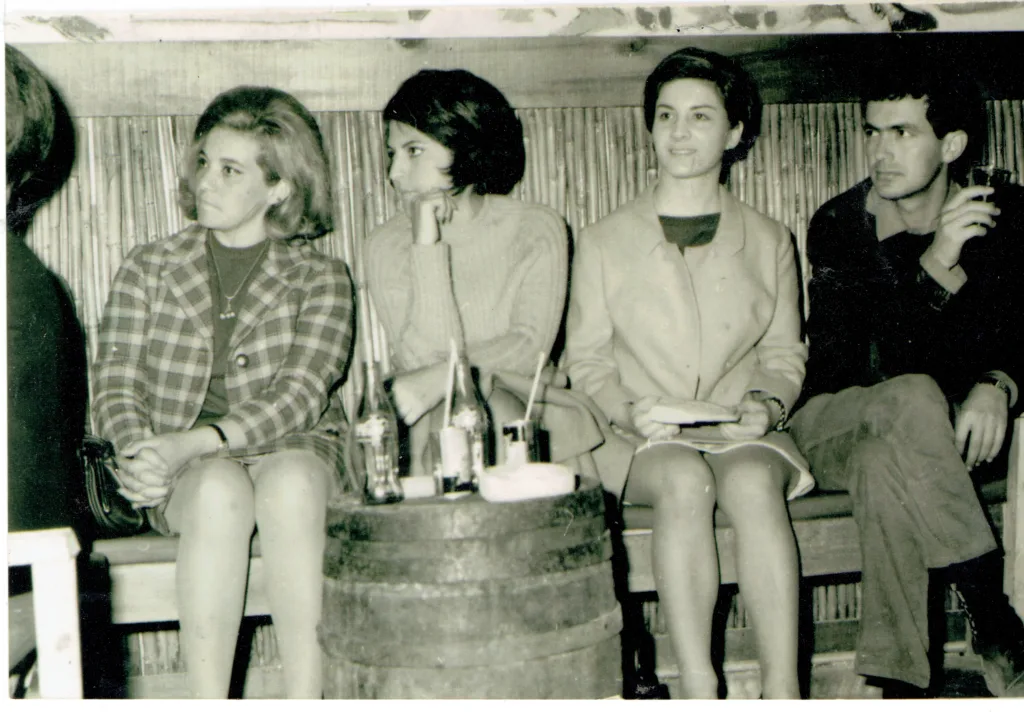
Georgia didn’t further her education until she arrived in Australia. She studied interpreting and translation at Macquarie University.
“Afterwards, they sent us to different courses. With Medical Terminology, I passed with high distinction, because I had the advantage that many medical terms are derived from the Greek language and from Latin which I studied for six years at high school,” she says.
Georgia became a specialist Medical interpretor and translator although she never crossed paths with her husband Dr Yannis Yiannoukas.
“Yiannis spoke better English than me because he studied medicine at Victoria University in Manchester. That’s why his medical degree was recognised immediately when arrived,” Georgia says.
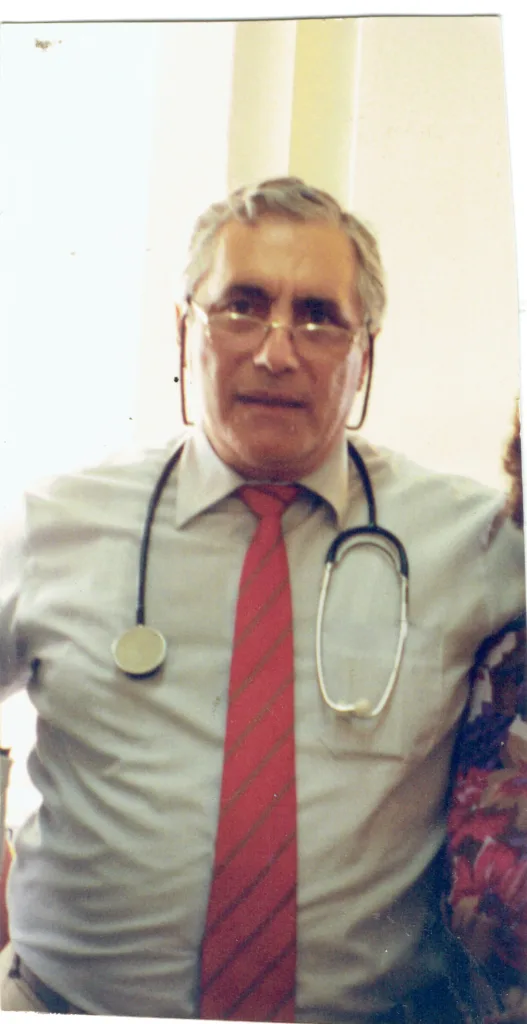
Although Dr Yiannoukas was a surgeon at the Famagusta Hospital, he transitioned to General Practitioner in Sydney. He was well loved within the Greek Cypriot community and his practice in Newtown became enormously popular.
“Yiannis was very forthright, sociable, talkative, decisive. He took decisions easily, unlike me! Although I grew up in Paphos, after we got married, we lived in Famagusta,” Georgia explains.
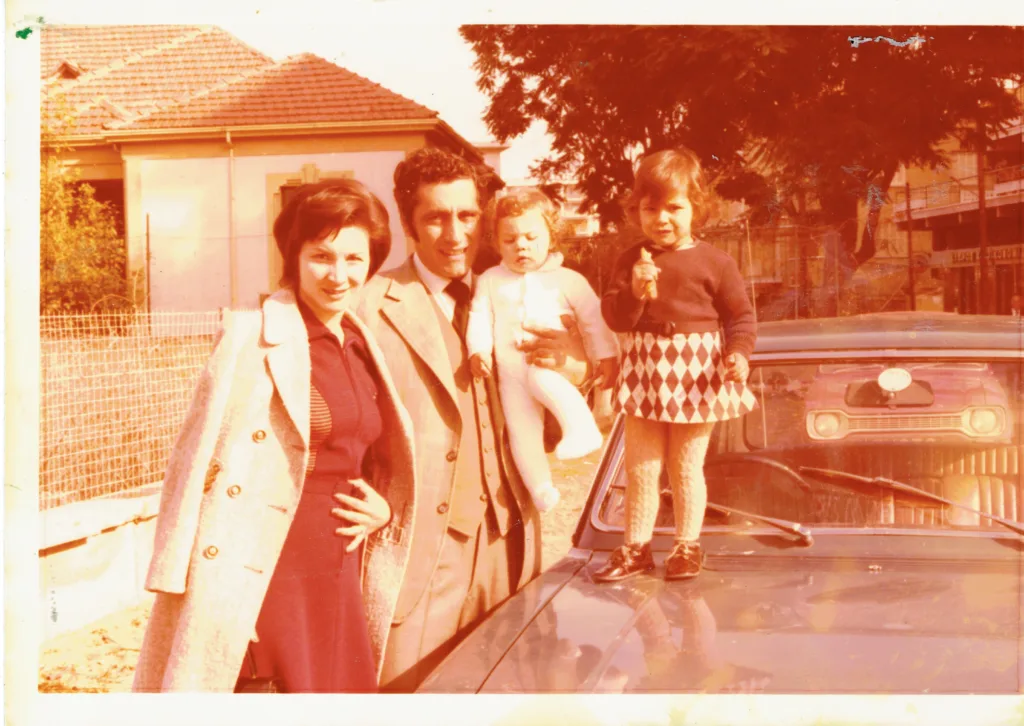
By 1974, Georgia and Yiannis had two daughters – Despina, 4, and Corina, 2.
“When the Turkish invasion happened, the majority of people left Famagusta. Those who stayed behind were executed by the Turkish Army. They were obvious executions. Those days were the worst memories of my life. We experienced a lot of fear and uncertainty. Everything was unknown. We lost our home, we lost everything,” she says.
“We made the decision to leave Cyprus almost immediately as Yiannis thought ‘who would stop the Turkish Army from taking the whole of Cyprus.’ Life for our children was very uncertain. We wanted to go where there would be a better future for them.”
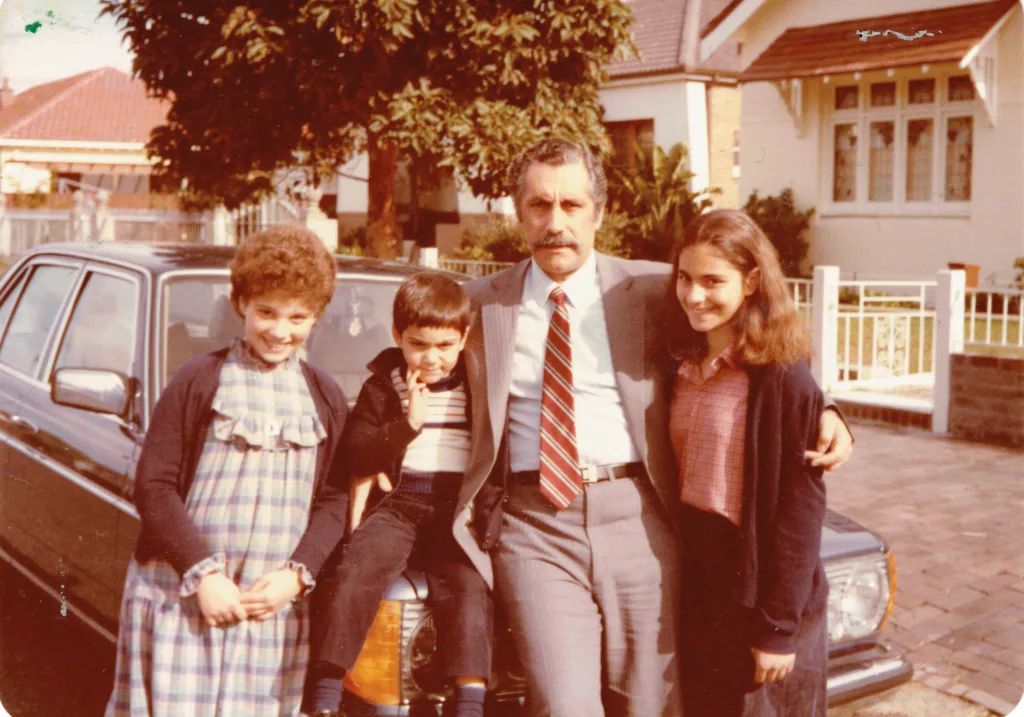
Soon after they arrived, their youngest, Stavros, was born.
“Even though Stavros is the only one born in Australia, he is the most Cypriot of our children,” Georgia says.
The Cyprus Club of NSW played an essential role in the family’s ability to settle into Australian society.
“When I went to the Cypriot Community, I felt like I was at home. We met a lot of people. I wasn’t on the committee, but I always helped. Yiannis was with SEKA – Justice for Cyprus – for many years,” Georgia explains.
Since 1974, no country outside of Turkey has recognised its invasion as legitimate and the occupation has become known as the ‘Cyprus problem’.
“It is very difficult to find a solution for the Cyprus problem, at least in my lifetime. I don’t know later if the conditions change and there is some kind of solution,” Georgia says.
“Australia was more or less what I expected. That is, a peaceful country, the people were not fanatical about politics and also Australia did not interfere into other countries’ affairs. Life was peaceful.
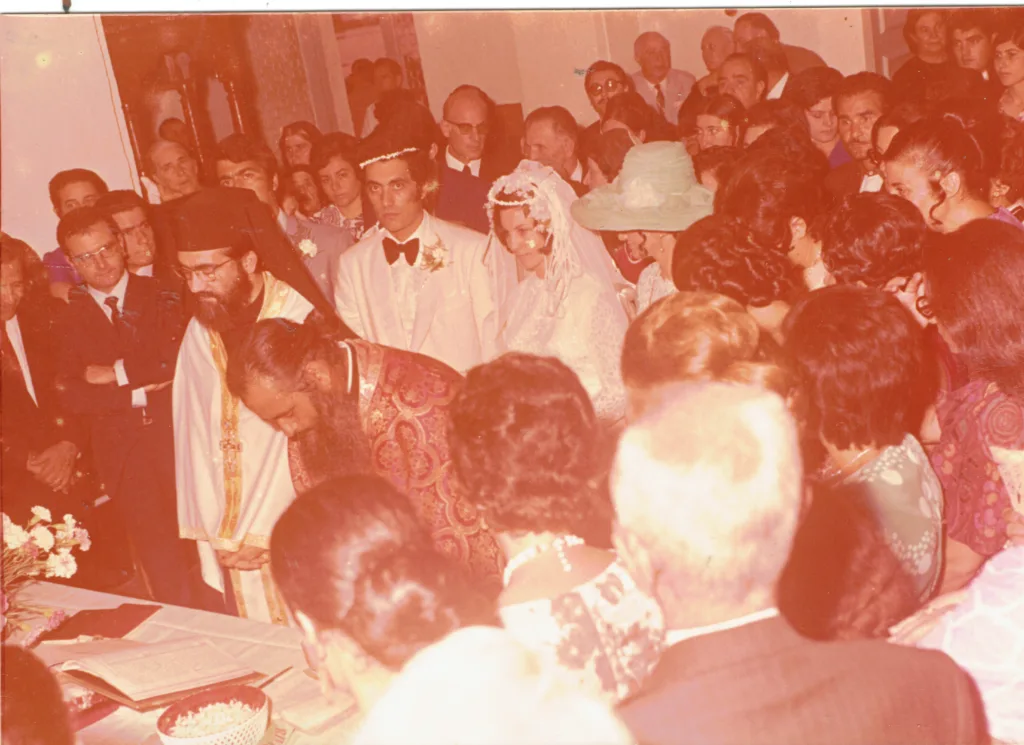
“My best memories are my wedding day, the birth of my children and meeting Yiannis.
We had a good life, in Cyprus and in Australia. Yiannis was 72 years old when he died of lung cancer that had metastasised to the liver. After the metastasis, he lived for only a few days. Now it’s 14 years.
“My children, I’m proud to say, excelled at school. All of them went to university. They all have jobs and work very hard. They are committed to work. They don’t see work as a chore, they enjoy it. It’s a challenge for them. And I have four beautiful grandchildren.”
*Georgia Yiannoukas’ story features in Kay Pavlou’s one-hour documentary Two Homelands. In the documentary, six elderly Greek Cypriots reflect on their war-torn homeland and life in Australia.
