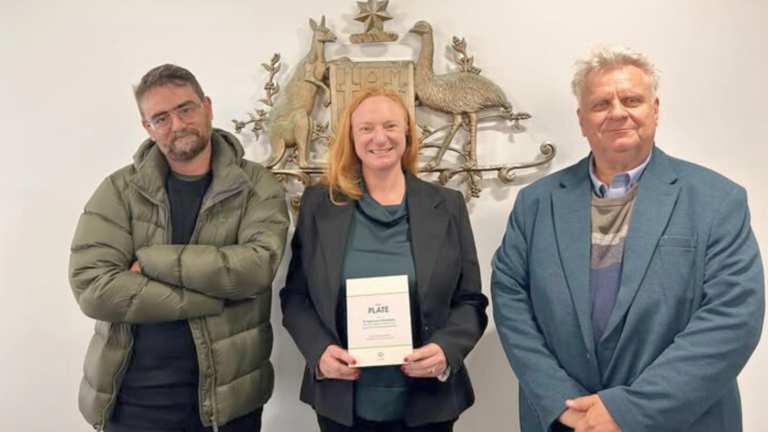
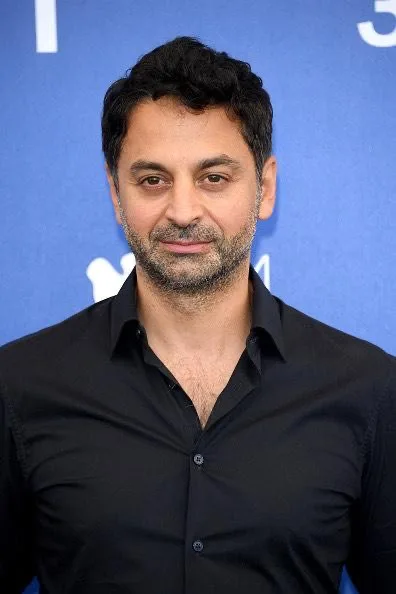
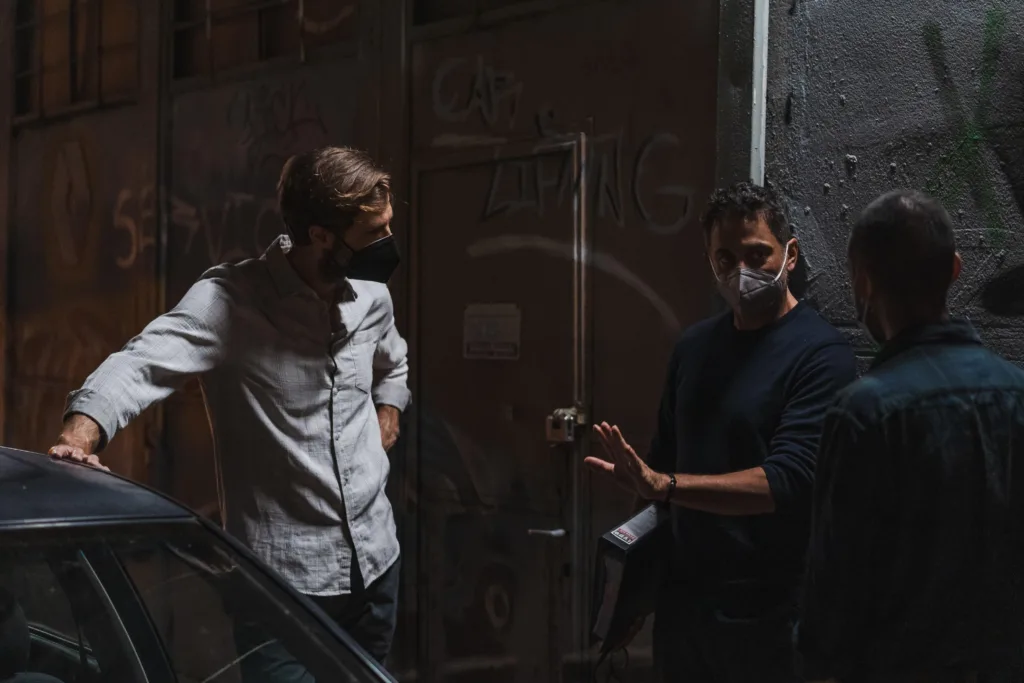
The Australian Ambassador to Greece, Alison Duncan, recently met with Professor Vrasidas Karalis and director Yannis Dramitinos to discuss an exciting new literary initiative aiming to strengthen cultural ties between Australia and Greece.
Titled Etudes Australes, the project is a literary series spearheaded by the Thessaloniki-based Petites-Maisons publishing house. Under Dramitinos’ direction, the series seeks to introduce Greek readers to a diverse range of Australian literature, spanning from historical essays to graphic novels.
The first two books in the series exemplify this cross-cultural exchange. Monster & Colossus by Cassi Plate explores the correspondence between acclaimed Greek writer Costas Taktsis and Australian artist Carl Plate, featuring an introduction by Professor Karalis. This was followed by The Glebe Point Road Blues, authored by Karalis himself, which was launched this January.
During their visit to Greece, Dramitinos and Karalis met with Ambassador Duncan, sharing their vision for the series and discussing upcoming translations set to further enrich the literary dialogue between the two nations. Their work highlights the growing appreciation of Australian literature among Greek readers, reflecting a cultural reciprocity long enjoyed by Greek literature in Australia.
Ambassador Duncan praised the initiative, noting its potential to deepen the literary and cultural connections between the two countries. The project’s success so far underscores the enduring bond between Greek and Australian communities and their shared love of storytelling.
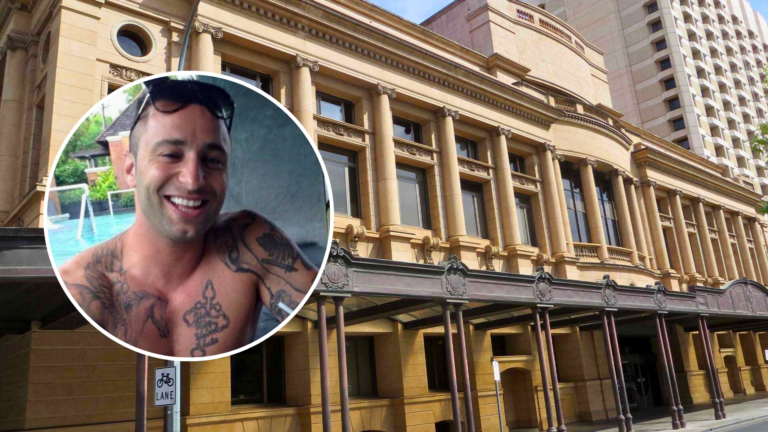
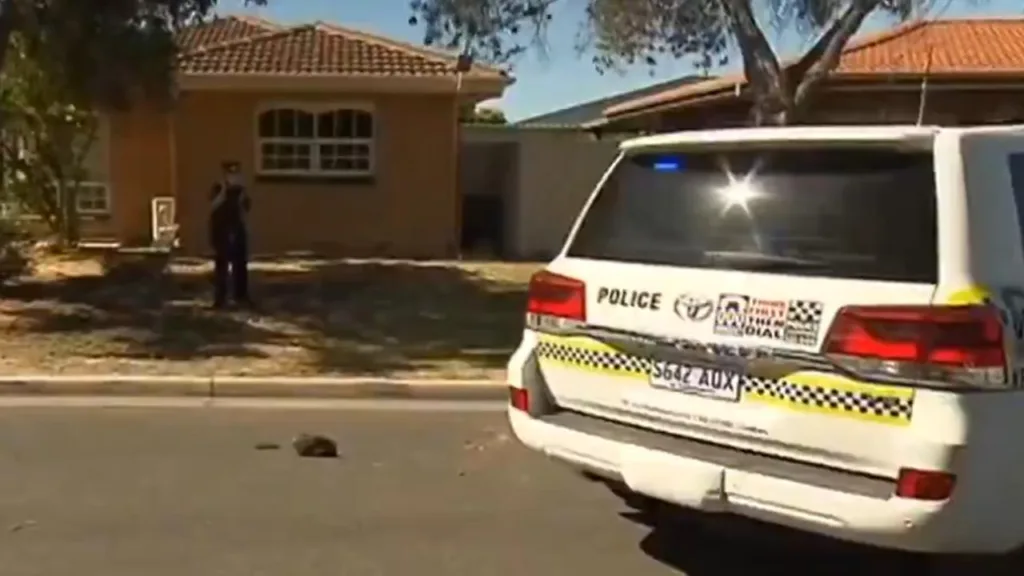
Sarantis Parissos, who stole a police patrol car during a routine traffic stop in Adelaide over three years ago, has pleaded guilty in the District Court. The 41-year-old admitted to the theft of the vehicle on Copley Street in Broadview in December 2021.
Footage of the incident, which was released earlier this week, shows Parissos stealing the patrol car in front of officers.
The bodycam footage captures a female officer shouting instructions to a woman as she attempts to stop Parissos, who is seen running toward the patrol car and driving off with it.
“Get the f**k out of the car now,” the officer is heard yelling, while another officer can be heard instructing him to “get out of the car.”
Parissos, who was accompanied by a female passenger on his motorcycle, sped off in the stolen vehicle, prompting the female officer to urgently call for backup.
“35 urgent assistance, our vehicle has been taken… heading east towards Hampstead Road, lights and sirens on,” she said.
The stolen patrol car was later recovered, and both officers involved were unharmed. Parissos also pleaded guilty to a separate incident in 2022, where he ran down a female police officer with a stolen SUV at Fulham.
Parissos is scheduled to return to court in February for sentencing submissions on both charges.
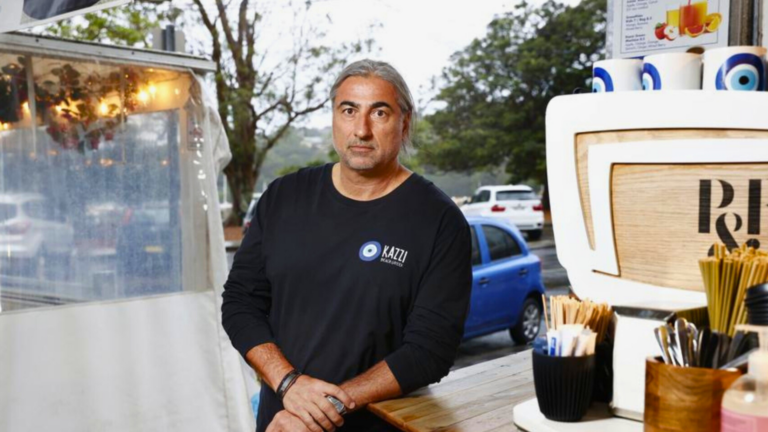
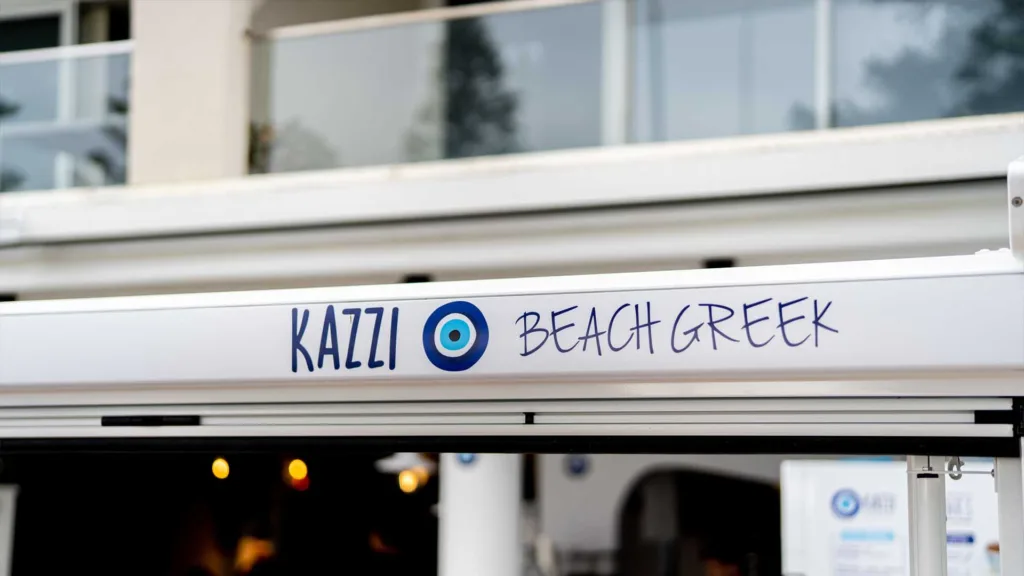
The owner of Kazzi Beach Greek in Balmoral, Sydney, has spoken out after a thief brazenly stole a tip jar from his restaurant on the Australia Day long weekend, leaving staff shaken.
CCTV footage shows a man waiting for a waitress to walk out of sight before swiping the jar and walking away.
Peter Papas, the restaurant owner, said the thief first entered around 7.30 pm and asked about the price of chips before leaving briefly. He returned shortly after, and when the cashier’s back was turned, he snatched the tip jar.
“It was the Australia Day long weekend and our staff worked so hard over three days, no doubt looking forward to sharing their tips at the close of business,” Papas told Mosman Collective.
“This lowlife has waltzed in and scoped out the tip jar, then waited to strike in the split second the cashier’s back was turned.”
Papas, describing his staff as “family,” replaced the stolen tips and said many of the workers were local and upset by the theft.
“They were upset to think something like this happened right under their noses,” he added.
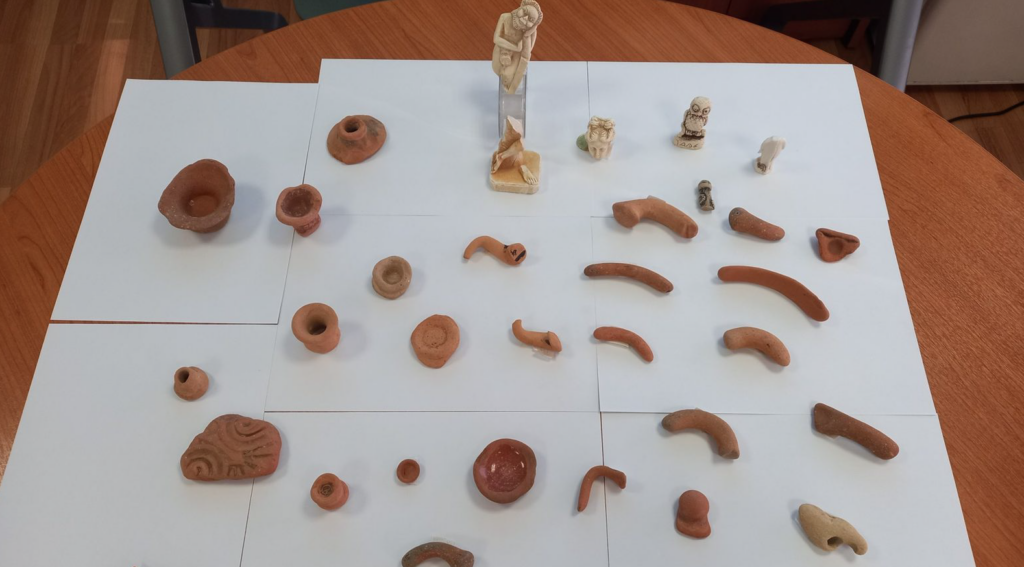
Authorities have arrested a woman accused of running online auctions on social media to sell ancient Greek artefacts in multiple countries, including the United States, Britain, Canada, Australia and Italy.
The suspect, described as a foreign national, was detained in Athens on Thursday by police officers working on antiquities trafficking cases.
Photo: Hellenic Police.
During a search of her home, officers seized several ancient relics, including pottery fragments, figurine pieces, and a satyr statuette, a creature from Greek mythology.
The suspect has been referred to a public prosecutor and will face charges. No further details have been released.
Under Greek law, trafficking in antiquities without legal authorisation can result in up to two years in prison, with sentences of up to 10 years for more serious offences.
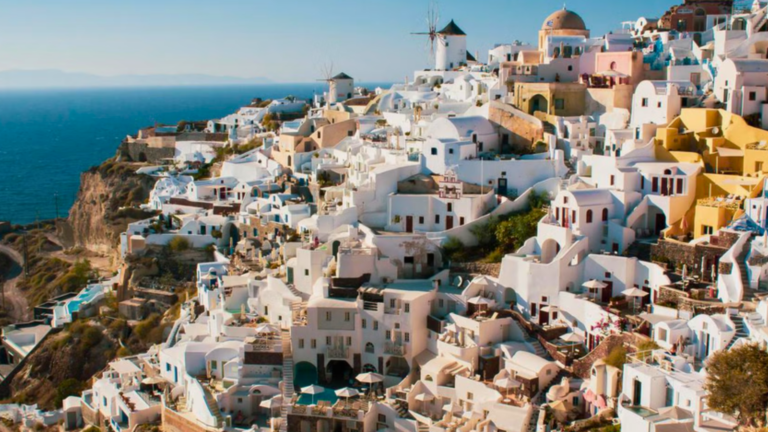
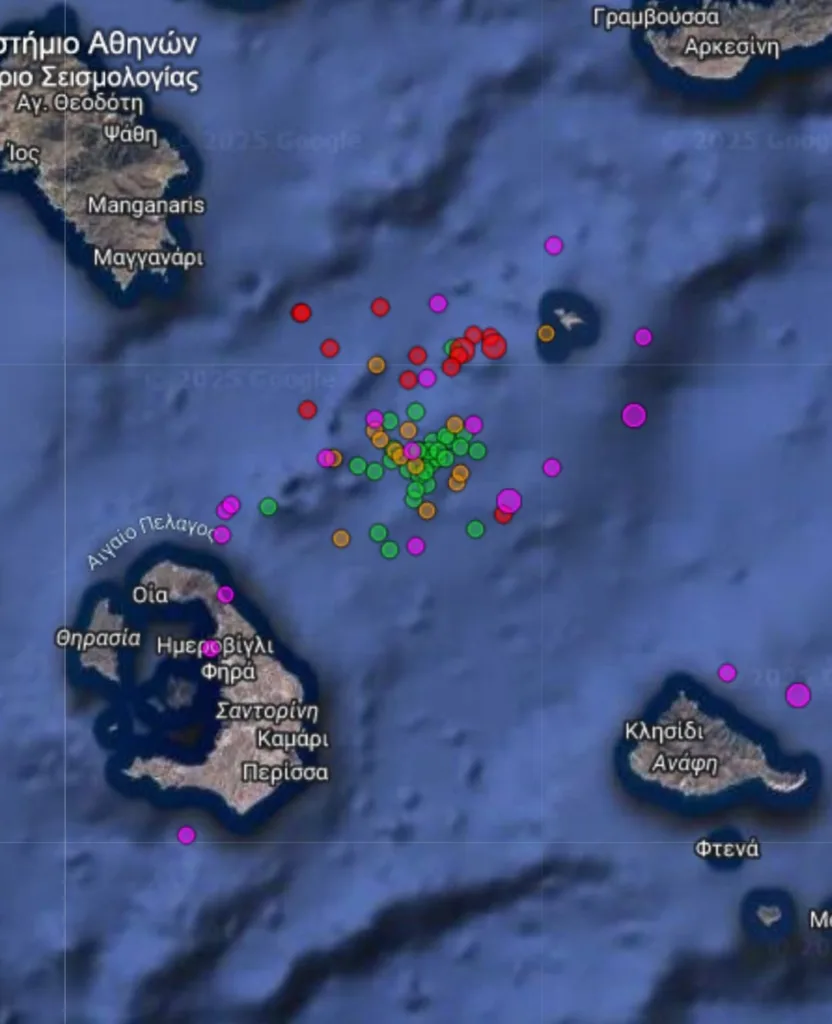
The Permanent Scientific Committee for Seismic Hazard Assessment and the Committee for Monitoring the Greek Volcanic Arc convened on Sunday due to heightened seismic activity between the volcanic islands of Thira (Santorini) and Amorgos.
Over 200 tremors have been recorded in the Anydros sea region in the past 48 hours, with magnitudes reaching up to 4.5.
According to the committees, seismic activity within the caldera continues to decline, though recent activity remains elevated. Experts have confirmed that the tremors are linked to submarine faults with a NE-SW direction and are not related to volcanic activity.
As a result, authorities have implemented several precautionary measures. Schools in Thira, Anafi, Ios, and Amorgos will remain closed on Monday, February 3.
Citizens are advised to avoid large indoor gatherings, stay clear of abandoned buildings, and refrain from visiting the ports of Ammoudi, Armeni, Korfos, and the Old Port of Fira. Building owners are also urged to remove dangerous elements and drain swimming pools.
Costas Papazachos, a professor of geophysics, emphasised that while the worst-case scenario could involve an earthquake of magnitude 6.0 or higher, “this does not necessarily mean that there will be a strong earthquake… but we have to take measures.”
Prime Minister Kyriakos Mitsotakis chaired an emergency meeting in Athens, while local authorities in Santorini prepared for possible evacuation, setting up emergency tents and placing police and fire services on high alert.
A three-year-old boy named Angelos has been declared brain-dead after spending a week in the pediatric ICU at Heraklion’s General University Hospital.
Medical tests confirmed that the child’s brain no longer responds, meeting the criteria for brain death, according to hospital director Giorgos Chalkiadakis.
Angelos was initially transported to the hospital by ambulance from his home in Therisos, Heraklion, following a neighbour’s emergency call.
Upon arrival, doctors discovered a large subdural hematoma and rushed him into surgery to relieve pressure on his brain.
Photo: InTime News.
Further examinations revealed multiple injuries, including bruises, contusions, and burns in various stages of healing, indicating prolonged abuse.
“I have never seen such severe wounds in a three-year-old in my 35-year career,” Chalkiadakis remarked.
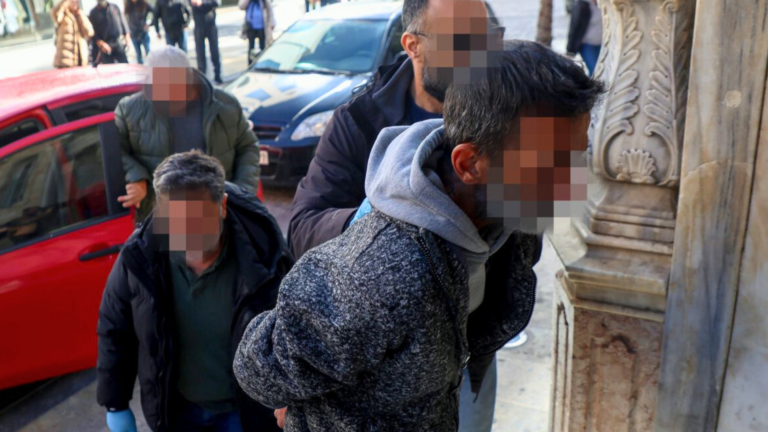
Last Wednesday, after extensive testimony, the boy’s 26-year-old mother and her 44-year-old partner were remanded in custody, facing charges including attempted murder.
Both defendants reportedly blamed each other for the child’s condition.
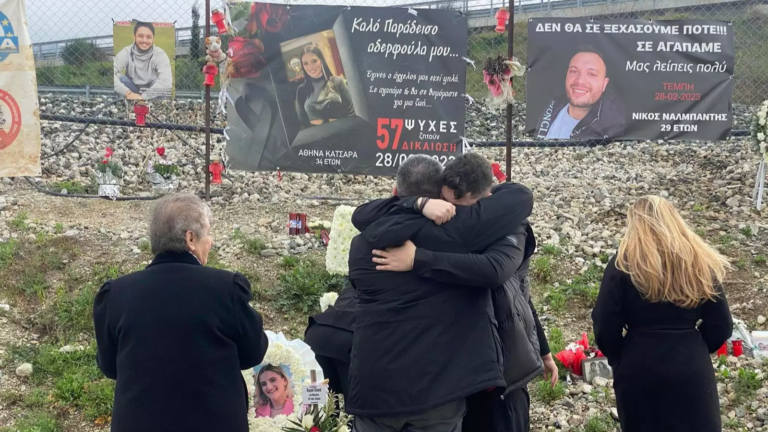
The family of a railway inspector who tragically lost his life in the devastating train collision at Tempi, northern Greece, has received the first compensation payment as legal proceedings continue.
The sum of €800,000 has been allocated to the inspector’s widow and two children, with each receiving €200,000 following the fatal accident that occurred in February 2023. The collision, one of Greece’s worst rail disasters, resulted in the loss of 57 lives and sparked nationwide grief and protests over railway safety.
The compensation marks a significant step in addressing the legal and financial repercussions of the tragedy, but investigations into the causes of the accident are still ongoing. Authorities are examining potential safety lapses and human errors that may have contributed to the crash, while families of the victims continue to seek justice.
The Tempi disaster prompted widespread calls for improvements in Greece’s rail infrastructure and stricter enforcement of safety regulations. Government officials have since pledged reforms to enhance railway oversight and prevent similar tragedies in the future.
This first compensation payment is part of broader efforts to provide financial relief to the victims’ families as they navigate the aftermath of the disaster.
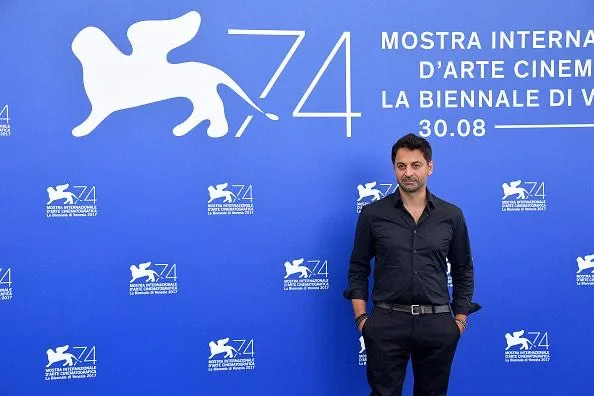
Few Australian directors capture grit and unflinching honesty quite like Jason Raftopoulos.
Born in Melbourne, Victoria to Greek parents, the renowned filmmaker challenges artistic norms and tackles pressing social issues to uncover profound truths. Recently, Jason shared insights on his upbringing, career and aspirations.
Jason’s passion for filmmaking began with his father’s 8mm camera.
“I was fascinated by it,” he recalls.
At eight years old, during a trip to Athens and Ithaca, Jason filmed his first scene: a beach landscape.
“The blue ocean, the sand, the sunlight – it gave me my first taste of framing an image. It all began there,” he says.
The director’s Greek background deeply influences his work.
“Family is a recurring theme in my films. Philosophical questions about space, time, and consciousness drive my storytelling, and perhaps that impulse comes from my roots. My childhood memories in Greece – its landscapes and nature – shaped me as an artist,” Jason explains.
He cites filmmaking legends like Nikos Papatakis, Abbas Kiarostami, Vittorio De Sica, Federico Fellini, and Yasujiro Ozu among his inspirations.
“Agnes Varda, who was also of Greek descent, has been particularly impactful. Ozu’s influence is especially evident in my film Voices in Deep (2021),” he says.
Jason’s first film, a dialogue-free short set in Flinders Lane, Melbourne, came in 1996. Before that, his focus was on acting. At 21, he moved to New York, driven by its reputation as the epicenter of creative arts.
“I didn’t know exactly what I wanted to do, but I loved theatre and studied at the William Esper Studio. Over time, I realised directing was my calling,” he says.
For Jason, acting and directing operate from distinct headspaces.
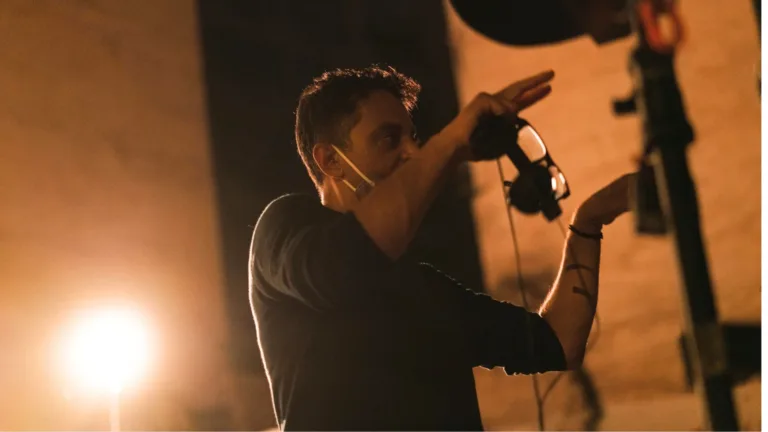
“Directing requires wearing multiple hats and managing countless moving pieces. It’s about collaboration, working with actors and creatives like cinematographers and sound designers. As a director, my priority is drawing out the best performances from actors,” he says.
Jason emphasises performance as the foundation of his films.
“If performances don’t work, there’s no film. I love character-driven stories and restrained visuals, where image and sound convey more than dialogue,” Jason says.
His films balance formal aesthetics with genre-specific nuances.
“West of Sunshine (2017, multiple award-winning including AACTA, and nominated both at home and internationally) leans into neo-realism, while Voices in Deep employs a more rigid mise-en-scène. With the latter, I wanted each frame to be as close to a painting as possible,” Jason says.
His approach to actors remains consistent across genres.
“The truth of the scene drives everything. Even in avant-garde settings, the acting style must align with the film’s tone,” Jason says.
Shot in Greece and set during the refugee crisis, Voices in Deep remains Jason’s most challenging project.
“Working with Greek actors and crew felt like family. While approaching difficult subject matter, I aimed to tell a story without judgment but also without shying away from dark details. It’s a universal story, even though it’s rooted in Greece,” he says.
The filmmaker has a deep desire to tell migrant stories.
“Despite countless films about the ‘ethnic’ experience in Australia, serious migrant stories remain underexplored. I want to highlight the second and third generations of Greek Australians, much like how the US embraces Jewish and Italian migrant narratives,” he says.
Jason’s upcoming projects span genres.
“I’m developing three feature films: a crime thriller, a coming-of-age story, and a dark comedy set in Greece inspired by Medea (think Medea meets Icarus). I’m also working to expand the reach of Voices in Deep across Australia,” he concludes.
For the award-winning director, storytelling through film is a way of unearthing universal values and getting to the core of the human experience.
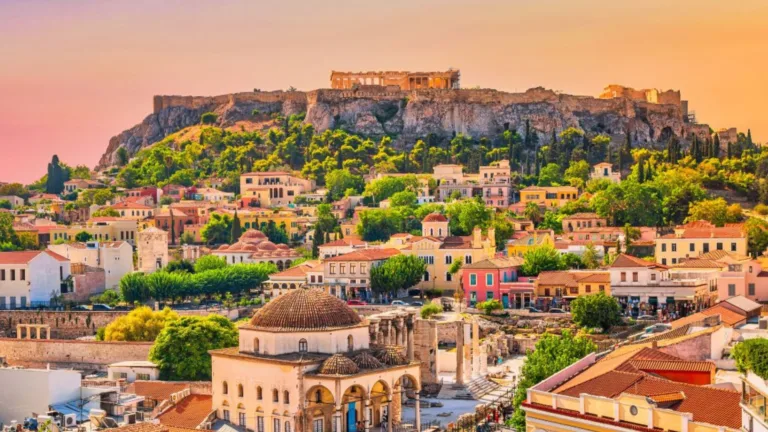
A recent study by travel management company TMC Good Travel Management has recognized Athens as one of the safest cities worldwide for female business travelers.
According to news.gtp.gr, the study, which examined over 45 capital cities, assessed female safety records and visitor-impacting facilities to determine the most recommended destinations for women traveling for work.
Athens secured the final spot in the Top 20 list with a score of 6.43, performing well across various gender safety metrics.
Bern, Switzerland, claimed the top position with an overall score of 9.04, excelling in multiple categories, particularly in city reviews and ratings. It also ranked highest for women’s safety, scoring 9.9 out of 10, based on indicators such as female inclusion, education, and security.
Wellington, New Zealand, came in second with an overall score of 8.11, thanks to a strong rating in pay gap parity (8.7 out of 10) and a high female workforce participation rate of 66.9%.
Other cities featured in the ranking include Amsterdam, Stockholm, Berlin, Oslo, Paris, Canberra, Ottawa, Washington D.C., Dublin, Lisbon, Brussels, Helsinki, Abu Dhabi, Cape Town, and cities in the UK.
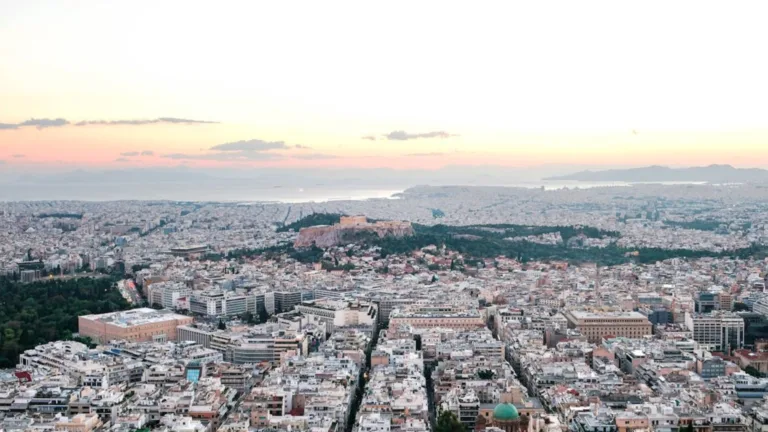
The Environment Ministry is set to revise the Regulatory Framework for Athens-Attica, with a major focus on transforming the former Elliniko airport into a self-sustained “city within a city” on Athens’ southern coast, according to an article by Giorgos Lialios in ekathimerini.com.
The plan will also address transportation and infrastructure challenges, including the controversial government park at the former PYRKAL factory.
“The revision will address critical issues in infrastructure and transportation, particularly concerning the Elliniko hub and the significant needs that will arise from the settlement of 30,000 residents, as projected in the environmental impact studies,” said Efthymios Bakoyannis, Secretary-General for Spatial Planning and Urban Environment, at the E-Mobility Conference. He added that the plan would explore trams, buses, and a potential metro expansion, as well as evaluate the impact of the project on Attica’s road congestion.
The tender, handled by the Hellenic Corporation of Assets and Participations (HCAP), is set for February, with a €1.16 million budget. Additionally, the agency will launch a study to review the protection status of mounts Pikilo and Egaleo, west of Athens.
However, a key question remains: how will the Environment Ministry approach the revision? The previous framework (2014) was developed with input from leading universities, yet the ministry has been reluctant to consult with the scientific community this time. Experts have already opposed several government decisions, including the PYRKAL park, which is proceeding, and the Tatoi estate conference center, which has been scrapped. The extent to which expert advice will shape the final plan remains uncertain.