Home Blog Page 42

‘Your pain is real’: Marina Kyriakou’s fight to change the future of endometriosis care

For more than two decades, Marina Kyriakou lived with a disease that was dismissed, misunderstood and too often ignored. Today, as The Greek Herald Woman of the Year 2026, she is no longer speaking only for herself — but for thousands of women across Australia whose pain has gone unheard for far too long.

Being named Woman of the Year, she says, is deeply meaningful — not as a personal milestone, but as a moment of recognition for an entire community.

“It represents a moment of visibility for every woman who has ever been dismissed, misdiagnosed, or left to navigate endometriosis in silence,” she said.

“This recognition is not just about my work; it is about the collective strength of a community that has fought for far too long to be heard.”

From silence to advocacy

Marina’s journey into advocacy did not begin with ambition — it began with realisation.

After years of debilitating symptoms, multiple surgeries and the devastating loss of her fertility, she came to understand that her experience was not unique.

“My advocacy began the moment I realised my story was not unique, it was common,” she said.

That realisation became a turning point. What she had endured was not an isolated case — it was a systemic issue affecting countless women.

“The turning point was recognising that silence was part of the problem,” she said.

Her voice, she realised, could not remain quiet.

“My personal experience became a responsibility, to use my voice so others wouldn’t lose theirs,” she said.

Building change through Fight Endo

Out of that responsibility came action.

Marina founded the Fight Endo Foundation to address what she saw as a clear and urgent gap — women were suffering, but awareness, support and early intervention were not keeping pace.

“The Fight Endo Foundation was born out of a clear and urgent gap: women were suffering, but support, education, and early intervention were not keeping pace with the reality of this disease,” she said.

At its core, the organisation centres lived experience — ensuring that women’s voices are not just heard, but drive change.

“We set out to address the lack of awareness, the lack of clinical understanding, and the lack of coordinated support for patients navigating diagnosis, treatment, and the emotional toll of chronic illness,” Marina said.

“The Foundation exists because women deserve better, and because change will not happen unless we demand it.”
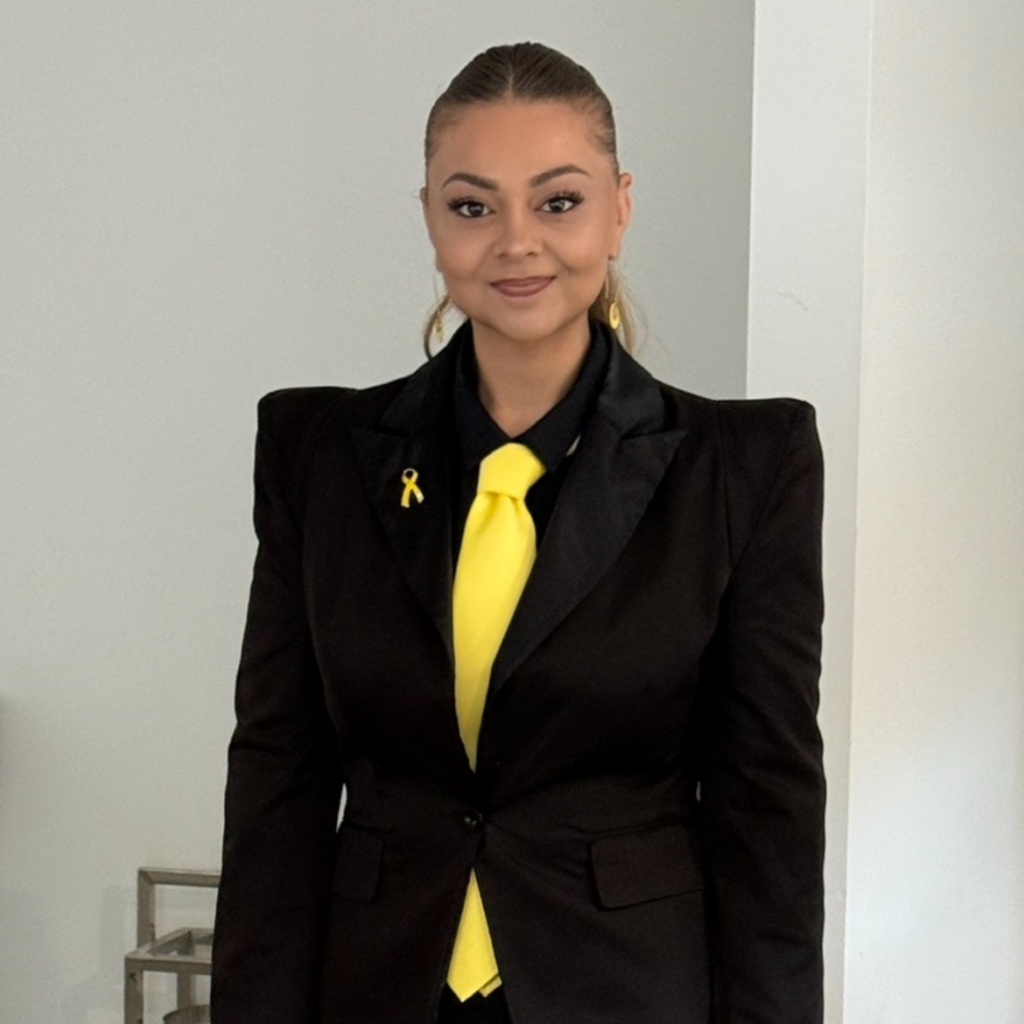
marina kyriakou
Marina Kyriacou founded the Fight Endo Foundation.
Challenging a system that dismissed women

Despite growing awareness, Marina says some of the most harmful misconceptions about endometriosis still persist.

Endometriosis is a chronic inflammatory condition in which tissue similar to the lining of the uterus grows outside it, often causing severe pain, organ damage and, in some cases, infertility.

“The most damaging is the belief that severe period pain is ‘normal’ or something women should simply endure,” she said.

“Endometriosis is not just a painful period, it is a chronic, inflammatory disease that can cause infertility, organ damage, and lifelong trauma.

“Another misunderstanding is the assumption that symptoms are exaggerated or psychological.”

The consequences of this are profound: delayed diagnoses, inadequate treatment and years of unnecessary suffering.

“We need a medical system that recognises endometriosis as a serious condition requiring early intervention, multidisciplinary care, and genuine empathy,” she said.

Heritage, resilience and breaking the silence

Marina’s determination is also shaped by her Greek Australian heritage — a background that instilled strength, but also exposed the cultural silence surrounding women’s health.

“Growing up in a Greek Australian household taught me the values of strength, community, and perseverance,” she said.

“In many migrant families, conversations about women’s health, especially gynaecological pain, were often private or unspoken. That silence shaped me, but it also fuelled my determination to break the cycle for future generations.

“My heritage instilled in me a deep sense of responsibility: to honour the women who came before me by ensuring the women who come after us are heard, believed, and supported.

“Being a proud Greek Australian woman is central to my advocacy; it reminds me who I am fighting for.”

Progress — and the work still to be done

There have been signs of progress. Marina acknowledges growing awareness, increased research investment and the inclusion of lived experience in national conversations as important steps forward.

“There has been meaningful progress in awareness, research investment, and national conversations about women’s health,” she said.

“Government roundtables and advisory groups have begun to include lived experience, which is essential for shaping effective policy.”

However, she is clear that significant gaps remain.

“Diagnosis times are still far too long, Medicare rebates do not reflect the true cost of managing chronic reproductive health conditions, and workplace protections for women with endometriosis are inconsistent,” she said.

“Policy must move beyond awareness and into action, legislation, funding, and structural reform that materially improves women’s lives.”

A vision for the future

Looking ahead, Marina is focused on what meaningful change should look like.

“I want to see a healthcare system where early diagnosis is the norm, not the exception,” she said.

“This means mandatory education for health professionals, clear diagnostic pathways, and accessible specialist care.

“In workplaces, we need policies that recognise endometriosis as a legitimate medical condition, flexible work options, leave provisions, and supportive environments that do not penalise women for their health.”

Most importantly, she is calling for a cultural shift.

“Women’s pain must be believed the first time they speak, not after years of suffering,” she said.

Using her platform for change

As The Greek Herald Woman of the Year 2026, Marina sees the recognition not as an endpoint, but as an opportunity.
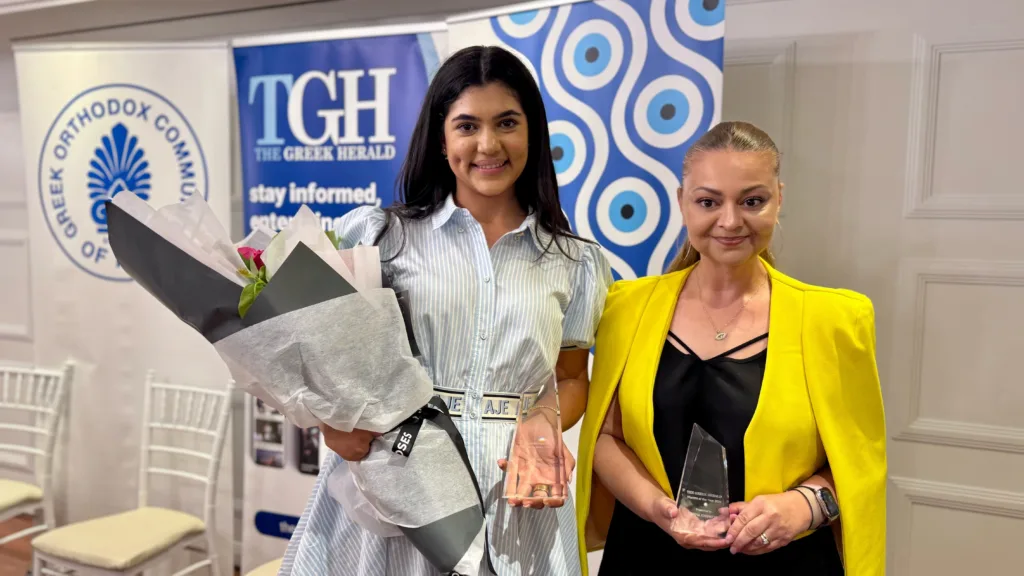
the greek herlad woman of the year awards
Marina Kyriakou, The Greek Herald Woman of the Year 2026, and Tia Christodoulou, recipient of the Woman to Watch Award 2026, pictured together at The Greek Herald’s International Women’s Day event in Sydney. Photo: The Greek Herald.

“This platform allows me to amplify the voices of women who have been overlooked for far too long,” she said.

“I will continue advocating at a national level, contributing to government roundtables, and pushing for legislative reform that prioritises early diagnosis, equitable access to care, and comprehensive support for women living with endometriosis and adenomyosis.

“I will use this recognition to elevate community stories, strengthen partnerships, and ensure that women’s health remains a national priority, not a footnote.”

‘You are not alone’

At the heart of Marina’s work is a message she wants every woman to hear.

“I want every woman living with endometriosis or adenomyosis to know this: you are not alone, and your pain is not something you have to carry in silence,” she said.

“We are building a future where your symptoms are taken seriously, your diagnosis is not delayed, and your wellbeing is valued.

“This movement belongs to all of us, and together, we will create the change that generations before us were denied.”

For Marina, advocacy is not just about awareness — it is about transformation. And through her voice, a new generation of women is finally being heard.
Hellenic Village sale enters critical phase as proceeds and priorities come into focus

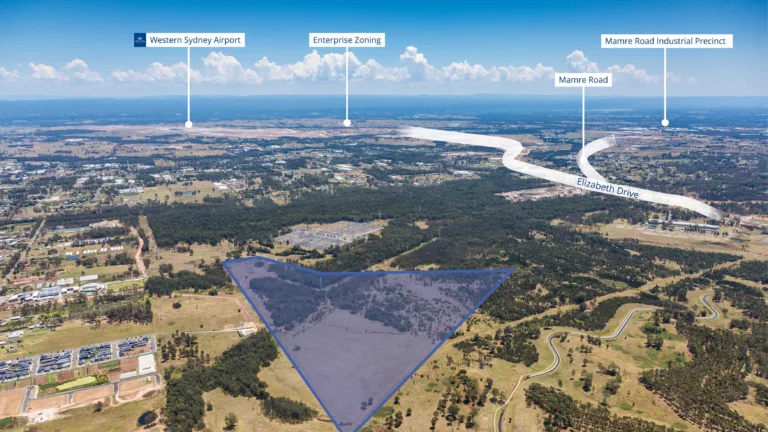
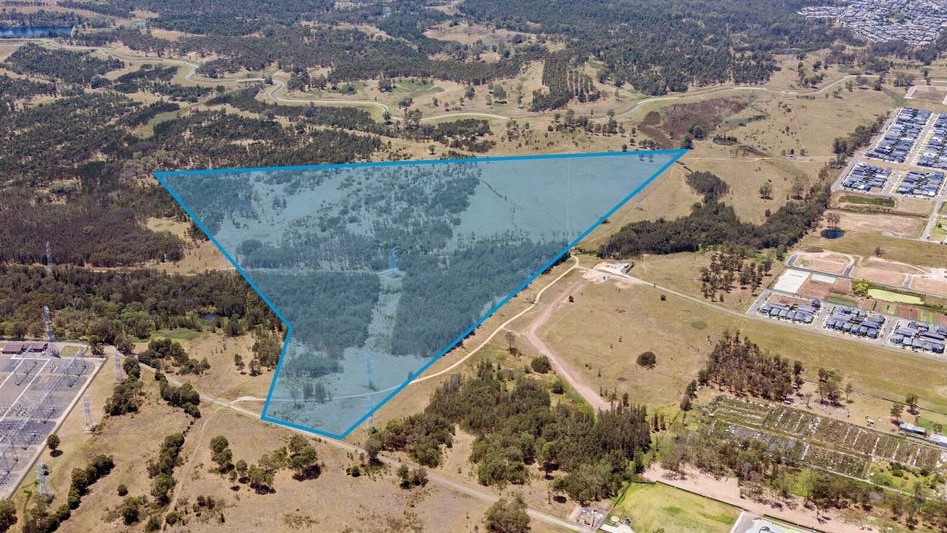
The Board of Hellenic Village Ltd has confirmed further significant progress in the sale of its long-held land at Austral, as member organisations are now being asked to formally state their intentions regarding the distribution of proceeds and future charitable contributions.

In a March 2026 update provided to stakeholders, the Board said the process is advancing steadily, with additional funds received and key structural and tax considerations now coming into sharper focus.

Major milestone in sale process

The latest update confirms that a further multi-million-dollar non-refundable payment has been received as part of the transaction, bringing the total funds already transferred to Hellenic Village to more than $14.9 million.

This marks another major milestone in what is widely regarded as one of the largest property transactions in the history of the Greek Australian community, following the agreed sale of the Austral site to developer Castle Group.

Contracts have now been formally exchanged, signalling a critical step forward in the process, with settlement still anticipated later this year, subject to final conditions.

Tax implications and timing pressures

With the transaction now at an advanced stage, the Board has outlined potential tax implications for member organisations, particularly in relation to whether proceeds are treated as capital gains or income.

This determination, currently the subject of a private ruling request to the Australian Taxation Office (ATO), will directly impact the timing of any required charitable contributions.

Depending on the ATO’s decision, member organisations may need to act within specific financial year deadlines to optimise their tax position, adding a new layer of urgency to decision-making.

At the same time, the lack of a final ruling has become a point of concern among some stakeholders, who note that decisions around allocation are now being considered without full certainty on how those proceeds will ultimately be taxed.

Push towards charitable structure

Alongside the sale, the Board continues to progress the establishment of a long-anticipated charitable vehicle, the Australian Hellenic Future Fund (AHFF), which is intended to channel a portion of proceeds back into the community.

To facilitate this, the Board has engaged with not-for-profit organisation Australian Philanthropic Services to finalise the structure and ensure it is fit for purpose.

As part of this process, member organisations have been asked to formally outline their intended position regarding contributions. This includes indicating whether they plan to donate half of their proceeds, contribute a different percentage, or retain their full entitlement.

While this request has been described as non-binding, it effectively asks organisations to signal their financial intent ahead of final clarity on both the tax treatment and the detailed governance and operational framework of the AHFF.

The step has been framed by the Board as necessary to progress planning, though it also underscores the complexity of aligning multiple organisations with differing priorities and financial positions.

hellenic-village
The Board of Hellenic Village Ltd has confirmed further significant progress in the sale of its long-held land at Austral.
Legal clarity for member organisations

The update also reinforces that member organisations hold an “absolute entitlement” to their share of the proceeds, placing responsibility on each group to make its own decisions regarding distribution and charitable giving.

This follows ongoing consultation with legal advisers, as the Board seeks to provide clarity while respecting the autonomy of its 21 member associations*.

Financial reporting and governance

On governance matters, the Board confirmed that preparations for the 2025 financial statements are nearing completion, following the appointment of external accountants.

A formal Notice of Annual General Meeting is expected to be issued once these statements are finalised.

The Board has maintained that transparency remains a priority as the process unfolds, while balancing the need to manage a complex and commercially sensitive transaction.

Diverging positions among stakeholders

As the process moves forward, different approaches among member organisations are becoming clearer.

The Hellenic Club of Sydney is understood to be maintaining its previously stated position of retaining its full entitlement, consistent with resolutions adopted at its Annual General Meeting.

At the Hellenic Club’s AGM, the Hellenic Village property was identified as a key strategic asset, with the Club confirming the site is now under a formal sales option and settlement potentially expected by December 2026. Proceeds are intended to be directed toward reducing existing debt with the Commonwealth Bank and funding upgrades to the Elizabeth Street premises.

Club leadership has framed the transaction as a major structural milestone, allowing the organisation to consolidate its financial position and reinvest in its central city venue – a space that already serves as a key hub for community activity, events and engagement.

In this context, the Club’s position is understood not as a departure from the original vision of Hellenic Village, but as an effort to carry that vision forward in a different form – by strengthening an existing, active community base and continuing to provide accessible space for Greek Australian cultural and social life.

At the same time, smaller organisations – including those closely aligned with the original vision of Hellenic Village – are understood to be emphasising the project’s founding intent, raising concerns about whether the current direction diverges from its original purpose.

Background: A historic community asset

The Hellenic Village concept dates back more than three decades, originally conceived as a community-driven initiative tied directly to the contributing organisations that brought it to life.

The sale of the approximately 105-acre site at Austral, approved by unit holders in October 2023, represents a defining moment not only financially but in terms of how that legacy will be carried forward.

The transaction, valued at $119.5 million, has been the subject of ongoing discussion within the community, particularly around how proceeds should be distributed – whether through direct benefit to member organisations or via a centralised charitable structure.

A defining moment for the community

As settlement approaches, attention is increasingly shifting from the mechanics of the sale to its long-term legacy.

For many within the Greek Australian community, the outcome will shape not only the future of Hellenic Village, but also how one of the community’s most significant collective assets is reinvested for generations to come.

With key issues – including tax treatment, governance of the AHFF and final allocation decisions – still evolving, the coming months are expected to be critical in determining the direction of that legacy.

*The 21 Greek associations who make up the Hellenic Village Ltd are:

  1. Order of AHEPA NSW INC – 3 shares
  2. AHEPA Heracles INC – 3 shares
  3. Apollo Sports and Cultural Club – 1 share.
  4. Cyprus Hellene Club Inc – 2 shares.
  5. Diakofton Association – 3 shares.
  6. Elassona Philanthropic Association – 3 shares
  7. Greek Taxi Drivers’ Assoc. – 1 share
  8. Hassion Philanthropic Assoc – 3 shares
  9. Hellenic Club of Sydney – 3 shares
  10. Helmos Philanthropic Association – 3 shares
  11. Kalavryton Society (NSW) ‘Aghia Lavra’ Inc – 3 shares
  12. Lefkadian Brotherhood of NSW LTD – 2 shares
  13. Messolonghi Association – 3 PO
  14. Meteora Association – 3 shares
  15. Pan-Arcadian Association of NSW – 2 shares
  16. Pan-Korinthian Association of NSW – 2 shares
  17. Pan-Nafpaktian Association ‘Nafpaktos’ – 2 shares
  18. Pan-Thessalian Federation – 2 shares
  19. Pan-Thracian Association of NSW ‘Democritus’ – 2 shares
  20. Association of Plataneon ‘O Platanos’ – 3 shares
  21. Saint Barbara Philanthropic Association – 2 shares

Pythagoras Greek School brings culture to life with March celebrations

March proved a month of vibrant cultural expression at Pythagoras Greek School, as students, families and staff came together to celebrate key moments in the Greek calendar through a series of immersive events.

Blending history, tradition and community spirit, the school’s program centred on Greek Independence Day, Apokries festivities and Easter preparations – offering students hands-on experiences that brought language and identity to life.

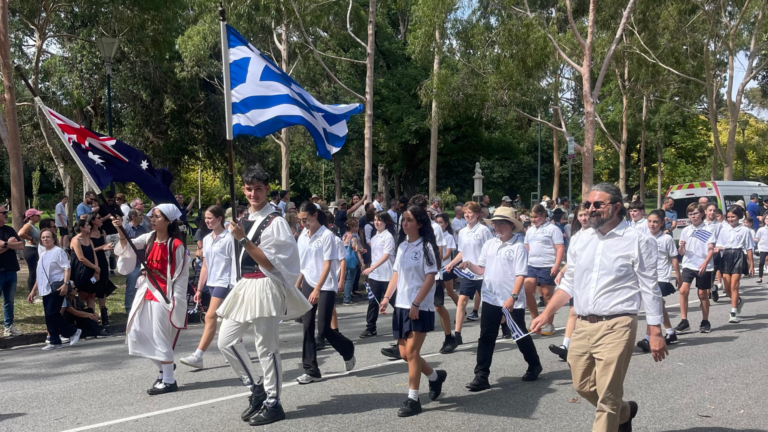
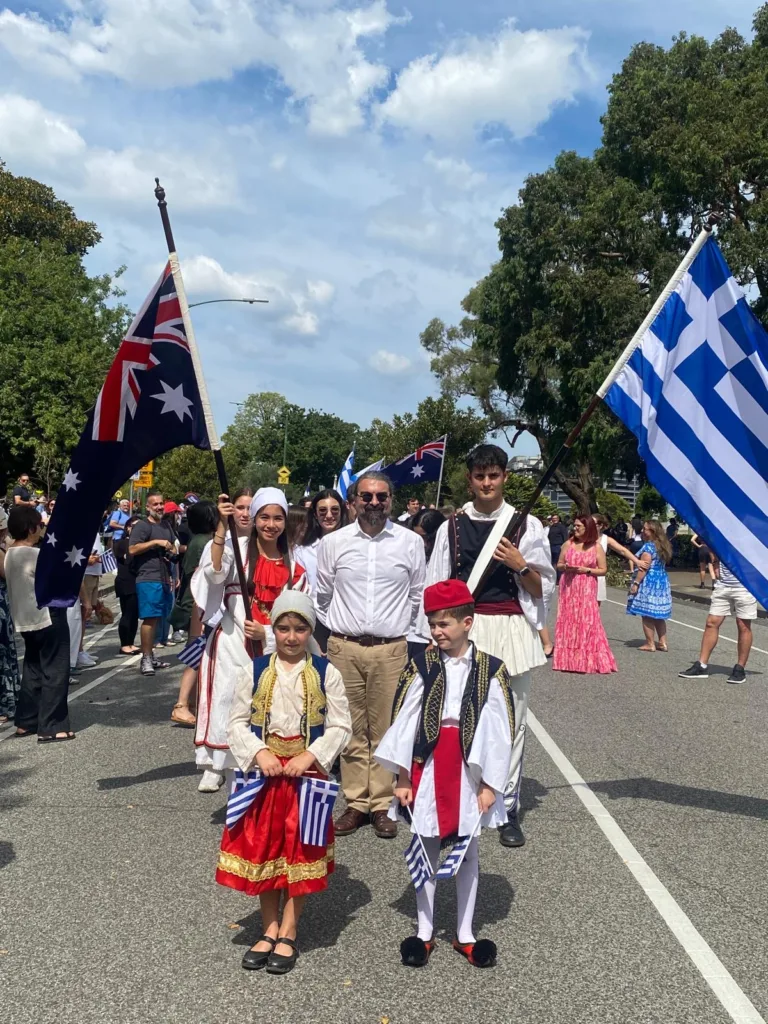
On Sunday, March 22, students proudly participated in the Greek Independence Day parade at the Australian Hellenic War Memorial, marching with pride as they honoured those who fought for Greece’s freedom and representing the next generation of Greek Australians.

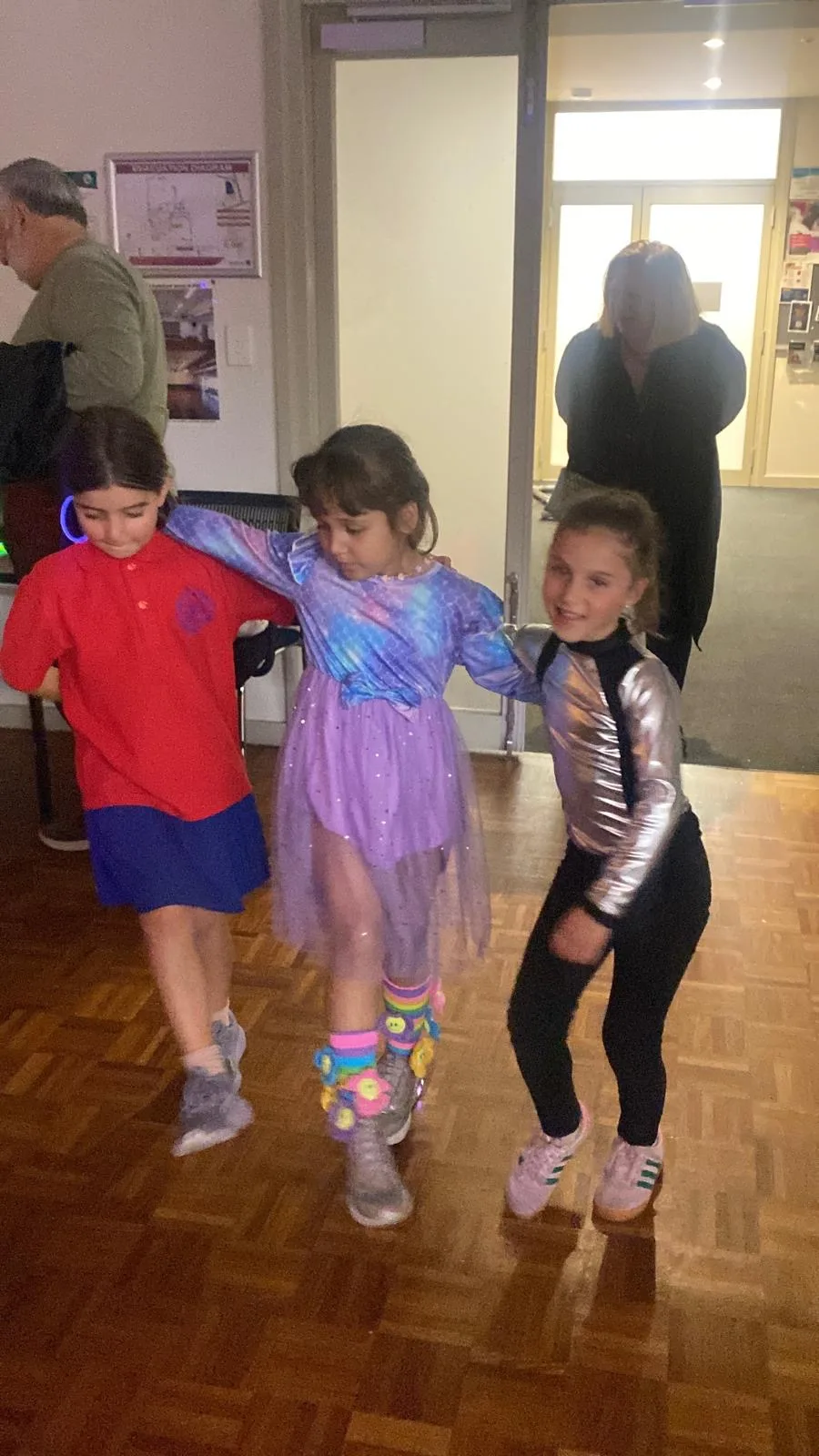
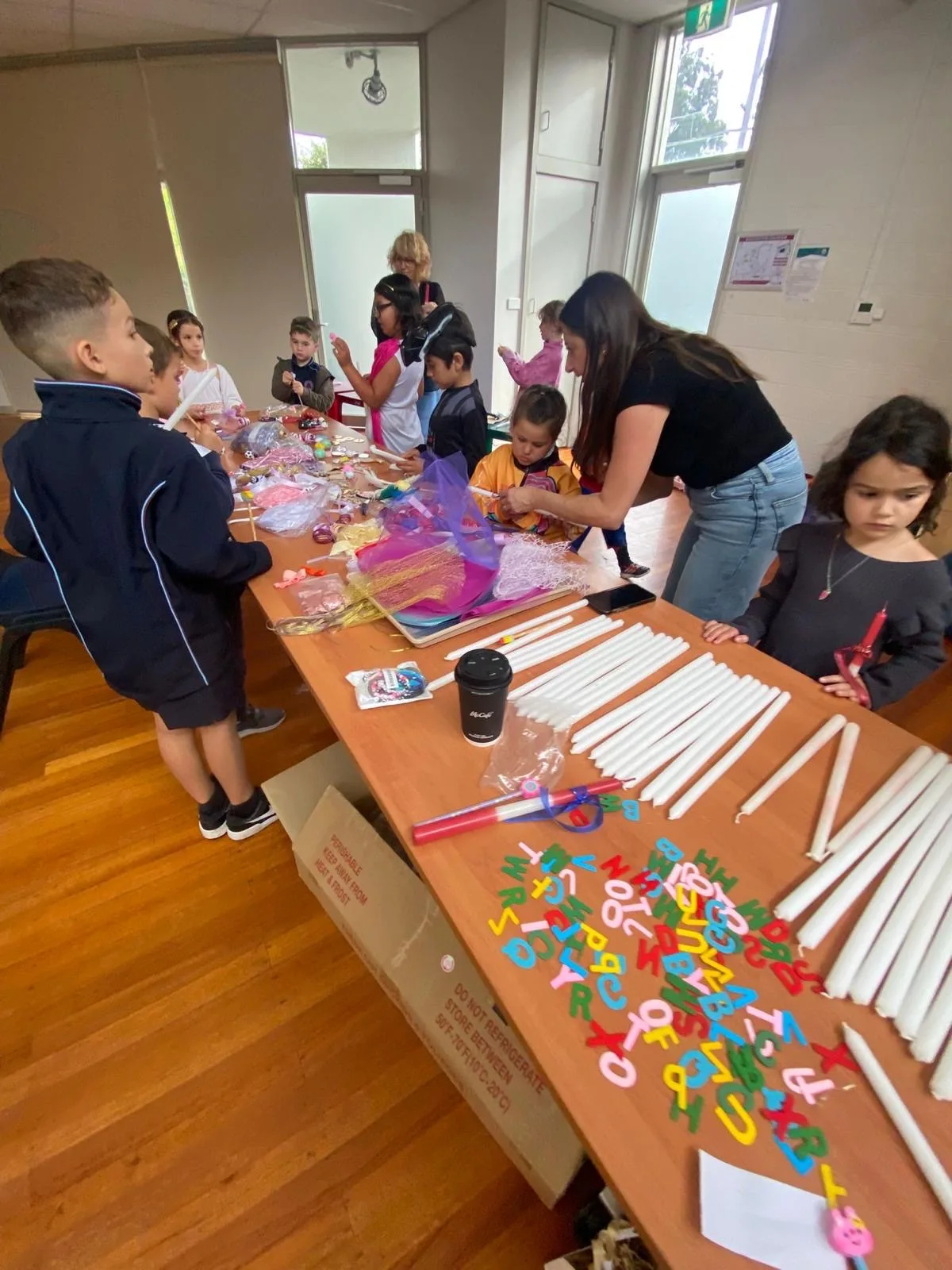
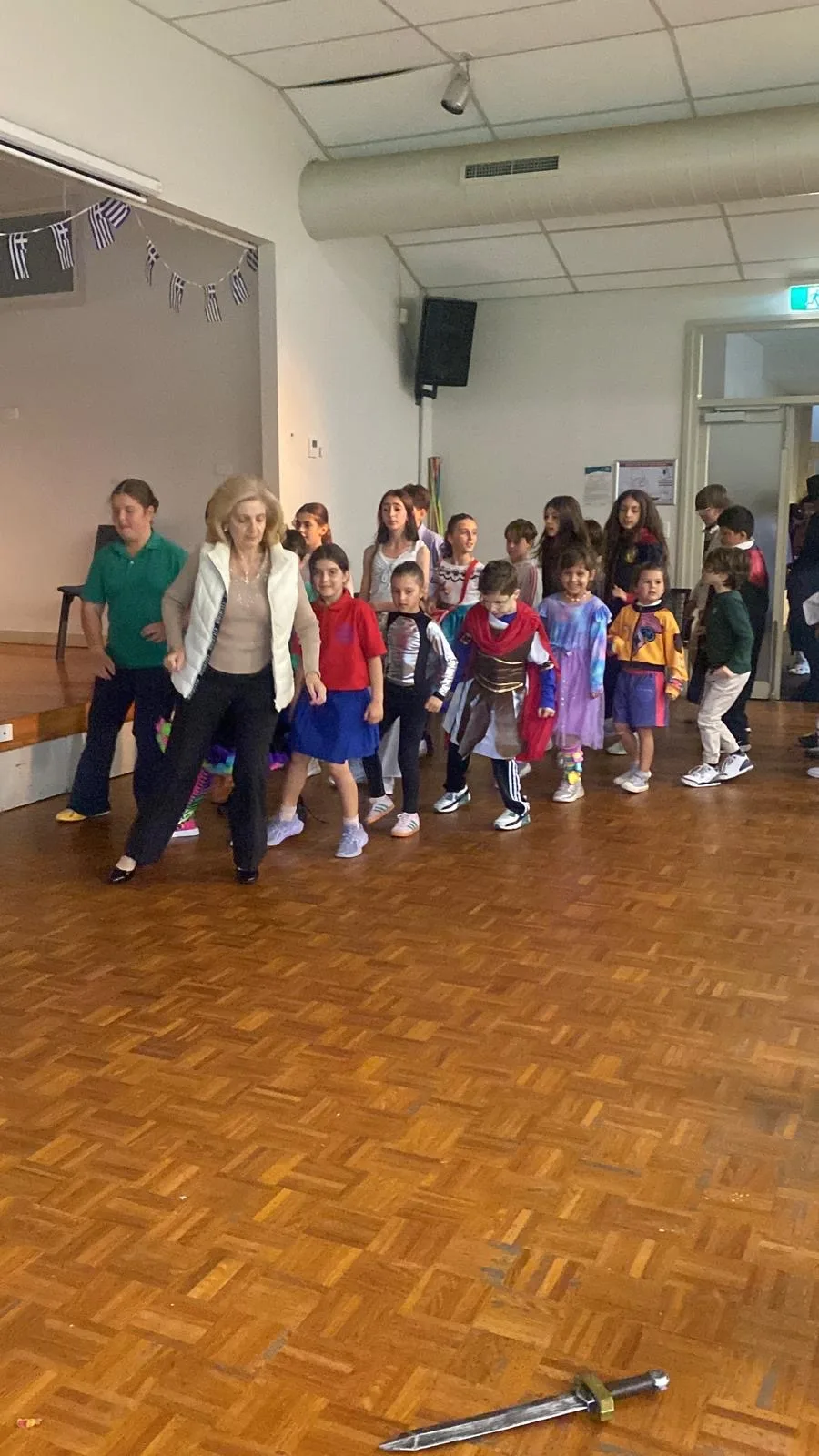
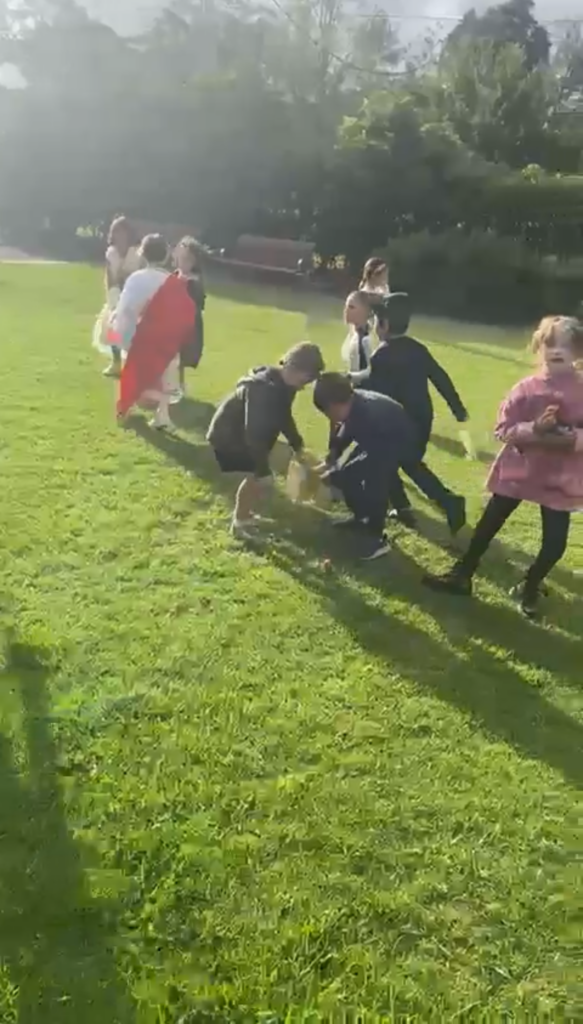
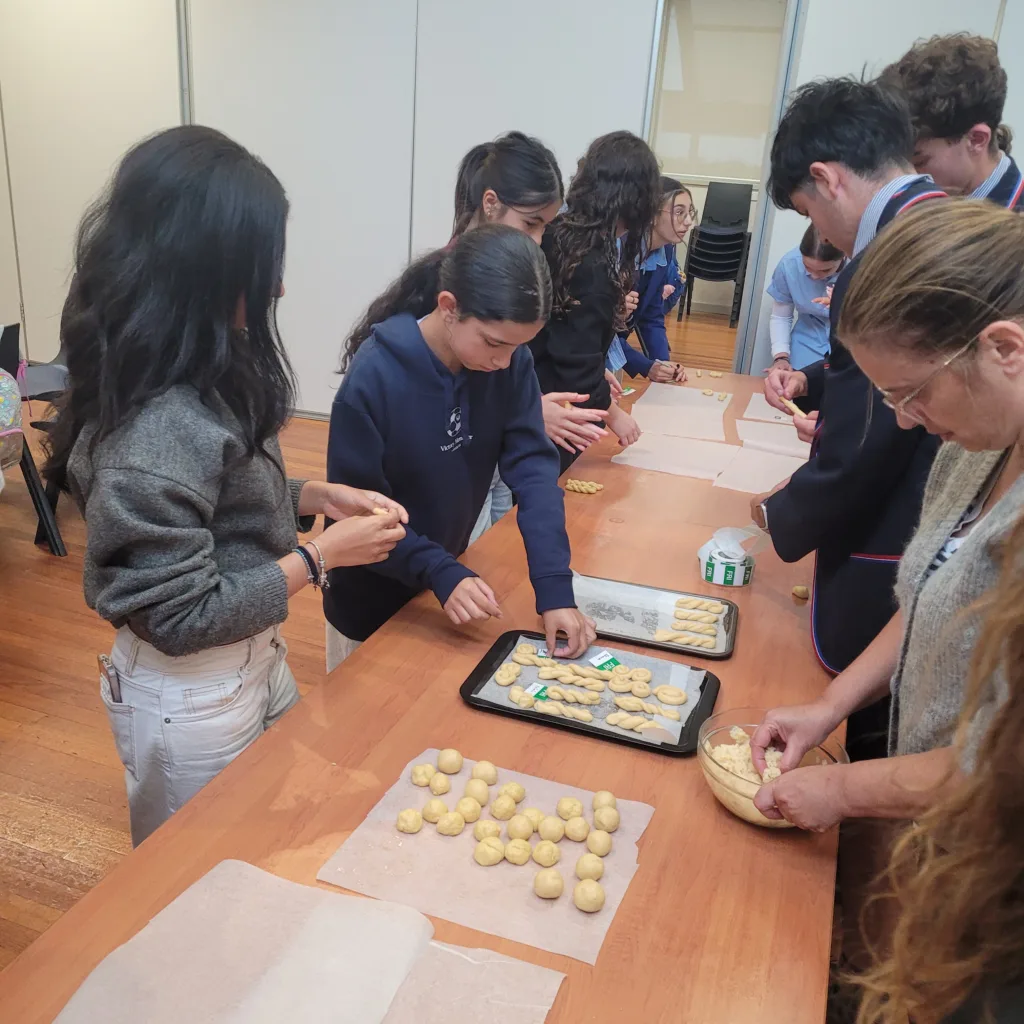
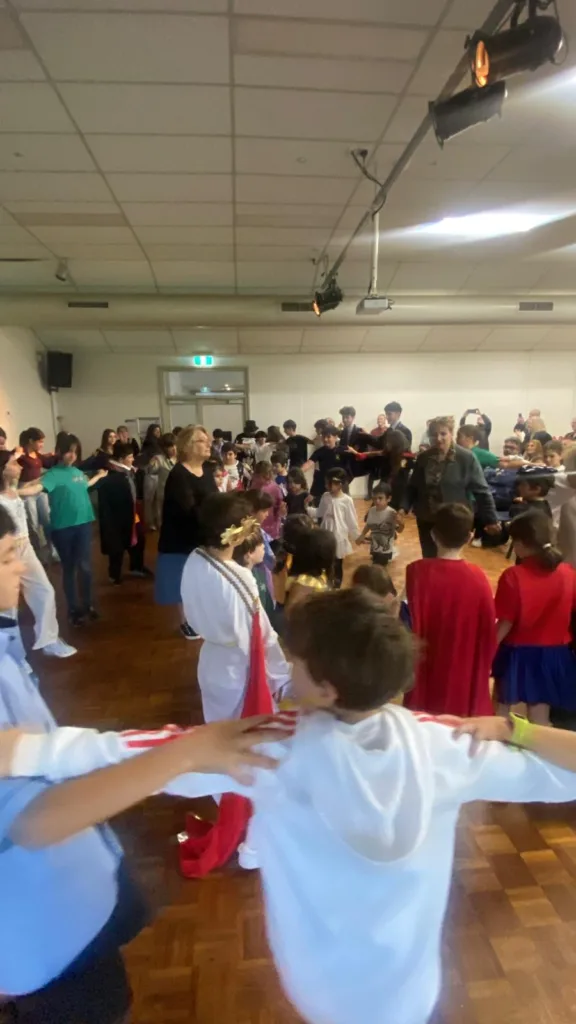
The celebrations culminated on Friday, March 27, with a large-scale cultural event uniting the school’s Elwood and South Melbourne campuses. Students from Foundation to Year 12 took part in a range of traditional activities, including decorating lambades, baking koulourakia and dressing up for Apokries.

The evening featured music, dancing and Easter egg hunts, before concluding with a shared meal and a lively disco, reinforcing a strong sense of connection across the school community.

Organisers said the event reflected the collective effort of staff and parents, whose dedication ensured an engaging and memorable experience for students.

Beyond the festivities, the celebrations highlighted the school’s broader mission: fostering learning, cultural pride and community connection among young Greek Australians.

Greek culture takes centre stage in Monash schools and community events

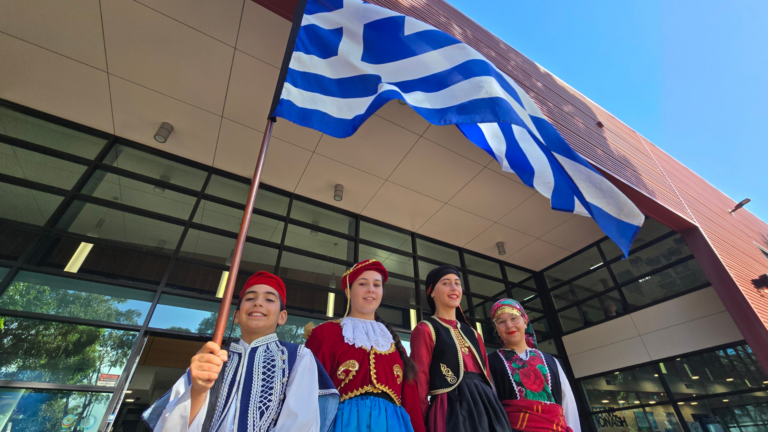
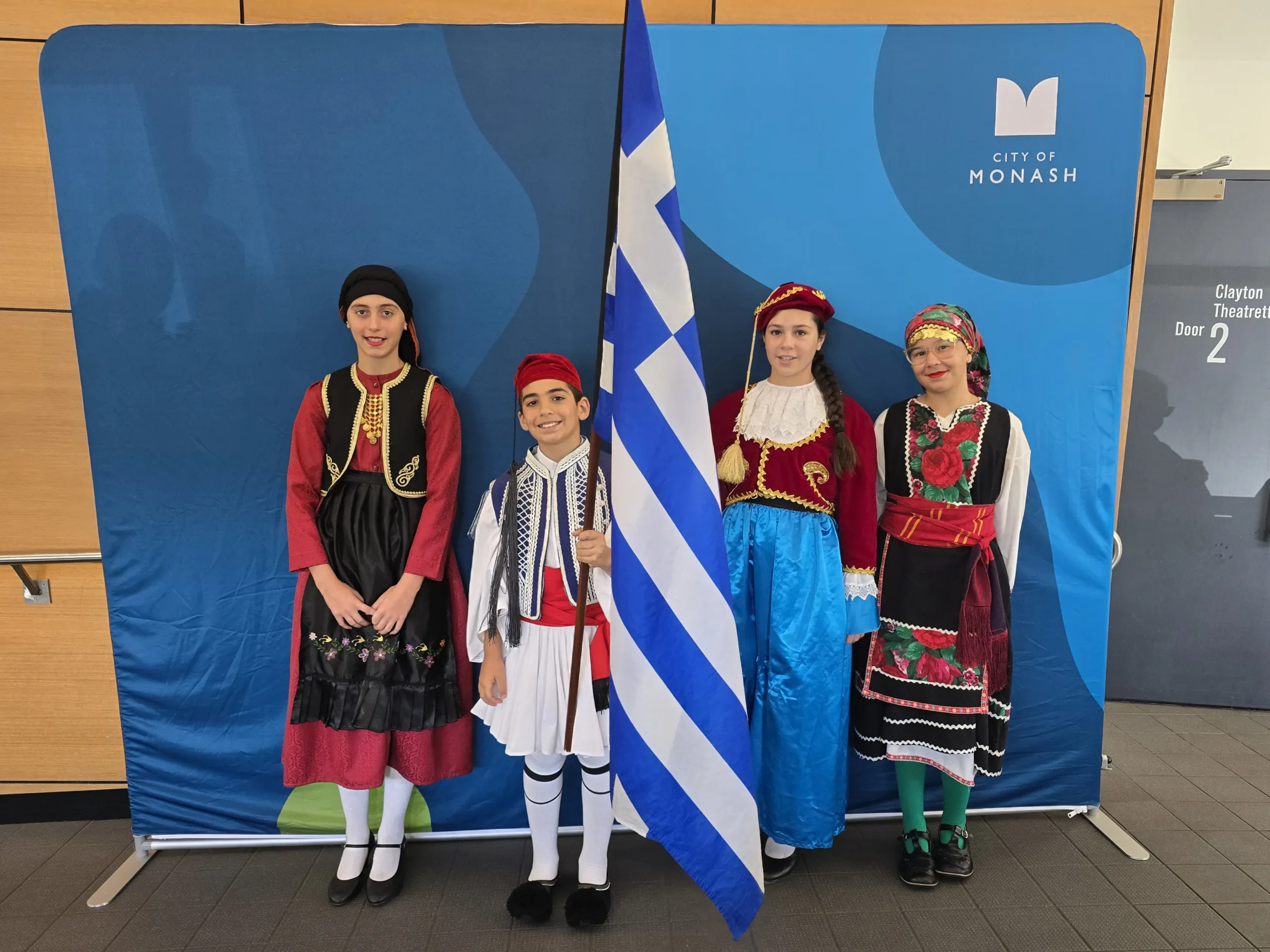
Greek dance and culture were brought to life across Melbourne’s southeast on Friday, March 27, as Dimosthenis Manasis led a series of engaging performances and workshops marking both Harmony Week and Greek National Day.

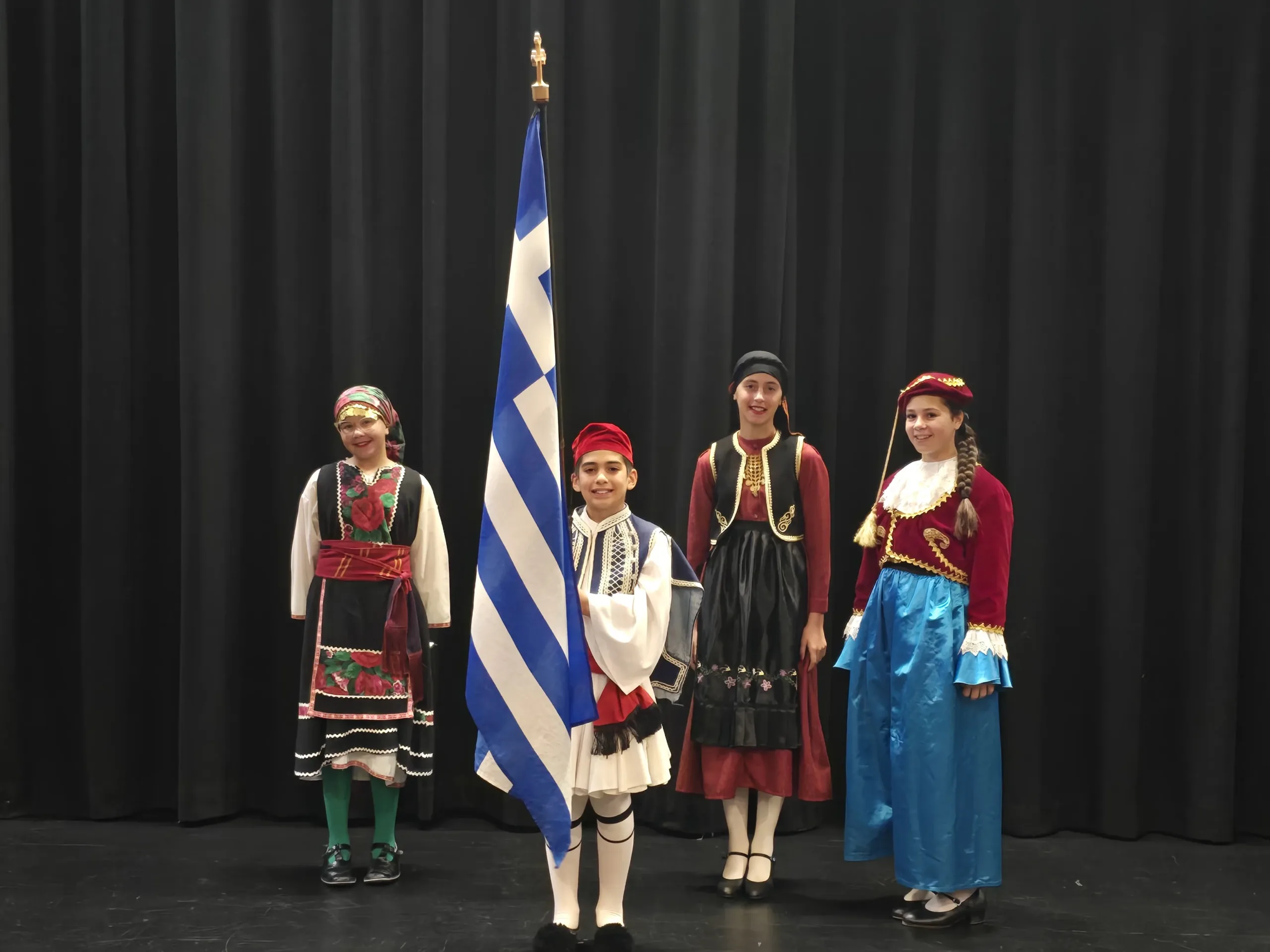
From school grounds to community stages, Manasis and his team from the MANASIS School of Greek Dance and Culture showcased the vibrancy of Hellenic tradition to diverse audiences – many of whom had little or no prior connection to Greek heritage.

Cultural exchange at The Knox School

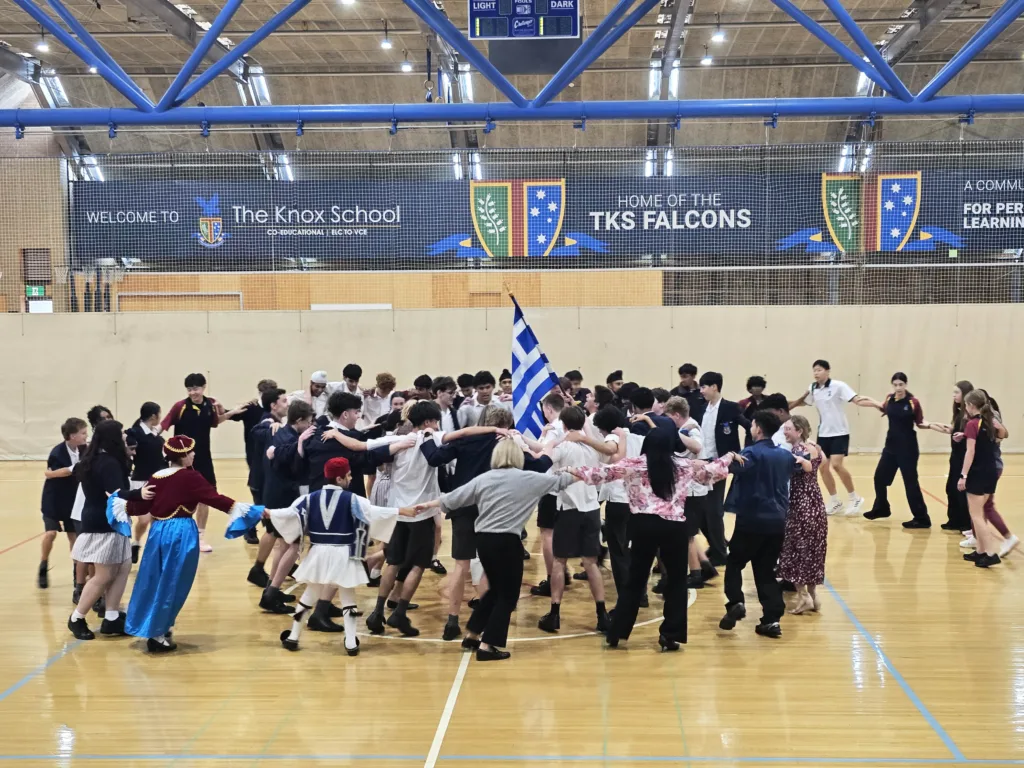
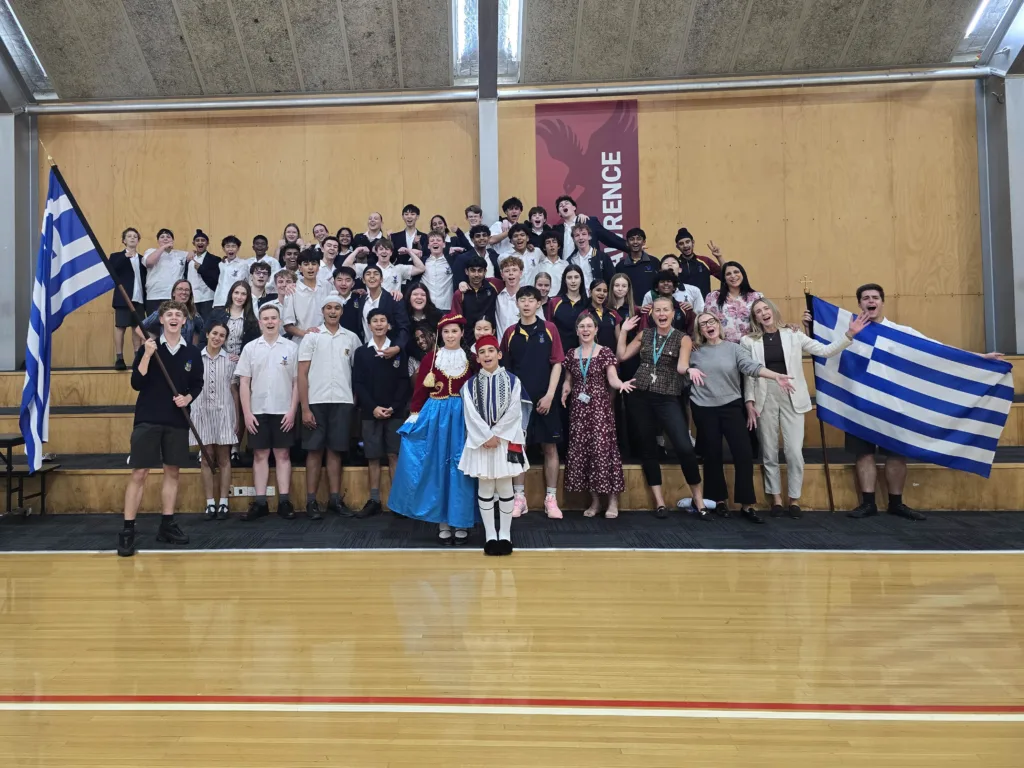
One of the day’s most notable moments took place at The Knox School, where Manasis was invited by staff member Natasha Tereschenko to deliver a lunchtime cultural workshop for students.

Despite the school having only a handful of students from Greek backgrounds, the session drew wide participation, reflecting the broader multicultural makeup of the student body.

Joined by dancers Zacharoula and Alkis in traditional costume, Manasis introduced students to elements of Greek music and dance, culminating in a lively group performance of zeibekiko and hasaposerviko, better known globally through the iconic “Zorba” dance.

“It is a great honour for us to present Greek culture to non-Greeks,” Manasis said, describing the experience as one of the most interactive and enjoyable in recent weeks.

The initiative itself was led by Tereschenko, who, despite her Russian background, has spent much of her life in Greece and sought to share that cultural connection with students.

‘Rhythms of Monash’ celebrates diversity

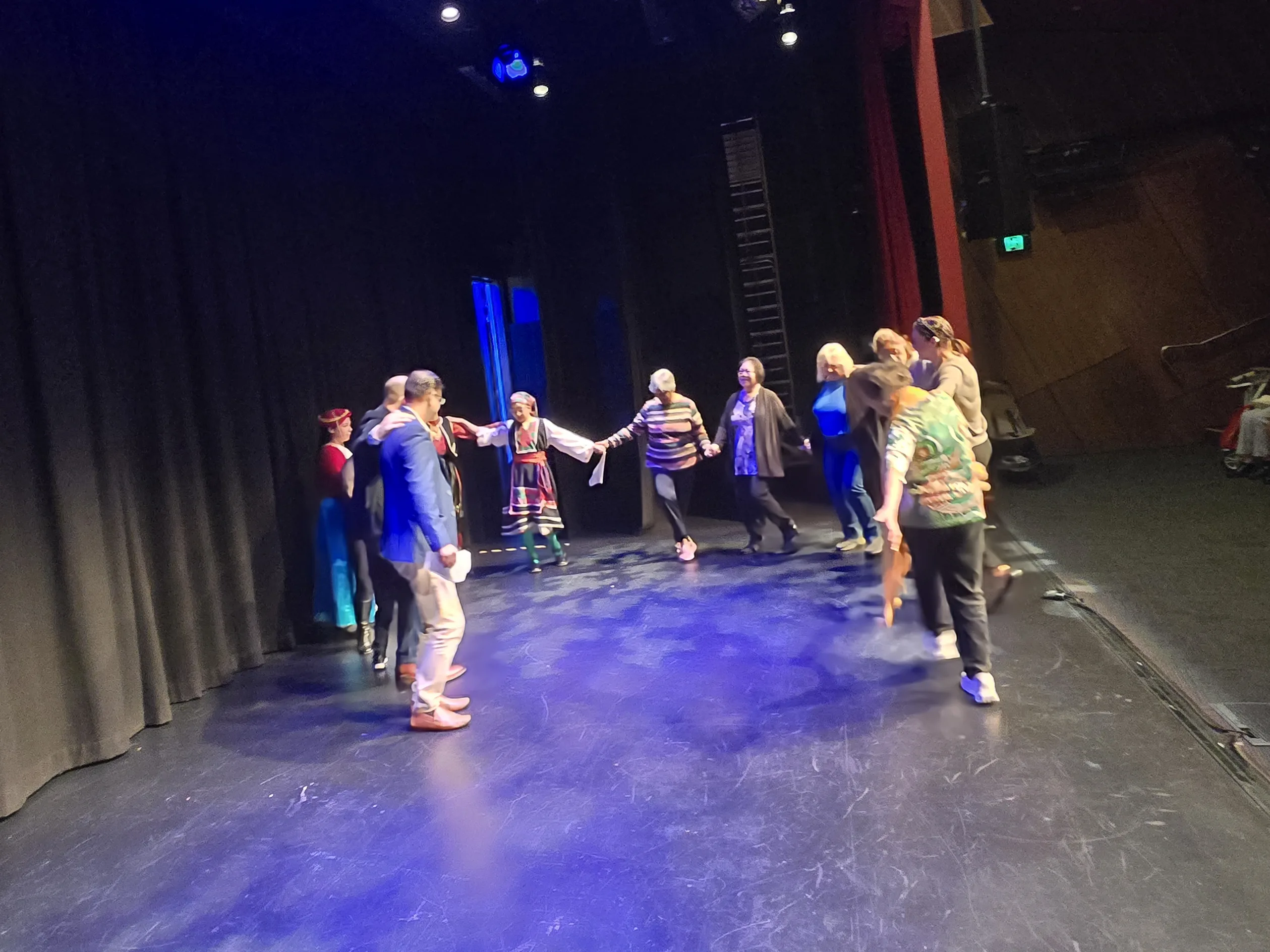
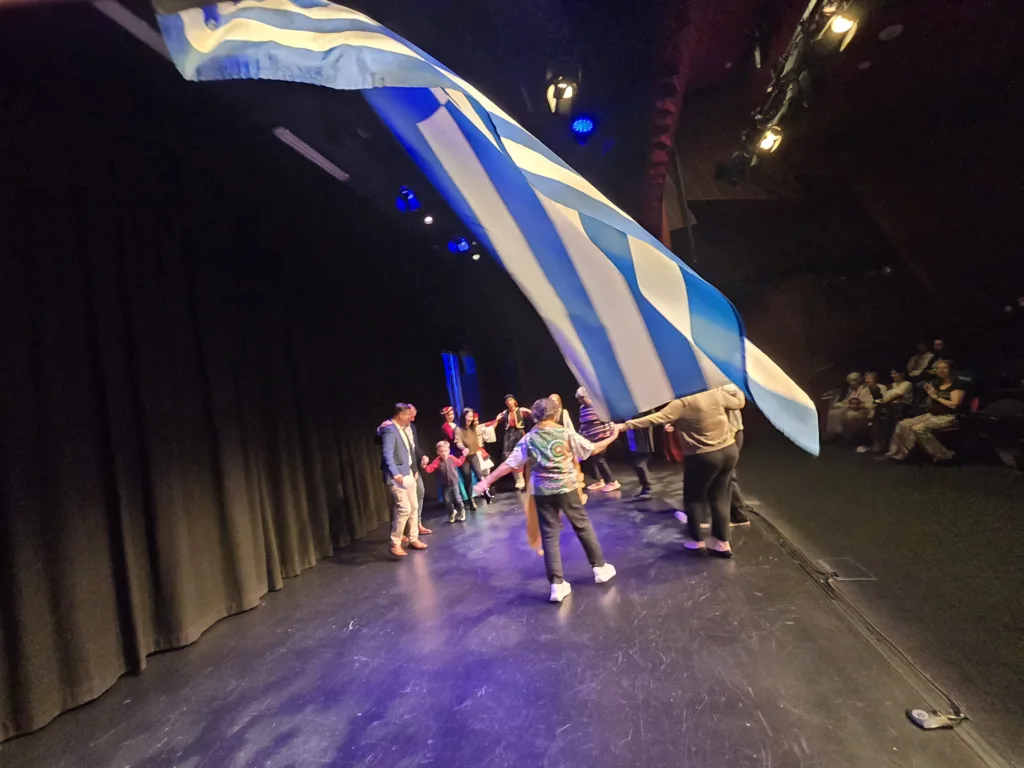
Later that day, Manasis and his troupe participated in the City of Monash’s annual Rhythms of Monash event, held at Clayton Theatre.

The free community showcase featured performances from a range of cultural groups, including African drumming, Chinese dance and Greek traditional routines, highlighting the diversity that defines the municipality.

Accompanied by dancers Zacharoula, Alkis, Xanthy and Maria, the group performed a series of dances from across Greece, drawing enthusiastic applause from the audience.

The event concluded with a spirited, all-in “Zorba” dance, with Monash Mayor Cr Stuart James joining participants and helping lead the glendi.

Sharing Greek culture beyond the diaspora

For Manasis, the day underscored the enduring appeal of Greek culture beyond its community roots.

Through music, movement and shared experience, both events demonstrated how tradition can serve as a bridge between cultures – particularly during occasions such as Harmony Week, which celebrate unity through diversity.

Whether in a school courtyard or on a community stage, the message remained the same: Greek culture continues to resonate, inspire and bring people together.

SA filmmakers Danny and Michael Philippou named GQ Creative Force of 2025

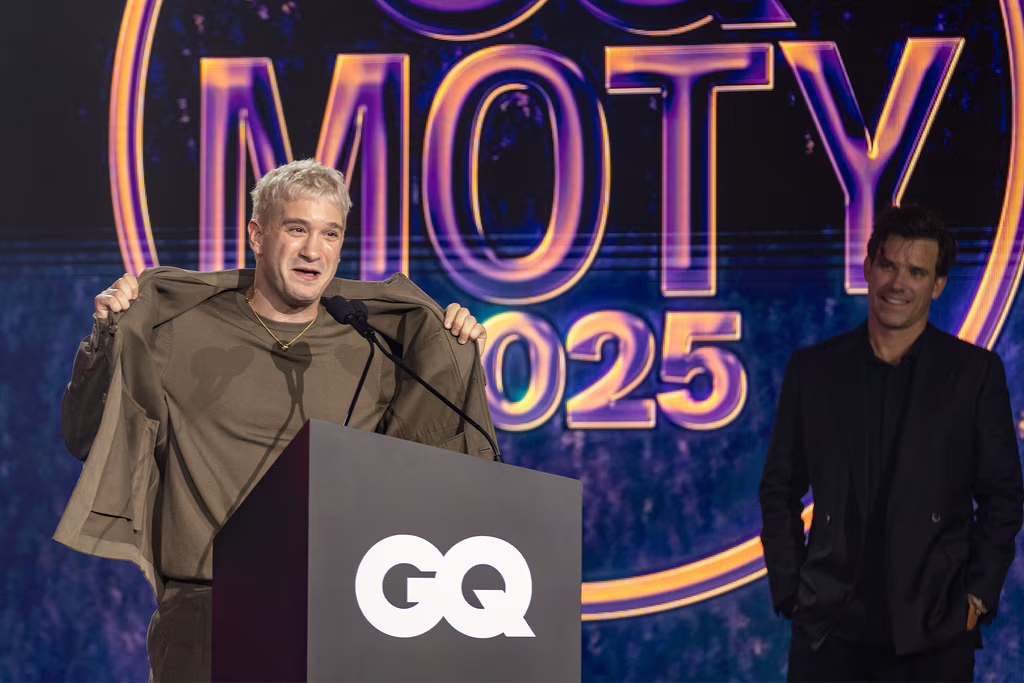
Greek Australian filmmakers Danny and Michael Philippou were named GQ Creative Force of 2025 at the GQ Men of the Year Awards on Tuesday, March 31. Danny Philippou accepted the award on the night on behalf of himself and his twin brother Michael.

In his acceptance speech Danny said, “I’m so sorry. I’m so bad at speeches. I get a lot of anxiety. I didn’t realise there were speeches. So I texted my brother and asked if he had any ideas. And he said, just remind everybody that they’re actually the men of last year! So that’s my joke for today.”

Danny concluded his speech by saying, “Thank you for dressing me. I said I wouldn’t lose anything, but I have lost one of the rings as part of the outfit. So if anyone sees it, please let me know, and if they sell it, give me a cut.”

Danny Philippou accepted GQ Creative Force of 2025 award on behalf of himself and his brother Michael. Photo: Eventive Photography / GQ.

The Philippou brothers made their start on YouTube under the name RackaRacka with their online pranks reaching nearly seven million subscribers.

The Adelaide filmmaking duo have now solidified their position as leading horror filmmakers after their films Talk To Me (2022) and Bring Her Back (2025) became cult favourites.

Source: GQ

Raquel and Adam Bouris respond to tax debt and toxic workplace allegations

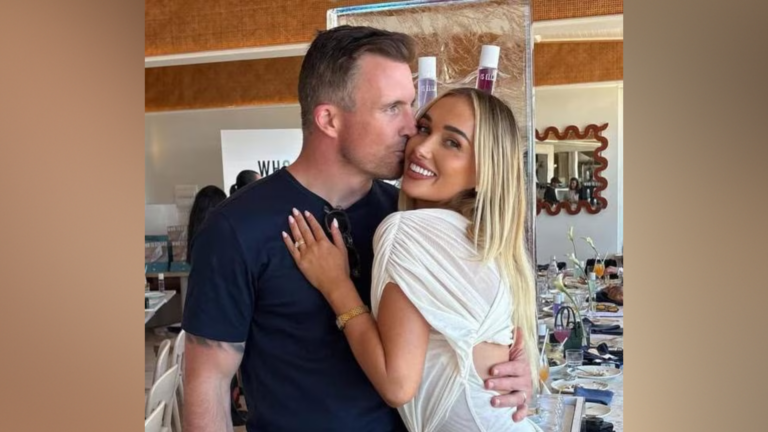
Raquel and Adam Bouris’ Sydney perfume brand Who Is Elijah, once self-described as a $20 million empire, is facing mounting scrutiny over significant financial and workplace concerns, with reports revealing more than $1.4 million in tax debt and over $280,000 owed to suppliers.

According to CreditorWatch, the company has accumulated substantial liabilities, including $224,378 owed to Sydney supplier Baker & Co and $57,808 to Adelaide-based e-commerce provider Ecom Nation.

The Australian Taxation Office has also registered a default of $1,411,252, while credit checks on the company have surged in recent months, indicating growing concern among businesses about its ability to meet financial obligations.

Reports have also alleged that the brand concealed its financial position through high-profile department store partnerships and strategic social media campaigns, maintaining an image of commercial success despite mounting debt.

In response, co-founder Raquel told The Daily Telegraph the company is currently undergoing a period of restructuring and growth, insisting that the reported figures “do not accurately reflect the current position of the business.”

Alongside its financial challenges, Who Is Elijah has been hit with a wave of allegations about workplace culture, with multiple former employees describing the environment as toxic in reviews posted on Glassdoor.

One former staff member claimed the workplace operated “more like a high school playground than a professional environment,” alleging favouritism and a clear hierarchy that marginalised those outside an “inner circle.” Others described a culture of competition, lack of support and employees “walking on eggshells.”

The allegations come after reports the company made a number of redundancies in February and vacated its Taren Point factory, marking a shift in operations following a period of rapid growth that had previously included international work trips for staff.

Raquel rejected the characterisation of the workplace, stating that anonymous reviews do not reflect the broader culture or values of the business, while acknowledging that experiences may differ among former employees.

The brand has also faced recent criticism from customers, with negative reviews emerging around product quality and customer service, adding to the growing pressure on the business.

Despite the challenges, Raquel said the company remains committed to improving its operations and maintaining high standards, emphasising that periods of change are common for fast-growing businesses as they evolve and adapt.

Source: The Daily Telegraph

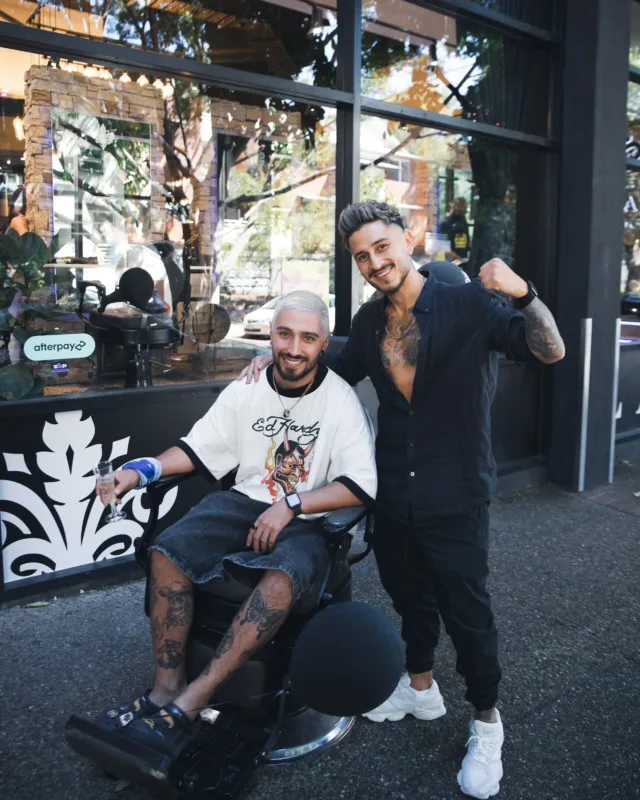
Barber Michael Langanis honours pappou with $11,500 fundraiser for blood cancer

A Brisbane hair studio has transformed grief into action, raising more than $11,500 for blood cancer research during a heartfelt World’s Greatest Shave event last weekend.

Held at Langanis Studio in Teneriffe, the event brought together family, friends, clients and neighbouring businesses in a powerful show of community support, all in honour of a much-loved father and grandfather, Dimitrios Kassapidis.

Organised by 31-year-old barber Michael Langanis and his family, the fundraiser far exceeded its initial $5,000 goal, ultimately reaching $11,550 for the Leukaemia Foundation.

“We were overwhelmed by the support from the community,” the family shared following the event. “As a Greek family business, it meant a lot to us to be able to give back in this way.”

A deeply personal cause

The initiative holds deep personal significance for the Langanis family. Dimitrios Kassapidis passed away in February 2014 at the age of 82 after a battle with blood cancer, prompting his grandson Michael – then just 18 – to take part in his first World’s Greatest Shave only a month later.

This year marked the third time the family has supported the cause, following another successful campaign in 2022.

Michael’s mother, Koula Langanis, once again played a key role behind the scenes, spearheading the event’s social media campaign and helping drive community engagement in the lead-up.

Community spirit on full display

The event itself was as much a fundraiser as it was a celebration of community. Local businesses generously contributed food, drinks and desserts, creating a warm and festive atmosphere throughout the day.

A highlight of the event saw Michael shave the head of his friend Daniel, who is currently on a working holiday from the United Kingdom, before bleaching his hair in a bold show of solidarity.

“Stoked for Langanis Studio raising over $11,000 for this great cause,” Michael shared on Instagram after the event. “Thank you to everyone that supported – we couldn’t have done it without you.”

Special mention was given to Koula for “going above and beyond” in leading the campaign, as well as to the many local businesses that supported the day.

The World’s Greatest Shave also praised the effort, commenting: “$11,000 is massive… you guys are absolutely showing what it means to stand in solidarity with Australians impacted by blood cancer.”

A national fight

The fundraiser comes amid what the Leukaemia Foundation describes as Australia’s “hidden cancer crisis,” with one Australian diagnosed with blood cancer every 26 minutes – amounting to 53 people each day.

Across the country, thousands take part in the World’s Greatest Shave each March to support vital research and services, including accommodation, financial assistance and transport support for affected families.

In 2025 alone, the foundation committed $600,000 to new research projects and supported hundreds of families nationwide.

Giving back, together

For the Langanis family, the event was about more than fundraising – it was about honouring legacy, strengthening community ties, and turning personal loss into collective impact.

With overwhelming support and a result that more than doubled expectations, the Teneriffe event stands as a testament to the power of community-driven action – and a reminder that even small, local efforts can contribute to a much larger fight.

Greek Trade Commissioner in Australia on double tax deal progress and EU trade pact

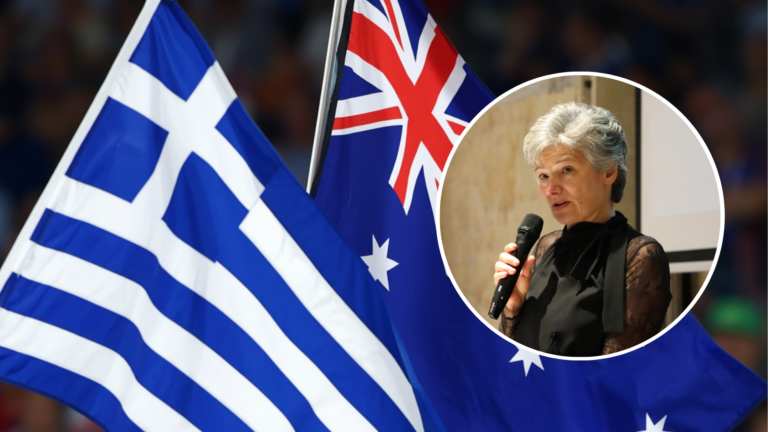
The long-awaited double taxation agreement between Greece and Australia is nearing completion but remains unresolved, according to Greek Trade Commissioner Christina Stefanidou, who says “very few issues” still need to be clarified before it can be finalised.

Speaking to The Greek Herald, Ms Stefanidou confirmed that while negotiations are progressing, no definitive timeline can yet be provided.

“The negotiation of it has not been finalised yet, as there are some very few issues that need to be clarified,” she said. “We are close to completion.”

Ms Stefanidou noted that outstanding matters relating to shipping will be addressed separately but within an agreed timeframe, signalling that the broader agreement is largely settled.

The deal has long been a priority for the Greek Australian community, with ongoing concerns around taxation on pensions, property income and cross-border investments. Its absence has been widely viewed as a barrier to deeper economic engagement between the two countries.

Greek Prime Minister Kyriakos Mitsotakis has previously described the agreement as a “major catalyst” for strengthening bilateral ties, pointing to renewed political will on both sides to reach a mutually beneficial outcome.

Once implemented, the agreement is expected to eliminate double taxation provisions and deliver benefits not only for investors and businesses, but also for the Greek diaspora in Australia.

Free Trade Agreement welcomed, but feta debate remains
eu free trade deal feta
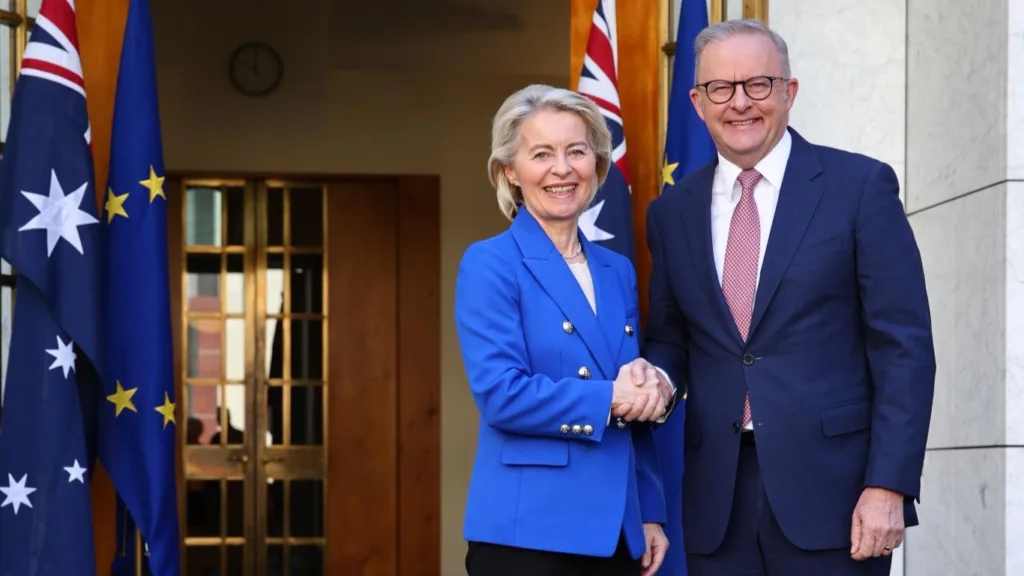
Prime Minister Anthony Albanese and European Commission President Ursula von der Leyen signed the new FTA in Canberra last week.

Ms Stefanidou also addressed the newly signed Australia–EU Free Trade Agreement (FTA), describing it as a broadly positive development, while noting that full assessment will depend on the final text.

“The official texts of the agreement, around 2,000 pages, will become publicly known… We would like to wait and read the texts in order to know exactly,” she said.

“Overall this agreement is a win-win one for both countries.”

According to preliminary estimates from both the European Commission and the Australian Government, the deal is expected to significantly increase trade and investment flows in both directions, while also strengthening economic ties between Europe and the Indo-Pacific region.

For Greece, Ms Stefanidou said the agreement forms part of a broader network of trade deals that will support expanded business cooperation and investment opportunities.

However, the agreement has sparked debate within the Greek Australian community, particularly over the future use of the term “feta.”

Under the deal, “feta” will be subject to geographical indication protections, meaning new Australian producers will not be able to use the name, while existing producers will operate under transitional “grandfathering” arrangements.

The issue carries both economic and cultural weight, as many Greek migrant families have built businesses around the production of feta in Australia, embedding it within the country’s food identity.

While the agreement promises benefits for consumers – including reduced tariffs on European imports such as wine, chocolate and pasta – it also signals a period of adjustment for local producers, who may face rebranding challenges over time.

Strengthening ties amid global shifts

Ms Stefanidou said the agreement also reflects the European Union’s growing focus on the Indo-Pacific, a region that accounts for around 60 per cent of the world’s population and is increasingly central to global trade.

With existing agreements already in place with countries including New Zealand, Japan, South Korea and Singapore – and negotiations ongoing with others – the EU’s expanding trade network is expected to create new pathways for Greek businesses to engage internationally.

Together, both the double taxation agreement and the free trade deal represent key pillars in the evolving economic relationship between Greece and Australia – one driven not only by policy, but by the enduring ties of the Greek diaspora.

Greek Summer Camp in Thessaloniki returns for fifth consecutive year

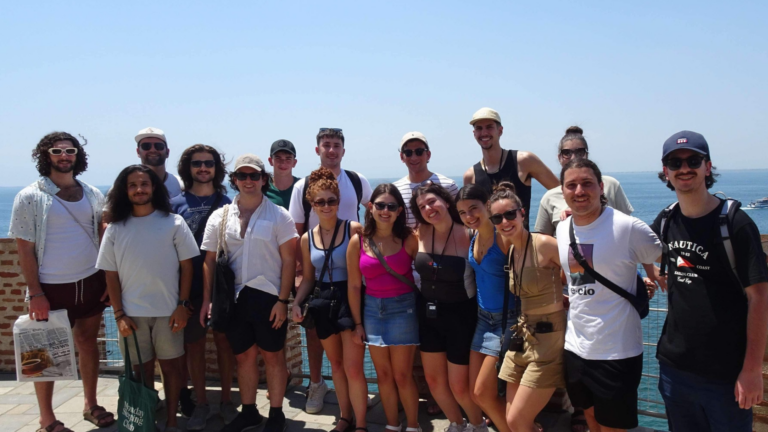
The Greek Community of Melbourne (GCM), in collaboration with the Greek Foreign Affairs Ministry, has announced the return of the Greek Summer Camp in Thessaloniki, marking its fifth consecutive year of operation. This was achieved with the assistance of Ross Alatsas of the Greek Media Group.

Taking place from 30 June to 11 July 2026, the program will bring together young Greek Australians from across the country, aged between 18 and 24. It offers a unique opportunity to connect with their heritage, build lasting friendships, and experience contemporary Greek culture firsthand.

The Thessaloniki YMCA will once again coordinate the program’s day-to-day activities, delivering a dynamic and engaging schedule for participants.

The Greek Foreign Affairs Ministry continues to demonstrate its strong commitment to the Greek diaspora by sponsoring the program, with the participants only having to cover the cost of their flights.

President of the GCM, Bill Papastergiadis OAM, welcomed the continuation of the initiative, highlighting its significance to the community.

“We are incredibly proud to see this important program return for a fifth consecutive year. It has become a cornerstone initiative for strengthening the connection between young Greek Australians and their cultural heritage,” Mr Papastergiadis said.

“We are deeply grateful for the ongoing support of Maira Myrogianni, Secretary General for Greeks Abroad and Public Diplomacy, and Yiannis Loverdos, Deputy Foreign Minister of Greece. Their commitment ensures that programs like this continue to thrive and provide meaningful experiences for our youth. This camp is not only an investment in our young people, but in the future of our community as a whole.

“These Cultural camps play a really important role in shaping identity, belonging and social development. In helps them to connect with their heritage in a meaningful way. The camps also include lessons, in traditional music and customs. By meeting peers with similar backgrounds, it reduces feelings of isolation and builds lifelong friendships.”

Tass Sgardelis, Chair of the GCM’s Youth and Engagement Committee, says “the development and their friendships and boosting confidence is no more evident than in past camp attendees now being regular volunteers at our Festivals.”

The GCM also acknowledged the significant support of Mr Alatsas and the Greek Media Group, who have been strong advocates of this initiative and have worked closely with the GCM to ensure its continuation into its fifth year.

Mr Alatsas said: “We’re thrilled to support the return of the Greek Summer Camp in Thessaloniki.”

“This program is an incredible chance for young Greek Australians to deepen their connection to our language, culture and heritage while building lifelong friendships across the diaspora,” he added.

Now firmly established as a flagship program, the Greek Summer Camp in Thessaloniki continues to play a vital role in fostering cultural identity, strengthening ties with Greece, and empowering the next generation of Greek Australians.

How to apply:

To apply, participants must be between the ages of 18 and 24 and reside in Australia. They must also have a valid passport or be willing to obtain one before the trip. Applications can be submitted via the online form below.

Application Link: https://wkf.ms/4tpnhwD

Greek-owned A Raptis & Sons to close after administrators fail to find buyer

Greek-owned A Raptis & Sons Group, one of Australia’s largest privately owned fishing businesses, is set to close after operating for 60 years.

This comes after the company entered voluntary administration on March 6 after several years of declining prices and administrators have failed to secure a buyer.

Administrator Ben Campbell said, “While there was some interest in the sale process, unfortunately, and despite the best efforts of all parties, there have been no offers for the sale of the business as a going concern that are able to be taken forward.”

The Brisbane-based family enterprise, which has operated for more than six decades and spans three generations, is widely recognised as Australia’s largest wild-caught prawn operator and its closure will impact hundreds of workers.

The wholesale seafood business is expected to axe more than 200 jobs across South Australia and Queensland and will begin selling assets.

A Raptis & Sons Group started from an Adelaide fish and chip shop in the 1950s run by Greek migrants Arthur Raptis Sr and his wife Anna. Their business quickly grew into a wild-caught seafood empire across Queensland and South Australia.

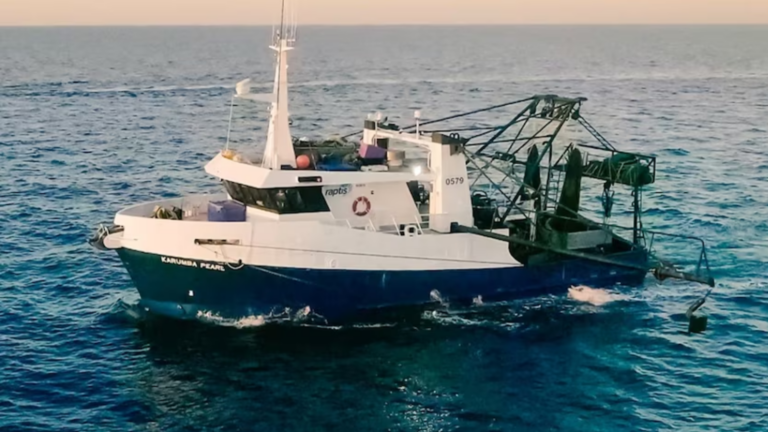
In the tiny Gulf of Carpentaria town Karumba, the company has long been central to the community, but most of its fleet will now sit idle during the prawn season, leaving the town devastated and unprepared for its usual harvest.

Ash’s Holiday Unit and Cafe co-owner Yvonne Tunney said, “It’s extremely sad … it’s tragic because it’s only a little community.”

“They’ve been such a part of the fabric of Karumba and the gulf for such a long time, it’s not a happy time.”

For Karumba locals already grappling with recent floods and a fuel crisis, the closure of A Raptis & Sons has dealt a heavy blow to small businesses.

“It’s been a couple of very, very tough years for the prawn fleet… so you can’t be too shocked,” Tunney said. “But it’s something you hope can never happen to a company like Raptis.”

Karumba fisher and manager of Malanda Seafood Karen Miller, said the loss of Raptis will greatly impact the gulf’s commercial fishing industry as the company provided a fuel wharf and additional warehouse infrastructure.

“Without [Raptis’s] infrastructure, it would obviously be a lot harder for us small businesses… We don’t have that manpower and funding behind us to take much further steps forward in that regard.”

“I think it’s a bigger message to all of Australia … with the rising cost of Australian seafood, it’s never been more important to support local seafood,” Miller said.

Source: ABC News