Federal Labor leader, Anthony Albanese, has sent a message to mark Orthodox Easter this year.
Full message in English:
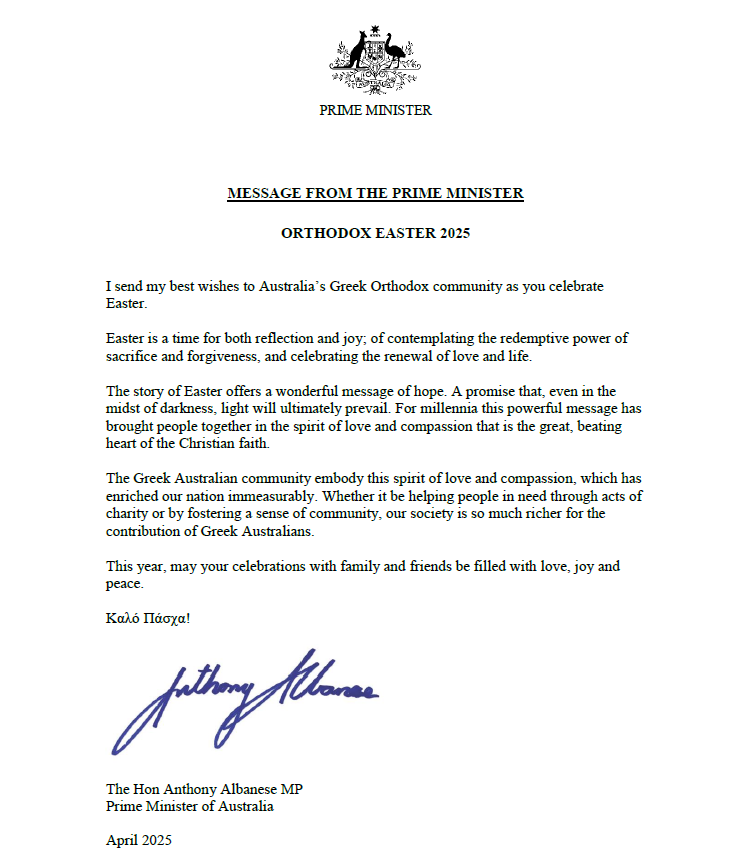
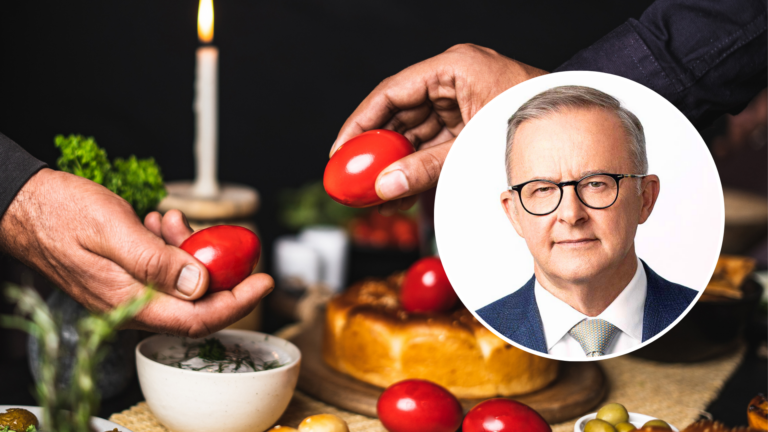
Federal Labor leader, Anthony Albanese, has sent a message to mark Orthodox Easter this year.
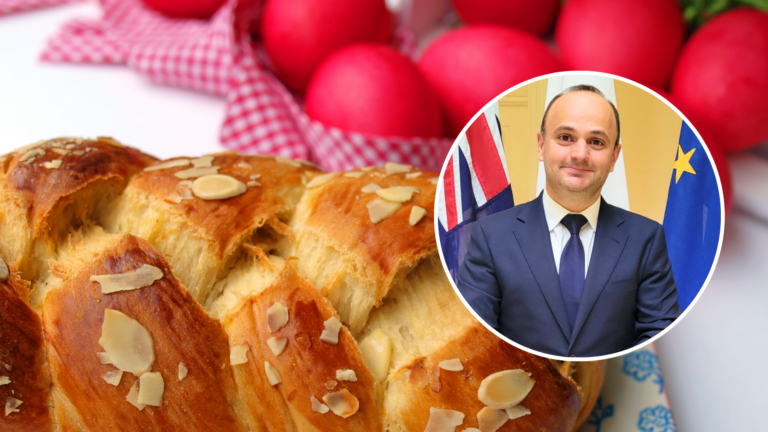
High Commissioner of the Republic of Cyprus in Australia, Antonis Sammoutis, sends his heartfelt wishes to Australia’s Greek and Cypriot diaspora ahead of Orthodox Easter.
Dear compatriots,
It is with great joy that I once again extend my warmest wishes to our diaspora this Easter, wishing you all the very best in your personal, family, and professional lives.
Easter signifies a passage. Just as in the Old Testament it symbolised the journey from slavery to freedom, in the New Testament it represents the transition from Death to Life, from Crucifixion to Resurrection, from Suffering to Redemption. It symbolises the sacrifice of the Lamb and Christ’s boundless love for humanity—love that led Him to Golgotha and the Cross. Our Holy Tradition and Church guide us in preparation for this sacred celebration, through fasting and the solemn services of Holy Week. Only through such preparation can we truly experience this radiant feast, the centre of our faith and life—the miracle that gives meaning to all things and guides our steps as individuals and as Greeks, as a people of the Lord.
It is a particular blessing this year that Christians across the world—both Catholic and Orthodox—celebrate Easter on the same day, sending a powerful message of unity and concord. At the same time, our thoughts and concerns turn to the very cradle of Christianity, in Palestine and Syria, where Christians continue to face violence and danger, longing for a new beginning and praying fervently for more peaceful days. Our minds also turn to war-torn Ukraine, where Cain continues to raise his fratricidal hand against Abel. Of course, we cannot forget our small homeland, Cyprus, and the churches in the occupied north where no liturgies can be held. Yet this year, after nearly eight years of stagnation and disappointment, a small glimmer of light has reappeared—just enough to reignite hope that our own Resurrection may not be so far away.
Dear friends,
On Holy and Great Saturday, in churches across our communities—in the City, in Greece, in Cyprus, and in every corner of the world where Hellenism exists, from America to Australia—millions of faithful will gather outside our churches, chanting Christ is Risen. The churches will overflow, unable to contain the crowds. This, in itself, is our most powerful response during difficult times—at a moment in history where alienation, cultural erosion, and assimilation often feel overwhelming.
When the bells ring out joyfully and call us to worship, we will all symbolically become one again—in the name of Faith and Love—to celebrate Holy Easter with all the strength of our souls, lighting a flame of hope in our hearts that will burn brightly all year long.
Christ is Risen! Wishing you a joyful and blessed Resurrection,
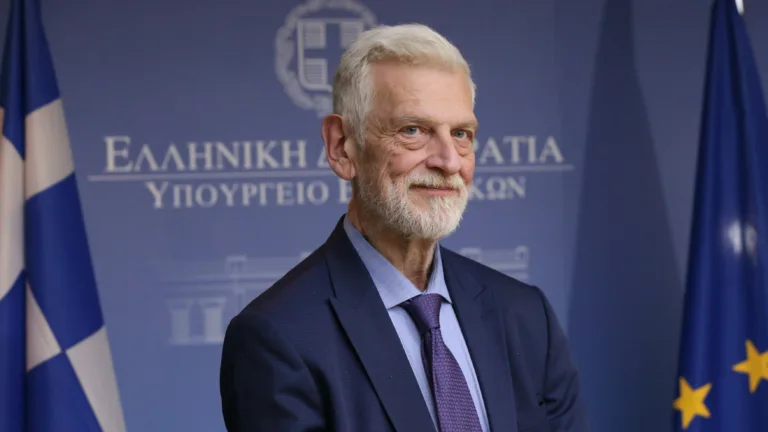
Greece’s Deputy Foreign Affairs Minister for Greeks Abroad, Ioannis Michail Loverdos, has issued a message to Australia’s Greek diaspora ahead of Orthodox Easter.
Dear compatriots,
Holy Pascha is the greatest celebration of Christianity and the most sacred moment in the Greek Orthodox tradition. For us Greeks, faith in the Resurrection of Christ signifies salvation, renewal, and life itself. For this reason, wherever we may be—across all corners of the earth—we celebrate Easter with splendour.
The message of the Resurrection resonates even more powerfully and reaches the entire world thanks to you, the Greeks of the diaspora, who, even while experiencing these Holy Days far from the homeland, carry Greece deep within you. You preserve our customs and traditions, promote our language, and keep alive our Greek Orthodox heritage.
The radiant Resurrection of our Lord is an inexhaustible source of hope and unity for Hellenism and all Greeks, spreading the message of life’s triumph across the globe.
I wish that the light of the Resurrection shines in all our hearts and fills us with strength and optimism.
Christ is Risen! Wishing you and your families good health, joy, and prosperity. Happy Easter!

Greece has taken a significant step toward greener shipping with its first-ever delivery of bio marine fuel, carried out by the Motor Oil Group and its subsidiary, Coral Marine. This marks a major milestone in the country’s efforts to cut emissions and support the maritime industry’s transition to more sustainable energy sources, according to ekathimerini.com.
The delivery was made to the cruise ship Celestyal Discovery at the Port of Lavrio in southeastern Attica. It represents Greece’s initial venture into using a marine fuel blend that includes biofuel—an innovation expected to reduce the ship’s CO2 emissions by around 21%.
The eco-friendly fuel consists of conventional oil refined at Motor Oil’s facilities, combined with biofuel produced at the group’s Verd plant. The biofuel is made from used cooking oil sourced from within the Greek market, highlighting a circular approach to sustainability.
Source: ekathimerini.com
By Ilias Karagiannis
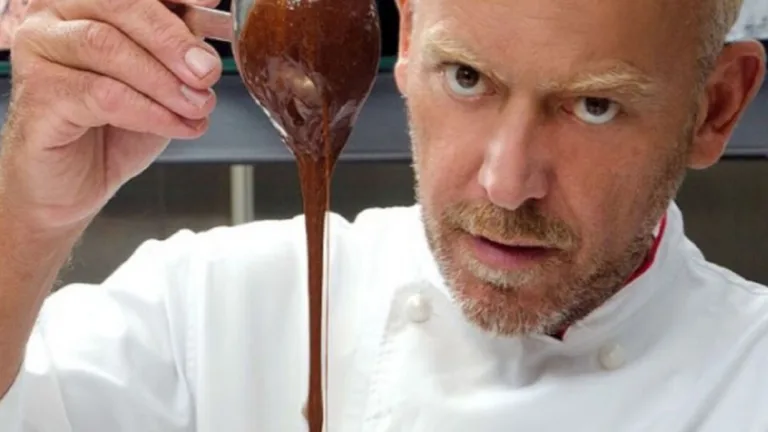
Some people don’t need to raise their voice to be heard. Nor do they need to crowd a display window with bright, sugary creations to make an impression. One of those people is Stelios Parliaros — Greece’s most poetic pastry chef, who has spent decades refining his craft not through spectacle, but through sincerity, grace, and soul.
Easter is his moment. A time that awakens childhood memories, flickering candlelight, family gatherings, and the gleam of chocolate eggs waiting patiently behind glass until a child’s eager hand shatters their shell with joy. It is the most tender, most symbolic season of the year — a season of renewal, reflection and rediscovery.
In a deeply personal interview with The Greek Herald, Stelios Parliaros shares his philosophy on the Easter chocolate egg, viewing it not simply as a sweet treat, but as an artistic expression, a keeper of tradition, and a quiet rebellion against commercial trends.
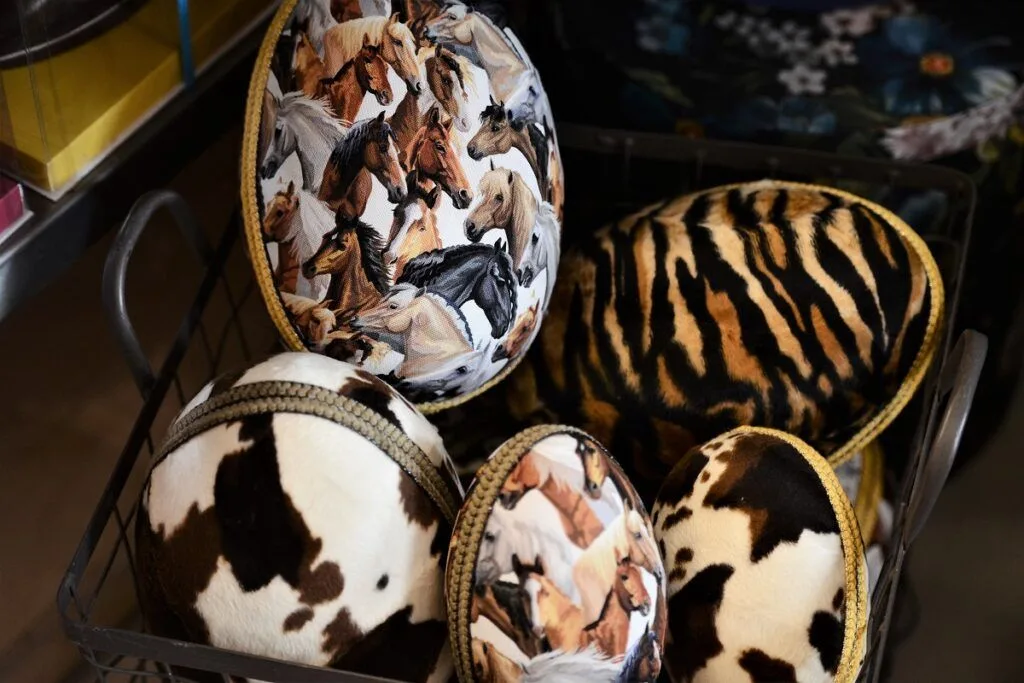
He recalls a time when everything was made by hand. “When I started out in 1979, working at Papaspirou Patisserie, we made everything ourselves — nothing was standardised. Everything was artisanal.” That spirit of craftsmanship, he says, is now rare. “Today they stick on a ready-made ornament and call it done. Back then, it took skill. It was an art.”
Parliaros still handcrafts his signature Easter creations — ducks, bunnies, classic egg shapes — all from high-quality milk chocolate. “When we were young, we’d never seen milk chocolate. The eggs were always dark. Now, the chocolate is finer, more delicate, but also harder to handle. It melts quickly. It’s not for everyone.”
Despite the passage of time and change in tastes, Parliaros remains firmly rooted in authenticity. “Innovation should come from memory, not in opposition to it,” he says. And in his view, authenticity requires resisting trends like the popular “Dubai Chocolate” — a pistachio-laced praline currently flooding the market. “I refuse to make it,” he says. “It doesn’t speak to me. It’s not creation. It’s imitation.”

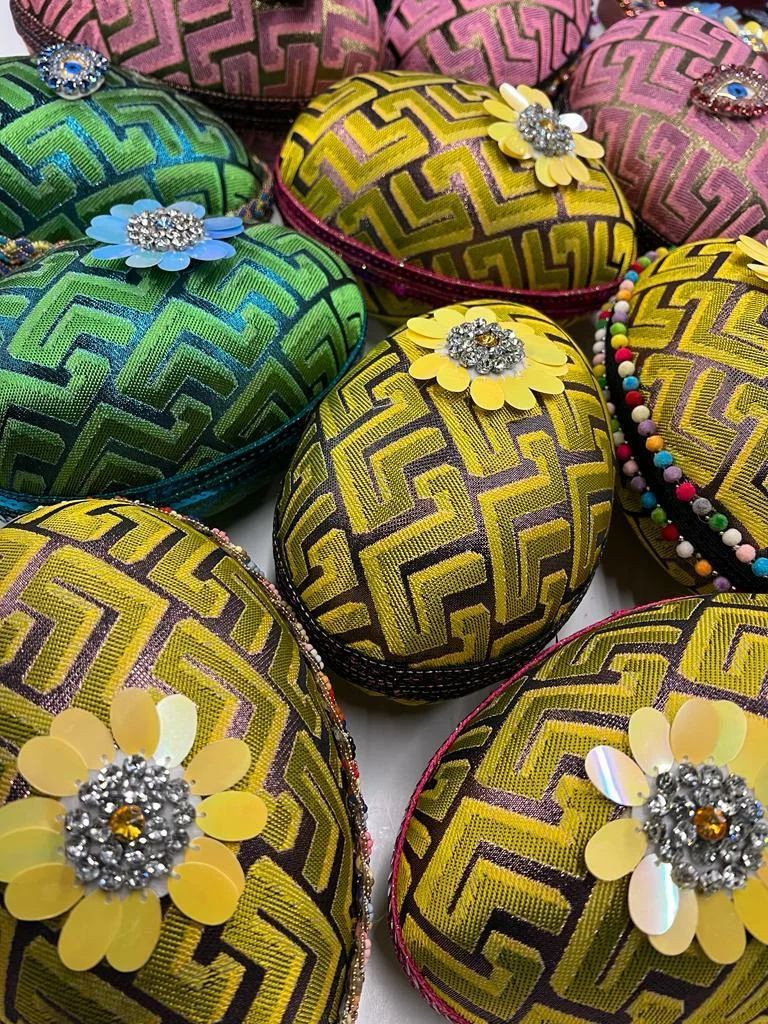
Parliaros’ Easter egg creations are, instead, closer to high art. Collaborations with fashion house Deux Hommes have turned his eggs into couture pieces — complete with fabric embellishments, feathers, bold textures and Indian-inspired fabrics for this year’s collection. “We even have playful lines for kids — lions, footballers, little characters. There should be something for everyone.”
Every collection takes around nine months to develop — from concept to execution — with a clear theme each year. One year, it was the flower children of the ‘60s. Another, delicate feathers and Italian lace. “I work with one of the last remaining craftsmen in Greece who can still make these traditional egg decorations, the way we remember from Constantinople. We begin each year together, making something special.”
While chocolate eggs were once just for children, today, Parliaros says, 80% of buyers are adults — giving them as gifts, pairing them with handmade candles, or sending them to corporate clients. “Our candles are another story,” he adds, explaining collaborations with monasteries in the Peloponnese, where nuns create unique, hand-painted designs with crosses, stones, reds and golds.
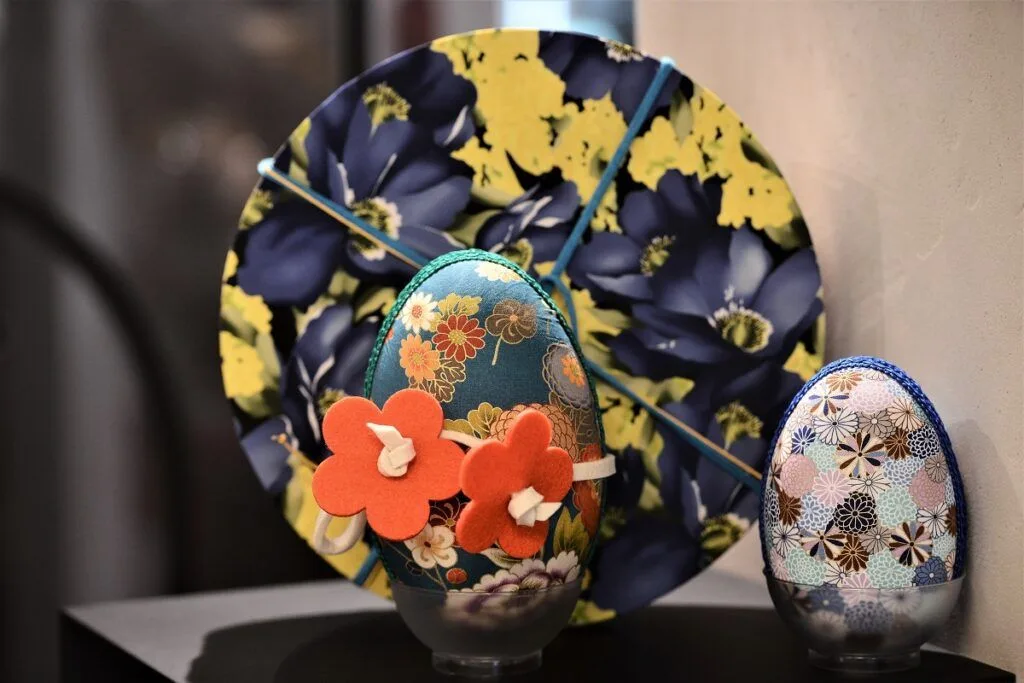
“I don’t like offering something mass-produced. I want it to be unique.”
This attention to detail, he explains, extends to his ingredients. “I choose only natural, edible materials. No artificial colourings. It has to be safe. Sometimes I import things myself. It takes imagination — but I don’t go to extremes.”
The rise in ingredient costs is a concern. “Everything’s more expensive — sugar, sunflower oil, butter. It all went up with the war in Ukraine. Prices are slowly dropping now, but many suppliers aren’t passing that on. It’s also a marketing issue. People want cheap, but cheap comes at a price. When you see a chocolate egg for €1.50, don’t you wonder what’s in it?”
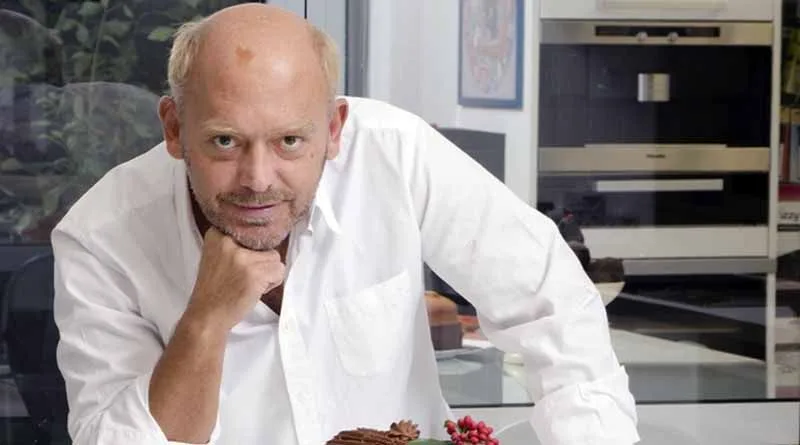
On Australia and authenticity:
Asked about his connection to Australia, Parliaros lights up. “I first visited 20 years ago. I was lucky to meet chef George Calombaris — he became a family friend. He invited me several times. We did culinary events and presentations together. I also have friends in Melbourne. Australia is a country I could have lived in, if I were younger.”
He sees promise in Australian patisserie. “There’s interest, progress. But like in Greece, everyone copies the French. I studied there myself. But I’ve always believed we should create something our own. My desserts don’t resemble the French. Nor the new generation, who copy them exactly. In Greece, you go to a hotel and they serve you macarons instead of traditional amygdalota. Let the French make macarons. We should rediscover our own roots.”
“I carry the East within me. I carry Romiosyni, the flavours of our place. And wherever I travel — Australia or elsewhere — I always return with an idea, a new ingredient, an inspiration. To make it my own. To turn it into something authentic. That’s what matters.”
In the hands of Stelios Parliaros, the chocolate Easter egg becomes more than a confection. It becomes memory, craft, resistance, and art — a celebration not just of Easter, but of identity itself.

45-year-old Katherine, married with two daughters, lives in a village in Greece near the Peloponnese’s Kiato where she also met her husband. Faraway Australia though, is close to her heart – and to her family’s. This isn’t just because her husband also happens to have relatives there. Katherine is the youngest sibling of three brothers who unlike her, have spent most of their lives in Australia. In fact, her most memorable Easter was in Australia, celebrated “in a special and unusual way.”
Born in Greece in 1980, Katherine first visited Australia in 1990 when she was ten, for two years. This is when she actually met her brothers for the first time too, and celebrated her special Easter with them.
“That Easter in Australia was the only Easter I spent with them – with all my family. I remember my brothers hiding chocolate Easter eggs in the backyard there, with me trying to find them. They called it a ‘Treasure Hunt’, something not done in Greece at that time. This is my fondest and most unusual Easter memory as it bonded me with my brothers,” Katherine says.
Katherine’s parents migrated to Newcastle, New South Wales, Australia in the 1950s where her three brothers were born. They returned to Greece in 1974 as her dad wanted to become a priest.
“I wasn’t born yet. My two older brothers found school in Greece difficult and so returned to Australia staying with my mum’s sister where they finished school and continued onto university. In the meantime, mum would often travel back to Australia to see them,” Katherine explains.
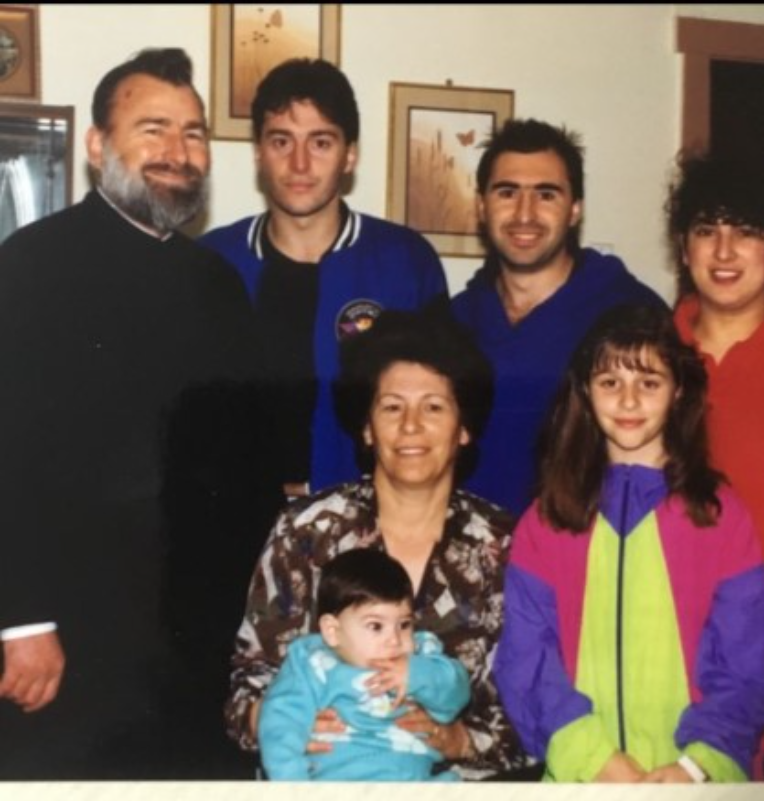
“My brothers, now aged 65, 59 and 56, were born there and are all married. I have eight nieces and nephews in Australia. Since then, my younger brother later moved to Greece. So my memories from my first visit to Australia in 1990-1992 are the sweet memories of a child actually spending time with her brothers.”
Of that Easter, Katherine also recalls, “gathering at the church and the family barbecue the next day and a road trip to Nelson Bay in NSW.”
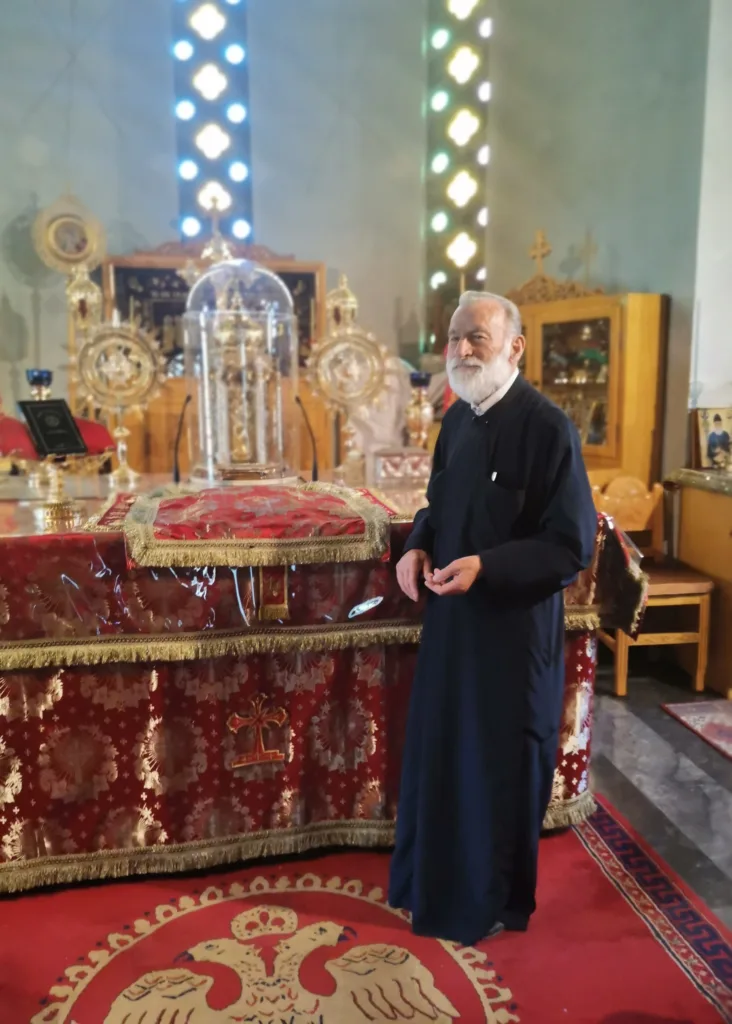
She says that Easter here in Greece is “more emotional because of dad being a priest,” and describes hearing his sermons and being one of four, head girls standing at the front with the epitaphio (flower decorated, representative tomb of Jesus) at the nightly procession, with her dad leading. On Holy Saturday after the Anastasi at midnight, she stays on at the church until 2.30am.
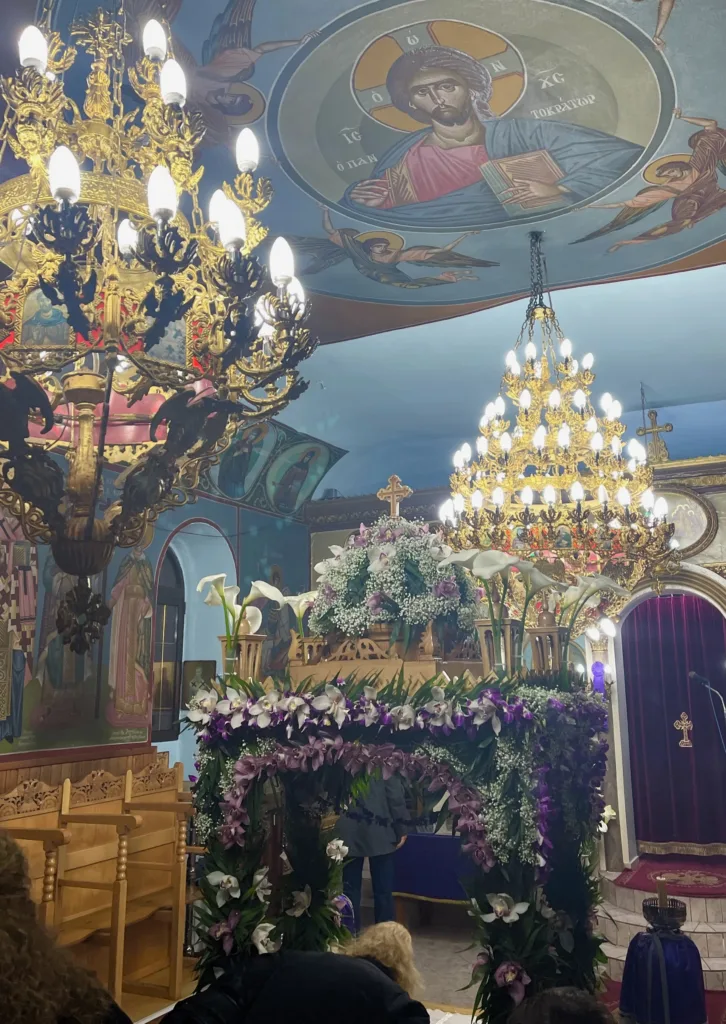
She adds, “at home during the Holy Week of Easter, I smell the church, literally and metaphorically. I smell it on dad’s clothes. Having dad as a priest makes me feel much more intimate with Easter.”
Katherine talks about fasting, something which she adheres to during the Easter period.
“Apart from food, you have to cleanse your soul, your thoughts, particularly remembering to enact this at Easter. As dad always says, ‘you must first be a good person in your soul, beyond and during fasting’,” she says.
Claiming to enjoy all Easter customs, Katherine particularly delights in painting Easter eggs with her daughters: “Not just dying them! We get really arty and spend a whole day doing this as is our tradition.”
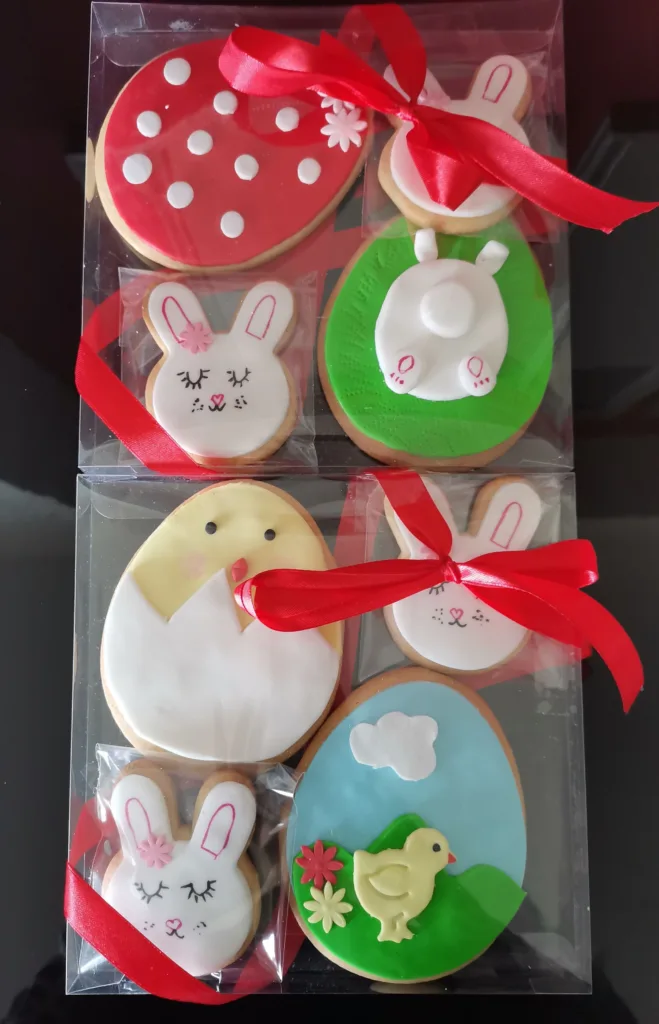
I mention, “Hey, what about the leaf with the stocking?” and Katherine knows exactly what I’m talking about because her mother still decorates the red eggs this way, as my mother did. Katherine also mentions a special tradition which she is also fond of – making koulourakia (Easter biscuits) every year with her mother-in-law, “Yiayia Litsa” adding, “my daughters help too.”

Of her daughters, Katherine says she has brought them up talking to them about Australia.
“I show them photos of our house there and other memories, and they also get an update about Australia almost every year in summer here in Greece when my nieces – their cousins visit. They are looking forward to going one day,” she says,
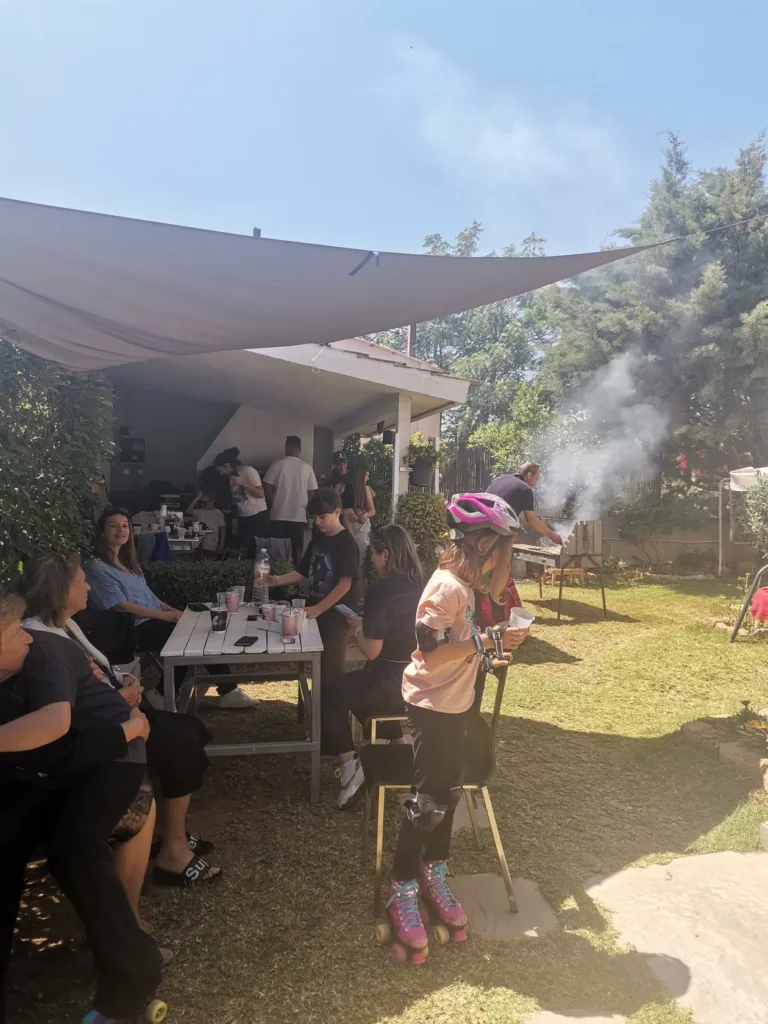
Katherine then adds without pause: “The first thing we do on Easter Sunday is call my family in Australia for blessings before we prepare for the day. We spend it out in the garden with friends and neighbours coming by, with music, eating lamb and with all the other traditions until the evening.”
“Our Easters in Greece are wonderful. Yet, an even more ideal Easter would be one where my entire Aussie family is here, spending it all together. That would actually be a dream come true!” she adds.
“Speaking about my Greek Orthodox Easter experiences makes me very emotional. I miss my family in Australia – my brothers, my nieces, some of whom have their own kids. I realise how much I’ve missed out on, being so far away. We’re a very close family, who feel even closer during Easter in sharing our Greek Orthodox rituals.”

Greek street food, long regarded as some of the finest in the world, has faced tough competition this year, with the popular souvlaki dropping to 55th place in Taste Atlas’s latest street food rankings, according to keeptalkinggreece.com.
Leading the list is Garantita, a traditional Algerian dish made from chickpea flour, oil, spices, and water. Topped with beaten egg and baked until golden brown, it’s typically served hot with harissa and cumin. This flavorful dish has overtaken well-known Greek favorites such as souvlaki, gyros, kontosouvli, and kokoretsi.
Despite souvlaki’s decline, Greek cuisine remains well-represented. Kontosouvli has secured the 19th spot, gyros ranks at 23rd, and kokoretsi appears further down at 96th place.
China takes second place with guotie (pan-fried dumplings), followed by siomay from Indonesia in third. Mexico’s quesabirria comes in fourth, while India’s parotta rounds out the top five.
Taste Atlas describes kontosouvli as a traditional Greek dish featuring large chunks of pork marinated in a blend of garlic, oregano, thyme, rosemary, paprika, olive oil, lemon juice, and red wine. The meat is skewered and grilled over an open flame, resulting in a crispy crust and tender, juicy interior. It’s commonly served with pita bread, tzatziki sauce, and a village salad. While originally prepared for Easter, kontosouvli is now a year-round favorite in Greek taverns.
Although souvlaki’s position has dropped, Greece’s street food culture continues to shine on the global stage.
Source: keeptalkinggreece.com
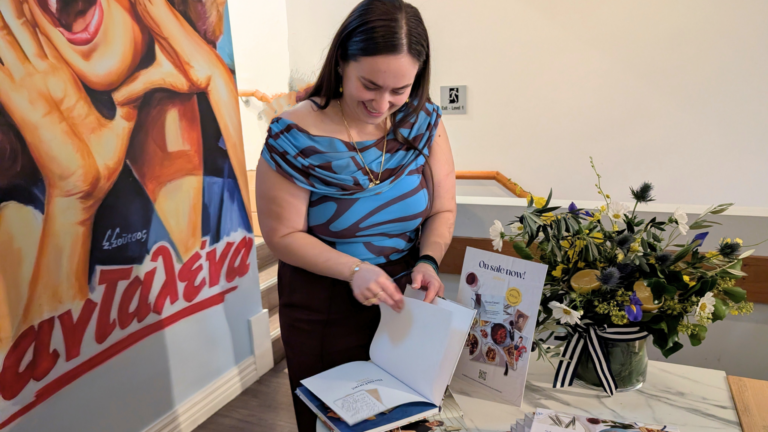
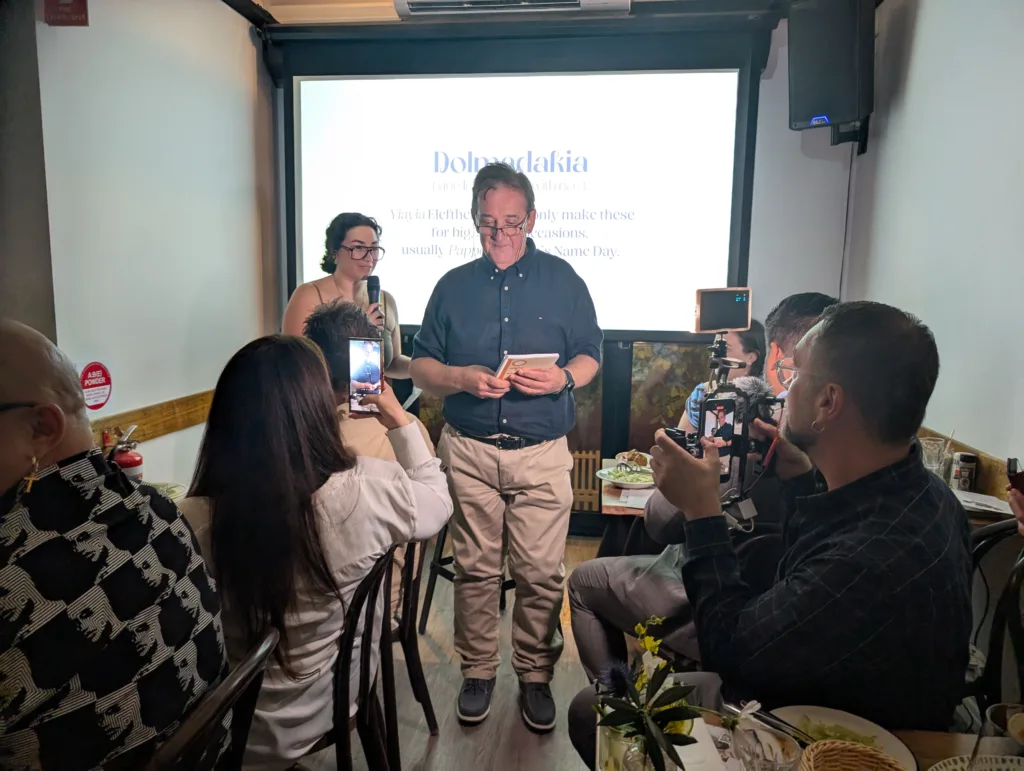
It was standing room only at Eleni’s Kitchen in Yarraville as the local Greek community and food lovers gathered to celebrate the launch of Ela na Fame (Come and Eat) on Wednesday night – the debut cookbook by Eleftheria (Thierry) Amanatides. The book is a deeply personal love letter to family, food, and the Amanatides’ migrant journey in Melbourne’s west.
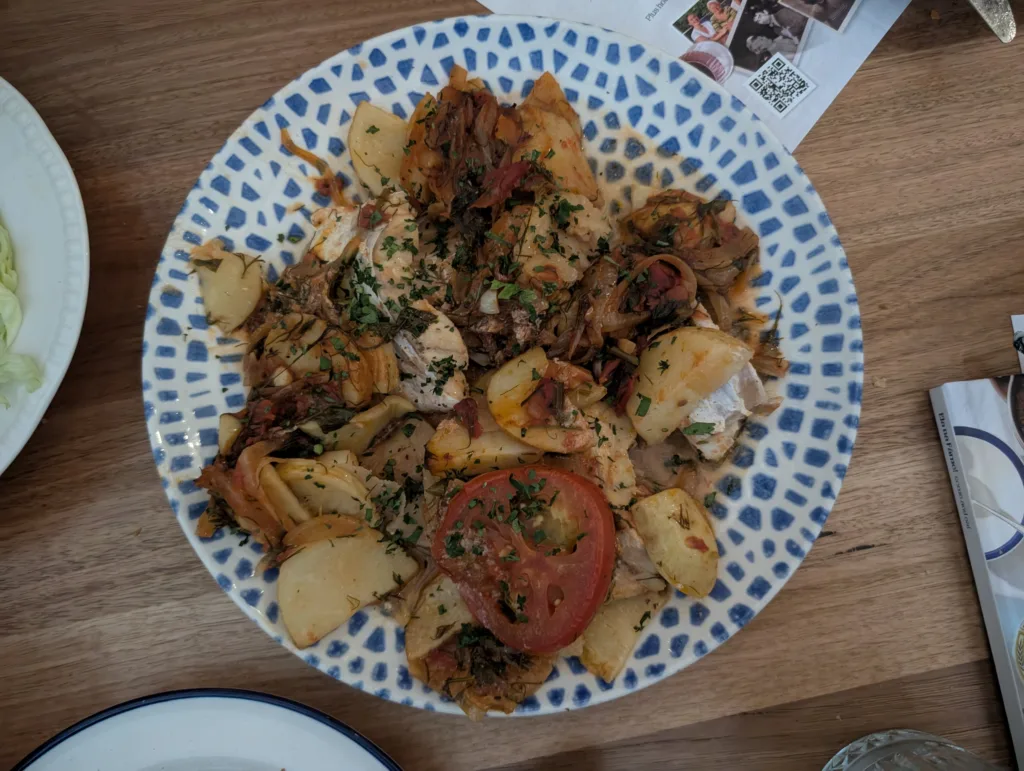
Guests were treated to a generous spread straight from the pages of the book – from keftedes and fish plaki and kleftiko to rizogalo – all served with the kind of warmth that could only be described as filoxenia.
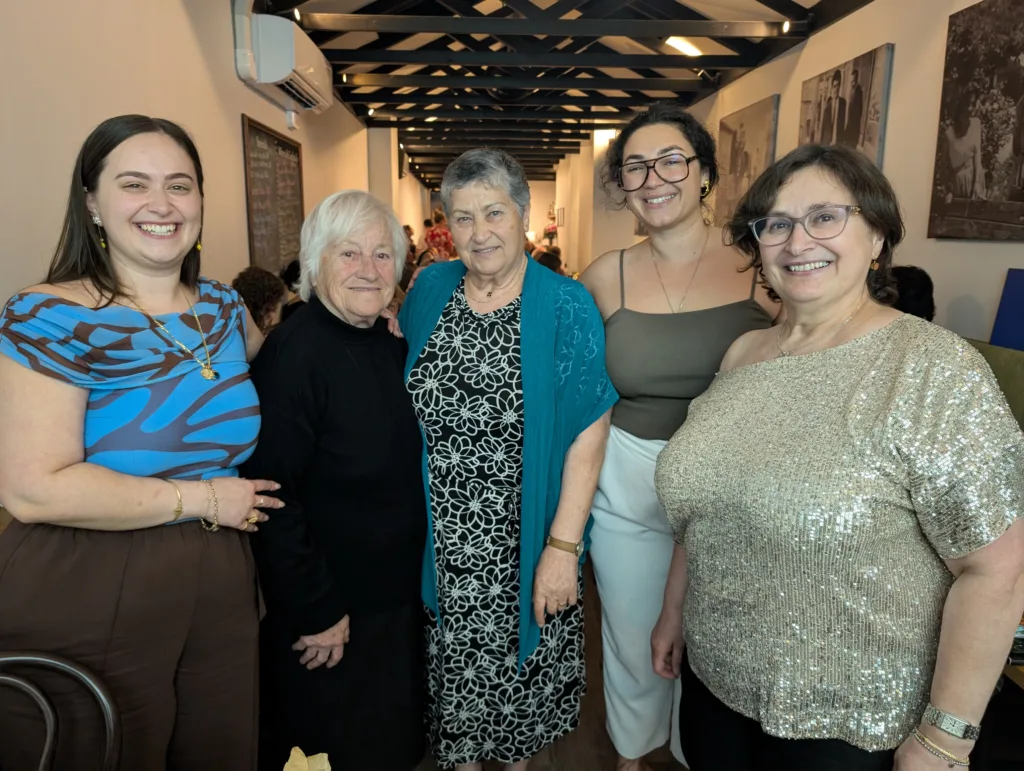
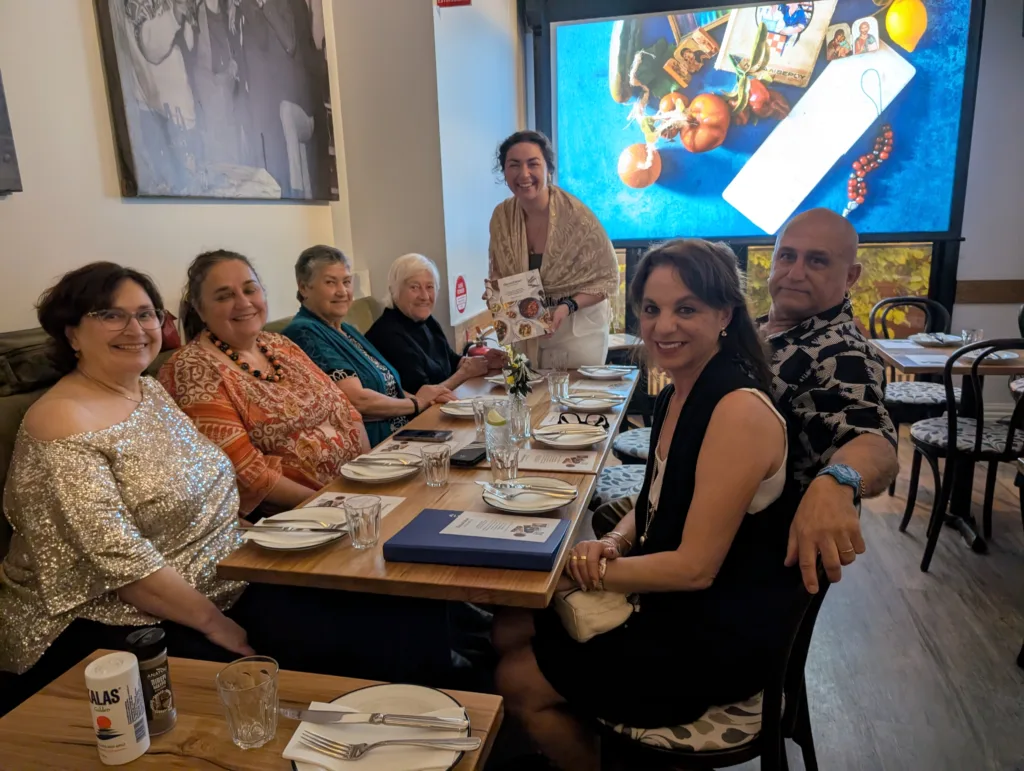
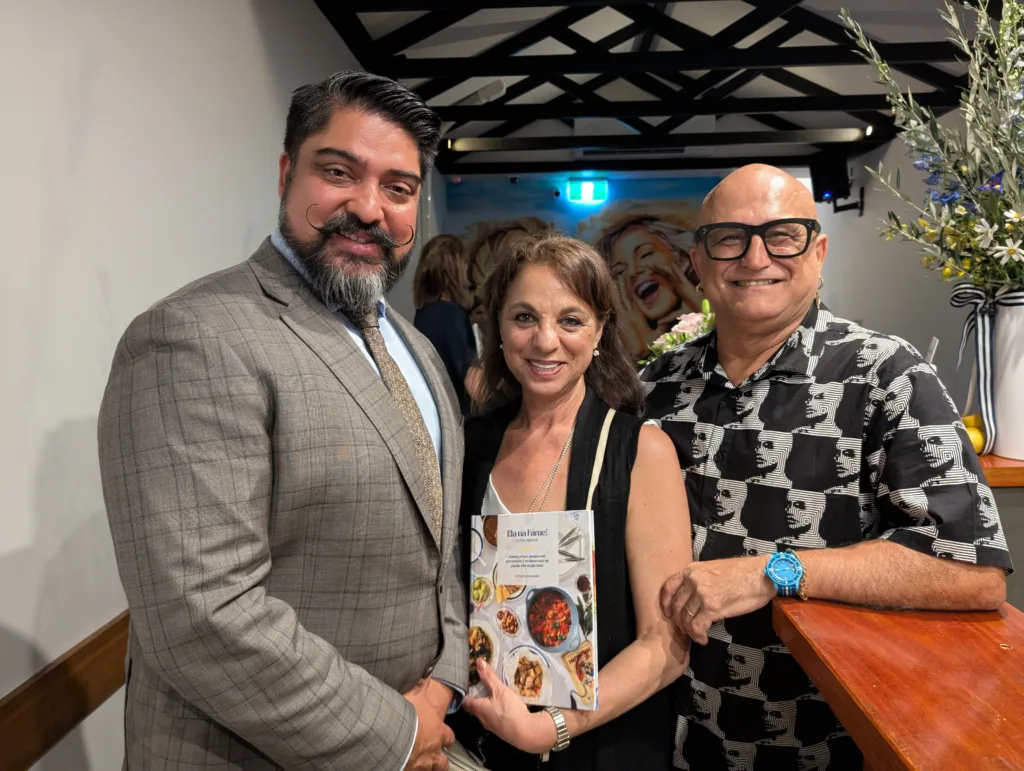
“My first memories are of making tiropites, spanakopites and getting into sweets,” said Eleftheria. “I learned from my grandmothers, Eleni and Eleftheria, and now I find myself in the kitchen, sharing their recipes with the world.”
The book was born during a fire at Eleni’s Kitchen and Bar, shortly after the restaurant temporarily closed. “It took four and a half months,” she said. “And the moment it hit me – how meaningful it all was – was when we finished. I realised what we had achieved.”
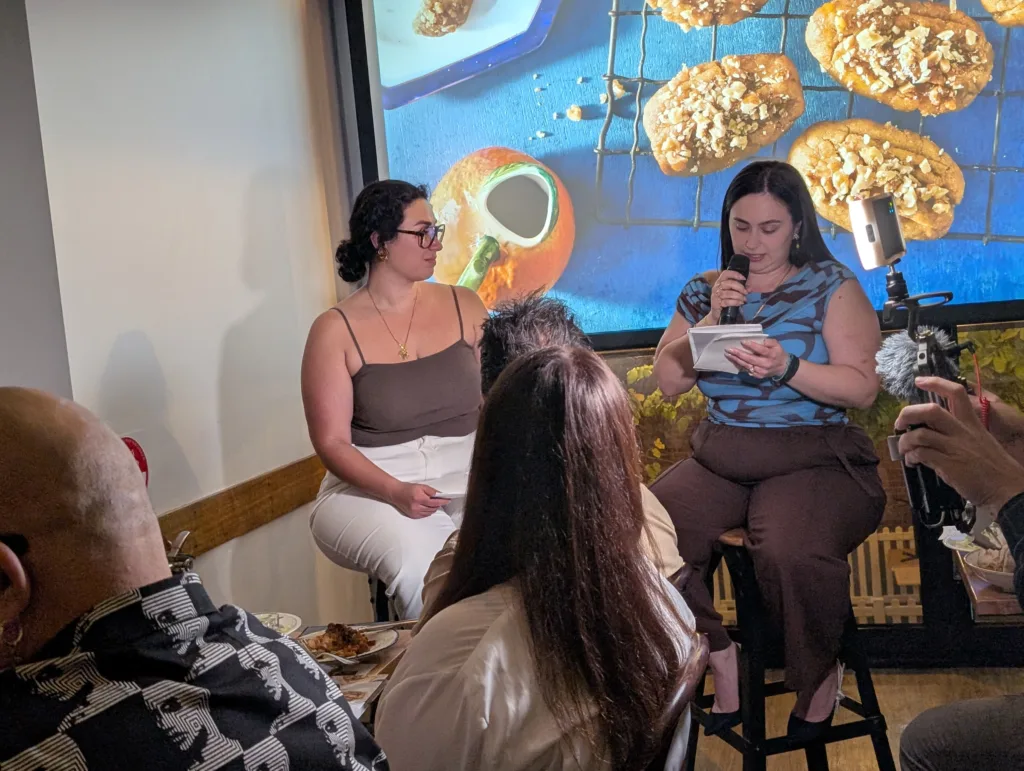
More than a cookbook, Ela na Fame is a story of migration and resilience, featuring 33 hearty recipes passed down through generations, more if you include those handwritten in Greek by Eleftheria’s grandmothers.
“They’d call out ‘Ela na fame!’ and we’d come running,” she recalled. “Now I’m calling it out to the world.”
The pages feature vintage photographs, notes, an entire journey interspersed with authentic recipes, all shot within three days. “We didn’t have time to taste. It was hard work,” food stylist Lee Blaylock told The Greek Herald.
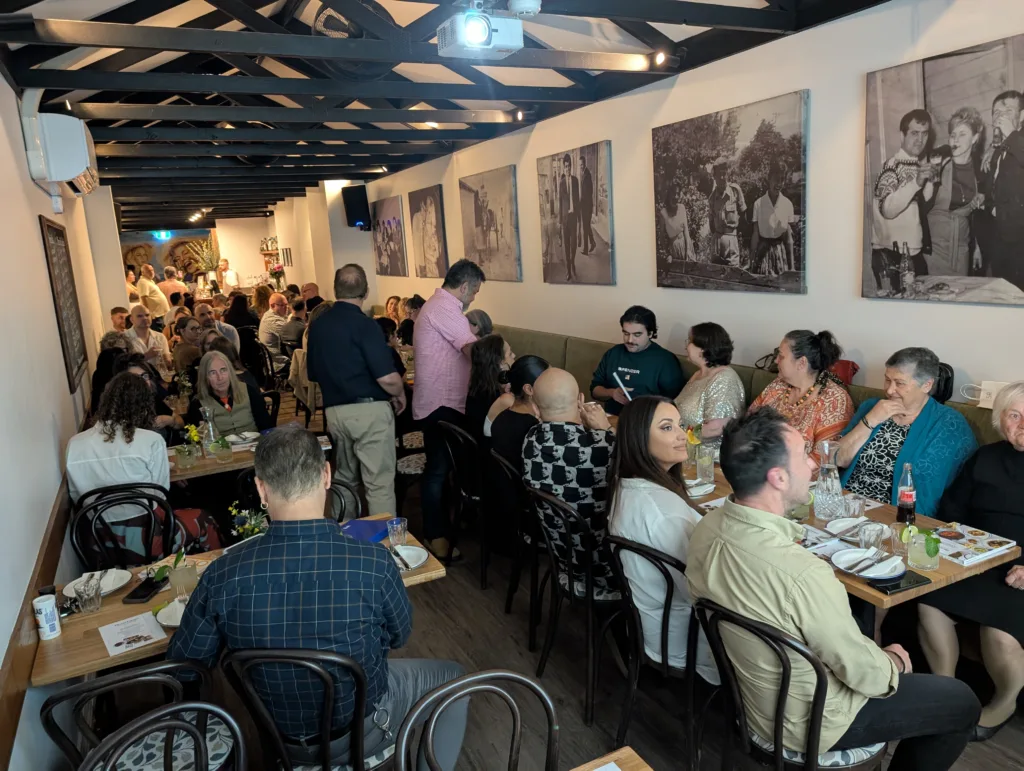
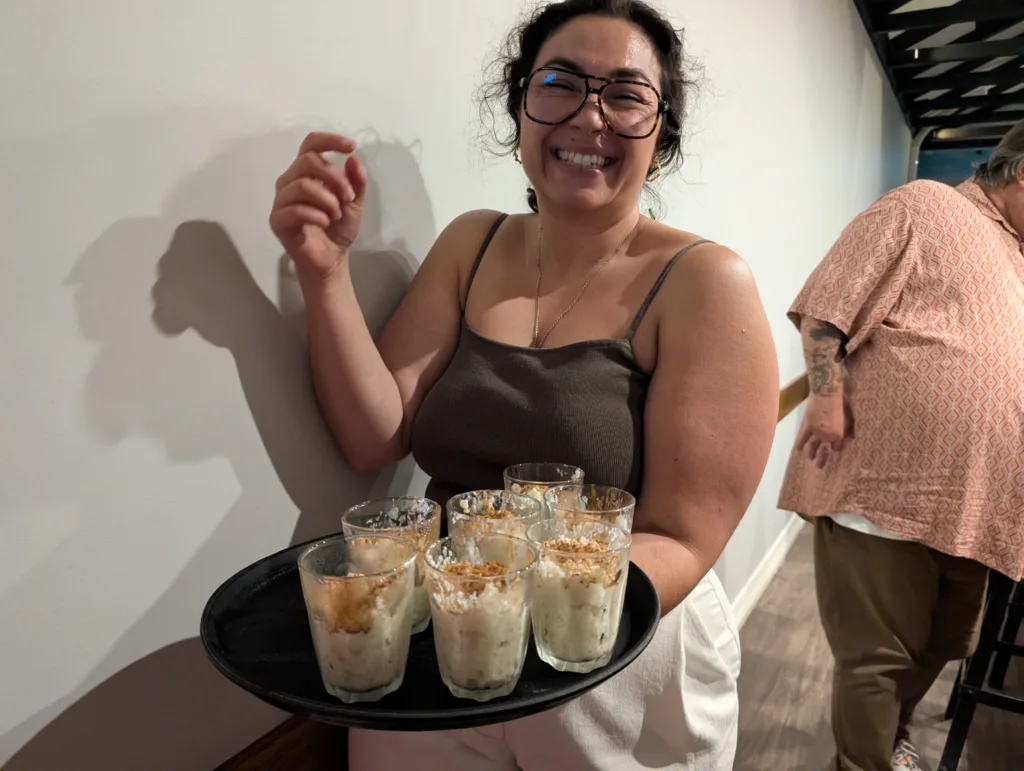
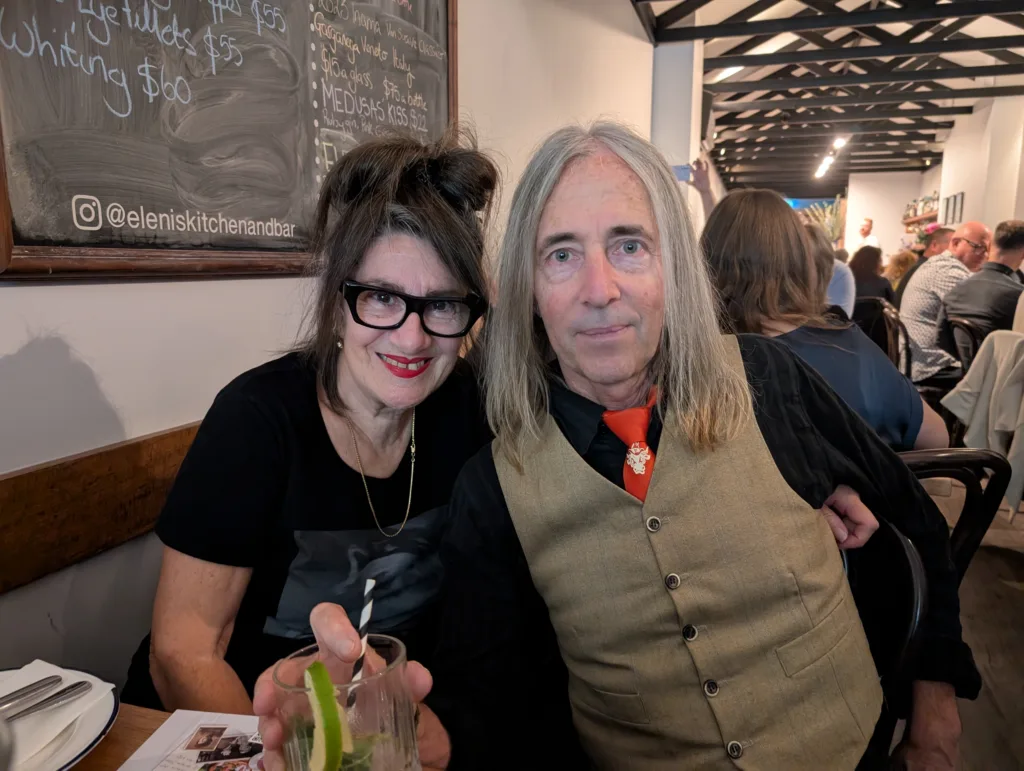
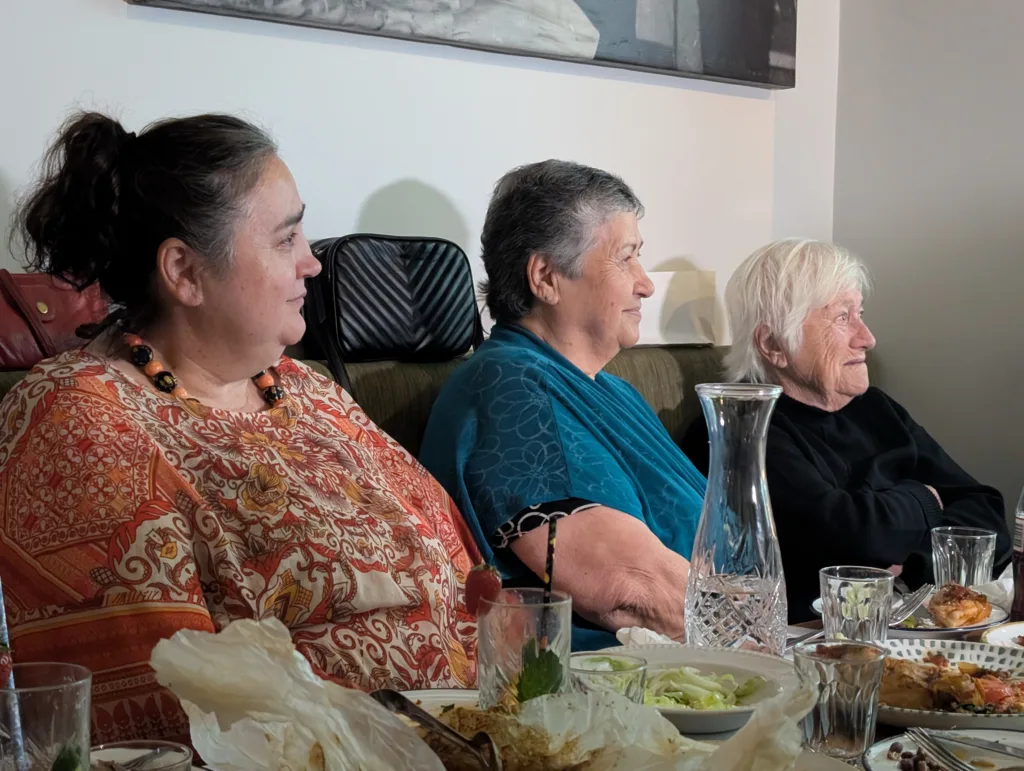
MCed by her sister Natalie, the launch was as much about memory as it was about mezze, and the entire family was there: Uncle Anthony who owned the pizza shop, Uncle Nick who had the kafeneion, Thierry’s parents, cousins, and nieces, and of course the two grandmothers, Eleni Amanatidou and Eleftheria Tzavaridou.
“We called it Greek daycare,” Natalie joked, describing their childhood spent with grandparents steeped in culture, cooking, and language – and a neighbourhood where even Agios Nikolaos church down the road had Father Antonis, their grandfather, as the church’s longest-serving parish priest for 37 years.
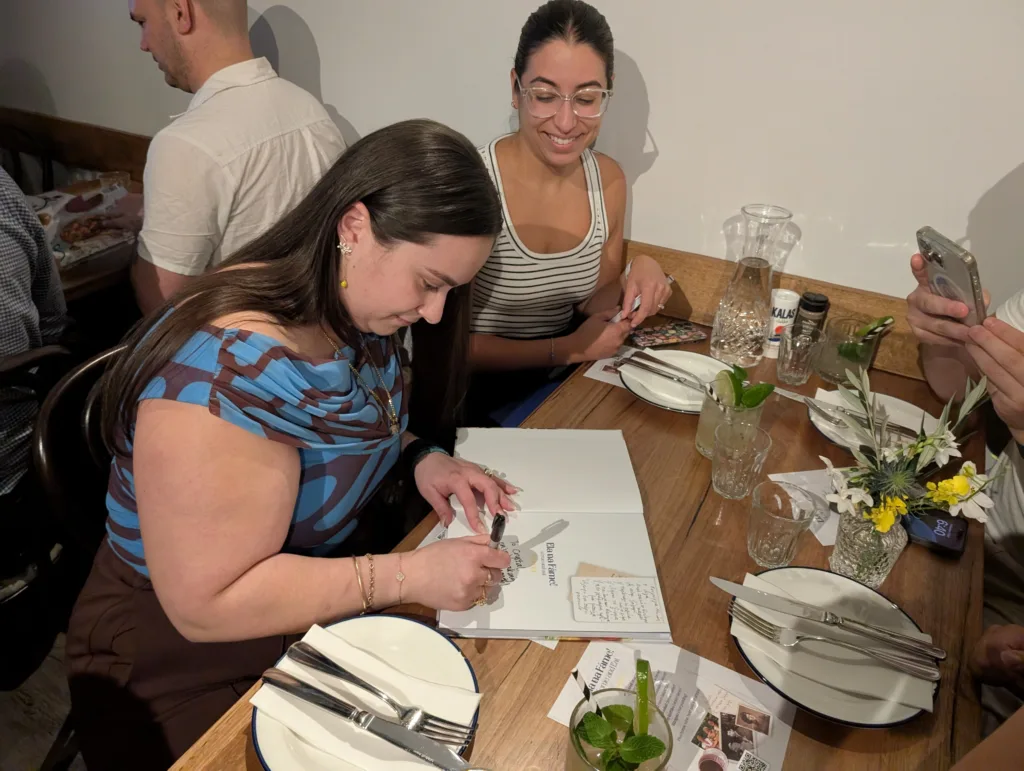
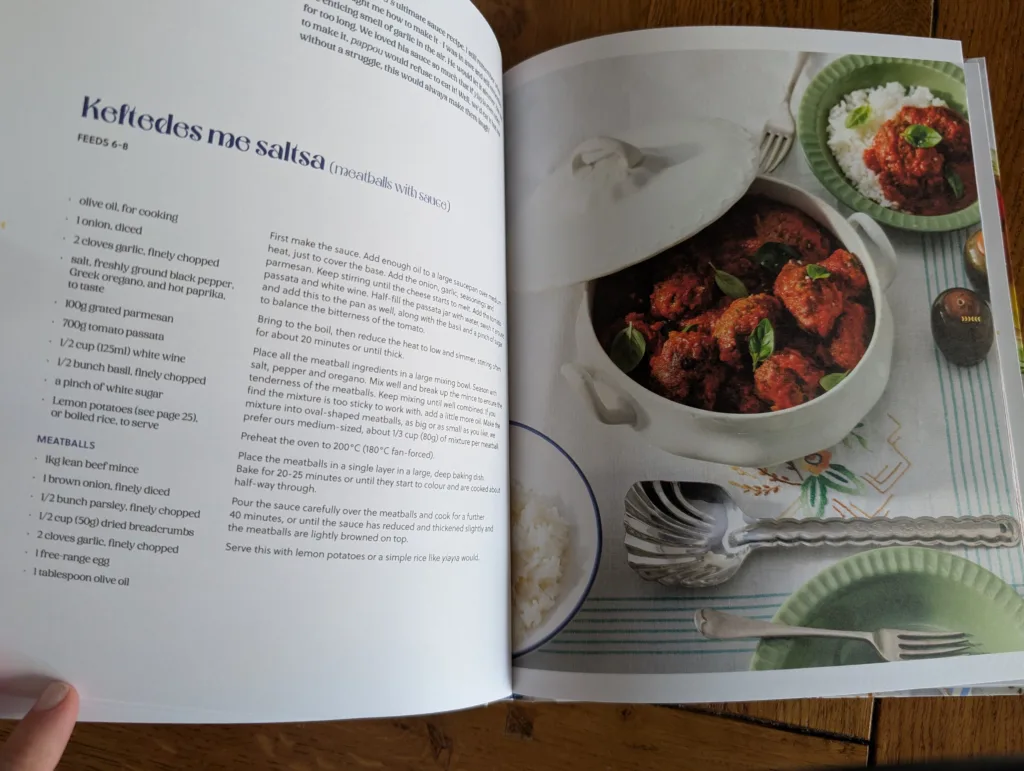
For Eleftheria, the journey was about more than food – it was about honouring her family’s legacy. “Our family has 50 years of small business history. From seamstresses and butchers to restaurateurs, they built something from nothing – brick by brick, pita by pita.”
She also acknowledged the challenges of being a young woman in a male-dominated industry. “You’re not always taken seriously, but I’ve grown stronger. I think I got that guts and energy from how I was raised – you fall, you get back up.”
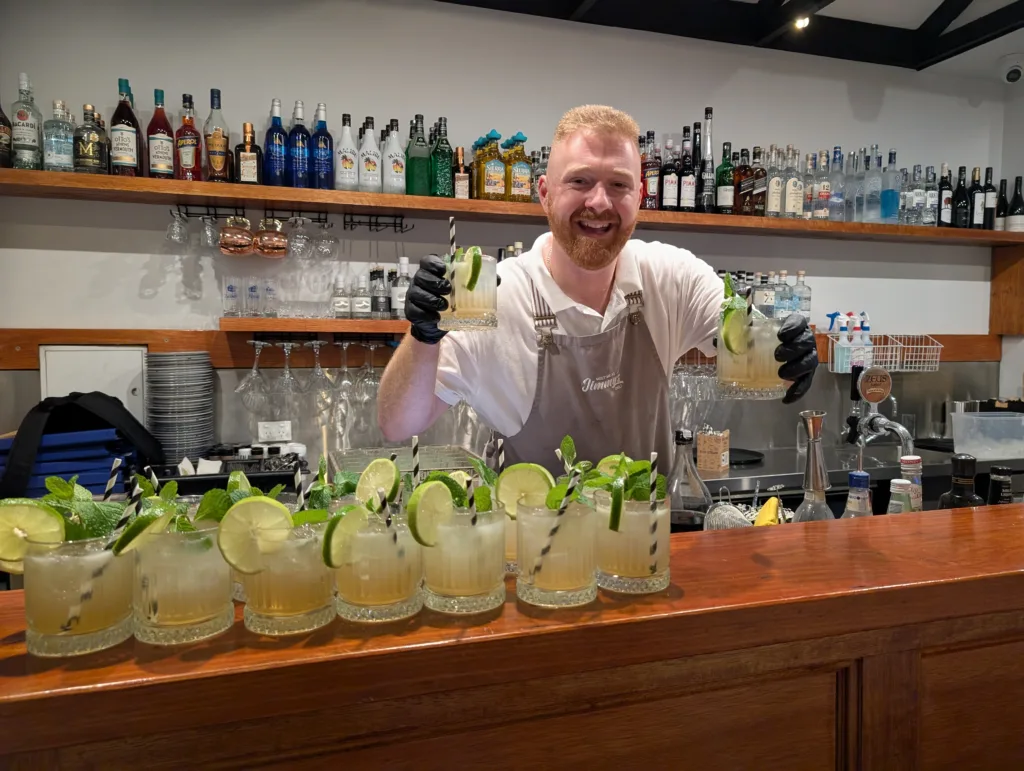
Head chef Christos Katopodis recalled her first day in the kitchen: “She cut yeeros better than some of the male chefs. It was like she had always belonged there.”
Her most representative dish? “Hoirino me lahano – pork and cabbage stew,” she told the Greek Herald, stating it wraps geography, history and a family story. “It’s a northern Greek winter dish, simple and hearty. It speaks to my family roots and the colder climates they came from.”
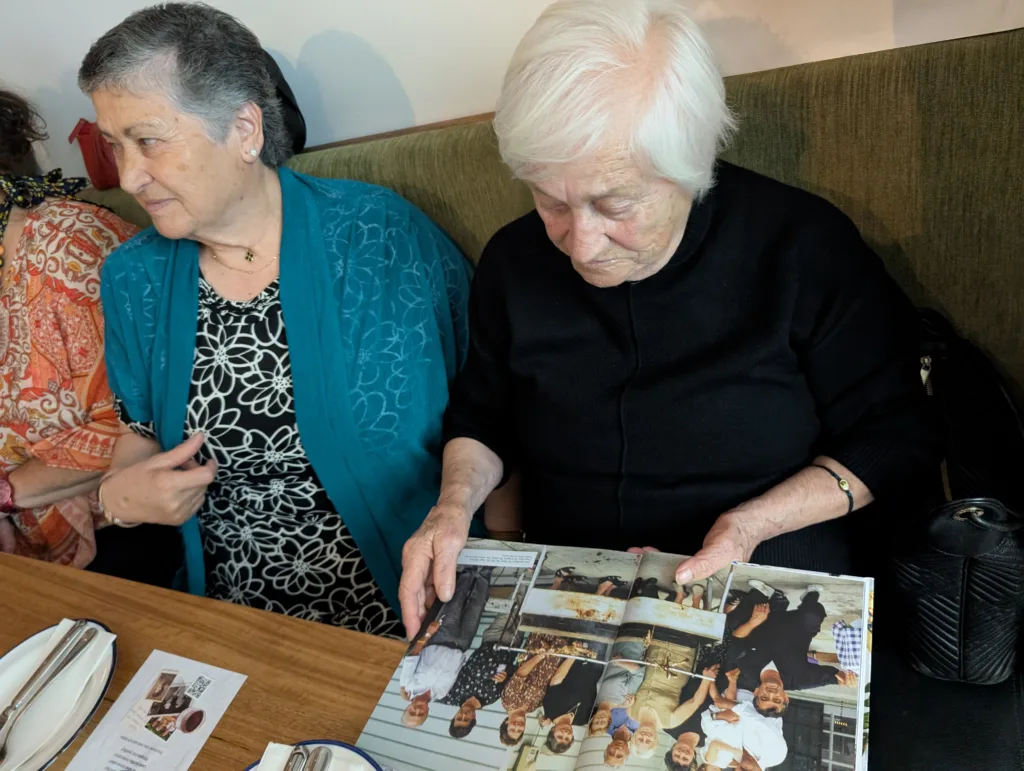
Yiayia Eleni Amanatidou, who contributed stories and recipes, beamed as she flipped through the book. “They’re all my favourites,” she said. “This is more than just food – it’s memory, it’s identity.”
Reflecting on the experience, Eleftheria said, “Everyone can cook. My recipes are easy to follow – you don’t have to be a trained chef. I just wanted to share something from the heart.”
And what’s next? “We’ll see,” she smiled. Someone in the room yelled, “Give her a cooking show!”
“The cooking never stops,” her sister added.
‘Ela na Fame’ is available for purchase online for $39.95 or for pick-ups at Eleni’s Bar and Kitchen at Yarraville, where you can try some of the recipes before you buy.
By Lisa Radinovsky from Greek Liquid Gold.
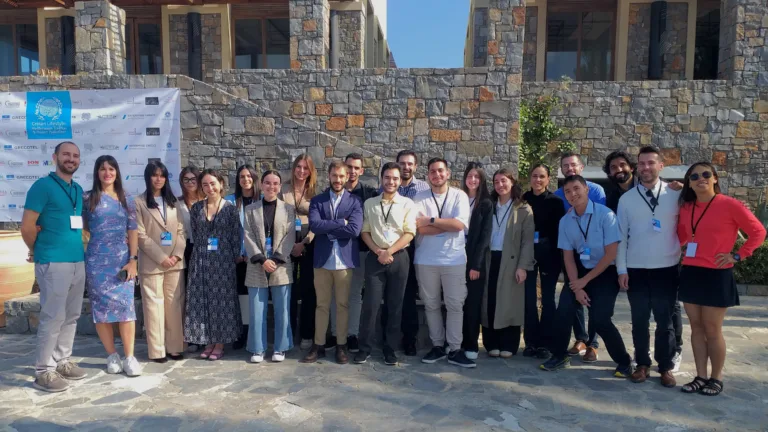
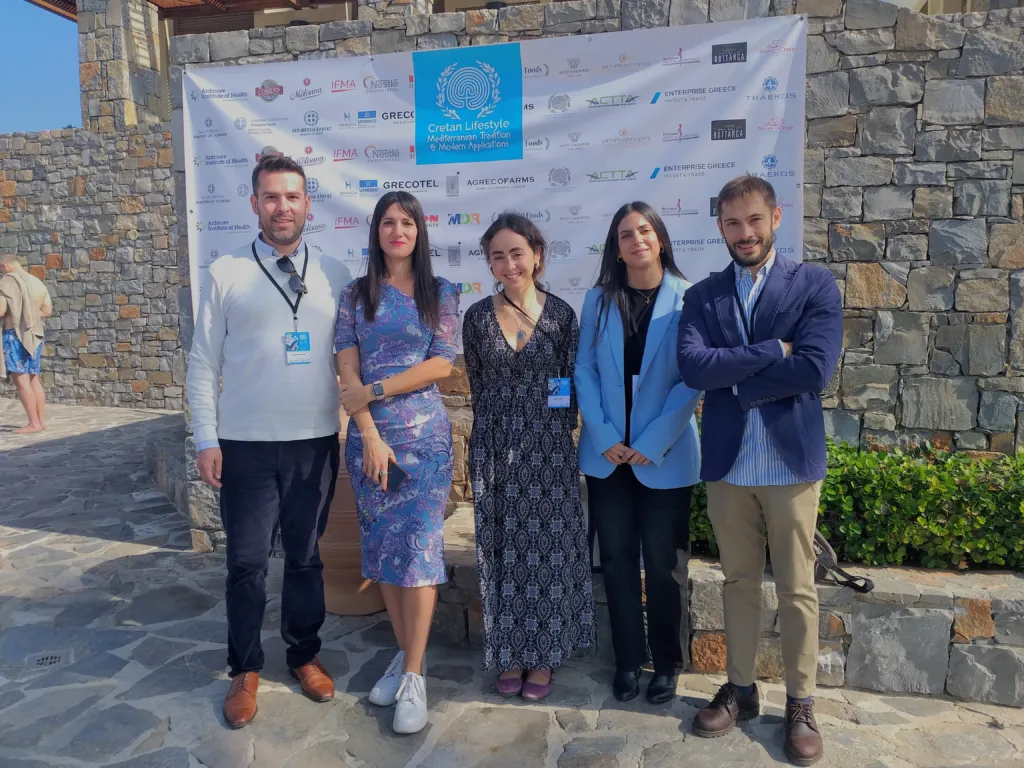
Young scientists who work with the Mediterranean diet will inherit global challenges involving health, nutrition, and sustainability. For this reason, young students, researchers, and innovators were invited to join world-class scientists at the third Cretan Lifestyle Conference. Several generations came to Crete to discuss recent findings and innovations.
A young professionals’ / investigators’ competition, scholarships for students, and an agrifood startup company contest enabled individuals as young as 20 to learn from and converse with experts of all ages from 12 countries at Grecotel’s Amirandes Resort near Heraklion. The young people contributed a fresh perspective, innovative ideas, and hope for a vibrant future. At the same time, they learned from experienced scientists and their cutting-edge research on the Mediterranean diet and lifestyle.
The Cretan Lifestyle Conference’s third competition for young scientists attracted 25 abstracts from eight countries. Co-authors of the top five papers had the opportunity to give brief oral presentations to the conference audience, while other youthful researchers displayed 23 posters in the conference room.
Competition winner Maria del Carmen Aznar de la Riera compared the impact of the much-studied Mediterranean Diet to that of the similar but less known plant-based Planetary Health Diet. This PhD student from the Autonomous University of Madrid considered the diets’ effect on mortality, health, and environmental impact in Spain. De la Riera concluded that these diets lower all cause mortality in a very similar way, with similar effects on the environment, at least in Spain.
The Planetary Health Diet embraces many of the nutrients and advantages of a Med diet while varying to fit local culinary traditions. De la Riera emphasized the importance of keeping in mind “each population’s customs, necessities, and culturally rooted dietary patterns, as they may already benefit both human and environmental health.”
Second place winner Juan Luis Romero Cabrera from the University of Cordoba in Spain considered the role of rest in the Mediterranean lifestyle for coronary heart disease patients from the CORDIOPREV study. He reported that 6 to 8 hours of sleep at night, and a short or regular siesta, are best for reducing the risk of major adverse cardiovascular events for these patients.
Third place winner Leyre Notario Barandiaran, a postdoctoral researcher at Dartmouth School of Medicine, evaluated the association between adherence to the Mediterranean diet and maternal and infant birth outcomes. She found that greater adherence to the Med diet was associated with a positive outcome for gestational weight gain and gestational age.
Harvard postdoctoral fellow Irene Lidoriki discussed the effect of a new healthy lifestyle smartphone application called Surviving & Thriving. Preliminary results from a small pilot study suggested a positive impact on healthy lifestyle scores, physical fitness, and mental health among new U.S. firefighters.
David Eduardo Murcia-Lesmes from the University of Barcelona examined the nutritional benefits of the Planetary Health Diet on cardiometabolic risk biomarkers among adolescents. He said the benefits were impressive enough that this diet can be “a big nutritional treasure for lower disease risk.”
Six scholarships for students in North America and Europe were provided by Ardmore and Traekos, while ten scholarships enabled students in Crete to attend the third Cretan Lifestyle Conference.
Aphrodite Zanni, a dietitian and postgraduate student at the Hellenic Mediterranean University in Crete, was grateful that she and four undergraduate dietetics students from the Department of Nutrition and Dietetics in Sitia, Crete had “the opportunity to enjoy this unique experience” with “so many scientists from different parts of the world.”
Zanni’s “favorite part of the conference was the opportunity we had to interact with the wonderful people and scientists who attended, regardless of age, as equals.” She valued the chance “to chat, exchange knowledge, opinions and experiences, and learn from each other.”
According to Zanni, the other Greek students agreed that “connecting with people from all over the world who shared a common interest in the Mediterranean diet, health and science was invaluable.” They appreciated “the exploration of the traditional way of life of Crete” in the context of “the science of nutrition, healthy lifestyle, gastronomy, and hospitality.”
The winner of the Lifetime Award in Philanthropy at the third Cretan Lifestyle Conference suggested that even more youths should be invited to the next conference.
His Beatitude Theodoros II, Pope and Patriarch of Alexandria and All Africa, was born in Crete and has been working in Africa since the 1990s. At his urging, the Hellenic Center of Excellence will aim to offer scholarships to enable young scientists from Africa to attend next year’s conference alongside local university students, other young entrepreneurs and investigators, and experienced experts.
*Originally published on Greek Liquid Gold: Authentic Extra Virgin Olive Oil (greekliquidgold.com). See that site for recipes with olive oil, photos from Greece, agrotourism and food tourism suggestions, and olive oil news and information.

With major federal aged care reforms set to roll out from July 1, growing concern is emerging over the financial burden they may place on older Australians, particularly pensioners.
Christina Tsobanis, a carer and advocate for her mother who has Alzheimer’s, is among those speaking out. Her mother, currently on a level 4 home care package, receives 16 hours of care weekly.
Although existing clients like her mother are protected under a “no worse off” clause, Tsobanis fears the new system will be costly for newcomers.
“They’re already struggling. They’re already at their financial limitations and they’ve worked their whole lives, they’ve paid their taxes,” she said.
The new Support at Home Program, backed by both major parties, increases funding for those with the highest care needs from $60,000 to $78,000 annually.
However, it also introduces co-payments for support services, depending on income and the type of care.

Clinical care remains fully subsidised, but independence and everyday living supports will require out-of-pocket contributions — up to 17.5% for full pensioners and up to 80% for self-funded retirees.
Tsobanis has researched the changes extensively. Although her mother will remain under the old system, she calculated new users like her would face around $200 in fortnightly co-payments.
“The cost would mean we would need to substantially reduce the services we currently receive,” she said, adding that navigating the hardship policy for financial assistance is “degrading.”
Jim Moraitis, who runs an aged care education and advisory service, said the changes are creating confusion and fear.
“The overwhelming sentiment in our [community hub] is one of deep concern, anxiety and frustration,” he said.
Many providers currently waive fees to stay competitive, but Moraitis noted the structured co-payment model would make such waivers unlikely. He estimated that even full pensioners may face an additional $10 to $30 weekly — a significant hit for those surviving on a $1,100 fortnightly pension.
“For someone living on the full pension… even a modest co-payment could impact affordability,” he said.
Moraitis also raised concerns that some retirees, especially those managing complex finances or without accessible funds, may opt out of services altogether — potentially delaying care and increasing hospital pressure.
He warned against attempting to avoid fees by moving assets into trusts or gifting money to family, noting strict Centrelink rules count such assets for five years.
“Anyone considering these strategies should seek financial advice… to avoid unexpected consequences,” he said.
As the July rollout nears, advocates like Tsobanis and Moraitis are urging clearer communication, simplified support systems, and recognition of the vulnerability of older Australians.
“They have worked all their lives and now they’re elderly they have to sit there and justify their existence?” Tsobanis said.
Source: ABC.