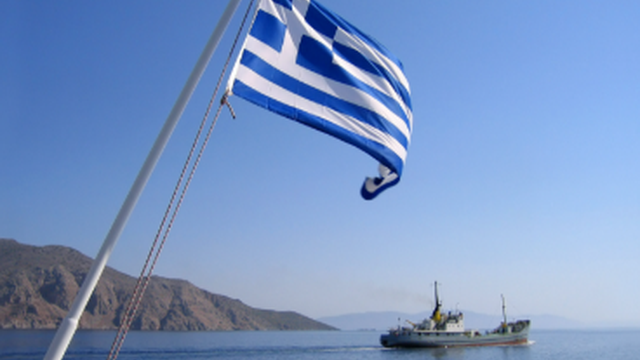
Greece’s proposal to extend its maritime zones in the Aegean is reportedly facing diplomatic friction, with concerns being raised by both allies and neighbours over the timing and potential regional impact of such a move.
According to sources cited in Greek diplomatic circles, Athens is carefully weighing its options before any formal announcement is made regarding the expansion of territorial waters beyond the current six nautical miles. While Greece maintains its sovereign right to extend to 12 nautical miles under international law, the political sensitivities in the region — particularly with Turkey — remain a central consideration.
Ankara has long warned that an extension of Greek territorial waters in the Aegean would be treated as a casus belli, or cause for war. Although Greece has previously extended its maritime zones in the Ionian Sea, the Aegean is a far more complex and contested region, both geographically and politically.
In addition to concerns from Turkey, there are also hesitations within the European Union and from key NATO allies, who fear that such a move could escalate tensions at a time when regional stability is being tested by other geopolitical developments.
Greek officials have neither confirmed nor denied recent reports about a concrete plan being put before the National Council on Foreign Policy. However, they emphasise that Greece continues to pursue its rights in accordance with international law and will act with caution and strategic foresight.
The discussion comes amid a broader reassessment of Greece’s foreign policy priorities and maritime strategy, as the country strengthens its role in regional security and energy corridors.
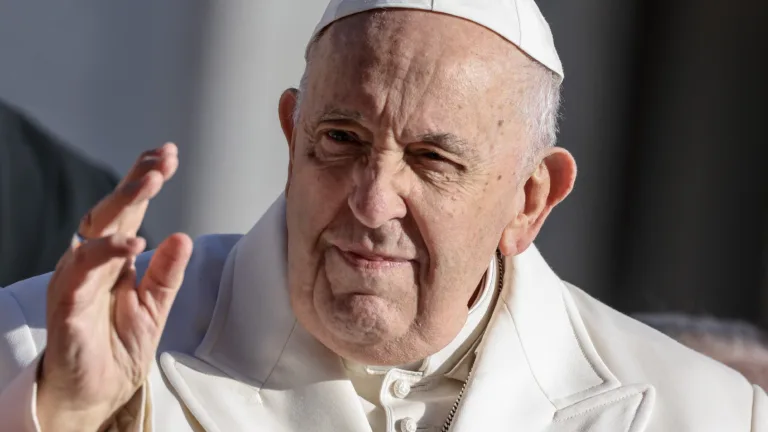
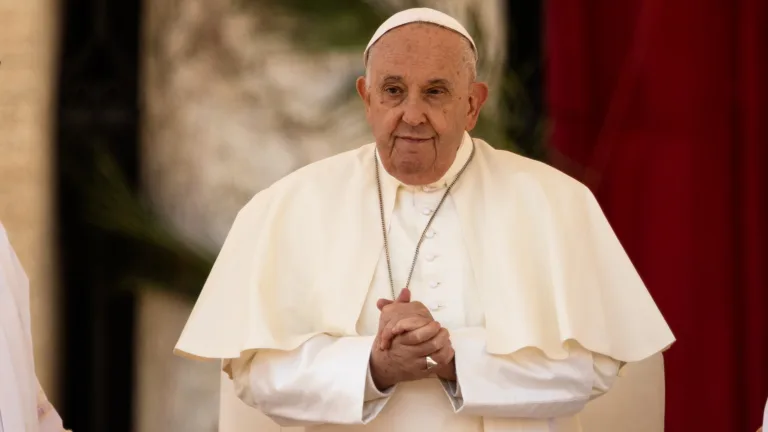
Greek leaders have expressed deep sorrow over the death of Pope Francis, praising his moral clarity, dedication to peace, and unwavering support for the vulnerable.
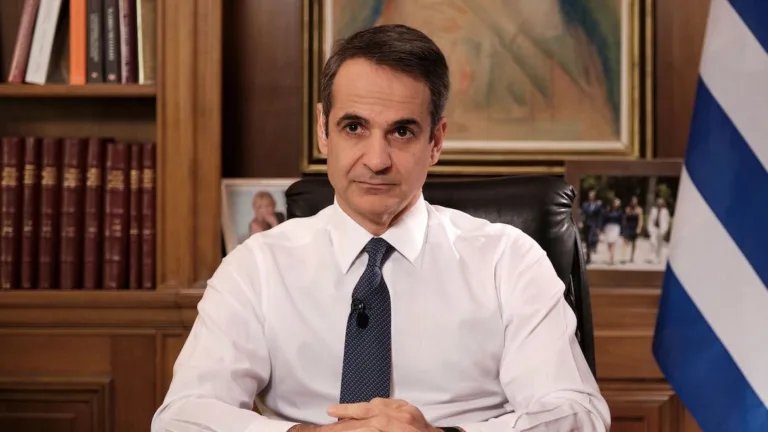
Prime Minister Kyriakos Mitsotakis said Greece joins Catholic Christians around the world in mourning the Pope’s passing. “He was a moral leader who believed in peace, solidarity and friendship,” Mitsotakis wrote on social media, acknowledging the Pope’s global influence during a decade-long papacy that often emphasised compassion over division.
SYRIZA leader Alexis Tsipras also honoured the Pope’s legacy, calling him “a spiritual leader who chose to be more than what his titles offered.” In a message posted online, Tsipras added: “He was the voice of the voiceless — the poor and the persecuted. He promoted peace, solidarity and interfaith dialogue, even when it meant opposing powerful interests.”
Pope Francis, born Jorge Mario Bergoglio in Buenos Aires, was elected in 2013 and became the first Jesuit and the first Latin American to lead the Roman Catholic Church. His papacy was widely recognised for its focus on humility, social justice, and calls for institutional reform — often challenging conventional norms within the Church and beyond.
Although Greece is a predominantly Orthodox Christian country, Pope Francis was widely respected for his outreach to other Christian traditions and his historic efforts to bridge divides. His visit to the island of Lesvos in 2016, where he stood beside Ecumenical Patriarch Bartholomew and Archbishop Ieronymos to support refugees, left a lasting mark on Greek society.
As the world mourns his loss, Greek leaders have joined the chorus of voices recognising Pope Francis not only as the head of the Catholic Church, but as a global figure who led with empathy, courage, and a vision for a more united and compassionate world.
Pope Francis, the first Latin American and Jesuit Pope, has died at the age of 88, marking the end of a papacy defined by humility, inclusion, and a strong push for reform within the Catholic Church.
Born Jorge Mario Bergoglio in Buenos Aires, Argentina, the late pontiff was elected in March 2013 as the 266th pope and the first non-European leader of the Catholic Church in more than 1,200 years.
In his 12 years as head of the Vatican, Pope Francis championed social justice, environmental responsibility, and greater openness in Church dialogue. He consistently called for compassion towards refugees, the poor and the marginalised, and urged global action on climate change. Under his leadership, the Church took tentative but historic steps in addressing issues such as LGBTQ+ inclusion, the role of women, and its historical handling of abuse cases.
Despite facing resistance from conservative factions within the Church, Francis remained steadfast in his vision for a more pastoral, accessible and modern Catholic Church.
His final months were marked by declining health. He was hospitalised earlier this year with a serious case of pneumonia. Though he showed signs of improvement, his condition worsened in recent days. The Vatican confirmed that Pope Francis passed away peacefully at 7:35am local time.
News of his death has prompted an outpouring of tributes from religious and political leaders around the world, many of whom have praised his moral leadership, deep humility, and commitment to bridging divides both within and outside the Church.
A period of official mourning has begun, and funeral arrangements are expected to be announced by the Vatican shortly.
Pope Francis is remembered as a pontiff who, while deeply rooted in tradition, did not shy away from confronting the challenges of the modern world.
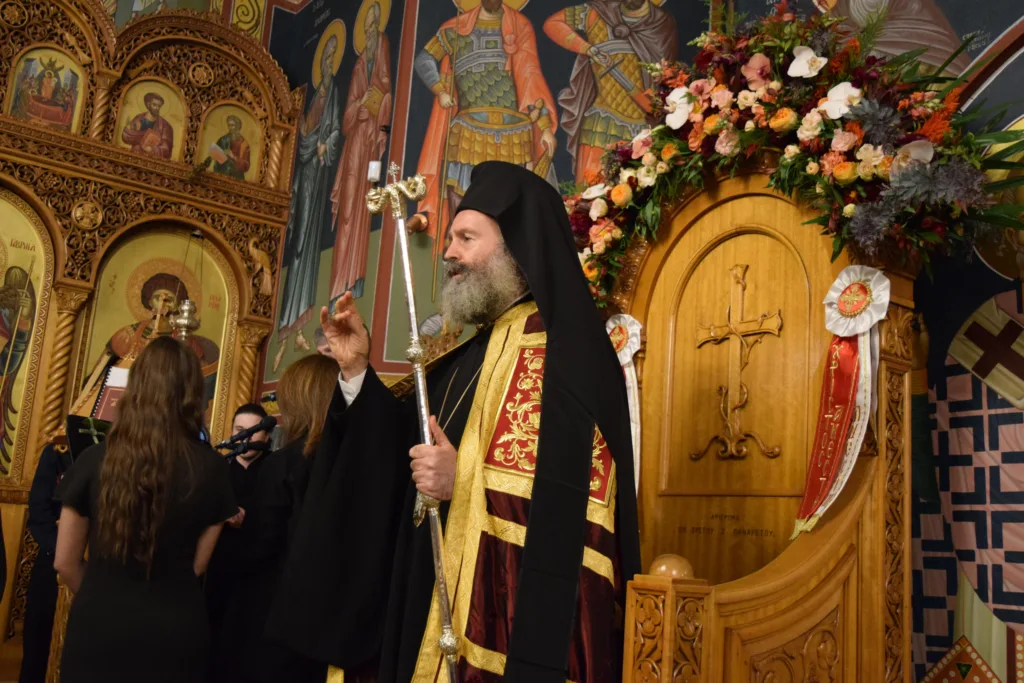
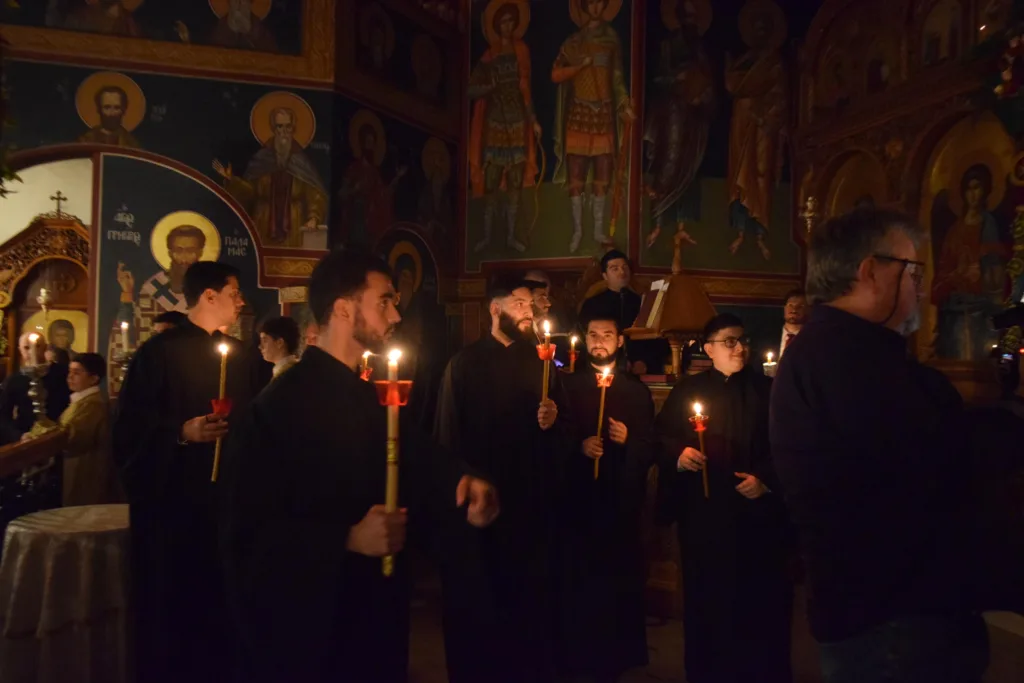
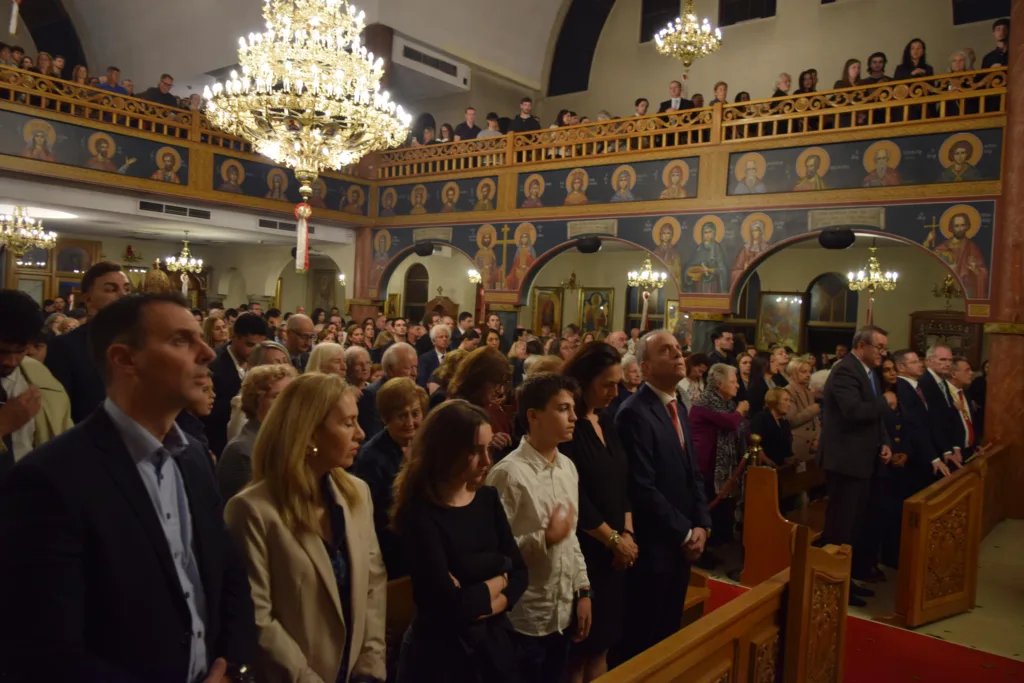
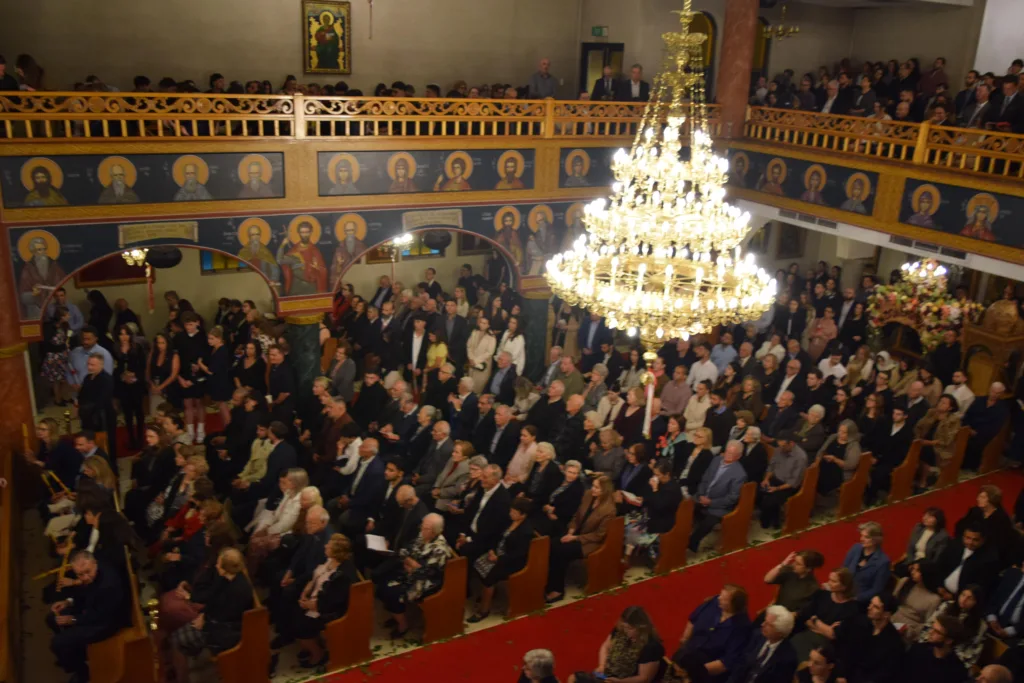
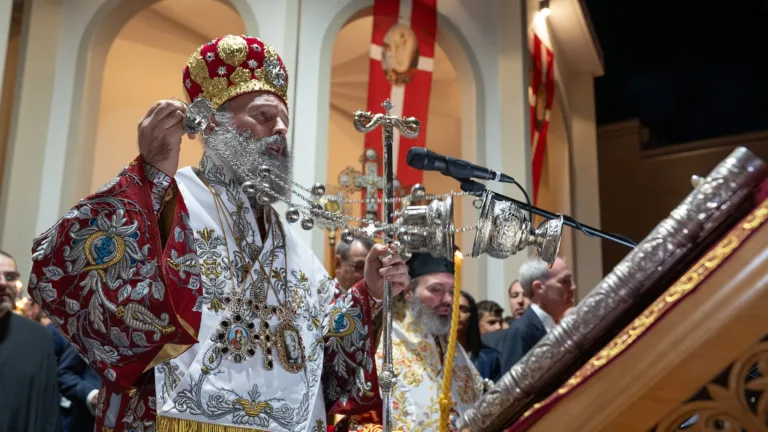
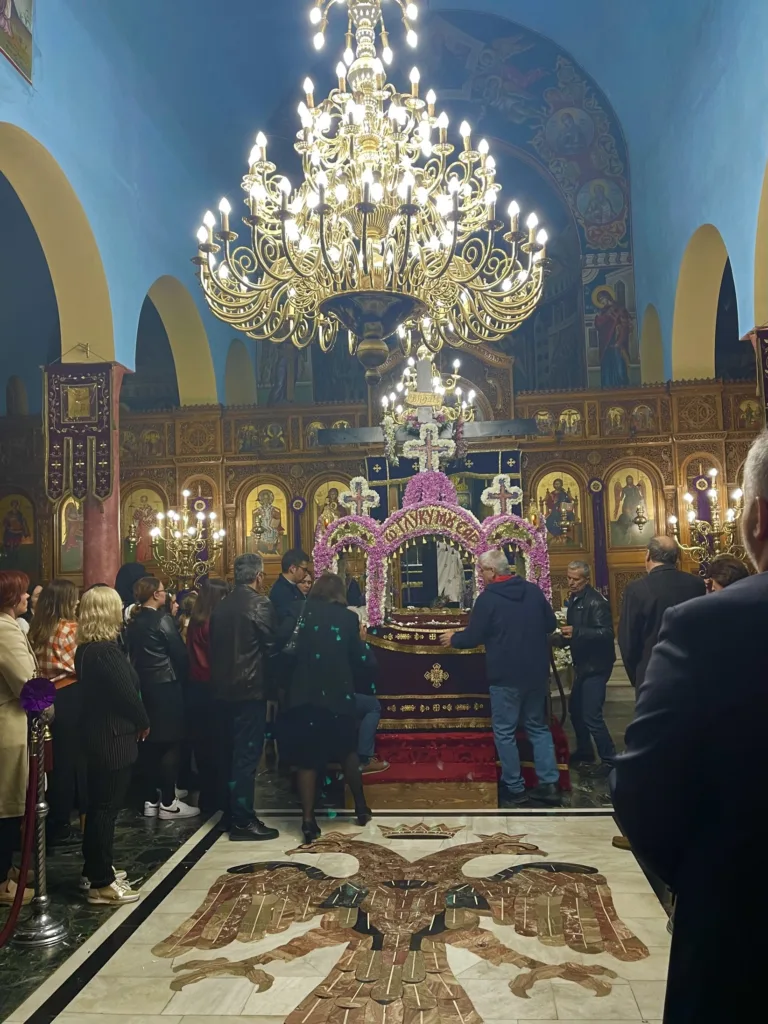
The Holy Resurrection of Jesus Christ was celebrated with great religious devotion and grandeur at the Greek Orthodox Church of the Resurrection in Kogarah, Sydney, on Holy Saturday, April 19, 2025.
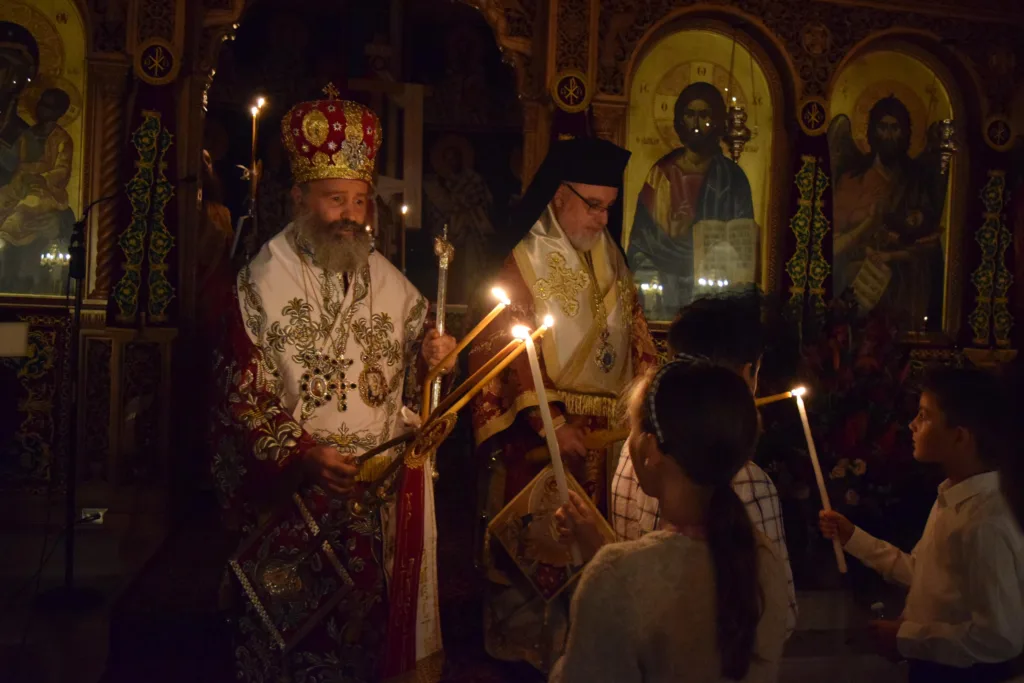
Leading the Resurrection Service was His Eminence Archbishop Makarios of Australia, joined by Bishop Iakovos of Miletoupolis and Bishop Christodoulos of Magnesia. Bishop Christodoulos also serves as Chief Secretary of the Holy Eparchial Synod and Parish Priest of the hosting church.
Archbishop Makarios of Australia leads the Resurrection Service inside the Church of the Resurrection of Christ in Kogarah. Photo: The Greek Herald / Peter Oglos.
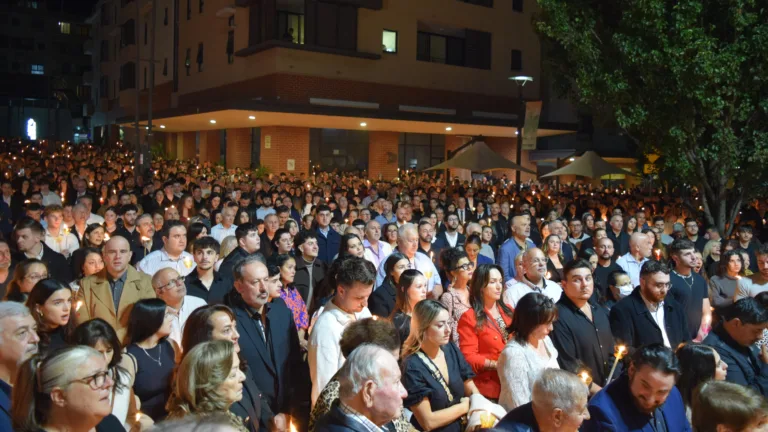
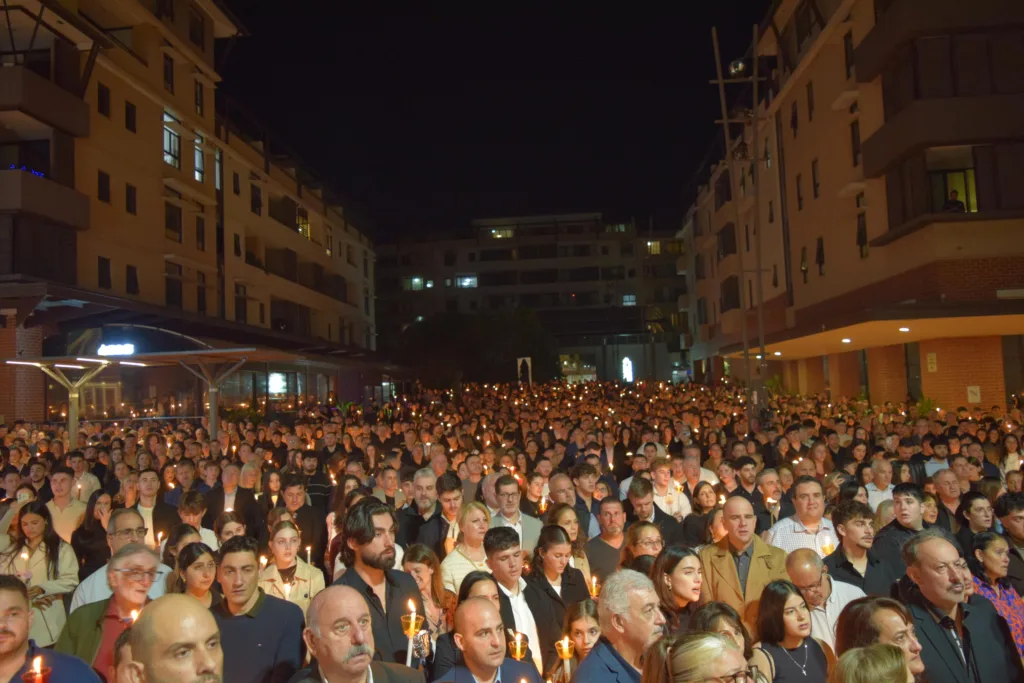
Once again, thousands of faithful filled the church, courtyard and surrounding streets well before midnight, holding candles and chanting hymns as they awaited the joyous message, “Christ is Risen.”
As the Archbishop delivered the proclamation of the Resurrection at midnight, a sea of lit candles illuminated the night, creating a powerful atmosphere of faith and unity.
The Paschal Encyclical of His Eminence was read in both Greek and English, followed by the Divine Liturgy presided over by the Archbishop and concelebrated by the assisting clergy.
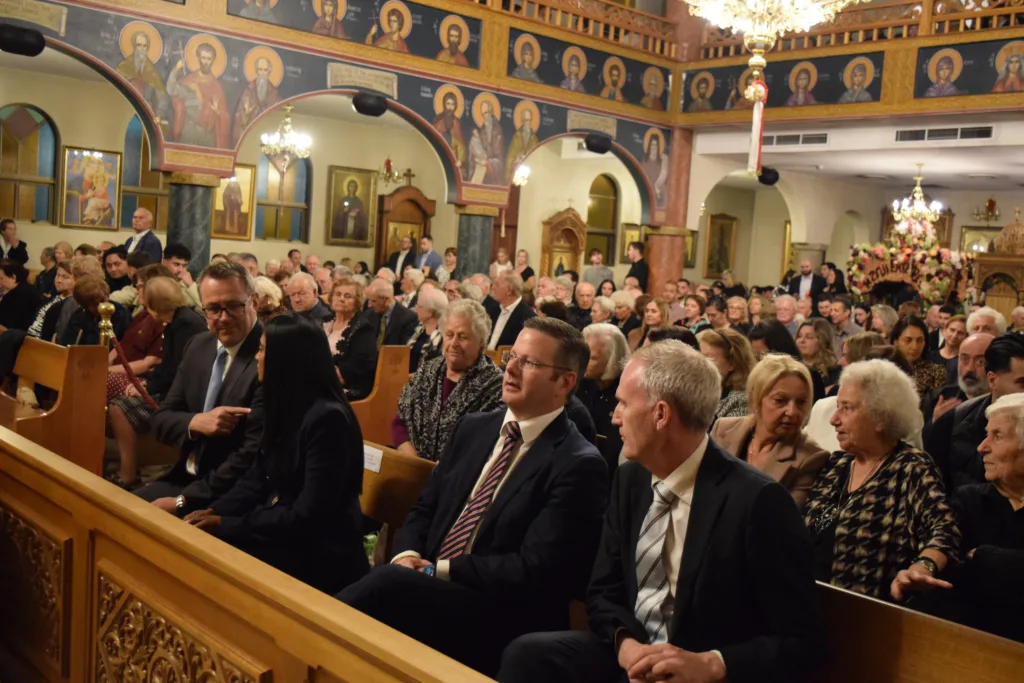
Among the official guests in attendance were the Ambassador of Greece to Australia, Mr Stavros Venizelos; Consul General of Greece in Sydney, Mr Ioannis Mallikourtis; Federal Liberal MP and Shadow Minister for Foreign Affairs, Mr David Coleman; NSW Minister for Multiculturalism, Mr Stephen Kamper; NSW MP and Shadow Minister for Multiculturalism, Mr Mark Coure; Georges River Councillor, Ms Ashvini Ambihaipahar; Liberal candidate for the seat of Barton, Ms Fiona Douskou; and Vice President of the Archdiocesan Council, Mr Theodosios Penklis, who is also an Archon of the Ecumenical Patriarchate.
All photos copyright The Greek Herald / Peter Oglos.
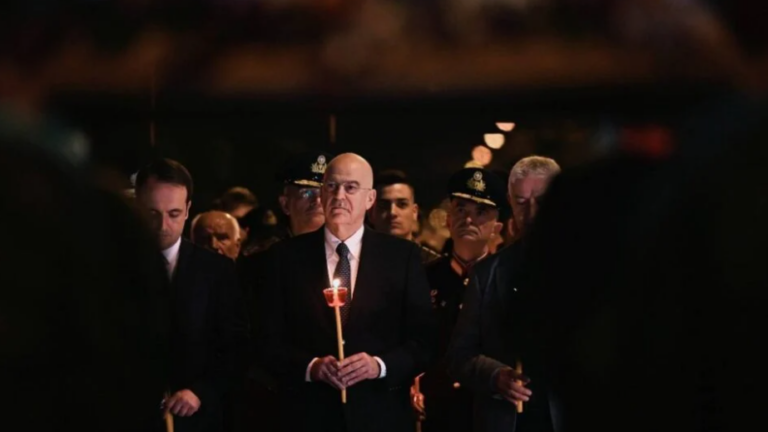
Greece’s National Defence Minister, Nikos Dendias, visited the eastern Aegean island of Panagia Inousson on Easter Sunday, where he attended the Resurrection service and conveyed a strong message of national security and unity.
Speaking from the strategically located island, which is part of the Oinousses cluster near Chios, Dendias praised the dedication of Armed Forces personnel serving at Greece’s remote outposts.
He described their presence as a “living example of the nation’s commitment to defending our borders and sovereignty,” and stressed the symbolic significance of spending Easter in such a location.
“Easter, the great celebration of Orthodoxy, today finds us here on Panagia Inousson, a location of particular importance,” Dendias said. “A location which highlights our clear intention to protect the borders of our homeland, to protect Greek territory, to protect the security of Greek citizens.”
He added that his visit was also “a symbolic act of respect to our Armed Forces,” recognising their constant efforts to uphold peace and readiness, particularly in regions of high geopolitical sensitivity.
Accompanied by senior military officials, the Defence Minister also visited military outposts and expressed gratitude to service members who remain on duty during the Easter holiday.
“Our country has both the will and the ability to defend itself,” Dendias affirmed, while wishing all Greeks “a Happy Easter, with health and happiness.”
In his 2025 Easter message, Greek Prime Minister Kyriakos Mitsotakis highlighted the enduring message of Orthodox Easter as a journey “through pain and hardship, to light and hope.”
He reflected on the global and national challenges of the past year, saying, “This year, Easter finds troubled humanity seeking peace. And our societies are being tested.” Despite these difficulties, he affirmed that Greece continues to push forward.
“The state stands by society. Supporting the economy and households. Strengthening our country and our democracy,” he said.
Mitsotakis called on the public to embrace the Easter message not only as a religious milestone but also as a symbol of collective strength and resilience.
“We draw strength from the message of the Resurrection. Which is, above all, a victory of life, of truth, of love,” he emphasised.
The Prime Minister encouraged all Greeks to celebrate Easter with compassion, saying, “Let us celebrate Easter with our loved ones. But also with those who need us by their side.”
He concluded with a message of unity and hope: “With unity, we are stronger. With faith, we endure. Happy Easter to all!”
Archbishop Makarios of Australia has released his official Easter message for 2025, addressing the Orthodox faithful across the country. In this year’s message, the Archbishop reflects on the growing challenge of loneliness in modern society and encourages people to find strength and meaning in their faith during difficult times.
You can read Archbishop Makarios’ full Easter message below: By God’s mercy, Archbishop of the Most Holy Archdiocese of Australia, Primate and Exarch of All Oceania, to the God-loving Bishops, the gracious clergy, the monastic communities, to the Presidents of the honourable Administrative Committees and Philoptochos Associations, to the teachers and students in the Schools, to those who work in the philanthropic institutions and to all the Christ-loving plenitude of the Orthodox Church in Australia, grace and peace from Christ our Saviour who gloriously rose. Most honourable Fellow Bishops and my beloved children, One of the greatest scourges of our time is loneliness, which affects millions of our fellow human beings without exception. Young and old, rich and poor, unknown and famous, leaders and those who are led—all of us, at some point, have experienced loneliness. Of course, the harshest kind of loneliness is not when you are physically alone, but when, despite being surrounded by many people, you still feel alone. The deepest type of loneliness is when you are with someone, but you cannot speak freely, or when you simply say “I’m fine” so that no one will ask you anything more. The deepest loneliness is when you are in a relationship but do not feel the sense of “fellowship” or “togetherness”. You feel like you are there only to fill voids and meet needs, without, however, experiencing a sense of fullness. But above all, the harshest kind of loneliness is when you live your daily life without God. Loneliness without the risen Christ—the Conqueror and Victor—is truly the most painful and comes with many side effects. Chief amongst them is depression. When we believe in the Resurrection of Christ, we live a paradox. According to the hymnographer: “The miracles are revealed to those who worship the mystery [of the Resurrection] with faith”. With Christ’s Resurrection, everything changes and gains meaning. Loneliness is transformed into a state of peace and stillness that does not disturb, disappoint, or depress. And most importantly, loneliness—when lived with faith in the Risen Christ—frees you from the external and perishable influences of this world and helps you experience the imperishable. To this resurrected way of life, I invite you all. Live your loneliness in the company of Christ.
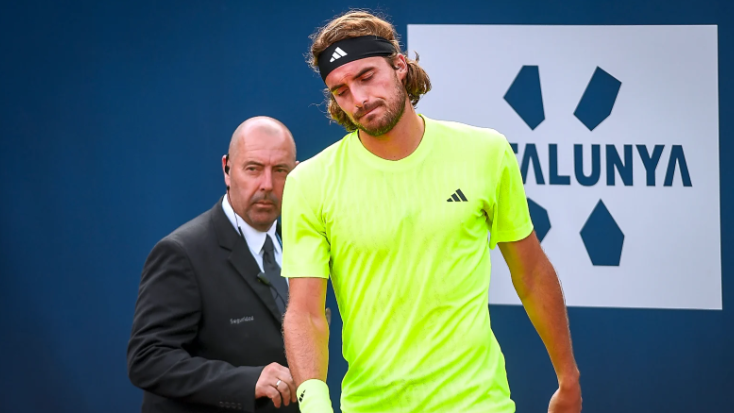
Stefanos Tsitsipas has made a shock exit from the quarter-finals of the 2025 Barcelona Open, retiring just 16 minutes into his match against French player Arthur Fils due to a lower back injury.
The match, held on Thursday evening at the Real Club de Tenis Barcelona, came to an abrupt end with Tsitsipas trailing 2-0 in the opening set. The Greek appeared visibly uncomfortable on court and called for medical attention before ultimately deciding to withdraw from the match.
Fils, currently ranked world No. 14, said he was expecting a much tougher encounter.
“I was ready to battle for a few hours because he’s a champion,” the Frenchman said in his on-court interview. “We played six minutes and now it’s over. I think it’s his back – I just hope he gets better soon.”
The early retirement is a disappointing turn for Tsitsipas, who was seeking to build on strong form after reaching the final in Monte Carlo. The 25-year-old has now been a four-time finalist in Barcelona but is yet to win the tournament.
Tsitsipas, currently ranked world No. 16, will now turn his focus to recovery ahead of the French Open, which begins next month in Paris.
Award-winning British author Peter Barber writes books about… Greece. So far, he has published five books about his second, or first, home! These include: ‘A Parthenon on our Roof’ (2022), ‘Musings from a Greek Village’ (2023), ‘A Parthenon in Pefki’ (2024), ‘Musings from a Pandemic (2024) and ‘The Parthenon Paradox’ (2025).
His five books to date foremost reflect his love for his Greek wife, Alexandra (Alex); a love which quickly evolved into a love for Greece. In his books, these themes reflect Peter’s deep appreciation and awe of Greece and her traditions using humour to narrate his experiences in getting to know Greek culture, part of which is Easter of course.
“Amazing … an incredible custom which I love,” is how Peter describes Greek Orthodox Easter, while adding “I didn’t realise the true meaning of Easter until I came to Greece.”
As for Easter in the United Kingdom, Peter says it generally involved “Easter eggs and hot cross buns,” and that it’s mainly a public holiday. So, Peter and Alex, who spend time in both the UK and Greece, prefer celebrating Easter in their “village,” which is Pefki, on the island of Northern Evia, Greece.
This has led him to conclude that “religion and culture are not separate in Greece.”
“Nobody stays home, and everyone, the entire village celebrate it,” he says.
As an example, Peter enthusiastically refers to following the Epitaphio (representation of Jesus’ tomb), with a band present and everyone holding candles. He goes on to talk about the Anastasi, “the famous Easter Resurrection service,” which is “magical.”
“As midnight approaches, we join the entire village at the church. At exactly midnight, the priest calls out “Christos Anesti!” (Christ is risen!), and the Holy Flame – flown in from Jerusalem, because Greece doesn’t do things by halves – is passed from person to person. Within moments, the entire church courtyard glows with candlelight. Church bells ring, fireworks explode overhead, and everyone embraces, exchanging wishes of health and happiness,” Peter explains.
His first Easter in Greece many years ago was not all smooth sailing, or should I say, smooth skewering, though. This wasn’t due to his first exposure to the traditional offal soup eaten at Greek Orthodox Easter – mageritsa – regardless of his description of swallowing it bravely “without turning too green!”
With a shy smile yet characteristic wit, Peter refers to his first Greek Orthodox Easter as an “Easter experiment.”
“When Alex first told me about Greek Orthodox Easter, I imagined a quiet, spiritual affair – perhaps a candlelit church service followed by a dignified meal. What I got was an explosion of fire, feasting, and enough chaos to make a British Christmas look like a library reading,” he says.
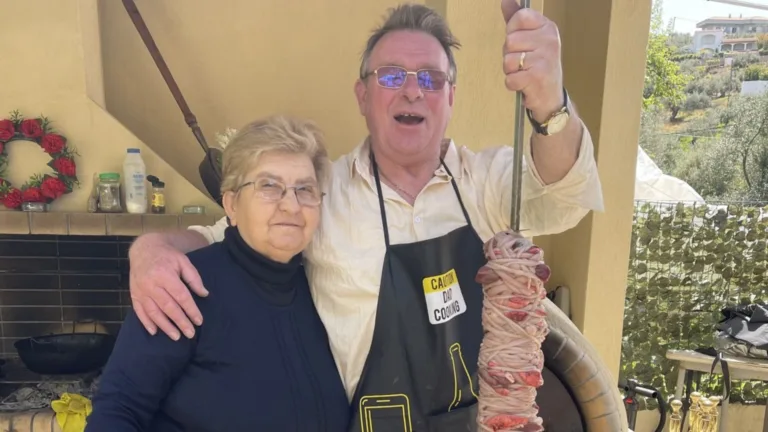
But things got really hairy, or hairless, when something went horribly wrong… “the lamb debacle.”
Peter, newly wed then to Alex, felt it was “time for me to prove my worth as a Greek son-in-law.” He headed to the meat market where he was glad the lambs on sale were skinned, otherwise, “if I’d had to do the deed myself, we’d have ended up eating sausages!”
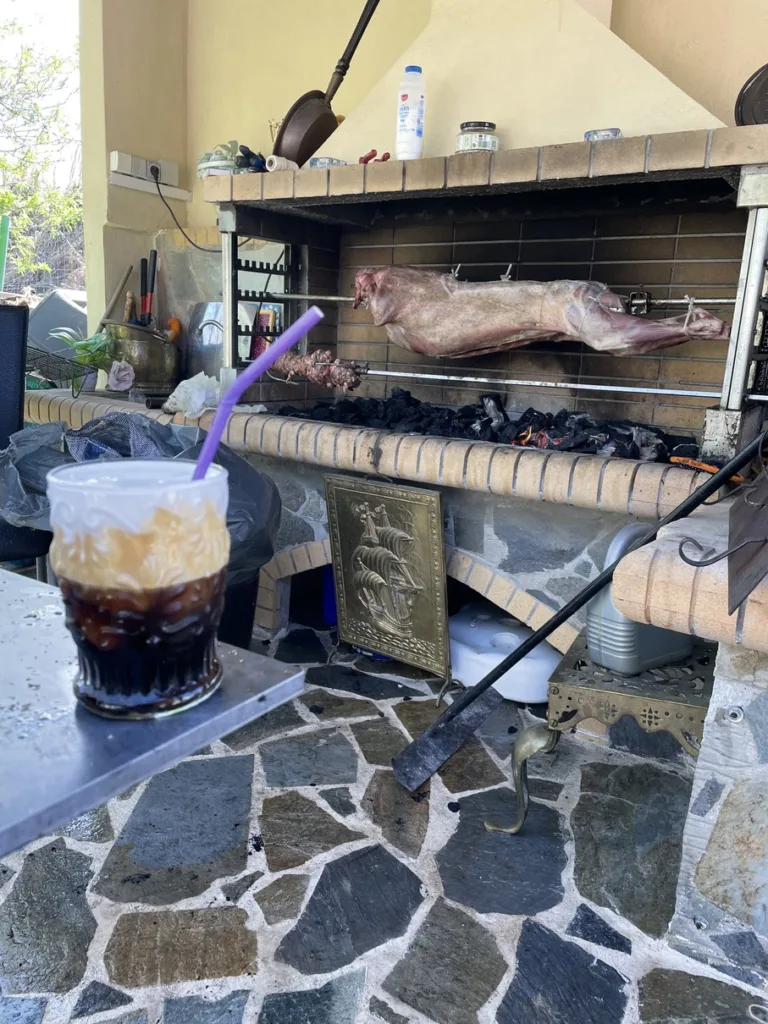
He then narrates his hilarious experience, which begins with him securing the lamb on the spit and lighting the fire, whereby… “everything was going perfectly – until the lamb began to cook… and as it shrank, it became floppy. With each rotation, the middle sagged, bounced, and eventually thumped down onto the fire. No problem, I thought. A little wire around the middle should hold it in place. Big mistake. An hour later, with a sickening crack, the lamb snapped in half. The wire had cut through it, and both halves tumbled into the flames.”
He continues: “I tried to rescue the now-burning remains, suffering mild third-degree burns in the process. As I stared at the charred mess in front of me, I realised I had just ruined the most important meal of the year. Embarrassed, I went downstairs to break the news to Alex and her mother. But instead of outrage, they were grinning.”
He says they reassuringly told him that this happens and that it wasn’t a problem as they could salvage the lamb and cook it in the oven, which they did.
“Apparently, I had just unknowingly passed the ultimate Greek Orthodox Easter initiation test… I had experienced something far more valuable – what Greek Orthodox Easter is really about,” Peter concludes.
“Family, laughter, resilience… and, of course, the unwavering knowledge that no matter how bad things seem, there’s always a way to make them work. Even if it involves a half-burned lamb and a lot of improvisation.”