Home Blog Page 309

Greek farmers discuss sustainable olive oil production

0

By Lisa Radinovsky from Greek Liquid Gold.

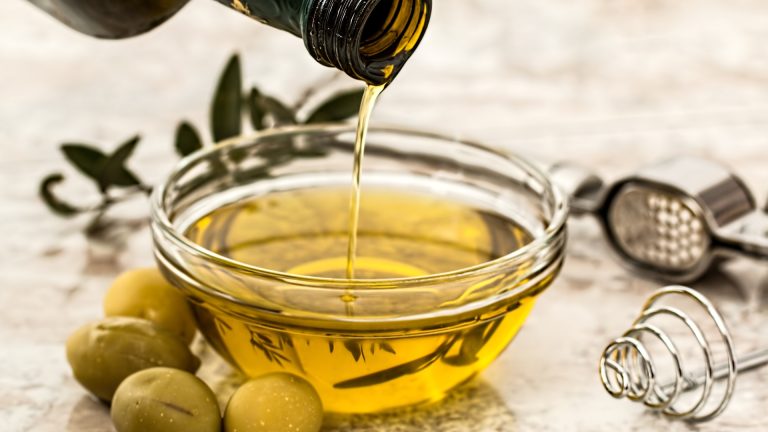
Sustainable olive oil production is a priority for growing numbers of farmers in Greece as they confront the challenges of global warming. For consumers who prefer to support sustainable food production, olive oil is a wise choice. Climate change makes olive farming more difficult with more heat and less water, but olives can help solve the problem.

The International Olive Council’s deputy executive director, Dr. Abderraouf Laajimi, supported this claim by pointing out that olive trees are resilient, they help prevent soil erosion, and they act as a carbon sink. “Producing one liter of olive oil,” Laajimi said, “captures 10.65 kg CO2 from the atmosphere. World olive oil production absorbs the emissions of a city of 9 million inhabitants.” 

Sustainable cultivation increases the benefits of olive growing. The United Nations’ Intergovernmental Panel on Climate Change has mentioned several examples of effective adaptation options for farmers. These include soil moisture conservation and sustainable management of water, land, and biodiversity, as well as ecosystem restoration. Greek Liquid Gold recently talked with several Greek olive oil producers about their use of environmentally friendly practices.

Investing in sustainability throughout the olive oil production chain

Maria Moraiti (Zariphico) avoids tilling the soil or using chemicals in her Cretan groves and irrigates only occasionally, “because I don’t want the trees to be used to a lot of water and be stressed when we don’t have water.” Moreover, she values and preserves the biodiversity of her groves, leaving them full of wildflowers. In their mill, Marianthi Volioti (Voliotis Family) and her team use a traditional olive press to make their oil, utilizing no water. They are also the only company in the area of Mt. Pelion to make electricity from olive pits.

Considering all her company’s operations, Ioanna Diamanti (Pellas Nature) is preparing for the European Commission’s Eco-Management and Audit Scheme (EMAS), a very difficult certification to obtain. As its website indicates, EMAS aims to help organizations “enhance their environmental performance, save energy, and optimize resource usage.”

Diamanti explained how it works: “we have to check everything in the company: every procedure, building, machine, packaging, product, ingredient, carbon dioxide footprint—everything related to the environment.” Then they make targets for improvement. And they must improve every year. Why go to so much trouble? “We decided to do this because our whole production chain is very eco-friendly,” and they want to do even more. “We believe this is the way it will work in the future, so you have to be prepared.”

Making olive oil production sustainable in the face of drought

Evi Psounou Prodromou (Yanni’s Olive Grove) reported that water is in short supply in Halkidiki, northern Greece, making it “very expensive and valuable.” So Yanni’s Olive Grove is participating in an American Farm School program that provides meteorological stations and sensors focused on irrigation. As a result, they receive data that helps them use water wisely in a precision irrigation system.

Struggling with a serious drought near Corinth, Marianna Devetzoglou and George Haneinas (Oleosophia) faced a difficult crop year. Living near the sea, Haneinas would like to see much more desalination to provide irrigation for agricultural lands in Greece. At the same time, with no water to wash dishes in the evening for several weeks, Devetzoglou emphasized the importance of finding immediate “ways to manage water.” Haneinas believed “drip irrigation should be mandatory.” This trickling of small amounts of water precisely where it is needed can conserve large quantities of irrigation water.  

Haneinas reported that since the drought required difficult choices last year, “we didn’t irrigate in summer; we did it in September. A professor from the Agricultural University of Athens advised us on the best period based on soil analysis. People said we’d lose our trees and thought we were crazy, but it worked.” The olive trees looked like they would die. Yet they pulled through and produced a moderate amount of high quality extra virgin olive oil.  

George Haneinas believes “with olive trees, if you apply science, it may not be a huge production, but you can make it sustainable. Sustainability is not a trend. It’s not an option.” As Devetzoglou added, “it’s part of the spine of the business.”

Beyond sustainable olive oil production: regenerative olive farming in Greece

In fact, the Oleosophia team is among the Greek olive growers who go beyond sustainable practices in the olive oil sector to embrace regenerative farming. As another regenerative farmer, Emmanuel Vantarakis (Efkrato), explained, “regenerative practices focus on restoring soil health, boosting biodiversity, and drawing carbon back into the earth–revitalizing the land with every growing season.”

For 15 years, as Haneinas explained, the Oleosophia team has incorporated organic matter into the soil of their olive groves “to increase water capacity with whatever we find locally, from wineries, from chicken manure. We create a compost. We leave some grass on the field” rather than tilling. They can see the results of these regenerative efforts: “the soil used to be white from calcium; now it has become dark from the humus, as it should be.” Of course, this is “a long-term project.” Devetzoglou agrees: “you cannot rush nature.”

As Vantarakis revealed, Efkrato also embraces regenerative farming, as well as elements of biodynamic farming, “to heal the land and nurture life, creating thriving, resilient ecosystems. Biodynamic agriculture treats the farm (or grove) as a living, breathing organism, guided by natural rhythms and enriched with organic preparations that invigorate the soil. We minimize intervention, allowing natural processes—refined and perfected over millennia—to unfold.”

Vantarakis told Greek Liquid Gold that his team welcomes “a diverse mix of cultivated and wild vegetation that can attract a wide range of life—from insects to birds and reptiles—all contributing to a more balanced, self-sustaining ecosystem” that includes natural pest control. Their groves have never been irrigated, and they focus on improving the soil’s ability to absorb rainwater rather than irrigating, in order to conserve water.

Enriching the soil and the ecosystem to capture more carbon

In addition, Efkrato uses green manure, which means “planting nutrient-rich cover crops” such as clover or legumes that “contribute essential nutrients to the soil and neighboring plants,” both as they grow and when they are incorporated into the soil to decompose. Green manuring also “improves the groves’ microclimate, shields vital nutrients from the sun’s harsh rays, preserves moisture, and supports essential bacteria,” added Vantarakis.

Why does this matter? Vantarakis points out that biodynamic and regenerative methods can enable olive groves to “become an even stronger carbon sink, since improved soil health and increased biodiversity enhance the grove’s ability to store carbon, contributing to climate change mitigation.” Like many eco-friendly Greek olive growers, Efkrato is dedicated to “contributing to a healthier ecosystem and a more sustainable future.”

*Originally published on Greek Liquid Gold: Authentic Extra Virgin Olive Oil (greekliquidgold.com). See that site for recipes with olive oil, photos from Greece, agrotourism and food tourism suggestions, and olive oil news and information.
Greece ranks among top three global shipping powers

0

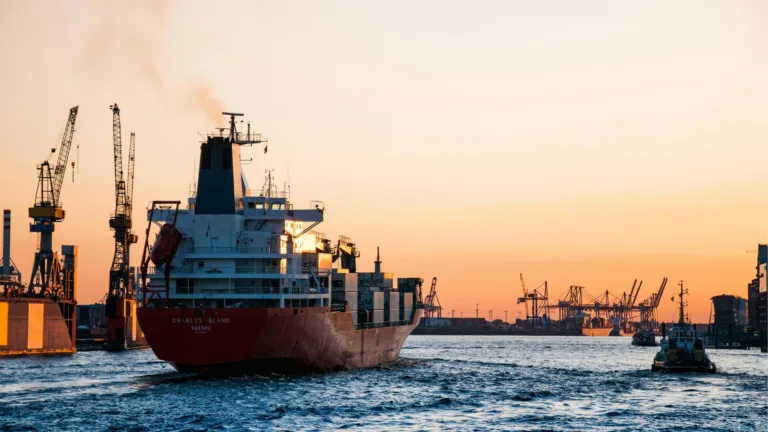
Despite ongoing geopolitical tensions and economic uncertainty, the global shipping industry remains resilient as it enters the second half of 2025, protothema.gr, has reported. According to the latest figures from VesselsValue, the value of shipping assets continues to stay high, driven by sustained demand for modern vessels and a limited supply of new ships.

China holds the top position among the world’s leading shipping nations, with a fleet valued at $271 billion, underscoring its expanding influence in global trade and shipbuilding. Japan follows in second place with a fleet worth $230 billion, reflecting its longstanding strength in the maritime sector.

Greece ranks third, boasting a fleet valued at $183 billion, reaffirming its dominant role in the global tanker and bulk carrier markets.

The United States comes in fourth, with a fleet valued at $116.5 billion, notable for the wide range of its shipping operations.

Source: protothema.gr

Oldest Greek marble altar found in western Mediterranean

0

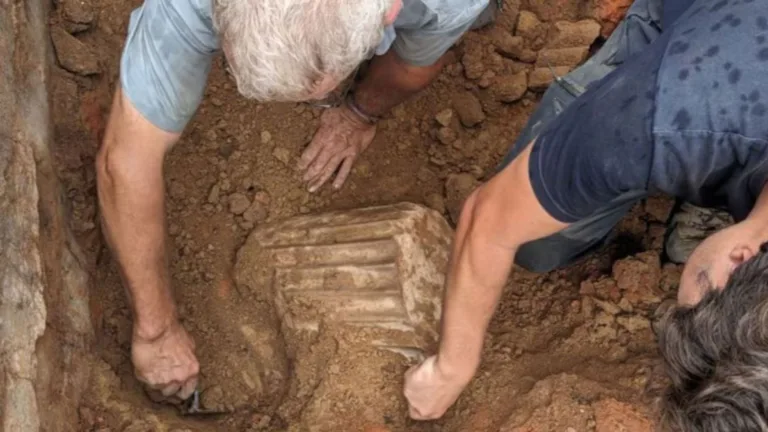
Archaeologists have uncovered a marble column fragment from the 5th century B.C. at the Casas del Turuñuelo site in southwestern Spain, believed to be part of the oldest Greek altar ever discovered in the western Mediterranean. According to archaeology.org, Casas del Turuñuelo, first excavated about ten years ago, was established by the mysterious Tartessian civilization, which thrived in southern Iberia between the 8th and 5th centuries B.C.

Analysis revealed that the marble originated from the island of Marmara, located in modern-day Turkey. According to lead archaeologists Esther Rodríguez González and Sebastián Celestino Pérez, although Greek marble artifacts have been found in Spain’s coastal regions, this is the only known inland example made from Asian marble.

The column, which originally stood approximately five feet tall, was found alongside Athenian-made Greek drinking vessels. This discovery suggests that the Tartessians maintained trade links with the Greek world and were influenced by Greek cultural practices.

Source: archaeology.org

Alpha restaurant to host centenary celebration honouring Mikis Theodorakis

On Sunday, September 28 at 12pm, Alpha restaurant, one of Sydney’s most renowned Greek dining establishments, will host a once-in-a-century cultural celebration titled Centenary Tribute to Mikis Theodorakis and featuring the Australian Hellenic Choir.

Mikis Theodorakis, the legendary Greek composer whose music captured the heart and soul of the Hellenic spirit, would have turned 100 this year. Known globally for iconic works like Zorba the Greek, Axion Esti, and his politically charged symphonies and folk songs, Theodorakis’ influence stretches far beyond the concert hall – he is a symbol of resistance, the Hellenic identity, and cultural pride.

The event will feature a lavish Greek lunch served by Alpha’s award-winning chefs, accompanied by live performances of Theodorakis’ most beloved music, featuring appearances by distinguished vocalists and musicians from the Australian Hellenic Choir.

“This is more than a meal or a concert – it is a tribute to one of the greatest cultural icons of the modern Greek world,” event organiser Jim Tsolakis, President of the Australian Hellenic Choir, said.

“We are honoured to celebrate his legacy with food, fellowship, and the music that defined a generation, while enjoying lunch with friends and family.”

The event promises an unforgettable afternoon of live music, fine cuisine, and cultural reflection, bringing together lovers of Greek heritage, music aficionados, and the broader Australian community in honour of Theodorakis’ enduring legacy.

Event Details:

  • Alpha Restaurant, 238 Castlereagh St, Sydney NSW
  • Sunday 28 September 2025
  • 12pm start
  • $150 per person – Includes lunch. Drinks can be purchased from the bar.

Tickets are limited and are expected to sell out quickly. To reserve a table, contact Jim on 0416 060 700 or email james@businessinnovators.com.au or dining@dedesgroup.com.au.

Phlavour Revolution: Greek duo deliver home-cooked goodness to your doorstep

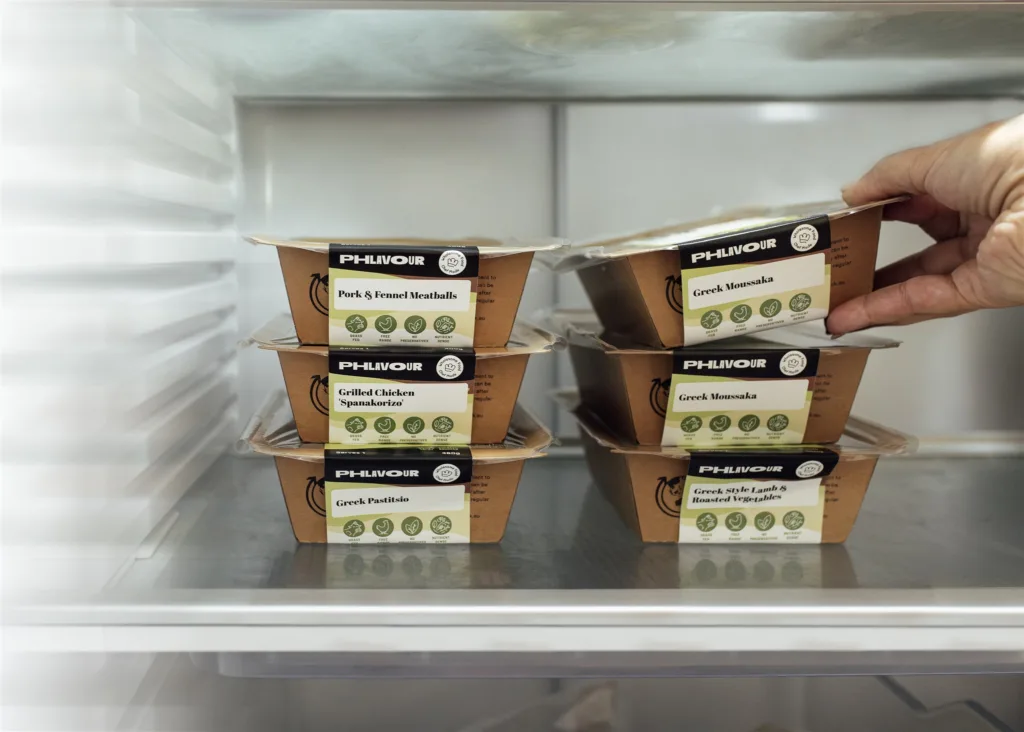
The duo behind restaurant Bahari in Richmond, now in it’s 11th year – have recently launched a new venture, called Phlavour, ‘Mediterranean Ready Meals.’

Chef Philip Vakos, who brings the creative food and flare, along with his partner and wife Heleena, a strategic thinker, and marketer by trade – are passionate about their Greek heritage, and ensuring
it’s prevalent in all they do.

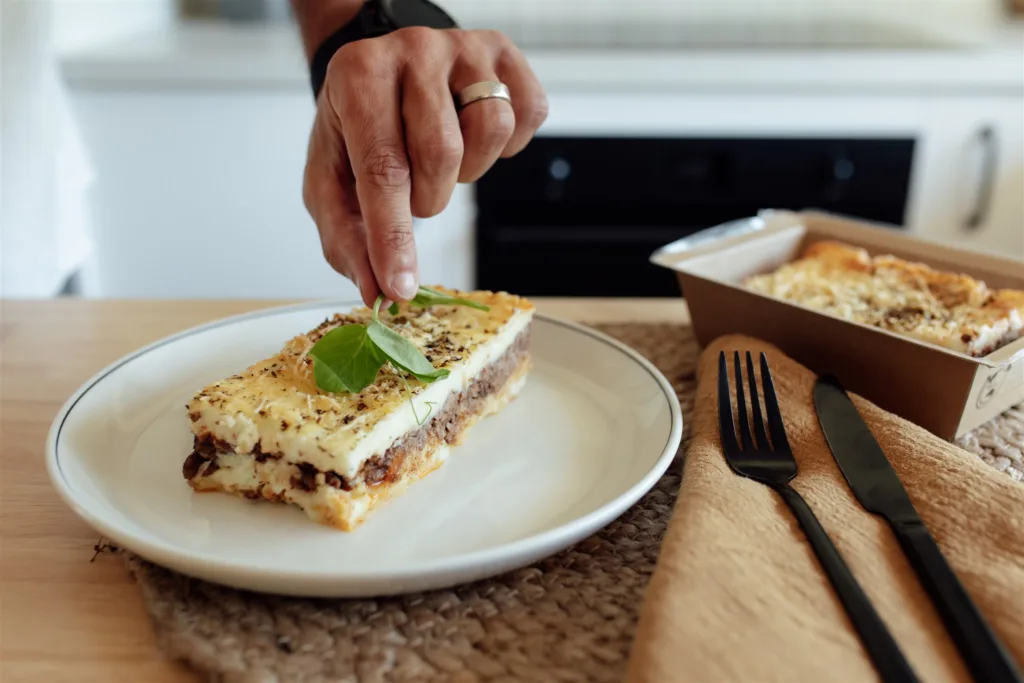
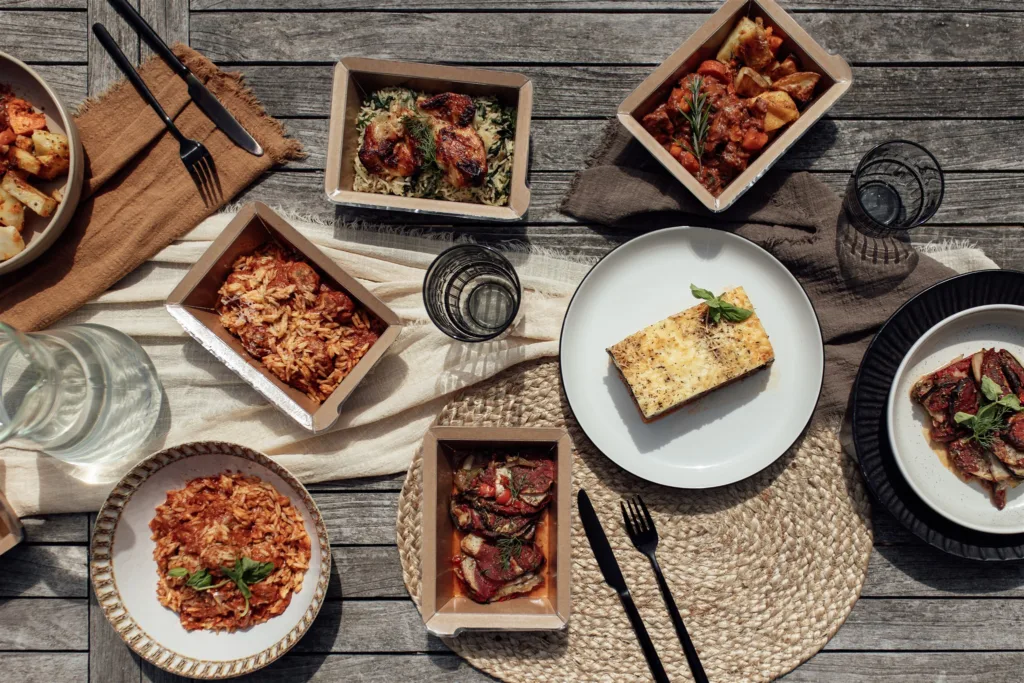
Through their new ‘Ready Meal’ venture, they seek to provide home cooking – familiar dishes, but as elevated, sustainably packaged ‘Mediterranean Ready Meals’, conveniently delivered to people’s homes. Simply heat, and eat!

Phlavour | Ready Meals
Sustainably packaged ‘Mediterranean Ready Meals.’

Chef Philip, well known for his time on MasterChef, and also many community and TV appearances over the years – is always adding new meals to the menu, and remains committed to delivering ‘fresh, not frozen’ meals, with no preservatives whatsoever.

As a restaurateur, chef, and now father, Philip maintains an active lifestyle, and eating well is a very big part of that.

“These meals are literally how we cook for ourselves, our family and friends. The menu is inspired by my favourite Mediterranean dishes, and food that gets me and my young family through the week,” Philip said.

Having softly launched about a year ago, Phlavour’s Meals have been very well received by working families, busy professionals, sports teams such as Richmond FC & Melbourne Storm – and also the elders in our community, through their Home Care Packages.

As the cost of living goes up, and life gets busier – the reliance on ultra processed foods is increasing. Philip and Heleena, are passionate about helping others eat good, tasty and clean food – and want to help those who might be time poor, be able to do this, conveniently – as they deliver to homes on a weekly basis.

“The Mediterranean diet is a special one, and I’m really excited to keep growing this menu and sharing these meals with people in their homes. If we can help people save both time and money, eat better, while also looking forward to meal times – that means a lot to us,” Philip said.

As a Mum and Entrepreneur, Heleena is always juggling priorities – but remains focused on having quality time with her family.

“Having a few meals up your sleeve (or in the fridge!), even for a few nights a week, can really give people back that crucial time for more important things – while giving them peace of mind that they’re eating well, and so is their family,” Heleena said.

Phlavour | Ready Meals
Phlavour deliver to homes on a weekly basis.

Phlavour is working closely with many Home Care organisations like Fronditha & Pronia, to nourish and assist both clients and their carers, as their loved ones may have lost the ability to cook the familiar food they love. Their partners are now widespread across Victoria, and they are adding more and more partners every week.

“We’re both very community minded, and it’s been really nice to support both our wider and Greek community through delivered meals like this. Having wholesome, nutritionally balanced, culturally familiar meals available through Home Care Packages – means carers can save time, whilst having
peace of mind that their loved ones are eating well, AND enjoying their food,” Heleena said.

Specifics:

  • Phlavour Meals are available via www.phlavour.com.au, for both pick up and home delivery.
  • For phone orders and any further information call 1300 574 730 to leave a message and the team will get back to you!
  • The team plans on continuing to expand their menu, offering their ‘Mediterranean Ready Meals’ to wider Victoria, and other states in the near future.

For more information, feel free to contact the below.

Webinar for Greeks abroad tackles key tax issues and draws hundreds

By Thodoris Roussos

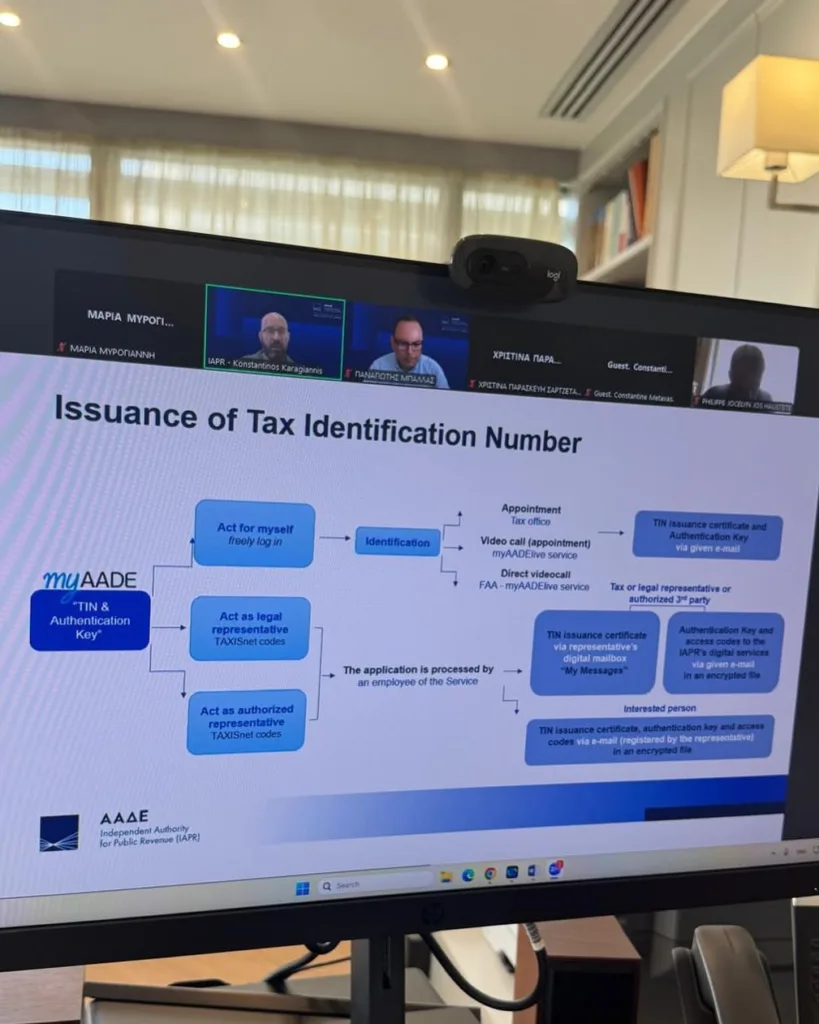
With impressive participation and substantial content, the first online informational event (TaxWebinar), dedicated exclusively to Greeks abroad and tax residents of other countries, was held on Wednesday, July 9.

More than 850 expatriates, from every corner of the globe, logged on to follow the informational initiative co-organised by the General Secretariat for Greeks Abroad and Public Diplomacy of the Ministry of Foreign Affairs and the Independent Authority for Public Revenue (AADE).

During the webinar, current tax issues concerning Greeks abroad were presented, such as:

  • The process of registering in the Greek tax registry and transferring tax residency
  • The basic obligations of tax residents abroad
  • The available options for alternative taxation and tax incentives for investors and individuals
  • The commencement of professional or business activity in Greece
  • The customs facilitations for relocating one’s residence to the country
  • The digital applications and services of the AADE, which offer safe and continuous access from abroad

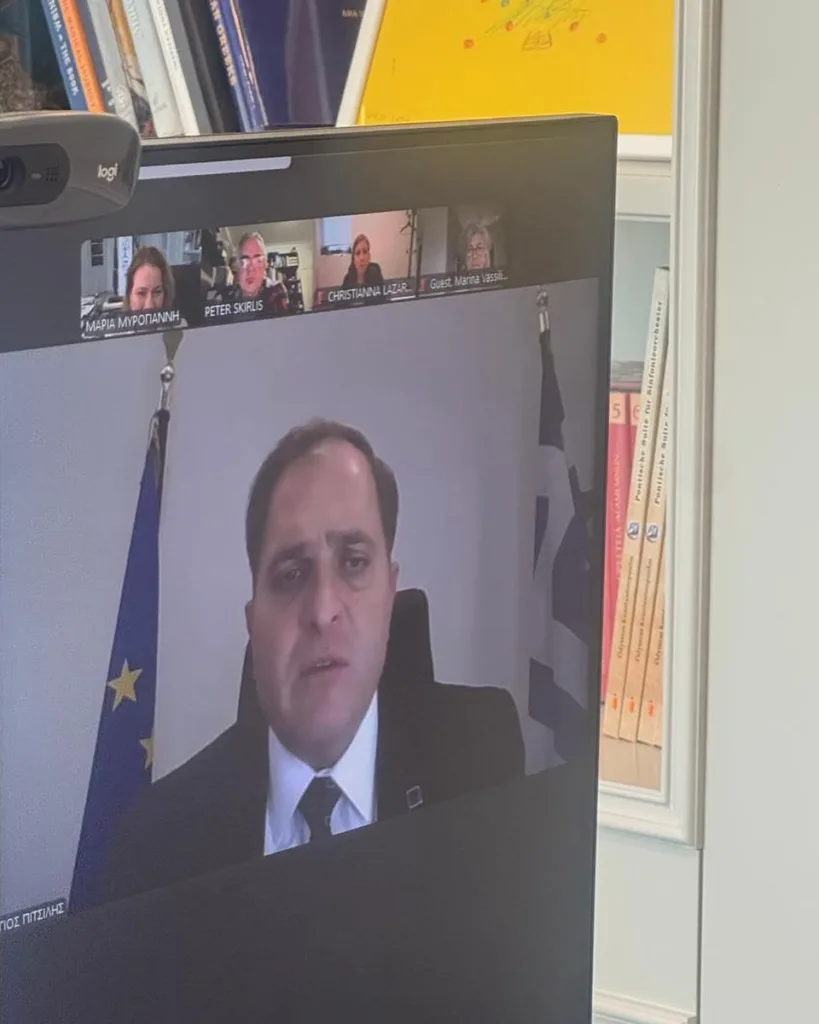
The event was opened, via online address, by Secretary General Maira Myrogianni, AADE Governor Giorgos Pitsilis, Director General of Taxation Giorgos Fakos, and Vivian Sartzetaki, Head of Department A’ of the Directorate of Service. The seminar was moderated by Panagiotis Ballas, Director of the Tax and Customs Academy.

Ms Myrogianni pointed out that this particular initiative forms part of a broader strategy of dialogue and support for the diaspora, responding to real requests from expatriate communities.

As she stressed, the goal is to provide meaningful facilitation to Greeks abroad on tax, property and administrative matters, with respect to the particularities of each case.

At the same time, she announced that more targeted informational actions will follow.

“This initiative is the result of ongoing dialogue with Greek communities around the world, it responds to relevant requests from expatriates, and its aim is to facilitate Greeks abroad in their dealings with Greek authorities and services on issues of taxation, finance, property and bureaucratic procedures,” she said, among other things.

From his side, the Governor of AADE, Mr Pitsilis, highlighted the importance of a two-way relationship of trust with Greeks of the diaspora.

As he characteristically stated: “This webinar is tangible proof that we are consistently by your side, with the Greeks of the diaspora and all those who live and are taxed abroad. With modern, user-friendly digital services and immediate information through our website, we strive to serve you easily and effectively—wherever you may be. Your participation and interest give us strength to continue even more decisively, building a relationship of trust that transcends borders and distances.”

More information, useful tools, and answers to frequently asked questions are available on the official AADE website, in the “Expatriates & Residents Abroad” section at www.aade.gr, also available in English.

Special mention must be made of Konstantinos Karagiannis and Ioanna Tsinti, who in turn made sure to answer as many questions as possible from participants regarding their tax obligations as Greeks abroad, as well as how they can settle them.

Due to the enormous participation, there was no time for a Q&A session at the end, but the organisers of the session and the representatives of AADE kindly requested that those participants with questions contact them directly so that they may guide them on anything they need.

Cities such as Sydney, Melbourne, Buenos Aires, Berlin, Tbilisi, California, Chicago, Texas, Brooklyn, Atlanta, Doha, Vienna, Alicante, and countries such as Peru, South Korea, South Africa, Canada, France, Norway were some of those who had representatives in this session.

From passports to tax reform: Loverdos sets agenda ahead of Australia visit

By Panagiotis Dalatariof

At the opening ceremony of the 1st Global Summit of Hellenic Lawyers, Greece’s Deputy Foreign Minister for Greeks Abroad, Ioannis Michail Loverdos, spoke to The Greek Herald.

He confirmed that he will be visiting Australia from 8 to 26 October, acknowledging the government’s absence from the country in recent years.

The Deputy Minister spoke about the cities he plans to visit, as well as the key issues he hopes to see resolved before his arrival – including double taxation, the passport backlog, and the land registry.

He emphasised that it is both his intention and priority to resolve these long-standing matters and expressed hope that by the time of his visit, he will have positive outcomes to report.

What are your feelings about your upcoming visit to Australia this October?

It brings me great joy, great honour, and above all, deep emotion. I must confess that I feel very bad that it has been so many years since we’ve made an official visit to Australia. That was a mistake – one that will be corrected.

The directive I have received from the Prime Minister, Kyriakos Mitsotakis, is to build strong bridges with Greeks wherever they may be.

The Greeks of Australia are the most dynamic community of the Greek diaspora. We want you to know that we stand with you and we love you.

I will express this love through my own presence throughout Australia this coming October. I intend to visit Canberra, Sydney, Adelaide, Melbourne, Perth, and even Hobart in Tasmania – because Hellenism is everywhere.

What are the issues you will be addressing during your visit to Australia?

I am aware that there are many complaints regarding consular matters, especially passports. This is one of the issues we are working hard to resolve. I also know that double taxation is a major issue. This is another area where I hope we can soon share more positive news. Also, all the issues that concern the diaspora, I am aware that there are also problems with the Land Registry (Ktimatologio) in Greece.

These are issues that I hope I will be able to respond to during my visit to Australia in October. I truly hope we succeed. That is my intention.

‘I’m not done yet’: Ange Postecoglou reflects on heritage and coaching dreams

By Panagiotis Dalatariof

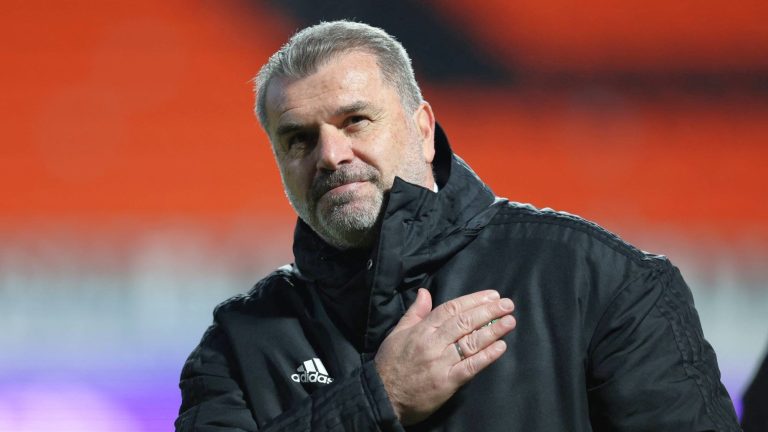
Ange Postecoglou, the trailblazing Greek Australian football manager and the first Greek to lift a UEFA trophy in men’s football, returned to his roots this month as the special guest at the draw for the Stoiximan Super League in Athens.

Fresh from a historic Europa League victory with Tottenham Hotspur, Postecoglou reflected on his philosophy, his cultural heritage, and the growing momentum behind Greek football under national team coach Ivan Jovanović.

“For me, it’s not just a sport, it’s a way of life,” Postecoglou said. “Growing up, I was very lucky. So many good things happened, and I try to pass on that advice to all the players I work with.”

Though his name has been linked in recent months with a potential move to AEK Athens – the club his late father passionately supported – Postecoglou played down speculation, instead focusing on staying present and continuing his journey.

“Look, I don’t plan the future myself,” he said. “I think when you’re a coach or a manager, the key is to continue doing your job, to be as successful as you can, and to see what opportunities come along. But I always follow Greek football and my team very closely.”

ange postecoglou
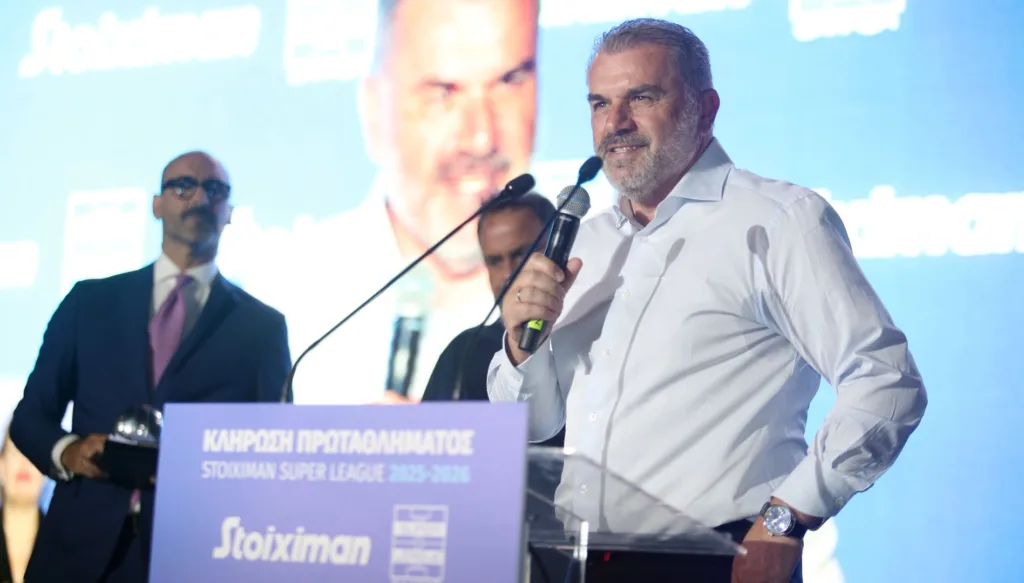
Ange Postecoglou was special guest at the draw for the Stoiximan Super League in Athens.

Watching Greek football from afar

Postecoglou’s connection to Greece runs deep. Born in Athens and raised in Melbourne after emigrating at the age of five, his Greek identity remains central to his personal and professional story.

He spoke warmly of his admiration for the Greek national team, currently led by Jovanović, and its promising future.

“As I said, I don’t make plans for the future,” Postecoglou reiterated. “Jovanović is doing an excellent job. I think we’re entering a golden era for Greek football with all the talent coming through. I wish him the very best in taking the national team to the level it deserves. I’ll always be watching.”

A proud Greek on the world stage

During the draw ceremony, Olympiacos and Super League president Vangelis Marinakis praised Postecoglou’s achievements and the pride he brings to Greece.

“Ange has spoken many times about Greece. He’s proud to be Greek, and after his big success winning the Europa League with Tottenham, he spoke about Greece again,” Marinakis said.

“It’s important not just to avoid hiding your heritage, but to shout it out and be proud of it. What he achieved, he did with a club that hadn’t won titles in years. It was a huge success and put Greece on the map. We should all thank him.”

ange postecoglou
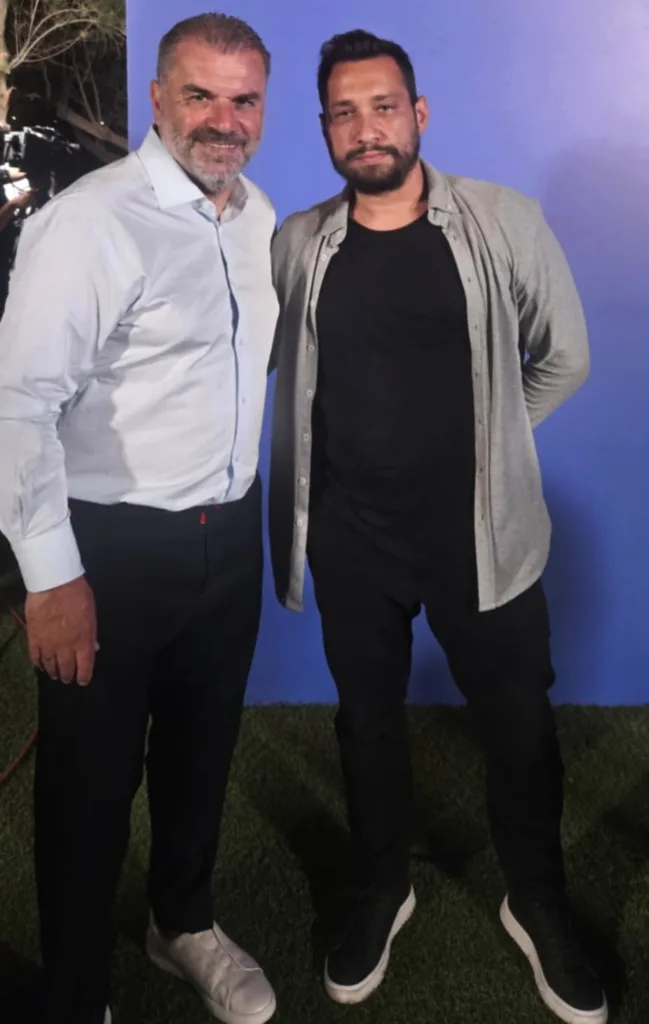
Ange Postecoglou (left) with The Greek Herald journalist Panagiotis Dalatariof.

A journey guided by legacy

Postecoglou’s appearance at the Super League draw was more than symbolic. In a heartfelt message, he paid tribute to Greek football legends who inspired his journey: Papaioannou, Delikaris and Mavros -names his father taught him as a child.

“It’s a great honour to be here,” he said. “I left Greece when I was five years old. My father passed on his love for football to me – he was an AEK fan. He taught me about Mavros, Papaioannou, Delikaris. I always dreamed of reaching the top level. As a player, I realised early on I couldn’t do it – so I tried as a coach to get there and make my parents proud.”

With emotion, he acknowledged his father’s absence.

“My father is no longer with us, but I know he’s watching. I have my children and my wife with me. I’m not done yet. I hope to make Greece and Australia proud,” he said.

Heritage NSW inspects Paragon Café as emergency works get underway

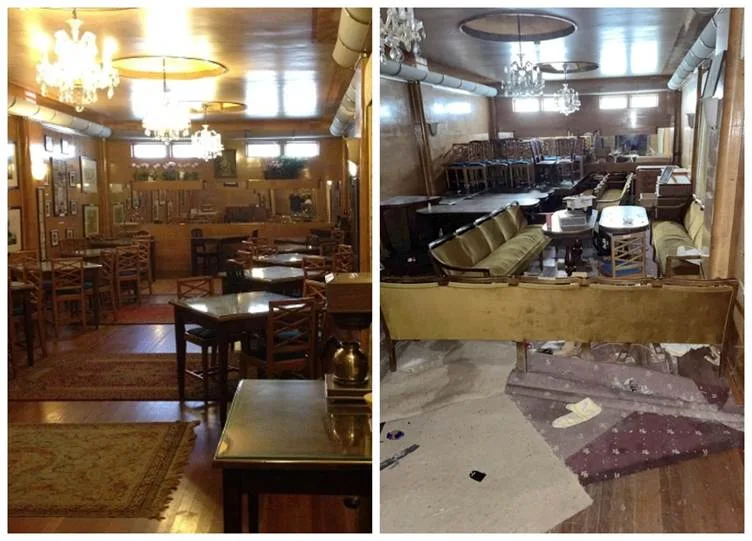
The iconic Paragon Café in Katoomba has taken its first meaningful steps toward preservation following a recent on-site inspection by Heritage NSW, which confirmed that emergency works to secure the property are now in progress.

Officials from Heritage NSW visited the site on Monday, June 30, accompanied by the building’s owner, his project manager, and staff from Blue Mountains City Council.

A spokesperson for the NSW Department of Climate Change, Energy, the Environment and Water told The Greek Herald that “most actions in the Order had been met, with any outstanding actions to be met by the end of July.”

They added that “physical works have commenced to bring the property within the required standards of maintenance and repair,” while key security upgrades are now complete, protecting the site from trespassing and vandalism.

The inspection follows a formal compliance order issued in early June under Section 120 of the Heritage Act 1977, which required urgent steps to halt the café’s deterioration. The directive gave property owner John Landerer 14 days to secure the building and two months to submit a comprehensive heritage report.

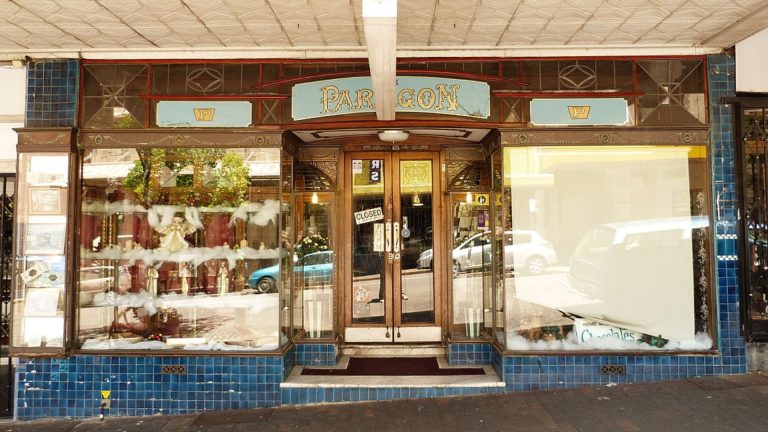
Built in 1916 by Greek migrant Jack (Zacharias) Theodore Simos, the Paragon Café is one of Australia’s most significant examples of Greek heritage architecture, but it has remained closed and in disrepair since 2018. Despite a development application approved in 2020, the site has since become a target for graffiti, vandalism and squatting.

paragon cafe

Photos shared earlier this year by the Friends of the Paragon group revealed shattered windows, broken fixtures, and evidence of drug use inside the historic art deco venue.

Since the June order, works have progressed steadily. The building’s presentation has visibly improved, security systems have been installed, and urgent make-safe works have addressed ongoing rainwater damage.

Heritage NSW says it will “continue to work closely with the owner, Blue Mountains City Council and the Heritage Council of NSW as works progress.” The agency also maintains a regular inspection program to monitor the property’s condition and ensure compliance.

While full restoration is still a long way off, the recent inspection and repairs signal a turning point for the Paragon Café – a treasured landmark of Greek Australian history and the Blue Mountains’ cultural identity.

Māori-Greek artist’s tribute to ancestors lights up Manhattan billboard

Māori-Greek artist Jimmy James Kouratoras has made a striking return to New York, with his painting Hei Tiki – For the Love of Our Ancestors featured on a 10-metre digital billboard in Manhattan’s Theatre District.

The work, part of the Sacred Origins exhibition at Jutta Gallery, honours his Māori and Cretan Greek whakapapa.

“It was like sending a message from the ancestors straight into the heart of one of the world’s busiest cities,” Kouratoras told RNZ.

The Waikato-Tainui and Cretan artist, self-taught and spiritually guided in his practice, has also been named a finalist in this year’s National Contemporary Art Award in New Zealand.

His solo show Matariki Sacred Waters – Where Land Meets the Sky is currently on display at Franklin Arts Centre.